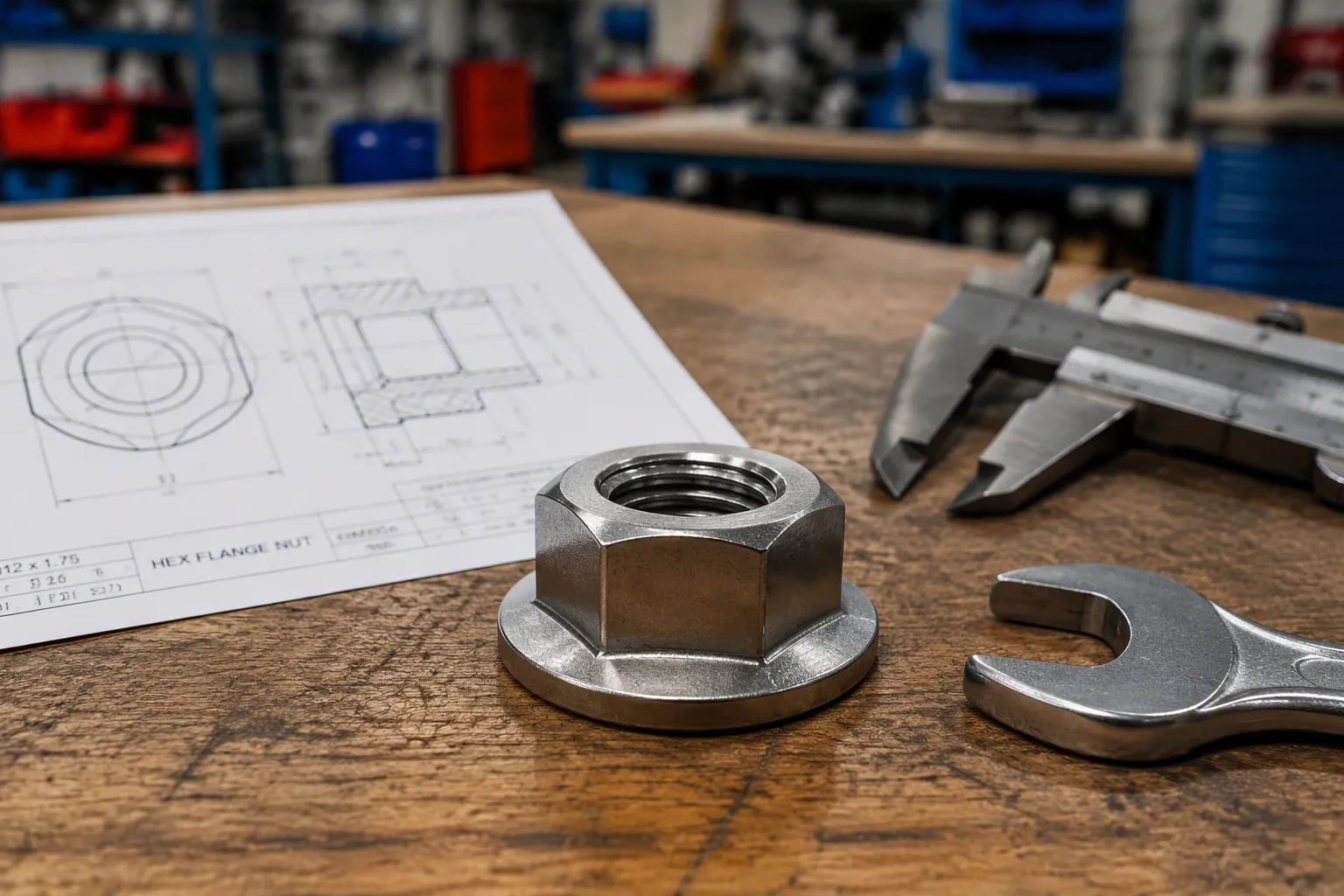

Choosing the right tool for installing a rivet nut starts with understanding the specific requirements of each project. A custom fasteners manufacturer often stresses the importance of proper alignment and clean, burr-free holes, as these factors ensure secure seating and optimal load distribution for nuts and bolts. Selecting the right tool not only supports the performance of custom fasteners but also reduces the risk of failure under stress. When professionals choose the right rivet nut tool, they improve project quality and speed, making each installation more reliable and efficient.
Choosing the Right Tool: What Is a Rivet Nut Tool?
Basic Definition
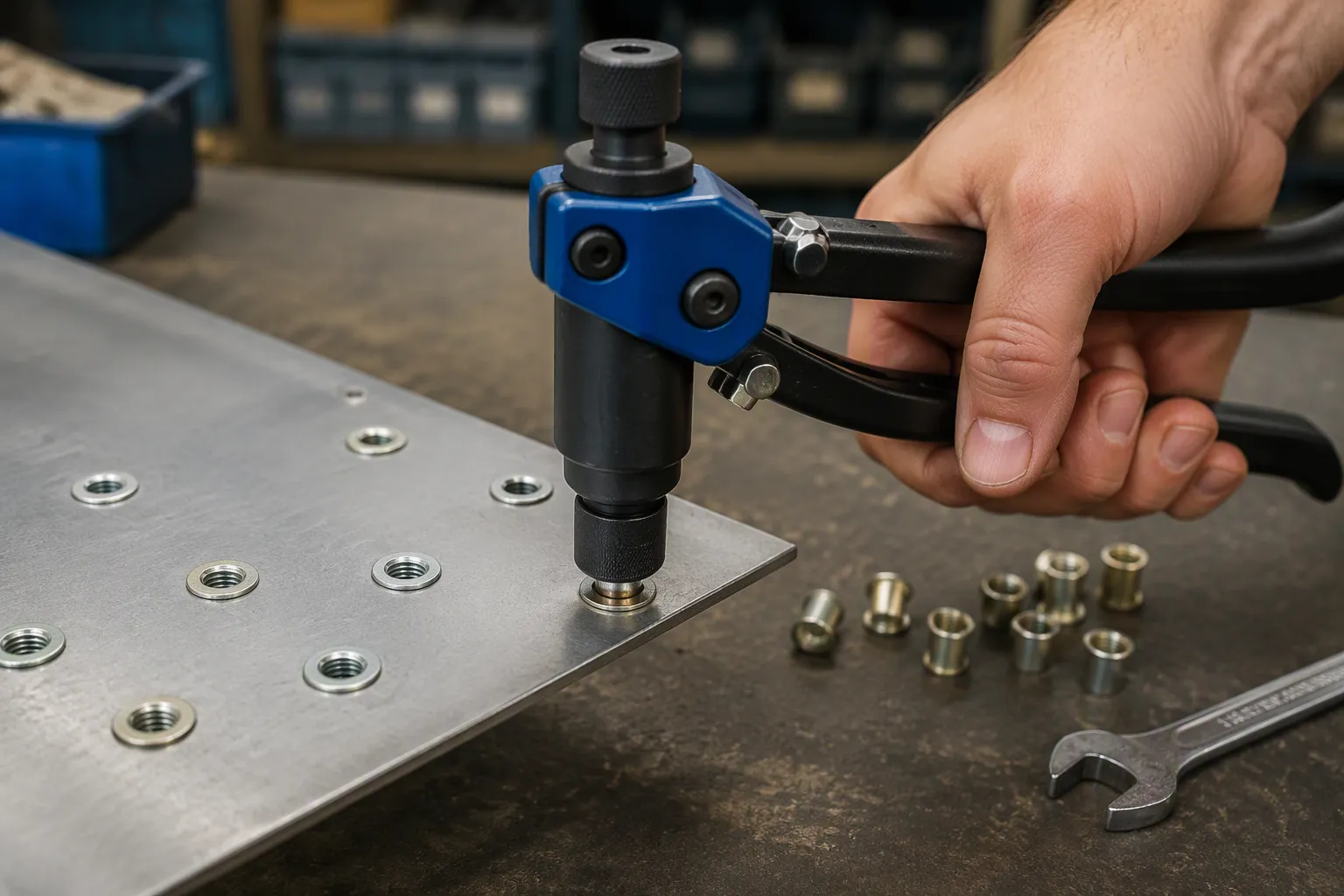
A rivet nut tool installs rivet nuts by compressing them against a work surface. This process deforms the rivet nut, causing it to expand and grip the material securely. Rivet nuts serve as one-piece, internally threaded inserts. When installed, they create a permanent, bulged flange on the blind side of the material. This feature allows users to add strong, threaded holes to thin sheet metal or other materials where traditional tapping is not possible. The rivet nut tool ensures proper installation, providing a reliable connection for bolts or screws.
- Rivet nuts are a type of blind rivet fastener.
- The tool creates a threaded hole suitable for various applications.
- Installation produces a secure, permanent connection.
Common Uses and Versatility
Rivet nuts offer versatility across many industries. Automotive manufacturers use them to attach components to body panels without access to the reverse side. Aerospace engineers rely on rivet nut tools for lightweight assemblies where strength and reliability matter. Furniture makers employ rivet nuts to join metal frames and supports. Maintenance teams select the tool for repairs in confined spaces. The types of rivet nuts available allow professionals to choose the best option for each material and thickness.
Rivet nut tools adapt to a wide range of projects, from small DIY repairs to large-scale industrial installations. Their ability to create strong, threaded connections in thin materials makes them suitable for various applications.
Why Choosing the Right Tool Matters
Selecting the correct rivet nut tool impacts project outcomes. The right tool matches the material, thickness, and frequency of use. Professionals avoid installation errors and ensure consistent results. A poorly chosen tool may damage the rivet nut or fail to create a secure connection. Project efficiency improves when the tool fits the task. Users save time and reduce waste by investing in a tool designed for their specific needs.
| Factor | Impact on Project |
|---|---|
| Material Compatibility | Prevents installation errors |
| Tool Strength | Ensures secure connections |
| Application Type | Matches project demands |
Choosing the right rivet nut tool supports quality, reliability, and speed. It enables users to achieve professional results and extend the lifespan of their assemblies.
Main Types of Rivet Nut Tools
Selecting the right rivet nut tool starts with understanding the main categories available. Each type offers unique advantages for installing rivet nuts in different settings. The following overview explains the most common options and their ideal applications.
Hand Rivet Nut Tools
Hand tools remain a popular choice for installing rivet nuts in small projects or when portability is essential. These tools require physical effort but offer simplicity and affordability.
Lever-Style Tools
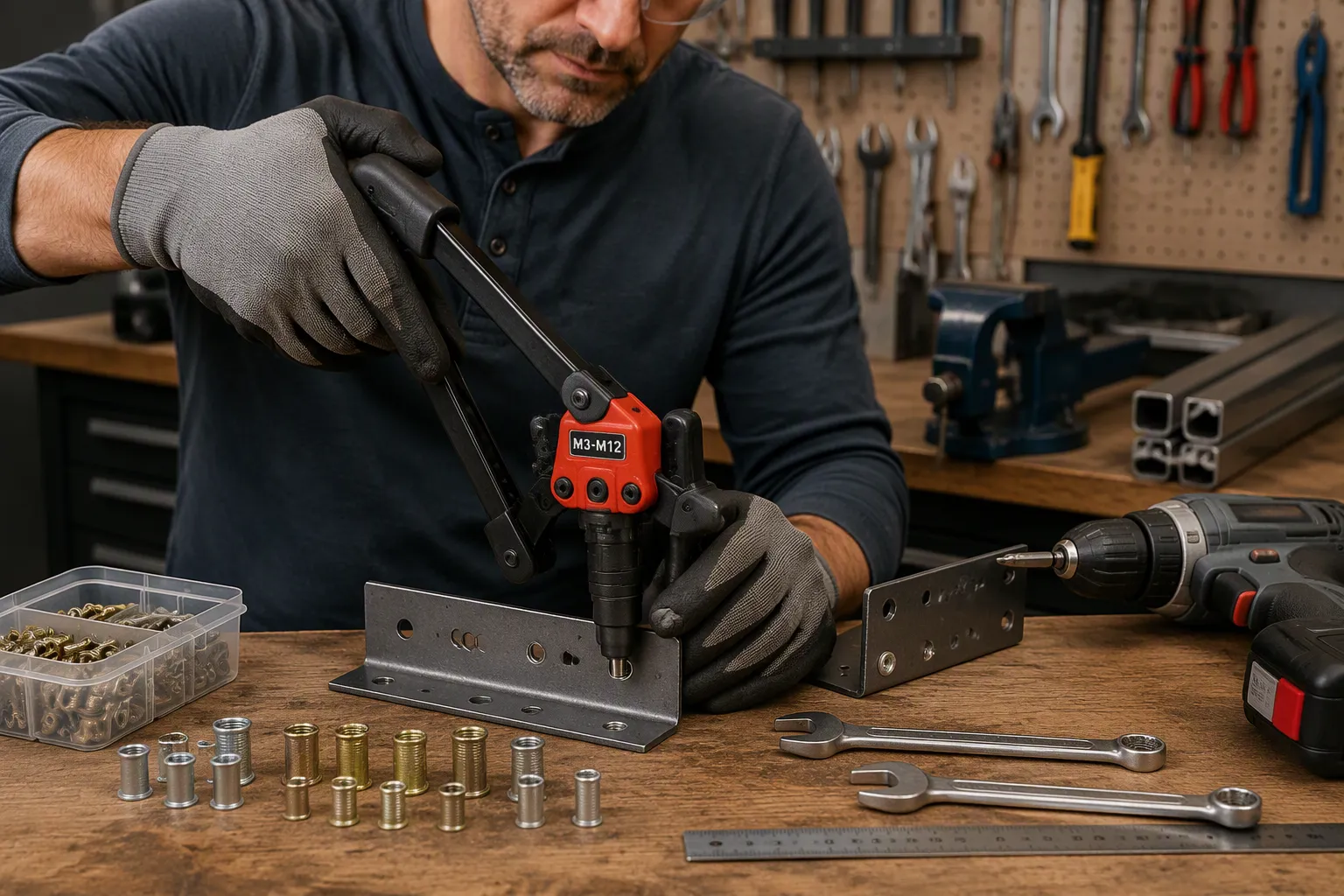
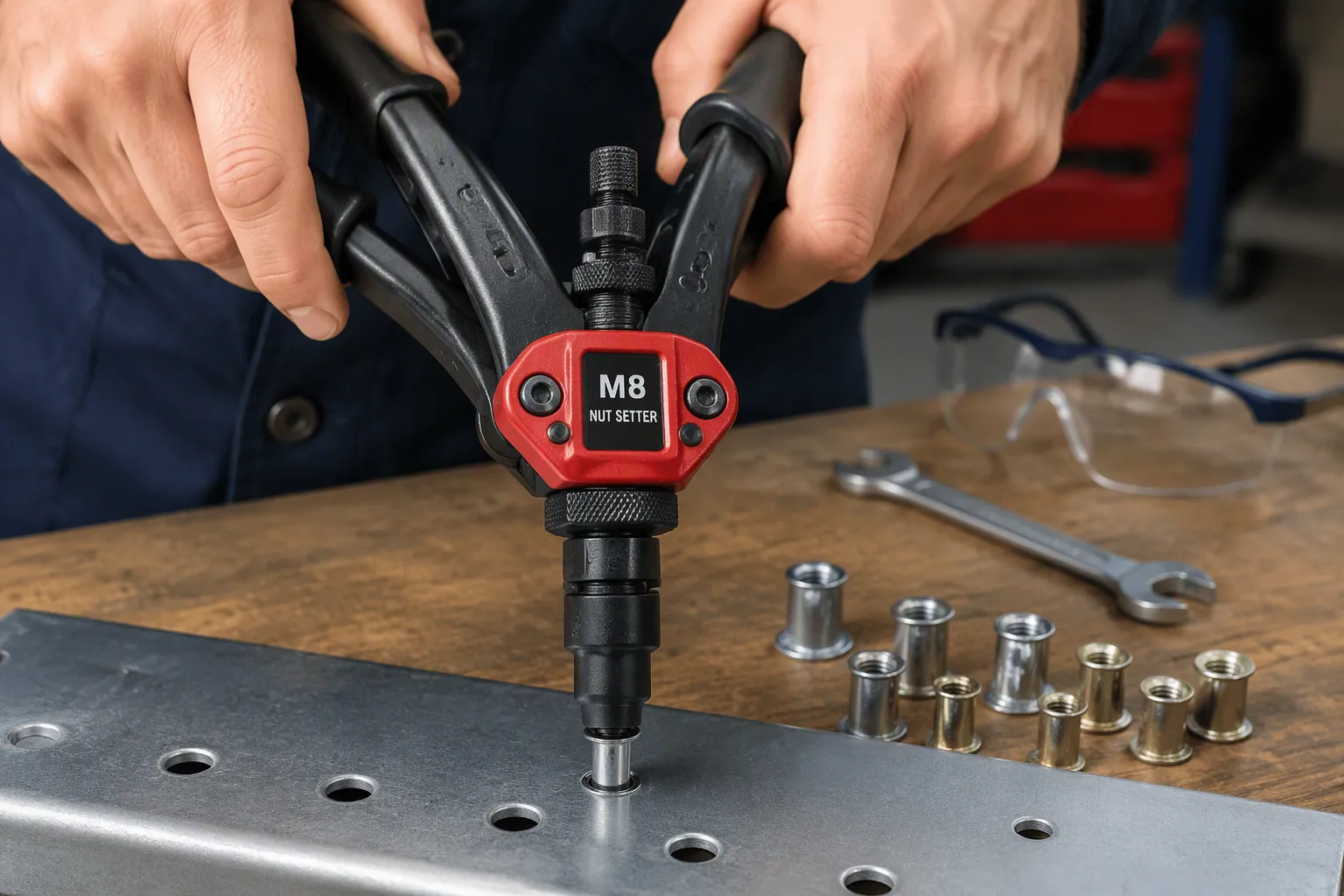
Lever-style tools use long handles to generate the force needed to deform and secure rivet nuts. Operators squeeze the handles together, causing the rivet nut to expand and grip the material. This type of manual rivet nut tool works well for occasional use and small batches. It provides precise control, making it suitable for hobbyists and maintenance teams.
Spin-Spin Tools
Spin-spin tools operate by threading the rivet nut onto a mandrel and then spinning it to collapse the body. The user rotates the handle to install the rivet nut and then reverses the motion to release the tool. This manual rivet nut gun offers a straightforward approach for thin materials and light-duty applications. It requires more effort than powered alternatives but remains cost-effective.
Tip: Manual rivet nut tools cost less and suit users who install rivet nuts infrequently. They require more physical strength and have a slower installation speed compared to powered rivet nut nut tools.
| Tool Type | Force Requirements | Installation Speed |
|---|---|---|
| Hand Rivet Tool | Requires more physical effort | Slower installation speed |
| Battery-Powered Tool | Requires less physical effort | Faster installation speed |
Pneumatic Rivet Nut Tools
Pneumatic tools, often called air rivet nut guns, use compressed air to install rivet nuts quickly and with minimal effort. These tools excel in industrial environments where speed and consistency matter.
Air-Powered Operation
An air rivet nut gun connects to a compressor, delivering rapid and repeatable installations. Operators benefit from reduced fatigue and higher productivity. This type of tool handles a wide range of rivet nuts, including larger sizes and tougher materials.
Pros and Cons
Pneumatic rivet nut tools offer high speed and accuracy, making them ideal for continuous production lines. However, they require specialized training and setup. The need for an air supply can increase downtime and operational costs. Maintenance routines include daily inspections and regular lubrication to ensure reliable performance.
| Frequency | Tasks |
|---|---|
| Daily | – Visual inspection of nosepiece, mandrel, tool body. – Clean mandrel threads (debris, oil, chips). – Check mandrel straightness, replace if bent. – Lubricate mandrel threads with light oil. – Check air supply (drain compressor water, confirm 5–7 bar). |
| Weekly | – Remove and clean nosepieces, check thread wear. – Verify pull force and adjust stroke length/force if needed. – Remove debris inside housing. – Grease pistons/bearings if specified. |
Note: Pneumatic tools suit heavy-duty applications but may require on-site specialists, increasing expenses. The air rivet nut gun remains a staple in factories and workshops.
Battery-Powered Rivet Nut Tools
Battery-powered tools, sometimes called cordless rivnut guns, combine portability with power. They have become increasingly popular for professionals who need flexibility and speed.
Cordless Convenience
A battery-powered rivet nut tool allows users to work anywhere without hoses or cords. This tool offers unmatched mobility, making it perfect for field repairs, construction sites, and automotive work. Operators can set up quickly and start installing rivet nuts immediately.
Ideal Use Cases
Modern battery-powered tools handle a variety of rivet nuts, including structural types. They deliver fast, accurate installations with less physical effort. Ergonomic designs help reduce fatigue during long shifts. However, users must manage battery life and consider the higher initial investment compared to pneumatic tools. These tools excel in environments where mobility and efficiency are priorities.
Professionals choose battery-powered rivet nut tools for construction, factory assembly, and solar installations. They provide flexibility and strong performance without the need for compressed air.
Hydraulic Rivet Nut Tools
Hydraulic rivet nut tools deliver exceptional power and precision for demanding tasks. These tools use hydraulic pressure to install rivet nuts in thick or tough materials. Operators rely on hydraulic systems to achieve consistent results, especially when working with large assemblies or heavy-duty components.
Heavy-Duty Applications
Hydraulic rivet nut tools excel in environments where strength and reliability matter most. Manufacturers in trucking, automotive, and aerospace industries use these tools to fasten structural parts. The maximum pull force reaches 9,000 lbf (40 kN), making them suitable for high-load connections. Workers choose hydraulic tools for tasks that require secure joints and rapid installation.
| Application Area | Maximum Pull Force | Typical Use Cases |
|---|---|---|
| Trucking and Trailer Manufacturing | 9,000 lbf (40 kN) | Fastening truck and trailer components |
| Automotive Manufacturing and OEM | 9,000 lbf (40 kN) | High-speed installation in production lines |
| Maintenance and Repair Operations | 9,000 lbf (40 kN) | Equipment repair and facility maintenance |
| Aerospace and Aviation | 9,000 lbf (40 kN) | Safety-sensitive joints in aircraft manufacturing |
| Construction and HVAC | 9,000 lbf (40 kN) | Ductwork and structural connections |
| General Manufacturing | 9,000 lbf (40 kN) | Various production requirements across industries |
Hydraulic rivet nut tools provide unmatched force for installing rivet nuts in thick steel, aluminum, and composite materials. Operators achieve consistent results and minimize installation errors.
Industrial Settings
Factories and workshops depend on hydraulic rivet nut tools for repetitive tasks. These tools reduce operator fatigue and increase productivity. Technicians use hydraulic systems to install rivet nuts in large volumes, ensuring each connection meets strict quality standards. Safety and efficiency improve when workers select the right rivet nut tool for industrial projects.
Hydraulic rivet nut tools offer reliability and speed for high-volume production. Workers benefit from reduced downtime and consistent performance.
Specialty Rivet Nut Tools
Specialty rivet nut tools address unique installation challenges. Engineers and technicians select these tools for projects involving non-standard rivet nuts or difficult environments.
Compact Tools for Tight Spaces
Compact rivet nut tools fit into confined areas where standard tools cannot reach. Maintenance teams use these tools to install rivet nuts in machinery, vehicles, or equipment with limited access. The compact design allows for precise placement and secure fastening. Operators maintain productivity even in challenging conditions.
Tools for Large-Format or Unusual Rivet Nuts
Specialty tools handle rivet nuts with unique features or large sizes. These tools accommodate rivet nuts with sealed heads, closed or open ends, wedge heads, and heavy-duty flanges. Engineers select tools based on the rivet nut’s wall thickness, body shape, or thread style. Specialty rivet nut tools ensure proper installation and performance for custom fasteners.
| Feature | Description |
|---|---|
| Sealed Head | Provides resistance to water and other fluids by sealing the head. |
| Closed End or Open End | Closed end encloses the bolt; open end allows for longer fasteners. |
| Wedge Head | Features wedges for greater torque capacity and resistance to spin out. |
| Reduced/Heavy Duty Flange | Thin flange allows for flush installation; heavy duty flange handles heavier loads. |
| Thin/Thick Walls | Thin walls for light loads; thick walls for heavy duty applications. |
| Bulging or Swaging | Bulging collapses under base material; swaging expands to form a wide body. |
| Knurled Body | Lengthwise ridges increase security and reduce rotation. |
| Hex Body | Half or full hex shapes provide extra holding power and spinout resistance. |
| Slotted Body | Slots create a winged shape for extra holding power. |
| Stud-Style | Features a threaded stud for attaching hex nuts. |
| Floating Threads | Allows for misalignment compensation when attaching components. |
Specialty rivet nut tools allow technicians to install rivet nuts in unusual materials or configurations. These tools support custom assemblies and ensure strong, reliable connections.
Key Considerations When Choosing the Right Tool
Selecting the correct tool for installing rivet nuts requires careful evaluation of several factors. Professionals assess project size, material compatibility, frequency of use, and tool strength to ensure optimal results. Each consideration influences the efficiency, durability, and quality of the installation.
Project Size and Scope
Small-Scale Projects
Small-scale projects often involve limited installations or repairs. Technicians prefer manual rivet nut tools for these tasks. Manual tools offer lightweight construction and do not require external power. Their affordability and ease of transport make them ideal for DIY repairs and low-volume installations. Operators achieve precise control with manual tools, which suits projects with fewer rivet nuts.
- Manual rivet nut tools are lightweight and portable.
- They work best for low-volume tasks.
- Smaller projects utilize manual tools due to affordability.
Tip: For hobbyists or maintenance teams, choosing the right tool means prioritizing simplicity and cost-effectiveness.
Large-Scale or Repetitive Tasks
Large-scale or repetitive tasks demand higher speed and efficiency. Professionals select powered tools, such as pneumatic or hydraulic rivet nut tools, to handle high-volume installations. These tools deliver consistent results and reduce operator fatigue. Factories and workshops rely on powered tools for industrial applications, where productivity and reliability matter most.
| Tool Type | Application |
|---|---|
| Pneumatic Tools | Ideal for consistent results in heavy-duty applications |
| Hydraulic Tools | Suitable for large-scale tasks requiring high power |
| Manual Tools | Best for lighter materials or small-scale projects |
Note: Powered tools increase installation speed and ensure uniform quality in repetitive tasks. Choosing the right tool for large projects improves workflow and reduces downtime.
Material and Thickness
Compatibility with Different Materials
Material selection plays a critical role in rivet nut installation. Manufacturers specify which materials work best with each tool. Steel provides maximum strength for structural applications. Aluminum offers corrosion resistance and weight savings. Stainless steel excels in harsh environments, while brass delivers electrical conductivity. Operators must match the tool to the material for secure connections.
| Material | Application Description |
|---|---|
| Steel | Offers maximum strength for structural applications. |
| Aluminum | Provides corrosion resistance and weight savings. |
| Stainless Steel | Excels in harsh environments. |
| Brass | Offers electrical conductivity. |
| Grip Range | Manufacturers list a range of material thickness in which the product will perform properly. |
- Standard rivet nuts suit most applications.
- Large flange rivet nuts distribute loads in soft materials.
- Hex rivet nuts resist rotation in high-torque or vibration-prone areas.
Callout: Always verify material compatibility before selecting a rivet nut tool. The correct tool ensures proper installation and prevents damage.
Tool Strength and Capacity
Tool strength and capacity must align with the material thickness and application demands. Operators choose tools based on the grip range specified by manufacturers. Heavy-duty tools handle thick steel or composite materials, while lighter tools suit thin sheets. Selecting the right tool prevents installation errors and guarantees secure seating of rivet nuts.
Frequency of Use
Occasional Use
Occasional use requires tools that offer durability and ease of maintenance. Technicians select manual rivet nut tools for light-duty projects. These tools withstand infrequent use and maintain performance over time. The lifespan of a riveter increases when used for DIY repairs or small installations.
Tip: For occasional tasks, investing in a simple manual tool reduces costs and maintenance requirements.
Professional or Daily Use
Professional or daily use places greater demands on rivet nut tools. Industrial environments expose tools to continuous stress and wear. Operators select powered tools, such as pneumatic or hydraulic models, for high-volume applications. The durability of these tools depends on their construction and maintenance routines. Choosing the right tool for frequent use ensures longevity and consistent performance.
The lifespan of a riveter depends on usage intensity. Tools used in industrial settings face greater operational demands and require regular servicing. Professionals prioritize robust designs and reliable support to maximize tool life.
Note: For daily use, select a tool designed for industrial environments. Regular maintenance extends the lifespan and maintains installation quality.
Choosing the right tool involves evaluating project size, material compatibility, and frequency of use. Professionals achieve reliable results by matching the tool to their specific needs and application requirements.
Manual vs. Powered Tools
Selecting between manual and powered rivet nut tools depends on the demands of the project and the preferences of the operator. Each type offers distinct advantages that influence installation quality, speed, and user experience.
Advantages of Manual Tools
Manual tools provide simplicity and reliability. Operators often choose these tools for small-scale projects or situations where portability matters. Manual rivet nut tools require minimal setup and maintenance. They allow technicians to work in environments without access to power sources. The straightforward design ensures consistent performance and reduces the risk of mechanical failure.
- Manual tools excel in low-volume installations.
- They offer precise control over the installation process.
- Technicians appreciate the affordability and ease of maintenance.
Manual tools suit hobbyists, maintenance teams, and professionals who need a dependable option for occasional use.
Advantages of Powered Tools
Powered tools deliver speed and efficiency. Operators select pneumatic, battery-powered, or hydraulic models for large-scale or repetitive tasks. These tools minimize physical effort and reduce installation time. Powered rivet nut tools ensure uniform results across high-volume projects. Advanced features, such as digital control and adjustable settings, enhance accuracy and productivity.
- Powered tools increase installation speed.
- They reduce operator fatigue during extended use.
- Factories and workshops rely on powered tools for consistent quality.
Powered tools provide a practical solution for professionals who require high performance and reliability in demanding environments.
Portability and Ergonomics
Portability and ergonomic design play a crucial role in user comfort and productivity. The weight and size of a tool directly impact fatigue, especially during prolonged operations.
Weight and Size
Manufacturers have developed lighter tools to address user fatigue. The Spin Pull Spin Composite rivet nut tool weighs less than traditional options, making it easier to handle during extensive projects. Selecting a lightweight tool proves essential for reducing tiredness and maintaining productivity. Heavy tools can slow down tasks and increase the risk of errors.
| Tool Name | Weight Feature | Impact on User Fatigue |
|---|---|---|
| BP-60c | Lighter weight option | Reduces fatigue in applications without counter-weighting |
| RIV943 | Ergonomic design | Ideal for high-volume installations, minimizes fatigue |
Technicians benefit from lighter tools when working in environments where counter-weighting is unavailable. The reduced weight allows for longer periods of use without discomfort.
Comfort and Ease of Use
Ergonomic design features enhance comfort and ease during operation. The RIV943 tool incorporates ergonomic elements that improve grip and reduce strain. Operators experience less fatigue, even during high-volume installations. Ergonomic tools support productivity and help maintain consistent quality.
Choosing a tool with ergonomic design ensures comfort and reduces the risk of repetitive strain injuries. Technicians achieve better results and maintain efficiency throughout the project.
Budget and Cost Considerations
Budget remains a significant factor when selecting a rivet nut tool. The price varies based on features, durability, and intended use. Operators must balance cost with performance to ensure the best value for their investment.
Entry-Level Options
Entry-level tools offer an affordable solution for DIY projects and occasional repairs. These manual tools typically range from $30 to $90. While they suit light-duty tasks, entry-level options may wear quickly under professional use. Technicians should consider the frequency and intensity of their projects before choosing this category.
| Category | Price Range | Description |
|---|---|---|
| Entry-Level | $30–$90 | Manual tools suitable for DIY, may wear quickly under professional use. |
| Mid-Range | $100–$250 | Quality manual tools and basic electric models, good durability. |
| Professional | $250–$600 | Advanced electric or pneumatic tools with features like digital control. |
| Industrial | $600+ | Bench-mounted or automated systems used in factories with advanced features. |
Investing in Professional Tools
Professional-grade tools require a higher initial investment but deliver superior performance and durability. Prices for advanced electric or pneumatic models range from $250 to $600. These tools feature digital controls, adjustable settings, and robust construction. Industrial systems, priced above $600, offer automated operation and advanced features for factory environments.
Investing in a professional tool ensures reliability and longevity. Operators benefit from enhanced performance, reduced maintenance, and consistent results in demanding applications.
Technicians must evaluate their project requirements and budget constraints before making a purchase. Selecting the right tool supports quality, efficiency, and long-term value.
Availability of Accessories and Replacement Parts
Selecting a rivet nut tool involves more than just the initial purchase. Professionals consider the availability of accessories and replacement parts to ensure long-term performance and minimize downtime. Reliable access to mandrels, nosepieces, and maintenance support helps technicians maintain productivity and extend the lifespan of their tools.
Mandrels and Nosepieces
Mandrels and nosepieces serve as critical components in rivet nut installation. Mandrels thread into the rivet nut and apply force during installation. Nosepieces guide the mandrel and ensure proper alignment. Technicians often encounter wear and tear on these parts, especially during high-volume projects.
- Mandrels: Manufacturers offer mandrels in various thread sizes and materials. Technicians select mandrels based on the rivet nut type and application. Steel mandrels provide durability for heavy-duty tasks. Aluminum mandrels suit lightweight jobs. Replacement mandrels must match the tool model and rivet nut specifications.
- Nosepieces: Nosepieces come in different shapes and sizes. Each nosepiece fits a specific rivet nut diameter. Technicians keep spare nosepieces to accommodate different fastener types. Quick-change nosepieces improve efficiency in production environments.
Tip: Technicians should maintain an inventory of mandrels and nosepieces for each tool. This practice reduces delays and ensures compatibility with a wide range of rivet nuts.
| Accessory | Purpose | Common Materials | Compatibility Notes |
|---|---|---|---|
| Mandrel | Threads into rivet nut, applies force | Steel, Aluminum | Must match tool and rivet nut thread |
| Nosepiece | Guides mandrel, aligns installation | Steel, Brass | Must fit rivet nut diameter |
Technicians replace mandrels and nosepieces regularly to maintain installation quality. Manufacturers provide detailed charts and guides to help users select the correct accessories.
Maintenance and Support
Routine maintenance and access to support services play a vital role in tool longevity. Technicians follow manufacturer guidelines to clean, lubricate, and inspect rivet nut tools. Regular maintenance prevents breakdowns and ensures consistent performance.
- Cleaning: Technicians remove debris and oil from mandrels and nosepieces after each use. Clean tools operate smoothly and reduce the risk of installation errors.
- Lubrication: Applying light oil to moving parts prevents wear and corrosion. Lubrication extends the life of mandrels and internal mechanisms.
- Inspection: Technicians check for bent mandrels, worn threads, and damaged nosepieces. Early detection of issues allows for timely replacement and avoids costly repairs.
Note: Manufacturers offer support services, including technical assistance, repair centers, and online resources. Technicians contact support teams for troubleshooting, warranty claims, and replacement part orders.
- Spare Parts Availability: Leading brands maintain inventories of replacement mandrels, nosepieces, and internal components. Technicians order parts directly from manufacturers or authorized distributors.
- Warranty and Service: Professional tools often include warranties covering defects and wear. Technicians benefit from repair services and expert advice.
| Maintenance Task | Frequency | Benefit |
|---|---|---|
| Cleaning | After each use | Prevents debris buildup |
| Lubrication | Weekly | Reduces wear and corrosion |
| Inspection | Monthly | Detects issues early |
| Replacement | As needed | Maintains installation quality |
Technicians who prioritize maintenance and support achieve reliable results and extend the lifespan of their rivet nut tools. Access to accessories and replacement parts ensures uninterrupted workflow and professional performance.
Comparing Popular Rivet Nut Tool Brands and Models
Leading Brands Overview
Industry leaders in rivet nut tools have established reputations for reliability and innovation. Professionals recognize several brands for their market share and consistent performance. These companies supply a wide range of fastening solutions for automotive, aerospace, and industrial applications.
- Stanley Black & Decker (Stanley Engineered Fastening division)
- Bollhoff Group
- SFS Group AG
- Sherex Fastening Solutions
- AVK Industrial Products
- Acument Global Technologies Inc.
- Arconic Inc.
- Bulten AB
- Fortana Group
- Hilti Corporation
- LISI Group
- MacLean-Fogg Company
- MISUMI Group Inc.
- Nifco Inc.
- Precision Castparts Corp.
- A&G Fasteners
Each brand offers unique advantages. Stanley Engineered Fastening stands out for its global reach and technical support. Bollhoff Group delivers precision engineering and robust product lines. Hilti Corporation focuses on durability and ergonomic design. Professionals often select these brands for demanding projects that require consistent results.
Key Features to Look For
Selecting the right rivet nut tool involves evaluating key features that distinguish top-rated models. Experts recommend prioritizing simplicity, portability, and cost-effectiveness. The following table highlights essential attributes:
| Key Feature | Description |
|---|---|
| Simplicity | Easy to use with minimal training, allowing for quick and efficient installation. |
| Portability | Compact design that does not require a power source, making it ideal for on-site use. |
| Cost-Effectiveness | Generally more affordable than powered tools, suitable for small to medium-sized projects. |
| Precision | Provides control over the installation process to avoid over-torquing, critical for delicate tasks. |
| Low Maintenance | Requires minimal upkeep, ensuring long-term reliability with proper care. |
Professionals value tools that combine ease of use with accuracy. Portability allows technicians to work efficiently in the field. Models with low maintenance requirements reduce downtime and support long-term productivity.
Tip: When comparing models, technicians should assess how each feature aligns with their project needs and installation environment.
User Reviews and Recommendations
User feedback provides valuable insight into the performance of rivet nut tools. Reviews highlight both strengths and weaknesses across popular brands and models. The table below summarizes common points:
| Feedback Type | Points |
|---|---|
| Positive | Users appreciate cordless models for reducing fatigue and enhancing job speed. They also mention the ease of switching dies and consistent performance over many installations. |
| Negative | Frequent issues include early battery degradation in lower-tier brands, challenges in sourcing replacement parts for niche models, and occasional misfiring with low-quality rivets. |
Technicians often recommend cordless models for their convenience and speed. Many users report reliable performance and simple die changes. However, some brands face criticism for battery life and difficulty obtaining replacement parts. Professionals suggest choosing established brands with strong support networks to minimize these challenges.
Note: User reviews help identify models that deliver consistent results and highlight potential issues before purchase.
Step-by-Step Guide to Choosing the Right Tool for Your Project
Assessing Your Project Requirements
Every successful rivet nut installation begins with a thorough assessment of project requirements. Technicians examine the scope and volume of the installation. They identify the materials involved, such as steel, aluminum, or composites. The thickness of the base material determines the force needed for proper installation. Operators consider the environment, whether it is a factory, workshop, or field site. They review the frequency of installation tasks and the expected workload. This evaluation helps them select a tool that matches the demands of the project.
Tip: Technicians who understand their project requirements avoid costly mistakes and ensure consistent results throughout the installation process.
Shortlisting Suitable Tool Types
After defining project needs, professionals create a shortlist of suitable tool types. They compare manual, pneumatic, battery-powered, hydraulic, and specialty tools. Each tool offers unique advantages for rivet nut installation. Manual tools suit small-scale projects and repairs. Pneumatic and hydraulic tools excel in high-volume industrial settings. Battery-powered tools provide mobility for field installations. Specialty tools address unique challenges, such as tight spaces or unusual rivet nuts.
| Tool Type | Best Use Case | Key Benefit |
|---|---|---|
| Manual | Low-volume, DIY, maintenance | Affordability, simplicity |
| Pneumatic | Factory, repetitive tasks | Speed, consistency |
| Battery-powered | Field, mobile work | Portability, flexibility |
| Hydraulic | Heavy-duty, thick materials | High force, reliability |
| Specialty | Custom, tight spaces | Precision, adaptability |
Technicians select tools based on compatibility with materials, installation speed, and ergonomic features. They prioritize tools that align with their workflow and quality standards.
Testing and Evaluating Tools
Before finalizing a purchase, professionals test and evaluate tools to ensure optimal performance during rivet nut installation. They set the installation tool to pull at a specific force, accounting for variations in base material thickness. Calibration units validate the setup, confirming the tool applies the correct force for each installation. Technicians monitor the installation process, tracking pull force and distance to maintain quality control and prevent defects.
- Adjust the tool to match the required pull force for the material.
- Use calibration units to verify tool accuracy.
- Monitor installation process metrics, such as pull force and distance.
Operators perform trial installations on sample materials. They inspect the finished rivet nut for secure seating and proper deformation. This hands-on evaluation reveals any issues with tool compatibility or performance. Technicians review manufacturer guidelines and user feedback to confirm reliability. They select tools that deliver consistent results and meet project specifications.
Note: Testing and evaluation protect against installation errors and ensure the tool performs reliably under real-world conditions.
Making the Final Decision
Selecting the right rivet nut tool involves more than comparing specifications. Professionals weigh practical factors to ensure the tool fits their workflow and delivers consistent results. They review their shortlist and revisit project requirements. Each candidate receives careful scrutiny based on performance, reliability, and support.
Steps for Final Selection:
Evaluate Test Results:
Technicians analyze trial installations. They check for secure seating, proper deformation, and ease of use. If a tool fails to meet expectations, they remove it from consideration.Review Manufacturer Support:
Support services influence long-term satisfaction. Professionals confirm the availability of replacement parts, technical assistance, and warranty coverage. Reliable brands offer responsive customer service and clear maintenance guidelines.Compare Total Cost of Ownership:
Initial price matters, but ongoing expenses also impact value. Technicians calculate costs for accessories, maintenance, and potential repairs. They select a tool that balances upfront investment with durability and low operating costs.Assess Ergonomics and Portability:
Comfort and mobility affect productivity. Operators handle each tool to gauge weight, grip, and balance. Ergonomic designs reduce fatigue and support high-volume installations.Check Compatibility with Fasteners:
The tool must accommodate the full range of rivet nuts required for the project. Professionals verify compatibility with different thread sizes, materials, and specialty fasteners.
Tip: Technicians should document their findings in a comparison table. This approach clarifies strengths and weaknesses, supporting an informed decision.
| Criteria | Tool A | Tool B | Tool C |
|---|---|---|---|
| Test Performance | Good | Excellent | Fair |
| Manufacturer Support | Strong | Moderate | Strong |
| Cost of Ownership | Low | Medium | High |
| Ergonomics | Excellent | Good | Fair |
| Fastener Compatibility | Wide | Moderate | Wide |
After reviewing all factors, professionals select the tool that aligns with their project goals. They prioritize reliability, ease of maintenance, and compatibility. The final decision reflects a balance between technical requirements and practical considerations.
Note: A well-chosen tool streamlines installation, reduces errors, and supports long-term productivity. Professionals achieve superior results by investing time in a thorough selection process.
Common Mistakes to Avoid When Choosing the Right Tool
Selecting the right tool for installing rivet nuts can make or break a project. Many professionals encounter setbacks because they overlook critical factors during the selection process. Understanding these common mistakes helps ensure a secure and long-lasting installation.
Overlooking Material Compatibility
Material compatibility stands as one of the most frequent pitfalls when working with rivet nuts. Different materials, such as steel, aluminum, or brass, react differently under pressure. For example, using a steel rivet nut in a soft aluminum panel may cause deformation or cracking. Corrosion can also occur if the rivet nut material does not match the application environment. Technicians should always verify that the rivet nut material aligns with the base material and the expected load. Skipping this step often leads to premature failure or costly repairs.
Tip: Always check the manufacturer’s recommendations for both rivet nuts and base materials before starting any installation.
Ignoring Ergonomics
Ergonomics often receives less attention than technical specifications, yet it plays a crucial role in project success. Operators who ignore ergonomic design may experience fatigue, discomfort, or even repetitive strain injuries during extended use. A poorly balanced tool can slow down installation and reduce accuracy. Choosing a rivet nut tool with a comfortable grip and manageable weight allows technicians to maintain productivity and quality throughout the project. Ergonomic features also help prevent mistakes caused by operator fatigue.
- Comfortable handles reduce hand strain.
- Lightweight designs support longer installation sessions.
- Balanced tools improve precision and control.
Underestimating Project Demands
Many users underestimate the demands of their projects when selecting rivet nuts. They may choose a rivet nut size or type that does not match the material thickness or load requirements. This mistake can result in weak joints or fastener failure. Proper torque application is also essential; too much or too little can compromise the integrity of the rivet nut. Regular maintenance and inspection of installed rivet nuts help prevent unexpected failures, especially in critical applications.
The table below summarizes frequent mistakes and their consequences:
| Mistake | Explanation |
|---|---|
| Choosing the Wrong Size | Selecting an inappropriate rivet nut can lead to joint failure. |
| Skipping Material Considerations | Mismatched materials may cause cracking or corrosion. |
| Poor Installation Technique | Incorrect use of rivet nuts results in weak connections. |
| Forgetting the Torque | Improper torque can cause rivet nut failure. |
| Ignoring Maintenance and Inspection | Lack of routine checks increases the risk of unexpected failures. |
Note: Careful planning and attention to detail help avoid these common mistakes. Technicians who match rivet nuts to their project needs achieve stronger, more reliable results.
Skipping Research on Brands and Models
Many professionals overlook the importance of thorough research when selecting rivet nut tools. They often focus on specifications or price, but fail to investigate the reputation and reliability of brands and models. This oversight can lead to unexpected challenges during installation and maintenance.
Manufacturers produce a wide range of rivet nut tools. Each brand offers unique features, support options, and accessory compatibility. Some brands specialize in high-volume industrial applications, while others target small-scale projects. Technicians who skip research may purchase a tool that lacks essential features or fails to meet performance standards.
A careful review of brands and models helps technicians avoid common pitfalls. They should examine user reviews, warranty policies, and the availability of replacement parts. Many brands provide detailed guides and technical support, which proves valuable during troubleshooting. Technicians benefit from choosing brands with strong reputations for durability and customer service.
Tip: Professionals should consult industry forums and peer recommendations before making a purchase. Experienced technicians often share insights about rivet nut tools, highlighting strengths and weaknesses that may not appear in product descriptions.
The following checklist supports effective research:
- Compare multiple brands for reliability and performance.
- Review user feedback on rivet nut installation quality.
- Check warranty coverage and support services.
- Confirm the availability of accessories for rivet nuts.
- Evaluate the ease of sourcing replacement parts.
Technicians should also consider the compatibility of rivet nuts with the selected tool. Some models only accept specific sizes or thread types. Others may require proprietary accessories, increasing long-term costs. Researching these details prevents frustration and ensures smooth operation.
The table below summarizes key factors to investigate:
| Factor | Why It Matters |
|---|---|
| Brand Reputation | Indicates reliability and support |
| Model Features | Determines suitability for project needs |
| User Reviews | Reveals real-world performance |
| Accessory Availability | Ensures compatibility with rivet nuts |
| Warranty and Support | Provides peace of mind |
Skipping research on brands and models often results in wasted time and money. Technicians who invest effort in evaluating options achieve better results and avoid costly mistakes. They select rivet nut tools that deliver consistent performance and support long-term productivity.
Maintenance and Longevity Tips for Your Rivet Nut Tool

Proper Cleaning and Storage
Technicians extend the life of rivet nut tools by following strict cleaning routines. After each use, they remove metal shavings, dust, and oil from the tool’s surfaces. Clean tools operate smoothly and prevent buildup that can cause malfunctions. Storage also plays a critical role. Workers place tools in dry, secure locations away from moisture and extreme temperatures. Protective cases shield tools from accidental drops and environmental hazards. Organized storage prevents loss of small parts and ensures quick access during busy shifts.
Tip: Clean and store tools immediately after use. This habit reduces wear and keeps equipment ready for the next project.
Regular Inspection and Servicing
Routine inspections help technicians identify issues before they escalate. They check for bent mandrels, worn threads, and damaged nosepieces. Servicing includes lubricating moving parts and tightening loose components. Scheduled maintenance ensures consistent performance and reduces downtime. Technicians follow manufacturer guidelines for inspection intervals and servicing procedures. They document findings and address problems promptly.
A table below highlights how improper maintenance affects tool longevity and performance:
| Key Point | Effect on Tool Performance and Longevity |
|---|---|
| Incorrect air pressure | Leads to underperformance and increased downtime |
| Low CFM | Results in an underpowered tool, reducing efficiency and increasing time to set rivets |
| Misuse of tools | Can cause damage to the tool and increase overall costs due to lower productivity |
Regular servicing prevents these issues and supports reliable operation. Technicians who inspect tools frequently avoid unexpected failures and maintain high productivity.
Replacing Worn Parts
Parts such as mandrels, nosepieces, and internal mechanisms experience wear during repeated use. Technicians monitor these components for signs of fatigue or damage. When parts show excessive wear, they replace them with manufacturer-approved replacements. Quick replacement minimizes interruptions and maintains installation quality. Technicians keep spare parts on hand to address issues without delay. They consult manufacturer charts to ensure compatibility and proper fit.
Note: Replacing worn parts promptly protects the tool from further damage and preserves its performance.
A well-maintained rivet nut tool delivers consistent results and lasts longer. Technicians who prioritize cleaning, inspection, and timely replacement of parts achieve superior outcomes and reduce operational costs.
Choosing the right tool shapes the outcome of every rivet nut installation. Professionals achieve optimal results by focusing on material compatibility, rivet size, and installation techniques. The table below highlights key factors for success:
| Key Factor | Description |
|---|---|
| Material Compatibility | Understanding how different materials react to environments is crucial. |
| Rivet Size | Ensures a strong joint that fits the thickness of the materials involved. |
| Installation Techniques | Using appropriate tools can enhance efficiency and reduce errors. |
Before purchasing, technicians should assess their project needs. Selecting the right tool improves efficiency and saves valuable time.
FAQ
What is the main difference between a rivet nut tool and a rivet gun?
A rivet nut tool installs threaded inserts, creating strong threads in thin materials. A rivet gun fastens materials together with solid rivets. Each tool serves a unique purpose in assembly and repair work.
How do you know which size rivet nut tool to use?
Technicians match the tool to the rivet nut’s thread size and the material’s thickness. Manufacturers provide compatibility charts. Always check these charts before selecting a tool for your project.
Can one tool install all types of rivet nuts?
Most tools support a range of rivet nut sizes and styles. However, specialty rivet nuts may require dedicated tools or accessories. Always verify compatibility with the manufacturer’s specifications.
How often should you maintain a rivet nut tool?
Regular maintenance ensures reliable performance. Clean and inspect the tool after each use. Lubricate moving parts weekly. Replace worn mandrels and nosepieces as needed.
Are battery-powered rivet nut tools as strong as pneumatic models?
Battery-powered tools offer excellent portability and strong performance. Pneumatic models deliver higher speed and consistent force in industrial settings. Choose based on project demands and work environment.
What safety precautions should you follow when using a rivet nut tool?
Wear safety glasses and gloves. Secure the workpiece before installation. Follow the manufacturer’s instructions. Inspect the tool for damage before each use.
Where can you find replacement parts for your rivet nut tool?
Most leading brands supply replacement mandrels, nosepieces, and internal parts. Order directly from the manufacturer or authorized distributors. Keep spare parts on hand for quick repairs.