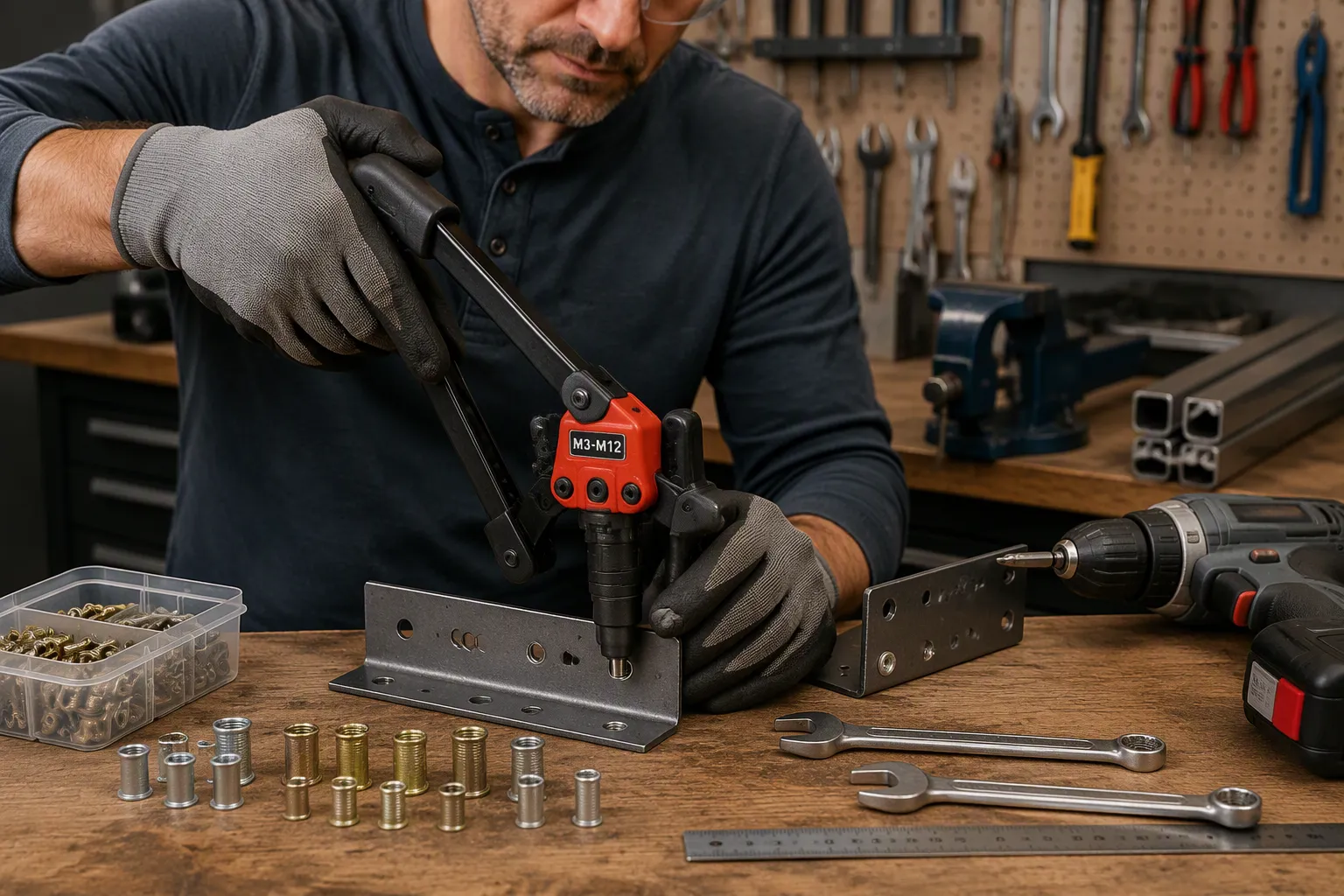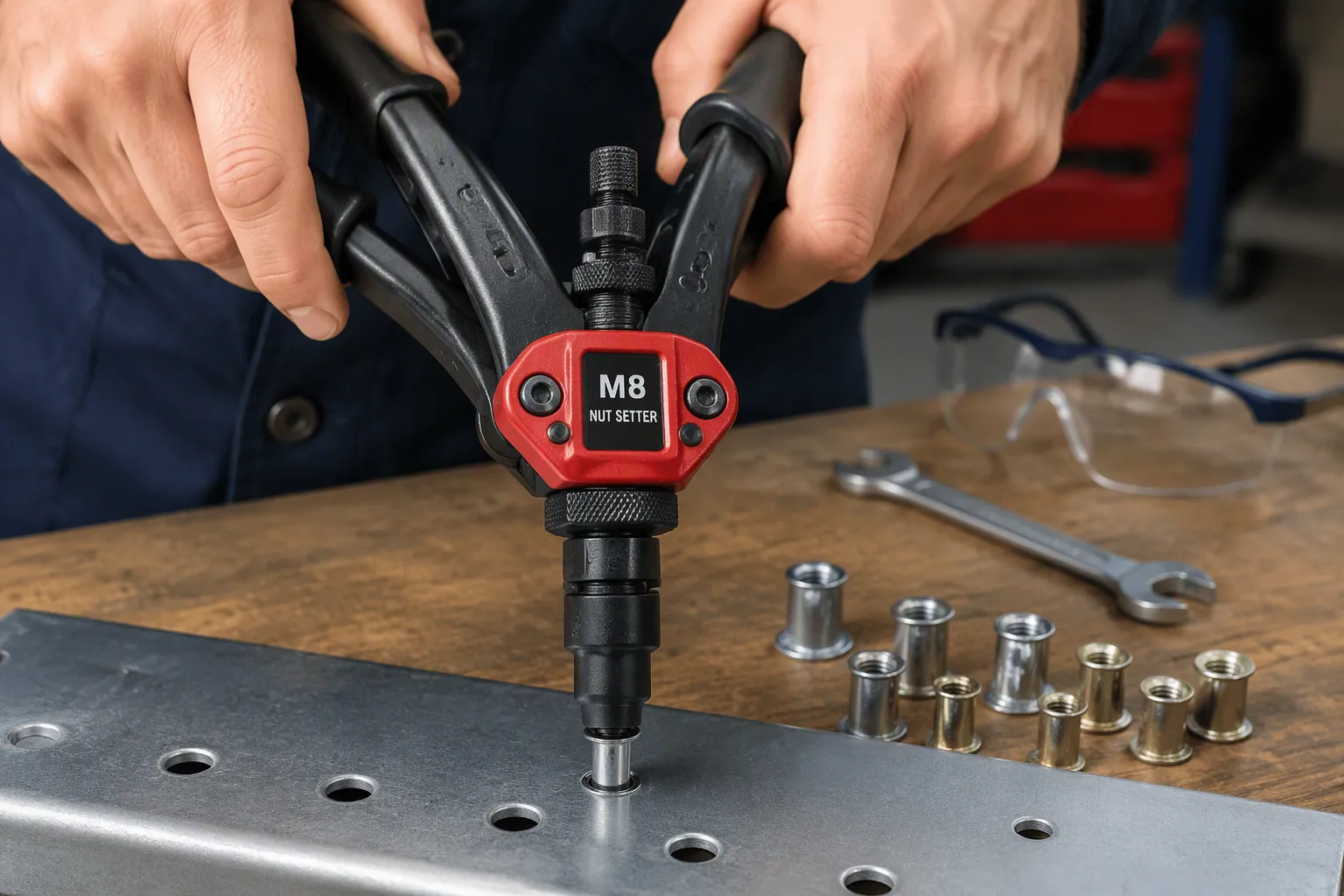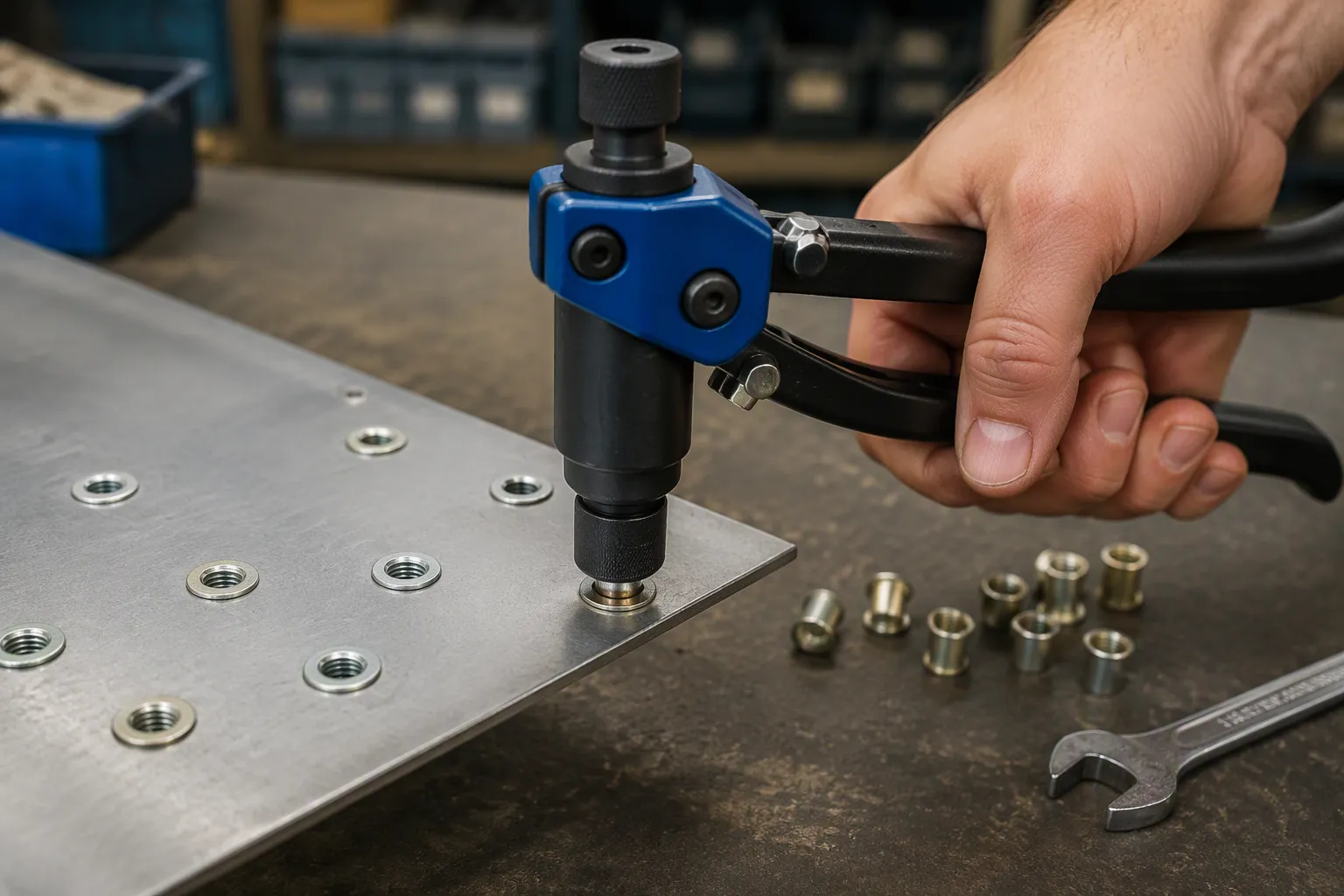
Many believe that only a custom fasteners manufacturer can install rivet nuts effectively, but this is not the case. Anyone can complete this process without a tool designed for the job. Using nuts and bolts from a standard toolkit, they can secure a rivet nut with confidence. Custom fasteners often require precise installation, yet this method works well at home. Those who want strong, reliable results can follow these steps and achieve professional outcomes.
What You Need to Install Rivet Nuts Without Special Tools
Installing rivet nuts without a tool requires careful selection of hardware. Many expert guides recommend a simple approach that relies on common items found in most toolboxes. This tool-free method allows users to achieve a secure fit for nutserts, even when specialized equipment is unavailable.
Essential Hardware Items
Bolt and matching nut
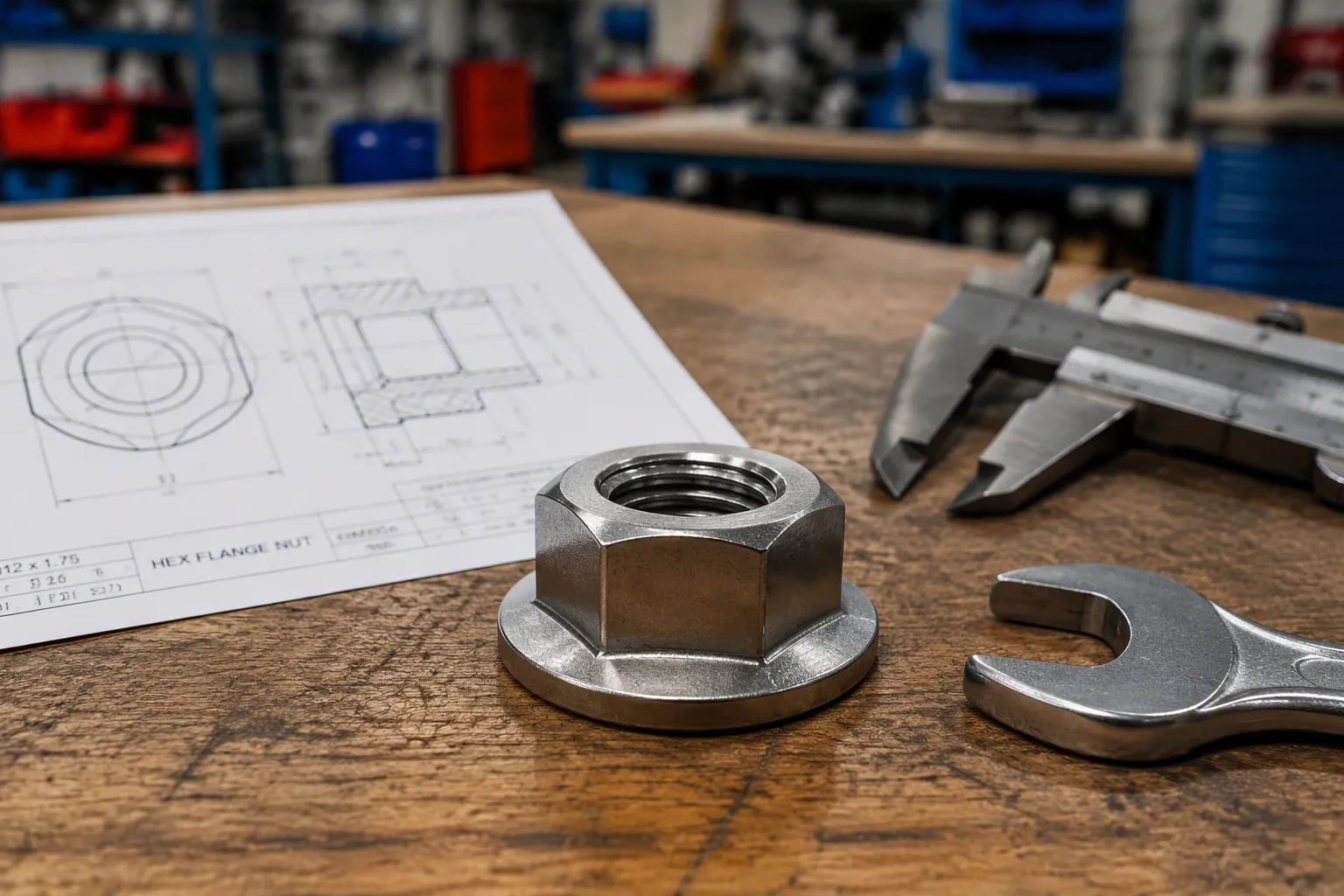
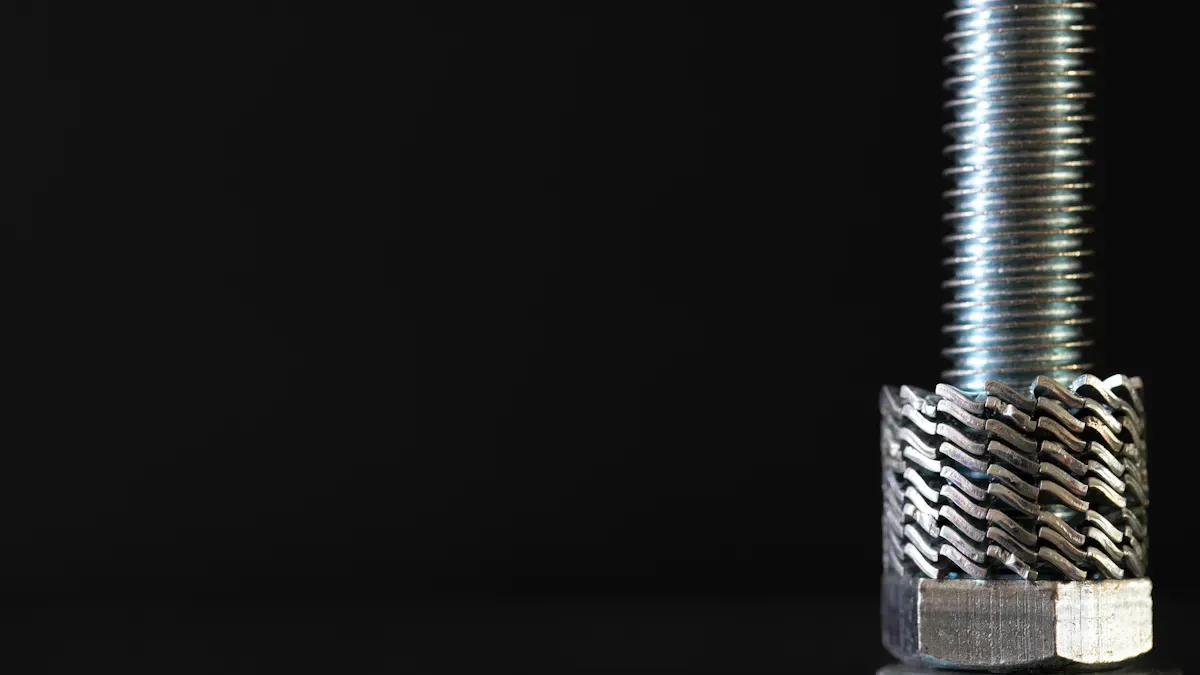
A bolt and nut form the core of the installation process. He or she should select a bolt that matches the thread size of the rivet nut. Modified flat flange nuts spread the crimping load evenly, making them ideal for small installations. Standard nuts also work, but they tend to wear out faster than flange nuts.
Washers for protection
Washers protect the work surface and improve the quality of the installation. Placing a washer under the head of the pulling bolt or capscrew ensures better compression and prevents scratches. This simple addition increases the reliability of the tool-free method.
Wrench or spanner
A wrench or spanner provides the necessary leverage to tighten the bolt and compress the rivet nut. He or she should use a tool that fits the nut securely. This prevents slipping and allows for controlled tightening.
Drill and drill bits (if hole is not pre-made)
A drill and the correct drill bit size are essential when the workpiece does not have a pre-made hole. He or she must select a drill bit that matches the outer diameter of the rivet nut. Accurate drilling ensures a snug fit and prevents movement during installation.
Tip: Lubrication plays a crucial role in smooth operation. Applying a small amount of lubricant to the bolt threads reduces friction and makes tightening easier.
Optional Tools for Easier Installation
Some tools make the process faster and more comfortable. DIY forums frequently recommend several options for those who want to simplify installation.
| Tool Type | Description |
|---|---|
| Pro Rivnut setting Tool | A professional tool for setting rivnuts effectively. |
| Homemade rivnut setting Tool | A DIY solution for those who prefer to make their own tools. |
| Cute cheap commercial setting tool | An affordable option available for purchase that simplifies the process. |
Lubricant for smoother tightening
Lubricant reduces friction and helps the bolt turn smoothly. He or she can use a light oil or grease for this purpose.
Tape for extra grip
Tape wrapped around the wrench handle improves grip and prevents slipping. This small adjustment increases comfort and control.
Impact gun for faster installation
An impact gun speeds up the tightening process. He or she may use this tool for larger projects, but it is not required for most home installations.
Those who install rivet nuts without a tool can achieve strong results by using these essential and optional items. The right combination of hardware and simple tools ensures a secure fit for nutserts in a variety of materials.
How to Install Rivet Nuts: Step-by-Step Guide
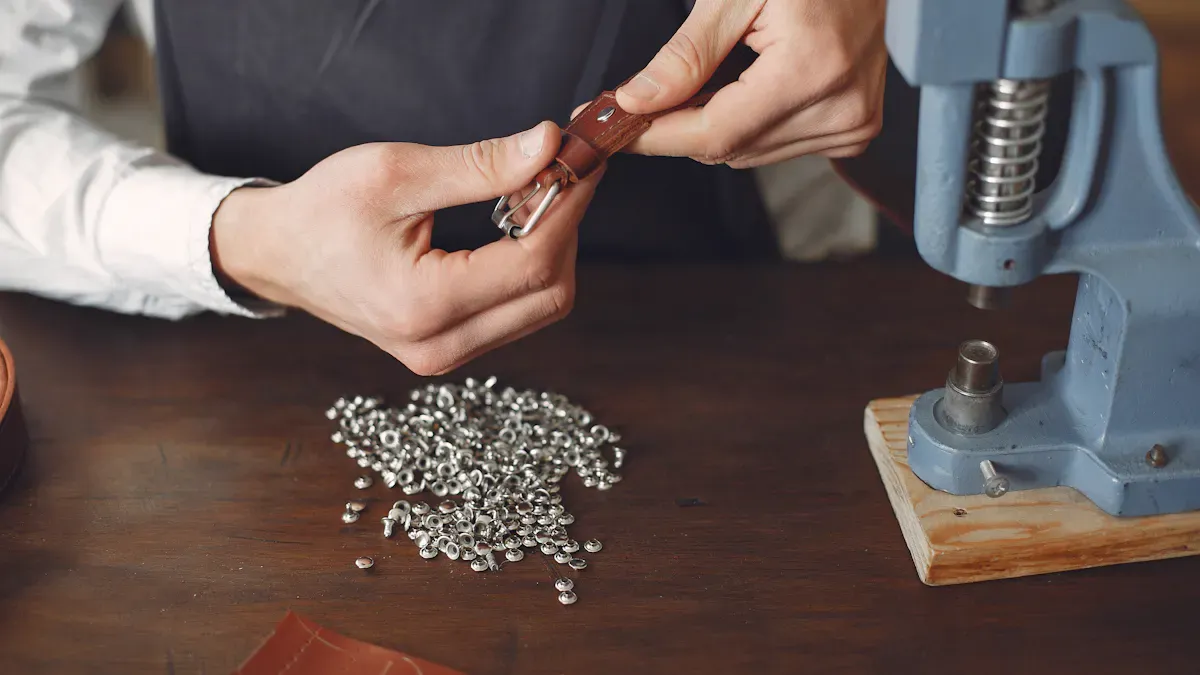
Prepare the Work Area
Safety precautions
He should always prioritize safety before starting any rivet nut installation. Wearing safety glasses protects the eyes from metal shavings or debris. Gloves shield the hands from sharp edges on the workpiece. A clean, well-lit workspace reduces the risk of accidents and improves accuracy during the process.
Clean and mark the surface
She should clean the work surface to remove dust, oil, or old paint. A clean area ensures the rivet nut seats properly and prevents contamination. Marking the exact spot for the hole with a center punch or marker helps maintain accuracy. This step prevents the drill bit from wandering and ensures the rivet nut sits exactly where needed.
Drill the Hole (If Needed)
Select the correct drill bit size
He must select a drill bit that matches the outer diameter of the rivet nut. The hole should allow the rivet nut to fit snugly without excessive force. Manufacturers often provide recommended drill sizes for each rivet nut type. Using the correct size prevents spinning and ensures a secure grip.
Drilling tips for accuracy
She should drill at a slow, steady speed to avoid damaging the material. Applying light pressure helps maintain control and prevents the drill bit from slipping. Drilling a small pilot hole before enlarging to the final size increases accuracy and produces a cleaner finish.
To achieve a secure fit for rivet nuts, it is essential to drill clean, burr-free holes. This ensures that the fastener sits evenly and is properly aligned, which is critical for secure and lasting performance. Forcing a drill can lead to rough edges or blowout on the backside of the hole, especially in thinner materials. It is beneficial to drill a smaller pilot hole before expanding to the final larger hole size to provide more control and achieve a cleaner finish. Additionally, using lubrication can help maintain the drill bit’s effectiveness and reduce the risk of slag or burrs.
After drilling, he should remove any burrs or sharp edges with a deburring tool or file. This step prevents damage to the rivet nut and ensures a flush fit.
Set Up the Rivet Nut and Hardware
Thread the bolt through the nut and washers
She should assemble the hardware before inserting the rivet nut. The correct order is: bolt, washer, nut, and another washer if needed. This setup distributes the force evenly during compression and protects the work surface from scratches.
| Problem | Cause | Recommended Fix |
|---|---|---|
| Rivet nut spinning in hole | Over-sized hole or insufficient grip | Ensure correct hole tolerance and choose knurled type |
| Thread stripping | Over-torquing during bolt insertion | Use calibrated torque tools and follow torque limits |
| Deformation of rivet nut body | Incorrect installation stroke | Adjust stroke to prevent over-crushing |
| Cracking of rivet nut flange | Material too thin or uneven force | Use reinforced flange type for thin materials |
| Insufficient clamping force | Weak material or incorrect hardness | Choose high-strength steel or stainless steel version |
Improper setup can lead to common mistakes. He should avoid inaccurate drilling, incorrect tool selection, and material mismatch to ensure a reliable installation.
Insert the rivet nut into the hole
She should place the rivet nut into the prepared hole, making sure it sits flush with the surface. The nut must remain straight and not tilt. Holding the rivet nut steady during this step prevents misalignment and ensures the compression process works as intended.
- Improper hole preparation – inaccurate drilling leads to poor fit and loss of grip.
- Incorrect tool selection – using manual pliers instead of pneumatic tools risks uneven deformation.
- Material mismatch – stainless steel installed on soft aluminum panels may create uneven stress distribution.
By following these steps, anyone can install rivet nuts securely and achieve professional results. Careful preparation and attention to detail during each stage of the process ensure a strong and lasting connection.
Install Rivet Nuts Using Common Tools
Hold the nut steady with a wrench
He should begin by holding the nut securely with a wrench or spanner. This step prevents the nut from turning as the bolt tightens. A firm grip ensures that the force applied during tightening transfers directly to the rivet nut. She should check that the washers remain in place to protect the work surface. A steady hand and proper tool selection help maintain alignment and prevent slippage.
Tighten the bolt to compress the rivet nut
He should use another wrench or spanner to turn the bolt clockwise. As the bolt tightens, the rivet nut starts to deform and expand behind the workpiece. This action creates a strong mechanical bond. She should apply even pressure and avoid sudden movements. The compression process requires patience and attention to detail. If the bolt turns too quickly, the rivet nut may spin or misalign. A slow, controlled approach produces the best results.
Tip: Lubricant on the bolt threads can reduce friction and make tightening easier. This small step can prevent thread damage and ensure a smoother installation.
Stop tightening when resistance increases
He should pay close attention to the feel of the bolt. As the rivet nut compresses fully, resistance will increase noticeably. She should stop tightening at this point to avoid over-compression. Excessive force can damage the rivet nut or deform the workpiece. A properly installed rivet nut will feel solid and will not rotate in the hole. This step marks the completion of the main installation process.
Remove the Hardware and Inspect
Loosen and remove the bolt and nut
He should reverse the bolt using the wrench or spanner. This action releases the tension and allows removal of the bolt, nut, and washers. She should take care not to disturb the newly installed rivet nut during this process. If the bolt feels stuck, a small amount of lubricant can help. All hardware should come out smoothly, leaving the rivet nut in place.
Check the rivet nut for secure fit
She should inspect the rivet nut visually and physically. The surface should appear smooth, with no cracks or rust. Threads inside the rivet nut must look clean and well-formed. He should test the rivet nut by gently trying to rotate it with his fingers. A secure installation will not spin or loosen. The rivet nut should withstand moderate axial force and resist rotation. Consistent dimensions and a uniform surface finish indicate a successful installation.
- Appearance Quality: The rivet nut should have a smooth surface without cracks or corrosion.
- Thread Precision: Internal threads must be clean and allow proper engagement with bolts.
- Riveting Performance: The rivet nut should remain firmly in place and not spin.
- Tensile and Torque Strength: The installed nut must resist pulling and twisting forces.
- Material and Surface Treatment: High-quality materials and even finishes improve durability.
- Dimensional Accuracy: The nut should fit precisely in the hole for reliable performance.
Those who install rivet nuts using this method can achieve strong, reliable results for most DIY applications. Careful attention during each step ensures a professional outcome and long-lasting performance in rivet nut installation.
Tips for Best Results When You Install Rivet Nuts
Choose the Right Size Rivet Nut and Hardware
Match bolt, nut, and rivet nut sizes
Selecting the correct rivet nut and hardware ensures a secure and durable installation. He should consider several factors before beginning the process. The material of the rivet nut affects strength and corrosion resistance. Aluminum offers lightweight performance, while steel and stainless steel provide higher durability. Thread size must match the bolt and nut to prevent stripping or failure. Grip range determines how well the rivet nut accommodates the thickness of the workpiece. Head style influences both appearance and structural integrity.
| Factor | Description |
|---|---|
| Material | The choice of material (aluminum, steel, stainless steel) affects durability and application suitability. |
| Thread Size | Ensures compatibility with screws/bolts; correct size prevents stripping or failure. |
| Grip Range | Refers to material thickness accommodation; incorrect range can lead to poor performance. |
| Head Style | Impacts appearance and functionality; different styles serve different aesthetic and structural needs. |
He should always verify that the bolt, nut, and rivet nut share the same thread size. This step prevents installation errors and ensures the fastener holds firmly. She should check the grip range to match the thickness of the material. Choosing the right head style improves both the look and the strength of the finished project.
Tip: He can avoid common mistakes by double-checking hardware sizes before starting. This simple step saves time and prevents frustration.
Keep the Rivet Nut Straight During Installation
Prevent tilting or spinning
Maintaining proper alignment during installation is critical for a strong connection. She should use proven techniques to keep the rivet nut straight and prevent spinning. The bolt and nut method provides stability and control. Lubrication reduces friction and helps the nut stay in place. When working in tight spaces, he can use a vise grip for extra control.
- Use a bolt and nut method to secure the rivet nut.
- Apply lubrication to prevent the nut from spinning during installation.
- Utilize a vise grip for better control when access is limited.
He should check alignment frequently throughout the process. If the rivet nut tilts or spins, the connection may weaken. She should adjust the setup as needed to maintain a straight position.
Protect the Work Surface
Use washers to avoid scratches
Preserving the work surface improves the quality and appearance of the installation. He should place washers between the hardware and the material. Washers distribute force evenly and prevent scratches or dents. She can use flat washers for most projects. For delicate surfaces, nylon or rubber washers offer extra protection.
- Place washers under the bolt head and nut.
- Choose washer material based on surface sensitivity.
- Inspect the area after installation for any marks.
He should always inspect the surface after completing the installation. If scratches appear, she can polish or touch up the area to restore its finish. Using washers consistently helps maintain a professional result.
Use Lubricant for Easier Compression
Reduce friction and effort
Lubricant plays a vital role in the installation of rivet nuts using common hardware. He can apply a small amount of lubricant to the bolt threads before beginning the tightening process. This simple step reduces friction, allowing the bolt to turn smoothly and compress the rivet nut with less physical effort. She finds that the installation feels easier and more controlled when the hardware moves freely.
Tip: Light machine oil or a specialized anti-seize compound works well for most DIY projects. Avoid using excessive amounts, as too much lubricant can cause contamination or attract debris.
Proper lubrication ensures that the torque applied to the bolt translates directly into tension on the rivet nut. This relationship is crucial for achieving a secure fit and preventing installation errors. He notices that the rivet nut deforms evenly behind the workpiece when the hardware operates smoothly. She avoids common problems such as galling, which occurs when metal surfaces stick and tear due to friction.
- Lubrication maintains the torque-tension relationship during fastener installation.
- The right amount of lubricant prevents wear and galling, ensuring a smoother installation.
- Incorrect lubrication can cause corrosion or contamination, leading to poor results.
He should select a lubricant that matches the materials involved. For steel rivet nuts, a light oil provides adequate protection. She uses anti-seize compounds for stainless steel hardware to prevent binding. The choice of lubricant affects both the ease of installation and the long-term durability of the connection.
A well-lubricated bolt requires less force to compress the rivet nut. He experiences less resistance and avoids over-tightening, which can damage the fastener or the workpiece. She finds that the hardware releases easily after installation, making inspection and adjustment simpler.
| Lubricant Type | Best Use Case | Benefits |
|---|---|---|
| Light machine oil | General DIY installations | Reduces friction, easy to find |
| Anti-seize compound | Stainless steel hardware | Prevents galling, resists heat |
| Dry lubricant | Sensitive surfaces | Leaves no residue |
He should always wipe away excess lubricant after installation. She checks the rivet nut for a clean, secure fit and confirms that the threads remain free of debris. This attention to detail improves both the quality and reliability of the finished project.
Note: Lubrication not only makes the installation process easier but also extends the life of the hardware. Consistent use of the right lubricant helps prevent future maintenance issues.
By incorporating lubricant into the rivet nut installation process, anyone can achieve a smoother, more efficient result. He benefits from reduced effort and improved performance, while she ensures the connection remains strong and durable over time.
Common Mistakes to Avoid When You Install Rivet Nuts
Installing rivet nuts without specialized tools offers flexibility, but several frequent mistakes can compromise the quality and strength of the connection. He or she should understand these pitfalls to achieve reliable results with nutserts.
Over-tightening the Bolt
Risk of damaging the rivet nut or workpiece
Many DIY installers believe that extra force guarantees a secure fit. However, over-tightening often leads to thread stripping, deformation, or breakage of the bolt or nut. This action weakens the joint and can cause the surrounding material to crack or break.
Over-tightening can lead to thread stripping, deformation, or breakage of the bolt or nut, which compromises the strength of the joint. In some cases, it can cause the surrounding material to crack or break.
He should monitor resistance during tightening. When the bolt feels firm and the rivet nut no longer moves, he must stop. She avoids excessive force by using a torque wrench or following manufacturer guidelines. Proper compression ensures the rivet nut expands behind the workpiece without damaging the threads or material.
Using the Wrong Size Hardware
Problems with fit and holding strength
Selecting the correct hardware is essential for a strong connection. He often encounters issues when the hole size does not match the rivet nut. A hole that is too large prevents the rivet nut from anchoring securely, resulting in a weak connection. A hole that is too small makes installation difficult or impossible, compromising fastening integrity.
- A hole that is too large can prevent the rivet nut from anchoring securely, leading to a weak connection.
- A hole that is too small can make installation difficult or impossible, compromising the fastening integrity.
- Proper hole quality is essential for installation, as a clean hole ensures the fastener sits evenly and is aligned correctly.
- Misalignment due to poor hole quality can lead to inadequate load distribution, increasing the risk of failure under stress.
She checks the manufacturer’s specifications for hole diameter and rivet nut size. He ensures the bolt and nut match the thread size of the rivet nut. This attention to detail prevents slippage, rotation, and incomplete installation.
Skipping Washers or Lubricant
Increased risk of surface damage or difficult installation
Washers and lubricant play a critical role in protecting the work surface and ensuring smooth installation. He sometimes omits washers, which leads to scratches or dents on the material. She finds that skipping lubricant increases friction, making tightening difficult and risking thread damage.
| Mistake | Description | How to Avoid |
|---|---|---|
| Incomplete Installation | Failure to fully compress the rivet nut during installation. | Ensure full compression before stopping the process. |
| Slippage or Rotation | Rivet nuts can slip or rotate if not properly gripped. | Ensure proper alignment and grip during installation. |
| Over-Compression | Excessive force can deform the rivet nut and surrounding material. | Follow manufacturer guidelines for installation force. |
| Misalignment | Improper alignment can lead to uneven clamping pressure. | Insert and align the rivet nut correctly before riveting. |
| Over-tightening | Excessive tightening can strip threads or pull out the rivet nut. | Apply the correct amount of force during installation. |
He always uses washers to distribute force and protect the surface. She applies a light lubricant to the bolt threads for easier compression. These simple steps reduce installation errors and improve the durability of the connection.
By avoiding these common mistakes, anyone can achieve a secure and professional result when installing rivet nuts without special tools. Careful preparation and attention to detail ensure nutserts perform reliably in a variety of DIY applications.
Is It Safe and Reliable to Install Rivet Nuts Without Special Tools?
When This DIY Method Works Well
Light to medium-duty projects
Many DIY enthusiasts choose to install rivet nuts without a tool for light to medium-duty projects. He or she finds this approach convenient and cost-effective. User reviews indicate that rivet nuts provide sufficient holding strength for tasks such as mounting brackets, assembling furniture, or attaching panels. The process works well when the installer follows proper steps and avoids over-torquing. If he applies too much force, the rivet nut may spin inside the hole, which often requires drilling it out for removal. She achieves reliable results by maintaining steady pressure and checking alignment throughout the installation. This method suits situations where access is limited or a tight space prevents the use of bulky equipment. For most home repairs and hobby projects, installing rivet nuts without a tool delivers strong and lasting connections.
Note: He should always inspect the rivet nut after installation. A secure fit ensures the fastener will not rotate or loosen under normal loads.
When to Use Dedicated Rivet Nut Tools
Heavy-duty or professional applications
Professional installers and those working on heavy-duty projects often prefer dedicated rivet nut tools. These tools offer several advantages over makeshift methods:
- Dedicated tools deform rivet nuts more easily and cleanly than a bolt and nut arrangement.
- He generates sufficient force with a specialized tool, which reduces the risk of weak or incomplete connections.
- She minimizes slippage and potential injuries by using equipment designed for rivet nut installation.
A dedicated tool becomes essential when the project demands consistent results, high strength, or frequent installations. He avoids the risk of damaging the workpiece or fastener by relying on precision equipment. She finds that specialized tools save time and effort, especially when working with thicker materials or in industrial settings. For large-scale jobs or professional environments, the reliability and safety of a dedicated rivet nut tool outweigh the convenience of installing rivet nuts without a tool.
Tip: He should consider investing in a rivet nut tool if he plans to install fasteners regularly or work with heavy-duty materials.
| Project Type | Recommended Method | Reason |
|---|---|---|
| Light-duty DIY | Without a tool | Cost-effective, sufficient strength |
| Medium-duty home repair | Without a tool | Reliable if installed carefully |
| Heavy-duty/professional | Dedicated rivet nut tool | Consistent, safe, and high-strength results |
He or she must evaluate the demands of each project before choosing an installation method. For most everyday tasks, installing rivet nuts without a tool remains safe and reliable. When the job requires greater precision or strength, a dedicated tool provides the best outcome.
Limitations and Drawbacks of the DIY Rivet Nut Installation Method
Less Consistent Results Compared to Tools
Manual compression vs. tool precision
Manual rivet nut installation methods often lack the consistency and reliability that dedicated tools provide. When installers rely on hand tools, the amount of force applied can vary from one attempt to the next. This variability leads to inconsistent results, especially as user fatigue sets in during longer projects. Dedicated rivet nut tools deliver precise, repeatable compression, which ensures each fastener performs as intended.
Manual compression introduces several risks. Underset rivet nuts may not expand fully, resulting in flange lift or spin-out when tightening bolts. These issues reduce the holding strength and can cause the fastener to fail under load. On the other hand, overset installations occur when excessive force distorts the threads or separates the threaded and unthreaded sections. Both scenarios compromise the integrity of the connection.
Dedicated tools help prevent problems such as spinning rivet nuts and exceeding breakaway torque. In controlled tests, a bolt threaded directly into a single rivet nut produced a spin-out torque below 5Nm. Using a proper fixture, such as a bottle cage, allowed for much higher torque without twisting the rivet nut. Improper methods, like cross-threading or using damaged bolts, further increase the risk of spin-out and unreliable results. For those seeking consistent performance, tool precision remains unmatched.
Note: Inconsistent manual installations can lead to weak connections, especially in critical applications where safety and durability matter.
More Time and Effort Required
Extra steps and care needed
DIY rivet nut installation without special tools demands more time and physical effort. Installers must carefully assemble hardware, maintain alignment, and monitor compression throughout the process. Each step requires attention to detail, and mistakes often mean starting over. Unlike dedicated tools, which streamline the process, manual methods can become labor-intensive and frustrating.
Projects that use hand tools frequently require multiple attempts to achieve a secure fit. This repetition extends the overall project timeline and increases the likelihood of installer fatigue. The manual approach also makes it harder to achieve uniform results across multiple fasteners, which can affect the appearance and structural integrity of the finished product.
Tip: For large projects or frequent installations, investing in a dedicated rivet nut tool saves significant time and ensures consistent, high-quality results.
While the DIY method offers flexibility and cost savings for occasional use, it cannot match the speed, precision, or ease of a professional tool. Those considering rivet nut installation for demanding or repetitive tasks should weigh these drawbacks before choosing a manual approach.
When to Consider Buying a Rivet Nut Tool Instead
Benefits of Dedicated Rivet Nut Tools
Speed, consistency, and ease of use
He or she often faces challenges when installing rivet nuts manually, especially during large or repetitive projects. Dedicated rivet nut tools solve these problems by providing speed, consistency, and ease of use. These tools compress rivet nuts with precision, ensuring uniform results across every installation. Operators experience less fatigue because the tool handles most of the physical effort. The process becomes faster, allowing for higher productivity and fewer mistakes.
A dedicated rivet nut tool offers several advantages that manual methods cannot match. The following table highlights the main benefits:
| Benefit | Description |
|---|---|
| Durable Performance | Designed for long-term use, delivering reliable, high-strength connections that last under heavy-duty conditions. |
| Ease of Use | Operates smoothly, requiring minimal effort and improving productivity for installers. |
| Cost-Effective Solutions | Reduces future repair and replacement costs by securing parts effectively. |
| Enhanced Efficiency | Enables faster production cycles and reduces manual fastening time. |
| Strong Fastening Strength | Provides secure, high-strength fastenings that withstand extreme conditions, including vibrations. |
| Safety | Secures parts without hazardous procedures, reducing workplace accidents. |
He finds that riveting tools are easy to operate, allowing for smooth installation and assembly. She notices improved productivity and reduced operator fatigue. These tools provide a cost-effective way to secure parts, offering long-lasting performance and minimizing repair expenses. Operators benefit from enhanced safety, as the tool eliminates the need for welding or other risky procedures.
Tip: Dedicated rivet nut tools deliver consistent results, making them ideal for professionals and frequent installers.
Cost vs. Convenience for Your Projects
Deciding based on frequency and project size
He must weigh the cost of a dedicated rivet nut tool against the convenience it provides. For occasional DIY tasks, manual installation remains practical and affordable. She finds that investing in a tool makes sense when projects require frequent or high-volume rivet nut installations. The tool’s upfront cost pays off through time savings, reduced errors, and improved quality.
Project size and frequency play a key role in this decision. He should consider the following points:
- Large projects benefit from faster installation and consistent results.
- Frequent installations justify the investment by reducing labor and minimizing mistakes.
- Professional environments demand reliable, high-strength connections that only dedicated tools can provide.
She evaluates the tool’s value based on how often she installs rivet nuts and the complexity of her projects. For small, infrequent jobs, manual methods suffice. For ongoing or heavy-duty work, a dedicated tool offers unmatched convenience and performance.
Note: He or she should assess project needs and installation frequency before purchasing a rivet nut tool. The right choice ensures efficiency, safety, and long-term reliability.
Installing rivet nuts without special tools proves practical for most DIY projects. He or she can achieve reliable results by following these steps:
- Gather a bolt, nut, washer, and wrench.
- Place the rivet nut in the hole and thread the nut.
- Insert the bolt through the washer and into the rivet nut.
- Tighten until resistance increases.
- Remove the hardware to finish.
| Factor | Explanation |
|---|---|
| Proper Tool Calibration | Accurate force prevents improper installation. |
| Monitoring Installation Parameters | Real-time checks ensure the rivet nut sits flush. |
| Right Tools and Materials | Quality tools reduce installation failures. |
He or she should consider a dedicated tool for frequent or heavy-duty use. This method offers satisfaction and strong results for DIY success.
FAQ
Can he install rivet nuts in aluminum or thin sheet metal?
He can install rivet nuts in aluminum or thin sheet metal. The process works well if he selects the correct rivet nut size and avoids over-tightening. Washers help protect delicate surfaces during installation.
What should she do if the rivet nut spins in the hole?
She should check the hole size and ensure a snug fit. If the rivet nut spins, she can use a knurled rivet nut or apply extra grip with tape. Proper alignment prevents spinning during compression.
Is it possible to remove a rivet nut after installation?
He cannot remove a rivet nut without damaging the workpiece. Rivet nuts create a permanent mechanical bond. If removal becomes necessary, he must drill out the rivet nut and replace it.
How does he know if the rivet nut is fully compressed?
He feels increased resistance when tightening the bolt. The rivet nut should not rotate or move. Visual inspection shows a flush fit with the work surface. He avoids over-tightening to prevent damage.
Can she use power tools for installation?
She can use an impact gun or drill for faster installation. Power tools speed up compression but require careful control. She must avoid excessive force to prevent thread damage or deformation.
What types of bolts and nuts work best for this method?
He should use bolts and nuts that match the rivet nut thread size. Flange nuts distribute force evenly. High-strength steel hardware provides reliable compression and reduces risk of thread stripping.
Are there safety risks when installing rivet nuts without special tools?
He faces minimal safety risks if he follows precautions. Wearing gloves and safety glasses protects against sharp edges and debris. He should work in a clean, well-lit area to reduce accidents.
Does she need to lubricate every installation?
She benefits from lubricating the bolt threads for each installation. Lubricant reduces friction and makes tightening easier. It also prevents thread damage and ensures a smoother process.