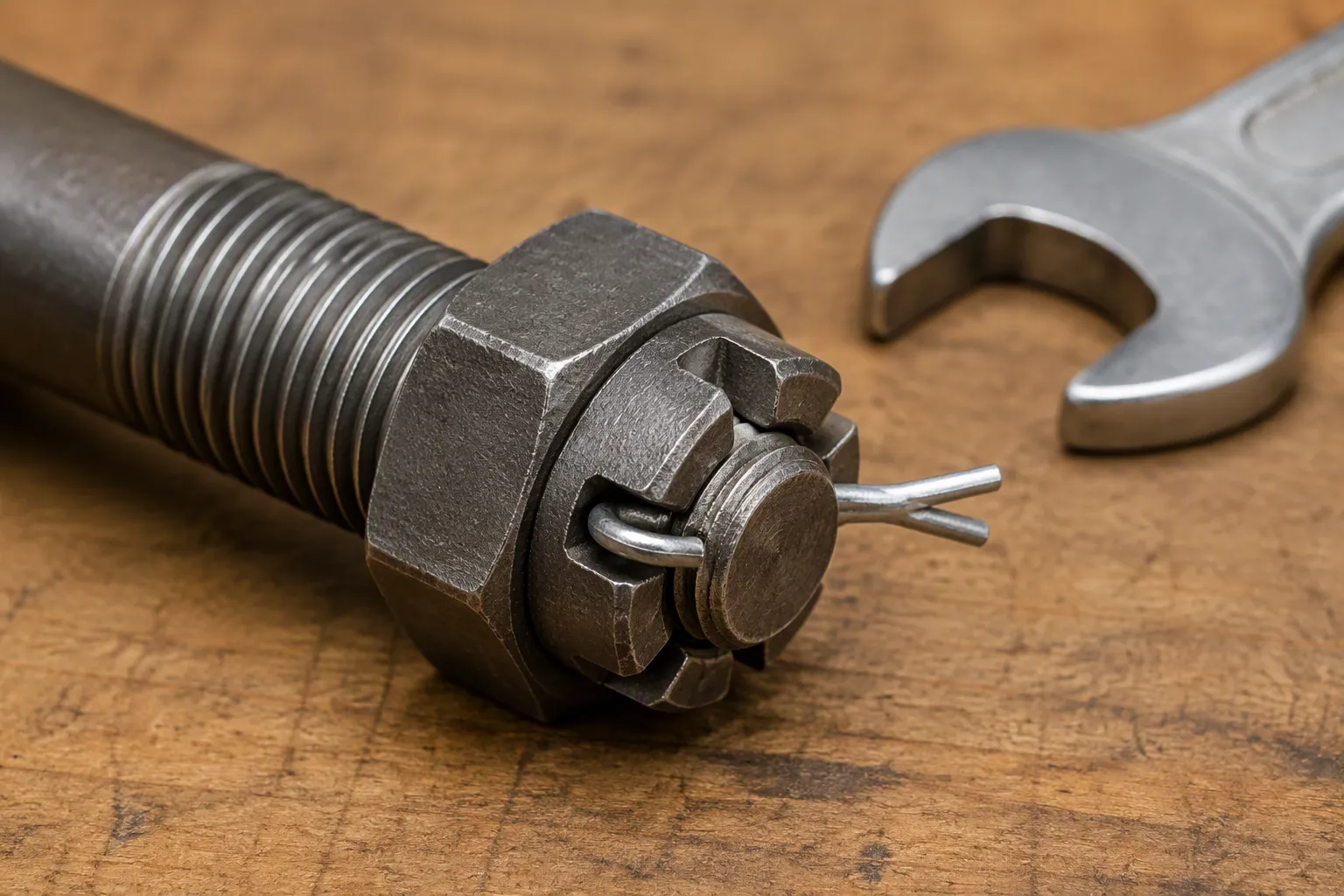

Safety tip: Always check the alignment of the castle nut with the bolt hole before locking it in place.
Installing castle nuts requires careful attention. Technicians must use المثبتات المخصصة from a trusted مُصنِّع أدوات التثبيت المخصصة to ensure compatibility. Properly securing المسامير والبراغي prevents mechanical failures. They should always lock the castle nut with a cotter pin. Never overlook the final inspection, as a loose pin can compromise safety.
Essential Tools and Materials for Installing Castle Nuts

Required Tools for Installing Castle Nuts
Wrenches and Sockets
Technicians rely on wrenches and sockets to tighten and loosen castle nuts. An armorer’s wrench fits the notches on the nut, providing a secure grip. Sockets help reach nuts in confined spaces. These tools ensure precise engagement and prevent rounding off the nut edges.
مفتاح عزم الدوران
A torque wrench applies the correct force when installing castle nuts. Manufacturers specify torque values to prevent over-tightening or under-tightening. This tool helps maintain mechanical integrity and ensures the nut stays secure during operation.
Pliers
Pliers assist in bending cotter pins after insertion. They also help remove old pins and adjust the nut position. Technicians use pliers to achieve a tight, secure fit for the pin, reducing the risk of loosening.
Cleaning Brushes
Cleaning brushes remove dirt, grease, and debris from threads and surfaces. Clean threads allow for smooth installation and prevent contamination. Brushes also help inspect the bolt and nut for damage before assembly.
Tip: Always secure the lower receiver in a vise block and use a bench vise to prevent movement during installation.
Materials Needed for Installing Castle Nuts
Castle Nuts
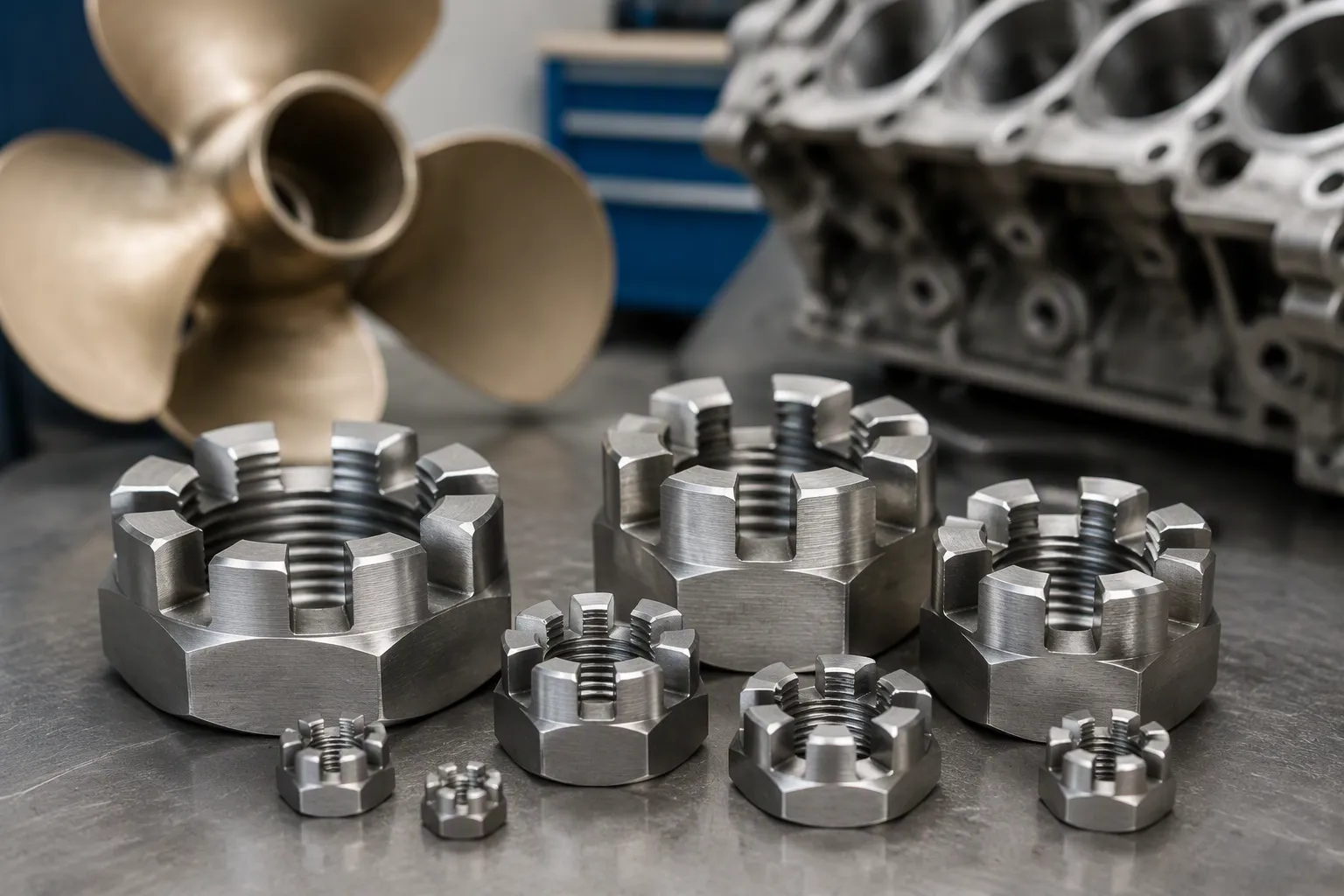
Castle nuts serve as the primary fastener in this process. Technicians select nuts that match the bolt size and strength requirements. High-quality nuts ensure durability and reliability.
Cotter Pins
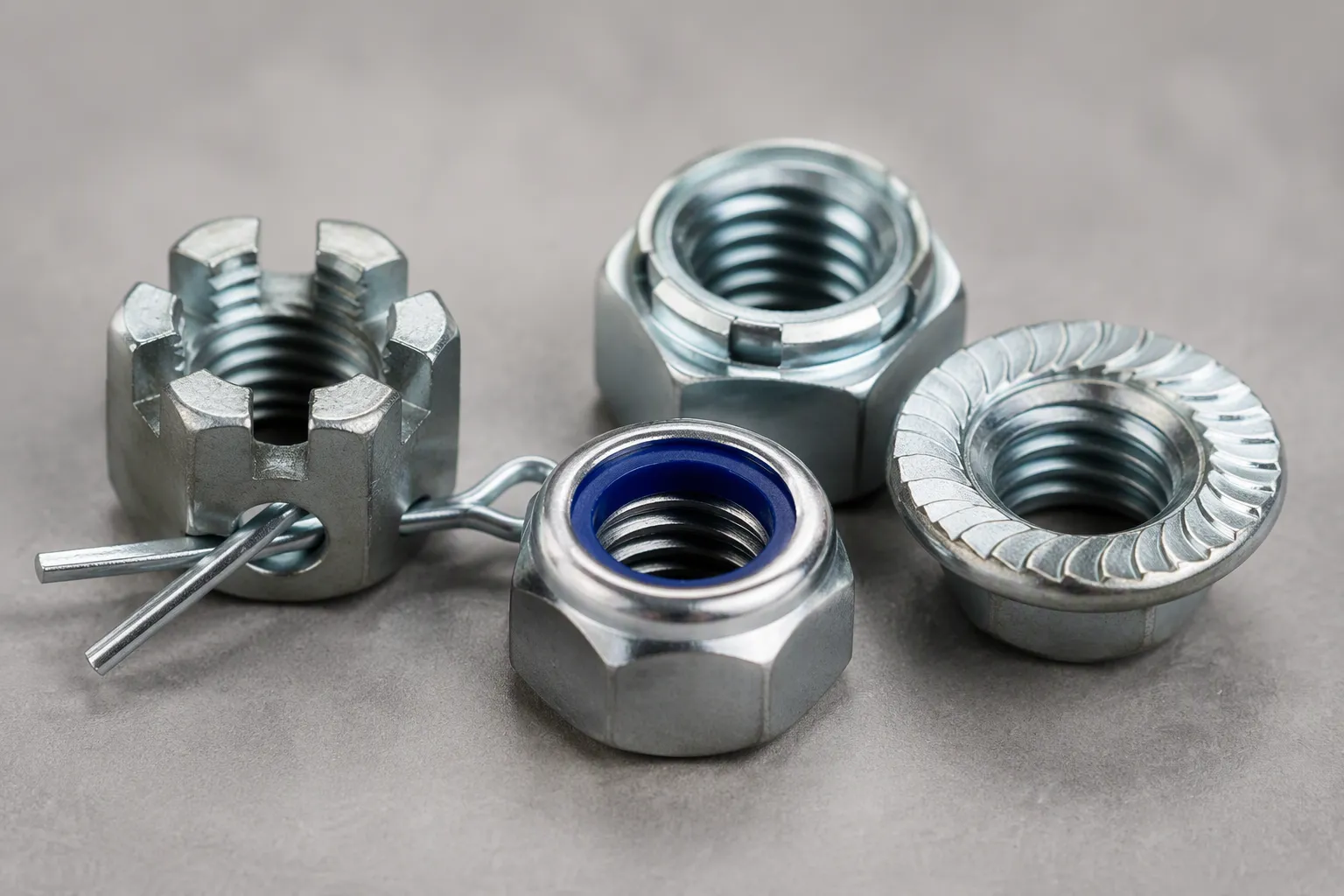
Cotter pins lock the castle nut in place. New pins provide maximum security and prevent accidental loosening. Technicians avoid reusing old or damaged pins to maintain safety.
Lubricants or Anti-Seize Compound
Lubricants or anti-seize compounds reduce friction and protect threads from corrosion. These materials make installation easier and extend the life of the fastener.
الغسالات
Washers distribute load and prevent damage to surfaces. They also help achieve proper alignment between the nut and bolt. Technicians use washers when specified by the manufacturer.
Replacement Bolts
Replacement bolts ensure compatibility and strength. Technicians inspect bolts for wear or damage and replace them as needed. Using new bolts reduces the risk of mechanical failure.
Safety Equipment for Installing Castle Nuts
| Safety Equipment | الوصف |
|---|---|
| القفازات | Protect hands from sharp edges and debris during installation, improving grip and control. |
| Eye protection | Shields eyes from flying debris and tool slips, essential for maintaining accuracy during assembly. |
Safety glasses and gloves provide essential protection. Gloves improve grip and prevent injuries from sharp edges. Eye protection shields technicians from debris and tool slips. Industry standards recommend using both items for every installation.
Note: Technicians should always wear safety equipment to reduce the risk of injury and ensure a safe working environment.
Step-by-Step Guide to Installing Castle Nuts

Preparing the Bolt and Nut for Installing Castle Nuts
Cleaning Threads
Technicians begin by cleaning the threads of both the bolt and the castle nut. They use a solvent and a cleaning brush to remove dirt, grease, and debris. This step ensures smooth installation and prevents contamination. Clean threads also allow for accurate torque application and reduce the risk of cross-threading. Wiping down the new castle nut before installation further improves the quality of the assembly.
Inspecting for Damage
After cleaning, technicians inspect the bolt and nut for any signs of wear, corrosion, or thread damage. They check for burrs, cracks, or deformation that could compromise the integrity of the connection. If they find any defects, they replace the damaged parts immediately. Careful inspection prevents failures during operation and ensures the reliability of the fastener.
Applying Lubricant or Anti-Seize
Lubricants or anti-seize compounds play a critical role in installing castle nuts. Technicians apply a thin layer to the threads to reduce friction and protect against corrosion. This step makes it easier to achieve the correct torque and prevents the nut from seizing in place. Proper lubrication also extends the life of both the bolt and the nut.
Tip: Surface preparation, including cleaning and inspection, forms the foundation for a secure and long-lasting installation.
Positioning the Castle Nut on the Bolt
Placing the Washer (if provided)
If the manufacturer specifies a washer, technicians place it on the bolt before threading the castle nut. The washer distributes the load evenly and protects the surface from damage. It also helps maintain proper alignment between the nut and the bolt.
Hand-Threading the Nut
Technicians start threading the castle nut onto the bolt by hand. They rotate the nut clockwise until they feel resistance. Hand-threading ensures that the nut aligns correctly with the bolt and prevents cross-threading. This step allows for easy adjustment before applying final torque.
Ensuring Initial Alignment
Proper alignment is essential before tightening the nut. Technicians check that the slots of the castle nut line up with the hole in the bolt or shaft. They may use alignment tools or jigs to maintain positioning during installation. This practice prevents uneven wear and ensures the cotter pin can be inserted smoothly later in the process.
- Clean the threads to remove any debris.
- Place the washer if required.
- Align the nut with the bolt or shaft.
- Hand-tighten until resistance is felt.
Applying Correct Torque When Installing Castle Nuts
Using a Torque Wrench
A torque wrench allows technicians to apply the precise amount of force required for installing castle nuts. They set the wrench to 75% of the final torque value and tighten the nut gradually. This approach helps seat the nut properly and avoids over-tightening. After reaching the initial torque, they make fine adjustments to achieve the final specification.
Following Manufacturer Specifications
Manufacturers provide specific torque values for different applications. Technicians always follow these recommendations to ensure safety and performance. Castle nuts are often used in automotive and machinery settings where vibration can cause loosening. Adhering to the correct torque specification prevents installation failures and misalignment of the cotter pin hole.
- Incorrect torque can lead to installation failures.
- Misalignment of the cotter pin hole may result from improper torque application.
- Installation failures often occur due to improper seating, incorrect torque, or mis-positioned cotter pin holes.
If the cotter hole is too high or too low, it may indicate poor fit or incorrect parts rather than a simple alignment issue.
Technicians recognize that procedures may vary based on bolt size and material. Precision-critical applications require careful handling and adherence to torque requirements. They always prioritize stability and safety when installing castle nuts.
Aligning the Slots of the Castle Nut
Adjusting Nut Position
Technicians must ensure the slots of the castle nut align perfectly with the hole in the bolt or shaft. They start by tightening the nut to the manufacturer’s recommended torque using a torque wrench. If the slots do not line up with the bolt hole after reaching the specified torque, they should tighten the nut slightly further rather than loosening it. This approach maintains the correct preload and prevents the assembly from loosening during operation. When a washer is provided, placing it under the nut before installation helps prevent misalignment and distributes the load evenly. Technicians always check that the stud fits securely in its receiving hole before tightening, which ensures a stable and safe connection.
Tip: Never back off the nut to achieve alignment. Always tighten slightly to match the slots with the bolt hole.
Matching Slots to Bolt Hole
After reaching the correct torque, technicians visually inspect the alignment between the slots and the bolt hole. They may use a small alignment tool or punch to confirm the holes are perfectly matched. If the slots and hole do not align, a slight additional turn of the nut usually brings them into position. This step is critical for the next phase, as proper alignment allows for smooth insertion of the cotter pin and ensures the integrity of the assembly.
- Ensure the washer is in place if specified.
- Tighten the nut to the correct torque.
- Adjust the nut position by tightening, not loosening, to align the slots with the bolt hole.
- Confirm alignment visually and with a tool if necessary.
Installing the Cotter Pin Securely
Preparing the Bolt Hole
Before inserting the cotter pin, technicians inspect the bolt hole for burrs or sharp edges. If the hole was drilled during assembly, they use a metal punch to create a starting point and drill straight through the center of the bolt. Smoothing the edges of the hole with a file or deburring tool prevents damage to the cotter pin during installation. A clean, smooth hole ensures the pin seats fully and securely.
Inserting the Cotter Pin
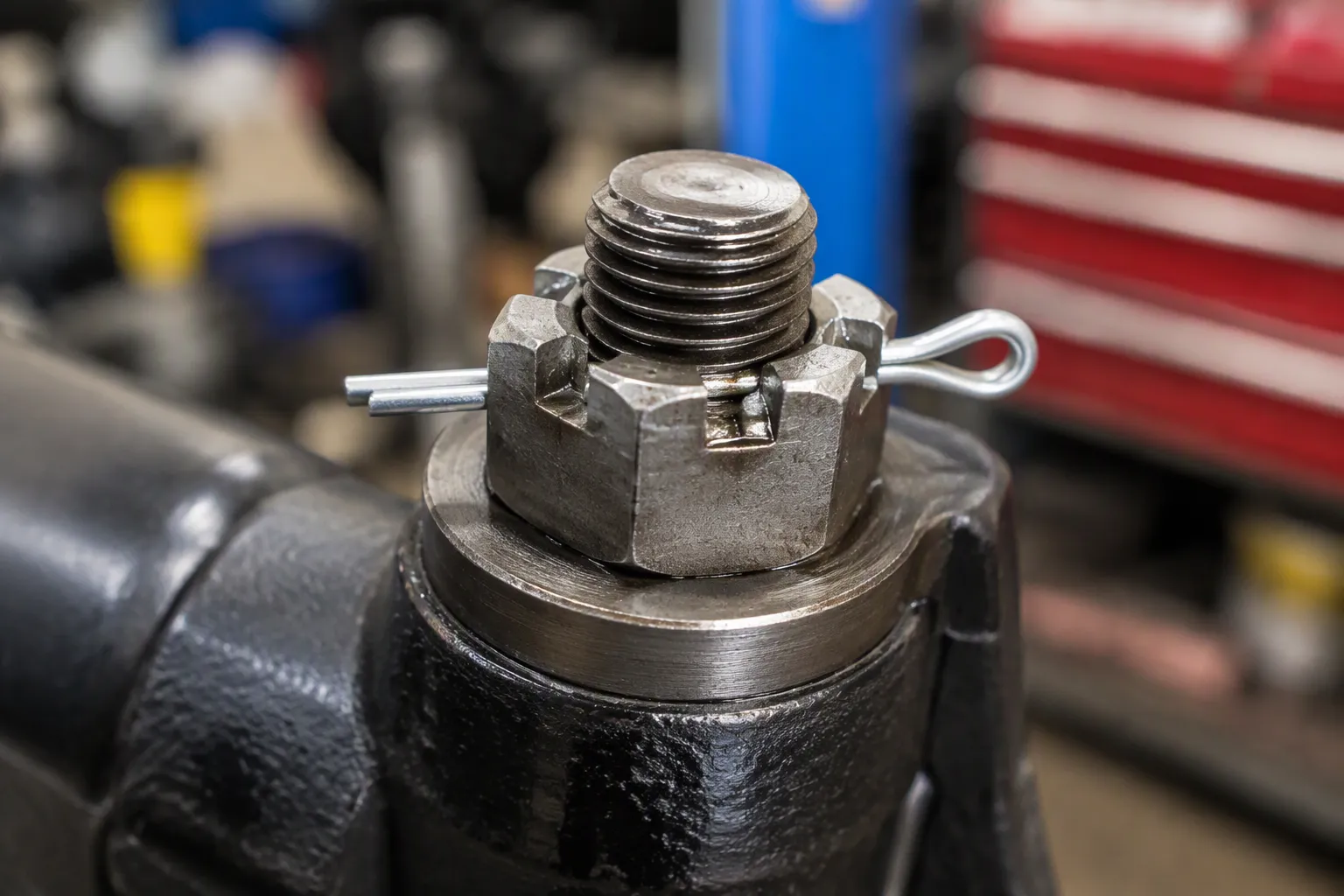
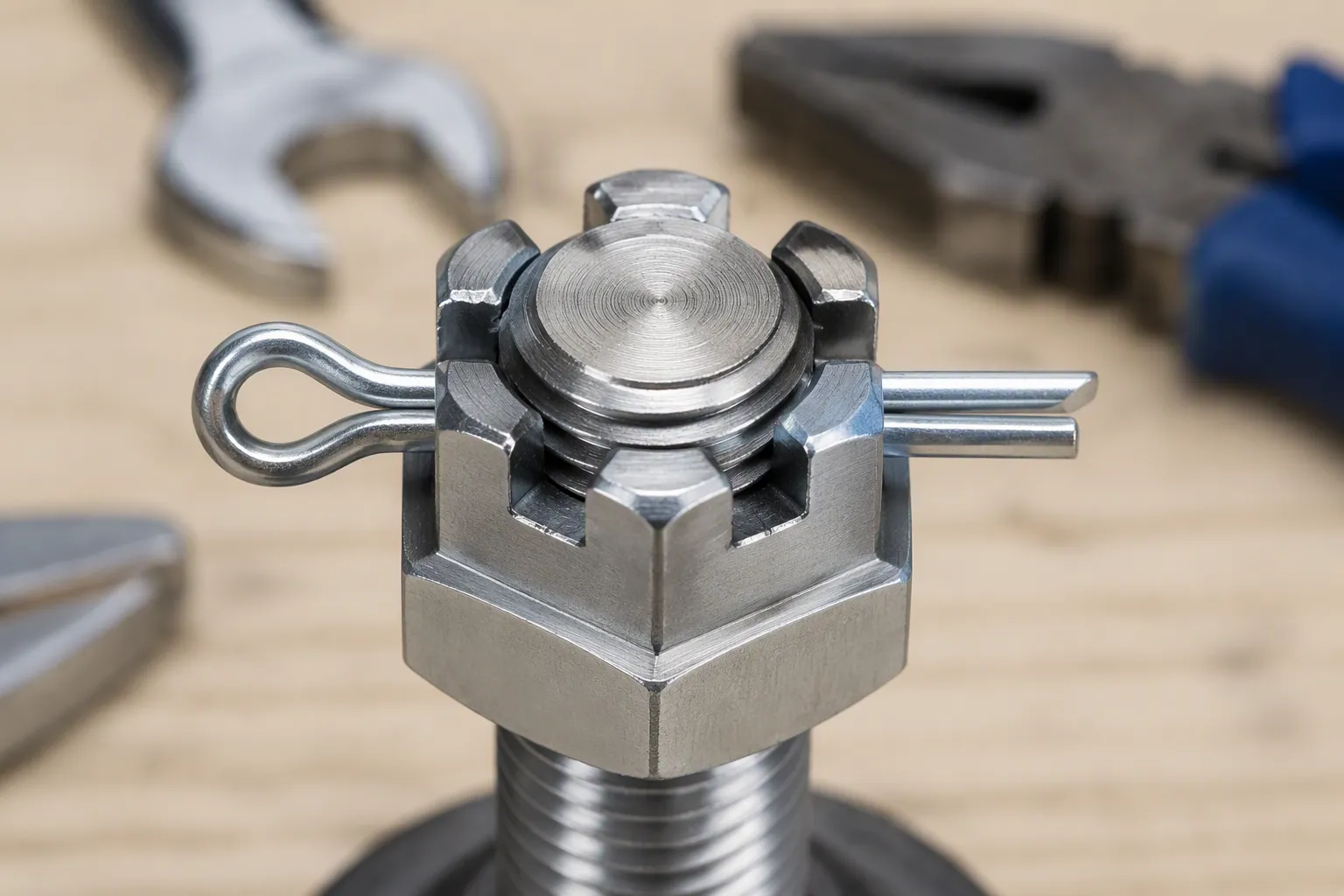
With the slots and bolt hole aligned, technicians insert the cotter pin completely through the hole. They push the pin until it is fully seated, making sure both legs extend beyond the nut. This step locks the nut in place and prevents it from rotating or loosening under vibration.
- Align the hole in the bolt or shaft.
- Insert the cotter pin until it is fully seated.
- Ensure both legs of the pin extend beyond the nut.
Bending and Trimming the Pin for Security
After inserting the cotter pin, technicians use pliers to bend the legs apart at a 90-degree angle or more. This action locks the pin in place and prevents it from backing out during operation. If the pin is too long, they trim the excess with side cutters to avoid interference with moving parts. Finally, they check the stability of the installation by gently tugging on the pin and inspecting the assembly for any signs of movement.
Note: Properly bent and trimmed cotter pins provide maximum security and reliability for the castle nut assembly.
By following these steps, technicians ensure a secure and reliable connection when installing castle nuts. Each phase, from aligning the slots to securing the cotter pin, plays a vital role in the safety and longevity of the assembly.
Common Mistakes to Avoid When Installing Castle Nuts
Over-Tightening or Under-Tightening Castle Nuts
Risks of Incorrect Torque
Many technicians make errors by applying too much or too little torque during installation. Over-tightening can strip threads, fracture bolts, or damage surrounding materials. These issues often result in costly failures, especially in industrial environments. Under-tightening, on the other hand, leads to insufficient preload. This weakens the joint and increases the risk of failure during operation. Maintenance records show that exceeding the maximum recommended torque or failing to reach the minimum can both compromise safety. Technicians should always start alignment with the cotter pin hole at the minimum recommended torque plus friction drag torque. They must never exceed the maximum torque plus friction drag. If the hole and nut castellation do not align, they should change the washer or nut and try again. Proper judgment and adherence to specifications prevent overtorquing and ensure the nut does not bottom out before reaching the correct value.
Tip: Always use a calibrated torque wrench and follow the manufacturer’s torque recommendations to avoid these common mistakes.
Misalignment of Slots and Bolt Hole
Forcing the Cotter Pin
Misalignment between the castle nut slots and the bolt hole creates significant problems. If the slots do not line up, inserting the cotter pin becomes difficult or impossible. Forcing the pin can damage both the nut and the bolt, reducing the effectiveness of the safety mechanism. Proper alignment is essential for the cotter pin or safety wire to engage fully. Without this, the nut may loosen under vibration, leading to mechanical failure. Technicians should never force the pin. Instead, they should adjust the nut position or select a different washer or nut to achieve proper alignment. This practice ensures the cotter pin can be inserted smoothly and secures the assembly against rotation.
Reusing Damaged Castle Nuts or Cotter Pins
Importance of Using New Hardware
Reusing old or damaged hardware poses serious risks. A cotter pin may only be reused if it shows no signs of damage, bending, or corrosion. However, best practice calls for a new cotter pin in all critical applications. Any pin that appears gouged, bent, or worn should be discarded immediately. The cost of a new cotter pin is minimal compared to the potential damage from a failed fastener. Maintenance professionals resist the temptation to reuse pins, as even minor defects can lead to catastrophic failures. The same principle applies to castle nuts. If a nut shows signs of galling, deformation, or contamination, replacement is necessary.
| Indicator | الوصف |
|---|---|
| Cotter pin condition | Fully inserted; legs bent back to prevent slip-out. |
| Movement indicators | Presence of fretting dust, shiny witness marks, or abnormal wear. |
| Thread condition | Signs of galling, deformation, or contamination. |
Technicians should always inspect hardware before installing castle nuts. They must ensure all components meet safety standards and replace any part that does not.
- Never reuse a cotter pin that has been removed.
- Discard any pin with visible wear or damage.
- Always use new hardware for critical assemblies.
By avoiding these common mistakes, technicians improve the reliability and safety of every assembly. Careful attention to detail during installation prevents failures and extends the service life of mechanical systems.
Skipping Cleaning or Inspection Before Installing Castle Nuts
Consequences of Debris or Damage
Technicians who skip cleaning or inspection before installing castle nuts introduce significant risks to the assembly. Dirt, grease, or metal shavings on threads can prevent the nut from seating properly. This contamination often leads to inaccurate torque readings and uneven clamping force. When debris remains on the bolt or nut, it can cause cross-threading or galling, which damages both components.
Failure to inspect for wear or corrosion also increases the chance of mechanical failure. A bolt with hidden cracks or a nut with worn threads may not hold under load. These issues can result in sudden loosening or catastrophic separation during operation. Technicians who neglect this step often face costly repairs and safety hazards.
Tip: Always clean threads with a brush and solvent before assembly. Inspect all parts under good lighting to spot any damage or contamination.
A simple checklist can help technicians avoid these problems:
- Remove all visible dirt and grease from threads.
- Inspect bolts and nuts for cracks, burrs, or corrosion.
- Replace any part that shows signs of wear or damage.
- Confirm that threads engage smoothly by hand before applying torque.
Skipping cleaning or inspection undermines the reliability of the entire assembly. Technicians who follow proper preparation steps ensure a secure and long-lasting connection.
Using Incorrect or Weak Castle Nuts
Ensuring Nut Strength Matches or Exceeds Bolt
Selecting the correct castle nut is essential for safety and performance. Using a nut with insufficient strength or the wrong size can compromise the joint. The nut must match or exceed the strength rating of the bolt. If the nut is weaker, it may deform or strip under load, causing the connection to fail.
A table can help illustrate the importance of matching hardware strength:
| درجة بولت | Minimum Nut Grade Required |
|---|---|
| الصف الخامس | Grade 5 or higher |
| الصف الثامن | Grade 8 or higher |
| Stainless | Stainless or equivalent |
Technicians should always verify the material and grade markings on both the bolt and the nut. Manufacturers provide these markings to indicate strength and compatibility. Using mismatched hardware increases the risk of failure, especially in high-stress or vibration-prone environments.
Alert: Never substitute a standard hex nut for a castle nut in critical applications. Only use hardware designed for locking with a cotter pin.
When installing castle nuts, technicians must confirm that the nut fits the bolt threads precisely. They should avoid using nuts that feel loose or require excessive force to install. Proper selection and verification prevent premature wear and ensure the assembly meets safety standards.
By choosing the correct hardware and performing thorough inspections, technicians maintain the integrity of the assembly and reduce the risk of unexpected failures.
Final Checks and Safety Tips for Installing Castle Nuts
Verifying Castle Nut Tightness
A thorough final check ensures the assembly remains safe and reliable. Technicians follow a systematic approach to confirm that every step meets industry standards. They use a calibrated torque wrench to verify the nut’s tightness. This tool provides accurate readings and prevents errors caused by tool wear or miscalibration. Technicians also check the alignment between the castle nut slots and the bolt hole. Proper alignment allows for smooth cotter pin installation and prevents future loosening.
Double-Checking Torque
Technicians perform several checks before approving the installation:
- Confirm the torque wrench calibration.
- Inspect the slot-to-hole alignment.
- Ensure cotter pin legs are properly bent.
- Verify material compatibility between the nut and bolt.
- Conduct a post-installation vibration test if required.
Tip: A post-installation vibration test helps identify any early signs of loosening, especially in high-vibration environments.
Inspecting Cotter Pin Installation
A secure cotter pin prevents the castle nut from rotating or backing off during operation. Technicians examine the cotter pin to ensure it passes through both the nut and bolt completely. They check that the pin sits deep within the castle nut grooves and does not protrude excessively.
Ensuring Pin is Fully Bent and Secure
After inserting the cotter pin, technicians bend both legs outward at a sharp angle. This step locks the pin in place and prevents accidental withdrawal. They trim any excess length to avoid interference with moving parts. A final tug on the pin confirms its security. If the pin moves or feels loose, technicians replace it immediately.
Long-Term Reliability After Installing Castle Nuts
Long-term reliability depends on proper installation and regular maintenance. Technicians apply the correct torque to the nut to maintain joint integrity. They avoid pre-loading bearings, which can cause premature wear from heat and lack of lubrication. Washers play a key role in facilitating correct cotter pin placement and ensuring the pin sits deep in the grooves.
Periodic Inspection Recommendations
Inspection intervals vary based on the application:
- High-vibration or safety-critical installations require monthly or quarterly inspections.
- Stable environments allow for annual verification.
- Dynamic applications with repeated loading cycles need more frequent monitoring.
Technicians document each inspection and address any signs of wear or loosening immediately.
Signs of Wear or Loosening
During inspections, technicians look for these warning signs:
- Shiny witness marks or fretting dust around the nut.
- Cotter pin movement or deformation.
- Visible gaps between the nut and washer.
- Any rotation or play in the assembly.
Early detection and corrective action prevent failures and extend the service life of the assembly. By following these final checks and safety tips, technicians ensure the highest standards when installing castle nuts.
- Technicians gather all necessary tools, including an armorer’s wrench and torque wrench, before installing castle nuts.
- They select the correct buffer tube and follow each installation step, ensuring the nut aligns and tightens properly.
- They insert and secure the cotter pin, then inspect the assembly for reliability.
- Regular inspection and replacement of worn parts maintain safety.
Careful installation prevents malfunctions and guarantees the castle nut functions as intended. Avoid shortcuts and double-check every step for best results.
الأسئلة الشائعة
What is a castle nut used for?
A castle nut secures critical joints in machinery, vehicles, and firearms. It works with a cotter pin to prevent loosening from vibration or movement. Technicians use it in applications where safety and reliability are essential.
How tight should a castle nut be?
Technicians follow the manufacturer’s torque specifications. They use a torque wrench to apply the correct force. Over-tightening or under-tightening can cause failures. Always check the manual for the recommended torque value.
Can a castle nut be reused?
Technicians should avoid reusing castle nuts in critical assemblies. If the nut shows no wear or damage, it may be reused in non-critical applications. Always inspect for deformation, galling, or thread damage before reuse.
Why is a cotter pin necessary with a castle nut?
A cotter pin locks the castle nut in place. It prevents the nut from rotating or backing off during operation. Without a cotter pin, the assembly may loosen and fail.
What tools are essential for installing a castle nut?
Essential tools include:
- Torque wrench
- Armorer’s wrench or socket
- Pliers
- Cleaning brush
Technicians also need safety glasses and gloves for protection.
How often should castle nuts be inspected?
Inspection frequency depends on the application. High-vibration or safety-critical assemblies require monthly or quarterly checks. Stable environments may only need annual inspections. Technicians look for wear, loosening, or cotter pin movement.
What should technicians do if the slots do not align with the bolt hole?
Technicians should tighten the nut slightly until the slots align. They must never loosen the nut to achieve alignment. If alignment is not possible, they should try a different washer or nut.