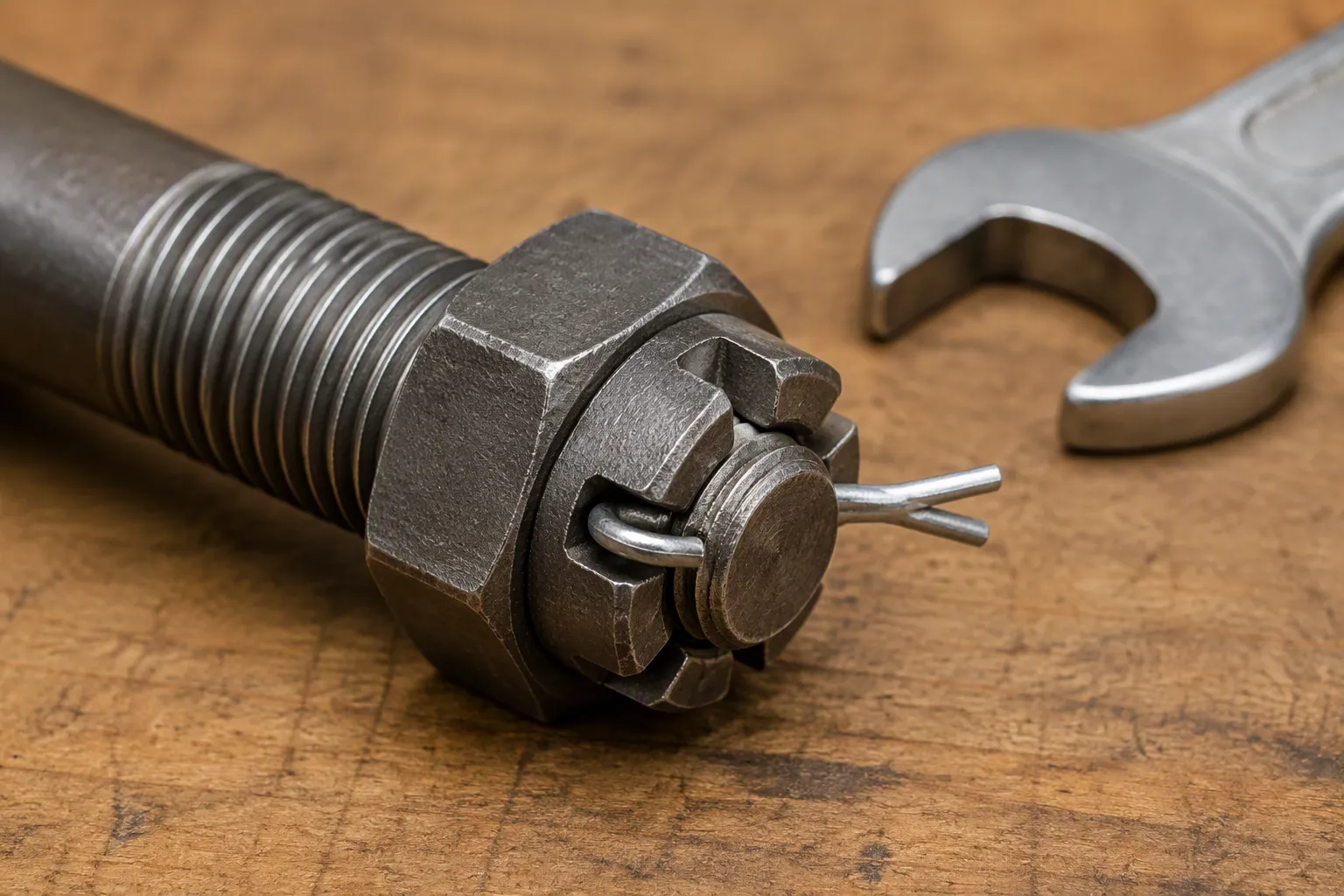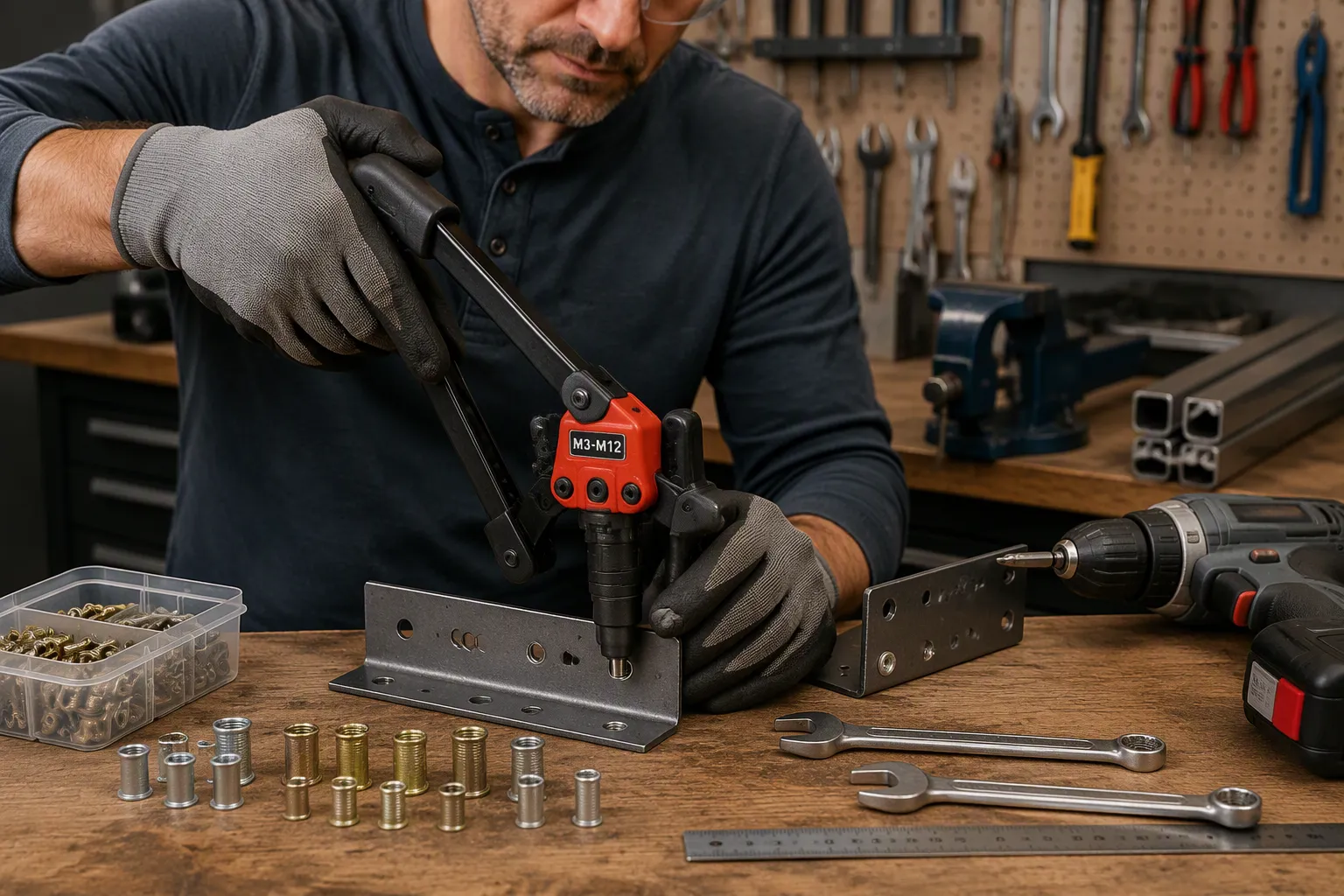
Castle nut wrenches serve as essential tools for professionals who work with المسامير والبراغي in automotive, machinery, and firearm assembly. Many technicians rely on these wrenches when dealing with المثبتات المخصصة, especially in situations where safety and precision matter. A castle nut features slots designed for use with cotter pins, a detail that sets it apart from standard fasteners. Unlike common wrenches, a castle nut wrench fits these slots, allowing secure installation and removal. Custom fasteners manufacturer teams often recommend these tools for their specialized function, making this a complete guide for proper selection and use.
Understanding Castle Nut Wrenches
Definition and Purpose
What is a castle nut?
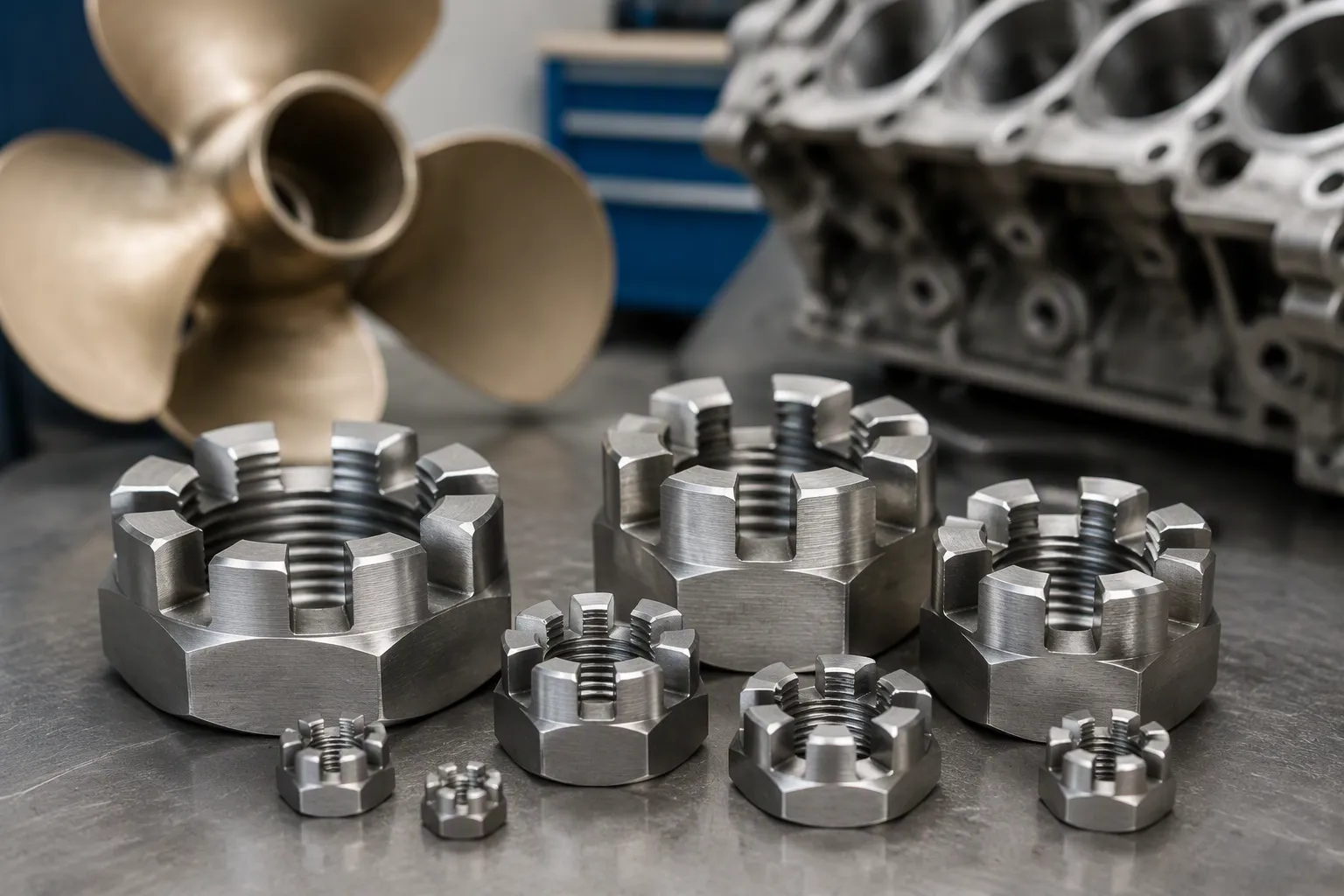
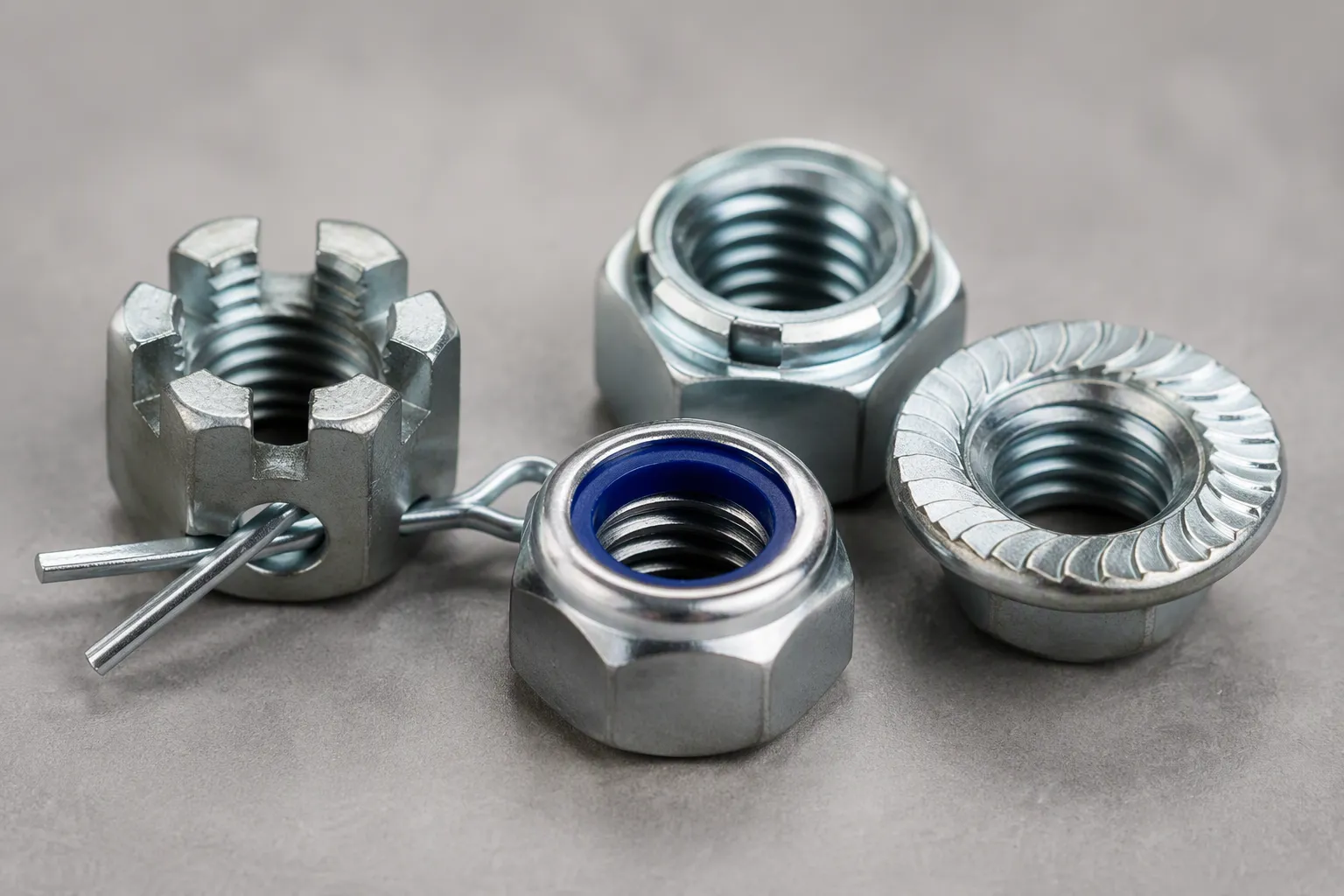
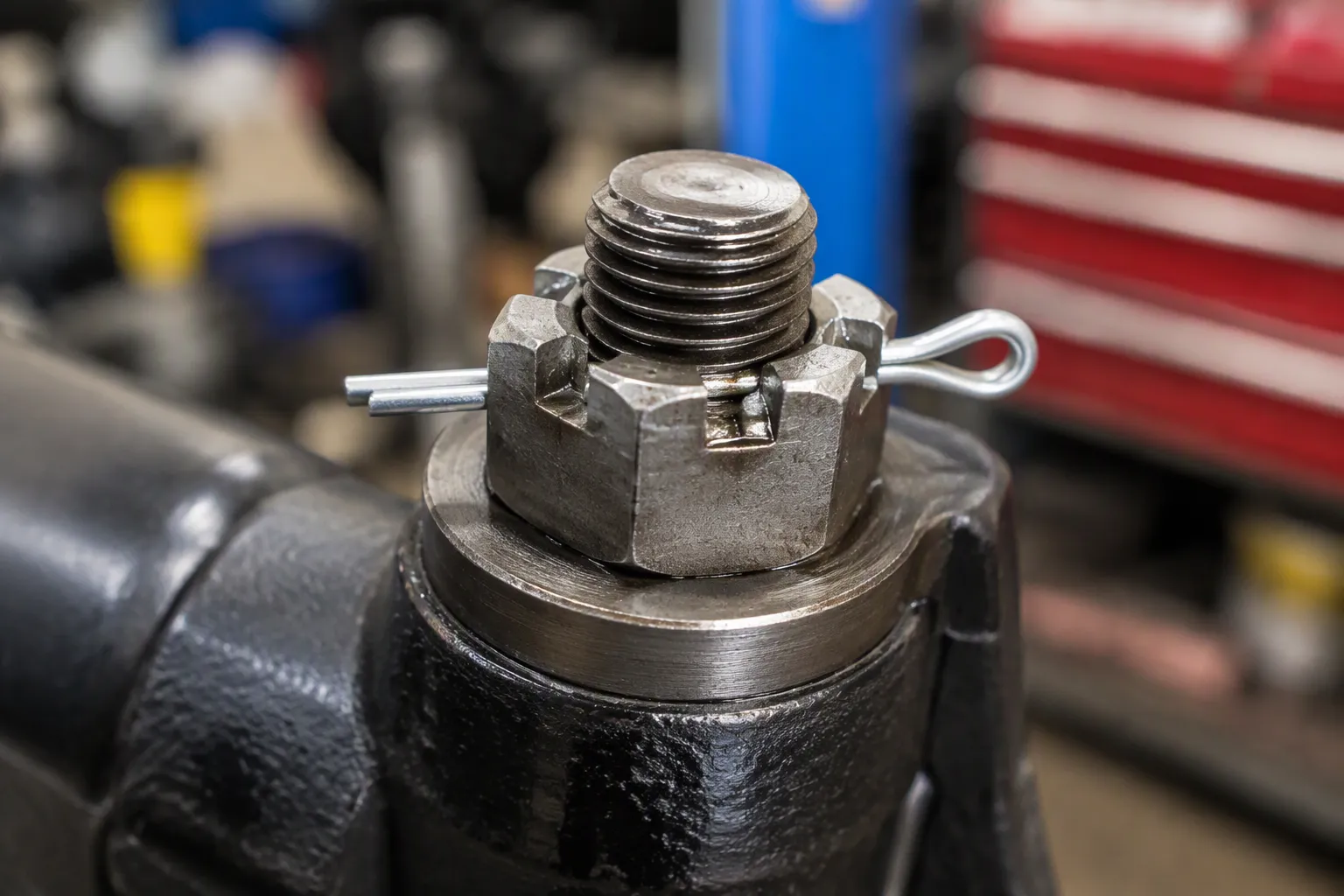
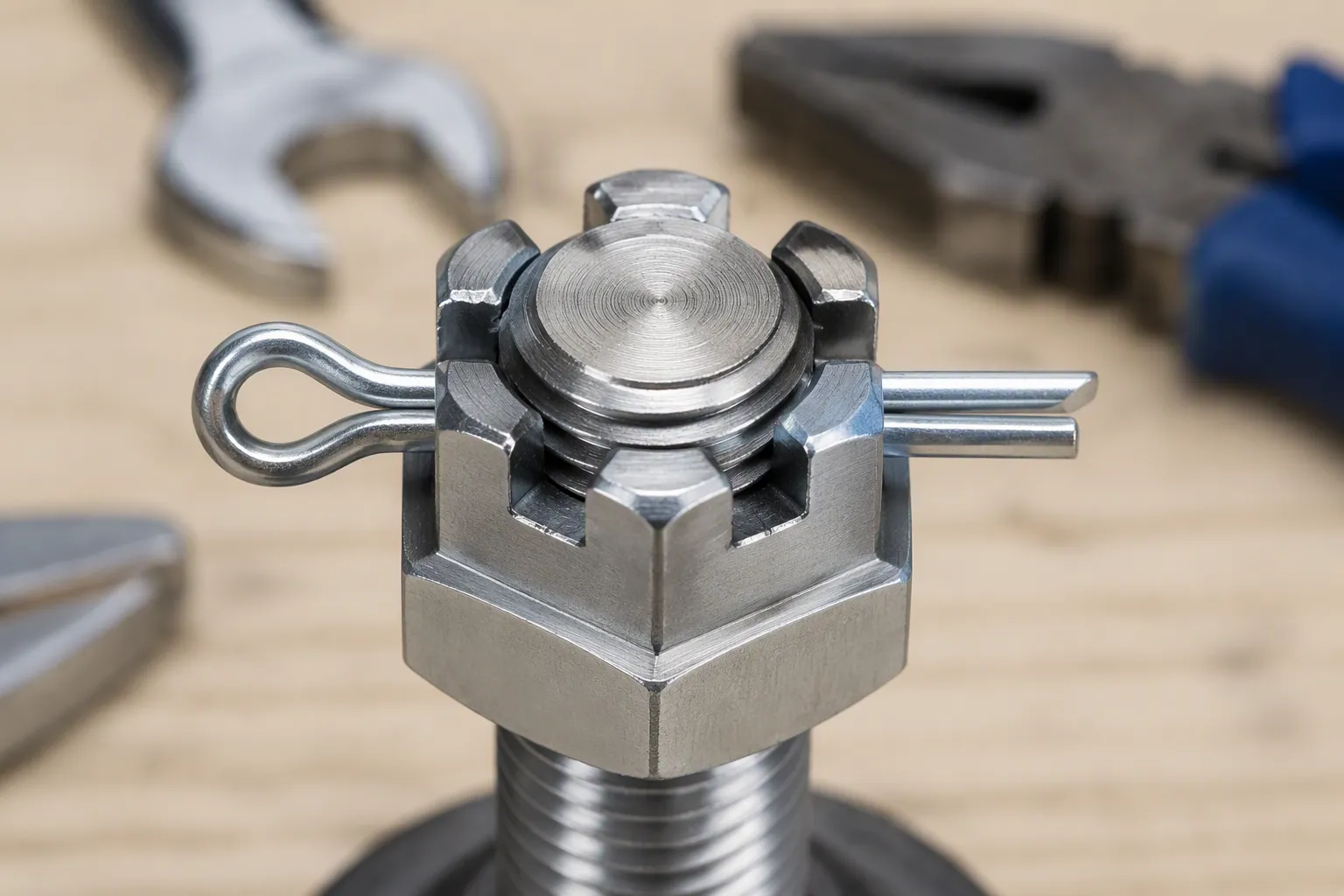
A castle nut is a specialized fastener that features a series of slots or notches around its perimeter. These slots allow the insertion of a cotter pin, which locks the nut in place and prevents it from loosening during operation. The unique design of the castle nut makes it a preferred choice in applications where safety and reliability are critical. Mechanics and engineers often use this nut in automotive suspensions, heavy machinery, and firearm assemblies. The castle shape provides both security and ease of inspection.
How does a castle nut wrench work?
A castle nut wrench is a tool engineered to fit the distinct shape of a castle nut. The wrench engages with the slots on the nut, allowing the user to apply torque without damaging the fastener. This tool proves especially useful in confined spaces where standard wrenches cannot operate efficiently. The primary purpose of the castle nut wrench centers on secure installation and removal of castle nuts, which is essential in high-stress environments. The wrench ensures that the nut remains tight, even when exposed to vibrations or repeated use.
Tip:
Technicians rely on castle nut wrenches to maintain the integrity of mechanical assemblies. These tools help prevent loosening, which could lead to equipment failure.
- The castle nut wrench fits specific castle nut shapes, making manipulation easier in tight spaces.
- It ensures castle nuts are securely fastened, which is crucial in high-stress environments to prevent loosening from vibrations.
- Castle nuts are commonly used in various machinery and equipment, highlighting their importance in maintaining the integrity of mechanical assemblies.
الميزات الرئيسية
Design elements
Castle nut wrenches stand out due to their innovative design. Many feature a dual-ended structure, which allows one tool to perform multiple functions. This versatility reduces the need for carrying several tools and increases efficiency in the field. The wrench often includes a handle designed for optimal grip and leverage, making it easier to apply the necessary torque.
Materials used
Manufacturers typically use professional-grade, hardened steel to construct castle nut wrenches. This material resists bending and withstands extreme use. Many wrenches also feature a black oxide finish, which prevents rust and corrosion. These qualities extend the life of the wrench and ensure reliable performance in demanding environments.
Compatibility with castle nuts
Castle nut wrenches offer compatibility with a range of torque wrenches, such as the XL F.A.T. Wrench or any ½” drive torque wrench. This adaptability allows users to select the right tool for the job, whether working on firearms, vehicles, or industrial machinery.
| ميزة | الوصف |
|---|---|
| التصميم | Innovative dual-ended design that performs multiple functions per wrench |
| التوافق | Works with XL F.A.T. Wrench or any ½” Drive Torque Wrenches |
| المواد | Professional-grade, hardened steel construction that withstands extreme use |
| الانتهاء | Black oxide finish that prevents rust and corrosion, extending tool life |
Types of Castle Nut Wrenches: A Complete Guide
A complete guide to castle nut wrenches must address the different types available for professionals and enthusiasts. Each wrench design serves a unique purpose and fits specific applications. Understanding these differences helps users select the right tool for every castle nut installation or removal.
Standard Castle Nut Wrenches
Fixed head design
Standard castle nut wrenches feature a fixed head that matches the profile of the castle nut. The head does not adjust, which ensures a precise fit on the nut’s slots. This design provides stability and reduces the risk of slipping during use. The fixed head often includes notches or prongs that align with the castle nut’s slots, allowing the wrench to grip the nut securely. Many technicians prefer this type for its simplicity and reliability.
Common applications
Standard castle nut wrenches play a vital role in many mechanical and industrial settings. They offer essential support for tasks that require precise torque control and alignment. These wrenches adapt well to confined spaces and non-standard fastener sizes. Common applications include:
- Bicycle maintenance, where the castle nut secures wheel hubs and other moving parts.
- Automotive repair, especially in suspension systems that demand secure fastening.
- Industrial pipeline systems, where the castle nut maintains the integrity of joints and connections.
Note: Standard castle nut wrenches provide consistent performance in environments where safety and accuracy matter most.
Adjustable Castle Nut Wrenches
Adjustable jaw mechanism
Adjustable castle nut wrenches introduce flexibility to the complete guide of tools. The jaw mechanism allows users to change the opening width, fitting various castle nut sizes with one wrench. This feature eliminates the need to carry multiple wrenches for different nuts. The adjustment usually involves a screw or lever that moves the jaws closer or farther apart. This mechanism ensures a snug fit on the castle nut, reducing the chance of rounding off the slots.
Versatility and limitations
Adjustable castle nut wrenches offer versatility for technicians who encounter different nut sizes in one project. They work well in field repairs and maintenance tasks. However, the adjustable design may not provide the same level of stability as a fixed head. Users must check the fit before applying torque to avoid slippage. The complete guide recommends adjustable wrenches for general use but suggests fixed-head models for high-torque or critical applications.
Socket Castle Nut Wrenches
Socket compatibility
Socket castle nut wrenches combine the benefits of a socket tool with the specialized design for castle nuts. These wrenches fit onto standard ratchets or torque wrenches, allowing users to apply force efficiently. The socket end features cutouts or prongs that engage with the castle nut’s slots. This compatibility streamlines the workflow, especially when technicians need to switch between different tools quickly.
Torque application
Socket castle nut wrenches excel in situations that require precise torque application. The connection to a torque wrench ensures that the castle nut receives the correct amount of force, preventing over-tightening or under-tightening. This feature proves essential in automotive, aerospace, and machinery assembly. The complete guide highlights socket wrenches as the preferred choice for professionals who demand accuracy and repeatability.
| النوع | الميزة الرئيسية | أفضل حالة استخدام |
|---|---|---|
| Standard Castle Nut Wrench | Fixed head, precise fit | Bicycle, automotive, pipelines |
| Adjustable Castle Nut Wrench | Variable jaw, flexible | Field repairs, mixed nut sizes |
| Socket Castle Nut Wrench | Socket drive, torque-ready | High-precision, professional tasks |
A complete guide to castle nut wrenches ensures that users understand the strengths and limitations of each type. Selecting the right wrench for the castle nut improves safety, efficiency, and the longevity of mechanical assemblies.
Spanner Castle Nut Wrenches
Pin spanner design
Spanner castle nut wrenches use a pin spanner design to engage the slots on the castle nut. This design features two or more pins that fit directly into the notches of the nut. The pins provide a secure grip, which prevents slippage during installation or removal. Many technicians prefer this wrench for tasks that require precise alignment of the receiver extension castle nut on the buffer tube. The pin spanner design allows for even torque distribution, which protects the nut from damage and ensures consistent staking.
The spanner wrench often includes an ergonomic handle. This feature improves comfort and control, especially when working on the lower receiver of an AR-15. The design also allows for easy access to the buffer tube area, which is critical for proper staking and performance. Mechanics and armorers rely on this tool for its reliability and ability to handle repeated use.
Specialized uses
Spanner castle nut wrenches serve specialized roles in firearm assembly, automotive repair, and industrial maintenance. In the AR-15 platform, the spanner wrench is essential for installing or removing the receiver extension castle nut. This process secures the buffer tube to the lower receiver and ensures the buffer system functions correctly. The tool also supports staking, which locks the nut in place and prevents loosening during recoil.
In automotive applications, technicians use the spanner wrench to adjust suspension components that rely on castle nuts. The pin spanner design provides the accuracy needed for high-performance vehicles. Industrial settings also benefit from this wrench, especially when maintaining machinery that uses castle nuts for safety-critical connections.
Tip:
Always inspect the pins on the spanner wrench before use. Worn or damaged pins can slip and cause improper staking or damage to the receiver extension castle nut.
Armorer’s Castle Nut Wrenches for AR-15
Military and firearm applications
Armorer’s castle nut wrenches for AR-15 rifles play a vital role in military and law enforcement armories. These tools allow armorers to install, remove, and stake the receiver extension castle nut on the buffer tube with precision. The AR-15 platform requires secure attachment of the buffer tube to the lower receiver for reliable performance. Proper staking prevents the nut from backing out under heavy use.
Armorer wrenches on the market for AR-15 rifles often include features tailored to the needs of professionals. These wrenches support quick maintenance and ensure consistent staking, which is critical for mission-ready firearms. The design also accommodates the unique dimensions of the AR-15 receiver and buffer tube assembly.
Unique features
Manufacturers design armorer’s castle nut wrenches for AR-15 rifles with several unique features that set them apart from standard models. These features improve performance, reduce weight, and enhance user experience. The table below highlights key differences:
| Unique Features | الوصف |
|---|---|
| Lighter Weight | Utilizing materials like aluminum or titanium to reduce weight, beneficial for competition builds. |
| Additional Features | Some models come with integrated QD sling swivel mounts for added functionality. |
| Improved Securement | Ratchet lock systems provide a secure attachment without traditional staking, simplifying maintenance. |
| التخصيص | Available in various colors and finishes to match the aesthetic of the rifle. |
Many armorer wrenches on the market now offer ratchet lock systems. These systems secure the receiver extension castle nut without the need for traditional staking. This feature simplifies maintenance and reduces the risk of damaging the lower receiver. Some models also include integrated QD sling swivel mounts, which add versatility to the AR-15 platform. Lightweight materials such as aluminum or titanium improve handling, especially for competition shooters who prioritize speed and balance.
Customization options allow users to match the wrench to their rifle’s finish. This attention to detail appeals to enthusiasts who value both function and appearance. The combination of these features ensures that the AR-15 castle nut remains secure, the buffer tube stays aligned, and the lower receiver maintains peak performance.
Specialized Castle Nut Wrenches
Outdoor Connection Buffer Tube Nut Wrench
The Outdoor Connection buffer tube nut wrench addresses the specific needs of AR-15 and AR-10 users. This tool provides a precision fit for the receiver extension castle nut, which secures the buffer tube to the lower receiver. The design includes a robust handle for improved leverage and control. Armorers use this wrench to achieve proper staking and ensure the buffer system operates smoothly.
The tool’s construction features hardened steel, which resists wear and maintains performance over time. The ergonomic grip reduces hand fatigue during extended use. This wrench supports both installation and removal of the castle nut, making it a versatile addition to any armorer’s toolkit.
Magpul Armorer’s Wrench
The Magpul armorer’s wrench stands out among armorer wrenches on the market for its multi-functionality and durability. This tool fits the receiver extension castle nut on AR-15 platforms and supports staking for secure attachment. The wrench also includes features for installing muzzle devices and carbine stocks, which adds value for armorers and enthusiasts.
Magpul uses high-strength steel and a corrosion-resistant finish to ensure long-term performance. The wrench’s design allows for comfortable use on the buffer tube and lower receiver. Many users appreciate the tool’s compatibility with a wide range of AR-15 castle nut sizes and its ability to handle repeated staking without deformation.
Industry-specific designs
Specialized castle nut wrenches address the unique requirements of different industries. The table below highlights examples of tools designed for specific applications:
| اسم الأداة | Industry Application | الميزات الرئيسية |
|---|---|---|
| Pantheon Arms Castle Nut Tool | Firearms (AR-15, AR-10) | Precision fit for Dolos castle nuts, steel construction, black oxide finish, ergonomic design. |
| Cross Armory Castle Nut Wrenches | Firearms (AR-10, AR-15) | 2X thicker material, case-hardened High-Carbon Steel, rubberized grip, universal compatibility. |
Pantheon Arms Castle Nut Tool:
- Precision fit for Dolos castle nuts.
- Durable steel construction with a black oxide finish.
- Streamlined installation process for faster barrel exchanges.
- Specialized for Dolos castle nuts only.
- Requires a separate ratchet or torque wrench.
Cross Armory Castle Nut Wrenches:
- Exceptional fit and finish for castle nuts.
- Robust construction from case-hardened high-carbon steel.
- Comfortable rubberized grip for better handling.
- No torque wrench integration.
- Specialized tool with limited broader applications.
These industry-specific designs ensure that technicians and armorers can achieve proper staking, secure the receiver extension castle nut, and maintain the performance of the buffer tube and lower receiver. Selecting the right wrench for the application improves safety, efficiency, and the longevity of the AR-15 castle nut assembly.
Features and Materials
Material Choices
الصلب
Steel remains the most common material for a castle nut wrench. Manufacturers select steel for its strength and resistance to deformation. This material handles the high torque required during buffer tube assembly. Steel wrenches often receive a protective coating to prevent rust. Many technicians trust steel tools for their reliability in every build.
Alloy
Alloy materials offer a balance between weight and durability. Engineers design alloy wrenches to reduce fatigue during repetitive tasks. These tools provide enough strength for securing a nut on a buffer tube without adding unnecessary bulk. Alloys also allow for more customization in the manufacturing process. This flexibility supports unique features to focus on, such as specialized grips or color finishes for each build.
Composite materials
Composite materials have gained popularity in recent years. These materials combine lightweight construction with impressive strength. Composite wrenches suit users who prioritize portability in their build. The non-conductive properties of composites also protect the buffer tube and nut from accidental electrical contact. Many brands use composites to create ergonomic handles that enhance comfort during extended use.
Handle Design
علم بيئة العمل
Ergonomics play a critical role in the effectiveness of a castle nut wrench. Designers shape handles to fit the natural contours of the hand. This approach reduces strain during buffer tube installation or removal. An ergonomic handle ensures that users maintain control throughout the build process. Many wrenches feature textured surfaces to prevent slipping, even when hands become oily.
Grip options
Grip options vary across different wrench models. Some handles use rubber overlays for added comfort. Others incorporate knurled metal for a secure hold. The right grip improves safety and efficiency when tightening a nut on a buffer tube. Customization in grip design allows users to select the best tool for their build preferences.
Tip:
Always test the grip of a wrench before starting a new build. A comfortable handle can prevent hand fatigue during buffer tube work.
Durability and Longevity
Wear resistance
Wear resistance determines the lifespan of a castle nut wrench. High-quality steel and alloy models withstand repeated use on buffer tube assemblies. Composite wrenches resist corrosion and maintain their shape over time. Technicians should inspect their tools regularly for signs of wear, especially after each build.
Maintenance tips
Proper maintenance extends the life of any wrench. Clean the tool after each buffer tube installation to remove debris. Store wrenches in a dry environment to prevent rust on steel or alloy models. Lubricate moving parts if the wrench includes an adjustable mechanism. These steps ensure that every build proceeds smoothly and that the nut remains secure on the buffer tube.
Compatibility and Selection
Matching Wrench to Castle Nut
Size considerations
Selecting the correct wrench for a castle nut requires attention to size. Each castle nut comes with a specific diameter and slot configuration. Users must measure the nut and compare it to the wrench’s specifications. A proper fit ensures that the wrench engages the slots without slipping. This step prevents damage to both the castle nut and the fastener. For the ar-15 castle nut, the wrench must match the unique dimensions of the receiver extension and buffer tube. Technicians often use calipers or sizing charts to confirm compatibility before beginning work.
Thread compatibility
Thread compatibility plays a critical role in assembly. The castle nut must align with the thread pitch and diameter of the bolt, screw, or stud. If the threads do not match, the nut will not secure the receiver or buffer tube properly. This mismatch can lead to stripped threads or loose assemblies. When working on an ar-15, users should verify that the castle nut matches the thread count of the buffer tube and receiver extension. Careful selection ensures a secure fit and reliable performance.
Application-Specific Selection
Automotive uses
Automotive technicians rely on the right wrench for tasks involving suspension systems and steering components. The castle nut secures critical joints, such as tie rods and ball joints. A wrench designed for automotive use provides the leverage needed to tighten or remove the nut without damaging the threads. High-quality tools reduce fatigue and improve safety during repairs.
Firearm uses including AR-15
Firearm assembly, especially for the ar-15, demands precision. The ar-15 castle nut secures the buffer tube to the lower receiver. Armorers select wrenches that fit the unique slots and dimensions of the ar-15 castle nut. These tools must provide a secure grip to prevent slippage during staking. The right wrench ensures that the buffer tube remains aligned with the receiver, supporting reliable cycling and accuracy. Many ar-15 enthusiasts choose wrenches with enhanced features, such as ergonomic handles and increased leverage, to streamline assembly and maintenance.
Machinery and industrial uses
In industrial settings, machinery often uses castle nuts to secure rotating parts and safety-critical assemblies. The correct wrench must match the nut’s size and thread type. Industrial wrenches feature robust construction to withstand repeated use. Technicians check compatibility before installation to avoid downtime and ensure equipment reliability.
Choosing the Right Wrench
Factors to consider
Several factors influence the selection of a castle nut wrench. Quality and design stand out as top priorities. Tools from reputable manufacturers, such as 2 Unique, LLC, offer durability and efficiency. Features like increased leverage and a secure fit reduce user fatigue and prevent the wrench from slipping under torque. For ar-15 applications, users should look for wrenches that match the receiver extension and buffer tube dimensions. Compatibility with the ar-15 castle nut ensures a smooth build process.
Tip:
Always test the wrench on the castle nut before final assembly. This practice helps identify any fit issues early.
Common mistakes to avoid
Many users make mistakes by choosing a wrench based solely on appearance or general size. This approach can lead to poor compatibility and damaged components. Others overlook thread compatibility, resulting in stripped threads or loose assemblies. Technicians should avoid using worn or damaged wrenches, as these tools may slip and harm the receiver or buffer tube. Careful selection and regular inspection of tools help maintain safety and performance.
How to Use Castle Nut Wrenches
Step-by-Step Usage Guide
Preparing the workspace
A clean and organized workspace ensures safe and efficient installation. Technicians should clear the bench of unnecessary tools and debris. Good lighting helps identify the ar-15 castle nut and related components. Before beginning, they must always remove the magazine and check the chamber. Verifying that the ar-15 is unloaded prevents accidents. Safety glasses and gloves protect against debris and sharp edges during installation and removal.
Positioning the wrench
Securing the lower receiver is essential for stability. Users insert the lower receiver vise block into the mag well and lock it into the bench vise. This step prevents movement during installation. The armorer’s wrench slides over the buffer tube, engaging the teeth into the large notches of the ar-15 castle nut. Proper alignment ensures the wrench fits securely and does not slip. This positioning forms the foundation for all basic tasks for an armorer’s wrench.
Applying proper torque
Applying proper torque is critical for a secure fit. Users apply steady, firm pressure in a counter-clockwise direction to loosen the ar-15 castle nut. If the nut is not staked or treated with thread locker, it should break free with about 30-40 foot-pounds of force. After removal, they inspect the threads on the buffer tube for damage. During installation, they follow torque specifications to avoid over-tightening. Consistent pressure ensures the ar-15 castle nut remains secure without damaging the receiver.
Tip:
Always use a calibrated torque wrench to achieve proper torque during installation. This practice prevents stripping and ensures long-term reliability.
Installation Tips
Preventing damage
Technicians prevent damage by using the correct wrench size for the ar-15 castle nut. They avoid using excessive force, which can deform the nut or buffer tube. Lubricating the threads before installation reduces friction and helps achieve the correct fit. Inspecting the wrench for wear ensures it grips the nut securely.
Ensuring secure fit
A secure fit starts with aligning the ar-15 castle nut and buffer tube threads. Users hand-tighten the nut before applying the wrench. This method prevents cross-threading. They then use the wrench to tighten the nut to the recommended torque. Staking the nut, when required, locks it in place and prevents loosening during use. Proper installation supports reliable cycling and accuracy for the ar-15.
Maintenance and Care
Cleaning after use
After installation, cleaning the wrench removes debris and lubricant. A soft brush or cloth works well for this task. Technicians check for signs of wear or damage, especially on the teeth that engage the ar-15 castle nut. Regular cleaning extends the tool’s lifespan.
Storage recommendations
Proper storage protects the wrench from rust and damage. Users store the tool in a dry, organized toolbox. Keeping the wrench with other ar-15 tools ensures it is always available for future installation. Routine inspection and maintenance keep the wrench ready for precise work.
| مهمة الصيانة | الفائدة |
|---|---|
| Cleaning after use | Prevents buildup and corrosion |
| Dry storage | Extends tool life |
| Regular inspection | Ensures reliable performance |
Essential Tools and Accessories
Supporting Tools
Torque wrenches
Technicians depend on a torque wrench for precise tightening of castle nuts. This tool applies a specific amount of force, which prevents over-tightening and ensures safety. Many professionals select a torque wrench with a clear scale for easy reading. The tool works well with castle nut wrenches, especially during firearm assembly and automotive repairs. Mechanics often use a torque wrench to maintain consistent torque across multiple fasteners. The combination of a torque wrench and a castle nut wrench delivers reliable results in every build.
Tip:
Always calibrate the torque wrench before starting a project. Accurate calibration guarantees correct torque application.
Lubricants
Lubricants play a vital role in castle nut installation. They reduce friction between threads and help achieve a secure fit. Many technicians apply a small amount of lubricant to the threads before using a wrench. This practice prevents galling and makes removal easier in the future. Lubricants also protect tools from corrosion, extending their lifespan. Mechanics select lubricants designed for high-temperature environments to ensure performance under stress.
Safety Equipment
القفازات
Gloves protect hands from sharp edges and debris during castle nut installation. Many professionals choose gloves with reinforced palms for better grip on tools. The right gloves improve control when using a wrench and reduce the risk of injury. Mechanics often select gloves made from durable materials that resist punctures and abrasions.
Eye protection
Eye protection remains essential in any workspace. Safety glasses shield eyes from flying debris and accidental tool slips. Technicians wear eye protection when using a torque wrench or castle nut wrench. Clear lenses provide unobstructed vision, which helps maintain accuracy during assembly. Many professionals keep eye protection as part of their essential tools for every project.
Tool Kits and Sets
Comprehensive kits
Comprehensive tool kits offer a complete solution for castle nut work. These kits include a variety of tools such as torque wrenches, castle nut wrenches, crowfoot wrenches, and specialized lubricants. Many kits feature high-quality tool steel for strength and durability. Professionals value kits that provide versatility, allowing them to tackle different barrel nut styles and handguards. The inclusion of an armorer’s wrench enables technicians to tighten or loosen castle nuts, barrel nuts, and engage muzzle devices.
| ميزة | الوصف |
|---|---|
| جودة المواد | Tool steel is preferred for strength and durability, essential for handling high torque tasks. |
| Armorer’s Wrench | A key component that can tighten/loosen castle nuts, barrel nuts, and engage muzzle devices. |
| تعدد الاستخدامات | Some kits include multiple crowfoot wrenches for different barrel nut styles and handguards. |
Recommended brands
Several brands stand out for their reliable tool kits. Magpul, Wheeler Engineering, and Real Avid offer kits with essential tools for castle nut installation. These brands provide torque wrenches, castle nut wrenches, and specialized accessories. Professionals trust these brands for their commitment to quality and performance. Mechanics and armorers select kits from reputable manufacturers to ensure every wrench delivers consistent results.
ملاحظة:
Investing in a comprehensive tool kit saves time and improves efficiency. Technicians benefit from having all essential tools in one organized set.
Common Concerns and Troubleshooting
Compatibility Issues
Identifying mismatched tools
Technicians often encounter compatibility issues when working with castle nut wrenches. Some multi-tools do not fit torque wrenches, which creates problems during assembly. The buffer tube and receiver require precise engagement, and mismatched tools can damage these components. Users sometimes debate whether staking or threadlocker provides better security for the castle nut. In many cases, improper tool selection leads to binding or incomplete tightening.
- Multi-tools may not fit torque wrenches, causing assembly delays.
- Incorrect wrench size can damage the buffer tube or receiver.
- Staking and threadlocker methods spark debate among users.
Tip:
Always check the wrench’s compatibility with the buffer tube and receiver before starting work. This practice prevents costly mistakes and ensures a secure fit.
Solutions for fit problems
Technicians resolve fit problems by selecting an armorer’s wrench designed for castle nuts. This tool provides proper tightening and reduces the risk of slippage. Applying grease to the threads prevents binding and makes installation smoother. For securing the castle nut, professionals recommend using blue threadlocker or staking. These methods keep the nut in place and protect the buffer tube and receiver from vibration-related loosening.
Reusability and Wear
Signs of tool fatigue
Repeated use affects the reusability of a wrench. Technicians inspect the mating faces that touch the shoulder ridge of the receiver extension for visible deformation. Rounded-off chamfers, originally machined into each corner segment, indicate wear and hinder proper seating. Gouges deeper than 0.005 inches, caused by improper gripping, signal that the wrench may no longer provide a secure fit. Cracks radiating inward from the cotter-pin bore openings also suggest tool fatigue.
- Deformation near the receiver extension shoulder ridge
- Rounded chamfers on corner segments
- Deep gouges from improper gripping
- Cracks near cotter-pin bore openings
When to replace a wrench
Technicians replace a wrench when signs of wear compromise its performance. If the tool cannot grip the castle nut securely or damages the buffer tube or receiver, replacement becomes necessary. Regular inspection ensures that the wrench remains reliable. Professionals recommend retiring any wrench that shows visible cracks, deep gouges, or excessive rounding.
Proper Torque Application
Avoiding over-tightening
Applying the correct torque prevents damage to the buffer tube and receiver. Over-tightening can strip threads or deform the castle nut. Technicians use a calibrated torque wrench to achieve the recommended force. This approach maintains the integrity of the buffer tube and receiver extension.
ملاحظة:
Always follow manufacturer torque specifications. Proper torque protects both the buffer tube and receiver from unnecessary stress.
Ensuring safety
Safety remains a priority during castle nut installation. Technicians wear gloves and eye protection to guard against injury. They secure the receiver in a vise and use the correct wrench for the buffer tube. This method ensures stable assembly and reduces the risk of accidents. Consistent torque application and proper tool selection keep the buffer tube and receiver safe throughout the process.
Castle nut wrenches deliver precision, durability, and reliability for professionals and enthusiasts. The table below highlights essential features and benefits:
| Feature/Benefit | الوصف |
|---|---|
| Engagement with Castle Nut | Engages all four contact points for secure assembly and disassembly. |
| Torque Application | Compatible with a 1/2″ drive ratchet for accurate torque. |
| Precision Manufacturing | Laser-cut for enhanced durability and effectiveness. |
| Customer Feedback | Users report robust performance and value. |
| Lifetime Guarantee | Backed by a lifetime guarantee for peace of mind. |
When selecting a castle nut wrench, users should:
- Match the tool to the specific application, such as firearm maintenance or locksmithing.
- Confirm compatibility with the castle nut type.
- Choose the right tool for easier installation and removal.
Proper installation and maintenance extend tool life. Staking the castle nut prevents loosening from vibration and ensures long-term reliability. Investing in a quality wrench guarantees consistent results and user satisfaction.
الأسئلة الشائعة
What is the main difference between a castle nut wrench and a standard wrench?
A castle nut wrench features prongs or slots that fit the notches of a castle nut. This design allows precise engagement and prevents slippage. Standard wrenches do not provide this specialized fit.
Can one castle nut wrench fit all castle nuts?
No, one wrench cannot fit all castle nuts. Each castle nut has unique dimensions and slot patterns. Technicians must select a wrench that matches the specific nut size and application.
How often should a technician replace a castle nut wrench?
Technicians should inspect their wrenches regularly. Replace the tool if they notice cracks, deep gouges, or rounded prongs. Frequent use in high-torque applications may require more frequent replacement.
Is staking always necessary after installing a castle nut?
Staking is necessary for firearm applications, especially on AR-15 buffer tubes. It prevents the nut from loosening due to vibration. In other industries, threadlocker or other methods may suffice.
What safety gear should a user wear when using a castle nut wrench?
Technicians should wear safety glasses and gloves. These items protect against debris, sharp edges, and accidental slips during installation or removal.
Are there any maintenance tips for extending the life of a castle nut wrench?
- Clean the wrench after each use.
- Store it in a dry place.
- Lubricate moving parts if adjustable.
- Inspect for wear before every project.
Which brands offer reliable castle nut wrenches?
| Brand | Known For |
|---|---|
| Magpul | Durability and multi-function |
| Wheeler Engineering | Precision and tool kits |
| Real Avid | Ergonomic design and value |