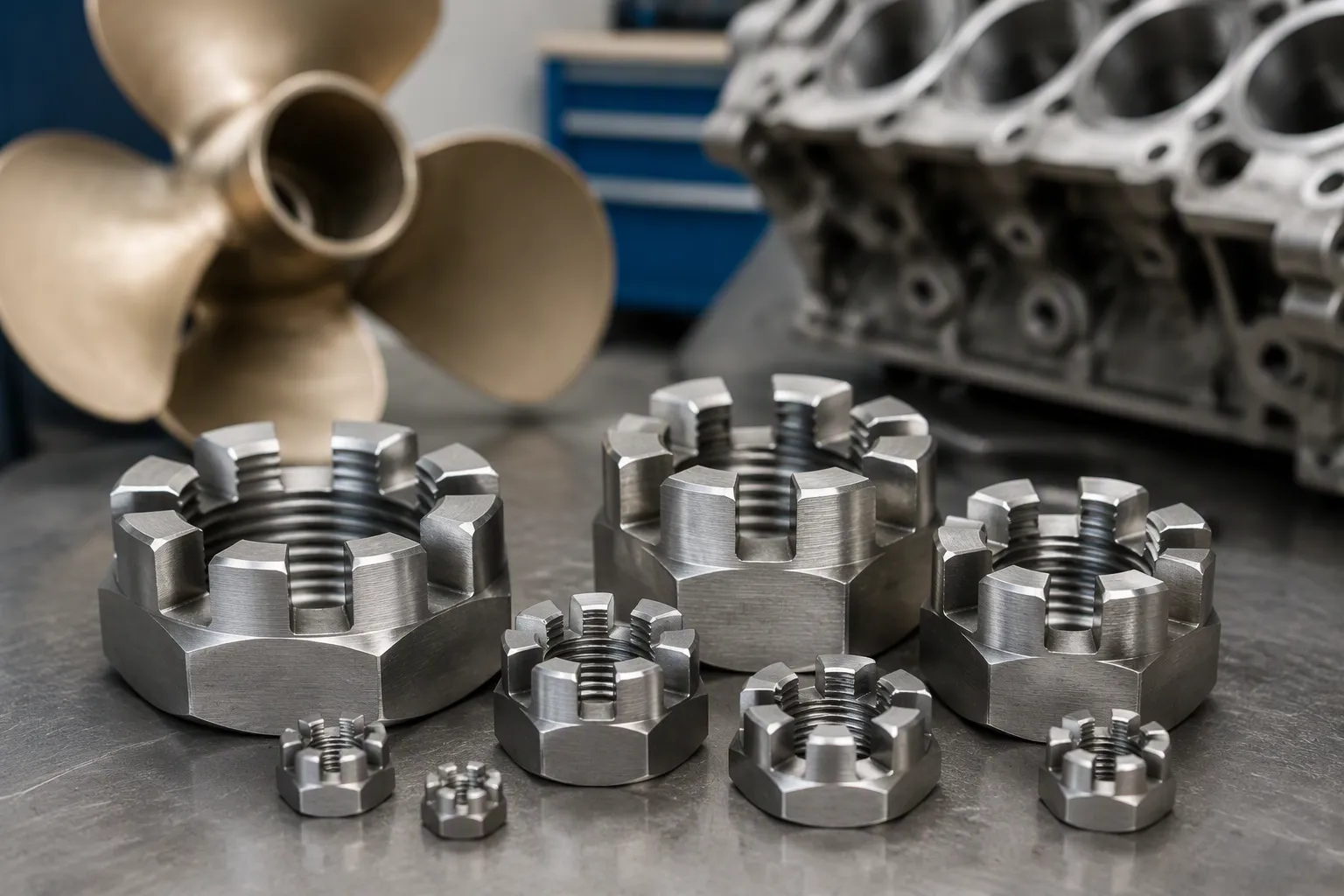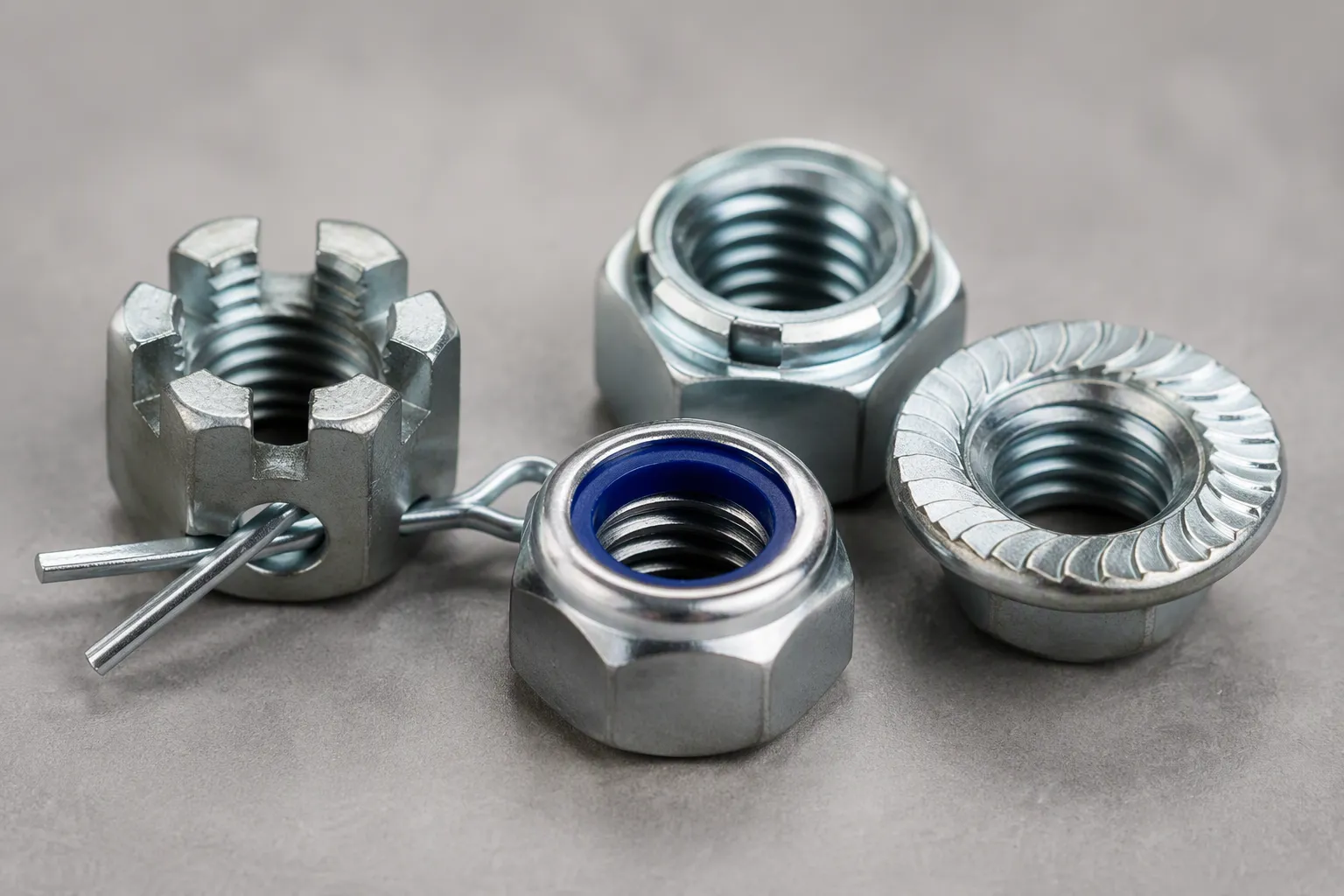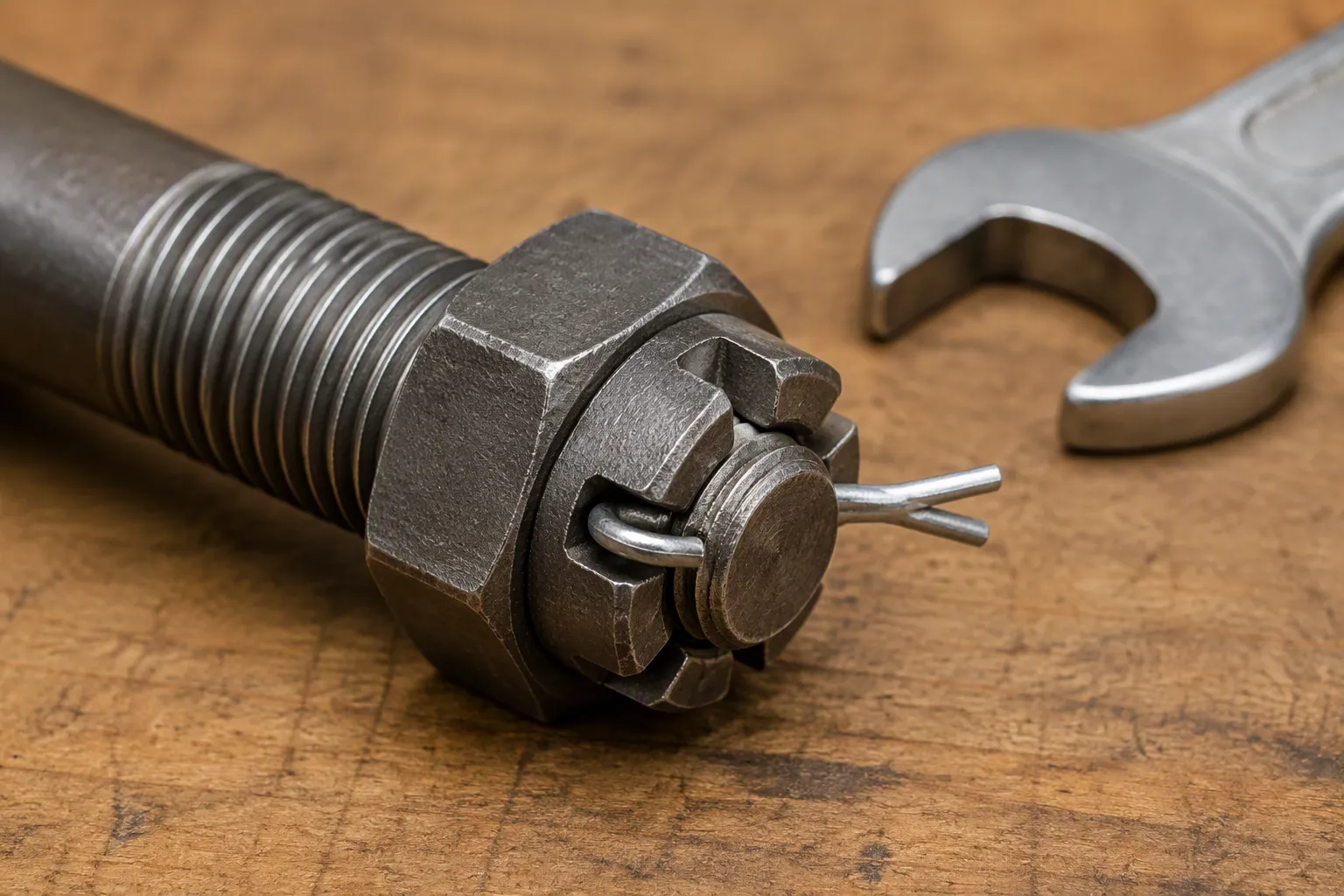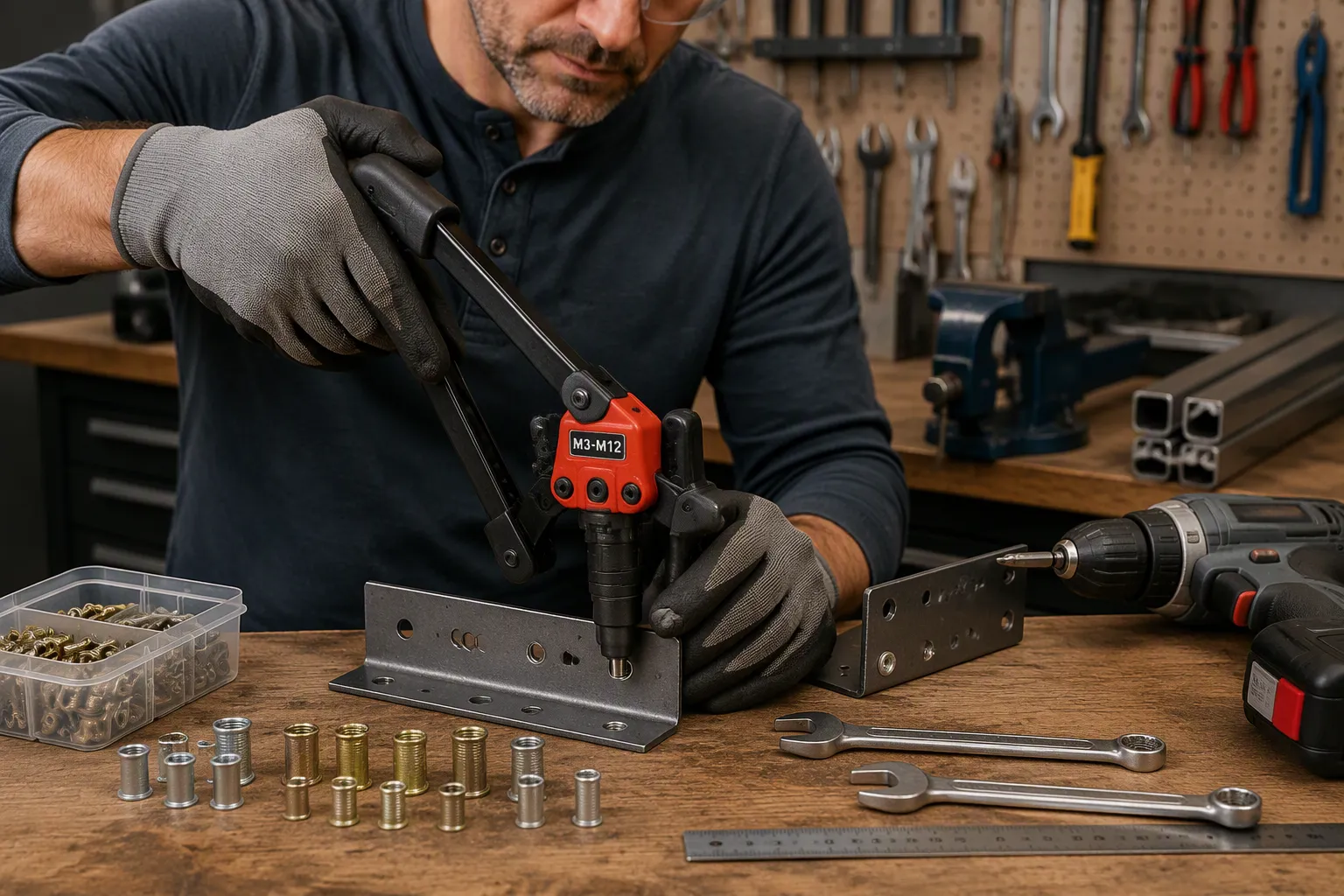

Industry leaders recognize the increasing demand for castle nuts across multiple sectors in 2026. The automotive, aerospace, renewable energy, heavy machinery, and robotics industries rely on these المثبتات المخصصة for critical applications. As the need for reliable المسامير والبراغي continues to rise, manufacturers seek advanced solutions from مُصنِّع أدوات التثبيت المخصصة networks. The industrial locknuts market, which includes the castle nut, expects to see a compound annual growth rate of 8.20% between 2025 and 2033. The uses for castle nuts reflect their essential role in securing vital connections under dynamic conditions.
Uses for Castle Nuts in Automotive Suspension Systems
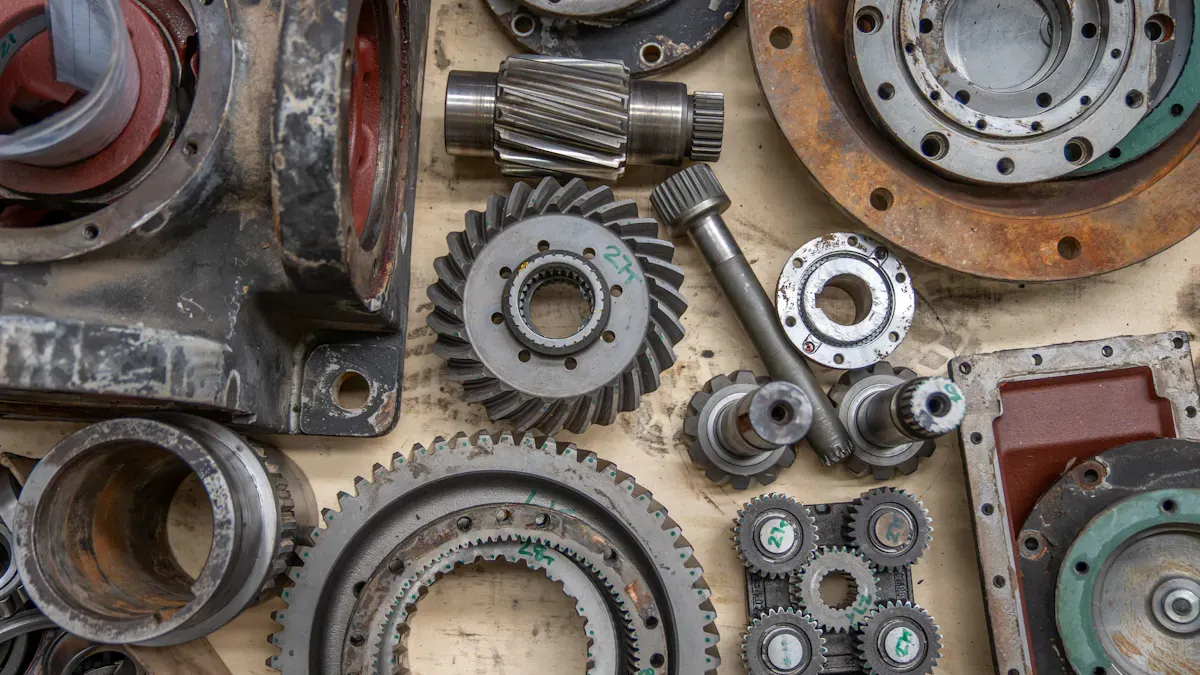
Application of Castle Nut in Suspension Components
Securing Ball Joints
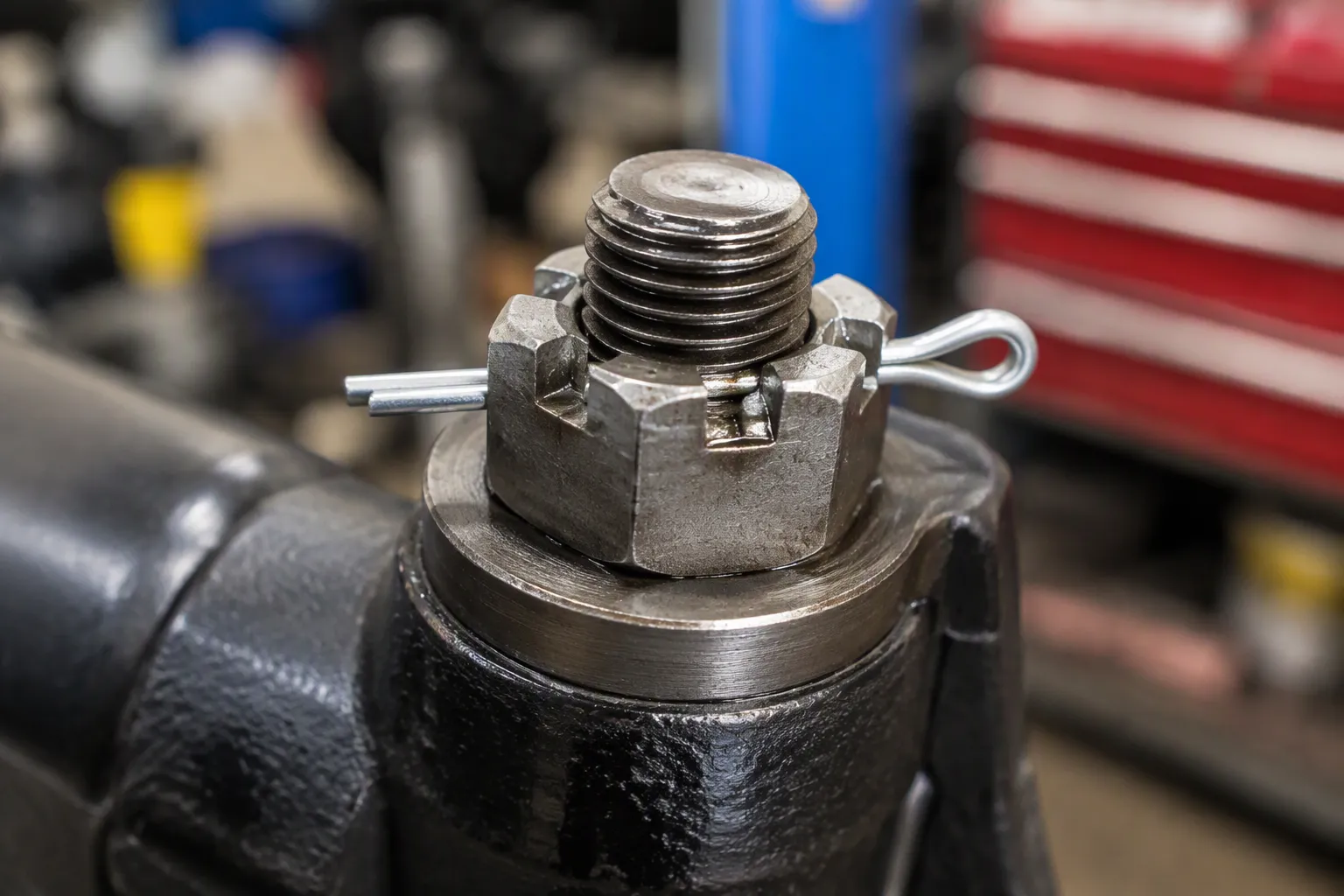
Automotive suspension systems rely on the castle nut to secure ball joints. This component connects the control arm to the steering knuckle, allowing for smooth movement and precise handling. The notched design of the castle nut enables the use of a cotter pin, which prevents loosening during operation. Mechanics use a castle nut wrench to achieve the correct torque, ensuring the ball joint remains stable under dynamic loads. The castle nuts market recognizes this application as a critical factor in vehicle safety and performance.
Attaching Control Arms
Control arms form the backbone of suspension geometry. The castle nut attaches these arms to the chassis and wheel assembly. This connection must withstand constant vibrations and shifting forces. Technicians depend on a castle nut wrench to install these fasteners accurately. The castle nuts market continues to see growth in this area, as modern vehicles require robust solutions for demanding environments.
Tip: Always check the alignment of the control arm before tightening the castle nut with a castle nut wrench. Proper installation reduces wear and extends the lifespan of suspension components.
| نوع الطلب | الوصف |
|---|---|
| Wheel hub assemblies | Castle nuts secure wheel components, ensuring stability during operation. |
| Suspension systems | They are critical in maintaining the integrity of suspension components. |
| Steering linkages | Used to secure steering components, enhancing vehicle control. |
| Ball joints and axle connections | Prevent loosening in critical connections, ensuring safety and performance. |
Why Castle Nuts Are Preferred in Automotive
Safety and Reliability
The automotive industry values the castle nut for its unique safety features. The turreted head and vertical slots allow for a cotter pin or safety wire, which locks the nut in place. This mechanical safeguard prevents the nut from backing off, even in high-vibration environments. The castle nuts market offers products manufactured to international standards, using high-grade carbon steel or stainless steel. These fasteners provide consistent performance in safety-critical applications.
Resistance to Vibrations
Castle nuts outperform other fasteners in resisting vibrations. The notched design, combined with proper installation using a castle nut wrench, ensures stability under harsh conditions. Surface treatments such as zinc plating and galvanization enhance corrosion resistance, further increasing reliability. Automotive repair professionals trust the castle nut for its proven track record in demanding suspension systems.
2026 Trends in the Castle Nuts Market for Automotive
Integration with Smart Sensors
In 2026, the castle nuts market experiences significant growth due to the rising demand for castle nuts in electric vehicles. Manufacturers now integrate smart sensors into castle nut assemblies. These sensors monitor torque and detect loosening, providing real-time data to maintenance teams. The use of a castle nut wrench remains essential, but digital feedback ensures optimal installation.
Enhanced Materials
Advancements in materials drive the castle nuts market forward. New alloys and surface treatments improve strength and corrosion resistance. The automotive industry increasingly specifies castle nuts for battery compartments, wheel hubs, and chassis components. This trend reflects the ongoing demand for high-quality fasteners that meet evolving safety standards.
Practical Tips for Using Castle Nuts in Automotive
Proper Torque Specifications
Technicians in the automotive industry must follow precise torque specifications when installing castle nuts. Using a torque wrench ensures the nut reaches the manufacturer-recommended tightness. Impact guns should not be used, as they can easily over-tighten or damage the fastener. Proper torque prevents premature wear and maintains the integrity of suspension components.
- Always check that the stud fits securely in its receiving hole before tightening the castle nut.
- Use a torque wrench to achieve the specified torque. This tool provides accuracy and consistency.
- Place a washer under the nut if provided. Washers help align the cotter pin hole with the slots in the castle nut.
- Tighten the nut until the slots align with the cotter pin hole. Never loosen the nut to achieve alignment; instead, tighten slightly more if necessary.
Mechanics often encounter situations where the slots do not perfectly align with the cotter pin hole after reaching the recommended torque. Some professionals suggest shimming the nut with washers to achieve proper alignment without compromising torque. This practice maintains safety and reliability in automotive repair.
Cotter Pin Installation
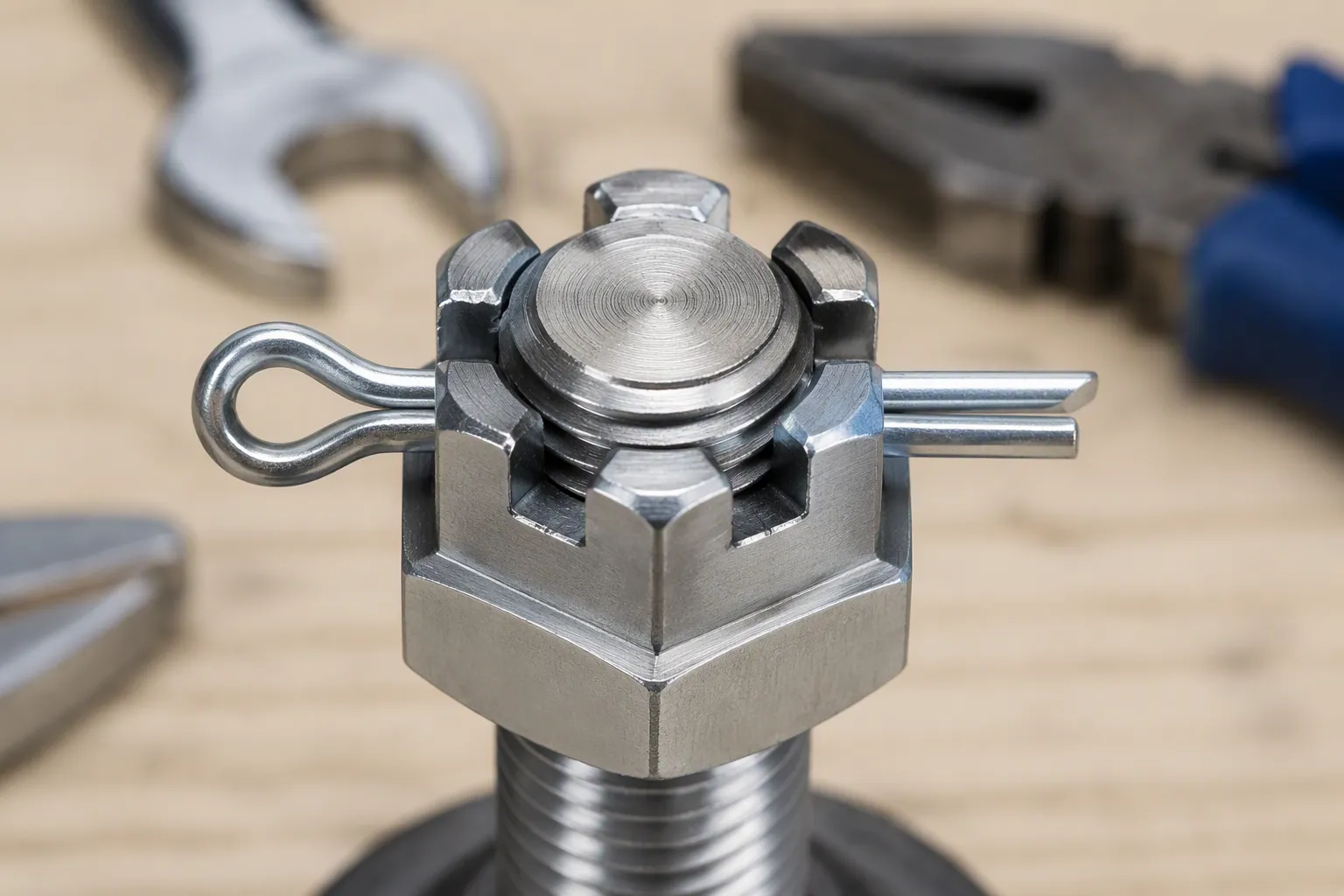
Cotter pin installation is a critical step in securing castle nuts. The cotter pin prevents the nut from loosening, especially in high-vibration environments. Proper installation ensures the safety and longevity of suspension systems.
- Insert the cotter pin completely through the aligned slots and hole.
- Bend the legs of the cotter pin back. This step prevents the pin from slipping out during operation.
- Inspect the cotter pin after installation. Make sure both legs are firmly bent and the pin sits flush against the nut.
- Replace cotter pins during every service. Old or damaged pins can compromise the security of the fastener.
Some technicians may feel tempted to back off the nut slightly to align the slots with the cotter pin hole. This approach can result in a nut that is only hand-tight, which reduces safety. Tightening the nut further or using washers to achieve alignment is a safer method.
| Step | Action | الغرض |
|---|---|---|
| Torque Application | Use torque wrench, avoid impact gun | Prevent over-tightening |
| Washer Placement | Place washer if provided | Align cotter pin hole |
| Cotter Pin Insertion | Insert and bend cotter pin | Secure nut against loosening |
| التفتيش | Check cotter pin and nut alignment | Ensure safety and reliability |
Technicians who follow these practical tips help maintain the performance and safety of automotive suspension systems. Proper torque and cotter pin installation protect critical connections and support the demands of modern vehicles.
Castle Nut Applications in Aerospace Fastening
Use of Castle Nut in Aircraft Structures
Wing Assembly
Engineers rely on the castle nut to secure wing assemblies in modern aircraft. The notched design allows for the use of a cotter pin, which prevents loosening during flight. Technicians use a castle nut wrench to achieve the correct torque, ensuring the nut remains stable under aerodynamic loads. The castle nuts market recognizes wing assembly as a critical application, as these fasteners must withstand constant vibration and stress. Aircraft manufacturers specify castle nuts for wing spars, ribs, and control surface attachments.
Landing Gear Attachment
Landing gear systems demand robust fastening solutions. The castle nut provides a reliable locking mechanism for landing gear attachment points. Maintenance crews use a castle nut wrench to install these fasteners, ensuring the gear remains secure during takeoff and landing. The castle nuts market continues to see growth in this area, as airlines and manufacturers prioritize safety and reliability. The demand for castle nuts in landing gear assemblies reflects the need for components that resist loosening under dynamic stresses.
ملاحظة: الـ primary uses of castle nuts in aircraft structures include:
- Securing critical components in aircraft structures
- Reliable locking mechanisms under dynamic stresses
- Commonly used in landing gear assemblies
- Employed in engine mounts
- Fastening control surfaces such as ailerons and rudders
- Used in propeller hubs for both fixed-wing and rotary-wing aircraft
Importance of Castle Nuts in Aerospace
Lightweight Strength
The aerospace industry values the castle nut for its lightweight strength. Titanium castle nuts secure components while minimizing weight, which is essential for fuel efficiency and performance. The castle nuts market offers products made from advanced alloys that resist corrosion and fatigue. These fasteners maintain integrity in harsh environments, supporting the growth of the aerospace sector.
Compliance with Safety Standards
Aerospace applications require fasteners that meet strict safety standards. The castle nut provides a mechanical lock that prevents loosening, even under extreme conditions. The castle nuts market supplies products that comply with international regulations, ensuring aircraft safety. Technicians use a castle nut wrench to install these fasteners according to precise specifications, reducing the risk of failure.
The aerospace industry demands materials that can withstand extreme conditions, ensuring fasteners maintain integrity over time.
2026 Innovations in the Castle Nuts Market for Aerospace
Advanced Alloy Development
Material science advances drive innovation in the castle nuts market. New alloys reduce development cycles for aerospace-grade fasteners. These materials offer improved strength-to-weight ratios and enhanced resistance to corrosion. The demand for castle nuts with advanced properties continues to rise as manufacturers seek to improve aircraft performance.
Precision Manufacturing
Precision manufacturing techniques shape the future of the castle nuts market. Additive manufacturing enables near-net-shape titanium preforms, shortening lead times for complex lock nut geometries. Regulatory changes also influence the market, with a transition to trivalent chrome and zinc-nickel plating systems due to REACH authorization requirements.
| Innovation Type | الوصف |
|---|---|
| Material Science Advances | Innovations in material science are reducing development cycles for aerospace-grade fasteners. |
| Additive Manufacturing | Near-net-shape titanium preforms are shortening lead times for complex lock nut geometries. |
| Regulatory Changes | Transition to trivalent chrome and zinc-nickel plating systems due to REACH authorization requirements. |
The castle nuts market in 2026 reflects a commitment to safety, performance, and innovation. Technicians and engineers depend on the castle nut wrench to install these fasteners with precision, supporting the continued growth of the aerospace industry.
Practical Tips for Aerospace Castle Nut Use
Inspection Protocols
Aerospace technicians must follow strict inspection protocols when working with castle nuts. Regular checks help maintain the integrity of critical connections in aircraft structures. Technicians should look for signs of wear, corrosion, or deformation on both the nut and the mating bolt. They must verify that the slots in the castle nut align properly with the cotter pin hole. Misalignment can compromise the locking mechanism and lead to safety risks.
- Inspect castle nuts for cracks, stripped threads, or rounded corners.
- Confirm that the cotter pin or safety wire passes cleanly through both the nut and bolt.
- Check for proper torque by using a calibrated torque wrench. The nut should reach the minimum specified torque value before aligning the slot for the cotter pin.
- Use washers to achieve alignment if necessary, but never loosen the nut to fit the pin.
- Replace any castle nut or cotter pin that shows damage or excessive wear.
Tip: Always use AN310 castle nuts for standard applications and AN320 for shear-only connections. For engine mounts, AN310 paired with a cotter pin offers superior vibration resistance compared to alternatives.
A well-documented inspection schedule ensures that every castle nut in the aircraft receives attention. Maintenance teams should record inspection results and replace components as needed. This practice supports compliance with aviation safety standards and reduces the risk of in-flight failures.
Anti-corrosion Measures
Corrosion poses a significant threat to aerospace fasteners. Technicians must implement anti-corrosion measures to extend the service life of castle nuts. Selecting the right material plays a crucial role. Titanium and stainless steel castle nuts offer excellent resistance to rust and oxidation. Surface treatments such as zinc-nickel plating or trivalent chrome coatings provide additional protection.
- Apply approved lubricants to threads before installation to reduce moisture intrusion.
- Use castle nuts with eco-friendly coatings for enhanced durability in harsh environments.
- Store fasteners in dry, climate-controlled areas to prevent premature corrosion.
- Inspect for signs of pitting or discoloration during routine maintenance.
ملاحظة: Always pair castle nuts with a cotter pin or safety wire, especially in high-vibration or critical applications like flight controls and engine mounts. This practice not only prevents loosening but also helps maintain the integrity of the anti-corrosion barrier.
Aerospace teams who follow these protocols and preventive measures help ensure the reliability and safety of every flight. Consistent attention to inspection and corrosion control keeps aircraft components secure and operational.
Uses for Castle Nuts in Renewable Energy Equipment
Castle Nut in Wind Turbine Assemblies
Securing Rotor Blades
Wind turbines operate in environments with constant vibration and shifting loads. Engineers use a castle nut to secure rotor blades to the hub, ensuring each blade remains stable during high-speed rotation. The slots in the castle nut allow for the insertion of a cotter pin, which prevents loosening under stress. Technicians rely on a castle nut wrench to achieve the precise torque required for these critical connections. The castle nuts market recognizes this application as a primary driver of demand, as wind energy projects expand globally.
Fastening Tower Components
The structural integrity of wind turbine towers depends on reliable fasteners. The castle nut provides an additional layer of security for tower sections and internal platforms. Maintenance teams use a castle nut wrench to install and inspect these nuts, ensuring that vibrations from wind and mechanical systems do not compromise safety. The castle nuts market continues to see growth in this sector, driven by the need for durable solutions in renewable energy infrastructure.
Castle Nut in Solar Panel Mounting Systems
Structural Stability
Solar panel arrays require stable mounting systems to withstand wind, temperature changes, and environmental stress. The castle nut secures mounting brackets and support frames, maintaining alignment and preventing movement. Installers use a castle nut wrench to tighten each nut to specification, ensuring long-term performance. The castle nuts market benefits from the increasing adoption of solar energy, as project developers seek reliable fasteners for both rooftop and ground-mounted systems.
Weather Resistance
Exposure to rain, sun, and temperature fluctuations challenges the durability of solar installations. The castle nut, often manufactured from corrosion-resistant materials, resists rust and degradation. The notched design allows for cotter pin installation, which prevents loosening caused by thermal expansion or vibration. Technicians use a castle nut wrench during routine maintenance to check and retighten connections as needed.
Why Castle Nuts Matter in Renewable Energy
Long-term Durability
Castle nuts, also known as castellated nuts, feature slots that accommodate cotter pins. This design enhances security against loosening, especially in high-vibration environments like wind turbines and solar farms. The castle nuts market values these features, as they ensure the long-term durability of renewable energy equipment. The demand for reliable fasteners continues to rise as the industry seeks to minimize downtime and extend service intervals.
- The slots in the castle nut allow for the insertion of cotter pins, which prevent loosening due to vibrations.
- Their design provides an extra layer of security, maintaining the integrity of equipment subjected to dynamic loads.
Maintenance Efficiency
Routine maintenance plays a vital role in renewable energy operations. The castle nut simplifies inspection and servicing, as technicians can quickly check cotter pin placement and nut tightness with a castle nut wrench. This efficiency reduces labor costs and supports the growth of the renewable energy sector. The castle nuts market responds by offering products tailored for easy installation and long-term reliability.
2026 Developments in the Castle Nuts Market for Renewables
Eco-friendly Coatings
Manufacturers in the renewable energy sector prioritize sustainability. They introduce eco-friendly coatings for castle nuts to reduce environmental impact. These coatings use water-based formulas and biodegradable compounds. Engineers select these coatings to protect fasteners from corrosion while minimizing harmful emissions. The castle nuts market sees a shift toward green chemistry, which supports global efforts to lower carbon footprints.
Tip: Eco-friendly coatings extend the service life of castle nuts in wind and solar installations. They also help companies meet regulatory requirements for environmental protection.
| Coating Type | Benefits | Typical Applications |
|---|---|---|
| Water-based epoxy | Low VOC, strong adhesion | Wind turbine towers |
| Zinc-aluminum alloy | High corrosion resistance | Solar panel frames |
| Biodegradable resin | Minimal environmental impact | Offshore wind platforms |
Modular Design Integration
Renewable energy projects demand flexibility and scalability. Manufacturers develop modular castle nut designs that simplify assembly and maintenance. These nuts feature standardized slots and dimensions, which allow technicians to swap components quickly. Modular integration supports rapid expansion of wind farms and solar arrays. Project managers value this approach because it reduces downtime and labor costs.
- Modular castle nuts fit multiple mounting systems.
- Technicians replace nuts without specialized tools.
- Standardized designs streamline inventory management.
Modular integration enables renewable energy teams to adapt to changing project requirements. It also improves efficiency during installation and maintenance.
Practical Tips for Castle Nut Use in Renewable Energy
Routine Maintenance Checks
Technicians perform routine maintenance checks to ensure castle nuts remain secure. They inspect each nut for signs of corrosion, wear, or loosening. Maintenance teams use torque wrenches to verify tightness. They replace cotter pins during every inspection. These steps prevent unexpected failures and extend equipment lifespan.
- Inspect castle nuts monthly in high-vibration environments.
- Use a checklist to track inspection results.
- Replace damaged or corroded nuts immediately.
| Inspection Step | Action | التردد |
|---|---|---|
| Visual check | Look for rust or wear | شهريًّا |
| Torque verification | Use torque wrench | Quarterly |
| Cotter pin replacement | Install new pin | Every inspection |
الاعتبارات البيئية
Renewable energy installations face harsh environmental conditions. Engineers select castle nuts with coatings that resist salt, moisture, and UV exposure. They store fasteners in dry, climate-controlled areas. Technicians avoid using nuts with visible damage or corrosion. These practices protect equipment and maintain operational reliability.
Environmental considerations play a key role in the longevity of renewable energy systems. Teams that follow best practices reduce maintenance costs and improve safety.
Technicians and project managers who implement these tips ensure that castle nuts deliver reliable performance in wind and solar applications. The castle nuts market continues to evolve, offering solutions that meet the demands of sustainability and efficiency.
Castle Nuts Market in Heavy Machinery and Construction
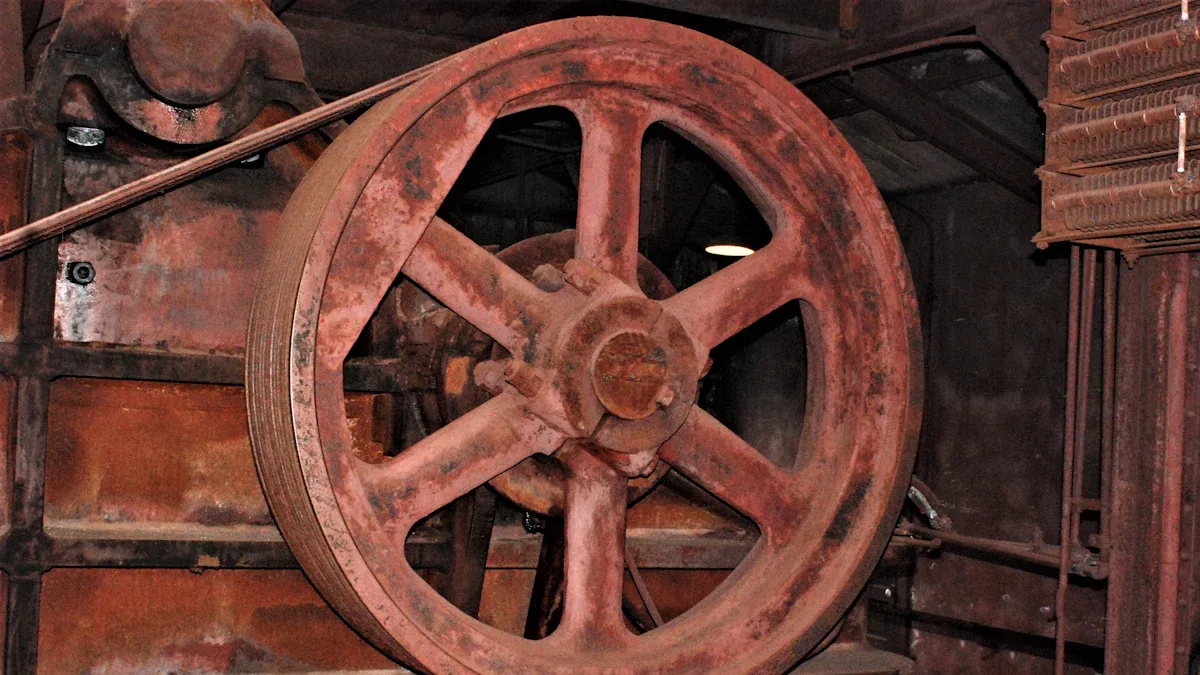
Application of Castle Nut in Equipment Assembly
Securing Hydraulic Components
Heavy machinery relies on hydraulic systems for power and precision. Engineers use a castle nut to secure hydraulic components, such as cylinders and valves, to prevent loosening during operation. The notched design allows for cotter pin installation, which locks the nut in place. Operators often reach for a castle nut wrench to achieve the correct torque, ensuring the hydraulic assembly remains stable under pressure. Safety-critical applications demand reliable fasteners, and the castle nuts market continues to supply solutions that withstand intense stress.
Fastening Structural Frames
Construction machinery features robust structural frames that support heavy loads and repetitive motion. Technicians install a castle nut to fasten these frames, maintaining alignment and integrity. The castle nut wrench provides the necessary leverage for proper installation. Castle nuts also secure axle assemblies, which play a vital role in wheel alignment and accident prevention. The castle nuts market recognizes these uses as essential for maintaining safety and performance in construction environments.
Castle nuts are commonly employed in securing axle assemblies in heavy machinery, which is crucial for maintaining wheel alignment and preventing accidents.
- Castle nuts are used in safety-critical applications, ensuring that components do not loosen under stress.
- Their design supports the demands of construction machinery and equipment assembly.
Importance of Castle Nuts for Safety and Performance
Preventing Loosening Under Load
Machinery in industrial sectors faces dynamic loads and constant vibration. Castle nuts resist vibration-induced loosening, securing shafts and gears in conveyor systems and pivot points on cranes. In construction, these fasteners anchor structural elements in equipment and fixtures. The castle nuts market delivers products that provide superior locking and durability, making them ideal for high-stress environments.
- Castle nuts provide superior locking and durability, making them ideal for high-stress environments.
- Choosing the right nut is crucial for the success of heavy machinery and construction projects.
- Their design ensures stability and safety, which is critical in precision-critical applications.
Meeting Industry Regulations
Regulatory bodies set strict standards for construction and heavy machinery. The castle nuts market supplies fasteners that meet these requirements, supporting compliance and safety. Technicians use a castle nut wrench to install nuts according to manufacturer specifications. Reliable fastening under repetitive motion and environmental vibrations ensures that equipment operates safely and efficiently.
Castle nuts are extensively used in industrial sectors, particularly in machinery subject to dynamic loads. They resist vibration-induced loosening, securing components such as shafts and gears in conveyor systems and pivot points on cranes. In construction, they fasten structural elements in equipment and fixtures, ensuring reliable fastening under repetitive motion and environmental vibrations.
2026 Trends in Castle Nuts Market for Construction
Automation in Installation
The castle nuts market experiences significant growth as automation becomes more prevalent in construction. Robotic systems now use a castle nut wrench to install fasteners with precision and speed. Automation reduces human error and increases efficiency, supporting the demand for reliable castle nut solutions. The construction industry benefits from these advancements, as projects require faster assembly and higher quality standards.
High-strength Materials
Material innovation drives the castle nuts market forward. Manufacturers develop high-strength alloys that enhance performance and durability. Precision manufacturing ensures that each castle nut meets exact specifications. The construction industry, projected to grow from USD 9358 million in 2021 to USD 14642 million by 2030, relies on these fasteners for critical applications. The demand for castle nuts continues to rise as engineers seek performance-driven solutions.
Key trends include material innovation, precision manufacturing, and a focus on performance-driven engineering.
- The castle nuts market is part of the broader industrial fasteners market, which is experiencing significant growth due to increased demand in sectors like automotive and heavy machinery.
- The construction industry’s expansion signals a strong demand for reliable fasteners like castle nuts.
| Trend | الوصف |
|---|---|
| Automation | Robotic installation improves precision and speed |
| High-strength alloys | Enhanced durability for demanding environments |
| Market growth | Rising demand in construction and heavy machinery |
Technicians and engineers who use a castle nut wrench and select the right castle nut contribute to the safety and reliability of construction machinery. The castle nuts market continues to evolve, meeting the needs of modern construction projects.
Practical Tips for Using Castle Nuts in Heavy Machinery
Lubrication Practices
Proper lubrication plays a vital role in the performance and longevity of castle nuts in construction environments. Technicians often apply a thin layer of grease to the threads before installation. This practice reduces friction, allowing smoother tightening and minimizing the risk of thread galling. Grease also helps prevent corrosion, especially in outdoor construction projects where moisture exposure is common.
Operators should always use an armorer’s wrench designed for castle nuts. This tool ensures a secure grip and prevents slippage during installation. Tool compatibility with the buffer tube and receiver remains essential to avoid mistakes that could compromise safety. Many professionals secure the castle nut with blue threadlocker or by staking, which provides extra resistance to loosening caused by vibration in construction machinery.
Tip: Wearing gloves and eye protection during installation protects against accidental injuries. Maintaining a clean workspace further enhances safety and efficiency.
A quick reference table for lubrication best practices:
| Step | Action | الفائدة |
|---|---|---|
| Apply grease | Coat threads before installation | Reduces friction, prevents rust |
| Use correct wrench | Select armorer’s wrench for castle nuts | Prevents slippage, ensures fit |
| Secure with threadlocker | Apply blue threadlocker or stake nut | Prevents loosening |
Inspection Schedules
Routine inspection ensures that castle nuts continue to perform reliably in construction applications. Technicians should check each nut for signs of wear, corrosion, or loosening. Following manufacturer torque specifications prevents over-tightening, which can damage both the nut and the connected component.
A structured inspection schedule supports safety and operational efficiency in construction. Monthly visual checks help identify rust or damage early. Quarterly torque verification with a calibrated wrench confirms that nuts remain properly tightened. Replacing worn or damaged nuts immediately reduces the risk of equipment failure in construction machinery.
- Inspect castle nuts visually every month for rust, wear, or deformation.
- Verify torque settings quarterly using a calibrated tool.
- Replace any nut or cotter pin that shows signs of damage.
- Keep detailed records of inspection dates and findings for each piece of equipment.
Regular inspections and proper lubrication practices help extend the service life of castle nuts, supporting the demanding needs of construction projects.
Technicians who follow these guidelines contribute to safer, more reliable construction sites. Consistent maintenance of castle nuts ensures that construction machinery operates at peak performance, reducing downtime and costly repairs.
Uses for Castle Nuts in Robotics and Automation Assemblies
Castle Nut in Robotic Joints
Ensuring Precise Movement
Robotic joints require secure and adjustable connections to achieve precise movement. Engineers use a castle nut to lock pivot points and maintain alignment in articulated arms. The slots in the castle nut allow for the insertion of a cotter pin, which prevents loosening during repetitive motion. Technicians rely on a castle nut wrench to achieve the correct torque, ensuring that each joint operates smoothly. The castle nuts market recognizes this application as essential for maintaining accuracy in industrial robots.
Securing Actuators
Actuators drive the motion in robotic assemblies. A castle nut secures these actuators to mounting brackets and linkages. This connection must withstand rapid acceleration and deceleration. The notched design of the castle nut, combined with a properly installed cotter pin, provides a mechanical lock against vibration-induced loosening. Maintenance teams use a castle nut wrench to check and retighten these fasteners during scheduled service intervals. The castle nuts market continues to see demand for reliable solutions in high-speed automation.
Role of Castle Nut in Automation Systems
Fastening Modular Components
Automation systems often use modular components that require frequent assembly and disassembly. The castle nut offers a dependable method for fastening these modules. Technicians use a castle nut wrench to install and remove nuts quickly, supporting flexible manufacturing setups. The castle nuts market supplies products that meet the exacting standards of automated production lines.
Supporting High-speed Operations
High-speed operations in automation expose fasteners to constant vibration. Castle nuts, also known as castellated nuts, prevent loosening by allowing a cotter pin or safety wire to pass through the nut and bolt. However, engineers do not use a castle nut alone in high-vibration conditions. They pair it with a prevailing torque nut or a double-nut structure for added security. This practice ensures that automation systems maintain reliability during continuous operation.
- Castle nuts should always be paired with additional locking mechanisms in high-vibration environments.
- The use of a castle nut wrench ensures proper installation and maintenance.
2026 Advancements in Castle Nuts Market for Robotics
Miniaturized Castle Nuts
The robotics industry continues to evolve, driving the growth of the castle nuts market. Manufacturers now produce miniaturized castle nuts for compact robotic assemblies. These smaller fasteners maintain the same locking features as standard sizes. Precision manufacturing allows for exact tolerances, which is critical for small-scale automation. Technicians use specialized castle nut wrenches designed for miniature applications.
Integration with Smart Monitoring
The castle nuts market in 2026 features integration with smart monitoring technologies. Sensors embedded in the castle nut detect torque levels and signal when maintenance is required. This advancement supports predictive maintenance strategies in automated factories. The demand for intelligent fasteners increases as robotics and automation systems become more complex.
- Precision manufacturing ensures consistent quality and performance.
- Material innovations, such as high-strength alloys and specialized coatings, enhance durability.
- Advanced production technologies, including CNC machining and automated quality control, improve reliability.
Technicians who use a castle nut wrench and follow best practices help maintain the performance and safety of robotic and automation assemblies. The castle nuts market continues to adapt, offering solutions that meet the demands of modern industry.
Practical Tips for Castle Nut Use in Robotics
Alignment Techniques
Engineers in robotics must prioritize alignment when installing castle nuts. Proper alignment ensures that robotic joints move smoothly and actuators perform with accuracy. They begin by cleaning all mating surfaces to remove debris or old lubricant. This step prevents misalignment and reduces wear on moving parts.
Technicians use precision measuring tools, such as calipers or alignment gauges, to verify that holes and slots line up before tightening the nut. They rotate the castle nut by hand until the slots align perfectly with the cotter pin hole. This method avoids forcing the nut, which can damage threads or compromise the locking feature.
Tip: Always insert the cotter pin only after confirming perfect alignment. Forcing the pin can bend or deform the nut, leading to premature failure.
Robotics assemblies often operate in compact spaces. The design of slotted nuts, while offering anti-loosening benefits, may require more room than standard nuts. Technicians must plan for this during the design phase to avoid space constraints in tight robotic joints.
The following table summarizes the main advantages and limitations of slotted nuts in robotics:
| Advantages of Slotted Nuts | Limitations of Slotted Nuts |
|---|---|
| Anti-loosening feature: Prevents loosening due to vibration, ensuring stability in high-speed applications. | Limited precision in tightening: May not provide the same level of torque precision as other nuts. |
| Easy installation and adjustment: Simple to install and remove, saving time during maintenance. | Susceptible to corrosion: Metal construction can lead to performance issues in harsh environments. |
| Cost-effective: More affordable compared to other locking mechanisms, helping to reduce overall costs. | Space constraints: Design may require more space than standard nuts, which can be a drawback in compact applications. |
Maintenance Planning
Routine maintenance keeps robotic systems reliable and extends the service life of castle nuts. Maintenance teams create schedules based on the operating environment and workload of each robot. High-speed or high-vibration applications require more frequent inspections.
During each maintenance cycle, technicians check for signs of corrosion, wear, or thread damage. They replace any nut or cotter pin that shows visible defects. Lubrication of threads with a light, non-conductive grease helps prevent corrosion, especially in humid or chemically aggressive environments.
Regularly updating maintenance logs ensures that every castle nut receives attention at the right interval. This practice reduces unexpected downtime and supports continuous operation.
Technicians also monitor torque values during reassembly. Although slotted nuts may not offer the same torque precision as other fasteners, using a calibrated torque wrench helps achieve consistent results. They avoid over-tightening, which can deform the nut or joint.
A simple maintenance checklist for robotics teams includes:
- Inspect all castle nuts and cotter pins for wear or corrosion.
- Lubricate threads as needed.
- Verify alignment and slot positioning before pin insertion.
- Record maintenance actions in a logbook.
By following these alignment and maintenance strategies, robotics teams ensure that castle nuts deliver reliable performance in every automation assembly.
The top 5 uses for castle nuts in 2026 include automotive suspension systems, aerospace fastening, renewable energy equipment, heavy machinery, and robotics assemblies. These applications highlight how the castle nut supports safety, reliability, and efficiency. Modern industries rely on the castle nut as the global screw nuts market grows from USD 12.5 billion in 2024 to USD 18.2 billion by 2030. This growth comes from the rising demand for vibration-resistant fastening systems and the need for high-strength precision-manufactured nuts. The uses for castle nuts continue to expand as they improve joint retention integrity and reduce maintenance.
When selecting and using a castle nut, teams should:
- Check load and vibration level.
- Choose the right locking method.
- Use stainless steel for outdoor jobs.
- Always use a cotter pin for safety.
- Make sure the nut fits the bolt size and thread.
- Inspect the nut and pin for damage before use.
- Tighten the nut to the right level, then align the slot for the pin.
The uses for castle nuts will keep evolving as industries adopt new materials and smart technologies. Engineers and technicians should stay informed about the latest trends in the castle nut market to ensure the best performance and safety.
الأسئلة الشائعة
ما هي صامولة القلعة وكيف تعمل؟
A castle nut features slots on its top. Technicians insert a cotter pin through these slots and a bolt hole. This design prevents the nut from loosening during operation.
Which industries use castle nuts most frequently?
Automotive, aerospace, renewable energy, heavy machinery, and robotics industries rely on castle nuts. These sectors require secure fastening solutions for safety-critical applications.
How does a castle nut improve safety?
The cotter pin locks the nut in place. This mechanism prevents accidental loosening caused by vibration or dynamic loads. Engineers trust castle nuts for reliable performance.
What materials are commonly used for castle nuts?
Manufacturers produce castle nuts from carbon steel, stainless steel, titanium, and high-strength alloys. Material selection depends on the application and environmental conditions.
How should technicians install a castle nut?
Technicians use a torque wrench to tighten the nut. They align the slots with the bolt hole, then insert and bend the cotter pin. Proper installation ensures secure fastening.
Can castle nuts be reused after removal?
Technicians should inspect castle nuts and cotter pins for wear or damage before reuse. Most experts recommend replacing cotter pins after removal to maintain safety.
Are castle nuts suitable for high-vibration environments?
Castle nuts perform well in high-vibration settings. The locking mechanism resists loosening, making them ideal for automotive suspension, wind turbines, and robotic joints.
What maintenance practices extend the life of castle nuts?
| Practice | الفائدة |
|---|---|
| Routine inspection | Detects early issues |
| التشحيم | Prevents corrosion |
| Cotter pin renewal | Maintains security |
Technicians follow these steps to ensure castle nuts remain reliable.