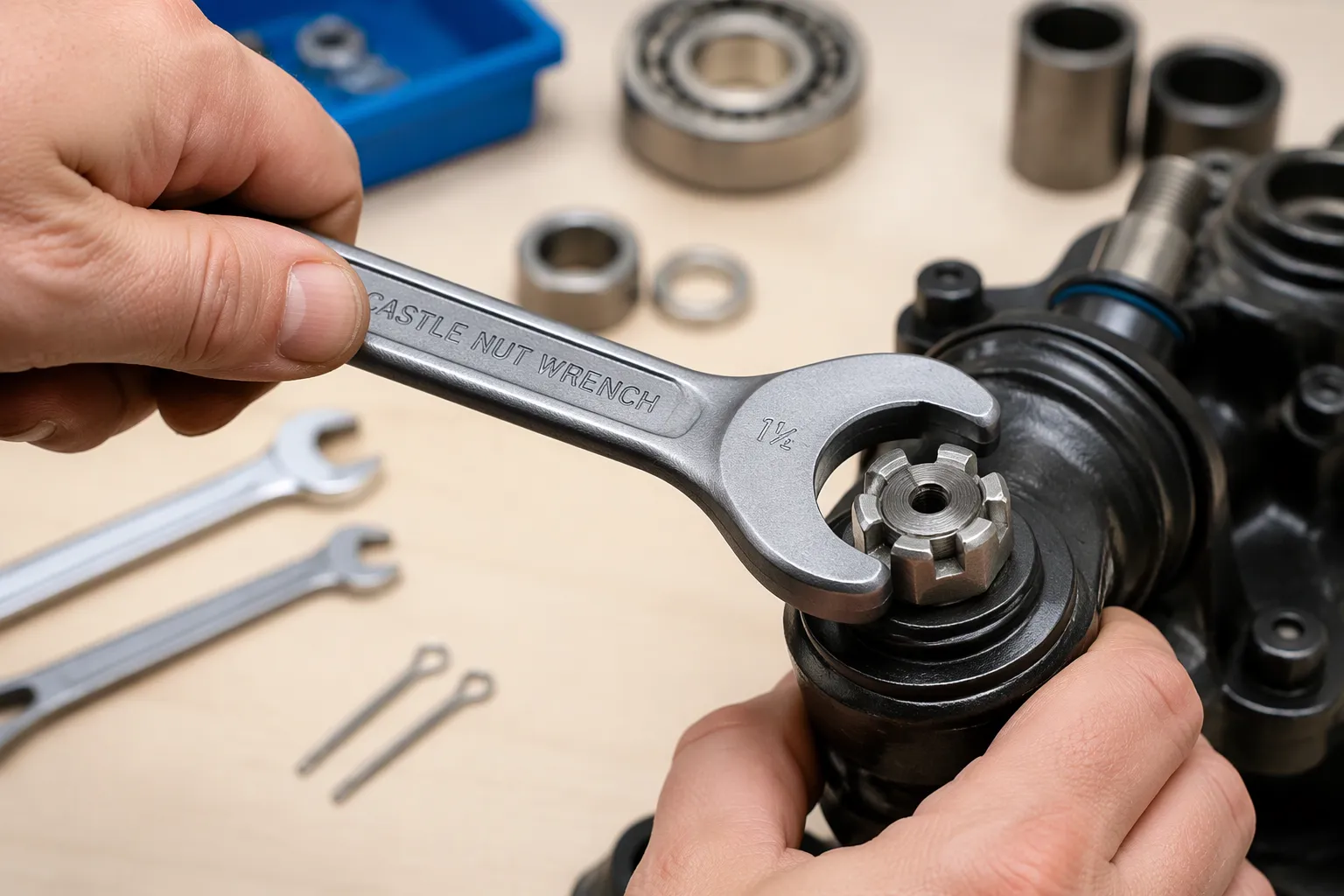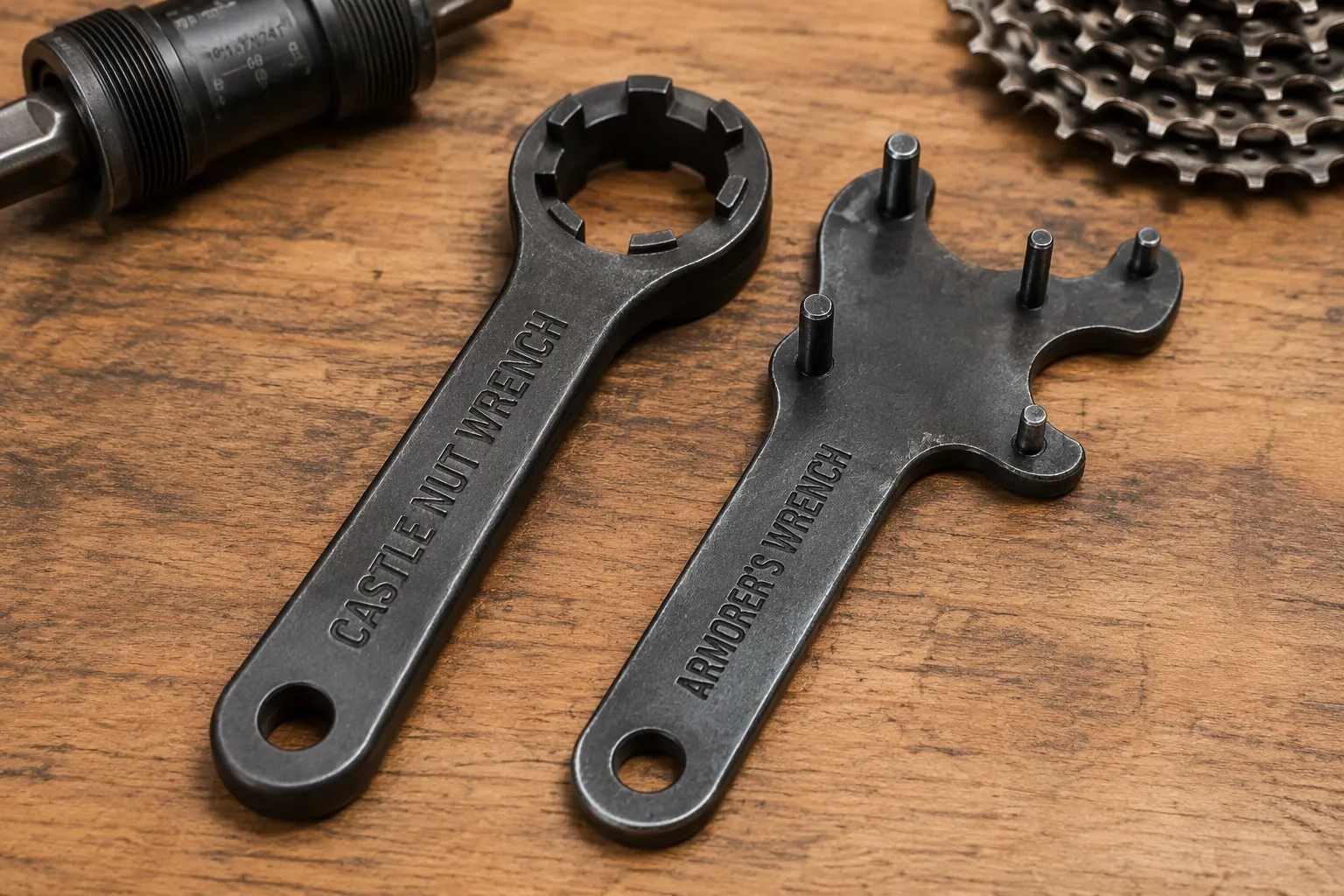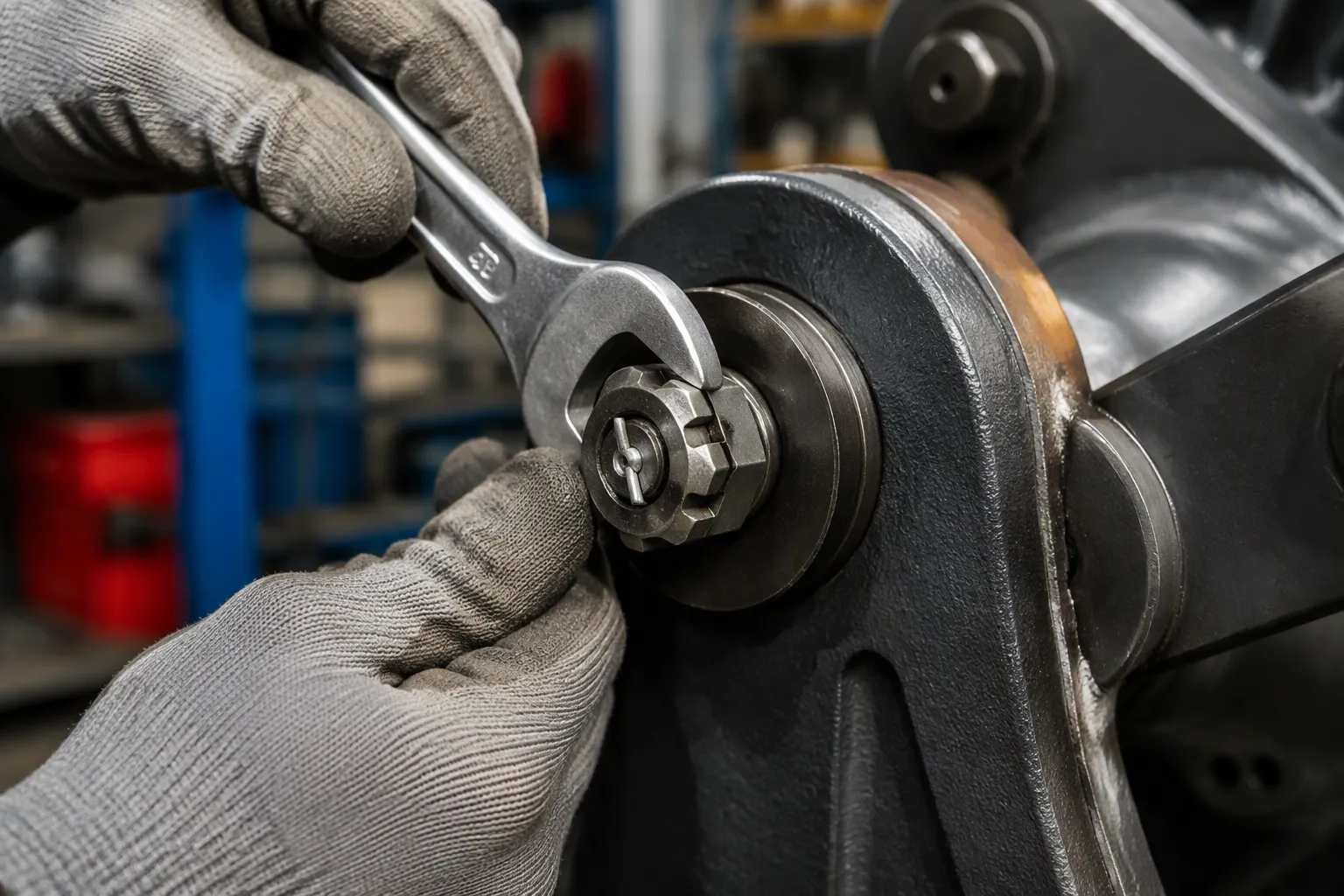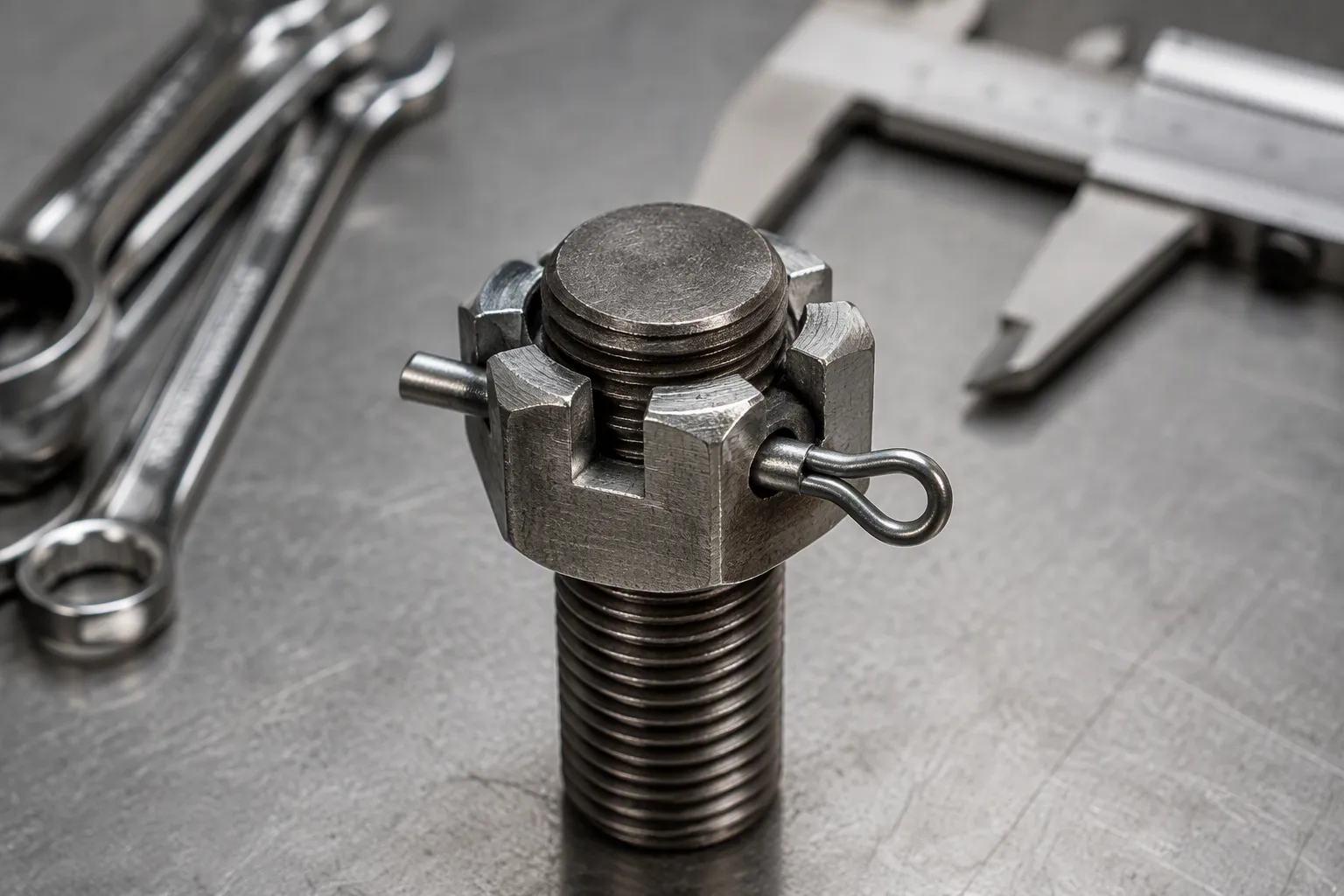
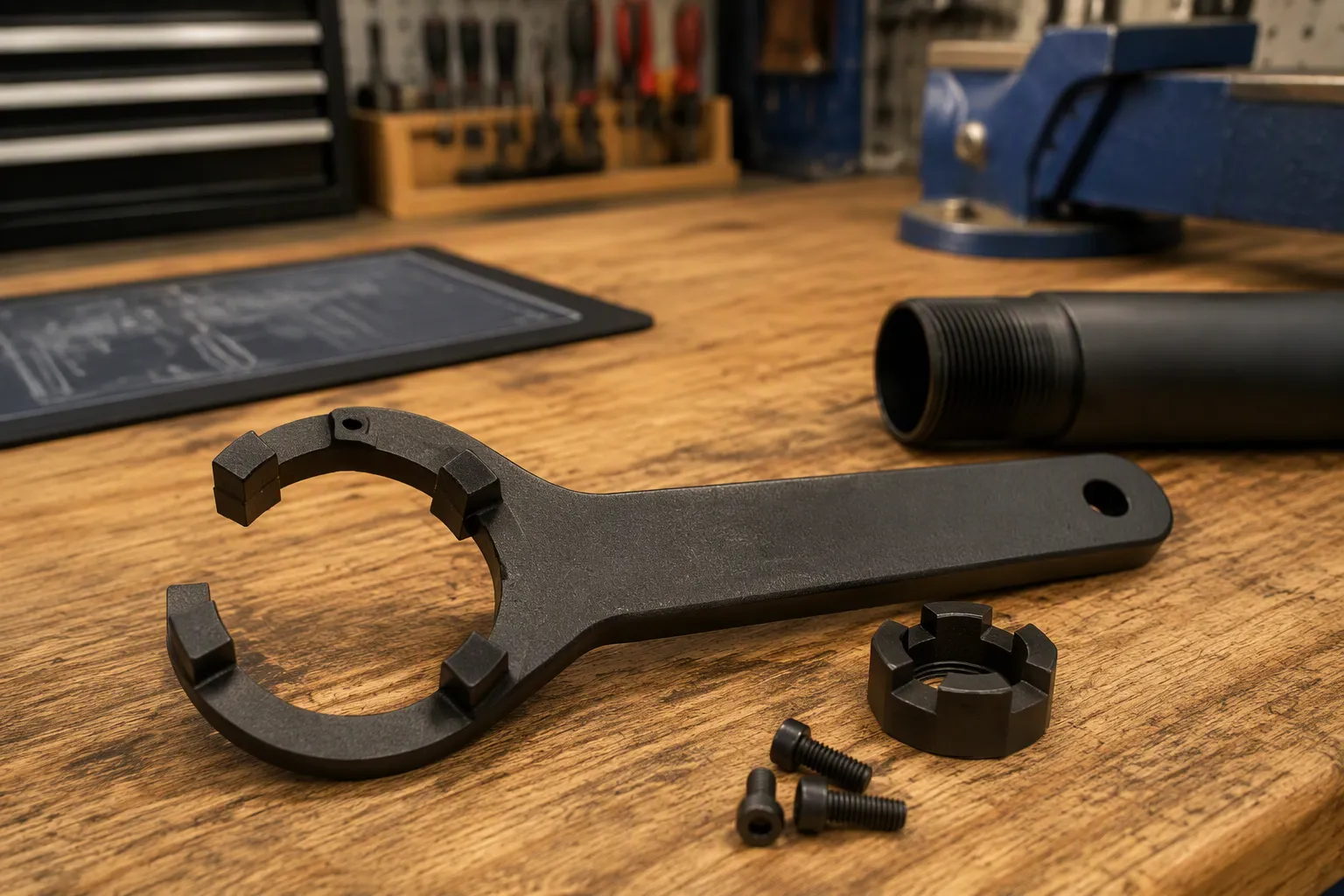
The seven top castle nut wrenches for AR-15 builds in 2025 are the Brownells AR-15 Armorer’s Wrench, Magpul Armorer’s Wrench, Real Avid Master-Fit Castle Nut Wrench, StarLuo AR-15 Multi-Tool, Sawsales M4 Castle Nut Wrench, Outdoor Connection Buffer Tube Nut Wrench, and Wheeler Delta Series Armorer’s Wrench. Whether you’re tightening a castle nut or working with nuts and bolts throughout your build, having the right tool matters—and for builders who need custom fasteners, sourcing from a reliable custom fasteners manufacturer ensures every component fits properly.
| Product | Type | Material | Compatibility | Torque-Ready Design | Price Range |
|---|---|---|---|---|---|
| Brownells AR-15 Armorer’s Wrench | Armorer’s wrench | Steel | Mil-spec AR-15 | Yes | $$ |
| Magpul Armorer’s Wrench | Armorer’s wrench | Steel | Mil-spec AR-15 | Yes | $$$ |
| Real Avid Master-Fit Castle Nut Wrench | Dedicated wrench | Steel | Mil-spec and aftermarket | Yes | $$ |
| StarLuo AR-15 Multi-Tool | Combo multi-tool | Steel | Mil-spec AR-15 | Yes | $ |
| Sawsales M4 Castle Nut Wrench | Dedicated wrench | Steel | Mil-spec AR-15 | Yes | $ |
| Outdoor Connection Buffer Tube Nut Wrench | Dedicated wrench | Steel | Mil-spec AR-15 | Yes | $ |
| Wheeler Delta Series Armorer’s Wrench | Armorer’s wrench | Steel | Mil-spec AR-15 | Yes | $$ |
This evaluation weighs build quality, fit and compatibility, ergonomics, durability, and value. Each pick suits a specific use case, so first-time builders and seasoned armorers alike can find a match—and when a project calls for custom fasteners, working with a trusted custom fasteners manufacturer helps ensure your castle nut and other hardware perform as intended.
1. Best Overall: Brownells AR-15 Armorer’s Wrench
The Brownells AR-15 Armorer’s Wrench earns the top spot because it handles nearly every upper and lower receiver task in one tool. Builders get a single armorer’s wrench that covers barrel nuts, castle nuts, muzzle devices, and torque drive work.
Key Specs
| Specification | Detail |
|---|---|
| Barrel nut wrench | Standard 6-pin, works on peg-style and encapsulated barrel nuts |
| Castle nut wrench | 4-pin “can’t slip” design for M4-carbine receiver extensions (stock must be removed to slide over buffer tube) |
| Receiver extension nut cutout | A2 receiver extension nut |
| Torque drive cutout | 1/2″ torque drive |
| Wrench flat slots | 5/8″ and 3/4″ for flash hiders and muzzle brakes |
| Construction | Heavy-duty steel, precise dimensions, anti-slip matte finish |
| Manufacturer | Brownells |
Performance and Fit
The 4-pin castle nut cutout grips mil-spec nuts firmly and resists slipping under load. The 1/2″ drive cutout pairs with a torque wrench, so builders can hit the 40 in-lb castle nut spec without guesswork. The long handle delivers generous leverage for stubborn barrel nuts.
Material choices explain much of the durability. High-carbon steel provides the base strength to withstand torque on castle nuts. Case hardening resists surface wear while the core stays tough. Heat treatment adds overall reliability, and a black oxide coating protects the surface. The 2X thicker material than standard increases resistance to deformation under load.
| Material / Treatment Feature | Effect on Performance & Durability |
|---|---|
| High-carbon steel | Base strength to withstand torque on castle nuts |
| Case hardening | Wear-resistant surface with a tougher core |
| Heat treatment | Enhanced overall strength and reliability |
| Black oxide coating | Added surface protection |
| 2X thicker material | Resistance to deformation and breakage |
| Rubberized grip | Improved handling, comfort, and safety |
Pros and Cons
| Pros | Cons |
|---|---|
| Affordable price point | Grip is not especially comfortable or ergonomic |
| Constructed from quality materials | |
| Numerous slots and teeth enabling multiple functions | |
| Generous long handle |
The Brownells armorer’s wrench suits first-time builders who want one dependable tool for an AR-15 build. Seasoned armorers also benefit, since the multi-function design reduces the number of wrenches on the bench. For anyone assembling ar-15 tool kits from scratch, this ar-15 wrench for receiver and muzzle work is a smart anchor piece.
Best Use Case
The Brownells AR-15 Armorer’s Wrench shines brightest in nut removal work. The manufacturer positions it as a top choice for that job, and the design backs up the claim. Builders who need to strip or install barrel nuts, castle nuts, and receiver extension nuts get one tool that covers the whole lower and upper assembly.
Several features make this armorer’s wrench a strong fit for common build tasks:
- Encapsulated and peg-style barrel nuts come off cleanly with the standard 6-pin cutout.
- A carbine buttstock wrench sits at the back of the handle for quick stock work.
- Four teeth engage all four notch types found on typical M4-style receivers.
- The 1/2 inch square drive opening accepts a torque wrench for precise tightening.
- Slots for A2 receiver extensions and a range of flash suppressors add flexibility.
First-time builders benefit most from this pick. One tool replaces a drawer full of single-purpose wrenches, and the long handle gives enough leverage to break stubborn nuts loose without straining. Seasoned armorers also keep one on the bench as a reliable backup. The versatile, reasonably priced design made of good materials keeps the tool useful across multiple builds.
This wrench also anchors a starter set of ar-15 tool kits. Builders who pair it with a torque wrench, a vise block, and a roll pin punch set cover most assembly steps. The multi-function layout means fewer wrenches to buy, store, and keep track of during a build. For a builder who wants one dependable tool for receiver and muzzle work, the Brownells model delivers strong value and long service life.
2. Best Budget Pick: StarLuo AR-15 Multi-Tool
The StarLuo AR-15 Multi-Tool delivers the essentials at the lowest price in this lineup. Budget-minded builders get a compact tool that covers castle nut work and several other common assembly tasks.
Key Specs
| Specification | Detail |
|---|---|
| Type | Combo multi-tool |
| Material | Steel |
| Compatibility | Mil-spec AR-15 |
| Castle nut cutout | 4-pin design for carbine receiver extensions |
| Additional functions | Barrel nut, muzzle device, and receiver extension slots |
| Torque-ready design | Yes, accepts a standard torque wrench drive |
| Price range | $ |
Performance and Fit
The steel body holds its shape under load, and the castle nut cutout engages mil-spec nuts without excessive play. Builders can attach a torque wrench to the drive opening and tighten to the 40 in-lb spec with confidence. The compact frame fits into tight bench spaces, and the tool stores easily in a range bag.
The multi-tool layout covers more than castle nuts. Slots for barrel nuts and muzzle devices let builders finish several steps without switching tools. First-time builders appreciate the simple design, and the low price makes this an easy addition to starter ar-15 tool kits.
Pros and Cons
| Pros | Cons |
|---|---|
| Lowest price in the lineup | Fewer functions than full armorer’s wrenches |
| Steel construction with a torque-ready drive | Compact handle offers less leverage on stubborn nuts |
| Covers castle nut, barrel nut, and muzzle device work | Finish shows wear sooner than premium tools |
| Light and easy to store |
The StarLuo wrench suits builders on a tight budget who still want reliable castle nut torque. It also works well as a backup wrench for a larger tool kit. Shooters who rarely swap stocks or build uppers get everything they need at a low cost. The tool handles the occasional castle nut job without complaint, and the steel build resists deformation during normal use.
Best Use Case
This pick fits first-time builders and casual shooters who want one affordable tool for basic assembly. The StarLuo multi-tool covers the castle nut task and a few extras at the lowest cost in this guide. Anyone who plans frequent builds should step up to a full armorer’s wrench, but the StarLuo earns its place as a dependable budget option.
Best Use Case
The StarLuo AR-15 Multi-Tool fits first-time builders and casual shooters who want one affordable tool for basic assembly work. This wrench covers the castle nut task and a few extras at the lowest cost in this guide. Anyone who plans frequent builds should step up to a full armorer’s wrench, but the StarLuo earns its place as a dependable budget option.
Budget-conscious builders get the most from this pick. The steel body handles normal castle nut torque without flex. A standard torque wrench attaches to the drive opening for precise tightening. The compact frame slips into a range bag or a small toolbox with room to spare.
Shooters who rarely swap stocks or build uppers also benefit. The multi-tool layout covers barrel nut and muzzle device slots alongside the castle nut cutout. One tool handles occasional maintenance without a large investment. The low price makes this an easy addition to starter ar-15 tool kits.
New builders learning the assembly process appreciate the simple design. The tool engages mil-spec castle nuts without excessive play. Clear cutouts guide proper alignment during tightening. Fewer functions mean less confusion for someone working through a first build.
This pick also works well as a backup. Seasoned armorers can keep one in a secondary kit or a vehicle tool roll. The compact size and low cost make it easy to store a spare. When the primary wrenches sit on the bench, the StarLuo covers the castle nut job without complaint.
Builders who want maximum leverage should look elsewhere. The compact handle offers less reach on stubborn or over-torqued nuts. A full-size armorer’s wrench provides better leverage for tough removal work. The StarLuo shines in normal assembly and routine maintenance, not heavy teardown.
The StarLuo AR-15 Multi-Tool delivers solid value for its price. First-time builders, casual shooters, and backup-kit users all get a reliable castle nut tool at minimal cost. The steel construction and torque-ready drive support proper assembly. This budget pick covers the basics well and leaves room in the budget for other essential tools.
3. Best Premium Option: Magpul Armorer’s Wrench
The Magpul Armorer’s Wrench targets builders who want one premium tool for the entire AR-15 platform. Magpul builds this wrench from heat-treated American steel and covers it with a manganese phosphate finish. The design prioritizes grip, durability, and hand comfort during high-force work.
Key Specs
| Specification | Detail |
|---|---|
| Platform | AR15 / M4 |
| Weight | 1.1 lb. |
| Handle Thickness | 0.35 in. |
| Maximum Length | 11.7 in. |
| Construction | Heat-treated steel with manganese phosphate finish |
| Origin | American-made with US steel |
| Compatibility | USGI barrel nut wrench; free-float tube barrel nut wrench; 1/2″ torque wrench/breaker bar interface; armorer’s hammer; USGI castle nut wrench (usable with aftermarket end plates such as ASAP and ASAP-QD); 3/4″ wrench for most flash hiders/muzzle brakes |
| Not Compatible With | Larger diameter pistol-style receiver extension tubes |
| Additional Features | USGI torque spec references; bottle opener |
Performance and Fit
The castle nut side fully engulfs a USGI castle nut for a positive grip that will not slip off. The reverse side grabs enhanced castle nuts from a distance with three beefy prongs. The barrel nut end adds extra contact points for stronger grip, and a seven-pin spanner firmly torques free-float handguard mounts.
Hand comfort separates this tool from the competition. The wrench fits well into the human hand during maximum pressure application. A rock-solid palm platform and proper length provide leverage for muscle-level force. The dual hammer faces add surface area to distribute force across the palm. Builders avoid the pain and glove requirements common with other tools.
Durability matches the premium price. Heat-treated forged steel with a manganese phosphate coating delivers exceptional corrosion resistance and additional grip. The coating also reduces reflectance. Professional armorers describe this tool as one that will not break, will not fail, and will not let a builder down. For long-term reliability across many builds, the Magpul armorer’s wrench stands as the one AR armorer’s tool to buy.
Pros and Cons
| Pros | Cons |
|---|---|
| Grips workpiece with more contact points than other wrenches combined | Requires sliding over the buffer tube, so the buttstock must be removed |
| Deeper, more secure interface with the workpiece | Risk of scratching the buffer tube’s exterior if slid aggressively |
| Fits the human hand well when applying maximum pressure | Logoed castle-nut side only works on traditional castle nuts, not enhanced plates with QD/ASAP features |
| Castle nut wrench fully engulfs USGI castle nut for a positive, non-slip grip | Dedicated hammer is still wiser in the shop than the built-in hammer faces |
| Reverse side’s three beefy prongs grab enhanced castle nuts from a distance | |
| Two-sided handguard interface with extra contact points for high-torque barrel nuts | |
| Seven-pin spanner safely torques lightweight free-float handguards | |
| Integrated 3/4-inch muzzle device tool within castle nut tool | |
| Dual hammer faces for tapping punches and distributing palm force | |
| Half-inch square hole for torque wrench with common torque specs forged in | |
| Heat-treated US steel with manganese phosphate coating |
Builders who assemble multiple rifles or maintain a growing collection get the most from this premium pick. The Magpul wrench anchors serious ar-15 tool kits and pairs well with a dedicated torque wrench. First-time builders on a tight budget may prefer a lower-cost option, but anyone who values hand comfort and long-term durability finds strong value here.
Best Use Case
The Magpul Armorer’s Wrench fits builders who assemble multiple rifles or maintain a growing collection. These users need a tool that survives repeated high-torque jobs without wear. The heat-treated steel body and manganese phosphate finish hold up across dozens of builds. Professional armorers often keep this armorer’s wrench as their primary bench tool for that reason.
First-time builders with a generous budget also benefit. The full-engulf castle nut design prevents slips that damage receiver end plates. New builders gain confidence when the tool grips firmly and refuses to cam out. The forged torque specs on the handle remove guesswork from the 40 in-lb castle nut setting. A beginner who plans to build several rifles over time gets long-term value from this premium wrench.
Builders who prioritize hand comfort find a clear match. The palm platform and dual hammer faces distribute force across the hand during maximum pressure work. Users avoid the sore palms and glove requirements common with thinner tools. This design detail matters during barrel nut removal, where leverage and grip decide the outcome.
Anyone assembling complete ar-15 tool kits should consider this pick as the centerpiece. The tool covers castle nuts, barrel nuts, muzzle devices, free-float handguard mounts, and hammer duties in one package. Fewer wrenches on the bench mean faster work and less clutter. The built-in bottle opener adds a small convenience during long build sessions.
Budget-focused builders may prefer a lower-cost option for a single build. The Magpul price sits at the premium end of the market. A builder who completes one rifle and stops may not justify the cost. Frequent builders, armorers, and enthusiasts who value durability and comfort find strong value here. The tool will not break, will not fail, and will not let a builder down across years of service.
4. Best Armorer’s Wrench Combo: Wheeler Delta Series Armorer’s Wrench
The Wheeler Delta Series Armorer’s Wrench packs six essential AR tools into one frame. Builders who want a single combo tool for assembly and repair get a strong candidate here.
Key Specs
| Specification | Detail |
|---|---|
| Construction | Built from highest quality materials for durability and performance |
| Included AR tools | 6 essential AR tools in one tool |
| Castle nut cutout | Included |
| Fixed stock receiver cutout | 5/8″ |
| Torque drive receiver | 1/2″ |
| Mil-spec barrel nut cutout | Included |
| Muzzle brake cutout | 3/4″ |
| Handle | Overmolded grip with torque measurements printed on the handle |
| Intended use | Building and repairing AR-15 rifles, precise alterations, routine maintenance |
Performance and Fit
The 1/2″ receiver accepts a standard torque wrench, and the printed torque values on the handle remove guesswork from the 40 in-lb castle nut setting. The overmolded grip adds comfort during long build sessions. The 5/8″ fixed stock receiver cutout and the 3/4″ muzzle brake slot extend the tool’s reach well beyond the castle nut.
One fit limitation deserves attention. The tool body runs too wide to slip between the muzzle and the barrel during muzzle brake removal or installation. A reviewer rated the tool 2 of 5 for this reason and considered modifying it. Builders who plan frequent muzzle device swaps should keep a slimmer wrench on hand.
Pros and Cons
| Pros | Cons |
|---|---|
| Ergonomic design with an overmolded grip | Too wide to fit between the muzzle and barrel for muzzle brake work |
| Six essential AR tools in one frame | Some users report disappointment with muzzle device fit |
| Torque values printed on the handle |
The Wheeler combo suits builders who want one armorer’s wrench for receiver and stock work. It also anchors ar-15 tool kits for hobbyists who value an all-in-one layout. Builders who prioritize muzzle device work may pair it with a slimmer wrench. Fewer wrenches on the bench speed up the work, and the combo design still covers the core castle nut and barrel nut jobs well.
Best Use Case
The Wheeler Delta Series Armorer’s Wrench fits hobbyists who want one combo tool for receiver, stock, and barrel nut work. These builders value an all-in-one layout that reduces bench clutter. The overmolded grip and printed torque values support comfortable, accurate assembly across a full build.
First-time builders with a modest budget also benefit from this pick. Six essential AR tools in one frame mean fewer purchases up front. The 1/2″ torque drive accepts a standard torque wrench for the 40 in-lb castle nut spec. Printed torque measurements on the handle remove guesswork for someone working through a first lower assembly.
Builders who maintain a small collection of rifles find a practical match. The castle nut cutout, mil-spec barrel nut cutout, and 5/8″ fixed stock receiver cutout cover routine maintenance tasks. The 3/4″ muzzle brake slot adds flexibility for muzzle device swaps. A shooter who performs occasional upgrades gets solid coverage from one tool.
This combo also anchors starter ar-15 tool kits for builders who prefer a single purchase. Pair the tool with a torque wrench, a vise block, and a punch set, and most assembly steps are covered. The compact layout stores easily and travels well to the range or a friend’s bench.
Builders who prioritize muzzle device work should pair this wrench with a slimmer option. The wide tool body limits clearance between the muzzle and barrel. A dedicated muzzle device tool solves that limitation without sacrificing the combo’s receiver and stock coverage.
Seasoned armorers may keep this tool as a secondary bench piece. The combo design handles core castle nut and barrel nut jobs well. Primary wrenches stay reserved for heavy teardown work. The Wheeler earns its place as a dependable, ergonomic companion for everyday assembly and repair tasks.
5. Best Dedicated Castle Nut Wrench: Real Avid Master-Fit Castle Nut Wrench
The Real Avid Master-Fit Castle Nut Wrench focuses on one job and does it with precision. Builders who want a slim, dedicated tool for castle nut work get a strong candidate here.
Key Specs
| Specification | Detail |
|---|---|
| Type | Dedicated castle nut wrench (crowfoot style) |
| Material | Titanium-coated stainless steel |
| Compatibility | Mil-spec and free-float barrel nuts, muzzle devices, and castle nuts |
| Design | Thin profile for tight clearance |
| Torque-ready design | Yes, pairs with a torque wrench |
| Price range | $$ |
Performance and Fit
The Master-Fit line specializes in precise fitment and manipulation of mil-spec and free-float barrel nuts, muzzle devices, and castle nuts. Titanium-coated stainless steel construction provides tight tolerances for solid, nut-gripping strength and enhanced no-slip tool control. The thin castle nut wrench is engineered to provide a perfect fit for castle nuts, ensuring secure and efficient operation. It is crafted with attention to detail to offer durability and performance, meeting the standards expected by professionals and hobbyists.
The slim profile slips into tight spaces where bulkier wrenches cannot reach. Builders can attach a torque wrench to the drive opening and tighten to the 40 in-lb spec with confidence. The titanium coating resists wear across repeated jobs, and the stainless steel body holds its shape under load. This dedicated castle nut wrench earns a place in serious ar-15 tool kits.
Pros and Cons
| Pros | Cons |
|---|---|
| Precise fit for mil-spec and aftermarket castle nuts | Covers fewer tasks than a full armorer’s wrench |
| Titanium-coated stainless steel resists wear | Higher price than budget multi-tools |
| Thin profile reaches tight spaces | Requires a separate torque wrench for spec tightening |
| No-slip grip improves control |
Builders who swap stocks often or work on multiple rifles get the most from this pick. The dedicated design keeps the tool focused and reliable. First-time builders may prefer a combo tool, but anyone who values precision finds strong value here. This wrench pairs well with other castle nut wrenches in a growing collection.
Best Use Case
The Real Avid Master-Fit Castle Nut Wrench fits builders who prioritize precision and durability over multi-function coverage. Shooters who frequently swap stocks or maintain several rifles benefit from the dedicated design. The thin profile reaches castle nuts on builds with tight clearances. Professionals and hobbyists alike get a tool that meets high standards for fit and performance.
Stock-swapping enthusiasts form the core audience for this pick. A shooter who changes buttstocks for different shooting disciplines needs a tool that engages the castle nut cleanly every time. The titanium-coated stainless steel body holds tight tolerances across repeated use. The no-slip grip keeps the tool seated during the 40 in-lb torque pull. Builders avoid the cam-out that damages receiver end plates and leaves ugly marks on a fresh build.
Armorers who service multiple rifles also benefit. The dedicated design keeps this wrench focused on one job and reliable across dozens of stock changes. A slim frame slips past sling mounts and other hardware that blocks bulkier tools. The stainless steel construction resists wear from constant bench use. This tool earns a permanent spot in professional ar-15 tool kits for that reason.
Builders working with aftermarket receiver extensions find a clear match. The Master-Fit line covers mil-spec and free-float hardware with precise fitment. Aftermarket nuts with slightly different notch geometry still engage the cutout cleanly. A builder who mixes parts from several manufacturers gets consistent results from one tool.
First-time builders with tight receiver clearances should also consider this pick. Some builds leave little room between the castle nut and the end plate. The thin profile reaches the nut without scraping the receiver. New builders gain confidence when the tool seats fully and refuses to slip. The dedicated layout also removes confusion for someone learning the assembly process.
Anyone who owns several castle nut wrenches can add this one as a precision companion. The tool covers the castle nut job better than most combo designs. Builders keep it on the bench for final torque work and reserve larger tools for teardown. The Real Avid Master-Fit delivers focused performance for builders who value fit and finish above all else.
6. Best for Tight Spaces: Sawsales M4 Castle Nut Wrench
The Sawsales M4 Castle Nut Wrench targets builds where clearance runs short. A slim steel frame slips behind the receiver extension and engages the castle nut without scraping nearby hardware. Builders who fight tight end plates and sling mounts get a purpose-built answer here.
Key Specs
| Specification | Detail |
|---|---|
| Type | Dedicated castle nut wrench |
| Material | Steel |
| Compatibility | Mil-spec AR-15 castle nuts |
| Design | Slim profile for tight clearance |
| Torque-ready design | Yes, accepts a standard torque wrench drive |
| Price range | $ |
Performance and Fit
The slim frame reaches castle nuts on builds with narrow gaps between the nut and the end plate. Steel construction holds its shape during the 40 in-lb pull. The cutout engages all four notches on a mil-spec nut and seats fully before the builder applies force. A standard torque wrench attaches to the drive opening, so precise tightening stays within reach.
The compact size also helps during removal. Stubborn nuts on factory-built rifles often sit in cramped spaces. This wrench slides into position where bulkier tools cannot go. The short handle limits leverage on over-torqued nuts, so builders may need a breaker bar for heavy teardown work. Normal assembly and routine stock swaps fall well within the tool’s range.
Pros and Cons
| Pros | Cons |
|---|---|
| Slim profile reaches tight spaces | Short handle offers limited leverage |
| Steel body resists deformation under load | Covers castle nut work only |
| Torque-ready drive supports spec tightening | Less versatile than full armorer’s wrenches |
| Low price fits tight budgets |
This pick suits builders who work on compact builds or rifles with crowded receiver extensions. It also earns a spot in ar-15 tool kits as a clearance specialist. Shooters who swap stocks on tight setups get reliable engagement without damage to the receiver. The low cost makes it an easy companion to a larger wrench. Builders who need broad coverage should pair it with a full armorer’s tool, but the Sawsales M4 handles the tight-space job better than most wrenches in this lineup.
Best Use Case
The Sawsales M4 Castle Nut Wrench fits builders who work on compact rifles and crowded receiver extensions. These setups leave little room between the castle nut and the end plate. A bulky tool scrapes the receiver or fails to seat. This slim wrench slides into position and engages all four notches cleanly. Builders get reliable torque without damage to nearby hardware.
Shooters who swap stocks on tight builds form another core audience. A quick stock change should not require a full teardown. The Sawsales tool reaches the nut in seconds. The steel body holds firm during the 40 in-lb pull. Builders avoid the cam-out that mars receiver end plates and ruins the finish on a fresh build.
First-time builders on a tight budget also benefit. The low price makes this an easy addition to starter ar-15 tool kits. New builders gain confidence when the cutout seats fully and refuses to slip. The torque-ready drive accepts a standard torque wrench for spec tightening. Fewer functions mean less confusion for someone learning the assembly process.
Armorers who service compact builds should keep this wrench on the bench as a clearance specialist. Factory-built rifles often arrive with stubborn, over-torqued nuts in cramped spaces. The slim frame reaches where larger wrenches cannot go. A breaker bar compensates for the short handle during heavy teardown work. Normal assembly and routine maintenance fall well within the tool’s range.
Builders who need broad coverage should pair this pick with a full armorer’s tool. The Sawsales M4 covers castle nut work only. That focus makes it excellent at one job. A complete kit still needs barrel nut and muzzle device coverage. The two tools together handle every lower and upper receiver task.
Anyone who owns several wrenches can add this one as a precision companion. The tool handles tight-space jobs better than most combo designs. Builders keep it on the bench for crowded receiver extensions and reserve larger tools for open layouts. The Sawsales M4 delivers focused performance at a low price for builders who value clearance above all else.
7. Best Ergonomic Design: Outdoor Connection Buffer Tube Nut Wrench
The Outdoor Connection Buffer Tube Nut Wrench puts hand comfort first. A black rubber easy-grip handle sets this tool apart from bare-steel competitors. Builders who spend long sessions on lower receiver work feel the difference immediately.
Key Specs
| Specification | Detail |
|---|---|
| Manufacturer | Outdoor Connection |
| MPN | BTNW28197 |
| UPC | 051057281973 |
| Type | Buffer Tube Nut Wrench |
| Material | Steel (tuff-steel construction) |
| Handle | Black rubber, easy-grip |
| Color/Finish | Black Phosphate |
| Lugs | Three (3) lugs to fit buffer tube castle nuts |
| Function | Install/remove castle nuts; install single-point sling adapter plate |
| Firearm Fit | M4 / CAR-15 / Carbine |
| Gun Type | Rifle |
| Dimensions | 0.40 X 3.00 X 9.70 |
| Weight | 0.25 |
Performance and Fit
The tuff-steel body holds its shape during the 40 in-lb pull. Three lugs engage the castle nut notches evenly, so force spreads across the nut instead of one contact point. The black phosphate finish resists corrosion and keeps the surface intact across repeated jobs. Builders can attach a torque wrench to the drive opening for spec tightening.
The rubber handle changes the experience. A bare steel handle digs into the palm during heavy pressure. This grip cushions the hand and reduces fatigue on long build days. The handle also improves control when the builder works at an awkward angle. A secure hold means fewer slips and less risk of marring the receiver.
The tool covers more than castle nut work. Builders can install a single-point sling adapter plate with the same wrench. That dual function earns the tool a spot in starter ar-15 tool kits. The compact 9.7-inch frame stores easily and travels well to the range.
Pros and Cons
| Pros | Cons |
|---|---|
| Rubber easy-grip handle reduces hand fatigue | Covers castle nut and sling adapter work only |
| Three lugs spread force evenly across the nut | Less versatile than full armorer’s wrenches |
| Black phosphate finish resists corrosion | Handle length limits leverage on over-torqued nuts |
| Tuff-steel construction holds shape under load | |
| Low weight of 0.25 lb aids portability |
This pick suits builders who value comfort during repeated lower receiver work. It also works well as a dedicated companion to larger wrenches in a full kit. Shooters who install sling adapter plates get a two-in-one tool at a modest price. The Outdoor Connection model delivers reliable engagement and a comfortable grip for everyday assembly tasks.
Best Use Case
The Outdoor Connection Buffer Tube Nut Wrench fits builders who value hand comfort during repeated lower receiver work. Long assembly sessions punish the palm with bare-steel tools. The rubber easy-grip handle cushions the hand and reduces fatigue. Builders keep control at awkward angles and avoid slips that mar the receiver. This pick earns a place in ar-15 tool kits for anyone who performs frequent stock changes or sling adapter installs.
Shooters who install single-point sling adapter plates get strong value here. The three lugs engage the castle nut evenly and spread force across the nut. The same tool installs the adapter plate without a second purchase. A modest price keeps the total cost low for a two-in-one tool. Builders finish both jobs with one wrench in hand and no extra trips to the bench.
First-time builders also benefit from this design. The comfortable grip builds confidence during the 40 in-lb torque pull. New builders feel the tool seat fully and resist slipping. The black phosphate finish holds up across repeated use. A compact 9.7-inch frame stores easily in a range bag or a small toolbox.
Armorers who service multiple rifles should consider this pick as a dedicated companion. Larger wrenches handle heavy teardown work. This tool covers castle nut and sling adapter tasks with comfort and control. The tuff-steel body holds its shape under load. The low 0.25 lb weight aids portability on range trips and mobile repair jobs.
Builders who need broad coverage should pair this pick with a full armorer’s tool. The Outdoor Connection model covers castle nut and sling adapter work only. That focus makes it excellent at both jobs. A complete kit still needs barrel nut and muzzle device coverage. The two tools together handle every lower and upper receiver task.
Anyone who spends long hours on lower receiver work feels the difference immediately. The rubber handle sets this tool apart from bare-steel competitors. Builders avoid the sore palms and glove requirements common with thinner tools. The Outdoor Connection Buffer Tube Nut Wrench delivers reliable engagement and a comfortable grip for everyday assembly tasks.
Types of Castle Nut Wrenches for AR-15
Builders face three main categories when shopping for castle nut wrenches. Each type serves a different set of tasks and fits a different kind of user.
Dedicated Castle Nut Wrench
A standalone castle nut wrench focuses on one interface. The tool engages the nut directly and often slips into tight spaces. A secure fit reduces slipping around the receiver extension and end plate. This type suits users who already own most tools and need one specialized interface. Buyers should verify castle-nut fit and engagement style before purchase.
Armorer’s Wrench with Castle Nut Cutout
This type combines several AR jobs into one tool. Buyers should not simply choose the tool with the most features. Not all barrel nuts and muzzle devices fit every model, so compatibility with specific parts matters. Multi-function designs such as the Real Avid Armorer’s Master Wrench and the Magpul Armorer’s Wrench include castle nut cutouts alongside barrel-nut, muzzle-device, and torque-wrench features. The Magpul model works with USGI castle nuts and numerous aftermarket end plates. The Real Avid tool rounds out its options with a castle nut wrench. These examples show that a multi-function design offers convenience and broad compatibility. A dedicated castle nut wrench remains a more focused tool for that single interface.
Forum users offer a practical view of this trade-off:
- One user owns a couple of armorer’s wrenches but finds them less useful, partly because most handguards use proprietary barrel nuts.
- The same user lists a good vise, a Geissele reaction rod, a quality torque wrench, an AR-15 lower vice block, and a good punch set as more useful than armorer’s wrenches.
- Another user notes that a buffer tube wrench is keyed for the castle nut securing the buffer tube, and several brands of combo armorer’s wrenches include that feature.
This feedback suggests a dedicated castle nut or buffer tube wrench earns its place through specific fit. Combo armorer’s wrenches stay convenient only when their castle nut feature matches the hardware.
| Aspect | Dedicated castle nut wrench | Armorer’s wrench with castle nut cutout |
|---|---|---|
| Primary purpose | Focused on one or two jobs | Combines several AR jobs into one tool |
| Castle nut engagement | Simple hook or several notches; secure fit reduces slipping | Castle-nut interface is one of several functions |
| Trade-off | Better engagement; less versatile | Convenient; fit may be less optimal |
| Best for | Users who own most tools and need one specialized interface | Users who regularly work on multiple parts of the rifle |
| Selection check | Verify castle-nut fit and engagement style | Verify castle-nut fit, barrel-nut pattern, and torque-drive compatibility |
Combo and Multi-Tool Wrenches
Combo and multi-tool wrenches pack a castle nut cutout, a barrel nut tool, and muzzle device slots into one frame. These ar wrenches anchor many ar-15 tool kits because they reduce bench clutter. A basic armorer’s wrench of this kind covers core assembly steps for hobbyists. Builders who work on multiple parts of the rifle get the most from this category. A builder who needs one specialized interface may still prefer a dedicated tool. The right choice depends on the build type and the parts on hand.
Which Type Should You Choose?
The right type depends on how often a builder works on AR-15 rifles and which parts they touch. A shooter who swaps stocks twice a year needs far less tool than an armorer who services a dozen rifles each season.
Dedicated castle nut wrenches suit focused work. These tools engage the nut with a secure fit and reach crowded receiver extensions. A builder who already owns barrel nut and muzzle device tools gains little from another combo. The dedicated design also shines on compact builds where clearance runs short.
Armorer’s wrenches with a castle nut cutout fit builders who work across the whole rifle. One tool covers barrel nuts, muzzle devices, and receiver extensions. Hobbyists who assemble multiple uppers appreciate the reduced bench clutter. Buyers should confirm that the barrel nut pattern and muzzle device slots match their specific parts before purchase.
Combo and multi-tool models anchor many ar-15 tool kits for first-time builders. A single purchase covers the core assembly steps at a modest price. These tools trade some specialization for convenience. A beginner who completes one build and stops gets solid value from this category.
Torque capability deserves equal weight in the decision. The castle nut must reach the manufacturer’s foot-pound or inch-pound value with a torque wrench. Over-tightening and under-tightening both invite damage or reliability problems. A castle nut wrench type that integrates with a torque wrench through a 1/2″ drive socket should take priority. The full procedure follows a clear sequence:
- Loosen or tighten the castle nut using the armorer’s wrench castle nut feature.
- Torque the castle nut to the manufacturer’s specification using a torque wrench via the 1/2″ drive socket.
- Stake the castle nut with an automatic center punch to displace metal from the end plate into a castle nut notch, locking it against backing off.
Builders who plan frequent builds should invest in a full armorer’s wrench with a torque-ready drive. Casual shooters can start with a budget combo and add a dedicated wrench later. Either path protects the receiver and keeps the build within spec.
Buying Guide: What to Look For
A smart purchase starts with four factors: material, compatibility, ergonomics, and value. Each factor shapes how a tool performs across years of service.
Material and Construction
Steel vs. Aluminum
Steel dominates the castle nut wrenches market for good reason. The material resists deformation when a builder applies torque to a stubborn castle nut. Aluminum saves weight, yet it wears faster at the contact points. A steel body holds tight tolerances across repeated jobs. Builders who want long service life should favor steel construction.
Finish and Corrosion Resistance
A quality finish protects the tool from rust and surface wear. Black oxide, manganese phosphate, and titanium coatings all resist corrosion. These finishes also add grip at the contact points. A coated wrench keeps its dimensions intact after years of bench use. Build quality shows in the finish as much as the steel.
Compatibility and Fit
Mil-Spec Castle Nuts
Most castle nuts follow the mil-spec pattern with four notches. A cutout with four pins engages these notches evenly. Builders should confirm the cutout seats fully before applying force. A loose fit invites cam-out and receiver damage.
Aftermarket Nuts and Receiver Extensions
Aftermarket parts vary in notch geometry and diameter. Some armorer’s wrench models cover free-float and mil-spec hardware with precise fitment. Others work only with standard nuts. Buyers should match the tool to the parts on hand. A dedicated wrench often handles aftermarket hardware better than a combo design.
Ergonomics and Torque Handling
Handle Length and Leverage
Handle length decides leverage. A long handle breaks stubborn nuts loose with less strain. Short handles suit tight spaces but limit force. Builders who plan heavy teardown work should pick a longer tool.
Grip and Clearance
Grip comfort matters during long sessions. Rubber overmolds and palm platforms reduce fatigue. Clearance matters just as much. A slim frame reaches crowded receiver extensions. Builders should weigh both traits against their typical builds.
Most castle nut wrenches are used with torque wrenches through a 1/2″ drive. A torque wrench delivers the 40 in-lb spec without guesswork. Builders should confirm the drive size before purchase. Proper torque protects the receiver and keeps the build within spec. These tools anchor most ar-15 tool kits for that reason.
Price and Value
Price tiers in this lineup track closely with function count and material quality. Budget picks such as the StarLuo multi-tool, the Sawsales M4, and the Outdoor Connection buffer tube nut wrench sit at the low end. These tools cover castle nut work and a few related tasks at minimal cost. Mid-range options like the Brownells armorer’s wrench, the Real Avid Master-Fit, and the Wheeler Delta Series add precision fitment or broader coverage for a modest step up. The Magpul armorer’s wrench occupies the premium tier, and its heat-treated steel and hand comfort justify the higher outlay for frequent builders.
Value depends on how often a builder uses the tool. A shooter who swaps a stock once a year gets full return from a budget pick. A builder who assembles several rifles each season gains more from a premium wrench that survives repeated high-torque jobs. Buyers should match spending to build frequency rather than chasing the lowest price or the longest feature list.
A single versatile tool often beats several cheap single-purpose tools. One quality wrench that covers castle nuts, barrel nuts, and muzzle devices replaces a drawer full of limited options. That consolidation saves money over time and reduces bench clutter. Builders who start with a budget combo can add a dedicated precision tool later as their needs grow.
Cost also includes receiver protection. A poorly fitting tool cams out and mars the end plate or the lower receiver. Repairing that damage costs far more than the price gap between a budget and a mid-range wrench. Builders should treat fit and finish as part of the value equation, not an afterthought.
Starter ar-15 tool kits benefit from one anchor wrench plus a torque wrench and a vise block. This approach spreads the budget across the tools that matter most. A builder who invests in a solid castle nut wrench gains years of reliable service and avoids repeat purchases. The right tool pays for itself across every build and stock change.
How to Use a Castle Nut Wrench Correctly

Proper technique protects the receiver and keeps the build within spec. A builder who follows a clear sequence avoids damaged threads and loose stocks.
AR-15 Tools You Need
A complete setup starts with a few core items. Builders should gather these before touching the castle nut:
- A castle nut wrench with a torque-ready drive
- A torque wrench rated for the required range
- AR-15 vise blocks to hold the lower receiver steady
- An automatic center punch for staking
- A bench vise and a roll pin punch set
These ar-15 tools cover the job from start to finish. Builders who plan several projects should add them to their ar-15 tool kits early.
Step-by-Step Torque Procedure
The process follows a fixed order. Each step builds on the last, so builders should not skip ahead.
- Secure the lower receiver in a bench vise using ar-15 vise blocks. A stable lower prevents movement during the torque pull.
- Thread the castle nut onto the receiver extension by hand. Hand-tightening seats the threads without cross-threading.
- Attach a torque wrench to the drive opening on the castle nut wrench. Confirm the drive size matches before applying force.
- Tighten the nut to the manufacturer’s specification. According to the Daytona Tactical article on AR-15 castle nuts, the generally accepted torque specification is 35-40 ft-lbs. Builders should always follow the manufacturer’s recommendations to achieve proper clamping force without damaging the threads.
- Stake the nut with an automatic center punch. Staking displaces metal from the end plate into a notch and locks the nut against backing off. Many setups call for staking after torquing.
A builder who needs to remove a castle nut reverses the sequence. Break the stake first, then loosen the nut with the same wrench.
Common Mistakes to Avoid
Several errors cause most castle nut problems. Over-tightening ranks first. Excess torque stretches threads and cracks end plates. Under-tightening comes second. A loose nut lets the receiver extension shift and causes stock wobble.
Skipping the stake leaves the nut free to back off under recoil. Builders should never skip this step on a completed build. Using the wrong tool size invites cam-out, and cam-out mars the receiver finish. Specialized ar-15 tools with a precise fit prevent that damage.
Builders should also avoid torquing against an unsecured receiver. Movement during the pull skews the reading and risks damage. A steady vise and proper blocks solve the problem. Finally, builders should inspect the threads before assembly. Cross-threading during hand-tightening ruins the nut and the extension in seconds.
Building Out Your AR-15 Tool Kits
Essential Tools to Pair with a Castle Nut Wrench
A castle nut wrench covers one interface. A full bench needs a few companions to finish an ar-15 build safely. Builders should pair the wrench with these core items:
- An armorer’s wrench for castle nuts, barrel nuts, and muzzle devices
- A punch set for roll pins and trigger components
- A torque wrench for barrel nuts and other components
- AR-15 vise blocks to secure upper and lower receivers
- A screwdriver and bit set for optics, accessories, and small parts
Certain parts demand precise torque to function safely. Barrel nuts typically need 30–80 ft-lbs, commonly 45–55 ft-lbs. Too loose risks barrel shift and headspace issues. Too tight risks stripped threads or a cracked upper. Proper torque also matters before staking the castle nut, or it can work loose under repeated firing. A torque wrench removes the guesswork.
These essential ar-15 tool kit components form the foundation of any bench. Builders who add specialized ar-15 tools over time gain coverage for every assembly step. A basic armorer’s wrench plus a punch set and vise blocks handles most first builds. The right wrenches and a steady vise protect the receiver from damage during high-force work.
When a Full Kit Beats Buying Separately
Buying tools one at a time costs more upfront and invites gaps in coverage. A pre-packaged kit removes the guesswork of tool selection. It also provides a curated set that covers all basics for a first build.
| Kit | Price Positioning | Completeness | Best For |
|---|---|---|---|
| Wheeler AR-15 Armorer’s Essentials Kit | Priced right for beginners | Very complete; includes punch set and torque wrench, but no vise or brushes | First-time builders wanting a complete kit without breaking the bank |
| Wheeler AR Armorer’s Professional Kit | About twice the price of Essentials | Includes all Essentials items plus vise, brushes, picks, and maintenance mat | Advanced users needing heavy-duty repair or complete maintenance |
Beginners gain the most from a comprehensive kit. Mid-range kits in the $100–$250 range offer the best balance of quality, completeness, and value for builders planning multiple projects. Budget kits under $100 cover bare essentials for a single build but may lack durability for repeated use. Professional kits above $250 deliver precision instruments for frequent use.
Experienced builders often prefer à la carte purchasing. They develop tool preferences and may want premium or specialized options. A complete armorer’s kit still makes sense as a starting point. The complete armorer’s kit approach saves time and money for anyone who plans more than one build.
Final Recommendations
Best Picks by Budget
Budget shapes the shortlist more than any other factor. The table below maps each price tier to a proven option.
| Budget Range | Product | Price | Key Features |
|---|---|---|---|
| Budget | StarLuo AR-15 Multi-Tool | $25 | Multi-function (screwdriver, barrel nut wrench, receiver extension wrench, A2 extension tool); 410 steel/cast iron; inexpensive but not mil-spec |
| Mid-range | Wheeler Engineering AR Combo Tool | $51 | Includes torque wrench and wrench nut; bit holder; stamped steel; affordable value |
| Higher-end | Magpul Armorer’s Wrench | $65 | Solid steel with phosphate finish; closed end houses castle nut wrench; barrel nut wrench on open end; spanner; bottle opener; excellent build quality |
Budget buyers get reliable castle nut service from the StarLuo. Mid-range shoppers gain broader coverage from the Wheeler combo. The Magpul armorer’s wrench rewards frequent builders with premium steel and hand comfort.
Best Picks by Build Type
First-time builders should start with the Brownells AR-15 Armorer’s Wrench. One tool covers castle nuts, barrel nuts, and muzzle devices at a fair price. Casual shooters who rarely swap stocks can save money with the StarLuo or the Sawsales M4. Compact builds with crowded receiver extensions favor the slim Sawsales frame or the Real Avid Master-Fit. Stock-swapping enthusiasts get precision from the Real Avid, while comfort-focused users appreciate the Outdoor Connection grip. Armorers who service many rifles should anchor the bench with the Magpul.
Bottom Line
The Brownells AR-15 Armorer’s Wrench remains the single best choice for most AR-15 builders in 2025. It balances quality, coverage, and price better than any other pick. Four factors drive every smart purchase: material, compatibility, ergonomics, and value. Builders on a tight budget should start with the StarLuo and add a dedicated wrench later. Anyone planning multiple builds should invest in the Brownells or the Magpul up front. Pair the wrench with a torque wrench and the essential ar-15 tool kit components, and most assembly steps are covered. A complete armorer’s kit saves time for beginners, while seasoned builders can assemble ar-15 tool kits à la carte. The right castle nut wrench is a long-term investment in build quality and receiver protection. Choose one that fits the budget and the build type, and it will pay for itself across every stock change and every new rifle.
The seven picks above cover every builder’s needs in 2025, and the Brownells AR-15 Armorer’s Wrench stands as the single best choice for most AR-15 builders. Shoppers should weigh material, compatibility, ergonomics, and value before buying any of these castle nut wrenches. Budget buyers can start with the StarLuo, while frequent builders gain more from the Magpul. A quality wrench protects the nut and the receiver, so treat it as a long-term investment in build quality. Pair it with solid ar-15 tools, and ar-15 tool kits grow into a complete armorer’s kit over time. The right wrenches repay that cost across every build.
FAQ
What torque should a builder apply to an AR-15 castle nut?
Most manufacturers specify 35–40 ft-lbs for the castle nut. Builders should always follow the receiver extension maker’s published value. A torque wrench attached to the wrench drive delivers the spec without guesswork. Excess torque stretches threads and cracks end plates.
Does a builder need to stake the castle nut after torquing?
Yes. Staking locks the nut against backing off under recoil. An automatic center punch displaces metal from the end plate into a castle nut notch. Builders should complete staking after the final torque pull. Skipping this step invites stock wobble and reliability problems.
Can one wrench handle both mil-spec and aftermarket castle nuts?
It depends on the model. The Real Avid Master-Fit covers mil-spec and free-float hardware with precise fitment. The Magpul model works with USGI nuts and several aftermarket end plates. Buyers should confirm compatibility with their specific hardware before purchase.
Why do some castle nut wrenches require stock removal?
Castle nut wrenches with a closed cutout must slide over the buffer tube. The buttstock blocks that path, so builders remove it first. Slim crowfoot-style tools such as the Real Avid Master-Fit reach the nut without stock removal in many setups.
How often should a builder replace a castle nut wrench?
A quality steel wrench lasts for years of normal use. Builders should inspect the cutout for rounded pins or deformation after heavy jobs. Worn contact points invite cam-out and receiver damage. Replacing a worn tool costs far less than repairing a marred lower.
Is a dedicated castle nut wrench better than a combo armorer’s wrench?
Each type fits a different user. A dedicated wrench delivers precise engagement and reaches tight spaces. A combo armorer’s wrench covers barrel nuts and muzzle devices in one frame. Builders who work across the whole rifle gain more from the combo layout.
What should a first-time builder buy first?
A first-time builder should start with one solid armorer’s wrench, a torque wrench, and AR-15 vise blocks. These ar-15 tools cover the core assembly steps. Builders can add a punch set and a dedicated castle nut tool later as ar-15 tool kits grow.
Do budget wrenches hold up for repeated builds?
Budget wrenches handle normal assembly and routine maintenance well. Frequent high-torque jobs wear cheaper steel faster. Builders who assemble several rifles each season gain more from a mid-range or premium model. Casual shooters get full value from a low-cost pick.