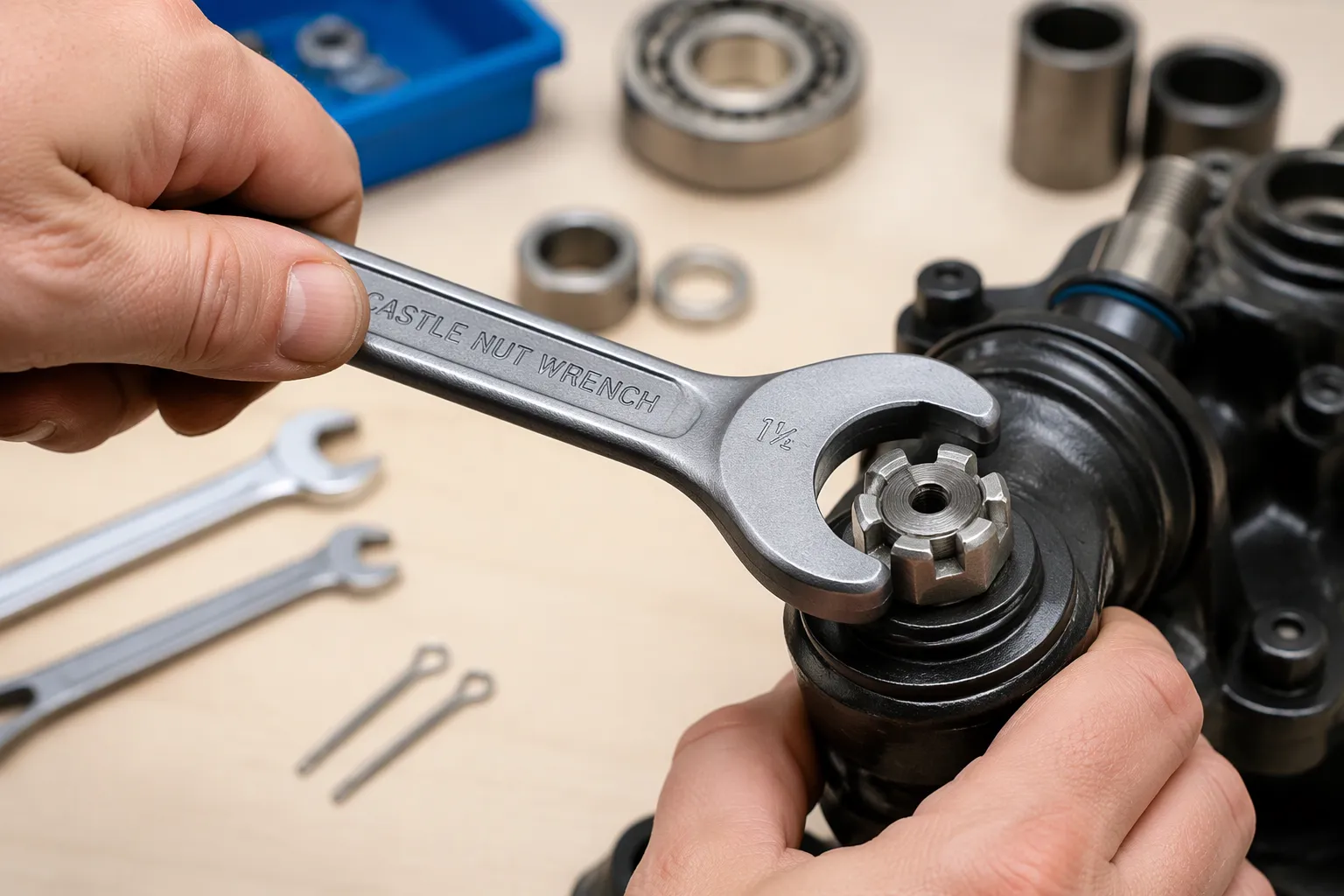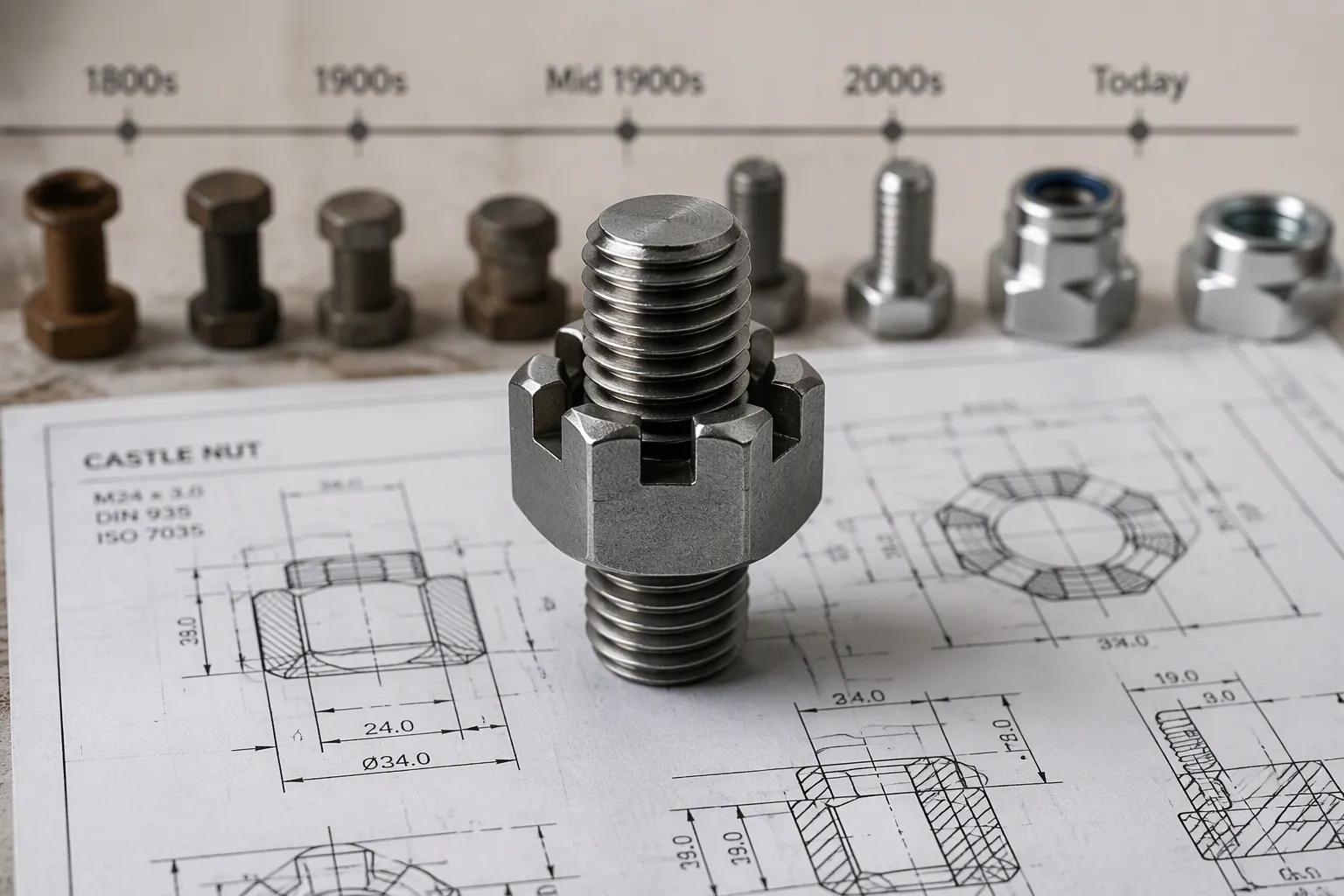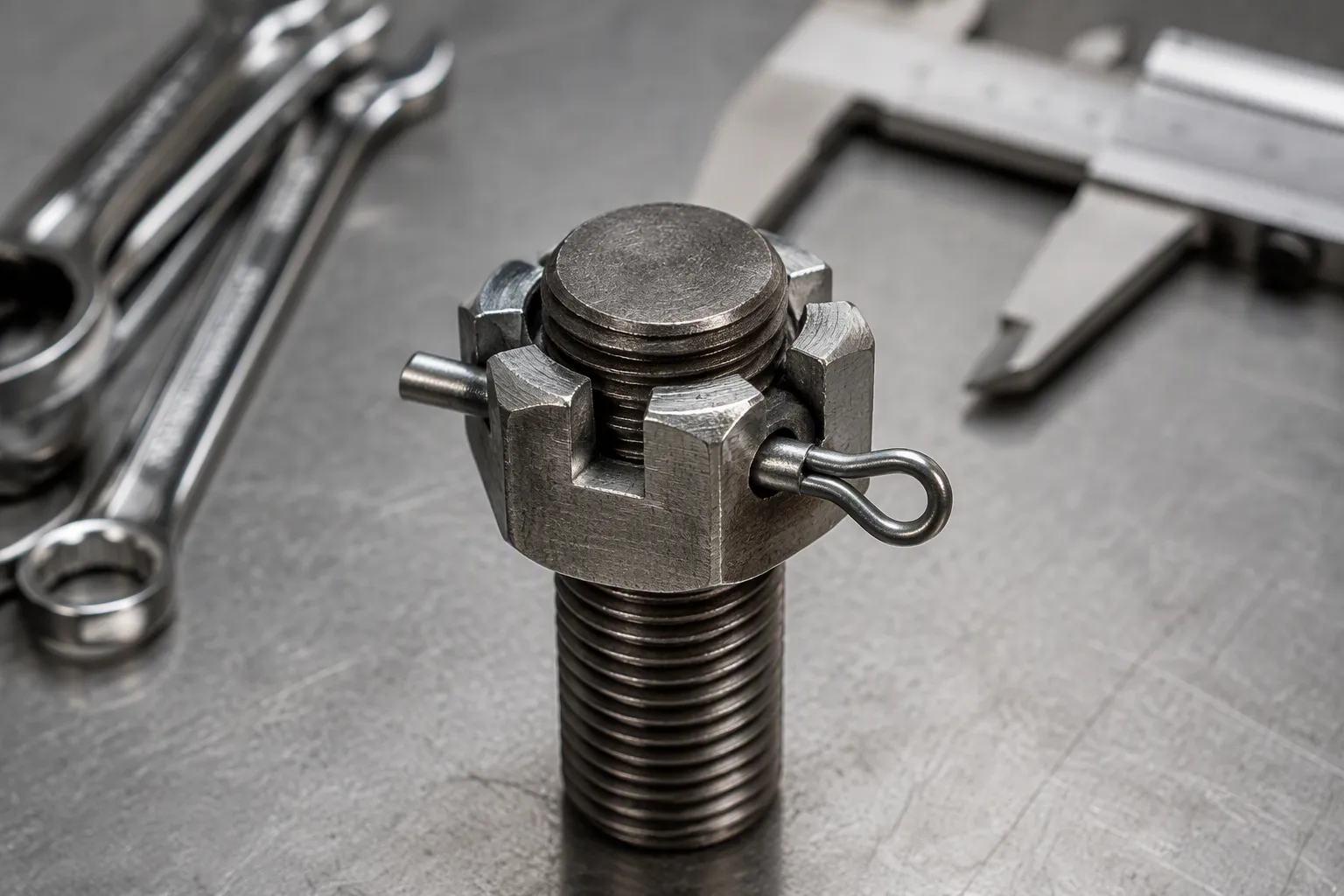
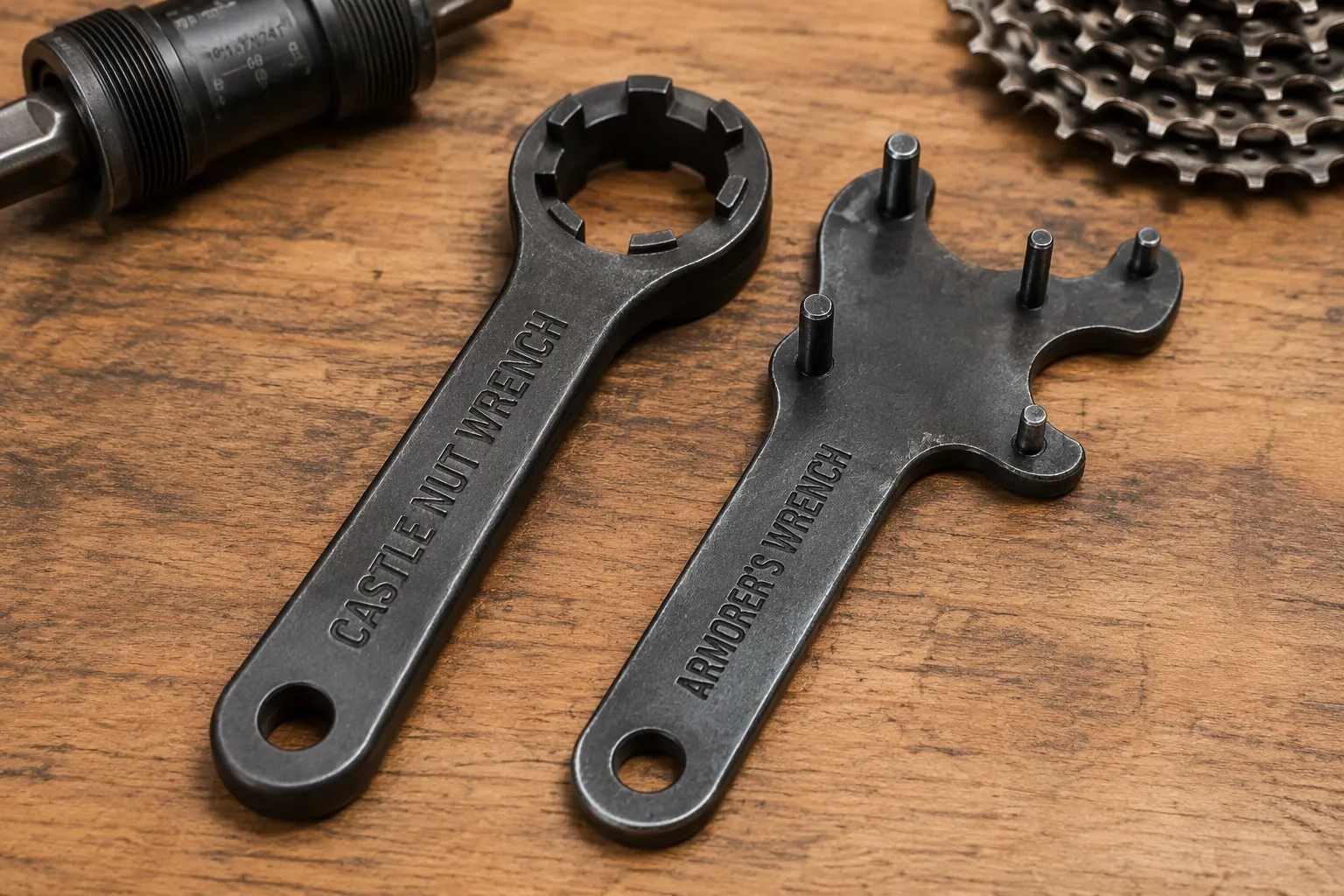
The better tool for a castle nut wrench vs armorer’s wrench comparison depends on the specific build tasks at hand. A castle nut wrench excels at lower receiver work, while an armorer’s wrench covers more tasks across the rifle. Bravo Company USA reviewers report that a dedicated castle nut wrench handles a staked castle nut far better than a standard tool. Many builders eventually need both, though one may be enough to start. Like nuts and bolts on any project, the right tool matters. A custom fasteners manufacturer would agree that fit drives results, and custom fasteners follow the same logic. A castle nut demands a precise fit.
The Short Answer: Castle Nut Wrench vs Armorer’s Wrench
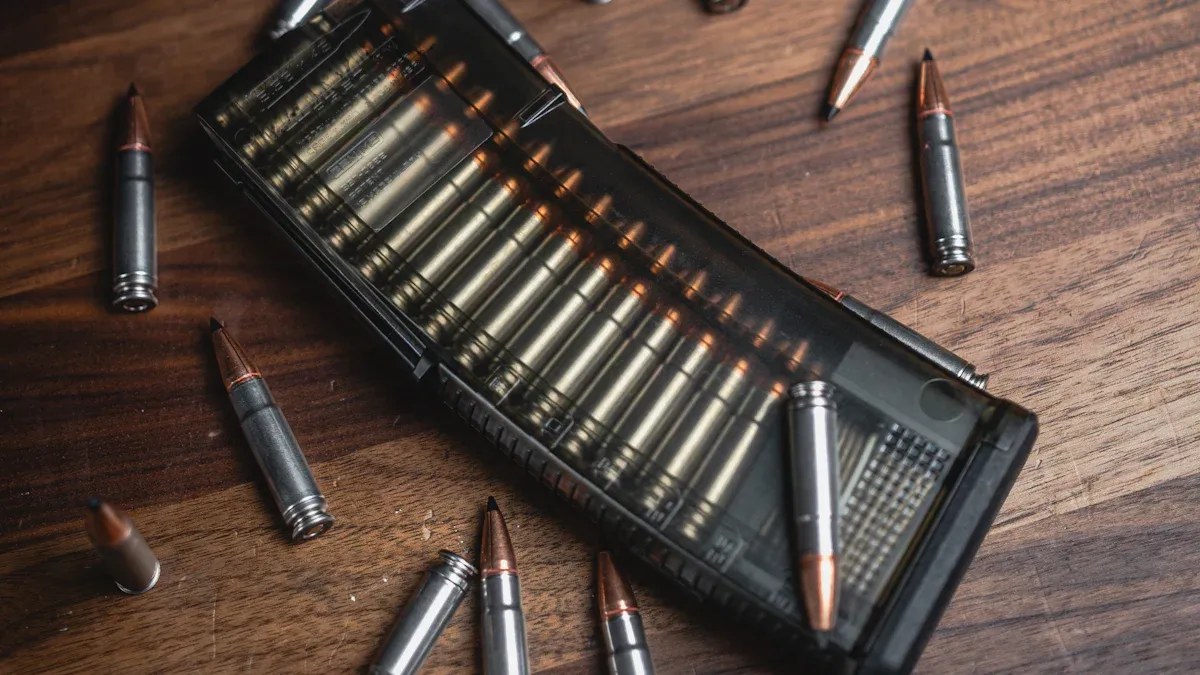
The castle nut wrench vs armorer’s wrench question has a practical answer. Match the tool to the job in front of you. A castle nut wrench serves lower receiver and buffer tube work with precision. An armorer’s wrench spreads its value across the whole rifle. Each tool earns its place in different phases of a build.
When a Castle Nut Wrench Wins
Lower Receiver and Buffer Tube Work
The lower receiver is where a castle nut wrench feels at home. This tool engages the castle nut on the buffer tube with a dedicated fit. The narrow profile reaches the nut without touching the receiver end plate or the stock hardware. A builder who installs a buffer tube and tightens the castle nut gets clean contact and predictable torque. The task takes minutes with the right tool. A multi-tool often fights the same job because its body crowds the receiver.
Simplicity and Budget
A standalone castle nut wrench costs little and does one job well. Beginners appreciate the single purpose. There is no guessing which notch fits which nut. The tool has one shape and one function. A new builder can buy this wrench, finish the lower, and skip the expense of a full kit. The low entry price makes it an easy first purchase for anyone testing the waters of AR-15 assembly.
When an Armorer’s Wrench Wins
Full Builds and Multi-Tool Needs
An armorer’s wrench shines when the work spans the entire rifle. Cape Fear Investigative notes that the Wheeler XL Fat Adjustable Torque Wrench with Crowfoot Set combines multiple tools into one compact, versatile set. The kit includes an XL F.A.T. wrench, a barrel nut crowfoot, a 5/8″-3/4″ crowfoot, a castle nut crowfoot, and a hard case. Professional-grade hardened steel gives the set long service life. Fewer tools to carry means quicker work on a bench or at the range.
The same source describes the Steel Lock Spanner Wrench as a multi-functional design that combines three tool uses in one. This 11.5-inch alloy steel tool with a black finish serves as a spanner, a buffer tube nut wrench, and a removal tool. It reduces clutter and simplifies jobs. A builder who wants one ar-15 tool for several tasks finds real value here.
Upper and Lower Receiver Assembly
Upper receiver work separates the two tools. Cape Fear Investigative reports that the Real Avid MSTR FITFREE Float Wrench handles free float barrel nuts effortlessly. It installs or removes flash hiders quickly when paired with a compatible torque wrench. The double-sided design fits most free float barrel nuts securely. Either side works depending on the barrel nut configuration, which reduces the need for multiple tools. The wrench connects to any standard 1/2 torque wrench for streamlined installation.
The same source describes the Armorers Wrench Spanner with a unique three-hook end. Its special design adapts to different fasteners and makes complex adjustments simple. A precision-machined slide jaw and worm gear enable fine size adjustments. Permanent size markings allow measuring nuts and bolts accurately on the spot without switching tools. Perfectly parallel jaws ensure a firm grip and avoid slip and damage during use. These features cover upper and lower receiver assembly in one package.
When You Need Both
Dedicated Fit and Convenience
Many builders reach a point where one tool no longer covers every job. A dedicated castle nut wrench gives the best fit for staked castle nuts. An armorer’s wrench gives speed for everything else. Keeping both on the bench removes the compromise. The builder grabs the tool that matches the task and never forces a multi-tool into a job it handles poorly. Convenience grows with every build.
Long-Term Tool Collection
A workbench matures over time. The first ar-15 wrench purchase often leads to a second. Builders who service rifles regularly collect ar-15 wrenches the way mechanics collect sockets. Each ar wrench adds a capability. A set of ar wrenches covers barrel nuts, muzzle devices, and castle nuts without improvisation. The collection pays for itself across repeated jobs. A single ar-15 armorers wrenches purchase today becomes the foundation of a fuller kit tomorrow.
Purpose and Primary Use
Each tool serves a defined role on the workbench. Understanding those roles helps a builder pick the right instrument for the task.
What a Castle Nut Wrench Is Built For
Tightening and Loosening Castle Nuts
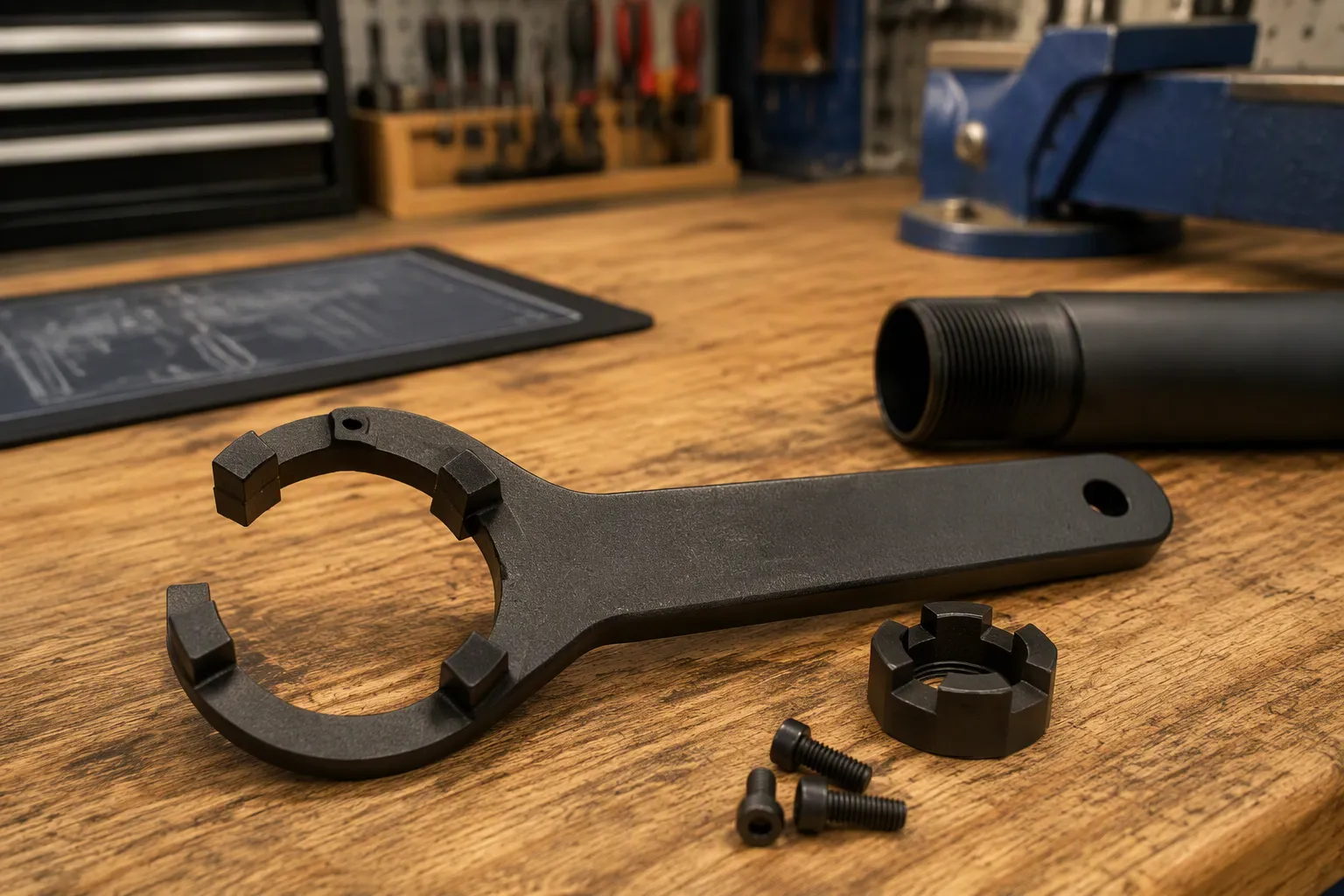
A castle nut wrench uses leverage to turn the castle nut on a buffer tube. Cross Armory describes the tool as a handle with a ring on one end. The ring carries holes that fit the nubs on the nut. That design lets a builder tighten or loosen the nut with steady control. Cross Armory lists the core functions of this tool:
- Provides a perfect fit for Mil-Spec and commercial buffer tube castle nuts
- Performs the job of a Mil-Spec castle nut wrench and a standard length receiver extension wrench
- Fits all AR-15 and AR-10 castle nuts
- Handles installation and removal of castle nuts
Staking and Buffer Tube Tasks
The Dolly Grippery notes that castle nuts loosen on their own at the wrong time and refuse to budge at the right time. A dedicated wrench gives the builder a firm grip for staking and buffer tube work. The narrow ring reaches the nut without scraping the receiver.
What an Armorer’s Wrench Is Built For
Multi-Function Gunsmithing
An armorer’s wrench packs several jobs into one body. Foxwoll reports that muzzle device removal and installation, buffer tube castle nut work, and barrel nut or free float handguard ring adjustment are the three most frequent uses for a dedicated armorer’s wrench. Any AR-15 build, upgrade, or flash hider swap calls for this tool.
Common AR-15 Tasks in One Tool
The armorer’s tool covers upper and lower receiver jobs in a single frame. A builder carries one ar-15 tool instead of a bag of separate pieces. That convenience speeds up routine maintenance.
How the Two Overlap
Shared Castle Nut Function
Both tools turn a castle nut. The overlap gives builders a choice. A dedicated castle nut wrench offers a tighter fit for that single job. An armorers wrench adds the same function alongside other capabilities.
Tasks Only One Tool Handles
The ar wrench reaches barrel nuts, muzzle devices, and handguard rings. The castle nut wrench stays focused on the buffer tube. A builder who needs upper receiver work reaches for the multi-tool. A builder who wants a clean castle nut install reaches for the dedicated piece.
Technical Performance Compared
Torque and Tightness
Grip and Leverage
A castle nut wrench uses a ring that seats fully over the nut nubs. The handle length gives steady leverage for a firm turn. An armorer’s wrench offers a longer body and more grip options. That extra length helps on stubborn nuts. A short handle limits force on a tight castle nut. The dedicated tool wins on control at the lower receiver.
Meeting Torque Specs
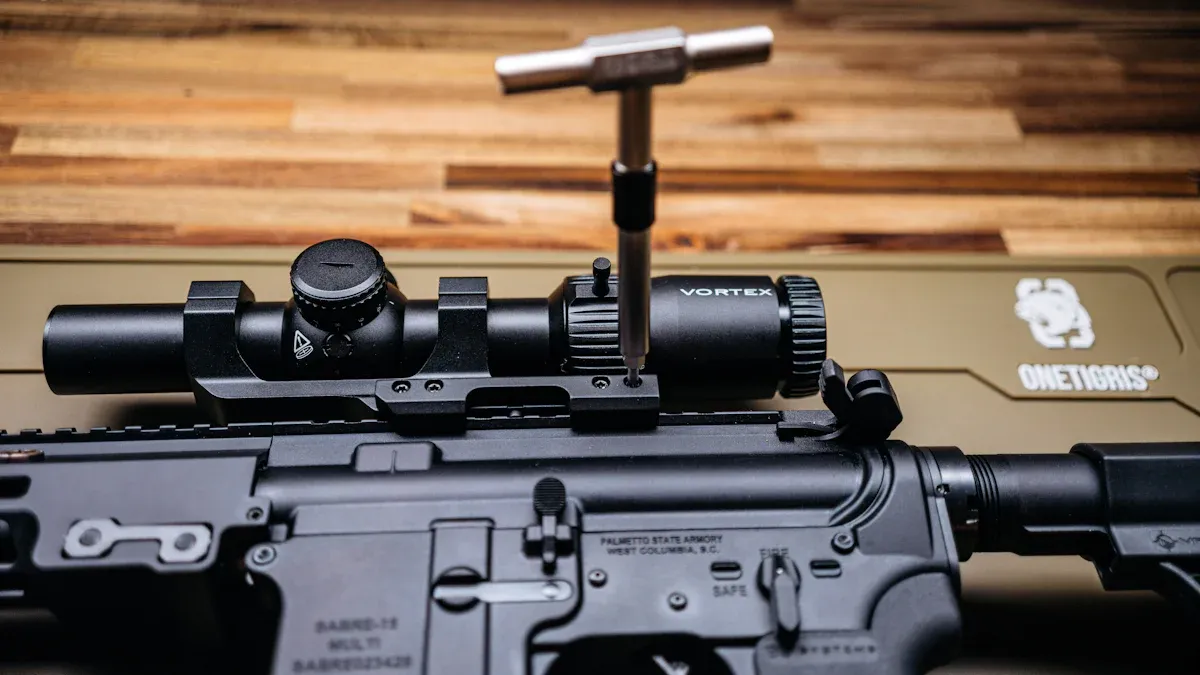
Castle nut torque specs fall in a narrow range, typically 40 inch-pounds. A builder needs a tool that holds the nut without slipping. A torque wrench pairs well with either tool for accurate readings. The castle nut wrench delivers consistent contact at the nut. The armorer’s wrench works too, though its bulk can shift the angle. Precise contact matters more than raw force here.
Fit and Contact
Castle Nut Fit Quality
Fit separates the two tools. A dedicated castle nut wrench matches the nut nubs exactly. The armorer’s wrench carries a castle nut notch among many features. That notch often fits looser. A loose fit invites rounded nubs and damaged threads. A quality ar wrench still fits well, yet the single-purpose tool holds the edge.
Risk of Slipping or Marring
Slippage damages finishes and hardware. A loose notch jumps off the nut under load. The dedicated ring stays seated through the full turn. The armorer’s wrench risks marring the receiver end plate when the body crowds the frame. Careful technique reduces the risk. The dedicated tool lowers it further.
Durability and Build Quality
Steel and Finish
Both tools rely on hardened steel for long life. A quality ar wrench uses heat-treated steel with a protective finish. The castle nut wrench often uses stamped or forged steel. Finish quality varies by brand. A black oxide or phosphate coating resists rust. Buyers should check the steel grade before purchase.
Long-Term Wear
Repeated use wears the contact points. A dedicated castle nut wrench spreads load across the full ring. The armorer’s wrench concentrates force on one notch. That notch wears faster over many builds. A well-made ar-15 tool lasts years with proper care. The dedicated wrench holds its fit longer on castle nut work alone.
Application Fit: Which Tasks Each Handles
Lower Receiver Tasks
Castle Nut Installation
A castle nut wrench handles castle nut installation with a direct, secure fit. The ring seats over the nut nubs and turns them without slipping. Builders tighten the nut to spec and stake it in place. This single task justifies the tool for anyone assembling a lower.
Buffer Tube and End Plate Work
Buffer tube and end plate work also falls to the castle nut wrench. The tool reaches the nut without disturbing the end plate or stock hardware. A receiver extension wrench performs the same job on standard buffer tubes. The narrow profile keeps contact clean and controlled.
Upper Receiver Tasks
Barrel Nut and Handguard Work
Upper receiver work demands different tools. A barrel nut wrench turns the barrel nut during handguard installation. The ar-15 armorer’s wrench often includes a barrel nut tool among its features. A dedicated barrel nut wrench still delivers a tighter fit for this job. The castle nut wrench cannot reach a barrel nut at all.
Muzzle Device and Flash Hider Tasks
Muzzle device and flash hider work belongs to the armorer’s wrench. The tool grips the device and breaks it loose or seats it firmly. An armorers wrench covers this task alongside other upper receiver jobs. The castle nut wrench offers no help here.
Tasks Neither Tool Covers
Specialty Tools for Specific Jobs
Some jobs need specialty tools. A torque wrench delivers accurate readings on critical fasteners. Roll pin punches set pins without damage. A reaction rod holds the upper receiver steady during barrel work. Neither the castle nut wrench nor the ar wrench replaces these items.
When to Add Other Tools
Builders add tools as their work grows. A first lower build needs only a castle nut wrench and basic hand tools. A full build calls for an ar-15 tool plus a torque wrench and punches. Each new task reveals the next tool to buy. A well-stocked bench grows one job at a time.
Torque Specs and Proper Use
Why Torque Matters on a Castle Nut
Recommended Torque Range
The castle nut holds the buffer tube and end plate in place. Correct torque keeps that connection secure. Daytona Tactical lists 35-40 ft-lbs as the standard specification for an AR-15 castle nut. A 308AR forum discussion cites 40 ft-lb as the working figure. Builders should always follow the manufacturer’s recommendation for their specific rifle.
Avoiding Over- and Under-Tightening
Lemar Metal explains that a nut tightened too little may loosen over time and create safety hazards. A nut tightened too much can damage the nut, the bolt, or nearby components. Proper torque protects structural integrity, limits corrosion, and reduces wear between parts. A builder who skips the torque wrench risks both failure modes.
Using Each Wrench Correctly
Proper Technique with a Castle Nut Wrench
A castle nut wrench seats its ring over the nut nubs. The builder secures the lower receiver in a vise block first. Then they turn the handle with steady pressure until the nut reaches spec. A torque wrench confirms the final reading.
Proper Technique with an Armorer’s Wrench
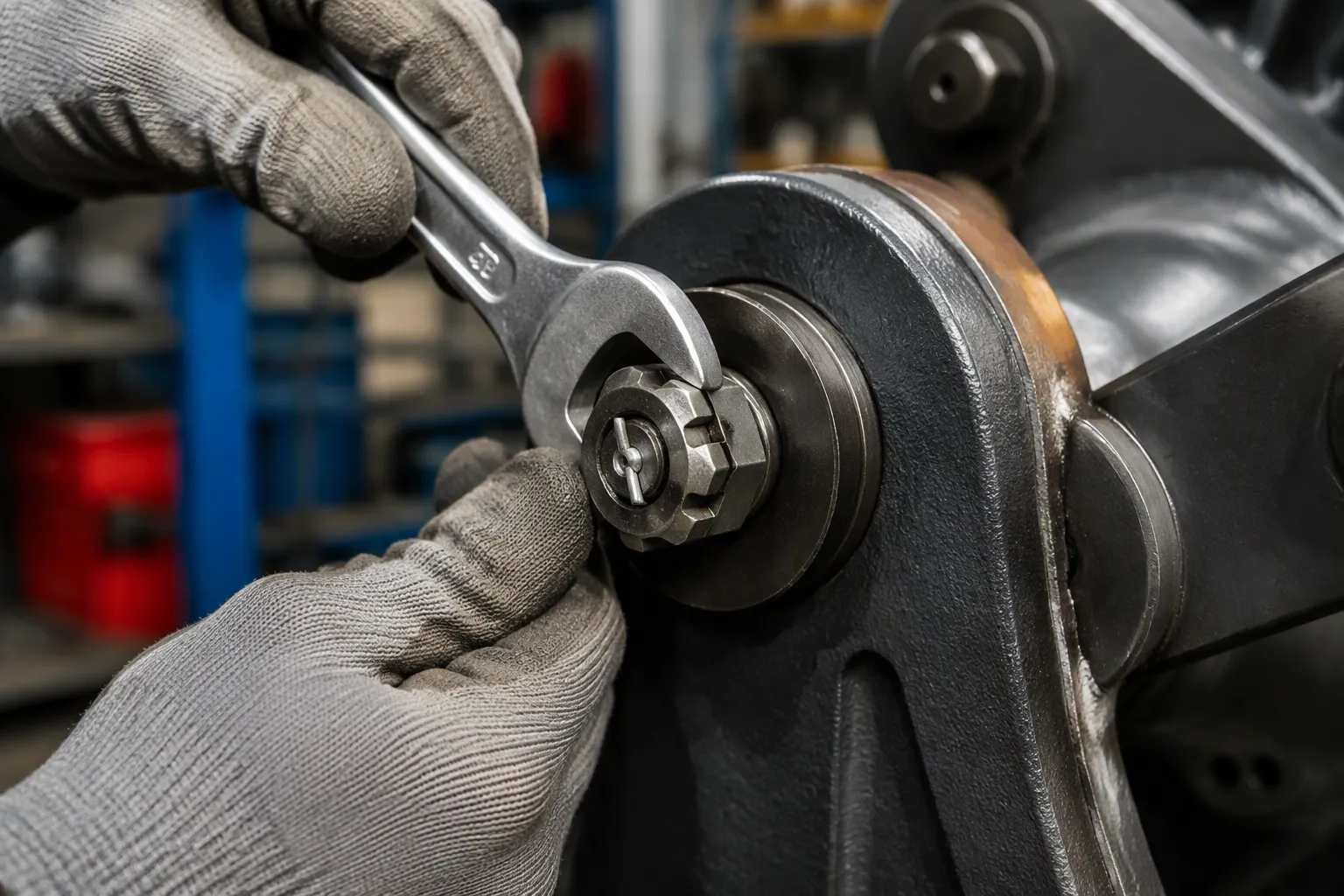
An armorer’s wrench engages the castle nut notches with its teeth. Daytona Tactical notes that most armorers wrench models include a drive opening for a torque wrench. The builder sets the torque wrench at 90 degrees to any crow’s foot attachment. This angle keeps the reading accurate. The 308AR forum warns that extra distance from the attachment point can inflate torque values.
Staking the Castle Nut
Why Staking Is Recommended
Primary Arms reports that even a castle nut torqued to 40-45 ft-lbs can loosen from recoil shock. Staking pushes the end plate metal into the nut’s notches and locks it in place. Alex Bohl of Trajectory Arms calls staking a cheap insurance policy. A loose castle nut can take a rifle out of service at the worst moment.
How Each Tool Supports the Process
Staking needs a bench vise, a lower vise block, a hammer, and a staking punch. The castle nut wrench or armorer’s wrench handles the tightening step before staking begins. A dedicated punch then displaces the end plate material. Forward Controls Design machines its punch from D2 steel with a round tip and serrated body for a firm grip. Builders who need to remove a castle nut later must first break the stake with a punch.
Cost and Value
Price of a Castle Nut Wrench
Budget-Friendly Entry Point
A castle nut wrench offers one of the lowest entry points into AR-15 tooling. Most models sell for under twenty dollars. A builder can pick one up for the price of a few boxes of ammunition. That low cost removes the barrier for anyone starting a first lower receiver project. The tool pays for itself on the first buffer tube install.
What You Get for the Price
The low price delivers a focused tool. A buyer gets a steel wrench with a ring that fits Mil-Spec and commercial castle nuts. The tool handles installation, removal, and staking support. It does not include barrel nut features or muzzle device capability. The value comes from doing one job with precision at a minimal cost.
Price of an Armorer’s Wrench
Higher Upfront Cost
An armorer’s wrench costs more than a dedicated castle nut wrench. Magpul lists its Armorer’s Wrench for the AR15/M4 at $84.95. Wheeler offers its Basic Armorer’s Wrench at $44.99. The price range spans from budget-friendly to premium. A builder pays for multiple functions in one body.
Value Across Multiple Tasks
The higher price buys broad capability. One armorers wrench covers castle nuts, barrel nuts, muzzle devices, and handguard rings. A builder who needs several tasks done avoids buying separate tools. The per-task cost drops with each job the tool handles. That math favors the multi-tool for full builds.
Which Offers Better Value
For a Single Task
A castle nut wrench wins on value for a single job. A builder who only installs a buffer tube spends little and gets a precise fit. The dedicated tool outperforms a multi-tool on castle nut contact. No extra cost goes toward features the builder never uses.
For a Full Build
An armorer’s wrench wins on value for a complete build. The ar-15 tool covers upper and lower receiver work in one purchase. A builder avoids buying a barrel nut wrench, a muzzle device tool, and a castle nut wrench separately. The upfront cost spreads across many tasks. For anyone building a full ar-15, the multi-tool delivers more value per dollar.
Common Build Scenarios
Assembling a Lower Receiver
Tools You Actually Need
A lower receiver project calls for a small set of core tools. It’s Tactical lists the essentials for this stage of ar building. A workbench, vise, and AR-15 vise block hold the magazine well securely. A set of steel drive pin punches handles most pins, though roll pins can bend or send a punch off target. Roll pin punches and roll pin holders from Brownells solve that problem. The holder’s hollow tip aligns the first third of the roll pin, and the punch’s nipple centers the strike. The New Rifleman notes that the bolt catch needs a special punch to protect the lower from scratches. A builder without one can wrap pliers in thick tape and squeeze the roll pin home after starting it with a standard punch.
Why a Castle Nut Wrench Shines Here
The castle nut wrench covers the buffer tube step of this build. Its ring seats over the castle nut nubs and turns them cleanly. The narrow body clears the end plate and receiver. A builder tightens the castle nut to spec, stakes it, and finishes the lower with confidence.
Building an Upper Receiver
Tasks an AR-15 Armorer’s Wrench Covers
The ar-15 armorer’s wrench handles the upper receiver jobs that a lower build never touches. Monstrum Tactical lists its core functions. It installs and removes free-float rifle handguards. A built-in barrel nut wrench secures and removes the barrel nut. A castle nut wrench section adjusts the receiver extension. A muzzle device wrench grips flash hiders and muzzle brakes. A torque wrench attachment allows precise tightening of critical components. One ar-15 tool covers all of these tasks.
Where a Castle Nut Wrench Falls Short
The castle nut wrench cannot reach a barrel nut, a handguard, or a muzzle device. A builder who needs upper receiver work must add the armorers wrench or separate specialty tools. The dedicated wrench stays useful for the castle nut alone.
A Complete Ground-Up Build
The Case for the Armorer’s Wrench
A full build touches every part of the rifle. The armorer’s wrench gives ar-15 builders one instrument for upper and lower receiver tasks. It saves money against buying each tool separately. Anyone planning to build or maintain ar-15 rifles over time finds this tool pays for itself.
Adding a Dedicated Castle Nut Wrench
A dedicated castle nut wrench still earns a spot on the bench. It delivers a tighter fit on staked castle nuts than a multi-tool notch. A builder who wants to build an ar-15 with clean, precise lower work adds this low-cost tool alongside the armorer’s wrench. Together, the pair covers the full build without compromise.
Ease of Use and Ergonomics
Handling and Grip
Single-Purpose vs. Multi-Tool Feel
A castle nut wrench feels simple in the hand. The handle is short and the ring sits at one end. A builder grips it like a standard hand tool and turns with steady pressure. The single-purpose design keeps the weight low and the balance predictable. An armorer’s wrench carries more mass and more features. The longer body offers extra leverage, yet the added bulk changes the feel. Some builders find the multi-tool awkward on small fasteners. Others appreciate the reach it provides. The dedicated wrench wins on comfort for repeated castle nut work.
Working in Tight Spaces
The lower receiver leaves little room around the buffer tube. A castle nut wrench slips its thin ring into that gap with ease. The narrow profile clears the end plate and stock hardware. An armorer’s wrench needs more clearance. Its wider body can crowd the receiver during the turn. Builders who work on assembled rifles notice this difference fast. The compact tool moves where the multi-tool cannot.
Learning Curve
Simplicity of a Castle Nut Wrench
A castle nut wrench demands almost no instruction. The ring fits the nut nubs one way. A beginner seats the tool and turns. There is no chart to read and no notch to select. That simplicity shortens the learning curve for a first ar-15 build. A new builder gains confidence with each clean turn.
Familiarity with an Armorers Wrench
An armorer’s wrench asks for more practice. Each feature serves a different task, and the builder must match the right notch to the right fastener. The barrel nut section, the muzzle device teeth, and the castle nut notch all look similar at a glance. A few practice runs build familiarity. Once learned, the tool becomes fast and efficient. Most builders master it after one or two projects.
Making Your Choice
The castle nut wrench vs armorer’s wrench decision comes down to the work on the bench. Each tool serves a distinct purpose. A builder who matches the tool to the task avoids wasted money and frustration. The following guidance helps narrow the choice.
Choose a Castle Nut Wrench If
You Are Doing Lower Receiver Work Only
A builder who focuses on lower receiver assembly needs only a castle nut wrench. The lower receiver project centers on the buffer tube, castle nut, and end plate. A dedicated castle nut wrench handles every one of those steps with precision. The tool seats its ring over the nut nubs and turns them cleanly. No other feature matters for this scope of work. A builder who plans to stop at the lower receiver saves money by skipping the multi-tool. The dedicated wrench covers the full job from start to finish.
You Want a Simple, Low-Cost Tool
Simplicity appeals to many first-time builders. A castle nut wrench offers one shape and one function. The builder picks it up and uses it without reading a manual. The low price point removes financial risk from a first project. Most models cost under twenty dollars. That price buys a steel tool that fits Mil-Spec and commercial castle nuts. A beginner can finish a lower receiver build and decide later whether to expand into upper receiver work. The castle nut wrench delivers exactly what the job demands at minimal cost.
Choose an Armorer’s Wrench If
You Are Building or Servicing Full Rifles
A builder who plans to build an ar-15 from the ground up needs broader capability. The armorer’s wrench covers upper and lower receiver tasks in one body. It turns castle nuts, barrel nuts, muzzle devices, and handguard rings. A builder who services full rifles regularly finds this tool indispensable. The ar-15 armorer’s wrench eliminates the need to switch between multiple tools during a single session. One tool handles the full range of routine maintenance and assembly work. Anyone who maintains an ar-15 rifle over time benefits from this versatility.
You Want One Tool for Many Tasks
Convenience drives many purchasing decisions. A multi-function armorer’s wrench replaces a bag of separate tools. The builder carries one instrument to the bench and completes several jobs without searching for another wrench. The best armorers wrench combines solid steel construction with a range of features that cover common AR-15 tasks. A builder who values efficiency over specialized fit finds this approach practical. The tool earns its place through sheer utility across many projects.
Choose Both If
You Build Often
Frequent builders reach a point where one tool no longer suffices. A dedicated castle nut wrench delivers a tighter fit on staked castle nuts than a multi-tool notch. An armorer’s wrench speeds through everything else. A builder who completes multiple builds each year benefits from having both tools within reach. The dedicated wrench handles the castle nut with precision. The multi-tool covers barrel nuts and muzzle devices. Each tool supports the other without overlap in compromise. The combined setup removes friction from every build.
You Want the Best Fit for Each Job
Serious builders refuse to force a multi-tool into a job it handles poorly. A dedicated castle nut wrench gives the best possible contact on castle nut nubs. An armorer’s wrench gives the best reach on upper receiver tasks. Keeping both on the bench means the builder always grabs the right tool for the task. No job suffers from a loose fit or an awkward angle. The pair covers the full build without compromise. A well-equipped workbench holds both tools for good reason.
The castle nut wrench vs armorer’s wrench decision depends on the build tasks at hand. A castle nut wrench is ideal for lower receiver and buffer tube work. An armorer’s wrench suits full builds and multi-task needs. Builders should start with the tool that matches their current ar-15 project, then add the other as their needs grow. Both tools have a clear place on a well-equipped workbench.
FAQ
Can a castle nut wrench handle every lower receiver task?
A castle nut wrench covers castle nut installation, removal, and buffer tube work. It does not set roll pins or install the bolt catch. Builders still need punches and a vise block for a complete lower assembly. The wrench handles its specific job with precision.
Does an armorer’s wrench fit every castle nut?
Most armorer’s wrenches include a castle nut notch, yet that notch often fits looser than a dedicated ring. Fit quality varies by brand. A builder should check the notch against the nut before applying torque. A loose fit risks rounded nubs.
How much torque does a castle nut need?
Most specifications call for 35-40 ft-lbs. Builders should follow the manufacturer’s recommendation for their specific rifle. A torque wrench confirms the final reading. Over-tightening damages threads and hardware. Under-tightening allows the nut to loosen under recoil.
Can one wrench replace a full tool kit?
No single wrench covers every assembly task. An armorer’s wrench handles castle nuts, barrel nuts, muzzle devices, and handguard rings. It does not replace a torque wrench, roll pin punches, or a reaction rod. Builders add tools as their work expands.
Is staking required after tightening the castle nut?
Staking is strongly recommended. Even a properly torqued castle nut can loosen from recoil shock. Staking pushes the end plate metal into the nut’s notches and locks it in place. A staking punch handles this step after the wrench tightens the nut.
Which wrench suits a first-time builder?
A first-time builder working on a lower receiver needs only a castle nut wrench. The tool costs little and demands no instruction. A builder planning a full rifle build should start with an armorer’s wrench instead. The right choice depends on the project scope.
Do both tools work on AR-15 and AR-10 platforms?
Many castle nut wrenches fit both AR-15 and AR-10 castle nuts. Armorer’s wrenches vary by model. Some cover both platforms, while others target one. Buyers should confirm platform compatibility before purchase. The manufacturer’s specifications list the supported models.
How long do these wrenches last?
A quality wrench made from hardened steel lasts years with proper care. Contact points wear slowly under normal use. A dedicated castle nut wrench spreads load across its full ring. An armorer’s wrench concentrates force on individual notches. Regular inspection catches wear early.