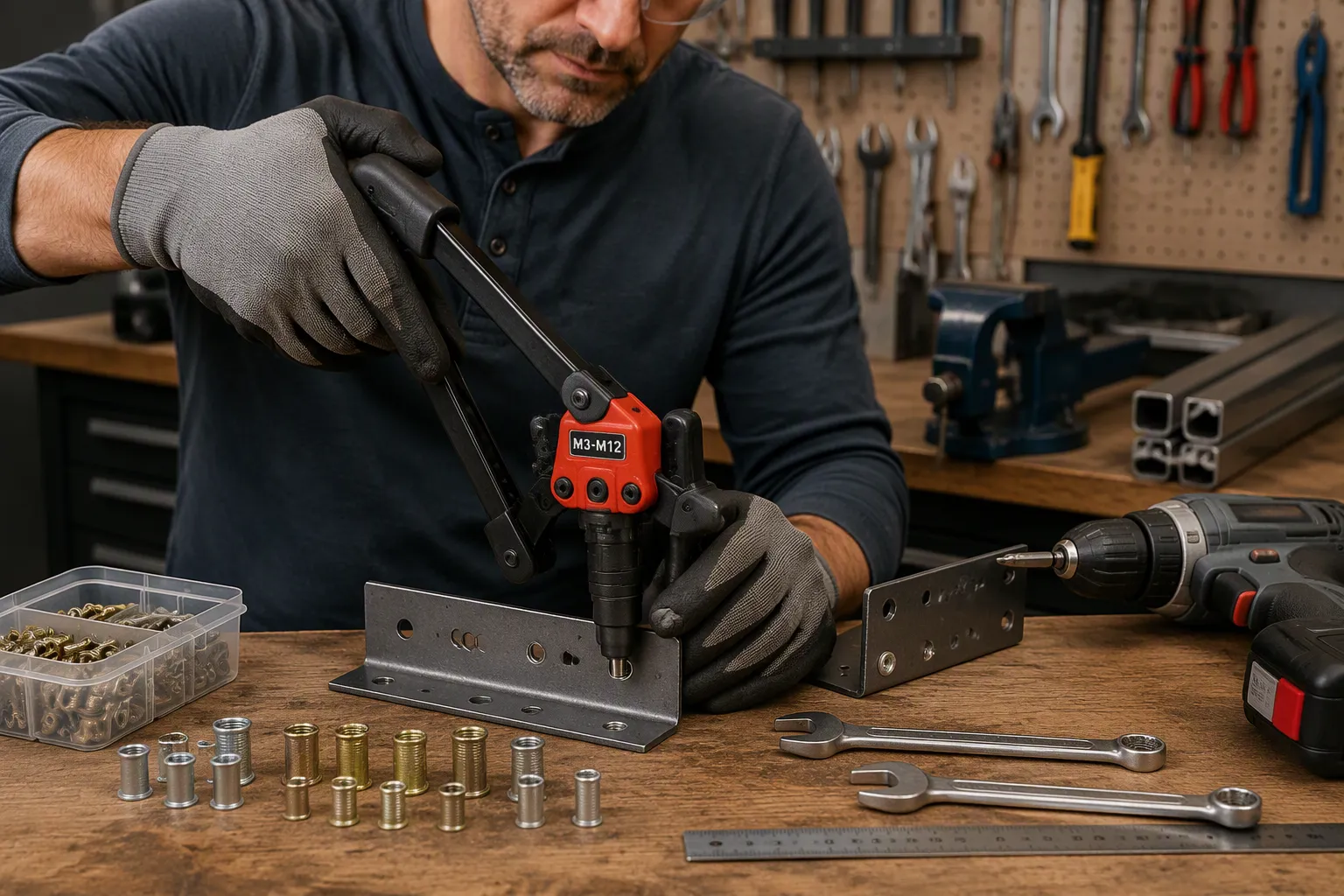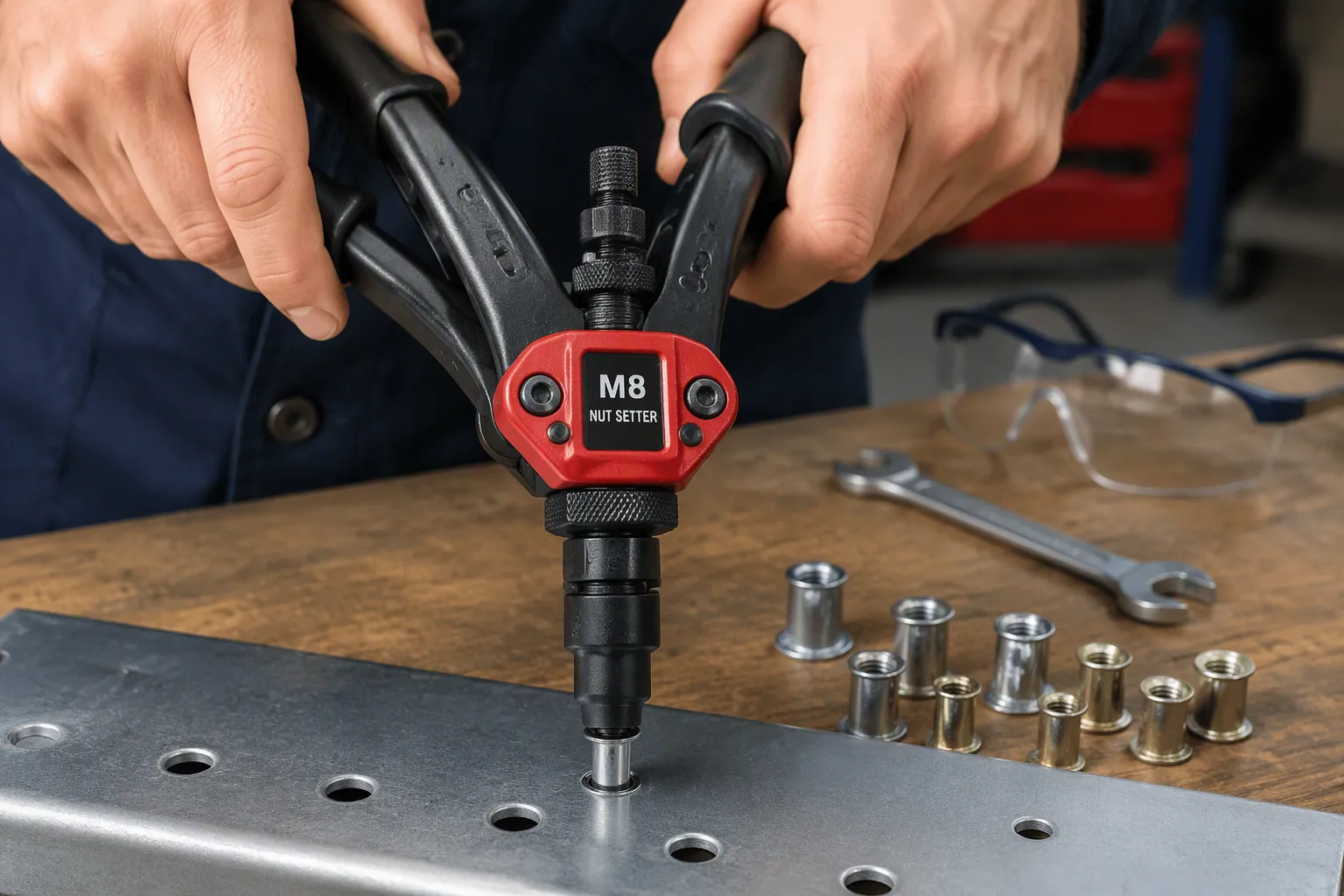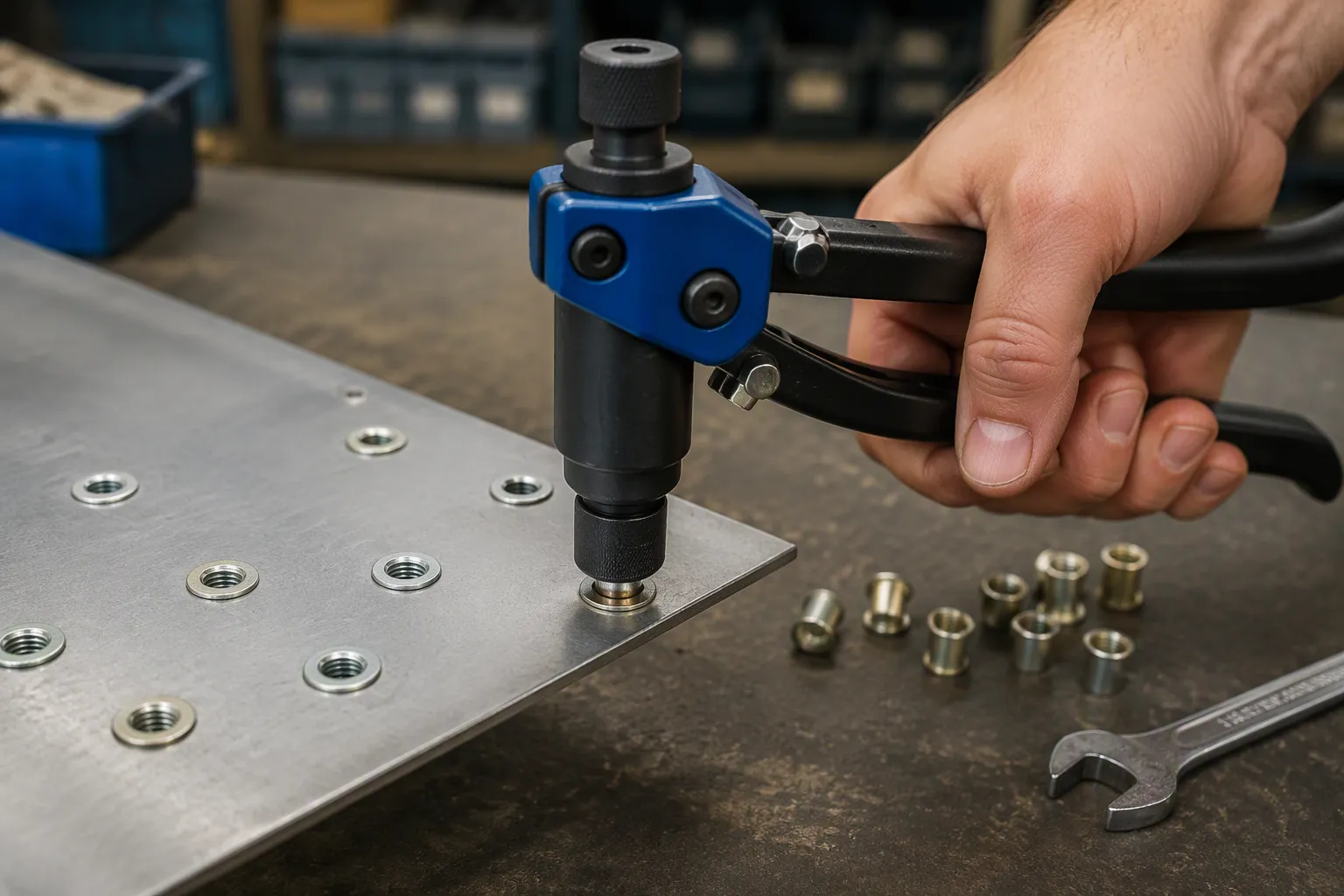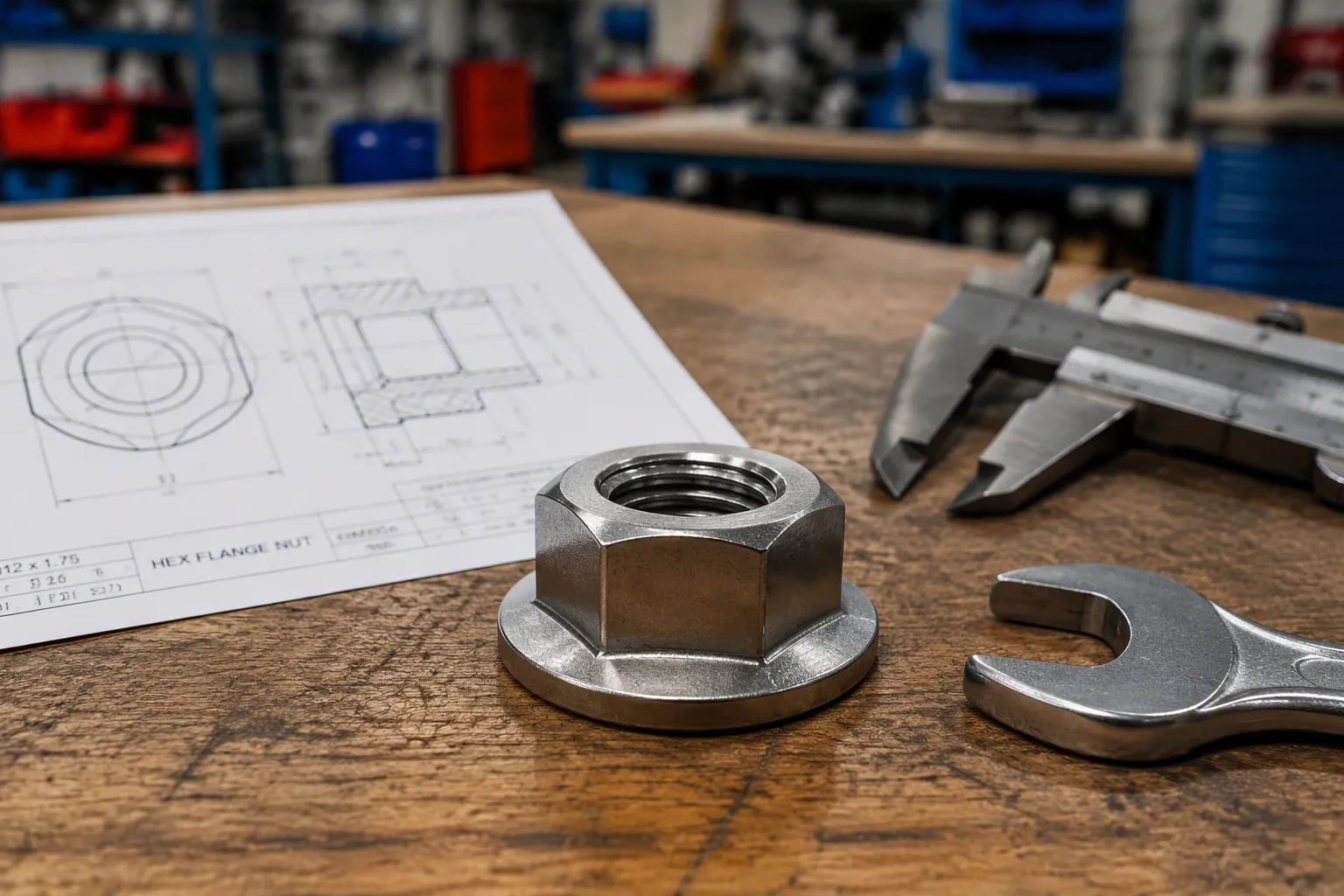
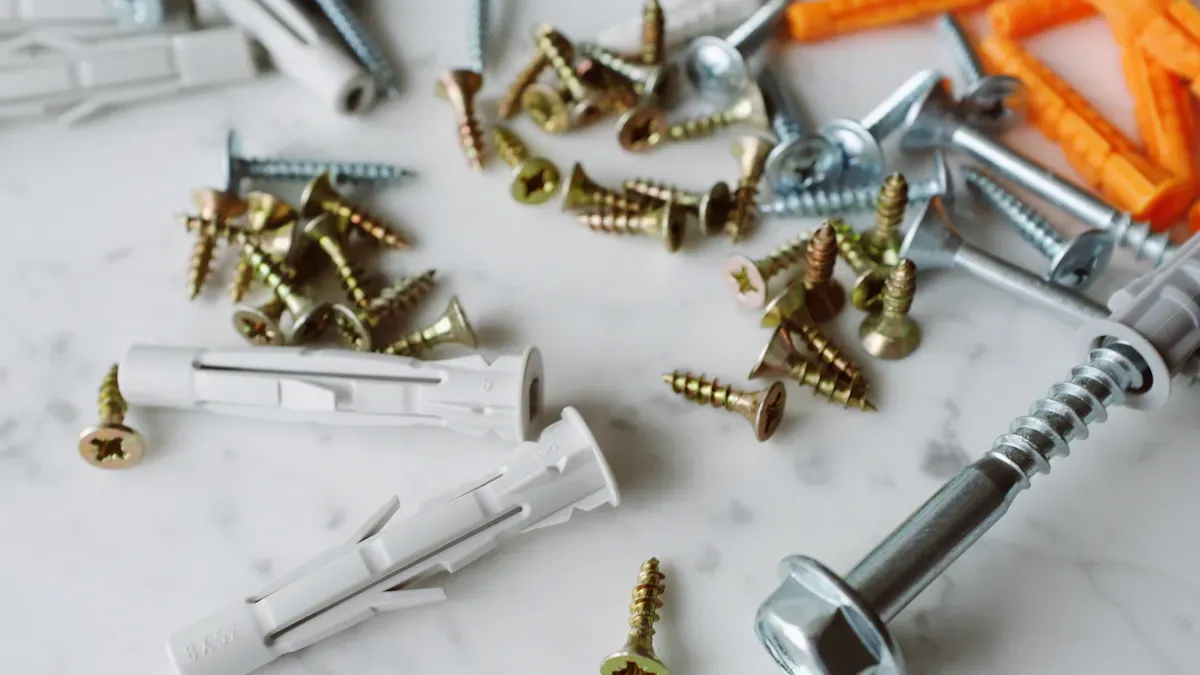
A rivet nut gun creates a strong, threaded connection by expanding a rivet nut inside a drilled hole. This tool offers several advantages compared to nuts and bolts or other traditional fasteners.
- Rivet nuts install from one side of the workpiece, streamlining assembly in hard-to-reach spots.
- They require minimal tools and training, making them ideal for high-volume production and reducing labor costs.
- The holding strength of a rivet nut gun excels in thin materials, maintaining joint integrity under vibration.
Many custom fasteners manufacturers recommend rivet nuts for load-bearing applications and for projects requiring custom fasteners.
What Is a Rivet Nut Gun?
Definition of a Rivet Nut Gun
A rivet nut gun serves as a specialized installation tool designed for setting rivet nuts into materials such as sheet metal, hollow tubes, or composite panels. This tool enables operators to create strong, reusable threads in locations where access to the back side is limited or impossible. The mechanism of a rivet nut gun relies on a straightforward process that transforms a simple hole into a secure, threaded anchor point.
The main components and mechanisms of a rivet nut gun include:
- Operators drill a hole in the workpiece, ensuring the diameter matches the rivet nut specifications.
- They insert the rivet nut into the hole, positioning its flange flush against the surface.
- The rivet nut tool grips the rivet nut securely.
- Activation of the tool pulls the internal threads upward, causing the body of the rivet nut to bulge outward.
- This deformation locks the rivet nut in place, providing a robust, reusable thread without requiring access to the back side.
A rivet nut gun can be manual, pneumatic, or hydraulic, depending on the application and volume of work. Each type ensures consistent deformation and proper seating of the rivet nut, making the installation process reliable and repeatable.
Note: The rivet nut gun’s mechanism allows for quick installation and minimizes the risk of damaging thin materials, which is essential for maintaining structural integrity in demanding environments.
Purpose and Benefits
The primary purpose of a rivet nut gun is to install rivet nuts efficiently, creating strong, threaded connections in materials where traditional fasteners may fail or prove impractical. This tool finds widespread use in metalworking, automotive repair, furniture assembly, and machinery maintenance.
The benefits of using a rivet nut gun extend beyond simple installation. The following table highlights key advantages:
| Advantage | Description |
|---|---|
| Ease of Use | Simplifies tasks like assembling metal furniture and repairing machinery. |
| Lightweight Design | Makes it easy to handle and maneuver during use. |
| Ability to Handle Thicker Materials | Essential for robust applications in metalworking and automotive sectors. |
A rivet nut gun streamlines assembly processes, especially in high-volume production environments. Operators achieve professional results with minimal training, reducing labor costs and improving efficiency. The tool’s lightweight design enhances maneuverability, allowing users to work comfortably for extended periods. Its ability to handle thicker materials ensures reliable performance in demanding applications, such as automotive bodywork and industrial fabrication.
Tip: Selecting the right rivet nut tool for the project ensures consistent installation quality and maximizes the benefits of this versatile fastening system.
Tools and Materials Needed for a Rivet Nut Gun
Types of Rivet Nut Guns
Operators select from several types of rivet nut guns based on project requirements. Manual rivet nut guns suit small jobs and offer portability. Pneumatic models deliver consistent force and speed, making them ideal for high-volume production. Hydraulic rivet nut guns provide maximum power and precision, especially in industrial settings. Each tool features a mandrel that threads into the rivet nut and a mechanism for expanding the insert. The choice depends on the material thickness, frequency of use, and desired installation speed.
Tip: For beginners, a manual rivet nut gun offers simplicity and control. Pneumatic and hydraulic tools require more experience and maintenance.
Rivet Nuts (Threaded Inserts)
Rivet nuts, also known as nut inserts, create strong, threaded anchor points in thin or hollow materials. Manufacturers produce these inserts in various shapes and sizes to match different applications. The material selection impacts performance, durability, and ease of installation.
- Aluminum: Lightweight and corrosion-resistant. Lower strength compared to steel.
- Low-carbon steel: Good ductility and cost-effective. Prone to rust without coating.
- High-carbon steel: High strength and wear resistance. Less ductile and may crack during installation.
- Stainless steel: Excellent corrosion resistance and strong. More expensive and harder to work with.
- Brass: Good corrosion resistance and easy to machine. Softer and lower strength than steel.
- Copper: Excellent conductivity and good corrosion resistance. Soft and not suitable for high-stress applications.
The choice of material for rivet nuts significantly affects their performance, including strength, corrosion resistance, and ease of installation. For instance, aluminum suits lightweight applications, while stainless steel performs well in harsh environments due to its durability.
Drill and Drill Bits
A drill and the correct drill bit ensure precise hole preparation for rivet nut installation. Operators must match the drill bit size to the rivet nut specifications to achieve a secure fit. Using the wrong size can lead to weak connections or installation failures.
| Drill Bit Size | Tolerance Range |
|---|---|
| 9.0 mm | 8.9–9.2 mm |
| 11/32″ (8.73 mm) | slightly tight |
| 23/64″ (9.13 mm) | slightly loose |
Selecting the proper drill bit size prevents the rivet nut from spinning or failing to seat correctly. Operators should check manufacturer recommendations for each rivet nut type and material. Clean, accurate holes improve installation quality and ensure the threaded insert remains secure.
Note: Always use sharp drill bits and verify hole size before installing rivet nuts. This practice reduces installation errors and extends tool life.
Marking Tools
Accurate hole placement ensures a secure and professional rivet nut installation. Marking tools help operators identify the exact location for drilling. They use these tools to avoid misalignment and ensure repeatable results across multiple workpieces.
Common marking tools include:
- Center punch: This tool creates a small indentation at the drilling point. The indentation prevents the drill bit from wandering.
- Scriber: Operators use a scriber to draw precise lines on metal surfaces. The fine tip leaves a visible mark that guides drilling.
- Permanent marker: For non-metallic materials, a permanent marker provides a clear, visible reference.
- Measuring tape or ruler: These tools help measure distances and ensure consistent spacing between holes.
Tip: Operators should double-check all measurements before drilling. Accurate marking reduces errors and improves the quality of the finished assembly.
Wrenches or Spanners
Wrenches or spanners play a crucial role in the rivet nut installation process. These hand tools allow operators to tighten or loosen the mandrel and secure the rivet nut gun components. Proper tool selection prevents damage to the mandrel threads and ensures a smooth installation.
Operators typically use the following types:
| Tool Type | Common Use Case |
|---|---|
| Open-end wrench | Adjusting mandrels and fasteners |
| Box-end wrench | Applying even torque to components |
| Adjustable spanner | Versatile option for various sizes |
Operators should select the correct size to match the mandrel or fastener. Using the wrong size can round off edges and compromise tool performance. Regular inspection and maintenance of wrenches or spanners extend their service life and improve safety.
Safety Gear
Personal protective equipment (PPE) protects operators from potential hazards during rivet nut installation. Safety gear reduces the risk of injury from flying debris, sharp edges, or accidental tool slips.
Essential safety gear includes:
- Safety glasses: These protect eyes from metal shavings and debris during drilling and installation.
- Gloves: These shield hands from sharp edges and provide a better grip on tools.
Operators should always wear safety glasses and gloves when working with rivet nut guns. Additional PPE, such as ear protection or dust masks, may be necessary in noisy or dusty environments.
Note: Consistent use of safety gear demonstrates professionalism and helps maintain a safe work environment. Operators who prioritize safety reduce the likelihood of accidents and ensure successful project outcomes.
Step-by-Step Guide to Using a Rivet Nut Gun
Preparing the Work Area and Materials
Cleaning and Securing the Surface
A clean and stable work area forms the foundation for accurate and safe installation. Operators should begin by removing any dust, oil, or debris from the surface. This step prevents contamination that could affect the fit of nut inserts. After cleaning, they must secure the workpiece using clamps or a vise. This action prevents movement during drilling and installation, reducing the risk of errors or injury.
After drilling, operators should use a deburring tool to remove sharp edges and burrs from the hole. This process ensures that the rivet nut can sit flush and squarely in the material. Any leftover debris or roughness may obstruct fitting the rivet nut, leading to improper seating or reduced holding strength. Consistent cleaning and preparation help achieve a professional finish and reliable performance.
Tip: Removing all burrs and debris after drilling is essential for securing the rivet nut and achieving a strong, lasting connection.
Marking the Hole Location
Accurate hole placement is critical for the success of the installation. Operators should use a center punch to create a small indentation at the desired location. This indentation guides the drill bit and prevents it from wandering. Measuring tools, such as a ruler or tape measure, help ensure precise spacing and alignment, especially when installing multiple nut inserts.
Operators should double-check all measurements before drilling. Careful marking reduces the risk of misalignment, which can compromise the strength and appearance of the finished assembly.
Selecting the Correct Rivet Nut
Choosing the Right Size and Material
Selecting the appropriate rivet nut involves considering both size and material. Operators must match the thread size and grip range to the thickness of the workpiece. The hole diameter should correspond to the specifications provided by the manufacturer. Proper sizing ensures that the rivet nut fits snugly and provides adequate thread engagement.
Material selection depends on the application. Steel offers high strength for automotive or construction projects. Aluminum provides corrosion resistance and low weight, making it suitable for aerospace or electronics. Stainless steel excels in harsh or marine environments, while brass offers good electrical conductivity. Operators should match the rivet nut material to the substrate when possible to avoid galvanic corrosion, but mixing materials can be acceptable in some cases.
- Steel: High strength, suitable for heavy-duty applications.
- Aluminum: Lightweight, resists corrosion.
- Stainless steel: Withstands harsh environments.
- Brass: Conducts electricity, easy to machine.
Note: Always consider the workpiece environment and load requirements when selecting nut inserts.
Checking Compatibility with the Workpiece
Compatibility between the rivet nut and the workpiece material ensures a secure and durable connection. Operators should verify that the chosen rivet nut material matches or complements the workpiece. For example, stainless steel rivet nuts pair well with stainless steel or aluminum components. The following table summarizes common combinations:
| Rivet Nut Material | Advantages | Suitable Applications |
|---|---|---|
| Aluminum | Lightweight, corrosion-resistant | Aerospace, electronics |
| Steel | High strength, durable | Automotive, construction |
| Stainless Steel | Superior corrosion resistance | Marine, industrial environments |
Operators should avoid combinations that may lead to corrosion or reduced strength. Proper compatibility checks prevent premature failure and extend the service life of the assembly.
Setting Up the Rivet Nut Gun
Assembling the Tool
Before beginning installation, operators must assemble the rivet nut tool according to the manufacturer’s instructions. This process includes selecting the correct mandrel size for the chosen rivet nut. The mandrel threads into the tool body and must match the thread size of the rivet nut. Operators should ensure all components are clean and free from damage.
Gathering all necessary tools, such as the rivet nut gun, drill, and wrenches, streamlines the process. Operators should confirm that the drill bit is slightly larger than the rivet nut’s body to allow for easy insertion without excessive play.
- Select the correct mandrel for the rivet nut.
- Attach the mandrel securely to the rivet nut tool.
- Check that all moving parts operate smoothly.
Tip: Regular inspection and maintenance of the rivet nut tool improve installation quality and extend tool life.
Attaching the Rivet Nut to the Mandrel
Attaching the rivet nut to the mandrel requires careful alignment. Operators should thread the rivet nut onto the mandrel by hand, ensuring it sits flush against the tool. The fit should be snug but not overly tight, which prevents damage to the threads.
Once attached, the assembly is ready for insertion into the prepared hole. Proper attachment ensures that the rivet nut expands evenly during installation, creating a strong, reliable thread in the workpiece.
Note: A well-assembled tool and correctly attached rivet nut are essential for achieving consistent, professional results when using a rivet nut gun.
Inserting the Rivet Nut
Drilling the Hole
Operators begin by drilling a hole that matches the outer diameter of the rivet nut. They select a drill bit based on the specifications for the chosen insert. Clean, precise holes are essential for a secure fit. After drilling, they remove all metal chips, dust, and oil from the hole. A clean surface prevents the nut from spinning during installation and ensures a strong grip.
Tip: Operators should always use sharp drill bits and clear away debris before proceeding. This practice improves the quality of the finished connection.
Placing the Rivet Nut in the Hole
After preparing the hole, operators thread the rivet nut onto the mandrel of the rivet nut tool. They turn the nut until its head sits flush against the tool. This step prevents stripped threads during the pull. Next, they insert the tool and nut assembly into the pre-drilled hole. Keeping the tool perpendicular to the material ensures even compression and prevents cross-threading. Proper alignment is critical for fitting the rivet nut securely and achieving a professional result.
Note: Operators should avoid forcing the nut into the hole. If resistance occurs, they should check for burrs or debris and clean the area again.
Operating the Rivet Nut Gun
Squeezing the Handles or Trigger
With the rivet nut positioned in the hole, operators activate the rivet nut gun. Manual tools require squeezing the handles together, while pneumatic or hydraulic models use a trigger. The tool pulls the mandrel, causing the unthreaded wall of the nut to collapse against the back side of the material. This action forms a solid flange and locks the insert in place.
Operators should apply steady, even pressure. They must avoid jerky movements, which can lead to uneven deformation or damage to the threads. Most modern tools allow users to set a specific pull force or stroke distance. This feature helps maintain consistency, especially when they install rivet nuts in high-volume production.
Ensuring Proper Compression
Proper compression is essential for securing the rivet nut. Operators monitor the tool’s action and check for full collapse of the insert’s body. The flange should sit flat against the material with no visible gaps. Calibration devices can help validate the tool’s setup and ensure repeatable results. Operators should remain alert for signs of human error or material defects, such as excessive resistance or misalignment.
Tip: Consistent monitoring during installation reduces the risk of under-tightening or over-tightening, both of which can compromise the connection.
Removing the Tool and Checking the Installation
Unscrewing the Mandrel
After the rivet nut has been set, operators remove the tool by reversing the mandrel. They turn the tool counterclockwise to unthread it from the installed insert. Careful removal prevents damage to the new threads and ensures the insert remains firmly seated. If resistance occurs, operators should check for cross-threading or debris and address any issues before proceeding.
Inspecting the Installed Rivet Nut
Inspection is the final step in the process. Operators verify that the rivet nut sits flush with the material and does not spin or move. The flange should be even, with no visible distortion. They check the threads by inserting a bolt or screw to confirm smooth engagement. A properly installed rivet nut provides a strong, reusable anchor point for future assembly.
| Inspection Checklist | Pass/Fail Criteria |
|---|---|
| Flange sits flat | No gaps or uneven edges |
| Insert does not spin | Remains stationary under torque |
| Threads accept fastener | Bolt or screw turns smoothly |
Note: Thorough inspection ensures the reliability of the connection and prevents failures during service.
Common Mistakes with a Rivet Nut Gun and How to Avoid Them
Mistakes often occur when beginners use a rivet nut gun for the first time. Careful preparation, correct tool use, and attention to detail help prevent these issues. Practicing on scrap material allows users to refine their technique before working on actual projects. The table below summarizes the most frequent problems, their causes, and solutions:
| Problem Type | Possible Causes | Solutions |
|---|---|---|
| Rivet Nut Spinning | Base material too thin, oversized hole, smooth-body nut on smooth metal | Use correct hole size, select knurled nuts, avoid flat-body nuts in thin materials |
| Rivet Nut Stripping | Excessive pulling force, thread size too small, soft materials, repeated use | Follow torque specs, use steel nuts for high-load, avoid overtightening |
| Rivet Nut Deformation | Excessive force, large hole, wrong grip range, tool misalignment | Match grip range, control stroke, ensure alignment, maintain accurate hole diameter |
| Rivet Nut Under-Setting | Short stroke, thick material, insufficient compression | Use adjustable stroke tools, select larger nuts for thick materials, inspect expansion |
| Difficult Bolt Installation | Damaged threads, angled installation, flange deformation | Maintain perpendicular alignment, use thread gauges, ensure flat flange area |
Using the Wrong Size Rivet Nut
Selecting the wrong size rivet nut leads to weak or unreliable connections. Forcing a nut into a hole that is too small can damage both the threads and the material. An oversized hole reduces grip, causing the nut to spin or fall out. Using a nut with an inappropriate grip range results in poor performance, such as pull-out or spinning. For example, a nut with a grip range of 1.5-3.0mm will not hold securely in material that is 4.0mm thick. Beginners should always check the manufacturer’s specifications and match the nut size to the material thickness and hole diameter.
Tip: Always measure the material thickness and hole diameter before selecting a nut. This practice ensures a secure and long-lasting connection.
Improper Hole Preparation
Improper hole preparation creates several problems during installation. Misalignment leads to uneven installation and poor load distribution. Burrs or debris around the hole can prevent the nut from sitting evenly, increasing the risk of failure under stress. In severe cases, an irregular hole shape makes it impossible to achieve a tight fit, compromising the integrity of the installation. Operators should use sharp drill bits, deburr the hole, and ensure the surface is clean before proceeding.
- Misalignment of the nut
- Poor load distribution
- Increased risk of spin out or pull out
Note: Accurate drilling and thorough cleaning are essential steps when preparing to install rivet nuts.
Over-Tightening or Under-Tightening
Applying the correct installation force is crucial. Over-tightening can deform the insert or damage the base material. Under-tightening leaves the insert loose, increasing the risk of pull-out or rotation. Operators should follow the tool’s torque specifications and inspect the expansion shape after installation. Torque-controlled tools help maintain consistency and prevent these common mistakes.
- Over-tightening: Deformation, material damage
- Under-tightening: Loose insert, risk of rotation or pull-out
Tip: Consistent force and careful inspection ensure a reliable and professional result.
Skipping Safety Precautions
Many beginners overlook safety precautions when using a rivet nut gun. This oversight can lead to injuries, equipment damage, or poor-quality installations. Professional operators always prioritize safety to protect themselves and maintain a productive work environment.
Common Safety Mistakes:
- Failing to wear safety glasses exposes eyes to flying metal shavings during drilling or installation.
- Neglecting gloves increases the risk of cuts from sharp edges or slipping tools.
- Ignoring loose clothing or jewelry can result in entanglement with moving parts.
- Skipping hearing protection in noisy environments can cause long-term hearing loss.
- Not securing the workpiece may lead to sudden movement, causing hand injuries or inaccurate installations.
Tip: Operators should always perform a quick safety check before starting work. This habit prevents accidents and ensures a smooth workflow.
Potential Risks When Skipping Safety:
| Hazard | Possible Consequence |
|---|---|
| Metal debris in eyes | Temporary or permanent vision loss |
| Hand injuries | Cuts, punctures, or crushed fingers |
| Tool malfunction | Equipment damage or project delays |
| Hearing damage | Tinnitus or hearing impairment |
| Fire hazard | Sparks igniting flammable materials |
He often sees new users underestimate the force generated by a rivet nut gun. The tool can slip or recoil if not handled properly. This action may cause the operator to lose control, leading to injury or damage to the workpiece. She should always maintain a firm grip and keep hands clear of the tool’s moving parts.
Best Practices for Safe Operation:
- Inspect all tools and safety gear before use.
- Clear the workspace of unnecessary items and flammable materials.
- Secure the workpiece with clamps or a vise.
- Wear appropriate personal protective equipment (PPE) such as safety glasses, gloves, and hearing protection.
- Follow the manufacturer’s instructions for tool operation and maintenance.
- Store tools and accessories safely after use.
Note: Consistent use of safety precautions demonstrates professionalism and sets a positive example for others in the workshop.
He should never rush through the installation process. Taking time to follow each safety step reduces the risk of mistakes and injuries. She can build good habits by practicing on scrap material and reviewing safety guidelines regularly.
Skipping safety precautions may save a few seconds, but the consequences can last much longer. Responsible operators understand that safety is not optional—it is essential for every successful project.
Tips for Best Results with a Rivet Nut Gun
Practice on Scrap Material First
Installers often achieve better results by practicing on scrap material before working on the final project. This approach allows them to become familiar with the rivet nut tool and its operation. By using leftover pieces, they can test drilling, insertion, and compression techniques without risking the actual workpiece. Practicing on scrap material enables installers to refine their skills with the tools and techniques necessary for a successful installation, thereby reducing the likelihood of errors and enhancing the overall quality of the final workpiece. Mistakes made during practice do not affect the final product, which builds confidence and ensures a smoother workflow during the actual installation.
Tip: Practicing on similar material to the final workpiece helps simulate real conditions and reveals any adjustments needed for the rivet nut installation.
Double-Check Measurements
Accurate measurements play a critical role in the success of any rivet nut installation. Installers should always verify hole locations, diameters, and material thickness before drilling. Measuring twice and marking clearly prevents misalignment and ensures that each rivet nut sits in the correct position. Even a small error in measurement can lead to weak joints or misaligned components. Using a ruler, caliper, or measuring tape provides the precision required for professional results.
A simple checklist for measurement accuracy includes:
- Confirming the center point for each hole
- Verifying the drill bit size matches the rivet nut specifications
- Checking the material thickness against the grip range of the insert
Note: Consistent measurement habits reduce waste and rework, saving time and materials on every project.
Keep Tools Clean and Maintained
A well-maintained rivet nut tool delivers reliable performance and extends service life. Installers should follow a routine maintenance schedule to keep the tool in optimal condition. The following practices help ensure smooth operation and prevent unexpected breakdowns:
- Cleaning: Remove dust and debris from the tool body and mechanism using a cleaning agent or compressed air.
- Lubrication: Apply lubricant to moving parts such as the trigger and piston for smooth action.
- Adjustment: Regularly check and tighten all nuts and screws to maintain proper function.
- Storage: Store the tool in a dry location and use a dust cover to protect it from contaminants.
- Regular Maintenance: Follow the manufacturer’s guidelines for periodic comprehensive maintenance.
Installers who maintain their tools experience fewer malfunctions and achieve more consistent results. Clean tools also reduce the risk of contamination that could affect the fit or function of each rivet nut.
Tip: Keeping a maintenance log helps track service intervals and ensures no step is overlooked.
Use the Right Technique for Your Gun Type
Selecting the correct technique for each rivet nut gun type ensures both safety and installation quality. Operators must understand the unique requirements of manual, pneumatic, corded, and cordless rivet nut guns. Each tool demands a different approach, and using the wrong method can lead to poor results or even equipment damage.
Manual rivet nut guns require the operator to apply physical force. He should grip the handles firmly and squeeze them together in a controlled motion. This action collapses the rivet nut and secures it in place. Manual tools work best for light-duty tasks or when installing a small number of inserts. She should avoid rushing the process, as uneven pressure can cause misalignment or incomplete expansion. For thicker materials, he may need to apply more force, but excessive strength can deform the insert.
Pneumatic rivet nut guns operate with compressed air. These tools deliver consistent power and speed, making them ideal for heavy-duty or repetitive tasks. The operator connects the gun to an air compressor and adjusts the pressure according to the manufacturer’s recommendations. She should hold the tool perpendicular to the work surface and activate the trigger in a smooth, steady motion. Pneumatic guns require less physical effort, but he must monitor the air pressure to prevent over-compression. Regular maintenance of hoses and fittings ensures safe operation.
Corded rivet nut guns use electrical power to drive the mandrel. These tools provide a balance between manual and pneumatic options. The operator plugs the gun into a power source and selects the appropriate setting for the material and rivet nut size. She should maintain a steady hand and avoid sudden movements. Corded guns offer consistent performance, but he must ensure that the power cord does not interfere with the work area.
Cordless rivet nut guns offer maximum portability. Battery power allows the operator to work in locations without access to electricity or compressed air. He should check the battery charge before starting and keep a spare on hand for larger projects. Cordless guns often feature adjustable settings for different materials. She should select the correct mode and monitor the tool’s performance throughout the installation.
The table below summarizes the key differences in technique for each gun type:
| Gun Type | Power Source | Best Use Case | Key Technique Focus |
|---|---|---|---|
| Manual | Physical strength | Light-duty, small jobs | Steady, controlled squeezing |
| Pneumatic | Compressed air | Heavy-duty, high volume | Adjust air pressure, smooth trigger |
| Corded | Electrical outlet | Medium to heavy tasks | Consistent hand control |
| Cordless | Battery | Portable, varied sites | Monitor battery, select settings |
Tip: He should always read the user manual for each tool and practice on scrap material before starting the actual project. This habit helps him master the correct technique and avoid costly mistakes.
Using the right technique for each rivet nut gun type not only improves installation quality but also extends tool life. She can achieve professional results by adapting her approach to the specific tool in use. Consistent practice and attention to detail set skilled operators apart from beginners.
Frequently Asked Questions About Rivet Nut Guns
Can I use a rivet nut gun on plastic or thin materials?
He can use a rivet nut gun on a wide range of materials, including plastics and thin metals. Many installers choose aluminum rivets for plastic applications because they provide strength without adding excessive weight. Hard plastics such as ABS and polycarbonate accept most rivet types and resist deformation during installation. Softer plastics like polyethylene and polypropylene require gentler handling and specialized rivets to prevent cracking or distortion. She should select rivet nuts made from materials that match the substrate, such as steel, aluminum, stainless steel, brass, or rubber. Installers often use rivet nut guns with metal, plastic, carbon fiber, and wood, making them versatile tools for many projects.
Tip: He should always test on scrap material first to ensure the chosen rivet nut and installation method suit the specific plastic or thin metal.
What do I do if the rivet nut spins in the hole?
A spinning rivet nut signals a problem with the installation. She should check several factors to resolve this issue:
- Ensure the hole size matches the manufacturer’s specifications.
- Make sure the rivet nut is fully seated before setting.
- Use a knurled body rivet nut for thin or soft materials to enhance grip.
- Select a rivet nut with features that resist rotation, especially for smooth or slippery materials.
- Utilize a high-quality rivet nut tool to apply consistent pressure.
- Check the compatibility of the rivet nut with the material thickness.
- Verify the hole is not too large to ensure the rivet nut can grip the material effectively.
- Always check the manufacturer’s drill size recommendations before starting.
Installers often find that using a knurled or ribbed rivet nut improves grip in thin or soft materials. He should also ensure the rivet nut is fully compressed before stopping the installation process.
Note: She should avoid forcing the rivet nut if it spins. Instead, remove it and review the installation steps to prevent further damage.
How do I remove a rivet nut if I make a mistake?
Mistakes sometimes occur during installation. He can remove a rivet nut using several methods, depending on the situation and the material involved. The table below summarizes the most common approaches:
| Method | Description |
|---|---|
| Drilling or Grinding | Remove the head of the rivet nut carefully to avoid damaging the base material. |
| Reverse Force | Utilize a removal tool to break the grip of the nut and extract it safely. |
She should select the method that best preserves the integrity of the workpiece. Installers often use a drill or grinder to cut away the rivet nut head, then extract the body. A removal tool applies reverse force to break the grip and pull the nut out. He should always proceed slowly to avoid damaging the surrounding material.
Tip: After removing a rivet nut, inspect the hole for damage and prepare it properly before attempting a new installation.
Do I need a special rivet nut for different materials?
Material compatibility plays a crucial role in achieving a secure and durable connection. He must select the appropriate rivet nut based on the base material to prevent issues such as corrosion, stress concentration, or premature failure. Manufacturers design rivet nuts in various materials, each offering unique benefits for specific applications.
The following table outlines common combinations and considerations:
| Base Material | Rivet Nut Material | Considerations |
|---|---|---|
| Aluminum | Aluminum | Ideal for aluminum assemblies; avoid steel in outdoor settings to prevent galvanic corrosion. |
| Steel | Steel | Provides high strength; compatible with aluminum, minimal corrosion risk. |
| Stainless Steel | Aluminum | Not recommended for harsh environments due to corrosion risk. |
| Plastic | Nylon | Prevents cracking and stress concentration; optimal for plastic substrates. |
He should follow these guidelines when choosing rivet nuts for different materials:
- Use aluminum rivet nuts for indoor aluminum projects where weight and corrosion resistance matter.
- Choose steel rivet nuts for applications requiring higher strength, such as automotive or structural assemblies.
- Opt for stainless steel rivet nuts in outdoor or marine environments to maximize corrosion resistance.
- Select nylon rivet nuts for plastic workpieces to avoid cracking and ensure a secure fit.
Manufacturers also recommend considering the environment and load requirements. For example, stainless steel rivet nuts resist corrosion but may require lubrication to prevent galling. Steel rivet nuts offer superior strength but can rust if exposed to moisture without proper coating. Aluminum rivet nuts remain lightweight and resist corrosion in mild conditions.
Tip: He should always match the rivet nut material to the base material and application environment to ensure long-term reliability.
How tight should the rivet nut be?
Proper installation torque ensures a secure and functional connection. She must avoid both under-tightening and over-tightening, as either can compromise the integrity of the assembly. Manufacturers provide torque specifications for different rivet nut materials and thread sizes.
The table below shows recommended torque values for M6 rivet nuts:
| Insert Material | Recommended M6 Assembly Torque (N·m) | Compatible Hardware |
|---|---|---|
| Aluminum | ~ 9.5 | Class 8.8 / A2-70 |
| Steel / Stainless | ~ 11 | Class 8.8 / A2-70 |
He should use a torque wrench to achieve the specified values. Tightening the rivet nut to the recommended torque prevents spinning and ensures the insert remains firmly seated. Over-tightening can deform the base material or damage the threads, while under-tightening leaves the insert loose and prone to rotation.
Installers often check the fit by inserting a bolt or screw after installation. The fastener should engage smoothly without excessive resistance. She should inspect the flange to confirm it sits flush against the surface, indicating proper compression.
Note: Consistent torque application improves joint strength and extends the service life of the assembly.
A successful project with a rivet nut gun starts with careful preparation and attention to detail. Beginners should remember these key points:
- Adjust tool settings for each material to prevent damage.
- Prepare surfaces thoroughly for strong adhesion.
- Always wear safety glasses and cut-resistant gloves.
- Keep bystanders away from the work area.
By practicing these steps, anyone can achieve secure, professional results. Now is the perfect time to start a first project and build confidence with this essential tool.
FAQ
What size hole should he drill for a rivet nut?
He should always check the rivet nut manufacturer’s specifications. The correct hole size matches the outer diameter of the rivet nut body. Using a caliper or drill gauge ensures accuracy. An incorrect hole size can cause the insert to spin or fail.
Can she reuse a rivet nut after removal?
She cannot reuse most rivet nuts after removal. The installation process deforms the body, which weakens the insert. For critical applications, she should always use a new rivet nut to guarantee strength and reliability.
Does he need to lubricate the rivet nut gun?
He should apply a light machine oil to moving parts if the manufacturer recommends it. Lubrication reduces wear and ensures smooth operation. Regular maintenance extends tool life and improves installation quality.
What materials can she use with a rivet nut gun?
She can install rivet nuts in metal, plastic, fiberglass, and composite panels. The tool works best with materials that provide enough thickness for the insert to grip. For very thin or brittle materials, she should select specialized inserts.
How does he prevent the rivet nut from spinning?
He should ensure the hole size matches the insert and use knurled or ribbed rivet nuts for better grip. Proper compression during installation also helps. If the nut spins, he should remove it and check for oversized holes or material compatibility.
Can she install rivet nuts overhead or vertically?
She can install rivet nuts in any orientation, including overhead or vertical surfaces. Using a lightweight or cordless rivet nut gun improves control and safety. Securing the workpiece and maintaining proper alignment ensures a successful installation.