Rivet nuts provide a practical solution for creating strong threads in thin sheet metal and wood. When workers use rivnuts, they drill a precise hole, insert the rivet nut, and perform the installation with a specialized tool. This process delivers reliable performance in locations where traditional nuts and bolts cannot fit. Many industries favor rivet nuts because a custom fasteners manufacturer can supply a wide range of custom fasteners for unique applications. In thin materials, rivet nuts offer decent strength, though they show 30%-50% lower tensile pull-out and 20%-40% lower shear strength compared to weld nuts or solid nuts, as seen below:
| Fastening Method | Tensile Pull-Out Strength | Shear Strength |
|---|---|---|
| Rivet Nuts | 30%-50% lower | 20%-40% lower |
| Weld Nuts | Standard | Standard |
| Solid Nuts | Standard | Standard |
Despite these differences, rivet nuts remain essential for projects where traditional fasteners cannot be used.
Understanding How to Use Rivnuts
What Are Rivet Nuts?
Rivet nuts, sometimes called blind rivet nuts or threaded inserts, provide a reliable way to add strong threads to thin or soft materials. Manufacturers design these fasteners for installation from one side of the workpiece, making them ideal for applications where access to the back is limited. Rivet nuts come in several types, each suited for different requirements in metalworking and woodworking. The table below outlines the main components and design features:
| Type of Rivet Nut | Description |
|---|---|
| Thick-wall inserts | Original design for high-strength applications, available in round or hexagonal shapes. |
| Thin-wall inserts | Similar to thick-wall but designed for lighter applications, often with weather-resistant features. |
| Slotted-body inserts | Designed to collapse on the blind side for a strong connection, suitable for soft materials. |
These options allow users to select the best fit for their specific project, whether they need maximum strength or adaptability to softer materials.
Why Use Rivnuts in Metalworking and Woodworking?
Rivet nuts offer several advantages over traditional nuts and bolts, especially in metal and wood applications. Their versatility stands out as a key benefit. Workers can use rivet nuts with a variety of materials, including metal, plastic, carbon fiber, and wood. The installation process is faster and easier than using standard nuts and bolts, which saves time and reduces labor costs. Rivet nuts also come in a wide range of materials such as steel, aluminum, stainless steel, brass, and rubber, making them suitable for many environments and applications. This flexibility supports the best uses in both industrial and DIY settings.
Tip: Rivet nuts excel in situations where only one side of the material is accessible, such as in tubular structures or closed sections.
How Rivet Nuts Work
The installation of rivet nuts relies on a mechanical expansion process that creates a secure threaded connection. When a worker installs a rivet nut, the body of the nut deforms and clamps tightly against the backside of the material. This deformation forms a durable thread, which is especially valuable in locations where traditional fasteners cannot be used.
The process follows these steps:
- The installation tool features a threaded mandrel that matches the internal threads of the rivet nut.
- The worker threads the mandrel into the rivet nut.
- The tool pulls the mandrel toward the material surface, causing the unthreaded portion of the rivet nut body to deform and expand, forming a solid mechanical lock.
This method ensures a strong, vibration-resistant connection in both metal and wood. When users need to use rivnuts in challenging environments, this expansion process delivers consistent performance and reliability.
Types of Rivet Nuts and Their Applications
Common Materials for Rivet Nuts
Manufacturers produce rivet nuts using several materials to meet the demands of different applications. The choice of material affects the strength, corrosion resistance, and durability of rivets. Steel rivet nuts deliver high strength and moderate resistance to corrosion. Aluminum rivet nuts offer moderate strength and excellent resistance to corrosion, making them suitable for lightweight assemblies. Stainless steel rivet nuts provide high strength and very high corrosion resistance, which makes them ideal for harsh environments. The table below summarizes the properties of common materials used for rivet nuts:
| Material | Strength | Corrosion Resistance |
|---|---|---|
| Steel | High | Moderate |
| Aluminum | Moderate | High |
| Stainless Steel | High | Very High |
Engineers select rivet nuts based on the requirements of their projects. For example, stainless steel rivet nuts perform well in marine or outdoor applications, while aluminum rivet nuts suit electronics and lightweight structures.
Head Styles and Features
Rivet nuts come in several head styles, each designed for specific installation needs and surface requirements. Flat head rivets feature a moderately wide flange that sits flush with the surface, providing a stable bearing area. Reduced head rivets have a smaller flange diameter, which allows installation in tight spaces. Countersunk head rivets fit into a chamfer, creating a completely flat appearance on the surface. The table below highlights the features and typical uses of different rivet nut head styles:
| Head Style | Features | Typical Uses |
|---|---|---|
| Flat Head | Moderately wide flange, sits flush with the surface, stable bearing area | Automotive interiors, appliance panels |
| Reduced Head | Smaller flange diameter, ideal for tight spaces | Electronics housings, light machinery components |
| Countersunk Head | Flange fits into a chamfer, completely flat appearance | Furniture, machine panels, decorative surfaces |
Designers choose the head style based on the appearance and installation requirements of their projects. Flat head rivets provide stability, while countersunk head rivets create a seamless finish.
Choosing Rivet Nuts for Metal Projects
Selecting the right rivet nuts for metal projects depends on several factors, including strength, corrosion resistance, and weight. Engineers often use corrosion-resistant rivet nuts in outdoor or humid environments. Stainless steel rivet nuts resist rust, while zinc-plated steel rivet nuts offer a cost-effective solution for moderate conditions. High strength rivet nuts, such as those made from carbon steel, support load-bearing applications in machinery and automotive structures. Lightweight rivet nuts, typically made from aluminum, suit industries like electronics and provide good corrosion resistance for thin sheet materials.
- Corrosion-resistant rivet nuts perform well in outdoor and humid environments.
- High strength rivet nuts support machinery and automotive structures.
- Lightweight rivet nuts suit electronics and thin sheet metal assemblies.
Professionals evaluate the types of rivet nuts available and match them to the demands of their applications. Rivets play a crucial role in ensuring reliable connections in metalworking and other fields. The selection process considers the environment, load requirements, and material compatibility to achieve optimal performance.
Choosing Rivet Nuts for Wood Projects
Woodworking projects often require secure threaded connections in places where traditional fasteners cannot perform. Rivet nuts provide a reliable solution for these situations. They allow workers to create strong joints in wood, even when only one side of the material is accessible. Selecting the right rivet nuts for wood projects involves several important considerations.
Material and Thickness
Wood comes in many forms, from soft pine to dense hardwood. Workers must identify the type and thickness of the wood before choosing rivet nuts. Thicker materials may need longer rivets, while softer woods benefit from rivets with wider flanges to prevent pull-through.Load Requirements
Every woodworking project has unique load demands. If the joint will experience heavy stress, workers should select larger rivet nuts or those made from stronger materials. This ensures the connection can withstand both shear and tensile forces.Shear and Tensile Strength
The strength of the joint depends on the rivet nuts and the wood itself. Workers must evaluate the expected forces on the joint and choose rivets that match these requirements. For example, furniture legs may need rivet nuts with higher tensile strength.Hole Size
Proper hole sizing is critical. The hole should be slightly larger than the rivet diameter. This allows the rivet nuts to expand correctly and form a secure bond with the wood. Incorrect hole size can lead to weak connections or damage to the material.Grip Range
The length of the rivets must accommodate the total thickness of the joined materials. Workers should measure carefully and select rivet nuts with the appropriate grip range for their project.Application Type
Different woodworking applications may require specific rivet sizes or head styles. For example, cabinetry often uses countersunk rivet nuts for a flush finish, while outdoor furniture may need corrosion-resistant rivets.Accessibility
Some joints are difficult to reach. Rivet nuts excel in these situations because they install from one side. Workers should assess the accessibility of the joint before selecting the rivets.Aesthetics
The appearance of the rivet head matters in visible applications. Flat head rivet nuts provide a clean look, while reduced head rivets fit in tight spaces. Designers often choose rivets based on the visual requirements of the project.Manufacturer Recommendations
Manufacturers offer guidelines for specific rivet types. Workers should consult these recommendations to ensure proper selection and installation.
Tip: Rivet nuts designed for wood often feature slotted bodies or wide flanges. These features help distribute force and prevent the rivets from spinning or pulling out during use.
Woodworking professionals rely on rivet nuts to create durable, threaded connections in a variety of applications. They select rivets based on material, strength, and appearance. Rivet nuts offer versatility and performance, making them a valuable addition to any woodworker’s toolkit. Although rivet nuts originated in metal applications, their use in wood continues to grow. Workers who understand these selection criteria achieve reliable results and extend the life of their projects.
Tools Needed for Rivet Nut Installation
Manual Rivet Nut Tools
Manual tools play a vital role in rivet nut installation, especially for smaller projects and routine maintenance. Workers often select these tools for their simplicity and reliability. Manual rivet nut tools allow precise control during installation, making them ideal for situations where accuracy matters more than speed.
Hand Rivet Nut Setter
A hand rivet nut setter provides a straightforward method for installing rivet nuts. Operators use this tool to manually expand the rivet nut inside the material. The setter features a threaded mandrel that matches the rivet nut’s internal thread. Workers thread the rivet nut onto the mandrel, insert it into the prepared hole, and squeeze the handles to expand the nut. This process creates a secure, threaded connection.
- Manual rivet nut tools are ideal for smaller projects.
- They benefit everyday maintenance work.
- Operators achieve precise control with hand rivet nut setters.
- These tools require minimal setup and maintenance.
- They contrast with power tools, which offer greater speed and consistency.
Wrenches and Hand Tools
Wrenches and other hand tools support rivet nut installation by tightening or removing nuts and washers. Workers use these tools to ensure the rivet nut sits flush with the material. Sockets and thread taps help clean and prepare threads, guaranteeing a perfect fit. High-quality mandrels provide the necessary torque for secure installation. These accessories enhance the effectiveness of manual rivet nut tools and contribute to a reliable connection.
Power Tools for Rivet Nut Installation
Power tools transform the installation process by increasing speed and consistency. Operators rely on these tools for high-volume projects and demanding environments. The rivet nut gun stands out as the most popular power tool for this purpose. Pneumatic and battery-powered rivet nut guns deliver rapid, repeatable results.
Drill Attachments for Rivet Nuts
Drill attachments adapt standard drills for rivet nut installation. Workers attach these accessories to the drill, allowing it to function as a rivet nut gun. This setup provides greater torque and speed compared to manual tools. Drill attachments suit medium-sized projects and offer flexibility for various materials.
Pneumatic and Battery-Powered Rivet Nut Tools
Pneumatic and battery-powered rivet nut guns offer advanced features for professional installation. Operators use these tools to achieve consistent, high-quality results. Pneumatic rivet nut guns rely on compressed air to expand the rivet nut, while battery-powered models provide portability and flexibility. Fully automatic systems maximize productivity in high-volume settings.
| Feature | Benefit |
|---|---|
| Ergonomic Grip | Reduces operator fatigue |
| Auto-Feeds Rivnut® Fastener | Saves time during installation |
| Quick Installation Rate | Up to 20 installs per minute in ideal conditions |
| Single Trigger Installation | Simplifies the installation process |
| Automatic Reversal | Ensures efficient removal of installed fasteners |
Operators choose power rivet nut guns for their speed and reliability. Pneumatic and battery-powered tools provide consistent performance across various environments. Fully automatic systems streamline the installation process, making them essential for large-scale projects.
Tip: Power tools reduce operator fatigue and improve installation quality, especially in repetitive tasks.
Essential Accessories
Successful rivet nut installation depends on the right accessories. Workers must select high-quality mandrels, wrenches, sockets, and thread taps. Mandrels deliver the torque needed to secure rivet nuts. Wrenches and sockets assist in tightening or removing nuts and washers. Thread taps clean threads, ensuring a perfect fit during installation. These accessories support both manual and power rivet nut tools, enhancing the overall process.
Drill Bits and Hole Sizing for Rivet Nuts
Drill bits play a crucial role in preparing the workpiece for rivet nut installation. Workers must select the correct size to match the rivet nut diameter. Accurate hole sizing ensures the rivet nut expands properly and forms a strong bond. Using high-quality drill bits prevents damage to the material and improves the final connection.
Deburring and Cleaning Tools
Deburring and cleaning tools remove sharp edges and debris from the drilled hole. Operators use these tools to create a smooth surface, which helps the rivet nut seat correctly. Clean holes reduce the risk of installation errors and improve the longevity of the connection. Workers rely on these accessories to maintain quality and safety throughout the process.
Note: Proper preparation with the right accessories leads to stronger, more reliable rivet nut installations.
Step-by-Step Rivet Nut Installation Guide
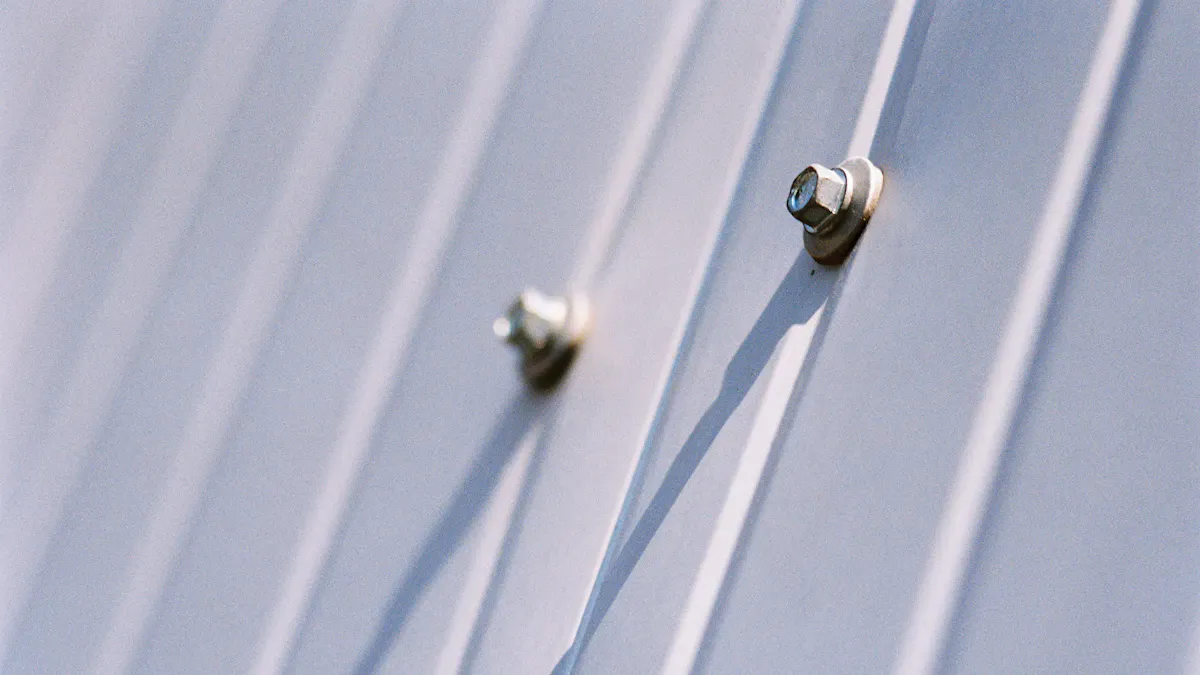
A successful rivet nut installation depends on careful preparation, precise insertion, and secure expansion. This rivet nut guide outlines each stage of the installation process, ensuring reliable results in both metalworking and woodworking projects.
Preparing the Workpiece
Marking and Measuring for Rivet Nuts
Accurate marking and measuring form the foundation of any rivet nut installation. Workers begin by identifying the exact location for each rivet nut. They use a center punch to create a small indentation, which prevents the drill bit from wandering. Measuring the material thickness is essential. The grip range of the rivet nut must match the thickness to avoid improper fitting. A mismatch can lead to weak joints or failed installations.
Tip: Always double-check measurements before drilling. An off-center hole can compromise the strength and appearance of the finished assembly.
Drilling the Correct Hole Size
Drilling the correct hole size is critical for a secure fit. Workers select a drill bit that matches the rivet nut specifications. The diameter tolerance should remain within ±0.1 mm to ensure proper seating. A hole that is too small makes insertion difficult and can warp the material. A hole that is too large reduces grip strength and may cause the rivet nut to spin during use.
- Mark the hole location with a center punch.
- Select the correct drill bit for the rivet nut.
- Drill a clean, round hole at the marked spot.
- Check the hole diameter with a caliper to confirm accuracy.
“A hole that’s too small creates problems too, making insertion difficult and possibly warping whatever material we’re working with.”
Cleaning and Deburring the Hole
After drilling, workers must remove any burrs or sharp edges. Burrs can interfere with the rivet nut’s grip and reduce the strength of the connection. A countersink or deburring tool creates a smooth surface, allowing the rivet nut to seat flush with the material. Clean holes also prevent damage to the threads during installation.
- Use a deburring tool or countersink to remove sharp edges.
- Brush away any debris or dust from the hole.
- Inspect the hole visually to ensure a smooth finish.
Inserting the Rivet Nut
Aligning the Rivet Nut
Proper alignment ensures the rivet nut seats correctly and functions as intended. Workers thread the rivet nut onto the mandrel of the installation tool by hand. They maintain a right angle between the rivet nut and the workpiece during insertion. Consistent pressure helps the rivet nut enter the hole smoothly without tilting or binding.
- Hold the tool perpendicular to the work surface.
- Insert the rivet nut gently into the prepared hole.
- Confirm that the flange sits flush with the material.
Using the Rivet Nut Installation Tool
The installation tool plays a central role in the process. Workers use manual, pneumatic, or hydraulic tools depending on the project scale. For small-scale applications, a hand rivet nut setter provides control and precision. Large-scale or repetitive tasks benefit from pneumatic or battery-powered tools.
- Thread the rivet nut onto the tool’s mandrel.
- Insert the assembly into the hole, maintaining alignment.
- Squeeze the handles (manual tool) or activate the trigger (power tool) in one smooth motion.
- Listen for an audible snap or observe the flange seating evenly, indicating proper installation.
Tip: Complete the trigger squeeze in one motion to avoid incomplete installations and ensure a strong mechanical lock.
Expanding and Securing the Rivet Nut
Proper Tool Operation
Expanding the rivet nut anchors it securely to the material. The tool pulls the mandrel, causing the unthreaded portion of the rivet nut to deform and grip the backside of the workpiece. Workers must operate the tool smoothly to achieve consistent results.
- Drill or punch a hole to the specified size.
- Insert the rivet nut and tool assembly into the hole.
- Activate the tool to expand the rivet nut, forming a tight mechanical lock.
- Remove the tool, leaving a threaded insert ready for use.
Manual tools suit small jobs, while pneumatic and hydraulic tools handle larger or more demanding installations.
Checking for a Secure Fit
Verification ensures the rivet nut will perform as expected. Workers check for even seating and test the threads with a mating bolt. A properly installed rivet nut sits flush with the material and does not spin when torque is applied. Visual inspection and functional testing confirm the success of the installation.
| Inspection Step | What to Look For |
|---|---|
| Visual Check | Flange sits flush, no gaps or tilting |
| Thread Engagement | Bolt threads smoothly into the insert |
| Mechanical Stability | Rivet nut does not spin or loosen |
Note: Post-installation verification prevents failures and ensures long-term reliability.
This step-by-step approach provides a clear path for anyone seeking to master rivet nut installation. Following these guidelines leads to strong, durable connections in both metal and wood.
Troubleshooting Rivet Nut Installation Issues
Even with careful preparation, rivet nut installation can present challenges. Workers may encounter spinning inserts, loose fits, misaligned threads, or damaged materials. Recognizing these issues early helps maintain the integrity of the assembly and prevents costly rework.
Common Rivet Nut Installation Problems
| Problem | Possible Cause | Solution |
|---|---|---|
| Rivet nut spins in hole | Oversized hole, soft material | Use correct drill size, select larger flange or knurled rivet nut |
| Loose fit | Incorrect grip range, thin material | Choose proper grip range, use backing washer |
| Misaligned threads | Angled insertion, debris in hole | Ensure perpendicular tool alignment, clean hole thoroughly |
| Rivet nut pulls out | Excessive load, weak material | Upgrade to heavy-duty rivet nut, reinforce material |
| Deformed work surface | Over-tightening, thin material | Adjust tool pressure, use thicker material or washer |
Diagnosing and Fixing Spinning Rivet Nuts
A spinning rivet nut often signals an oversized hole or insufficient grip. Workers should check the hole diameter with a caliper. If the hole exceeds the recommended size, they can switch to a larger rivet nut or one with a knurled or hexagonal body for better grip. In wood, a wide-flange or slotted-body rivet nut distributes force and reduces spin risk.
Tip: For soft materials, workers can add a backing washer or adhesive to increase holding strength.
Addressing Loose or Pulling-Out Rivet Nuts
Loose rivet nuts usually result from incorrect grip range selection or material thickness mismatch. Workers must verify the material thickness and select a rivet nut with an appropriate grip range. If the rivet nut pulls out under load, they should consider reinforcing the area with a metal plate or switching to a heavy-duty insert.
Preventing Misalignment and Cross-Threading
Misaligned rivet nuts cause cross-threading and reduce joint strength. Workers should always hold the installation tool perpendicular to the work surface. Cleaning the hole before installation removes debris that can force the rivet nut off-center. If cross-threading occurs, they must remove the rivet nut and inspect both the hole and the insert before reinstalling.
Fixing Deformed or Damaged Surfaces
Over-tightening the installation tool can deform thin materials or damage the workpiece. Workers should adjust the tool’s pressure setting or use manual tools for delicate jobs. Adding a washer under the rivet nut flange spreads the load and protects the surface.
Removing Damaged Rivet Nuts
Sometimes, removal becomes necessary due to installation errors or damage. Workers can use a drill bit slightly larger than the rivet nut’s internal thread to drill out the insert. They must take care not to enlarge the hole excessively. After removal, they should clean and inspect the hole before installing a new rivet nut.
Note: Always follow manufacturer guidelines for installation torque and hole sizing. Proper technique prevents most common issues.
Quick Reference: Troubleshooting Checklist
- Inspect hole size and material thickness before installation.
- Use the correct rivet nut type for the material.
- Maintain perpendicular tool alignment.
- Clean and deburr all holes.
- Test installed rivet nuts with a mating bolt.
- Reinforce weak areas as needed.
By following these troubleshooting steps, workers can resolve most rivet nut installation issues quickly. Consistent attention to detail ensures strong, reliable connections in both metalworking and woodworking projects.
Selecting the Right Rivet Nut for Your Project
Matching Rivet Nut Size to Material Thickness
Selecting the correct rivet nut size starts with evaluating the thickness of the workpiece. The grip range of a rivet nut must exceed the substrate thickness by 0.3–0.5 mm. This ensures full expansion and prevents bottoming out. If the workpiece thickness surpasses the grip range, the rivet nut may not deform properly, resulting in reduced holding strength. Multi-grip rivet nuts offer versatility for projects involving varying material thicknesses. Technicians must pair compatible materials to avoid galvanic corrosion and maintain thermal and mechanical compatibility. When the grip range matches the material thickness, the rivet nut resists pull-out and spinning, delivering optimal performance.
- Grip range should exceed substrate thickness by 0.3–0.5 mm.
- Multi-grip rivet nuts suit projects with varying thicknesses.
- Material pairing prevents corrosion and compatibility issues.
- Incorrect sizing leads to insufficient deformation and weak connections.
Tip: Always measure the workpiece thickness before selecting a rivet nut. Proper sizing prevents installation failures and extends the life of the joint.
Considering Load and Strength Requirements
Engineers must assess the load-bearing capabilities of rivet nuts for each application. Assemblies subjected to higher loads or frequent vibrations require high-strength rivet nuts. Carbon steel rivet nuts provide superior strength and resist deformation better than aluminum. Structural design features, such as hex body and large flange, enhance stability and pull-out resistance. The body design impacts the performance of rivet nuts, especially in demanding environments. Material selection must account for environmental conditions to ensure long-term reliability.
- High-strength rivet nuts suit assemblies with heavy loads or vibrations.
- Carbon steel offers better strength than aluminum.
- Hex body and large flange designs improve stability.
- Environmental conditions influence material selection.
Note: For projects involving frequent movement or stress, technicians should prioritize rivet nuts with enhanced structural features.
Corrosion Resistance and Environmental Factors
Corrosion resistance plays a critical role in rivet nut selection, especially for outdoor or harsh environments. Stainless steel rivet nuts resist rust and oxidation, making them ideal for outdoor applications. In marine environments, higher-grade stainless steel withstands salt corrosion. The material of a rivet nut must match the base material and the application environment to prevent corrosion. Dissimilar metals can cause galvanic corrosion when exposed to moisture, leading to pitting and eventual failure. This degradation shortens the product’s lifespan and compromises the connection.
- Stainless steel rivet nuts resist rust and oxidation.
- Higher-grade stainless steel suits marine environments.
- Matching rivet nut material to the base prevents corrosion.
- Dissimilar metals exposed to moisture can cause galvanic corrosion.
Callout: Corrosion resistance ensures long-term reliability in outdoor and moist environments. Technicians should always consider environmental factors when selecting rivet nuts.
Special Considerations for Wood vs. Metal
Rivet nut installation in wood and metal presents unique challenges and requires different approaches. Each material responds differently to drilling, expansion, and long-term use. Understanding these differences helps workers achieve secure, lasting connections.
Key Differences Between Wood and Metal Applications
| Factor | Wood | Metal |
|---|---|---|
| Material Density | Softer, variable grain | Hard, uniform |
| Hole Preparation | Prone to splintering | Clean, precise holes |
| Rivet Nut Selection | Wide flange, slotted or knurled body | Standard, hex, or round body |
| Expansion Behavior | Risk of over-expansion, splitting | Predictable deformation |
| Holding Strength | Depends on wood type and thickness | Consistent, higher strength |
Wood-Specific Considerations
- Workers often encounter splintering or chipping when drilling into wood. Using sharp, high-quality drill bits minimizes damage.
- Softer woods may compress or deform during rivet nut expansion. Wide-flange or slotted-body rivet nuts distribute force and reduce the risk of pull-through.
- Over-tightening the installation tool can split the wood. Operators should apply steady, moderate pressure and avoid excessive force.
- Pre-drilling pilot holes and using a backing washer can improve holding strength in soft or thin wood.
Tip: In woodworking, always test rivet nut installation on a scrap piece before working on the final project. This practice helps identify the best hole size and expansion pressure.
Metal-Specific Considerations
- Metal provides a stable, uniform substrate for rivet nuts. Workers achieve precise holes with minimal risk of deformation.
- Harder metals require more robust tools and may need lubrication during drilling.
- Hexagonal or knurled rivet nuts prevent spinning in smooth metal surfaces. These designs lock into the material and resist rotation under load.
- Corrosion resistance becomes critical in metal projects, especially for outdoor or industrial applications. Stainless steel or coated rivet nuts extend service life.
Installation Technique Adjustments
- In wood, operators should avoid over-expanding the rivet nut. Controlled tool operation prevents material damage.
- In metal, technicians can apply higher installation force to ensure a tight fit without risking substrate failure.
- Selecting the correct grip range remains essential for both materials. However, wood projects may require a slightly longer grip range to account for compression.
Note: Material selection, hole preparation, and installation technique all influence the success of rivet nut connections. Workers who adapt their approach to the specific material achieve stronger, more reliable results.
Tips for Success When You Use Rivnuts
Ensuring Accurate Hole Placement
Accurate hole placement forms the foundation of a strong rivet nut connection. Technicians rely on several techniques to achieve precise results. Clean, burr-free holes allow rivet nuts to sit evenly and align properly. Misalignment can cause issues such as spin out or pull out under stress. Pilot hole drilling reduces blowout and gives more control, resulting in a cleaner finish. Lubrication during drilling helps maintain drill performance and minimizes burrs. Laser cutting produces precise, clean holes, especially in advanced applications. Starting at the center and moving outward prevents slag buildup and ensures a stable fastener installation. Punching works well for high-volume applications, producing consistent holes quickly. Keeping the punch sharp avoids burrs that could impact performance.
| Technique | Description |
|---|---|
| Clean, burr-free holes | Ensures the fastener sits evenly and is properly aligned, critical for secure performance. Misalignment can lead to issues like spin out or pull out under stress. |
| Pilot hole drilling | Reduces blowout and provides more control, resulting in a cleaner finish. Using lubrication helps maintain drill performance and reduces burrs. |
| Laser cutting | Produces precise, clean holes. Starting at the center and moving outward prevents slag buildup, ensuring a stable fastener installation. |
| Punching | Efficient for high-volume applications, producing consistent holes quickly. Keeping the punch sharp avoids burrs that could impact performance. |
Tip: Always inspect the hole before inserting rivet nuts. A clean, accurate hole improves the strength and longevity of the connection.
Preventing Rivet Nut Spinning
Rivet nut spinning can compromise the integrity of the joint. To prevent this, workers must ensure the hole size matches the manufacturer’s specifications. A correct hole size provides sufficient grip for the rivet nut. For thin or soft materials, knurled body rivet nuts offer better friction and reduce the risk of rotation. Full seating during installation maintains stability and prevents movement. Using a high-quality tool helps apply consistent pressure, further minimizing the chance of spinning. Operators should always check that the rivet nut is fully seated before compressing it with the tool.
- Ensure the hole size is correct to provide sufficient grip.
- Use knurled body rivet nuts for better friction on thin or soft materials.
- Make sure the rivet nut is fully seated during installation to maintain stability.
Note: Consistent tool pressure and proper alignment during installation help prevent spinning and ensure a secure fit.
Removing and Replacing Rivet Nuts
Occasionally, rivet nuts require removal due to damage or improper installation. Workers can follow a systematic approach to avoid harming the workpiece. First, evaluate the situation. If the rivet nut spins or feels loose, removal becomes necessary. Select a drill bit slightly larger than the internal diameter of the rivet nut’s threads. Carefully drill through the center, causing the nut to collapse and lose its grip. After drilling, extract the nut by prying or gently tapping it out with a punch or screwdriver. Prepare a new rivet nut that matches the original size and thread pattern. Insert the new rivet nut using a tool, ensuring proper alignment and steady pressure. Tighten the rivet nut with the appropriate torque, avoiding overtightening to prevent future slippage.
- Evaluate the situation if the rivet nut is loose or spinning.
- Drill out the rivet nut with a bit slightly larger than the internal threads.
- Extract the nut using a punch or screwdriver.
- Prepare a new rivet nut of matching size and thread.
- Insert the new rivet nut with the tool, ensuring alignment.
- Tighten properly, avoiding overtightening.
Callout: Careful removal and replacement protect the workpiece and restore the integrity of the connection.
Maintenance and Longevity of Rivet Nuts
Proper maintenance ensures rivet nuts deliver reliable performance throughout their service life. Technicians who follow a structured maintenance schedule prevent premature failures and maintain the integrity of assemblies. Routine care extends the longevity of both the rivet nuts and the installation tools.
A well-maintained rivet nut tool operates with precision. Technicians inspect the nosepiece, mandrel, and tool body daily. They clean mandrel threads to remove debris, oil, and chips. Lubrication with light oil keeps threads moving smoothly. Checking mandrel straightness and replacing bent mandrels prevents installation errors. For pneumatic tools, draining compressor water and confirming air supply between 5–7 bar maintains consistent operation. Cordless tool users check battery charge and monitor for overheating.
Weekly maintenance includes removing and cleaning nosepieces, checking thread wear, and verifying pull force. Adjusting stroke length or force ensures proper expansion of rivet nuts. Removing debris inside the tool housing and greasing pistons or bearings, when specified, supports smooth function.
Monthly tasks involve inspecting mandrels for stripped threads, cracks, or bending. Technicians examine seals in hydraulic or pneumatic systems. Cleaning or replacing filters in the FRL unit keeps pneumatic tools efficient. Battery contacts and chargers require cleaning to prevent power issues.
Every six to twelve months, a full strip-down and cleaning becomes necessary. Technicians replace seals, check pistons, and inspect hydraulic oil. Tools used continuously benefit from calibration or professional rebuilds.
| Frequency | Tasks |
|---|---|
| Daily | Visual inspection of nosepiece, mandrel, tool body. Clean mandrel threads. Lubricate threads. Check air supply. Monitor battery charge. |
| Weekly | Remove and clean nosepieces. Check thread wear. Verify pull force. Remove debris. Grease pistons/bearings. |
| Monthly | Inspect mandrel for damage. Inspect seals. Clean/replace filters. Clean battery contacts. |
| 6–12 Months | Full strip-down and cleaning. Replace seals. Check piston and hydraulic oil. Calibration or rebuild. |
Routine maintenance for air rivet guns includes daily lubrication. Technicians add a few drops of standard air tool oil into the air inlet. Regular cleaning of jaws and nose areas prevents rivet swarf buildup, which can cause operational issues.
- Regular maintenance keeps tools accurate and reliable.
- Skipping inspections leads to failures in panels, machinery, or assemblies.
- Routine checks help catch problems before they escalate.
Note: Consistent care of rivet nut tools and installed fasteners protects the quality of the connection and reduces downtime. Technicians who prioritize maintenance achieve longer-lasting, safer assemblies.
Safety Precautions for Rivet Nut Installation
Personal Protective Equipment
Every technician should prioritize safety before beginning any rivet nut project. Personal protective equipment shields workers from common hazards such as flying debris, sharp edges, and accidental slips. The following items are essential for a safe workspace:
- Safety goggles protect eyes from metal shavings and dust.
- Gloves reduce the risk of cuts and abrasions during handling.
- Appropriate clothing covers exposed skin and prevents snagging on machinery.
Wearing the right gear not only prevents injuries but also boosts confidence and focus during tasks. Technicians who consistently use protective equipment set a strong example for workplace safety.
Safe Handling of Rivet Nut Tools
Proper handling of rivet nut tools minimizes the risk of accidents and ensures efficient workflow. Technicians should always wear safety glasses and gloves when operating any tool. Selecting the correct tool for the job, whether manual or powered, reduces the chance of malfunction. Following the manufacturer’s instructions guarantees safe and effective installation. Before starting, workers must secure the material to prevent movement. This step keeps hands clear of pinch points and ensures accurate placement. Over-tightening or under-tightening can damage both the fastener and the workpiece. Applying the correct force maintains the integrity of the assembly and extends the life of the tool.
Tip: Stable materials and adherence to guidelines help prevent unexpected slips or tool failures.
Preventing Material Damage
Material preservation remains a top priority during rivet nut installation. Technicians match the back ejector with the surface of the material to avoid gaps or uneven pressure. Ensuring no space exists during installation maintains load integrity and prevents deformation. Selecting the correct rivet nut size and material for each application reduces the risk of cracks or pull-through. Workers use precise hole diameters and follow grip-range guidelines to achieve a snug fit. Controlled torque and stroke during installation prevent over-expansion, which can weaken the joint. Proper alignment and reliable tools ensure smooth, damage-free results. After installation, technicians check that the back ejector sits flush with the material and that no parts protrude. The apex of the rivet nut should remain tight against the surface, confirming a secure and professional finish.
Note: Careful preparation and attention to detail protect both the workpiece and the finished assembly.
Safe Disposal of Metal Shavings
Metal shavings, often called swarf, accumulate during drilling and deburring in rivet nut installation. These small fragments pose risks to workers and the environment. Technicians must handle and dispose of metal shavings responsibly to maintain safety and comply with regulations.
Metal shavings can cause injuries. Sharp edges may puncture skin or damage equipment. Loose swarf creates slip hazards and contaminates work surfaces. Technicians who ignore proper disposal procedures risk accidents and compromise the quality of their workspace.
Key Steps for Safe Disposal of Metal Shavings:
Collect Shavings Immediately
Technicians use brushes, magnets, or vacuums to gather metal shavings after drilling. They avoid sweeping with bare hands to prevent cuts. Magnets work well for ferrous metals, while vacuums with HEPA filters capture fine particles.Separate Shavings by Material
Sorting shavings by metal type improves recycling efficiency. Workers place steel, aluminum, and stainless steel shavings in separate containers. This practice supports environmental sustainability and meets recycling facility requirements.Store Shavings in Proper Containers
Technicians use sealed, labeled bins to store collected shavings. Containers prevent accidental spills and keep the workspace organized. Labels indicate the metal type and disposal method.Dispose of Shavings According to Local Regulations
Workers consult local waste management guidelines for metal disposal. Many municipalities offer recycling programs for metal swarf. Technicians deliver containers to approved recycling centers or hazardous waste facilities.Clean Work Surfaces Thoroughly
After disposal, technicians inspect and clean all surfaces. They use damp cloths or compressed air to remove residual dust. Clean workspaces reduce contamination and improve safety.
Tip: Technicians should wear gloves and safety goggles when handling metal shavings. Protective gear prevents injuries and ensures compliance with workplace safety standards.
Table: Recommended Disposal Methods for Common Metals
| Metal Type | Collection Tool | Disposal Method | Environmental Impact |
|---|---|---|---|
| Steel | Magnet/Vacuum | Recycle at scrap yard | Low |
| Aluminum | Vacuum/Brush | Recycle at facility | Low |
| Stainless Steel | Magnet/Vacuum | Recycle at scrap yard | Low |
Technicians who follow these steps protect themselves and the environment. Responsible disposal of metal shavings prevents injuries, supports recycling, and maintains a professional workspace. Workers who prioritize safety and cleanliness set a strong example for others in the industry.
Successful projects depend on careful preparation and the right technique. Technicians who use rivnuts achieve strong, reliable connections in both metalworking and woodworking. Practice with different tools and materials helps workers master installation. Safety remains essential. Workers should always wear protective equipment and double-check each step. Consistent attention to detail ensures every rivet nut performs as expected. Those who use rivnuts with confidence build lasting, professional results.
FAQ
What is the main advantage of using rivet nuts?
Rivet nuts create strong, threaded connections in thin or inaccessible materials. They allow technicians to install fasteners from one side. This feature makes them ideal for sheet metal, tubing, and wood panels.
Can rivet nuts be used in both metal and wood?
Yes. Rivet nuts work in both metal and wood. Technicians select the appropriate type and size for each material. Wide-flange or slotted-body rivet nuts perform best in wood.
How does a technician remove a damaged rivet nut?
A technician drills through the center of the rivet nut with a bit slightly larger than the internal thread. The nut collapses and can be pried out. The hole must be cleaned before installing a new rivet nut.
What tools are required for installing rivet nuts?
Manual rivet nut setters, power tools, and drill attachments are common. Technicians also use drill bits, deburring tools, and wrenches. The project size and material determine the best tool choice.
How can a worker prevent a rivet nut from spinning?
A worker ensures the hole matches the rivet nut’s specifications. Knurled or hexagonal body rivet nuts provide extra grip. Proper seating and steady tool pressure also help prevent spinning.
Are rivet nuts reusable after removal?
No. Most rivet nuts deform during installation and cannot be reused. Technicians should always replace removed rivet nuts with new ones to ensure a secure connection.
What safety precautions should be followed during installation?
Technicians wear safety goggles and gloves. They secure the workpiece and use tools according to manufacturer guidelines. Proper disposal of metal shavings prevents injuries and maintains a clean workspace.