Many DIY enthusiasts believe they need expensive equipment to install rivet nuts, but that is not always the case. A few simple items such as nuts and bolts can replace specialized tools. This approach works especially well for those seeking custom fasteners for small projects or repairs. A custom fasteners manufacturer often recommends using the right rivet nut even without a tool. Individuals can achieve strong results with basic hardware and a careful method.
What You Need to Install Rivet Nuts Without Special Tools
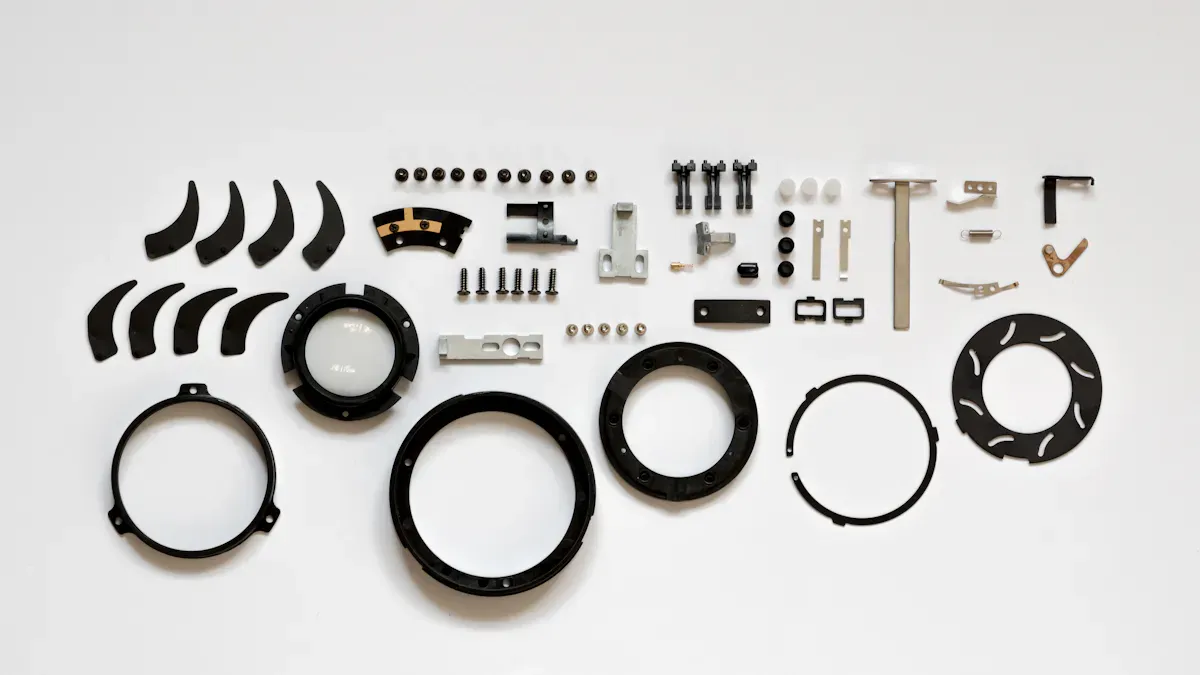
Common Hardware Items for DIY Installation
Bolts, Nuts, and Washers
Most DIY guides and hardware retailers recommend a few basic items for installing rivet nuts without a tool. These items are easy to find in most home workshops or local hardware stores. The following list outlines the essentials:
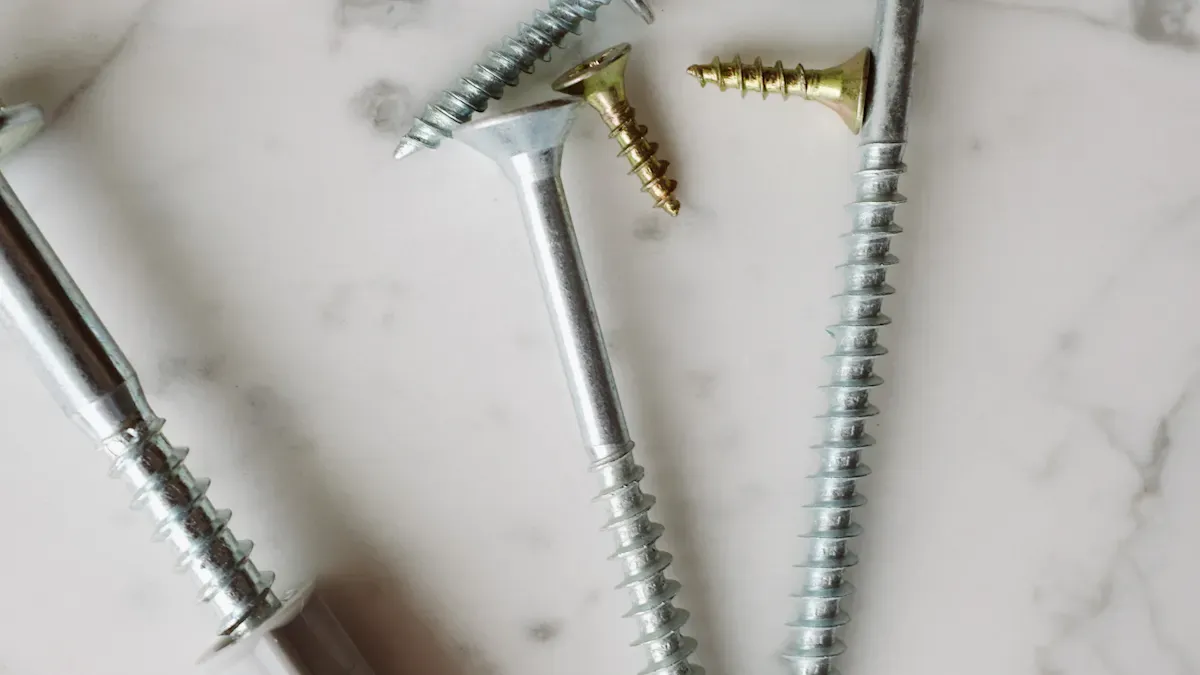
- 1”–2” bolt that matches the thread size of the rivet nut
- Flat washer to distribute pressure under the bolt head
- Nut that is larger than the bolt threads, allowing it to slip over the bolt
- Internal star lock washer for added grip
These components work together to compress and secure the rivet nut in place. Many users refer to rivet nuts as nutserts, especially in automotive and fabrication contexts.
Wrenches, Pliers, or Socket Set
A wrench or socket set provides the torque needed to tighten the bolt and compress the rivet nut. Pliers can help hold the nut steady during installation. Most households already have these tools, making the process accessible for anyone working without a tool designed specifically for rivet nuts.
Lubricant and Optional Tools
A small amount of lubricant, such as machine oil, can make installation smoother and reduce the risk of thread damage. Optional tools like a deburring tool or file can help clean up the hole before inserting the rivet nut, ensuring a better fit and finish.
Tip: Applying lubricant to the bolt threads can prevent galling and make removal easier after installation.
Choosing the Right Rivet Nut and Hardware
Matching Size and Thread
Selecting the correct size and thread type is crucial for a secure installation. The bolt must match the internal threads of the rivet nut. The washer and nut should fit the bolt properly to allow even compression. Using mismatched hardware can lead to poor performance or stripped threads.
Material Considerations
Material compatibility plays a significant role in the success of any rivet nut installation. The following table summarizes common materials used for rivet nuts and their benefits:
| Material | Benefits |
|---|---|
| Aluminum | Corrosion resistance, lightweight |
| Steel | Maximum strength for structural applications |
| Stainless Steel | Excellent for harsh environments, corrosion resistance |
| Monel | High strength and corrosion resistance |
| Brass | Good electrical conductivity |
When choosing a rivet nut, users should consider the materials being joined. For example, aluminum rivet nuts work well in lightweight assemblies, while steel or stainless steel options provide extra strength for structural projects. Material compatibility also helps prevent galvanic corrosion, especially in environments with moisture or temperature changes.
Note: Rivet nuts can be installed from one side of a panel, making them ideal for applications where welding or clinching is not possible, such as plastics.
Professional engineers often analyze the load path and grip range to ensure the joint will perform as expected. They consider factors like thermal expansion and the potential for corrosion when selecting hardware. For most DIY projects, focusing on material compatibility, grip range, and thread size will lead to a successful installation without a tool.
How Rivet Nuts Work in DIY Installations
Expansion and Grip Mechanism
Rivet nuts, also known as nutserts, provide a reliable way to add threads to thin materials. Their unique design allows for installation from one side of a panel, making them ideal for situations where access is limited. The expansion and grip mechanism works through a simple process:
- The installer drills a hole in the base material that matches the outer diameter of the rivet nut.
- The rivet nut is threaded onto a bolt or mandrel.
- The installer inserts the rivet nut into the prepared hole.
- As the bolt tightens, the back side of the rivet nut collapses and forms a bulge or swage on the blind side of the material.
This bulge anchors the rivet nut securely. The back-side flange resists pull-out forces, even under eccentric loads. The one-piece, internally threaded design allows for strong, reusable threads in sheet metal, plastic, or composite panels.
How Compression Secures the Rivet Nut
Compression plays a critical role in securing the rivet nut. When the installer applies force by tightening the bolt, the counterbored section of the rivet nut compresses against the material. This action causes the unthreaded portion to deform outward, creating a mechanical lock. The process can be summarized as follows:
- The installer places the rivet nut into the pre-drilled hole.
- The bolt or tool pulls the threaded section, causing the unthreaded portion to expand.
- The expansion forms a bulge on the blind side, locking the rivet nut in place.
- The installer removes the bolt, leaving behind a strong, threaded anchor.
This method ensures that the rivet nut remains secure, even when subjected to vibration or repeated use.
Why Special Tools Are Used and How to Substitute Them
Manufacturers recommend special tools for rivet nut installation to guarantee consistent and reliable results. These tools are designed to crimp the rivet nut precisely, ensuring proper deformation and a secure fit. The following table outlines the main benefits of using specialized tools:
| Benefit | Description |
|---|---|
| One-sided access | Rivet nuts can be installed from one side, simplifying assembly. |
| Secure fitting | The tool creates a tight bulge on the blind side, ensuring stability. |
| Versatile tools | Different tool types accommodate various installation methods and materials. |
Special tools, such as hand, pneumatic, or hydro-neumatic devices, apply the correct amount of force and control the crimping process. This precision helps maintain the integrity of the rivet nut under load.
Function of Rivet Nut Tools
Rivet nut tools serve several important functions:
- They crimp the counter-bored section of the rivet nut into the back of the installation piece.
- They ensure the rivet nut is properly seated and secured.
- They accommodate different installation methods, such as spin-spin or spin-pull, depending on the rivet nut type.
In DIY settings, individuals can substitute these tools with common hardware, such as bolts, nuts, and washers. For example, an expendable tool with a hex-shaped mandrel and two wrenches can provide an economical solution for home repairs. While these substitutes may not offer the same precision as professional tools, they allow for effective installation in light to medium-duty projects.
Step-by-Step Guide to Install Rivet Nuts Without Special Tools
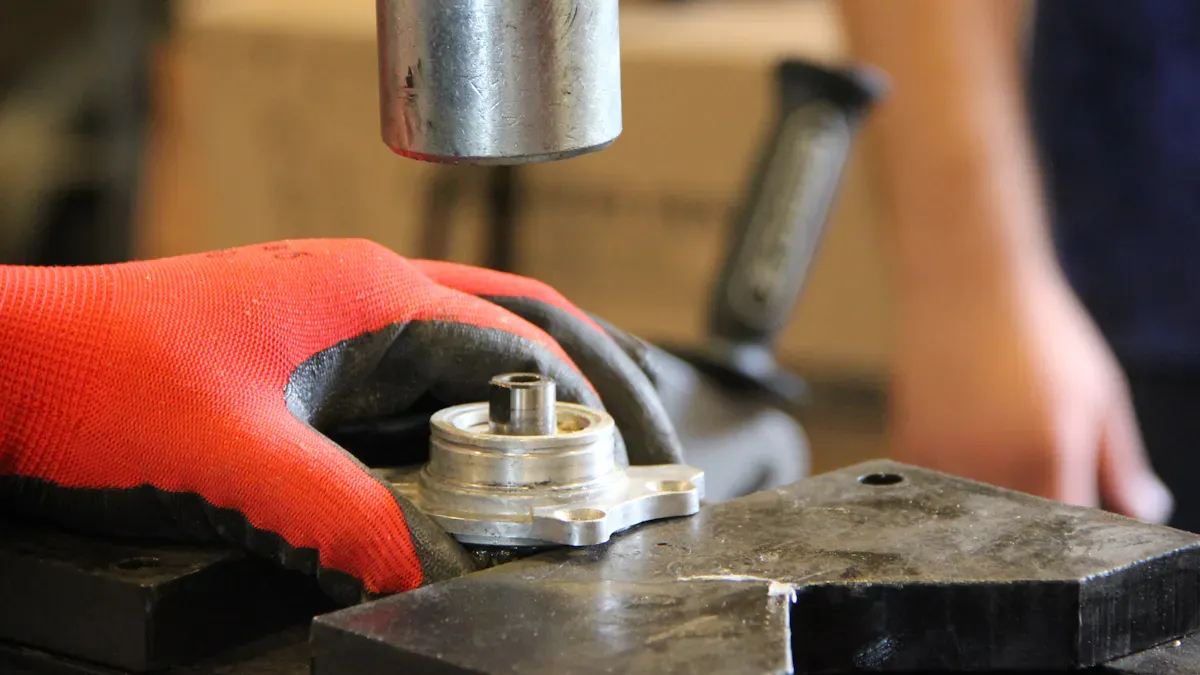
Preparing the Hole for the Rivet Nut
Drilling the Correct Size Hole
Accurate hole preparation forms the foundation of a successful rivet nut installation. The installer should select a drill bit that matches the rivet nut’s outer diameter, typically choosing a size 0.1–0.2mm larger than the rivet nut itself. This slight oversize allows for smooth insertion without excessive play. Before drilling, marking the center with a punch helps prevent the bit from wandering. After drilling, verifying the fit on a test piece can save time and reduce wasted material.
Tip: Always refer to the manufacturer’s hole size chart for the specific rivet nut being used. This ensures a precise fit and reduces the risk of installation errors.
Cleaning and Deburring Edges
A clean, burr-free hole is essential for proper seating and alignment. Metal chips, oil, or debris left in the hole can prevent the rivet nut from sitting flat. Burrs or blowouts may cause misalignment, leading to uneven load distribution and potential failure under stress. The installer should use a deburring tool or file to remove sharp edges and clean the hole thoroughly. Wiping the area with a clean cloth removes any remaining particles.
- Ensure the hole is free of chips, oil, and debris.
- Deburr both sides of the hole for a flush fit.
- Inspect the hole visually before proceeding.
Improper hole preparation can compromise the integrity of the joint. Misaligned rivet nuts may spin or pull out under load, especially if the hole contains ridges or is not perpendicular to the surface.
Assembling Your DIY Rivet Nut Tool
Setting Up the Bolt, Nut, and Washer
The tool-free method for installing rivet nuts relies on common hardware. The installer should gather the following components:
- A 1”–2” bolt that matches the internal threads of the rivet nut.
- A flat washer to distribute pressure under the bolt head.
- A nut larger than the bolt threads, which will act as a spacer.
- An internal star lock washer for added grip.
The assembly process involves threading the nut and washer onto the bolt, followed by the lock washer. The installer then threads the bolt into the rivet nut until it bottoms out. This setup creates a makeshift tool that compresses the rivet nut when tightened.
Note: Using a wrench on the oversized nut prevents the assembly from spinning during compression. A socket or wrench on the bolt head provides the necessary torque.
Installing the Rivet Nut by Hand
Inserting the Rivet Nut into the Hole
With the DIY tool assembled, the installer pushes the rivet nut into the prepared hole. The fit should be snug but not forced. If the rivet nut does not sit flush, the installer should check for burrs or debris and clean the hole again. Proper alignment at this stage ensures even expansion and a secure hold.
Tightening and Compressing the Rivet Nut
The installer holds the oversized nut steady with a wrench while tightening the bolt head with a socket or wrench. As the bolt turns, it pulls the threaded section of the rivet nut, causing the unthreaded portion to expand and form a bulge on the blind side of the material. This expansion locks the rivet nut in place. The installer continues tightening until resistance increases and the rivet nut feels securely compressed.
- Do not overtighten, as this may strip the threads or deform the base material.
- Once the rivet nut is set, the installer backs out the bolt and removes the DIY tool.
Tip: If the rivet nut spins in the hole or does not compress evenly, check the hole size and cleanliness. Repeating the process on a test piece can help refine the technique.
The following table summarizes common mistakes and prevention methods during manual installation:
| Common Mistakes | Error Manifestation | Prevention Methods |
|---|---|---|
| Installation with tilted angle | Eccentric pull pin leading to instability | Keep the tool perpendicular; use positioning aids |
| Excessive hole diameter | Insufficient friction causing idling | Use correct drill size; inspect holes before use |
| Half-expanded tail states | Decreased connection strength | Check expansion visually; verify with pull-out tests |
By following these steps, anyone can install rivet nuts without a tool and achieve a strong, reliable connection. This tool-free method works well for many light to medium-duty applications and offers a practical solution for DIY enthusiasts.
Finishing the Installation
Removing the DIY Tool
After compressing the rivet nut, the installer must remove the DIY tool to complete the process. This step requires care to avoid damaging the newly installed threads. The installer should follow these steps:
- Hold the larger nut steady with a wrench to prevent it from turning.
- Use a second wrench or socket to slowly back out the bolt from the rivet nut.
- Remove the washer and lock washer from the assembly.
- Inspect the bolt and nut for any signs of thread damage or wear.
A smooth removal process ensures the rivet nut remains undisturbed in the material. If the bolt feels stuck, a small amount of lubricant can help loosen the threads. The installer should avoid using excessive force, which may cause the rivet nut to spin or pull out.
Tip: If the bolt resists removal, turning it back and forth gently can help release any tension without damaging the threads.
Checking for a Secure Fit
A secure fit determines the success of the installation. The installer should verify the rivet nut’s stability before attaching any hardware. The following checklist outlines best practices for this step:
- Visually inspect the rivet nut to confirm it sits flush with the material surface.
- Wiggle the rivet nut gently to check for movement or looseness.
- Thread a bolt into the installed rivet nut by hand to ensure smooth engagement.
- Tighten the bolt lightly and observe if the rivet nut remains stationary.
If the rivet nut spins or pulls out, the installer should review the hole size and installation method. An oversized hole or insufficient compression can cause these issues. In such cases, expanding the pilot hole with a slightly larger drill bit or repeating the installation may resolve the problem.
A secure rivet nut provides a strong anchor for bolts and fasteners. This reliability is essential for projects that require repeated assembly and disassembly. Many professionals recommend these steps to install rivet nuts successfully, even without a tool.
Note: Accurate hole sizing and careful installation help prevent most common issues during the final inspection.
The following table summarizes common signs of a secure versus insecure fit:
| Observation | Secure Fit | Insecure Fit |
|---|---|---|
| Rivet nut flush to surface | Yes | No |
| No movement when wiggled | Yes | No |
| Bolt threads smoothly | Yes | No or difficult |
| Rivet nut spins | No | Yes |
By following these steps, the installer can ensure a reliable and professional result. This method allows anyone to install rivet nuts without a tool and achieve a strong, lasting connection.
Tips for a Successful Rivet Nut Installation
Getting a Strong and Secure Hold
Achieving a reliable connection during rivet nut installation requires careful attention to detail. Installers often use a modified flat flange nut to improve crimping load distribution. This approach helps spread the force evenly across the surface, reducing the risk of material deformation. Selecting the correct grip range ensures the rivet nut fits tightly within the material, providing maximum strength. Lubrication during installation also plays a key role. It reduces friction, protects threads, and allows for smoother tightening.
- Use a modified flat flange nut for better load distribution.
- Confirm the grip range matches the thickness of the material.
- Apply lubrication to the bolt and rivet nut threads.
Tip: Lubricant not only eases the installation process but also prevents galling, which can damage threads and compromise the connection.
Avoiding Over-Tightening
Installers must avoid over-tightening when securing rivet nuts. Excessive torque can strip threads or distort the base material. He or she should tighten the bolt until the rivet nut feels firmly compressed, then stop. A secure hold does not require extreme force. Checking the fit with a test bolt helps confirm proper installation.
| Problem | Cause | Solution |
|---|---|---|
| Stripped threads | Over-tightening | Use moderate torque |
| Material damage | Excessive compression | Stop at firm resistance |
Using Lubricant for Easier Installation
Lubricant simplifies the installation process. It allows the bolt to turn smoothly and reduces the risk of thread damage. Installers often use machine oil or a similar product. He or she applies a small amount to the bolt before assembly. This step makes removal easier and extends the life of the hardware.
Working with Different Materials
Rivet nuts offer versatility across a range of materials. They provide load-bearing threads in thin metal, plastic, and composite panels. Installers can achieve permanent joining and reusable threads, even in sheets as thin as 0.5mm. Rivet nut installation works well in a tight space, such as enclosed workpieces, where traditional fasteners may not fit.
Thin Metal Applications
Thin metal panels benefit from rivet nuts because they allow for strong, repeatable connections. Press-in nuts offer quick assembly for softer sheet metals. Clinch nuts suit low-torque connections where premium strength is not required. Pull-in nuts ensure reliability in blind or hard-to-access areas. Through-hole tapping delivers maximum strength but requires full access to both sides.
- Rivet nuts create permanent, reusable threads in thin sheets.
- Press-in and clinch nuts speed up assembly for moderate production volumes.
- Pull-in nuts work well in blind installations.
Plastic or Soft Materials
Plastic and soft materials require careful selection of rivet nuts. Installers choose nuts designed for softer substrates to prevent pull-out. He or she avoids excessive torque and uses appropriate grip range. Rivet nuts remain highly versatile, making them suitable for automotive, aerospace, and consumer applications where traditional methods may not work.
Note: Rivet nuts enable fast, reliable installation in materials where welding or tapping is impractical.
Troubleshooting Common Problems When You Install Rivet Nuts
Rivet Nut Spinning in the Hole
Causes and Fixes
A spinning rivet nut often signals an issue with the installation process. This problem can weaken the connection and make future maintenance difficult. Several factors contribute to this issue:
- Exceeding the breakaway torque because of friction between the bolt and the rivet nut.
- Using threadlocker or locking washers, which can increase resistance.
- Cross-threading bolts during assembly.
- Operating with loose bolts over time.
To address a spinning rivet nut, installers should:
- Use a cage that spans multiple mounting points for added stability.
- Avoid threadlockers and locking washers during installation.
- Lubricate bolt threads to reduce friction.
- Maintain bolts and inserts regularly to prevent loosening.
Tip: Lubrication not only helps prevent spinning but also makes removal easier and protects threads from wear.
Stripped Threads or Improper Compression
Prevention and Repair Steps
Thread stripping and improper compression can compromise the strength of the joint. These problems often result from excessive force or incorrect hardware selection. The table below outlines common causes and recommended fixes:
| Problem | Cause | Recommended Fix |
|---|---|---|
| Thread stripping | Over-torquing during bolt insertion | Use calibrated torque tools and follow torque limits |
Other frequent causes include:
- Applying too much pulling force during installation.
- Selecting a thread size too small for the expected load.
- Using soft materials, such as aluminum rivet nuts, in high-torque applications.
- Repeated tightening and loosening, which wears out threads.
Installers can prevent these issues by choosing the correct thread size, using appropriate materials for the application, and following manufacturer torque specifications. They should avoid over-tightening and check for signs of wear during routine maintenance.
Rivet Nut Not Setting Properly
Troubleshooting and Solutions
When a rivet nut does not set correctly, the joint may lack strength or fail under load. Installers can encounter several symptoms, such as spinning, stripping, deformation, or difficulty inserting bolts. To resolve these issues, they should:
- Adjust the tool stroke to ensure full deformation of the rivet nut.
- Follow recommended torque specifications to prevent internal thread damage.
- Keep the tool aligned vertically during installation to avoid misalignment.
- Use tools with adjustable stroke or force control for complete expansion.
- Maintain perpendicular alignment when setting the rivet nut for smooth bolt installation.
Note: Manual rivet nut installation can present challenges with control and precision, often requiring multiple attempts and increasing the risk of injury if tools slip. Installers should work carefully and use proper safety equipment.
A careful approach to rivet nut installation helps prevent most common problems and ensures a strong, reliable connection.
Limitations of Installing Rivet Nuts Without Special Tools
When This Method Works Best
DIY rivet nut installation methods offer practical solutions for many everyday tasks. Industry experts recognize that these approaches work best in specific scenarios:
- Automotive repair and customization, especially for thin sheet metal on body panels and chassis.
- Construction and manufacturing projects involving steel, aluminum, or plastic.
- Home improvement tasks such as building furniture, installing shelving, or repairing appliances.
- Fastening applications in roofing, siding, and decking where blind rivets are required.
These situations typically involve light to medium duty projects. Users can achieve reliable results when the load requirements remain moderate and the frequency of use is low. The DIY approach provides flexibility and cost savings for occasional repairs or customizations.
Light to Medium Duty Projects
Light to medium duty projects benefit most from manual rivet nut installation. The method suits tasks where the material is not excessively thick or hard, and where the joint does not bear heavy loads. Examples include attaching brackets to sheet metal, securing panels in place, or adding threaded inserts to plastic enclosures. Users should avoid this method for critical structural connections or high-stress environments.
When to Use a Professional Rivet Nut Tool
Professional rivet nut tools become essential in demanding situations. These tools deliver consistent results, which is crucial for safety and reliability. Several factors indicate when to choose professional equipment:
- Light-duty tasks may succeed with DIY tools, but heavy-duty applications require proven solutions.
- Professional tools include reliable instructions and customer support, reducing the risk of mistakes.
- Investing in specialized tools prevents future problems that can arise from improper installation.
Professional tools excel in high-volume or load-bearing applications. They ensure each rivet nut sets correctly, minimizing the risk of failure. Inconsistent results from manual methods can compromise the integrity of the assembly, especially in commercial or industrial settings.
Heavy Duty or Frequent Use
Heavy duty or frequent use demands the precision and efficiency of professional tools. These devices simplify the process, reduce labor, and improve the quality of each connection. Users who install large numbers of rivet nuts or work with thick, hard materials should always select specialized equipment.
Safety and Damage Prevention
Safety remains a top priority during any rivet nut installation. Users should follow these precautions to protect themselves and the workpiece:
- Wear safety glasses and gloves to guard against flying debris and sharp edges.
- Use the correct tool for the job, whether manual or powered.
- Secure the material before starting to prevent movement.
- Avoid over-tightening or under-tightening to protect both the material and the tool.
Proper technique helps prevent material damage and ensures a strong, lasting connection. Careful preparation and attention to detail reduce the risk of injury and improve the overall quality of the finished project.
Avoiding Material Damage
Material damage often results from improper technique or excessive force. Users should check hole size, alignment, and torque before setting the rivet nut. Applying steady, moderate pressure during installation helps maintain the integrity of the material. Regular inspection of tools and hardware also prevents accidents and extends the life of the equipment.
Note: Following safety guidelines and using the right tools for each task ensures the best possible outcome for every project.
Alternative Ways to Install Rivet Nuts and Other Fastening Options
Homemade Rivet Nut Tool Substitutes
DIY enthusiasts often seek creative solutions when specialized tools are unavailable. Several homemade substitutes can deliver reliable results for occasional rivet nut installations.
Using a Modified Coupling Nut or Impact Gun
A modified coupling nut offers a practical alternative to standard installation tools. By threading a long bolt through a coupling nut and attaching a washer, the installer can mimic the action of a professional rivet nut tool. The coupling nut acts as a spacer, allowing the installer to apply even pressure and achieve proper compression. This method works well for those who need to install only a few rivet nuts and want to avoid investing in dedicated equipment.
Some users employ an impact gun to speed up the process. The impact gun provides rapid torque, which can help compress the rivet nut quickly. However, this approach requires caution. Excessive force from an impact gun may strip threads or deform the material. He or she should use low torque settings and monitor the expansion closely to prevent damage.
Tip: Always test homemade tools on scrap material before working on the final project. This practice helps refine technique and prevents costly mistakes.
Other Fastening Methods for DIY Projects
Not every project requires rivet nuts. Several alternative fasteners can provide strong, reliable connections in various materials.
Threaded Inserts
Threaded inserts create durable threads in soft materials such as wood, plastic, or thin metal. These inserts excel in applications where repeated assembly and disassembly occur. They offer higher load-bearing strength compared to rivet nuts, especially in softer substrates. However, installing threaded inserts often requires more complex tools and careful preparation.
The following table compares key features of threaded inserts and rivet nuts:
| Feature | Threaded Inserts | Rivet Nuts |
|---|---|---|
| Strength | More durable fastening, ideal for soft materials | Lower load capacity compared to weld nuts |
| Installation Ease | Requires more complex installation tools | Quick installation with hand/power tools |
| Application Suitability | Best for specific applications needing strength | Suited for lightweight projects |
- Threaded inserts provide a durable fastening, especially in soft materials.
- Rivet nuts are easier to install and can be done with basic tools.
- Rivet nuts may not offer the same load-bearing strength as threaded inserts.
Self-Tapping Screws
Self-tapping screws offer another simple fastening solution. These screws cut their own threads as they enter the material, eliminating the need for pre-installed inserts. They work best in thin metals, plastics, or wood. Installers often choose self-tapping screws for quick repairs or temporary assemblies. While they provide convenience, self-tapping screws may not deliver the same strength or reusability as rivet nuts or threaded inserts.
Note: Selecting the right fastening method depends on the material, load requirements, and frequency of assembly. Each option offers unique advantages for specific DIY applications.
Installing rivet nuts without special tools offers a practical solution for many DIY projects. He or she can achieve a strong, reliable hold by using basic hardware and following careful steps. Key takeaways for DIYers include:
- Maintain proper alignment to prevent tilting during installation.
- Select the right rivet nut for the material to ensure a secure fit.
- Address challenges such as spinning by matching hole size and seating the rivet nut fully.
Safety and attention to detail help users enjoy the satisfaction of successful DIY work.
FAQ
Can I install rivet nuts without any tools at all?
While completely tool-free installation is challenging, using basic hardware like bolts, nuts, and washers allows effective installation without specialized tools.
What size drill bit should I use for rivet nuts?
Select a drill bit matching the rivet nut’s outer diameter, typically 0.1–0.2mm larger. Always check the manufacturer’s specifications for precise sizing.
How do I prevent the rivet nut from spinning during installation?
Ensure the hole is correctly sized and clean. Use a wrench to hold the nut or washer steady while tightening the bolt to maintain stability.
Is it safe to use household tools for installing rivet nuts?
Yes, if you follow proper procedures. Use wrenches, pliers, and the correct hardware carefully to avoid damaging materials or injuring yourself.
Can I install rivet nuts in plastic or soft materials?
Absolutely. Rivet nuts work well in plastics and soft metals, providing strong, reusable threads without requiring heavy equipment.
What should I do if the rivet nut does not expand properly?
Check the hole size and cleanliness. Reassemble and tighten gradually, ensuring the rivet nut seats fully and expands evenly.
Are there limitations to installing rivet nuts without special tools?
Yes. Heavy-duty applications or thick materials may require professional tools for consistent, secure results. Use manual methods mainly for light to medium tasks.
How can I remove a rivet nut if I installed it incorrectly?
Loosen the bolt, then carefully extract the rivet nut using pliers or a similar tool. Replace it with a correctly installed one if needed.