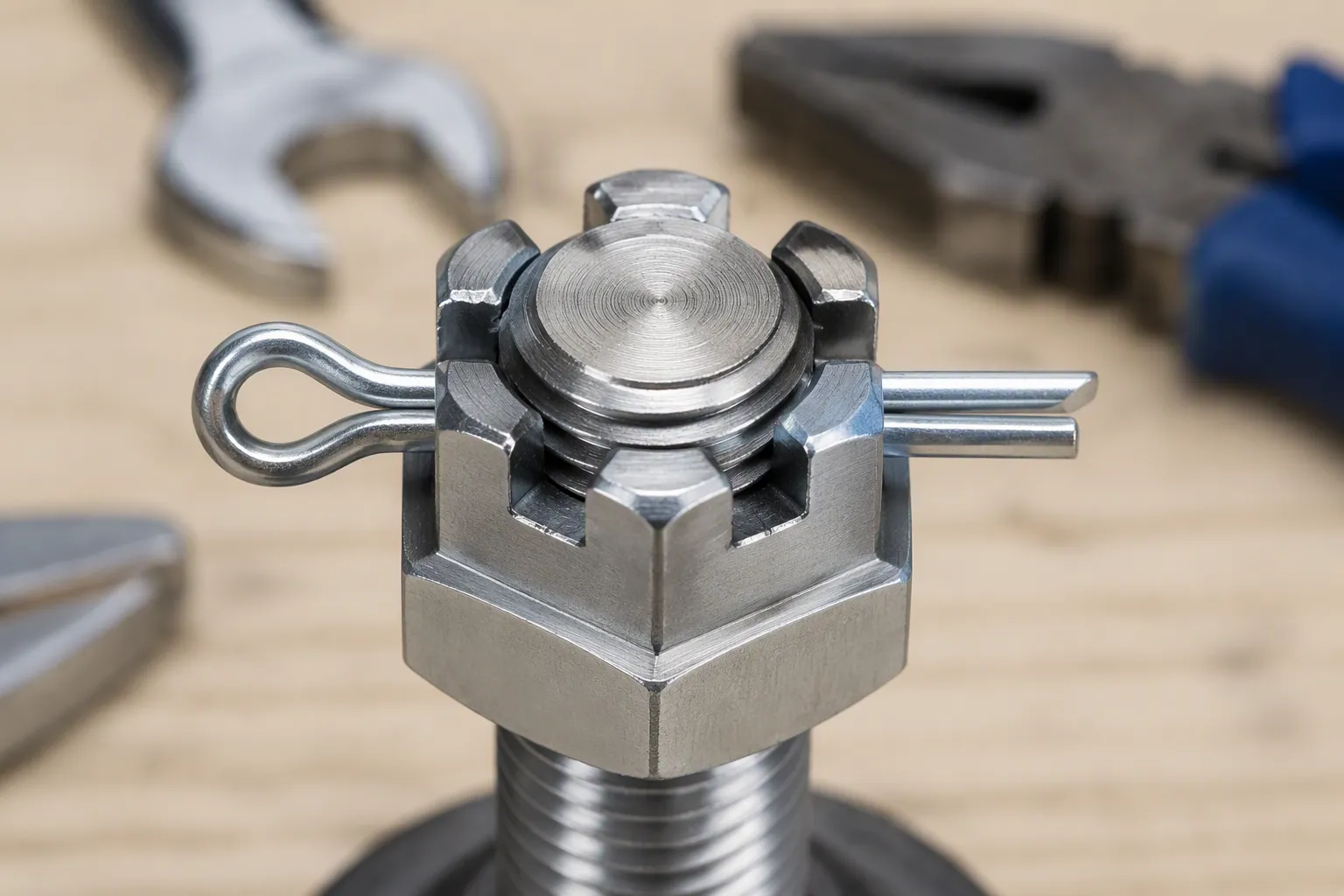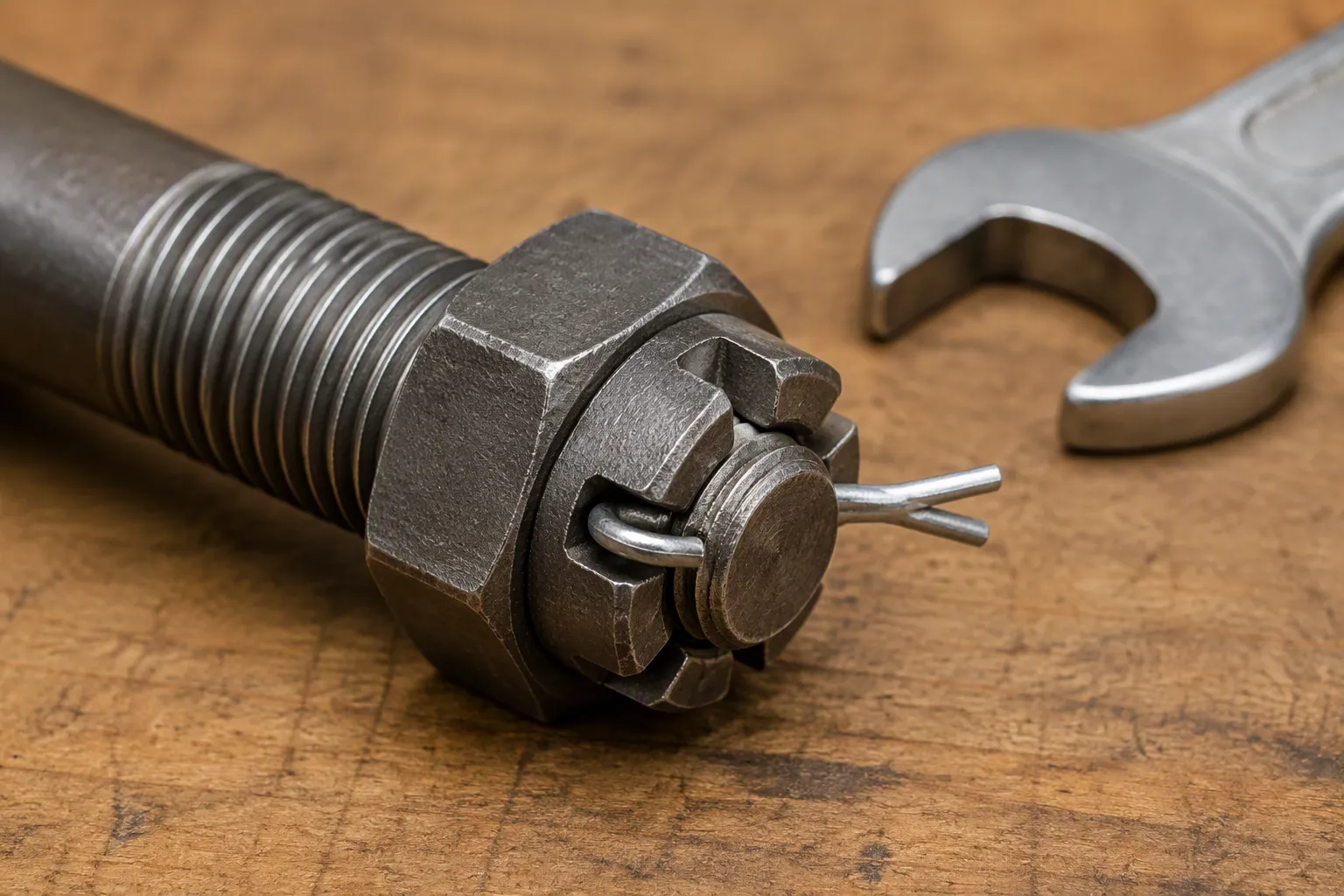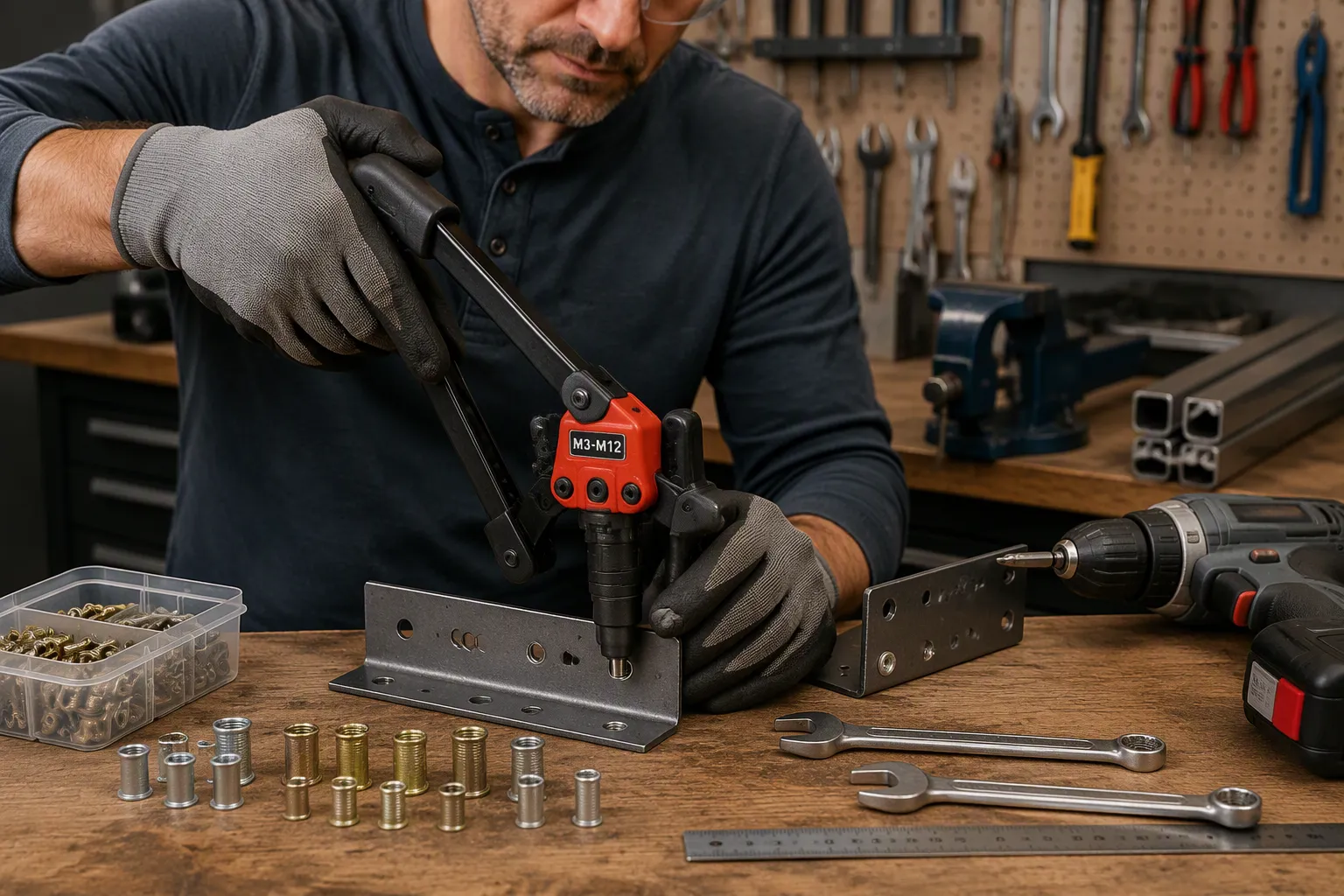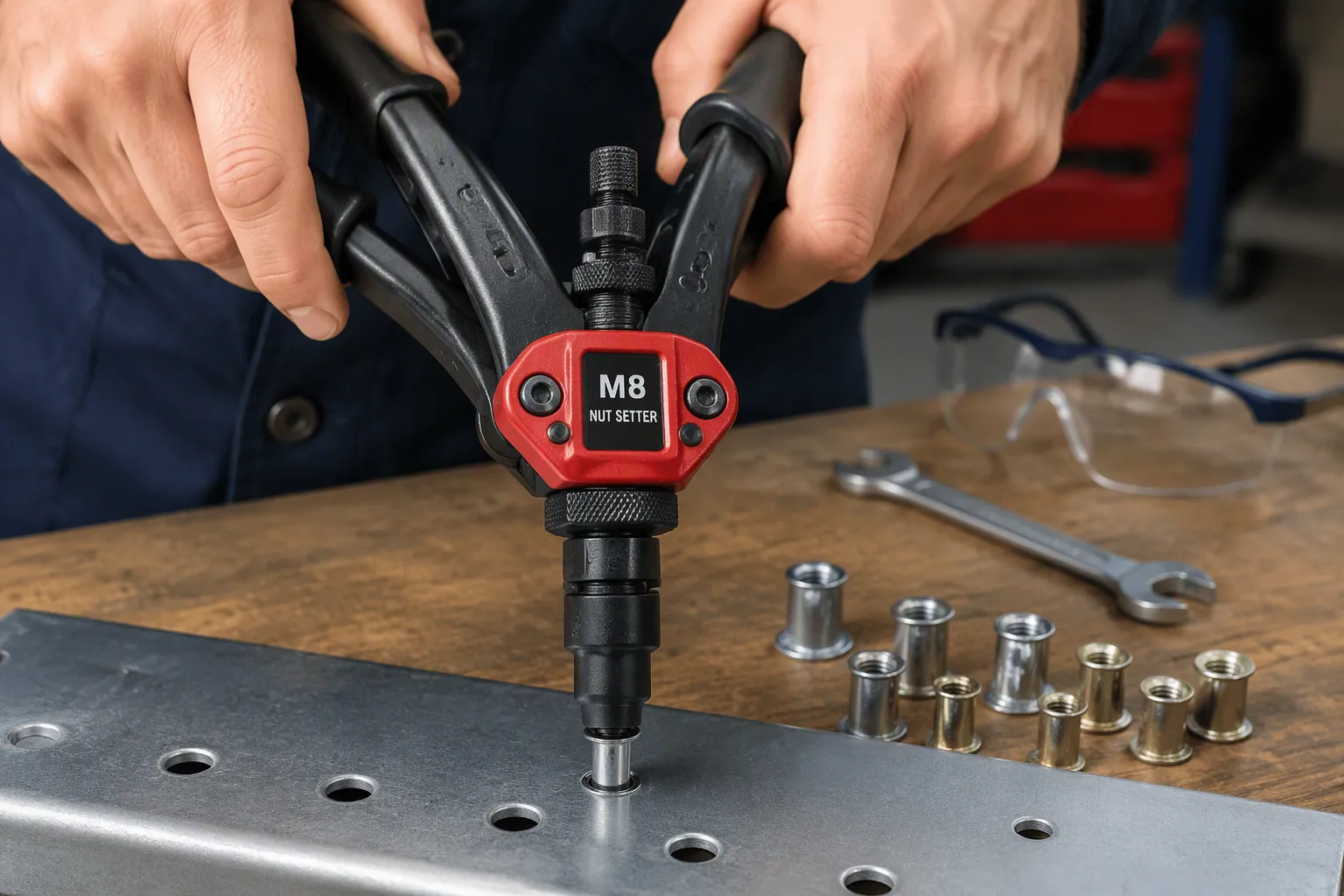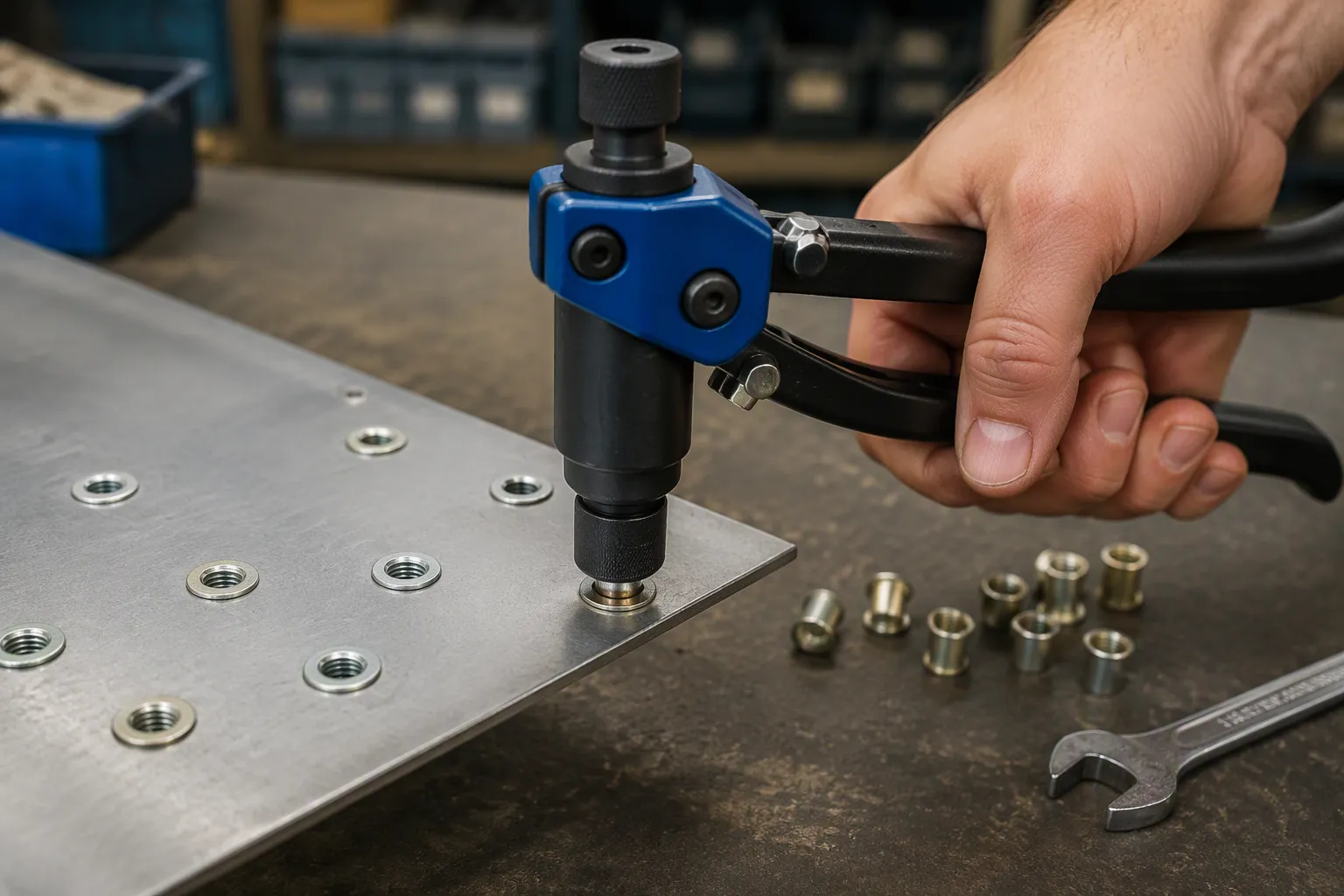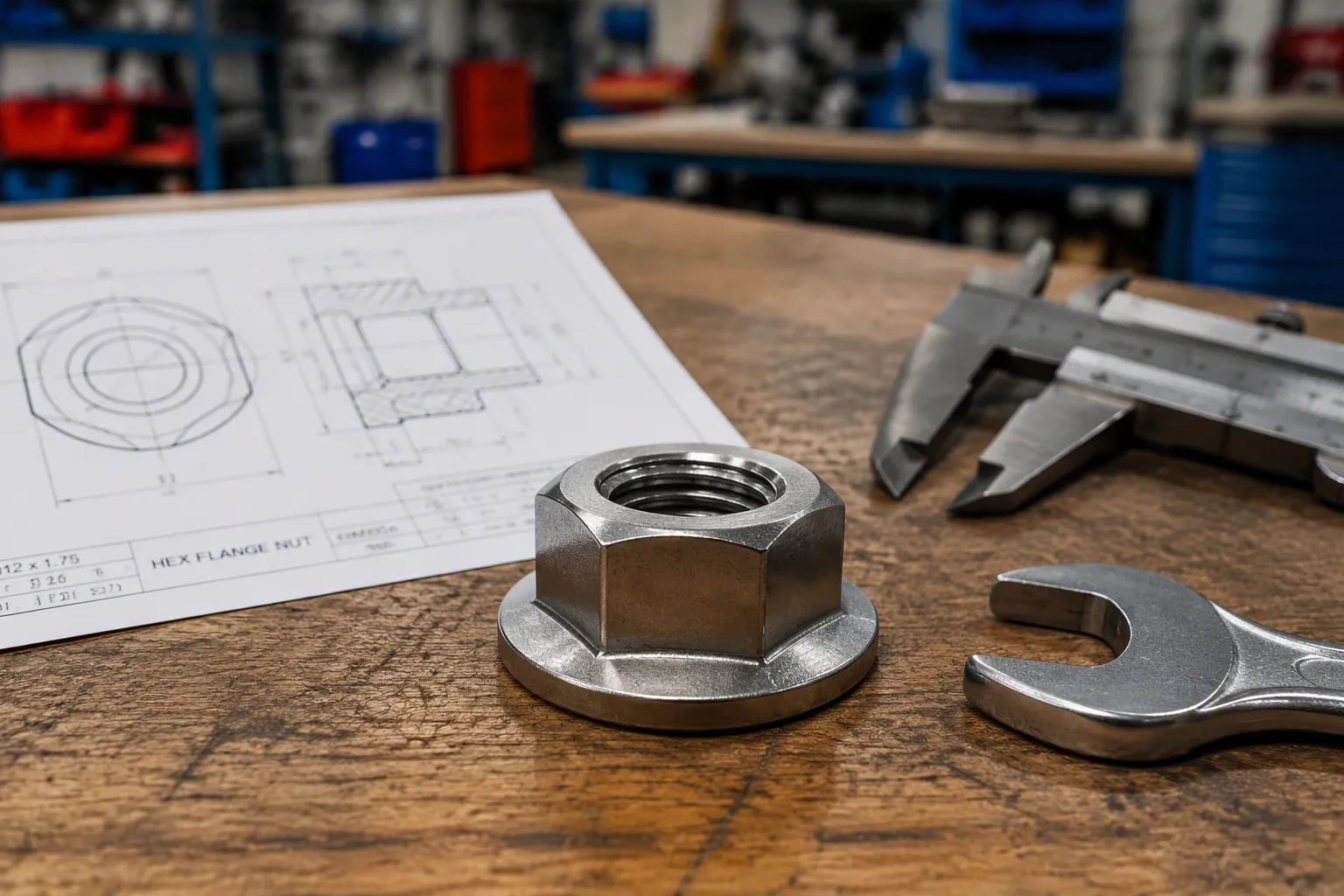
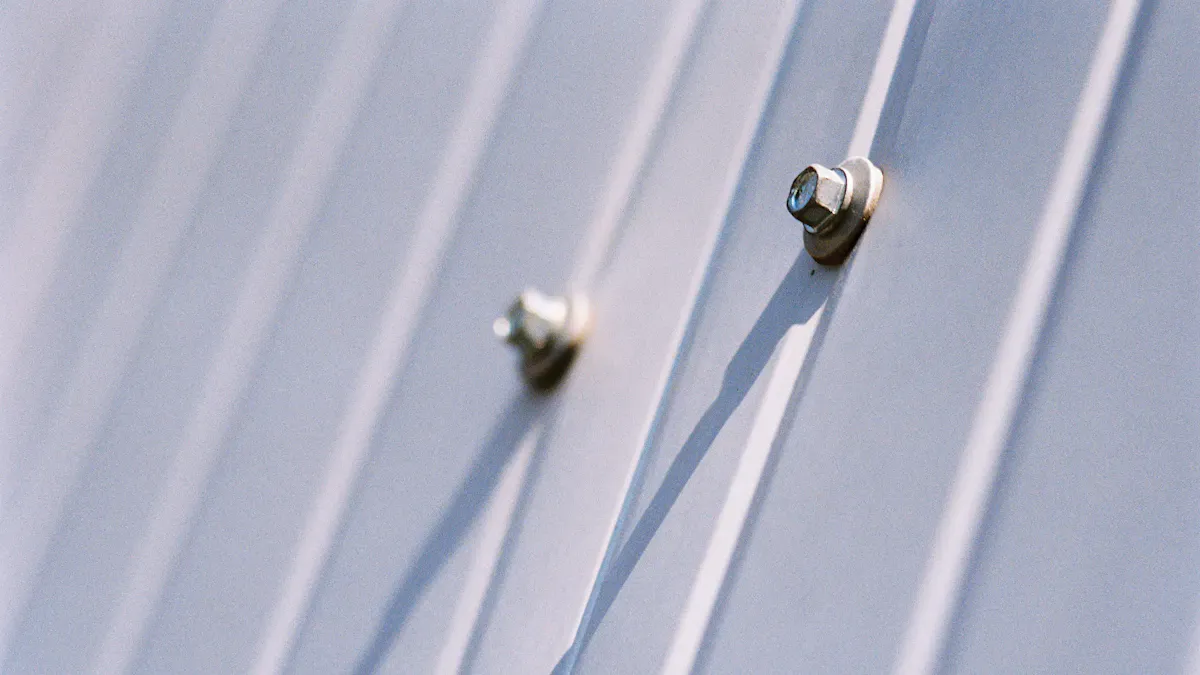
A secure installation of a заклёпочная гайка with a rivet nut tool leads to reliable threads and strong connections, especially in thin materials. When users install rivet nuts correctly and tighten properly, they prevent issues such as spinning or stripping, which can weaken the joint. This process, often used by a производитель крепежных изделий на заказ or in diy projects, ensures high torque retention and exceptional pull-out resistance. Each step, from using the right installation tool to inserting the new rivet nut, supports a dependable connection. Those who follow a step-by-step guide can remove and replace гаек и болтов or replace the rivet nut as needed. Нестандартные крепежные элементы and rivet nuts provide solutions where traditional nuts and bolts cannot, especially when working with thin sheet metal. Proper tightening and careful use of the tool allow users to achieve a lasting, vibration-resistant rivet, making this method essential for anyone seeking durable custom fasteners.
Tools and Materials Needed for Rivet Nut Tool Installation
Основные инструменты
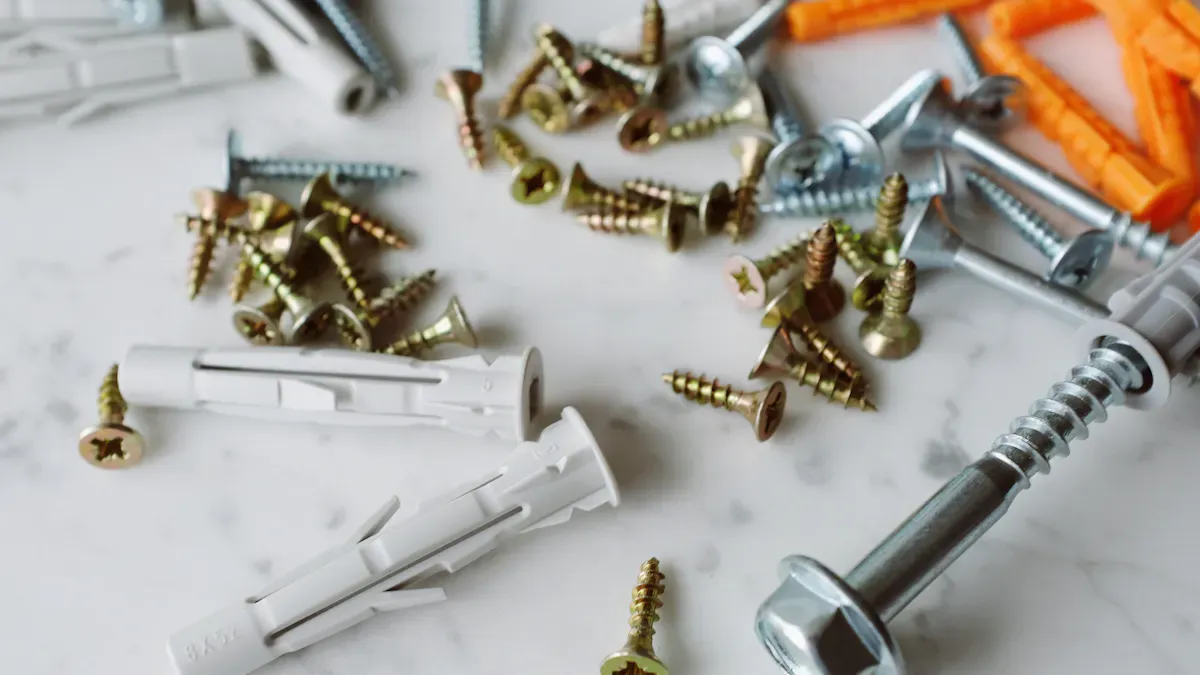
Professionals and diy enthusiasts rely on a core set of tools for successful rivet nut installations. The most common choices include:
- Manual hand tools, which offer precise control and suit occasional or delicate work.
- Pneumatic tools, valued in industrial settings for their speed and consistent results. These tools require regulated air pressure and regular calibration to maintain reliability.
- Hydraulic tools, which deliver high force for demanding applications and thicker materials.
- Electric or battery-powered tools, which have become popular due to advancements in battery technology. These tools provide portability and integrate well into modern workflows.
Each tool type serves a specific purpose. Manual options excel in small-scale or sensitive projects, while pneumatic and hydraulic tools dominate high-volume production environments. Battery-powered tools bridge the gap, offering both mobility and efficiency.
Required Materials
Выбор right materials directly impacts the quality and durability of the finished joint. В таблице ниже сравниваются распространенные материалы used for rivet nuts, highlighting their strengths and best-use scenarios:
| Материал | Прочность | Коррозионная стойкость | Weight Savings | Electrical Conductivity |
|---|---|---|---|---|
| Сталь | Максимальная | Низкая | Нет | Нет |
| Алюминий | Умеренная | Высокая | Да | Нет |
| Нержавеющая сталь | Высокая | Умеренная | Нет | Нет |
| Латунь | Умеренная | Низкая | Нет | Высокая |
Steel rivet nuts provide maximum strength but lack corrosion resistance. Aluminum offers significant weight savings and resists corrosion, making it ideal for automotive or aerospace applications. Stainless steel balances strength and moderate corrosion resistance, while brass stands out for electrical conductivity.
Clean, deburred holes are essential for proper installation. Professionals often use go/no-go gauges and pull-out testing to confirm thread engagement and holding strength. These practices ensure the rivet nut tool delivers a secure and lasting connection.
Optional Accessories
Several accessories can enhance the installation process and improve results:
- Deburring tools, which remove sharp edges and prevent stress concentrations around the hole.
- Go/no-go gauges, used to verify correct thread size and engagement.
- Pull-out testers, which measure the installed rivet’s holding strength.
- Protective gloves and safety glasses, which safeguard the user during drilling and installation.
Tip: Investing in high-quality accessories can extend tool life and improve installation consistency, especially in repetitive or high-stress environments.
Preparing for Rivet Nut Tool Installation
Меры предосторожности
Safety remains the top priority during any installation process. Operators should always wear protective gloves and safety glasses to shield hands and eyes from sharp metal edges or flying debris. Loose clothing, jewelry, or long hair can catch in rotating tools, so individuals must secure these before starting work. Proper ventilation helps reduce exposure to dust and fumes, especially when drilling or working with coated materials. Before using any tool, users should inspect it for damage or wear. A well-maintained tool reduces the risk of malfunction and injury. Emergency equipment, such as a first aid kit and fire extinguisher, should remain accessible in the workspace.
Совет: A clean, organized workspace minimizes accidents and improves efficiency.
Workspace Setup
A well-prepared workspace supports accurate and efficient installation. Users should clear the area of unnecessary items and ensure adequate lighting. The work surface must remain stable and level to prevent movement during drilling or setting the rivet. Clamps or vices can secure the workpiece, reducing the chance of slips or misalignment.
Common workspace setup errors can compromise the quality of the installation. These include:
- Selecting the wrong size of rivet nut, which may cause poor holding or material damage.
- Overlooking material compatibility, leading to cracking or corrosion.
- Using improper installation techniques, such as drilling the wrong hole size or applying uneven force.
- Failing to apply the correct torque, which can result in stripped threads or weak joints.
- Neglecting regular maintenance and inspection, increasing the risk of assembly failure.
By addressing these issues, installers can achieve consistent, high-quality results.
Selecting the Right Rivet Nut
Choosing the correct fastener ensures a secure and lasting connection. Installers must consider the thickness and type of the base material. For thin sheet metal, a shorter rivet nut provides better grip without deforming the material. In thicker or harder substrates, a longer or stronger fastener may be necessary.
Material compatibility also plays a crucial role. Stainless steel rivet nuts resist corrosion in harsh environments, while aluminum options offer weight savings for automotive or aerospace applications. Brass fasteners provide excellent electrical conductivity, making them suitable for electronic assemblies.
The application determines the required thread size and grip range. Installers should consult manufacturer specifications to match the rivet nut to the intended load and environment. For diy projects, selecting a versatile fastener simplifies future repairs or modifications.
A careful selection process prevents installation failures and extends the service life of the joint.
Drilling the Hole for Rivet Nut Tool Use
Marking the Location
Accurate placement forms the foundation of a successful installation. Technicians begin by measuring and marking the exact spot where the rivet nut will sit. They often use a center punch to create a small indentation at the marked point. This indentation prevents the drill bit from wandering during drilling. For repetitive tasks or production environments, templates or jigs help maintain consistency across multiple workpieces. Clear markings reduce the risk of misalignment, which can compromise the strength and appearance of the finished joint.
Tip: Double-check all measurements before drilling. Even a small error in placement can affect the performance of the fastener.
Выбор правильного размера сверла
Selecting the right drill bit size ensures a precise fit for the rivet nut. If the hole is too small, the fastener will not insert properly. If the hole is too large, the rivet nut may spin or fail under load. Manufacturers provide recommended drill bit sizes for each rivet nut diameter. The table below lists common sizes:
| Rivet Nut Size | Recommended Drill Bit Size |
|---|---|
| 4-40 | .150″ |
| 1/2-13 | .750″ |
Installers should always refer to the specifications for the exact fastener in use. Using the correct drill bit size guarantees that the rivet nut will seat securely and perform as intended. This step is especially important in diy projects, where access to specialized gauges may be limited.
Drilling Technique
A high-quality hole directly influences the final fit and strength of the rivet nut. Operators must drill perpendicular to the work surface to avoid angled holes, which can cause misalignment. They should use steady, moderate pressure and allow the drill bit to do the work. Excessive force can deform the material or enlarge the hole, while too little pressure may cause the bit to skate or overheat.
Achieving a clean and well-prepared hole allows the rivet nut to align properly. This alignment is essential for a secure fit. If the hole contains burrs or debris, the fastener may not seat squarely, leading to poor load distribution and possible failure. Removing all debris and burrs after drilling ensures that the rivet nut fits firmly in place. Drilling the hole correctly is a simple yet critical step. Proper technique and attention to detail at this stage set the foundation for a reliable and long-lasting rivet connection.
Deburring the Hole Before Rivet Nut Tool Installation
Why Deburring Matters
Deburring plays a critical role in the installation process. When technicians drill a hole, sharp edges and small metal fragments, known as burrs, often remain around the opening. These burrs can interfere with the seating of the rivet nut. If left unaddressed, burrs may prevent the fastener from sitting flush against the material. This misalignment can lead to uneven load distribution and reduce the effectiveness of the joint.
Removing burrs from both sides of the hole ensures a proper fit. Clean edges allow the rivet nut to grip the material securely. Studies show that burrs can reduce grip strength by up to 30%. This significant loss can compromise the integrity of the connection, especially in applications where vibration or heavy loads are present. By taking the time to deburr, installers increase the reliability and lifespan of the assembly.
Note: A smooth, burr-free hole also reduces the risk of injury from sharp edges during handling and installation.
Deburring Methods
Professionals use several effective methods to remove burrs and prepare holes for rivet nut installation. The choice of method depends on the material, hole size, and available tools. The following techniques are widely recognized for their efficiency:
- Manual Deburring Tools: These hand-held tools feature angled blades that scrape away burrs as the user rotates them around the hole. They offer precise control and suit small-scale or delicate work.
- Countersink Bits: A countersink bit, attached to a drill or screwdriver, quickly removes burrs and creates a slight chamfer around the hole. This method works well for most metals and ensures a clean edge.
- Rotary Files or Burrs: For thicker materials or larger holes, rotary files powered by a drill or rotary tool can efficiently smooth rough edges.
- Abrasive Pads or Sandpaper: These materials help finish the edge after initial deburring, leaving a smooth surface for the rivet nut.
Installers should always inspect both sides of the hole after deburring. A visual check confirms that no sharp fragments remain. Clean holes improve the seating of rivet nuts and enhance the overall strength of the rivet connection.
Tip: Investing in a quality deburring tool can save time and improve consistency, especially when working with multiple holes or harder materials.
Threading the Rivet Nut onto the Rivet Nut Tool
Tool Preparation
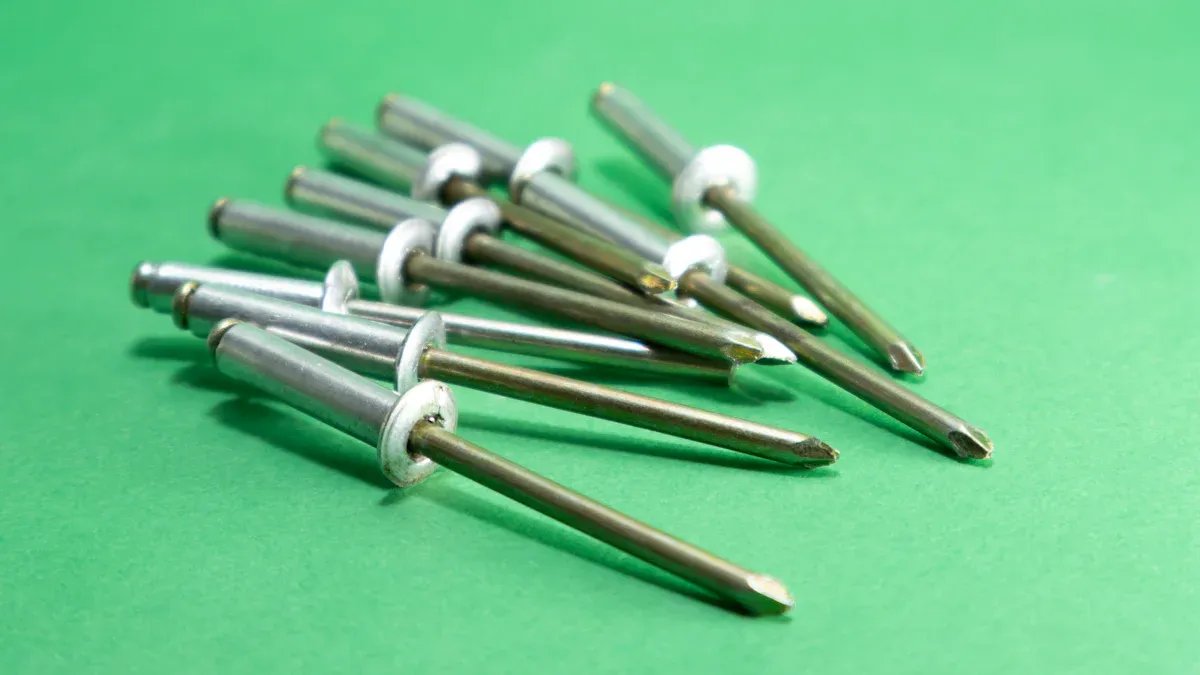
Proper preparation of the tool sets the stage for a smooth installation. Technicians begin by selecting the correct blind rivet nut for the material and application. They measure the grip range with precision, ensuring compatibility with the workpiece thickness. A manual hand rivet tool works well for occasional tasks, while pneumatic or battery-powered tools suit repetitive jobs. Cleanliness remains essential. Any debris or oil on the tool or fastener can affect threading accuracy.
A step-by-step approach helps maintain consistency:
- Choose the correct nut rivet size for the project.
- Drill the hole to the exact diameter, matching the rivet’s outside diameter.
- Use a caliper to verify the drill bit size.
- Remove all burrs for a clean fit.
Technicians who follow these steps reduce the risk of installation errors. They also extend the life of both the tool and the fastener.
Attaching the Rivet Nut
Attaching the заклёпочная гайка to the tool requires attention to detail. The process starts with aligning the threads of the rivet nut with the mandrel of the tool. Technicians turn the nut slowly by hand, applying gentle pressure. This method prevents cross-threading, which can damage both the fastener and the tool.
Best practices for threading a rivet nut onto a tool appear in the table below:
| Практика | Описание |
|---|---|
| Use of Metric Fasteners | Metric fasteners, such as 8 мм, reduce the risk of cross-threading. |
| Importance of Hole Size & Grip | Correct hole size and grip range ensure robust installation. |
| Knurled and Wedge Types | These types work well in soft or thin metal, minimizing cross-threading. |
| Consistent Impact Setup | Consistent setup and proper tightening prevent thread damage. |
Knurled and wedge types of rivet nuts perform especially well in soft or thin metals. These designs grip the material securely, reducing the chance of thread misalignment. Technicians avoid using excessive force when attaching the nut. They rely on a consistent impact setup, knowing how tight to hammer the rivet nut for optimal results.
A clean, precise approach ensures the rivet nut sits squarely on the tool. This alignment prepares the assembly for smooth insertion into the prepared hole. Technicians who master this step achieve reliable, repeatable installations with minimal risk of thread damage.
Tip: Always inspect the threads before and after attachment. Even minor imperfections can affect the quality of the final rivet.
Inserting and Seating the Rivet Nut with the Tool
Aligning the Tool and Hole
Proper alignment stands as a critical factor in rivet nut installation. Technicians must ensure the rivet nut sits correctly on the tool before approaching the workpiece. They check that the mandrel threads fully engage with the rivet nut. This step prevents cross-threading and ensures the fastener remains stable during insertion.
When positioning the tool, operators hold it perpendicular to the surface. This orientation guarantees that the rivet nut enters the hole straight, which is essential for a secure fit. Many modern rivet nut tools feature alignment guides or centering sleeves. These features help users maintain precise positioning throughout the process.
Before seating the rivet nut, technicians verify the placement visually. They confirm that the rivet nut aligns perfectly with the hole in the base material. This check reduces the risk of misalignment, which can lead to weak joints or installation failure.
Key alignment techniques include:
- Inserting the rivet nut fully into the tool before approaching the hole.
- Using tools with built-in alignment features for consistent results.
- Verifying the rivet nut’s position before activating the tool.
Tip: Operators should avoid forcing the rivet nut into the hole. Gentle pressure and careful alignment produce the best outcome.
Обеспечение правильной посадки
A proper fit ensures the rivet nut forms a strong, lasting anchor. After aligning the tool and rivet nut with the hole, the technician inserts the assembly into the prepared opening. The rivet nut should slide in smoothly without excessive force. If resistance occurs, the hole may contain debris or burrs, or the size may be incorrect. Technicians should remove the tool and inspect the hole if they encounter any issues.
Once the rivet nut sits in the hole, the flange must rest flush against the material surface. This contact ensures even load distribution during compression. Operators check for gaps or tilting, which indicate improper seating. They adjust the rivet nut’s position as needed to achieve a perfect fit.
For best results, installers use the tool to hold the rivet nut steady while confirming alignment. This practice prevents movement during the setting process. Rivet nuts require correct crush for optimal performance. The tool’s design helps apply uniform pressure, ensuring the fastener deforms properly and grips the material securely.
A quick checklist for proper fit:
- The rivet nut enters the hole without force.
- The flange sits flush with the material.
- The tool holds the rivet nut steady and centered.
Note: A well-seated rivet nut resists spinning and provides maximum holding strength. Technicians who follow these steps achieve reliable, professional-grade installations every time.
Setting the Rivet Nut Using the Rivet Nut Tool
Operating the Rivet Nut Tool
Technicians begin the process by positioning the rivet nut tool perpendicular to the work surface. They grip the handle firmly and activate the tool according to its design, whether manual, pneumatic, or battery-powered. The tool pulls the mandrel, causing the rivet nut to expand and grip the material from the inside. This expansion forms a secure connection that resists vibration and loosening.
Operators must follow the correct steps to install rivet nuts efficiently. They avoid rushing the process and maintain steady pressure throughout the operation. Many tools feature adjustable settings to control the stroke and force applied. These adjustments help prevent over-crushing or deformation of the rivet nut body. Technicians check the tool’s calibration before each installation to ensure consistent results.
Common mistakes can occur during this stage. The table below highlights frequent problems, their causes, and recommended solutions:
| Проблема | Причина | Recommended Fix |
|---|---|---|
| Rivet nut spinning in hole | Over-sized hole or insufficient material grip | Ensure correct hole tolerance and choose appropriate knurled type |
| Thread stripping | Over-torquing during bolt insertion | Use calibrated torque tools and follow manufacturer torque limits |
| Deformation of rivet nut body | Incorrect installation stroke or poor riveter settings | Adjust installation stroke to prevent over-crushing |
| Cracking of rivet nut flange | Material too thin or uneven force applied | Use reinforced flange type for thin materials |
| Insufficient clamping force | Weak material or incorrect hardness selection | Choose high-strength steel or stainless steel version |
Tip: Operators should always verify the tool’s settings before beginning the installation. Proper adjustment prevents damage and ensures a strong connection.
Confirming Full Compression
After activating the rivet nut tool, technicians inspect the rivet nut for full compression. They look for a flush fit between the flange and the material surface. A properly compressed rivet nut will not spin or move when touched. The flange should sit flat, without gaps or tilting. This visual check confirms that the rivet nut has expanded correctly and formed a reliable anchor.
Technicians may use a go/no-go gauge to verify thread engagement. They test the installed rivet nut by inserting a bolt and applying moderate tightening. If the rivet nut holds firm and does not rotate, the installation meets industry standards. Operators avoid excessive tightening, which can strip threads or deform the rivet nut. They rely on calibrated torque tools to achieve the correct tension.
A secure connection ensures the rivet nut can withstand repeated use. Proper compression allows users to remove and replace bolts without compromising the joint. Technicians document each installation for quality control, especially in high-volume production environments.
Note: Full compression is essential for the rivet nut’s performance. Incomplete compression can lead to weak joints and premature failure.
Removing the Tool
Once the rivet nut reaches full compression, operators remove the tool carefully. They release the mandrel and unscrew it from the rivet nut. The tool disengages smoothly when the threads remain undamaged. Technicians inspect the rivet nut for signs of deformation or thread stripping. If any issues appear, they address them immediately to maintain the integrity of the connection.
Operators clean the tool after each use. They check for wear and lubricate moving parts to extend the tool’s lifespan. Proper maintenance ensures consistent performance and reduces downtime. Technicians store the rivet nut tool in a dry, secure location to prevent corrosion and accidental damage.
A well-maintained tool allows users to install rivet nuts efficiently and achieve strong, lasting rivet connections. Regular inspection and care support reliable operation and simplify future repairs or replacements.
Callout: Routine maintenance of the rivet nut tool improves installation quality and extends the life of both the tool and the fasteners.
Checking Rivet Nut Tool Installation Quality
Визуальный осмотр
A thorough visual inspection helps technicians confirm the quality of every installation. They begin by examining the flange of the rivet nut. The flange should sit flush against the material surface, with no visible gaps or tilting. A flush fit indicates proper seating and even load distribution. Technicians also check for signs of deformation or cracking around the hole. Any distortion suggests excessive force or incorrect hole size.
They look for clean edges around the rivet nut. Burrs or sharp fragments can compromise the joint and may cause injury during future maintenance. The installed rivet nut should show no signs of spinning or movement when touched. A secure fit means the fastener has expanded correctly inside the material.
Technicians often use a checklist to guide their inspection:
- Flange sits flush with the material
- No visible gaps or tilting
- No cracks or deformation around the hole
- Clean, burr-free edges
- Rivet nut remains stable when touched
Tip: Good lighting and magnification tools help reveal small defects that might otherwise go unnoticed.
Testing for Security
After visual inspection, technicians test the security of the installation. They insert a bolt into the installed rivet nut and tighten it to the manufacturer’s recommended torque. The rivet nut should hold firm without spinning or pulling out of the material. If the fastener rotates, the hole may be too large or the material too thin.
A pull-out test provides additional assurance. Technicians use a calibrated pull tester to apply force to the bolt. The rivet nut should withstand the specified load without movement. This test verifies that the rivet has formed a strong mechanical anchor.
A table summarizes common test results and their implications:
| Test Result | Implication | Рекомендуемое действие |
|---|---|---|
| No movement, holds torque | Правильная установка | Отсутствует |
| Spins in hole | Oversized hole or poor expansion | Reinstall with correct size |
| Pulls out under load | Weak material or incorrect grip | Use longer or stronger nut |
Note: Regular testing ensures consistent quality and prevents failures in critical applications.
Technicians who follow these steps with a rivet nut tool achieve reliable, professional results. Careful inspection and testing help maintain the integrity of assemblies that rely on rivet nuts for strength and durability.
Common Mistakes and How to Avoid Them with Rivet Nut Tool
Mistakes during installation can undermine the strength and reliability of a rivet nut joint. Technicians who understand these pitfalls can follow the correct steps and achieve consistent, high-quality results with every rivet nut tool application.
Using the Wrong Hole Size
Selecting the correct hole size is essential when preparing to install rivet nuts. Many installers overlook this detail, which can lead to several performance issues:
- A hole that is too small makes insertion difficult and may damage the fastener or the workpiece.
- A hole that is too large compromises the grip of the rivet nut, increasing the risk of spinning or pull-out under stress.
- Improper hole size often results in weak connections that cannot withstand vibration or repeated use.
A clean, properly sized hole ensures the fastener sits evenly and aligns with the material. This alignment helps distribute load evenly and prevents premature failure. Technicians should always verify the drill bit size before starting and use go/no-go gauges when possible.
Tip: Double-check measurements and hole size before inserting the rivet nut to avoid costly rework.
Skipping Deburring
Deburring is a critical step that many users skip, especially during high-volume production or DIY projects. Neglecting this process can cause several problems:
- Burrs left on the hole edge prevent proper contact between the fastener head and the metal surface.
- Loose fasteners and potential structural integrity issues may develop if the rivet nut does not seat flush.
- Burrs can contribute to crack propagation in the material, which compromises the strength of the assembly.
Technicians should always inspect both sides of the hole and remove any sharp edges or fragments. A smooth, burr-free surface allows the rivet nut to grip securely and ensures a long-lasting joint.
Note: Investing in a quality deburring tool saves time and improves installation consistency.
Misaligning the Rivet Nut
Proper alignment during installation is crucial for the strength and reliability of the finished joint. Misalignment can cause several issues:
Misalignment during the assembly of rivet nuts can lead to issues such as damage to the fastener or cross-threading, which can compromise the strength and reliability of the installed rivet nut.
Some specialized fasteners, such as the RIV-FLOAT® rivet nut, allow for minor misalignments without inducing shear stress on the panel or part. These designs provide a tolerance buffer, helping maintain the integrity of the installation. However, most standard rivet nuts require careful alignment to avoid cross-threading and ensure proper compression.
Technicians should use alignment guides or centering sleeves when available and always check the position of the tool before activating it. This practice helps prevent tool misalignment and ensures the rivet nut forms a strong, reliable anchor.
Callout: Consistent alignment and attention to detail during each step of the process help prevent installation failures and extend the service life of the rivet.
Over-tightening or Under-tightening
Correct torque application stands as a key factor in rivet nut installation. Many technicians struggle to find the right balance between over-tightening and under-tightening. Both mistakes can compromise the integrity of the joint.
Чрезмерная затяжка occurs when the installer applies too much force during compression. This action can deform the rivet nut body, strip the internal threads, or even crack the surrounding material. Deformation reduces the holding strength and may cause the fastener to fail under load. In severe cases, the rivet nut becomes unusable, requiring removal and replacement.
Недостаточная затяжка presents a different set of problems. When the installer does not apply enough force, the rivet nut may not expand fully inside the hole. This incomplete expansion leads to a loose fit, which allows the fastener to spin or pull out during use. The joint loses its ability to resist vibration and repeated stress.
A simple table highlights the risks:
| Ошибка | Resulting Issue | Решение |
|---|---|---|
| Чрезмерная затяжка | Deformation, stripped threads | Use torque-limiting tools |
| Недостаточная затяжка | Loose fit, spinning | Follow manufacturer’s guidelines |
Совет: Technicians should always refer to the rivet nut manufacturer’s recommended torque values. Using a calibrated torque wrench or a tool with adjustable settings helps achieve consistent results.
Technicians who master torque control produce strong, reliable joints. They avoid costly rework and extend the service life of both the fastener and the assembly.
Not Verifying Rivet Nut Flushness
Flushness refers to the position of the rivet nut flange against the material surface. A flush fit ensures even load distribution and a professional appearance. Many installers overlook this detail, especially when working quickly or under pressure.
When the rivet nut does not sit flush, several problems can arise:
- The fastener may tilt, causing uneven stress on the joint.
- Gaps between the flange and the material allow moisture or debris to enter, increasing the risk of corrosion.
- The installed bolt may not seat properly, leading to misalignment or reduced clamping force.
A quick visual check helps prevent these issues. Technicians should inspect the flange after installation. The flange must rest flat against the material with no visible gaps or tilting. If the rivet nut appears uneven, the installer should remove it and repeat the process.
Примечание: Consistent flushness improves both the strength and appearance of the finished assembly. Technicians who verify this detail deliver higher-quality results and reduce the risk of future failures.
A checklist for verifying flushness:
- Inspect the flange for gaps or tilting.
- Confirm the rivet nut sits flat against the surface.
- Reinstall if any misalignment appears.
Attention to flushness ensures the rivet nut performs as designed and maintains the integrity of the joint over time.
Troubleshooting Rivet Nut Tool Installation Issues
Rivet Nut Spins in the Hole
A spinning rivet nut signals a problem with the installation process or material compatibility. When this issue occurs, the fastener cannot provide a secure anchor, which weakens the joint and may lead to failure. Several factors can cause this problem, including improper hole size, insufficient expansion, or using the wrong type of fastener for the base material. The table below outlines common causes and practical solutions:
| Possible Causes | Solutions |
|---|---|
| The base material is too thin or soft for the selected nut | Adjust the tool stroke to ensure full deformation |
| Insufficient pulling force or incomplete expansion | Follow the recommended hole diameter for each size |
| Oversized or inaccurate hole diameter | Use knurled or hex rivet nuts to increase anti-rotation performance |
| Using a smooth-body nut on smooth sheet metal | Avoid flat-body nuts in materials that are too thin or soft |
Technicians should always verify the hole diameter and select the appropriate fastener style for the application. Knurled or hex designs offer better resistance to spinning, especially in softer materials.
Rivet Nut Not Flushing with Surface
When a rivet nut does not sit flush with the surface, the joint loses strength and may allow moisture or debris to enter. This issue often results from improper tool handling, incorrect settings, or burrs left after drilling. The following table summarizes typical problems and their solutions:
| Issue Description | Решение |
|---|---|
| Tool tilts during the set cycle, causing uneven flange seating | Brace the tool against the panel and hold it perpendicular until the cycle completes |
| Undersized stroke or pull-force setting under-collapses the nut body | Test on scrap, increase the tool setting until the body is fully collapsed, then use that setting in production |
| Burr on the back side of the hole prevents full collapse of the nut body | Always deburr after drilling to prevent installation issues |
| Using a short-grip nut in a thick panel or a long-grip in a thin panel | Measure panel thickness and select the appropriate grip range for the nut |
Consistent technique and careful preparation help ensure the flange sits flat every time. Testing on scrap material before production can prevent costly mistakes.
Tool Jamming or Malfunction
Tool jamming or malfunction disrupts workflow and can damage both the fastener and the workpiece. Preventive maintenance and proper setup reduce the risk of these issues. Technicians can follow these best practices:
- Select the correct nosepiece or mouthpiece for the rivet size to ensure proper alignment.
- Clean and maintain chuck jaws regularly, replacing them when worn or dull.
- Use compressed air and soft cloths to remove debris and moisture from the tool.
- Apply manufacturer-recommended lubricants to moving parts, avoiding graphite-based grease.
- Replace worn components such as jaw sets and seals as part of routine maintenance.
A well-maintained tool operates smoothly and delivers consistent results. Regular checks and cleaning extend the lifespan of the equipment and improve installation quality.
Maintenance and Care of Rivet Nut Tool
Cleaning After Use
Regular cleaning stands as the foundation of rivet nut tool longevity. After each use, technicians wipe down the exterior to remove dust, metal shavings, and oil. This simple habit prevents debris from entering moving parts and causing premature wear. They pay special attention to the mandrel threads, as chips or residue can affect threading accuracy and lead to cross-threading. A soft cloth or brush works well for this task. For pneumatic models, draining water from the compressor and checking the air supply ensures consistent performance.
A daily maintenance routine helps catch issues early. Technicians inspect the nosepiece, mandrel, and tool body for visible damage or buildup. If the mandrel appears bent or worn, they replace it immediately. Clean mandrel threads reduce the risk of stripping both the fastener and the tool. For cordless models, checking battery charge and monitoring for overheating keeps the tool ready for the next job.
Tip: Consistent cleaning after every use extends the lifespan of the tool and maintains installation quality.
Lubrication and Storage
Lubrication plays a vital role in smooth operation and rust prevention. Technicians apply a light machine oil to pivot points, hinges, and mandrel threads. This practice ensures that moving parts operate without friction and reduces the chance of corrosion. Weekly, they remove and clean nosepieces, check for thread wear, and grease pistons or bearings if specified by the manufacturer. Monthly, they inspect mandrels for stripped threads, cracks, or bending, and check seals on hydraulic or pneumatic models.
Proper storage protects the tool from environmental damage. After cleaning and lubricating, technicians store the tool and its accessories in a carrying case. This keeps all components organized and shields them from moisture, dust, and accidental impacts. For pneumatic tools, cleaning or replacing filters in the FRL unit and inspecting battery contacts on cordless models further enhances reliability.
The following table outlines a recommended maintenance schedule:
| Периодичность | Tasks |
|---|---|
| Daily | Visual inspection, clean mandrel threads, check mandrel straightness, lubricate threads, check air supply or battery. |
| Weekly | Remove and clean nosepieces, verify pull force, remove debris, grease pistons/bearings. |
| Monthly | Inspect mandrel for wear, check seals, clean/replace filters, clean battery contacts. |
| Every 6–12 months | Full strip-down and cleaning, replace seals, check piston/hydraulic oil, professional calibration. |
- Keep it clean after every use.
- Lubricate moving parts regularly.
- Inspect mandrels for wear and replace as needed.
- Store the tool in its case to prevent damage and loss.
Note: A well-maintained rivet nut tool delivers consistent performance and reduces downtime due to unexpected failures.
Advanced Tips for Best Results with Rivet Nut Tool
Working with Different Materials
Technicians often encounter a range of materials in their projects. Each material presents unique challenges during installation. Steel panels require higher force and careful hole preparation. Aluminum offers less resistance but can deform if the installer applies too much pressure. Stainless steel resists corrosion but may wear down drill bits quickly. Plastics and composites demand lower compression to avoid cracking.
A comparison table helps clarify the approach for each material:
| Материал | Recommended Drill Bit | Compression Force | Special Considerations |
|---|---|---|---|
| Сталь | Быстрорежущая сталь | Высокая | Use cutting fluid |
| Алюминий | Standard bit | Средний | Avoid over-compression |
| Нержавеющая сталь | Cobalt bit | Высокая | Replace dull bits quickly |
| Пластик | Brad-point bit | Низкая | Use low-speed drilling |
Tip: Test on scrap material before final installation. This practice helps prevent costly mistakes and ensures the best fit.
Choosing the Right Rivet Nut Type
Selecting the correct fastener type improves joint strength and longevity. Technicians evaluate the base material, grip range, and application environment. Knurled body rivet nuts provide extra resistance to spinning in soft materials. Hexagonal body types fit hex holes and prevent rotation in high-torque applications. Closed-end designs block moisture and debris, which protects the threads in harsh environments.
A simple checklist guides the selection process:
- Assess the thickness and hardness of the base material.
- Determine if vibration or moisture exposure will occur.
- Choose a knurled, hex, or closed-end style based on project needs.
- Confirm the grip range matches the material thickness.
Note: The right choice of rivet nut type reduces installation failures and extends service life.
Ensuring Consistent Compression and Alignment
Consistent compression and alignment ensure the rivet performs as designed. Technicians calibrate the tool before each use. They set the stroke or force according to manufacturer recommendations. During installation, they hold the tool perpendicular to the work surface. This position prevents tilting and guarantees even expansion.
A few best practices support reliable results:
- Use alignment guides or centering sleeves when available.
- Check the tool’s settings before every installation.
- Inspect each finished joint for flushness and stability.
Callout: Consistency in technique leads to professional results and reduces rework.
Technicians who follow these advanced tips achieve strong, reliable connections in every application.
A successful installation starts with careful preparation and the right rivet nut tool. Technicians should follow each step, from drilling and deburring to seating and compressing the rivet nut. Regular inspection and tool maintenance help ensure strong, reliable results. Practicing these techniques builds confidence and consistency. Safety remains essential at every stage. By maintaining their tools and following best practices, users achieve durable, professional-grade connections.
Частые вопросы
What is the main advantage of using a rivet nut tool?
A rivet nut tool creates strong, reusable threads in thin materials where tapping is not possible. This method provides a secure anchor for bolts and screws, improving assembly strength and reliability.
Can a rivet nut be removed after installation?
Yes, technicians can remove a rivet nut by drilling out the center or using a specialized extraction tool. This process allows for replacement without damaging the base material.
How does a technician choose the correct rivet nut size?
He or she measures the material thickness and selects a rivet nut with a grip range that matches. Manufacturers provide charts to help match thread size and grip length to the application.
What materials work best with rivet nuts?
Steel, aluminum, and stainless steel panels accept rivet nuts well. Plastics and composites also work, but require lower compression force to prevent cracking.
Why does a rivet nut spin during installation?
A spinning rivet nut usually indicates an oversized hole, insufficient compression, or the wrong fastener type. Technicians should verify hole size and select knurled or hex body nuts for better grip.
Is lubrication necessary for rivet nut tool maintenance?
Lubrication reduces friction and prevents rust. Technicians apply light machine oil to moving parts and mandrel threads. Regular lubrication extends tool life and ensures smooth operation.
Can a manual rivet nut tool handle stainless steel fasteners?
Manual tools can install stainless steel rivet nuts, but require more force. For frequent use or thicker materials, pneumatic or hydraulic tools provide better results and reduce operator fatigue.
What safety gear should technicians wear during installation?
He or she should wear safety glasses and gloves. These items protect against metal shavings, sharp edges, and accidental tool slips.