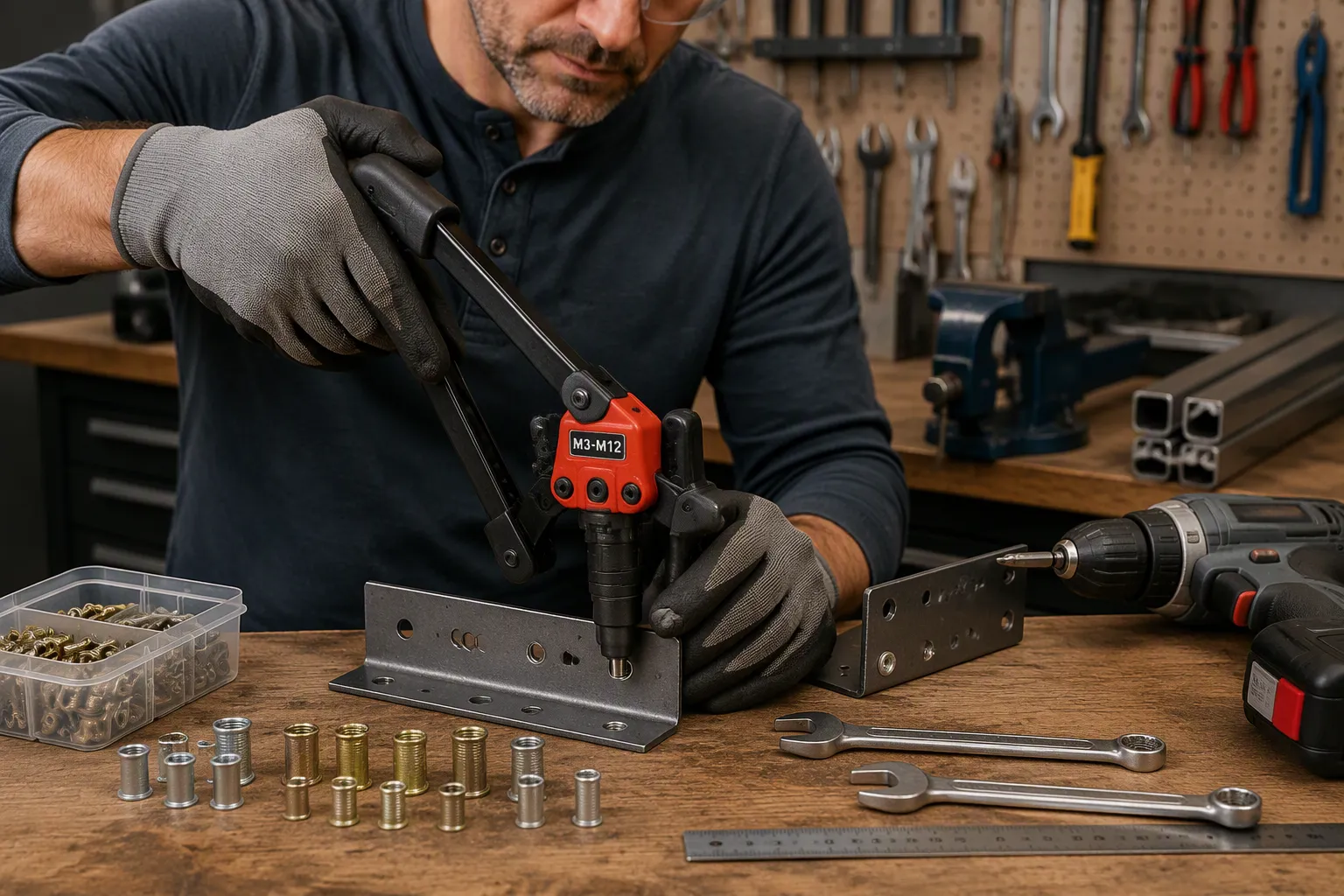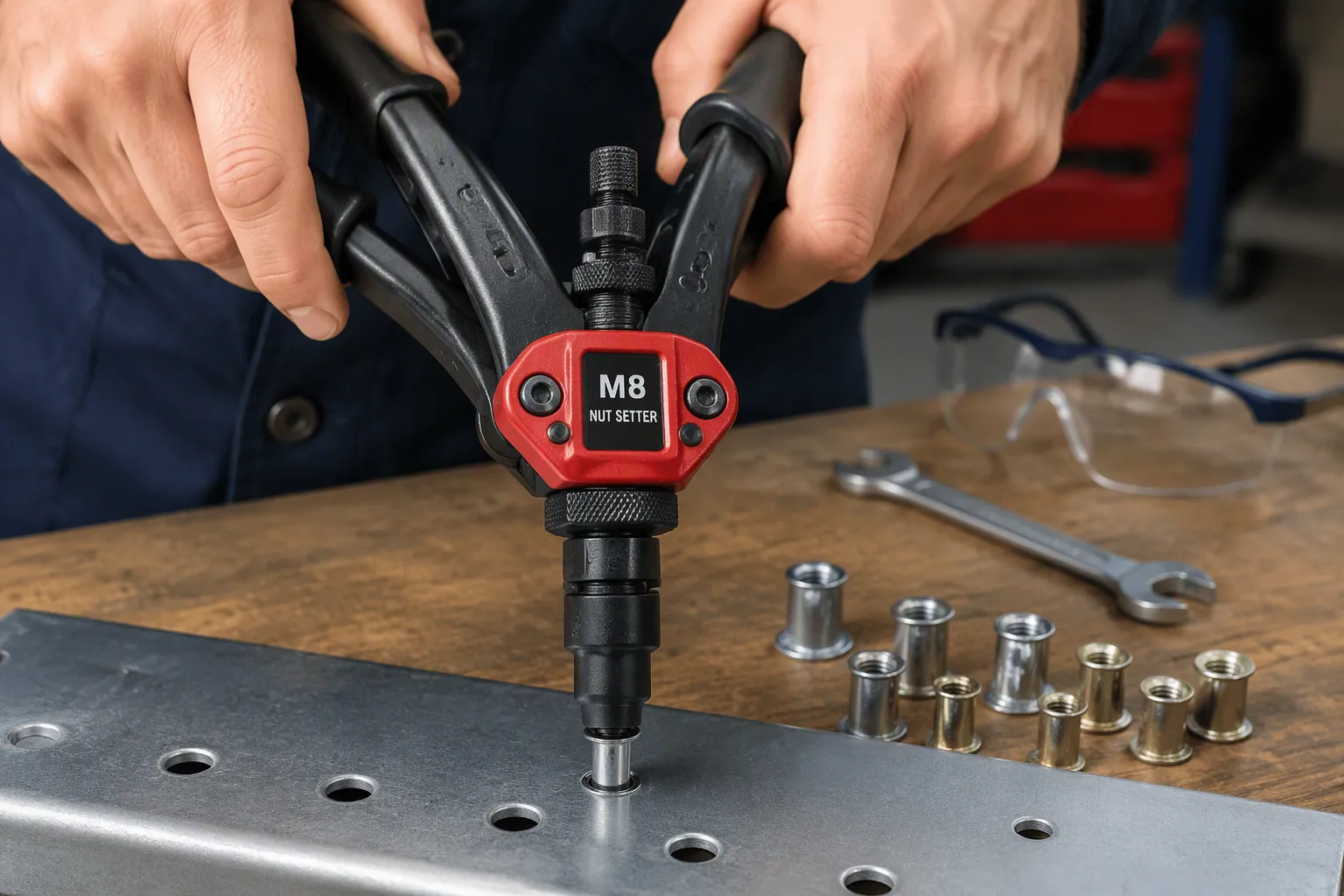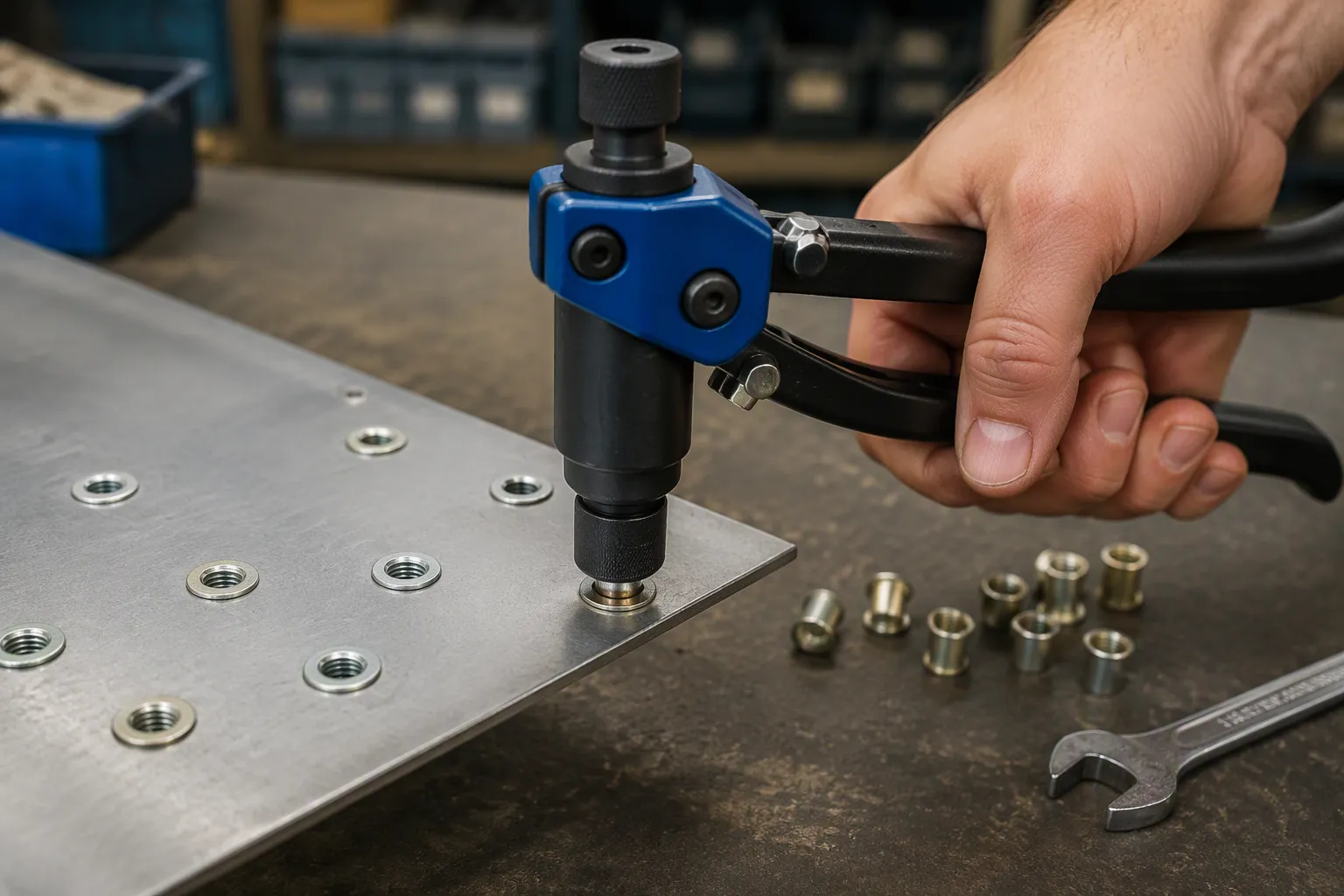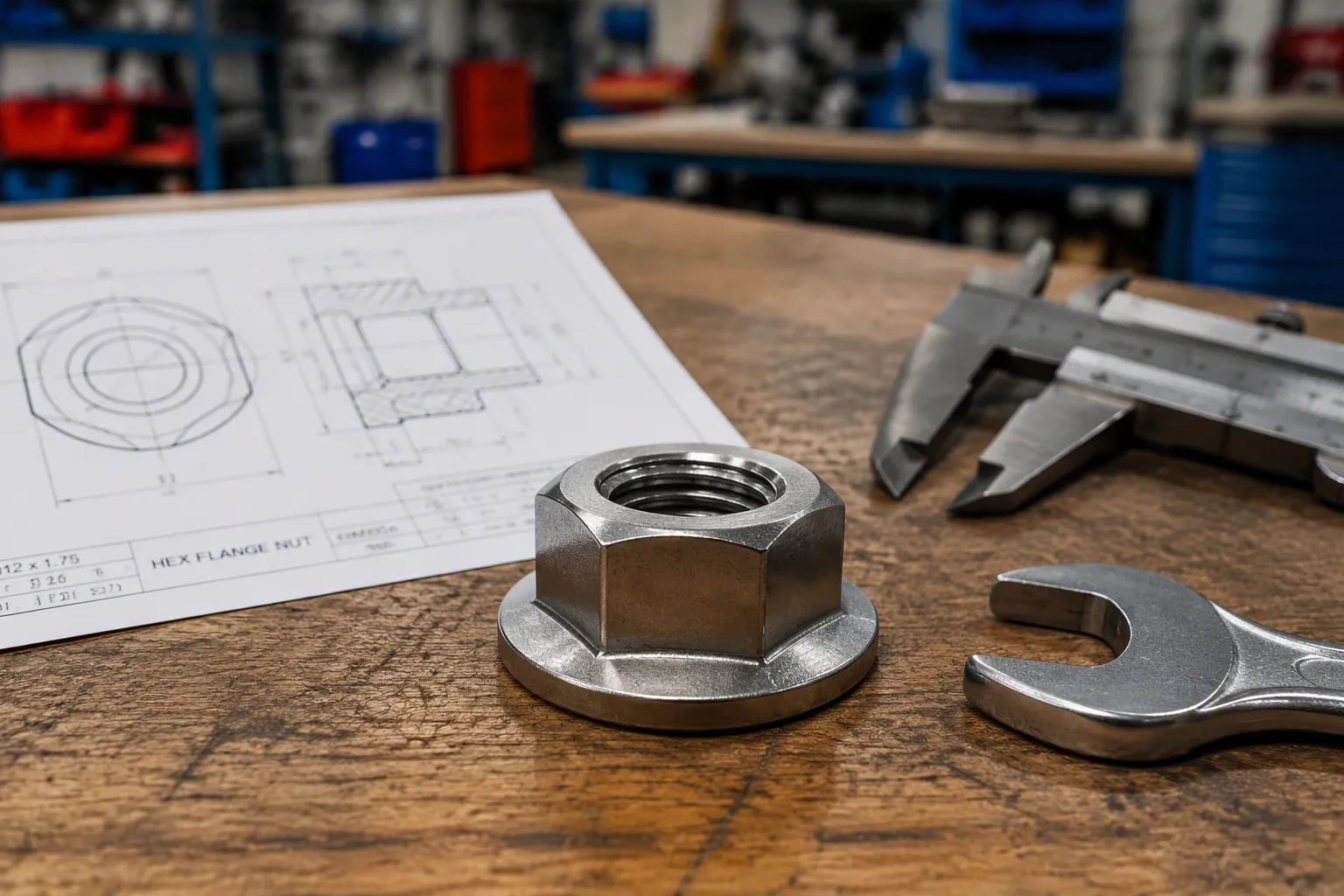
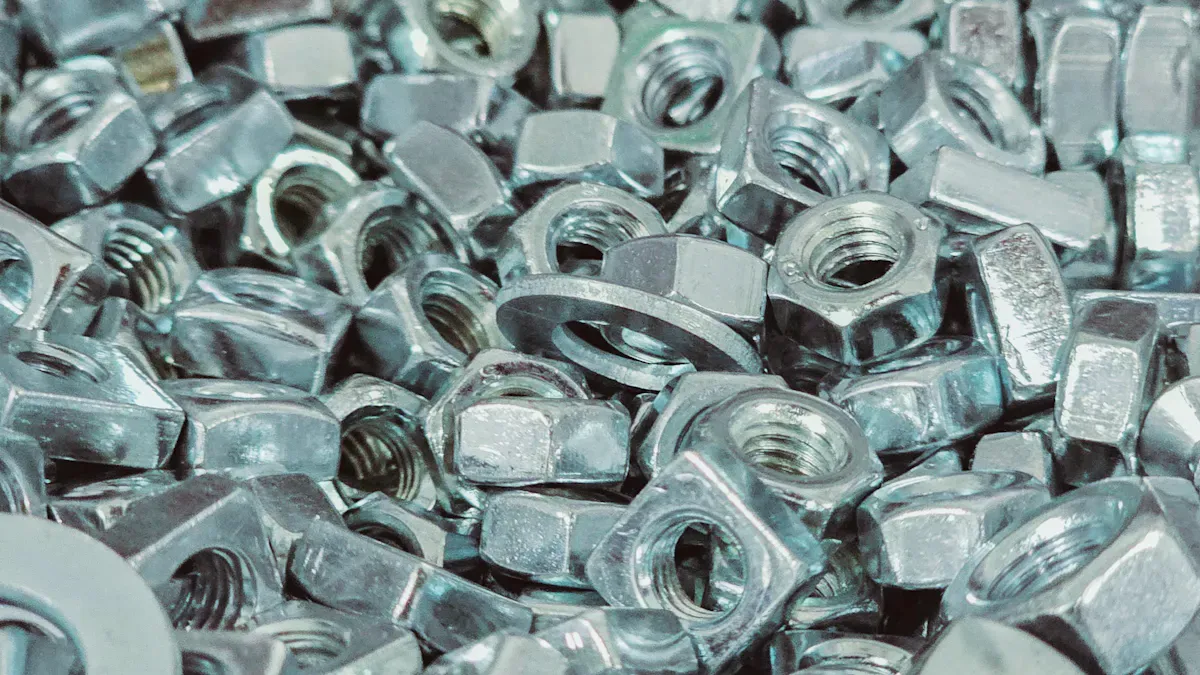
The year 2026 brings a diverse range of applications for rivet nuts, including automotive manufacturing, aerospace assembly, renewable energy equipment, industrial machinery, consumer electronics, construction, mass transit, agricultural equipment, marine installations, and medical devices. These applications demand secure, efficient, and adaptable fastening solutions. Rivet nuts deliver strength and versatility where traditional гаек и болтов cannot perform, especially in thin or soft materials. Нестандартные крепежные элементы от авторитетного производитель крепежных изделий на заказ meet unique project requirements. The global market for blind rivet nuts is expected to reach USD 1.8 billion by 2026, with automotive leading the growth due to lightweight material adoption. Each заклёпочная гайка provides reliable performance, supporting innovation and safety across industries.
Automotive Applications for Rivet Nuts
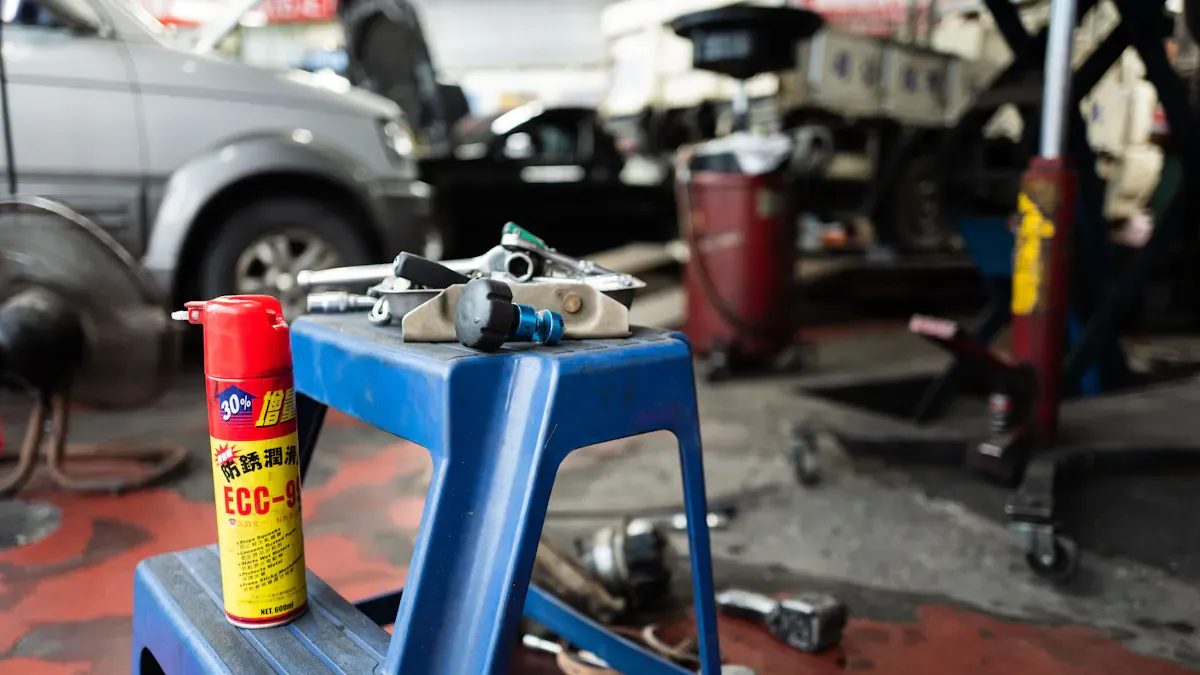
Automotive manufacturers continue to seek advanced fastening methods to meet the demands of electric vehicles, lightweight construction, and modular design. The following applications for rivet nuts demonstrate their critical role in modern vehicle assembly.
Battery Pack Assembly
Vibration-Resistant Fastening
Electric vehicle battery packs require надёжные соединения that withstand constant vibration and road shocks. Rivet nuts provide a robust solution by creating strong, threaded anchor points in thin-walled enclosures. They prevent loosening and maintain electrical integrity, even in high-vibration environments. This reliability supports the safety and longevity of battery systems.
Lightweight Integration
Automotive engineers prioritize weight reduction to improve efficiency and range. Rivet nuts enable the use of lightweight materials such as aluminum and composites. Their installation does not compromise the structural integrity of thin panels. This approach aligns with industry trends toward sustainable, energy-efficient vehicles.
Chassis and Body Panel Installation
Fast, Reliable Assembly
Vehicle chassis and body panels present unique challenges during assembly. Rivet application solutions address these issues by allowing quick and consistent installation, even in difficult-to-reach areas. The following table outlines common challenges and how rivet nuts help overcome them:
| Задача | Описание |
|---|---|
| Drilling through painted body panels | Drilling can chip paint and expose metal, leading to rust. Best practices include using sharp bits and masking tape. |
| Working in tight spaces | Limited access in engine bays or wheel wells necessitates the use of specialized tools like pneumatic tools. |
| Variable panel thickness | Different thicknesses in automotive panels require adaptable installation strategies for rivet nuts. |
Rivet nuts adapt to variable panel thickness and minimize the risk of damaging painted surfaces. Their compatibility with pneumatic tools streamlines the assembly process, reducing labor time and costs.
Коррозионная стойкость
Automotive environments expose fasteners to moisture, road salts, and temperature fluctuations. Rivet nuts, often made from stainless steel or coated alloys, resist corrosion and extend the lifespan of body panels. This durability ensures long-term performance and reduces maintenance requirements.
Interior Component Mounting
Modular Design Flexibility
Modern vehicle interiors feature modular components that require frequent updates and customization. Rivet nuts support flexible mounting options, allowing designers to reconfigure layouts without damaging the base structure. Their hexagonal shape increases surface contact, providing stable and secure attachment points.
Reduced Assembly Time
Rivet nuts improve efficiency compared to traditional fasteners. The table below highlights ключевые различия:
| Характеристика | Заклепочные гайки | Traditional Fasteners |
|---|---|---|
| Threaded Hole Durability | Provides robust and durable threaded holes | May not be suitable for thin materials |
| Surface Contact Area | Hexagonal shape increases contact area | Standard shapes may not optimize torque |
| Resistance to Rotation | Better resistance due to increased torque | May loosen in vibration-prone environments |
| Installation Complexity | Easy to install without specialized tools | Often requires specific tools and techniques |
| Устойчивость к вибрации | High resistance, reliable in dynamic settings | May fail under vibration |
- Easy installation without the need for specialized tools.
- Streamlined assembly process compared to traditional fasteners.
- Suitable for delicate materials that cannot support traditional tapped holes.
Automotive manufacturers benefit from reduced assembly time and improved reliability, making rivet nuts a preferred choice for interior applications.
Aerospace Applications for Rivet Nuts
Cabin Interior Installation
High-Strength Fastening
Aircraft cabin interiors demand secure fastening solutions that withstand high loads and frequent stress. Engineers select заклепочных гаек to anchor seats, overhead bins, and partition walls. These fasteners deliver consistent strength in thin aluminum panels, which are common in modern aircraft. Rivet application solutions ensure that each connection meets strict safety standards. The following table highlights the advantages of using rivet nuts for cabin interior installations:
| Характеристика | Преимущество |
|---|---|
| High load capacity | Supports heavy interior fixtures |
| Uniform thread quality | Reduces risk of loosening |
| Lightweight design | Maintains aircraft efficiency |
Easy Maintenance Access
Maintenance crews require quick access to cabin components for repairs and upgrades. Rivet nuts simplify this process by providing reusable threaded points. Technicians remove and reinstall panels without damaging the base structure. This approach reduces downtime and supports efficient maintenance schedules. Airlines benefit from faster turnaround times and improved passenger safety.
Avionics and Electrical System Mounting
Precision Alignment
Avionics systems rely on precise alignment for optimal performance. Rivet nuts create stable mounting points for sensitive electronics. Engineers achieve exact positioning by using these fasteners in thin or composite materials. The result is reliable operation of navigation, communication, and control systems. Rivet application solutions help maintain strict tolerances required in aerospace environments.
Electrical Isolation
Electrical systems in aircraft must prevent interference and short circuits. Rivet nuts with insulating coatings provide electrical isolation between components. This feature protects sensitive avionics from stray currents and electromagnetic interference. Manufacturers select these fasteners to enhance system reliability and safety.
Tip: Insulated rivet nuts reduce the risk of electrical faults in high-density wiring areas.
Composite Structure Assembly
Non-Damaging Installation
Composite materials offer strength and weight savings but require careful handling during assembly. Rivet nuts allow secure fastening without cracking or delaminating the composite surface. Installers use specialized tools to set rivet nuts with minimal force. This method preserves the integrity of advanced materials used in wings, fuselage, and tail sections.
Enhanced Durability
Aircraft structures face extreme conditions, including vibration, temperature changes, and moisture. Rivet nuts resist corrosion and maintain their strength over time. Their durability supports long service intervals and reduces maintenance costs. Aerospace manufacturers trust these fasteners to deliver consistent performance throughout the aircraft’s lifespan.
Renewable Energy Equipment Applications for Rivet Nuts
Wind Turbine Assembly
Large-Scale Panel Fastening
Wind turbine manufacturers face the challenge of securing large panels to towers and nacelles. Rivet solutions provide strong, vibration-resistant connections that maintain structural integrity under constant wind loads. Technicians install these fasteners quickly, even in remote or elevated locations. The ability to create robust threaded anchor points in thin or composite materials ensures that each panel remains secure throughout the turbine’s service life.
Weatherproof Connections
Turbines operate in harsh outdoor environments. Moisture, salt, and temperature fluctuations threaten the longevity of traditional fasteners. Rivet nuts with corrosion-resistant coatings protect against rust and degradation. These fasteners help maintain weatherproof seals, preventing water ingress and reducing the risk of electrical faults. Operators benefit from reduced maintenance and improved reliability.
Solar Panel Mounting Systems
Quick Field Installation
Solar panel installations demand speed and efficiency. Rivet nuts enhance installation speed and security in several ways:
- Rivet nuts provide a quick and reliable fastening solution, enhancing installation speed.
- They resist environmental factors, ensuring security and durability in outdoor conditions.
- The use of rivet nuts significantly reduces installation time compared to traditional nut and bolt methods.
Installers can complete large-scale solar projects faster, minimizing labor costs and project delays.
Anti-Theft Features
Solar farms often face theft risks. Rivet solutions support anti-theft designs by enabling tamper-resistant mounting. Specialized rivet nuts require unique tools for removal, deterring unauthorized access. This approach protects valuable equipment and ensures uninterrupted energy production.
Battery Storage Enclosures
Secure, Tamper-Resistant Fastening
Battery storage systems require secure enclosures to protect sensitive electronics and prevent unauthorized access. Sherex’s High Strength Rivet Nuts meet the demands of high-clamp-load environments. Their robust design and ease of installation make them a reliable alternative to traditional fastening methods in renewable energy applications.
Modular Expansion
Manufacturers design battery enclosures for scalability. Rivet nuts support modular expansion by allowing easy addition or removal of panels. The following table summarizes the primary benefits of using rivet nuts in battery storage enclosures:
| Преимущество | Описание |
|---|---|
| Enhanced Conductivity | The use of 99.95% high-purity electrolytic copper increases conductivity by 5%, reducing energy loss in high-current environments. |
| Коррозионная стойкость | 316-grade stainless steel rivet nuts enhance corrosion resistance by 30%, crucial for humid or industrial settings. |
| Reduced Installation Time | Optimized press-riveting process reduces installation time by 20%, ensuring a tighter fit and eliminating loose connections. |
CSG’s BUMAX 88 stainless steel bolts and UV-resistant rivet nuts further improve durability and operational uptime, supporting a service life of over 25 years.
Note: Applications for rivet nuts in renewable energy equipment continue to evolve as the industry prioritizes efficiency, security, and long-term performance.
Industrial Machinery and Automation Applications for Rivet Nuts
Robotics Enclosures
Tool-Less Access
Modern robotics enclosures require frequent access for upgrades and repairs. Engineers design these systems with tool-less entry points to minimize downtime. Rivet solutions allow for quick panel removal and reattachment. Maintenance teams can access internal components without specialized tools. This approach increases productivity and reduces the risk of damaging sensitive electronics during service.
High-Cycle Durability
Robotics in industrial settings operate continuously, often in demanding environments. Fasteners must withstand repeated cycles of assembly and disassembly. Rivet fasteners provide consistent performance over thousands of cycles. Their robust design resists loosening from vibration and movement. Manufacturers rely on these fasteners to maintain enclosure integrity and protect valuable automation equipment.
Control Panel Mounting
Space-Saving Solutions
Control panels in automation systems often have limited space for hardware. Rivet nuts offer a compact fastening solution. They install into thin metals or plastics, creating strong threads without the need for bulky brackets or welding. This feature allows engineers to maximize usable space inside control cabinets. The result is a cleaner layout and easier cable management.
EMI Shielding
Electronic equipment in industrial environments faces electromagnetic interference (EMI). Proper shielding is essential for reliable operation. Rivet fasteners can be paired with conductive coatings or gaskets to enhance EMI protection. This method ensures that sensitive controls and sensors function without disruption. Automation systems benefit from improved signal integrity and reduced downtime.
Control panel assembly benefits from automation. High-volume installations use automated rivet nut systems to increase speed and reliability. These systems ensure perfect installations and reduce the need for human intervention. Rivet nuts also allow for secure fastening in thin materials, eliminating the need for welding and streamlining the assembly process.
Сборка конвейерных систем
Rapid Maintenance
Conveyor systems form the backbone of many automated production lines. Maintenance teams must replace worn parts quickly to avoid costly delays. Rivet fasteners enable rapid removal and replacement of panels and guards. This feature supports continuous operation and minimizes production interruptions.
Adjustable Configurations
Manufacturers often reconfigure conveyor layouts to meet changing production needs. Rivet solutions provide flexibility for adjustments without damaging the base structure. Automated installation systems further enhance efficiency. The table below summarizes the main advantages of using rivet fasteners in conveyor system assembly:
| Преимущество | Описание |
|---|---|
| Increased Installation Speed | Automated systems install fasteners faster than manual methods, improving overall throughput. |
| Continuous Operation | These systems can run 24/7 without human intervention, enhancing efficiency in production. |
| Improved Installation Quality | Automated systems ensure precise installation, reducing the risk of errors and material waste. |
| Favorable Return on Investment | The reduction in labor costs and increased efficiency lead to significant long-term savings. |
Industrial automation relies on rivet nuts for secure, efficient, and adaptable fastening solutions. These fasteners support the evolving needs of robotics, control panels, and conveyor systems.
Consumer Electronics Applications for Rivet Nuts
Smart Home Device Enclosures
Compact, Secure Fastening
Smart home devices require compact enclosures that protect sensitive electronics. Engineers select rivet solutions to create strong, threaded anchor points in thin plastic or metal housings. These fasteners allow for single-side installation, which simplifies assembly and improves accessibility. Manufacturers benefit from reduced labor costs and faster production cycles. Rivet nuts maintain the integrity of delicate materials, ensuring that devices remain secure during daily use.
Aesthetic Integration
Designers prioritize aesthetics in smart home products. Rivet fasteners enable flush mounting and hidden connections, supporting sleek and modern appearances. The use of rivet nuts eliminates the need for bulky hardware, allowing for smooth surfaces and minimal visual disruption. This approach enhances the appeal of devices placed in visible areas such as living rooms or kitchens.
Wearable Technology Assembly
Lightweight, Low-Profile Solutions
Wearable technology demands lightweight construction and low-profile fasteners. Rivet solutions provide secure attachment points without adding unnecessary bulk. Engineers use rivet nuts to join thin materials like aluminum or polycarbonate, maintaining comfort and durability. The compact design supports the development of slim devices that users can wear throughout the day.
Skin-Safe Materials
Manufacturers select rivet fasteners made from skin-safe materials to prevent irritation. Stainless steel and coated alloys offer hypoallergenic properties, making them suitable for direct contact with skin. This choice ensures that wearable devices remain comfortable and safe for users with sensitive skin. The use of rivet nuts also supports modular designs, allowing for easy upgrades and repairs.
Сборка бытовой техники
Quick, Automated Installation
Appliance manufacturers rely on rivet solutions to streamline assembly processes. Rivet nuts allow for single-side installation, reducing labor and assembly time. This feature supports lean manufacturing practices and improves accessibility for technicians. Standardization of rivet nut specifications across product lines minimizes inventory complexity and training needs. Integration with smart manufacturing practices, such as torque monitoring and data logging, ensures consistent product quality and helps identify potential issues early.
Tip: Automated rivet installation systems increase throughput and maintain high quality standards in appliance production.
Устойчивость к вибрации
Household appliances often operate in environments with constant vibration. Rivet fasteners provide secure connections that resist loosening over time. Engineers select rivet nuts for their ability to maintain threaded integrity in thin panels. This reliability reduces maintenance needs and extends the lifespan of appliances. Manufacturers achieve cost savings by minimizing warranty claims and improving customer satisfaction.
| Характеристика | Преимущество |
|---|---|
| Single-side installation | Faster assembly, lower labor costs |
| Standardized specifications | Easier procurement, reduced inventory complexity |
| Smart manufacturing integration | Consistent quality, early issue detection |
Consumer electronics manufacturers continue to adopt rivet nuts for their versatility, reliability, and compatibility with modern production methods. These fasteners support innovation in smart home devices, wearables, and appliances, meeting the demands of a rapidly evolving market.
Construction and Infrastructure Applications for Rivet Nuts

Modular Building Systems
Fast, Scalable Assembly
Modular building systems have transformed the construction industry by enabling rapid project completion and flexible design. Project managers often select rivet nuts for these systems because they allow for quick installation in thin-walled steel or aluminum panels. Workers can install these fasteners from one side, which proves essential when access to the back side is limited. This single-sided installation streamlines assembly, especially in prefabricated modules where speed and precision matter. Construction teams benefit from reduced labor costs and improved consistency across multiple units.
Reusable Connections
Adaptability remains a key advantage in modular construction. Rivet nuts create strong, reusable threads that support repeated assembly and disassembly. This feature allows builders to reconfigure layouts or replace panels without damaging the base structure. Facility managers can upgrade or expand buildings with minimal disruption. The ability to reuse connections also supports sustainability goals by reducing material waste and extending the lifespan of modular components.
Metal Framing and HVAC Equipment Mounting
Secure, Vibration-Resistant Fastening
Metal framing and HVAC equipment require fastening solutions that maintain structural integrity under stress and vibration. Rivet nuts deliver permanent threads in thin materials, which enhances the strength of metal frames and ductwork. These fasteners resist loosening caused by equipment operation or building movement. As a result, HVAC systems remain securely mounted, reducing the risk of costly repairs or system failures.
Easy Retrofitting
Retrofitting existing structures with new HVAC equipment often presents access challenges. Rivet nuts simplify this process because they can be installed from one side of the material. This capability proves especially valuable in tight spaces where reaching the back side is impossible. The following list highlights the main advantages:
- Installation from one side enables use in confined or inaccessible areas.
- Strong, permanent threads improve the durability of thin metal panels.
- Simplified assembly processes reduce installation time for HVAC systems.
These benefits make rivet nuts a preferred choice for both new construction and renovation projects.
Elevator and Escalator Assembly
High-Load Capacity
Elevators and escalators must support significant weight and endure constant use. Engineers rely on rivet nuts to provide high-load capacity fastening in structural panels and support brackets. These fasteners distribute stress evenly, which helps prevent fatigue and failure over time. The robust design ensures that safety-critical components remain securely attached throughout the equipment’s service life.
Safety Compliance
Safety standards in vertical transportation demand reliable and tamper-resistant connections. Rivet nuts help manufacturers meet these requirements by offering consistent performance and easy inspection. Maintenance teams can access and replace panels quickly, supporting regular safety checks. Compliance with industry regulations becomes more straightforward, reducing liability and enhancing passenger safety.
Tip: Regular inspection of fasteners in elevators and escalators helps maintain compliance and extends equipment lifespan.
Rail and Mass Transit Applications for Rivet Nuts
Passenger Seating Installation
Tamper-Proof Fastening
Rail and mass transit systems require secure seating to ensure passenger safety and deter vandalism. Engineers use tamper-proof fastening methods to prevent unauthorized removal or adjustment of seats. Rivet nuts provide a strong, permanent thread in thin-walled structures, making them ideal for attaching seat frames to the vehicle body. Specialized tools install these fasteners, which helps maintenance teams control access and maintain system integrity.
Quick Replacement
Transit operators must minimize downtime when replacing or repairing passenger seats. Rivet nuts allow for rapid seat removal and reinstallation. Maintenance crews can access the threaded anchor points from one side, which speeds up the process. This feature supports efficient fleet management and keeps trains and buses in service with minimal disruption.
Panel and Door Mounting
Noise Reduction
Passenger comfort depends on a quiet ride. Loose panels and doors can create rattling noises, which reduce the quality of the transit experience. Rivet solutions help secure panels tightly against the vehicle frame. This tight fit reduces vibration and noise, creating a more pleasant environment for riders. Transit authorities often choose these fasteners to meet strict noise standards.
Коррозионная стойкость
Rail vehicles operate in challenging environments, including exposure to moisture, salt, and temperature changes. Corrosion can weaken fasteners and compromise safety. Manufacturers select rivet nuts made from stainless steel or coated alloys to resist rust and extend the life of panels and doors. This choice reduces maintenance costs and supports long-term reliability.
Tip: Regular inspection of fasteners in high-exposure areas helps prevent unexpected failures and ensures passenger safety.
Electrical System Integration
Secure Cable Management
Modern rail systems rely on complex electrical networks for lighting, communication, and control. Proper cable management prevents damage and reduces the risk of electrical faults. Rivet fasteners create secure mounting points for cable trays and conduits. Technicians can organize wiring neatly, which simplifies troubleshooting and future upgrades.
Fire-Resistant Materials
Safety regulations in mass transit demand the use of fire-resistant materials. Fasteners must meet these standards to protect passengers and equipment. Manufacturers offer rivet nuts made from fire-rated alloys or with special coatings. These products help contain fire and limit the spread of smoke in the event of an emergency.
| Область применения | Ключевое преимущество | Example Material |
|---|---|---|
| Passenger Seating | Tamper-proof, quick change | Нержавеющая сталь |
| Panel/Door Mounting | Noise reduction, corrosion | Coated alloy |
| Electrical Integration | Secure, fire-resistant | Fire-rated alloy |
Rail and mass transit systems benefit from the versatility and reliability of these fastening solutions. Operators achieve safer, quieter, and more efficient vehicles by integrating advanced fastener technology.
Agricultural Equipment Applications for Rivet Nuts
Equipment Panel Assembly
Field-Serviceable Fastening
Agricultural equipment operates in remote and demanding environments. Farmers and technicians need to service panels quickly in the field. Rivet nuts allow for single-sided installation, which means workers can attach or remove panels without accessing the backside. This feature reduces downtime during repairs and upgrades. Mechanics can replace worn or damaged panels efficiently, keeping tractors and harvesters running during critical seasons. The reusable threads provided by these fasteners support multiple service cycles, which extends the lifespan of equipment.
Dirt and Moisture Protection
Dust, mud, and moisture present constant threats to agricultural machinery. Rivet solutions help create tight seals between panels and frames. This design prevents contaminants from entering sensitive areas, such as electrical enclosures or hydraulic systems. Manufacturers often select corrosion-resistant materials for these fasteners, which further protects against rust and degradation. The result is improved reliability and reduced maintenance costs for farmers.
Engine Component Mounting
High-Vibration Resistance
Engines in agricultural machinery generate significant vibration during operation. Fasteners must withstand these forces to prevent loosening and failure. Rivet nuts provide strong, reusable threads in thin materials, which enhances durability. Their design increases resistance to vibration-induced loosening, a critical factor for tractors, combines, and sprayers. These fasteners also accommodate slight misalignment during assembly, reducing the risk of damage and ensuring secure attachment.
- Strong, reusable threads in thin materials
- Installation from one side, eliminating the need for welding or backside access
- Increased resistance to vibration-induced loosening
- Accommodation for misalignment during assembly
Easy Maintenance
Technicians value easy access when servicing engine components. Rivet nuts allow for quick removal and reinstallation of covers, brackets, and guards. This feature eliminates the need for specialized tools or welding, which simplifies routine maintenance. The ability to service engines efficiently helps reduce downtime and supports higher productivity during planting and harvest seasons.
Sensor and IoT Device Integration
Flexible Installation
Modern agriculture relies on sensors and IoT devices to monitor soil conditions, crop health, and equipment performance. These devices require secure mounting in a variety of locations. Rivet fasteners enable flexible installation on thin panels, plastic housings, or metal frames. Installers can add or reposition sensors as technology evolves, supporting precision agriculture and data-driven decision-making.
Weatherproofing
Sensors and electronics must withstand harsh outdoor conditions. Rivet solutions help create weatherproof enclosures that protect sensitive components from rain, dust, and temperature extremes. Manufacturers often use UV-resistant and corrosion-proof materials for these fasteners. This approach ensures reliable operation of monitoring systems throughout the growing season.
Note: Proper selection of fasteners plays a key role in the long-term performance and serviceability of agricultural equipment.
Marine and Offshore Equipment Applications for Rivet Nuts
Hull and Deck Assembly
Saltwater Corrosion Resistance
Marine environments expose fasteners to saltwater, humidity, and harsh weather. Engineers select materials that resist corrosion to ensure long-term performance. Stainless steel and coated alloys provide superior protection against rust. These materials extend the service life of hull and deck assemblies. Maintenance crews spend less time replacing corroded hardware, which reduces operational costs. Saltwater коррозионной стойкости remains a top priority for offshore platforms and vessels.
High-Strength Fastening
Hull and deck structures must withstand heavy loads and constant movement. Rivet nuts deliver high-strength fastening in thin or composite panels. Installers achieve secure connections without welding or tapping threads. This method preserves the integrity of lightweight materials. High-strength fasteners help maintain safety standards in demanding marine conditions. Shipbuilders rely on these solutions to meet regulatory requirements and ensure crew safety.
Electrical System Mounting
Waterproof Connections
Electrical systems on ships and offshore platforms require protection from moisture. Water intrusion can cause short circuits and equipment failure. Rivet solutions enable the creation of waterproof enclosures for electrical panels and junction boxes. Installers use gaskets and sealants with fasteners to block water entry. This approach safeguards critical systems and reduces the risk of downtime. Reliable waterproof connections support uninterrupted operations at sea.
Easy Access for Repairs
Technicians must access electrical systems quickly for maintenance and troubleshooting. Rivet nuts allow for single-sided installation and removal of panels. This feature simplifies repairs in confined spaces. Crews can replace components without damaging the base structure. Easy access reduces repair time and improves overall system reliability. Offshore operators benefit from faster response times during emergencies.
Tip: Regular inspection of electrical enclosures helps prevent corrosion and ensures continued protection against water ingress.
Interior Fixture Installation
Lightweight, Durable Solutions
Interior fixtures on marine vessels require fasteners that combine strength with low weight. Rivet nuts provide secure attachment points in thin panels and composite materials. Their lightweight design supports fuel efficiency and vessel stability. Durability remains essential for fixtures exposed to vibration and movement. These fasteners maintain their hold, even in challenging conditions.
Aesthetic Finishes
Designers prioritize both function and appearance in marine interiors. Rivet nuts enable flush mounting and hidden connections, creating clean lines and smooth surfaces. The use of plastic rivets offers additional benefits for interior applications. They resist corrosion, maintain stability in vibration-prone environments, and prevent electrical issues due to their non-conductive nature.
| Преимущество | Описание |
|---|---|
| Коррозионная стойкость | Plastic rivets are not prone to rust or corrosion, making them ideal for high humidity and corrosive environments. |
| Устойчивость к вибрации | They maintain a strong bond in vibration-prone applications, ensuring stability in marine settings. |
| Non-Conductive | Their non-conductive nature prevents electrical issues, which is crucial in marine and offshore equipment. |
Aesthetic finishes and reliable performance enhance the comfort and safety of crew and passengers. Shipbuilders continue to adopt these fastening solutions for both new builds and retrofits.
Medical Devices and Equipment Applications for Rivet Nuts
Diagnostic Equipment Assembly
Precision Fastening
Medical diagnostic equipment demands exact fastening solutions. Engineers select заклепочных гаек to create reliable threaded anchor points in thin panels. These fasteners support the assembly of imaging devices, laboratory analyzers, and monitoring systems. Technicians achieve consistent torque and alignment, which ensures stable operation. Manufacturers value the ability to maintain calibration and prevent movement during use. Precision fastening improves the accuracy of diagnostic results and reduces the risk of equipment malfunction.
Cleanroom Compatibility
Hospitals and laboratories require cleanroom-compatible components. Rivet nuts meet strict hygiene standards because they minimize particle generation during installation. Stainless steel and coated alloys resist corrosion and withstand frequent cleaning. Equipment designers choose these fasteners for their smooth surfaces and ease of sterilization. Cleanroom compatibility supports infection control and extends the lifespan of diagnostic devices.
Note: Selecting fasteners with minimal crevices helps prevent bacterial growth and supports compliance with medical regulations.
Hospital Furniture Mounting
Safe, Secure Connections
Hospital furniture must withstand daily use and frequent movement. Engineers use rivet nuts to attach bed frames, IV stands, and medical carts to structural panels. These fasteners provide strong, permanent threads in thin materials. Safety remains a priority, so manufacturers test connections for load capacity and stability. Secure fastening prevents accidents and supports patient care.
Easy Disassembly for Cleaning
Healthcare facilities prioritize cleanliness. Maintenance staff must disassemble furniture for deep cleaning and repairs. Rivet nuts allow for quick removal and reinstallation of panels and fixtures. Technicians access threaded anchor points from one side, which simplifies the process. Easy disassembly reduces downtime and supports infection prevention protocols.
| Характеристика | Преимущество |
|---|---|
| Single-side access | Faster cleaning and maintenance |
| Reusable threads | Supports multiple service cycles |
| Коррозионная стойкость | Withstands frequent sanitization |
Portable Device Enclosures
Lightweight, Robust Fastening
Portable medical devices require lightweight construction and durable fastening. Designers select rivet nuts to secure thin plastic or metal enclosures. These fasteners maintain structural integrity without adding unnecessary weight. Robust fastening protects sensitive electronics during transport and use. Manufacturers achieve higher reliability and reduce warranty claims.
Ergonomic Design Support
Ergonomics play a key role in medical device usability. Engineers use rivet solutions to enable flush mounting and smooth surfaces. This approach improves comfort for patients and healthcare providers. Devices with ergonomic designs reduce fatigue and support precise operation. Rivet nuts also allow for modular upgrades, which helps manufacturers respond to evolving medical needs.
Tip: Modular fastening solutions support rapid innovation in portable medical technology.
The top 10 applications for rivet nuts in 2026 span automotive, aerospace, renewable energy, industrial machinery, consumer electronics, construction, mass transit, agriculture, marine, and medical devices. These fasteners deliver unmatched versatility and reliability across industries. Manufacturers see automation, lightweight materials, and sustainability as key trends. Rivet nuts continue to solve complex assembly challenges and support innovation in modern manufacturing.
Частые вопросы
What materials do manufacturers use for rivet nuts?
Manufacturers often use stainless steel, aluminum, and coated alloys. These materials provide corrosion resistance, strength, and durability. Engineers select the material based on the application environment and required load capacity.
How do rivet nuts improve assembly speed?
Rivet nuts allow single-sided installation. Workers do not need access to the back side of panels. This feature reduces labor time and simplifies assembly in tight spaces.
Are rivet nuts suitable for thin or soft materials?
Rivet nuts create strong threads in thin or soft materials. They prevent damage and maintain structural integrity. Designers use them in applications where traditional fasteners cannot perform.
Can rivet nuts support modular designs?
Rivet nuts enable modular designs. Engineers can reconfigure layouts or replace panels without damaging the base structure. This flexibility supports upgrades and customization.
What industries benefit most from rivet nuts?
Automotive, aerospace, renewable energy, industrial machinery, consumer electronics, construction, rail, agriculture, marine, and medical sectors benefit from rivet nuts. These fasteners address unique challenges in each industry.
How do rivet nuts resist vibration and loosening?
Rivet nuts provide secure, vibration-resistant connections. Their design increases torque resistance and prevents loosening. Manufacturers use them in environments with constant movement or vibration.
Are rivet nuts compatible with automated installation systems?
Automated systems install rivet nuts quickly and accurately. Manufacturers achieve consistent quality and reduce labor costs. Automation supports high-volume production and improves efficiency.
What maintenance advantages do rivet nuts offer?
Technicians access rivet nuts easily for repairs or upgrades. Reusable threads allow multiple service cycles. Maintenance teams replace panels or components without damaging the base material.