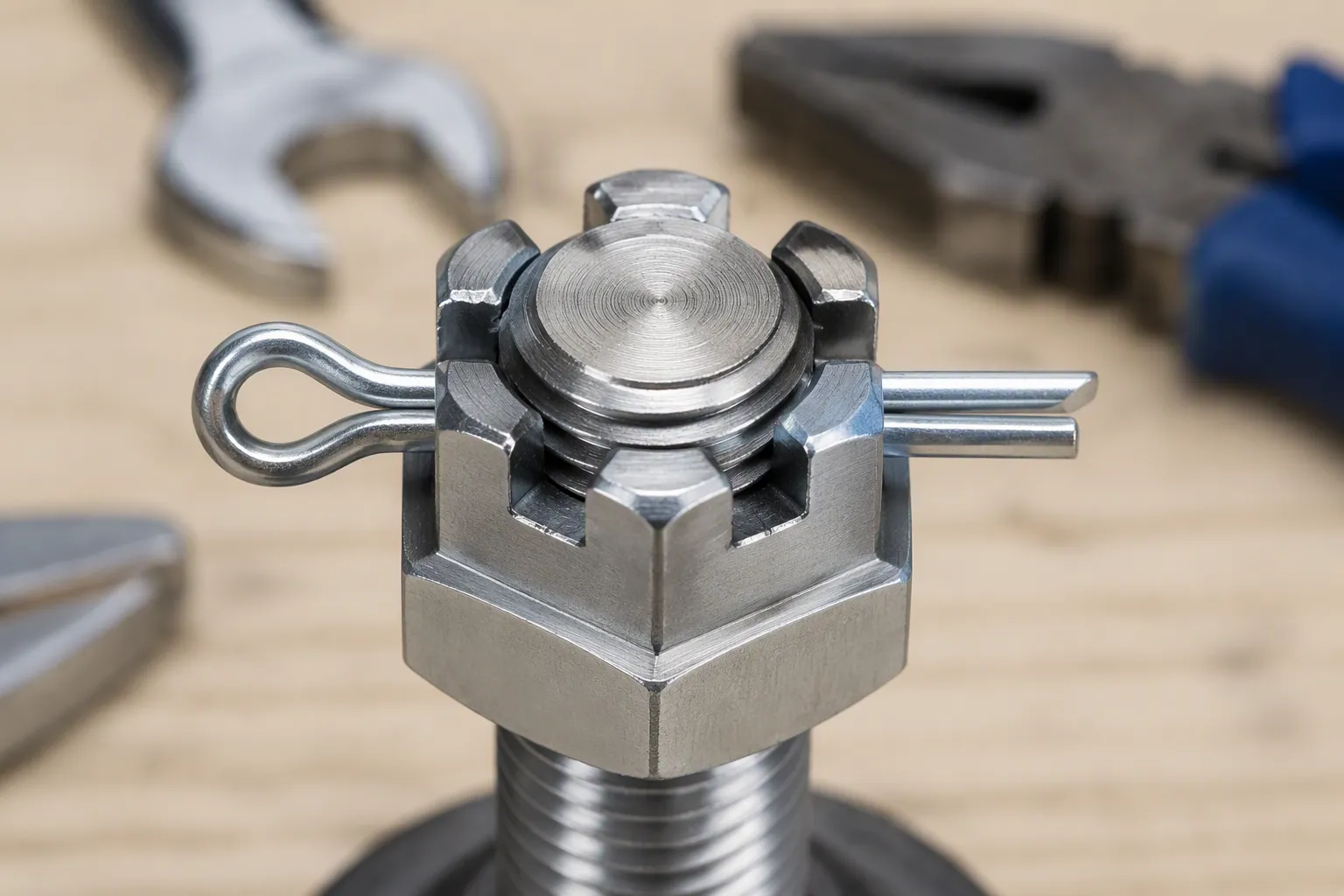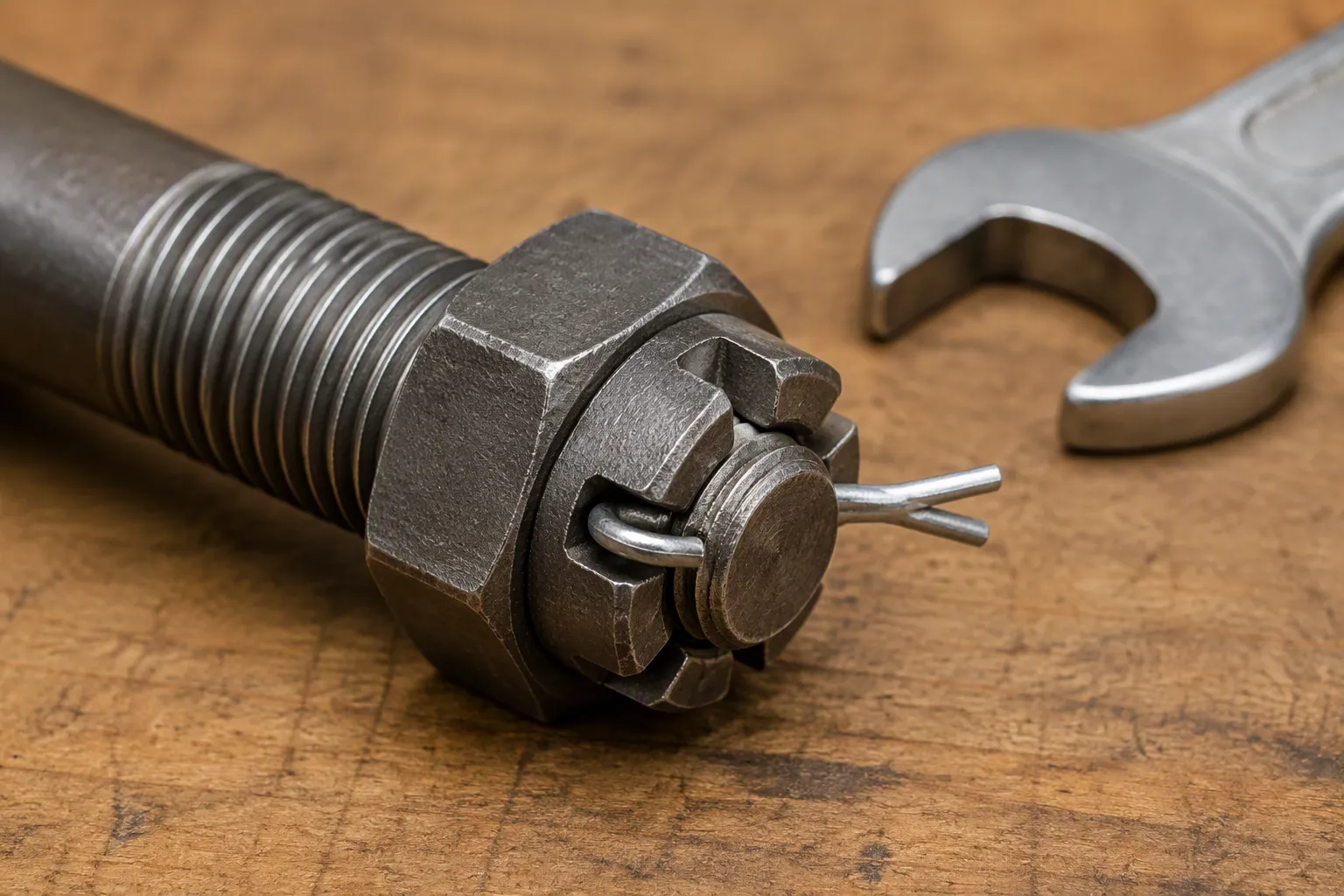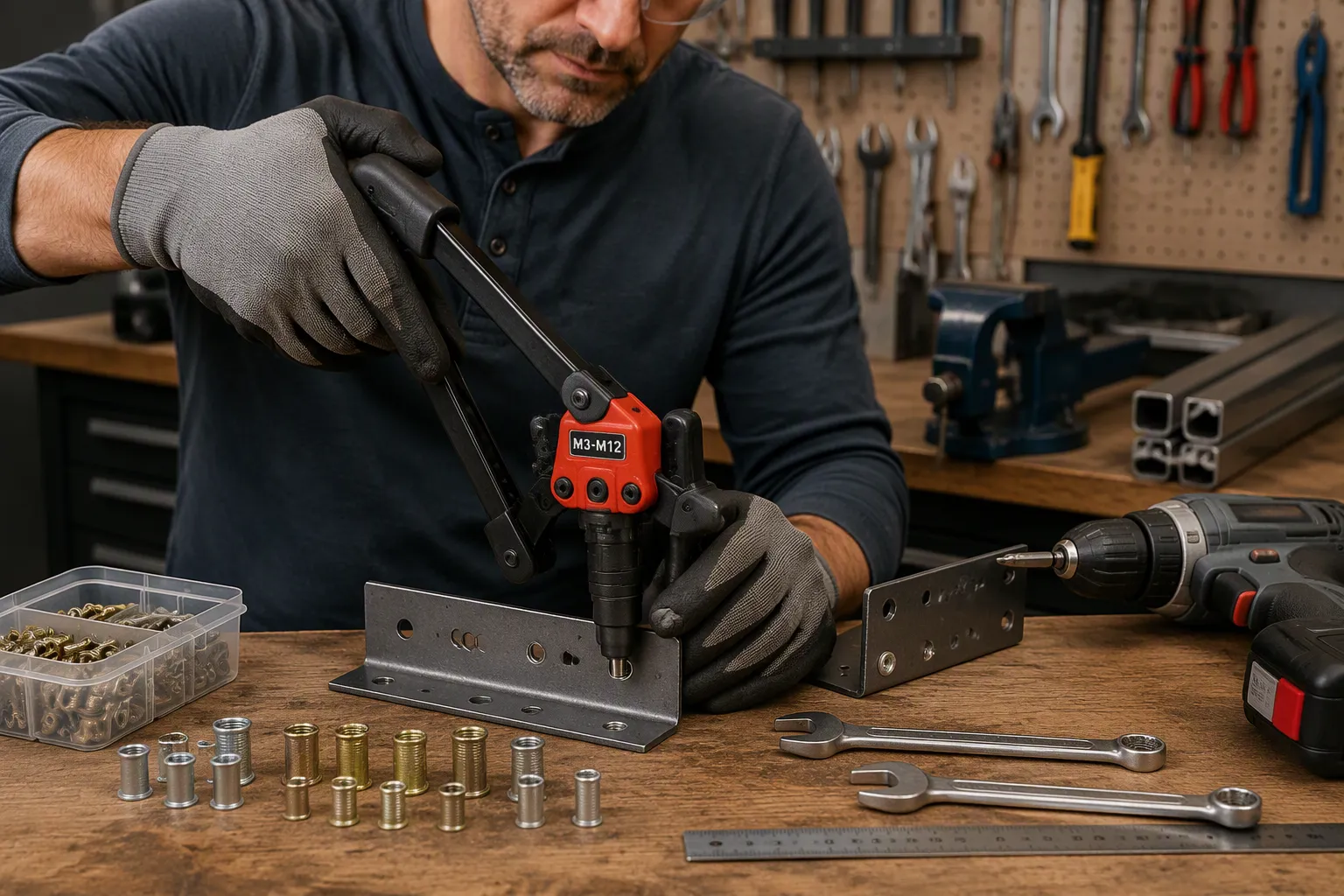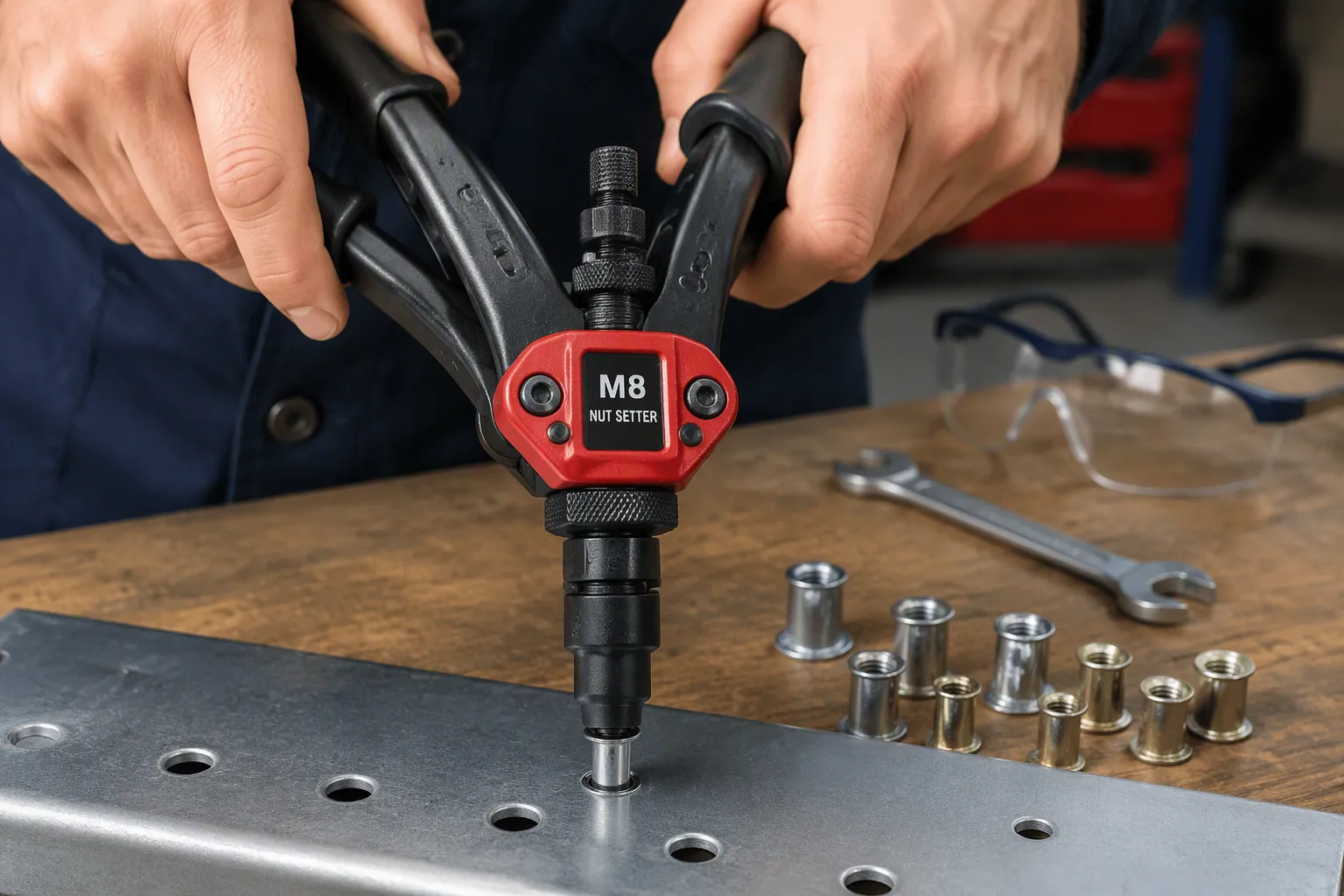
Анкеры дроп-ин (втулочные анкеры) are female-threaded mechanical anchors. This anchor creates a permanent threaded socket in solid concrete. Its design includes a cylindrical steel body and an internal expansion plug. The installation process drives the plug downward, expanding the anchor body for a secure friction hold. This allows for the use of an anchor bolt or various anchor rods. The market for quality анкерные болты, включая специальные анкерные болты от производитель крепежных изделий на заказ, continues to expand.
The global concrete anchor industry shows steady growth:
Метрическая Стоимость Market Size (2024) USD 2,818.6 Million Projected Market Size (2031) USD 3,634.8 Million CAGR (2025-2031) 3.7%
How Do Drop-In Anchors Work? The Mechanical Principle
The effectiveness of drop in anchors stems from a simple yet powerful mechanical principle: expansion. This process creates immense frictional force inside a pre-drilled hole, securing the anchor firmly within the base material. Understanding the core components and the expansion mechanism reveals how this fastener achieves its reliable holding power.
Core Components Explained
Three primary parts work together to make the anchor function correctly. Each component has a distinct and critical role in the installation and performance of the fastener.
The Cylindrical Anchor Body
The anchor body is the main structural component. It is a hollow, cylindrical sleeve, typically made of steel. One end of the body is slotted. These slots allow the anchor to expand outward when force is applied from within.
Внутренняя распорная пробка
Inside the anchor body sits a small, solid metal plug. This expander plug is positioned at the bottom of the anchor, just below the threaded portion. Its conical shape acts as a wedge, driving the expansion process.
The Female Threaded Interior
The top portion of the anchor body features internal machine threads. This design creates a permanent threaded socket in the concrete. It allows for the easy insertion and removal of a threaded anchor bolt or various anchor rods, offering great versatility for attaching fixtures. This feature is a key advantage over male-style anchor bolts.
The Expansion Mechanism
The expansion of the anchor is not automatic. It requires a specific sequence of actions involving a specialized tool to generate the necessary holding power.
Role of the Setting Tool
A setting tool is essential for правильной установки. This tool is a steel punch designed to fit perfectly inside the anchor. It rests directly on the internal expander plug. This design ensures that the hammer’s impact force is transferred only to the plug, protecting the delicate internal threads from damage.
Creating Frictional Holding Power
The setting tool initiates a chain reaction that locks the anchor in place. The process creates a powerful friction hold against the walls of the drilled hole.
- A specialized setting tool is inserted into the anchor.
- The tool is struck firmly with a hammer.
- This action drives the internal expander plug downward toward the bottom of the anchor.
- The plug’s wedge shape forces the anchor’s slotted sides to expand outward.
- These expanded sides press tightly against the surrounding concrete, creating the secure frictional force that gives the anchor its strength.
Interaction with Base Material
The anchor’s performance depends heavily on its interaction with the base material. The expansion mechanism works by creating an outward radial pressure. In solid concrete, this pressure generates high frictional resistance, preventing the anchor from pulling out. The integrity of the concrete is paramount; the anchor needs a solid, competent base to expand against for a secure installation of anchor bolts and anchor rods.
Ключевые особенности и преимущества анкеров дроп-ин
Drop in anchors offer distinct advantages that make them a preferred choice for specific applications in бетонное. Their design provides a unique combination of versatility, aesthetics, and installation efficiency. Understanding these key features reveals why professionals rely on this fastener for secure and permanent threaded connections.
Internal Thread Design
The female-threaded interior is a defining characteristic of this anchor. This feature provides significant flexibility during and after installation.
Versatility with Bolts and Rods
The internal threads allow for the use of various standard machine-threaded fasteners. A single anchor can accept an anchor bolt of any length, provided the diameter matches. This versatility extends to using threaded anchor rods for suspending items from ceilings. Installers can select the appropriate анкерные болты or rods based on fixture thickness and load requirements, simplifying inventory management.
Easy Fixture Removal and Replacement
The anchor remains permanently set inside the concrete, independent of the bolt. This allows for the easy removal of a fixture for maintenance, repair, or replacement. Users can simply unthread the anchor bolt, remove the object, and later re-secure it or attach a new one without disturbing the anchor itself. This is a major benefit over male-style anchor bolts that must be cut off.
Flush Installation Capability
The ability to sit flush with the concrete surface is another primary benefit. This feature contributes to both safety and a clean, professional appearance.
Creating a Clean, Unobtrusive Finish
When properly installed, the top of the anchor sits level with or just below the concrete surface. This creates a smooth, unobtrusive finish. There are no protruding studs or nuts, which is ideal for applications where aesthetics matter. The clean installation prevents interference with flooring, wall coverings, or equipment placement.
Eliminating Trip Hazards
A flush-mounted anchor eliminates the risk of trips and falls. In floor applications, such as securing machinery or guide rails, the absence of a protruding stud is a critical safety feature. This makes the area safer for foot traffic and mobile equipment.
Pre-Setting Functionality
This feature allows the anchor to be installed in advance, streamlining the construction workflow.
Installing Anchors Before the Fixture
Installers can drill holes and set all anchors according to a project layout before the fixtures even arrive on site. This pre-setting capability allows for efficient batch installation, saving significant time. Later, workers can quickly attach the fixtures using the appropriate anchor bolts.
💡 Overhead Efficiency Tip For overhead work, pre-setting is a game-changer. An installer can set all the anchors from a lift, then move on. A separate team can follow to hang items like pipe supports or cable trays using threaded anchor rods, making the entire process faster and safer.
Ideal for Overhead Work
Pre-setting is especially valuable for overhead applications. It is much easier and safer to install a small anchor overhead than to hold a heavy fixture in place while trying to install a fastener. Once the anchor is set, the fixture can be lifted and secured with a threaded anchor bolt, simplifying the most challenging part of the job.
Material Composition and Environmental Suitability
Selecting the correct material for drop in anchors is critical for ensuring long-term safety and performance. The environment where the anchor will be installed dictates whether carbon steel or stainless steel is the appropriate choice. Each material offers a different level of corrosion resistance, directly impacting the fastener’s durability and suitability for a given application.
Carbon Steel Drop-In Anchors
Carbon steel is the most common material for these fasteners. It provides excellent strength for securing an Материал и покрытие анкерного болта in solid concrete. This material is a reliable choice for a wide range of standard applications.
Zinc-Plated for Dry, Indoor Use
Manufacturers typically coat carbon steel anchors with a layer of zinc. This zinc plating offers a basic level of protection against rust and corrosion. However, this protection is only sufficient for dry, indoor environments where the anchor will not be exposed to moisture or corrosive elements. Using them outdoors or in damp areas can lead to premature failure.
Экономически эффективное решение
Carbon steel provides a strong and reliable anchor at a lower price point than stainless steel. Its affordability makes it the go-to option for large-scale projects in controlled, non-corrosive settings. This cost-effectiveness allows for secure fastening without overspending on unnecessary corrosion resistance. The anchor bolts used with these fasteners are also widely available.
Stainless Steel Drop-In Anchors
For applications exposed to moisture, chemicals, or outdoor weather, stainless steel is the required material. It contains chromium, which creates a passive, corrosion-resistant layer on the surface. This makes the anchor far more durable in challenging conditions when installing anchor bolts or anchor rods.
Type 304 for General Corrosion Resistance
Type 304 stainless steel offers good corrosion resistance for general outdoor and damp indoor applications. It is a suitable choice for projects in freshwater environments or areas with moderate humidity. This материал анкера resists rust well, protecting the integrity of the connection to the concrete and the anchor bolt.
⚠️ Material Matters Never use a stainless steel anchor bolt or anchor rods with a carbon steel anchor in a corrosive environment. The carbon steel anchor will corrode, compromising the entire connection. Always match the fastener material to the anchor material.
Type 316 for Harsh or Marine Environments
Type 316 stainless steel provides the highest level of corrosion protection. It contains molybdenum, an element that significantly enhances its resistance to chlorides and acids. This makes it the only suitable choice for the most demanding environments.
- High Salinity Environments: Its composition makes it ideal for coastal and marine applications where saltwater exposure is constant.
- Chloride-Rich Environments: It excels in industrial settings and areas where de-icing salts are used.
- Acidic Compound Environments: It is preferred for wastewater treatment plants and chemical processing facilities.
Exploring the Different Types of Drop-In Anchors
While all drop in anchors share the same basic expansion principle, several variations exist to meet specific job site requirements. Understanding these different types of anchor bolts and their corresponding anchors is crucial for selecting the right fastener. The choice between standard and specialized versions depends entirely on the application, the base material thickness, and the type of fixture being installed.
Standard Drop-In Anchors
Standard versions are the most common and are suitable for a wide range of general-purpose fastening tasks. They primarily differ in their body design and top flange.
Knurled vs. Smooth Body Designs
The exterior of the anchor body can be either smooth or knurled.
- Smooth Body: This is the standard design, relying entirely on the expansion force for its holding power.
- Knurled Body: This design features a textured, patterned surface. The knurling increases friction between the anchor and the concrete, providing enhanced resistance to spinning in the hole during the installation of anchor bolts.
Lipped vs. Lipless (Flush) Versions
The top of the anchor also presents a key difference. A lipped anchor has a small flange around the top, while a lipless version is a straight cylinder.
💡 Lipped vs. Lipless: Which to Choose?
- Lipped Anchor: The lip acts as a stop, preventing the anchor from being driven too deep into the hole. This ensures a consistent embedment depth.
- Lipless (Flush) Anchor: This version can be set to any depth in the hole, making it ideal for applications where a deeper, flush-mount installation is necessary.
Specialized Drop-In Anchors
For unique applications, manufacturers produce specialized types of anchor bolts and anchors. These designs solve specific challenges that standard anchors cannot address.
Coil-Thread for Concrete Formwork
These anchors feature a specialized internal coil thread instead of a standard machine thread. Забивные анкеры CONFAST® с витой резьбой are specifically designed for use in concrete forms, particularly in applications related to bridge building. They allow for the attachment of forming hardware, making them an essential component in heavy civil construction projects. These are one of the most specific типов анкерных болтов.
Mini Drop-Ins for Shallow Embedment
Mini drop-in anchors are designed for applications in shallow concrete where a standard anchor would be too long. Their shorter body allows for secure fastening in thinner slabs or near the edge of a structure. This design provides a reliable connection point for a light-duty anchor bolt without compromising the integrity of the base material.
Tie-Wire Anchors for Suspended Ceilings
This specialized anchor is designed exclusively for suspending acoustical grid ceilings. The top of the anchor has a small hole or loop designed for threading ceiling hanger wire. It is not intended for use with an anchor bolt or threaded anchor rods. Installers use these types of anchor bolts to quickly create overhead attachment points for a building’s ceiling support system, using anchor rods for other overhead needs.
Technical Specifications to Consider
Selecting the correct drop-in anchor involves more than just choosing the right material. Installers must carefully review technical specifications to ensure a safe and reliable installation. These details, including diameter, embedment depth, and spacing, directly influence the anchor’s performance and load-bearing capacity.
Anchor Diameter and Thread Size
The diameter of the anchor determines the size of the fastener it can accept. This is a critical first step in matching the anchor to the application’s requirements.
Matching Anchor to Bolt Size
A drop-in anchor is designated by its internal thread size. This size must precisely match the diameter of the Материал и покрытие анкерного болта or threaded anchor rods being used. For example, a 3/8″ anchor requires a 3/8″ anchor bolt. This one-to-one relationship ensures proper thread engagement and a secure connection.
Common Imperial and Metric Sizes
Анкеры-вставки доступны в широком диапазоне стандартных размеров для размещения различных анкерных болтов. Этот ассортимент обеспечивает гибкость для различных требований к нагрузке и размеров монтажных отверстий.
| Тип | Стандартный диапазон размеров |
|---|---|
| Дюймовая система | От 1/4″ до 1″ |
| Метрическая | Тяжелая промышленность, общее машиностроение, оборудование (для внутреннего применения) |
Распространенные размеры в дюймовой системе включают 1/4″, 3/8″ и 1/2″, в то время как M8, M10 и M12 являются частым выбором в метрической системе для многих областей применения.
Требования к глубине заделки
Глубина заделки — это расстояние, на которое анкер устанавливается в основной материал. Эта спецификация имеет решающее значение для достижения заявленных значений удерживающей способности анкера.
Минимальная и эффективная глубина заделки
Производители указывают минимальную глубину заделки для каждого анкера. Это минимальная глубина, на которую анкер может быть безопасно установлен для соответствия стандартам производительности. Эффективная глубина заделки — это фактическая глубина погружения корпуса анкера в бетон, которая создает удерживающую силу.
Влияние на несущую способность
Существует прямая зависимость между глубиной заделки и несущей способностью. Более глубокая заделка позволяет анкеру взаимодействовать с большим объемом бетона, создавая большую силу трения. Это приводит к более высоким значениям на вырыв и срез. Несоблюдение минимальной глубины заделки значительно снизит прочность анкера.
Расстояния до края и между анкерами
Правильное размещение анкера относительно краев и других анкеров имеет важное значение. Эти расстояния предотвращают разрушение бетона под нагрузкой.
⚠️ Критическое правило расстояний Установка анкеров слишком близко к краю или друг к другу может привести к растрескиванию или “выкрашиванию” бетона при расклинивании анкера или приложении нагрузки. Всегда обращайтесь к техническому паспорту производителя для получения конкретных требований к расстояниям.
Минимальное расстояние от краев бетона
Для каждого анкера требуется минимальное расстояние от любого неподдерживаемого края бетонной плиты или стены. Это расстояние обеспечивает достаточный объем основного материала для сопротивления силам расклинивания при установке и эксплуатационным нагрузкам впоследствии.
Минимальное расстояние между анкерами
Монтажники также должны соблюдать минимальное расстояние между осями соседних анкерных болтов. Размещение анкеров слишком близко друг к другу создает перекрывающиеся конусы напряжений в бетоне. Это взаимодействие может ослабить удерживающую способность всей группы.
Пошаговое руководство по установке анкеров-вставок
Правильная установка имеет первостепенное значение для достижения полной удерживающей способности анкера-вставки. Следование правильным методам установки обеспечивает надежное и безопасное соединение для любых анкерные болты анкерных стержней или болтов. В этом руководстве описаны основные шаги, от подготовки инструментов до подготовки отверстия.
Контрольный список инструментов и материалов
Перед началом установки монтажник должен подготовить правильные инструменты и средства безопасности. Наличие всего необходимого под рукой оптимизирует процесс и способствует безопасности.
- Перфоратор: Этот инструмент необходим для эффективного сверления твердого бетона.
- Твердосплавное сверло с рейтингом ANSI: Сверло должно соответствовать диаметру, требуемому для конкретного анкера.
- Проволочная щетка и сжатый воздух: Они необходимы для тщательной очистки просверленного отверстия от мусора.
- Молоток: Стандартный молоток используется для забивания анкера на место и ударов по установочному инструменту.
- Установочный инструмент правильного размера: Этот пробойник предназначен для расклинивания анкера и должен соответствовать диаметру анкера.
- Средства индивидуальной защиты: Средства индивидуальной защиты обязательны. К ним относятся защитные очки, респиратор, средства защиты органов слуха и рабочие перчатки.
Перфоратор и твердосплавное сверло ANSI
Перфоратор дробит бетон во время вращения, что делает его необходимым инструментом для этой работы. Сверло должно быть твердосплавным сверлом для каменной кладки, соответствующим стандарту Американского национального института стандартов (ANSI) B212.15. Этот стандарт гарантирует, что сверло имеет правильный допуск для обеспечения надлежащей посадки. Эти сверла бывают нескольких типов для соответствия разным перфораторам:
- Цилиндрический хвостовик: Для традиционных патронов с ключом.
- SDS, SDS+ или SDS Plus: Для небольших перфораторов с быстрозажимным патроном.
- SDS MAX: Для более крупных и мощных перфораторов с быстрозажимным патроном.
- Шлицевой хвостовик: Для тяжелых перфораторов, требующих шлицевых бит.
Установочный инструмент правильного размера
Установочный инструмент не является опциональным. Это прецизионный инструмент, предназначенный для передачи удара молотка непосредственно на внутреннюю пробку. Использование самодельного инструмента, такого как отвертка или анкерный болт, повредит внутреннюю резьбу, сделав анкер бесполезным.
Оборудование для очистки отверстий
Правильная очистка отверстия требует большего, чем просто продувки. Для удаления всей бетонной пыли и мусора необходимы комбинация жесткой проволочной щетки и источника сжатого воздуха или ручного насоса.
Шаг 1: Сверление отверстия
Первый активный шаг включает создание точного отверстия в бетоне. Диаметр и глубина этого отверстия являются критически важными параметрами, которые напрямую влияют на производительность анкера.
Выбор правильного диаметра сверла
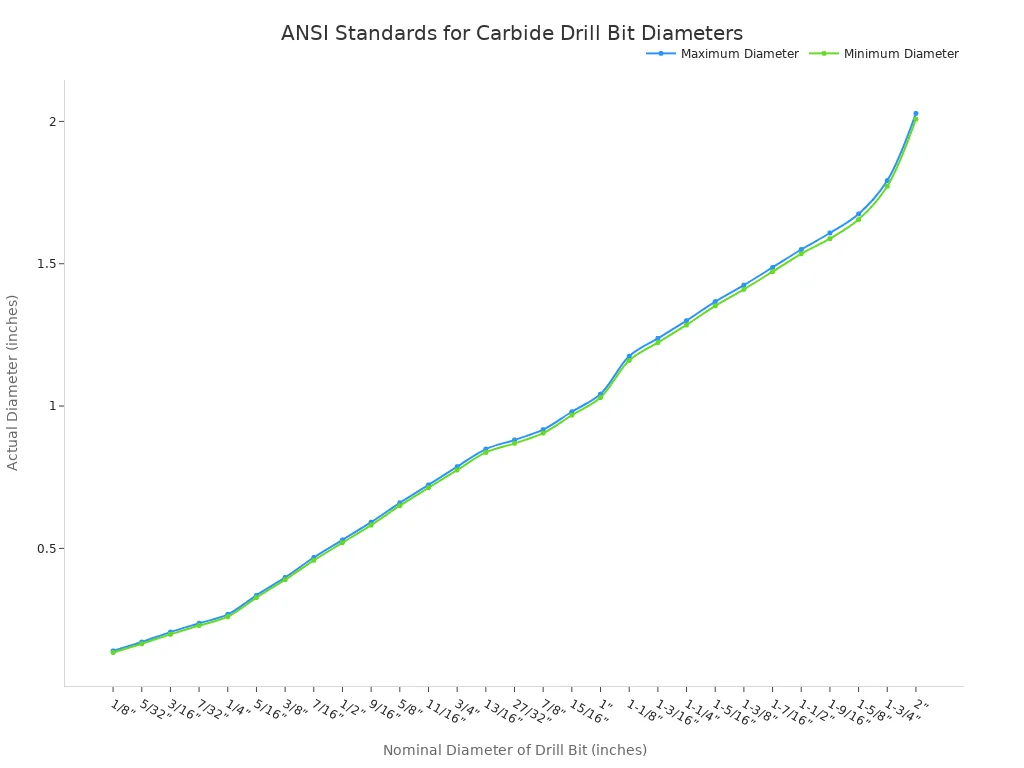
Диаметр сверла должен соответствовать диаметру, указанному для анкера-вставки. Например, для анкера 3/8″ требуется твердосплавное сверло 3/8″ с рейтингом ANSI. Это создает отверстие, достаточно плотное для удержания анкера, но позволяющее ему правильно расклиниться. Стандарт ANSI B212.15 определяет жесткие допуски на диаметры сверл для гарантии такой посадки.
| . Этот стандарт определяет точные диапазоны диаметров сверл, гарантируя, что сверло от любого соответствующего производителя создаст отверстие с правильным допуском для надежной установки. | Диаметр сверла | Минимальный диаметр |
|---|---|---|
| 1/4” | .Максимальный диаметр” | .260” |
| 3/8” | .335” | .390” |
| 1/2” | .398” | .520” |
| 5/8” | .650” | .660” |
| 3/4” | .775” | .787” |
Сверление на заданную глубину
Монтажник должен просверлить отверстие на минимально указанную глубину заделки. Более глубокое отверстие допустимо, но более мелкое отверстие не позволит анкеру правильно установиться и значительно снизит его несущую способность. Многие перфораторы имеют ограничитель глубины для обеспечения точности.
Шаг 2: Очистка отверстия
Очистка просверленного отверстия является одним из самых критичных, но часто упускаемых из виду этапов. Чистое отверстие необходимо для того, чтобы анкер функционировал в соответствии с проектом.
Почему удаление мусора критически важно
Бетонная пыль и мусор, оставшиеся в отверстии, действуют как амортизатор. Этот мусор препятствует полному расклиниванию анкера и созданию прочного контакта с основным материалом. Неочищенное отверстие может привести к проворачиванию анкера, невозможности его установки или значительному снижению удерживающей способности для анкерных болтов и стержней.
Использование проволочной щетки и сжатого воздуха
Правильный метод очистки включает многоэтапный процесс.
💡 Метод очистки 2x2x2
- Продувка: Используйте сжатый воздух для удаления начальной рыхлой пыли.
- Чистка щеткой: Очистите внутреннюю часть отверстия щеткой с металлической щетиной подходящего размера, чтобы удалить стойкие частицы.
- Повторная продувка: В последний раз используйте сжатый воздух для удаления всех оставшихся загрязнений.
Это гарантирует полную чистоту отверстия, позволяя анкеру достичь максимального трения о бетон.
Шаг 3: Установка и расклинивание анкера
При наличии чистого отверстия правильного размера финальным шагом является установка и расклинивание анкера. Эта часть процесса монтажа создает силу трения, которая фиксирует крепеж в бетоне, подготавливая его к Материал и покрытие анкерного болта.
Забивание анкера заподлицо
Монтажник сначала вставляет анкер в отверстие разрезным концом вниз. Открытый резьбовой конец должен быть направлен вверх, на уровне поверхности. Затем с помощью молотка аккуратно постукивают по верхней части анкера. Цель — загнать анкер в отверстие до тех пор, пока его верхняя часть не окажется заподлицо с бетонной поверхностью или чуть ниже нее. Это обеспечивает аккуратный, незаметный результат.
Забивание клина с помощью монтажного инструмента
Для расклинивания анкера требуется правильный монтажный инструмент. Использование неподходящего инструмента повредит внутреннюю резьбу и нарушит надежность соединения. Процесс расклинивания прост, но требует точности.
- Вставьте монтажный инструмент правильного размера в резьбовое отверстие анкера. Наконечник инструмента будет находиться непосредственно на внутреннем расклинивающем клине.
- Сильно ударьте молотком по верхней части монтажного инструмента.
- Продолжайте наносить несколько сильных, резких ударов по инструменту. Это действие загоняет клин вниз, к основанию анкера.
- По мере движения клина он заставляет разрезные стороны анкера расширяться наружу, плотно прижимая их к стенкам бетонного отверстия.
Это расширение создает огромное трение, необходимое для надежной фиксации анкера на месте.
Как подтвердить правильную установку
Понимание того, когда анкер полностью установлен, критически важно для безопасного монтажа. Неправильно установленный анкер не достигнет указанной несущей способности и может выйти из строя при затягивании анкерных болтов или под нагрузкой.
💡 Проверка подтверждения: Упор инструмента Анкер полностью и правильно установлен, когда упор монтажного инструмента входит в контакт с верхней кромкой анкера. В этот момент инструмент перестанет двигаться вперед, а удары молотка будут издавать твердый, звонкий звук. Этот физический упор подтверждает, что внутренний клин прошел полное расстояние, полностью расклинив корпус анкера.
После этого подтверждения монтажный инструмент можно извлечь. Постоянное резьбовое гнездо теперь готово к установке указанного анкерного болта. Надежность соединения для любых будущих анкерных болтов зависит от этой успешной установки.
Типовые области применения и случаи использования
Забивные анкеры инженеры выбирают для широкого спектра применений благодаря их надежности и установке заподлицо. Их конструкция с внутренней резьбой делает их идеальными для подвесок на резьбовых шпильках, трапециевидных систем и различных опор для инженерных сетей (механических, электрических, сантехнических). Анкер обеспечивает постоянную, надежную точку крепления в монолитном бетоне для многочисленных задач.
Потолочный монтаж инженерных систем
Возможность предварительной установки забивных анкеров делает их исключительно эффективными для работ на потолке. Монтажники могут сначала установить все анкеры, позволяя другим бригадам следовать за ними и крепить оборудование.
Подвешивание трубных подвесов и спринклерных систем
Подрядчики часто используют этот анкер для подвешивания критически важных систем безопасности и механических систем. Они устанавливают анкер в бетонную потолочную плиту. Затем они вставляют резьбовые анкерные шпильки для подвешивания опор трубопроводов водоснабжения и пожарных спринклерных линий. Этот метод создает прочную, надежную потолочную несущую конструкцию.
Крепление кабельных лотков и кабелепроводов
Электромонтажники полагаются на забивные анкеры для крепления кабельных лотков и электрических кабелепроводов. Установка анкера заподлицо обеспечивает аккуратный монтаж. Это позволяет легко крепить поддерживающую арматуру с помощью анкерные болты, сохраняя обширные кабельные системы организованными и безопасно подвешенными.
Крепление воздуховодов ОВКВ
Специалисты по ОВКВ используют эти анкеры для подвешивания тяжелых воздуховодов к бетонным потолкам. Анкер обеспечивает высокую несущую способность, что необходимо для поддержания веса крупных воздуховодов. Использование анкерных шпилек с забивным анкером упрощает процесс подвески.
Конструкционное и неконструкционное крепление
Забивные анкеры также являются лучшим выбором для крепления предметов к бетонным полам и стенам. Их прочность и универсальность подходят как для конструкционных, так и для неконструкционных нужд.
Крепление поручней и ограждений
Крепление поручней и ограждений требует надежного соединения, соответствующего строгим строительным нормам. Этот анкер обеспечивает необходимую прочность. Современные нормы, такие как IBC 2012 и ACI 355.4-11 , ужесточили требования к таким установкам.
- Глубина бетона
- Расстояние до края
- Глубина заделки анкера
- Размеры монтажных пластин
- Армирование
Эти нормы требуют, чтобы наружные лестницы и перила были надежно закреплены для сопротивления как вертикальным, так и боковым силам. Забивной анкер в сочетании с правильно подобранной Материал и покрытие анкерного болта, помогает соответствовать этим строгим стандартам безопасности.
Крепление машин и оборудования
Конструкция забивных анкеров обеспечивает надежную фиксацию, подходящую для поддержки тяжелого оборудования и машин. После установки анкера заподлицо с полом рабочие могут установить оборудование и закрепить его с помощью мощных анкерных болтов. Это гарантирует, что машина останется стабильной и безопасной во время работы.
Крепление профильных каналов и опор
Монтажники используют забивные анкеры для крепления металлических профильных каналов к бетонным стенам и потолкам. Эти каналы затем служат универсальной монтажной рамой для труб, кабелепроводов и других компонентов. Использование нескольких анкерных болтов создает надежную и адаптируемую опорную систему для различных инженерных систем здания.
Сравнение забивных анкеров с другими бетонными крепежными элементами
Professionals choose fasteners based on the specific demands of a project. Understanding how a drop-in anchor compares to other common concrete fasteners helps clarify its ideal applications. Each type offers unique advantages in terms of design, installation method, and performance.
Анкер-вставка против клинового анкера
The most common comparison is between the drop-in anchor and the клинового анкера. Their primary difference lies in their fundamental design as female versus male fasteners.
Female vs. Male Anchor Bolt Design
A drop-in anchor features a female-threaded design, while a wedge anchor is a male-style fastener with an integrated stud and nut. This distinction has significant implications for fixture installation and removal.
- The drop-in anchor’s internal threads allow for the use of a separate anchor bolt or threaded anchor rods.
- This design enables a flush surface finish, which is perfect for applications requiring fixture removal.
- A wedge anchor creates a permanent connection with a protruding stud, making it unsuitable for situations where fixtures need to be removed.
Pre-Setting vs. Through-Fixing
Installation workflows also differ. The drop-in anchor is a “pre-set” fastener, meaning installers set it in the concrete before the fixture is present. A wedge anchor is typically a “through-fix” fastener. Installers drill through the fixture’s mounting hole directly into the base material and install the anchor in one step.
Анкер-вставка против гильзового анкера
Гильзовые анкеры are another common mechanical fastener, but they serve a different purpose and have different performance characteristics.
Совместимость с основным материалом
The drop-in anchor is designed exclusively for use in solid concrete. Its expansion mechanism requires a dense, competent base material to achieve its holding power. Sleeve anchors offer more versatility. They can be used in a wider range of materials, including solid concrete, brick, and concrete block.
Differences in Holding Power
💡 Holding Power in Concrete When used in solid concrete, a drop-in anchor generally provides Анкер должен быть установлен на свою than a sleeve anchor of the same diameter. The design of the drop-in anchor is optimized for solid concrete, giving it superior and more consistent pull-out and shear strength in that specific material.
This makes the drop-in anchor a more robust choice for heavy-duty applications in solid concrete where maximum load capacity for anchor bolts is required.
Drop-In Anchor vs. Adhesive Anchor
Adhesive anchors represent a completely different fastening technology, relying on chemical bonding instead of mechanical expansion.
Mechanical vs. Chemical Bonding
A drop-in anchor works by creating mechanical friction. The expander plug forces the anchor body to press against the walls of the drilled hole. An adhesive anchor, by contrast, uses a two-part epoxy or resin. This chemical agent bonds the anchor rods or rebar to the concrete, creating a stress-free connection.
Installation Time and Curing
A key practical difference is the time until the anchor can be loaded. A drop-in anchor is ready for immediate use once it is properly set. Installers can tighten anchor bolts right away. An adhesive anchor requires a specific curing time, which can range from minutes to hours depending on the product and ambient temperature. The connection is not secure until this curing process is complete.
Диагностика типичных проблем монтажа
Even with a straightforward design, issues can arise during the installation of a drop-in anchor. Understanding the common problems and their causes helps installers ensure a secure and reliable connection every time. Most issues trace back to hole preparation or the setting process.
Анкер проворачивается в отверстии
An anchor that spins freely in the hole cannot be set. This problem indicates a lack of friction between the anchor body and the surrounding concrete.
Causes: Oversized Hole or Soft Concrete
The primary cause of a spinning anchor is a hole drilled to the wrong diameter. Using a worn-out drill bit can create an oversized hole that is too large for the anchor. Alternatively, the base material itself may be too soft or of poor quality, causing it to crumble during drilling and creating a loose fit.
Solutions and Prevention
The only reliable solution for a spinning anchor is to abandon the hole and drill a new one, ensuring proper edge and spacing distances are maintained. To prevent this issue, installers must always use an ANSI-standard carbide bit that is the correct diameter for the anchor. They should also visually inspect the quality of the base material before drilling.
Anchor Will Not Set Properly
An anchor that will not set fails to expand correctly, leaving it loose in the hole. This is a critical failure that prevents the proper installation of anchor bolts.
Causes: Debris in Hole or Incorrect Depth
A high percentage of installation failures stem from a few common mistakes. The anchor cannot set if the internal plug is blocked or cannot travel its full distance.
- Dust and Debris: Compacted dust at the bottom of the hole can prevent the anchor from being inserted to the correct depth. This debris also stops the plug from expanding the anchor fully.
- Incorrect Hole Depth: A hole that is too shallow will not allow the anchor to be set properly.
- Worn Drill Bits: Using a worn bit can create an undersized hole, making it difficult to drive the plug.
- Incorrect Setting Tool: Using the wrong size setting tool or a makeshift tool will damage the threads and fail to expand the anchor.
How to Diagnose and Correct
An installer can diagnose an improper set by observing the setting tool. If the tool’s shoulder does not make contact with the top of the anchor, the plug has not been driven far enough. To correct this, the installer should remove the anchor, re-clean the hole thoroughly using a wire brush and compressed air, and then attempt to set the anchor again.
Low Holding Power
Low holding power means the anchor cannot support its specified load. This creates a dangerous situation, especially in overhead applications.
Causes: Improper Setting or Poor Concrete
The most frequent cause of low holding power is an “under-set” anchor. This happens when the installer does not strike the setting tool with enough force to fully expand the plug. Another major cause is poor base material. An anchor installed in cracked, weak, or low-quality concrete will never achieve its rated capacity, regardless of how well it is set.
Verifying Installation Integrity
The primary method to verify a proper set is feeling the setting tool’s shoulder bottom out on the anchor. This confirms full expansion. For critical connections, engineers may specify on-site proof loading. This test applies a specific tension load to the installed anchor bolts to confirm the connection meets project safety requirements.
Drop-in anchors provide a reliable and versatile solution for creating permanent, female-threaded anchor points in solid concrete. Their key features—internal threads, flush installation, and pre-setting capability—make them ideal for overhead applications and situations requiring a clean finish. A successful installation is essential for achieving maximum performance and safety with anchor bolts.
- Drill a correctly sized hole and clean it thoroughly.
- Правильно установите анкер с помощью соответствующего инструмента.
- Убедитесь, что анкер способен выдерживать предполагаемую нагрузку.
Выбирая подходящий материал и тип анкера, монтажники обеспечивают прочное и долговечное крепление для своих анкерных болтов.
Частые вопросы
Можно ли повторно использовать забивной анкер?
Нет, забивной анкер создаёт постоянное крепление. Монтажники не могут извлечь его, не повредив бетон. Однако они могут удалить Материал и покрытие анкерного болта и повторно использовать внутреннюю резьбу анкера с новым болтом или шпилькой правильного размера.
Можно ли использовать забивной анкер в кирпиче или блоке?
Нет, эти анкеры предназначены исключительно для полнотелого бетона. Механизм расклинивания требует плотного основного материала для создания достаточной удерживающей силы. Их использование в пустотелых или мягких материалах, таких как кирпич или блок, приведёт к ненадёжному соединению.
Что произойдёт, если просверлить отверстие слишком глубоко?
Сверление отверстия глубже минимально требуемого, как правило, допустимо. Анкер без буртика можно установить на любой глубине. Анкер с буртиком упрётся в поверхность, оставив под собой пустоту. На работоспособность анкера это не повлияет.
Нужен ли специальный инструмент для установки забивного анкера?
Да, правильно подобранный установочный инструмент необходим. Этот инструмент передаёт усилие молотка непосредственно на внутренний штифт, обеспечивая правильное расклинивание. Использование любого другого предмета, например, отвёртки или болта, повредит резьбу анкера и приведёт к отказу.
Как определить, что анкер полностью установлен?
💡 Проверка установки Анкер полностью установлен, когда буртик установочного инструмента упрётся в торец анкера. Монтажник почувствует чёткий упор и услышит характерный звонкий звук, что подтвердит полное расклинивание анкера штифтом.
Можно ли использовать забивные анкеры в треснувшем бетоне?
Стандартные забивные анкеры не сертифицированы для использования в треснувшем бетоне. Для таких применений монтажники должны использовать анкеры, специально испытанные и одобренные для треснувшего бетона, например, определённые химические анкеры или специализированные механические анкеры, чтобы обеспечить безопасность и соответствие нормам.