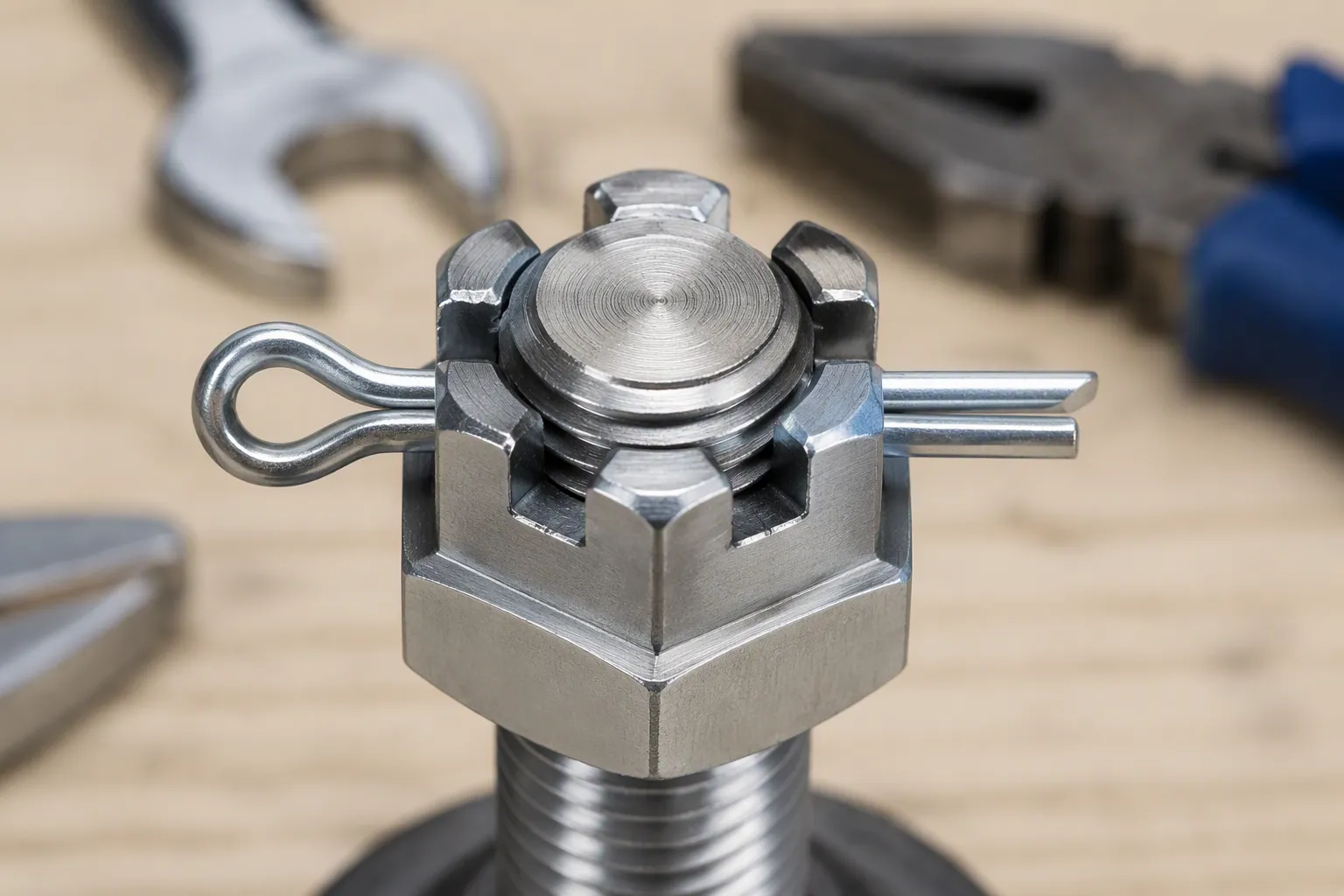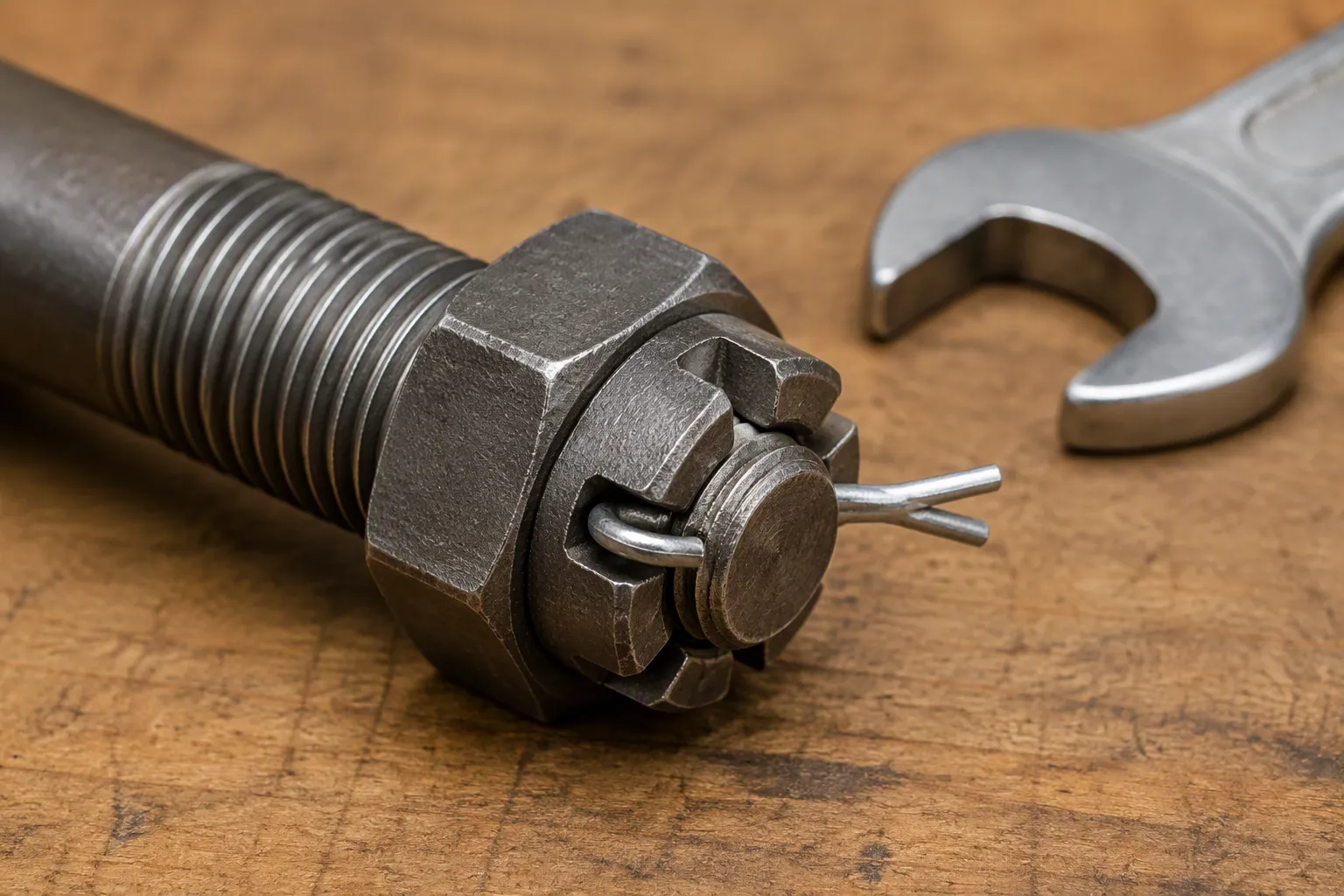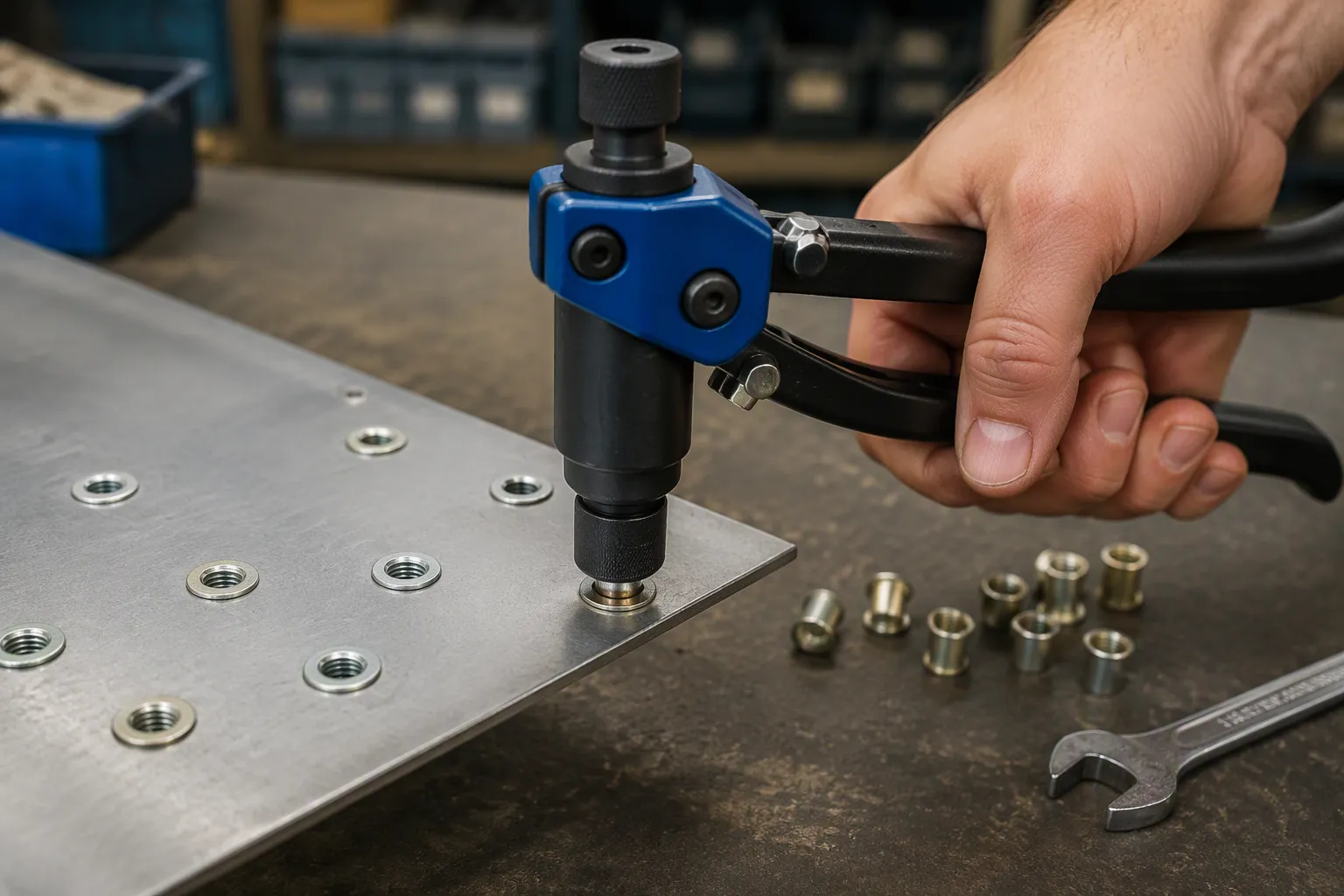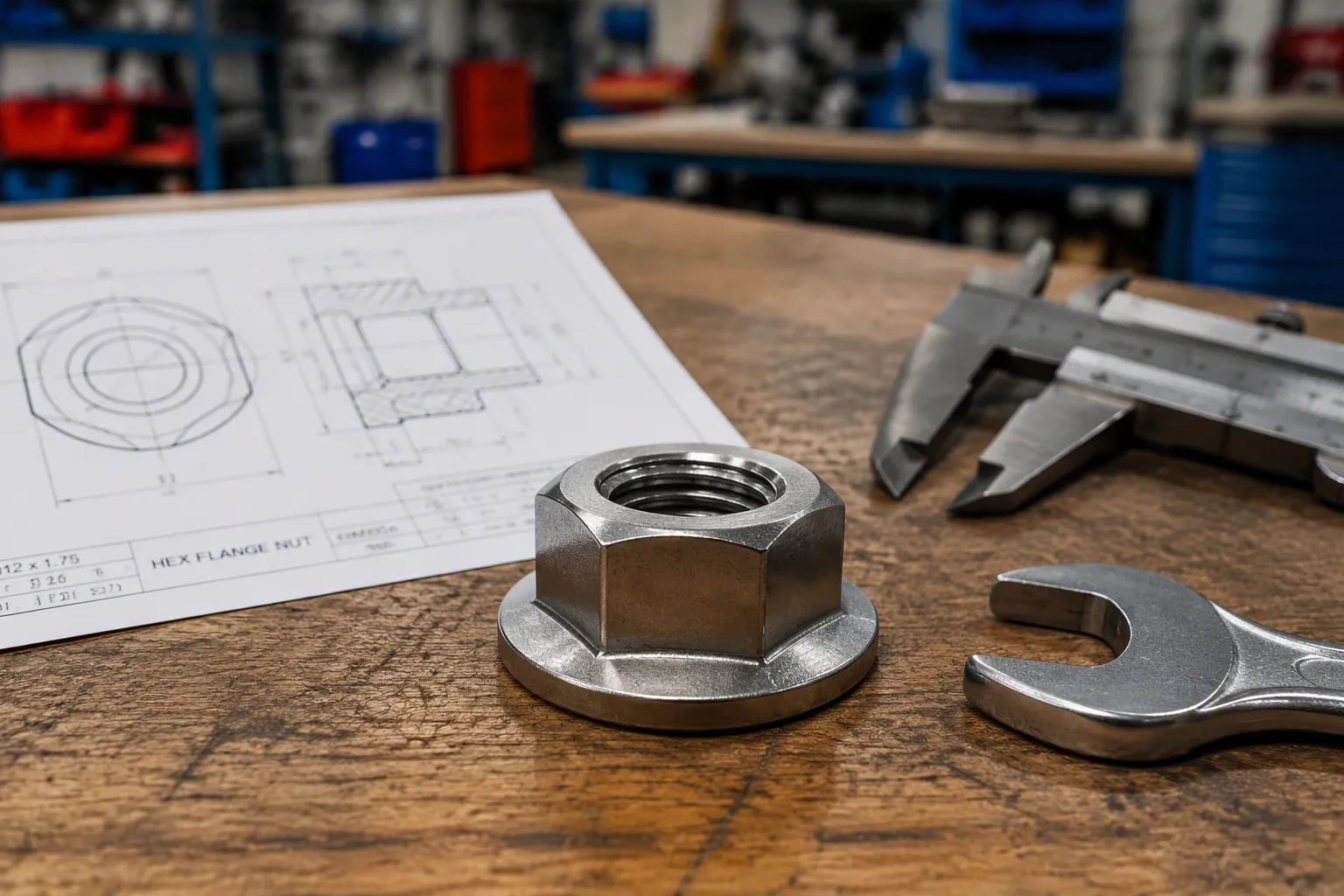
Rivet nuts offer a practical solution when traditional гаек и болтов cannot be used, especially in thin materials or blind applications. Many industries select this type of fastener for its simple installation and strong, reliable threads. Unlike some нестандартные крепежные элементы, a заклёпочная гайка delivers high pull-out resistance and excellent torque retention, even in demanding environments. Companies often prefer rivet nuts for their cost-effectiveness compared to welding and their adaptability across automotive, electronics, and machinery projects. A производитель крепежных изделий на заказ may recommend rivet nuts when a secure hold and quick assembly are essential.
Pros of Using Rivet Nuts
Easy Installation in Blind Applications
Access from One Side Only
Rivet nuts offer a practical solution for situations where access is limited to only one side of the workpiece. Technicians can install these fasteners without needing to reach the backside, which simplifies assembly in closed sections, tubes, and box frames. This feature proves especially valuable in automotive and aerospace manufacturing, where confined spaces often restrict access.
Tip: Rivet nuts eliminate the need for complex assembly procedures, reducing labor time and minimizing errors during installation.
No Need for Backside Clearance
Unlike traditional nuts and bolts, rivet nuts do not require clearance behind the material. Workers can secure a strong, threaded connection without modifying the structure or creating additional openings. This advantage streamlines installation and preserves the integrity of the base material, making rivet nuts ideal for applications where maintaining the original design is critical.
Strong, Reliable Threads in Thin Materials
Enhanced Thread Strength in Sheet Metal
Rivet nuts create robust threads in thin materials, providing a tight hold that resists pulling out and turning. Their design distributes force evenly across the surface, preventing damage to delicate sheet metal. Engineers rely on rivet nuts to deliver consistent performance in environments where material thickness limits the use of conventional fasteners.
- Rivet nuts resist pull-out and spinning, ensuring reliable fastening.
- The force distribution protects thin materials from deformation.
- No welding equipment is necessary, which avoids heat-related damage.
Secure Fastening Without Material Deformation
Rivet nuts maintain the structural integrity of the material during installation. Unlike weld nuts, they do not require heat or permanent joints, which can weaken thin substrates. This feature allows manufacturers to achieve secure fastening without compromising the strength or appearance of the finished product.
Versatility with Different Materials and Thicknesses
Compatible with Metal, Plastic, and Composite
Rivet nuts adapt to a wide range of materials, including thin metal, plastic, and composite surfaces. Their versatility makes them suitable for diverse industries, such as automotive, electronics, and aerospace. Designers select rivet nuts for projects where access is limited and the base material must remain unchanged.
- Rivet nuts perform well in thin metal, plastic, and composite applications.
- They are ideal for installations where only one side is accessible.
- The base material stays free from heat-related damage.
Wide Range of Sizes and Types
Manufacturers offer rivet nuts in multiple sizes and configurations, allowing engineers to match the fastener to specific project requirements. Although rivet nuts provide fewer options than bolts or screws, their specialized designs address unique challenges in assembly.
| Type of Fastener | Number of Options |
|---|---|
| Гаечная заклепка | 3 |
| Гайки | 34 |
| Болты | 60 |
| Винты | 26 |
| Крепеж на заказ | 20 |

Rivet nuts remain a preferred choice in automotive frames and aerospace structures, where their adaptability and reliable threads in thin materials offer major advantages over other fasteners.
Minimal Surface Damage and Clean Finish
Preserves Surface Integrity
Rivet nuts provide a fastening solution that minimizes surface damage during installation. They do not require heat, excessive force, or drilling beyond the initial hole, which helps maintain the original condition of the workpiece. Many engineers choose rivet nuts for projects where the appearance and structural integrity of the surface matter. Unlike welding or traditional bolts, these fasteners avoid creating cracks, burrs, or dents.
- Rivet nuts offer a mechanical fastening method that often proves more reliable than bolts, screws, or welding.
- The variety of rivet nut types allows engineers to select the best option for each application, preserving both function and appearance.
- Proper selection and installation of rivet nuts help maintain surface integrity and reduce the risk of visible defects.
Professional Appearance
A clean, professional finish is essential in industries such as automotive, electronics, and consumer products. Rivet nuts deliver a smooth, flush surface with no exposed threads or protruding hardware. This quality enhances the overall look of the assembly and meets high standards for appearance.
| Quality Factor | Описание |
|---|---|
| Appearance Quality | Smooth surface with no cracks, burrs, dents, or rust. |
| Thread Precision | Ensures proper fit and function, maintaining integrity. |
| Riveting Performance | Affects how well the rivet nut holds under stress, impacting appearance. |
| Tensile and Torque Strength | Determines the durability and reliability of the fastener. |
| Material and Surface Treatment | Influences the aesthetic and functional quality of the fastener. |
| Точность размеров | Ensures proper installation and alignment, affecting overall appearance. |
Manufacturers value rivet nuts for their ability to create a seamless look while providing strong, reliable threads. This combination of aesthetics and performance makes them a preferred choice for visible or high-end applications.
Permanent, Vibration-Resistant Joint
Ideal for Applications Where Disassembly Is Not Anticipated
Rivet nuts form a permanent joint that resists loosening under normal operating conditions. Many designers specify these fasteners for assemblies that do not require frequent disassembly. Once installed, rivet nuts remain securely in place, supporting long-term reliability.
Reduces Risk of Joint Loosening Over Time
Vibration can cause traditional fasteners to loosen, especially in vehicles or machinery. Rivet nuts address this challenge by providing good vibration resistance. While weld nuts offer the highest resistance, rivet nuts still perform well in most moderate-load applications.
| Характеристика | Заклепочные гайки | Weld Nuts |
|---|---|---|
| Монтаж | Quick and easy, ideal for thin sheet metal | Requires skilled labor and equipment |
| Постоянство | Non-permanent, allows for repair and rework | Permanent, becomes part of the base material |
| Устойчивость к вибрации | Good, but not as strong as weld nuts | Excellent, very little chance of loosening |
| Прочность | Подходят для умеренных нагрузок | High strength, handles heavy-duty applications |
| Гибкость | High, can be used in various applications | Low, limited to welding processes |
Rivet nuts reduce the risk of joint failure caused by vibration, making them suitable for automotive, aerospace, and industrial equipment. Their balance of permanence and flexibility supports a wide range of design requirements.
Lightweight Solution for Weight-Sensitive Projects
Advantage in Aerospace and Automotive Applications
Weight reduction remains a top priority in aerospace and automotive engineering. Rivet nuts contribute to lighter assemblies by eliminating the need for heavy backing plates or welded components. Their compact design fits well in thin materials, supporting the trend toward lightweight construction.
Reduces Overall Assembly Weight
By using rivet nuts, manufacturers can achieve significant weight savings without sacrificing strength or reliability. This benefit translates into improved fuel efficiency, easier handling, and lower transportation costs. Rivet nuts help engineers meet strict weight targets while maintaining high standards for safety and performance.
Note: Rivet nuts offer a unique combination of light weight, strong threads, and clean appearance, making them a smart choice for advanced engineering projects.
Short Clamp Length for Tight Spaces
Useful in Confined or Hard-to-Reach Areas
Engineers often encounter situations where space is limited and traditional fasteners cannot fit. Rivet nuts provide a solution with their short clamp length, allowing installation in areas with minimal clearance. Technicians can secure joints without needing access to both sides of the material. This feature proves valuable in automotive chassis, electronic enclosures, and aerospace structures. Workers can use handheld tools to install rivet nuts quickly, even in locations that restrict movement. The compact design reduces the risk of damaging surrounding components during assembly.
Note: Rivet nuts enable secure fastening in spaces where other fasteners, such as clinch nuts or bolts, require more room and access.
Efficient Joint Creation in Compact Assemblies
Manufacturers prioritize efficiency in modern production environments. Rivet nuts streamline the assembly process in compact designs. Their compatibility with metals, plastics, and composites supports a wide range of applications. Technicians can install these fasteners from one side, which eliminates the need for complex procedures or additional hardware. This method speeds up production and reduces labor costs. The ability to use handheld tools further enhances productivity, especially in high-volume settings.
- Rivet nuts allow installation from one side, ideal for blind applications.
- Handheld tools simplify the process and increase speed.
- Compatibility with various materials improves flexibility in manufacturing.
Assemblers achieve reliable joints without sacrificing space or efficiency. Rivet nuts offer a practical choice for projects that demand strong threads in tight spaces.
Cons of Using Rivet Nuts
Requires Special Installation Tools
Need for Rivet Nut Tool or Setter
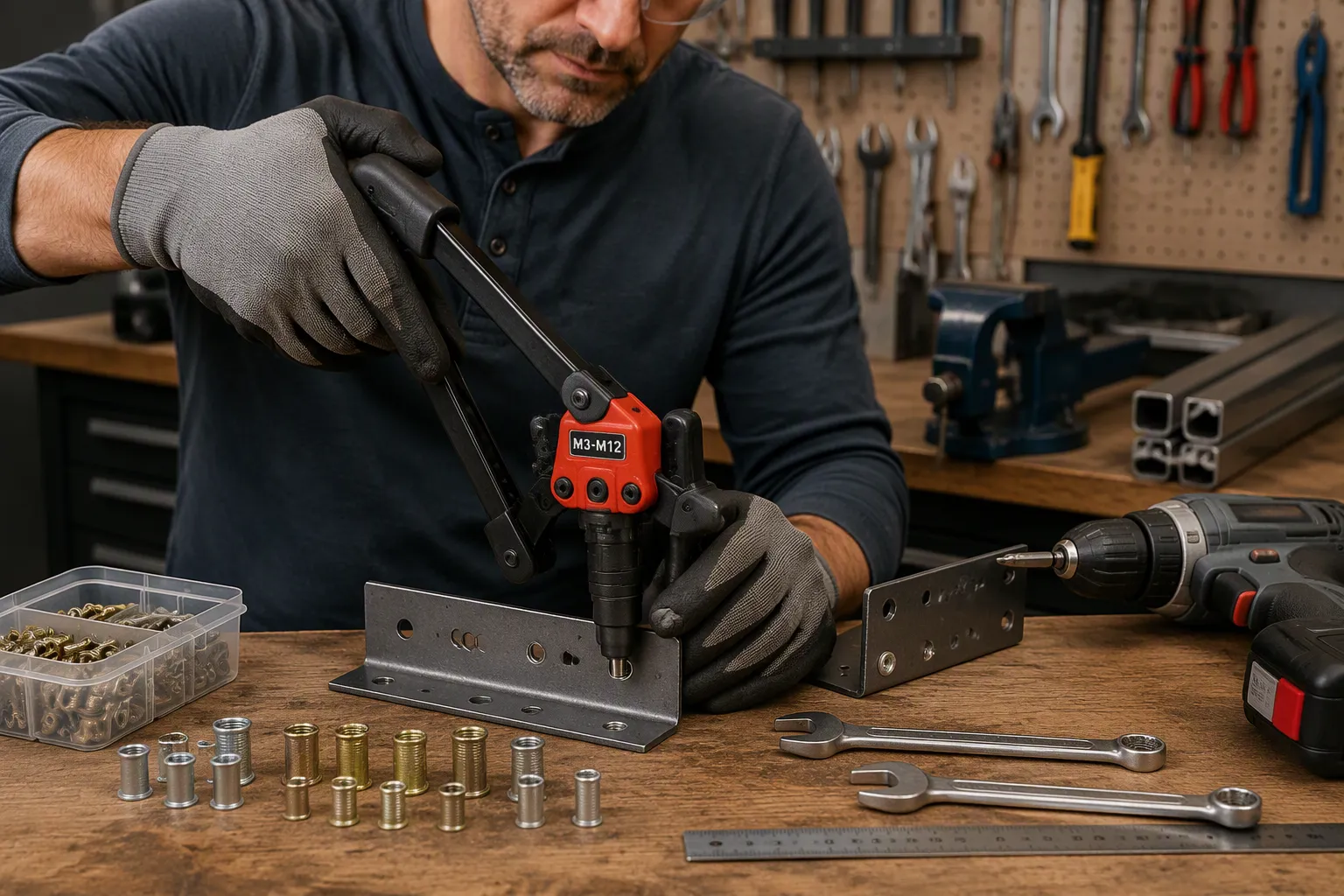
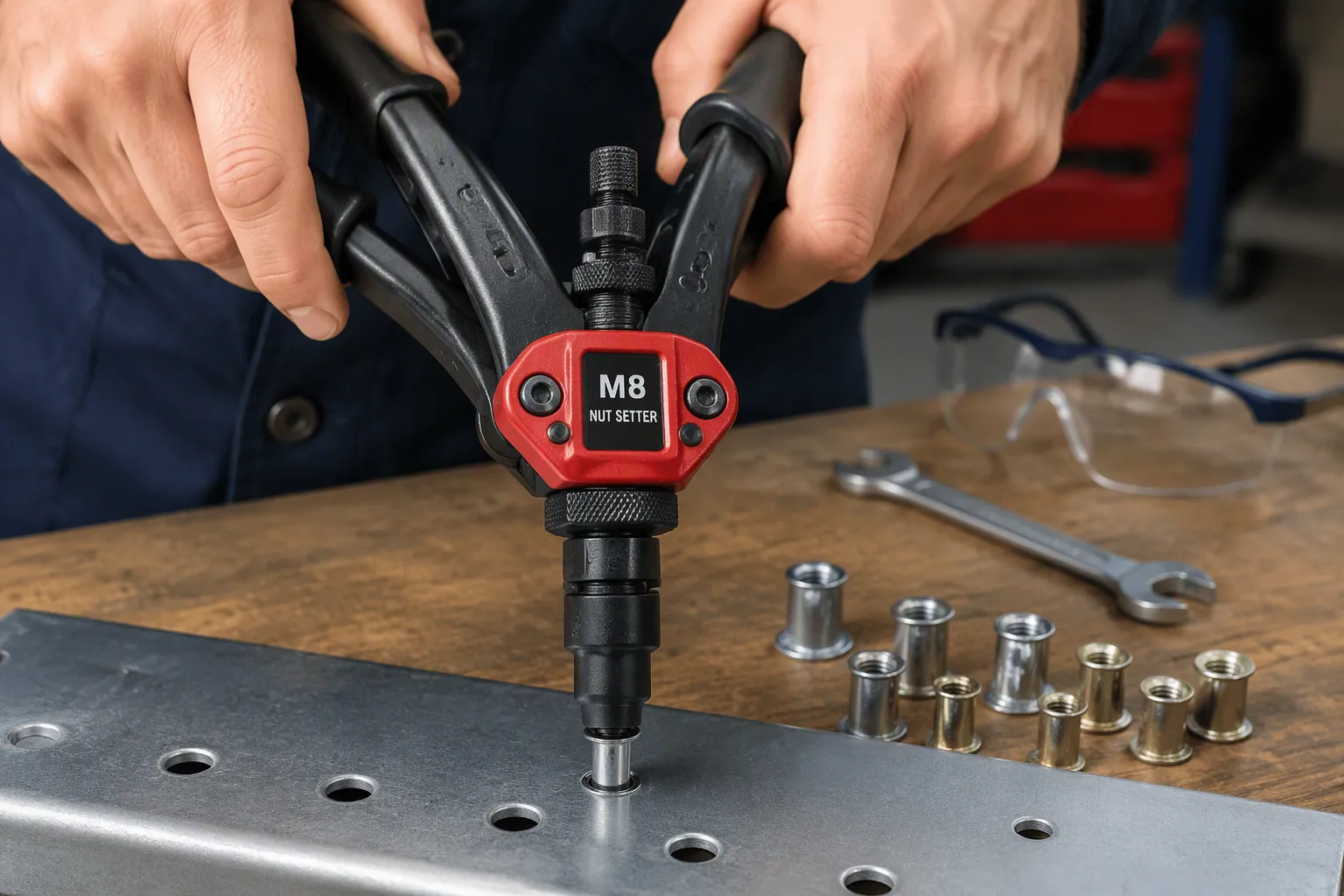
Rivet nuts require specialized tools for proper installation. These tools differ from standard wrenches or screwdrivers used with bolts and screws. The most common options include manual rivet nut tools, power rivet nut tools, spin-pull rivet nut tools, spin-spin rivet nut tools, battery powered rivet tools, rivet removal tools, tool kits for rivet nuts and blind rivets, and compression or speedy rivet presses. Each tool serves a specific purpose and fits different production environments.
- Manual Rivet Nut Tools
- Power Rivet Nut Tools
- Spin-Pull Rivet Nut Tools
- Spin-Spin Rivet Nut Tools
- Battery Powered Rivet Tools
- Rivet Removal Tool
- Tool Kits for Rivet Nuts and Blind Rivets
- Compression Rivet Press & Speedy Rivet Press
Technicians must select the right installation tool based on the application and material. This requirement can increase complexity for teams unfamiliar with these devices.
Tool Cost and Accessibility
The cost and accessibility of installation tools can present challenges for some organizations. Manual tools offer a lower price point but may not suit high-volume production. Power tools and presses provide greater efficiency but require a larger investment. Smaller workshops or field technicians may find it difficult to justify the expense for occasional use. In contrast, standard fasteners like screws and bolts only need basic hand tools, which are widely available and inexpensive.
The need for specialized installation tools influences the adoption of rivet nuts in many industries. Automotive, aerospace, construction, and manufacturing sectors invest in these tools to improve safety, ergonomics, and operational efficiency. However, the initial investment can deter smaller operations or projects with limited budgets.
Note: Companies should evaluate the frequency of use and production scale before investing in advanced installation tools.
Limited Load-Bearing Compared to Welded Fasteners
Not Ideal for Heavy-Duty Applications
Rivet nuts do not match the load-bearing capacity of welded fasteners. Weld nuts provide higher strength and suit heavy-duty applications, while rivet nuts fit general uses where extreme force is not expected. Engineers must consider the expected load and select the appropriate fastener for each project.
| Тип крепежа | Грузоподъемность | Подходящие области применения |
|---|---|---|
| Заклепочные гайки | Ниже | General applications |
| Weld Nuts | Выше | Высокие нагрузки |
Weld nuts excel in structural joints and high-stress environments. Rivet nuts work best in lighter assemblies where moderate pull out strength meets the design requirements.
Risk of Thread Pull-Out Under High Loads
When exposed to high loads, rivet nuts face a risk of thread pull-out. This failure occurs when the threads strip or the fastener pulls through the material. Welded fasteners resist this type of failure due to their fusion with the base material. Designers should avoid using rivet nuts in applications where maximum strength is critical.
- Rivet nuts have lower load capacity compared to weld nuts.
- Weld nuts are suitable for applications requiring high strength.
Tip: Always verify the load requirements before selecting rivet nuts for structural or safety-critical joints.
Potential for Spinning or Loosening if Not Installed Properly
Importance of Correct Installation Technique
Proper installation plays a key role in the performance of rivet nuts. If the technician does not use the correct technique or tool, the fastener may spin in the hole or fail to grip the material. This issue can compromise the integrity of the joint and lead to premature failure. Training and experience help reduce the risk of improper installation.
Caution: Inadequate installation can result in costly repairs or rework.
Issues with Material Thickness and Grip Range
Material thickness and grip range affect the reliability of rivet nuts. Spinning often occurs when the fastener does not grip the material securely. This problem usually results from an improperly sized hole or the use of soft materials. Selecting a rivet nut designed for the specific material thickness is essential for optimal performance. For thin materials, engineers must choose the correct type to prevent failures.
Common issues include:
- Spinning due to loose fit or soft material
- Poor performance from incorrect grip range selection
- Failure in thin materials without the right rivet nut type
Technicians should always match the rivet nut to the application’s material and thickness to ensure a secure and lasting connection.
Higher Cost per Unit Than Some Alternatives
Price Comparison with Standard Rivets and Screws
Rivet nuts often carry a higher price tag per unit than standard rivets and screws. Manufacturers attribute this difference to several factors, including raw material costs, labor expenses, and the complexity of the installation process. The fastener industry relies on a cost-plus pricing model, which means that fluctuations in material prices and labor rates directly impact the final cost of rivet nuts. For example, global supply chain disruptions and rising costs for copper and aluminum have increased the price of rivet nuts. The war in Ukraine has further affected the supply of essential materials, causing additional volatility.
| Фактор | Impact on Rivet Nut Pricing |
|---|---|
| Raw Material Costs | Significant fluctuations due to global supply chain challenges |
| Labor Costs | Rising labor costs can increase overall project budgets |
| Competitive Landscape | Price wars may affect rivet nut pricing |
| Installation Complexity | Specialized tools and processes raise costs compared to others |
- Raw material costs account for 60% to 70% of total rivet nut expenses.
- Labor costs contribute roughly 20%.
- Competitive pricing strategies influence market rates.
Standard rivets and screws typically require less expensive materials and simpler manufacturing processes. Their lower unit cost makes them attractive for projects with tight budgets or high-volume requirements.
Impact on Project Budget
Project managers must consider the cumulative effect of rivet nut pricing on overall budgets. Although rivet nuts offer technical advantages, their higher unit cost can strain financial resources, especially in large-scale assemblies. Rising labor costs and installation complexity add to the expense. Increased competition in the fastener market sometimes leads to price wars, but these rarely offset the fundamental cost drivers.
Примечание: Raw material is the largest cost component affecting rivet nut pricing. Labor and machinery costs also play a significant role in determining the final project budget.
When selecting fasteners, engineers weigh the benefits of rivet nuts against their impact on project costs. For applications where budget constraints are critical, standard rivets or screws may provide a more economical solution.
More Cumbersome and Time-Consuming Installation
Productivity Considerations Compared to Threaded Bolts
Rivet nuts require a more involved installation process than threaded bolts. Although rivet nuts can be installed quickly using hand or power tools, the process demands specialized equipment and careful alignment. Threaded bolts, on the other hand, rely on basic tools and straightforward procedures. In high-volume production environments, the ease of installation for rivet nuts can lead to time savings and reduced labor costs. However, the need for specialized tools and training may offset these advantages in smaller operations.
- Rivet nuts are easier to install than traditional fasteners like threaded bolts, requiring no specialized skills.
- This ease of installation streamlines production processes and reduces labor costs.
- Installation of rivets is quick, while bolts involve more time-consuming steps.
Engineers must evaluate the trade-off between productivity and installation complexity when choosing fasteners for their projects.
Additional Steps Required for Proper Fit
Proper installation of rivet nuts involves several steps to ensure a secure and reliable connection. Technicians must follow a precise sequence to avoid damaging the fastener or compromising the joint.
- Drill a hole using the correct drill bit size as specified by the manufacturer.
- Insert the rivet nut so it sits flush with the material’s surface.
- Use a rivet nut tool and align it properly to prevent damage during compression.
- Squeeze the tool to compress the rivet nut securely.
- Remove the tool and inspect the installation for proper alignment and security.
These additional steps distinguish rivet nut installation from simpler fasteners like screws or bolts. The process requires attention to detail and proper equipment, which can increase installation time and complexity.
Tip: Careful adherence to each step ensures a strong hold and reduces the risk of spinning or loosening.
Manufacturers recognize that the extra steps involved in rivet nut installation may slow down assembly lines, especially when compared to the straightforward process for threaded bolts. For projects where speed and simplicity are priorities, alternative fasteners may offer greater efficiency.
Comparison with Other Common Fasteners
Rivet Nuts vs. Standard Rivets
Threaded vs. Non-Threaded Fastening
Standard rivets create a permanent joint by deforming the rivet body, but they do not provide internal threads. Rivet nuts, on the other hand, offer strong, reliable threads in thin materials. Engineers select rivet nuts when they need a threaded connection for bolts or screws. Standard rivets suit applications where a simple, non-threaded joint is sufficient.
- Rivet nuts allow for threaded fastening in blind applications.
- Standard rivets work best for non-threaded, permanent joints.
Removal and Reusability
Rivet nuts enable easy removal and replacement of bolts or screws. Assemblers can disassemble and reassemble components without damaging the base material. Standard rivets require drilling out for removal, which often destroys the rivet and the surrounding material. Rivet nuts support maintenance and repair, while standard rivets favor one-time assembly.
Tip: Choose rivet nuts for projects that require future access or serviceability.
Rivet Nuts vs. Welded Nuts
Installation Complexity
Welded nuts demand skilled labor and specialized welding equipment. Rivet nuts install quickly with hand or power tools, eliminating the need for welding. This difference reduces installation time and lowers training requirements.
Прочность и долговечность
Welded nuts excel in high-strength applications. They form a permanent joint with the base material, offering superior durability. Rivet nuts provide moderate strength and allow for removal, but they do not match the load capacity of welded nuts.
| Характеристика | Заклепочные гайки | Weld Nuts |
|---|---|---|
| Installation Complexity | Easier to install, no welding equipment needed | Requires skilled labor and welding equipment |
| Прочность | Generally lower load capacity | Designed for high-strength applications |
| Долговечность | Removable, but less durable | Permanent joint, more durable |
Safety and Training Requirements
Welding introduces safety risks, including exposure to heat, fumes, and electrical hazards. Workers must complete safety training and follow strict protocols. Rivet nuts reduce these risks by using mechanical installation methods. Teams can install rivet nuts with minimal safety concerns.
Rivet Nuts vs. Self-Tapping Screws
Thread Quality and Reliability
Self-tapping screws cut their own threads during installation. Improper technique can strip threads, leading to weak joints. Rivet nuts provide consistent thread quality, especially in thin materials. Assemblies using rivet nuts resist vibration and maintain strength over time.
Совместимость материалов
Self-tapping screws offer versatility but depend on material type. Wood screws do not perform well in metal, and metal screws may damage plastic. Rivet nuts adapt to a range of materials, including aluminum, steel, and copper.
| Характеристика | Заклепочные гайки | Саморезы |
|---|---|---|
| Thread Quality | Do not require threads, ideal for thin materials | Prone to stripped threads if improperly installed |
| Надежность | Permanent and strong, resistant to vibrations | Can loosen over time in high-vibration settings |
| Совместимость материалов | Available in various materials (aluminum, steel, copper) | Versatile but limited by material type (e.g., wood screws in metal) |
Note: Rivet nuts deliver reliable performance in thin and challenging materials, while self-tapping screws suit general-purpose fastening.
Rivet Nuts vs. Threaded Inserts
Методы установки
Rivet nuts and threaded inserts both create strong threads in materials that cannot support direct threading. However, their installation methods differ significantly.
Rivet nuts require a specialized tool that pulls and deforms the nut, locking it into place from one side of the workpiece. This process works well in blind applications, such as closed tubes or frames. Technicians can install rivet nuts quickly with manual or powered tools.
Threaded inserts, on the other hand, often need access to both sides of the material. Installers may use press-fitting, heat-setting, or ultrasonic insertion, depending on the insert type and base material. For example, heat-set inserts melt into thermoplastics, while press-fit inserts push into pre-drilled holes in metal or wood.
Note: Rivet nuts excel in situations where only one side is accessible. Threaded inserts offer more flexibility in thicker or softer materials.
Пригодность для применения
Rivet nuts suit thin metals, plastics, and composites where technicians cannot reach the backside. Automotive, aerospace, and electronics industries use them for mounting brackets, panels, and components in confined spaces.
Threaded inserts work best in thicker materials or soft substrates like plastic, wood, or castings. Furniture makers, electronics manufacturers, and plastic enclosure designers rely on threaded inserts for durable threads in soft or brittle materials.
| Характеристика | Заклепочные гайки | Threaded Inserts |
|---|---|---|
| Best for | Thin, hard materials | Thick or soft materials |
| Blind installation | Да | Rarely |
| Tooling | Specialized rivet tool | Press, heat, or ultrasonic |
| Возможность повторного использования | Высокая | Высокая |
Tip: Engineers should choose rivet nuts for blind, thin-wall applications. Threaded inserts provide better performance in thick or soft materials.
Rivet Nuts vs. Threaded Bolts
Tensile Strength Comparison
Threaded bolts deliver higher tensile strength than rivet nuts. Bolts pass through the entire workpiece and secure with a nut on the opposite side. This design distributes force across a larger area, making bolts ideal for heavy-duty or structural applications.
Rivet nuts, while strong, cannot match the load-bearing capacity of bolts. Their grip depends on the thickness and strength of the base material. Under extreme tension, rivet nuts may pull out or deform.
| Тип крепежа | Предел прочности на растяжение | Типичные случаи применения |
|---|---|---|
| Гаечная заклепка | Умеренная | Panels, enclosures, frames |
| Threaded Bolt | Высокая | Structural joints, frames |
Caution: For critical joints that experience high tension, engineers should specify threaded bolts instead of rivet nuts.
Weight and Space Considerations
Rivet nuts offer advantages in weight-sensitive and space-constrained designs. Their compact profile fits thin materials and eliminates the need for a nut on the backside. This feature reduces overall assembly weight and simplifies installation in tight spaces.
Threaded bolts require clearance for both the bolt head and the nut. In compact assemblies, this requirement can create challenges. Bolts also add more weight, which matters in aerospace and automotive projects.
- Rivet nuts minimize assembly weight and bulk.
- Threaded bolts provide superior strength but need more space.
Engineers often select rivet nuts for lightweight, compact assemblies. They choose threaded bolts when strength and durability take priority.
When to Choose Rivet Nuts Over Other Fasteners
Best Use Cases for Rivet Nuts
Blind Applications and Thin Materials
Rivet nuts excel in situations where technicians cannot access both sides of the workpiece. Engineers often select these fasteners for thin materials, such as sheet metal or composite panels. Automotive manufacturers rely on rivet nuts for body assembly and mounting accessories. The aviation industry uses them to secure lightweight components, including instrument panels and ducting. Construction teams install rivet nuts in electrical boxes and HVAC systems, demonstrating their versatility across different materials.
- Automotive body assembly and chassis components
- Aerospace instrument panels and ducting
- Construction electrical boxes and HVAC parts
Note: Rivet nuts provide a strong threaded connection without requiring backside clearance, making them ideal for blind installations.
Projects Requiring Removable Fastening
Designers choose rivet nuts when assemblies need a removable fastener. Maintenance crews benefit from the ability to remove and replace bolts or screws without damaging the base material. This feature supports repair and upgrades in vehicles, aircraft, and infrastructure projects. Rivet nuts allow repeated access, which proves valuable in applications where serviceability matters.
Weight-Sensitive Assemblies
Aerospace and automotive engineers prioritize weight reduction. Rivet nuts offer a lightweight solution that maintains strength and reliability. Their compact design fits thin materials, helping teams meet strict weight targets. Manufacturers achieve improved fuel efficiency and easier handling by using rivet nuts in critical assemblies.
Vibration-Resistant Joints
Machinery and vehicles experience constant vibration. Rivet nuts create joints that resist loosening over time. Designers specify these fasteners for applications where stability and durability are essential. The vibration resistance of rivet nuts supports long-term reliability in automotive, aerospace, and industrial equipment.
Scenarios Where Other Fasteners Are Preferable
High Load-Bearing Requirements
Welded nuts and threaded bolts deliver higher load capacity than rivet nuts. Engineers select these fasteners for structural joints and heavy-duty applications. Rivet nuts may not withstand extreme tension or force, so teams avoid them in safety-critical assemblies.
| Тип крепежа | Грузоподъемность | Типичный случай применения |
|---|---|---|
| Welded Nut | Высокая | Структурные соединения |
| Threaded Bolt | Высокая | Heavy-duty assemblies |
| Гаечная заклепка | Умеренная | Panels, enclosures |
Cost-Sensitive Projects
Project managers consider budget constraints when choosing fasteners. Standard rivets and screws cost less per unit than rivet nuts. Teams select these alternatives for high-volume or cost-sensitive projects. The higher price of rivet nuts may strain financial resources in large-scale assemblies.
Fast Installation Needs
Production environments often demand speed and efficiency. Threaded bolts and self-tapping screws install quickly with basic tools. Rivet nuts require specialized equipment and careful alignment, which can slow down assembly lines. Teams prioritize fasteners that streamline installation for time-sensitive projects.
Applications Requiring Frequent Disassembly
Some assemblies need regular disassembly and reassembly. Threaded bolts and screws offer easy removal and replacement. Rivet nuts, while removable, may not suit applications that demand frequent access. Engineers select alternative fasteners to support ongoing maintenance and upgrades.
Tip: Teams should evaluate project requirements, including load capacity, budget, installation speed, and serviceability, before selecting rivet nuts or other fasteners.
Rivet nuts deliver easy installation, strong threads in thin materials, and versatility across industries. They suit blind applications and weight-sensitive projects. Other fasteners offer higher load capacity and faster installation.
Teams should select rivet nuts for blind, lightweight, or vibration-resistant joints.
Quick Decision Guide:
- Choose rivet nuts for thin, inaccessible materials
- Select bolts or weld nuts for heavy-duty needs
- Use screws for cost-sensitive or fast assembly
Частые вопросы
What is a rivet nut?
A rivet nut creates strong threads in thin materials. Technicians install it from one side using a specialized tool. This fastener suits blind applications where access is limited.
Can rivet nuts be used in plastic or composite materials?
Engineers use rivet nuts in metal, plastic, and composite materials. Manufacturers design specific types for each substrate. Selection depends on material thickness and strength requirements.
Do rivet nuts require special installation tools?
Rivet nuts need dedicated tools for proper installation. Manual and powered tools compress the nut into place. Standard wrenches or screwdrivers do not work for this process.
How do rivet nuts compare to welded nuts in strength?
Welded nuts provide higher load capacity. Rivet nuts offer moderate strength and suit lighter assemblies. Designers choose welded nuts for structural joints and rivet nuts for panels or enclosures.
Are rivet nuts reusable after installation?
Rivet nuts allow repeated removal and replacement of bolts or screws. The nut itself stays in place. Assemblers can service or upgrade components without damaging the base material.
What are common mistakes when installing rivet nuts?
Technicians sometimes select the wrong grip range or drill incorrect hole sizes. Improper installation can cause spinning or weak joints. Training and careful tool use prevent these issues.
Which industries use rivet nuts most frequently?
Automotive, aerospace, electronics, and construction industries rely on rivet nuts. These fasteners support lightweight, vibration-resistant, and blind applications across many sectors.
How do rivet nuts affect project costs?
Rivet nuts cost more per unit than standard rivets or screws. Specialized tools and installation steps add to expenses. Project managers weigh technical benefits against budget constraints.