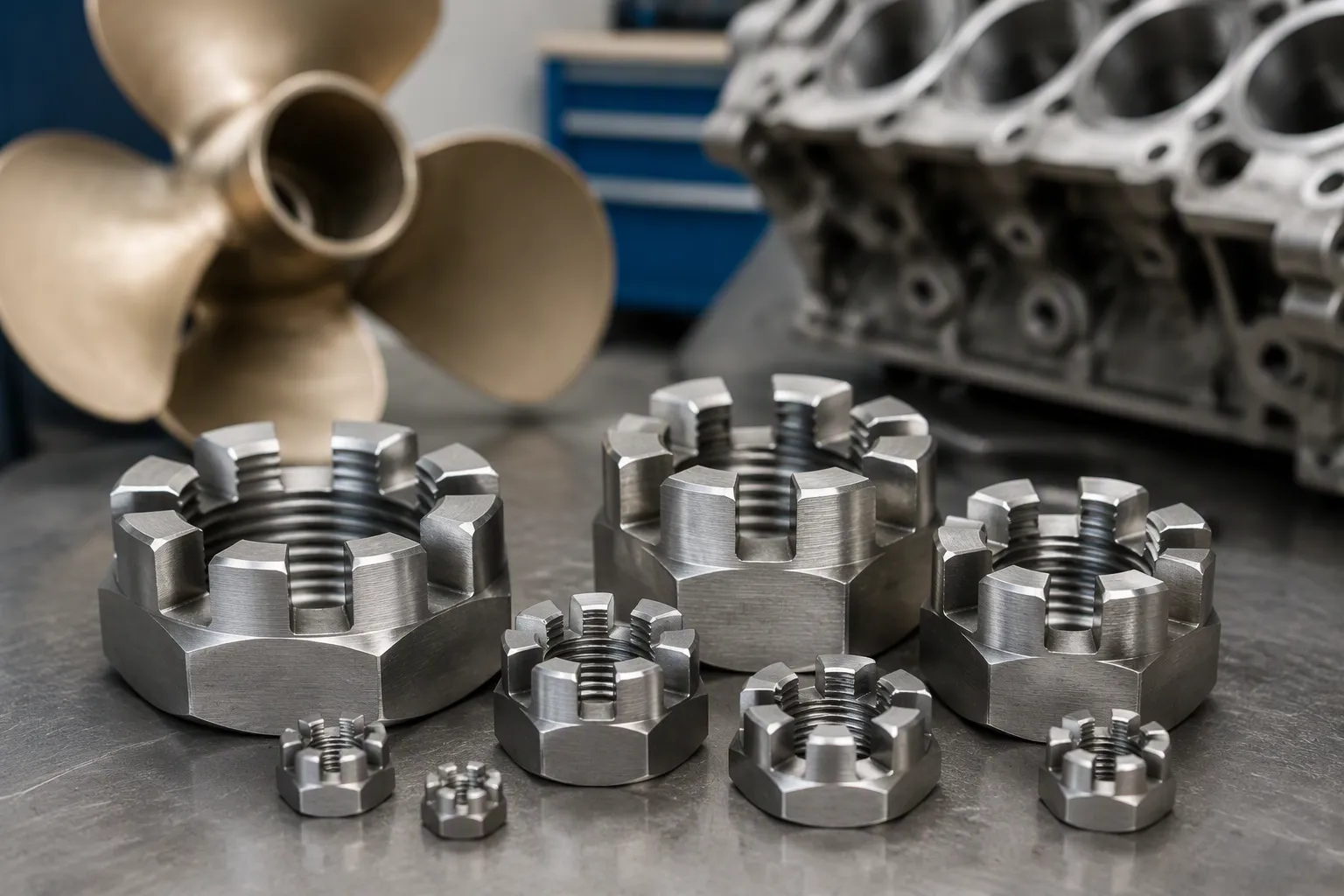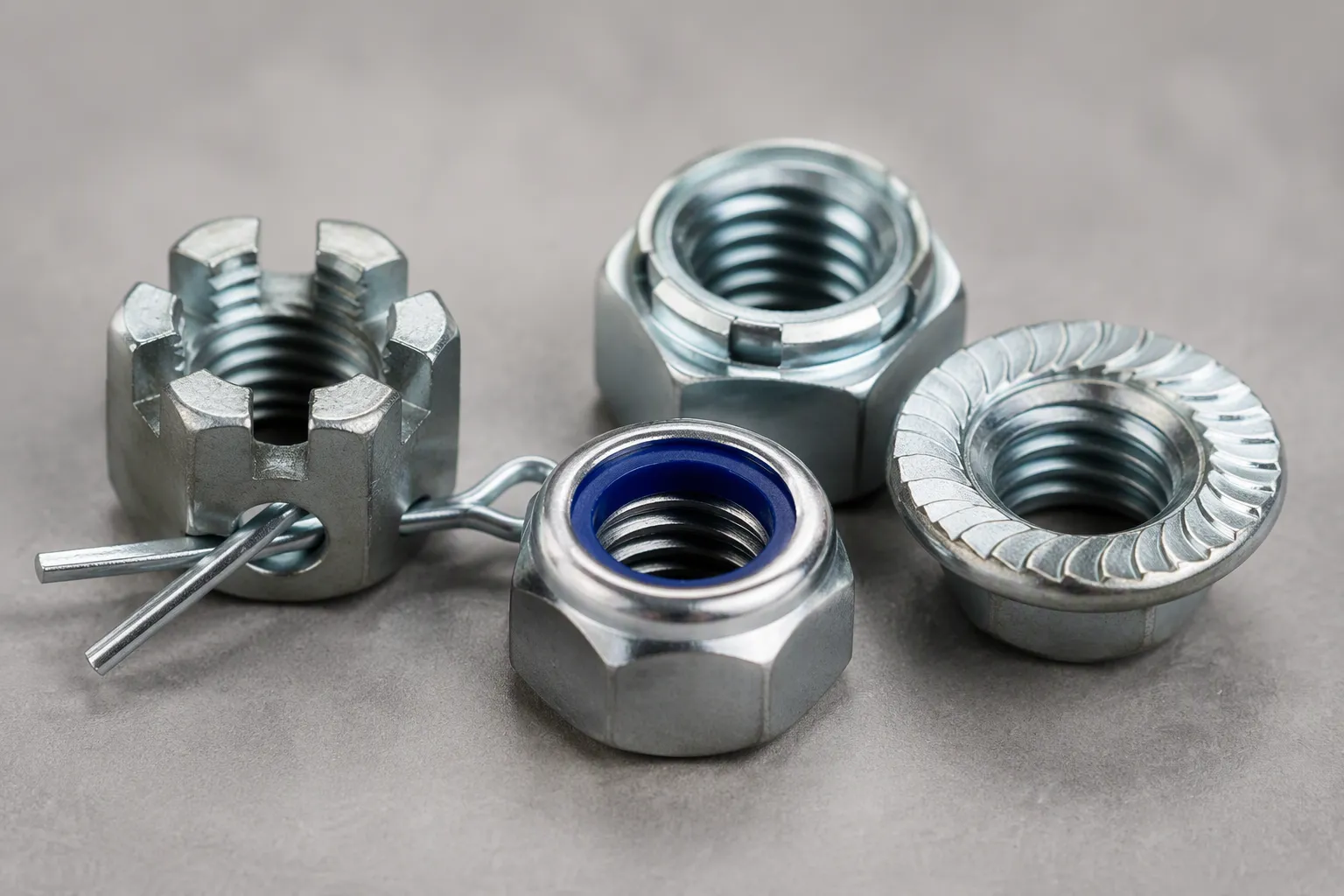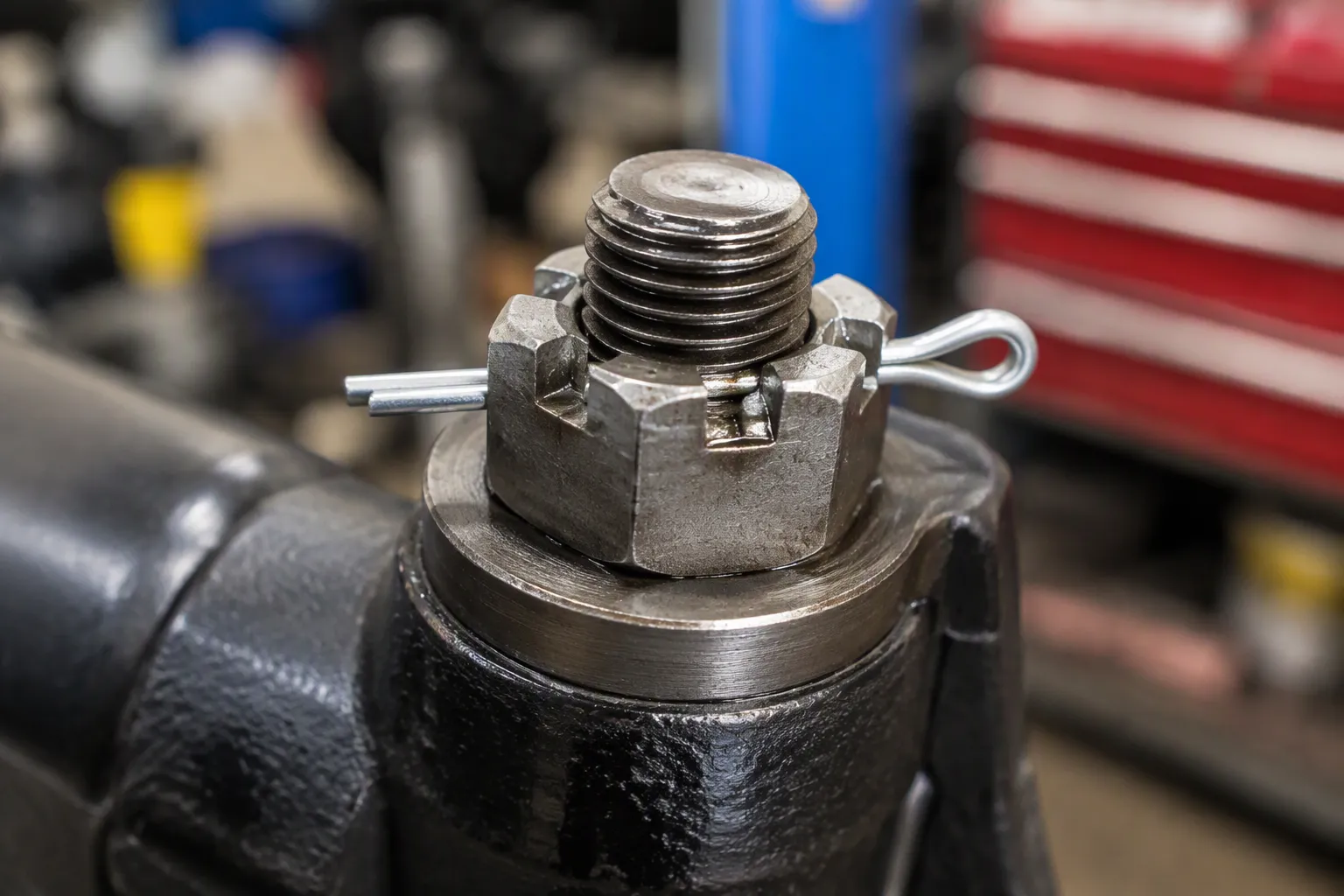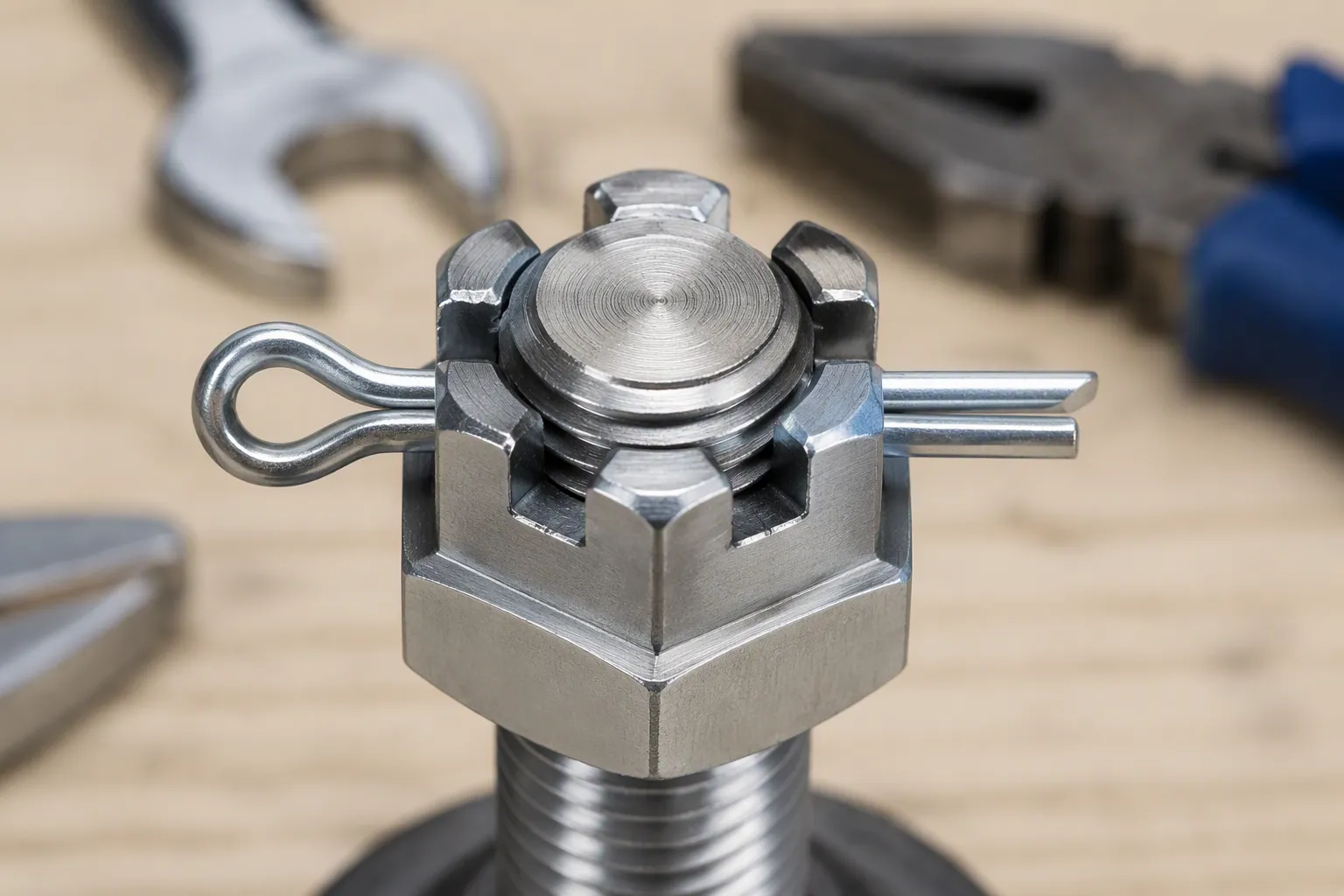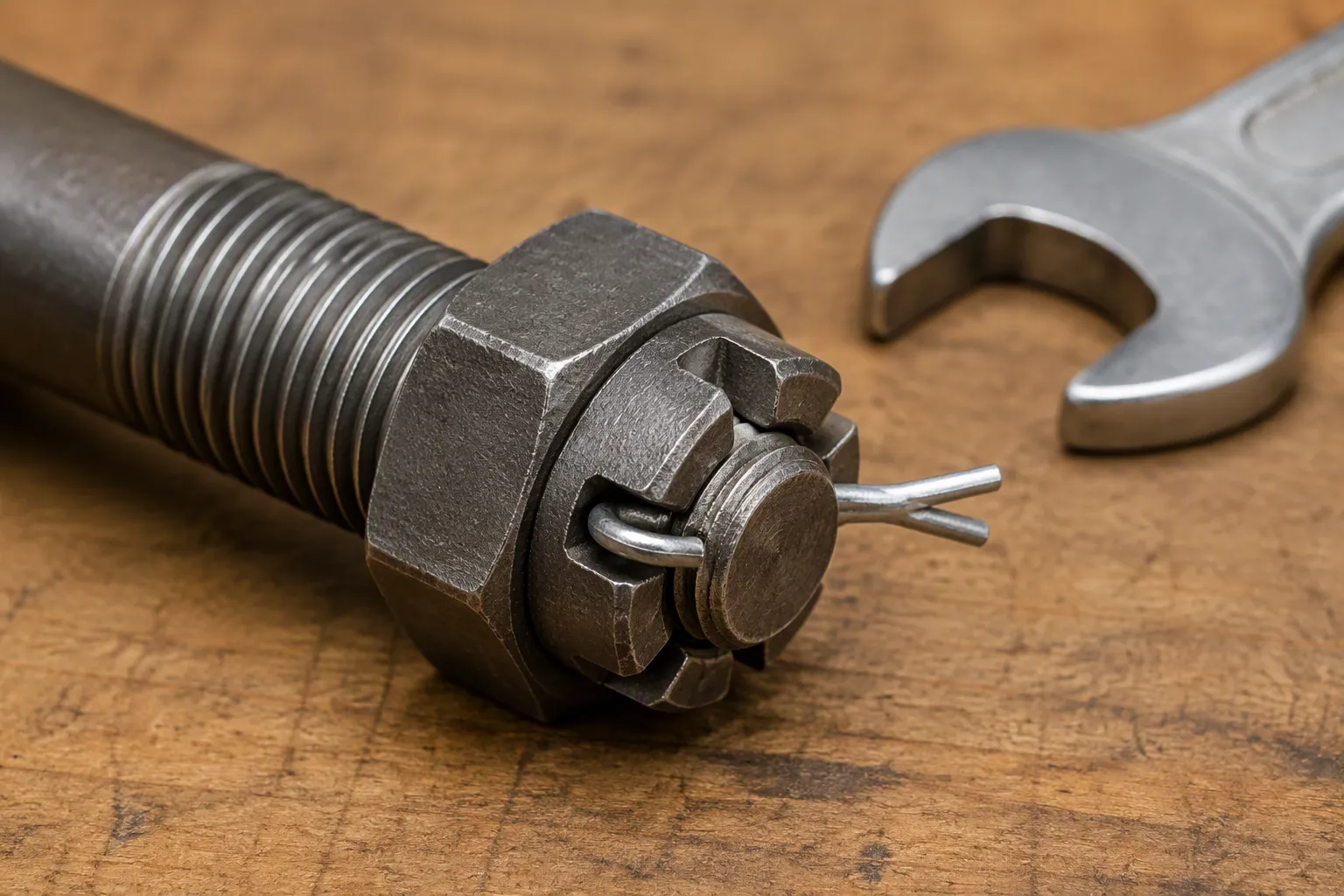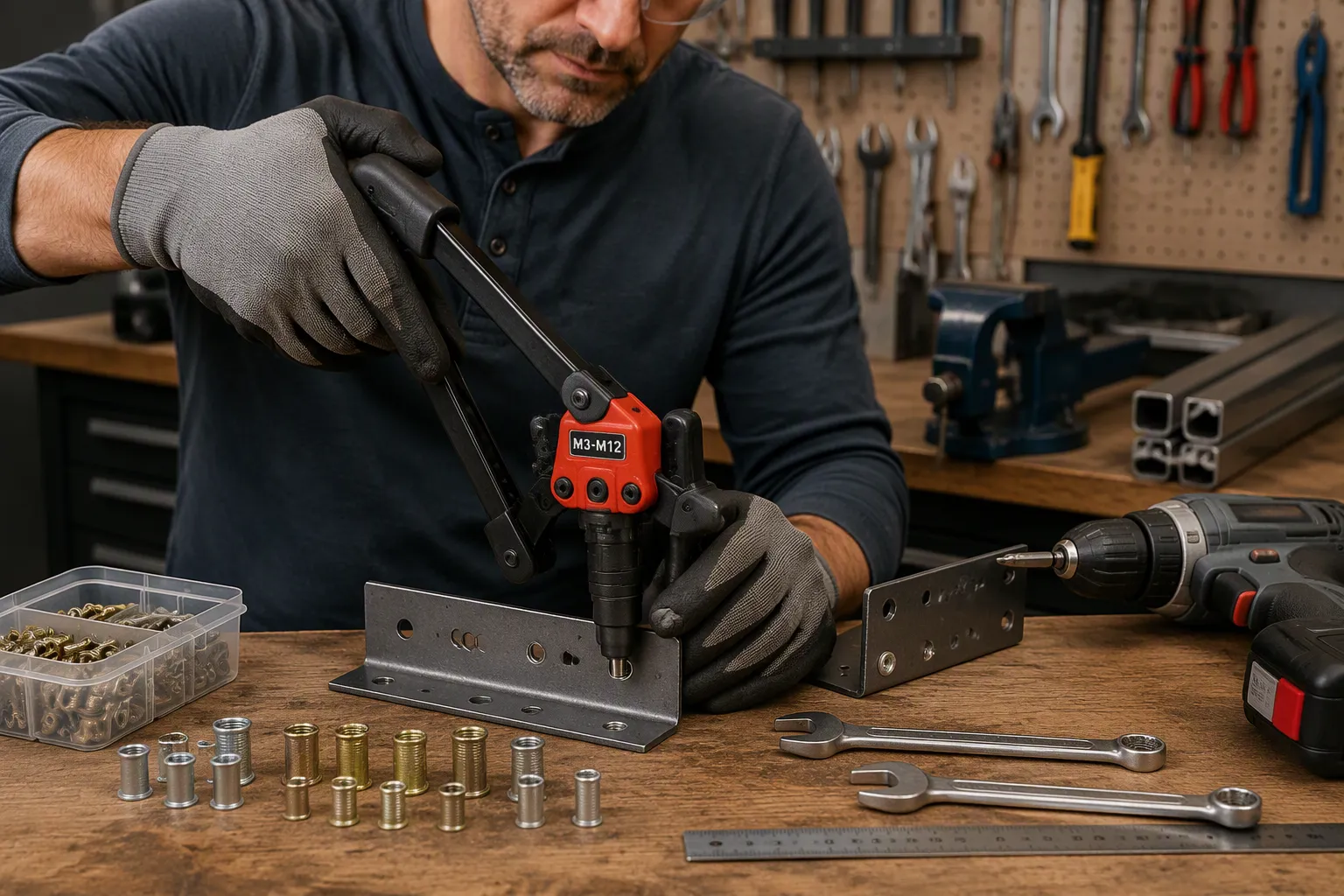
Selecting the proper castle nut wrench ensures precision when working with écrous et boulons. He must prepare a clean workspace and inspect all tools before starting. Safety gear protects hands and eyes during installation or removal of a castle nut. A fabricant de fixations sur mesure recommends controlled force to avoid damaging fixations sur mesure.
Accurate torque settings prevent equipment failure and improve reliability.
Castle Nut Wrench: Essential Tools and Preparation

Required Tools and Materials
Types of castle nut wrenches
A technician can choose from several types of castle nut wrenches. Some models fit Mil-Spec buffer tube castle nuts, while others suit commercial variants. Many feature a rubberized grip for better handling and comfort. Manufacturers often use heat-treated steel to ensure durability and long service life. Selecting the correct castle nut wrench for the specific application prevents slippage and damage to the nut or receiver.
Supporting tools (torque wrench, vise, vise block, gloves, safety glasses)
A successful project requires more than just the main wrench. The following tools and materials support safe and effective operation:
- Torque wrench for precise tightening
- Spring-loaded automatic center punch or Spring Tools center punch for alignment tasks
- Lubricant for threads to reduce friction
- Vise and vise block to secure the workpiece
- End plate and castle nut for assembly
- Gloves to protect hands from sharp edges
- Safety glasses to shield eyes from debris
Tip: Hold the Spring Tools punch firmly during use to avoid accidental slips or damage.
Workspace Setup
Clean, well-lit area
A clean and well-lit workspace allows the technician to see all components clearly and reduces the risk of losing small parts. Good lighting also helps identify any defects or wear on the castle nut wrench and related hardware.
Stable work surface with vise and vise block
A stable work surface is essential for safety and accuracy. A sturdy bench equipped with a vise and vise block keeps the workpiece secure during wrench operation. This setup prevents movement that could lead to tool slippage or injury. Using the correct tools for each task, such as an armorer’s wrench or torque wrench, ensures proper torque application and avoids damage to the castle nut or receiver.
Pre-Use Safety Checks
Inspecting the castle nut wrench for damage
Before starting, the technician should inspect the castle nut wrench for cracks, worn teeth, or other defects. Even minor damage can compromise tool performance and safety. A quick visual check ensures the wrench will function as intended.
Checking the castle nut and related parts
The technician should also examine the castle nut, end plate, and buffer tube for signs of wear, corrosion, or deformation. Lubricating the threads helps prevent galling and ensures smooth installation or removal. Addressing any issues before assembly reduces the risk of equipment failure.
Step-by-Step Guide: Using a Castle Nut Wrench
Inspect the Castle Nut Wrench and Nut
Look for wear or damage
A technician should always begin by cleaning the mating surfaces with a solvent. This step removes any residual grease that could interfere with proper seating. He must inspect the threads under bright light. Any nut with cross-threading, burrs larger than 0.002 inches, or discoloration from heat exposure should be rejected. These defects can compromise the integrity of the assembly and lead to failure during operation.
- Clean all surfaces thoroughly.
- Examine threads for cross-threading or burrs.
- Discard any nut showing signs of heat damage.
Ensure compatibility with the nut
Material compatibility plays a critical role in preventing corrosion and ensuring long-term reliability. For example, using a stainless steel nut on a carbon steel bolt can cause galvanic corrosion. The technician must confirm that the castle nut wrench matches the size and type of the castle nut. He should also check that the materials used are compatible to avoid premature failure.
Note: Always follow the hand-tightening sequence. Rotate the nut clockwise until resistance is felt, then mark the starting position for alignment.
Position the Castle Nut Wrench Correctly
Align pins with nut slots
The technician should align the pins of the castle nut wrench with the slots on the castle nut. Proper alignment ensures that the tool engages securely and reduces the risk of slippage. He must check that the wrench sits flush against the nut before applying any force.
Secure the workpiece in a vise and vise block
A stable workpiece is essential for safety and accuracy. The technician should place the receiver or buffer tube in a vise equipped with a vise block. This setup prevents movement and allows for controlled application of force. He should verify that the workpiece does not shift during the process.
Apply Proper Technique
Correct hand placement and grip
Proper hand placement improves control and reduces fatigue. The technician should grip the handle of the castle nut wrench firmly, keeping his fingers clear of moving parts. He should position his hands to maintain balance and leverage throughout the operation.
Rotate the wrench carefully to maintain control
He should rotate the wrench slowly and steadily. Applying force in a controlled manner prevents damage to the nut and receiver. The technician can use the German torque method, which involves applying an opposite rotation force on the receiver extension. This technique helps prevent equipment damage. He may also hold the buffer tube slightly off center in the counter-clockwise direction before tightening. This action ensures the buffer tube centers correctly as the nut tightens.
- Rotate the wrench with steady pressure.
- Avoid sudden or jerky movements.
- Use the German torque method for added safety.
Tip: Slightly turn the buffer tube in the opposite direction before final tightening. This step helps pull the tube straight and ensures proper alignment.
Tightening or Loosening the Castle Nut
Apply steady, even pressure
A technician should apply steady, even pressure when tightening or loosening a castle nut. Sudden or jerky movements can cause the tool to slip, which may damage the nut or surrounding components. He should keep his grip firm and maintain control throughout the process. If the nut resists movement, he can pause and check for cross-threading or debris. Lubricating the threads before starting helps reduce friction and ensures smoother operation. Consistent pressure allows the castle nut to seat properly without distorting the threads or the receiver.
Follow manufacturer torque specifications
Correct torque application is critical for both safety and reliability. Over-tightening can strip threads or deform the receiver, while under-tightening may allow the assembly to loosen during use. Manufacturers provide specific torque values for castle nuts in firearms and machinery. The technician should always refer to these guidelines and use a calibrated torque wrench for accuracy.
The following table summarizes common torque specifications for castle nuts:
| Source | Torque Specification (ft-lbs) | Additional Notes |
|---|---|---|
| User 1 | 35 | Stake afterwards with a punch |
| User 2 | 35-40 | Stake once torqued |
| User 3 | 38-42 | Grease the threads |
| User 4 | 40 | Use anti-seize and a wag torque value |
He should select the appropriate value based on the application and follow any additional recommendations, such as greasing the threads or staking the nut after tightening. Using a torque wrench ensures the technician does not exceed the recommended limits.
Check for Secure Fit
Verify nut tightness
After tightening, the technician must verify that the castle nut is secure. He can attempt to turn the nut gently by hand. If the nut moves easily, it requires further tightening. The technician should also inspect the assembly visually to confirm that the nut sits flush against the end plate and that no gaps remain. Proper tightness prevents the assembly from loosening during operation.
Ensure proper alignment and staking if needed
Proper alignment and staking are essential for long-term reliability. Staking involves deforming the edge of the nut into the receiver plate to lock it in place. This process prevents the nut from backing out under vibration or repeated use. The technician should follow these steps to stake and verify the castle nut:
- Place a punch in one of the notches on the castle nut, ensuring it rests securely on the edge.
- Gently tap the punch with a hammer to deform the edge of the nut slightly.
- Move to the next notch and repeat the process for all notches that align with the hole.
- After staking, check that the nut remains securely in place and does not move easily.
- Inspect for any signs of damage on the nut or bolt, and test for stability by gently trying to turn the nut.
He should complete staking only after confirming the nut is properly torqued and aligned. This final step ensures the assembly remains secure during use and resists loosening from vibration.
Tip: Always inspect the staking marks and alignment before considering the job complete. Proper staking provides a visual confirmation of a secure fit.
Castle Nut Wrench Safety Precautions
Hand and Eye Protection
Wearing gloves
Technicians should always wear gloves when handling mechanical tools. Gloves protect hands from sharp edges, metal burrs, and accidental slips. They also improve grip, especially when working with oily or greasy components. He should select gloves made from cut-resistant material for the best protection.
Using safety glasses
Eye protection remains essential in any mechanical workspace. Safety glasses shield eyes from flying debris, metal shavings, and accidental tool slips. He should choose glasses that meet ANSI Z87.1 standards for impact resistance. Clear lenses work best in well-lit areas, while tinted options help in bright environments.
Conseil : He should inspect gloves and safety glasses before each use. Damaged protective gear cannot provide reliable safety.
Tool Inspection and Maintenance
Checking for cracks or defects
Before using a castle nut wrench, a technician must check for visible cracks, worn teeth, or bent pins. Even minor defects can lead to tool failure or injury. He should run his fingers along the tool’s surface to feel for irregularities. If he finds any damage, he must replace the tool immediately.
Cleaning after use
Proper maintenance extends the life of every tool. After each use, he should wipe the wrench with a clean cloth to remove oil, dirt, and metal shavings. He can use a mild solvent for stubborn grime. Drying the tool thoroughly prevents rust and corrosion. Organized storage in a dry location keeps the wrench ready for the next project.
Workspace Safety
Keeping the area clear of hazards
A safe workspace starts with organization. He should keep the floor and bench free of clutter, loose parts, and spilled fluids. Clear pathways reduce the risk of trips and falls. He must store tools and materials in designated areas after each task.
Proper lighting and ventilation
Proper lighting prevents mistakes and accidents. Bright overhead lights provide general illumination, while task lighting helps with detail work and reduces eye strain. He should position lights to avoid glare and shadows. Good ventilation is essential, especially when using tools that produce dust or fumes. Exhaust fans remove harmful particles, and open windows or doors improve air circulation. Air cleaners can filter dust and enhance air quality.
- Bright overhead lights for general visibility
- Task lighting for focused work
- Exhaust fans to remove particles
- Open windows and doors for fresh air
- Air cleaners to improve air quality
Remarque : A well-lit and ventilated workspace supports both safety and productivity.
Common Mistakes with Castle Nut Wrench and How to Avoid Them
Using the Wrong Wrench Size
Identifying correct castle nut wrench type
Technicians often encounter issues when selecting the wrong tool for the job. He must identify the correct castle nut wrench type by checking compatibility with the nut. Most mil-spec setups require a wrench that fits a ½ inch hexagonal exterior. Tools should match standardized .500″ castle nuts to ensure proper engagement. He can verify sizing by referencing manufacturer specifications or measuring the nut directly.
- A wrench that fits snugly prevents slippage.
- Compatibility with the nut reduces the risk of damage.
- Standardized sizing simplifies tool selection.
Risks of improper fit
Improper fit poses several risks. He may strip or damage critical components if the wrench does not match the nut. A loose tool can slip, causing injury or deforming the nut. Using the wrong size increases the likelihood of equipment failure during operation.
Note: Always confirm the wrench fits the nut securely before applying force. A proper fit protects both the tool and the assembly.
Over-Tightening or Under-Tightening
Dangers of excessive force
Applying too much force can damage threads or break the bolt. He must avoid over-tightening, which compromises the integrity of the assembly. Under-tightening presents its own dangers. The nut may loosen over time, especially in high-vibration environments. Loose nuts can cause malfunctions or unsafe conditions.
- Over-tightening damages threads and bolts.
- Under-tightening leads to loosening and instability.
Importance of torque settings
He ensures proper torque by using a torque wrench and following manufacturer specifications. Most castle nuts require 38–42 ft-lb of torque. Securing the nut with a cotter pin adds extra protection. He should always check torque values before finalizing the assembly.
Tip: Use a torque wrench with a castle-nut adapter for precise tightening. Adhering to torque guidelines prevents both over-tightening and under-tightening.
Skipping Safety Steps
Not wearing protection
Skipping safety steps exposes technicians to unnecessary risks. He must wear gloves to protect his hands from sharp edges and metal burrs. Safety glasses shield his eyes from flying debris. Neglecting protective gear increases the chance of injury.
Ignoring tool inspection
He should inspect tools before each use. A damaged wrench can fail unexpectedly, leading to accidents. Regular inspection ensures reliability and safety. He must clean and maintain tools after every project.
Callout: Compliance improves when technicians follow a step-by-step process. He threads the castle nut onto the buffer tube, applies grease, aligns the endplate, hand-tightens, uses a torque wrench, and stakes the nut. Each step reduces the risk of mistakes and enhances safety.
Improper Engagement of Wrench Pins
Ensuring pins are fully engaged to prevent slipping
Technicians often overlook the importance of proper pin engagement when using a castle nut wrench. Full engagement of the wrench pins with the slots on the castle nut ensures both safety and effectiveness during tightening or loosening. If the pins do not seat correctly, the tool can slip, causing damage to the nut, the receiver, or even resulting in personal injury.
He should always start by visually inspecting the alignment between the wrench pins and the castle nut slots. The pins must fit snugly into the slots without any visible gaps. A loose fit increases the risk of slippage, especially when applying torque. He can gently wiggle the wrench to confirm that the pins remain firmly in place before applying force.
Conseil : He should never force the wrench onto the nut if the pins do not align perfectly. Forcing can deform the slots or bend the pins, making future maintenance more difficult.
A technician can follow these steps to ensure proper engagement:
- Clean the castle nut slots and wrench pins to remove debris or oil.
- Align the wrench so that each pin matches a corresponding slot.
- Press the wrench straight onto the nut, avoiding any tilting or angling.
- Check for a flush fit between the wrench and the nut surface.
- Test the engagement by gently rotating the wrench back and forth without applying full force.
If he notices any resistance or misalignment, he should stop and realign the tool. Persistence in using a misaligned wrench can lead to rounded slots or broken pins. He should also inspect the pins for wear or deformation before each use. Worn pins may not seat properly, increasing the risk of slippage.
A table below summarizes common issues and solutions related to improper pin engagement:
| Issue | Cause | Solution |
|---|---|---|
| Wrench slips off nut | Pins not fully seated | Realign and ensure full engagement |
| Pins bend or break | Excessive force, misalignment | Replace pins, check alignment |
| Nut slots become rounded | Repeated slippage | Use correct wrench, replace nut |
Remarque : He should always use a wrench designed for the specific castle nut type. Universal wrenches may not provide a secure fit, increasing the risk of improper engagement.
Technicians who prioritize proper pin engagement protect both their tools and the equipment. Careful alignment, regular inspection, and attention to fit help prevent costly mistakes and ensure a secure, reliable assembly every time.
Troubleshooting Castle Nut Wrench Issues
If the Nut is Stuck
Applying penetrating oil
A stuck castle nut can halt progress and cause frustration. Technicians often resolve this issue by cleaning the threads with a wire brush and applying penetrating oil. The oil seeps into the threads, loosening rust and debris. He should allow the oil to sit for several minutes to maximize effectiveness. For stubborn nuts, he can use vice grips on the threads, protecting the surface with a paper towel to prevent marring. This method provides extra grip without damaging the hardware.
- Clean threads with a wire brush.
- Apply penetrating oil and wait several minutes.
- Use vice grips with a protective layer if necessary.
Tip: Applying tension to the joint by letting the suspension drop can help. He can then use an impact tool in short bursts to break the nut free.
Using gentle tapping techniques
Gentle tapping often helps when oil alone does not work. He can use a rubber mallet or a small hammer to deliver sharp, controlled taps to the nut. This action breaks static friction and helps the oil penetrate deeper. He should avoid excessive force to prevent damaging the threads or surrounding components. If the nut remains stuck, he can secure the tie rod with large vise grips and use an impact tool for additional force.
If the Castle Nut Wrench Slips
Repositioning the tool
Slippage during assembly can damage both the nut and the tool. He should first check the alignment of the wrench teeth with the nut slots. Using an AR-15 Armorer’s Wrench, which features multiple teeth designed for precise engagement, reduces the risk of slippage compared to standard spanners. He should reposition the tool to ensure all teeth fit securely into the notches. Securing the assembly with a Lower Receiver Vise Block and a bench vise provides stability and allows for safe torque application.
Checking for worn wrench teeth
Worn or damaged wrench teeth often cause slippage. He should inspect the castle nut wrench for signs of wear, such as rounded or chipped teeth. If he finds any defects, he must replace the tool before continuing. Proper engagement between the wrench and nut ensures safety and prevents further damage.
Note: Applying localized heat can break down thread locker, while a sharp tap with a rubber mallet can help loosen stubborn nuts.
Dealing with Damaged Nuts
Assessing for replacement
Damaged nuts compromise the integrity of the assembly. He should assess the nut for rounded slots, stripped threads, or visible deformation. If the nut shows significant wear, replacement offers the safest solution. Continuing with a damaged nut increases the risk of failure during operation.
Using alternative removal methods (spanner wrench, channel locks with tape)
When standard removal methods fail, alternative tools can help. He can use a spanner wrench or channel locks wrapped with tape to protect the nut’s surface. These tools provide additional grip and leverage. He should proceed carefully to avoid further damaging the nut or surrounding components.
| Problem | Solution |
|---|---|
| Rounded nut slots | Replace nut, use proper wrench |
| Stripped threads | Replace nut, clean threads thoroughly |
| Nut surface damage | Use channel locks with tape |
Callout: Technicians who troubleshoot methodically protect both their tools and the assembly, ensuring reliable performance and safety.
Maintenance Tips for Your Castle Nut Wrench
Cleaning After Use
Removing debris and oil
He always begins maintenance by removing debris and oil from the tool. Small metal shavings, dust, and grease can accumulate during use. A technician uses a soft brush to sweep away particles from the wrench’s teeth and pins. He applies a mild solvent to dissolve stubborn oil and grime. This process prevents corrosion and keeps the tool functioning smoothly.
- Use a soft brush for debris removal.
- Apply solvent to clean oil and grease.
- Wipe surfaces with a lint-free cloth.
Tip: He avoids harsh chemicals that may damage the tool’s finish.
Drying and storing properly
After cleaning, he dries the castle nut wrench thoroughly. Moisture left on metal surfaces can cause rust. He places the tool in a warm, dry area for several minutes. A technician checks for hidden moisture in crevices and joints. Once dry, he stores the wrench in a protective case or tool drawer.
Regular Inspection
Checking for wear and tear
He inspects the wrench regularly for signs of wear and tear. Teeth and pins may show rounding or chipping after repeated use. He examines the handle for cracks or bends. If he finds any defects, he replaces the tool immediately. Early detection prevents accidents and ensures reliable performance.
| Inspection Point | What to Look For | Action |
|---|---|---|
| Teeth & Pins | Rounding, chipping | Replace if worn |
| Handle | Cracks, bends | Replace if damaged |
| Surface | Rust, corrosion | Clean and dry |
Lubricating moving parts
He lubricates moving parts to maintain smooth operation. A technician applies a small amount of light machine oil to hinges or rotating sections. He avoids over-lubrication, which can attract dust. Proper lubrication reduces friction and extends the tool’s lifespan.
Note: He uses only recommended lubricants for precision tools.
Proper Storage
Keeping in a dry, safe place
He stores the castle nut wrench in a dry, safe place. Exposure to moisture or extreme temperatures can damage metal components. A technician selects a storage location away from direct sunlight and humidity. He uses silica gel packs in toolboxes to absorb excess moisture.
Organizing with other tools
He organizes the wrench with other tools for easy access. A technician places the wrench in a designated slot or compartment. He labels storage areas to prevent confusion. Organized storage reduces the risk of misplacing tools and improves workflow.
- Store in a toolbox or drawer.
- Use labels for tool identification.
- Keep silica gel packs to control moisture.
Callout: Consistent maintenance and proper storage ensure the castle nut wrench remains reliable for every project. 🛠️
A technician achieves safe and effective results by following each step when using a castle nut wrench. He should always gather the right tools, secure the workpiece with a vise block, and apply the correct torque. Regular inspection and maintenance of tools prevent unexpected failures. Key safety measures include wearing protective gear, using a sturdy workbench, and staking the nut after tightening. Taking time and working methodically ensures both safety and long-term reliability.
FAQ
What is a castle nut wrench used for?
A castle nut wrench removes or installs castle nuts on firearms, machinery, or automotive parts. It provides the correct leverage and fit for slotted nuts, ensuring secure assembly and disassembly without damaging components.
How does a technician choose the right castle nut wrench?
He checks the size and type of the castle nut. He matches the wrench to the nut’s specifications. Manufacturers often provide compatibility charts. Using the correct tool prevents slippage and damage.
Can a regular wrench replace a castle nut wrench?
A regular wrench does not fit the slots on a castle nut. He risks damaging the nut or surrounding parts. Only a castle nut wrench provides the proper engagement and torque.
What torque setting should he use for a castle nut?
Most manufacturers recommend 38–42 ft-lb for castle nuts on AR-15 platforms. He should always check the equipment manual for specific values. Using a torque wrench ensures accuracy.
How often should he inspect his castle nut wrench?
He should inspect the wrench before every use. Regular checks for wear, cracks, or bent pins prevent tool failure. Routine maintenance extends the tool’s lifespan.
What safety gear does he need when using a castle nut wrench?
He should wear cut-resistant gloves and ANSI-rated safety glasses. These protect his hands from sharp edges and his eyes from debris. Proper gear reduces the risk of injury.
What should he do if the castle nut will not loosen?
He applies penetrating oil and waits several minutes. He may use gentle tapping with a rubber mallet. If the nut remains stuck, he checks for cross-threading or corrosion before using alternative removal methods.