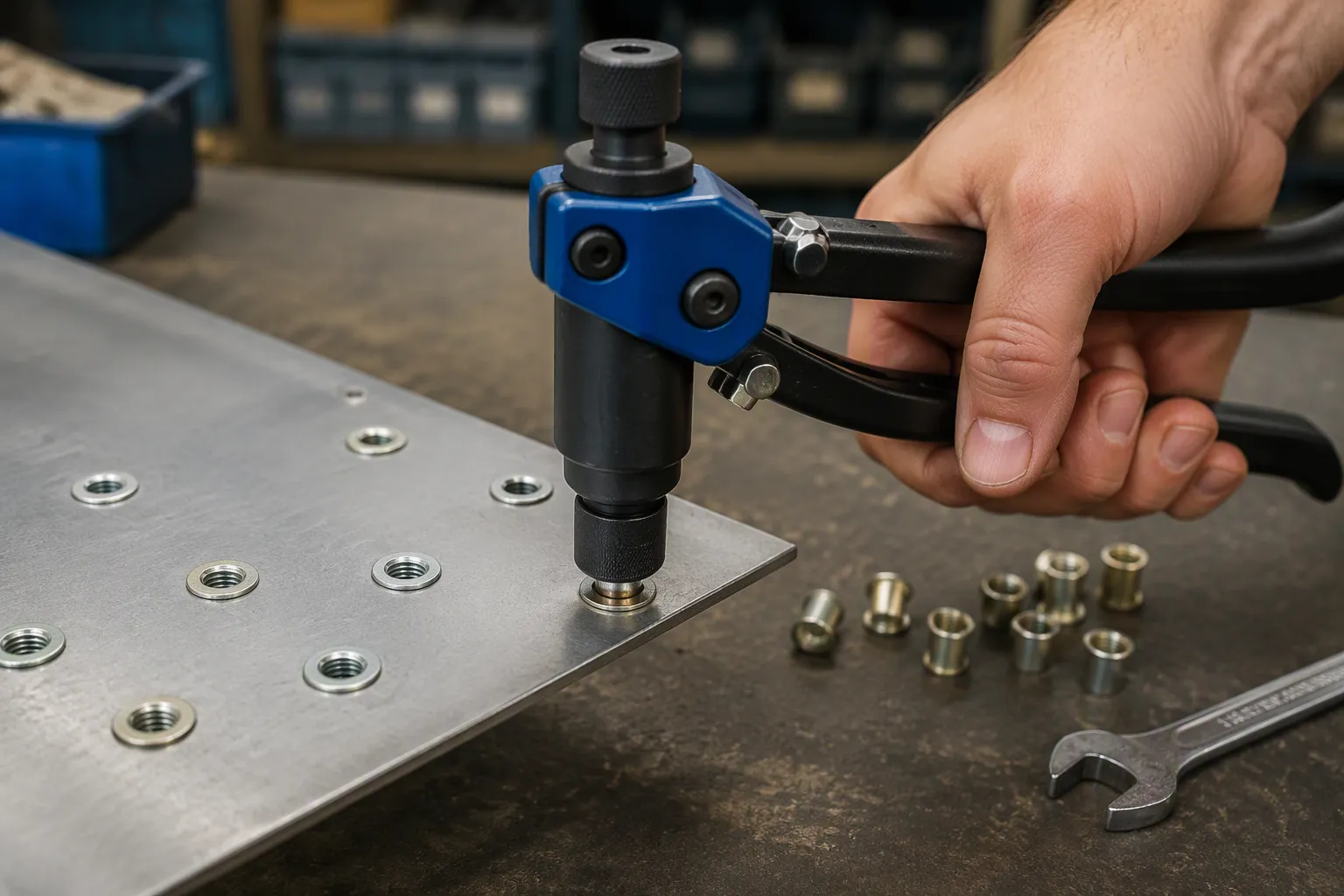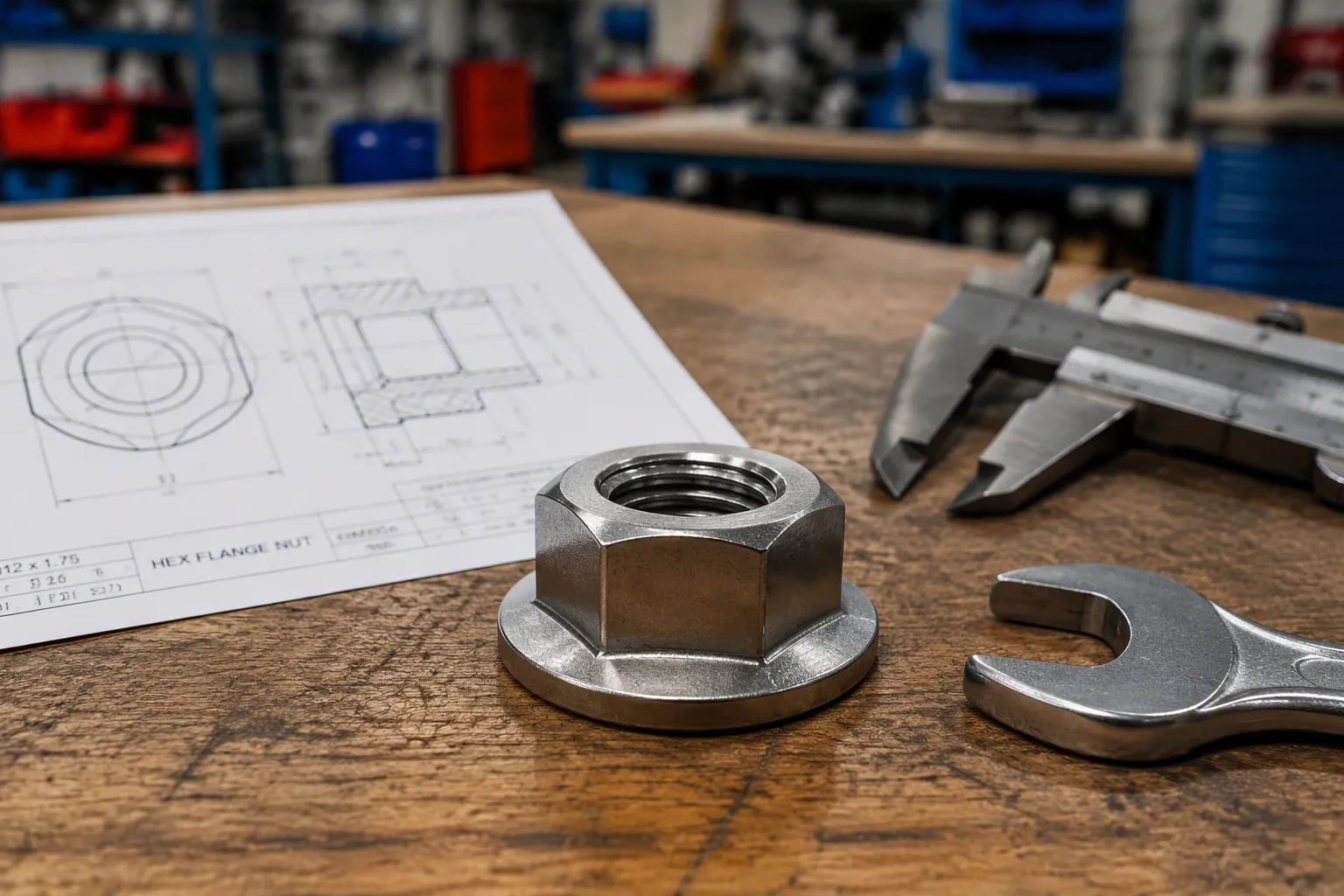
A beginner’s tutorial often starts with the basics, and installing a rivet nut offers a practical example. Many projects require strong threads in thin materials, making custom fasteners essential. While professionals may rely on a custom fasteners manufacturer, individuals can use simple nuts and bolts for reliable results. Both approaches allow users to achieve secure connections without advanced skills or expensive equipment.
Beginner’s Tutorial: What Are Rivnuts and Why Install Them?
Rivnuts Explained
What is a rivnut?
A rivnut, also known as a rivet nut or threaded insert, creates a strong, reusable thread in thin materials. Manufacturers design rivnuts to expand and grip the material when installed. This feature allows users to add threads to sheet metal, plastic, or other thin surfaces where traditional nuts and bolts would not work. Rivnuts come in various sizes and materials, including steel, aluminum, and stainless steel. Each type serves different applications based on strength and corrosion resistance.
Common uses for rivnuts
Many industries rely on rivnuts for secure and reliable fastening. Automotive technicians use them to attach accessories to vehicle bodies. Furniture makers install rivnuts in thin panels to provide strong anchor points. HVAC installers use them to mount equipment on ductwork. Home improvement enthusiasts often choose rivnuts for projects involving metal shelving, tool racks, or custom enclosures. The versatility of rivnuts makes them valuable for both professionals and hobbyists.
Why Install Rivnuts Without Special Tools?
When you might not have access to special tools
Not everyone owns a dedicated rivnut tool. Beginners or occasional users may not want to invest in specialized equipment for a single project. Sometimes, a person needs to install a rivnut in a remote location or during a repair where only basic tools are available. In these situations, a DIY approach becomes necessary.
Benefits of DIY installation
Installing rivnuts without special tools offers several advantages:
- The method works well for those who do not use rivnuts frequently.
- It saves money by avoiding the purchase of expensive tools.
- Common items like bolts, nuts, and washers from any hardware store can serve as substitutes.
- DIY installation encourages creativity and problem-solving.
Tip: A beginner’s tutorial often highlights that DIY methods make rivnut installation accessible to anyone with basic hand tools.
This approach empowers users to complete projects efficiently, even with limited resources.
Tools and Materials Checklist
For Installation With Special Tools
Required tools and materials
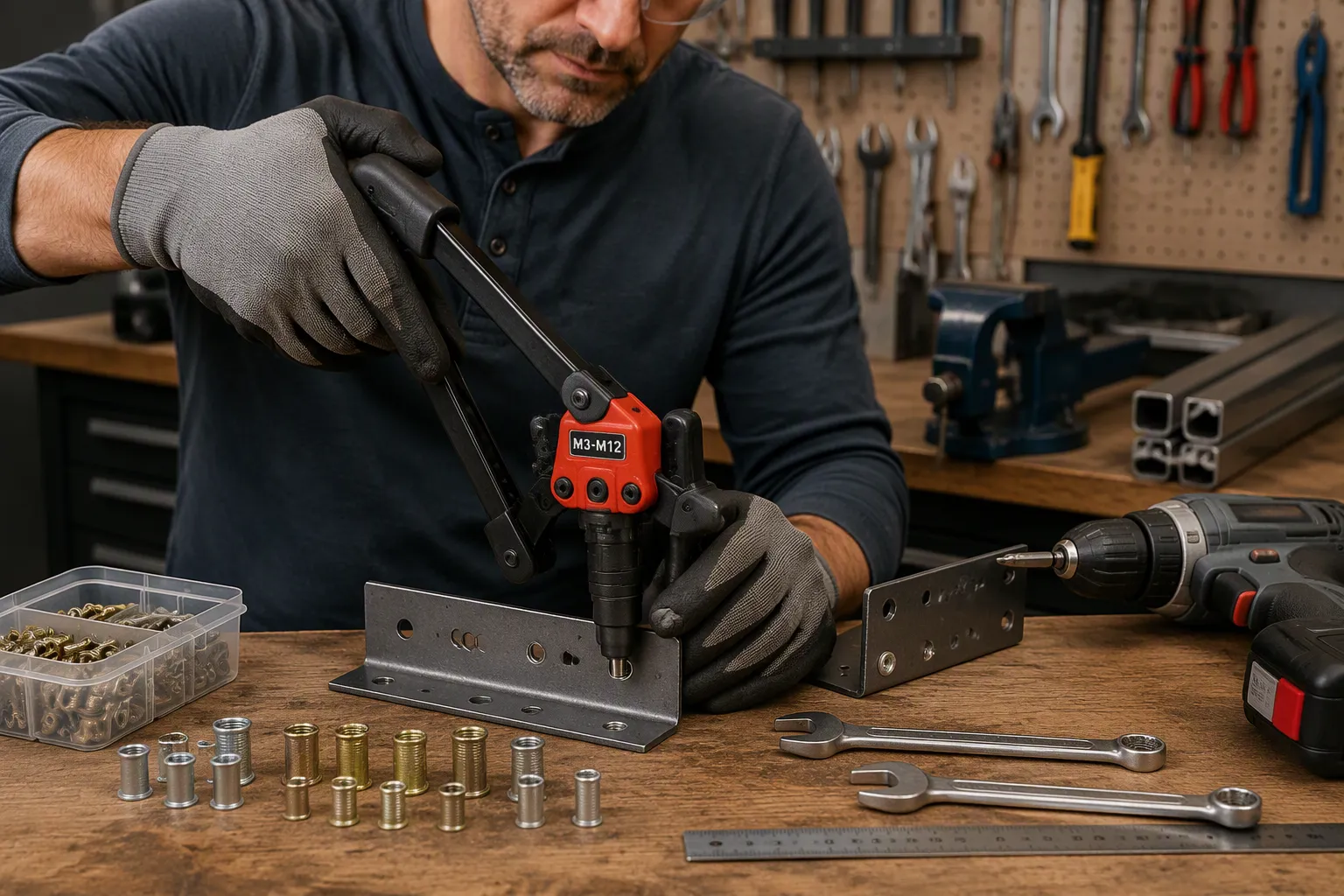
A successful rivnut installation starts with the right equipment. Beginners benefit from using dedicated kits that include all necessary components. Many kits feature manual tools and a selection of fasteners, making them ideal for first-time users. Common items found in these kits include:
- C500-31 – 5/16-18 Hex Nut Manual Tool
- C500-SRT25PB280 Kit: 1/4-20 Hex Nut Manual Tool with 10 Pre-Bulb Plus Body fasteners
- C500-SRT31PB280 Kit: 5/16-18 Hex Nut Manual Tool with 10 Pre-Bulb Plus Body fasteners
- Plastic storage case for organization
These tools ensure consistent results and reduce the risk of damaging the workpiece. The included fasteners allow users to practice before working on their actual project.
Types of rivnut tools
Manufacturers offer several types of rivnut tools. Manual tools suit most beginners and provide reliable performance for small projects. Cordless nutsert guns, such as the Gesipa Firebird Pro Gold S, combine convenience with efficiency. This tool appeals to users who want to speed up installation without sacrificing quality.
| Tool Type | Description | Best For |
|---|---|---|
| Manual Hex Nut Tool | Hand-operated, precise control | Beginners, small jobs |
| Cordless Nutsert Gun | Battery-powered, fast operation | Frequent users |
| Kit with Fasteners | Includes tool and a variety of rivnuts | First-time installers |
Note: Beginners should select a tool that matches their project size and frequency of use.
For Installation Without Special Tools
Common DIY items (bolt, nut, washers, wrench)
Many household items can substitute for specialized rivnut tools. A longer bolt paired with a nut creates a simple installation device. Adding a larger nut and washers helps distribute force and prevent damage to the material. A box wrench provides the grip needed to tighten the assembly. Some users even employ a jack to hold the rivnut steady during tightening.
- Longer bolt
- Nut (preferably larger than the bolt)
- Washers
- Box wrench
- Optional: Jack for added stability
This approach allows users to install rivnuts without purchasing new equipment.
Safety gear and preparation
Safety remains essential during any installation process. Users should always wear safety glasses to protect their eyes from flying debris. Gloves shield hands from sharp edges on rivet nuts or sheet metal. Before starting, they should inspect all tools for signs of wear or damage. A clear, well-lit workspace reduces the risk of accidents. Keeping bystanders at a safe distance ensures everyone’s safety. Applying only moderate force prevents tool breakage and material damage. Regular maintenance, such as cleaning and lubricating moving parts, extends tool life.
Tip: Following these safety steps helps beginners avoid common injuries and ensures a smooth installation process.
Beginner’s Tutorial: Installing Rivnuts With Special Tools
Step-by-Step Instructions
Preparing your workspace
A clean and organized workspace sets the foundation for a successful rivnut installation. Place all tools and materials within easy reach. Ensure the work surface remains stable and free from clutter. Good lighting helps users see the workpiece clearly. Safety glasses and gloves protect against sharp edges and flying debris. Before starting, inspect the rivnut tool for any signs of wear or damage. A well-prepared area reduces mistakes and improves efficiency.
Drilling the correct hole size
Accurate hole sizing is critical for a secure fit. Select a drill bit that matches the outer diameter of the rivnut. Most manufacturers provide a sizing chart with recommended drill bit sizes for each rivnut type. Mark the hole location with a center punch to prevent the drill bit from wandering. Drill at a steady speed, applying gentle pressure. Remove any burrs or sharp edges with a deburring tool or file. Clean the hole to remove metal shavings and dust.
Tip: Always double-check the hole size before proceeding. An oversized or undersized hole can compromise the strength of the installation.
Inserting the rivnut
Insert the rivnut into the drilled hole by hand. The flange should sit flush against the material surface. If the rivnut feels loose, verify the hole size. A proper fit ensures the rivnut will not spin during installation. Hold the workpiece steady to prevent movement.
Using the rivnut tool
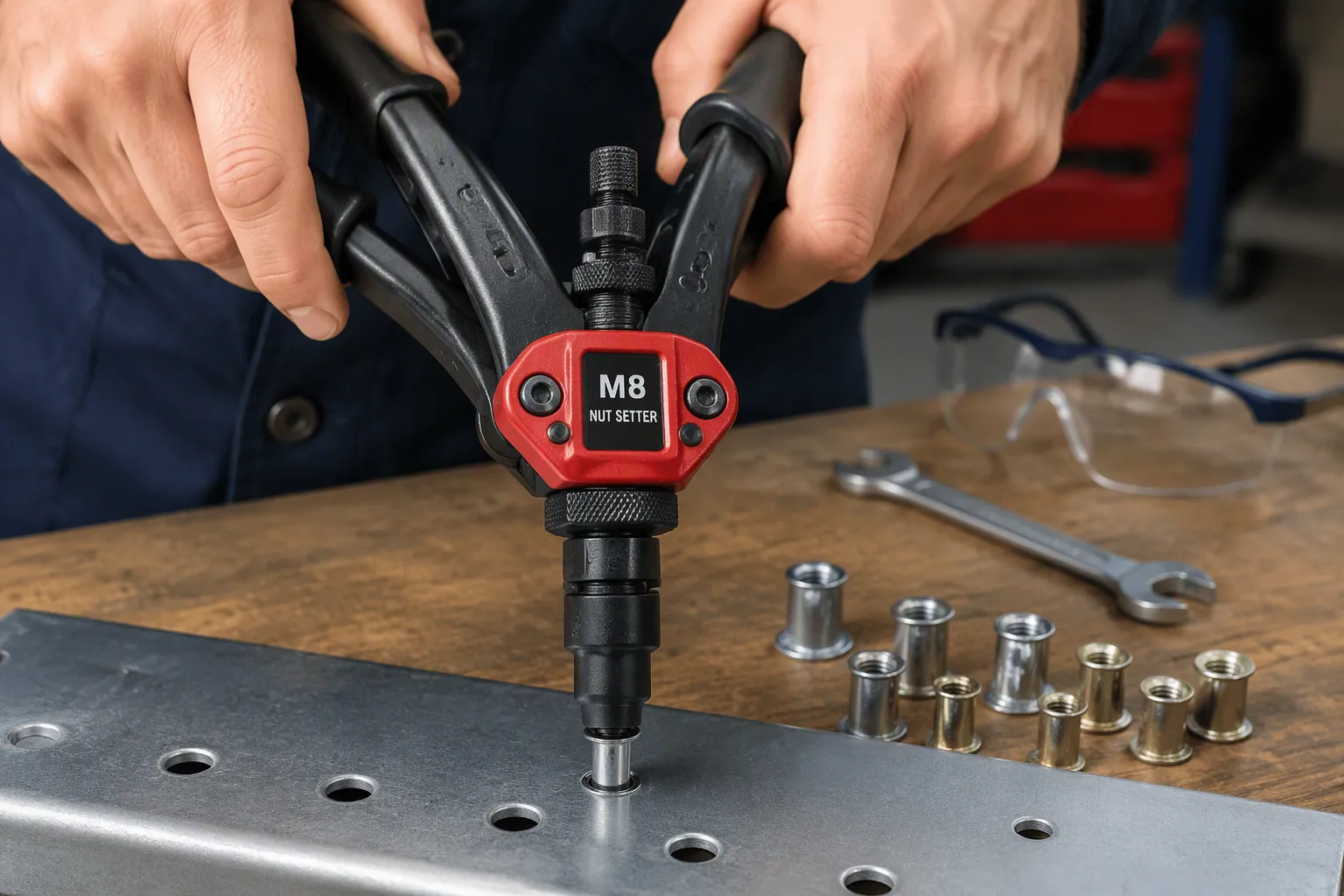
Thread the rivnut tool onto the rivnut’s internal threads. Squeeze the handles or operate the trigger, depending on the tool type. The tool pulls the threaded shank, causing the rivnut to expand and grip the material from behind. Release the tool and unthread it from the installed rivnut. Inspect the rivnut to confirm it sits flush and secure.
| Step | Action | Purpose |
|---|---|---|
| Thread tool | Attach tool to rivnut | Prepare for installation |
| Squeeze/activate | Compress rivnut with tool | Expand and secure rivnut |
| Release/unthread | Remove tool from installed rivnut | Complete installation |
Checking your installation
Examine the installed rivnut for proper seating. The flange should rest flat against the material. Tug gently on the rivnut to check for movement. Insert a bolt to test the threads. If the bolt threads smoothly and the rivnut does not spin, the installation succeeded. If issues arise, remove the rivnut and repeat the process with careful attention to each step.
Pro Tips for Using Special Tools
Ensuring a snug fit
A snug fit prevents the rivnut from spinning or loosening over time. Use the correct drill bit size and avoid forcing the rivnut into the hole. Apply steady, even pressure when operating the tool. If the material is thin, consider using a backing washer to distribute the load.
Note: Practicing on scrap material helps users gain confidence before working on the final project.
Avoiding common mistakes
Many beginners rush the process or skip essential steps. Always measure and mark carefully before drilling. Do not overtighten the rivnut, as this can deform the material or strip the threads. Inspect the tool regularly for wear. Replace worn parts to maintain consistent performance. Follow the manufacturer’s instructions for both the rivnut and the tool.
A beginner’s tutorial emphasizes patience and attention to detail. These qualities lead to reliable and professional results.
Beginner’s Tutorial: Installing Rivnuts Without Special Tools
DIY Step-by-Step Method
Gathering your DIY items
A person can install rivnuts without investing in specialized tools. The process requires only a few common items found in most toolboxes. These include a bolt that matches the internal threads of the rivnut, a nut that fits the bolt, several flat washers, and a sturdy wrench. Some users add a second, larger nut to help distribute force more evenly. Safety glasses and gloves protect hands and eyes during the process. A clean workspace ensures all items remain within reach and reduces the risk of accidents.
Preparing and measuring the hole
Accurate preparation forms the foundation of a successful installation. The installer should mark the desired location with a center punch. This step prevents the drill bit from wandering and ensures a precise hole. Selecting the correct drill bit size, as specified by the rivnut manufacturer, is essential. Drilling the hole at a steady speed helps maintain control. After drilling, the installer must remove any burrs or debris from the hole. A clean, smooth opening allows the rivnut to seat properly and ensures optimal performance.
Assembling your makeshift tool (bolt, nut, washers)
The installer threads the nut onto the bolt, followed by one or more washers. The washers protect the material’s surface and help distribute the force applied during installation. The rivnut slides onto the end of the bolt, with the flange facing the washers. The assembly should look like this:
Washer(s) → Nut → Bolt → Rivnut
The installer tightens the nut against the washers, which presses the rivnut into the hole. This simple setup mimics the action of a dedicated rivnut tool.
Installing the rivnut by hand
The installer inserts the rivnut into the prepared hole, ensuring the flange sits flush with the material. Holding the bolt steady with a wrench, they turn the nut to pull the bolt upward. This action compresses the rivnut, causing it to expand and grip the material from behind. The installer should apply steady, even pressure to avoid damaging the rivnut or the workpiece. Proper alignment during this step is crucial for a strong and reliable hold.
Removing your DIY tool
Once the rivnut has fully expanded and grips the material, the installer loosens the nut and unthreads the bolt from the rivnut. Careful removal prevents accidental damage to the new threads. The installer should inspect the rivnut to ensure it remains flush and secure.
Inspecting the finished installation
A thorough inspection confirms the success of the installation. The installer checks that the rivnut sits flat against the material and does not spin when gently twisted. Inserting a bolt into the rivnut tests the threads for smooth engagement. If the rivnut feels loose or misaligned, the installer may need to repeat the process, paying close attention to hole size and alignment.
Tips and Tricks for DIY Installation
Getting a tight fit
Achieving a tight fit increases the strength and reliability of the connection. The following steps help ensure the best results:
- Drill the hole using the correct size drill bit as specified by the manufacturer.
- Mark the location with a center punch to guide the drill bit and prevent slipping.
- Clean the hole thoroughly to remove debris or burrs.
- Avoid over-drilling, especially in softer materials, to prevent an oversized hole.
- Insert the rivnut so it sits flush with the material’s surface.
- Align the rivnut carefully before setting.
- If the rivnut feels too tight or loose, check the hole size and material compatibility.
Proper preparation and attention to detail help beginners achieve a secure fit every time.
Preventing rivnut spinning
Rivnut spinning can compromise the integrity of the installation. To reduce the risk, installers should:
- Match the hole size to the manufacturer’s specifications.
- Ensure the rivnut sits fully seated before applying force.
- Choose a knurled body rivnut for thin or soft materials, as the textured surface increases grip.
- Apply consistent pressure during installation.
These practices help maintain a strong, non-rotating connection.
Using lubrication for easier installation
A small amount of light machine oil or lubricant on the bolt threads can make installation smoother. Lubrication reduces friction, making it easier to compress the rivnut without excessive force. This step also helps protect the threads from damage during tightening.
Limitations of the DIY Method
Material thickness concerns
Manual installation works best with thin materials. Large rivnuts or hard materials require significant force to deform, which can exceed the capability of basic hand tools. Installers may struggle to achieve proper compression in these cases.
Strength and reliability issues
DIY methods can produce inconsistent results. Achieving uniform deformation without a specialized tool presents a challenge. Weak connections or over-compressed rivnuts may result. Manual installation also takes more time and effort, especially for repetitive tasks. For projects requiring high strength or precision, a dedicated rivnut tool offers better control and reliability.
A beginner’s tutorial should highlight these limitations so users can choose the best method for their project. Understanding the strengths and weaknesses of each approach helps ensure safe and effective installations.
Common Mistakes and How to Avoid Them
Mistakes during rivnut installation can lead to weak connections, damaged materials, or wasted time. Beginners often encounter issues with drilling, measuring, and the installation process itself. Understanding these common errors helps users achieve reliable results and avoid frustration.
Drilling and Measuring Errors
Wrong hole size
Selecting the correct hole size is essential for a secure rivnut installation. Many beginners either drill holes that are too small or too large. Each mistake creates unique problems:
| Hole Size Condition | Consequence |
|---|---|
| Appropriate Size | Rivet nut expands fully, ensuring a secure fastening and reliable grip. |
| Too Large | Rivet nut may loosen, rotate, or detach, compromising connection integrity. |
| Too Small | Difficult insertion may damage threads or base material, affecting performance. |
A hole that is too small prevents the rivnut from seating properly. Forcing the rivnut can damage both the threads and the material. An oversized hole reduces the rivnut’s grip, causing it to spin or fall out. Users should always verify the drill bit size against the rivnut specifications before drilling. If a mistake occurs, re-drilling to the correct size or using a new panel may be necessary.
Tip: Always test the fit with a spare rivnut before final installation.
Off-center holes
Accurate placement ensures the rivnut aligns with other components. Off-center holes can cause misalignment, making assembly difficult or impossible. Beginners should mark the hole location with a center punch and use steady pressure while drilling. This practice keeps the drill bit from wandering and ensures a straight, centered hole.
| Error Type | Description | Fix/Preventive Measure |
|---|---|---|
| Hole is undersized | Rivet nut body binds and won’t slide through to seat the flange against the panel. | Re-drill the hole to the correct size with a clean bit. Verify drill bit size matches the rivet nut spec before drilling. |
| Hole was drilled oversize | Rivet nut has too much clearance, reducing anti-rotation grip. | Drill out the failed rivet nut and install a new one in a properly-sized hole. Reference the drill bit chart for correct sizes. |
| Panel material is too soft | Knurls compress the material instead of biting, causing the rivet nut to spin. | Switch to hex-body rivet nuts or specialty rivet nuts designed for soft materials. |
| Insufficient setting force | Rivet nut body doesn’t fully lock behind the panel. | Re-run the setting cycle or drill out and reinstall if the body is loose. Test on scrap to ensure proper settings. |
Installation Problems
Over-tightening or under-tightening
Proper tension is critical during rivnut installation. Over-tightening can deform the rivnut, strip threads, or even damage the base material. Under-tightening leaves the rivnut loose, resulting in poor grip and possible spinning. Both errors reduce the strength and reliability of the connection. Installers should follow the manufacturer’s torque recommendations and use consistent, moderate force.
Note: Properly set rivnuts protect both the tool and the workpiece from damage.
Damaging the rivnut or material
Damage often occurs when users rush or apply excessive force. Common problems include spinning rivnuts, stripped threads, and deformed panels. The table below outlines frequent installation issues and solutions:
| Problem Type | Possible Causes | Solutions |
|---|---|---|
| Rivet Nut Spinning | Base material too thin or soft, insufficient pulling force, oversized hole, smooth-body rivet nut on smooth metal | Adjust tool stroke, follow recommended hole diameter, use knurled rivet nuts, avoid flat-body nuts in thin materials |
| Rivet Nut Stripping | Excessive pulling force, thread size too small, soft materials in high-torque applications, repeated tightening | Follow torque specifications, select steel rivet nuts for high-load, use torque-controlled tools, avoid overtightening |
| Rivet Nut Deformation | Excessive pulling force, hole diameter too large, panel thickness outside grip range, tool misalignment | Select nuts according to grip range, control pulling stroke, ensure tool alignment, maintain accurate hole diameter |
| Rivet Nut Under-Setting | Short stroke on pulling tool, material thickness too high, insufficient compression of flange | Use adjustable stroke tools, choose larger rivet nuts for thick materials, inspect expansion shape |
| Difficult Bolt Installation | Damaged internal thread, rivet nut installed at an angle, edge deformation | Maintain perpendicular alignment, use thread gauges, ensure flange area is flat |
Careful preparation, correct tool use, and attention to detail help prevent these issues. Practicing on scrap material allows users to refine their technique before working on the final project.
Choosing the Right Method for Your Project
Comparing Special Tools vs. DIY Method
Pros and cons of each approach
Selecting the best rivnut installation method depends on the project requirements, available tools, and desired outcome. Special tools offer speed and efficiency, while the DIY method provides flexibility and accessibility. Each approach presents unique advantages and limitations.
Key differences between special tools and the DIY method:
- Special tools enable quick and efficient rivnut installation.
- DIY methods allow users to install rivnuts without dedicated tools, making them practical for occasional projects.
- Rivnuts feature a ‘blindness’ capability, which means installers can secure them from one side. This feature proves valuable in hard-to-reach areas.
Beginners often weigh the pros and cons before deciding. The table below summarizes the main factors for each approach:
| Method | Load Capacity | Installation Difficulty | Tools Required | Best Use Case |
|---|---|---|---|---|
| Rivnuts/Plusnuts | High | Moderate | Drill, Rivnut Tool | Upper and lower cabinets requiring maximum strength. |
| Wood Sub-Frame | Good | Easy | Drill, Saw | Full-height cabinets or when creating a uniform surface. |
| L-Brackets | Good | Easy | Drill | Securing the base of lower cabinets to floor and walls. |
Tip: Special tools deliver consistent results and higher load capacity, while DIY methods suit smaller projects or situations where tool access is limited.
Project Scenarios for Beginners
When to use special tools
Special tools become essential when the project demands strength, precision, or repeated installations. He or she should select a rivnut tool for tasks involving heavy loads, such as mounting upper cabinets or securing structural components. Special tools also help when working with hard materials or when the installer needs to achieve uniform results across multiple fasteners. Professionals and hobbyists who frequently use rivnuts benefit from investing in a dedicated tool.
- Projects requiring maximum strength and reliability
- Installations in thick or hard materials
- Repetitive tasks or large-scale projects
- When consistent, professional results are necessary
When the DIY method is suitable
The DIY method works best for small-scale projects, repairs, or situations where special tools are unavailable. He or she can use common hardware to install rivnuts in thin materials or for one-off tasks. This approach suits beginners who want to experiment or complete a project without investing in new equipment. DIY installation also proves useful in remote locations or emergency repairs.
- Occasional installations in thin materials
- One-time projects or quick repairs
- When access to special tools is limited
- For learning and practicing rivnut installation techniques
Note: Beginners should assess the project requirements, material thickness, and available tools before choosing a method. Both approaches enable successful rivnut installation, but the right choice ensures safety, strength, and efficiency.
Extra Tips for Beginners
Safety First
Protecting your hands and eyes
Safety remains the top priority during any rivnut installation. Beginners often overlook basic precautions, which can lead to injuries or damaged materials. He or she should always wear safety glasses to shield eyes from flying debris. Gloves protect hands from sharp edges on metal panels and rivnuts. Using the correct tool for the job reduces the risk of slips or accidents. Manufacturers provide detailed instructions for each tool and rivnut type; following these guidelines ensures proper use and minimizes hazards. Before starting, he or she should secure the workpiece to prevent unexpected movement. Proper tension during installation prevents over-tightening or under-tightening, both of which can damage the material or the tool.
Key safety measures include:
- Wear protective gear: Always use safety glasses and gloves.
- Use the correct tool: Select manual, cordless, or air-powered tools as appropriate.
- Follow manufacturer’s instructions: Adhere to all guidelines for installation and removal.
- Secure the material: Stabilize the workpiece before beginning.
- Avoid over-tightening or under-tightening: Set the rivnut properly for optimal performance.
Tip: A careful approach to safety not only protects the installer but also improves the quality of the finished project.
Practice Makes Perfect
Practicing on scrap material
Skill with rivnut installation improves with practice. Beginners benefit from using scrap material to test their technique before working on the final project. Practicing on leftover sheet metal or plastic panels helps users master drilling, hole sizing, and rivnut setting. This approach allows them to identify and correct mistakes in a low-risk environment. He or she can experiment with different rivnut types and installation methods to see which works best for the material at hand. Practicing also builds confidence, making the actual installation smoother and more efficient.
Note: Practicing on scrap material saves time and reduces costly errors on the main workpiece.
Where to Find Rivnuts and Tools
Shopping tips for beginners
Finding the right rivnuts and tools does not have to be difficult or expensive. Beginners can start with basic manual kits, which typically cost between $30 and $70. These kits suit hobbyists and those working on small projects. For more frequent use, professional ratcheting sets offer greater durability and adjustability, with prices ranging from $80 to $150. Commercial users may prefer hydraulic or electric models, which provide speed and power but come at a higher price point, often $200 or more. Reliable retailers such as McMaster-Carr, Grainger, and Northern Tool offer a wide selection of rivnuts and installation tools.
Shopping options include:
- Basic manual kits: $30–$70, ideal for hobbyists.
- Professional ratcheting sets: $80–$150, durable and adjustable.
- Hydraulic/electric models: $200–$600+, designed for commercial use.
- Trusted retailers: McMaster-Carr, Grainger, Northern Tool.
Tip: Beginners should compare features and prices before purchasing to ensure the chosen kit matches their project needs and budget.
Both special tools and DIY methods enable users to install rivnuts with confidence. Special tools deliver speed and consistent results, while DIY approaches offer flexibility and save money. Each method suits different project needs and skill levels. He or she should assess the requirements before choosing a technique. With patience and practice, anyone can achieve strong, reliable rivnut installations.
🛠️ Tip: Start with small projects to build skill and confidence before tackling larger tasks.
FAQ
What materials can accept rivnuts?
He can install rivnuts in sheet metal, plastic, fiberglass, or composite panels. The installer must ensure the material is thick enough to support the rivnut’s expansion and grip.
How does he choose the correct rivnut size?
She should match the rivnut’s thread size to the bolt required for the project. Manufacturers provide sizing charts that specify hole diameter and grip range for each rivnut type.
Can he remove a rivnut after installation?
He can remove a rivnut by drilling it out. This process may damage the panel, so he should proceed carefully and use a drill bit slightly larger than the rivnut’s body.
Is it possible to reuse rivnuts?
She cannot reuse rivnuts once installed. The expansion process deforms the body, making removal and reinstallation unreliable. She should always use a new rivnut for each application.
What if the rivnut spins during installation?
They should check the hole size and material thickness. Using a knurled rivnut or switching to a hex-body design increases grip. Proper preparation prevents spinning.
Are rivnut tools universal?
He must select a tool compatible with the rivnut’s thread size and body style. Most tools fit standard sizes, but specialty rivnuts may require dedicated equipment.
Does lubrication help with installation?
She can apply light oil to the bolt threads. Lubrication reduces friction and makes manual installation easier, especially when using the DIY method.