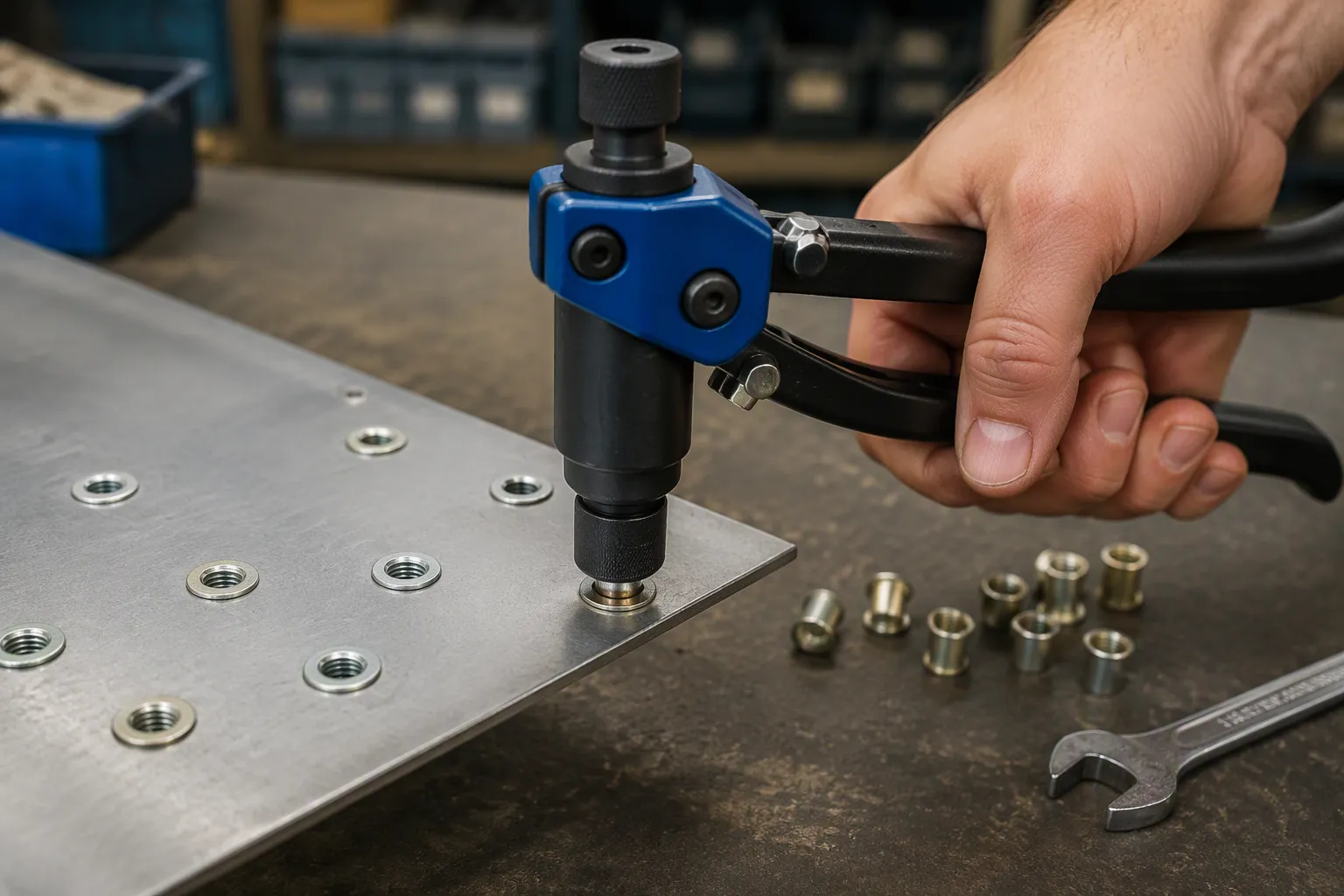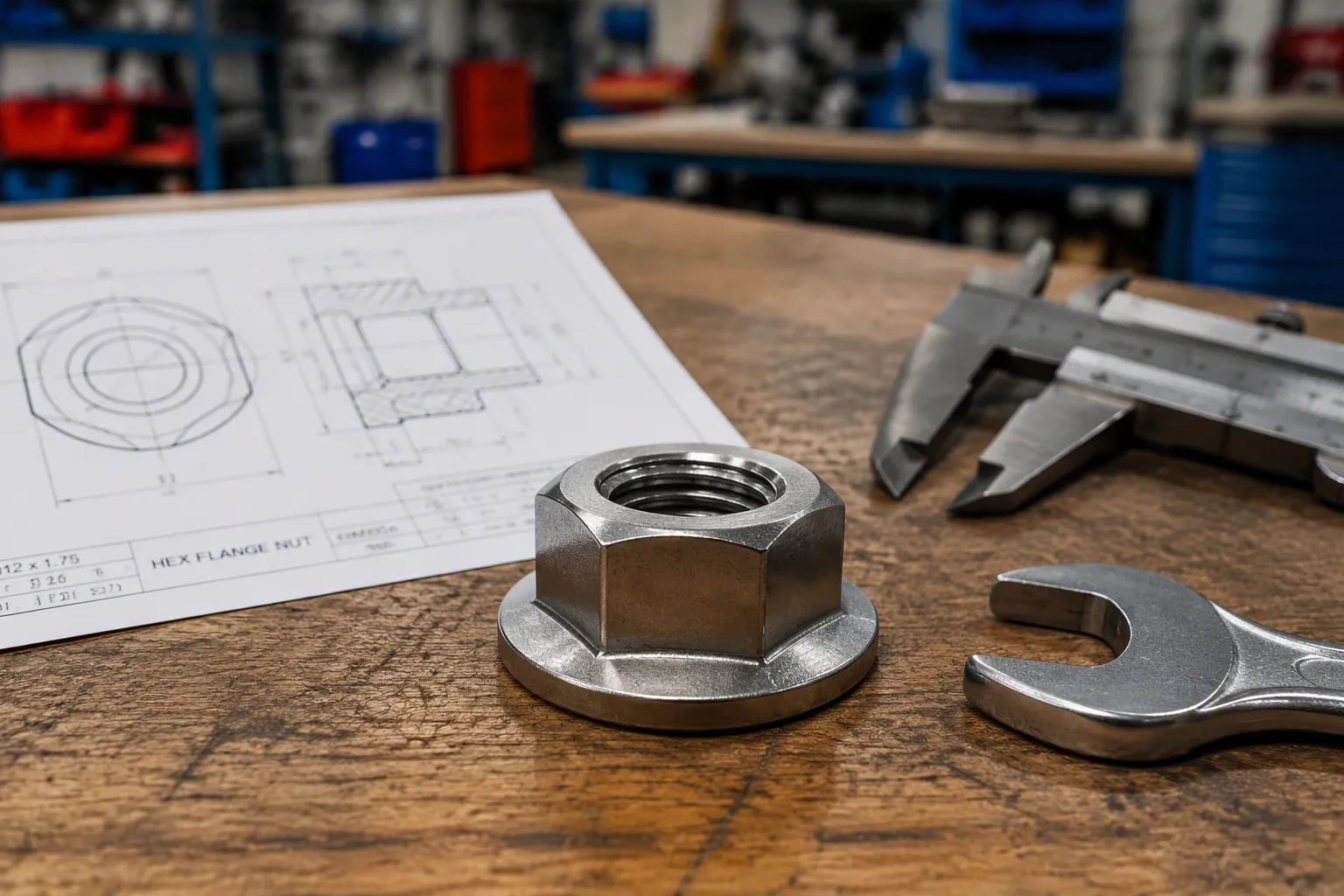
Serrated flange nuts provide superior grip and vibration resistance, making them ideal for dynamic environments like automotive or machinery applications. Non-serrated flange nuts protect surfaces and suit static joints or painted materials. The choice depends on vibration exposure, surface type, and strength needs.
| Decision Factor | Serrated Flange Nuts | Non-Serrated Flange Nuts |
|---|---|---|
| Vibration Resistance | Enhanced grip, resists loosening | Standard, less effective |
| Surface Interaction | Rougher grip, can mark surfaces | Smooth, protects finish |
| Mechanical Properties | Often higher strength | Generally lower strength |
| Application Suitability | Dynamic settings | Static or delicate surfaces |
A custom fasteners manufacturer may recommend the right flange nut for specialized nuts and bolts or custom fasteners.
What Are Serrated and Non-Serrated Flange Nuts?
Flange nuts belong to a group of fasteners that feature a protruding rim, or flange, at one end. This built-in washer design allows for easier assembly with bolts and eliminates the need for a separate washer. The flange distributes pressure over a larger area, which helps prevent damage to the connected materials and ensures a secure fit. Among the common types of flange nuts, serrated flange nuts and non-serrated flange nuts stand out due to their unique features and applications.
Serrated Flange Nuts
Design and Features
Serrated flange nuts have a distinctive design. The nut includes a wide, circular flange at its base, but what sets it apart is the presence of serrations—small, angled teeth—on the underside of the flange. These teeth grip the mating surface, providing extra holding power. Manufacturers often produce serrated flange nuts according to standards such as DIN 6923, ISO 4161, and ANSI B18.16.4, ensuring compatibility and reliability in demanding environments.
Key characteristics of serrated flange nuts include:
- Integrated flange that acts as a washer
- Serrated underside for enhanced grip
- Available in various finishes and sizes
- Designed for use with bolts in dynamic settings
The following table summarizes typical specifications:
| Specification | Details |
|---|---|
| Flange Diameter | 1.5-2.0 times nominal thread diameter |
| Nut Height | 0.8-1.0 times nominal thread diameter |
| Surface Finish | Smooth or serrated options available |
| Thread Tolerance | ISO metric 6H or better |
| Temperature Range | -50°C to +150°C |
| Compatible Bolt Standards | DIN 933 / ISO 4017, DIN 931 / ISO 4014 |
How Serrations Work
The serrations on serrated flange nuts serve a critical function. When tightened, the angled teeth bite into the surface of the material. This action increases friction and prevents the nut from loosening, especially in environments subject to vibration. The serrations can also break through surface coatings or oxidation, which ensures a reliable electrical ground. Serrated flange nuts excel in automotive, machinery, and structural applications where vibration resistance is essential.
Non-Serrated Flange Nuts
Design and Features
Non-serrated flange nuts feature a smooth, flat flange at the base. This design combines the benefits of a washer and a nut, spreading the load evenly across the surface. Unlike serrated flange nuts, these do not have teeth on the underside. Non-serrated flange nuts are ideal for applications where surface protection is important, such as painted or delicate materials.
Key features include:
- Flat, smooth flange for even pressure distribution
- No serrations, which protects the surface finish
- Suitable for static joints or where frequent removal is required
How the Smooth Flange Functions
The smooth flange on non-serrated flange nuts acts as a built-in washer. It spreads the clamping force over a larger area, reducing the risk of material bending or deformation. This feature makes non-serrated flange nuts a preferred choice for applications involving softer materials or surfaces that require protection from scratches and marks. They provide reliable fastening in static environments where vibration is minimal.
Tip: Always match the type of flange nut to the application’s requirements for grip, surface protection, and vibration resistance.
Key Differences: Serrated Flange Nuts vs Non-Serrated
Understanding the key differences between serrated and non-serrated flange nuts helps engineers and technicians select the right fastener for each application. These differences impact grip, vibration resistance, load distribution, and the potential for material damage.
Grip and Holding Power
Surface Contact
Serrated flange nuts feature angled teeth on the underside of the flange. These teeth dig into the mating surface, increasing friction and enhancing grip. This design ensures that the nut remains secure, even when exposed to movement or shifting loads. Non-serrated flange nuts, in contrast, have a smooth flange that sits flat against the surface. This smooth contact protects the material but does not provide the same level of grip as the serrated version.
Resistance to Loosening
Serrated flange nuts excel in resisting loosening under dynamic loads. The serrated surface increases friction, which is crucial for preventing the nut from backing off due to vibration or torque. Some specialized serrated flange nuts even include two-way locking mechanisms for added stability. Non-serrated flange nuts offer standard resistance to loosening, making them suitable for static joints where vibration is minimal.
Tip: Serrated flange nuts are the preferred choice for assemblies that experience frequent movement or vibration.
- Serrated flange nuts enhance grip and vibration resistance, making them more effective against loosening under dynamic loads.
- The serrated surface increases friction against the mating surface, which is crucial for preventing loosening due to vibrations.
- Specialized serrated flange nuts have two-way locking mechanisms that provide stability under fluctuating loads.
Vibration Resistance
Performance Under Vibration
Serrated flange nuts are known for their strong grip and ability to prevent loosening due to vibrations. The small teeth under the flange enhance stability, making these nuts ideal for automotive and machinery applications. Non-serrated flange nuts, with their smoother design, protect surfaces but do not resist vibrations as effectively. They work best in environments where aesthetics and material safety are more important than vibration resistance.
Applications with Movement
Serrated flange nuts commonly appear in cars and machines where stability is crucial. Their vibration resistance makes them suitable for chassis and suspension systems. Non-serrated flange nuts are often found in plumbing and HVAC systems, where a clean finish and surface protection take priority over vibration resistance.
- Serrated flange nuts: Commonly used in cars and machines where stability is crucial due to their vibration resistance.
- Non-serrated flange nuts: Often found in plumbing and HVAC systems, where a clean finish is more important than vibration resistance.
Load Distribution
Spreading Force
Both types of flange nut use a wide flange to distribute the clamping force over a larger area. This feature reduces the risk of material deformation and provides a more secure joint. Serrated flange nuts focus on grip, while non-serrated flange nuts prioritize even pressure and surface protection.
Preventing Material Damage
Serrated flange nuts grip the material’s surface, providing better resistance to loosening from vibrations. This makes them ideal for high-vibration environments like automotive and machinery applications. However, the serrations can mark or damage softer or painted surfaces. Non-serrated flange nuts, with their smooth underside, suit applications where avoiding surface damage is crucial, such as in furniture or delicate assemblies.
| Type of Flange Nut | Recommended Surface Type |
|---|---|
| Serrated Flange Nuts | Surfaces requiring resistance to vibration and torque-induced loosening |
| Non-Serrated Flange Nuts | Smoother surfaces where damage cannot be avoided |
Note: Always match the flange nut to the surface material and application requirements to ensure optimal performance and longevity.
Surface Compatibility
Suitability for Different Materials
Engineers must consider the material of the workpiece when selecting a flange nut. Serrated flange nuts perform best on hard surfaces such as steel or aluminum. The serrations grip the material and prevent loosening. However, these nuts can damage softer materials. Non-serrated flange nuts provide a better option for wood, plastic, or other soft substrates. The smooth flange spreads the load and reduces the risk of crushing or marking the surface.
A comparison of suitability for different materials:
| Material Type | Serrated Flange Nuts | Non-Serrated Flange Nuts |
|---|---|---|
| Steel/Aluminum | Excellent | Good |
| Plastic | Not Recommended | Excellent |
| Wood | Not Recommended | Excellent |
| Painted Surfaces | Risk of Damage | Ideal |
Note: Always match the flange nut to the hardness and finish of the material to ensure optimal performance.
Impact on Painted or Soft Surfaces
Painted and soft surfaces require special attention during assembly. Serrated flange nuts can break through paint layers and leave visible marks. This action may compromise the protective coating and lead to corrosion over time. Non-serrated flange nuts protect painted finishes by distributing pressure evenly. They prevent scratches and preserve the appearance of the assembly.
Installers often choose non-serrated flange nuts for furniture, decorative fixtures, or any application where aesthetics matter. Serrated flange nuts suit industrial environments where surface appearance holds less importance than mechanical strength.
Reusability and Maintenance
Ease of Removal and Reuse
Maintenance teams value fasteners that allow for easy removal and reuse. Non-serrated flange nuts excel in this area. The smooth flange does not bite into the surface, so technicians can remove and reinstall the nut multiple times without difficulty. Serrated flange nuts, on the other hand, may become difficult to remove after repeated tightening. The serrations can deform the mating surface, which increases friction and complicates disassembly.
A quick checklist for reusability:
- Non-serrated flange nuts: Best for assemblies requiring frequent maintenance or adjustments.
- Serrated flange nuts: Suitable for permanent or semi-permanent installations.
Wear and Tear on Surfaces
The choice of flange nut affects the long-term condition of the assembly surface. Serrated flange nuts can cause wear, especially on painted, coated, or soft materials. Over time, repeated use may lead to visible grooves or scratches. Non-serrated flange nuts minimize wear by maintaining a smooth interface with the workpiece. This feature extends the lifespan of both the fastener and the material.
Tip: For assemblies that require regular inspection or servicing, non-serrated flange nuts help preserve both the fastener and the surface.
Pros and Cons of Serrated Flange Nuts
Advantages
Enhanced Grip
Serrated flange nuts deliver enhanced grip, which stands out as one of their most significant benefits. The serrations on the underside of the flange nut bite into the mating surface, preventing rotation and maintaining a secure hold. This feature proves especially valuable in assemblies that experience frequent movement or vibration. Mechanical engineers often refer to these fasteners as locking nuts or washer nuts because the integrated flange increases the surface contact area. This design not only improves stability but also makes the flange nut ideal for oversized holes or irregular surfaces.
- The serrated flange acts like a washer, distributing load over a larger area.
- The integrated design reduces the number of components needed for assembly.
- The locking feature directly incorporated into the nut enhances joint stability.
Vibration Resistance
Another key benefit of the serrated flange nut is its ability to resist loosening caused by vibration. The angled teeth on the flange prevent the nut from rotating in the loosening direction, which maintains holding power even in dynamic environments. This vibration resistance makes serrated flange nuts a preferred choice in automotive, machinery, and heavy equipment applications. The superior clamping force provided by the flange nut ensures that joints remain tight, reducing the risk of mechanical failure.
Note: Serrated flange nuts often cost less than non-serrated alternatives in bulk purchasing scenarios, making them a cost-effective solution for high-volume applications.
| Type of Nut | Price |
|---|---|
| Serrated Flange Hex Lock Nut Zinc | $0.08 |
| Non Serrated Flange Lock Nut Grade G | $0.40 |
Disadvantages
Surface Damage Risk
Despite their many benefits, serrated flange nuts can present challenges, particularly when used on coated or delicate surfaces. The serrations that provide enhanced grip may distort or damage painted, plated, or soft materials. This distortion can compromise protective coatings and increase the risk of corrosion over time. For assemblies where surface appearance or integrity is critical, another type of flange nut may offer better protection.
- Serrated flange nuts can cause distortion on coated surfaces.
- The risk of corrosion increases if the serrations break through protective layers.
Limited Reusability
Serrated flange nuts also have limitations regarding reusability. The aggressive grip of the serrations can deform the mating surface, making repeated removal and installation difficult. Over time, this wear can reduce the effectiveness of the flange nut and damage the workpiece. Maintenance teams may find that non-serrated flange nuts provide easier removal and longer-lasting surface protection in applications requiring frequent adjustments.
Tip: For projects that demand regular disassembly or involve painted surfaces, consider using a non-serrated flange nut to preserve both the fastener and the material.
Pros and Cons of Non-Serrated Flange Nuts
Advantages
Even Load Distribution
Non-serrated flange nuts offer a significant advantage in distributing clamping force. The wide flange at the base of each nut spreads the load over a larger area. This design reduces the risk of crushing or deforming the material under the nut. Many product datasheets highlight that the expanded bearing surface of a non-serrated flange nut enhances stability and reliability. Installers often choose this type of nut for assemblies that require even pressure, especially when working with softer materials or thin panels.
The following table summarizes the main advantages of non-serrated flange nuts:
| Advantage | Description |
|---|---|
| Expanded Bearing Surface | The flange increases the bearing area, improving stability. |
| Even Clamping Load Distribution | The flange helps distribute the clamping load evenly, reducing surface damage. |
| Smooth Surface for Flat Materials | The flange provides a smooth interface, ideal for flat materials. |
Surface Protection
Surface protection remains a key benefit of non-serrated flange nuts. The smooth flange prevents scratches, dents, or other damage to the workpiece. This feature makes these nuts suitable for painted, coated, or decorative surfaces. Many users prefer non-serrated flange nuts when aesthetics matter or when the assembly requires frequent removal and reinstallation. The smooth flange also helps maintain the integrity of protective coatings, which can prevent corrosion over time.
Tip: Non-serrated flange nuts work well in furniture, fixtures, and applications where surface appearance is important.
Disadvantages
Less Resistance to Loosening
Non-serrated flange nuts do not provide the same resistance to loosening as their serrated counterparts. The absence of serrations means the nut relies on standard friction to stay in place. In environments with vibration or movement, these nuts may loosen over time. Engineers often avoid using non-serrated flange nuts in automotive or machinery settings where vibration is common. For static joints or assemblies with minimal movement, this limitation poses less of a concern.
Not Ideal for High-Vibration Environments
High-vibration environments challenge the holding power of non-serrated flange nuts. Without serrations, the flange cannot grip the surface as effectively. Assemblies exposed to constant motion or shock loads may experience nut rotation or loosening. Maintenance teams may need to check and retighten these nuts more frequently in such conditions. For critical joints in vehicles or heavy equipment, a serrated flange nut usually offers better performance.
| Limitation | Description |
|---|---|
| Less Resistance to Loosening | May loosen under vibration or movement. |
| Not for High-Vibration Settings | Not recommended for automotive or machinery applications. |
Non-serrated flange nuts provide excellent surface protection and even load distribution. However, they do not suit every application. Engineers must consider the environment and performance requirements before selecting this type of flange nut.
Application Scenarios for Serrated Flange Nuts and Non-Serrated
Best Uses for Serrated Flange Nuts
Automotive and Machinery
Serrated flange nuts play a critical role in automotive and machinery assemblies. Engineers often select this type of flange nut for securing components that experience constant movement. The serrations on the flange grip the metal surfaces, preventing loosening from engine vibrations or road shocks. Mechanics rely on these nuts for mounting suspension parts, engine brackets, and transmission assemblies. The flange distributes the load, while the serrations act as an anti-vibration fastener, ensuring long-term reliability.
High-Vibration Settings
High-vibration environments demand fasteners that maintain joint integrity. Serrated flange nuts excel in these scenarios. Industrial equipment, conveyor systems, and agricultural machinery all benefit from the enhanced grip provided by the serrated flange. The teeth on the underside of the flange bite into the surface, locking the nut in place. This design reduces the need for frequent retightening and minimizes downtime due to loose connections.
Best Uses for Non-Serrated Flange Nuts
Painted or Soft Surfaces
Non-serrated flange nuts offer superior protection for delicate surfaces. The smooth flange prevents scratches and preserves paint or coatings. Furniture manufacturers and fixture installers often choose this type of flange nut to maintain the appearance of finished products. The even pressure from the flange reduces the risk of crushing wood, plastic, or other soft materials. Assemblers can achieve a secure hold without damaging the workpiece.
Applications Requiring Frequent Removal
Assemblies that require regular maintenance benefit from non-serrated flange nuts. The smooth flange allows for easy removal and reinstallation. Maintenance teams in HVAC, plumbing, and electrical industries prefer this nut for access panels and service covers. The absence of serrations means the flange nut does not deform the mating surface, extending the lifespan of both the fastener and the material.
Manufacturers recommend non-serrated flange nuts for a range of industries. The following table highlights common uses:
| Industry/Application | Description |
|---|---|
| Oil and Gas Industry | Suitable for pipelines and flanged connections in aggressive environments. |
| Power Generation Equipment | Used in transmission line towers and substations for load distribution. |
| Automotive | Ideal for applications with moderate vibrations, such as chassis and suspension systems. |
Real-World Examples
Case Study: Automotive Assembly
An automotive manufacturer assembles a vehicle chassis using serrated flange nuts. The nuts secure the suspension system, which faces constant vibration and shock. The serrated flange grips the metal frame, preventing loosening during operation. This approach increases safety and reduces the need for maintenance.
Case Study: Furniture and Fixtures
A furniture company produces office desks with painted metal legs. The assembly team selects non-serrated flange nuts to attach the legs to the tabletop. The smooth flange protects the painted finish and allows for easy disassembly if repairs are needed. This choice maintains the product’s appearance and supports long-term durability.
Decision Factors: Choosing the Right Flange Nut
Selecting the right flange nut depends on several critical factors. Engineers and technicians must evaluate the workpiece material, environmental conditions, and the specific performance requirements of the assembly. Each factor influences the reliability, safety, and longevity of the connection.
Material of the Workpiece
Metal vs. Plastic or Wood
The material of the workpiece plays a significant role in fastener selection. Metal surfaces, such as steel or aluminum, provide a hard and durable base. Serrated flange nuts perform well on these materials because the serrations can grip the surface without causing excessive damage. This grip ensures a secure connection, even under stress.
Plastic and wood, on the other hand, are softer and more prone to deformation. Serrated designs may bite too deeply, leading to surface damage or reduced holding strength. Non-serrated flange nuts offer a better solution for these materials. The smooth flange distributes pressure evenly, preventing crushing or marking. Installers often choose non-serrated options for furniture, cabinetry, or assemblies involving plastic housings.
Painted or Coated Surfaces
Painted or coated surfaces require special attention. Serrated flange nuts can break through protective layers, exposing the underlying material and increasing the risk of corrosion. This exposure can compromise both the appearance and the structural integrity of the assembly. Non-serrated flange nuts protect these finishes by spreading the load without scratching or penetrating the coating. For applications where aesthetics and corrosion resistance matter, non-serrated options provide a clear advantage.
Environmental Conditions
Exposure to Vibration
Assemblies exposed to vibration demand fasteners that resist loosening. Automotive, machinery, and industrial equipment often operate in environments with constant movement. Serrated flange nuts excel in these settings. The serrations lock the nut in place, maintaining joint integrity even when subjected to shocks or repetitive motion.
In contrast, static environments with minimal vibration allow for the use of non-serrated flange nuts. These nuts provide sufficient holding power without the risk of surface damage. Installers must match the fastener to the expected level of vibration to ensure long-term reliability.
Corrosive or Outdoor Environments
Environmental exposure introduces additional challenges. Outdoor assemblies, marine equipment, and chemical processing plants face moisture, salt, and harsh chemicals. Corrosion can weaken fasteners and lead to premature failure. The choice of flange and its material finish becomes critical in these scenarios.
Resistance to corrosion is essential in wet, acidic, or alkaline environments. Materials must also be non-toxic and non-reactive, especially in food processing or medical applications.
Manufacturers must comply with environmental regulations, such as REACH, to avoid restrictions in certain industries. Corrosion from serrated flange nuts affects a significant percentage of marine and exterior assemblies, highlighting the need for proper material selection and compliance.
| Evidence Type | Description |
|---|---|
| Corrosion Impact | The corrosive property of flange nuts can impede market growth, especially in high-precision environments. |
| Regulatory Challenges | Manufacturers face restrictions in REACH-regulated sectors due to environmental compliance failures. |
| Environmental Compliance | Corrosion from serrated flange nuts affects 15-20% of marine and exterior assemblies, highlighting the need for compliance with environmental standards. |
Easy cleaning and maintenance also play a role in industries with strict hygiene standards. Fasteners must allow for regular inspection and cleaning to prevent contamination.
Performance Requirements
Need for High Grip
Some assemblies require maximum holding power. High-grip connections prevent loosening in critical joints, such as those found in vehicles or heavy machinery. Serrated flange nuts deliver this performance by biting into the mating surface. The increased friction ensures the nut remains secure, even under dynamic loads.
Need for Easy Removal and Reuse
Other applications prioritize ease of maintenance. Assemblies that require frequent disassembly benefit from non-serrated flange nuts. The smooth flange allows for repeated removal without damaging the surface or reducing holding strength. Maintenance teams can service equipment efficiently, extending the lifespan of both the fastener and the workpiece.
Tip: Always consider the balance between grip strength and surface protection when choosing a flange nut. The right choice depends on the specific demands of the application.
Quick Selection Checklist
Selecting the right flange nut for any application requires careful evaluation of several factors. This checklist helps engineers, technicians, and installers make informed decisions quickly and confidently.
1. Assess the Application Environment
Vibration Level
- High vibration or movement: Choose serrated flange nuts for superior grip.
- Low or no vibration: Non-serrated flange nuts provide adequate security.
Surface Material
- Hard metals (steel, aluminum): Serrated flange nuts deliver optimal performance.
- Soft materials (wood, plastic): Non-serrated flange nuts prevent surface damage.
2. Evaluate Surface Finish
- Painted, coated, or decorative surfaces: Non-serrated flange nuts protect finishes and prevent scratches.
- Unfinished or industrial surfaces: Serrated flange nuts offer enhanced locking ability.
3. Consider Maintenance Requirements
- Frequent removal or adjustments: Non-serrated flange nuts allow easy disassembly and reuse.
- Permanent or semi-permanent joints: Serrated flange nuts maintain joint integrity over time.
4. Analyze Load Distribution Needs
- Assemblies with thin or delicate materials: Non-serrated flange nuts distribute force evenly across the flange.
- Heavy-duty or structural connections: Both types of flange can spread load, but serrated options add extra holding power.
5. Review Environmental Exposure
- Outdoor, marine, or corrosive environments: Select flange nuts with appropriate corrosion-resistant coatings.
- Clean or controlled environments: Standard finishes may suffice.
6. Confirm Compliance and Safety
- Check industry standards and regulations for the specific application.
- Ensure the selected flange nut meets all mechanical and environmental requirements.
Tip: When in doubt, consult with a fastener specialist or refer to manufacturer datasheets for guidance on flange nut selection.
Quick Reference Table
| Decision Factor | Serrated Flange Nut | Non-Serrated Flange Nut |
|---|---|---|
| Vibration Resistance | Excellent | Moderate |
| Surface Protection | May damage soft/painted areas | Preserves finish |
| Reusability | Limited | High |
| Load Distribution | Good | Excellent |
| Maintenance Frequency | Low | High |
Engineers should use this checklist as a practical guide when specifying flange nuts for any project. The right choice ensures safety, durability, and ease of maintenance.
Selecting the right flange nut depends on vibration, surface type, and maintenance needs. Serrated options suit high-vibration machinery, while non-serrated types protect delicate finishes. Key decision factors include material composition, thread size, flange dimensions, tensile strength, and surface finish. The table below summarizes these points for quick reference.
| Decision Factor | Description |
|---|---|
| Material Composition | Match to environment and strength needs. |
| Thread Size and Pitch | Ensure bolt compatibility. |
| Flange Diameter and Thickness | Larger flanges spread load but need more space. |
| Tensile Strength and Grade | Higher grades offer more strength. |
| Surface Finish | Choose for appearance and corrosion resistance. |
FAQ
What is the main difference between serrated and non-serrated flange nuts?
Serrated types have teeth under the flange that grip the surface and resist loosening. Non-serrated types have a smooth flange that protects surfaces and spreads load evenly.
Can you reuse a serrated flange nut?
Technicians can reuse a serrated flange nut, but repeated use may damage the surface and reduce holding power. For frequent maintenance, non-serrated options work better.
Are flange nuts suitable for plastic or wood assemblies?
Installers should use non-serrated flange nuts for plastic or wood. The smooth flange prevents crushing or marking softer materials, while serrated types may cause damage.
Do serrated flange nuts work on painted surfaces?
Serrated flange nuts can break through paint and cause scratches. For painted or coated surfaces, non-serrated types protect the finish and prevent corrosion.
How does a flange improve fastener performance?
A flange increases the contact area under the nut. This design spreads force, reduces material deformation, and improves joint stability.
Which industries use flange nuts most often?
Automotive, machinery, construction, and furniture industries use flange nuts. These fasteners provide secure joints and reduce assembly time.
How do you choose the right flange nut for your project?
Engineers should consider vibration, surface type, maintenance needs, and environmental exposure. Serrated types suit high-vibration settings, while non-serrated types protect delicate finishes.
Tip: Always check manufacturer recommendations for the best flange nut in specialized applications.