Nylock nut installation in DIY projects demands careful technique to ensure secure and lasting results. This video tutorial demonstrates correct procedures for using nuts and bolts, helping prevent frequent issues such as cracking of plastic components and ineffective nylon inserts. The table below highlights common mistakes reported by users when working with custom fasteners from a custom fasteners manufacturer.
| User Experience | Issue Reported |
|---|---|
| User 1 | Cracking of plastic components due to pressure from curing thread locker. |
| User 2 | Lexan cover split after using Loctite on screws. |
| User 3 | Cracking due to expansion of thread locker with plastics. |
| User 4 | Plastic crumbling after exposure to Loctite. |
| User 5 | Nylock’s nylon insert becomes ineffective after using thread locker. |
Under typical conditions, a nylock nut can last from several months to a few years, but harsh environments may reduce its lifespan.
What You Need for Nylock Nut Installation
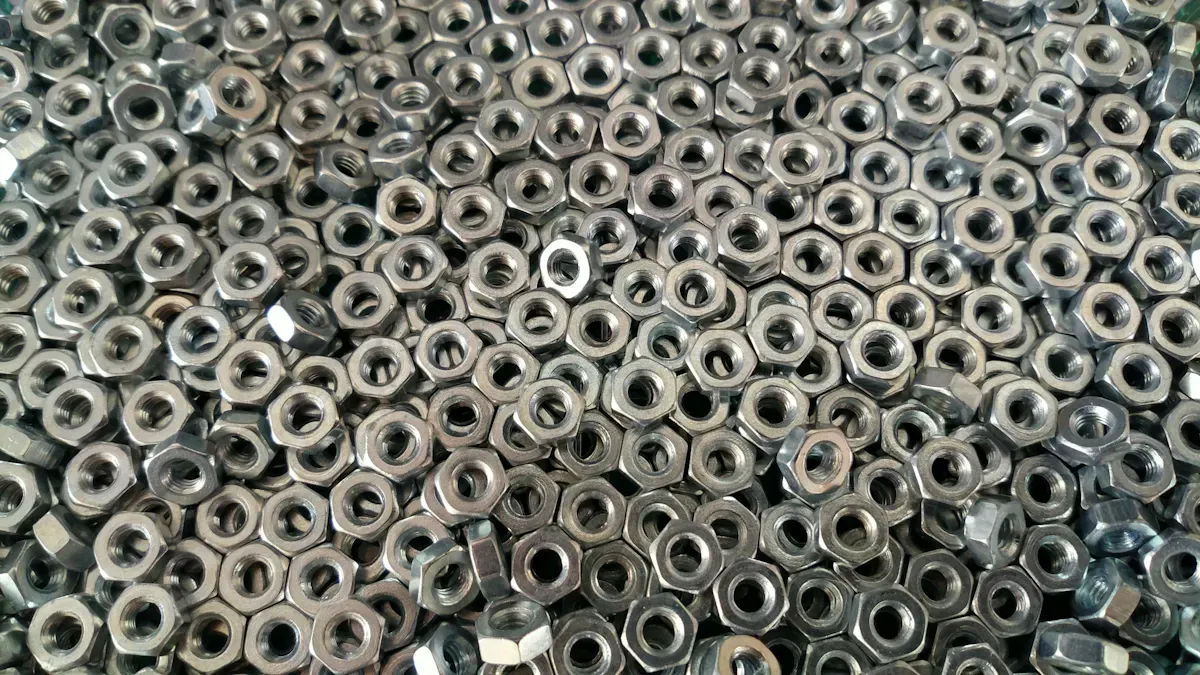
Before starting any nylock nut installation, preparation ensures a smooth and secure process. The right tools, materials, and safety gear help achieve professional results and prevent common mistakes.
Tools Required
Wrenches and Sockets
Wrenches and sockets allow users to grip and turn nuts and bolts with precision. They come in various sizes to match different fasteners. Using the correct size prevents rounding off the corners of the nut.
Pliers and Grips
Pliers and grips provide extra hold when working in tight spaces or with stubborn fasteners. They help stabilize the bolt or nut during installation.
Torque Wrench
A torque wrench measures the force applied to the nut. This tool ensures the installer does not over-tighten or under-tighten the nylock nut. Proper torque is essential because the nylon insert inside the nut creates friction that resists loosening from vibration.
Locking Pliers
Locking pliers secure the bolt or nut in place. They prevent movement during tightening and help achieve consistent results.
Materials Checklist
- Nylock Nuts: These nuts feature a nylon insert that resists rotation and prevents loosening. The nylon insert is crucial for maintaining tightness, especially in environments with vibration or torque.
- Compatible Bolts: Select bolts that match the thread size and material of the nylock nut. Familiarity with ISO and ASTM standards helps ensure compatibility and safety.
- Washers (if needed): Washers distribute pressure evenly and protect surfaces from damage.
- Thread Locker (optional): Thread locker adds extra resistance to loosening, but users should avoid it with plastic components to prevent cracking.
- Anti-Seize Compound (optional): This compound prevents galling and makes future removal easier, especially in outdoor or corrosive environments.
Tip: Nylock nuts are engineered to withstand vibrational forces. The friction from the nylon insert against the threads maintains tightness over time, making these nuts ideal for dynamic applications.
Safety Gear
Gloves
Gloves protect hands from sharp edges, hot surfaces, and accidental slips. They also improve grip when handling tools and fasteners.
Eye Protection
Eye protection shields eyes from flying debris, especially when cutting, grinding, or tightening fasteners.
| Characteristic | Description |
|---|---|
| Vibration Resistance | The nylon insert provides friction that resists loosening due to vibrations, effective up to 40Hz. |
| Torque | Requires installation torque of 10 to 30 Nm, depending on bolt size and application. |
| Temperature Restrictions | Loses strength above 250°F, not suitable for high-temperature applications like exhaust systems. |
| Applications | Used in automotive and machinery industries, effective in environments with continuous vibrations. |
By gathering these tools, materials, and safety gear, users can follow industry standards and achieve reliable, long-lasting nylock nut installations.
Step-by-Step Video Tutorial for Nylock Nut Installation
A well-executed nylock nut installation starts with careful preparation and follows a precise assembly process. This video tutorial demonstrates each step, ensuring users achieve secure and reliable results.
Preparation
Choosing the Right Nylock Nut
Selecting the correct nylock nut is essential for a secure connection. They must match the diameter and thread pitch of the bolt. Users should check the application requirements, such as material compatibility and environmental conditions. For example, stainless steel nylock nuts resist corrosion in outdoor projects, while zinc-plated nuts suit indoor use.
Selecting the Correct Bolt Size
The bolt must fit the nylock nut perfectly. Mismatched threads can cause cross-threading or weak joints. Users should always verify the bolt’s diameter and thread pitch against the nut’s specifications. A simple thread gauge helps confirm compatibility.
Inspecting Parts for Cleanliness
Cleanliness ensures a strong and lasting connection. Users should:
- Wipe all contact surfaces with a solvent-based cleaner and a non-linting cloth.
- Remove debris or rust from threads using a wire brush.
- Maintain a clean workspace to prevent contamination.
- Confirm that all tools are in good working order and calibrated.
| Step | Description |
|---|---|
| 1 | Clean all contact surfaces with a solvent-based cleaner and a non-linting cloth. |
| 2 | Ensure the threaded fastener is clean and free of debris or rust for a secure fit. |
| 3 | Maintain a clean workspace to prevent contamination during installation. |
| 4 | Select the appropriate self-locking nut and bolt that match in diameter and thread. |
| 5 | Verify that all tools are in working order and calibrated correctly for optimal installation. |
Tip: Proper preparation prevents common issues such as cross-threading and ensures the nylock nut performs as designed.
Assembly Process
Aligning the Bolt and Nut
Accurate alignment prevents thread damage and ensures smooth installation. Users should position the nylock nut against the threaded end of the bolt, making sure both components are straight and centered.
Hand-Threading the Nylock Nut
Hand-threading allows users to feel for resistance or misalignment. They should turn the nut by hand until the nylon insert contacts the bolt threads. If the nut does not spin freely at first, users should stop and check for debris or mismatched threads.
Tightening with Tools
Once the nut reaches the nylon insert, tools become necessary. A wrench or socket provides the leverage needed to drive the nut onto the bolt. For best results, users should:
- Use a torque wrench to tighten the nut to the manufacturer’s recommended torque.
- Avoid using power tools at high speed, which can overheat the nylon insert.
- Ensure the flat surface of the nut sits flush against the workpiece.
This video tutorial demonstrates each step, highlighting the importance of proper technique for a secure fit.
Tips for Secure Installation
Ensuring Proper Thread Engagement
Full thread engagement maximizes holding strength. The bolt should extend at least two threads beyond the nylock nut after tightening. This ensures the nylon insert grips the threads completely.
Avoiding Over-Tightening
Over-tightening can damage the nylon insert and reduce its locking ability. Users should always follow the specified torque values. A torque wrench helps prevent excessive force.
Double-Checking for Security
After installation, users should check the assembly for movement or gaps. They can gently wiggle the components to confirm tightness. For critical applications, additional measures such as safety wire or retainer pins provide extra security.
Note: Experts recommend using threadlockers or dry patch systems for added reliability in high-vibration environments. However, users should avoid these with plastic components to prevent damage.
By following the steps in this video tutorial, users can achieve professional results and avoid common pitfalls in nylock nut installation.
Common Mistakes and How to Avoid Them
Mistakes during nylock nut installation can compromise the integrity of any DIY project. Recognizing these errors and understanding how to prevent them ensures a secure and lasting result.
Cross-Threading Issues
Cross-threading occurs when the nut does not align properly with the bolt threads. This mistake damages both components and weakens the connection. To avoid cross-threading, users should always start threading the nut by hand. If resistance appears early, they should stop and realign the nut. Clean threads and proper alignment reduce the risk of this issue.
Using the Wrong Size Nut or Bolt
Selecting the incorrect nut or bolt size leads to poor engagement and potential failure. A nut that is too large will not grip the threads, while a nut that is too small will not fit at all. Users should verify the diameter and thread pitch before assembly. A thread gauge or sizing chart helps confirm compatibility.
Not Tightening Enough
Insufficient torque leaves the nylock nut vulnerable to loosening, especially in environments with vibration. Nuts that are not tightened to the recommended specification may back off over time. Users should always use a torque wrench and follow the manufacturer’s guidelines for torque values.
- Vibration loosening often results from under-torqued nuts, especially in applications exposed to wind or movement.
- Inconsistent torque during installation increases the risk of the nut loosening.
Over-Tightening and Damaging the Nylon Insert
Applying excessive force can deform or melt the nylon insert, reducing its locking ability. Over-tightening also risks stripping the threads or damaging the workpiece. Users should tighten the nut slowly and avoid power tools that generate heat. Following the instruction manual and using a torque wrench prevents this problem.
Note: Prevailing torque lock nuts generate heat during installation. Install these nuts slowly to avoid damaging the nylon insert.
Other Common Mistakes:
- Surface misalignment creates uneven pressure and weakens the fastening.
- Ignoring temperature considerations can cause nuts to loosen in high-heat environments.
- Failing to lubricate threads may lead to galling or corrosion, making future removal difficult.
How to Avoid These Mistakes:
- Choose high-quality stainless steel nuts for projects exposed to high temperatures.
- Apply lubrication to prevent corrosion and galling.
- Always follow the manufacturer’s instructions for torque and installation.
- Tighten nuts slowly and avoid overtightening.
Troubleshooting
Even with careful installation, issues can arise. Understanding common problems and their solutions helps maintain the integrity of the assembly.
Nut Won’t Thread On
If the nut refuses to thread onto the bolt, users should check for debris or damage on the threads. Cleaning the threads with a wire brush often resolves the issue. If the nut still will not fit, users should verify that the nut and bolt have matching diameters and thread pitches. Cross-threading or using mismatched components often causes this problem.
Nut Loosens Over Time
A nylock nut that loosens after installation usually indicates insufficient torque or excessive vibration. Users should re-tighten the nut using a torque wrench and ensure full thread engagement. In high-vibration environments, additional measures such as washers or thread locker may help, but users should avoid thread locker with plastic components. Consistent torque application and proper alignment during installation prevent most loosening issues.
Proper installation, as demonstrated in the video tutorial, reduces the likelihood of these problems and ensures a secure, long-lasting connection.
Practical Applications of Nylock Nuts in DIY Projects
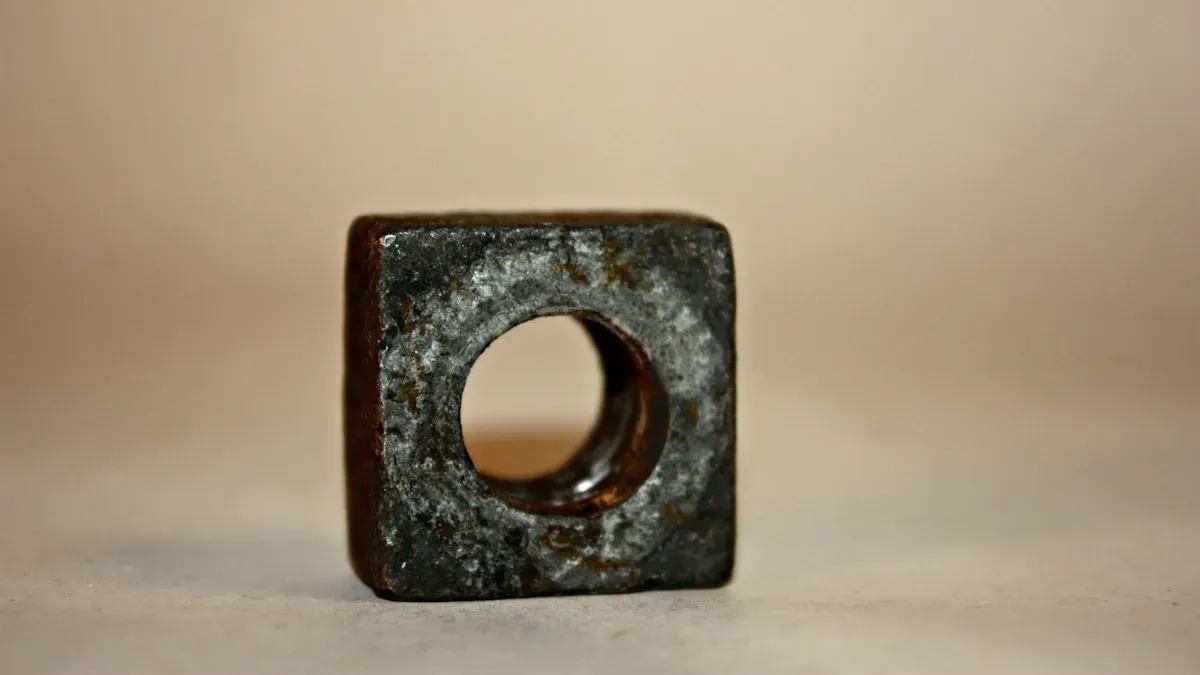
Nylock nuts serve as reliable fasteners in a wide range of DIY projects. Their unique nylon insert resists loosening, making them ideal for applications that experience movement or vibration. Many users prefer nylock nuts for their straightforward installation and ability to maintain joint integrity over time.
Furniture Assembly
Securing Table Legs
Furniture often endures frequent movement and shifting. Nylock nuts help secure table legs by preventing the fasteners from backing out, even after repeated use. The nylon insert grips the bolt threads, which keeps the connection tight. Users find that nylock nuts allow for easy assembly and disassembly, making them suitable for furniture that may require relocation or adjustment.
Tip: Nylock nuts do not damage bolt threads during repeated tightening and loosening. This feature extends the lifespan of both the nut and the bolt.
Building Shelving Units
Shelving units must support weight and withstand vibration from daily use. Nylock nuts provide a dependable solution for these assemblies. Their resistance to loosening eliminates the need for additional washers or adhesives. Many furniture makers choose nylock nuts for demanding designs because they maintain stability and safety.
- Maintains joint integrity under movement
- Easy to assemble and disassemble
- Resistant to vibration-induced loosening
Home Repairs
Fixing Loose Fixtures
Loose fixtures, such as towel racks or cabinet handles, often result from fasteners that lose tension over time. Nylock nuts address this issue by holding their position, even when subjected to frequent use. Homeowners can install nylock nuts to restore stability and prevent future loosening.
Reinforcing Outdoor Equipment
Outdoor equipment faces harsh conditions, including wind and vibration. Nylock nuts offer excellent resistance to these forces. Their nylon insert prevents the nut from spinning off, which keeps outdoor furniture, playsets, and garden structures secure throughout the seasons.
Hobby and Craft Projects
Model Building
Model builders value precision and reliability. Nylock nuts ensure that small parts remain in place, even when models experience movement or vibration. Users report that nylock nuts are a preferred choice for beadlock assemblies, where secure fastening is critical. Over time, users find that mounting and dismounting become easier as they gain experience with these nuts.
DIY Bike Repairs
Bicycles require fasteners that can withstand constant motion. Nylock nuts excel in this environment. They prevent bolts from loosening during rides, which enhances safety and reduces maintenance. Cyclists often select nylock nuts for securing components such as racks, fenders, and accessories.
Note: Welding nuts can weaken them. Nylock nuts provide a better alternative for assemblies that require repeated adjustments or exposure to vibration.
Nylock nuts have become a staple in DIY projects due to their reliability, ease of use, and ability to maintain secure connections in challenging environments.
Automotive and Mechanical Uses
Nylock nuts play a vital role in automotive and mechanical projects. Their unique design offers superior resistance to vibration and loosening, which makes them a preferred choice for securing critical components. Mechanics and DIY enthusiasts rely on these fasteners to maintain safety and reliability in vehicles and machinery.
| Benefit | Description |
|---|---|
| Vibration Resistance | Designed to withstand vibrational forces, preventing loosening over time. |
| Increased Thread Friction | Provides additional friction, enhancing resistance to loosening and maintaining joint integrity. |
| Reliable Performance | Ensures components remain securely fastened, reducing the need for re-tightening. |
| Cost-Effective Solution | Eliminates the need for additional locking mechanisms, reducing assembly time and costs. |
Attaching Engine Components
Engine compartments experience constant vibration and temperature changes. Nylock nuts help secure parts such as brackets, covers, and mounts. The nylon insert inside each nut increases friction on the bolt threads. This feature prevents the nut from backing off, even when the engine runs for extended periods.
Mechanics often use nylock nuts to attach air filter housings, alternator brackets, and valve covers. These fasteners maintain tightness without frequent checks or adjustments. The added friction from the nylon insert ensures that engine vibrations do not compromise the connection. For high-performance engines, nylock nuts provide peace of mind by reducing the risk of component failure due to loose fasteners.
Tip: Always check the temperature rating of the nylock nut before using it near hot engine parts. Standard nylon inserts lose strength above 250°F.
Securing Body Panels
Body panels require secure fastening to prevent rattling and misalignment. Nylock nuts offer a simple and effective solution for attaching fenders, bumpers, and underbody shields. The locking action of the nylon insert holds the nut in place, even when the vehicle travels over rough roads.
Automotive technicians prefer nylock nuts for their ease of installation and reliable performance. These nuts eliminate the need for additional locking washers or adhesives. As a result, assembly time decreases, and the risk of panel loosening drops significantly.
- Maintains panel alignment during vehicle operation
- Reduces noise caused by loose fasteners
- Simplifies future repairs or replacements
Nylock nuts deliver consistent results in both engine and body applications. Their vibration resistance and cost-effectiveness make them indispensable in automotive and mechanical projects.
Pro Tips for Best Results with Nylock Nuts
Choosing Quality Nylock Nuts
Material Considerations
Selecting the right material for nylock nuts ensures optimal performance and longevity. Stainless steel offers superior corrosion resistance, making it suitable for outdoor and marine environments. Aluminum provides a lightweight option for projects where weight reduction matters. The thermal properties of nylon restrict nylock nuts to temperatures below 250°F. All-metal lock nuts withstand higher temperatures and frequent disassembly, which makes them preferable for high-heat or heavy-duty applications.
Tip: Always match the nut material to the demands of the project environment. Stainless steel resists humidity and salt spray, while zinc-plated nuts suit indoor use.
Sourcing Reliable Brands
Quality matters when sourcing nylock nuts. Reputable brands comply with industry standards, ensuring safety and performance. Reliable manufacturers provide clear specifications and certifications. Choosing nuts from trusted suppliers reduces the risk of structural failures and guarantees consistent results.
| Criteria | Description |
|---|---|
| Material Selection | Choose materials like stainless steel for corrosion resistance or aluminum for lightweight needs. |
| Environmental Considerations | Assess the operating environment to ensure the nut can withstand conditions like humidity or temperature. |
| Installation Ease | Evaluate how easy it is to install the nut in your specific application. |
| Compliance with Standards | Ensure the selected nut meets relevant industry standards for safety and performance. |
Maintenance and Reuse
When to Replace Nylock Nuts
Nylock nuts have a limited reusable life due to wear on the nylon insert. For safety-critical or high-vibration applications, technicians replace nylock nuts whenever the joint is disassembled. In non-critical projects, users may reuse them three to five times if the nylon insert still provides adequate grip. After several assembly cycles, the locking performance decreases, so replacement becomes necessary.
- Replace nylock nuts after a few assembly cycles for effective locking.
- In non-critical uses, reuse up to five times if the nylon insert remains intact.
- Always replace in safety-critical or high-vibration joints.
Cleaning and Storage Tips
Proper maintenance extends the life of nylock nuts. Clean bolt and nut threads thoroughly to remove debris and ensure optimal grip. Use appropriate tools to apply consistent pressure during tightening, avoiding overtightening that damages the nylon. Store nuts in dry, organized containers to prevent corrosion and contamination.
- Clean threads before each installation.
- Avoid overtightening to preserve the nylon insert.
- Store in dry, labeled containers for easy access.
Working with Different Materials
Metal vs. Plastic Components
Nylock nuts interact differently with metal and plastic parts. Metal components tolerate higher torque and repeated assembly. Plastic parts require careful tightening to prevent cracking or deformation. The nylon insert may degrade under UV exposure or humidity, so stainless steel nuts offer better resistance in harsh environments.
- Metal parts allow for higher torque and frequent reuse.
- Plastic parts need gentle tightening and careful material selection.
Outdoor vs. Indoor Use
Environmental factors influence nylock nut performance. Outdoor projects face rain, snow, and humidity, which demand corrosion-resistant fasteners. Stainless steel or marine-grade nuts withstand these elements and offer lifespans exceeding 50 years. Indoor applications benefit from zinc-plated or galvanized nuts, which provide adequate protection and ease of installation.
| Environmental Factor | Impact on Performance | Recommendation |
|---|---|---|
| Corrosion Resistance | Critical for fasteners like nylock nuts; improper selection can lead to structural failures. | Use stainless steel or coated fasteners. |
| Exposure to Harsh Conditions | Areas with rain, snow, or humidity require materials that withstand these elements. | Consider marine-grade fasteners. |
| Lifespan in Corrosive Environments | Stainless steel can last over 50 years; galvanized fasteners offer up to 30 years of protection. | Choose appropriate materials based on environment. |
Note: Always assess the project environment before selecting nylock nuts. Proper material choice and maintenance ensure lasting performance and safety.
Safety and Best Practices for Nylock Nut Installation
Safe Handling of Tools
Preventing Injuries
Safety remains a top priority during nylock nut installation. Individuals who handle tools must protect themselves from sharp edges and flying debris. Gloves shield hands from accidental slips and cuts. Safety goggles guard eyes against particles that may become airborne during tightening or cleaning. Many professionals recommend inspecting tools before use. They check for damage or wear that could compromise safety. Proper tool calibration ensures consistent performance and reduces the risk of unexpected malfunctions.
Wearing gloves and safety goggles creates a barrier against common hazards. This practice helps prevent injuries and supports a safe working environment.
Proper Tool Use
Correct tool usage leads to efficient and safe installation. Wrenches and sockets must match the size of the nut and bolt. Using the wrong tool increases the risk of rounding off corners or slipping, which can cause injury. Torque wrenches provide precise control over tightening force. Individuals who use torque wrenches avoid over-tightening, which protects both the nylon insert and the workpiece. Locking pliers stabilize components, reducing movement and minimizing the chance of accidents.
| Tool | Purpose | Safety Benefit |
|---|---|---|
| Wrench/Socket | Tightens nuts and bolts | Prevents slippage |
| Torque Wrench | Controls tightening force | Avoids over-tightening |
| Locking Pliers | Holds components in place | Reduces movement and hazards |
Protecting Your Work Area
Keeping Workspace Organized
A clean and organized workspace supports both safety and efficiency. Individuals remove dirt, oil, and debris from the area before beginning installation. They wipe threads with a lint-free cloth to ensure a secure fit. Air blowers help eliminate residual particles that may interfere with assembly. Professionals replace or clean corroded or damaged threads to maintain integrity. Organized tools and materials reduce clutter and prevent accidents.
- Remove dirt, oil, and debris from the workspace.
- Wipe threads with a clean lint-free cloth.
- Use air blowers to clear residual debris.
- Replace or clean damaged threads.
- Arrange tools and materials for easy access.
An organized workspace minimizes distractions and allows for focused, precise work.
Cleaning Up After Installation
Post-installation cleanup preserves the work area and prevents future issues. Individuals dispose of used materials and packaging responsibly. They store tools in designated containers to avoid misplacement. Cleaning surfaces removes any remaining debris or oil. This practice prepares the area for future projects and maintains a professional standard.
- Dispose of waste and packaging.
- Store tools in proper containers.
- Clean surfaces to remove debris and oil.
Maintaining safety and best practices during nylock nut installation ensures reliable results and protects both the installer and the workspace. These habits foster professionalism and support long-term project success.
Troubleshooting and Problem Solving for Nylock Nuts
Dealing with Stripped Threads
Identifying Damage
Stripped threads present a common challenge during nylock nut installation. They often result in loose connections or failed assemblies. Technicians can identify stripped threads by observing the following signs:
- The nut spins freely without tightening.
- Visible flattening or deformation appears on the bolt or nut threads.
- Metal shavings or powder accumulate around the fastener.
- The nut resists removal or binds unexpectedly.
A close inspection with a magnifying glass helps confirm the extent of the damage. If the threads appear shiny, flattened, or inconsistent, replacement becomes necessary.
Repair Solutions
Several factors contribute to stripped threads when working with nylock nuts:
- Mismatched thread size or pitch between the bolt and nut or tapped hole
- Over-tightening past the rated torque or proof load of the fastener
- Soft base materials such as aluminum, plastics, or rotten wood
- Cross-threading from starting the fastener at an angle or forcing with power tools
- Dirty, rusty, or previously damaged threads that were reused
To address stripped threads, technicians can use thread repair kits, which include taps and dies for re-cutting damaged threads. For minor damage, a thread file restores the original profile. In cases involving soft materials, threaded inserts such as Helicoil provide a durable solution. When threads cannot be salvaged, replacing the bolt or nut ensures a secure connection.
Tip: Always match the thread size and pitch before installation. Clean and lubricate threads to reduce friction and prevent future stripping.
Removing Stuck Nylock Nuts
Safe Removal Techniques
Stuck nylock nuts can halt progress and risk damaging components. Professionals recommend the following step-by-step techniques for safe removal:
- Penetrating Oil: Apply a penetrating oil such as WD-40 or PB Blaster. Allow it to soak for 15–30 minutes to dissolve rust or corrosion.
- Heat: Use a propane torch or heat gun to warm the area around the nut. Heat expands the metal, breaking the grip of rust or thread-locker.
- Impact Tools: Employ impact drivers or wrenches. These tools deliver high-torque blows that help loosen stubborn nuts.
- Vise Grips or Locking Pliers: When a wrench slips, clamp vise grips tightly onto the nut and turn counterclockwise.
- Nut Splitter: For severely corroded or overtightened nuts, a nut splitter cracks the nut open without harming the bolt.
- Double Nut Method: Thread a second nut onto the bolt against the stuck nut. Turn both counterclockwise for extra leverage.
Note: Always wear gloves and eye protection when using heat or impact tools.
Preventing Future Issues
To prevent nylock nuts from seizing in future projects, technicians should:
- Use anti-seize compound on bolt threads during assembly.
- Avoid over-tightening and adhere to recommended torque values.
- Select corrosion-resistant materials for outdoor or high-moisture environments.
- Inspect and clean threads before installation.
A proactive approach ensures easier maintenance and extends the lifespan of both fasteners and components.
Nylock nut installation in DIY projects requires careful preparation and precise assembly. Individuals gather the correct tools, select compatible materials, and follow safety guidelines. The video tutorial demonstrates each step, helping users achieve secure and lasting results. Practicing these techniques improves skill and confidence. Readers can share experiences or ask questions in the comments.
Consistent practice leads to reliable outcomes in every project.
FAQ
What is a nylock nut?
A nylock nut features a nylon insert that increases friction on the bolt threads. This design prevents the nut from loosening due to vibration or movement. Nylock nuts work well in automotive, furniture, and mechanical applications.
Can nylock nuts be reused?
Manufacturers recommend replacing nylock nuts after three to five uses. The nylon insert loses its locking ability with repeated installation. For safety-critical projects, technicians always use a new nylock nut.
Do nylock nuts work in high-temperature environments?
Nylock nuts lose strength above 250°F (121°C). The nylon insert softens at high temperatures, reducing effectiveness. For high-heat applications, all-metal lock nuts provide a better solution.
Should thread locker be used with nylock nuts?
Thread locker is not necessary with nylock nuts. The nylon insert already provides resistance to loosening. Using thread locker with plastic or nylon can cause damage or reduce the nut’s effectiveness.
How tight should a nylock nut be installed?
Technicians use a torque wrench to apply the manufacturer’s recommended torque. Over-tightening can damage the nylon insert. Under-tightening may cause the nut to loosen over time.
What tools are best for installing nylock nuts?
- Wrenches or sockets for tightening
- Torque wrench for precise force
- Locking pliers for holding components
Proper tool selection ensures safe and secure installation.
Can nylock nuts be used outdoors?
Nylock nuts made from stainless steel or zinc-plated steel resist corrosion and work well outdoors. For marine or harsh environments, stainless steel nylock nuts offer the best durability.