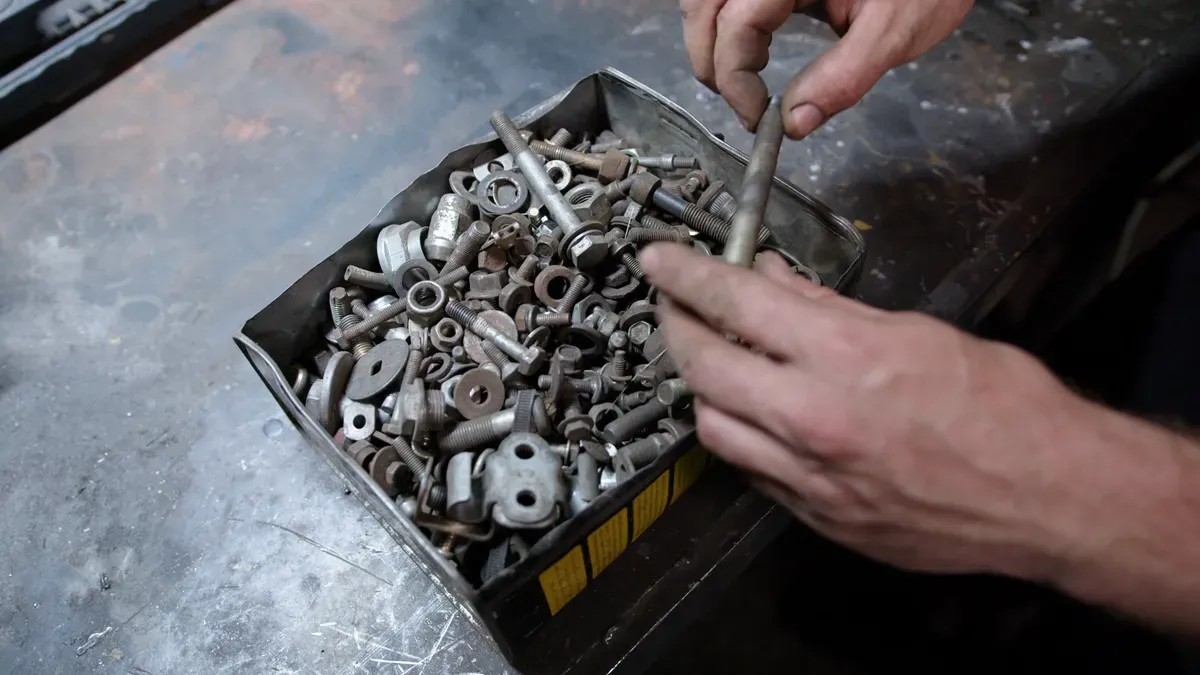
Square nuts play a crucial role in the development of nuts and bolts, offering a distinct shape and reliable fastening method. Their history of square nuts reveals how industries such as railroads and machinery benefited from their strong grip and resistance to stripping. Today, custom fasteners manufacturers continue to supply square nuts for restoration projects and specialized applications. The evolution of square nuts demonstrates why understanding their journey remains vital for those seeking custom fasteners.
| Time Period | Usage Contexts | Advantages Today |
|---|---|---|
| 19th and early 20th century | Railroads, bridges, early machinery | Resistance to stripping, strong grip, vintage restoration aesthetic |
| Present | Furniture assembly, railway equipment, electrical panels | Large bearing surface, maintains standards, fits limited tool spaces |
Defining Square Nuts and Their Importance
What Are Square Nuts?
Shape, Structure, and Function
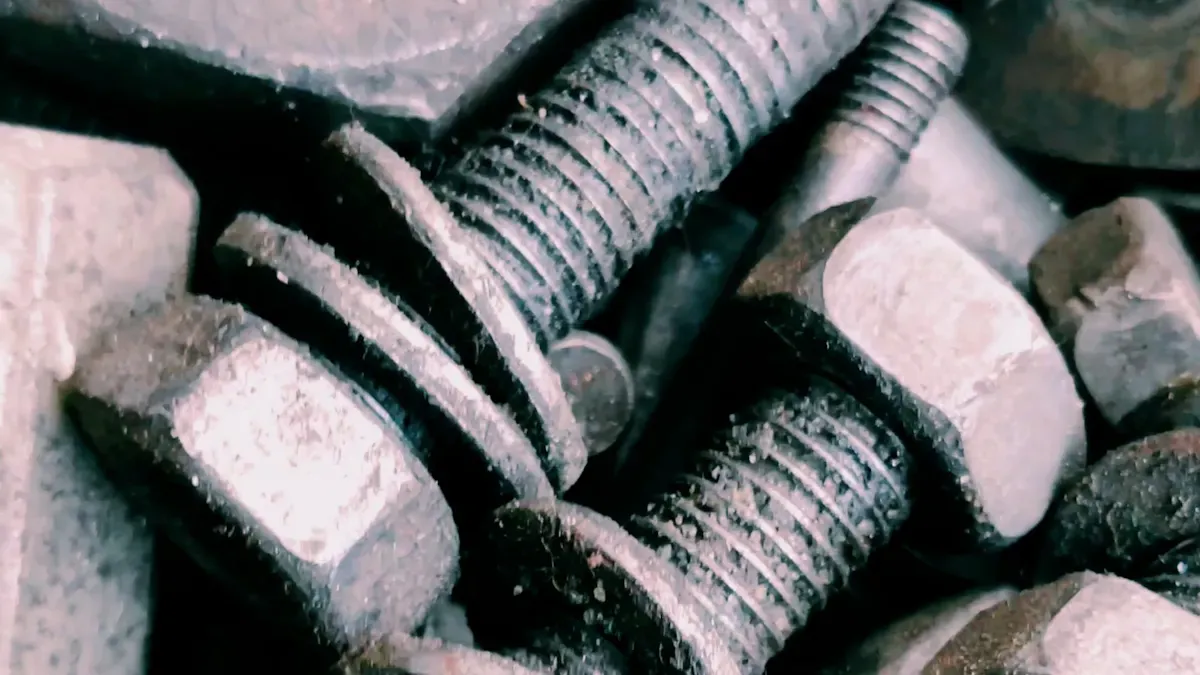
Square nuts feature a four-sided, symmetrical design that distinguishes them from other fasteners. Each side presents a flat surface, creating a larger contact area compared to hexagonal nuts. This geometry allows for a secure grip and reduces the risk of rounding off corners during tightening or loosening. The structure of square nuts supports high torque applications, making them suitable for heavy-duty machinery and structural connections. Their simple shape also enables easier manufacturing, especially in earlier periods when hand-forging was common.
| Characteristic | Square Nuts | Hex Nuts |
|---|---|---|
| Contact Surface Area | Larger, reduces rounding off corners | Smaller, more prone to rounding |
| Frictional Resistance | More resistance against loosening due to vibration | Less resistance, may rotate freely |
| Torque Handling | Can handle higher torque without damage | Limited torque handling |
| Installation in Tight Spaces | Easier due to fewer points and larger faces | Harder due to angular resets |
This table highlights the defining characteristics that set square nuts apart from hex nuts. The larger contact surface and enhanced frictional resistance provide mechanical advantages in many fastening scenarios.
How Square Nuts Work in Fastening
Square nuts operate by threading onto a bolt or screw, creating a strong and stable connection. The flat sides of the nut allow for easy gripping with basic tools such as wrenches or pliers. This design proves especially useful in confined spaces, where fewer points and larger faces make installation and removal more manageable. The mechanical advantages of square nuts include increased surface area, better resistance to rounding, and enhanced frictional resistance. These features help prevent loosening under vibration and allow for higher torque without damaging the nut.
| Mechanical Advantage | Description |
|---|---|
| Larger Contact Surface | Increases surface area, reducing the chance of rounding off corners during tightening or loosening. |
| Better Resistance to Rounding | More durable under repeated adjustments, minimizing wear and tear. |
| Enhanced Frictional Resistance | Flat sides create a natural locking effect, improving hold under vibration. |
| Suitability for High Torque Applications | Allows for higher torque values without damaging the nut, ideal for heavy machinery and structural connections. |
| Ergonomic Advantage in Tight Spaces | Easier to grip and turn in confined areas due to fewer points and larger faces. |
These advantages explain why square nuts remain relevant in applications that demand reliability and durability.
Why the History of Square Nuts Matters
Influence on Early Engineering
The introduction of square nuts marked a turning point in the history of nuts and bolts. Early engineers found that square nuts provided a more stable fastening solution, which was essential for manual assembly processes. This innovation improved the handling and installation of fasteners. It also contributed to the standardization of fasteners, which played a key role in the advancement of engineering during the Industrial Revolution. The stability and reliability of square nuts allowed builders and machinists to create stronger, more consistent structures.
Impact on Modern Fastening Solutions
The development of square head bolts in the 18th and 19th centuries increased the importance of square nuts. These bolts were easier to forge and matched the tools available at the time. Industries such as construction and agriculture adopted square nuts extensively, pairing them with square head bolts for reliable connections. Even after the introduction of hex head bolts in the 20th century, square nuts continued to serve in heavy-duty industrial applications, military contexts, and agricultural equipment. Their lasting significance demonstrates the continued reliance on square nuts for specific tasks where their unique advantages remain unmatched.
Note: The history of square nuts provides valuable insight into the evolution of fastening technology. Understanding their journey helps engineers and manufacturers appreciate the role of design in solving practical challenges.
The Origins and Early History of Square Nuts
Ancient Beginnings of Square Nuts
Early Fastening Methods
Early civilizations required reliable ways to join materials. They used wooden pegs, leather straps, and primitive metal pins to secure objects. As metalworking advanced, blacksmiths began to create threaded fasteners. These early fasteners did not always use nuts, but the need for removable and reusable connections grew. Craftsmen experimented with different shapes to improve grip and strength. The square form emerged as a practical solution because it provided flat surfaces for tools and resisted slipping during tightening.
First Uses of Square Nuts in History
The first square nuts appeared when artisans realized the advantages of a four-sided design. Square nuts offered a simple geometry that allowed for easy production with basic tools. Blacksmiths could forge them from available metals such as iron, brass, and copper. These materials were common in ancient workshops and suited a variety of applications, including military equipment and large machines. The square shape made it easier to hold the nut with pliers or wrenches, which improved assembly and maintenance. Over time, the use of square nuts spread across regions and industries, laying the foundation for the history of square nuts.
Square Nuts in Pre-Industrial Times
Hand-Forging and Early Manufacturing
Before the Industrial Revolution, square nuts were produced by hand. Blacksmiths heated bars of iron, brass, or copper and shaped them into squares. They punched or drilled a hole in the center, then cut threads using simple tools. This process required skill and patience. Square nuts were easier to forge than hexagonal shapes because the straight edges and right angles matched the tools and techniques of the time. The development of rolling mills allowed manufacturers to produce square and hex bar stock, which made it possible to create nuts in larger quantities and with greater consistency.
- Square nuts were easier to forge compared to hex shapes.
- Rolling mills enabled the production of square and hex bar stock, supporting early manufacturing efforts.
Reasons for Early Popularity
Several factors contributed to the early popularity of square nuts. Their straightforward design reduced manufacturing time and material waste. The large, flat sides provided a secure grip for tools, which was essential when workers relied on simple wrenches and pliers. Square nuts also distributed force evenly across surfaces, reducing the risk of damage to wooden or metal parts. These advantages made square nuts the preferred choice for assembling bridges, ships, and machinery. The introduction of turret lathes later improved production efficiency by taking advantage of round and hex bar stock, but the square nut remained a staple in many industries.
Note: The history of nuts and bolts shows that square nuts played a vital role in early engineering. Their durability and ease of use ensured their place in the evolution of fastening technology.
Square Nuts During the Industrial Revolution
Widespread Adoption in Industry
Role in Machinery and Construction
The Industrial Revolution marked a turning point in the history of square nuts. Factories, railways, and bridges required reliable fasteners for heavy machinery and structural frameworks. Square nuts became the preferred choice for engineers and builders. Their large, flat sides allowed workers to grip them securely with basic tools, even in challenging environments. The robust design of square nuts provided the strength needed for steam engines, textile machines, and early locomotives. Construction crews used them extensively in iron bridges and building frameworks, where durability and ease of installation mattered most.
Standardization Efforts for Square Nuts
During the 19th century, the demand for interchangeable parts grew rapidly. Manufacturers recognized the need for consistent sizing and threading in square nuts. Standardization efforts transformed the industry:
- The standardization of square nuts facilitated mass production and interchangeable components, crucial for the industrial growth of the 19th century.
- Engineers like Joseph Whitworth played a key role in establishing standardized measures, enhancing precision and consistency in manufacturing.
- This standardization led to reduced costs and improved productivity, essential for meeting the demands of a rapidly industrializing society.
Standardized square nuts allowed factories to produce machines faster and repair them more efficiently. This shift supported the expansion of railroads, shipbuilding, and large-scale manufacturing.
Advancements in Materials and Production
Use of Iron and Steel
Manufacturers began to use iron and steel for square nuts as these materials became more available. Iron provided the necessary strength for industrial applications. Steel, with its improved hardness and resistance to wear, further increased the reliability of square nuts. The transition from wrought iron to steel marked a significant improvement in the quality and performance of fasteners. This change allowed square nuts to withstand higher pressures and more demanding conditions in factories and construction sites.
Improvements in Manufacturing Techniques
The Industrial Revolution introduced new manufacturing techniques that revolutionized the production of square nuts. The integration of automation and advanced machinery increased efficiency and consistency. Factories adopted rolling mills and threading machines, which enabled the mass production of square nuts with precise dimensions. The adoption of Industry 4.0 practices has further accelerated the growth of square nuts by promoting smarter manufacturing processes. Innovations such as additive manufacturing and smart features are expected to enhance the quality and functionality of these products, aligning with the evolving needs of the industry.
The digital transformation in the square nut market is reshaping traditional manufacturing and distribution channels. Companies are utilizing advanced digital technologies to streamline operations and improve collaboration, resulting in faster decision-making and reduced lead times, which ultimately increases the availability of square nuts.
The history of square nuts during the Industrial Revolution highlights the importance of innovation and standardization in shaping modern fastening technology.
Evolution of Square Nuts and Transition to Other Shapes
Design Changes and Standardization
Changes in Shape and Size
Square nuts have experienced significant changes in their design as standardization became a priority in the fastener industry. Early square nuts varied widely in size and proportions, which created challenges for engineers and manufacturers. As international standards developed, organizations such as ISO and DIN introduced guidelines to ensure consistency and reliability. The table below highlights the main differences between ISO and DIN standards for square nuts:
| Design Aspect | ISO Standard | DIN Standard |
|---|---|---|
| Width Across Flats | 1mm narrower for consistency | Inconsistent across sizes |
| Bearing Pressure | More consistent | Varied pressures |
| Thread Depth | Increased for better hold | Standard depth |
| Overall Design Improvement | Reflects decades of engineering progress | Older design without recent updates |
These improvements in square nuts design have resulted in better performance and easier interchangeability. Modern square nuts now offer more predictable bearing pressure and improved thread engagement, which enhances their reliability in demanding applications.
Introduction of Hexagonal Nuts
The introduction of hexagonal nuts marked a major milestone in the evolution of square nuts. Hexagonal nuts provided six sides, which allowed for finer adjustments and easier use with wrenches in tight spaces. This new shape quickly gained popularity in industries that required faster assembly and disassembly. Hexagonal nuts also distributed force more evenly, reducing the risk of damage to both the nut and the connected materials. As a result, many manufacturers began to favor hexagonal nuts for new machinery and construction projects, although square nuts remained essential for specific uses.
Factors Driving the Evolution of Square Nuts
Tool Development and Efficiency
Tool development played a key role in the evolution of square nuts. Early tools, such as simple wrenches and pliers, worked well with the flat sides of square nuts. As technology advanced, manufacturers produced more sophisticated tools that could handle different shapes. The rise of socket wrenches and power tools made it easier to use hexagonal nuts, which required less rotation to tighten or loosen. This shift increased efficiency on assembly lines and construction sites, making hexagonal nuts more attractive for mass production.
Industrial Needs and Mass Production
The demands of industrialization drove the transition from square nuts to other shapes. Square nuts had a simple design that suited early manufacturing methods. However, as factories adopted new technologies, they needed fasteners that could support higher speeds and greater precision. Advances in manufacturing technology enabled the production of more complex shapes, such as hexagonal nuts, which offered superior torque transfer and versatility. This change reflected the growing need for efficient fastening solutions in modern industry. Despite these trends, square nuts continue to serve important roles in restoration work, electrical panels, and railway equipment, where their unique advantages remain unmatched.
The evolution of square nuts demonstrates how engineering, standardization, and technological progress shape the tools and components used in everyday life.
Materials and Manufacturing Processes in the History of Square Nuts
Traditional Materials and Methods
Wrought Iron and Early Steels
Early manufacturers relied on wrought iron to produce square nuts. Blacksmiths valued wrought iron for its malleability and toughness. They shaped square nuts by heating iron bars and hammering them into form. As steelmaking advanced, craftsmen began to use early steels, which offered greater strength and durability. These materials allowed square nuts to withstand heavy loads and harsh environments. Builders used square nuts in bridges, railways, and machinery, trusting their reliability.
Hand-Forged vs. Machine-Made Square Nuts
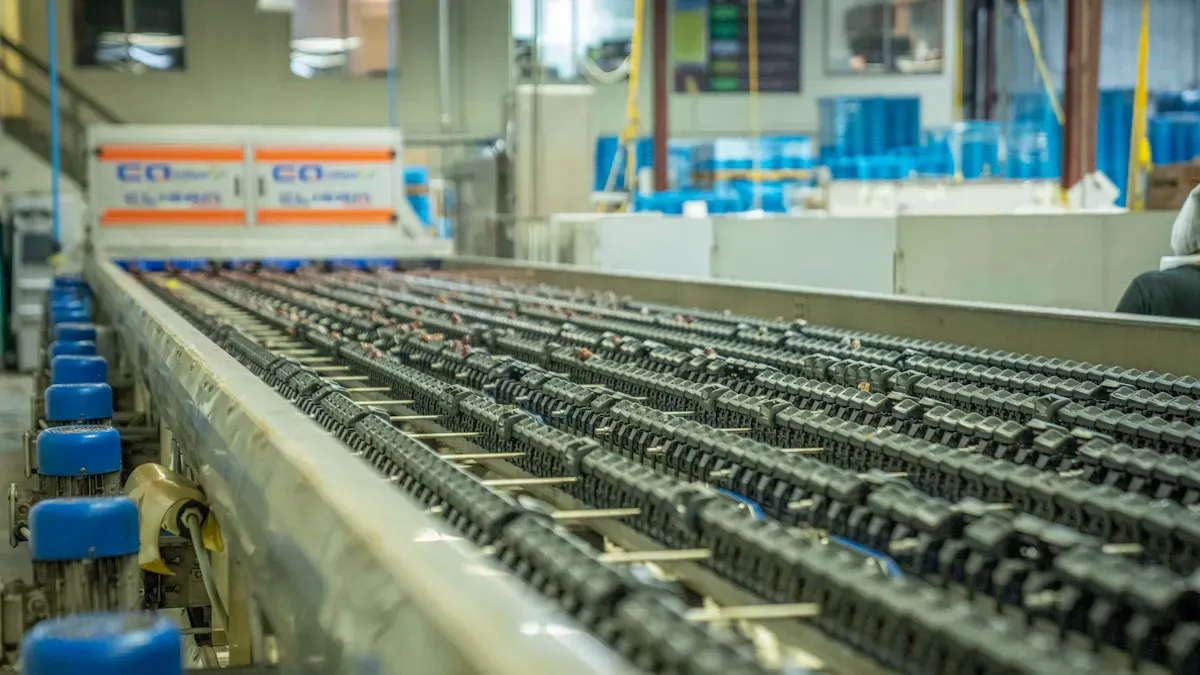
Hand-forged square nuts dominated the market before industrialization. Blacksmiths crafted each nut individually, ensuring quality but limiting production speed. Machine-made square nuts emerged as factories adopted new technologies. Rolling mills and threading machines enabled mass production. Machine-made square nuts provided consistent dimensions and threading, which improved interchangeability. The shift from hand-forged to machine-made square nuts marked a significant step in manufacturing efficiency.
The transition to machine-made square nuts increased output and reduced costs, making them accessible for large-scale projects.
Modern Materials and Manufacturing
Stainless Steel and Alloys
Modern square nuts utilize a range of materials to meet diverse requirements. Manufacturers select materials based on strength, corrosion resistance, and application needs. Stainless steel remains a popular choice for its ability to resist rust and maintain integrity in harsh conditions. Medium grade steel, hot dipped galvanized steel, and zinc plated steel also serve specific purposes. These materials enhance the performance and longevity of square nuts in various industries.
| Material Type | Description |
|---|---|
| Steel | Commonly used for its strength and durability. |
| Stainless Steel | Offers corrosion resistance for various applications. |
| Medium Grade Steel | Used for certain applications requiring specific properties. |
| Hot Dipped Galvanized Steel | Provides additional protection against rust. |
| Zinc Plated Steel | Used for its protective coating against corrosion. |
- Medium grade steel
- Hot dipped galvanized steel
- Zinc plated steel
- Stainless steel
Advances in Production Technology
Manufacturers have adopted advanced production technologies to improve square nuts. High-strength alloys increase durability and load-bearing capacity. Corrosion-resistant coatings extend the life of square nuts in challenging environments. Cold forging techniques enhance strength and precision, ensuring reliable performance. Automation streamlines production, reduces costs, and boosts efficiency. These innovations allow square nuts to meet modern engineering standards.
| Type of Advancement | Description |
|---|---|
| High-strength alloys | Enhance durability and load-bearing capacity. |
| Corrosion-resistant coatings | Improve longevity and reliability in various environments. |
| Cold forging | Increase strength and precision. |
| Automation in manufacturing | Streamline production and reduce costs. |
- The use of high-strength alloys enhances durability.
- Corrosion-resistant coatings improve reliability.
- Cold forging techniques increase strength and precision.
- Automation in manufacturing streamlines production and reduces costs.
Modern manufacturing processes ensure that square nuts continue to deliver dependable performance in restoration, construction, and specialty applications.
Square Nuts in Modern Applications
Current Uses of Square Nuts
Restoration and Repair Work
Square nuts remain essential in restoration and repair projects. Preservation specialists use them to maintain historical accuracy in bridges, railways, and vintage machinery. Their geometry matches original hardware, which ensures compatibility with existing patterns. The large clamping surface of square nuts provides stability and strength during repairs. Craftsmen rely on these nuts for furniture production and restoration of historic mobiles. Construction teams choose square nuts for rebuilding old structures, where authenticity and mechanical reliability matter.
| Feature | Description |
|---|---|
| Geometry | Square nuts are designed for applications requiring a square shape, essential for historical accuracy. |
| Compatibility | They fit existing hardware patterns, crucial for maintaining the integrity of historical structures. |
| Surface Area | Provide a larger clamping surface, enhancing their effectiveness in restoration and repair work. |
- Used in furniture production
- Essential for restoring historic mobiles
- Applicable in construction and railroads
Electrical and Rail Applications
Square nuts play a vital role in electrical and rail industries. Electricians use them in older panels and junction boxes, where their shape fits legacy equipment. Rail maintenance crews depend on square nuts for track assembly and repair. The nuts’ large bearing surface distributes force evenly, which prevents damage to components. Their robust design withstands vibration and heavy loads, making them ideal for demanding environments.
| Application Area | Description |
|---|---|
| Electrical | Used in older panels and junction boxes |
| Rail | Essential for track assembly and maintenance |
| Construction | Used in frameworks, ironwork, and building restoration |
| Manufacturing | Found in machinery and agricultural equipment |
| Furniture Making | Secures joints in cabinetry |
| Artisan Crafts | Adds style and function to art and vintage projects |
Why Square Nuts Remain Relevant
Unique Advantages Today
Square nuts offer several advantages in modern engineering. Manufacturers produce them using eco-friendly processes, which aligns with environmental regulations. High-strength materials allow these nuts to handle heavy machinery and high-stress applications. Each nut can be traced back to its raw materials, which ensures quality control. Continuous improvements in design enhance performance and usability. Efficient production management keeps costs low while maintaining high standards.
| Advantage | Description |
|---|---|
| Environmental-Friendly Production | Square nuts are produced using eco-friendly processes, aligning with environmental regulations. |
| High-Strength | These nuts are designed for high-load and high-stress applications, ideal for heavy machinery. |
| Quality Traceability | Each nut can be traced back to its raw materials and production process, ensuring quality control. |
| Innovative Design | Continuous improvements in design enhance performance and usability of square nuts. |
| Cost-Effective Products | Efficient production management keeps costs down while maintaining quality. |
| High-Quality Standards | Use of high-grade materials and advanced processes ensures durability and precision. |
Niche and Specialty Uses
Many industries rely on square nuts for niche and specialty applications. Construction teams use them in high-end architectural projects, copper roofing, and decorative structures. Marine and outdoor industries choose square nuts for marine electronics, outdoor lighting, and irrigation systems due to their corrosion resistance. Automotive and aerospace engineers use them for grounding, electrical bonding, and thermal management. Artists and designers incorporate square nuts into jewelry, sculptures, and furniture for aesthetic appeal. Medical equipment, green technology, and historic restoration projects also benefit from the unique properties of square nuts.
| Industry | Applications |
|---|---|
| Construction | Used in high-end architectural projects, copper roofing, and decorative structures. |
| Marine and Outdoor | Ideal for marine electronics, outdoor lighting, and irrigation systems due to corrosion resistance. |
| Automotive and Aerospace | Specialized roles in grounding, electrical bonding, and thermal management in vehicles and aircraft. |
| Art and Crafts | Incorporated into jewelry, sculptures, and furniture design for aesthetic appeal. |
| Additional Emerging Applications | Used in medical equipment, green technology, and historic restoration for their unique properties. |
Square nuts continue to serve as reliable, versatile fasteners in both traditional and innovative applications.
The Lasting Significance of Square Nuts
Historical Impact of Square Nuts
Influence on Engineering and Design
Square nuts have shaped engineering and design standards for nearly two centuries. Their adoption led to the development of consistent manufacturing practices and improved reliability in construction and machinery. The timeline below highlights key milestones that demonstrate the influence of square nuts on engineering:
| Year | Event Description |
|---|---|
| 1841 | Joseph Whitworth proposed standardization of nuts and bolts, leading to improved interchangeability. |
| 1851 | The Crystal Palace was constructed using standardized nuts and bolts, showcasing the efficiency of this method. |
| 1905 | A formal British standard for nuts and bolts was adopted, solidifying the impact of square nuts on engineering practices. |
These events show how the history of square nuts contributed to the foundation of modern engineering. Standardization allowed engineers to design structures with confidence, knowing that parts would fit and function as intended.
Legacy in Fastening Technology
Square nuts established principles that continue to guide fastening technology. Their four-sided design provided a reliable grip and distributed load evenly, which set a benchmark for future fastener development. Many industries still use square nuts in restoration, specialty machinery, and applications where their geometry offers unique advantages. The legacy of square nuts lives on in the standards and practices that define today’s fastener industry.
Ongoing Relevance and Future Prospects
Lessons from the Evolution of Square Nuts
The evolution of square nuts offers valuable lessons for current fastening technology. Their design features, such as four flat contact faces and superior stability on uneven surfaces, remain relevant. The table below compares square nuts with hexagonal nuts, highlighting their distinct characteristics:
| Feature | Square Nuts | Hexagonal Nuts |
|---|---|---|
| Contact Faces | Four flat surfaces | Three flat surfaces |
| Load Distribution | Superior stability on uneven surfaces | Less stable on uneven surfaces |
| Gripping Capability | Double engagement at flats and corners | Single engagement at corners |
| Bearing Stress | 8-12% higher at corners | Lower at contact points |
- Square nuts have been used in traditional construction and specialty machinery.
- Their design allows for specific geometric advantages that are beneficial in certain applications.
- Historical usage emphasizes the importance of compatibility and aesthetics in modern fastening technology.
These lessons encourage engineers to consider both function and form when selecting fasteners for new projects.
The Future of Square Nuts
Square nuts continue to adapt to changing industry needs. The market for square nuts is expected to grow as technological advancements drive demand in automotive, aerospace, and renewable energy sectors. Manufacturers focus on high-strength and corrosion-resistant square nuts, which align with global trends toward sustainability. Square nuts will remain relevant as industries seek reliable, eco-friendly fastening solutions for both traditional and emerging applications.
Square nuts have demonstrated resilience and adaptability throughout their history. Their ongoing relevance ensures they will continue to play a vital role in engineering and design for years to come.
Square nuts have shaped fastening technology for generations. Their legacy endures because they deliver superior grip and resist loosening in high-vibration environments. Industries value their even load distribution and reliability in structural applications.
- Used in automotive chassis and suspension systems
- Essential for structural steel and timber framing
- Critical for industrial machinery assembly
Understanding their evolution helps engineers select the right fastener for each project and preserves best practices in modern construction.
FAQ
What makes square nuts different from hex nuts?
Square nuts have four flat sides, which provide a larger contact area. This design offers better resistance to rounding and loosening. Hex nuts, with six sides, allow for easier tightening in tight spaces but may not grip as securely.
Where do industries still use square nuts today?
Industries use square nuts in restoration projects, railway maintenance, electrical panels, and vintage machinery. Their shape matches historical hardware and provides reliable fastening in applications that require durability and authenticity.
Can modern tools work with square nuts?
Yes. Most modern wrenches and pliers can grip square nuts easily. The flat sides make them compatible with both hand and power tools, especially in situations where access is limited.
Why do restoration experts prefer square nuts?
Restoration experts choose square nuts for historical accuracy. These nuts match original fasteners in bridges, railways, and antique furniture. Using square nuts preserves the authenticity and structural integrity of restored items.
Are square nuts available in corrosion-resistant materials?
Manufacturers produce square nuts in stainless steel, galvanized steel, and zinc-plated finishes. These materials resist rust and corrosion, making square nuts suitable for outdoor, marine, and industrial environments.
What are the main advantages of square nuts?
- Large bearing surface
- High torque resistance
- Simple installation
- Compatibility with basic tools
Square nuts offer unique benefits in applications that demand strength and reliability.