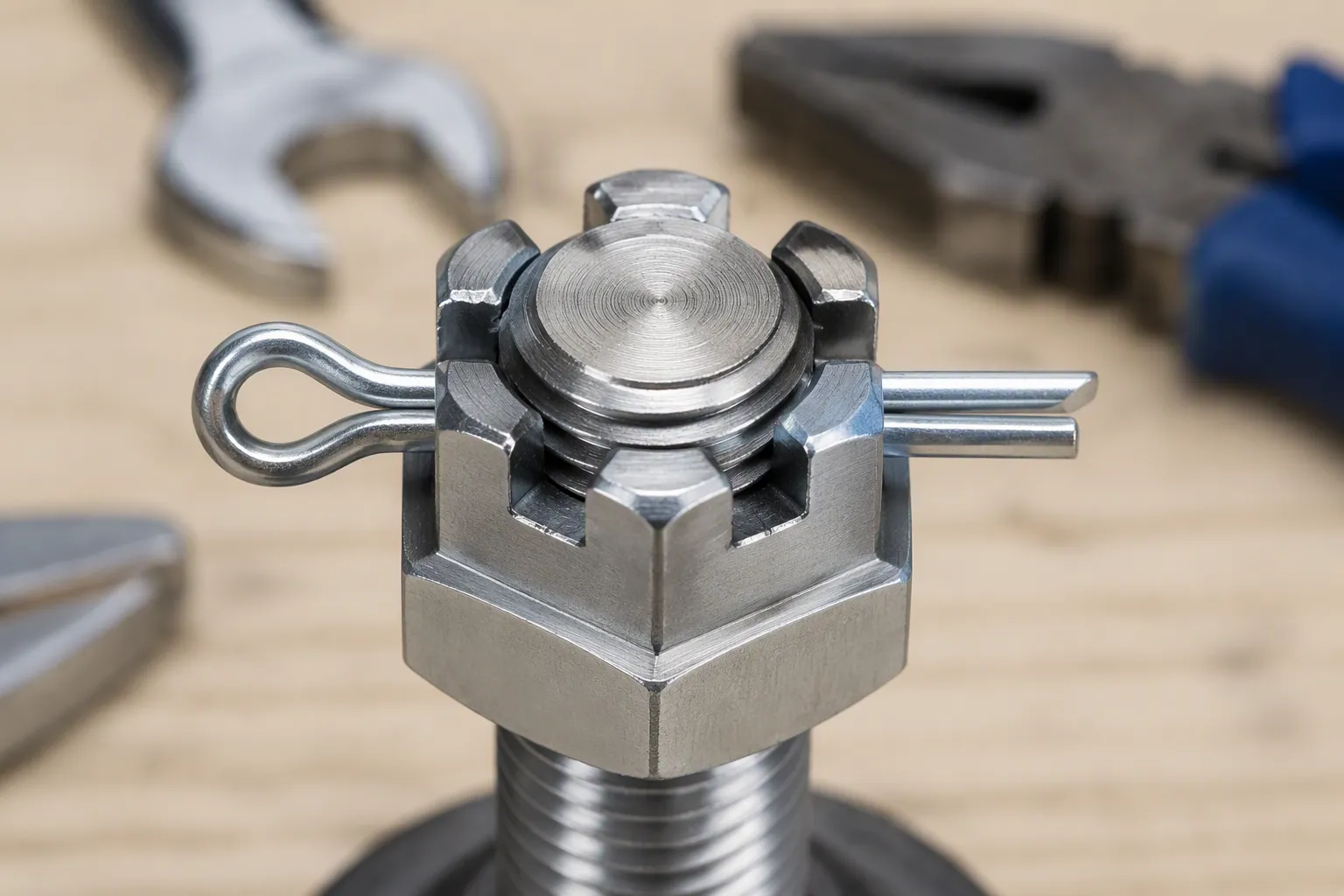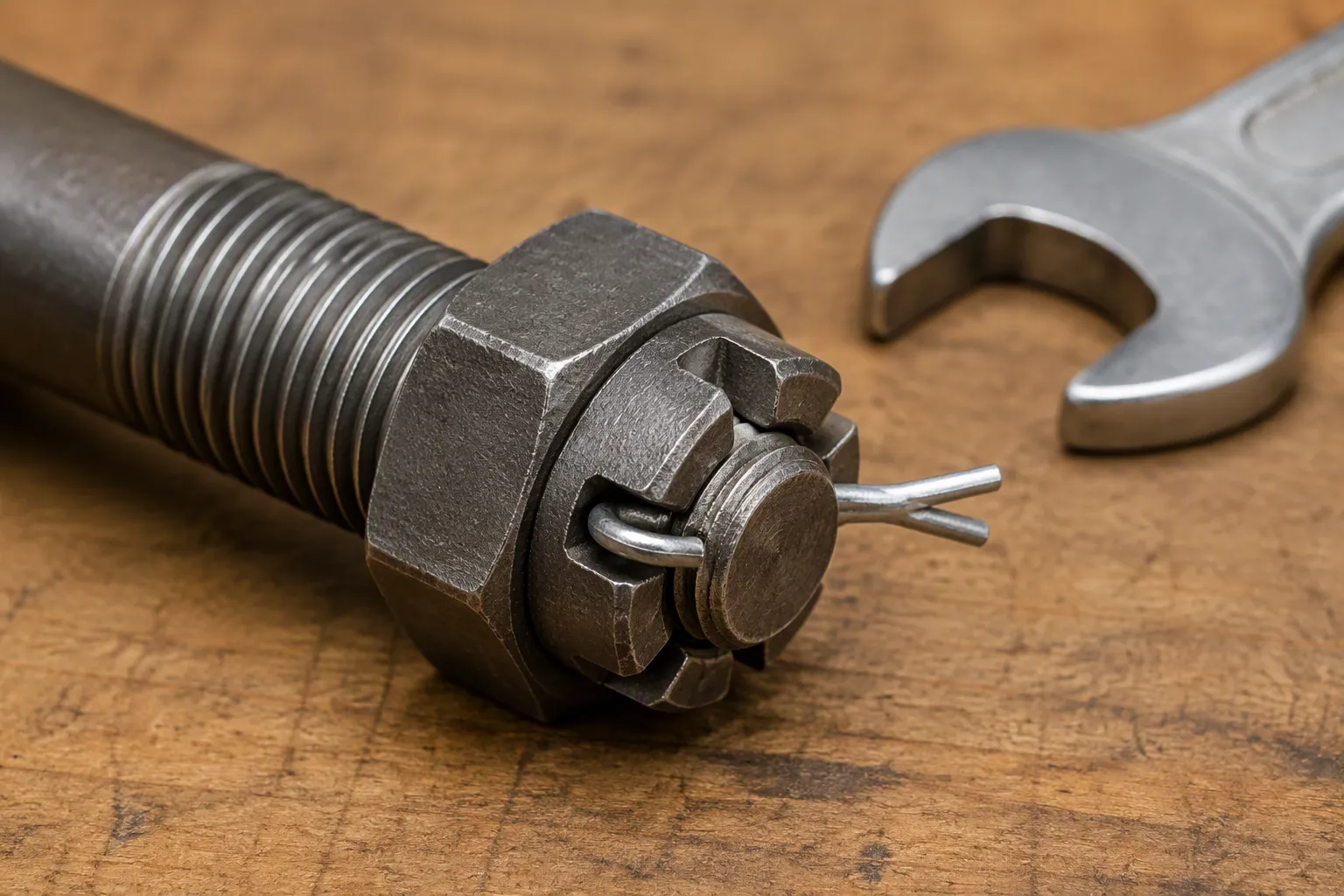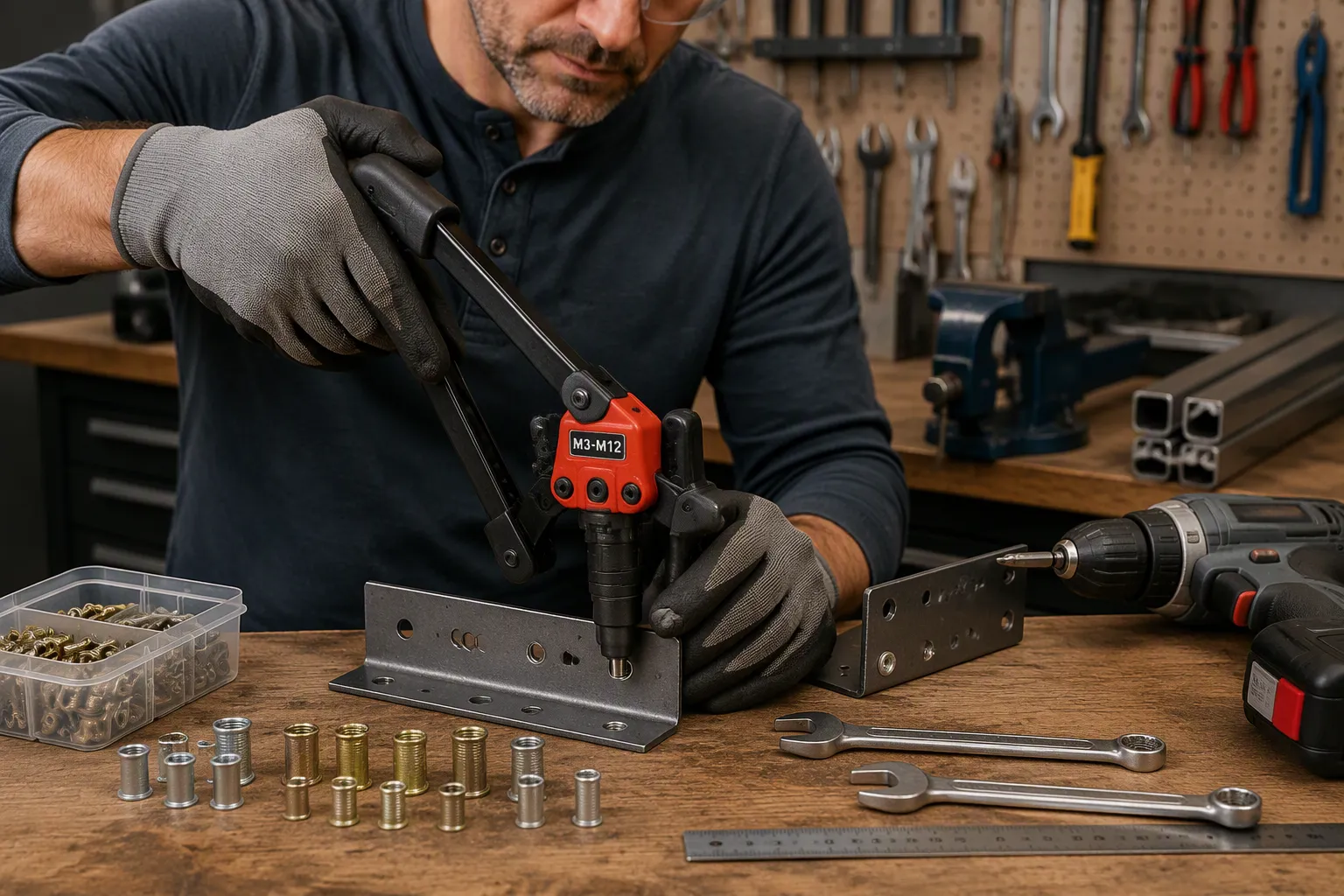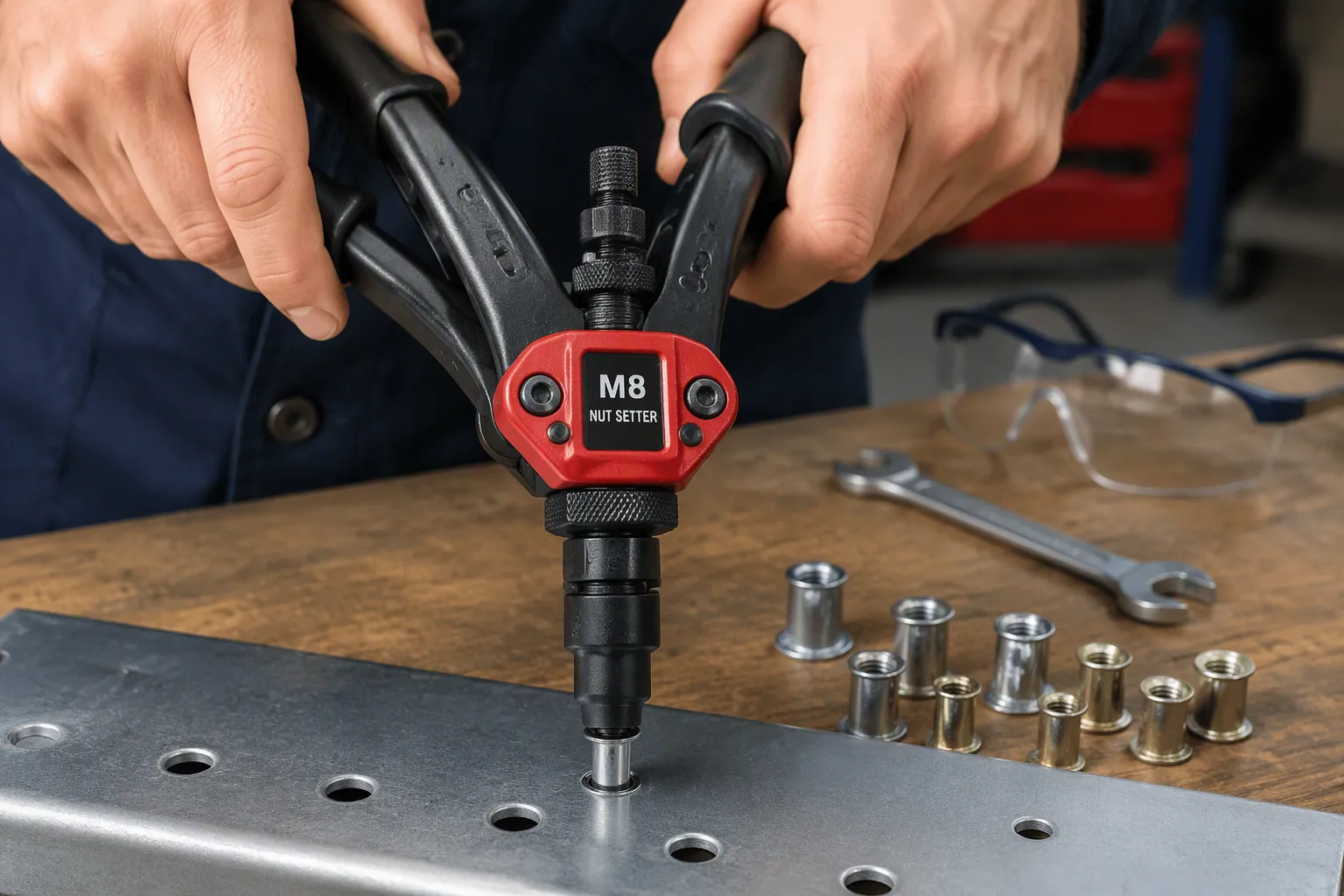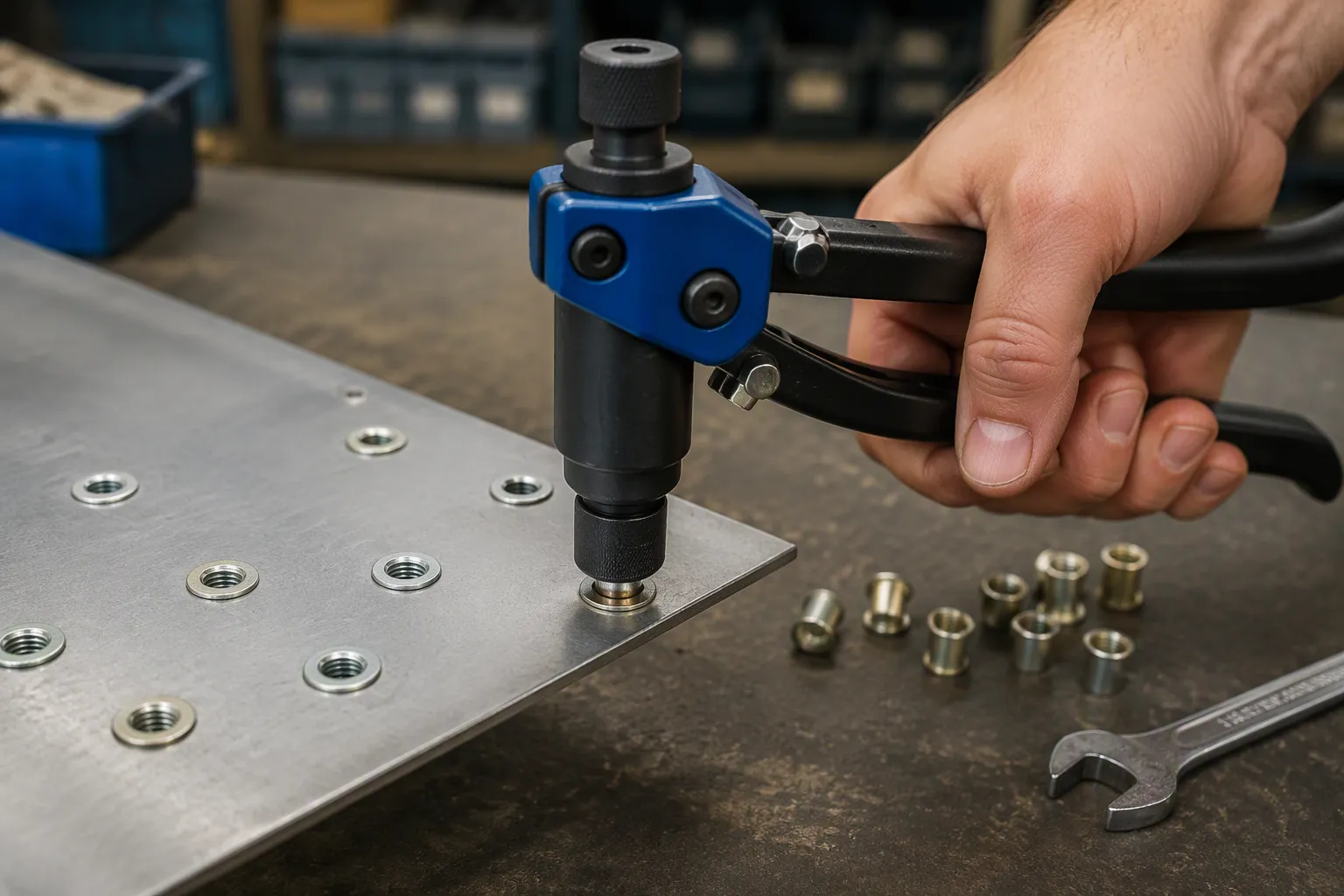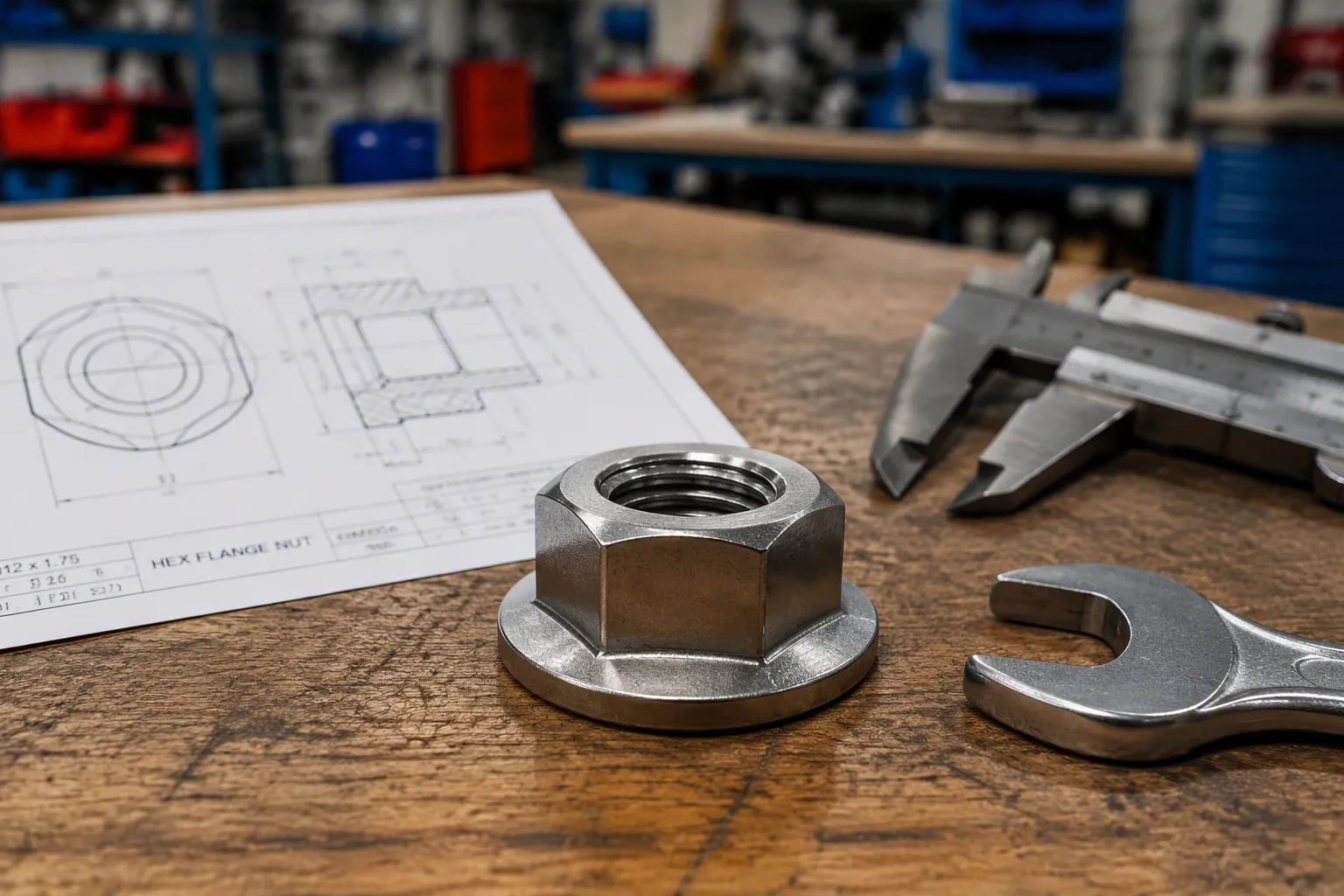
When you choose the right square nut, you significantly impact the success of your project. Ensuring that your square nuts match the size, material, and thread type to the specific load and environment is essential to prevent failures and guarantee reliable performance. A custom fasteners manufacturer will always emphasize the importance of compatibility between nuts and bolts, particularly when working with custom fasteners. Square nuts provide unique benefits for assembly and long-term durability. Careful evaluation of your options helps protect the integrity of your work and supports lasting strength.
Identify Your Project Requirements
Load and Strength Needs
Determining Load Type (Static vs. Dynamic)
Every project begins with an assessment of load type. Static loads remain constant, such as those found in construction frameworks or stationary fabrication equipment. Dynamic loads fluctuate, often seen in automotive and machinery applications. Square nuts must withstand these forces without deforming or loosening. Engineers evaluate whether the nut will face vibration, movement, or impact. For dynamic environments, they select nuts with higher strength ratings and secure fastening features.
Assessing Required Strength
Strength requirements depend on the forces the nut must resist. In industrial settings, matching the nut grade to the bolt grade ensures reliable performance. For example, Grade 8 nuts pair with Grade 8 bolts to maintain structural integrity. The following table summarizes common requirements:
| Requirement Type | Details |
|---|---|
| Strength Matching | Nut grade must match or exceed bolt grade (e.g., Grade 8 nut for Grade 8 bolt). |
| Material Choice | Carbon steel for indoor; 304/316 stainless steel for outdoor/humid environments. |
| Surface Treatment | Options include galvanizing and hot-dip galvanizing based on environmental conditions. |
Tip: Always verify the nut’s grade and material before installation to avoid premature failure.
Environmental Conditions
Indoor vs. Outdoor Use
Environmental factors influence material selection. Indoor applications often use carbon steel square nuts, which provide adequate strength and cost efficiency. Outdoor or humid environments require stainless steel or hot-dip galvanized nuts to resist corrosion. Construction projects exposed to weather demand nuts with enhanced durability.
Exposure to Moisture or Chemicals
Moisture and chemicals accelerate corrosion and weaken fasteners. In fabrication facilities, engineers choose the right square nut with surface treatments like zinc plating or galvanization. The table below highlights environmental impacts:
| Factor | Impact on Performance |
|---|---|
| Corrosion Resistance | Stainless steel and non-metallic nuts prevent rust in humid conditions. |
| UV and Weather Resistance | Surface treatments enhance durability against sunlight exposure. |
| Thermal Stability | Maintains structural integrity across temperature extremes. |
Assembly Method
Manual vs. Power Tools
Assembly methods affect nut selection. Manual installation suits small-scale projects or maintenance, while power tools dominate automotive and industrial production lines. Square nuts reduce tool slippage, especially in automotive seat mounting brackets and engine bays. Consistent torque retention is vital for safety and strength.
Accessibility and Space Constraints
Space constraints dictate nut profile and installation technique. Compact square nuts fit confined areas, such as interior trim or chassis connections. Engineers select standard or low-profile versions based on height requirements. In automotive fabrication, precision alignment often relies on captive nut designs for accuracy.
Note: Proper planning ensures that the nut fits the available space and meets the project’s strength and durability needs.
Key Factors to Choose the Right Square Nut
Size and Thread Compatibility
Measuring Nut Size
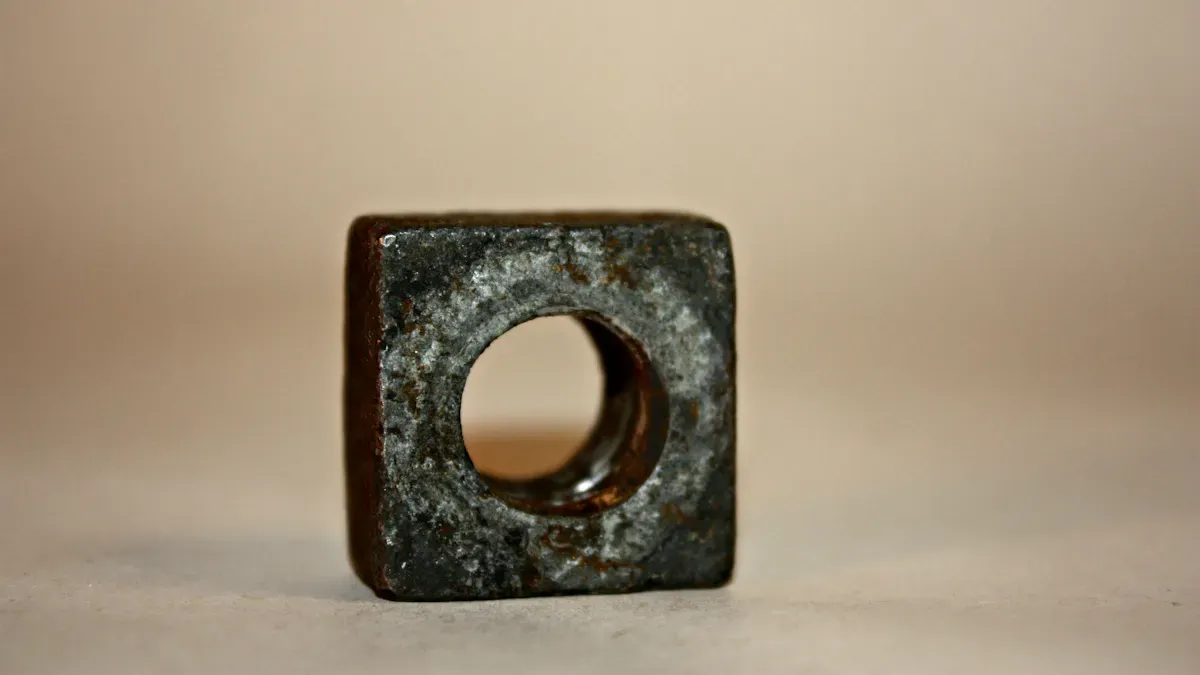
Selecting the correct size remains fundamental when engineers choose the right square nut for any application. They measure the nut across the flats, which determines the wrench size required. Standardization plays a critical role in ensuring that the nut fits the corresponding bolt. Industry standards, such as metric (e.g., M8, M10) and imperial (e.g., 1/4″, 3/8″), define the available sizes. Using the wrong size can compromise the connection, especially in construction or automotive projects where safety and reliability matter most.
| Key Considerations | Details |
|---|---|
| Thread Compatibility | Ensure the nut’s thread specification (e.g., M8x1.25, 1/4″-20) matches the bolt exactly. |
| Standardization | Square nuts follow standard sizing conventions (metric or imperial), so selecting the correct size is crucial. Using a nut one or two sizes larger without proper threading will not create a secure connection. |
| Safety and Performance | Always pair square nuts with bolts of identical thread specifications. Consult manufacturer guidelines or engineering standards to confirm compatibility. |
Understanding Thread Pitch and Type
Thread pitch refers to the distance between threads. Engineers must match the thread pitch and type (coarse or fine) of the nut to the bolt. Mismatched threads can lead to cross-threading, poor engagement, or even failure under load. In mechanical assemblies, mixing different types of nuts often results in thread compatibility issues, poor screw fit, or inability to tighten. Strength mismatch can occur if a high-grade bolt is paired with a low-grade nut, causing thread shear failure. Material compatibility issues may also arise, increasing corrosion rates when different materials are mixed. Size deviations due to different thread standards can result in uneven preload distribution.
Tip: Always verify both the size and thread pitch before installation to ensure a secure and reliable connection.
Material Selection
Common Materials (Steel, Stainless Steel, Brass, etc.)
Material selection directly impacts the strength and durability of a square nut. The most common materials include steel, stainless steel, and brass. Each material offers unique mechanical properties suited for specific environments and loads. For example, steel provides high strength for heavy-duty construction and fabrication. Stainless steel resists corrosion, making it ideal for outdoor or marine applications. Brass offers good machinability and moderate strength, often used in electrical or decorative assemblies.
| Alloy Type | Tensile Strength (MPa) | Yield Strength (MPa) | Elongation (%) | Rockwell Hardness |
|---|---|---|---|---|
| Free Cutting Brass C36000 | 340-420 | 170-200 | 25-35 | B78-B85 |
| Architectural Brass C38500 | 380-450 | 160-190 | 30-40 | B70-B80 |
| Naval Brass C46400 | 380-480 | 170-210 | 25-35 | B75-B85 |
| DZR Brass CW602N | 400-500 | 180-220 | 20-30 | B80-B90 |
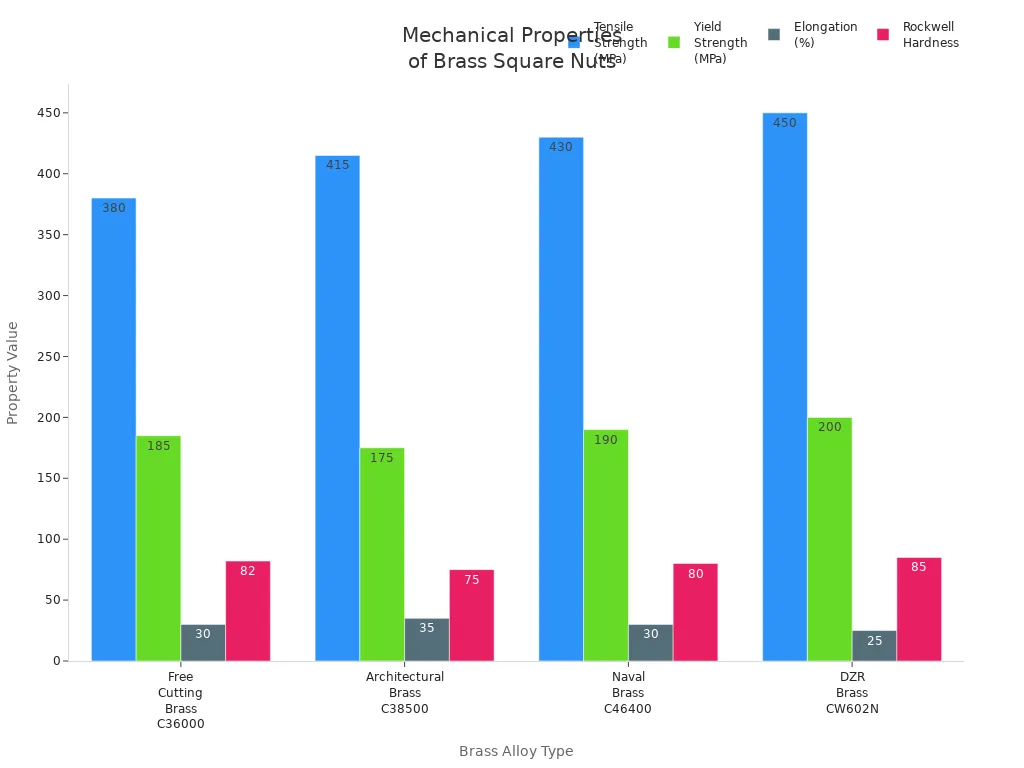
Choosing Material for Strength and Corrosion Resistance
The choice of material must align with the required strength and the environment. For maximum strength, engineers often select alloy or hardened steel. Stainless steel, especially A4 grade, provides excellent corrosion resistance in marine or chemical environments. Brass resists corrosion in non-aggressive settings but may degrade in high sulfur or ammonia conditions. The table below summarizes corrosion resistance characteristics:
| Material | Corrosion Resistance Characteristics |
|---|---|
| Carbon Steel | Prone to corrosion, especially in moisture; requires surface treatments for enhanced resistance. |
| Stainless Steel | Forms a passive oxide layer; A4 grade is recommended for marine applications due to high resistance. |
| Brass | Good resistance in non-aggressive environments; may corrode in high sulfur or ammonia conditions. |
Note: Always match the material to the application’s environment and required strength to maximize durability and safety.
Coating and Finish
Zinc Plating, Galvanization, and Other Finishes
Coatings and finishes enhance the performance and lifespan of square nuts, especially in harsh environments. Common finishes include:
- Uncoated or plain
- Black oxide
- Nickel
- Phosphate
- Stainless steel
- Zinc
- Cadmium
- Chrome
For electrical installations, 304 stainless steel provides general-purpose corrosion resistance, while 316 stainless steel offers enhanced protection in saltwater or marine environments. Zinc-plated steel delivers economical indoor corrosion protection with a bright finish. Hot-dip galvanized steel features a thick zinc coating for rugged outdoor exposure and structural work.
When to Use Coated Nuts
The choice of coating depends on the application and expected exposure. In outdoor or marine settings, stainless steel or hot-dip galvanized coatings extend the lifespan of the square head nut. For indoor machinery or temporary structures, zinc plating or powder coating on carbon steel offers sufficient protection. The table below outlines how coatings affect lifespan and suitable applications:
| Material Type | Lifespan Impact | Coating Required | Suitable Applications |
|---|---|---|---|
| Carbon Steel | Poor | Galvanizing, zinc plating, powder coating | Indoor machinery, temporary structures |
| Stainless Steel | High | Excellent natural corrosion resistance | Marine, chemical, outdoor structures |
Callout: Coated nuts provide an extra layer of defense against corrosion, especially in demanding environments like construction, automotive, and outdoor fabrication.
Standards and Grades
Understanding Grade Ratings
Grade ratings define the strength and performance of standard square nuts. Manufacturers assign these ratings based on mechanical properties such as tensile strength, yield strength, and hardness. Engineers rely on these grades to ensure that each nut can handle the expected load in a specific application. For example, in construction, a high-grade nut resists heavy static loads and prevents structural failure. In automotive projects, the correct grade maintains joint integrity under vibration and dynamic stress.
The most common grade systems include SAE (Society of Automotive Engineers) and ASTM (American Society for Testing and Materials). SAE grades, such as Grade 2, Grade 5, and Grade 8, indicate increasing levels of strength. ASTM standards specify requirements for both material composition and mechanical properties. When engineers choose the right square nut, they match the grade to the bolt and the demands of the project. This practice ensures safety, durability, and reliable performance.
Tip: Always check the grade marking on standard square nuts before installation. This step helps prevent mismatches that could lead to premature failure.
Meeting Industry Standards (DIN, ISO, GB, ANSI)
Industry standards guarantee that standard square nuts meet strict requirements for size, thread type, and mechanical properties. These standards include DIN (German Institute for Standardization), ISO (International Organization for Standardization), GB (Chinese National Standards), and ANSI (American National Standards Institute). Each organization defines specifications that manufacturers must follow to ensure compatibility and quality.
Standard square nuts produced under these guidelines fit precisely with bolts from different suppliers. This compatibility supports global sourcing and simplifies maintenance. For example, ISO standards provide benchmarks for thread pitch and diameter, making it easier to use fasteners in international projects. In the automotive sector, ANSI and DIN standards ensure that replacement parts fit perfectly, reducing downtime and repair costs.
Aerospace projects require the highest level of reliability. Engineers select standard square nuts that comply with ASTM and ISO standards to guarantee strength and performance. The following table summarizes how these standards influence aerospace applications:
| Standard | Description | Impact on Aerospace Projects |
|---|---|---|
| ASTM | Specifies mechanical properties like tensile strength and hardness. | Ensures high strength and reliability in aerospace applications. |
| ISO | Provides global benchmarks for compatibility. | Facilitates international standardization of fasteners. |
| Thread Specifications | Dictate thread pitch and diameter. | Ensures compatibility and performance of nuts and bolts in assemblies. |
Standard square nuts must also meet thread specifications to prevent cross-threading and ensure secure engagement. Engineers verify these details during the design phase. They also consult documentation to confirm that each nut meets the required grade and standard.
Note: Using standard square nuts that comply with recognized standards increases durability and safety in every application.
A wide range of types of square nuts exists, but only standard square nuts guarantee consistent quality and performance across industries. Whether used in construction, automotive, or aerospace, these nuts deliver the strength and reliability that engineers demand.
How to Match Square Nuts to Bolts and Fasteners
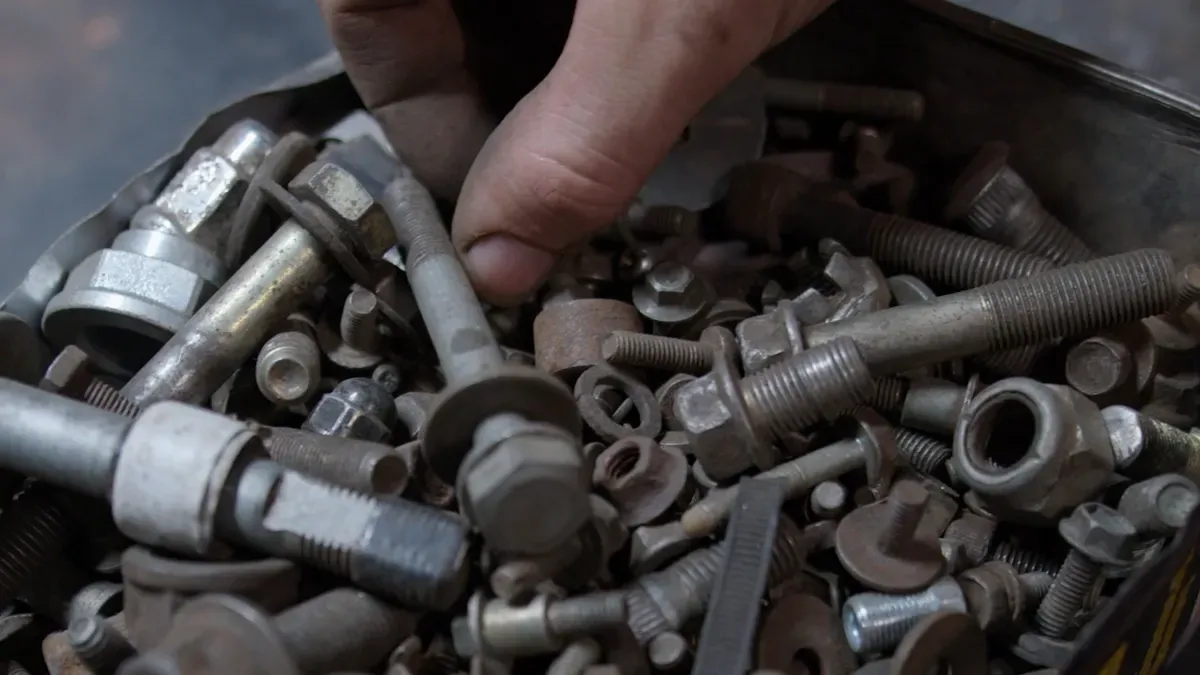
Matching square nuts to the correct bolts and fasteners ensures reliable assembly and long-term performance. Engineers and technicians follow precise steps to guarantee compatibility and safety in every application.
How to Measure
Measuring Bolt Diameter
Accurate measurement of bolt diameter forms the foundation for selecting the right square nut. Technicians use calipers to measure the diameter of the bolt shank. This tool provides precise readings, which help avoid mismatches. Calipers allow users to check both metric and imperial sizes. For example, a bolt with an 8 mm diameter requires an M8 square nut. Measuring across the flats of the nut also confirms the correct wrench size for installation.
- Calipers provide accurate diameter measurements.
- Technicians measure both the bolt and the nut to ensure compatibility.
- Standard sizes include both metric (e.g., M8, M10) and imperial (e.g., 1/4″, 3/8″).
Checking Thread Pitch
Thread pitch describes the distance between threads on a bolt or nut. A thread gauge helps technicians identify the correct pitch. This tool matches the threads of the bolt to the nut, preventing cross-threading and poor engagement. For example, an M8x1.25 bolt requires a nut with a 1.25 mm thread pitch. Using a thread gauge ensures that the nut will screw on smoothly and hold securely.
Tip: Always use both calipers and a thread gauge together for the most accurate fit.
Ensuring Proper Fit
Avoiding Cross-Threading
Cross-threading can damage both the nut and the bolt, leading to weak connections. To prevent this, technicians start threading the nut by hand. If resistance occurs, they stop and realign the nut. Proper tools, such as adjustable wrenches, help maintain alignment and prevent damage. Pliers should not be used, as they can deform the nut and compromise the fit.
Testing for Secure Engagement
A secure fit ensures that the square nut will not loosen under load or vibration. Best practices include pairing the nut with the correct grade and size of bolt or stud. Flat washers beneath the nut help distribute the load evenly and reduce wear. In high-vibration environments, locking devices such as lock washers or thread-locking compounds add extra security.
Technicians follow these steps for best results:
- Inspect nuts and bolts for corrosion or wear before installation.
- Replace any damaged fasteners.
- Lubricate square nuts with anti-seize compounds to reduce friction and ease future maintenance.
- Test the assembly by tightening the nut to the recommended torque and checking for movement.
| Step | Purpose |
|---|---|
| Inspect fasteners | Prevents failure due to hidden damage |
| Use flat washers | Distributes load and reduces wear |
| Apply anti-seize compound | Eases installation and future removal |
| Use locking devices | Prevents loosening in high-vibration settings |
Note: Following these steps ensures a secure and long-lasting connection in any project.
Common Mistakes to Avoid When You Choose the Right Square Nut
Selecting the right square nut requires more than just matching dimensions. Many engineers and technicians encounter issues that compromise safety and performance. Understanding these common mistakes helps prevent costly failures and ensures reliable assemblies.
Choosing the Wrong Size
Choosing a square nut based solely on its size often leads to serious problems. Many individuals focus only on the nut’s dimensions and overlook the importance of matching bolt grades and strength specifications. This approach can result in catastrophic failures, especially in structural engineering projects. A nut that fits physically may not provide the required strength for the application. For example, using a low-grade nut with a high-strength bolt can cause the connection to fail under load. Proper installation and torque procedures also play a critical role. Even the best fasteners lose effectiveness if not installed correctly. Technical knowledge ensures that each nut delivers the intended strength and maintains the integrity of the assembly.
Tip: Always verify both the size and grade of the square nut before installation to guarantee the required strength and safety.
Ignoring Material Compatibility
Material compatibility stands as a crucial factor in square nut selection. Incompatible material pairings can cause galling, fretting, and surface indentation. These issues often appear in mechanical assemblies where different metals interact. For instance, pairing a steel screw with an aluminum nut can trigger galvanic corrosion, especially in chemical processing environments. This type of corrosion rapidly degrades the fastener and reduces its strength. Loss of positional accuracy may also occur, affecting the reliability of the entire assembly. Ensuring compatibility based on material hardness and environmental conditions prevents degradation and maintains the required strength throughout the nut’s service life.
- Incompatible materials can lead to:
- Galling and fretting
- Surface indentation
- Galvanic corrosion
- Loss of positional accuracy
Overlooking Environmental Factors
Environmental conditions have a direct impact on the performance and longevity of square nuts. Outdoor infrastructure projects face unique challenges. Proper installation techniques ensure even load distribution across the mating surface, reducing stress concentrations that can lead to premature failure. Corrosion remains a major concern in outdoor environments. High humidity and temperature accelerate oxidation, weakening square nuts over time. Saline air near coastal areas increases the risk of rust, while dust and pollutants contribute to pitting and surface damage. These factors compromise the strength and integrity of the fastener, making it essential to select nuts designed for the specific environment.
- Environmental risks include:
- Accelerated oxidation from humidity and heat
- Increased rusting in saline air
- Surface damage from dust and pollutants
Note: Always consider the operating environment when selecting square nuts to ensure the assembly maintains its strength and reliability.
Mismatching Threads
Thread compatibility stands as a fundamental requirement in square nut selection. Engineers often encounter issues when they pair nuts and bolts with different thread types or pitches. This mismatch can cause several problems during assembly and throughout the service life of the fastener.
A mismatched thread prevents proper engagement between the nut and bolt. The nut may not seat correctly, leading to incomplete tightening. This issue increases the risk of cross-threading, which damages both the nut and the bolt. Damaged threads reduce the holding strength of the connection and make future maintenance difficult.
Technicians must check both the thread pitch and type before installation. Metric and imperial threads differ in their measurements and profiles. For example, an M8x1.25 nut will not fit a 5/16″-18 bolt. Mixing coarse and fine threads also leads to poor engagement. The nut may spin freely or jam, failing to provide the required clamping force.
Tip: Always use a thread gauge to verify compatibility. This tool helps technicians match the nut and bolt precisely, preventing costly errors.
Mismatching threads can cause the following issues:
- Increased risk of cross-threading and thread damage
- Reduced load-bearing capacity
- Difficulty in achieving proper torque
- Higher chance of loosening under vibration
A secure connection depends on matching the thread specifications exactly. Engineers recommend consulting manufacturer documentation and using sample testing to confirm fit before final assembly.
Neglecting Standards and Grades
Industry standards and grade ratings play a critical role in the safety and reliability of square nut applications. Engineers rely on standards such as DIN, ISO, ANSI, and ASTM to ensure that nuts meet strict requirements for size, thread type, and mechanical properties. Grade ratings indicate the strength and performance of the nut, which must match the demands of the project.
Neglecting these standards introduces significant safety risks, especially in construction. Properly matched nuts prevent loosening, which could result in accidents. Nuts distribute clamping forces evenly when paired with bolts, ensuring structural integrity. Ignoring nut grades increases the risk of breakage under stress, potentially leading to construction failures.
- Safety risks increase when nuts do not meet recognized standards.
- Loosening of nuts can cause accidents and structural damage.
- Proper grade matching ensures nuts withstand expected loads.
- Even force distribution maintains the integrity of the assembly.
- Ignoring grades raises the chance of breakage and failure.
Technicians must inspect grade markings and verify compliance with industry standards before installation. They should avoid using unmarked or uncertified nuts in critical applications. Engineers recommend sourcing square nuts from reputable suppliers who provide documentation and certification.
Note: Adhering to standards and grade requirements protects both workers and structures. This practice ensures that every connection performs reliably under load and environmental stress.
Ignoring these guidelines can compromise the entire project. Engineers prioritize safety and durability by following established standards and selecting the correct grade for each application.
Practical Tips to Choose the Right Square Nut
Consulting Specifications and Documentation
Engineers rely on technical specifications and documentation to ensure the correct selection of square nuts. These documents provide essential details for each application, especially in electrical projects. Specifications outline the required standards, size ranges, and material grades. They also describe the installation method and load distribution characteristics. The following table summarizes the key specifications for square nuts in electrical assemblies:
| Specification Type | Details |
|---|---|
| Standards | ISO 4033, DIN 557 |
| Size Range | M5-M30 |
| Width Across Flats (AF) | AF ≈ 1.5×D (bolt diameter) |
| Height Specifications | Matches hexagonal equivalents (style 1: 0.8×D) |
| Thread Specifications | Follows ISO 262 metric coarse and fine pitch standards |
| Material Grades | Grade 4 (400 MPa), Grade 5 (500 MPa), Grade 8 (800 MPa), etc. |
| Load Distribution | Four flat surfaces distribute bearing stress across four contact lines. |
| Installation Method | Two-wrench methodology, similar to hex nuts. |
Project managers and technicians should always review these specifications before making a final selection. This practice helps prevent mismatches and ensures compliance with industry requirements. Documentation from manufacturers often includes recommended torque values, compatible bolt types, and environmental suitability. By consulting these resources, teams can avoid costly errors and maintain high safety standards.
Tip: Always keep updated specification sheets and technical manuals on hand during the planning and installation phases.
When to Seek Expert Advice
Some projects require specialized knowledge that goes beyond standard documentation. In these cases, engineers and procurement teams benefit from consulting with fastener experts or industry specialists. They should seek expert advice in the following situations:
- Uncertainty about the correct nut type for a unique or critical application
- Complex requirements involving thread type or material compatibility
- Projects that demand specific strength grades or surface finishes
- Environments with extreme temperatures or chemical exposure
- Installations with limited accessibility or unusual load conditions
- Applications that must meet strict industry standards
Expert guidance helps teams address challenges that standard references may not cover. Specialists can recommend alternative materials, coatings, or installation techniques based on real-world experience. This approach reduces risk and improves the reliability of the final assembly.
Note: Early consultation with experts can prevent delays and ensure the project meets all technical and safety requirements.
Using Sample Testing Before Final Selection
Sample testing provides a practical way to verify the suitability of square nuts before committing to large-scale procurement. Engineers often request samples from suppliers to conduct fit and function tests. These tests confirm that the nut matches the bolt in size, thread pitch, and material compatibility. Teams also evaluate the nut’s performance under simulated load and environmental conditions.
A typical sample testing process includes:
- Inspecting the nut for visible defects or inconsistencies
- Assembling the nut with the intended bolt and verifying smooth engagement
- Applying the recommended torque and checking for proper clamping force
- Exposing the assembly to moisture, vibration, or temperature changes if relevant
Sample testing uncovers potential issues early, such as cross-threading, premature wear, or corrosion. This step ensures that the selected square nut will perform reliably throughout the service life of the assembly.
Callout: Investing time in sample testing can save significant costs and prevent failures in demanding applications.
Troubleshooting Square Nut Selection Issues
What to Do if the Nut Doesn’t Fit
Square nuts sometimes fail to fit during installation. Technicians often encounter this issue when the nut’s size or thread pitch does not match the bolt. They must first check the specifications for both the nut and the bolt. Calipers and thread gauges help confirm measurements. If the nut still refuses to engage, technicians inspect for debris or damage on the threads. Cleaning the threads with a wire brush can resolve minor issues.
If the nut remains incompatible, technicians review the installation process. They ensure that the nut aligns properly with the bolt before tightening. Misalignment during installation causes cross-threading, which damages both components. When cross-threading occurs, technicians replace the nut and bolt to maintain safety.
A table below summarizes troubleshooting steps for nut fit issues:
| Issue | Solution |
|---|---|
| Wrong size | Measure and select correct nut |
| Damaged threads | Clean or replace nut and bolt |
| Misalignment | Realign during installation |
| Cross-threading | Replace affected components |
Tip: Technicians should always verify nut and bolt compatibility before installation to prevent costly errors.
Adjusting for Unexpected Conditions
Unexpected conditions often arise during installation. Technicians may discover that environmental factors affect the performance of square nuts. Moisture, temperature changes, or chemical exposure can alter the nut’s behavior. When these conditions appear, technicians select nuts with appropriate coatings or materials. Stainless steel or galvanized nuts resist corrosion during installation in harsh environments.
Limited access sometimes complicates installation. Technicians use specialized tools to reach confined spaces. They may choose low-profile square nuts for installations with height restrictions. When vibration threatens the security of the connection, technicians add lock washers or thread-locking compounds during installation.
Technicians follow these steps to adjust for unexpected conditions:
- Assess the environment before installation.
- Select nuts with suitable coatings or materials.
- Use proper tools for installation in tight spaces.
- Apply locking devices to secure the connection.
- Inspect the assembly after installation for signs of wear or loosening.
Note: Careful planning and adaptation during installation ensure that square nuts perform reliably under changing conditions.
Technicians maintain documentation for each installation. They record the materials, tools, and methods used. This practice supports future maintenance and troubleshooting. When installation challenges persist, technicians consult experts or manufacturers for guidance.
Installation quality determines the longevity and safety of the assembly. Technicians prioritize proper installation techniques and material selection. They address issues promptly to prevent failures and maintain structural integrity.
Selecting square nuts for any application requires careful assessment of project requirements. Engineers evaluate load, material compatibility, and environmental resistance. They follow torque specifications and inspect for wear or corrosion. In construction, regular testing and documentation ensure compliance and safety. The table below highlights material benefits for long-term performance:
| Material Type | Benefits |
|---|---|
| Custom Nylon Nuts | Self-lubrication, corrosion resistance |
| Stainless Steel 316 | Excellent protection against saltwater corrosion |
| Stainless Steel S32750 | Enhanced durability in harsh environments |
To choose the right square nut, teams consult certified manufacturers, verify thread pitch, and maintain traceability. When uncertainty arises, they seek expert advice to guarantee reliable assemblies.
FAQ
What is a square nut used for?
A square nut provides a large bearing surface for better resistance to loosening. Engineers use square nuts in heavy machinery, construction, and electrical assemblies. The shape allows easy gripping with tools and prevents rotation in channel or slot applications.
How do square nuts differ from hex nuts?
Square nuts have four sides, while hex nuts have six. The square shape offers more surface contact and resists turning in tight spaces. Hex nuts allow easier wrench access in open areas. Engineers select the shape based on assembly needs.
Which materials are best for outdoor square nut applications?
Stainless steel and hot-dip galvanized steel resist corrosion in outdoor environments. Brass works in non-aggressive settings. The table below summarizes common choices:
| Material | Outdoor Suitability |
|---|---|
| Stainless Steel | Excellent |
| Galvanized Steel | Good |
| Brass | Moderate |
How can someone prevent square nuts from loosening?
Engineers use lock washers, thread-locking compounds, or double-nut techniques. Proper torque application also helps. For high-vibration environments, they recommend mechanical locking devices.
Can square nuts be reused?
Square nuts can be reused if they show no signs of thread damage, corrosion, or deformation. Engineers inspect each nut before reuse. Damaged nuts should be replaced to maintain safety.
How does someone measure a square nut for replacement?
He or she measures across the flats for size and uses a thread gauge to check pitch. Accurate measurement ensures compatibility with the bolt. Calipers provide the most precise results.
Are square nuts standardized globally?
Yes, most square nuts follow standards like DIN, ISO, ANSI, or GB. These standards ensure compatibility and quality. Engineers should always check markings and documentation for compliance.
When should an engineer choose a square nut over other types?
Engineers select square nuts when they need high resistance to loosening, easy tool access, or secure fit in channels. Square nuts work well in electrical panels, heavy machinery, and woodworking.