
ROHN tower hardware and accessories play a critical role in safe and functional tower installations. Commonly used components include ROHN self-supporting towers, guyed towers, monopoles, tower bases, tower sections, and specialized accessories. Each main part, such as bolt casting, u bolt, and custom fasteners, provides structural support, stability, and weather protection. A custom fasteners manufacturer ensures compatibility for unique installation needs. Selecting the right hardware improves safety, performance, and longevity. ROHN’s complete guide to tower hardware reflects over six decades of expertise, building products that withstand harsh conditions.
Complete Guide to ROHN Tower Hardware Overview

Main Hardware Categories
ROHN tower systems rely on a range of hardware components, each engineered for a specific function. Manufacturers classify these components into several main categories, ensuring installers can select the right parts for any project. The table below outlines the primary hardware categories and their descriptions:
| Category | Description |
|---|---|
| Telescopic Masts | Includes guy wire brackets and mounts for various applications. |
| Grounding Material | Offers grounding kits, tower paint, piping, and guy materials for repairs and upgrades. |
| Guyed Towers Series | Features multiple series (25G, 45G, 55G, 65G, 80/90) designed for efficiency and strength in installations. |
Base Plates
Base plates form the foundation of any ROHN tower. They distribute the tower’s weight evenly across the concrete pad or ground surface. Proper base plate selection ensures the tower remains stable and upright, even in adverse weather.
Guy Wires
Guy wires provide lateral support for guyed towers. These high-strength steel cables anchor the tower to the ground, counteracting wind and load forces. Installers use turnbuckles and thimbles to adjust tension and maintain alignment.
Anchors
Anchors secure guy wires to the ground. ROHN offers several anchor types, including screw, concrete, and deadman anchors. The choice depends on soil conditions and tower height, ensuring maximum holding power.
Mounting Brackets
Mounting brackets attach the tower to walls, roofs, or other structures. They come in various designs to accommodate different installation scenarios. Proper bracket selection prevents unwanted movement and enhances safety.
Bolts and Fasteners
Bolts and fasteners hold tower sections and accessories together. ROHN uses high-grade, corrosion-resistant hardware to ensure long-term reliability. Correct torque application during installation prevents loosening and structural failure.
Tower Sections
Tower sections form the vertical structure of the tower. Each section interlocks with the next, creating a rigid and stable assembly. ROHN manufactures sections in various lengths and strengths to suit different applications.
Grounding Kits
Grounding kits protect the tower and equipment from electrical faults and lightning strikes. These kits include clamps, rods, and bonding straps. Proper grounding meets National Electrical Code (NEC) requirements and enhances safety.
Cross Braces and Diagonal Bracing
Cross braces and diagonal bracing reinforce the tower structure. They prevent twisting and bending under load, maintaining alignment and stability. Installers must place these braces according to engineering specifications.
Section Couplers and Splice Plates
Section couplers and splice plates join tower sections securely. They ensure smooth load transfer between sections and prevent separation during high winds or seismic events.
Torque Arms and Stabilizer Plates
Torque arms and stabilizer plates reduce rotational forces on the tower. These components add rigidity and help maintain the tower’s vertical alignment, especially in tall or heavily loaded installations.
The Role of Each Hardware Type
Every hardware component in a ROHN tower system serves a vital purpose. The complete guide to ROHN tower hardware highlights how each type contributes to overall performance and safety.
Structural Support
Base plates, tower sections, and splice plates provide the primary structural support. High-strength steel tubing forms the backbone of both guyed and self-supporting towers. These components ensure the tower can handle equipment loads and environmental stresses.
Stability and Safety
Guy wires, anchors, cross braces, and torque arms deliver stability. Guyed towers use steel guy wires for excellent strength in tall applications. Self-supporting towers rely on robust construction for a strong strength-to-cost ratio, performing well in high wind conditions. Safety accessories, such as climbing harnesses and ladders, protect workers during installation and maintenance.
Tip: Always verify that all metallic sections are bonded and grounded according to NEC standards to maximize safety.
Electrical Grounding
Grounding kits and related materials protect the tower from electrical faults and lightning. Proper grounding not only meets code requirements but also extends the life of sensitive equipment.
Weather Protection
Corrosion-resistant bolts, fasteners, and tower finishes shield the structure from harsh weather. Guyed towers, engineered for high wind resistance, support heavy loads and maintain optimal signal reach. Durable construction materials and protective coatings enhance longevity, reducing maintenance needs.
The complete guide to ROHN tower hardware and accessories ensures that every installer understands the function and importance of each component. By selecting the right hardware, installers can achieve reliable performance and long service life for any tower system.
Complete Guide to Key ROHN Tower Hardware
Base Plates
Types of Base Plates
ROHN tower base plates serve as the primary interface between the tower and its foundation. Installers select from several types, each engineered for specific tower models and installation methods.
- The ROHN BPC25G base plate measures 15 inches square and 3/16 inches thick. It features a 3/4″ x 12″ pier pin that aligns the plate to the concrete slab, preventing lateral movement. This design supports guyed towers only.
- The SBH25G is a hinged short base section for the 25G tower. It is intended for embedment in concrete and cannot be used in self-supporting configurations.
- The BPH45G base plate, designed for the 45G tower, offers a 24-inch square footprint and a hinged design for tilt-up installation.
Each base plate type addresses unique structural requirements, ensuring stability and proper load distribution.
Compatibility with Tower Models
ROHN engineers base plates to match specific tower series. Compatibility remains critical for safety and performance.
- The BPC25G base plate fits only the 25G Guyed Tower series. It does not support self-supporting towers.
- The SBH25G base section is exclusive to the 25G tower and designed for concrete embedment.
- The BPH45G base plate secures 45G tower sections to concrete pier foundations, supporting tilt-up installations.
Installers must verify that the selected base plate matches the tower model and installation type. Using incompatible hardware can compromise structural integrity.
Selection Criteria
Selecting the correct base plate involves evaluating several factors:
- Tower model and configuration (guyed, self-supporting, bracketed)
- Load-bearing capacity and footprint dimensions
- Foundation type and installation method
- Structural adequacy of pier and anchor connections
Note: ROHN recommends that customers and installers ensure structurally adequate supports for pier and anchor connections. Proper selection and installation of base plates prevent lateral movement and maintain tower stability.
Guy Wires
Material Options
Guy wires provide essential lateral support for ROHN towers. Manufacturers offer several material options, each with distinct properties.
- High-strength (HS) galvanized steel wires deliver reliable performance for standard installations.
- Extra-high-strength (EHS) galvanized steel wires offer increased tensile strength for demanding applications.
- Galvanized coatings protect wires from corrosion, extending service life in harsh environments.
Sizing and Strength Ratings
Selecting the correct guy wire size and grade ensures the tower withstands wind and load forces. The table below summarizes recommended sizes, grades, and tensile strengths for ROHN towers:
| Size | Grade | Tensile Strength (lbs) | Initial Tension (lbs) |
|---|---|---|---|
| 3/16″ | HS | 2850 | 300 |
| 3/16″ | EHS | 3990 | 400 |
| 1/4″ | HS | 4750 | 500 |
| 1/4″ | EHS | 6650 | 700 |
| 5/16″ | HS | 5350 | 550 |
| 5/16″ | EHS | 11200 | 1100 |
| 3/8″ | HS | 10800 | 1000 |
| 3/8″ | EHS | 15400 | 1500 |
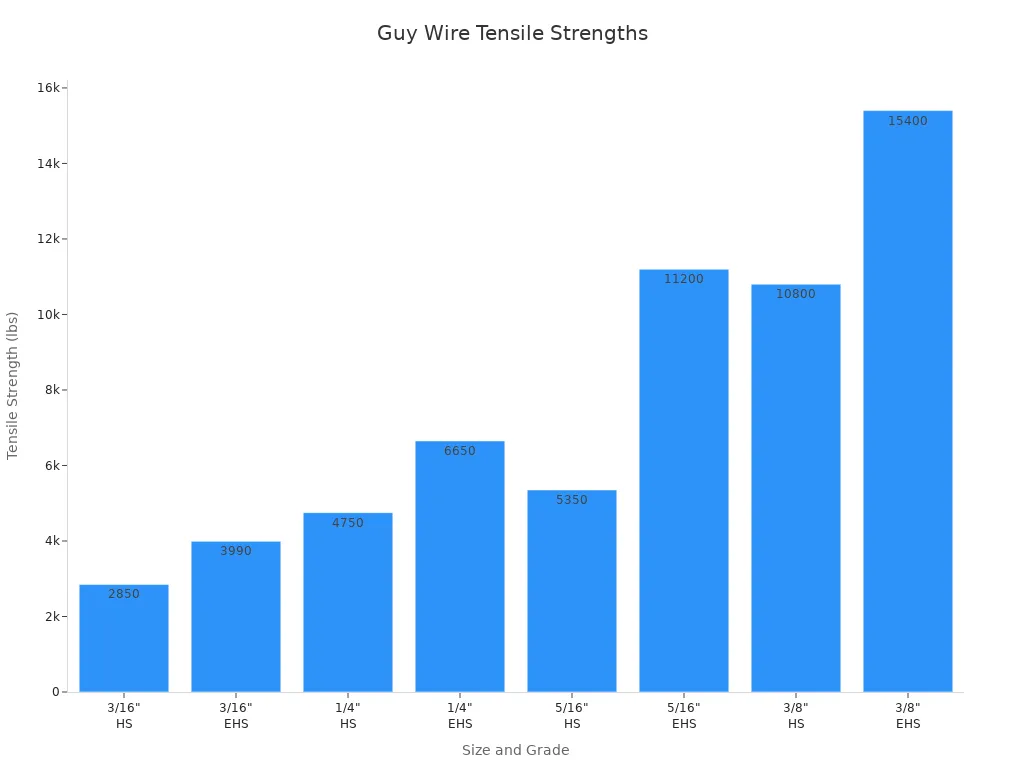
Installers should match guy wire specifications to tower height, wind load, and site conditions.
Guy Wire Hardware (Turnbuckles, Thimbles, Clips)
Guy wire assemblies require specialized hardware for tensioning and secure attachment.
- Turnbuckles allow precise adjustment of wire tension, maintaining tower alignment.
- Thimbles protect wire loops from abrasion at anchor points.
- Clips secure wire ends, preventing slippage and ensuring long-term reliability.
Proper installation of guy wire hardware enhances tower stability and safety.
Anchors
Anchor Types (Screw, Concrete, Deadman)
Anchors secure guy wires to the ground, providing resistance against wind and structural loads. ROHN offers several anchor types:
- Screw anchors penetrate soil and lock into place, suitable for soft or medium soils.
- Concrete anchors embed in poured foundations, delivering maximum holding power for permanent installations.
- Deadman anchors use buried objects or plates to resist pullout forces in challenging soil conditions.
Each anchor type addresses specific site requirements and tower configurations.
Soil and Site Considerations
Soil conditions play a vital role in anchor selection and installation. The table below outlines key factors:
| Factor | Description |
|---|---|
| Soil Conditions | Critical for determining anchor stability and foundation design. |
| Depth of Boring | Minimum of 15 feet for guyed tower anchors; actual depth varies by soil. |
| Anchor Positioning | Anchors should be placed at distances close to 80% of the tower height. |
- Soil stability determines the type and depth of anchor required.
- Proper foundation design depends on accurate assessment of soil properties.
- Anchor positioning affects overall tower stability and load distribution.
Installation Tips
Installers should follow best practices for anchor installation:
- Conduct a thorough site assessment to determine soil type and stability.
- Select anchor types based on soil conditions and tower configuration.
- Bore anchor holes to the recommended depth, typically at least 15 feet for guyed towers.
- Position anchors at distances close to 80% of the tower height for optimal support.
- Verify all connections and tension guy wires according to manufacturer specifications.
Tip: Careful attention to anchor selection and installation ensures long-term tower stability and safety.
The complete guide to ROHN tower hardware provides installers with the knowledge needed to select and install base plates, guy wires, and anchors for reliable tower performance.
Mounting Brackets
Mounting brackets play a crucial role in securing ROHN towers to various surfaces. These components ensure that the tower remains stable and safe under different environmental conditions. Installers select brackets based on the installation site and tower model.
Wall Mounts
Wall mounts attach the tower to the side of a building or structure. Installers often use these mounts for residential or commercial applications where ground space is limited. The mounting location must support vertical, cantilevered, and twisting loads. Installers attach brackets to beams and studs, especially when the wall is not solid wood or concrete. They consider the strength of materials behind the wall and distribute the load by adding extra material at attachment points. Weatherproofing the installation helps maintain the integrity of the structure. Planning for future adjustments in antenna height or direction improves long-term usability.
Roof Mounts
Roof mounts secure the tower to the roof of a building. These brackets provide a stable base and help distribute the tower’s weight across the roof structure. Installers minimize the distance from the antenna to equipment to reduce signal loss. They affix a good Earth Ground connection as short as possible before entering the premises. Roof mounts require careful selection to avoid damaging roofing materials and to ensure proper load distribution.
Universal Brackets
Universal brackets offer flexibility for various installation scenarios. These brackets adapt to different tower models and mounting surfaces. The ROHN GA55GD Down Guy Bracket Assembly, designed for the 55G Guyed Towers, mounts to the tower at any horizontal brace. This bracket is essential for attaching guy wires and is recommended for installation at every guy level. Its compatibility with the ROHN 55G tower allows for guyed, self-supporting, or bracketed setups. Universal brackets simplify installation and provide reliable support across multiple configurations.
Tip: Always select mounting brackets that match the tower model and installation environment. Proper bracket selection and installation ensure structural integrity and long-term performance.
Bolts and Fasteners
Bolts and fasteners hold tower sections and accessories together. These components must meet strict standards for strength and durability.
Types and Grades
ROHN towers use specific bolt types and grades to ensure safety and reliability. The table below lists common bolts used in tower construction:
| Bolt Type | Size | Grade | Plating |
|---|---|---|---|
| Section Joint Bolt Kit | 5/16 in by 2 3/8 in | 5 | Zinc-plated |
| Section Joint Bolt Kit | 7/16 in by 2 in | 5 | Zinc-plated |
Grade 5 bolts provide high tensile strength, making them suitable for structural applications. Zinc plating protects bolts from corrosion and extends their service life.
Corrosion Resistance
Corrosion resistance is vital for outdoor installations. Zinc-plated bolts and fasteners resist rust and degradation caused by moisture and weather exposure. Installers choose hardware with protective coatings to maintain tower integrity over time.
Proper Torque and Installation
Proper torque application ensures that bolts and fasteners remain secure. Installers use calibrated tools to tighten bolts to manufacturer specifications. Over-tightening can damage threads or deform components. Under-tightening may lead to loosening and structural failure. Regular inspections help identify worn or corroded hardware, allowing timely replacement.
Note: Always follow manufacturer guidelines for bolt selection, torque settings, and installation procedures. This practice maintains safety and extends the lifespan of the tower.
Grounding Kits
Grounding kits protect ROHN towers and connected equipment from electrical faults and lightning strikes. These kits form an essential part of any tower installation.
Components of a Grounding Kit
A standard ROHN tower grounding kit includes several key components:
- 10 feet of #4 solid copper wire for electrical conductivity and grounding.
- 5/8 inch by 8 foot HDG ground rod provides a physical grounding point to dissipate electrical energy safely into the earth.
- 5/8 inch ground rod clamp secures the ground wire to the ground rod, ensuring a solid connection.
- 1 1/4 inch to 2 inch J-clamp attaches the grounding system to the tower structure.
Each component plays a specific role in creating a safe and effective grounding system.
Importance of Proper Grounding
Proper grounding protects both the tower and sensitive equipment from electrical surges and lightning strikes. Grounding systems direct excess electrical energy safely into the earth, reducing the risk of damage or fire. Installers must ensure all metallic sections are bonded and grounded according to industry standards.
Selection and Installation
Installers select grounding kits based on tower size, soil conditions, and local electrical codes. They position ground rods in locations that maximize conductivity and minimize resistance. Secure connections between wire, rod, and tower structure are essential. Regular inspections verify that grounding systems remain intact and effective.
Callout: The complete guide to ROHN tower hardware emphasizes the importance of grounding for safety and compliance. Proper selection and installation of grounding kits protect both personnel and equipment.
Cross Braces and Diagonal Bracing
Function and Placement
Cross braces and diagonal bracing form the backbone of a tower’s lateral stability. These components connect tower legs and sections, creating a rigid triangular geometry that resists bending and twisting. Engineers design cross braces to distribute wind and equipment loads evenly across the structure. Diagonal bracing further enhances this effect by counteracting forces that could cause the tower to sway or buckle.
Installers must follow precise placement guidelines. They attach cross braces at designated intervals along the tower’s height, ensuring each section maintains alignment. Diagonal bracing typically runs between opposite corners of the tower sections, forming an “X” pattern. This configuration maximizes resistance to torsional and shear forces. Proper placement of these braces is critical for maintaining the tower’s structural integrity, especially during high winds or seismic events.
Tip: Always consult the manufacturer’s assembly diagrams to verify the correct orientation and attachment points for cross braces and diagonal bracing.
Material and Sizing
Manufacturers fabricate cross braces and diagonal bracing from high-strength galvanized steel. This material offers excellent durability and corrosion resistance, essential for outdoor installations. The sizing of these components depends on the tower model, height, and expected load. Heavier towers or those supporting large antennas require thicker, more robust bracing.
ROHN supplies braces in pre-cut lengths with pre-drilled holes, simplifying installation and ensuring compatibility with specific tower sections. Installers must use the correct size and gauge for each application. Using undersized or incompatible bracing can compromise the entire structure.
Section Couplers and Splice Plates
Types of Couplers
Section couplers and splice plates join individual tower sections, creating a continuous and stable vertical structure. ROHN offers several types of couplers, each tailored to specific tower models and installation requirements:
- Internal Sleeve Couplers: These fit inside the ends of adjoining tower sections, providing a seamless connection.
- External Splice Plates: These plates bolt around the outside of the joint, reinforcing the connection and distributing loads.
- Bolt-On Couplers: These use heavy-duty bolts to clamp sections together, ensuring a secure and rigid joint.
Each type serves a unique purpose. Internal sleeve couplers offer a clean appearance and minimal wind resistance. External splice plates provide additional strength for towers exposed to extreme conditions. Bolt-on couplers allow for quick assembly and disassembly during maintenance or upgrades.
Installation Methods
Proper installation of section couplers and splice plates is essential for tower safety. Installers must align tower sections precisely before securing the couplers. They insert bolts through pre-drilled holes and tighten them to the manufacturer’s specified torque. This process ensures even load transfer and prevents gaps that could lead to structural failure.
A step-by-step approach helps maintain quality:
- Clean all mating surfaces to remove debris and corrosion.
- Align the tower sections and insert the coupler or splice plate.
- Insert bolts and tighten them in a cross-pattern to distribute pressure evenly.
- Inspect the joint for proper fit and alignment before proceeding to the next section.
Note: Regular inspection of coupler joints is vital. Loose or corroded bolts can weaken the connection and threaten the tower’s stability.
Torque Arms and Stabilizer Plates
Purpose and Benefits
Torque arms and stabilizer plates play a pivotal role in enhancing the performance and safety of ROHN towers. These components address the unique challenges posed by wind loads and heavy antenna installations. The following table summarizes their key benefits:
| Benefit | Description |
|---|---|
| Structural Reinforcement | Provides additional support to the tower structure, enhancing its overall stability. |
| Prevention of Torsional Stress | Reduces twisting forces on the tower caused by wind loads on antennas, maintaining alignment. |
| Stability During High Winds | Ensures the tower remains stable and aligned during adverse weather conditions, reducing failure risk. |
| Easy Installation | Designed to fit existing tower sections without custom modifications, facilitating quick setup. |
| Durability | Made from high-grade steel and galvanized for corrosion resistance, ensuring long-term performance. |
Torque arms extend outward from the tower, increasing the leverage against twisting forces. Stabilizer plates connect to the tower legs, distributing loads and preventing localized stress. Together, these components help maintain the tower’s vertical alignment and reduce the risk of structural failure during storms or high winds.
Compatibility Considerations
Selecting the right torque arms and stabilizer plates requires careful evaluation of the tower’s foundation and the load-bearing capacity of the supporting structures. Installers should consult local structural engineers and adhere to all relevant building codes to ensure proper installation and safety. ROHN provides detailed engineering documentation for base plates and related hardware, but each project may require a tailored assessment to confirm compatibility.
The mounting brackets for towers such as the ROHN 45G must support the additional loads transferred by torque arms and stabilizer plates. Installers should investigate the structural capacity of nearby load-bearing elements and make any necessary engineering adjustments before installation. This approach ensures that the complete guide to ROHN tower hardware addresses both performance and safety for every application.
Essential Accessories for ROHN Towers
Climbing Ladders and Steps
Types of Ladders
ROHN towers require reliable climbing solutions for safe access and maintenance. Installers often choose between fixed vertical ladders and step bolt systems. Fixed ladders provide a continuous climbing path and attach directly to the tower structure. Step bolts, while sometimes used, can introduce hazards due to inconsistent spacing and potential for slips. Many professionals prefer fixed ladders for their stability and compliance with safety standards. Anti-climb devices often accompany these ladders to prevent unauthorized access.
Safety Standards
Industry standards set strict requirements for climbing equipment on towers. Safety climb systems are mandatory for any structure over 10 feet in height intended for climbing. These systems include cable-based fall arrest devices that protect workers during ascent and descent. 100% fall protection remains a requirement at all times for climbers on towers 10 feet or taller. Step bolts can pose risks, so installers must ensure proper spacing and secure attachment. Fall protection becomes especially critical in areas lacking adequate anchorage points. Workers should always verify that safety measures are in place before starting any climb.
Tip: Always inspect ladders and safety climb systems before use to ensure they meet current safety standards.
Safety Equipment
Harnesses and Fall Arrest Systems
Safety equipment forms the backbone of any tower installation project. Harnesses and fall arrest systems protect workers from serious injury during climbs and maintenance. Every climber must use a full-body harness connected to an approved fall arrest device. These systems engage automatically in the event of a slip or fall, minimizing risk. Safety climbing devices, such as cable grabs and guided rails, further enhance protection by providing continuous attachment to the tower.
Safety Cages
Safety cages add another layer of protection for tower climbers. These enclosures surround fixed ladders, reducing the chance of accidental falls. Safety cages also help guide workers during ascent and descent, especially in adverse weather conditions. Installers often combine safety cages with harnesses and fall arrest systems for comprehensive protection. Anti-climb devices and fencing can also deter unauthorized access, improving overall site security.
- Safety climbing devices
- Ladders
- Safety cages
- Anti-climb devices
- Work platforms
- Fencing
Note: 100% fall protection is required at all times on towers 10 feet or higher.
Lightning Protection
Lightning Rods
Lightning protection is essential for both tower safety and equipment longevity. Lightning rods, also known as air terminals, mount at the highest point of the tower. These rods intercept lightning strikes and direct electrical energy safely to the ground. Installers connect lightning rods to grounding systems using heavy-gauge copper wire. Proper installation reduces the risk of fire, equipment damage, and service interruptions.
Surge Protectors
Surge protectors complement lightning rods by safeguarding sensitive electronics. These devices divert excess voltage away from transmitters, receivers, and control systems. Surge protectors install at key points along the power and signal lines. Regular inspection and maintenance ensure that surge protection remains effective throughout the tower’s service life.
Callout: Grounding equipment, including lightning rods and surge protectors, is a critical accessory for every ROHN tower installation.
Cable Management
Effective cable management ensures ROHN towers operate reliably and safely. Installers use cable trays and guides to organize and secure transmission lines, coaxial cables, and power conductors. These trays prevent cables from sagging or tangling, which can lead to signal loss or physical damage. Technicians often select UV-resistant zip ties or cable clips to fasten cables along the tower structure. They space ties or clamps no more than 1.4 meters apart, which helps prevent abrasion and maintains the current carrying capacity.
Cable Trays and Guides
Cable trays provide a structured pathway for cables, reducing clutter and simplifying maintenance. Installers choose trays made from galvanized steel or corrosion-resistant alloys for outdoor durability. Guides direct cables away from high-stress areas and minimize exposure to direct sunlight. Routing cables through underground conduits or along protected paths further reduces environmental risks. Rodent-resistant braided sleeving offers additional protection against chewing and abrasion.
Tip: Technicians should inspect cable trays and guides regularly to ensure all fasteners remain secure and cables show no signs of wear.
Weatherproofing Accessories
Weatherproofing accessories protect cables from moisture, UV radiation, and temperature extremes. Cable jackets made from cross-linked polyethylene or PVC resist environmental damage and extend cable life. Installers seal cable penetrations with weatherproof grommets or silicone sealant to prevent water ingress. This practice preserves cable performance and reduces the risk of corrosion. Using weatherproof boots and connectors at cable terminations further enhances protection.
Antenna Mounts and Supports
ROHN towers require robust antenna mounts and supports to accommodate various communication devices. Proper mounting hardware ensures antennas remain stable and aligned, even during high winds.
Mast Mounts
Mast mounts secure vertical antenna masts to the tower structure. These mounts use heavy-duty clamps and brackets designed for specific mast diameters. Installers select mast mounts based on antenna size, weight, and wind load requirements. Proper installation maintains antenna alignment and prevents unwanted movement.
Side Arms
Side arms extend antennas away from the main tower body, providing optimal spacing and minimizing interference. These supports attach to tower legs or cross braces using reinforced brackets. Side arms allow technicians to position multiple antennas at different heights and orientations. This flexibility improves signal coverage and reduces the risk of intermodulation.
Note: Always verify that mast mounts and side arms match the tower model and antenna specifications before installation.
Tool Kits and Installation Tools
Professional installation and maintenance of ROHN towers require specialized tools. Technicians rely on both essential hand tools and specialty equipment to assemble hardware and accessories efficiently.
Essential Hand Tools
Installers use a variety of hand tools for tower assembly:
- Adjustable wrenches for tightening bolts and fasteners
- Socket sets for precise torque application
- Screwdrivers for securing brackets and clamps
- Tape measures for accurate placement of hardware
These tools support routine tasks and ensure components fit together correctly.
Specialty Tools for Tower Assembly
Specialty tools streamline complex installation procedures. Torque wrenches guarantee bolts reach manufacturer-specified tightness, preventing over- or under-tightening. Cable tension meters help technicians adjust guy wires to optimal tension. Hydraulic crimpers and cutters facilitate cable termination and preparation. Safety harnesses and climbing gear remain essential for working at height.
| Tool Type | Purpose |
|---|---|
| Torque Wrench | Ensures correct bolt tightness |
| Cable Tension Meter | Adjusts guy wire tension |
| Hydraulic Crimper | Prepares cable ends |
| Climbing Gear | Provides fall protection |
Callout: Technicians should maintain all tools in good condition and replace worn equipment promptly to ensure safe and efficient tower assembly.
Identification Tags and Markers
Proper identification tags and markers help technicians and inspectors maintain ROHN towers efficiently. These accessories provide clear labeling for components and ensure compliance with safety regulations.
Component Labeling
Technicians use component labels to identify tower sections, hardware, and accessories. Clear labeling streamlines maintenance and repairs. Each label displays essential information such as part number, installation date, and manufacturer. Technicians attach durable tags made from weather-resistant materials like anodized aluminum or UV-stable plastic.
Common labeling practices include:
- Numbering tower sections for easy reference
- Marking guy wires and anchors with load ratings
- Tagging grounding kits and surge protectors with inspection dates
Tip: Technicians should update labels after any modification or replacement to maintain accurate records.
A well-organized labeling system reduces confusion and speeds up troubleshooting. Technicians can quickly locate specific components during inspections or emergency repairs.
Safety and Compliance Tags
Safety and compliance tags play a vital role in meeting industry standards. These tags alert workers to potential hazards and document regulatory compliance. ROHN towers often require tags that indicate fall protection requirements, electrical grounding status, and wind load ratings.
| Tag Type | Purpose | Placement |
|---|---|---|
| Fall Protection | Warns of climbing safety requirements | Ladder entry points |
| Grounding Status | Confirms electrical safety | Near grounding kits |
| Wind Load Rating | Shows maximum wind resistance | Base plate or main frame |
Technicians must inspect safety tags regularly. Faded or missing tags can lead to compliance issues or unsafe working conditions. Regulatory agencies may require specific tag formats, so installers should consult local codes before installation.
Note: Accurate safety and compliance tagging demonstrates a commitment to workplace safety and regulatory adherence.
Wind Load Indicators and Monitoring Devices
Wind load indicators and monitoring devices help tower owners track environmental stresses. These accessories provide real-time data, allowing for proactive maintenance and risk management.
Types of Wind Load Indicators
ROHN towers benefit from several types of wind load indicators. Mechanical indicators use moving arms or dials to show wind pressure. Electronic sensors measure wind speed and direction, transmitting data to remote monitoring systems.
Popular wind load indicator types:
- Mechanical wind vanes with graduated scales
- Electronic anemometers with digital displays
- Wireless sensors that send alerts during high winds
Technicians select indicators based on tower height, location, and monitoring needs. Electronic devices offer greater accuracy and remote access, while mechanical indicators provide simple, low-maintenance solutions.
Installation and Use
Technicians install wind load indicators at strategic points on the tower, often near the top or at critical load-bearing sections. Proper placement ensures accurate readings. They secure devices with corrosion-resistant brackets and weatherproof housings.
Installation steps:
- Choose a location exposed to prevailing winds.
- Mount the indicator using manufacturer-approved hardware.
- Connect electronic sensors to monitoring systems if required.
- Test the device to confirm accurate operation.
Callout: Regular monitoring of wind load data helps technicians identify stress points and schedule maintenance before damage occurs.
Wind load indicators and monitoring devices enhance tower safety and longevity. Owners who invest in these accessories gain valuable insights into tower performance under changing weather conditions.
Installation and Maintenance Tips for ROHN Towers
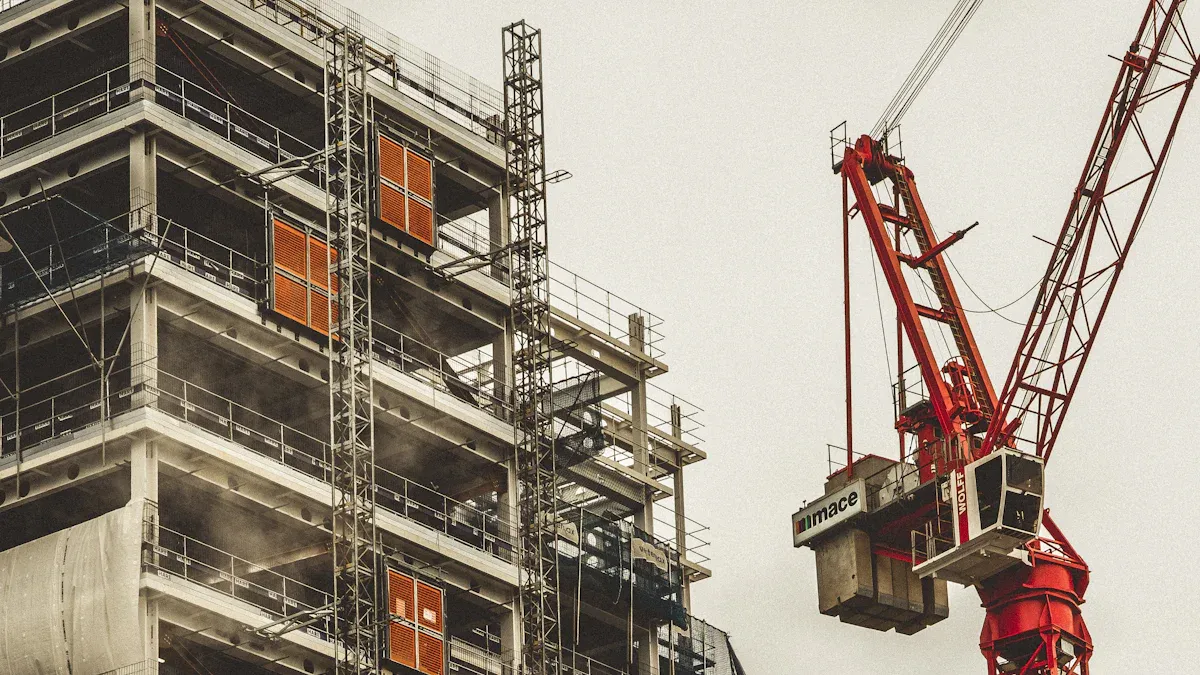
Pre-Installation Planning
Site Assessment
A thorough site assessment forms the foundation of a successful ROHN tower installation. Technicians evaluate the terrain, soil composition, and proximity to power lines or buildings. They check for underground utilities before digging. The team ensures the selected location offers enough clearance for guy wires and future maintenance. They also consider wind exposure and drainage. A flat, stable surface supports the base and prevents shifting over time.
Hardware Inventory Checklist
Before assembly, installers prepare a detailed hardware inventory checklist. This step prevents delays and ensures all components meet ROHN specifications. The checklist typically includes:
- Base plates and hinge brackets
- Tower sections and cross braces
- Guy wires, anchors, and turnbuckles
- Mounting brackets and fasteners
- Grounding kits and lightning protection
- Climbing ladders, safety equipment, and tools
Technicians verify that bolts, nuts, and washers match the required grades and sizes. They inspect all parts for damage or corrosion before use.
Assembly Best Practices
Step-by-Step Assembly Tips
Installers follow a systematic approach for safe and efficient tower assembly:
- Position the hinge bracket on a flat concrete surface. Secure it with bolts to prevent water accumulation.
- Assemble tower sections on the ground, connecting them with the correct couplers and fasteners.
- Attach guy wires at designated levels. Use additional guy wires at 10 or 20 ft. intervals during work to enhance stability.
- Raise the tower slowly, monitoring alignment and tension.
- Anchor guy wires securely and adjust tension with turnbuckles.
- Install grounding kits and lightning protection as specified.
Tip: Regularly clear the base area of debris, dirt, and vegetation to avoid long-term damage.
Common Mistakes to Avoid
Installers sometimes overlook critical steps. Common mistakes include:
- Failing to check for underground utilities before digging
- Using incompatible or damaged hardware
- Skipping the use of extra guy wires during assembly
- Neglecting to torque bolts to manufacturer specifications
- Allowing water to pool around the base plate
Attention to detail during each phase prevents costly repairs and safety hazards.
Safety Guidelines
Personal Protective Equipment
Safety remains the top priority during tower installation. Workers wear hard hats, safety glasses, gloves, and steel-toed boots. Each climber uses a full-body harness and fall arrest system. High-visibility vests improve awareness on busy sites.
Working at Heights
Climbing and working at heights require strict adherence to safety protocols. Technicians use safety climb devices and maintain 100% fall protection above 10 feet. They inspect ladders, harnesses, and anchor points before every ascent. Team members communicate clearly and monitor each other’s safety throughout the project.
Note: Consistent use of proper equipment and procedures reduces the risk of accidents and ensures a safe installation environment.
Maintenance and Inspection
Routine Hardware Checks
ROHN tower owners must schedule regular inspections to maintain safety and performance. Technicians examine tower legs, anchor rods, and hardware for visible flaws. They look for cracks, fractures, and rust. Inspectors check that tower legs remain anchored in concrete footings. Open bottoms on tower legs allow water to drain, which prevents accumulation and freezing. Routine checks also include verifying that thick, wide washers sit under nuts. These washers distribute loads and reduce stress risers. Safety loops on turnbuckles provide redundancy and prevent unscrewing. Technicians inspect these loops during every visit.
Tip: Consistent inspections help identify problems before they threaten tower stability.
Common maintenance tasks include:
- Checking for loose bolts and fasteners
- Inspecting guy wires for tension and wear
- Confirming that all mounting brackets remain secure
- Reviewing grounding kits for intact connections
Corrosion Prevention
Corrosion poses a significant threat to tower longevity. Moisture, salt, and pollutants accelerate rust formation on steel components. Technicians apply protective coatings to exposed metal surfaces. Galvanized finishes and zinc-plated hardware resist corrosion. Inspectors pay close attention to anchor rods and base plates, as these areas often collect water. Neglecting rust checks can lead to severe damage. Water accumulation and freezing may cause structural failure or collapse.
A simple table summarizes key corrosion prevention strategies:
| Prevention Method | Application Area |
|---|---|
| Galvanized Coatings | Tower sections, braces |
| Zinc-Plated Hardware | Bolts, nuts, washers |
| Drainage Maintenance | Tower legs, base plates |
| Regular Cleaning | All exposed surfaces |
Technicians ensure open bottoms on tower legs remain clear for drainage. They remove debris and vegetation from the base area. These steps reduce moisture retention and slow corrosion.
Replacing Worn Components
Timely replacement of worn components ensures tower reliability. Inspectors identify hardware that shows signs of wear, rust, or deformation. They replace bolts, nuts, and washers that fail to meet specifications. Guy wires with frayed strands or reduced tension require immediate attention. Technicians swap out damaged mounting brackets and braces. Safety equipment, such as harnesses and ladders, must meet current standards. Outdated or compromised gear puts workers at risk.
Note: Proactive replacement of worn parts prevents unexpected failures and extends the service life of the tower.
A well-documented maintenance log helps track component replacements. Technicians record inspection dates, findings, and actions taken. This practice supports compliance and simplifies future maintenance planning.
Frequently Asked Questions about ROHN Tower Hardware and Accessories
Hardware Compatibility
ROHN tower hardware must match the tower model and installation requirements. Installers often ask how to confirm compatibility between components. ROHN publishes detailed specifications for each tower series, including recommended bolts, base plates, and guy wire assemblies. Technicians should review these documents before purchasing hardware. They compare part numbers and dimensions to ensure a proper fit. Using incompatible hardware can compromise tower stability and safety.
Tip: Always consult the official ROHN engineering documentation or contact technical support for compatibility questions. This practice helps prevent costly mistakes and ensures a secure installation.
A quick reference table helps clarify common compatibility concerns:
| Component | Check For | Example |
|---|---|---|
| Base Plate | Tower Series Match | BPC25G for 25G Series |
| Guy Wire | Strength & Diameter | EHS 3/8″ for 55G Tower |
| Mounting Bracket | Model & Load Rating | GA55GD for 55G Guy Level |
Sourcing Genuine ROHN Parts
Installers and tower owners often want to know how to source authentic ROHN hardware and accessories. Genuine parts guarantee quality, durability, and compliance with safety standards. ROHN partners with authorized distributors who stock certified products. Buyers should avoid unverified online sellers or generic substitutes, which may lack proper engineering and warranty support.
- Purchase from ROHN’s official website or authorized distributors.
- Request certificates of authenticity or manufacturer documentation.
- Verify part numbers and packaging for ROHN branding.
Alert: Counterfeit or non-certified hardware can lead to premature failure and void warranties. Always insist on genuine ROHN parts for critical installations.
ROHN’s customer service team assists with sourcing questions and can recommend trusted suppliers in your region.
Upgrading Existing Towers
Many tower owners consider upgrading their ROHN installations to support new equipment or meet updated safety standards. Upgrades may involve replacing guy wires, adding torque arms, or installing advanced lightning protection. Technicians must assess the current tower’s condition before starting any upgrade. They inspect for corrosion, wear, and structural integrity. ROHN provides retrofit kits and upgrade guides for popular tower models.
- Evaluate the tower’s age and maintenance history.
- Identify components that require replacement or reinforcement.
- Use only ROHN-approved upgrade kits and accessories.
Note: Upgrading a tower often improves performance and extends service life. However, all modifications should comply with local building codes and ROHN engineering recommendations.
Technicians document all upgrades and keep records for future inspections. This approach ensures the tower remains safe and reliable for years to come.
Customization Options
ROHN tower systems offer a wide range of customization options to meet diverse installation requirements. Installers and tower owners can tailor hardware and accessories to suit specific site conditions, equipment loads, and operational needs. ROHN provides modular tower sections, allowing users to adjust tower height and configuration. They can select from various guy wire grades and anchor types to optimize stability for local wind and soil conditions.
Many professionals choose custom mounting brackets to accommodate unique building structures or antenna placements. ROHN manufactures brackets for wall, roof, and universal applications. Installers can request specialty finishes, such as powder coating or enhanced galvanization, to improve corrosion resistance in coastal or industrial environments.
Antenna mounts and supports also offer flexibility. Technicians may select mast mounts for vertical installations or side arms for offset antenna placement. Cable management systems can be customized with weatherproofing accessories and rodent-resistant sleeving. Grounding kits may include additional rods or clamps for sites with challenging soil conductivity.
Tip: ROHN’s engineering team assists with custom designs for complex projects. They provide detailed drawings and load calculations to ensure safety and compliance.
The table below summarizes popular customization options available for ROHN towers:
| Customization Area | Options Available |
|---|---|
| Tower Height | Modular sections, adjustable configurations |
| Guy Wire Assemblies | HS/EHS grades, custom lengths |
| Mounting Brackets | Wall, roof, universal, specialty finishes |
| Antenna Supports | Mast mounts, side arms, custom spacing |
| Cable Management | Trays, guides, weatherproofing, sleeving |
| Grounding Kits | Extra rods, clamps, specialty wire |
Customization ensures that each ROHN tower installation meets the demands of its environment and application.
Troubleshooting Common Issues
ROHN tower installations sometimes encounter common hardware and accessory issues. Technicians must identify and resolve these problems quickly to maintain safety and performance. Loose bolts and fasteners often cause tower sections to shift or vibrate. Regular torque checks prevent this issue. Corrosion on steel components can weaken structural integrity. Applying protective coatings and inspecting for rust helps mitigate this risk.
Guy wire tension may decrease over time due to environmental factors. Technicians use cable tension meters to verify and adjust tension as needed. Grounding failures can expose equipment to electrical surges. Inspectors check all connections and replace damaged wires or clamps.
Cable management problems, such as sagging or abrasion, may lead to signal loss. Technicians secure cables with UV-resistant ties and inspect trays for damage. Lightning protection systems require periodic testing to ensure proper function. Surge protectors and rods must remain intact and connected.
Alert: Always address hardware issues promptly. Delayed repairs can result in equipment damage or tower failure.
A troubleshooting checklist helps technicians maintain ROHN towers:
- Inspect bolts and fasteners for tightness and corrosion.
- Verify guy wire tension and anchor stability.
- Check grounding connections and replace faulty components.
- Review cable management systems for wear or damage.
- Test lightning protection devices regularly.
Consistent troubleshooting and maintenance extend the service life of ROHN towers and protect valuable equipment.
ROHN tower installations demand careful attention to hardware and accessories. Technicians select base plates, guy wires, anchors, and grounding kits for reliable performance. Proper installation and routine maintenance protect both equipment and personnel.
- Trusted distributors supply genuine ROHN parts and expert guidance.
- Regular inspections help prevent costly repairs and ensure long-term safety.
Safety remains the top priority. Technicians should always follow industry standards and manufacturer recommendations.
FAQ
How can installers confirm hardware compatibility with ROHN towers?
Installers should review ROHN’s official engineering documentation. They compare part numbers and dimensions for each component. Technical support from authorized distributors provides additional guidance.
Where can buyers source genuine ROHN hardware and accessories?
Buyers should purchase from ROHN’s official website or authorized distributors. Certificates of authenticity and branded packaging confirm genuine parts. Counterfeit hardware risks safety and warranty coverage.
What steps help upgrade an existing ROHN tower safely?
Technicians inspect the tower for corrosion and wear. They use ROHN-approved retrofit kits and follow engineering recommendations. Documentation of upgrades supports future maintenance.
Which customization options does ROHN offer for tower installations?
ROHN provides modular tower sections, specialty mounting brackets, and custom guy wire assemblies. Installers can request enhanced finishes for corrosion resistance. Engineering support helps design solutions for unique sites.
What are common troubleshooting tips for ROHN tower hardware issues?
Technicians check bolt tightness, guy wire tension, and grounding connections. They inspect for corrosion and replace worn components. Routine cable management and lightning protection tests prevent failures.
How often should owners schedule tower inspections and maintenance?
ROHN recommends routine inspections at least twice per year. Technicians check hardware, grounding, and safety equipment. Regular maintenance extends tower life and prevents unexpected failures.
What safety equipment must technicians use during tower installation?
Technicians wear hard hats, gloves, and steel-toed boots. Full-body harnesses and fall arrest systems remain mandatory for climbing. Safety climb devices and cages provide additional protection.