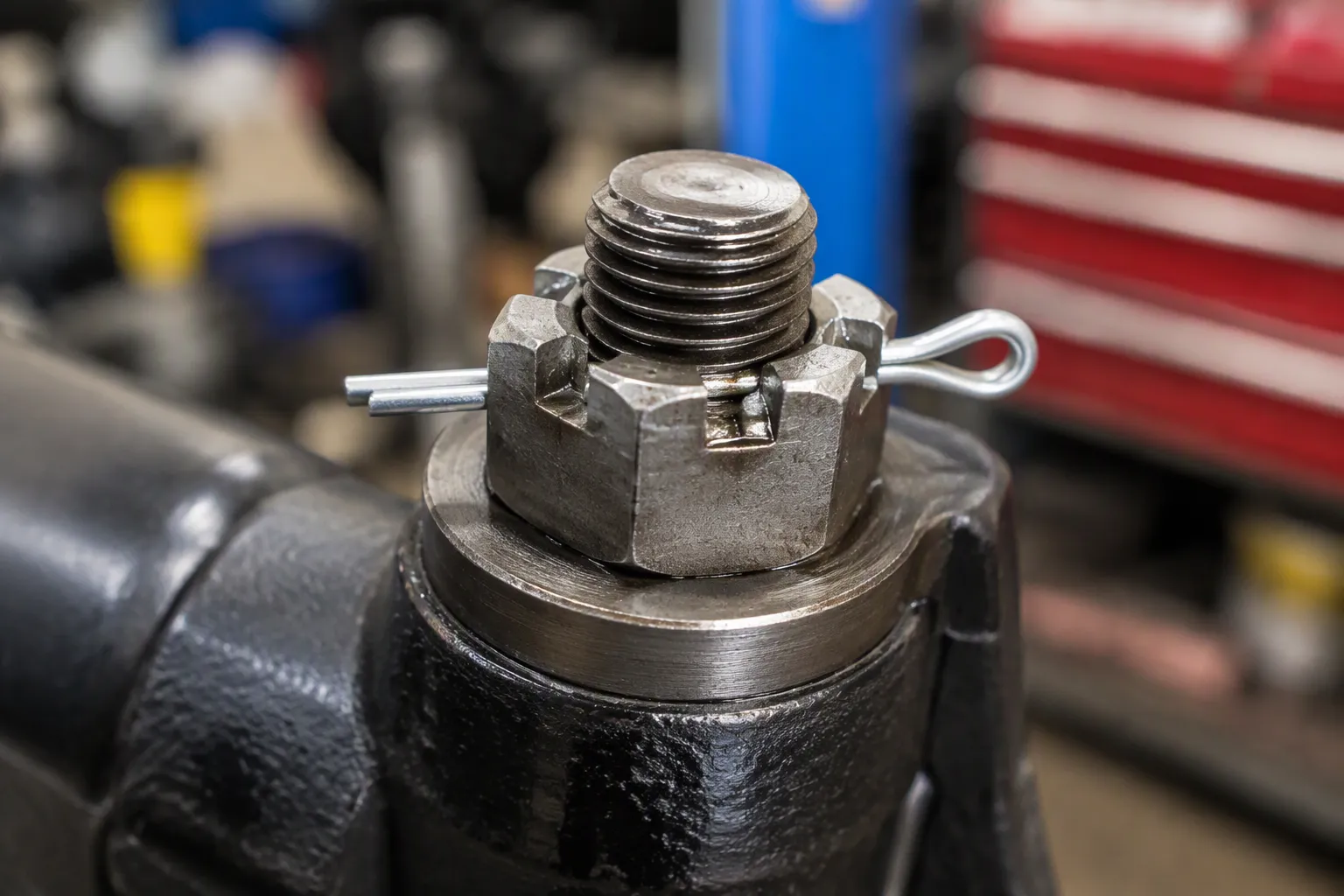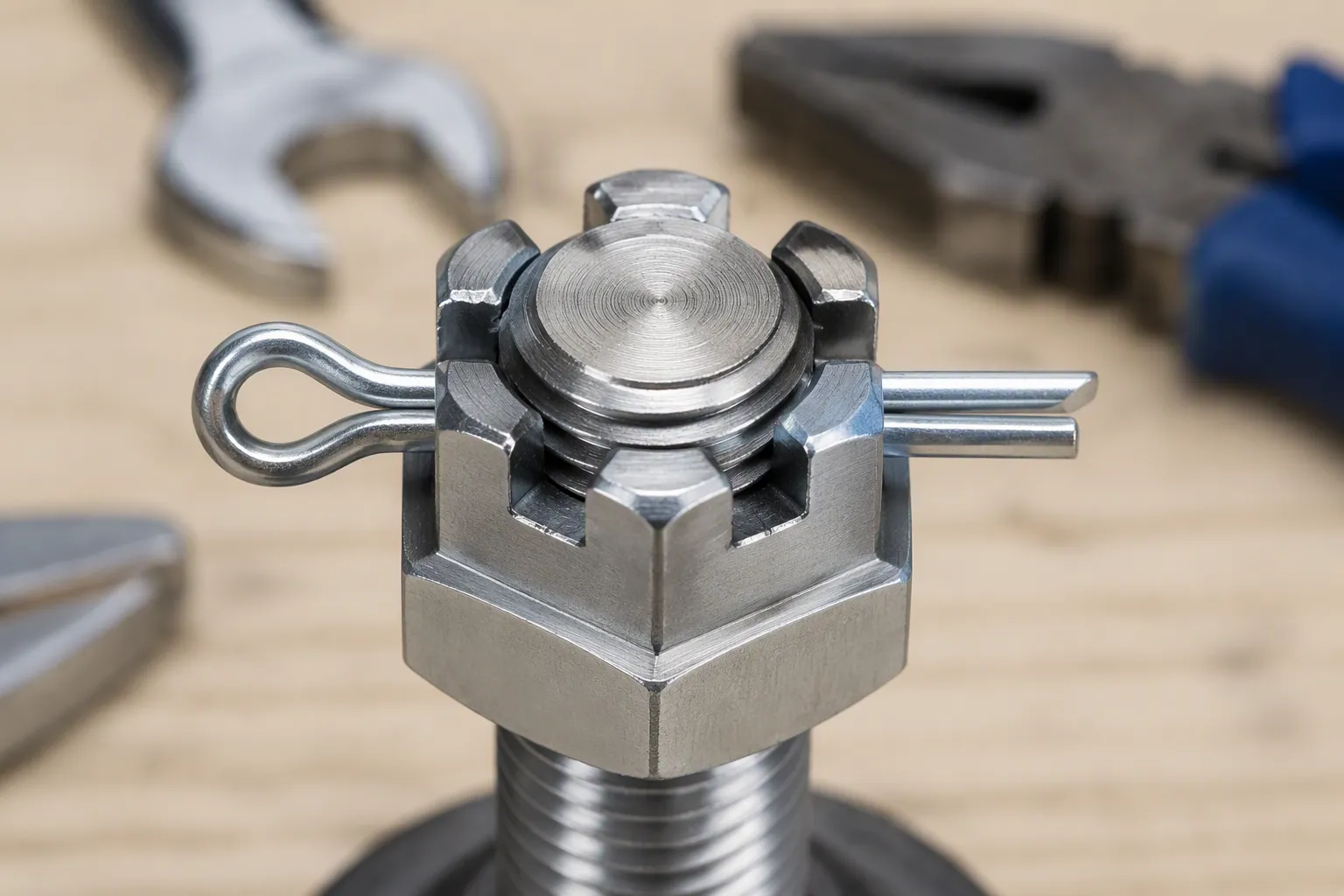
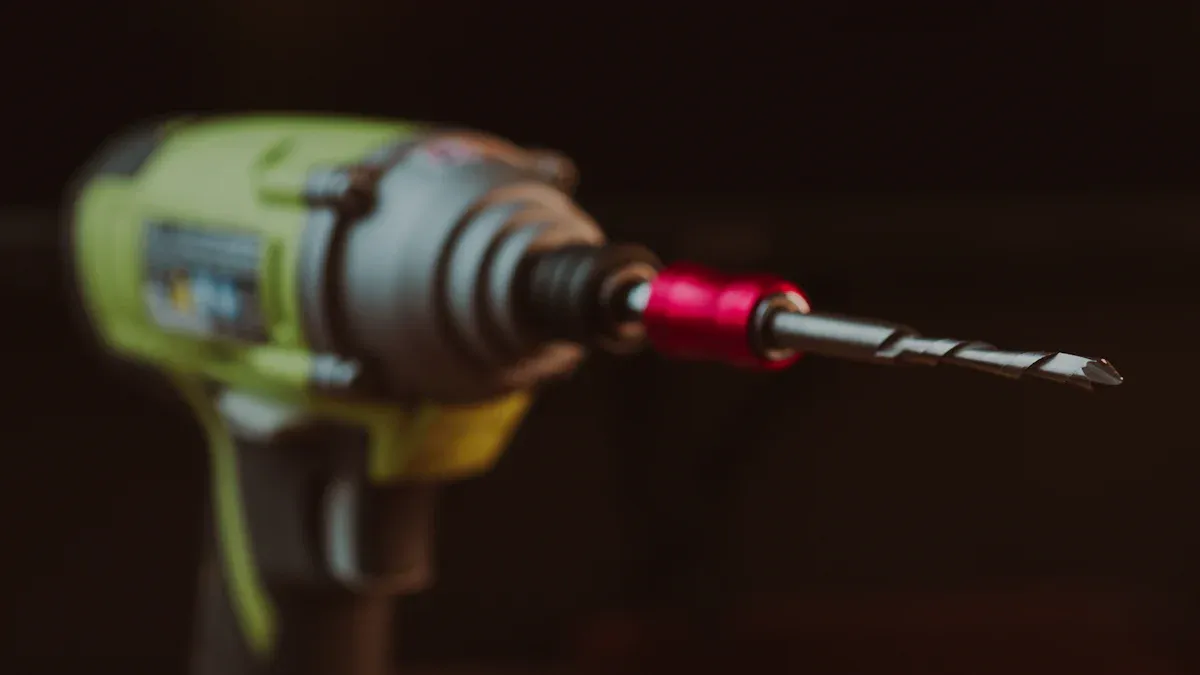
A stripped screw or a snapped set bolt can halt a project instantly. This frustrating problem requires a specialized removal tool. This guide evaluates top-tier screw and bolt extractor sets designed to solve these issues. An effective extractor set can handle everything from a flawed bolt casting to stubborn custom fasteners. A reliable custom fasteners manufacturer often recommends a quality extractor set as a companion tool for any serious toolkit.
The Top 10 Screw and Bolt Extractor Sets of 2024
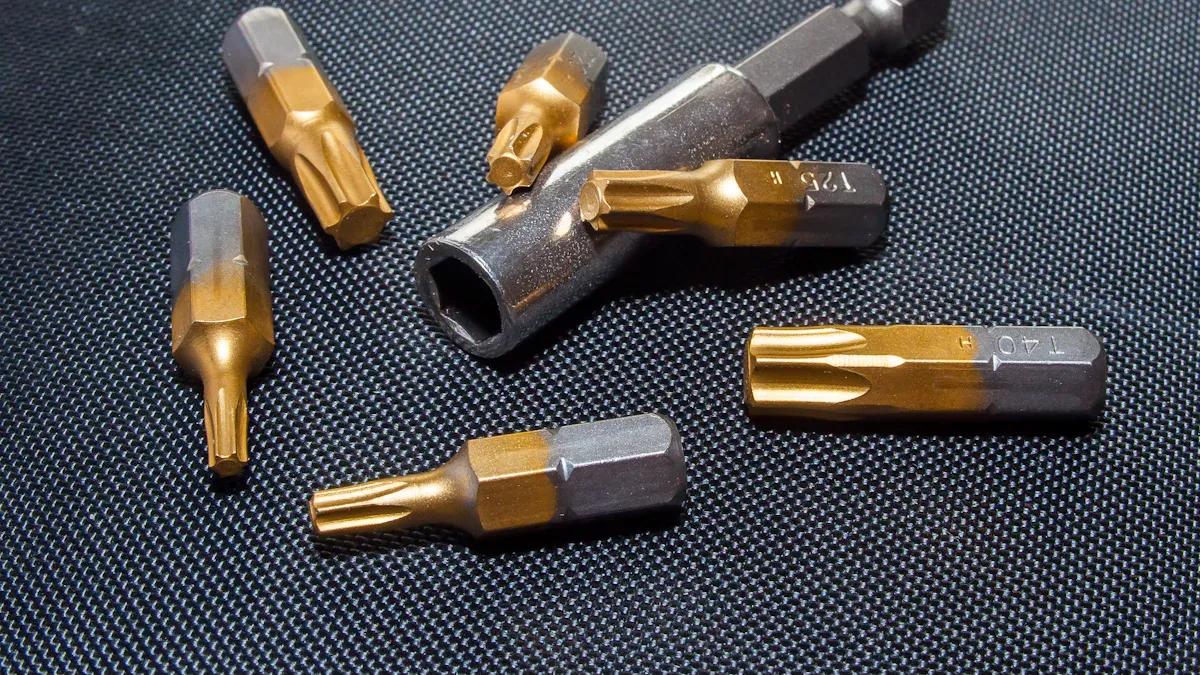
Finding the right tool for fastener removal can turn a crisis into a minor inconvenience. This section reviews the top performers, evaluating their strengths, weaknesses, and ideal use cases to help you make an informed decision.
1. IRWIN HANSON Bolt-Grip Extractor Set – Best Overall
The IRWIN HANSON Bolt-Grip Extractor Set earns the top spot by delivering an exceptional balance of power, durability, and value. It is a reliable workhorse for both serious DIYers and professional mechanics who need a dependable tool that will not fail on a typical job. This extractor set provides confidence for most removal tasks.
Key Features
- Material Construction: IRWIN constructs this set from high-carbon steel. This material provides superior durability and a long operational lifespan.
- Gripping Design: The sockets feature reverse spiral flutes. These are engineered to bite down and increase their grip as more torque is applied.
- Drive Versatility: It works with a standard 3/8” square drive for ratchets and impact wrenches. It also includes hexagonal flats for use with wrenches and pliers.
- Universal Fit: A universal lobular design allows the sockets to grip and remove various fastener types, including rusted, damaged, and rounded-off heads.
Pros: Why It’s Our Top Pick
This bolt extractor excels in real-world performance. The high-carbon steel construction resists warping under the high torque required for stubborn bolts. While the manufacturer does not provide a specific hardness rating (HRC), the material is tougher than standard tool steel, ensuring greater durability.
Professionals and hobbyists alike praise its design. One user on a popular forum noted, “They’re nice because you can use a socket on them instead of a tap handle,” highlighting its convenience over traditional extractors. This versatility makes it a standout choice.
Cons: What to Consider
The primary consideration is the lack of a specified HRC rating, which may be a drawback for metallurgists or mechanics requiring precise tool specifications. While effective on most materials, it may struggle with extremely hardened or exotic alloy bolts compared to premium-priced competitors.
Budget Category: Mid-Range
2. RocketSocket Impact Bolt & Nut Extractor Set – Premium Pick
For professionals who demand absolute peak performance, the RocketSocket extractor set represents the pinnacle of removal technology. Made in the USA, this kit is engineered for the most challenging environments where tool failure is not an option. It is an investment in uncompromising quality.
Key Features
- Material: Forged from American 4140 Chromoly (Cr-Mo) steel for maximum strength and toughness.
- Impact Rated: Explicitly designed and rated for use with high-torque impact wrenches.
- Advanced Grip: Features a patented helical bite design that grips deeper and more aggressively than standard spiral flutes.
- Precision Machining: Each socket is precision-machined for a perfect fit, minimizing the risk of further damaging the fastener head.
Pros: Unmatched Grip and Durability
RocketSocket tools are among the best screw extractors available for heavy-duty applications. The Cr-Mo steel construction allows them to withstand incredible force from impact guns without shattering or deforming. The advanced gripping pattern can latch onto bolt heads that are almost completely rounded off, making it the ultimate solution for rusted-on suspension components or seized engine bolts. This bolt extractor is built for pure power.
Cons: The Price Tag
Excellence comes at a cost. The premium materials and US-based manufacturing place this set at a significantly higher price point than other options on this list. Its cost is difficult to justify for occasional home use, making it a tool primarily for dedicated professionals.
Budget Category: Premium
3. NEIKO 04204A Screw and Bolt Extractor Set – Best Budget Option
The NEIKO 04204A proves that you do not need to spend a fortune to get a capable and versatile screw extractor set. This comprehensive extractor kit provides two different styles of extractors, making it an outstanding value for homeowners, hobbyists, and anyone building their first toolkit.
Key Features
- Dual-Type Kit: Includes both spiral flute extractors for recessed screws and bolt extractor sockets for external heads.
- Wide Size Range: The 25-piece set covers a vast array of common fastener sizes, ensuring you have the right tool for most household and automotive repairs.
- Material: Made from durable High-Speed Steel (HSS) with a cobalt coating for increased hardness and corrosion resistance.
- Organization: Comes in a molded plastic case that keeps all pieces organized and accessible.
Pros: Incredible Value for Money
This kit’s primary advantage is its versatility and low cost. For the price of a single premium socket, NEIKO provides a complete solution for many different types of broken fasteners. Having both a spiral screw extractor and a socket-style extractor in one package makes this one of the most useful screw and bolt extractor sets for a home garage.
Cons: Not for Heavy-Duty Use
The trade-off for value is raw strength. The HSS material, while perfectly adequate for softer screws and typical bolts, may not withstand the extreme torque needed for high-strength, hardened fasteners. A single screw extractor bit from this set is more likely to snap under professional-level stress than its premium counterparts.
Budget Category: Budget
4. Topec Impact Bolt & Nut Remover Set
The Topec Impact Bolt & Nut Remover Set establishes itself as a formidable mid-range choice. It offers features often found in premium kits but at a more accessible price point. This extractor set is designed for users who need impact-rated strength without the top-tier cost.
Key Features
- Material: Each piece is forged from high-hardness Chrome Molybdenum (Cr-Mo) steel for excellent strength and wear resistance.
- Impact Ready: The set is fully compatible with 3/8-inch square drive impact wrenches, ratchets, and breaker bars.
- Grip Design: It utilizes a reverse spiral flute design that bites into damaged bolt and nut heads for secure removal.
- Size Markings: High-contrast, laser-etched size markings on each socket allow for quick and easy identification.
Pros: A Solid Mid-Range Contender
This Topec kit delivers impressive performance for its budget category. The Cr-Mo construction allows it to handle significant torque from an impact gun, making it suitable for automotive work like removing lug nuts or suspension bolts. The internal tapered design grips progressively tighter as force is applied, providing a reliable solution for fasteners that are up to 85% rounded off. This bolt extractor provides confidence on tough jobs.
Cons: Case Quality
A common point of feedback centers on the carrying case. While functional for storage, the plastic case feels less durable than the tools themselves. Sockets may come loose during transport, which can be a minor inconvenience for mobile mechanics or those who value perfect organization.
Budget Category: Mid-Range
5. Williams 5-Piece Screw Extractor Set
From Williams, a brand under the Snap-on umbrella, comes a tool that embodies professional simplicity. This screw extractor set forgoes flashy features in favor of high-quality materials and a time-tested design. It is engineered for one job: removing broken bolts and studs cleanly and effectively.
Key Features
- Construction: Made from special alloy steel for superior strength and durability.
- Design: Features a classic spiral flute design recommended for general-purpose removal of right-hand threaded fasteners.
- Precision Machining: Each screw extractor is carefully machined to ensure it bites into the drilled pilot hole without expanding the fastener.
- Size Range: The 5-piece set covers screw and bolt sizes from 3/16″ (5mm) to 3/4″ (19mm).
Pros: Professional-Grade Simplicity
The strength of this extractor set lies in its focused design and material quality. Unlike multi-purpose kits, each piece is a dedicated screw extractor built to withstand the high torsional stress of removing a sheared bolt.
Pro Tip: The manufacturer recommends using these with a tap wrench for optimal control. This method provides the slow, steady torque needed to prevent the hardened steel from shattering.
Professionals trust this tool for its reliability in critical situations. Its simple effectiveness makes it a must-have for any serious machine shop or repair garage.
Cons: Limited to Spiral Flutes
This tool is highly specialized. It is designed exclusively for fasteners that have snapped below the surface, requiring a pilot hole to be drilled. It cannot be used on bolts with rounded-off external heads. Users will need a separate socket-style bolt extractor for those situations.
Budget Category: Mid-Range
6. ARES 10-Piece Bolt Extractor Socket Set
The ARES Bolt Extractor Socket Set is another excellent mid-range competitor that focuses on removing damaged external heads. It provides a reliable and easy-to-use solution for dealing with the common problem of rounded-off bolts and nuts, making it one of the best screw extractors for general automotive and home repair.
Key Features
- Material: Constructed from heat-treated, impact-grade Chrome Molybdenum steel.
- Drive Size: Designed for use with a 3/8-inch drive tool.
- Grip Technology: Features a specialized internal thread design that grips fasteners securely.
- High-Visibility Markings: Each socket has large, laser-etched markings for quick identification in any lighting condition.
Pros: Excellent for Rounded-Off Heads
This ARES extractor set shines when faced with a bolt or nut that a standard socket can no longer grip. The user simply hammers the correct size socket onto the damaged head. The internal flutes bite down firmly, allowing for easy removal with a ratchet or impact wrench. Its straightforward operation makes it incredibly user-friendly, even for beginners.
Cons: Less Effective on Snapped Bolts
Like all socket-style extractors, this tool is ineffective for fasteners that have broken off flush with or below the surface. It requires an external head to grip onto. Therefore, it is not a complete replacement for a spiral flute screw extractor, but rather a complementary tool for a different type of problem.
Budget Category: Mid-Range
7. LEXIVON Impact Bolt & Nut Remover Set
The LEXIVON Impact Bolt & Nut Remover Set is another top-tier competitor in the crowded mid-range market. It delivers professional-grade features and impact-rated durability. This extractor set is an excellent choice for mechanics and serious DIYers who frequently work in less-than-ideal lighting conditions.
Key Features
- Material: It is manufactured from heat-treated Chrome Molybdenum (Cr-Mo) steel for high strength and shock resistance.
- Grip Profile: The internal design uses tapered reverse spiral flutes to lock onto and remove damaged fasteners.
- Drive Compatibility: The sockets fit a standard 3/8-inch square drive and have a hexagonal base for use with wrenches or sockets.
- Size Range: The 13-piece set covers a wide range of both SAE and Metric sizes from 1/4″ (6mm) to 3/4″ (19mm).
Pros: High-Visibility Markings
LEXIVON sets itself apart with its focus on user convenience. Each socket features large, laser-etched size markings that are exceptionally easy to read. This small detail becomes a major advantage when working in a dimly lit engine bay or under a vehicle. It reduces frustration and saves valuable time by eliminating the guesswork of finding the right size. The robust Cr-Mo construction ensures this bolt extractor can handle the torque from an impact wrench without issue.
Cons: Can Be a Tight Fit
The aggressive internal flute design, while effective, can sometimes make the socket a very tight fit on the damaged fastener head. This requires a firm hammer tap to seat the socket properly. While this ensures a secure grip, it can also make removing the fastener from the socket after extraction a bit more challenging.
Budget Category: Mid-Range
8. Alden 8440P Pro Grabit Broken Bolt and Damaged Screw Extractor
The Alden Pro Grabit offers a unique and highly effective solution for a very specific problem: removing screws and bolts that have snapped off below the surface. This damaged screw extractor is a specialized tool designed for precision work. It is a staple in many professional toolkits for its innovative two-step design.
Key Features
- Dual-End Design: Each bit features a burnishing end to clean and prep the broken fastener and a tapered extractor end for removal.
- Material: The Alden 8440P Pro Grabit extractor is constructed from M2 High-Speed Steel (HSS). This material is double-hardened to a Rockwell hardness of 62-63 HRC.
- Self-Centering: The burnisher tip helps create a perfectly centered hole for the extractor, which is critical for success.
- Compatibility: It is designed for use with a variable-speed reversible drill.
Pros: Dual-Ended Burnisher and Extractor
The genius of this screw extractor lies in its all-in-one approach. The user first uses the burnisher end in reverse to smooth the jagged surface of the broken screw. Then, they flip the bit around to the extractor end. The tapered threads bite into the newly prepped surface, removing the fastener without the need for a separate drill bit or center punch. The high hardness rating (62-63 HRC) gives it excellent wear resistance for repeated use.
Note: This tool works best at low RPMs. Applying slow, steady pressure allows the screw extractor to grip properly without stripping the hole or breaking the bit.
Cons: Best for Softer Metals
While the hardened M2 steel is tough, this tool is most effective on standard commercial-grade bolts and screws (up to Grade 8). It may struggle with or break on extremely hardened specialty fasteners, such as those found in high-performance engines or industrial machinery. For those applications, a cobalt drill bit and a more robust extractor may be necessary.
Budget Category: Budget
9. Gearwrench Bolt Biter Extraction Socket Set
The Gearwrench Bolt Biter Extraction Socket Set represents a significant innovation in fastener removal technology. This premium extractor set is engineered for professionals who need the absolute best screw extractors for tackling severely compromised fasteners. It combines a novel design with superior materials for unmatched performance.
Key Features
- Material: The Gearwrench Bolt Biter Extraction Socket Set utilizes high-strength chrome molybdenum steel, also referred to as Chrome-Molybdenum (Cr-Mo), to ensure exceptional durability and longevity.
- Bi-Directional Design: Sockets can both tighten and loosen a fastener, which is useful for seating the tool or for applications where a damaged fastener must be re-installed temporarily.
- Tapered Flutes: The innovative design features tapered flutes that make it easy to seat onto a damaged head and provide a powerful grip.
- “Minus-Size” Sockets: The set includes sockets designed to fit worn or undersized fastener heads.
Pros: Innovative Tapered Flute Design
The Bolt Biter’s performance is truly exceptional. Unlike traditional spiral flutes that can get jammed, the tapered design allows the socket to slide on easily and grip tighter as more torque is applied. This bolt extractor can grab onto fasteners that are up to 100% rounded off. The bi-directional capability is a game-changer, allowing a user to back the tool off and get a better bite without releasing the fastener. This powerful screw extractor set provides maximum confidence for any removal job.
Cons: Higher Price Point
This level of innovation and performance comes with a premium price tag. The Gearwrench Bolt Biter screw extractor set is a significant investment. Its cost makes it more suitable for professional mechanics and serious enthusiasts who will use its advanced capabilities frequently, rather than for the occasional DIYer.
Budget Category: Premium
10. REXBETI 20-Piece Screw Extractor Set
The REXBETI 20-Piece Screw Extractor Set rounds out our list as a highly comprehensive and affordable option. This screw extractor set is specifically designed for removing smaller stripped, painted over, or damaged screws and bolts. It is an ideal choice for technicians, hobbyists, and homeowners who work with electronics, appliances, or small machinery.
Key Features
- Material: Each screw extractor is made from High-Speed Steel (HSS) for good hardness and wear resistance on common fasteners.
- Multi-Spline Design: The extractors feature a multi-spline profile. This design provides multiple points of contact for a secure grip inside a drilled pilot hole.
- Extensive Size Range: This 20-piece extractor set includes a wide variety of sizes, covering diameters from 1/8″ (3mm) to 7/8″ (23mm).
- Etched Markings: Each piece has its size etched onto the side for quick identification.
Pros: Comprehensive Kit for Small Fasteners
This extractor kit provides exceptional value through its sheer number of pieces. The wide range of sizes ensures the user has the right tool for almost any small-scale job. This makes it one of the best screw extractors for tasks like computer repair or furniture assembly, where fasteners are smaller and not excessively torqued. The multi-spline design of each screw extractor offers a reliable grip on softer metals without requiring excessive force.
Technician’s Tip: This screw extraction kit excels where precision is more important than raw power. Use a tap handle for maximum control when turning the extractor to avoid breaking the bit or damaging the workpiece. A good bolt extractor from this kit can save a delicate circuit board or engine casing.
Cons: Durability on Hardened Bolts
The primary limitation of this extractor set is its material. While HSS is suitable for most screws, it lacks the toughness of Cr-Mo or cobalt blends. Attempting to use a screw extractor from this kit on a hardened steel bolt, like a Grade 8 automotive fastener, risks breaking the tool. This can complicate the removal process significantly. This bolt extractor is not intended for high-torque, heavy-duty industrial or automotive applications.
Budget Category: Budget
Buyer’s Guide: How to Choose the Right Screw Extractor Set
Choosing the right tools prevents a minor setback from becoming a major headache. This guide breaks down the essential factors to consider when selecting from the many screw and bolt extractor sets available. Understanding these details helps you find the perfect match for your needs and budget.
Understanding the Different Types of Extractors
Different fastener problems require different solutions. The main types of extractors are each designed for a specific scenario.
Spiral Flute Extractors
A spiral extractor uses an aggressive left-hand spiral design. This design allows the flutes to bite deeper into the metal as a user applies counter-clockwise torque. The spiral extractor creates an increasingly secure hold, maximizing the force for a successful extraction. However, a standard spiral extractor may struggle with extremely hardened steel bolts. These jobs require cobalt alloy drill bits for effective pilot holes.
Multi-Spline Extractors
Multi-spline extractors are built for heavy-duty industrial work. Their design features multiple points of contact, or splines. This allows for an even distribution of force. The design significantly reduces the risk of the tool breaking or deforming the bolt during high-torque applications.
Bolt and Nut Extractor Sockets
This type of bolt extractor looks like a standard socket but has internal spiral flutes. A user hammers the socket over a rounded-off or damaged bolt head. The flutes grip the exterior of the fastener, allowing removal with a ratchet or impact wrench. They are among the best bolt extractors for external heads but cannot remove snapped-off bolts.
Drill-Out / Burnishing Extractors
This innovative damaged screw extractor features a dual-ended design. One end is a burnisher that smooths the broken fastener’s surface. The user then flips the bit to the extractor end, which bites into the prepped surface for removal. This design eliminates the need for a separate drill bit.
Material and Durability: What the Best Screw Extractors Are Made Of
The material of a screw extractor determines its strength and lifespan.
High-Speed Steel (HSS)
HSS is a common material for a general-purpose screw extractor set. It offers good hardness and is effective for most common screws and bolts found in household applications.
Cobalt-Blended HSS
Cobalt blends add significant heat resistance and hardness to HSS. This makes the screw extractor more durable and capable of drilling into tougher metals without wearing down quickly.
Chrome Molybdenum (Cr-Mo)
Cr-Mo steel is the top choice for impact-rated tools. This material possesses exceptional toughness and strength, allowing a bolt extractor to withstand the high torque and shock from an impact wrench. The best bolt extractors are often made from Cr-Mo.
Understanding Hardness Ratings (HRC)
The Rockwell Hardness Scale (HRC) measures a material’s resistance to indentation. A higher HRC number indicates a harder material, which is crucial for a screw extractor to bite into a fastener.
| Material Type | Rockwell Hardness (HRC) Range |
|---|---|
| High-Speed Steel (HSS) | 63 HRC or above |
| HSS 4341# (Titanium coated) | 63-65 HRC |
| Chrome-Molybdenum Steel | Up to 68 HRC |
Key Features to Look For in the Best Bolt Extractors
Beyond material, several features define the best screw extractors and their usability.
Size Range and Compatibility
An extractor set must fit the fasteners you work with. A good extractor kit will cover a wide range of sizes. Many expert-grade kits are designed for fasteners from 3mm to 19mm, addressing most common automotive and DIY scenarios.
Drive Type (Hex vs. Square)
A square drive fits ratchets and impact wrenches directly. A hex drive allows the use of wrenches, pliers, or sockets, offering greater versatility in tight spaces.
Impact Wrench Compatibility
For automotive or heavy-duty work, impact-rated compatibility is essential. This feature ensures the extractor set can handle high torque without shattering.
Case and Organization
A durable case keeps your tools organized and protected. Clear markings on the case and the tools themselves save time and reduce frustration on the job.
How to Use a Screw and Bolt Extractor: A Step-by-Step Guide
Using a screw and bolt extractor set correctly transforms a difficult job into a manageable task. This guide provides a clear, step-by-step process for successful fastener removal. Following these instructions ensures safety and maximizes the effectiveness of your tools.
Step 1: Preparation and Safety
Proper preparation is the foundation of any successful repair. A user must gather the right tools and prioritize safety before starting work. This initial step prevents accidents and streamlines the extraction process.
Gather Your Tools
A well-prepared workspace is essential. Before beginning, a technician should assemble all necessary equipment. This includes:
- The appropriate screw extractor set
- A variable-speed reversible drill
- A set of left-handed drill bits (recommended)
- A center punch and hammer
- A tap handle or wrench
- Penetrating oil
- All required Personal Protective Equipment (PPE)
Safety First
Working with power tools and metal shards demands respect for safety protocols. A user must always protect themselves from potential hazards. Before starting, inspect all tools for damage, especially electrical cords.
Critical Safety Alert ⚠️
Always secure the workpiece with clamps. This prevents it from spinning unexpectedly during drilling. A loose workpiece is a significant safety risk.
Essential PPE is non-negotiable for this task. A user should always wear the following:
- Eye Protection: ANSI Z87.1-rated safety goggles are mandatory to protect from metal filings.
- Hand Protection: Heavy-duty gloves protect hands from sharp edges. However, a user must never wear gloves when operating a drill press or other tools with fast-rotating parts, as they can get caught.
- Respiratory Protection: An N95-rated dust mask is important when drilling, as airborne particles can be harmful.
Step 2: Drilling the Pilot Hole for a Screw Extractor
A correctly drilled pilot hole is the most critical part of the process. This hole allows the screw extractor to bite into the fastener. Rushing this step often leads to failure.
Center Punching the Fastener
A user must first create a starting point for the drill bit. They should place the tip of a center punch in the middle of the broken fastener. A firm tap with a hammer creates a small divot. This indentation prevents the drill bit from wandering.
Selecting the Right Drill Bit
The extractor kit instructions will specify the correct drill bit size for each screw extractor. Using the recommended size is crucial. A hole that is too small will prevent the screw extractor from seating, while a hole that is too large will weaken the fastener walls.
Drilling Straight and Steady
A user should set their drill to reverse (counter-clockwise) and use a low speed. They must keep the drill bit perfectly straight and apply steady, firm pressure. Applying penetrating oil can help cool the bit and make drilling easier. The goal is to create a clean hole deep enough for the screw extractor to grip securely.
Step 3: Inserting and Turning the Extractor
With the pilot hole complete, the final step is the extraction itself. This stage requires patience and control.
Tapping in the Extractor
A user should select the correct size screw extractor and insert its tapered end into the pilot hole. They can then gently tap the bolt extractor with a hammer. This action seats the tool’s flutes firmly into the sides of the drilled hole.
Applying Slow, Even Pressure
A user should attach a tap handle or wrench to the end of the bolt extractor. They must apply slow, constant counter-clockwise pressure. The tool’s reverse threads will bite into the metal, and the fastener should begin to turn. It is vital to avoid sudden, jerky movements, which can break the hardened screw extractor.
What to Do If the Extractor Fails or Breaks
Even with the best tools, a user can encounter a fastener that refuses to budge. Sometimes, the screw extractor itself may fail or even break. These situations require advanced techniques. A technician must proceed with caution to avoid making the problem worse.
Applying Penetrating Oil
Corrosion is often the primary cause of a stuck fastener. Penetrating oil can be a powerful ally. These low-viscosity lubricants seep into the tight spaces of the threads, helping to dissolve rust and reduce friction.
Pro Tip: For best results, apply a generous amount of penetrating oil and allow it to soak for several hours or even overnight. Tapping the area around the fastener with a hammer can create vibrations that help the oil penetrate deeper into the threads.
A user should reapply the oil before making another extraction attempt. This simple step can make a significant difference.
Using Heat Carefully
Applying heat is an effective but high-risk technique. Metal expands when heated and contracts when it cools. A technician can use this principle to break the bond between the fastener and its housing.
A user should apply concentrated heat to the area surrounding the fastener, not directly to the fastener itself. The goal is to make the housing expand more than the bolt. A propane or MAPP gas torch works well for this task.
Safety Warning 🔥
Extreme caution is mandatory when using heat. A user must remove all flammable materials, including oily rags and plastic components, from the work area. They should always have a fire extinguisher nearby. Never apply heat near fuel lines or fuel tanks.
After heating the area for a minute, a user can let it cool slightly before attempting to use the screw extractor again. The thermal cycle often breaks the rust’s grip.
When to Call a Professional
A user must know when to stop. Continuing to work on a failed extraction can cause irreparable damage. It is time to call a professional mechanic or machinist if any of the following occur:
- The screw extractor breaks off inside the fastener. A broken screw extractor is extremely hard and difficult to drill out without specialized equipment.
- The fastener is located in a critical or expensive component, such as an engine block or cylinder head.
- Multiple attempts with oil and heat have failed.
- The head of the fastener is completely destroyed, and there is no surface left for a tool to grip.
A professional has access to advanced tools like EDM (Electrical Discharge Machining) that can remove a broken screw extractor without damaging the surrounding threads. Admitting defeat and seeking expert help can save significant time, money, and frustration.
Selecting the right removal tool from the many available screw and bolt extractor sets is crucial for success. This guide’s recommendations simplify the decision.
- Best Overall: The IRWIN HANSON Bolt-Grip extractor set delivers an ideal balance of power and value for most users.
- Premium Pick: Professionals needing a ‘buy it once’ solution should invest in the RocketSocket or Gearwrench Bolt Biter for unmatched, heavy-duty performance.
- Budget Option: The NEIKO 04204A extractor set provides an affordable and effective solution for occasional home repairs.
Choosing the right tool from our list of screw and bolt extractor sets saves time and frustration.
FAQ
Can a user reuse a screw extractor?
Yes, a user can reuse high-quality extractors multiple times. The tool’s lifespan depends on its material and the hardness of the fasteners it removes. A technician should inspect the extractor’s flutes for wear or damage before each use to ensure it will grip effectively.
What is the difference between a screw and bolt extractor?
The terms are often used interchangeably. A screw extractor typically refers to a spiral or spline tool for fasteners broken below the surface. A bolt extractor usually means a socket-style tool that grips the outside of a damaged bolt head. Many kits contain both types.
Does a user need left-handed drill bits?
Left-handed drill bits are not required but are highly recommended. They drill in reverse (counter-clockwise). Sometimes, the friction and bite from the left-handed bit alone are enough to loosen and remove the stuck fastener, saving a user the step of using the extractor itself.
What should a user do if the extractor breaks?
A broken extractor presents a serious challenge because the tool is extremely hard.
Pro Tip: 💡 A user should stop work immediately to avoid further damage. Removing a broken, hardened extractor often requires a professional machinist with specialized tools like an Electrical Discharge Machine (EDM).
Can a user operate an impact wrench with any extractor set?
No. A user must only use an impact wrench with extractor sets specifically marked as “impact-rated.” These tools are made from tougher materials like Chrome Molybdenum (Cr-Mo) steel. Using a non-impact-rated extractor with an impact wrench can cause the tool to shatter.
Why did my extractor fail to grip the screw?
An extractor may fail to grip for several reasons. The pilot hole might be too large, preventing the flutes from biting. The fastener could be made of a material harder than the extractor. Applying torque too quickly can also strip the hole instead of gripping it.