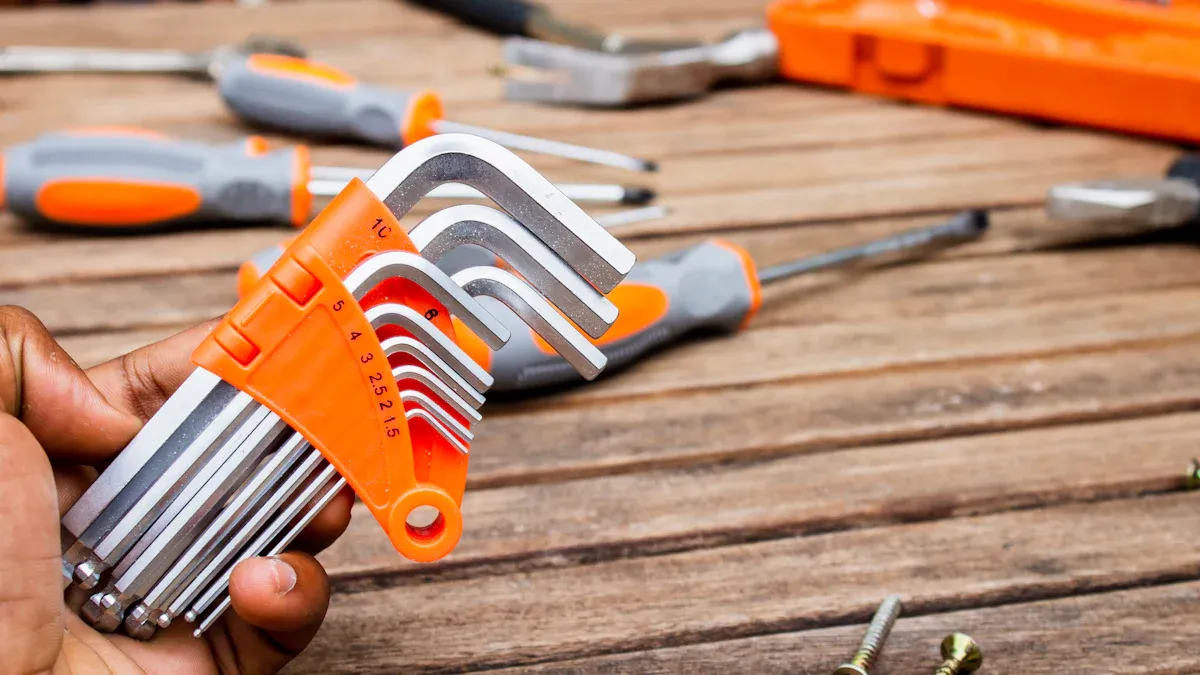
Technicians need a quality bolt extractor set for the repair of seized bolts. A reliable extractor is crucial when a set bolt breaks, whether on a standard bolt casting or on custom fasteners from a specialized custom fasteners manufacturer. Bolt extractor sets offer solutions for these difficult situations.
- Spiral Flute: General-purpose removal.
- Straight Flute: Best for hard metals.
- Multi-Spline: For high-torque applications.
- External Grip: Ideal for rounded bolt heads.
Pro Tip: Success begins with good preparation. Always apply penetrating oil and drill a clean, centered pilot hole before attempting extraction. 🛠️
A Guide to Different Bolt Extractor Sets
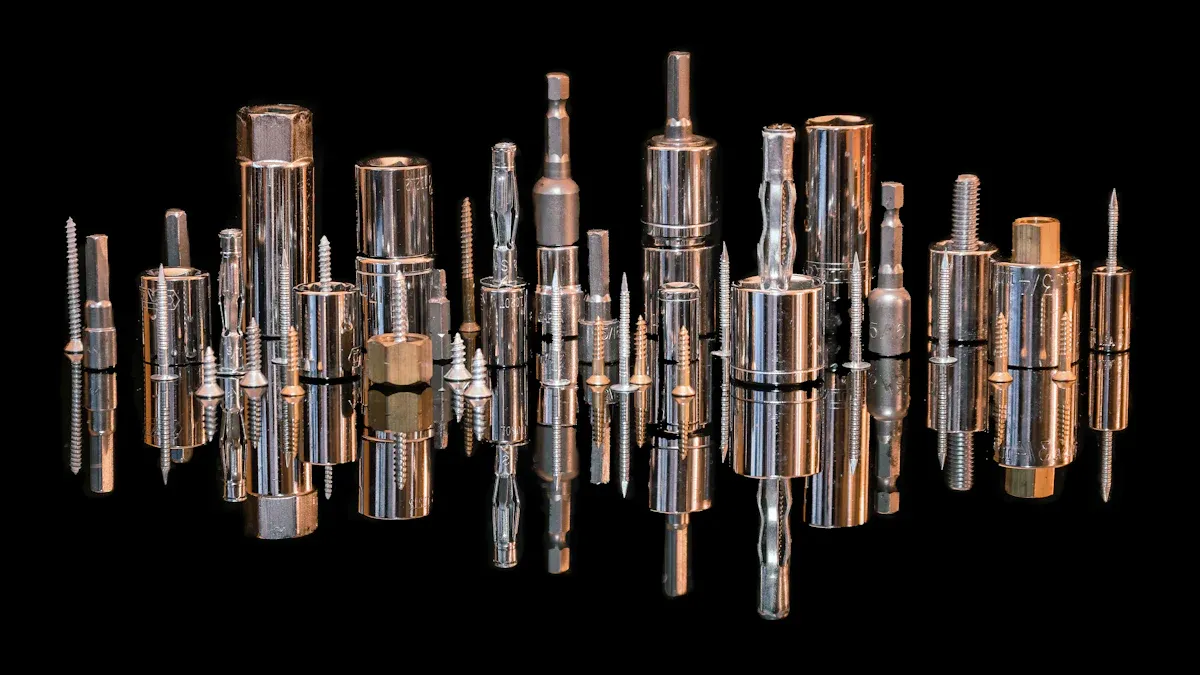
Choosing the right tool from the various bolt extractor sets available is the first step toward a successful repair. Each design offers distinct advantages and is engineered for specific failure scenarios. Understanding how they work is key to avoiding further damage and frustration.
Spiral Flute Extractors (Tapered Left-Hand Flutes)
How They Work
Spiral flute extractors are the most common type found in a general-purpose bolt extractor set. They feature aggressive left-hand (reverse) spiral threads on a tapered shaft. A technician first drills a pilot hole into the center of the broken bolt. The extractor is then inserted and turned counter-clockwise. As it turns, the reverse threads bite into the walls of the pilot hole, gripping the bolt shank. Continued counter-clockwise pressure unscrews the broken bolt from its housing.
Pros: Excellent Grip and Versatility
The primary advantage of the spiral design is its powerful gripping force. The helical flutes continuously tighten their hold as more torque is applied, making them highly effective for many situations. Their versatility makes them a go-to tool for common automotive repair tasks.
- Extracting broken engine bolts
- Removing seized manifold studs
- Dealing with other stuck fasteners in softer metals like aluminum or cast iron
Cons: Risk of Bolt Expansion
The tapered design of a spiral extractor is also its main weakness. As the tool is driven deeper into the pilot hole, it exerts outward pressure. This can expand the broken bolt shank, locking it even tighter into the surrounding material. Some users report this expansion makes removal harder, especially with bolts in hard steel.
Straight Flute Extractors (Parallel Flutes)
How They Work
Straight flute extractors, also known as parallel flute extractors, use a different gripping mechanism. Instead of tapered threads, they have vertical flutes or splines along a cylindrical shaft. A technician hammers the extractor into a precisely drilled pilot hole. The sharp edges of the flutes wedge firmly against the sides of the hole. A wrench is then used on the hexagonal head of the extractor to turn and remove the bolt. This design does not expand the bolt.
Pros: Ideal for Hardened Bolts
The non-expanding design makes straight fluted extractors superior for hardened or high-tensile steel bolts. Since they do not exert outward force, they reduce the risk of making the problem worse. Many technicians prefer straight fluted extractors because they wedge in effectively and can even be twisted in both directions to break a seized bolt free. Their solid, uniform contact provides excellent torque transfer.
Cons: Requires a Precise Pilot Hole
The effectiveness of straight fluted extractors depends entirely on a perfectly sized and centered pilot hole. An oversized hole will prevent the flutes from gripping, while an undersized or off-center hole can lead to uneven force and tool breakage. This precision requirement makes them less forgiving than their spiral counterparts.
Best Practices for Straight Fluted Extractors 📝 To maximize success with this extractor type:
- Use a center punch to create a perfect starting point for your drill bit.
- Apply penetrating oil generously and allow it to soak.
- Use a tap handle to apply slow, steady, and perfectly aligned turning force.
- Ensure the pilot hole diameter matches the manufacturer’s recommendation for the specific extractor size.
Multi-Spline Extractors (Star-Shaped)
How They Work
Multi-spline extractors offer a hybrid approach. They feature numerous small, straight splines around the tool’s body, resembling a star shape. Like straight fluted extractors, they are hammered into a pre-drilled hole. The multiple points of contact distribute the turning force evenly across the inside of the broken fastener. This design allows for high torque application with minimal risk of bolt expansion or damage to the extractor itself.
Pros: Superior Torque and Uniform Force
The key benefit is the exceptional distribution of force. With many points of contact, the stress is spread out, allowing a technician to apply significant torque without shearing the extractor or the bolt. This makes them ideal for high-strength bolts that are severely seized and require maximum turning power for a successful repair.
Cons: Higher Cost and Specific Sizing
Professional-grade multi-spline extractors are often more expensive than spiral or straight flute types. Each extractor is also designed for a very narrow range of pilot hole sizes. Using the wrong size will result in poor grip and potential failure, making a complete and well-organized kit a necessity.
External Grip Extractors (Socket-Style)
How They Work
External grip extractors, often called bolt-outs or socket-style extractors, offer a unique solution for damaged fasteners. These tools resemble standard sockets but feature specialized internal geometry. They have reverse-spiral flutes or helical teeth on the inside wall. A technician places the extractor over a rounded or stripped bolt head. Turning the tool counter-clockwise with a ratchet or impact wrench causes the internal flutes to bite into the damaged head. The grip tightens as more torque is applied, allowing the user to unscrew the stuck fastener. This method focuses all the removal force on the outside of the bolt head.
Pros: No Drilling Needed for Rounded Heads
The most significant advantage of this extractor type is the elimination of drilling. This saves considerable time and effort during a repair. Technicians can immediately address rounded, rusted, or painted-over bolt heads without the risk of breaking a drill bit inside the fastener. This makes them an invaluable part of many bolt extractor sets, especially for automotive work where lug nuts and suspension bolts are common culprits.
Did You Know? 💡 The internal spiral design provides exceptional gripping power. The sharp edges are engineered to firmly bite into a stripped nut without slipping, making them highly reliable for a difficult repair.
Many high-quality kits are available, each with specific strengths.
- Irwin Performance Series offers a traditional reverse-fluted extractor, with some kits providing deep well sizes for extended reach. A specialized Irwin bolt extractor set is also designed specifically for removing locking lug nuts that have been smoothed out.
- EWK produces a popular 13-piece impact set made from high-hardness CR-MO steel (HRC>60) for durability. Its universal design includes hexagonal flats, allowing use with wrenches, sockets, or pliers across a wide range of sizes from 1/4″ to 3/4″.
- Maximum Impact provides an affordable yet effective option for removing rounded-off fasteners, compatible with ratchets and impact hammers.
Cons: Requires an Exposed Bolt Head
The primary limitation of this design is its dependency on an accessible bolt head. This extractor is completely ineffective for bolts that have sheared off flush with or below the work surface. The tool needs a protruding head to grip onto. Additionally, there must be sufficient clearance around the bolt head for the socket-style tool to fit over it. In tight spaces, like a crowded engine bay, using this type of tool may not be possible.
Specialized Tools for Removing Broken Bolts
Beyond the standard extractor sets, certain specialized tools offer unique advantages for removing broken bolts. These options can sometimes succeed where other methods fail, making them valuable additions to a comprehensive toolkit.
Drill-Out Tools and Left-Hand Drill Bits
How Left-Hand Drill Bits Work
Left-hand drill bits, also known as reverse-thread bits, look and function like standard drill bits but with a critical difference: they cut when spinning counter-clockwise. This is the same direction a technician turns a wrench to loosen a standard right-hand-threaded bolt. The idea is to drill a pilot hole while simultaneously applying a loosening force to the broken fastener.
Pros: Can Remove Bolts While Drilling
The primary benefit of these extraction bits is their potential to solve the problem in a single step. As the bit drills into the broken bolt, the friction and cutting action can cause the bit to “bite” into the metal. If the bit grabs successfully, the counter-clockwise rotation will unscrew the bolt remnant from its hole, completing the repair without needing a separate extractor.
Cons: Success Isn’t Guaranteed
The effectiveness of left-hand drill bits is inconsistent. Some technicians report an approximate 50% success rate, making it their first choice for the task. However, the chances of this method working are very slim if the fastener is seized by rust or was cross-threaded. Many broken bolts will not spin out with this technique alone, especially if a small bit is used on a much larger bolt. This can lead to a damaged bit and no progress on the repair.
Understanding the Role of a Screw Extractor
While often confused with bolt extractors, a screw extractor serves a different purpose. Understanding the distinction is key to selecting the right tool for the job.
Bolt vs. Screw Extractor Differences
A screw extractor is designed for more delicate work, while bolt extractors are built for heavy-duty applications. The primary differences lie in their design and intended use cases.
| Feature | Screw Extractors | Bolt/Nut Extractors |
|---|---|---|
| Design | Spiral, reverse-thread for gripping inside screws | Socket-style for biting onto the outside of nuts/bolts |
| Primary Application | Broken or stripped heads in wood, drywall, metal | Rounded or corroded nuts and bolts |
| Specific Use Cases | Delicate tasks, fine-threaded extractions, precision jobs | Automotive, heavy-duty jobs, rust-locked bolts |
When to Use a Screw Extractor
Technicians should choose a screw extractor for precision jobs. These tools excel at gripping inside drilled-out screws, making them ideal for fine-threaded extractions common in woodworking and electronics repair. Their design is suited for removing broken bolts or screws from softer materials like wood or drywall without causing damage. For rugged, high-torque situations involving seized automotive bolts, a dedicated bolt extractor remains the superior choice.
Comparing Each Bolt Extractor Set
Selecting the ideal tool requires a technician to analyze the specific failure scenario. The condition of the bolt, its material, and its location dictate which extractor will perform best. A direct comparison highlights the unique strengths of each design in common situations.
Head-to-Head Comparison by Scenario
Different problems demand different solutions. The effectiveness of various bolt extractor sets changes dramatically based on whether a bolt head is rounded or if the bolt has sheared off completely.
For Rounded or Stripped Bolt Heads
A rounded or stripped bolt head presents a common challenge, especially in automotive work. For this scenario, the external grip extractor is the undisputed champion.
- Winner: External Grip Extractor (Socket-Style)
- Reasoning: This tool design completely bypasses the need for drilling. A technician simply fits the socket over the damaged head. Its internal helical teeth bite into the exterior of the fastener, providing a secure grip where a standard socket would slip. This method is fast, direct, and highly effective.
For example, the GEARWRENCH Bolt Biter™ series excels at this task. Its bi-directional gripping design seats quickly on damaged fasteners, including common 10mm bolts. The technology grips the rounded fastener instead of cutting into it, which provides a longer tool life. Its chrome molybdenum construction ensures it has the strength for tough jobs.
GEARWRENCH Bolt Biter™ 10mm Specifications | Specification | Detail | |—|—| | Material | Chrome-Molybdenum (Cr-Mo) | | Finish | Black Oxide | | Overall Length | 2.56 in | | Type | Nut Driver | | Warranty | Full Lifetime |
For Bolts Broken Flush with the Surface
When a bolt shears off at or below the surface, external grip extractors are no longer an option. The repair requires an internal extractor that can grip the bolt from the inside.
- Winner: Spiral Flute or Straight Flute Extractors
- Reasoning: Both types require a carefully drilled pilot hole in the center of the broken bolt shank.
- Spiral Flutes offer an aggressive bite that is excellent for general-purpose use.
- Straight Flutes are often preferred because they do not expand the bolt, reducing the risk of it becoming more tightly lodged in the threads. This makes them a safer choice for beginners and for bolts in delicate housings.
For Hardened Steel Fasteners
High-strength fasteners, such as Grade 8 bolts, pose a significant challenge. They are brittle and can resist standard drilling and extraction methods. Using the wrong tool can result in a broken extractor inside the already-broken bolt, compounding the problem.
- Winner: Multi-Spline or Straight Flute Extractors
- Reasoning: The tapered design of a spiral flute extractor can expand and shatter a hardened bolt. Straight flute and multi-spline designs are superior because they grip without exerting outward pressure. The multi-spline extractor is particularly effective, as its multiple points of contact distribute torque evenly, maximizing grip and minimizing stress on the hardened material.
Some professional kits are specifically designed to handle these tough jobs. The Alden Grabit Pro, for instance, is noted for its performance on high-strength fasteners.
- It is rated for bolts up to Grade 8 hardness.
- It works on various screw head types.
- A self-centering burnishing tip helps prepare the surface for drilling.
- The product includes a manufacturer’s lifetime warranty.
For Soft Metal Bolts (e.g., Aluminum)
Working with soft fasteners or bolts stuck in soft materials like aluminum engine blocks requires a delicate touch. The primary goal is to remove the bolt without damaging the surrounding threads.
- Winner: Straight Flute Extractor
- Reasoning: The main danger here is bolt expansion. A spiral flute extractor can easily expand a soft aluminum bolt, locking it permanently and potentially cracking the housing. A straight flute extractor, when hammered into a correctly sized pilot hole, provides a secure grip without any outward force. This makes it the safest and most reliable option for protecting the workpiece.
Torque and Gripping Power Analysis
The amount of force an extractor can apply and how it grips the fastener are critical factors. Some situations require raw power, while others demand precision and control.
High-Torque Applications
Severely seized or rust-locked bolts require maximum turning force to break free. The chosen tool must be able to transfer immense torque without slipping or breaking. This is where the design of the gripping mechanism is paramount.
- High-Torque Champions: Multi-Spline and External Grip Extractors
- Reasoning: Multi-spline extractors spread the turning force across dozens of small splines, allowing a technician to apply incredible torque without shearing the tool. External grip sockets are also excellent for high-torque work on exposed heads, as their grip tightens proportionally to the force applied. A successful repair in these cases often depends on this superior gripping power.
| Feature | External Grip Extractor | Internal Spiral Flute Extractor |
|---|---|---|
| Gripping Mechanism | Grips the outside of the fastener head | Bites internally into a drilled pilot hole |
| Grip Strength | Strengthens as more torque is applied | Aggressive spiral flute embeds deeper with torque |
| Key Advantage | No drilling needed; superior grip on rounded heads | Effective for internal extraction |
| Limitations | Requires an exposed head | Can expand the bolt; may snap under extreme torque |
Low-Torque, Delicate Situations
Not every job requires brute force. Extracting small, fine-threaded screws from electronics or delicate components requires precision to avoid damaging the workpiece.
- Precision Champion: Straight Flute Extractor
- Reasoning: The success of a straight flute extractor depends on a precisely drilled pilot hole. This dependency also makes it a highly controllable tool. A technician can apply slow, steady force with a tap handle, feeling for the moment the fastener breaks loose. For the most delicate jobs, a dedicated screw extractor from a quality bolt extractor set is the best choice, as it is specifically designed for smaller fasteners and lower torque requirements.
Making the Right Choice: The Best Bolt Extractor Set for You
Selecting the best bolt extractor set requires a technician to balance material, application, and cost. A careful evaluation of these factors ensures the chosen tools are reliable and effective for the intended tasks.
Factors to Consider Before Buying
Material Quality (HSS vs. Cobalt)
The material of an extractor directly impacts its durability and performance. Most standard bolt extractor sets are made from High-Speed Steel (HSS), which offers good hardness for general-purpose use. For more demanding jobs involving hardened or stainless steel bolts, extractors made from cobalt alloys are superior. Cobalt increases heat resistance and hardness, reducing the risk of the tool breaking during a difficult repair.
The Types of Jobs You Anticipate
The right tool depends on the work. A professional technician specializing in automotive repair needs a robust, comprehensive kit capable of handling high torque and rusted fasteners. Conversely, a hobbyist performing occasional DIY mechanical work may only require a basic set for smaller, less frequent problems. Anticipating the job’s difficulty helps narrow down the choices.
Kit Size and Range of Sizes
A bolt extractor set is only useful if it contains the correct size for the broken fastener. A quality kit should offer a wide range of sizes to cover common bolt diameters.
- Small kits (3-5 pieces): Good for specific tasks or as a supplement.
- Large kits (10-25+ pieces): Provide versatility for a professional workshop, ensuring the right tool is always available.
Value and Cost Considerations
Budget-Friendly Starter Sets
Entry-level extractor kits provide an affordable solution for occasional use. While they may not feature premium materials like cobalt, they are often sufficient for removing softer bolts that are not severely seized. They represent a practical starting point for a home garage toolkit.
Professional-Grade Investments
Investing in a professional-grade kit pays dividends in reliability and longevity. These sets are made from superior materials, feature precise manufacturing, and often come with a lifetime warranty. For a technician, a failed extraction means lost time and money, making a high-end kit a worthwhile investment. Finding the best bolt extractor set is about ensuring dependability when it matters most.
Top-Rated Kits like Alden Grabit Pro
Certain brands earn a reputation for performance. The Alden Grabit Pro, for example, receives generally positive user reviews for its effectiveness and ease of use. Many users find it saves significant frustration.
The Grabit Pro system is great. Very easy to work with and great results. While there were a couple times we couldn’t get the screw out, which was more due to user error, the screw extractor worked great.
However, even top-rated tools have limits. Durability can depend on the application and user technique. Some users report breakage under heavy use or with stubborn fasteners.
Long Term Note – Today 2/19/11 we were using the Dewalt 12V Max screwdriver and ended up breaking one of the Grabit tips. We first started using the Grabit on 2/1/11 and have taken out about 30 screws.
Another user noted wear after working on aged deck screws, stating the drill side of one bit seemed worn out after about a dozen extractions. These experiences highlight that tool longevity is tied to the difficulty of the job and proper handling.
A successful repair of seized bolts depends on the tool. A technician must assess the bolt’s condition, material, and accessibility. For a versatile home garage, a bolt extractor set with both Spiral Flute and External Grip types covers most issues. Remember, extraction is a last resort after trying penetrating oil and heat. Investing in a quality extractor is critical.
“Extractor broke off inside the bolt, making the problem worse.”
This common complaint highlights the risk of using subpar tools. The difference in long-term value is clear.
| Category | Characteristics | Durability/Reliability |
|---|---|---|
| Cheap, Unbranded | Budget-friendly, subpar steel, imprecise machining | Mixed feedback, early bit failure, risk of breaking inside bolt |
| Premium Brands (e.g., GearWrench) | Better steel, greater precision, wider size range | Reputation for reliability, reduces long-term costs |
FAQ
What should a technician do if an extractor breaks inside a bolt?
A broken extractor significantly complicates a repair. The hardened material is very difficult to drill. A technician may need specialized carbide or diamond-tipped burrs to grind the broken piece out. Often, seeking professional machine shop assistance is the most effective solution to save the workpiece.
Can a technician reuse a bolt extractor?
Technicians can often reuse high-quality extractors. They should inspect the tool’s gripping edges for wear or damage after each use. If the flutes or teeth appear rounded or chipped, replacing the tool is the best course of action to ensure future success and prevent failure.
Is an impact wrench necessary for bolt extraction?
An impact wrench works well with external grip (socket-style) extractors on stubborn bolt heads. Technicians should avoid using impact tools with internal extractors like spiral or straight flutes. The sudden, high torque can easily snap these smaller, more brittle tools inside the bolt.
What is the best material for a bolt extractor set?
Cobalt alloy extractors offer superior performance. They provide greater heat resistance and hardness compared to standard High-Speed Steel (HSS). A technician will find cobalt tools last longer and are more effective on hardened fasteners, making them a worthwhile professional investment.
How does a technician select the correct pilot drill bit size?
A technician must follow the manufacturer’s recommendations. Most quality bolt extractor sets include a chart or instructions specifying the exact drill bit size for each extractor. Using the correct size ensures the extractor has optimal grip without risking tool breakage or bolt expansion.
Pro Tip 💡 Always start with a center punch. This creates a small indent, preventing the drill bit from “walking” away from the bolt’s center and ensuring a precise pilot hole.
Can a technician apply heat when using a bolt extractor?
Yes, applying heat can be very effective. A technician can use a torch to heat the area around the bolt. This causes the surrounding metal to expand, helping to break the bond of rust or corrosion. They should apply heat before inserting the extractor.
What is the most versatile extractor set for a beginner?
A beginner will find a combination kit most useful. A set containing both spiral flute extractors (for broken-flush bolts) and external grip sockets (for rounded heads) covers the most common repair scenarios a DIY mechanic or hobbyist will likely encounter.