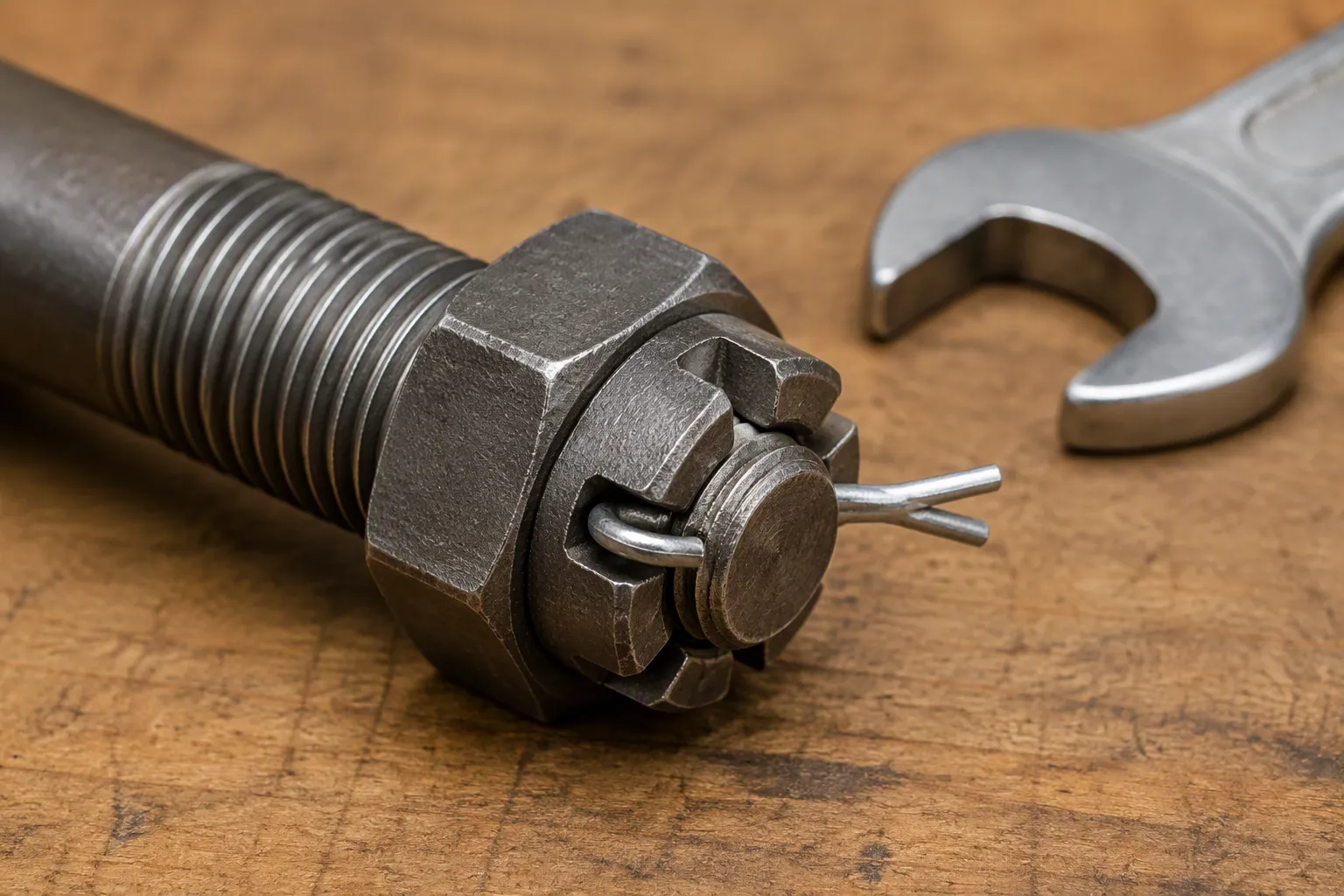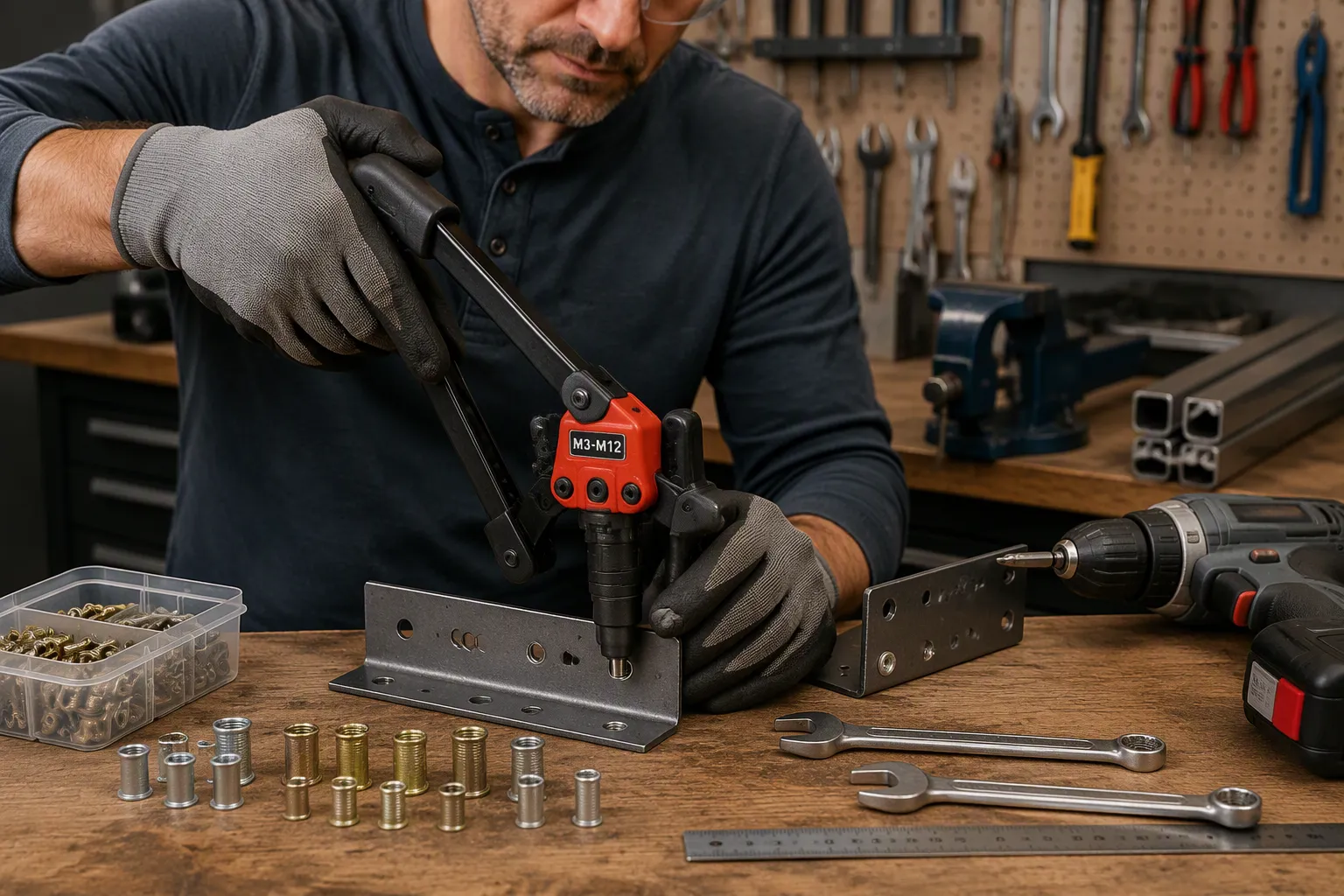
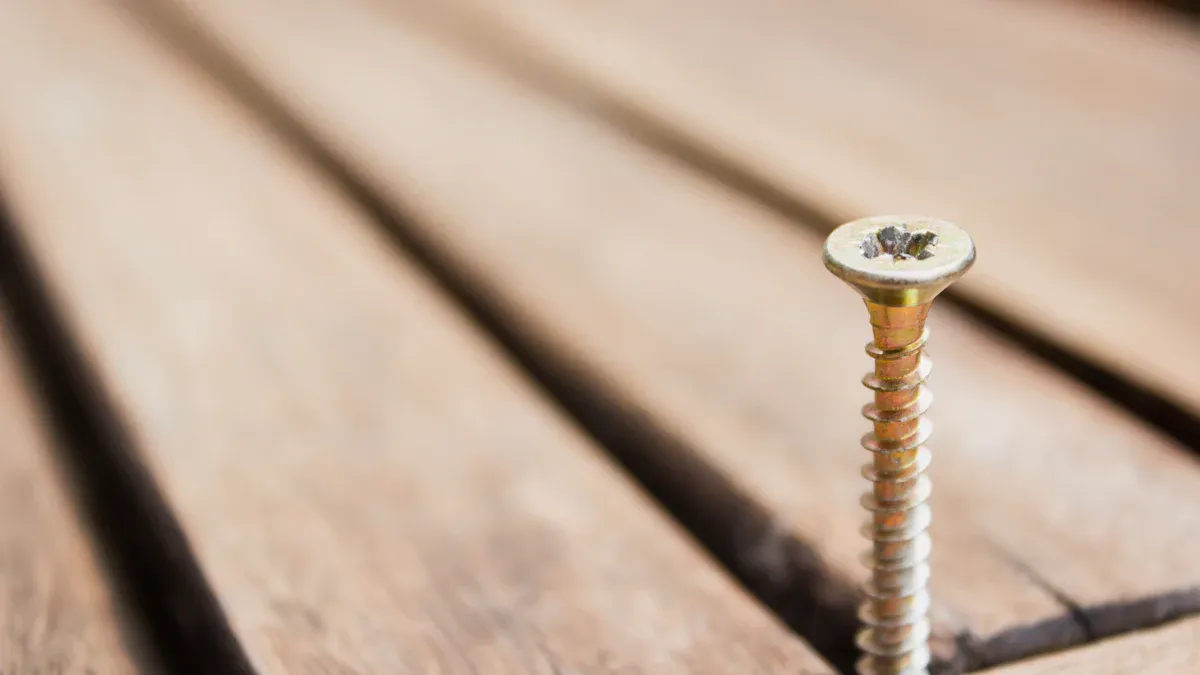
The primary difference in fasteners begins with the carriage bolt. Its design features a smooth, domed head and a square neck that locks into wood, allowing for a secure, one-sided installation. A wide array of bolts exists, from hex and stud bolts to anchor and flange bolts, often produced through bolt casting. Hex bolts dominate the market, offering superior clamping force for structural loads. A custom fasteners manufacturer can also produce custom fasteners for specific needs. In contrast, a lag bolt serves as a heavy-duty screw when a through-hole is not practical. Selecting the right fastener is critical. It ensures project durability and a secure and long-lasting connection for all carriage bolts applications.
What Are Carriage Bolts? Anatomy and Core Function
A carriage bolt, sometimes known as a coach bolt, is a unique fastener designed primarily for wood. Its distinct anatomy provides functional advantages that make it the ideal choice for a specific application where other bolts fall short. Understanding its three main components reveals why it performs so well.
The Defining Features of a Carriage Bolt
The Smooth, Domed Head
The most recognizable feature is the bolt’s head. It is smooth and rounded with no drive slot. This design offers two key advantages: it creates a clean, finished appearance and enhances safety by eliminating sharp edges that could snag clothing or cause injury.
The Square Neck Under the Head
Directly beneath the head is a square-shaped neck. This small section is the key to the bolt’s functionality. When the bolt is hammered into a pre-drilled hole in wood, this square neck bites into the wood fibers. This action locks the bolt in place, preventing it from spinning as the nut is tightened from the other side. Industry standards define the features of these bolts.
- ASME B18.5-1990: This standard covers ‘Round Head, Short Neck’ carriage bolts.
- ASME B18.5-1998: This standard defines ‘Round Head, Ribbed Neck’ carriage bolts, an alternative design.
The Machine-Threaded Shank
The body of the carriage bolt features standard machine threads. These threads are designed to accept a nut, which provides the clamping force. This threaded shank allows for a strong, secure connection when paired with a washer and nut.
How the Carriage Bolt Design Works
The Self-Anchoring Mechanism
The design of a carriage bolt creates a powerful self-locking mechanism. The square neck embeds itself firmly into the surrounding material. This engagement generates significant friction and effectively stops the bolt from spinning under torque. This allows a user to fully tighten the fastener from one side using only a single wrench on the nut.
The Role of a Nut and Washer
While the head and neck provide the anchor, the actual fastening force comes from a nut and washer. The nut is threaded onto the end of the bolt and tightened. A washer is placed between the nut and the material surface. It distributes the clamping pressure over a wider area, preventing the nut from damaging the wood.
Pro Tip: Always use a washer with a carriage bolt. It protects the material surface and ensures a more secure and durable connection by distributing the load evenly.
Ideal Applications for Carriage Bolts
The unique design of carriage bolts lends them to projects where wood is the primary material. Their versatility makes them a go-to fastener for builders and DIY enthusiasts alike.
Wood-to-Wood Fastening
Fastening wood to wood is the most common use for a coach bolt. The square neck grips wood exceptionally well, making these bolts perfect for assembling frames, beams, and posts.
Wood-to-Metal Fastening
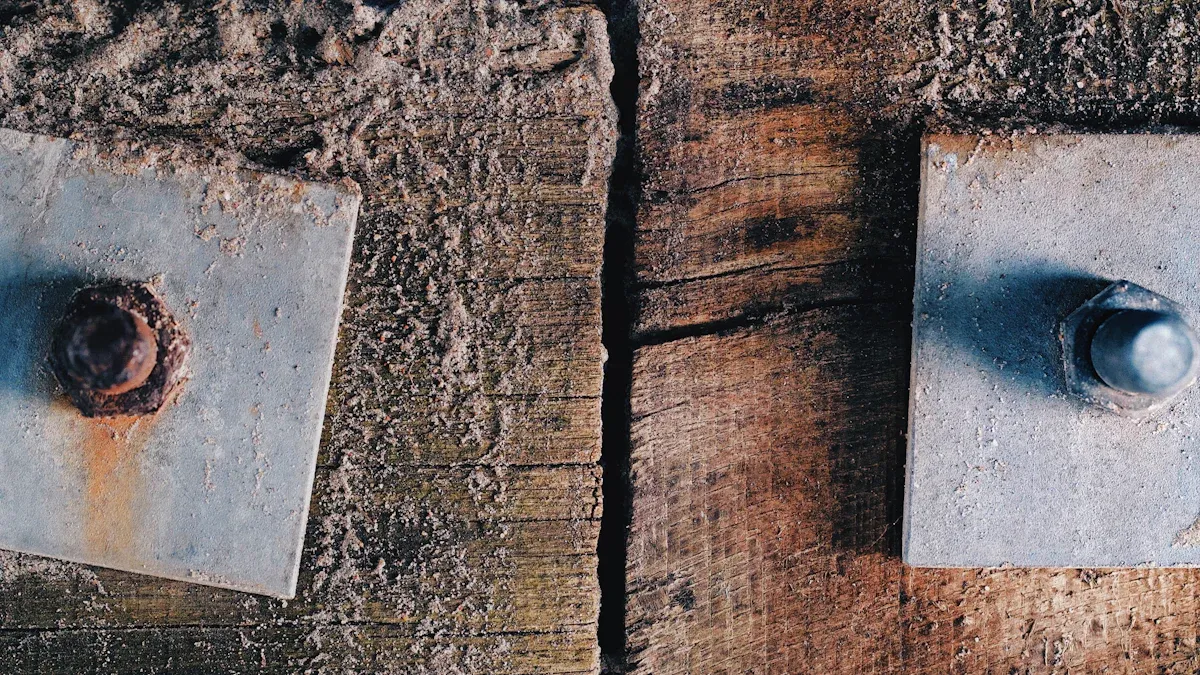
These bolts also excel at joining wood to a metal plate. In this scenario, the bolt is passed through a square hole in the metal component and then through the wood. The square neck locks into the metal, preventing rotation while the nut is tightened against the wood.
Projects Prioritizing Safety and Aesthetics
The smooth, low-profile head is a major benefit in projects where safety and appearance are critical. Common examples include:
- Outdoor Installations: Assembling patio furniture, benches, and fixing fence panels where a snag-free surface is desired.
- Playground Equipment: Securing components on swing sets and climbing structures, where the smooth head reduces the risk of scratches.
- Decorative Projects: Building gates, pergolas, or even rustic furniture where the bolt head contributes to a clean, professional look.
The Main Difference: Carriage Bolt vs. Hex Bolt
While both carriage bolts and hex bolts create a secure connection, their designs serve fundamentally different purposes. The primary difference lies in the head style, which dictates the installation method, torque capacity, and ideal application. Understanding the pros and cons of each helps a builder select the correct fastener for the job.
Head Style and Installation Method
The most obvious distinction between these two bolts is their head. This single feature changes the entire installation process and the tools required.
Domed Head vs. Six-Sided Head
A carriage bolt features a smooth, domed head with no drive pattern. This design provides a safe, snag-free surface that is aesthetically pleasing. In contrast, a hex bolt has a six-sided (hexagonal) head. This head is designed to be gripped by a wrench or socket, allowing a user to apply significant rotational force.
One-Sided vs. Two-Sided Wrench Access
The head style directly impacts the installation method. A coach bolt offers one of its main advantages here: one-sided installation. The square neck locks into the wood, preventing the bolt from spinning. This allows a user to tighten the nut from the opposite side with a single wrench. Hex bolts require two-sided access. A user must hold the bolt head with one wrench while tightening the nut with another.
This difference has a major impact on installation speed.
- Carriage Bolts: Installation is quick and efficient. A user places the bolt into a pre-drilled hole, taps it with a hammer to set the neck, and secures it with a nut.
- Hex Bolts: Assembly demands more time. The process requires aligning the hole and using two tools simultaneously to achieve a tight connection.
A Comparison of Strength and Torque
The ability to apply torque is directly related to a bolt’s clamping force and overall strength. In this area, the hex bolt has a clear advantage.
Why Hex Bolts Provide Higher Clamping Force
Hex bolts create a stronger connection because a user can apply much higher torque. With wrenches on both the head and the nut, a user can tighten the fastener to precise specifications without risk of stripping. This makes hex bolts the superior choice for applications involving heavy structural loads where maximum clamping force is non-negotiable.
Torque Limitations of a Carriage Bolt
The main weakness of a carriage bolt is its reliance on the material it is set in. The square neck bites into wood to resist rotation. If a user applies too much torque to the nut, the square neck can strip the wood fibers. The bolt will then spin freely, making further tightening impossible. This is one of the key disadvantages of using a coach bolt in high-stress applications.
Project Showdown: When to Use Each
Choosing the right bolt is critical for a project’s safety and longevity. The decision comes down to balancing the need for strength with the desire for safety and a clean finish.
Use Carriage Bolts for Decks, Fences, and Furniture
Use a carriage bolt for wood-based projects where a smooth, low-profile head is a priority. The absence of sharp edges makes them ideal for surfaces that people will touch or brush against. Common applications include:
- Deck railings and stairs
- Wooden playground equipment
- Outdoor benches and picnic tables
- Fence panels and gates
- Garage doors
Code Alert: 📝 When building decks, always consult local building codes. For railing posts, codes often require a minimum of two carriage bolts per post. Always use washers under the nut to prevent crushing the wood and distribute the load.
Use Hex Bolts for Machinery and Structural Framing
Use hex bolts when sheer strength and clamping force are the most important factors. Their ability to be torqued to high values makes them essential for structural integrity. These bolts are the standard for:
- Building framing and construction
- Automotive frames and engine mounts
- Heavy machinery assembly
- Dock and pier construction
In these scenarios, the functional strength of the connection far outweighs any aesthetic considerations.
Carriage Bolt vs. Lag Bolt (Lag Screw)
A builder’s choice between a carriage bolt and a lag bolt hinges on one critical factor: access to both sides of the material. While both are staples in wood construction, their fundamental fastening mechanisms create a clear difference in application and performance. A lag bolt, technically a heavy-duty screw, offers distinct advantages in situations where a through-bolt is impractical.
Fastening Mechanism: Through-Bolt vs. Self-Tapping
The primary distinction lies in how each fastener secures itself. A carriage bolt passes through the material and is secured with a nut, while a lag bolt threads directly into the wood itself.
The Need for a Through-Hole
A carriage bolt, or coach bolt, is a type of through-bolt. Its installation requires a hole drilled completely through all materials being joined. The bolt is then inserted, and a washer and nut are threaded onto the end to create the clamping force. This mechanism offers excellent strength and is ideal for connections that may need future adjustment or disassembly.
Threading Directly into Wood
A lag bolt functions as a self-tapping screw. It has sharp, coarse threads and a pointed tip designed to cut its own threads as it is driven into a pilot hole. This creates a secure and self-contained fastening solution without the need for a nut. The installation process is often faster because it eliminates the step of attaching a nut.
- Through-Bolt (Carriage Bolt): Relies on a separate nut for clamping force and requires access to both sides of the connection.
- Self-Tapping (Lag Bolt): Establishes its own threads within the wood and only requires access to one side.
Understanding Strength Characteristics
Evaluating the pros and cons of each fastener involves looking at how they handle different types of forces. Their strength profiles are suited for different structural demands.
Shear Strength Comparison
Shear strength is the ability of a bolt to resist forces that try to slice it sideways. Both bolts perform well under shear loads. However, a properly installed through-bolt often provides superior shear strength. Its unthreaded shank bears the load across the entire shear plane, whereas a lag bolt’s strength is determined by the smaller root diameter of its threads.
Pull-Out Strength Comparison
Pull-out strength, or withdrawal resistance, is where the lag bolt excels. Its deep, widely spaced threads provide strong holding power by gripping a large volume of wood fiber. This makes it extremely difficult to pull a lag bolt straight out of the wood. A carriage bolt has virtually no natural pull-out resistance; its ability to resist withdrawal depends entirely on the washer and nut on the opposing side.
Important Note: ⚠️ The pull-out strength of a lag bolt is highly dependent on the size of the pilot hole and the density of the wood. Always follow manufacturer recommendations for pilot hole diameter to achieve maximum grip.
Deciding Which Bolt to Use
The right choice depends entirely on the specific requirements of the structural connection.
When a Through-Hole is Not Possible
A builder should use a lag bolt in any situation where it is impossible to access the back side of the material to install a washer and nut. This is the most common reason for choosing a lag bolt over other bolts. It provides a robust connection using only one-sided access.
Fastening Heavy Lumber and Ledger Boards
Lag bolts are the standard fastener for many heavy-duty applications. Their exceptional pull-out strength makes them the go-to choice for attaching deck ledger boards to the side of a house, securing large beams, or fastening thick posts to a foundation. These are critical structural joints where failure is not an option.
Assembling Large-Scale Wood Structures
Both bolts find use in large structures like pergolas, pavilions, and timber-framed buildings.
- Lag Bolts: A builder uses these for making a strong connection where one piece of timber attaches perpendicularly to another, such as fastening a rafter to a top plate.
- Carriage Bolts: A builder uses these for joining parallel members, like sandwiching two beams around a central post, where the smooth head provides a clean finish and the through-connection offers immense clamping force.
Exploring Other Types of Fasteners for Your Project
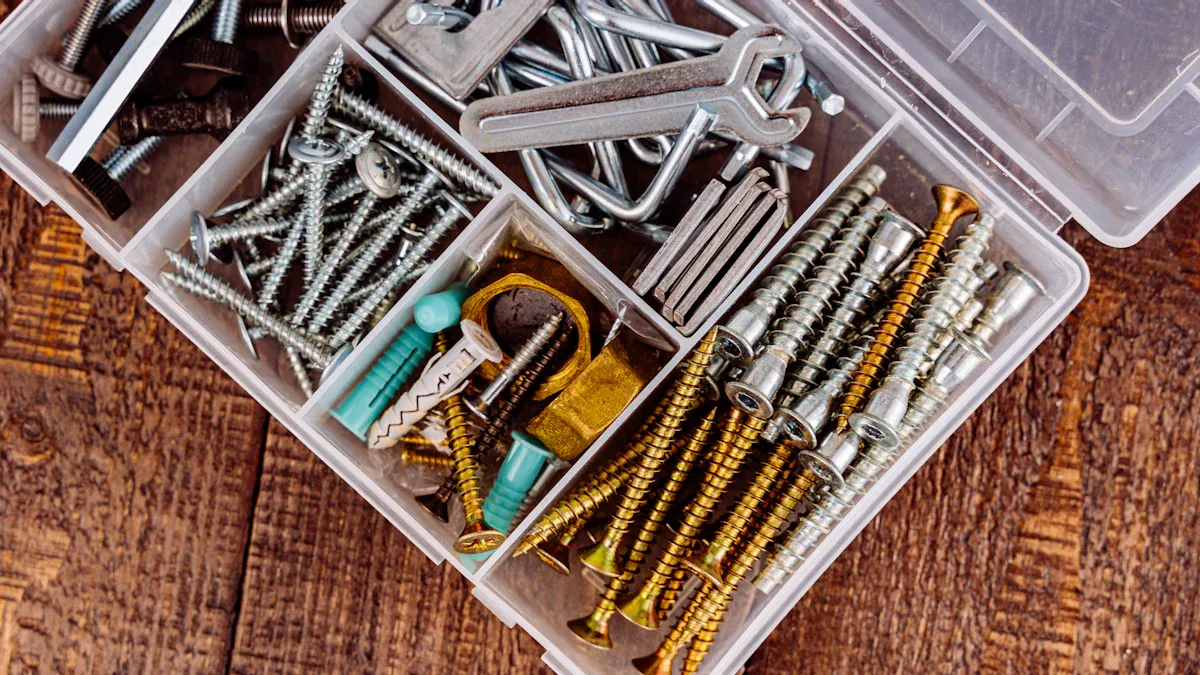
While the carriage bolt is a cornerstone of wood construction, a project’s success often depends on selecting from other types of fasteners. The difference between a good and a great result can be the choice of a specialized bolt or screw. Modern engineering offers a wide array of options, each designed for a specific application.
Carriage Bolts vs. Structural Screws
The Rise of Modern Engineered Screws
Modern structural screws have emerged as a powerful alternative to traditional bolts. These engineered fasteners feature aggressive threads and specialized tips that often eliminate the need for pre-drilling. Their design provides exceptional pull-out strength and shear capacity, making them a popular choice in modern construction for their efficiency and performance.
Installation Speed vs. Clamping Security
The primary advantage of structural screws is installation speed. They are significantly faster to install than a coach bolt, reducing labor time and costs on large projects. A time trial comparison highlights this efficiency:
| Fastener Type | Average Installation Time |
|---|---|
| ThruLOK Screw | 11 seconds |
| Carriage Bolt | 1 minute |
However, carriage bolts still offer superior clamping security. The through-bolt design with a nut and washer provides a more robust and adjustable connection, which is preferable for assembling structural members that may need future tightening.
Carriage Bolts vs. Sex Bolts (Barrel Bolts)
Achieving a Clean, Two-Sided Finish
Sex bolts, also known as barrel bolts, consist of a female-threaded barrel (post) and a male-threaded machine screw. When joined, they create a clean, low-profile head on both sides of the material. This provides a distinct aesthetic advantage over carriage bolts, which leave an exposed nut and washer on one side.
Applications in Cabinetry and Fine Woodworking
The clean, two-sided finish of sex bolts makes them ideal for high-end woodworking projects. Their versatility is evident in applications where appearance is critical. Common uses include:
- Assembling cabinet doors and panels
- Attaching handles and hardware
- Constructing fine furniture and knife handles
Specialized Fasteners: J-Bolts and U-Bolts
Understanding Anchoring Bolts
J-bolts and U-bolts are other types of fasteners designed for anchoring and securing. These bolts are defined by their shape. A J-bolt has a hook on one end, while a U-bolt is shaped like the letter “U”. Both are threaded on the ends to accept nuts and are essential for creating strong, reliable connections to various substrates.
Niche Uses in Concrete and Pipe Fitting
These specialized bolts serve critical functions where standard bolts would fail. Their uses are highly specific and vital for structural integrity.
- J-Bolts: These are primarily used as foundation bolts. The hooked end is set into wet concrete to anchor structural steel columns, light poles, and heavy machinery, providing immense resistance to pull-out forces.
- U-Bolts: These are the go-to solution for securing cylindrical objects. They are used to fasten pipes, conduit, or cables to walls and are also critical in automotive applications for securing suspension components. The strength of these bolts is defined by their grade (Grade 2, 5, or 8), which must match the load requirements of the job.
Exploring other types of fasteners reveals a world of solutions beyond standard bolts, ensuring every connection is optimized for strength, speed, or appearance.
Material, Coatings, and Sizing for Carriage Bolts
Selecting the correct material and size for carriage bolts is as crucial as choosing the bolt type itself. The material determines the bolt’s durability and resistance to environmental factors. The grade dictates its strength, while proper sizing ensures a secure and effective connection. This versatility makes them suitable for a wide range of projects.
Choosing the Right Material
The environment of your project dictates the best material for your fasteners. Each option offers a different level of corrosion protection.
Zinc-Plated Steel for Indoor Use
Zinc-plated steel bolts are coated with a thin layer of zinc. This coating provides minimal corrosion resistance. These fasteners are best suited for dry, climate-controlled indoor spaces. They should be avoided for any exterior or high-moisture projects, as the thin zinc layer cannot withstand prolonged exposure to moisture and will rust quickly.
Hot-Dip Galvanized Steel for Outdoor Use
Hot-dip galvanizing applies a much thicker, more protective layer of zinc than standard plating. This process offers good corrosion protection for outdoor applications like decks and fences. Different galvanization grades offer varying levels of protection.
| Grade | Standard | Coating Method | Key Properties |
|---|---|---|---|
| G90 | ASTM A653 | Hot-Dip Galvanized | 0.90 oz/ft² zinc; good exterior corrosion protection |
| G60 | ASTM A653 | Hot-Dip Galvanized | 0.60 oz/ft² zinc; moderate corrosion resistance |
| EG | ASTM A879 | Electro-Galvanized | Thin coating; smooth finish, limited outdoor durability |
Stainless Steel for Corrosion Resistance
Stainless steel contains chromium, which gives it natural resistance to rust. This makes it ideal for marine environments and outdoor applications with high humidity. While more expensive, stainless steel bolts provide superior long-term value due to their excellent corrosion resistance. Salt spray tests show their superior performance:
- Hot-dip galvanized steel: 500–1,000 hours before red rust appears.
- 304 stainless steel: >1,500 hours with no rust.
- 316 stainless steel: >2,000 hours with no rust.
Silicone Bronze for Marine Environments
For maximum longevity in harsh saltwater environments, silicone bronze is the premium choice. These bolts offer exceptional resistance to corrosion from salt and chemicals, making them a top pick for boat building and coastal construction.
Understanding Bolt Grades and Strength
The grade of a bolt indicates its tensile strength, or how much pulling force it can withstand before breaking.
What Bolt Grades Mean (Grade 2, 5, 8)
Bolt heads are often marked with radial lines to indicate their grade.
- Grade 2: No markings. This is a standard, low-strength steel bolt for light-duty applications.
- Grade 5: Three radial lines. This is a medium-strength bolt made from tempered steel.
- Grade 8: Six radial lines. This is a high-strength bolt for demanding structural loads.
Matching the Grade to Your Project’s Load
A builder must match the bolt grade to the project’s requirements. Use Grade 2 for non-structural projects like assembling a garden box. For structural connections like deck framing or playground equipment, a minimum of Grade 5 is recommended to ensure safety and reliability.
How to Correctly Size a Carriage Bolt
Proper sizing ensures the carriage bolt provides maximum clamping force without being too long or too short.
Measuring Diameter and Length
A bolt’s size is defined by its diameter and length. The diameter is the thickness of the shank. The length of a carriage bolt is measured from the underside of the domed head to the end of the threads.
Accounting for Material Thickness, Washer, and Nut
Sizing Tip: To find the correct length, add the thickness of all materials being joined together. Then, add the thickness of the washer and the height of the nut. Finally, add about 1/4 inch (6mm) to ensure a few threads protrude past the tightened nut.
Step-by-Step Installation Guide for Each Bolt
Proper installation is essential for any fastener to perform as designed. Following the correct procedure ensures a secure connection and prevents material damage. This guide covers the installation steps for carriage, hex, and lag bolts.
How to Properly Install a Carriage Bolt
A carriage bolt provides a secure, one-sided installation ideal for wood projects.
Drilling the Correct Hole Diameter
A builder must first drill a clean hole through the materials. For installing a carriage bolt, the recommended drill bit size is the same as the diameter of the bolt itself. For instance, a 1/2-inch diameter bolt requires a 1/2-inch drill bit. This creates a snug fit for the shank.
Setting the Square Neck into the Wood
Setting the square neck correctly prevents the bolt from spinning during tightening.
- Insert the carriage bolt into the pre-drilled hole.
- Gently tap the bolt head with a hammer or rubber mallet. This action begins to embed the square neck into the wood fibers.
- Place a washer and thread a nut onto the end of the bolt. As a user tightens the nut, it will pull the square neck fully into the wood, locking it securely.
Tightening with a Washer and Nut
With the neck set, a user can complete the installation. Use a wrench or socket to tighten the nut. Continue tightening until the connection is firm. A washer is critical as it distributes the load and prevents the nut from damaging the wood surface.
How to Properly Install a Hex Bolt
Hex bolts are valued for their high clamping force, which requires a two-sided installation.
Aligning Materials and Drilling the Hole
A user should align the materials and drill a hole slightly larger than the bolt’s diameter to allow for easy insertion. A clean, straight hole is necessary for a strong connection.
Using Two Wrenches for Secure Tightening
Installation requires two tools. A user holds the bolt head stationary with one wrench while using a second wrench to tighten the nut. This two-sided approach allows for the application of significant torque.
Achieving Proper Torque without Overtightening
Proper torque ensures maximum clamping force. However, these values are estimates, as factors like lubrication and surface texture can alter results.
Torque Tip: 📝 For non-critical applications, a user can reference standard torque charts. For a Grade 5, 1/2″ bolt, the target is around 57 lb-ft. Always avoid overtightening to prevent stripping the threads or damaging the bolts.
How to Properly Install a Lag Bolt
A lag bolt is a heavy-duty screw that threads directly into wood, making it perfect for when a through-hole is not an option.
Sizing and Drilling the Correct Pilot Hole
Drilling a pilot hole is crucial for a lag bolt, especially in hardwoods, to prevent splitting. The pilot hole has two diameters: one for the unthreaded shank and a smaller one for the threads.
| Lag Bolt Diameter | Thread Pilot Hole Diameter |
|---|---|
| 3⁄8″ | 15⁄64″ |
| 1⁄2″ | 5⁄16″ |
| 5⁄8″ | 13⁄32″ |
| 3⁄4″ | 1⁄2″ |
Driving the Lag Bolt with a Ratchet
A user can drive the lag bolt into the pilot hole using a socket wrench or ratchet. The tool provides the leverage needed to turn the large fastener into the wood, creating strong, self-tapped threads.
Using a Washer to Distribute Load
Always place a washer under the head of the lag bolt before driving it. The washer prevents the hex head from crushing the wood fibers and distributes the clamping force over a wider surface area, ensuring a durable hold for all carriage bolts applications.
Common Mistakes and How to Avoid Them
Even the best fasteners can fail if used incorrectly. A builder can avoid costly rework and safety hazards by understanding common mistakes. Selecting the right fastener and installing it properly are fundamental to a project’s success.
Choosing the Wrong Fastener for the Material
The material being joined dictates the type of bolt required. A mismatch between the fastener and the material can lead to immediate failure or long-term structural weakness.
Why Carriage Bolts Don’t Work in Hardened Steel
The primary advantage of a carriage bolt is its square neck, which bites into soft materials like wood to prevent rotation. This design becomes one of its main disadvantages when used with hard materials. The square neck cannot embed itself into hardened steel. This prevents the bolt from locking, causing it to spin freely when a user tries to tighten the nut. For steel applications, a tight-fitting square hole is necessary, but even then, the radius between the neck and the head can prevent the bolt from sitting flush.
The Risks of Using the Wrong Bolt for the Load
Using an incorrect fastener for a specific load can have catastrophic consequences. The grade of a bolt indicates its strength, and substituting a lower-grade fastener for a high-strength one can lead to component failure, serious injury, or even death.
A documented case study highlights this risk:
- Problem: Bolts on a harvester were consistently bending, causing expensive downtime.
- Cause: An investigation found that the bolt’s threaded section was incorrectly placed within the shear plane, significantly reducing its strength.
- Solution: Using bolts with a shorter threaded section resolved the issue by ensuring the stronger, unthreaded shank bore the load.
Installation Errors
Proper installation technique is just as critical as bolt selection. Simple errors during assembly can compromise the integrity of the entire connection.
The Importance of a Correctly Sized Hole
Drilling the correct hole size is essential. For carriage bolts in timber, an oversized hole reduces the grip strength of the square neck. An undersized hole, on the other hand, dramatically increases the risk of splitting the wood during installation. Both scenarios weaken the joint.
Consequences of Over-Tightening or Under-Tightening
Applying the correct torque is a balancing act. Under-tightening leaves the joint loose and susceptible to loosening from vibration. Over-tightening can strip the threads, break the bolt, or crush the material. With a carriage bolt, excessive torque can also strip the wood around the square neck, causing the bolt to spin uselessly.
Forgetting to Use Washers
Omitting a washer is a common but critical mistake. Washers perform several vital functions that protect the integrity of the connection.
- They distribute the clamping force over a wider area.
- They protect the material surface from damage during tightening.
- Specialized lock washers help prevent the nut from loosening over time.
When a washer is not used, the concentrated force from the nut can crush softer materials like wood. This deformation can cause the joint to loosen, compromising the entire structure.
A builder chooses carriage bolts for wood projects where a smooth finish is essential. The main difference is that hex bolts provide superior clamping force for structural work. A builder uses a lag bolt for heavy-duty applications where a through-hole is not an option. Selecting the right fastener, whether a coach bolt or a lag bolt, ensures project durability. A proper carriage bolt creates a secure connection, guaranteeing a professional result.
FAQ
Can a builder use carriage bolts in metal?
Yes, a builder can use carriage bolts in metal. The metal must have a square hole that matches the bolt’s neck. This locks the bolt, preventing rotation. The smooth head provides a clean finish, but the main difference is the need for a pre-formed square hole.
What is the difference between coach screws and coach bolts?
The primary difference between coach screws and coach bolts is their installation method. A coach bolt (carriage bolt) passes through a hole and secures with a nut. A coach screw (lag bolt) is a heavy-duty screw that threads directly into wood without a nut.
What is the difference between lag bolts and lag screws?
There is no functional difference between lag bolts and lag screws. The terms are used interchangeably in the industry to describe the same heavy-duty fastener. Both feature a hex head and coarse threads for driving directly into wood pilot holes.
Why is my carriage bolt spinning when I tighten it?
A carriage bolt spins if its square neck fails to grip the material. This often happens if the hole is too large or the material is too hard. Overtightening can also strip the wood, causing the bolt to lose its grip and spin freely.
Do I always need a washer with a carriage bolt?
Yes, a builder should always use a washer under the nut. The washer distributes the clamping force over a wider area. This action prevents the nut from crushing the wood and helps maintain a secure connection over time. The difference in joint longevity is significant.
Can a builder reuse carriage bolts?
A builder can often reuse carriage bolts in non-critical applications if the threads are undamaged. For structural connections, it is best practice to use new fasteners. This ensures maximum strength and reliability, as old bolts may have unseen stress or corrosion.