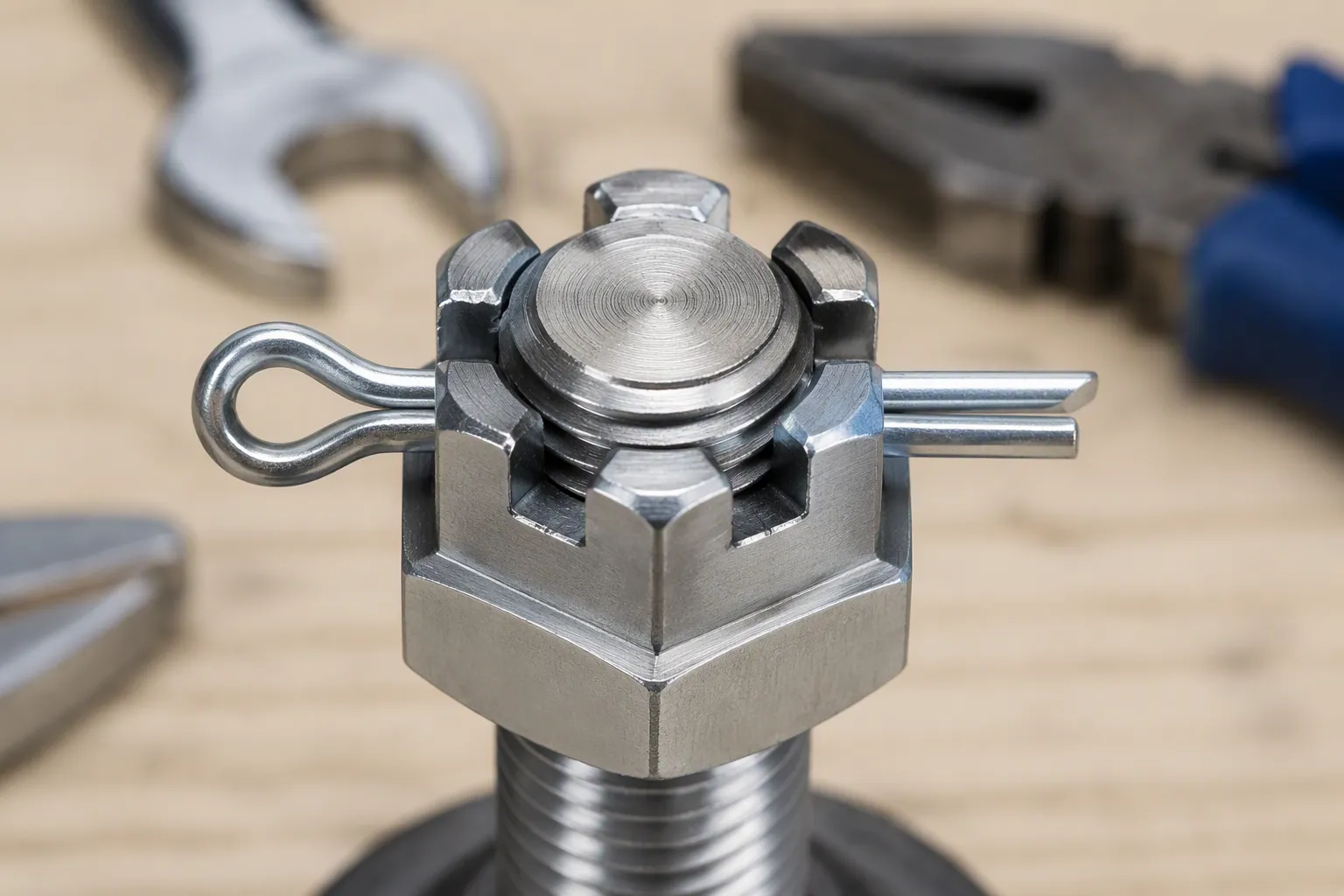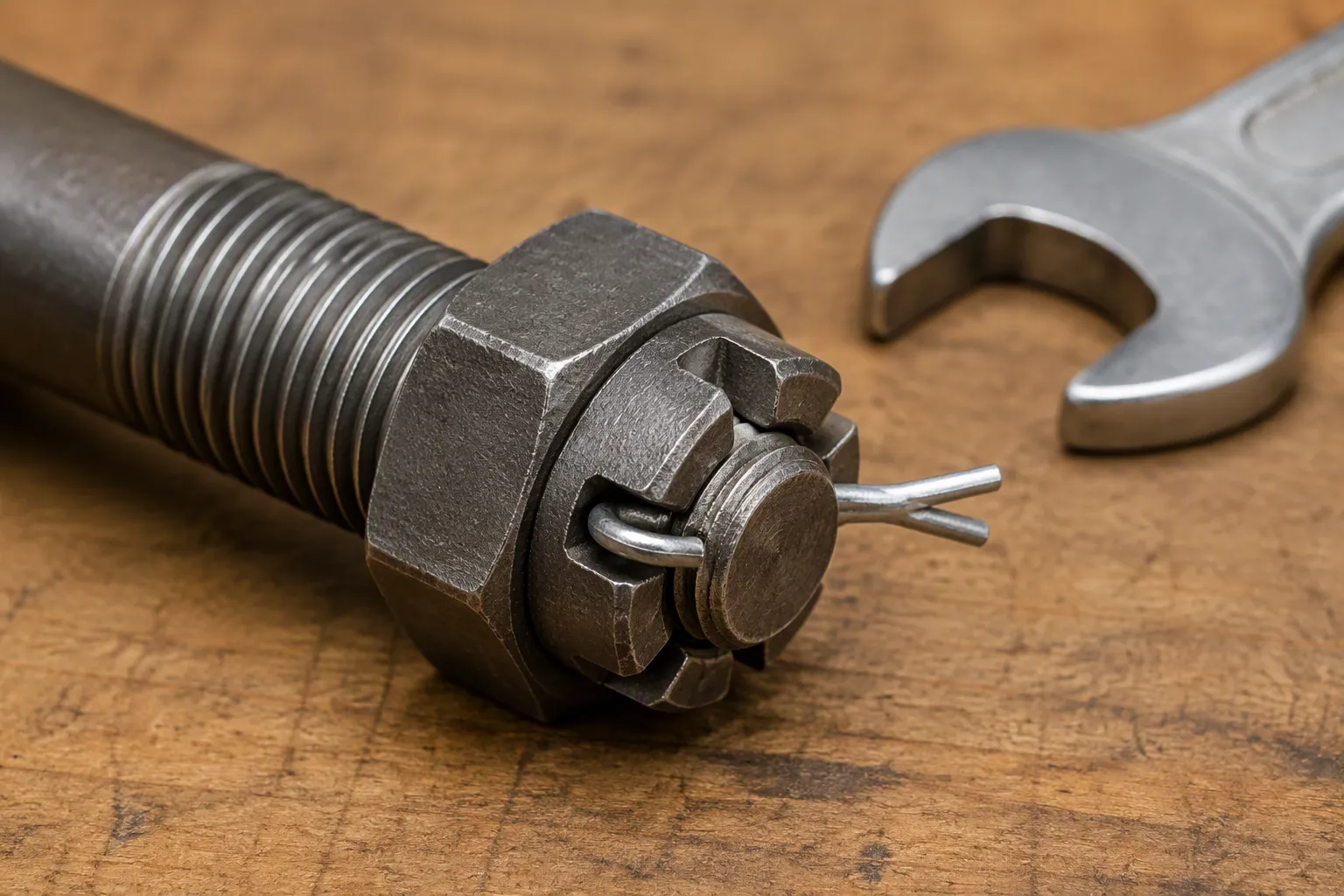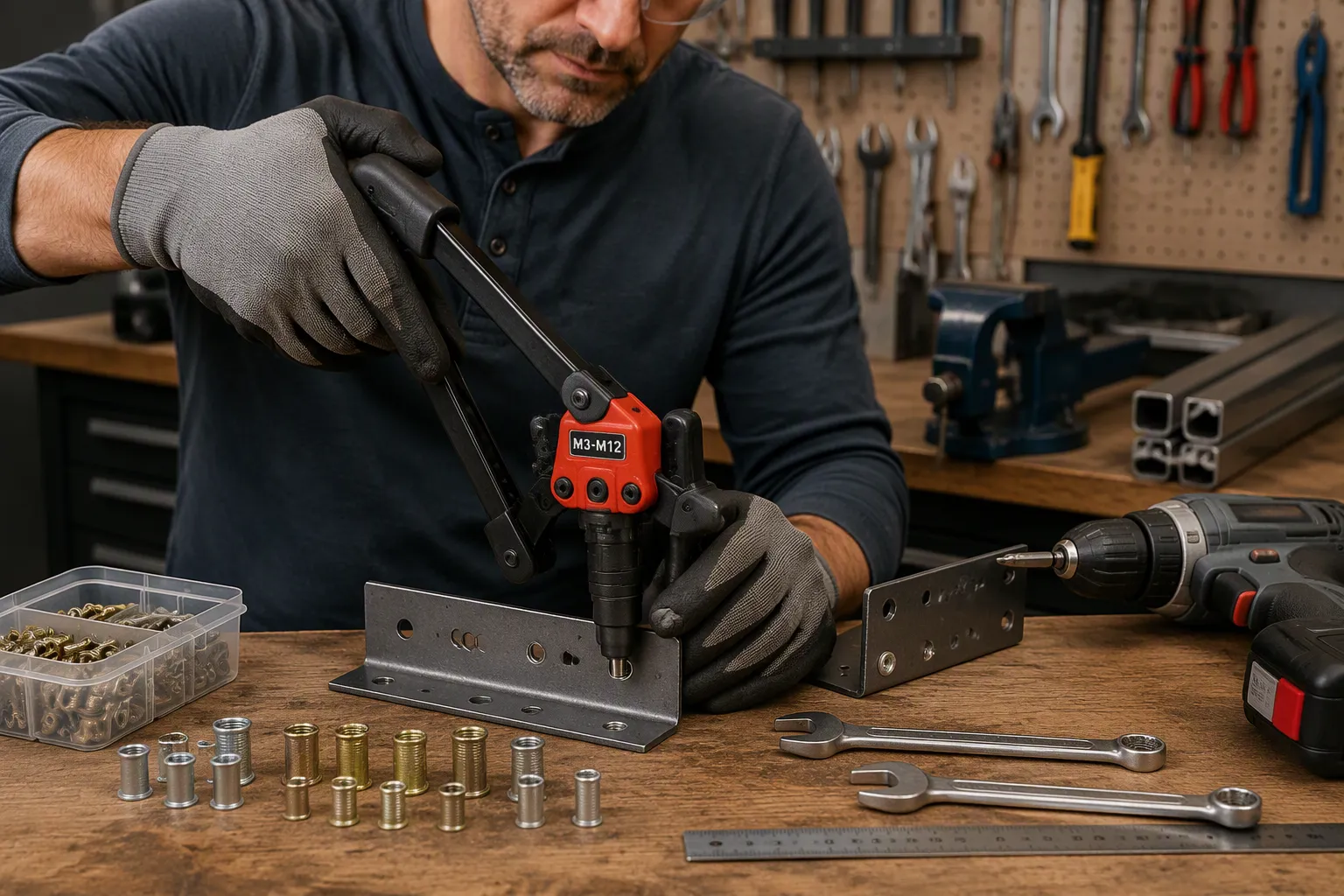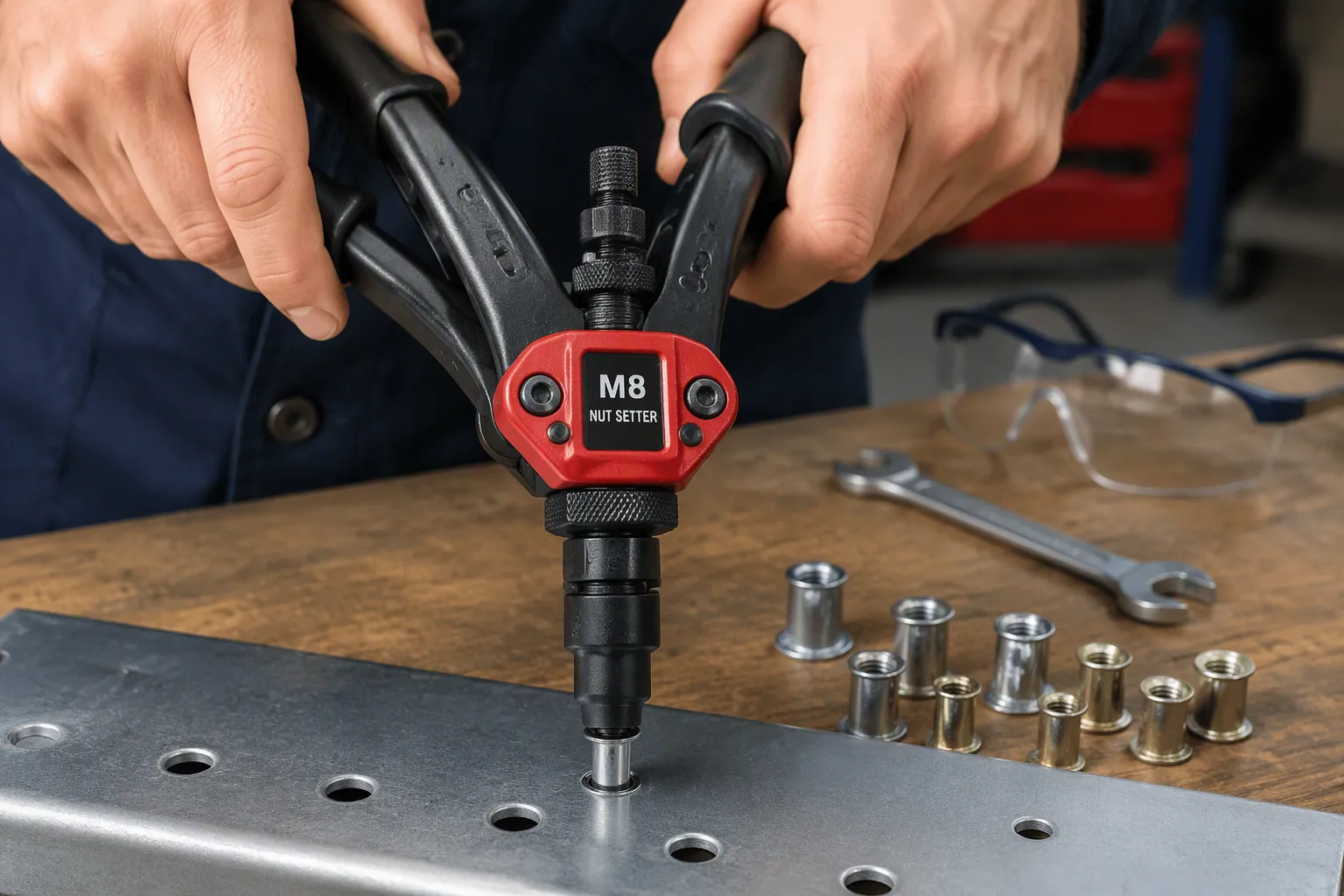

Effective concrete fastening requires selecting the correct hardware. While drop-in anchors are a common choice, several primary alternatives exist. These include Wedge Anchors, Sleeve Anchors, Concrete Screw Anchors, and Adhesive Anchors. Specialized options like custom anchor bolts or standard Anchor Bolts also serve specific needs. A custom fasteners manufacturer can provide tailored solutions. The best choice among these anchors depends on load requirements and project specifics. Choosing the right fastener ensures a secure connection, unlike using incorrect drop in anchors.
When to Look for Alternatives to Drop In Anchors
Drop-in anchors are a popular choice for flush-mounted fastening in solid concrete. However, their design creates specific limitations. Certain project requirements make other types of anchors a more effective and safer solution. Understanding these limitations helps builders and engineers select the best fastener for the job, ensuring structural integrity and installation efficiency.
Common Limitations of Drop-In Anchors
While useful, drop in anchors have distinct disadvantages that professionals must consider before specification.
Unsuitability for Cracked Concrete
The expansion mechanism of a drop-in anchor exerts significant outward force inside the pre-drilled hole. In concrete that is already cracked or may crack under tension, this force can worsen existing fissures. Most standard drop-in anchors lack the necessary testing and approvals for use in cracked concrete applications, making them a risky choice for such conditions.
Installation Complexity and Tool Requirements
Proper installation requires multiple precise steps. An operator must drill a hole to the correct depth, thoroughly clean it of all dust and debris, insert the anchor, and then use a specific setting tool to expand it. Failure at any stage, especially improper hole cleaning or incomplete expansion, can severely compromise the anchor’s holding power.
Permanent Nature and Removal Difficulty
These anchors are designed for permanent fixtures. Once the internal plug expands the anchor body, removing it without damaging the surrounding concrete is nearly impossible. This makes them completely unsuitable for any application that may require future disassembly or relocation.
Scenarios Demanding a Different Solution
Specific job site conditions and performance needs often point directly to an alternative fastener.
Projects Requiring High Load Capacities
For applications involving heavy structural loads, such as supporting steel beams or heavy machinery, other anchors provide superior performance. Wedge anchors and adhesive anchoring systems typically offer significantly higher tensile and shear load capacities, providing a greater safety margin.
Fastening Close to Concrete Edges
The high expansion forces that secure a drop-in anchor can also be a liability. When installed too close to a concrete edge or corner, these forces can cause the concrete to spall or break away.
Pro Tip: As a general rule, maintain a minimum distance of 10 anchor diameters from any unsupported concrete edge when using expansion-style anchors to prevent material failure.
Temporary or Removable Installations
Many construction projects require temporary installations like formwork, scaffolding, or safety railings. In these cases, the ability to remove the fastener cleanly is essential. Concrete screws are an ideal alternative because they can be easily uninstalled, leaving the hole available for reuse or simple patching.
Heavy-Duty Alternative 1: Wedge Anchors
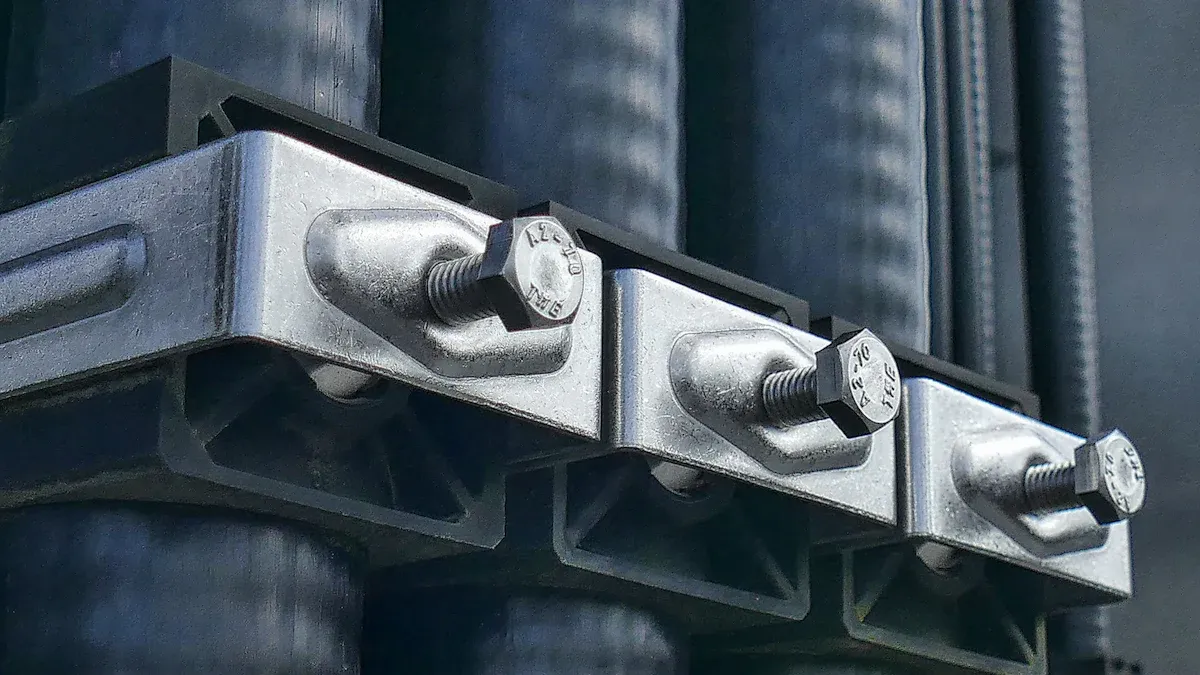
When a project demands exceptional strength and reliability in solid concrete, professionals often turn to wedge anchors. These heavy-duty fasteners are renowned for their high load capacities and straightforward installation, making them a premier choice for structural and permanent applications.
How Wedge Anchors Provide Superior Grip
The holding power of a wedge anchor comes from a simple yet powerful mechanical design that creates immense friction against the concrete.
The Through-Bolting Mechanism
A key feature of the wedge anchor is its through-bolting design. An installer drills a hole through the fixture and into the concrete, inserts the anchor through the fixture, and then tightens the nut. This process pulls the anchor’s shaft upward, initiating the expansion.
How the Expansion Clip Functions
At the bottom of the anchor is a specialized expansion clip or sleeve. As the installer tightens the nut, the tapered cone at the base of the anchor shaft is pulled up into the clip. This action forces the clip to expand outward, pressing it firmly against the walls of the drilled hole. This creates a secure, friction-based hold that resists pull-out forces.
Ideal Applications for Wedge Anchors
The robust nature of wedge anchors makes them suitable for some of the most demanding fastening jobs in construction.
Structural Steel Connections
Engineers frequently specify wedge anchors for securing structural steel to concrete foundations. Their strength and stability are critical for reinforcing concrete structures. Common applications include:
- Securing primary steel beams and columns to concrete footings.
- Fastening base plates for large-scale infrastructure like bridges.
- Anchoring safety barriers and other critical structural joints.
Securing Heavy Machinery and Racking
Factories and warehouses rely on wedge anchors to safely secure heavy equipment, industrial machinery, and pallet racking systems to the floor. This prevents movement and vibration, ensuring a safe operational environment.
Permanent Fixtures in Solid Concrete
These anchors are ideal for permanent installations where high load capacity is essential. This includes applications like mounting large signs, stadium seating, or heavy-duty shelving in solid concrete environments.
Key Advantages Over Drop-In Anchors
Wedge anchors offer distinct benefits in performance and efficiency when compared to their flush-mounted counterparts.
Higher Tensile and Shear Load Capacity
The design of wedge anchors allows them to achieve significantly higher ultimate load values in both tension (pull-out) and shear (side-load) forces. This provides a greater safety margin for critical, heavy-duty connections.
Faster Installation with Through-Bolting
The installation process for wedge anchors is notably faster. Unlike drop-in anchors, they do not require a separate setting tool. An installer simply tightens the nut with a torque wrench to expand the anchor and complete the installation, eliminating an extra step and tool from the process.
Important Considerations and Limitations
While wedge anchors offer exceptional strength, installers must understand their limitations to ensure safe and effective use. These powerful fasteners are not a universal solution. Their mechanical properties create specific constraints related to placement and permanence. Proper project planning requires acknowledging these factors before specification.
High Expansion Forces Near Edges
The very mechanism that gives a wedge anchor its strength also creates its primary limitation. The expansion clip generates immense outward pressure against the concrete. This force can cause a “side-face blowout” if the anchor is installed too close to an unsupported edge or corner. The concrete can crack and break away, leading to a complete failure of the fastening point.
To mitigate this risk, engineers and installers must adhere to strict spacing guidelines. The American Concrete Institute (ACI) provides critical direction in this area. ACI 318 guidelines specify a minimum edge distance for expansion anchors. This distance should not be less than 8 anchor diameters, particularly when manufacturer-tested data is unavailable. Following this rule is essential for preventing catastrophic material failure.
Not Designed for Removability
Wedge anchors are designed for permanent installations. Once the clip expands and bites into the concrete, the connection is not reversible. Attempting to remove a set wedge anchor is extremely difficult and almost always results in significant damage to the surrounding concrete base material.
Unlike other fasteners, the threaded stud of a wedge anchor typically protrudes from the surface after installation. This makes it impossible to simply patch the hole flush if the fixture is ever removed. The remaining stud must be cut off at the surface, leaving a piece of metal permanently embedded in the concrete. This characteristic makes these anchors entirely unsuitable for:
- Temporary structures like scaffolding or event staging.
- Formwork used during concrete pours.
- Applications where equipment or fixtures may be relocated in the future.
For any project requiring temporary fastening or potential disassembly, professionals should select alternative anchors designed for easy and clean removal.
Versatile Alternative 2: Sleeve Anchors
Sleeve anchors offer a flexible and reliable solution for a wide range of medium-duty fastening tasks. Their unique design allows them to work effectively not just in solid concrete but also in more porous materials like brick and block. This versatility makes them a go-to choice for general contractors and installers facing varied job site conditions.
Understanding the Sleeve Expansion Mechanism
The holding power of a sleeve anchor comes from the full-length expansion of its outer sleeve. This mechanism differs significantly from the localized expansion of a wedge anchor.
How the Sleeve Expands
A sleeve anchor assembly consists of a threaded stud with a flared cone-shaped end, an expander sleeve, a washer, and a nut. After an installer drills a hole and inserts the anchor, tightening the nut pulls the stud’s cone up through the sleeve. This action forces the entire length of the sleeve to expand outward.
Interaction Between the Cone and Sleeve
The interaction between the cone and sleeve creates a secure friction hold along the full embedment depth of the anchor. This distributed pressure is key to its performance.
- Sleeve Anchors: Tightening the nut pulls the cone-shaped end of the stud up through the expander sleeve. This movement forces the sleeve to expand outwards against the inside surface of the base material.
- Wedge Anchors: Tightening the nut pulls the anchor stud upwards. This action wedges a small clip between the stud and the concrete hole wall, creating a concentrated expansion at the bottom of the anchor.
Best Use Cases for Sleeve Anchors
The design of sleeve anchors makes them ideal for applications where versatility is more critical than ultimate load capacity.
Medium-Duty General Purpose Fastening
These anchors excel in medium-duty applications. They provide a secure hold for items that do not impose heavy structural loads, such as mounting brackets, conduits, and support ledgers.
Securing Handrails, Gates, and Window Frames
Sleeve anchors are commonly used to attach fixtures to various masonry surfaces. They provide sufficient strength for securing handrails, gates, and window frames. The chart below shows typical ultimate load values for different anchor sizes in 2000 PSI concrete.
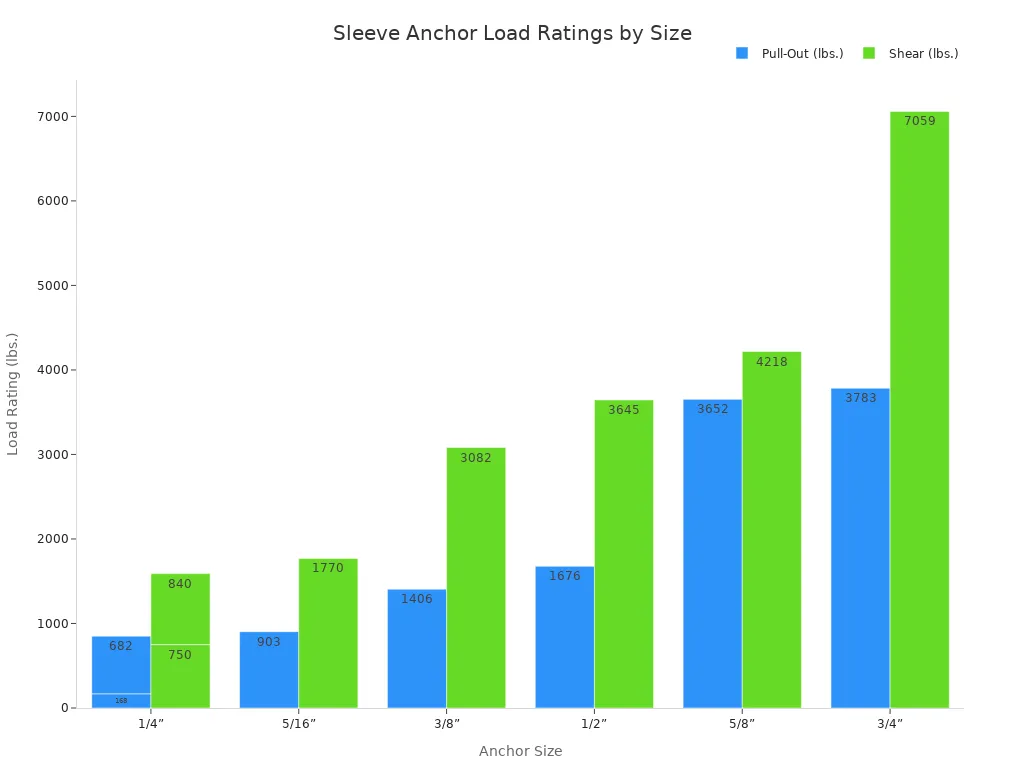
Note: Professionals typically apply a 4:1 safety factor to these ultimate load values to determine a safe working load.
Use in Various Masonry Materials
Because their expansion force is distributed along the sleeve, these anchors are less likely to damage softer or hollow base materials compared to high-intensity expansion anchors.
Why Choose Sleeve Anchors?
Installers choose sleeve anchors for their adaptability and convenience across different job types.
Versatility Across Concrete, Brick, and Block
The primary advantage of sleeve anchors is their ability to perform reliably in a wide range of base materials. They are one of the few mechanical anchors suitable for solid concrete, concrete block (CMU), and brick masonry.
Availability of Different Head Styles
Sleeve anchors are available in several head styles to suit different aesthetic and functional needs. Common options include:
- Acorn Nut: Provides a finished, decorative look.
- Hex Nut: A standard, versatile option for general fastening.
- Flat Head: Allows for a countersunk, flush finish.
- Round Head: Offers a low-profile, smooth surface.
Disadvantages to Keep in Mind
While sleeve anchors offer excellent versatility, professionals must recognize their performance limitations. Their design, which makes them effective in various materials, also imposes clear boundaries on their load-bearing capabilities. Understanding these drawbacks is crucial for ensuring the safety and integrity of a fastening project. These limitations primarily relate to their holding strength when compared to more robust, heavy-duty options.
Lower Load Capacity Than Wedge Anchors
A sleeve anchor’s primary disadvantage is its lower ultimate load capacity compared to a wedge anchor of a similar diameter. This performance difference stems directly from their respective expansion mechanisms.
- Sleeve Anchor: The expansion force is distributed along the entire length of the sleeve. This creates a broad, but less intense, friction hold.
- Wedge Anchor: The expansion force is concentrated at the bottom of the anchor, where a small clip is forced into the concrete. This creates an extremely high-pressure, localized grip.
This fundamental design difference means a wedge anchor can withstand significantly higher tensile (pull-out) and shear (side) forces in solid concrete. For this reason, a sleeve anchor is not a direct substitute for a wedge anchor in applications demanding maximum holding power. The choice between them depends entirely on the load requirements of the fixture being installed.
Not for Heavy Structural Loads
The moderate strength of sleeve anchors makes them unsuitable for heavy structural applications. Professionals should never use them for connections that bear primary building loads or secure heavy, vibrating machinery. Their design is optimized for static, medium-duty tasks.
⚠️ Critical Safety Warning: Never use sleeve anchors for securing structural steel beams, columns, overhead equipment, or any life-safety systems. These applications require fasteners specifically engineered and approved for high-load structural connections, such as heavy-duty wedge anchors or adhesive anchoring systems.
The table below clarifies the intended application tiers for these two types of mechanical anchors.
| Anchor Type | Primary Application Tier | Example Uses |
|---|---|---|
| Sleeve Anchor | Medium-Duty | Handrails, window frames, conduits, light shelving |
| Wedge Anchor | Heavy-Duty / Structural | Steel base plates, heavy machinery, pallet racking |
Attempting to use a sleeve anchor in a heavy structural role introduces a significant risk of connection failure. Always adhere to engineering specifications and select the fastener rated for the specific load.
Fast and Removable Alternative 3: Concrete Screw Anchors

For projects demanding speed, simplicity, and the option for removal, the concrete screw anchor stands out as a superior choice. These innovative fasteners offer a unique combination of reliable holding power and installation efficiency, making them a favorite for a wide range of light to medium-duty applications. Unlike traditional expansion anchors, their design provides flexibility in challenging conditions.
How Concrete Screws Work
The performance of a concrete screw relies on a direct mechanical interlock with the base material, not on expansion force.
The Self-Tapping Thread Design
A concrete screw features a specialized, high-strength thread design. As an installer drives the screw into a pre-drilled pilot hole, these hardened threads cut their own mating threads directly into the concrete, brick, or block. This self-tapping action creates a secure mechanical anchorage. Some designs feature a high-low thread pattern to enhance stability and grip within the base material.
The Importance of the Pilot Hole
Proper installation of a concrete screw is critically dependent on the pilot hole. An installer must use a carbide-tipped drill bit matching the manufacturer’s specified diameter. A hole that is too large will prevent the threads from engaging properly, compromising holding power. A hole that is too small will make installation difficult and may cause the screw to bind or break.
Top Applications for Concrete Screws
The unique properties of these anchors make them the ideal solution for several common construction scenarios.
Light to Medium-Duty Fastening
These anchors excel in light to medium-duty fastening jobs. Common uses include securing electrical conduit, junction boxes, wall partitions, and shelving brackets. They provide a strong, reliable connection for fixtures that do not impose heavy structural loads.
Temporary Fixtures and Formwork
The excellent removability of a concrete screw makes it the preferred fastener for temporary installations. In construction, workers use them to secure formwork—the temporary molds for pouring concrete. Specialized versions with larger heads allow for easy unscrewing, enabling the forms to be removed and the anchors to be reused on future jobs.
Installations Near Edges or in Cracked Concrete
The absence of expansion forces is a significant advantage when working near the edge of a concrete slab or in cracked concrete.
Because they do not apply outward pressure during installation, a concrete screw can be placed close to edges without the risk of causing the concrete to crack or spall. This flexibility allows for secure fastening in locations where expansion anchors would fail.
Major Benefits of Using Screw Anchors
Professionals choose screw-style concrete anchors for their distinct advantages in efficiency and versatility.
Quick and Simple Installation Process
The installation process is remarkably fast. An operator simply drills a hole, cleans out the debris, and drives the screw with an impact driver or wrench. This eliminates the extra steps of setting a plug or hammering a pin, saving valuable time on the job site.
Excellent Removability and Reusability
These anchors can be completely removed just as easily as they are installed. This leaves a clean hole that can be patched or reused. This feature makes them invaluable for projects where fixtures may need to be moved or for temporary applications like bracing and safety railings.
Approved for Cracked and Uncracked Concrete
Many modern concrete screw products are engineered and tested for use in both cracked and uncracked concrete. This provides engineers and installers with a versatile and code-compliant fastening solution for a wider variety of structural conditions.
Limitations and Installation Tips
While concrete screws offer significant advantages in speed and flexibility, installers must understand their limitations to ensure a safe and secure connection. Proper installation technique is paramount to achieving their designed holding power. These factors are not drawbacks but rather critical operational parameters that demand professional attention.
Lower Ultimate Strength vs. Expansion Anchors
A primary consideration is that a concrete screw typically has a lower ultimate strength than heavy-duty expansion anchors of a similar diameter, such as wedge anchors. The self-tapping mechanism creates a strong interlock, but it does not generate the immense frictional force of a high-pressure expansion system. This design difference makes them ideal for light to medium-duty tasks. However, it renders them unsuitable for applications requiring the absolute maximum load capacity for structural integrity.
Professional Insight: Always consult the manufacturer’s technical data sheets. These documents provide specific ultimate load values for different embedment depths and base materials. An engineer or installer must compare these values against the project’s load requirements before specifying these fasteners for any application.
Requirement for Precise Hole Drilling
The performance of a screw-style anchor is entirely dependent on the quality of the pilot hole. The threads need the exact specified diameter to cut into the concrete and create a secure grip. An improperly drilled hole is the most common cause of installation failure. Installers must follow a precise procedure to guarantee a reliable connection.
Use the Correct Bit. Always use a carbide-tipped masonry drill bit that matches the exact diameter specified by the anchor manufacturer. Even a small deviation can compromise the holding power of the anchors.
Drill a Straight Hole. The operator should hold the drill perpendicular to the concrete surface. A crooked or angled hole will prevent the screw from seating correctly and will create uneven stress along the fastener.
Clean the Hole Thoroughly. This step is non-negotiable. After drilling, the hole must be cleaned of all dust and debris. A professional uses a combination of a wire brush and compressed air or a vacuum to ensure the hole is completely clear. Debris left in the hole will prevent the threads from fully engaging, drastically reducing the anchor’s performance.
Following these installation tips ensures that each fastener achieves its full potential, providing a fast, reliable, and secure connection.
Maximum Strength Alternative 4: Adhesive Anchors
When a project demands the absolute highest load capacity and performance, adhesive anchors provide a solution that mechanical anchors cannot match. Also known as chemical anchors, these systems create a powerful bond that leverages the full strength of the concrete itself. They are the premier choice for the most critical and demanding concrete fastening applications.
The Science Behind Chemical Concrete Anchors
Adhesive anchors work by creating a monolithic bond between a steel element and the concrete. This process relies on a chemical reaction rather than mechanical expansion.
The Two-Part Epoxy or Resin System
These systems use a two-part formula, typically an epoxy or resin base and a hardener. The chemical reaction begins when an installer mixes the two components. The mixture then hardens, forming strong molecular bonds with both the anchor element and the concrete. As the adhesive cures, it penetrates into the minute cracks and grooves present in the concrete, creating both a mechanical and chemical lock that secures the bond.
The Role of Hole Preparation and Injection
Proper hole preparation is critical for adhesive anchor performance. An installer must drill a hole to the specified diameter and depth. Then, the hole must be meticulously cleaned of all dust and debris using a wire brush and compressed air. A clean surface ensures the adhesive can bond directly to the concrete. The installer then injects the mixed adhesive from the back of the hole forward to prevent air pockets.
Understanding the Curing Process
After injection, the adhesive requires a specific amount of time to cure and reach its full strength. This cure time varies based on the product and the ambient temperature. During this period, the anchor must remain undisturbed. Once fully cured, the adhesive forms a solid, high-strength connection.
When to Use Adhesive Anchors
Professionals specify these advanced concrete anchors for situations where other fasteners fall short.
For the Highest Load Capacity Requirements
Adhesive systems are the go-to solution for projects with extreme load demands. They are specified for securing structural steel, heavy machinery, and seismic retrofitting components where connection failure is not an option.
Fastening in Cracked, Wet, or Oversized Holes
These anchors excel in challenging conditions. Their ability to fill voids makes them ideal for oversized or imperfectly drilled holes. Many formulations, such as Hilti HIT-RE 500 V3 Epoxy, are approved for use in water-filled holes and even underwater applications.
Securing Rebar and Threaded Rod
Adhesive is the standard method for post-installing rebar into existing concrete structures. It creates a connection that behaves like cast-in-place rebar, allowing for structural extensions and repairs.
Unmatched Advantages in Concrete Fastening
Adhesive systems offer performance benefits that are unattainable with mechanical expansion anchors.
Superior Load-Bearing Strength
The primary advantage is their immense load-bearing capacity. By distributing the load over the entire bonded surface area, these anchors can support significantly higher tensile and shear forces than any mechanical fastener.
Stress-Free Fastening Ideal for Brittle Material
Since adhesive anchors do not exert expansion forces, they are the perfect choice for fastening close to edges or in brittle base materials. This stress-free characteristic eliminates the risk of cracking or spalling the concrete during installation.
Creates a Waterproof and Chemical-Resistant Seal
The cured adhesive forms a solid, non-porous plug within the hole. This creates a durable seal with several key properties:
- It is impervious to moisture, protecting the anchor rod and surrounding concrete from water intrusion.
- It is highly chemical resistant, making it suitable for industrial environments with exposure to corrosive substances.
Drawbacks and Planning Factors
Adhesive anchors offer unmatched strength, but their advanced nature introduces specific planning factors and potential drawbacks. Professionals must account for these considerations to ensure a successful and cost-effective installation. The complexity, cure time, and cost are significant differentiators from mechanical fastening systems.
More Complex and Technique-Sensitive Installation
The installation of adhesive anchors is a multi-step process that demands precision and skill. Unlike a simple mechanical fastener, installer error can easily lead to a compromised connection. A successful bond depends entirely on following the manufacturer’s instructions without deviation.
Key steps requiring careful execution include:
- Hole Preparation: The installer must drill a hole to the exact specified diameter and depth.
- Thorough Cleaning: This is the most critical step. The hole must be meticulously cleaned with a wire brush and compressed air to remove all dust and debris. Any remaining dust prevents the adhesive from bonding directly to the concrete substrate.
- Proper Injection: The installer injects the adhesive from the back of the hole forward. This technique prevents the formation of air pockets, which create voids and weaken the bond.
Failure at any of these stages can drastically reduce the anchor’s load capacity.
Required Cure Time Before Loading
Mechanical anchors achieve their holding power the moment an installer tightens them. Adhesive systems, however, require a specific waiting period before they can be loaded. This is known as the cure time.
Project Scheduling Note: The cure time is not fixed. It varies significantly based on the chemical formulation of the adhesive and the ambient temperature. Colder temperatures slow the chemical reaction, extending the required cure time from hours to potentially a day or more. Project managers must factor this curing period into their construction schedules.
Applying a load to the fastener before it has fully cured will result in connection failure.
Higher Cost Per Fastening Point
The cost of using adhesive anchors is significantly higher than that of most mechanical fasteners. This expense extends beyond the price of the adhesive cartridge itself. A complete cost analysis includes several components:
| Cost Component | Description |
|---|---|
| Adhesive Cartridge | The two-part epoxy or resin. |
| Dispensing Tool | A specialized gun required for proper mixing and injection. |
| Mixing Nozzles | Disposable nozzles that mix the two components; one is used per session. |
| Anchor Element | The threaded rod or rebar being secured. |
Additionally, if an installer does not use an entire cartridge in one session, the adhesive in the mixing nozzle will harden, requiring a new nozzle for the next use. This can lead to material waste. The high cost is a trade-off for the system’s superior strength and performance in critical applications.
Exploring Other Types of Masonry Anchors
Beyond the primary alternatives, several other specialized types of masonry anchors serve specific light to medium-duty functions. These fasteners offer unique installation methods and are often chosen for their speed and simplicity in particular applications. Understanding these options provides a more complete picture of concrete and masonry fastening solutions.
Split Drive Anchors
Split drive anchors are one-piece, tamper-resistant fasteners designed for light-duty, permanent installations in solid concrete.
How They Work
The anchor’s holding power comes from its design. The body has a split at the bottom. When an installer hammers the anchor into a pre-drilled hole, the two halves of the split sleeve are compressed and then expand. This expansion creates a firm grip against the walls of the hole, providing good resistance to pull-out forces.
Best Use Cases
Installers use these anchors for permanently attaching light fixtures to solid concrete. Common applications include fastening signs, electrical boxes, and maintenance-free components where removal is not anticipated.
Advantages and Disadvantages
The main advantage is speed. The installation is exceptionally fast.
- An operator drills a hole of the correct diameter and depth.
- The hole is cleaned of debris.
- The installer inserts the anchor through the fixture and into the hole.
- A hammer is used to drive the anchor head flush with the fixture.
The primary disadvantage is their permanence. Once installed, these anchors are extremely difficult to remove without damaging the surrounding concrete.
Strike Anchors (Hammer-Set Anchors)
Strike anchors, also known as hammer-set anchors, are another type of expansion fastener designed for medium-duty loads in solid concrete.
How They Work
A strike anchor consists of a body and an internal setting pin. After the anchor is placed in a pre-drilled hole, an installer strikes the pin with a hammer. This action drives the pin downward, forcing the bottom of the anchor body to expand and lock against the concrete.
Best Use Cases
These anchors are suitable for solid concrete applications only. They are not designed for hollow block or brick. Professionals use them for securing structural supports in renovations, mounting handrails, and fixing heavy signage.
Advantages and Disadvantages
Their key advantage is a quick, hammer-activated installation that provides reliable holding power. However, their use is limited to solid concrete. Like split drive anchors, they are considered permanent and are not easily removable. These types of masonry anchors are a good choice for static loads.
Lag Shield Anchors
Lag shield anchors are a two-part fastening system used with lag screws for light to medium-duty applications in various masonry materials.
How They Work
A lag shield is a metal sleeve with ribs on the exterior. An installer inserts the shield into a pre-drilled hole. Then, a lag screw is driven through the fixture and into the shield. As the screw advances, its threads force the two halves of the shield to expand, creating a secure wedge in the base material.
Best Use Cases
The versatility of these anchors makes them useful for a range of materials, including concrete, brick, and block. They are commonly used to mount shelving, downspouts, and other fixtures to masonry walls.
Advantages and Disadvantages
The main benefit is their adaptability across different base materials. However, the installation involves multiple components.
- Drill a hole to the correct size.
- Clean the hole and insert the shield until it is flush.
- Place the fixture over the shield.
- Insert and tighten the lag screw to expand the shield.
Their holding power is lower than heavy-duty expansion anchors, making them suitable only for light to medium loads. These are one of the most versatile types of masonry anchors for general-purpose tasks.
Critical Factors for Selecting the Right Concrete Anchors
Selecting the correct anchor is a critical engineering decision. It requires a thorough analysis of the project’s specific demands. Professionals evaluate load requirements, the condition of the base material, and environmental constraints to ensure a safe and durable connection. This systematic approach prevents anchor failure and guarantees long-term performance for any concrete fastening project.
Analyzing Load Requirements
The forces acting on an anchor determine the required strength and type. An installer must understand three primary load types.
Tensile Load (Pull-Out Force)
Tensile load is the force that pulls an anchor straight out of the base material. This occurs when hanging objects from a ceiling or securing items that are subject to lifting forces. Deeper embedment generally increases an anchor’s resistance to tensile load.
Shear Load (Side Force)
Shear load is a lateral force that acts perpendicular to the anchor. This force tries to slice the anchor sideways. An example is a bracket mounted to a wall that supports a heavy shelf.
Dynamic vs. Static Loads
Static loads are constant and unchanging, like the weight of a permanently mounted sign. Dynamic loads involve vibration or movement, such as the force from heavy machinery or seismic activity. Anchors used for dynamic loads must withstand repeated stress cycles without loosening. Engineering standards like ACI 318-19 provide specific formulas for calculating load capacities.
Assessing the Base Material
The type and condition of the concrete or masonry are just as important as the load.
Cracked vs. Uncracked Concrete
This distinction is critical for safety.
- Cracked Concrete: This is concrete that is expected to crack under service loads from bending or tension. Anchors approved for cracked concrete are designed to maintain their hold even if a crack forms at the installation point.
- Uncracked Concrete: This concrete is primarily in a state of compression and is not expected to crack. Anchors for uncracked concrete have less stringent design requirements.
Concrete Compressive Strength (PSI)
The compressive strength of concrete, measured in pounds per square inch (PSI), indicates its hardness. Higher PSI concrete can support anchors with greater load capacities.
Solid Concrete vs. Block or Brick
The base material dictates the anchor choice. Solid concrete provides a strong foundation for heavy-duty expansion and adhesive anchors. Lighter materials like concrete block or brick masonry require anchors that distribute pressure more broadly, such as sleeve anchors, to avoid damaging the substrate.
Environmental and Installation Constraints
Job site conditions and placement limitations directly influence anchor selection.
Interior vs. Exterior Exposure
Exterior installations expose anchors to harsh elements. Moisture from rain and corrosive gases from traffic exhaust can cause metal fasteners to rust. Temperature fluctuations also impact the performance and cure time of adhesive anchors. Installers must choose materials, like stainless steel or hot-dip galvanized steel, that resist environmental corrosion.
Proximity to Edges and Other Anchors
Installers must maintain a minimum distance from concrete edges and other anchors. Expansion anchors generate high stress in the concrete. Placing them too close together creates overlapping stress zones that can reduce the holding power of the entire group.
Embedment Depth Requirements
The depth at which an anchor is set into the base material significantly affects its pull-out strength. Deeper embedment provides a stronger grip. Manufacturers provide data showing how load capacity increases with depth.
| Embedment Depth | Typical Load Increase |
|---|---|
| 2 inches | Base Load |
| 3 inches | +25% |
| 4 inches | +50% |
Always follow the manufacturer’s specifications for embedment to achieve the anchor’s rated performance.
Comparison Table: Drop-In Anchor Alternatives at a Glance
Choosing the right fastener requires a clear understanding of how each alternative performs across key metrics. This comparison helps professionals quickly assess which anchor best fits their project’s priorities, from strength and speed to the need for future removal.
Load Capacity (Low to Very High)
The load-bearing capability of an anchor is its most critical performance characteristic. Different anchor types are engineered for specific load tiers.
- Low to Medium Duty: Sleeve anchors and concrete screw anchors are excellent for light to medium-duty tasks. They reliably support fixtures like handrails, conduits, and shelving.
- Heavy Duty: Wedge anchors provide significantly higher load capacities. Their powerful expansion mechanism makes them a standard for securing heavy racking and machinery.
- Very High / Maximum Duty: Adhesive anchors offer the highest possible load capacity. They are the only choice for the most demanding structural applications, such as securing rebar or anchoring in seismic zones.
Professional Data Point: The strength of an anchor increases with its diameter and embedment depth. For example, technical data for wedge anchors shows that a 1/2″ anchor in 4,000 PSI concrete might have an allowable tension load of 1,103 lbs at a shallow depth, but this can increase to 1,697 lbs with deeper embedment. This highlights the importance of following engineering specifications.
Installation Speed and Ease
Time is a valuable resource on any job site. The installation process varies greatly between anchor types, impacting labor costs and project timelines.
- Fastest: Concrete screw anchors offer the quickest installation. An installer simply drills a pilot hole and drives the screw. This one-step process is highly efficient.
- Fast: Wedge anchors and sleeve anchors have a straightforward installation. The process involves drilling, cleaning the hole, and tightening a nut to set the anchor.
- Slowest: Adhesive anchors have the most complex and time-consuming installation. The process requires meticulous hole cleaning, adhesive injection, and a mandatory cure time before the anchor can be loaded. This waiting period can range from hours to over a day depending on the temperature.
Removability
The need for temporary fastening or future disassembly is a key deciding factor. Anchor types differ dramatically in their permanence.
Concrete screw anchors are the superior choice for temporary applications. An installer can easily remove them, leaving a clean hole that can be patched or reused. This makes them ideal for formwork, scaffolding, and fixtures that may be relocated.
In contrast, most mechanical expansion anchors are designed for permanent installation.
- Wedge Anchors: Once set, these anchors cannot be removed without destroying the surrounding concrete. The protruding stud must be cut off, leaving metal permanently embedded.
- Sleeve Anchors: Similar to wedge anchors, their expansion mechanism makes clean removal nearly impossible.
This permanence is a key limitation shared by traditional drop in anchors. While some designs allow for bolt removal, the anchor body remains locked in the concrete. For true, damage-free removability, the concrete screw is the unmatched alternative.
Suitability for Cracked Concrete
The ability of an anchor to perform in cracked concrete is a critical safety consideration. Concrete under tension can develop fine cracks, which can compromise the holding power of standard expansion anchors. For this reason, building codes have strict requirements for fasteners used in these conditions.
The American Concrete Institute (ACI) standard ACI 318 mandates that post-installed anchors must be qualified for seismic load conditions through testing in cracked concrete. This rule assumes cracked concrete conditions exist in seismic design. Cracks can reduce an anchor’s load capacity and increase its displacement, making specialized anchors essential for safety.
- Excellent: Adhesive anchors and many modern concrete screw anchors are specifically engineered and tested for use in cracked concrete. They provide reliable holding power even if a crack forms at the installation point.
- Good (with approvals): Certain heavy-duty mechanical anchors have undergone the necessary testing for cracked concrete and seismic applications. These include:
- Titen HD® screw anchors
- Strong-Bolt® 2 wedge anchors
- Specialized Rod Hanger Systems
- Poor: Standard wedge anchors and sleeve anchors are generally not suitable for cracked concrete. Their expansion mechanism can lose its grip or even worsen the crack, leading to potential failure.
Best For (Application Type)
Each anchor type excels in a specific role. Matching the anchor to the application ensures a secure, efficient, and cost-effective installation. The following table summarizes the ideal use cases for each primary alternative.
| Anchor Type | Best For (Application Type) |
|---|---|
| Wedge Anchor | 🏗️ Heavy-Duty Permanent Fixtures. Ideal for securing structural steel base plates, heavy industrial machinery, and pallet racking systems in solid concrete. |
| Sleeve Anchor | 🧱 Versatile Medium-Duty Fastening. A go-to choice for attaching handrails, window frames, and gates to various masonry materials, including concrete, brick, and block. |
| Concrete Screw Anchor | ⏱️ Fast, Removable, and Close-to-Edge Fastening. The top choice for temporary installations like formwork, as well as for light to medium-duty fixtures near concrete edges. |
| Adhesive Anchor | 💪 Maximum Strength Structural Connections. Unmatched for the highest load requirements, securing rebar, and fastening in challenging conditions like wet or oversized holes. |
Choosing the right anchor begins with identifying the primary goal of the connection. Whether the priority is ultimate strength, speed, or versatility, there is an anchor designed specifically for that task.
Selecting the correct hardware is critical for safe concrete fastening. Professionals make the right choice by matching the anchor to the application’s specific needs.
- Adhesive Anchors offer maximum strength for structural loads.
- Wedge Anchors are the top-tier choice for heavy-duty permanent fixtures.
- A concrete screw provides unmatched efficiency for fast or temporary masonry work.
- Sleeve Anchors deliver a balanced solution for versatile medium-duty masonry applications.
Always assess project needs before choosing an anchor. The concrete screw is excellent near edges, while other anchors suit different masonry. This ensures durable concrete fastening for any masonry project.
FAQ
Which concrete anchor is the strongest?
Adhesive anchors provide the highest possible load capacity by chemically bonding steel to concrete. For mechanical options, wedge anchors offer the greatest strength. An engineer selects the best anchor based on specific structural load requirements for the project.
Do all anchors need special installation tools?
No, the tool requirements vary.
- Concrete Screws: Need only a drill and an impact driver.
- Wedge/Sleeve Anchors: Require a standard wrench for tightening.
- Adhesive Anchors: Demand a specialized dispensing gun and cleaning brushes.
- Drop-In Anchors: Need a specific setting tool to expand the anchor.
Can an installer reuse a concrete anchor?
Only concrete screw anchors are designed for easy removal and potential reuse. Most other mechanical fasteners, like wedge and sleeve anchors, are permanent. Attempting to remove them will damage the concrete base material and the anchor itself.
What is the best anchor for brick or block?
Sleeve anchors are an excellent choice for brick and hollow block. Their expansion mechanism distributes pressure along the length of the sleeve. This design minimizes the risk of cracking or breaking the more fragile masonry material during installation.
What happens if the pilot hole is drilled too big?
An oversized hole is a critical installation error. It prevents mechanical anchors from expanding correctly, which severely compromises their holding power. While adhesive anchors can fill some gaps, installers must always drill the precise hole diameter specified by the manufacturer.
Which anchor should be used for outdoor projects?
For outdoor or corrosive environments, the anchor’s material is more important than its type. Professionals choose fasteners made from stainless steel or with a hot-dip galvanized coating. These materials offer superior protection against rust and environmental degradation.