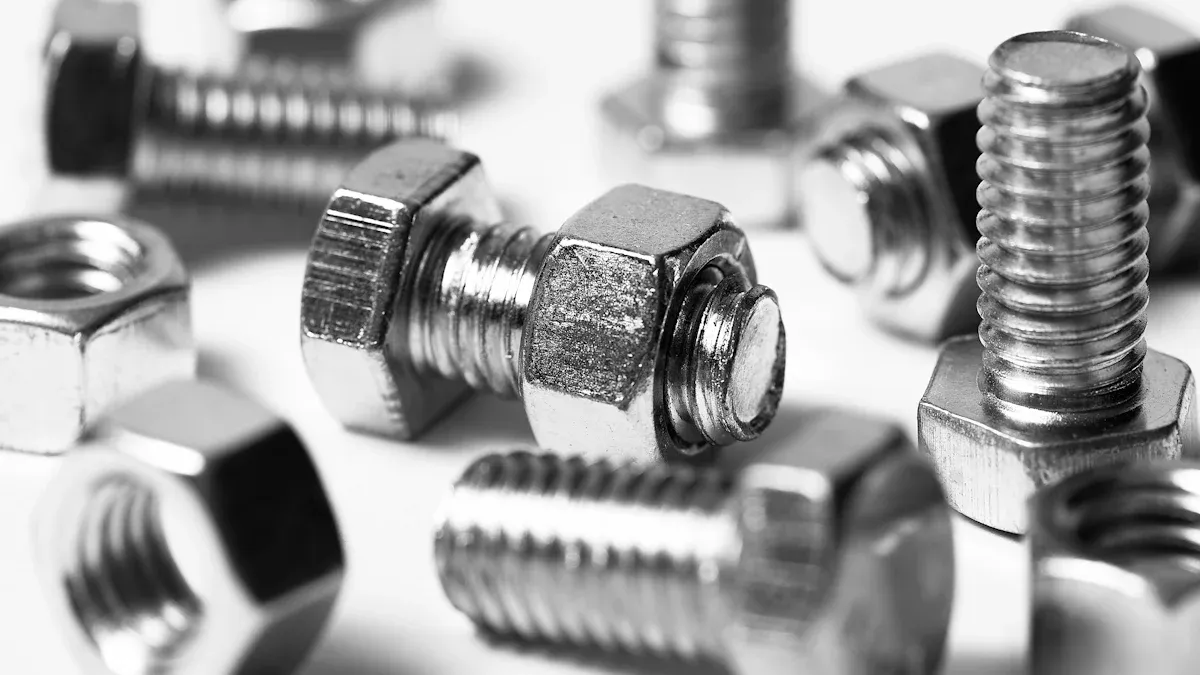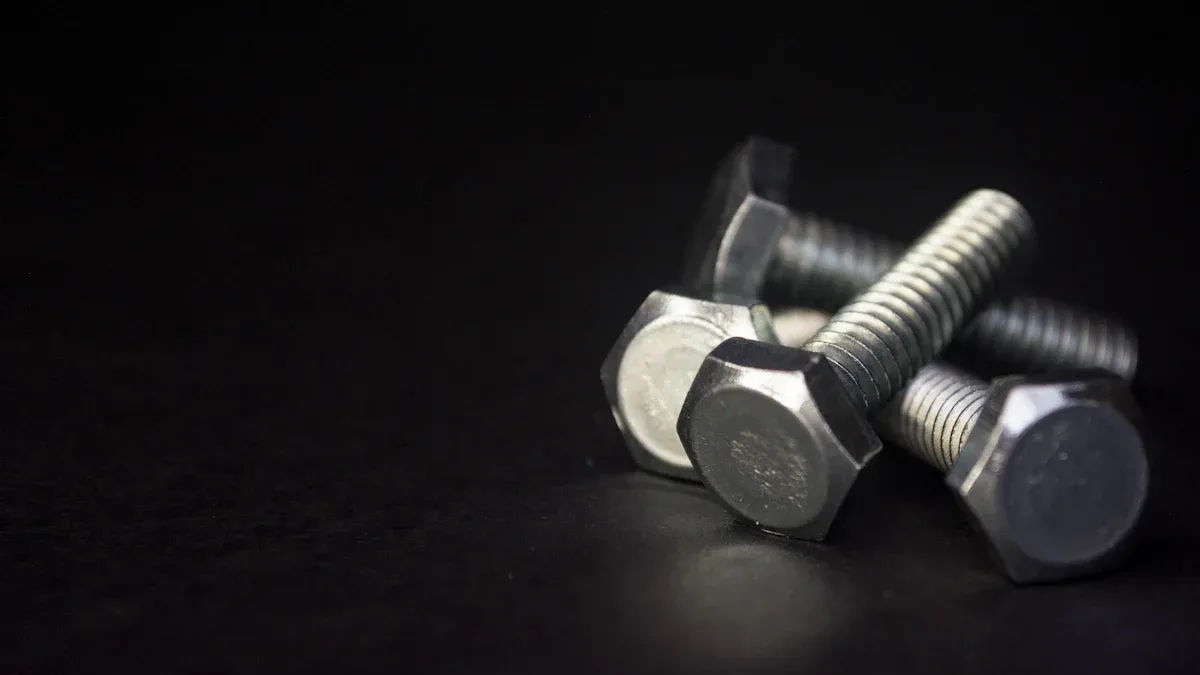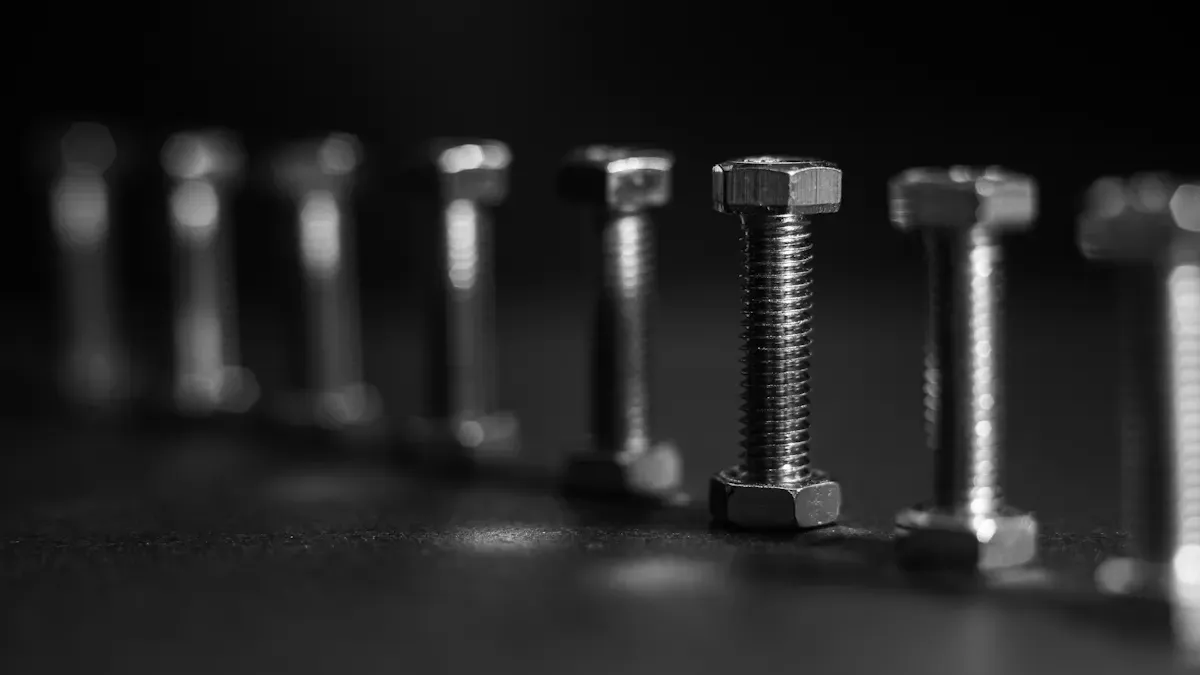

A bolt extractor set is a specialized toolkit. It removes broken, stripped, or seized bolts and screws. Standard tools often fail to grip these damaged fasteners. This makes the bolt extractor set an essential problem-solving tool for mechanics and DIY enthusiasts. The market for these tools is projected to grow annually by 14.6% from 2026. A custom fasteners manufacturer may produce a unique set bolt using a specific bolt casting process. Even these high-quality custom fasteners can become damaged, requiring extraction.
How Does a Bolt Extractor Work?
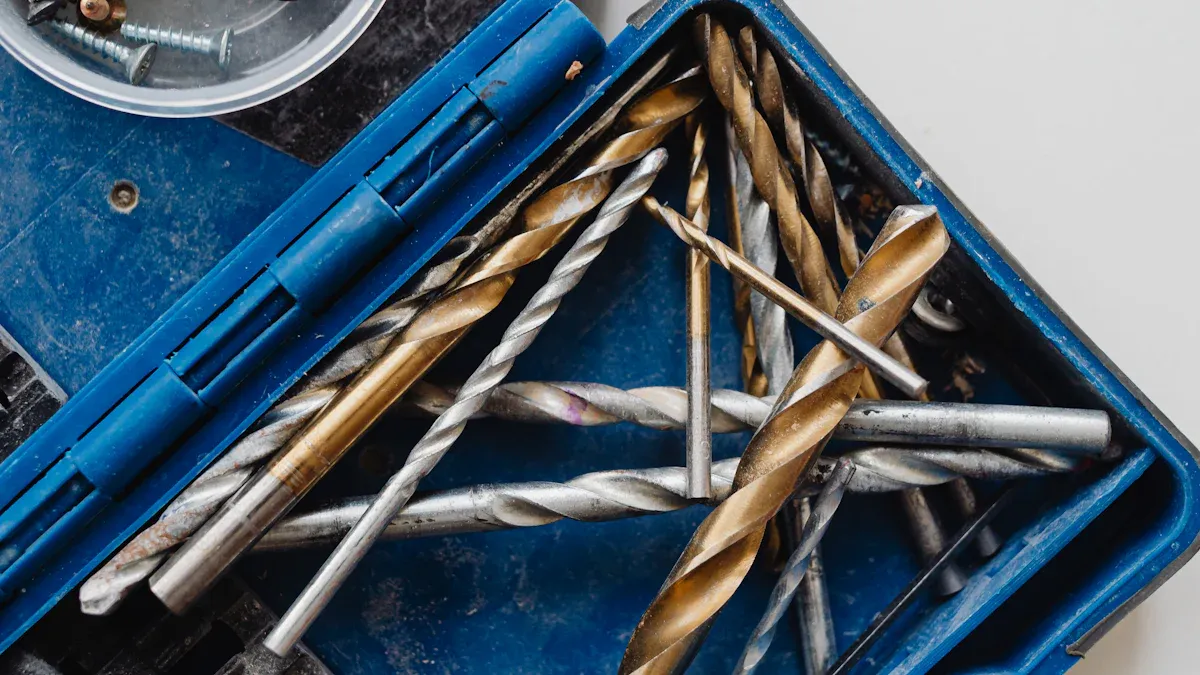
A bolt extractor operates on a simple yet effective mechanical principle. It creates a new gripping surface on a damaged fastener. This allows a user to apply torque and remove the bolt when standard tools can no longer do the job. The entire process relies on a combination of material hardness and reverse-threaded engineering.
The Core Principle: Grip and Reverse
The magic behind a bolt extractor lies in its ability to turn a problem into a solution. It uses the very motion required to loosen a bolt to tighten its own grip.
Biting Into the Metal
Extractors are made from extremely hard steel, often harder than the bolts they are designed to remove. The flutes, or edges, of the extractor are sharp and tapered. When a user taps the extractor into the damaged bolt, these sharp edges cut into the softer metal of the fastener. This action creates a secure, positive grip where none existed before.
The Power of Reverse Threads
Most bolts and screws use right-hand threads. This means a user turns them clockwise to tighten and counter-clockwise to loosen. A bolt extractor features the opposite design: left-hand (reverse) threads.
How it Works: When a user turns the extractor counter-clockwise with a wrench, two things happen simultaneously. The counter-clockwise motion tries to loosen the stuck bolt, while the reverse threads cause the extractor to dig deeper and tighten its grip inside the bolt. This increasing grip ensures the extractor does not slip. Eventually, the gripping force exceeds the force holding the bolt in place, and the bolt begins to turn out.
The Two-Step Process
Successfully using a bolt extractor set involves a straightforward, two-step procedure. Proper execution of each step is critical for a successful extraction.
Step 1: Drilling a Pilot Hole
First, a user must create a precise hole in the center of the damaged bolt head or stud. This pilot hole serves as the anchor point for the extractor. The size of the drill bit is important; it must be large enough for the extractor to fit but small enough to leave sufficient wall thickness for the extractor to grip. A centered hole ensures the turning force is applied evenly, preventing the bolt or the extractor from breaking.
Step 2: Inserting and Extracting
Next, the user selects the appropriate extractor and inserts its tapered end into the pilot hole. A light tap with a hammer helps seat the extractor firmly, ensuring its flutes bite into the metal. The user then attaches a tap handle or wrench to the square end of the extractor. By applying slow, steady counter-clockwise pressure, the user engages the reverse threads. This force simultaneously tightens the extractor’s grip and unscrews the damaged bolt from its hole.
What Are the Main Types of Bolt Extractors?
An exceptional bolt extractor set is a crucial addition to any toolkit, providing reliable solutions for removing damaged fasteners. By understanding the different types of extractors available, a user can select the most effective tool for their specific repair needs. Each design offers unique advantages tailored to different scenarios, from general-purpose removals to highly specialized extractions.
Here is a breakdown of the main types of bolt extractors and their ideal applications.
Spiral Flute Extractors
Spiral flute extractors are the most common and widely recognized type. Their aggressive, tapered design makes them a versatile choice for a variety of situations.
Design and Use
A spiral flute extractor features a conical shape with aggressive left-hand spiral threads. A user first drills a pilot hole into the damaged fastener. They then tap the extractor into this hole. As the user turns the extractor counter-clockwise, its spiral flutes dig deeper into the surrounding metal. This action creates an incredibly strong grip. The continuous turning motion simultaneously tightens the extractor’s hold and loosens the stuck bolt.
Pro Tip: The tapered design means the deeper the extractor goes, the tighter it grips. This makes it highly effective, but it also slightly expands the bolt, which can be a disadvantage with extremely seized fasteners.
Best For General Purpose
Spiral flute extractors are the go-to tool for most common extraction tasks. Their aggressive bite works well on softer to medium-hardness bolts and screws found in automotive, machinery, and household repairs. They are particularly effective for removing broken bolts where the head has sheared off completely.
The materials used in these extractors are critical for their performance.
- Many are constructed from high-hardness chrome-molybdenum (Cr-Mo) or high-carbon steel for maximum durability.
- Premium versions may use cobalt-blended alloys, which offer superior heat resistance and maintain a sharp, aggressive edge even when drilling into tougher fasteners.
Straight Flute Extractors
Straight flute extractors offer a more controlled, less aggressive alternative to their spiral counterparts. Their design provides a different mechanical advantage suitable for specific applications.
Design and Use
This extractor type has straight, non-tapered flutes running along its length. Instead of screwing into the metal, a user hammers it into a precisely drilled pilot hole. The sharp, longitudinal edges wedge firmly against the inside walls of the hole. A user then attaches a wrench to the square end and applies counter-clockwise torque to back the fastener out. Because this design does not expand the bolt, it reduces the risk of cracking the fastener or the surrounding housing.
Best For Harder Metals
The non-expanding nature of straight flute extractors makes them ideal for harder or more brittle metals. They are also preferred in high-precision scenarios where minimal material deformation is critical. Specific applications include:
- Delicate or thin-walled components where a spiral extractor might cause damage.
- Softer metals like aluminum or brass, which could crack under the expansion pressure of a spiral flute.
- High-precision work, such as electronics repair.
- Removing seized bolts from confined spaces where controlled gripping is essential.
Bolt-Out / Multi-Spline Extractors
Bolt-out extractors, also known as multi-spline or socket-style extractors, are designed for a different problem: fasteners with damaged but still present heads.
Design and Use
These tools look like standard sockets but have internal helical flutes designed to grip the outside of a rounded bolt or nut head. A user simply places the extractor over the damaged head and turns it counter-clockwise with a ratchet or wrench. The internal splines bite into the rounded flats of the fastener, providing the necessary grip to loosen it. No drilling is required, making this one of the fastest and easiest extraction methods.
Best For Rounded Heads
This extractor type is the perfect solution for bolts and nuts whose hexagonal heads have been stripped or rounded by a slipping wrench or socket. They excel in situations where the fastener is not broken but simply cannot be gripped by standard tools. Their ease of use makes them a favorite among mechanics for dealing with weathered or over-torqued nuts and bolts on vehicle frames, exhaust systems, and suspension components.
Drill-Out / Burn-Out Extractors
Drill-out extractors represent the final option for the most challenging extraction scenarios. A technician turns to these tools when all other methods have failed. They combine the action of drilling and extracting into a single, aggressive process.
Design and Use
These specialized tools look very similar to standard drill bits. The critical difference is their construction with left-hand (reverse) threads. An operator uses them in a power drill set to the reverse (counter-clockwise) setting. This design creates a powerful dual action.
The extractor drills into the damaged fastener. This drilling action generates intense friction and heat. The heat helps to break down rust, corrosion, or powerful thread-locking compounds. At the same time, the left-hand spiral flutes bite into the metal. Once the extractor gains a secure grip, the continued counter-clockwise force unscrews the seized bolt from its hole.
Note: The “burn-out” name comes from the significant heat produced during operation. This thermal shock is a key part of what makes this method effective against chemical thread-lockers and severe rust. 🔥
Best For Severely Seized Bolts
A professional reaches for a drill-out extractor when facing a seemingly impossible removal. Their aggressive nature makes them the ultimate solution for fasteners that are completely fused in place.
These extractors are the best choice for:
- Bolts frozen solid by extreme rust or galvanic corrosion.
- Fasteners secured with high-strength, permanent thread-locking compounds.
- Hardened bolts that resist drilling with standard bits.
- The worst-case scenario: removing another extractor that has broken off inside the bolt.
Operators must use caution, as this method is destructive by nature. It completely drills out the core of the old fastener, often requiring a user to re-tap the hole for a new, larger bolt or use a thread repair insert.
| Feature | Description |
|---|---|
| Material | Typically made from Cobalt (HSS-Co) or solid carbide for extreme hardness and heat resistance. |
| Action | Drills and extracts in a single counter-clockwise motion. |
| Primary Use | Last resort for severely seized, rusted, or chemically locked fasteners. |
Choosing the Right Bolt Extractor Set
Selecting the right tool is the first and most critical step toward a successful extraction. A technician must evaluate the specific type of damage, the fastener’s material, and the components included in a kit. This careful consideration ensures the chosen tool is perfectly matched to the repair challenge.
Assessing the Damage
The nature of the damage dictates the best type of extractor for the job. A user should first identify the exact problem with the fastener.
Stripped vs. Broken Head
A stripped head occurs when the internal socket (like a hex or Torx) is damaged, leaving no surface for a driver to grip. A broken head means the entire head has sheared off, leaving only the bolt’s shank. Spiral or straight flute extractors are necessary for both, as they require drilling a pilot hole into the remaining fastener.
Rounded vs. Sheared Fastener
A rounded fastener still has its head, but the external flats are worn down. A multi-spline or bolt-out extractor is ideal here, as it grips the outside of the damaged head without drilling. A sheared fastener is broken below the surface. This situation requires a spiral or straight flute extractor to drill into and grip the remaining bolt stud.
Material and Hardness
The extractor must be significantly harder than the bolt it is removing. Otherwise, the extractor will strip or break before the bolt moves.
Matching Extractor to Bolt Material
An operator must consider the bolt’s grade and material. High-strength automotive and industrial bolts have high hardness ratings. An extractor must exceed this rating to be effective. For example, a Grade 8 bolt has a Rockwell hardness of C33-C39, requiring an extremely tough extractor.
Hardness Comparison: Common Bolts
| Bolt Grade | Typical Rockwell Hardness |
|---|---|
| Grade 8 Steel | C33-C39 |
| A193 B8 Class 2 Stainless | C35 (max) |
| Standard Steel (e.g., Grade 2) | B70-B100 |
High-Speed Steel (HSS) vs. Cobalt
Most standard extractors are made from High-Speed Steel (HSS). HSS is affordable and effective for common bolts. Cobalt extractors are an alloy of steel with 5-8% cobalt. This blend dramatically increases heat resistance and hardness, making cobalt extractors the superior choice for removing hardened steel or stainless steel bolts.
What’s Included in a Set?
A comprehensive bolt extractor set provides versatility for various repair scenarios. The contents can range from basic to extensive.
Extractors and Drill Bits
A quality kit should include a range of extractor sizes to handle different fastener diameters. Many sets also provide corresponding left-hand drill bits, which are essential for creating the pilot hole. Common socket-style extractor sets often include sizes such as:
- 1/4 in, 7mm, 8mm (5/16 in)
- 10mm, 11mm, 12mm, 13mm (1/2 in)
- 14mm (9/16 in), 16mm (5/8 in), 17mm, 19mm (3/4 in)
Drill Guides and Other Accessories
Advanced kits may include valuable accessories. Drill guides are particularly useful. These tools fit over the damaged fastener to ensure the pilot hole is drilled perfectly centered. This alignment is crucial for applying even torque and preventing the extractor or bolt from breaking during removal.
Essential Tools and Preparations
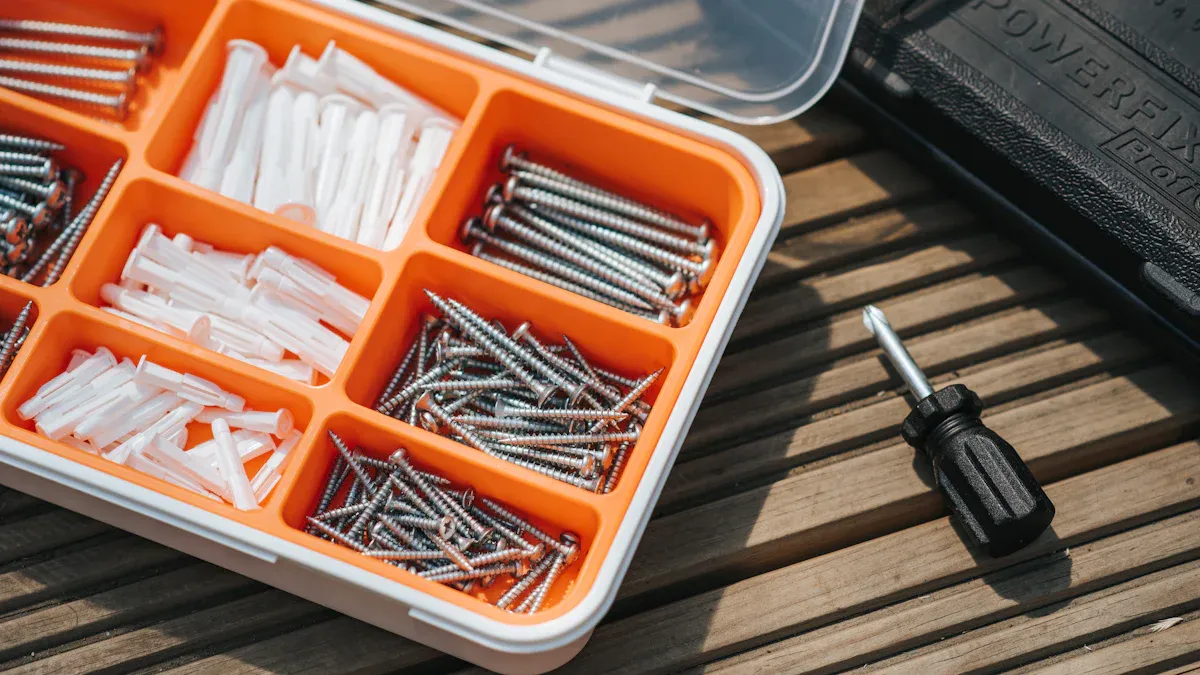
Proper preparation is as important as the extraction itself. A technician who gathers the right tools and prepares the work area sets the stage for a smooth and successful repair. This foundational step minimizes frustration and prevents further damage.
Gathering Your Tools
A well-organized toolkit ensures every necessary item is within reach. A user should assemble all required equipment before beginning the extraction process.
Safety Gear
Safety is the top priority. Drilling metal creates flying debris that can cause serious injury. A technician must wear appropriate protective gear.
The ANSI Z87.1 standard is the benchmark for protective eyewear in the United States. Eyewear marked “Z87+” offers high-impact protection, having passed rigorous tests against high-velocity projectiles. This level of protection is essential for tasks like drilling, which generate flying chips and fragments.
| Hazard Type | Hazard Examples | Common Related Tasks |
|---|---|---|
| Impact | Flying objects such as large chips, fragments, particles, sand, and dirt | Chipping, grinding, machining, drilling, chiseling, riveting, and sanding |
Sturdy work gloves are also recommended. They protect hands from sharp metal edges and improve grip on tools.
Power Drill and Bits
A variable-speed power drill offers the control needed for this delicate task. The operator must be able to drill slowly and steadily. The drill should also have a reverse setting, which is essential when using drill-out style extractors. A set of sharp, high-quality drill bits is crucial. Left-hand drill bits are often included in extractor kits and can sometimes remove a stuck bolt without needing an extractor.
Wrenches and Sockets
A technician needs a way to turn the extractor once it is seated. The specific tool depends on the extractor’s design.
- Tap Wrench: Provides excellent grip and control for spiral and straight flute extractors.
- Adjustable Wrench: A versatile option that fits the square head of most extractors.
- Ratchet and Sockets: Required for turning multi-spline or bolt-out style extractors.
Center Punch and Hammer
A center punch and a hammer are indispensable for starting the pilot hole. The user places the sharp point of the punch in the middle of the broken bolt. A firm tap with the hammer creates a small dimple. This indentation prevents the drill bit from wandering off-center, which is a common cause of failed extractions.
Preparing the Work Area
A clean and well-lubricated fastener is much easier to remove. These preparatory steps can make the difference between success and failure.
Cleaning the Fastener
A user should thoroughly clean the damaged bolt and the surrounding area. A wire brush is perfect for removing rust, dirt, and grime. This cleaning provides a clear view of the fastener. It also ensures the drill bit and extractor can make clean contact with the metal.
Applying Penetrating Oil
Penetrating oil is a powerful ally against seized bolts. It works by seeping into the threads to dissolve rust and reduce friction. A technician should apply a generous amount to the stuck fastener.
Many professionals and DIYers trust brands like Liquid Wrench. Users on Walmart and Amazon give it high ratings, with one reviewer noting it “loosened a stubborn, rusted bolt within minutes.” Another stated that on an old, rusted car, “Every single one of the bolts [came] out easily and none of them broke.” Allowing the oil to soak for at least 15-30 minutes, or even overnight for severe cases, dramatically increases the chance of a successful removal.
How to Use a Bolt Extractor: Step-by-Step Guide
Following a systematic process is the key to successfully removing a damaged fastener. Each step builds upon the last, from initial preparation to the final turn of the wrench. A technician who executes these steps with care and precision will transform a frustrating problem into a manageable task.
Step 1: Prepare the Damaged Fastener
Proper preparation significantly increases the chances of a successful extraction. This initial phase ensures the tools can work effectively and minimizes the risk of complications.
Center Punch the Bolt
A technician must first create a starting point for the drill bit. Using a heavy hammer and a center punch creates a small dent in the exact center of the broken bolt. This indentation is crucial for keeping the drill bit from wandering off-center during the next step. Without this guide, maintaining the drill’s position is nearly impossible.
A user can follow a simple procedure to create this essential mark:
- First, they should ensure the part is on a firm, stable surface.
- For a spring-loaded punch, the user places the tip on the center point and pushes down firmly until the internal mechanism activates with a “snap.”
- For a traditional center punch, the user aligns the tip with one hand and gives it a swift, firm tap with a hammer using the other.
Reapply Penetrating Oil
With the center point marked, it is an excellent time to reapply penetrating oil. This application gives the oil more time to work its way into the threads while the technician prepares for drilling. The effectiveness of the oil depends on the soaking time.
Pro Tip: For maximum effectiveness, a technician should allow the penetrating oil to work for at least 15 to 30 minutes. If a bolt remains seized after an initial attempt, they can reapply the oil and wait an additional 10 minutes. For extremely stubborn cases, a third application left to soak overnight can make all the difference.
Step 2: Drill the Pilot Hole
Drilling the pilot hole is the most critical and delicate part of the extraction process. A well-drilled hole provides the perfect foundation for the extractor to grip and remove the bolt.
Select the Correct Drill Bit
The bolt extractor set‘s instructions will specify the correct drill bit size for each extractor. A technician must select the recommended bit. Using a bit that is too small will prevent the extractor from fitting. A bit that is too large will create a weak bolt wall that can break during extraction. Many kits conveniently include the corresponding left-hand drill bits.
Drill Slowly and Centered
A user should set their power drill to a low speed and, if available, the reverse setting (especially if using a left-hand drill bit). They place the tip of the drill bit into the dimple created by the center punch. The technician then applies steady, firm pressure and begins drilling slowly. The goal is to create a clean, straight hole.
Drill speed is critical and varies by material. Drilling too fast can overheat and dull the bit or harden the bolt, making it even more difficult to remove.
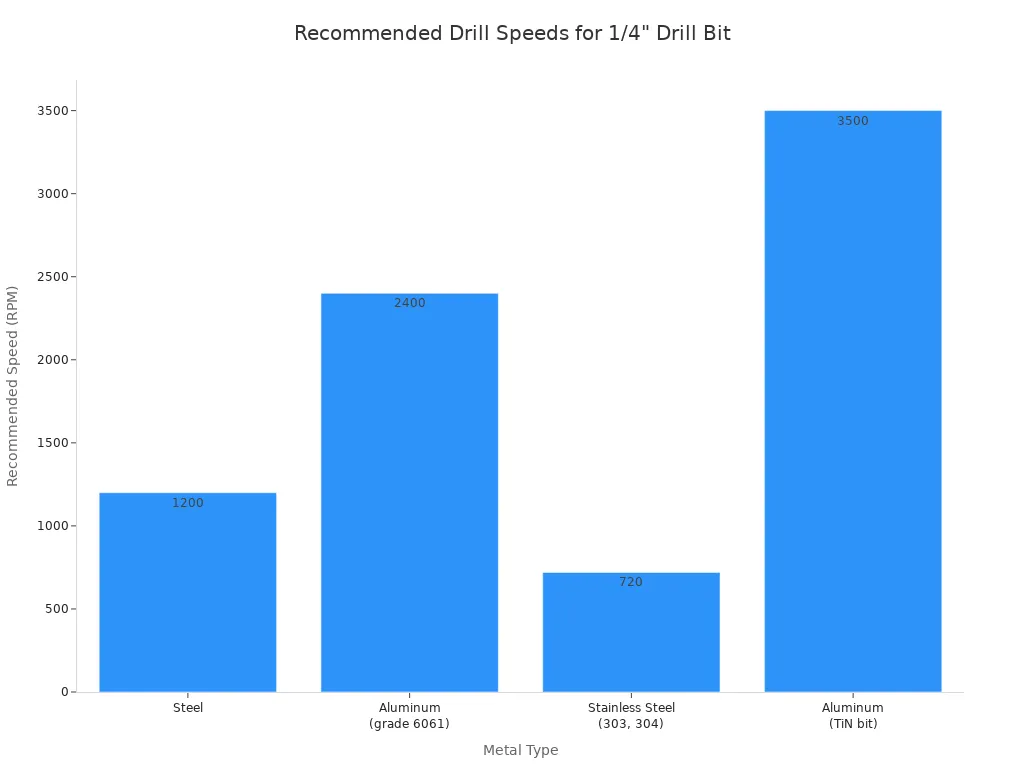
As the chart shows, harder metals like stainless steel require much slower speeds than softer metals like aluminum.
Step 3: Insert the Extractor
Once the pilot hole is complete, the technician is ready to introduce the extractor. This step establishes the grip needed to finally remove the fastener.
Choose the Right Extractor Size
The user selects the extractor that corresponds to the pilot hole they just drilled. The extractor should fit snugly into the hole. A proper fit ensures maximum contact between the extractor’s flutes and the inner walls of the bolt.
Tap the Extractor In Place
The technician inserts the tapered end of the extractor into the pilot hole. They then give the square end of the extractor a few firm but controlled taps with a hammer. This action seats the extractor, forcing its sharp flutes to bite into the metal of the bolt. The goal is to create a secure grip without applying excessive force that could crack the bolt or the extractor itself.
Step 4: Remove the Damaged Bolt
This final step is the moment of truth. The technician now applies turning force to the extractor, leveraging its grip to back the damaged fastener out of its hole. Success here depends on control and patience.
Attach a Wrench or Handle
The technician must select the correct tool to turn the extractor. The choice depends on the extractor’s design.
- Spiral or Straight Flute Extractors: A T-handle tap wrench is the ideal tool. It allows the user to apply balanced, even pressure with both hands. An adjustable wrench is a viable alternative if a tap wrench is unavailable.
- Bolt-Out / Multi-Spline Extractors: These socket-style tools require a standard ratchet or breaker bar.
The user slides the wrench or socket securely onto the end of the extractor. A firm, wobble-free connection is essential. Any play between the tool and the extractor can lead to uneven force and potential failure.
Apply Steady Counter-Clockwise Pressure
With the wrench attached, the technician begins the removal. The key is to apply slow, steady, and consistent counter-clockwise torque. This process requires controlled force to avoid snapping the hardened extractor or damaging the threaded hole. The user should feel the extractor’s reverse threads tightening their bite inside the bolt.
Caution: Avoid sudden, jerky movements. ⚠️ Applying too much force too quickly is the primary reason extractors break. A broken extractor inside a bolt creates a much more difficult removal problem.
The technician continues to apply smooth pressure. He will feel a distinct “pop” or shift as the rust, corrosion, or thread-locker gives way and the bolt breaks free. Once the bolt begins to turn, the user can typically unscrew it the rest of the way by hand or with the wrench. He should continue turning counter-clockwise until the damaged fastener is completely removed from the hole. Mission accomplished!
Common Mistakes to Avoid
Even a seasoned technician can encounter pitfalls during a bolt extraction. Understanding common errors helps a user navigate the process carefully and avoid turning a small problem into a major one. A methodical approach is the best defense against these frequent mistakes.
Drilling Off-Center
The placement of the pilot hole is fundamental to the entire operation. A misplaced hole almost guarantees failure.
The Problem with an Off-Center Hole
An off-center pilot hole applies uneven rotational force to the bolt. This imbalance concentrates stress on one side of the fastener’s wall. The thin side can easily break away when the user applies torque. This can also cause the extractor itself to snap, creating a more complex problem.
How to Correct It
Prevention is the best correction. A technician must always use a center punch to create a starting dimple for the drill bit. This simple action guides the bit and keeps it from wandering. For high-precision jobs, a drill guide is an invaluable accessory that ensures the hole is perfectly centered every time.
Using the Wrong Size Bit or Extractor
The relationship between the drill bit and the extractor is precise. Deviating from the recommended sizes will compromise the tool’s effectiveness.
Too Small vs. Too Large
Using a drill bit that is too large creates a thin, weak wall in the damaged bolt. This wall will likely collapse under the pressure of extraction. Conversely, an extractor that is too small for the pilot hole will fail to achieve a solid grip.
- A small extractor may not bite well into the metal.
- It can slip inside the hole, especially if the user operates the drill at a high speed.
- This slipping action can polish the inside of the hole, making any further extraction attempts more difficult.
Following the Manufacturer’s Guide
Every extractor set includes a guide that matches extractor sizes to specific drill bit diameters. A technician must adhere to these instructions. This guide ensures the extractor fits snugly, allowing its flutes to lock securely into the contours of the pilot hole for maximum gripping power.
Breaking the Extractor in the Bolt
A broken extractor is the worst-case scenario in fastener removal. It lodges a piece of extremely hard metal inside the already-stuck bolt.
The Risk of Too Much Torque
Extractors are made of hardened steel, which makes them brittle. The primary cause of breakage is the application of excessive or sudden torque. Many users, fearing a stubborn bolt, apply immense force with tools like a long breaker bar. This sudden, high rotational torsion can easily exceed the extractor’s structural limit and cause it to snap.
Real-World Scenario: Technicians frequently report extractors snapping off deep inside a drilled hole. This complication can add hours to a repair, as they must then deal with removing the hardened tool itself.
What to Do If an Extractor Breaks
If an extractor breaks, the repair becomes significantly more challenging. The user must remove the hardened extractor fragment before addressing the original bolt. Professionals often turn to specialized tools for this task.
- First, they may try to heat the area with a small torch to temper and soften the hardened steel.
- Next, they use a high-speed rotary tool, like a Dremel or die grinder.
- They then carefully grind away the broken extractor using a carbide burr. These burrs are hard enough to cut through the extractor material.
This delicate process requires patience and a steady hand to avoid damaging the surrounding threads. In some cases, welding a nut to the remaining material can also provide a new grip point for removal.
Essential Safety Precautions
A successful bolt extraction is a safe one. A technician must prioritize safety to prevent personal injury and damage to the workpiece. Following established safety protocols is not optional; it is a core component of professional work.
Always Wear Protective Gear
Personal Protective Equipment (PPE) is the first line of defense against common workshop hazards. Drilling into metal creates risks that proper gear can easily mitigate.
Eye Protection is Non-Negotiable
Drilling and extraction send small, sharp metal fragments flying at high speeds. These particles pose a severe risk to a person’s eyesight. Technicians must always wear safety glasses. According to safety experts at Prevent Blindness, most eye accidents are preventable with the correct safety eyewear.
OSHA Safety Guidelines: Occupational Safety and Health Administration (OSHA) rules highlight the need for specific protection during metalworking.
- Eye and Face: Safety glasses, often with side shields, are essential. Some tasks may even require full-face shields for maximum protection.
- Clothing: Garments should be tucked in to avoid getting caught in rotating machinery.
- Respiratory Devices: In environments with smoke or mist, face masks protect against inhaling harmful particles.
Gloves for Grip and Safety
Sturdy work gloves serve two important functions. First, they protect the hands from sharp metal burrs on the broken fastener and from hot surfaces. Second, they provide a secure grip on tools like wrenches and drills. This improved handling reduces the chance of a tool slipping, which could cause injury or damage the project. A firm grip allows for better control and a safer application of force.
Proper Tool Handling
The tools themselves can become a hazard if used improperly. Correct handling techniques ensure both the user’s safety and the tool’s longevity.
Avoid Excessive Force
A common mistake is attempting to overpower a stuck bolt with brute force. This approach is dangerous and often counterproductive. Applying sudden, jerky torque with a long breaker bar can easily snap the hardened extractor. A broken extractor is significantly harder to remove than the original bolt. A technician should always apply slow, steady, and controlled pressure. This method allows the extractor to work as designed, minimizing the risk of tool failure.
Keep Tools in Good Condition
The condition of the tools directly impacts safety and effectiveness. A technician should inspect all equipment before starting work.
- Drill bits must be sharp. A dull bit requires more force, generates excess heat, and is more likely to wander off-center.
- Wrenches and sockets should fit snugly. A worn or loose-fitting wrench can slip under pressure, damaging the extractor and potentially causing hand injuries.
- Extractor flutes should be clean and sharp to ensure they can bite into the metal effectively.
Regular maintenance and inspection of tools are fundamental practices for any professional.
A bolt extractor set offers the definitive solution for removing damaged fasteners when standard tools fail. A technician can confidently tackle even the most stubborn bolts. The process is straightforward and effective.
- A user drills a pilot hole into the damaged fastener.
- He inserts a reverse-threaded extractor.
- He then turns the tool counter-clockwise to grip and remove the bolt.
A technician who selects the right extractor and follows the steps carefully transforms a frustrating repair into a successful one. This makes the tool an invaluable asset.
FAQ
Can a technician reuse a bolt extractor?
A technician can reuse a high-quality extractor if its flutes remain sharp and undamaged. He should inspect the tool for wear or stress fractures after each use. A damaged extractor loses its gripping power and is more likely to break, so he should replace it when necessary.
What if the stuck bolt has left-hand threads?
Standard extractors will not work on left-hand threaded bolts. A technician needs a special right-hand threaded extractor for this rare situation. He would turn this special extractor clockwise to grip and remove the fastener. Always verify the bolt’s thread direction before starting the extraction process.
Is heat necessary to remove a stuck bolt?
Heat is not always necessary but can be very effective. A technician applies heat with a torch to expand the metal around the bolt. This action helps break the bonds of rust or thread-locker. He must use extreme caution to avoid damaging nearby components or creating a fire hazard. 🔥
Can a user apply an extractor to a stripped screw?
Yes, a user can use an extractor on a stripped screw head (like a Phillips or Torx). The process is the same as for a broken bolt. He drills a pilot hole into the center of the screw head and then uses the appropriate extractor to grip and remove it.
What is the most common mistake during extraction?
Drilling the pilot hole off-center is the most frequent error. An off-center hole creates uneven force, which can easily break the bolt or the extractor itself.
Tip: A technician should always use a center punch to create a starting dimple. This simple step ensures the drill bit stays perfectly centered.
How does a technician choose between spiral and straight flutes?
A technician chooses a spiral flute extractor for general-purpose use on common bolts. He selects a straight flute extractor for harder metals or delicate components. The straight flute design grips without expanding the bolt, reducing the risk of cracking the surrounding material.