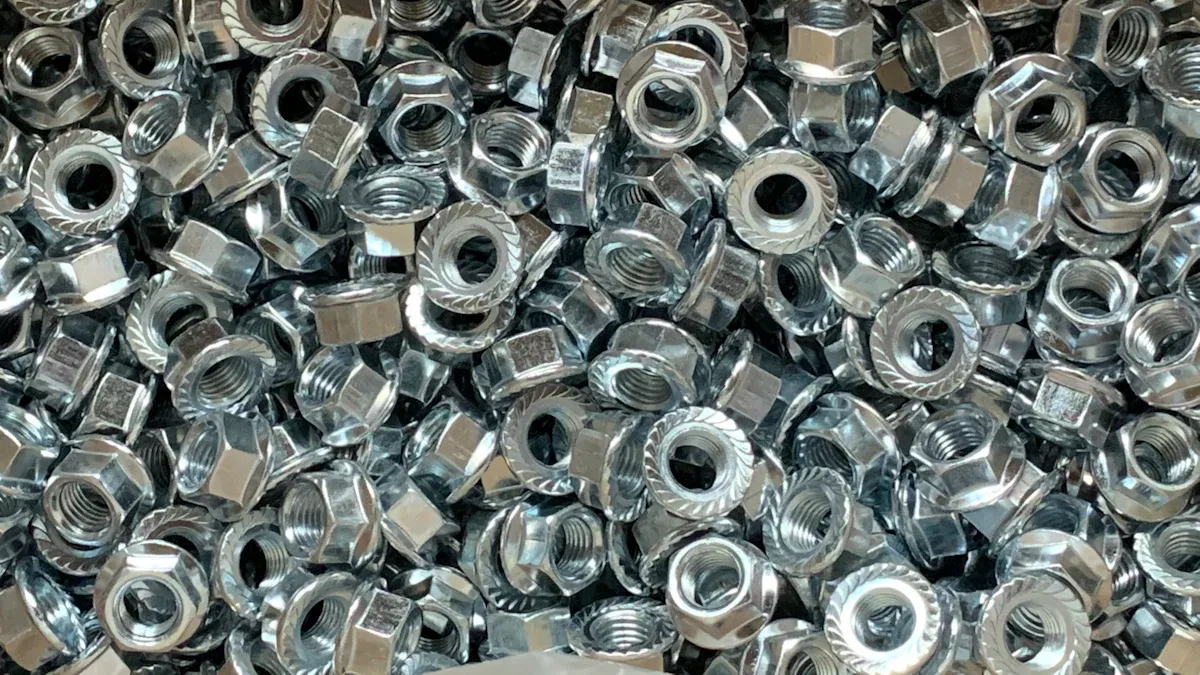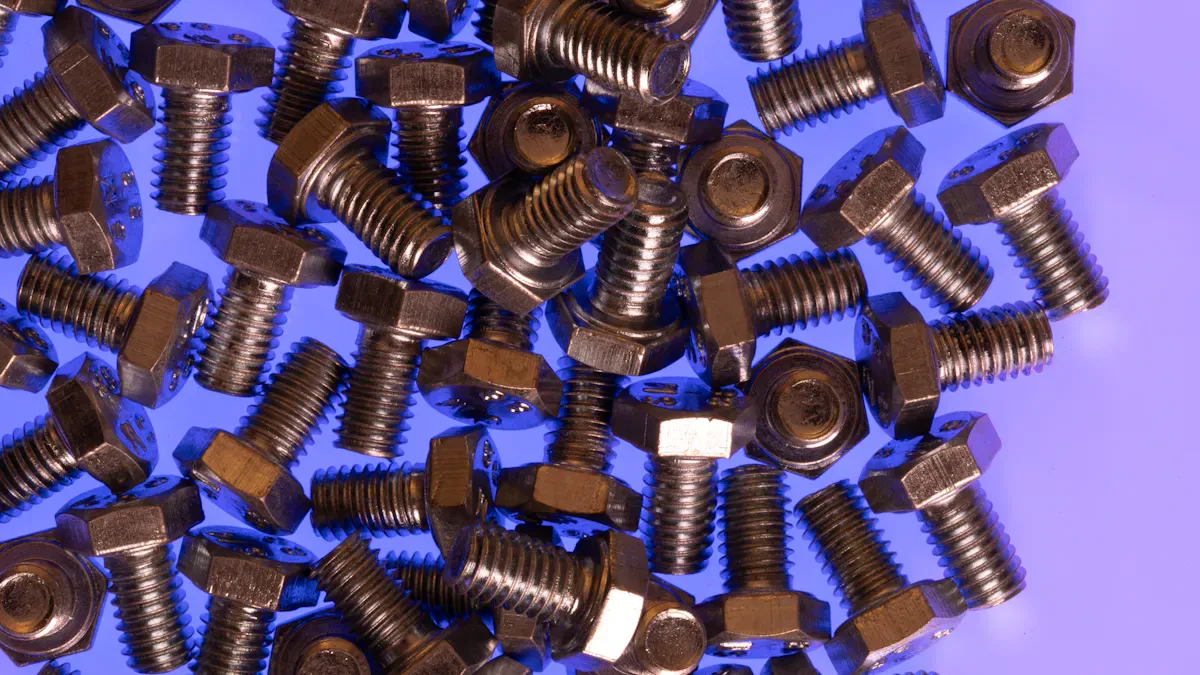
Flange nuts serve a critical role in construction and automotive applications. Engineers choose flange nuts for their unique design, which features an integrated flange that distributes load and prevents loosening. The flange provides several advantages:
- Improved load distribution with a wider bearing surface
- Resistance to vibration loosening, especially with serrated flanges
- Elimination of separate washers, streamlining nuts and bolts installation
- Enhanced assembly efficiency and project efficiency
Flange nut options from a custom fasteners manufacturer offer reliability for demanding applications. Flanges simplify installation, increase efficiency, and ensure consistent quality in every project.
Structural Steel Connections with Flange Nuts and Flanges
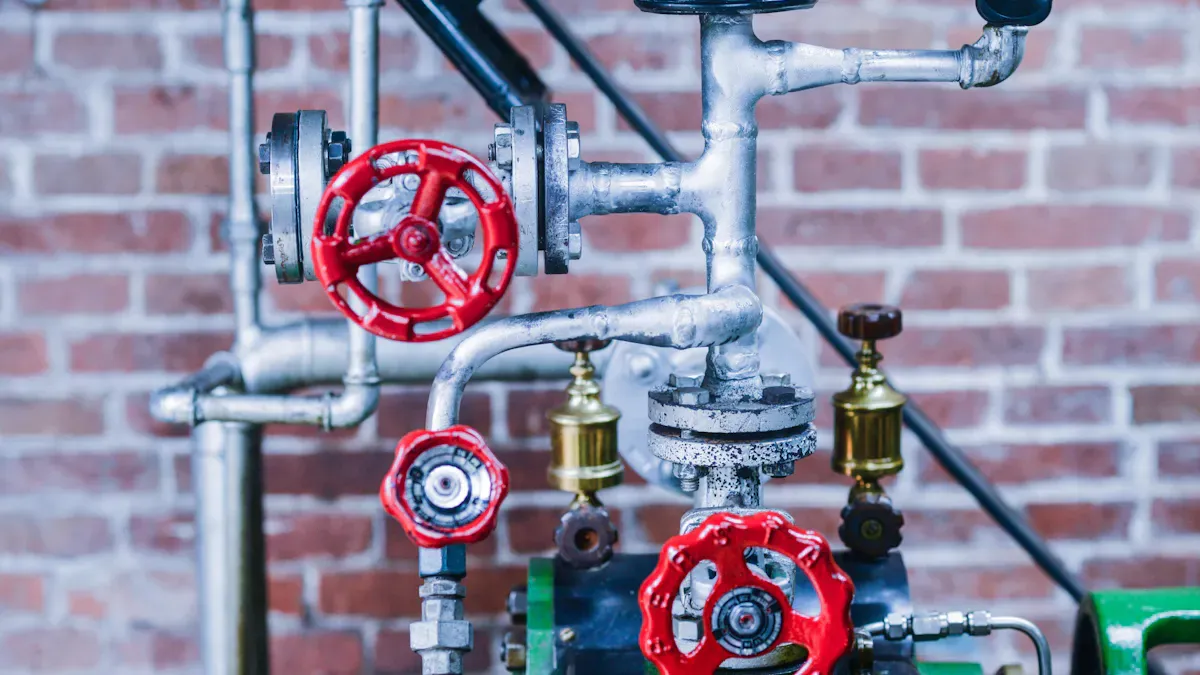
Securing Beams and Columns
Flange Nuts in Steel Frame Assembly
Structural steel projects rely on precise connections to ensure safety and stability. Engineers often select flange nuts for steel frame assembly because the integrated flange increases the contact area between the nut and the steel surface. This wider flange distributes force more evenly, reducing the risk of localized stress and deformation. The flange also eliminates the need for separate washers, streamlining installation and improving efficiency. In steel frame assembly, flange nuts provide enhanced load bearing capacity, which supports the weight of beams and columns throughout the structure’s lifespan.
Load Distribution Benefits of Flange Nuts
The flange’s flat surface plays a crucial role in load distribution. When workers tighten flange nuts, the flange spreads the force across a larger area. This prevents damage to steel surfaces and maintains the integrity of the connection. The flange design also resists loosening caused by vibration, which is common in construction environments. By maintaining consistent tension, flange nuts help preserve structural alignment and reduce maintenance needs.
Tip: Flange nuts with serrated flanges offer extra grip, making them ideal for high-vibration applications.
Bridge Construction Applications
Fastening Bridge Components with Flange Face Bolts
Bridge construction demands reliable fastening solutions. Flange face bolts and flange nuts secure bridge components such as girders, plates, and expansion joints. The flange ensures a tight fit and prevents movement under heavy loads. Industry standards recommend the use of flange nuts in these applications. The following table highlights key standards:
| Standard | Description |
|---|---|
| ISO 10721-2:1999 | International standard for steel structures, covering bolts, nuts, and washers. |
| AISC 360-10 | Guidelines for the design of bolted connections in structural steelwork, including various joint types. |
| BS 5950 | British Standard for the structural use of steelwork in buildings, including recommendations for bolted connections. |
| AS 4100 | Australian standard providing minimum requirements for the design of bolted connections in steel structures. |
Vibration Resistance in Bridges Using Flange Nuts
Bridges experience constant vibration from traffic and environmental factors. Flange nuts resist loosening in these conditions, thanks to their flange design. The flange maintains a secure connection, reducing the risk of structural failure. Engineers trust flange nuts for bridge projects because they combine reliability with ease of installation.
Industrial Building Frameworks
Heavy-Duty Fastening Needs with Flange Nuts
Industrial buildings require robust connections to support machinery, storage, and heavy equipment. Flange nuts meet these heavy-duty fastening needs by providing a strong, stable connection. The flange increases fixation and prevents loosening, even in high-vibration environments. Flange nuts made from high-strength materials like carbon steel and stainless steel deliver durability in demanding conditions.
Corrosion Resistance Considerations for Flange Nuts
Industrial frameworks often face exposure to moisture, chemicals, and temperature changes. Flange nuts offer corrosion resistance, especially when manufactured from stainless steel or treated with protective coatings. This feature ensures long-term reliability and reduces maintenance costs. Flange nuts enhance stability and reliability in connections, which is crucial for maintaining structural integrity over time.
- Flange nuts enhance stability and reliability in connections, crucial for maintaining structural integrity over time.
- The flat flange design provides additional support and fixation, preventing loosening in high-vibration environments.
- Made from high-strength materials like carbon steel and stainless steel, they ensure durability in demanding engineering conditions.
Automotive Suspension Systems Using Flange Nuts and Flange Face Bolts
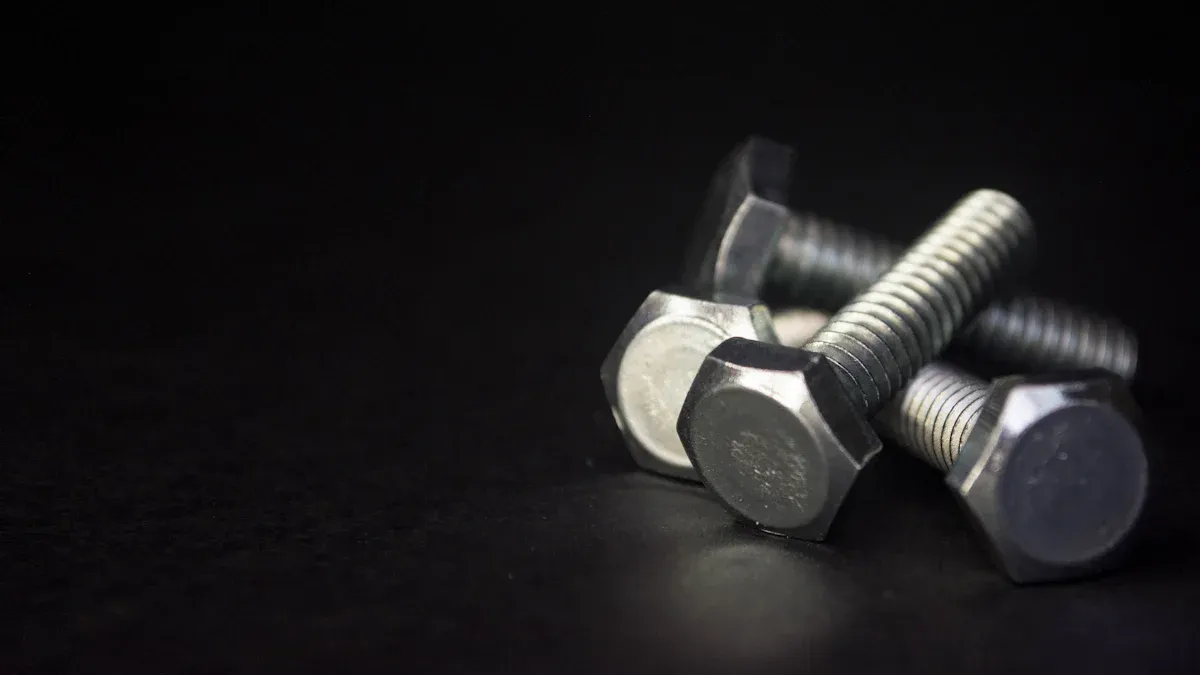
Mounting Control Arms
Flange Nuts for Secure Suspension Joints
Automotive engineers rely on flange face bolts and flange nuts when mounting control arms. The flange on these fasteners increases the contact area, which helps distribute the load more evenly across the suspension joint. This design reduces the risk of damage to the control arm and the mounting surface. The flange also eliminates the need for a separate washer, streamlining the assembly process and reducing the chance of installation errors. When choosing the right flange face bolts for control arm mounting, engineers consider the specific load requirements and the need for reliable, long-term performance.
Preventing Loosening Under Stress with Flange Nuts
Suspension systems experience constant movement and vibration. Flange face bolts with serrated flanges provide enhanced grip, which helps prevent loosening under stress. The following table highlights the main advantages of using flange nuts in automotive suspension systems compared to traditional nuts:
| Advantage | Description |
|---|---|
| Better Load Distribution | The flange spreads the load across a larger area, reducing damage risk and increasing holding strength. |
| Enhanced Grip and Vibration Resistance | The serrated edge improves grip, preventing loosening from vibrations, ideal for automotive use. |
| No Need for a Washer | The flange acts as a washer, simplifying assembly and reducing installation errors. |
This combination of features makes flange face bolts a preferred choice for secure and durable suspension joints.
Shock Absorber Installation
Enhanced Stability with Flange Nuts
Shock absorbers require stable and secure mounting to function effectively. Flange face bolts provide a wide flange that acts as a built-in washer, spreading the pressure and reducing the risk of material damage. This design ensures that the shock absorber remains firmly attached, even during intense driving conditions. The flange also helps maintain alignment, which is critical for optimal suspension performance.
Ease of Maintenance and Replacement Using Flange Face Bolts
Flange face bolts offer easy maintenance for shock absorber installations. Unlike locknuts, which may lose effectiveness after repeated use, flange nuts maintain their tightness and reusability. The table below compares key characteristics of locknuts and flange nuts in shock absorber applications:
| Characteristic | Locknut | Flange nut |
|---|---|---|
| Reusability | Limited due to wear on locking pieces | High, as the flange design lacks wear-prone inserts |
| Load distribution | Focused on locking, less on spreading pressure | Wide flange spreads load, reducing material damage |
| Vibration Resistance | High with integrated locking mechanisms | Moderate, improved with serrated flange |
This easy maintenance feature saves time and reduces costs during routine suspension service.
Wheel Assembly Applications
Flange Nuts in Hub and Axle Connections
Wheel assemblies demand secure fastening to ensure safety and performance. Flange face bolts play a vital role in connecting hubs and axles. The flange distributes pressure over a larger area, which prevents damage to the wheel and hub surfaces. This design simplifies assembly and enhances stability, making flange face bolts essential for automotive wheel applications.
Safety and Performance Benefits of Flange Nuts
Flange nuts improve wheel assembly performance by minimizing loosening from vibrations. Their integrated flange acts as a washer, which not only protects components but also increases holding strength. This feature supports easy maintenance and long-term reliability. Unique applications of flange face bolts in wheel assemblies highlight their importance for both safety and performance in automotive systems.
Note: Choosing the right flange face bolts for each application ensures optimal load distribution, vibration resistance, and easy maintenance.
Machinery and Equipment Assembly with Flange Nuts
Fastening Motor Mounts
Vibration Dampening with Flange Nuts
Machinery often operates in environments where vibration can threaten the integrity of fastened joints. Engineers select the flange design for motor mounts because it provides a stable and secure connection. The flange increases the contact area, which helps absorb and dampen vibrations that occur during machine operation. Flange nylock nuts, which include a nylon insert, create prevailing torque that resists loosening. This feature ensures that the joint remains tightly fastened, even in high-vibration settings, and enhances overall safety.
Superior clamping force from the flange enhances joint stability and reduces the risk of failure in critical motor mount applications.
High-Torque Applications for Flange Nuts
Motor mounts in industrial equipment often require fastening solutions that can withstand high torque. The flange compresses against the mating surface, which improves sealing and prevents leaks. This design also distributes force evenly, reducing stress concentration and contributing to the longevity of the assembly. Industry experts highlight several benefits of using flange nuts in these scenarios:
- Enhanced sealing and leak prevention.
- Improved load distribution for longer assembly life.
- Ease of installation and reusability, making them cost-effective.
The table below summarizes the advantages and limitations:
| Pros | Cons |
|---|---|
| Superior clamping force | Difficult to grasp with pliers |
| Reduced number of components |
Securing Gearboxes and Transmissions
Flange Nuts in Heavy Machinery
Gearboxes and transmissions require reliable fastening to maintain performance under heavy loads. The flange distributes force across a larger surface area, which prevents damage to the connected components. This even load distribution is essential for mechanical applications, where uneven stress can lead to premature wear or failure. Flange nuts can be used with regular bolts and washers to provide added strength in demanding environments.
Reliability in Industrial Settings with Flange Nuts
Industrial machinery operates under continuous stress and vibration. Flange nuts help prevent loosening and maintain assembly integrity, which reduces maintenance needs and increases operational efficiency. The following list highlights their advantages:
- Even force distribution for reliable connections.
- Enhanced durability in mechanical assemblies.
- Simplified installation due to the integrated flange.
Agricultural Equipment Uses
Flange Nuts in Tractor Assembly
Agricultural equipment, such as tractors, faces constant vibration and exposure to outdoor elements. The flange design distributes pressure evenly and reduces the risk of loosening, which is vital for equipment that operates on rough terrain. High-quality materials, such as stainless steel, resist corrosion and extend the lifespan of the fasteners.
Durability in Outdoor Conditions for Flange Nuts
Outdoor environments present unique challenges, including moisture, dirt, and temperature fluctuations. Flange nuts maintain durability in these conditions when properly installed and tightened. Regular inspection and maintenance, including cleaning and timely replacement, help prevent wear or corrosion. This approach ensures that agricultural machinery remains reliable throughout its service life.
Concrete Formwork and Anchoring with Flange Nuts and Flanges
Attaching Formwork Panels
Flange Nuts for Quick Assembly
Construction teams often select flanges for attaching formwork panels because the flange design simplifies the process. Workers can install and remove panels quickly, which improves project efficiency. The flange provides a larger base, supporting the panel and reducing movement risk. High-quality materials used in flange nuts ensure durability and reliability during demanding applications. The flange eliminates the need for extra tools, allowing for easy installation and removal. This approach saves time on site and enhances overall efficiency.
| Feature | Benefit |
|---|---|
| High-quality materials | Strong and durable, ensuring reliability during construction. |
| Flange design | Facilitates easy installation and removal without the need for tools. |
| Enhanced Stability | Larger base design provides better support, reducing panel movement risk. |
| Time-saving | Simplifies installation and removal, saving time on site. |
| Durable | High-strength materials withstand adverse weather and construction stress. |
Reducing Surface Damage with Flange Nuts
Flanges protect formwork panels from surface damage. The flange distributes force across a wider area, preventing concentrated pressure that can cause cracks or dents. Workers rely on flange nuts to maintain the integrity of panels throughout multiple uses. The flange design supports the panel, reducing wear and tear. This feature extends the lifespan of formwork panels and lowers replacement costs.
Tip: Using flanges with a smooth surface helps minimize abrasion and preserves panel quality for future projects.
Anchor Bolt Connections
Flange Nuts in Foundation Work
Foundation work demands secure and stable connections. Flange nuts provide a reliable fastening solution for anchor bolts. The flange increases the contact area, which enhances stability and prevents loosening. Workers trust flange nuts for foundation applications because the flange design supports heavy loads and withstands construction stress. The flange ensures that anchor bolts remain firmly in place, maintaining structural integrity.
Enhanced Stability for Structural Anchors Using Flange Nuts
Structural anchors require consistent support. Flanges deliver enhanced stability by distributing force evenly. The flange design reduces the risk of shifting or loosening, which is critical for safety. Workers achieve better results when using flange nuts for structural anchors, especially in high-stress environments. The flange supports the anchor, ensuring reliable performance throughout the project.
Temporary Construction Supports
Flange Nuts for Easy Removal
Temporary supports play a vital role in construction. Flanges allow for easy removal of fasteners when the project phase changes. Workers can loosen flange nuts quickly, which streamlines the process and improves project efficiency. The flange design eliminates the need for washers, reducing the number of components and simplifying assembly.
Reusability in Multiple Projects with Flange Nuts
Flanges offer reusability for temporary supports. Workers can use flange nuts in multiple projects without compromising performance. The flange design maintains strength and reliability, even after repeated use. This feature reduces material waste and supports sustainable construction practices.
Note: Flanges made from corrosion-resistant materials ensure long-term usability and consistent performance across various applications.
Exhaust and Engine Mounting in Vehicles with Flange Nuts and Flange Face Bolts
Securing Exhaust Manifolds
Heat Resistance of Flange Nuts
Automotive exhaust manifolds operate under extreme heat and vibration. Flange face bolts and flange nuts must withstand temperatures that reach up to 900 degrees Celsius. Specialty alloys and heat-resistant plating protect the flange from oxidation and corrosion. Antiseize coatings prevent galling, making maintenance easier. Proper surface treatments extend the lifespan of flange face bolts and flanges, reducing corrosion-related issues. Mechanics rely on these features to maintain strength and appearance over time.
- Coatings and finishes improve durability in high-temperature environments.
- Antiseize coatings facilitate easier maintenance.
- Heat-resistant plating maintains strength and appearance.
- Specialty alloys minimize oxidation and corrosion.
Preventing Exhaust Leaks with Flange Nuts
The flange design produces uniform clamping loads, which is essential for stability in exhaust applications. Flange face bolts create a strong, sealed connection when paired with gaskets. This robust connection prevents exhaust leaks and ensures long-term reliability. Mechanics choose flange nuts for their self-locking action, which resists shock and vibration. Flange face bolts remain removable and reusable, making them ideal for maintenance. The need for cleaning flange faces and replacing gaskets is a trade-off for their durability.
Tip: Choosing the right flange face bolts for exhaust manifolds ensures a secure fit and reduces the risk of leaks.
Engine Block Fastening
Flange Nuts in High-Temperature Areas
Engine blocks require fasteners that can endure high temperatures and dynamic forces. Flange face bolts and flanges distribute pressure evenly, maintaining clamp load under vibration. Specialty alloys enhance strength in torque and tension, which is crucial for engine block fastening. Mechanics select flange nuts for their ability to minimize oxidation and corrosion at elevated temperatures. The flange design supports the engine block, preventing damage and maintaining performance.
Maintaining Engine Alignment with Flange Nuts
Flange face bolts play a vital role in maintaining engine alignment. The flange distributes force across a larger area, reducing stress concentration. This even load distribution preserves engine alignment and prevents premature wear. Mechanics rely on flange nuts and flanges for their strong, self-locking action, which resists loosening from vibration. Unique applications of flange face bolts in engine mounting highlight their importance for stability and reliability.
| Feature | Benefit |
|---|---|
| Even load distribution | Preserves engine alignment |
| Self-locking action | Resists loosening from vibration |
| Specialty alloys | Enhance strength and durability |
Transmission Mounts
Flange Nuts for Vibration Control
Transmission mounts experience constant vibration and dynamic forces. Flange face bolts and flanges provide a secure fastening solution that withstands these stresses. The integrated flange distributes pressure evenly, improving load-bearing capacity. Serrated flange nuts increase holding power by locking into the mating surface. Mechanics trust flange nuts for their ability to prevent loosening and ensure stability in high-vibration areas.
Long-Term Reliability of Flange Nuts
Flange nuts deliver long-term reliability in transmission mount applications. Their robust construction makes them less prone to breaking or cracking compared to other fasteners. Mechanics must clean flange faces and replace gaskets during maintenance, but this effort ensures a strong, sealed connection. Flange face bolts offer durability and strength, which is essential for the longevity of transmission mounts. Choosing the right flange face bolts supports consistent performance and reduces the risk of failure.
Note: Flange nuts and flange face bolts provide superior reliability and durability in automotive exhaust, engine, and transmission mounting applications.
Flange nuts remain essential for structural steel connections, automotive suspension systems, machinery assembly, concrete formwork, and exhaust or engine mounting. Their integrated flange design distributes load over a wide area, reducing stress and surface damage. Industry professionals report that unique applications of flange face bolts improve project efficiency and reliability in demanding environments. The table below highlights how flange nuts support cost savings and project efficiency:
| Benefit | Impact on Project Efficiency and Cost Savings |
|---|---|
| Enhanced Stability | Fewer repairs, higher project efficiency |
| Improved Load Distribution | Fewer components, better project efficiency |
| Time-Saving Installation | Faster assembly, increased project efficiency |
Future trends show a focus on sustainable materials and automation, ensuring flange solutions continue to drive efficiency in construction and automotive applications.
FAQ
What is a flange nut?
A flange nut features an integrated washer-like base. This flange distributes load and increases holding strength. Engineers use flange nuts in construction and automotive projects for improved reliability and vibration resistance.
Where do engineers use flange nuts most often?
Engineers install flange nuts in structural steel connections, automotive suspension systems, machinery assembly, concrete formwork, and exhaust or engine mounting. These applications require secure fastening and enhanced load distribution.
How does a flange nut prevent loosening?
The flange increases surface contact and spreads force. Serrated flange nuts grip the mating surface, resisting vibration. This design reduces the risk of nuts loosening during operation.
Are flange nuts reusable?
Flange nuts made from high-quality materials offer reusability. Mechanics and construction workers can remove and reinstall flange nuts multiple times without losing performance. Regular inspection ensures continued reliability.
What materials do manufacturers use for flange nuts?
Manufacturers produce flange nuts from carbon steel, stainless steel, and specialty alloys. Stainless steel provides corrosion resistance. Specialty alloys withstand high temperatures and harsh environments.
Do flange nuts require washers?
Flange nuts eliminate the need for separate washers. The integrated flange acts as a washer, simplifying installation and reducing the number of components.
Can flange nuts withstand outdoor conditions?
Flange nuts with corrosion-resistant coatings or stainless steel construction perform well outdoors. Agricultural and construction equipment benefit from these durable fasteners.
Tip: Choose flange nuts with protective coatings for projects exposed to moisture or chemicals.