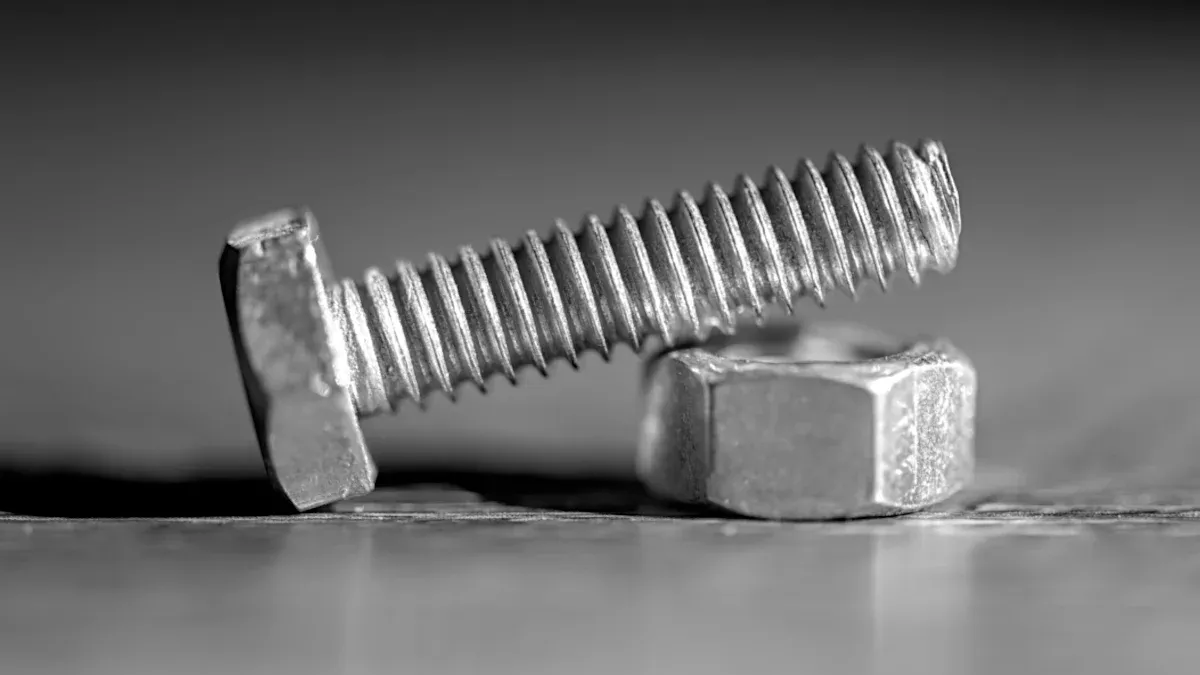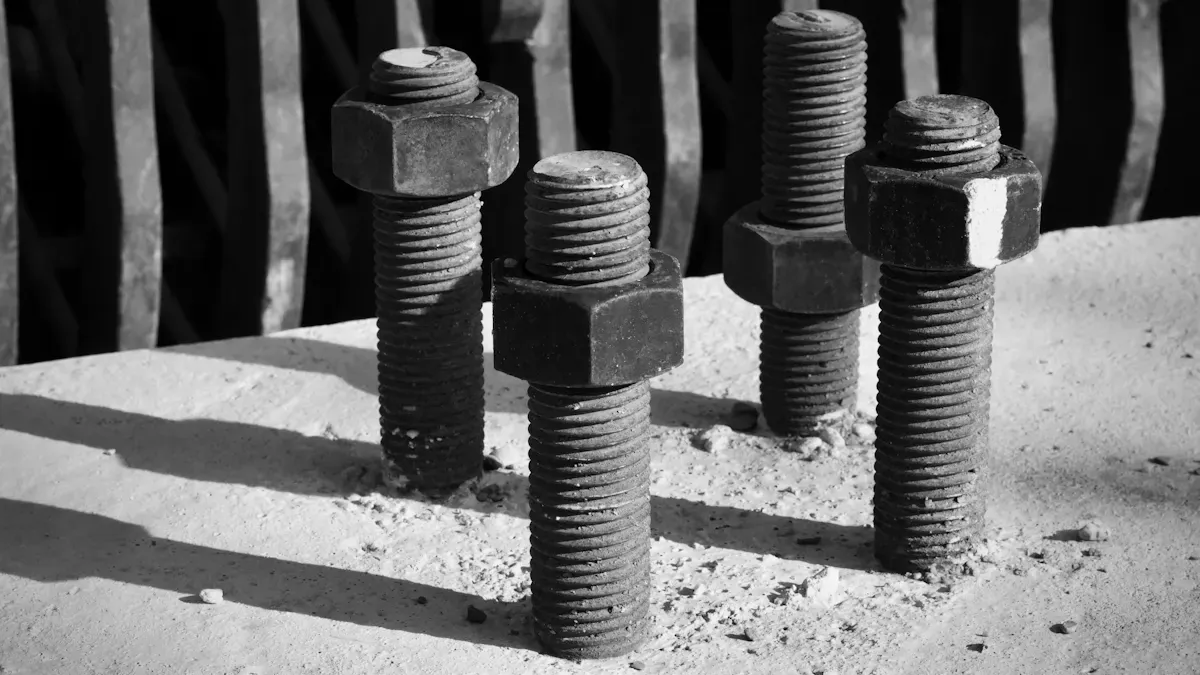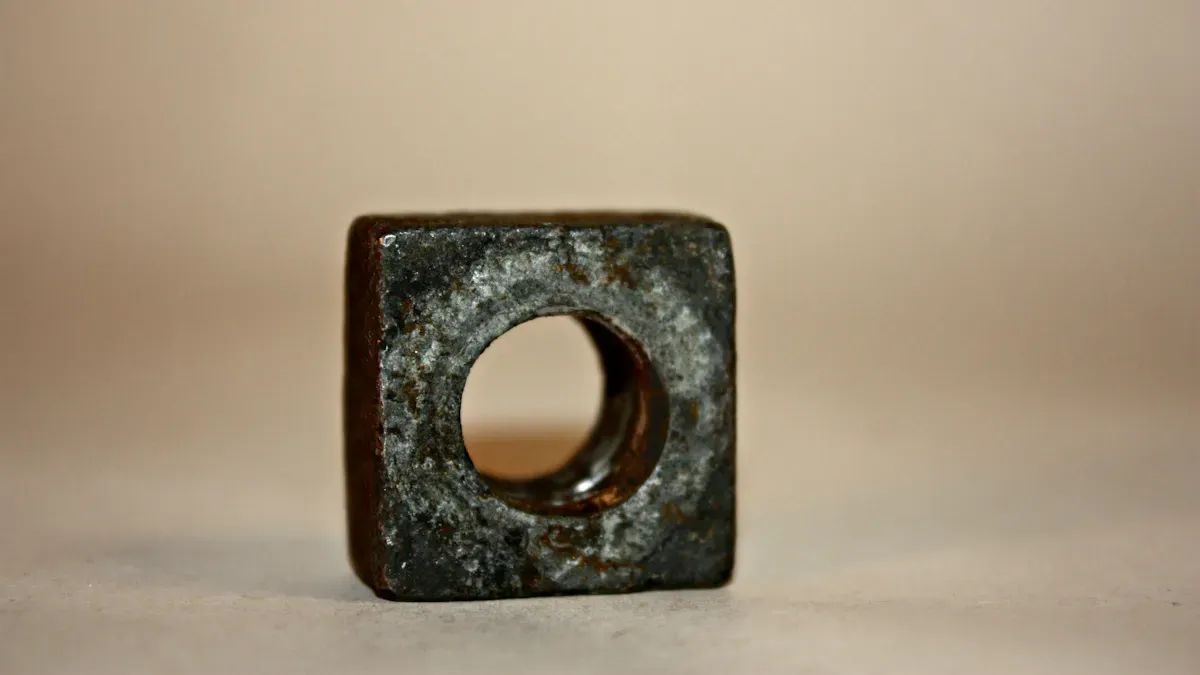
The top 10 nylock nuts for robotics and engineering include stainless steel, zinc-plated steel, class 10 nylon insert, flange, low-profile, metric stainless steel, heavy-duty, aluminum, brass, and miniature variants. Engineers prefer self-locking nuts because these fasteners provide reliable resistance against vibration and loosening in dynamic environments. Selection depends on several factors, such as material composition, environmental exposure, compatibility with nuts and bolts, and required load type. Custom fasteners and a custom fasteners manufacturer can supply the ideal nylock nut for specialized applications.
The table below outlines the main criteria for choosing the right self-locking nut for technical projects:
| Criteria | Description | Applications |
|---|---|---|
| Material Composition | Determine the load and torque specifications needed. Steel for strength, Nylon for locking efficiency. | Heavy machinery, structural applications. |
| Environmental Factors | Consider temperature and exposure to elements. Stainless steel for corrosion resistance. | Outdoor and marine applications. |
| Thread Compatibility | Ensure match with bolt specifications. Material hardness matching. | Automotive and aerospace applications. |
| Locking Mechanism | Choose between serrated, plastic inserts. Nylon inserts for vibration resistance. | Electronics and machinery. |
| Size and Dimensions | Select the proper size to fit your needs. Consider load-bearing capacity. | Industrial and construction applications. |
| Load Type | Decide on static or dynamic loads. Different materials handle different loads. | Automotive and aerospace systems. |
| Regulatory Standards | Ensure compliance with industry standards. Material certifications may be required. | Construction and safety-critical applications. |
Why Choose a Nylon Self-Locking Nut for Robotics and Engineering

Vibration Resistance of Self-Locking Nut
Robotics and engineering projects often operate in environments with constant movement and vibration. A self-locking nut provides a high level of vibration resistance, which is essential for maintaining secure connections. The nylon insert inside the nut grips the threads of the bolt, preventing loosening even when exposed to dynamic forces. This feature ensures that assemblies remain stable and safe during operation.
Tip: Using self-locking nuts in assemblies with moving parts can significantly reduce the risk of fastener failure due to vibration.
The table below highlights how nylon insert lock nuts compare to all-metal lock nuts in vibration resistance and other key features:
| Feature | Nylon Insert Lock Nuts | All-Metal Lock Nuts |
|---|---|---|
| Locking Mechanism | Nylon insert resists vibration | Mechanical features provide locking action |
| Temperature Sensitivity | Limited range, can degrade at high temperatures | High-temperature resistant |
| Reusability | Limited (about 5 uses) | Durable and reusable over multiple cycles |
| Locking Force | Moderate due to friction | Strong due to mechanical features |
Secure Fastening with Nylon Self-Locking Nut
A nylon self-locking nut delivers secure fastening in critical engineering applications. The nylon insert maintains tension on the bolt threads, which prevents unintentional movement. This design eliminates the need for additional locking devices, such as washers or adhesives, simplifying the assembly process. Engineers rely on self-locking nuts to improve safety and reduce the risk of failures caused by loosening.
- Nylon lock nuts prevent loosening under vibration, which is crucial for assemblies with moving components.
- The nylon insert grips the bolt threads, maintaining tension and preventing unintentional movement.
- These nuts can be reused multiple times without losing effectiveness, unlike some traditional nuts that may need frequent replacement.
High-quality nuts with self-locking features help maintain the integrity of durable screws and nuts in demanding environments.
Reusability and Maintenance Benefits
A self-locking nut offers significant advantages in terms of reusability and maintenance. Unlike traditional nuts, a nylon self-locking nut can be reused several times without compromising its locking effectiveness. This reduces waste and lowers costs over the lifespan of engineering projects. The nylon insert also cushions the threads, minimizing thread damage and extending the durability of both the nut and the bolt.
Nylon self-locking nuts simplify maintenance routines. Technicians can remove and reinstall these fasteners without the need for new locking devices. This feature streamlines repairs and adjustments, making them a practical choice for fast-paced engineering environments.
Note: Choosing the right self-locking nut ensures long-term reliability and reduces the frequency of maintenance interventions.
Material and Environmental Suitability
Material selection plays a crucial role in the performance of nylock nuts in robotics and engineering. Each material offers unique properties that affect durability, corrosion resistance, and overall reliability. Engineers must match the nut material to the specific environmental conditions of their project.
Common Materials for Nylock Nuts:
Stainless Steel:
Stainless steel resists corrosion and maintains strength in humid or wet environments. This material works well for outdoor robotics, marine engineering, and applications exposed to moisture. Stainless steel also withstands moderate temperatures without losing integrity.Zinc-Plated Steel:
Zinc-plated steel provides a cost-effective solution for indoor projects. The zinc coating offers basic corrosion resistance but may degrade in harsh or wet conditions. Engineers often choose this material for prototypes, educational robots, or machinery used in controlled environments.Aluminum:
Aluminum nylock nuts offer a lightweight option for applications where weight reduction is critical. This material resists corrosion but has lower strength compared to steel. Aluminum suits drones, lightweight robotic arms, and portable devices.Brass:
Brass resists corrosion from water and many chemicals. This material also prevents galling, which makes it suitable for repeated assembly and disassembly. Brass nylock nuts often appear in electronics, laboratory equipment, and environments with chemical exposure.
Tip: For projects exposed to saltwater or chemicals, engineers should select stainless steel or brass nylock nuts for maximum longevity.
Environmental Factors to Consider:
| Material | Corrosion Resistance | Temperature Range | Weight | Best Environments |
|---|---|---|---|---|
| Stainless Steel | Excellent | -58°F to 572°F | Moderate | Outdoor, marine, humid |
| Zinc-Plated Steel | Fair | -40°F to 392°F | Moderate | Indoor, dry, low-moisture |
| Aluminum | Good | -40°F to 302°F | Light | Lightweight, portable, dry |
| Brass | Very Good | -40°F to 392°F | Moderate | Chemical, electronic, lab |
Temperature extremes can affect the nylon insert in nylock nuts. High heat may cause the nylon to degrade, reducing locking performance. For high-temperature environments, engineers should verify the maximum service temperature of both the nut and the nylon insert.
Material compatibility also matters. Using nuts and bolts made from similar materials prevents galvanic corrosion, which can occur when dissimilar metals contact each other in the presence of moisture.
Selecting the right material ensures that nylock nuts maintain their locking ability and structural integrity throughout the lifespan of the project. Proper material choice reduces maintenance needs and prevents unexpected failures in demanding environments.
Top 10 Nylock Nuts for Robotics and Engineering
Stainless Steel Nylock Nut (Grade 18-8) – Top Self-Locking Nut for Corrosion Resistance
Key Features
Stainless steel nylock nuts offer exceptional durability and resistance to corrosion. Engineers value these nuts for their ability to maintain a secure hold in harsh environments. The self-locking mechanism uses a nylon insert to prevent loosening from vibration or movement. This nut type provides consistent performance in both indoor and outdoor applications.
Material and Corrosion Resistance
Manufacturers produce these nuts from Grade 18-8 stainless steel, which contains chromium and nickel. This composition resists rust and oxidation, even when exposed to moisture or chemicals. The nylon insert remains stable under moderate temperatures, ensuring the self-locking feature works reliably. Stainless steel nylock nuts perform well in marine, outdoor, and industrial settings.
Size Options
Stainless steel nylock nuts come in a wide range of sizes. Common diameters include #4-40, #6-32, #8-32, 1/4″-20, and metric sizes such as M3, M4, M5, and M6. This variety allows engineers to select the right nut for each application, from small electronics to large structural assemblies.
Load Capacity
These nuts support moderate to high loads, depending on the thread size and grade. Grade 18-8 stainless steel provides a balance of strength and ductility. The self-locking feature ensures the nut stays in place, even under dynamic stress.
Best Use Cases
- Robotics frames and chassis
- Marine engineering projects
- Outdoor sensor mounts
- Industrial machinery exposed to moisture
Stainless steel nylock nuts deliver long-term reliability in environments where corrosion resistance is critical.
Zinc-Plated Steel Nylock Nut – Versatile Nylon Self-Locking Nut
Key Features
Zinc-plated steel nylock nuts provide a cost-effective solution for many engineering projects. The zinc coating offers basic protection against rust, while the nylon insert delivers a dependable self-locking action. These nuts suit a wide range of applications due to their versatility and availability.
Material and Corrosion Resistance
Manufacturers use carbon steel as the base material and apply a thin layer of zinc for corrosion resistance. The zinc plating protects the nut from oxidation in dry or indoor environments. The nylon insert maintains the self-locking function, preventing loosening from vibration or repeated use. However, these nuts may not perform well in highly corrosive or wet conditions.
Size Options
Zinc-plated steel nylock nuts are available in both imperial and metric sizes. Common options include #6-32, #10-24, 1/4″-20, and metric sizes like M4, M5, and M8. This range covers most standard engineering and robotics needs.
Load Capacity
These nuts handle moderate loads, making them suitable for general-purpose fastening. The self-locking mechanism ensures the nut remains secure during operation. Engineers should avoid using these nuts in applications with high stress or exposure to harsh chemicals.
Best Use Cases
- Educational robotics kits
- Indoor machinery and equipment
- Prototyping and test rigs
- Light-duty assemblies
Zinc-plated steel nylock nuts offer a practical balance of cost, performance, and ease of use for everyday engineering tasks.
Nylon Insert Lock Nut (Class 10) – High-Strength Self-Locking Nut
Key Features
Nylon insert lock nuts in Class 10 deliver high tensile strength and reliable self-locking performance. Engineers choose these nuts for demanding applications that require both strength and vibration resistance. The nylon insert grips the bolt threads, providing a secure hold that resists loosening.
Material and Corrosion Resistance
Manufacturers produce these nuts from hardened carbon steel, which meets Class 10 strength standards. The nylon insert maintains the self-locking feature, even after repeated use. These nuts comply with industry standards such as ISO 7040 and DIN 985. While they offer good mechanical strength, they may require additional coatings for enhanced corrosion resistance in harsh environments.
Size Options
Class 10 nylon insert lock nuts are available in a variety of sizes, including M4, M5, M6, M8, and M10. This selection allows engineers to match the nut to the specific requirements of each project.
Load Capacity
Class 10 nuts provide high tensile strength, supporting loads between 800 and 900 MPa. This makes them suitable for heavy-duty engineering applications. Stainless steel variants, such as A4-80, offer corrosion resistance with tensile strengths of 700 to 800 MPa.
| Material Type | Available Strength Grades | Industry Standards |
|---|---|---|
| Carbon Steel & Mild Steel | Class 4, 5, 8, 10, 12 | ISO 7040, DIN 985, ASME B18.2.4.1 |
| Stainless Steel (Corrosion Resistant) | A2-70 (SS 304), A4-80 (SS 316) | ISO 3506 |
| Hardened Steel (High Tensile Strength) | Class 8, 10, 12 | ISO 2341, DIN 985 |
- Carbon steel Class 8 nylock nut: 800-900 MPa tensile strength
- Stainless steel A4-80 nylock nut: 700-800 MPa corrosion-resistant strength
Best Use Cases
- High-load robotic joints
- Structural engineering connections
- Automotive and aerospace assemblies
- Heavy machinery subject to vibration
Engineers rely on the high strength self-locking nut for critical applications where safety and durability matter most.
Flange Nylock Nut – Enhanced Grip Self-Locking Nut
Key Features
Flange nylock nuts feature an integrated wide flange at one end. This flange distributes pressure over a larger area, which reduces the risk of damage to connected surfaces. The self-locking mechanism uses a nylon insert to maintain grip on the bolt threads. This design prevents loosening from vibration or movement. The flange also eliminates the need for a separate washer, streamlining assembly in robotics and engineering projects.
Material and Corrosion Resistance
Manufacturers often use steel, stainless steel, or zinc-plated steel for flange nylock nuts. Stainless steel variants resist corrosion in wet or outdoor environments. Zinc-plated options provide basic protection for indoor use. The nylon insert remains stable under moderate temperatures, ensuring consistent self-locking performance. Engineers select the material based on the environmental demands of each application.
Size Options
Flange nylock nuts come in a variety of sizes. Common metric sizes include M4, M5, M6, and M8. Imperial sizes such as 1/4″-20 and 5/16″-18 are also available. This range allows engineers to match the nut to the bolt size and load requirements of their project.
Load Capacity
The flange design increases the bearing surface, which enhances load distribution. These nuts support moderate to high loads, depending on the material and thread size. The self-locking feature ensures the nut remains secure under dynamic stress.
Best Use Cases
- Robotic arm joints
- Structural frames in automation systems
- Machinery subject to vibration
- Applications where surface protection is important
Flange nylock nuts offer enhanced grip and stability, making them a top choice for assemblies that require both strength and vibration resistance.
Low-Profile Nylock Nut – Compact Nylon Self-Locking Nut
Key Features
Low-profile nylock nuts have a reduced height compared to standard nuts. This compact design suits applications with limited space. The self-locking mechanism uses a nylon insert to prevent loosening. These nuts provide secure fastening without adding bulk to the assembly. Engineers value their ability to fit into tight spaces while maintaining reliable performance.
Material and Corrosion Resistance
Manufacturers produce low-profile nylock nuts from steel, stainless steel, or brass. Stainless steel options resist corrosion in humid or outdoor environments. Brass variants offer chemical resistance for laboratory or electronic applications. The nylon insert ensures consistent self-locking action, even after repeated use.
Size Options
Low-profile nylock nuts are available in both metric and imperial sizes. Common sizes include M3, M4, M5, and 1/4″-20. The variety of options allows engineers to select the right nut for compact assemblies.
Load Capacity
These nuts support light to moderate loads. The reduced height limits the number of engaged threads, which can affect strength. The self-locking feature compensates by maintaining tension and preventing loosening.
Best Use Cases
- Compact robotics assemblies
- Electronics enclosures
- Lightweight frames
- Applications with limited clearance
Low-profile nylock nuts provide a space-saving solution for engineers who need secure fastening in tight spaces.
Metric Stainless Steel Nylock Nut (A2/A4) – International Standard Self-Locking Nut
Key Features
Metric stainless steel nylock nuts in A2 and A4 grades meet international standards for precision and reliability. These nuts feature a self-locking nylon insert that resists vibration and maintains a secure hold. Engineers use them in projects that require compatibility with metric bolts and screws. The nuts offer consistent performance in both indoor and outdoor environments.
- Manufactured according to DIN 985
- Complies with ISO 10511
- Dimensionally precise and compatible with standard metric bolts and screws
Material and Corrosion Resistance
A2 stainless steel provides excellent resistance to rust and oxidation in most environments. A4 stainless steel offers enhanced corrosion resistance, especially in marine or chemical settings. The nylon insert maintains self-locking performance across a wide temperature range. These nuts withstand exposure to moisture, chemicals, and varying temperatures.
Size Options
Metric stainless steel nylock nuts are available in sizes from M2 to M20. This range covers small electronics as well as large structural assemblies. Engineers can select the appropriate size for each application, ensuring proper fit and load distribution.
Load Capacity
A2 and A4 stainless steel nuts support moderate to high loads. The self-locking feature ensures the nut remains secure under vibration and dynamic stress. The combination of material strength and precise manufacturing delivers reliable performance in demanding engineering projects.
Best Use Cases
- International robotics projects
- Marine engineering applications
- Outdoor sensor installations
- Structural assemblies requiring metric fasteners
Metric stainless steel nylock nuts provide engineers with a reliable, corrosion-resistant, and internationally compatible self-locking solution.
Heavy-Duty Nylock Nut – High Load Nylon Self-Locking Nut
Key Features
Heavy-duty nylock nuts deliver exceptional strength and reliability for demanding engineering projects. They feature a robust construction that withstands high loads and intense vibration. The self-locking mechanism uses a nylon insert to secure the nut on the bolt, preventing loosening during operation. Engineers select these nuts for applications where safety and durability are essential.
- Designed for high-load environments
- Enhanced thread engagement for maximum holding power
- Self-locking action maintains tension under stress
Material and Corrosion Resistance
Manufacturers often use hardened steel or alloy steel to produce heavy-duty nylock nuts. These materials provide superior tensile strength and resist deformation. Some variants include a zinc or phosphate coating to improve corrosion resistance. The nylon insert offers reliable self-locking performance, but engineers must consider temperature limits. In corrosive environments, stainless steel versions provide additional protection.
| Material | Corrosion Resistance | Temperature Range | Application Environment |
|---|---|---|---|
| Hardened Steel | Moderate | -40°F to 392°F | Industrial, automotive |
| Stainless Steel | Excellent | -58°F to 572°F | Marine, outdoor |
Engineers should verify the compatibility of the nut material with the bolt to prevent galvanic corrosion.
Size Options
Heavy-duty nylock nuts come in a wide range of sizes. Common metric sizes include M8, M10, M12, and M16. Imperial sizes such as 3/8″-16, 1/2″-13, and 5/8″-11 are also available. This selection allows engineers to match the nut to the specific load requirements of their project.
Load Capacity
These nuts support high static and dynamic loads. The self-locking feature ensures the nut remains secure even under extreme vibration. Load ratings depend on the material and thread size. Engineers often use heavy-duty nylock nuts in structural assemblies, machinery, and vehicles.
| Size | Typical Load Capacity (lbf) |
|---|---|
| M8 | 2,000 – 2,500 |
| M12 | 4,000 – 5,000 |
| 1/2″-13 | 4,500 – 5,500 |
Best Use Cases
- Structural joints in robotics
- Heavy machinery and equipment
- Automotive suspension systems
- Aerospace assemblies requiring high strength
Heavy-duty nylock nuts rank among the top 10 nylock nuts for projects that demand maximum load capacity and self-locking reliability.
Aluminum Nylock Nut – Lightweight Self-Locking Nut
Key Features
Aluminum nylock nuts offer a lightweight solution for engineering applications where weight reduction is critical. The self-locking mechanism uses a nylon insert to maintain a secure hold on the bolt. These nuts combine low mass with reliable locking performance, making them ideal for portable and mobile devices.
- Lightweight construction reduces overall system weight
- Self-locking action prevents loosening from vibration
- Suitable for assemblies with limited load requirements
Material and Corrosion Resistance
Manufacturers use high-grade aluminum alloys to produce these nuts. Aluminum resists corrosion in dry environments and maintains its integrity over time. The nylon insert provides consistent self-locking performance. However, aluminum has lower tensile strength compared to steel. Engineers should avoid using aluminum nylock nuts in high-load or corrosive environments.
| Material | Corrosion Resistance | Weight | Application Environment |
|---|---|---|---|
| Aluminum | Good | Very Light | Drones, electronics |
Aluminum nylock nuts work best in robotics and engineering projects where weight is a primary concern.
Size Options
Aluminum nylock nuts are available in metric sizes such as M3, M4, M5, and M6. Imperial sizes include #4-40, #6-32, and 1/4″-20. Engineers can select the appropriate size for small-scale assemblies and lightweight structures.
Load Capacity
These nuts support light to moderate loads. The self-locking feature ensures the nut stays in place during movement. Engineers must consider the load limits of aluminum when designing assemblies.
| Size | Typical Load Capacity (lbf) |
|---|---|
| M3 | 300 – 400 |
| M5 | 700 – 900 |
| 1/4″-20 | 1,000 – 1,200 |
Best Use Cases
- Drone frames and components
- Lightweight robotic arms
- Portable electronic devices
- Small-scale engineering prototypes
Aluminum nylock nuts provide a balance of weight savings and self-locking security for mobile and compact assemblies.
Brass Nylock Nut – Corrosion-Resistant Self-Locking Nut
Key Features
Brass nylock nuts deliver excellent corrosion resistance and reliable self-locking performance. The nylon insert ensures the nut remains secure on the bolt, even in environments exposed to moisture or chemicals. Brass prevents galling, allowing repeated assembly and disassembly without thread damage.
- Superior resistance to water and chemicals
- Self-locking mechanism maintains tension under vibration
- Prevents thread galling for frequent maintenance
Material and Corrosion Resistance
Manufacturers use high-quality brass alloys to produce these nuts. Brass resists corrosion from water, steam, and many chemicals. The nylon insert provides effective self-locking action. Brass nylock nuts perform well in laboratory, marine, and electronic applications.
| Material | Corrosion Resistance | Application Environment |
|---|---|---|
| Brass | Very Good | Chemical, lab, marine |
Brass nylock nuts offer long-term reliability in environments where corrosion and chemical exposure are concerns.
Size Options
Brass nylock nuts are available in metric sizes such as M3, M4, M5, and M6. Imperial sizes include #6-32, #8-32, and 1/4″-20. Engineers can choose the right size for electronics, laboratory equipment, and small-scale assemblies.
Load Capacity
These nuts support light to moderate loads. The self-locking feature ensures the nut remains secure during operation. Brass provides adequate strength for most electronic and laboratory applications.
| Size | Typical Load Capacity (lbf) |
|---|---|
| M4 | 500 – 700 |
| M6 | 1,200 – 1,500 |
| 1/4″-20 | 1,000 – 1,200 |
Best Use Cases
- Electronic circuit boards
- Laboratory equipment
- Marine sensor mounts
- Chemical processing assemblies
Brass nylock nuts combine corrosion resistance and self-locking reliability for specialized engineering environments.
Miniature Nylock Nut – Small-Scale Nylon Self-Locking Nut
Key Features
Miniature nylock nuts deliver precise fastening for small-scale engineering and robotics projects. These nuts feature a compact design that fits into tight spaces where standard hardware cannot function. The nylon insert provides a reliable self-locking mechanism, which prevents loosening from vibration or movement. Engineers value these nuts for their lightweight construction and ease of installation.
- Compact size enables use in micro-assemblies and delicate mechanisms.
- Nylon insert ensures consistent locking action, even under repeated cycles.
- Suitable for applications where weight and space constraints are critical.
Tip: Miniature nylock nuts help engineers achieve secure connections in assemblies where traditional fasteners would add unnecessary bulk or interfere with moving parts.
Material and Corrosion Resistance
Manufacturers typically produce miniature nylock nuts from stainless steel, brass, or high-strength steel. Stainless steel variants offer excellent resistance to corrosion, making them suitable for humid or outdoor environments. Brass options provide additional chemical resistance, which benefits laboratory and electronic applications. The nylon insert maintains its locking properties within a moderate temperature range, but engineers should avoid exposing these nuts to extreme heat.
| Material | Corrosion Resistance | Best Environments |
|---|---|---|
| Stainless Steel | Excellent | Humid, outdoor, marine |
| Brass | Very Good | Chemical, lab, electronics |
| Steel | Good | Indoor, dry |
The choice of material impacts both the longevity and performance of the nut. Stainless steel and brass options resist rust and oxidation, which extends the service life of the assembly.
Size Options
Miniature nylock nuts come in a variety of small sizes to accommodate fine-threaded bolts and screws. Common metric sizes include M1.6, M2, M2.5, and M3. Imperial sizes such as #0-80, #2-56, and #4-40 are also available. This range allows engineers to select the ideal nut for micro-robotics, precision instruments, and compact electronic devices.
| Metric Sizes | Imperial Sizes |
|---|---|
| M1.6 | #0-80 |
| M2 | #2-56 |
| M2.5 | #3-48 |
| M3 | #4-40 |
Miniature nylock nuts support the assembly of intricate mechanisms without compromising on security or reliability.
Load Capacity
These nuts support light loads, which matches the requirements of small-scale assemblies. The reduced size limits the number of threads engaged, so engineers should avoid using miniature nylock nuts in high-stress or heavy-load applications. The nylon insert maintains tension and prevents loosening, even when subjected to vibration or minor shocks.
| Size | Typical Load Capacity (lbf) |
|---|---|
| M2 | 100 – 150 |
| M3 | 200 – 300 |
| #2-56 | 80 – 120 |
| #4-40 | 150 – 250 |
Note: For assemblies that require higher load capacity, engineers should consider larger nylock nuts from the top 10 nylock nuts list.
Best Use Cases
Miniature nylock nuts excel in applications where space, weight, and precision matter most. Engineers often select these nuts for:
- Micro-robotic actuators and linkages
- Precision medical devices
- Compact electronic enclosures
- Instrumentation and sensor mounts
- Model building and prototyping
These nuts enable the construction of reliable, vibration-resistant assemblies in environments where every gram and millimeter counts. Their self-locking feature ensures that even the smallest connections remain secure throughout the lifespan of the device.
Comparison Table: Top 10 Nylock Nuts for Robotics and Engineering
Material Comparison of Self-Locking Nut Options
Engineers select nylock nuts based on the material properties that best match their project requirements. The most common materials include:
- Stainless Steel: Offers excellent corrosion resistance and durability. Engineers use these nuts in outdoor and marine environments.
- Zinc-Plated Steel: Provides basic rust protection. This material suits indoor machinery and prototypes.
- Aluminum: Delivers a lightweight option. Robotics teams often choose aluminum for drones and portable devices.
- Brass: Resists water and chemicals. Brass works well in electronics and laboratory equipment.
- Hardened Steel: Supports high loads. Heavy-duty machinery and structural frames benefit from this strength.
Nylon insert lock nuts remain popular in robotics because they prevent loosening from vibration. Many teams consider them single-use, but some reuse them in practice, especially in competitive robotics like FRC.
| Nut Type | Main Material | Corrosion Resistance | Weight | Typical Use Case |
|---|---|---|---|---|
| Stainless Steel | Stainless Steel | Excellent | Moderate | Outdoor, marine |
| Zinc-Plated Steel | Carbon Steel + Zinc | Fair | Moderate | Indoor, prototypes |
| Aluminum | Aluminum Alloy | Good | Very Light | Drones, portable robots |
| Brass | Brass | Very Good | Moderate | Electronics, lab |
| Heavy-Duty | Hardened Steel | Moderate | Heavy | Machinery, structures |
| Miniature | Stainless/Brass/Steel | Varies | Light | Micro-robotics, sensors |
Size Range Comparison for Nylon Self-Locking Nut Selection
Nylock nuts come in a wide range of sizes to fit different bolts and screws. Engineers must match the nut size to the application for optimal performance.
| Nut Type | Metric Sizes (mm) | Imperial Sizes | Best Fit Applications |
|---|---|---|---|
| Stainless Steel | M3 – M20 | #4-40 – 1/2″-13 | Frames, mounts, machinery |
| Zinc-Plated Steel | M4 – M12 | #6-32 – 1/2″-13 | Kits, test rigs, assemblies |
| Aluminum | M3 – M6 | #4-40 – 1/4″-20 | Drones, lightweight robots |
| Brass | M3 – M6 | #6-32 – 1/4″-20 | Electronics, lab equipment |
| Heavy-Duty | M8 – M16 | 3/8″-16 – 5/8″-11 | Structural, high-load joints |
| Miniature | M1.6 – M3 | #0-80 – #4-40 | Micro-robotics, sensors |
Engineers should always verify thread compatibility before assembly to ensure a secure fit.
Load Capacity Comparison of Top 10 Nylock Nuts
Load capacity varies by material, size, and design. Selecting the right nut ensures safety and reliability in robotics and engineering projects.
| Nut Type | Typical Load Capacity (lbf) | Application Example |
|---|---|---|
| Stainless Steel | 1,000 – 5,000 | Marine frames, outdoor robots |
| Zinc-Plated Steel | 800 – 3,000 | Prototypes, educational robots |
| Aluminum | 300 – 1,200 | Drones, portable devices |
| Brass | 500 – 1,500 | Sensors, lab equipment |
| Heavy-Duty | 2,000 – 5,500 | Machinery, structural joints |
| Miniature | 80 – 300 | Micro-actuators, electronics |
A well-chosen nylock nut balances material, size, and load capacity. This approach helps engineers build reliable and safe robotic systems.
Corrosion Resistance Comparison of Self-Locking Nut Types
Corrosion resistance plays a critical role in the longevity and reliability of self-locking nuts. Different materials offer varying levels of protection against rust, oxidation, and chemical attack. Engineers must evaluate the environment where the assembly will operate before selecting a nut type.
The table below summarizes the corrosion resistance of the most common nylock nut materials:
| Nut Type | Material | Corrosion Resistance | Typical Environments |
|---|---|---|---|
| Stainless Steel | 18-8, A2, A4 | Excellent | Marine, outdoor, humid |
| Zinc-Plated Steel | Carbon Steel + Zn | Fair | Indoor, dry |
| Aluminum | Aluminum Alloy | Good | Lightweight, dry |
| Brass | Brass | Very Good | Chemical, lab, marine |
| Heavy-Duty | Hardened Steel | Moderate | Industrial, automotive |
| Miniature | Varies | Depends on material | Electronics, micro-robots |
- Stainless steel nylock nuts resist corrosion in harsh environments. They suit marine and outdoor robotics.
- Brass nylock nuts withstand chemical exposure and moisture. They perform well in laboratory and marine settings.
- Aluminum nylock nuts provide good resistance in dry conditions. They work best in lightweight assemblies.
- Zinc-plated steel nuts offer basic protection. They fit indoor or low-moisture applications.
- Heavy-duty steel nuts may require coatings for improved resistance. Engineers often use them in industrial machinery.
Note: For assemblies exposed to saltwater or chemicals, stainless steel or brass nylock nuts deliver the best corrosion resistance.
Best Use Case Comparison for Nylon Self-Locking Nut
Selecting the right nylock nut depends on the specific requirements of the project. Each nut type excels in different scenarios. Engineers should match the nut’s properties to the application for optimal performance.
Best Use Cases by Nut Type:
- Stainless Steel Nylock Nut:
Marine robotics, outdoor sensor mounts, and industrial machinery exposed to moisture. - Zinc-Plated Steel Nylock Nut:
Educational kits, indoor prototypes, and general-purpose assemblies. - Nylon Insert Lock Nut (Class 10):
High-load joints in robotics, automotive, and aerospace structures. - Flange Nylock Nut:
Robotic arm joints, automation frames, and assemblies needing surface protection. - Low-Profile Nylock Nut:
Compact electronics, lightweight frames, and tight-clearance assemblies. - Metric Stainless Steel Nylock Nut (A2/A4):
International projects, marine engineering, and metric-standard assemblies. - Heavy-Duty Nylock Nut:
Structural joints, heavy machinery, and high-stress environments. - Aluminum Nylock Nut:
Drones, portable robots, and weight-sensitive devices. - Brass Nylock Nut:
Laboratory equipment, chemical processing, and electronics. - Miniature Nylock Nut:
Micro-robotics, precision instruments, and compact electronic devices.
Tip: Engineers should always consider both the environment and the mechanical demands of the application when choosing a nylock nut. The right selection ensures safety, reliability, and long-term performance.
How to Choose the Right Nylon Self-Locking Nut for Your Project
Assessing Material Needs for Self-Locking Nut
Selecting the right material for a self-locking nut determines the reliability and longevity of an assembly. Engineers evaluate the operating environment, exposure to chemicals, and temperature limits before making a decision. For most engineering projects, a nylon self-locking nut offers a balance of vibration resistance and cost-effectiveness. Stainless steel nuts resist corrosion in marine or outdoor settings, while brass options excel in chemical environments. Aluminum nuts reduce weight in portable devices. The choice of material also affects the maximum service temperature and compatibility with other fasteners.
Tip: Engineers should match the nut material to the bolt to prevent galvanic corrosion and ensure consistent performance.
The table below compares key factors for nylock nuts and all-metal lock nuts:
| Factor | Nylock Nuts | All-Metal Lock Nuts |
|---|---|---|
| Operating Temperature | Suitable below ~250°F (120°C) | Can handle much higher temperatures |
| Vibration Conditions | Excels in moderate vibration environments | Handles extreme conditions without polymer concerns |
| Frequency of Disassembly | Less reusable, often single-use in critical joints | Can be reused many times with less degradation |
| Cost Factors | Generally lower cost | Cost differences are small relative to performance |
| Material Compatibility | Suitable for general applications | Required in high-heat or chemically exposed environments |
| Applications | Common in automotive, general machinery | Used in aerospace, heavy industry, high-reliability applications |
Determining the Correct Thread Size for Nylon Self-Locking Nut
Thread size plays a critical role in the effectiveness of a self-locking nut. Engineers must ensure that the nut matches the bolt’s thread pitch and diameter. A mismatch can lead to poor engagement, reduced holding power, or even thread stripping. Metric and imperial sizes are both available, so careful measurement is essential. For robotics and engineering assemblies, selecting the correct thread size guarantees a secure fit and optimal self-locking action.
- Measure the bolt diameter and thread pitch before selecting a nut.
- Confirm compatibility between the nut and bolt materials.
- Choose standard sizes for ease of replacement and maintenance.
A properly sized nut maintains the integrity of the joint and supports the required load without risk of failure.
Considering Load and Stress Requirements for Self-Locking Nut
Load and stress requirements influence the selection of a self-locking nut. Engineers analyze the forces acting on the joint, including tension, shear, and vibration. The coefficient of friction between mating materials and any lubricants affects the required torque for proper lock. Preload analysis ensures that bolts do not fail under expected loads. Fasteners should be chosen based on calculated joint requirements, not just higher strength ratings.
The table below summarizes important considerations for load and stress:
| Evidence Description | Key Points |
|---|---|
| Coefficient of Friction | Determines required torque for self-locking nuts |
| Preload Analysis | Ensures bolts do not fail in tension or shear |
| Maximum Safe Preload | Should be based on joint requirements, not just material strength |
- Engineers use normalized Su–N curves to evaluate the loosening life of bolted connections.
- This approach reduces time and cost when assessing bolt-load performance.
- Proper analysis prevents premature loosening and extends the service life of the assembly.
A nylon self-locking nut provides reliable performance when engineers match material, thread size, and load requirements to the demands of the application.
Evaluating Environmental Factors for Nylon Self-Locking Nut
Environmental factors play a critical role in the performance and selection of nylon self-locking nuts. Engineers must consider temperature, humidity, exposure to chemicals, and the presence of corrosive agents. High temperatures can degrade the nylon insert, reducing its locking ability. Moisture and chemicals may accelerate corrosion in the metal portion of the nut, especially if the material does not offer adequate resistance.
Regulatory requirements also influence the choice of materials and manufacturing methods. Environmental regulations can restrict the use of certain substances or processes. These rules may limit innovation and increase compliance costs for manufacturers. As a result, engineers sometimes face fewer options when selecting self-locking nuts for specialized environments. They must balance performance needs with regulatory compliance to ensure both safety and sustainability.
Note: Always verify the service temperature and chemical compatibility of both the nylon insert and the nut material before finalizing a design.
Matching Self-Locking Nut to Application Type
Application type determines the ideal self-locking nut for a project. Each industry presents unique challenges, such as vibration, temperature extremes, or exposure to harsh chemicals. Engineers must match the nut’s properties to the demands of the application to ensure reliable performance.
The table below summarizes how different industries use self-locking nuts and the key requirements for each:
| Industry | Application Description | Key Requirements |
|---|---|---|
| Aerospace | Securing aircraft components like airframes and engines. | High temperature and vibration resistance. |
| Construction | Fastening structural elements such as steel beams and joints. | Vibration and corrosion resistance. |
| Manufacturing | Securing components in heavy machinery and automation systems. | Reliable operation and precise torque control. |
| Oil and Gas | Used in drilling rigs and pipelines to secure critical equipment. | Leak-proof connections and high-pressure resistance. |
| Marine | Securing components in ships and offshore structures. | Corrosion resistance from seawater. |
| Rail | Employed in locomotives and rail infrastructure for safe operations. | Ability to withstand dynamic loads and vibrations. |
| Renewable Energy | Used in wind turbines and solar panels to secure components. | Resistance to environmental factors and vibrations. |
| Defense | Critical for military vehicles and weapon systems in challenging environments. | High reliability and performance. |
Engineers should analyze the specific requirements of their application before selecting a self-locking nut. This approach ensures the fastener will perform reliably under real-world conditions.
Budget and Availability Considerations for Top 10 Nylock Nuts
Budget and availability often influence the final choice of nylock nuts in robotics and engineering projects. Some materials, such as stainless steel or brass, may cost more due to their enhanced properties. Specialty nuts, like miniature or heavy-duty variants, can also command higher prices or longer lead times.
Engineers should consider the following factors when balancing cost and supply:
- Local availability of standard sizes and materials
- Lead times for custom or specialty nuts
- Bulk purchasing options for large projects
- Compatibility with existing inventory
Tip: Selecting commonly available sizes and materials can reduce costs and simplify maintenance. When possible, standardize fastener types across projects to streamline procurement and inventory management.
By evaluating both performance and budget constraints, engineers can choose the most suitable nylock nut for their application without compromising on quality or reliability.
Practical Tips for Using Nylon Self-Locking Nut in Robotics and Engineering
Proper Installation Techniques for Self-Locking Nut
Engineers achieve optimal performance from a self-locking nut by following precise installation methods. They always select the correct size and thread type to match the bolt. During assembly, they use calibrated torque tools to apply the recommended force. This approach prevents over-tightening, which can deform the nylon insert, and avoids under-tightening, which may cause the nut to lose its self-locking function. They ensure the threads remain clean and free from oil or debris before installation. This practice helps the nylon insert grip the bolt securely, providing enhanced safety and reliability in critical assemblies. When engineers use high-quality nuts, they reduce the risk of premature loosening in robotics and engineering projects.
Tip: Always hand-start the nut on the bolt to prevent cross-threading, then finish tightening with a torque wrench for consistent results.
Maintenance and Inspection of Nylon Self-Locking Nut
Routine maintenance and inspection extend the durability of self-locking nuts in engineering applications. Engineers regularly clean the nuts, especially in dusty or dirty environments, to prevent debris from causing wear on the nylon insert or threads. They check for signs of damage, such as cracks in the nylon or stripped threads, during scheduled inspections. Using the correct torque during reassembly ensures the self-locking feature remains effective. If the nylon insert shows excessive wear or deformation, engineers replace the nut to maintain secure fastening. These practices help protect durable screws and nuts, ensuring long-term reliability of fasteners in demanding environments.
- Clean the nut and surrounding area to remove dirt and debris.
- Inspect the nylon insert for wear or damage.
- Use proper torque to avoid over-tightening or under-tightening.
- Replace the nut if the self-locking action weakens.
Common Mistakes to Avoid with Self-Locking Nut
Several common mistakes can compromise the performance of a self-locking nut. Engineers sometimes reuse a nut too many times, which reduces the effectiveness of the nylon insert. They avoid mixing different materials for nuts and bolts, as this can lead to corrosion and weaken the joint. Over-tightening damages the nylon insert, while under-tightening fails to activate the self-locking mechanism. Engineers also ensure they do not use self-locking nuts in high-temperature environments where the nylon may degrade. By following best practices, they maintain the durability and function of self-locking fasteners, supporting enhanced safety and reliability in every project.
Note: Consistent inspection and proper installation help engineers avoid failures and extend the service life of self-locking nuts in robotics and engineering.
Selecting the right nylock nut ensures secure and reliable assemblies in robotics and engineering. Each of the top 10 options offers unique benefits, from corrosion resistance to lightweight construction. Engineers should evaluate project requirements, material compatibility, and load demands before making a choice. Prioritizing quality and suitability leads to successful engineering outcomes and long-lasting performance.
Careful selection of self-locking nuts supports safety and efficiency in every engineering project.
FAQ
What is a nylock nut and how does it work?
A nylock nut uses a nylon insert to grip bolt threads. This insert increases friction, which prevents the nut from loosening due to vibration or movement. Engineers use nylock nuts for secure, long-lasting assemblies.
Can engineers reuse nylock nuts?
Engineers can reuse nylock nuts a few times if the nylon insert remains undamaged. However, each reuse reduces the locking effectiveness. For critical applications, they should always use a new nut to ensure safety.
Are nylock nuts suitable for high-temperature environments?
Nylock nuts have a temperature limit due to the nylon insert. Most standard nylock nuts perform well up to 120°C (250°F). For higher temperatures, engineers should select all-metal lock nuts instead.
How do engineers choose the correct size nylock nut?
Engineers match the nut size to the bolt’s diameter and thread pitch. They check manufacturer specifications and use sizing charts for accuracy. Proper sizing ensures secure fastening and prevents thread damage.
What materials are available for nylock nuts?
Nylock nuts come in several materials:
| Material | Key Benefit |
|---|---|
| Stainless Steel | Corrosion resistance |
| Zinc-Plated Steel | Cost-effective |
| Aluminum | Lightweight |
| Brass | Chemical resistance |
Engineers select materials based on project needs.
Do nylock nuts require special installation tools?
Standard hand tools, such as wrenches or sockets, work for installing nylock nuts. Engineers use torque wrenches for precise tightening. They avoid power tools to prevent damaging the nylon insert.
Why do engineers prefer nylock nuts in robotics?
Nylock nuts resist loosening from vibration, which is common in robotics. They provide reliable, maintenance-friendly fastening. This feature helps engineers build safer and more durable robotic systems.