Checking the nylon insert before installing nylock nuts prevents premature failure. Many industries, including automotive and aerospace, rely on nylon lock nuts for critical applications. The nylon insert can degrade from temperature shifts or chemical exposure, which leads to loosening and structural issues. A custom fasteners manufacturer recommends never reusing worn nylon lock nuts, especially when working with nuts and bolts in high-stakes environments. These tips help ensure custom fasteners maintain reliability and safety.
Essential Tips for Installing Nylock Nuts
Choosing the Right Nylon Lock Nuts
Matching Size and Thread Type
Selecting the correct size and thread type forms the foundation of a reliable connection. Engineers and technicians should always match the nut size and thread pitch to the corresponding bolt. This practice prevents thread stripping and ensures proper engagement. For vibration-prone applications, nylon lock nuts provide superior resistance to loosening. In some cases, prevailing torque nuts or standard nuts with split lock washers may serve as alternatives. For critical assemblies, a thread-locking compound can add another layer of security. Matching the nut grade to the bolt grade remains essential for optimal performance and secure fastening.
Material Compatibility
Material compatibility directly impacts the performance and longevity of nylon lock nuts. The table below outlines the key properties of common materials and their ideal environments:
| Material Type | Key Properties | Suitable Environments |
|---|---|---|
| Stainless Steel | Excellent rust resistance, maintains integrity in humid or salt-laden conditions | Corrosive environments (marine, chemical) |
| Carbon Steel | High tensile strength, often coated for corrosion resistance | General industrial applications |
| Brass | Non-magnetic, conductive, aesthetically pleasing, lower strength than steel | Electrical and plumbing applications |
| Alloy Steel | Superior strength and heat resistance | High-stress environments (aerospace, racing) |
Technicians should always consider the working environment, including temperature, moisture, and chemical exposure. For example, stainless steel nylon lock nuts excel in marine or chemical settings, while alloy steel options suit high-stress or high-temperature applications.
Grade and Strength Considerations
Grade and strength play a critical role in the selection process. High-stress environments require lock nuts that match the load type—static, dynamic, or cyclic—and the bolt grade. Compliance with recognized standards such as DIN, ISO, or ASTM ensures reliability. Material certifications provide additional assurance. Cost should never outweigh the importance of safety and performance. In applications with frequent disassembly, technicians must remember that nylon inserts lose locking ability with repeated use.
Preparing Threads and Surfaces for Installing Nylock Nuts
Cleaning Threads Thoroughly
Clean threads are vital for accurate torque readings and effective locking. Contamination, rust, or damaged threads can increase friction and lead to unpredictable results. Maintenance teams should inspect and clean threads before installing nylock nuts. If threads show damage, they should chase them with a die or replace the fastener.
- Inspect bolt threads for cleanliness and integrity.
- Remove debris or contaminants from all surfaces.
- Replace or repair damaged threads before proceeding.
Inspecting for Damage or Wear
Inspection prevents installation issues and future failures. Workers should check both bolts and nuts for visible signs of wear, such as flattened threads or deformed surfaces. Damaged components compromise the locking action and may lead to premature loosening.
Ensuring Proper Alignment
Proper alignment ensures smooth assembly and prevents cross-threading. The installation process should begin by manually threading the lock nut onto the bolt. If resistance occurs, stop and realign the components. Surfaces must remain flat and even to provide a stable seating area for the fastener.
Correct Installation Techniques for Nylon Lock Nuts
Using the Right Tools
Using the correct tools protects both the fastener and the assembly. Wrenches or sockets that fit snugly prevent rounding of the nut corners. Power tools should operate at low speeds to avoid overheating the nylon insert.
Applying Proper Torque Settings
Applying the correct torque is essential for reliable performance. Over-tightening can damage the nylon insert, while under-tightening reduces the locking effect. The table below provides recommended torque values for common metric sizes:
| Nut Size (mm) | Recommended Torque (Nm) | Max Torque (Nm) |
|---|---|---|
| M4 | 3–4 | 5 |
| M5 | 5–6 | 8 |
| M6 | 10–12 | 15 |
| M8 | 20–25 | 30 |
| M10 | 40–45 | 55 |
| M12 | 70–75 | 90 |
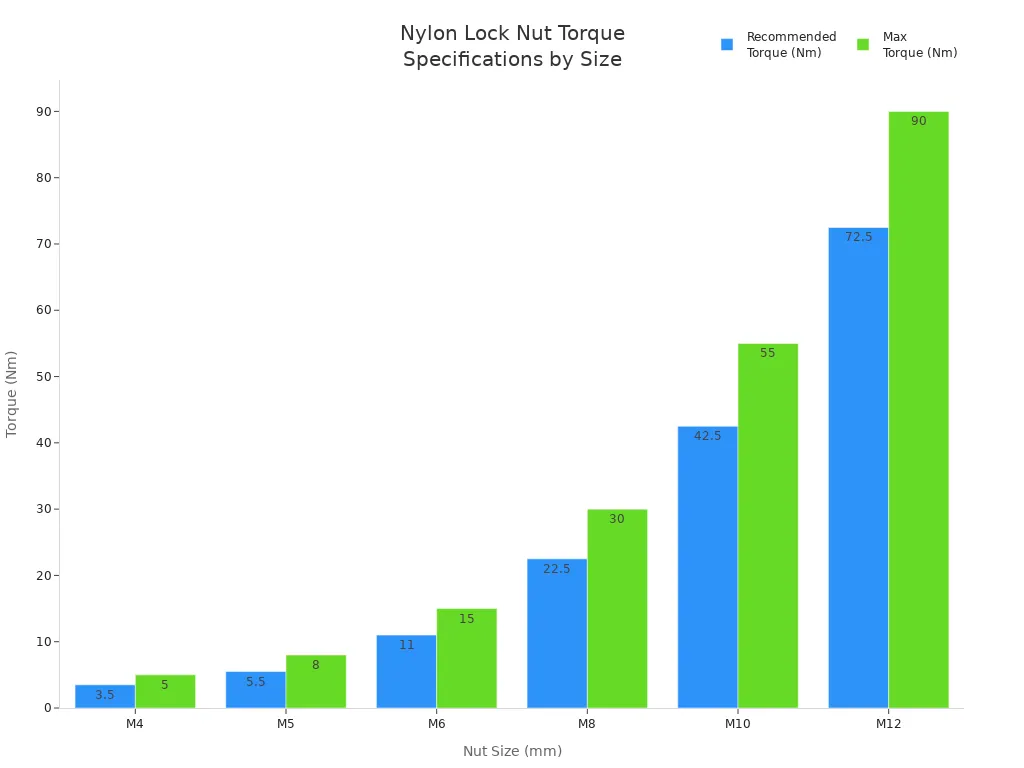
Different materials and surface conditions can affect torque requirements. For example, hot-dip galvanized fasteners need approximately 25% more torque due to increased friction from the zinc coating.
Correct Nut Orientation
Installers should always position the nylon insert at the end of the nut, facing away from the mating surface. This orientation allows the bolt threads to engage the nylon insert last, maximizing the locking effect. Following proper installation instructions reduces the risk of premature loosening and ensures long-term reliability.
Tip: Always follow manufacturer guidelines for installing nylock nuts to maintain safety and performance.
Common Installation Mistakes to Avoid with Nylock Nuts
Proper installation of nylon lock nuts ensures safety and reliability in any assembly. However, professionals often encounter several recurring mistakes during the installation process. Recognizing these errors helps prevent failures and extends the lifespan of lock nuts.
Over-tightening or Under-tightening
Applying the correct torque remains critical when working with nylon lock nuts. Over-tightening can deform the nylon insert, reducing its ability to grip the bolt threads. This damage compromises the locking function and may lead to premature loosening. Under-tightening, on the other hand, fails to engage the nylon insert fully. The nut may back off under vibration or load, creating a safety hazard. Technicians should always use calibrated torque wrenches and follow manufacturer specifications for each application.
Tip: Always check the torque chart for the specific size and material of lock nuts before tightening.
Cross-threading Issues
Cross-threading occurs when the nut does not align properly with the bolt threads. This mistake damages both the nut and the bolt, making it impossible to achieve a secure fit. Cross-threaded nylon lock nuts lose their locking ability and may fail under stress. To avoid this problem, installers should start threading the nut by hand and ensure smooth engagement before using tools. If resistance appears early in the process, realignment is necessary.
Using Damaged or Worn Nylock Nuts
Nylon lock nuts rely on the integrity of the nylon insert for their locking action. Reusing nuts with worn or damaged inserts significantly reduces their effectiveness. Signs of wear include flattened or deformed nylon, cracks, or missing sections. Damaged lock nuts cannot maintain proper tension and may loosen over time. Professionals recommend discarding any nut that shows visible signs of wear or has been previously installed multiple times.
Mixing Incompatible Materials
Material compatibility plays a vital role in the performance of lock nuts. Using a nut and bolt made from different materials can cause corrosion, seizing, or premature failure. For example, pairing stainless steel bolts with carbon steel lock nuts may result in galvanic corrosion, especially in humid or marine environments. Professionals also report frequent mistakes such as incorrect sizing of nuts and bolts, or mismatched thread types (for instance, using 7/16″ imperial threads with 1/2″ nuts). These errors can lead to thread stripping and unreliable connections.
- Common mistakes reported by professionals include:
- Incorrect sizing of nuts and bolts, which can cause thread stripping.
- Use of inappropriate components, such as mismatched thread sizes.
Selecting the correct material and ensuring all components match in size and thread type prevents these issues. Installers should always verify compatibility before beginning the installation process.
Note: Consistent inspection and attention to detail during installation help avoid costly errors and ensure the long-term reliability of nylon lock nuts.
Tips for Maintaining Nylock Nuts
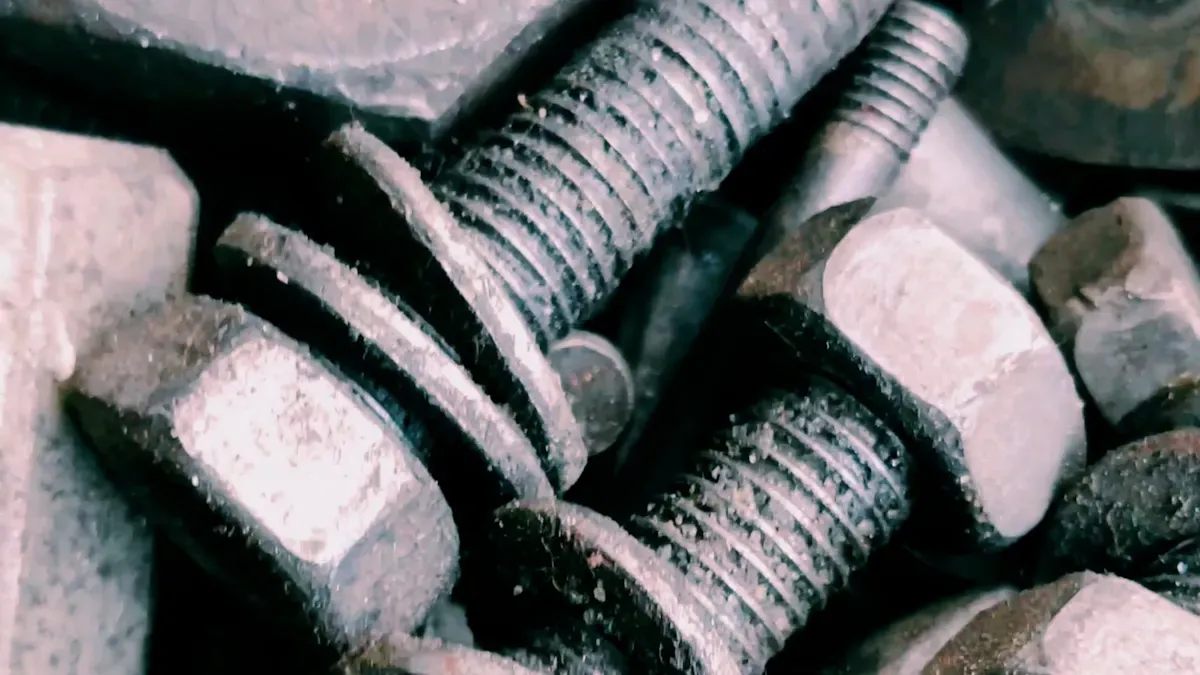
Inspecting Nylon Lock Nuts for Wear and Damage
Checking the Nylon Insert
Technicians should always inspect the nylon insert before reuse. A healthy nylon insert provides the resistance needed for the locking function. If the insert appears flattened, cracked, or missing sections, the nut will not hold securely. In critical applications, such as automotive or aerospace, even minor damage to the nylon insert can compromise safety.
Looking for Corrosion or Cracks
Corrosion and cracks weaken lock nuts and reduce their effectiveness. Regular visual inspections help identify rust, pitting, or surface cracks. These issues often develop in harsh environments, including areas exposed to moisture or chemicals. Replacing affected lock nuts prevents unexpected failures.
Monitoring for Loosening
Lock nuts can loosen over time, especially in high-vibration or load-bearing assemblies. Maintenance teams should check for any movement or loss of tension during scheduled inspections. The table below outlines recommended inspection intervals for common components:
| Component | Recommended Inspection Interval |
|---|---|
| Track shoe bolts | Every 250–500 working hours |
| Sprocket bolts | Every 250–500 working hours |
| High-strength bolts | 1–2 years, shorter in harsh conditions |
Cleaning and Lubrication Practices for Nylock Nuts
Safe Cleaning Methods
Clean lock nuts maintain their performance and extend service life. Use a soft brush or compressed air to remove dirt and debris. Avoid harsh chemicals that could degrade the nylon insert. For stubborn grime, a mild detergent and water solution works well, followed by thorough drying.
When to Use Lubricants and When Not To
Lubricants can ease installation, but excessive use may reduce the locking effect. Apply a light oil only if the manufacturer recommends it. Never lubricate the nylon insert itself, as this can cause slippage and loss of holding power.
Avoiding Contaminants
Keep lock nuts free from oil, grease, and other contaminants. These substances can interfere with the locking mechanism. Store nuts in clean, dry containers to prevent exposure to dust and moisture.
Guidelines for Reuse and Replacement of Nylon Lock Nuts
How Many Times Can You Reuse a Nylock Nut?
Industry guidelines recommend limiting the reuse of lock nuts. Consider the following points:
- If the nylon insert is damaged, do not reuse the nut.
- Assess the type of self-locking mechanism; nylon-insert lock nuts should be checked for damage after removal.
- In critical applications, such as engines or structural assemblies, avoid reusing nylon lock nuts to ensure safety.
Signs It’s Time to Replace
Nylon lock nuts lose their prevailing torque after repeated use. Replace them when the resistance fades or the nylon insert shows wear. Key signs include:
- Use in critical or load-bearing applications.
- Exposure to heat, moisture, or vibration.
- The nut is not designed for repeated use.
- Visible damage such as worn threads or cracks.
- Loss of resistance during tightening.
Storing Spare Nylock Nuts Properly
Proper storage extends the life of spare lock nuts. Keep them in sealed containers away from direct sunlight, moisture, and chemicals. Label storage bins by size and material for easy identification and to prevent mix-ups during installing nylock nuts.
Preventing Loosening Over Time with Nylock Nuts
Using Correct Torque Settings
Applying the correct torque remains one of the most effective ways to prevent loosening in assemblies that use lock nuts. When a technician tightens a nylock nut to the recommended torque, the nylon insert deforms slightly. This deformation creates a high-friction interface between the nut and the bolt threads. The resulting frictional, self-locking mechanism resists vibration and maintains a snug fit. In high-vibration environments, such as automotive or industrial machinery, this method helps ensure secure fastening and reduces the risk of bolt loosening by over 50%. Technicians should always use a calibrated torque wrench and refer to manufacturer specifications for each application.
Tip: Always check the torque chart for the specific size and material of lock nuts before tightening. Proper torque protects the nylon insert and maximizes the locking effect.
Environmental Considerations (Vibration, Temperature)
Environmental factors can impact the performance of lock nuts. Vibration, temperature, and chemical exposure all play a role in how well the nylon insert maintains its grip. Nylock nuts perform well in high-vibration settings because the nylon insert creates a cushioning effect, reducing thread damage and maintaining stability. However, extreme temperatures or harsh chemicals can degrade the nylon, leading to loss of locking function.
| Factor | Impact on Nylon Lock Nuts |
|---|---|
| Chemical Exposure | Strong acids and alkalis can degrade nylon, leading to loss of locking function. |
| Mild chemicals may not affect nylon, allowing continued functionality. | |
| Temperature Range | Maximum operating temperature is around 80-100°C; exceeding this can soften nylon, reducing grip. |
Technicians should avoid using nylock nuts in environments where temperatures exceed 250°F (121°C), as nylon loses its strength and elasticity. For applications exposed to chemicals, selecting a lock nut material compatible with the environment ensures long-term reliability.
Supplementary Locking Methods
In some cases, nylock nuts alone may not provide enough security, especially in extreme conditions or critical assemblies. Several supplementary locking methods can enhance performance:
- Thread-locking adhesive
- Double stacked wedge type anti-loosening locking washers
- Slotted nut with cotter pin
- Tandem wire anti-loosening
- Stop washer
- Spring washers
- Pre-tensioning techniques
These additional measures work alongside lock nuts to further prevent loosening and maintain secure fastening. For example, a thread-locking adhesive adds chemical resistance, while a slotted nut with a cotter pin provides a mechanical backup. Maintenance teams should evaluate the specific requirements of each application and select the most appropriate combination of locking methods.
Note: Combining nylock nuts with supplementary locking devices increases safety and reliability, especially in high-stress or safety-critical environments.
Troubleshooting and FAQs for Installing Nylock Nuts
What to Do if a Nylock Nut Loosens
Immediate Steps to Take
Technicians often encounter situations where a nylock nut loosens unexpectedly. Immediate action prevents further damage and ensures safety. First, they should stop the operation and inspect the assembly. Next, they must check the nut for visible signs of wear or damage. If the nylon insert appears deformed or missing, replacement becomes necessary. Workers should remove the nut and examine the bolt threads for contamination or corrosion. Cleaning the threads with a wire brush restores proper engagement. After inspection, they should reinstall a new nylock nut and apply the recommended torque.
Tip: Always use a calibrated torque wrench to achieve the correct clamping force when reinstalling lock nuts.
Assessing for Underlying Issues
Loosening often signals deeper problems within the assembly. Technicians must investigate the root causes to prevent recurrence. Common factors include corrosion from moisture or chemicals, chemical degradation of the nylon insert, thermal expansion, and vibration fatigue. These issues weaken the locking mechanism and reduce holding power. The following list highlights frequent causes:
- Corrosion from moisture, salt, or chemicals weakens the metal body.
- Chemical degradation of the nylon insert occurs after exposure to strong solvents, acids, or alkalis.
- Thermal expansion and cycling cause micro-movements and soften nylon at high temperatures.
- Vibration fatigue from continuous shaking compromises the nylon insert’s grip.
Addressing these factors involves selecting lock nuts with suitable materials, improving environmental protection, and using supplementary locking methods in high-vibration settings.
Signs a Nylon Lock Nut Should Be Replaced
Visual Indicators
Technicians rely on visual inspection to determine if a nylon lock nut requires replacement. They look for cracks, flattened nylon inserts, or missing sections. Rust or pitting on the metal body also signals the need for a new nut. If the nylon insert appears shiny or worn, it no longer provides adequate resistance. A table below summarizes key visual signs:
| Indicator | Action Required |
|---|---|
| Cracked nylon insert | Replace immediately |
| Flattened nylon insert | Replace immediately |
| Rust or pitting | Replace immediately |
| Missing nylon section | Replace immediately |
Performance Issues
Performance issues often reveal problems before visual signs appear. If the nut spins freely without resistance, the locking function has failed. Technicians notice loss of tension during tightening or frequent loosening after installation. In critical assemblies, even minor performance changes warrant replacement. They must always prioritize safety and reliability by using new lock nuts when in doubt.
Note: Regular inspection and prompt replacement of worn lock nuts prevent unexpected failures and maintain secure fastening.
Proper installation and regular maintenance of nylon lock nuts protect assemblies from unexpected failures. Technicians should always inspect the nylon insert and apply the correct torque to ensure a secure hold. Replacing worn or damaged nylock nuts improves system reliability and safety, especially in critical applications where performance can decrease after each use. Attention to detail during every step of the process helps maintain long-term performance and prevents costly downtime.
FAQ
How many times can a technician reuse a nylock nut?
A technician should reuse a nylock nut only once or twice. The nylon insert loses grip after repeated use. For critical applications, they should always use a new nut.
What temperature range can nylon lock nuts handle?
Nylon lock nuts perform best below 100°C (212°F). At higher temperatures, the nylon insert softens and loses its locking ability. For high-heat environments, technicians should select all-metal lock nuts.
Can a worker use lubricants on nylock nuts?
A worker should avoid lubricating the nylon insert. Lubricants can reduce friction and weaken the locking effect. They may use a light oil on metal threads if the manufacturer approves.
What tools work best for installing nylock nuts?
Technicians should use a calibrated torque wrench and the correct size socket or spanner. Power tools may damage the nylon insert if used at high speed.
How does a technician know when to replace a nylock nut?
They should replace the nut if the nylon insert appears cracked, flattened, or missing. Loss of resistance during tightening also signals replacement.
Are nylock nuts suitable for outdoor or marine environments?
Stainless steel nylock nuts resist corrosion and work well outdoors or in marine settings. Brass or carbon steel nuts may corrode faster in these environments.
What causes nylock nuts to loosen over time?
Vibration, thermal cycling, and chemical exposure can cause loosening. Regular inspection and correct torque application help prevent this issue.
Tip: Always follow manufacturer guidelines for installation and maintenance to ensure safety and reliability.