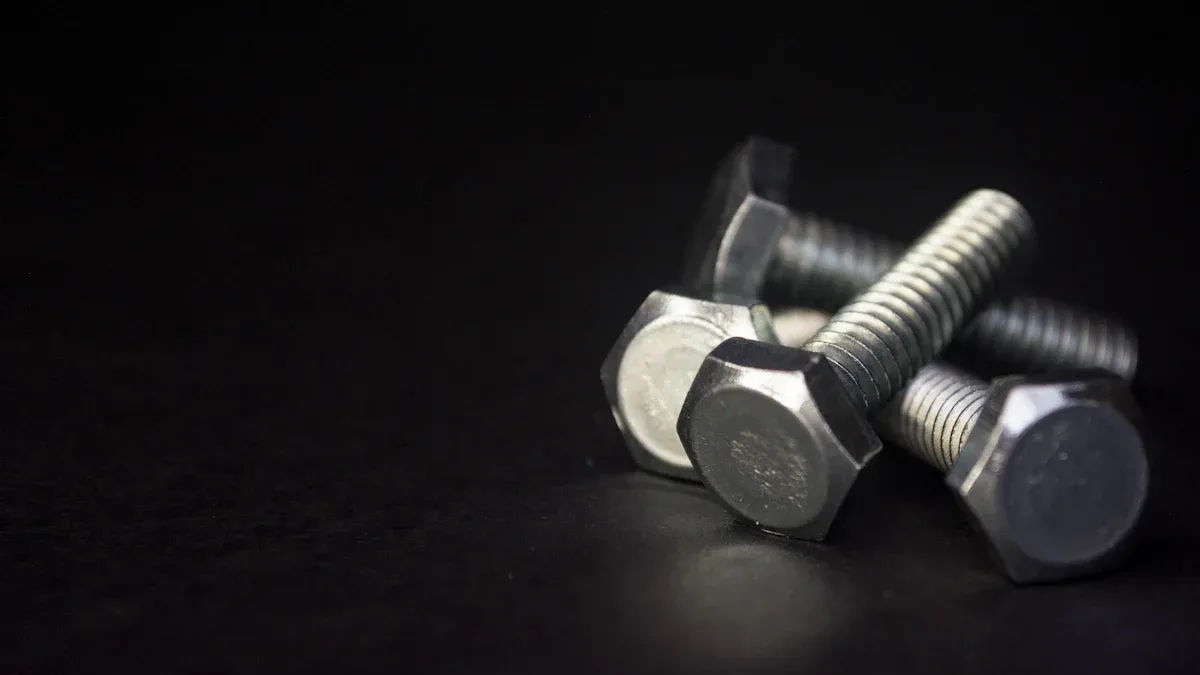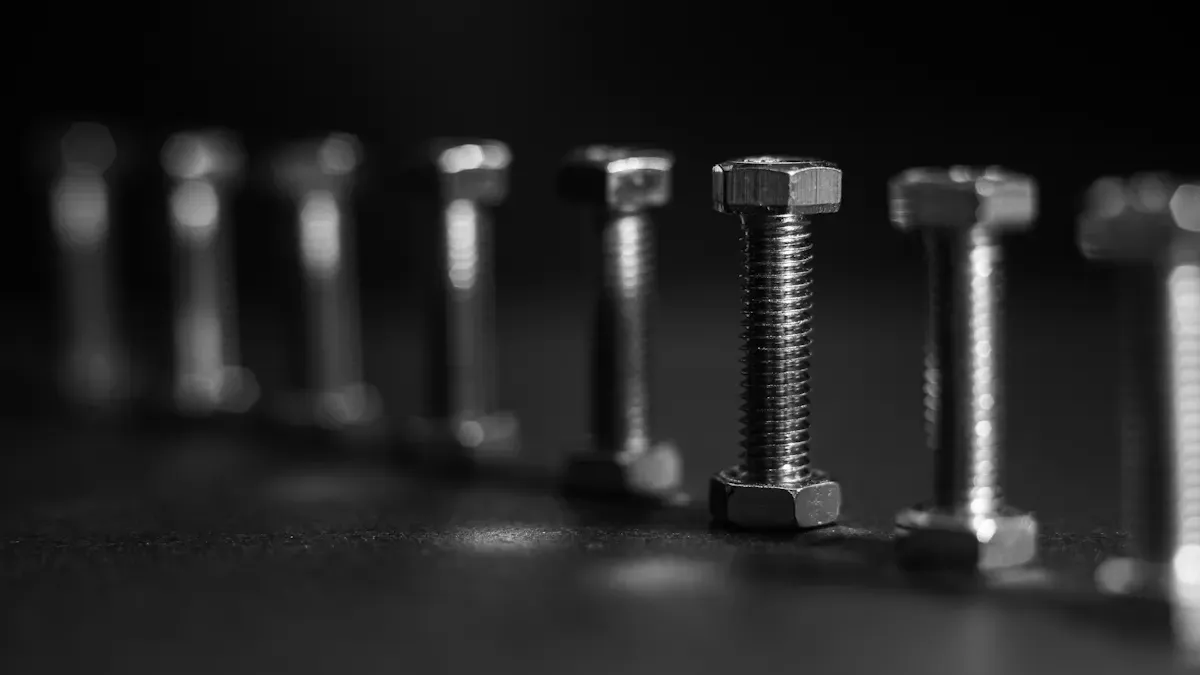

A builder installing carriage bolts must prevent the bolt from spinning. The solution involves two critical steps. First, one drills a hole that perfectly matches the bolt’s shank diameter, not its threads. A quality custom fasteners manufacturer considers this tolerance during the bolt casting process. Second, the builder firmly seats the square shoulder of the carriage bolt into the wood.
Note: A firm tap with a hammer embeds the square shoulder, creating a mechanical lock. This action is the essential secret to a secure connection for all custom fasteners.
Pre-Installation: Gathering Your Tools and Materials
A successful project begins with proper preparation. A builder gathers the correct tools and materials before starting the work. This initial step ensures the process of installing carriage bolts is efficient, safe, and results in a secure, professional-grade connection.
Essential Tools for the Job
Assembling the right equipment is fundamental. Each tool serves a specific purpose, from drilling the initial hole to applying the final torque.
Power Drill and Drill Bits
A powerful drill is necessary to bore clean holes through a 4×4 post. A builder needs a set of drill bits. The bit size must correspond to the diameter of the bolt’s shank, not its threads.
Wrenches and Socket Set
An adjustable wrench or a socket set is required to tighten the nut. This tool provides the leverage needed to secure the connection firmly. A socket wrench often speeds up the tightening process significantly.
Measuring and Marking Tools
Precision starts with accurate measurements. A tape measure, a combination square or speed square, and a sharp pencil are essential for marking the exact entry and exit points for the bolt hole.
Hammer or Mallet
A hammer or a rubber mallet plays a crucial role. A builder uses it to deliver a firm tap to the bolt head. This action seats the square shoulder into the wood, preventing the bolt from spinning during tightening.
Safety Equipment
Safety is paramount during any construction task. A builder must always protect themselves from potential hazards.
Safety First: Always wear appropriate Personal Protective Equipment (PPE). Safety glasses protect the eyes from wood chips, and durable gloves safeguard the hands from splinters and abrasion.
Selecting the Correct Carriage Bolts
The bolt itself is the core of the connection. Choosing the right size, length, and material guarantees the joint’s strength and longevity.
Understanding Bolt Diameter and Shank
A carriage bolt has two key diameters: the shank and the threads. The shank is the smooth, unthreaded portion of the bolt shaft just below the head. The drill bit size must match this shank diameter for a snug fit.
How to Choose the Right Bolt Length
To determine the correct bolt length, a builder adds several measurements together:
- The thickness of the 4×4 post (typically 3.5 inches)
- The thickness of the material being attached
- The thickness of the washer and the height of the nut
- An extra ¼ to ½ inch of thread extending past the tightened nut
Material and Finish for Durability
The bolt’s material determines its resistance to environmental factors. For outdoor projects, selecting the right material is critical to prevent rust and corrosion.
- Hot-Dip Galvanized: This finish provides excellent corrosion protection and is a superior choice for environments with high moisture.
- Stainless Steel: This material offers exceptional resistance to rust. Different grades, like 18-8 (or A2) and A4 (marine grade), are available for varying levels of exposure to chemicals or saltwater.
Choosing a corrosion-resistant fastener like stainless steel or hot-dip galvanized steel ensures the connection remains strong for years.
Step 1: Perfecting the Hole
The structural integrity of a bolted connection depends entirely on the quality of the hole. A builder must create a hole that is both correctly sized and perfectly straight. This initial step dictates the success of the entire installation, ensuring the bolt functions as designed without spinning or compromising the wood.
Choosing the Right Drill Bit Size
Selecting the wrong drill bit is the most common mistake. A hole that is too large allows the bolt to spin, while a hole that is too small can damage the wood or the bolt threads during installation.
Match the Bit to the Bolt Shank
The fundamental rule is simple. A builder selects a wood drill bit that has the exact same diameter as the carriage bolt‘s shank. The shank is the smooth, unthreaded portion of the bolt shaft located directly under the head. This precise sizing creates a snug fit, providing the friction needed to help seat the bolt’s square shoulder.
A Guide to Common Bolt and Bit Pairings
While a builder should always measure the specific bolt’s shank with calipers for certainty, most standard bolts follow predictable sizing. This table provides a quick reference for common pairings.
| Carriage Bolt Diameter | Corresponding Drill Bit Size |
|---|---|
| 1/4″ | 1/4″ |
| 5/16″ | 5/16″ |
| 3/8″ | 3/8″ |
| 1/2″ | 1/2″ |
| 5/8″ | 5/8″ |
The Scrap Wood Test for a Snug Fit
Before drilling into the final 4×4 post, a wise builder performs a test. This simple action confirms the fit and prevents costly errors.
Pro Tip: 📝 Use a scrap piece of 4×4 lumber. Drill a test hole using the selected bit. Insert the carriage bolt into the hole. The bolt should slide through with firm pressure or a light tap, but it should not wobble. If the fit is too loose, the hole is too big. If it requires excessive force, the hole is too small.
Drilling a Perfectly Straight Hole
A straight, 90-degree hole is non-negotiable for a professional result. An angled hole creates a weak point in the connection and looks unprofessional.
Why a 90-Degree Hole is Crucial
A crooked hole prevents the bolt head from sitting flush against the wood surface. This misalignment also causes the washer and nut on the exit side to sit at an angle, applying uneven pressure that can crush the wood fibers and compromise the joint’s strength over time.
Using a Speed Square as a Drill Guide
For a quick and effective alignment check, a builder can use a speed square. Place the square on the wood surface next to the drill bit. Align the bit with the vertical edge of the square. Check the alignment from the front and then from the side to ensure the bit is perpendicular from two different angles before drilling.
Using a Drill Guide Block for Precision
For guaranteed accuracy, a builder can create or use a drill guide. This tool physically forces the drill bit to maintain a perfect 90-degree angle. A simple and effective guide can be made on-site.
- Take a small, square block of wood (e.g., a 4×4 offcut).
- Use a drill press to bore a perfectly straight hole through the block with the same drill bit intended for the post.
- Clamp this guide block securely onto the 4×4 post, aligning its hole with the marked drilling location.
- Drill through the guide block into the post. The block will keep the bit straight.
The Two-Sided Drilling Technique
Drilling completely through a 3.5-inch post from one side is a recipe for failure. Drill bits naturally wander off-center over long distances. The professional approach involves drilling from both sides to meet in the middle.
Marking Your Entry and Exit Points
Precision begins with marking. A builder uses a tape measure and a square to find the exact center point for the hole on both sides of the 4×4 post. These two marks must be perfectly aligned with each other.
Drilling Halfway from the First Side
A builder starts drilling on the first marked point. The goal is to drill just past the halfway point of the post (approximately 2 inches deep for a standard 4×4). This technique mitigates the primary risks of single-sided drilling.
- Drill bits will wander, making it impossible to keep the hole centered through the entire post.
- This wandering issue is especially pronounced when drilling through soft woods like pine.
- A long drill bit can flex and drift, resulting in an angled exit hole.
Flipping the Post to Complete the Hole
After drilling from the first side, the builder flips the post over. They align the drill bit with the second mark and drill until the bit meets the first hole in the center. This two-sided method is the most reliable way to achieve a perfectly straight hole when installing carriage bolts, ensuring a clean exit point without wood tear-out and a professional, secure connection.
Key Techniques for Installing Carriage Bolts
With a perfectly drilled hole, a builder can now focus on the mechanical techniques that create a strong, lasting joint. The process of seating the bolt and assembling the hardware is just as critical as the drilling itself. Mastering these steps is essential when installing carriage bolts for maximum structural integrity.
Seating the Bolt Head Correctly
The unique design of a carriage bolt head is its greatest strength. A builder must engage this design feature correctly to prevent the bolt from spinning during the final tightening phase.
How the Square Shoulder Prevents Spinning
Directly beneath the bolt’s smooth, rounded head is a square shoulder, or neck. When a builder drives this square neck into the wood fibers, it becomes mechanically locked in place. The flat sides of the shoulder press against the wood, making it impossible for the bolt shaft to rotate as the nut is tightened on the other end.
Positioning the Bolt in the Hole
A builder inserts the carriage bolt through the pre-drilled hole. The bolt should slide through with minimal resistance until the square shoulder makes contact with the wood surface. The builder ensures the bolt is straight and not angled before proceeding to the next crucial action.
Executing the Firm Hammer Tap
A sharp, solid strike with a hammer or mallet is required to seat the bolt. The builder places the hammer squarely on the bolt head and delivers a firm tap. This single action drives the square shoulder into the wood, creating the necessary anti-rotation lock.
Visual Check: A builder can confirm a fully seated bolt by looking for specific cues.
- The head of the bolt sits perfectly flat against the wood.
- No gaps are visible between the underside of the bolt head and the material surface.
- The square shoulder is completely embedded in the wood.
Advanced Technique for Hardwoods
Hardwoods like oak, ipe, or maple behave differently than softwoods like pine. Their dense grain structure requires a more delicate approach to prevent damage.
Why Hardwoods Can Split
The dense fibers of hardwood do not compress easily. Forcing a square shoulder into a round hole in hardwood can act like a wedge, causing the wood to split. This splitting compromises the structural integrity of the connection point and creates an unsightly crack.
How to Chisel a Small Pilot Square
To prevent splitting, a builder can create a shallow recess for the square shoulder.
- Tap the carriage bolt lightly to leave a faint square impression on the wood surface.
- Remove the bolt.
- Use a sharp chisel that matches the width of the square impression.
- Carefully chisel out a shallow square mortise, just deep enough to accept the bolt’s shoulder.
This small pilot square allows the shoulder to sit flush without exerting excessive splitting force on the wood.
Proper Hardware Assembly Sequence
The order of hardware assembly on the exit side of the bolt is critical for distributing pressure and ensuring the connection remains tight over time.
The Role of the Flat Washer
A flat washer is essential. Its primary job is to distribute the compressive force of the nut over a wider surface area. This action prevents the nut from digging into and crushing the wood fibers as it is tightened, which would weaken the joint.
When to Use a Lock Washer
A builder uses a lock washer in applications subject to vibration or temperature fluctuations. Placed between the flat washer and the nut, its spring-like tension creates friction against the nut, making it less likely to loosen over time. For most standard deck or fence construction, a flat washer and nut are sufficient.
Threading and Hand-Tightening the Nut
Correct assembly ensures maximum holding power. A builder follows a specific sequence for the hardware.
- Place the flat washer over the end of the bolt after it has passed through the wood.
- Add the lock washer next, if one is being used.
- Thread the nut onto the bolt and tighten it by hand until it is snug against the washer. This prepares the connection for final tightening with a wrench.
Step 2: The Art of Tightening the Connection
The final stage of installing carriage bolts transforms a loose assembly into a robust structural connection. A builder must apply the correct amount of force, or torque, to secure the joint without damaging the wood. This balance is the key to a professional and durable result.
Achieving the Right Amount of Torque
Unlike steel, wood is a variable material that compresses under pressure. A builder must rely on visual cues and proven guidelines rather than rigid torque specifications.
Using a Wrench for Final Tightening
After hand-tightening the nut, a builder uses a socket wrench or an adjustable wrench for the final tightening. The builder holds the wrench firmly and applies steady, controlled pressure. The goal is to draw the materials together snugly, creating a firm connection without excessive force.
Recognizing Signs of Overtightening
The most obvious sign of overtightening is damage to the wood. A builder should watch the washer closely during tightening.
Caution: ⚠️ If the washer begins to sink into or crush the wood fibers, the builder has applied too much force. This action permanently damages the wood, compromises the joint’s strength, and should be avoided.
The “Snug Plus a Quarter Turn” Guideline
For most wood applications, a reliable rule of thumb is to tighten the nut until it is snug, then apply an additional quarter turn. This method provides ample clamping force without crushing the wood.
- For a common 1/2-inch bolt in soft pine, this guideline often results in a torque of about 10-15 ft-lbs.
- Experienced builders tighten until the washer makes firm contact and slightly depresses the wood surface, a technique that comes with practice.
Special Considerations for Wood Types
Different wood types react to hardware and environmental changes in unique ways. A builder must account for these properties to ensure the connection remains secure over time.
How Pressure-Treated Wood Behaves
Pressure-treated lumber, common in outdoor projects like decks and fences, is sold with a high moisture content from the treatment process. This moisture is a critical factor in the long-term behavior of the bolted connection.
Re-Tightening Bolts After Wood Shrinks
As pressure-treated wood dries over several months, it will shrink in size. This natural drying process causes previously tight connections to become loose. A professional builder anticipates this change. It is standard practice to return to the project after the wood has had time to acclimate and re-tighten all the nuts to restore the joint’s original strength and rigidity.
Troubleshooting Common Installation Issues
Even with careful preparation, a builder can encounter challenges when installing carriage bolts. Knowing how to address common problems like a spinning bolt, an oversized hole, or a stuck fastener ensures the project stays on track and maintains a professional standard.
What to Do If the Bolt Spins During Tightening
A spinning bolt is the most frequent issue, and it happens when the square shoulder fails to lock into the wood. A builder has several methods to correct this problem.
Using Locking Pliers on the Bolt Head
If a bolt spins freely, a builder can grip the smooth, rounded head with a pair of locking pliers. This provides the necessary hold to keep the bolt stationary while they tighten the nut with a wrench. The pliers may slightly mar the bolt head, but this is often an acceptable trade-off for a secure connection.
Applying Counter-Pressure to Seat the Shoulder
Sometimes the shoulder just needs extra encouragement to bite into the wood. A builder can apply firm pressure to the bolt head with one hand while beginning to tighten the nut with the other. This force can help the square neck embed itself, creating the anti-rotation lock.
Pro Tip: 📝 If a bolt consistently spins, a builder should check their hardware. Nylock nuts, for instance, create significant friction and can cause a bolt to spin before it has a chance to seat properly.
How to Fix a Hole That Is Too Large
A hole drilled too large prevents the square shoulder from engaging and creates a weak connection. A builder must assess the situation to determine the best fix.
Assessing if You Need to Re-Drill
The simplest solution is often to use a larger carriage bolt. A builder can use a square file to slightly enlarge the hole to fit the shoulder of the next bolt size up. This method restores the necessary mechanical lock for a strong joint.
Using Epoxy for an Oversized Hole
For a more advanced repair, a builder can use a two-part wood epoxy filler.
- Mix the epoxy filler and hardener according to the manufacturer’s instructions. A builder should only mix what they can use in about 10-15 minutes.
- Apply the epoxy into the oversized hole. For deep holes, they should apply it in thin 1/8-inch layers.
- Insert the bolt into the epoxy-filled hole and allow it to cure. Most high-performance epoxies harden in about 30 minutes, securely anchoring the bolt.
Removing a Stuck or Damaged Carriage Bolt
Removing a corroded or stripped carriage bolt requires patience and the right tools. A builder should start with the least destructive method first.
Techniques for Gripping a Stripped Head
If the square shoulder has rounded off inside the wood, the bolt will spin freely. A builder can use a rotary tool with a metal-cutting wheel to carefully cut a deep slot into the bolt head. This slot allows them to use a large flathead screwdriver to hold the bolt steady while turning the nut with a wrench.
When to Cut the Bolt Off as a Last Resort
When a bolt is hopelessly stuck, cutting it off is the final option. A builder has two primary tools for this task.
- Reciprocating Saw: A reciprocating saw with a metal-cutting blade works well, but it can be difficult to control.
- Angle Grinder: An angle grinder with a thin cutting disc is more powerful and precise. It cuts through bolts quickly and cleanly.
Safety First: ⚠️ An angle grinder produces intense heat and sparks. A builder must always wear safety goggles, gloves, and a dust mask when using this powerful tool.
A builder’s success with carriage bolts hinges on four key actions. Mastering these steps guarantees a professional outcome for any project involving 4×4 posts.
- Select a drill bit that matches the bolt’s shank diameter.
- Drill a perfectly straight hole through the post.
- Seat the bolt head firmly with a sharp hammer tap.
- Tighten the nut until it is snug without crushing the wood.
Executing these techniques correctly ensures every connection is strong, secure, and built to last.
FAQ
Can a builder use an impact driver to tighten carriage bolts?
A builder should avoid using an impact driver. The tool’s rapid hammering action can cause the bolt to spin before its shoulder seats properly. A standard socket or adjustable wrench provides the controlled, steady torque needed for a secure connection without damaging the wood or bolt.
What should a builder do if a carriage bolt is too long?
A builder can cut an excessively long bolt after tightening it. They use an angle grinder or reciprocating saw with a metal-cutting blade for a clean cut. Filing the sharp edge and applying a cold galvanizing compound to the cut end prevents future corrosion.
Why use a carriage bolt instead of a standard hex bolt?
A builder chooses a carriage bolt for its smooth, rounded head, which offers a safer, snag-free finish. The square neck provides a self-locking feature, allowing a builder to tighten the nut from one side without needing a second wrench to hold the bolt head.
Does a washer go under the carriage bolt head?
No, a builder never places a washer under the head of a carriage bolt. The square shoulder must embed directly into the wood to create the anti-rotation lock. A builder only uses a washer on the nut side to distribute pressure and prevent crushing the wood.
How can a builder prevent rust stains on the wood?
A builder prevents rust by selecting the correct bolt material for the environment.
- Hot-Dip Galvanized: Excellent for most outdoor use.
- Stainless Steel: The best choice for high-moisture or coastal areas.
These materials resist corrosion and stop unsightly rust streaks from forming on the 4×4 post.
What is the best type of drill bit for making the hole?
A builder can use a standard twist bit, a spade bit, or an auger bit. The type of bit is less important than its size. The builder must ensure the drill bit’s diameter perfectly matches the diameter of the bolt’s unthreaded shank for a snug and effective fit.