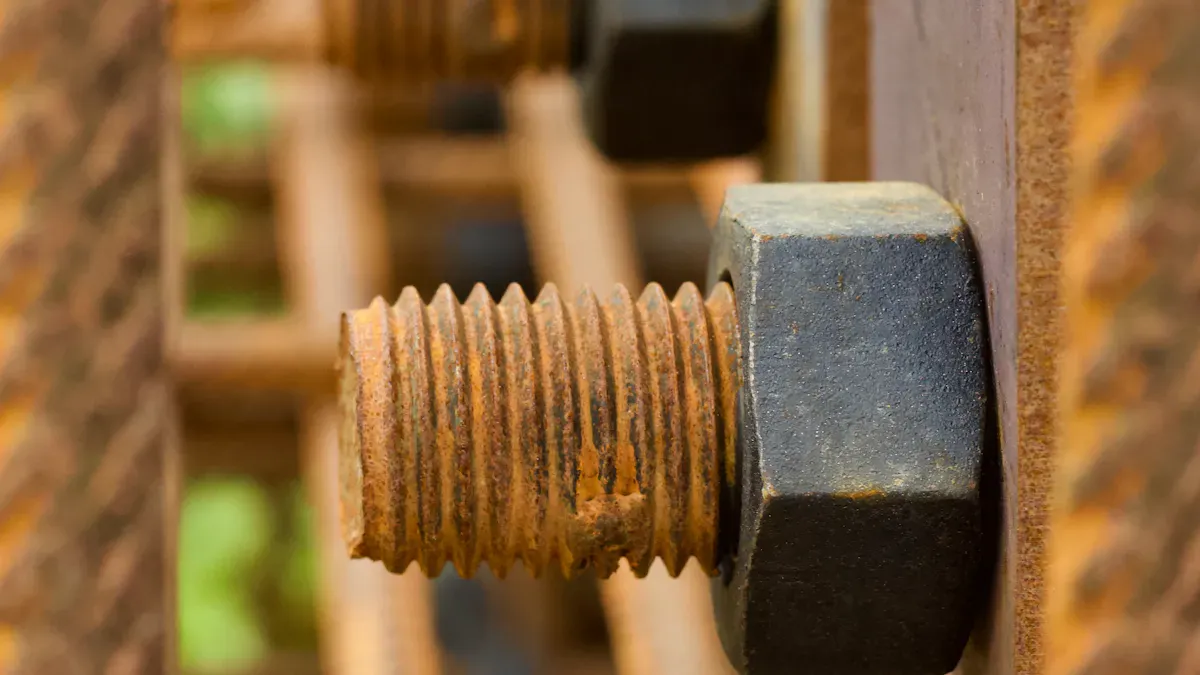
Proper technique ensures secure and reliable fastening when installing квадратные гайки. Many users encounter challenges, especially with improper welding and lack of operator training.
- Improper welding techniques often cause installation issues.
- 15% of joint failures result from incorrect welding, highlighting the importance of training.
Selecting the right fasteners, such as гаек и болтов или нестандартные крепежные элементы, helps prevent these problems. A производитель крепежных изделий на заказ can provide solutions tailored to unique requirements.
Choosing the Right Square Nuts
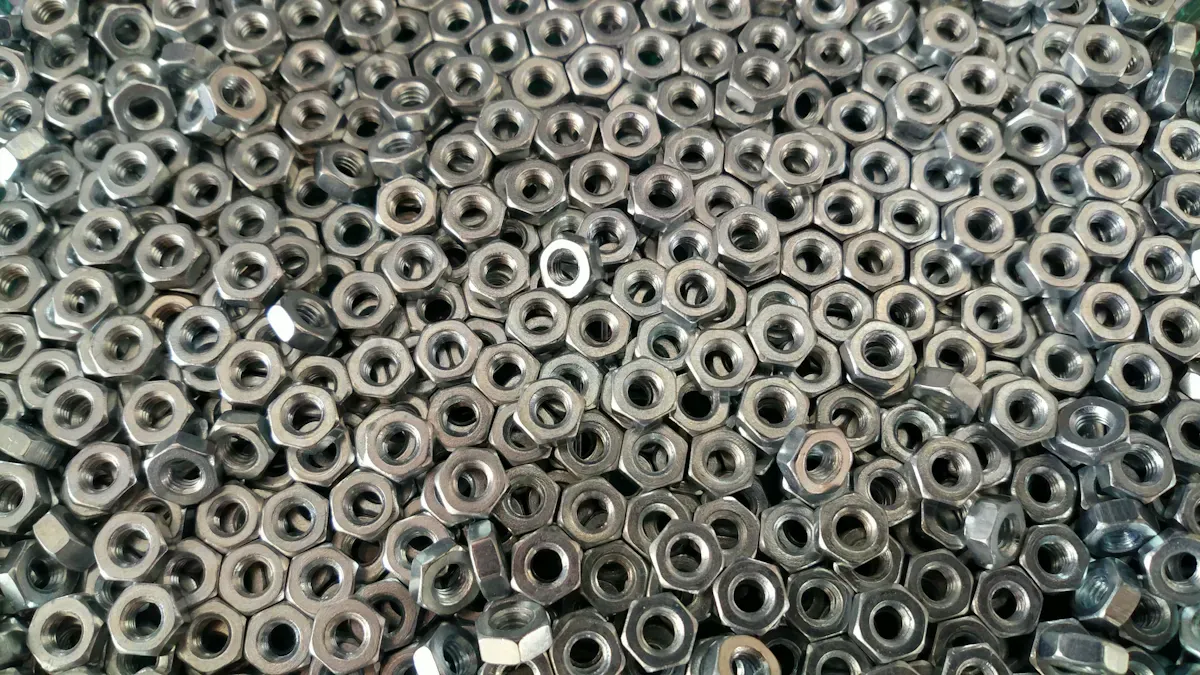
Selecting the Correct Size for Installing Square Nuts
Measuring bolt and nut compatibility
Selecting the correct size for square nuts ensures a secure fit and reliable performance. Industry standards, such as DIN 557, define the relationship between bolt diameter and nut dimensions. The table below outlines common sizes and their typical applications:
| DIN 557 Size | Nominal Diameter (M) | Width Across Flats (mm) | Height (mm) | Области применения |
|---|---|---|---|---|
| DIN 557 M6 | M6 | 10 | 5.5 | Light machinery, control panels |
| DIN 557 M8 | M8 | 13 | 7.0 | Automotive components, brackets |
| DIN 557 M10 | M10 | 17 | 8.5 | Structural joints, heavy equipment |
| DIN 557 M12 | M12 | 19 | 10.0 | Shipbuilding, industrial frames |
| DIN 557 M16 | M16 | 24 | 13.0 | High-load structural connections |
Proper measurement prevents mismatches that can compromise the integrity of fasteners.
Understanding thread pitch and diameter
Thread pitch and diameter must match between bolts and square nuts. This compatibility ensures smooth assembly and prevents thread damage. Always verify both measurements before installation to maintain the strength of the connection.
Material and Grade Selection for Square Nuts
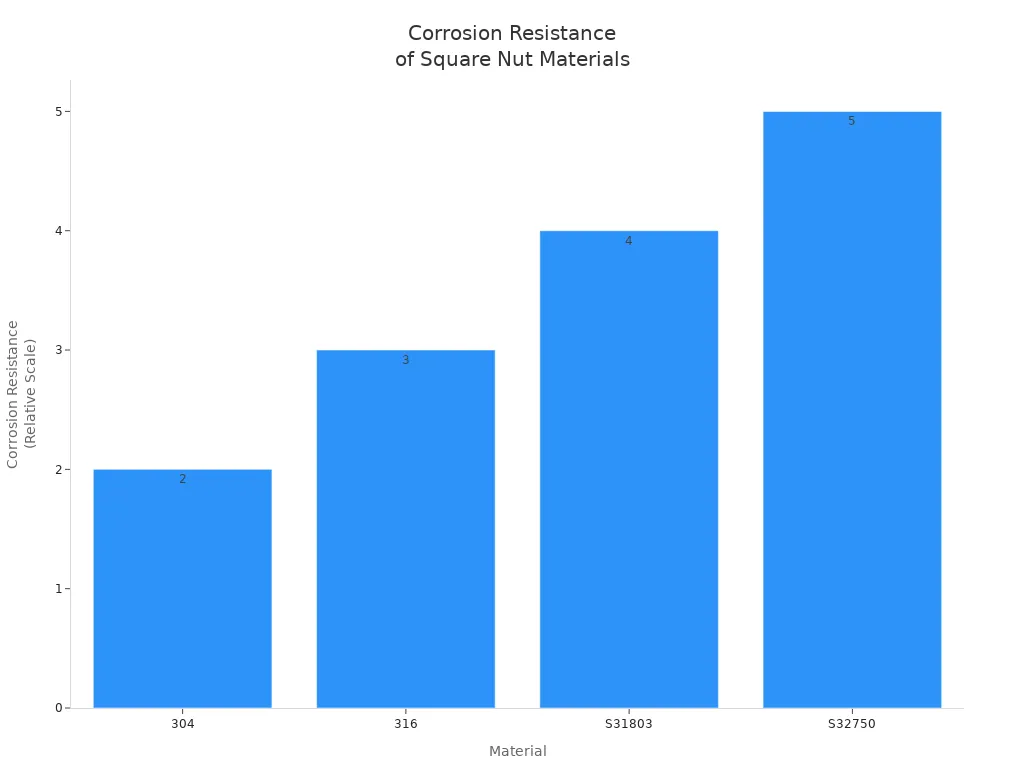
Choosing materials for strength and corrosion resistance
Material selection impacts the performance and longevity of square nuts. The table below compares common materials and their properties:
| Материал | Класс прочности | Properties and Applications |
|---|---|---|
| Углеродистая сталь | 4.8 or 8.8 | High tensile strength, cost-effective for general industrial use |
| Нержавеющая сталь | A2-70 or A4-80 | Excellent rust resistance, ideal for outdoor and marine environments |
| Легированная сталь | Н/Д | Superior durability for high-stress applications like automotive |
| Латунь | Н/Д | Electrical conductivity, non-magnetic, used in instrumentation |
Stainless steel provides excellent corrosion resistance, making it suitable for outdoor or marine environments. Carbon steel offers high strength for indoor or structural applications.
Matching nut grade to application needs
The grade of square nuts should align with the demands of the project. For example, high tensile loads require WP weld nuts, while shear loads are best managed with HS weld nuts. Understanding the anticipated load and environmental exposure helps select the right grade for safety and durability.
Application-Specific Square Nut Choices
Indoor vs. outdoor use
Environmental conditions influence the choice of square nuts. The table below summarizes recommended types for different settings:
| Square Nut Type | Материал | Рекомендуемое использование |
|---|---|---|
| Stainless Steel Square Nut | Corrosion-resistant stainless steel | Ideal for outdoor and marine use |
| Carbon Steel Square Nut | High-strength carbon steel | Best for indoor applications, construction, and heavy machinery |
Load and vibration factors
Square nuts play a critical role in distributing loads evenly, which is essential for machinery and structural applications. Their design helps prevent loosening under vibration, enhancing stability in dynamic environments. In high-stress projects, such as automotive or construction, the correct selection of fasteners ensures long-term performance and safety.
Tip: Always consider load requirements, environmental conditions, installation techniques, and cost when choosing square nuts for any application.
Preparing for Installing Square Nuts
Essential Tools for Installing Square Nuts
Wrenches, drivers, and screwdrivers for square nuts
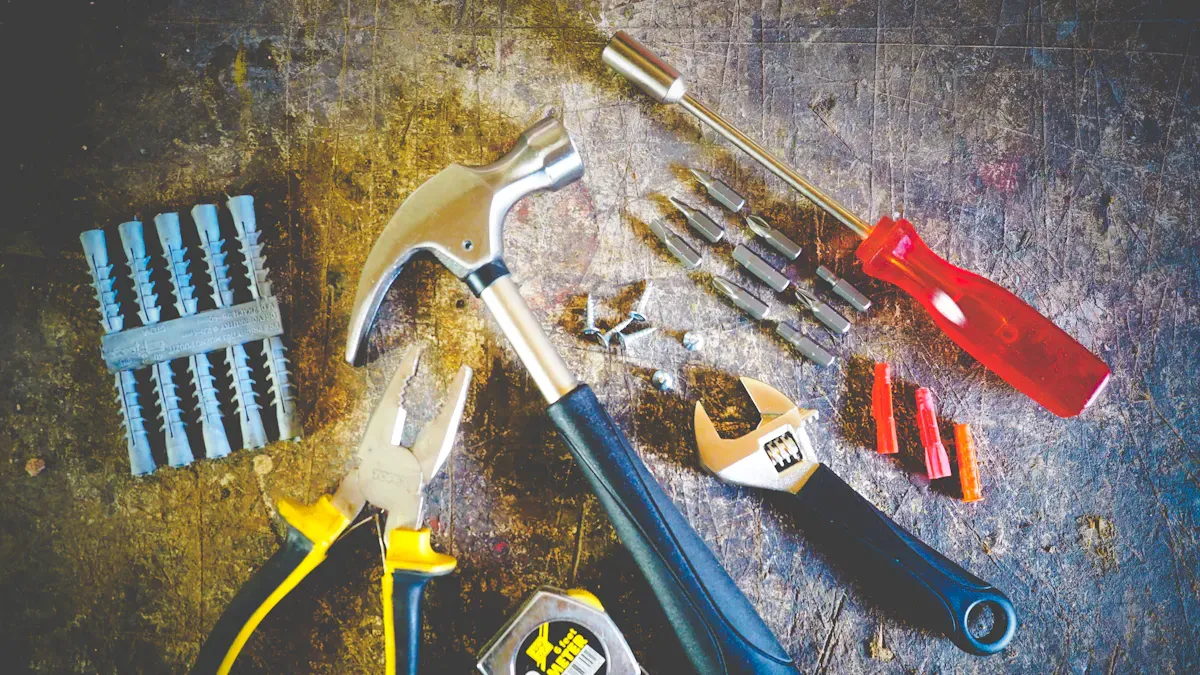
Selecting the right tools improves installation quality and prevents damage. Wrenches must match the nut size to avoid rounding corners or slipping. Screwdrivers, including flathead and Phillips types, fit various screws and ensure a secure connection. Torque wrenches help installers achieve the correct tightness, reducing the risk of over-tightening or stripping threads. Hammers assist in tapping nuts into place when needed. Drills create holes or remove damaged nuts, while files smooth edges and remove burrs for a clean finish.
- Wrenches (correct size for nut)
- Screwdrivers (flathead, Phillips)
- Torque wrenches (for precise tightening)
- Hammers (for tapping nuts)
- Drills (for hole creation or removal)
- Files (for smoothing edges)
Specialty tools for tight spaces
Installers often encounter confined areas where standard tools cannot reach. Needle-nose pliers, locking pliers, and slip-joint pliers provide a firm grip and allow precise placement of square nuts. Welding equipment becomes essential for applications requiring welded fasteners. Using the right specialty tool ensures proper alignment and engagement, even in challenging environments.
- Needle-nose pliers
- Locking pliers
- Slip-joint pliers
- Welding equipment
Setting Up Your Workspace for Square Nut Installation
Organizing components and hardware
A well-organized workspace increases efficiency and reduces errors. Installers should sort square nuts, bolts, washers, and other hardware before beginning. Pre-assembling nuts into brackets streamlines the installation process. Keeping tools and fasteners within reach minimizes downtime and prevents misplacement.
- Sort nuts, bolts, and washers
- Pre-assemble nuts into brackets
- Keep tools accessible
Ensuring a clean and stable work area
Cleanliness and stability play a vital role in successful installations. Installers must clear debris and ensure surfaces remain stable to prevent accidents. Aligning the nut with the mounting hole or channel allows full engagement. Applying even pressure with a wrench avoids stripping threads. Using a torque wrench ensures the nut meets manufacturer specifications.
Tip: A clean, organized workspace helps installers achieve consistent results and reduces the risk of mistakes.
Safety Precautions When Installing Square Nuts
Wearing protective gear
Industry experts recommend wearing safety gear during installation. Gloves protect hands from sharp edges and heavy parts. Safety glasses shield eyes from flying debris. Proper footwear prevents injuries from dropped tools or hardware.
- Сверление точного отверстия является основой надежной точки крепления. Диаметр и глубина отверстия должны соответствовать спецификациям производителя для конкретного используемого анкера. Этот шаг является фундаментальным при установке забивных анкеров.
- Safety glasses
- Protective footwear
Handling sharp edges and heavy parts
Installers must inspect bolts and nuts for damage before use. Handling sharp edges carefully prevents cuts. Lifting heavy parts with proper technique reduces strain and injury risk. Regular calibration of torque wrenches ensures accurate tightening.
Note: Safety remains a priority throughout the installation process. Proper preparation and attention to detail protect installers and ensure reliable fastening.
Step-by-Step Guide to Installing Square Nuts
Proper Alignment of Square Nuts
Positioning in channels or slots
Installers achieve secure fastening by aligning квадратные гайки precisely within channels or slots. The process begins with cleaning the surfaces of all components. Removing dirt, oil, and debris ensures a proper fit and prevents corrosion. Next, they insert the bolt or screw through the holes in the components. The threads must align correctly, and the bolt or screw should pass completely through the channel or slot. Placing the nut on the end of the bolt or screw follows. Installers orient the nut so the threads match those of the bolt or screw. Tightening the nut with a wrench starts slowly to ensure correct threading. Once snug, installers continue tightening until the nut sits firmly against the component. Checking tightness with a torque wrench confirms the nut meets the recommended specification. Applying threadlocker remains optional but helps prevent loosening from vibration. Inspecting the installation ensures all parts remain in place and free from damage or misalignment.
Step-by-step procedure for proper alignment:
- Prepare the components by cleaning surfaces.
- Insert the bolt or screw through aligned holes.
- Place the square nut on the bolt or screw.
- Tighten the nut slowly with a wrench.
- Check tightness using a torque wrench.
- Apply threadlocker if needed.
- Inspect the installation for alignment and security.
Using holding tools for alignment
Installers often use holding tools to maintain alignment during installation. Needle-nose pliers, nut holders, and alignment jigs help position square nuts in channels or slots. These tools provide a firm grip and allow precise placement, especially in confined spaces. Holding tools prevent the nut from shifting during tightening, which ensures the fasteners remain properly seated.
Tip: Using holding tools reduces installation errors and improves the reliability of square nut alignment.
Threading and Starting Square Nuts
Hand-threading to prevent cross-threading
Hand-threading remains the most effective method for starting square nuts. Installers always begin threading by hand to ensure proper seating. This approach prevents cross-threading, which can damage threads and compromise the connection. Adding a chamfer or lead-in to the thread opening guides the fastener in straight, especially during high-speed or blind installations. Cleaning and inspecting threads before use removes debris or damage that could cause binding or misalignment.
- Start threading by hand for proper seating.
- Add a chamfer or lead-in to guide the fastener.
- Clean and inspect threads before installation.
Checking for smooth engagement
Installers check for smooth engagement by turning the nut slowly. The nut should move easily along the threads without resistance. If binding occurs, they stop and inspect the threads for damage or debris. Smooth engagement ensures the fasteners remain secure and prevents thread damage.
Note: Smooth engagement during installation increases the lifespan of square nuts and maintains the integrity of the connection.
Tightening Techniques for Installing Square Nuts
Using the right amount of torque
Applying the correct torque ensures secure fastening and prevents damage. Installers use torque wrenches to achieve the recommended values for each application. The table below shows typical torque values for square nuts based on bolt diameter and grade:
| Bolt Diameter | Класс 2 | Класс 5 | Grade 8 |
|---|---|---|---|
| 1/4″ | 4 ft-lbs | 6 ft-lbs | 8 ft-lbs |
| 3/8″ | 12 ft-lbs | 20 ft-lbs | 30 ft-lbs |
| 1/2″ | 30 ft-lbs | 48 ft-lbs | 74 ft-lbs |
| 9/16″ | 42 ft-lbs | 70 ft-lbs | 105 ft-lbs |
| 3/4″ | 96 ft-lbs | 160 ft-lbs | 235 ft-lbs |

Installers select the torque value based on the bolt diameter and grade. Using the correct torque prevents over-tightening and ensures the fasteners remain secure.
Avoiding over-tightening and stripping
Over-tightening can strip threads or damage components. Installers stop tightening when the nut reaches the specified torque. They avoid using excessive force, which can deform the nut or bolt. Checking the tightness periodically maintains the integrity of the connection. Under-tightening can cause the nut to loosen over time, so installers always verify the torque after installing square nuts.
Alert: Always follow manufacturer torque specifications to avoid damage and ensure reliable fastening.
Installing Square Nuts in Hard-to-Reach Areas
Using needle-nose pliers or nut holders
Technicians often encounter situations where access to the fastening point remains limited. In these cases, needle-nose pliers and nut holders provide essential support. Needle-nose pliers allow precise placement of square nuts in narrow channels or behind panels. The slim jaws grip the nut securely, preventing slippage during installation. Nut holders, designed for various nut sizes, stabilize the nut and align it with the bolt. These tools reduce the risk of dropping hardware into inaccessible spaces.
Tip: Select needle-nose pliers with non-slip handles for improved control. Nut holders with magnetic tips can further simplify positioning tasks.
The following table compares the effectiveness of common tools for installing square nuts in restricted areas:
| Tool | Наилучший случай применения | Преимущества |
|---|---|---|
| Needle-nose pliers | Narrow channels, small gaps | Precise grip, easy maneuver |
| Nut holders | Deep recesses, blind spots | Stable alignment, less risk |
| Magnetic drivers | Overhead or vertical surfaces | Holds nut in place, reduces drops |
Tips for confined spaces
Confined spaces present unique challenges during installation. Technicians must plan each step to avoid mistakes and ensure safety. They organize all components before starting the process. Adequate lighting helps identify the correct position for the nut and bolt. Short-handled wrenches or ratchets fit better in tight spots. When working overhead, technicians secure square nuts with tape or adhesive to prevent accidental drops.
- Organize hardware and tools before entering the space.
- Use headlamps or portable lights for visibility.
- Choose compact tools for maneuverability.
- Secure nuts with temporary adhesives if necessary.
Note: Always check for obstructions and ensure the workspace remains clear. Technicians should avoid forcing tools, which can damage threads or components.
A simple code block demonstrates a checklist for installing square nuts in confined areas:
Checklist for Confined Space Installation:
1. Gather all tools and hardware.
2. Ensure adequate lighting.
3. Use needle-nose pliers or nut holders.
4. Secure nut before threading.
5. Tighten carefully, check alignment.
Installing square nuts in hard-to-reach areas requires patience and the right approach. Technicians who follow these strategies achieve reliable fastening and minimize installation errors.
Ensuring Secure Use of Square Nuts
Preventing Loosening of Square Nuts
Using lock washers or spring washers
Квадратные гайки often loosen due to transverse joint movement and friction between surfaces. Tightening alone does not always provide a sufficient locking mechanism. To address this, installers use lock washers or spring washers. These components create tension and increase friction, which helps maintain the position of the nut. Lock washers compress as the nut tightens, resisting rotation and reducing the risk of loosening. Spring washers absorb vibration, making them ideal for machinery and structures exposed to movement.
- Lock washers resist nut rotation.
- Spring washers absorb vibration and maintain tension.
Tip: Select washers based on the expected vibration and load conditions for optimal performance.
Applying thread-locking compounds
Thread-locking compounds provide another solution for preventing nut loosening. Installers apply these adhesives to the threads before tightening. The compound hardens and fills gaps, creating a strong bond between the nut and bolt. This method works well in environments with frequent vibration or temperature changes. Thread-locking compounds offer a reliable alternative to mechanical locking devices, especially when space is limited.
Note: Use thread-locking compounds for applications where mechanical washers cannot fit or when extra security is needed.
Checking for Proper Fit After Installing Square Nuts
Inspecting alignment after tightening
After installing fasteners, technicians inspect the alignment of square nuts. Proper alignment ensures that the nut sits flush against the surface and distributes load evenly. Misalignment can cause uneven stress and lead to premature failure. Technicians visually check the nut’s position and confirm that the bolt passes straight through the nut. They use simple tools, such as rulers or calipers, to verify alignment.
Testing for movement or play
Testing for movement or play helps confirm the security of the connection. Technicians gently wiggle the nut and bolt to detect any looseness. If movement occurs, they retighten the nut or replace washers as needed. This step prevents future issues and maintains the integrity of the fasteners.
Alert: Always test for movement after tightening to ensure a secure and reliable connection.
Using Square Nuts with Other Fasteners
Pairing with bolts and screws
Square nuts work best when paired with compatible bolts and screws. Installers select fasteners that match the nut’s thread pitch and diameter. This pairing ensures smooth assembly and prevents thread damage. Using the correct combination improves the strength and durability of the joint.
Combining with flat washers for load distribution
Flat washers play a crucial role in optimizing load distribution. They increase the contact area between the fastener and the surface, reducing surface damage. Square washers prevent wood from splitting when securing screws or bolts. Their design allows for better performance on uneven surfaces, enhancing the effectiveness of square nuts in load distribution.
- Flat washers protect surfaces and distribute load.
- Square washers prevent splitting and improve performance on uneven materials.
Tip: Combine square nuts with flat or square washers to maximize joint strength and protect materials.
Checklist for Secure Use of Square Nuts:
1. Use lock washers or thread-locking compounds.
2. Inspect alignment after tightening.
3. Test for movement or play.
4. Pair with compatible bolts and screws.
5. Combine with washers for optimal load distribution.
Common Mistakes When Installing Square Nuts and How to Avoid Them
Over-Tightening or Under-Tightening Square Nuts
Recognizing signs of improper torque
Installers often struggle to achieve the correct torque when securing fasteners. Over-tightening and under-tightening both weaken connections and threaten structural integrity. Signs of improper torque include visible deformation of the nut or bolt, difficulty in turning the fastener, and unexpected movement after installation. Safety hazards arise when a fastener breaks due to excessive force or loosens because it lacks sufficient tension. The following table summarizes the consequences of improper tightening:
| Type of Tightening | Consequence |
|---|---|
| Over-tightening | Weakened connections, potential structural integrity issues, safety hazards |
| Under-tightening | Weakened connections, potential structural integrity issues, safety hazards |
Installers must check for signs such as stripped threads, cracked surfaces, or nuts that spin freely without resistance.
Solutions for correcting mistakes
Technicians correct over-tightening by replacing damaged fasteners and recalibrating torque wrenches. Under-tightened connections require retightening to the manufacturer’s recommended specification. They inspect each joint for proper engagement and replace any fastener that shows signs of wear or breakage. To prevent recurrence, installers use torque wrenches and follow documented procedures. They also train personnel to recognize the risks associated with improper torque.
Tip: If a fastener feels loose, it may be lost easily. If it feels too tight, it may break. Both situations create safety hazards.
Cross-Threading Issues with Square Nuts
Causes and prevention
Cross-threading occurs when the screw misaligns during tightening. This mistake damages both the nut and the bolt, reducing the effectiveness of the fastening system. Installers often encounter cross-threading when they rush the process or fail to align components properly. To prevent this issue, technicians start threading by hand and check alignment before applying force. If misalignment appears at the start, they remove the screw and realign it before continuing.
- Misalignment during tightening causes cross-threading.
- Hand-threading and careful alignment prevent damage.
Fixing damaged threads
When cross-threading damages threads, technicians use thread repair tools or replace the affected fasteners. They inspect the nut and bolt for visible wear and remove debris from the threads. If the damage proves severe, they select new fasteners with matching specifications. Regular maintenance and inspection help identify issues early and reduce the risk of failure.
Note: Early detection and correction of cross-threading extend the lifespan of square nuts and maintain joint integrity.
Using the Wrong Size or Material Square Nut
Identifying mismatches
Installers sometimes select the wrong size or material for square nuts, which leads to premature failure and structural collapse. Lower-grade fasteners in high-demand applications cause fatigue failure and loss of preload. Higher-grade fasteners in low-load scenarios result in unnecessary costs and installation complexities. Technicians identify mismatches by comparing specifications, conducting load analysis, and reviewing documentation.
- Wrong size or material leads to premature failure.
- Lower-grade fasteners cause fatigue and loss of preload.
- Higher-grade fasteners increase costs and complexity.
Consequences and remedies
Incorrect fastener selection compromises the integrity of the fastening system. Technicians address these issues by conducting thorough load analysis, documenting specifications, and training personnel. Quality assurance processes ensure that only suitable fasteners enter the installation phase. When mismatches occur, installers replace the fasteners with the correct size and material.
Alert: Proper selection and documentation prevent costly mistakes and ensure reliable performance.
Checklist for Avoiding Common Mistakes:
1. Use torque wrenches for proper tightening.
2. Start threading by hand to prevent cross-threading.
3. Inspect fasteners for size and material compatibility.
4. Replace damaged or mismatched fasteners promptly.
5. Train personnel and implement quality assurance.
Neglecting Safety Steps During Square Nut Installation
Common oversights
Many technicians overlook essential safety steps during square nut installation. These oversights can lead to injuries, equipment damage, or compromised performance of fasteners. Some of the most frequent mistakes include:
- Failing to wear protective gloves or safety glasses.
- Ignoring the need to inspect fasteners for sharp edges or burrs.
- Skipping workspace organization, which increases the risk of tripping or losing small parts.
- Using damaged or worn tools that can slip and cause hand injuries.
- Rushing the installation process, which often results in cross-threading or improper alignment.
A lack of attention to these details can cause serious problems. For example, a technician who does not check for sharp edges may suffer cuts. Another who neglects to clear the workspace may trip over scattered fasteners or tools. These incidents not only delay the project but also increase costs due to lost time and potential medical expenses.
Safety oversights often seem minor but can have major consequences. Every installer should treat safety as a priority, not an afterthought.
How to stay safe
Technicians can follow several best practices to ensure safety when installing square nuts and other fasteners. These steps help prevent accidents and maintain the integrity of the assembly.
- Wear appropriate personal protective equipment (PPE): Gloves protect hands from sharp edges, while safety glasses shield eyes from debris. Steel-toed boots prevent foot injuries from dropped fasteners or tools.
- Inspect all fasteners and tools before use: Check for visible damage, rust, or wear. Replace any defective items immediately.
- Organize the workspace: Keep all fasteners, washers, and tools within easy reach. Clean up spills and remove unnecessary clutter to reduce hazards.
- Use the correct tools for the job: Select wrenches, pliers, and drivers that match the size and type of fasteners. Well-maintained tools reduce the risk of slippage and injury.
- Follow proper lifting techniques: When handling heavy components, use correct posture and ask for assistance if needed.
The table below summarizes key safety measures and their benefits:
| Safety Measure | Benefit |
|---|---|
| Wearing PPE | Reduces risk of cuts and eye injury |
| Inspecting fasteners/tools | Prevents failure and accidents |
| Organizing workspace | Minimizes tripping and loss of parts |
| Using correct tools | Ensures secure installation |
| Proper lifting | Prevents back and muscle injuries |
Technicians who consistently follow these steps create a safer environment and achieve better results with fasteners.
A simple checklist can help installers remember essential safety steps:
Square Nut Installation Safety Checklist:
- Wear gloves and safety glasses
- Inspect all fasteners and tools
- Organize workspace before starting
- Use the right tool for each fastener
- Practice safe lifting techniques
By making safety a routine part of every installation, technicians protect themselves and ensure the long-term reliability of fasteners in any application.
Maintenance and Inspection of Square Nuts
Periodic Checks for Installed Square Nuts
Inspecting for wear and corrosion
Technicians inspect квадратные гайки regularly to maintain the reliability of fasteners. They look for signs of rust, corrosion, or physical damage. Outdoor and industrial environments expose fasteners to moisture and chemicals, which accelerate wear. Annual cleaning and the application of corrosion inhibitors help prevent rust. Technicians address minor issues early to avoid major failures.
Tip: Early detection of corrosion extends the lifespan of square nuts and prevents unexpected breakdowns.
Checking tightness over time
Fasteners require periodic tightening to ensure structural integrity. Technicians re-tighten square nuts every 6 to 12 months, depending on environmental exposure and structure type. They check alignment during each maintenance session, especially after significant environmental changes. Protective coatings should be reapplied every 2 to 3 years in high-risk areas.
Recommended Maintenance Routine:
- Clean square nuts at least once a year.
- Re-tighten fasteners every 6–12 months.
- Inspect alignment during each session.
- Reapply protective coatings every 2–3 years.
- Apply corrosion inhibitors annually.
Cleaning and Lubricating Square Nuts
Removing debris and buildup
Debris and buildup compromise the performance of fasteners. Technicians use brushes or compressed air to clean square nuts. They remove dirt, oil, and other contaminants that accumulate over time. Clean surfaces improve the effectiveness of protective coatings and reduce the risk of corrosion.
Applying lubricants for smooth operation
Lubrication ensures smooth operation and prevents seizing. Technicians apply light machine oil or specialized lubricants to fasteners after cleaning. Lubricants reduce friction and make future maintenance easier. Annual application of corrosion inhibitors protects square nuts in coastal or industrial settings.
Note: Proper cleaning and lubrication minimize wear and extend the service life of fasteners.
Replacing Worn or Damaged Square Nuts
Signs it’s time to replace
Technicians replace square nuts when they observe rust, corrosion, or physical damage. Deformation, stripped threads, or persistent looseness indicate the need for replacement. Addressing these signs promptly prevents structural failures.
Safe removal and installation
To remove square nuts safely, technicians follow a systematic approach:
- Assess the situation by checking for rust, corrosion, or damage.
- Select the right tool, such as an adjustable wrench or pliers.
- Apply penetrating oil if the nut is rusted or stuck.
- Position the tool firmly on the nut.
- Turn the nut counter-clockwise with steady pressure.
- Use larger tools or apply heat for stubborn nuts.
- Remove square nuts completely once they start to turn.
After removal, technicians clean the area and install new fasteners, ensuring proper alignment and tightness.
Square Nut Replacement Checklist:
- Inspect for rust, corrosion, or damage.
- Choose the correct tool.
- Apply penetrating oil if needed.
- Remove square nuts with steady pressure.
- Clean and install new fasteners.
Alert: Safe removal and installation protect both the fasteners and the structure.
Professionals achieve secure fastening by following best practices when installing square nuts. They ensure the shank sits square in the hole and apply even force. Technicians use compatible finishes to prevent corrosion and select proper materials for each application. Regular inspection and maintenance help identify issues early and extend the life of fasteners. Well-maintained square nuts support safety and productivity.
- Inspect tools and fasteners regularly to catch problems early.
- Maintain all components to reduce malfunctions and improve effectiveness.
Consistent attention to detail ensures reliable results and long-term performance.
Частые вопросы
What are the main advantages of using square nuts over hex nuts?
Square nuts provide a larger surface area in contact with the material. This design reduces the risk of stripping and distributes load more evenly. Square nuts also resist loosening in channels or slots, making them ideal for certain structural applications.
Can square nuts be reused after removal?
Technicians can reuse square nuts if the threads remain undamaged and free from corrosion. Always inspect the nut for wear or deformation before reinstalling. Damaged or worn square nuts should be replaced to maintain joint integrity and safety.
How do you prevent square nuts from loosening in high-vibration environments?
Installers often use lock washers, spring washers, or thread-locking compounds to secure square nuts. These solutions increase friction and resist rotation, which helps maintain tightness even when exposed to vibration or movement.
Are there specific tools required for installing square nuts in tight spaces?
Needle-nose pliers, nut holders, and magnetic drivers help technicians install square nuts in confined areas. These tools provide better grip and control, allowing precise placement and tightening where standard wrenches cannot reach.
What materials offer the best corrosion resistance for square nuts?
Stainless steel and brass square nuts provide excellent corrosion resistance. Stainless steel suits outdoor and marine environments, while brass works well in electrical or non-magnetic applications. Always match the material to the environment for optimal performance.
How often should square nuts be inspected or maintained?
Technicians should inspect square nuts at least once a year. In harsh environments, more frequent checks may be necessary. Regular maintenance includes cleaning, checking for tightness, and applying lubricants or corrosion inhibitors as needed.
Can square nuts be used with any type of bolt or screw?
Square nuts must match the bolt or screw’s thread pitch and diameter. Using incompatible fasteners can damage threads and compromise joint strength. Always verify compatibility before installation.