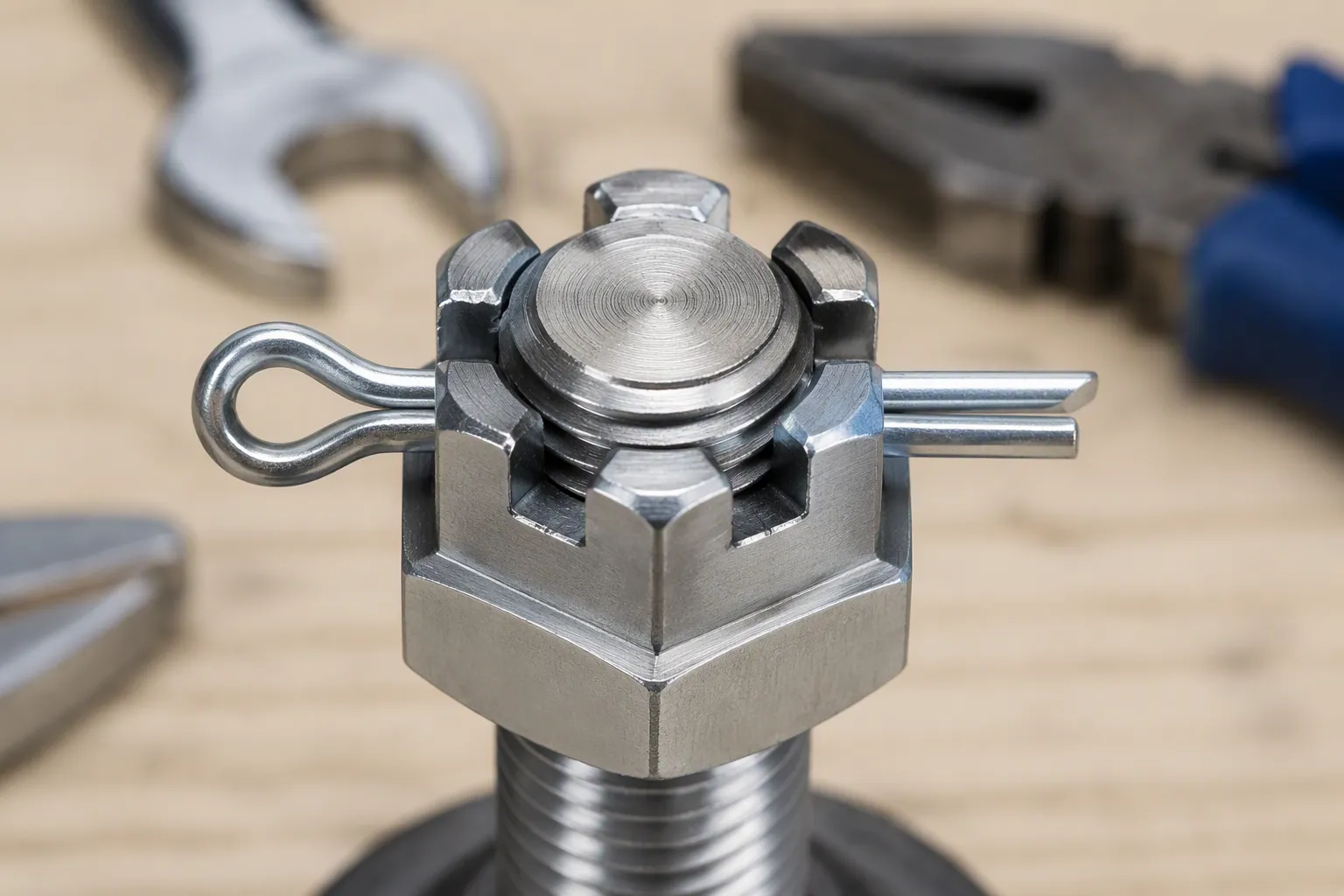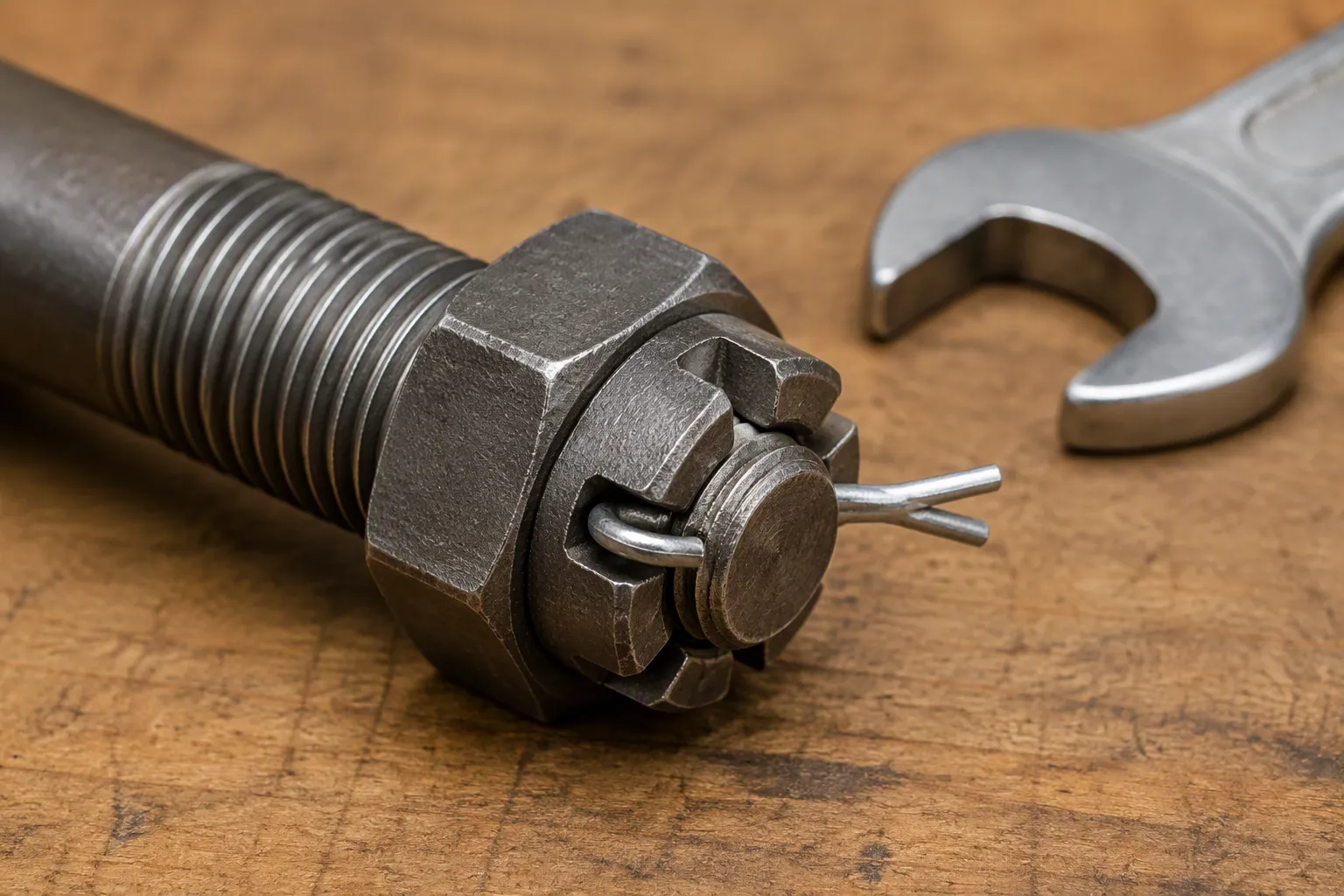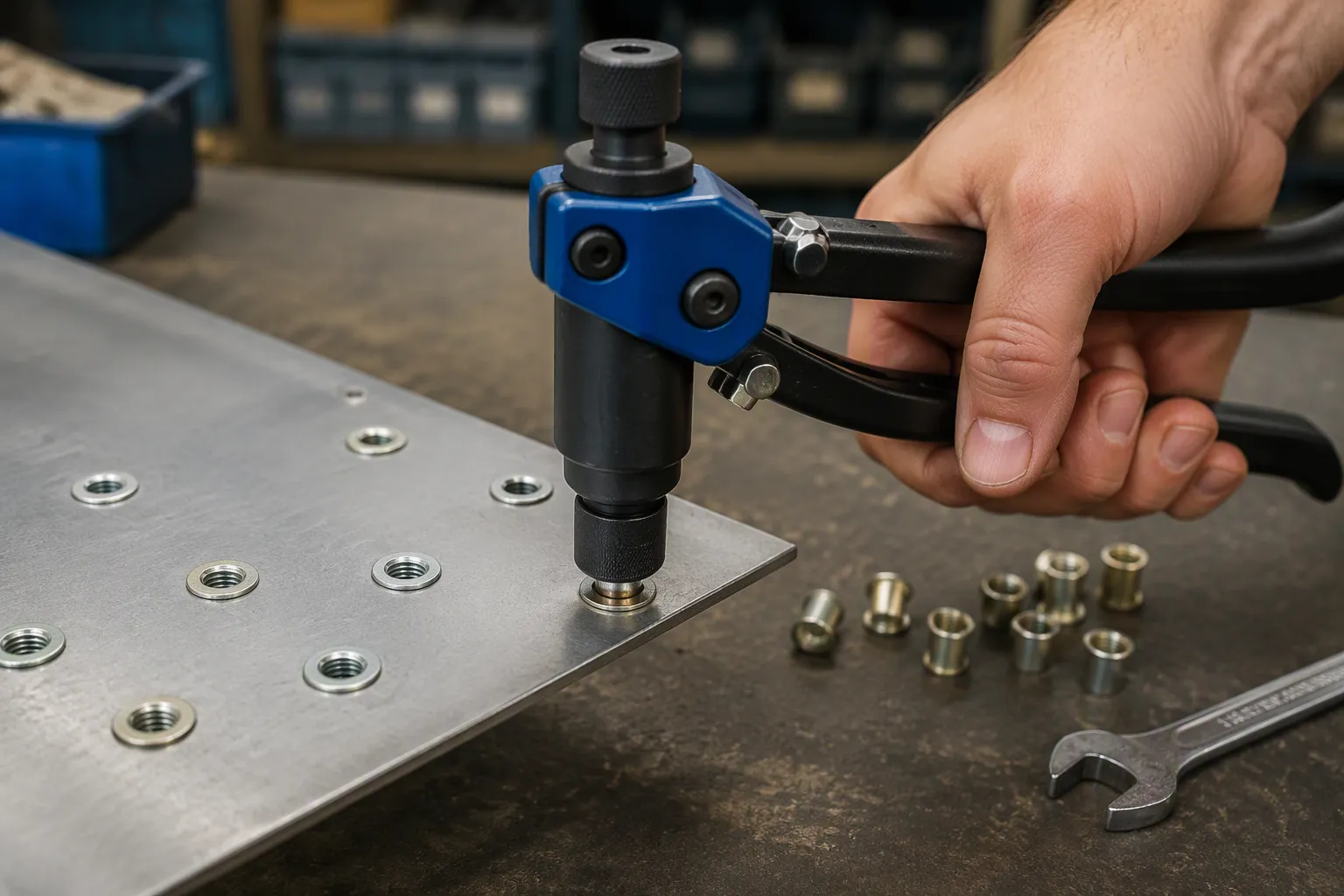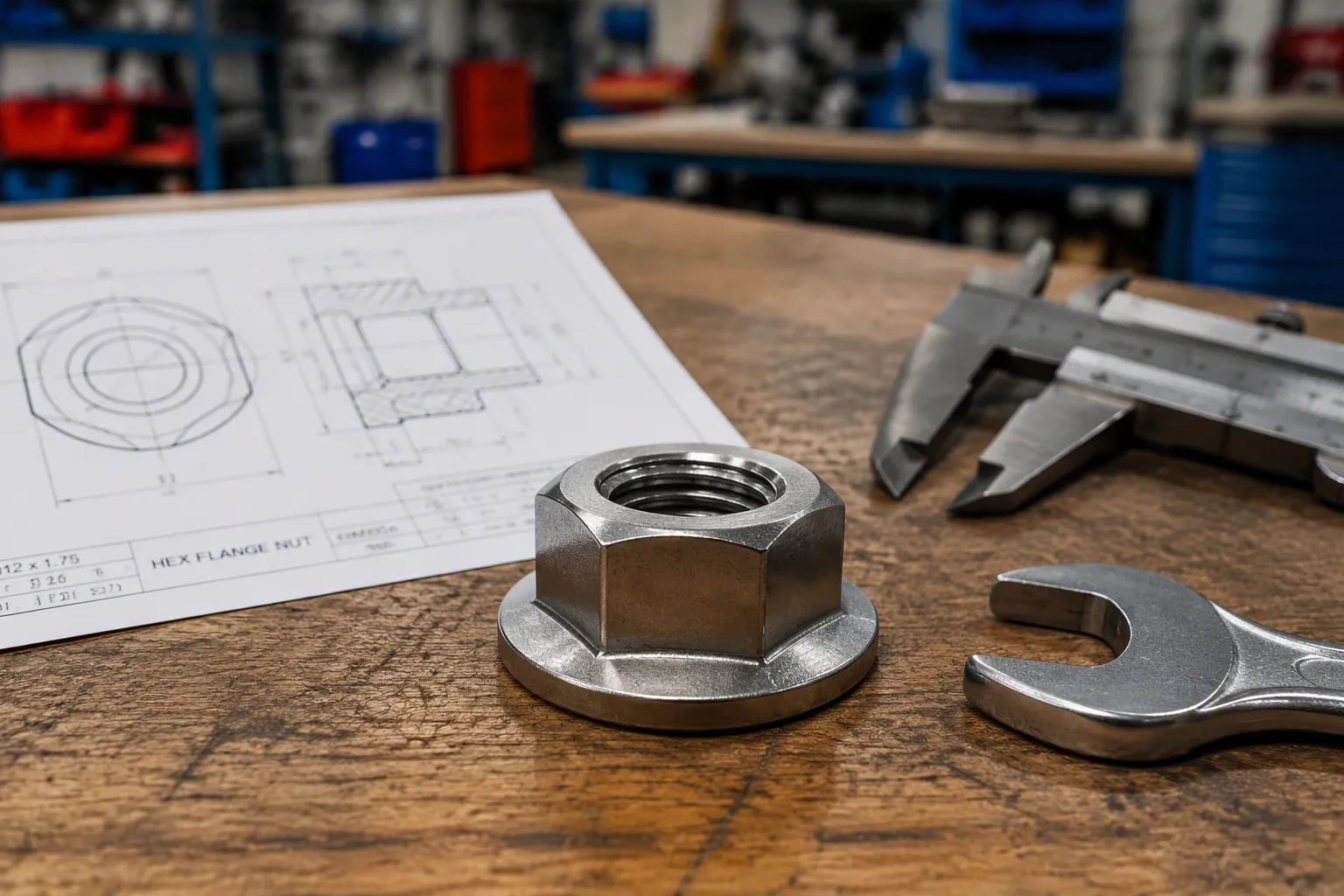
Квадратные гайки feature a four-sided design that offers increased surface contact compared to hexagonal shapes. They resist loosening and provide reliable fastening in structures. Many industries select square nuts when they need strong connections or when working with flat wrenches. The square shape allows for easy alignment in channels and tight spaces. Square nuts remain a popular choice for нестандартные крепежные элементы, especially when a производитель крепежных изделий на заказ must meet precise technical standards. Users often pair square nuts with bolts or washers in machinery, construction, and other critical applications where a single nut can make a difference.
Square nuts play a vital role in the world of гаек и болтов, supporting secure assemblies in many fields.
Technical Standards for Square Nuts
Overview of Industry Technical Standards
Manufacturers rely on technical standards to ensure квадратные гайки meet consistent quality and performance requirements. These standards define dimensions, tolerances, mechanical properties, and material specifications. Global organizations such as DIN, ASME, SAE, and IS establish guidelines that help engineers select the right square nut for each application.
DIN Standards for Square Nuts
DIN standards play a crucial role in European manufacturing. DIN 557 specifies dimensions and tolerances for square nuts, ensuring compatibility with bolts and washers. DIN standards focus on precise measurements and uniformity, which supports reliable assemblies in machinery and construction.
ASME Standards for Square Nuts
ASME standards guide American manufacturers in producing квадратные гайки. . ASME B18.2.2 specification defines requirements for square nuts in various materials and sizes. This standard covers aspects such as thread specifications, mechanical properties, and marking practices. Engineers use ASME standards to guarantee square nut sizes match bolt dimensions and maintain structural integrity.
SAE Standards for Square Nuts
SAE standards address automotive and industrial applications. These standards outline material grades, mechanical properties, and performance requirements for square nuts. SAE guidelines help manufacturers produce nuts that withstand high loads and harsh environments.
IS 2585 and Other International Standards
IS 2585 governs square nuts in India, specifying dimensions, tolerances, and material requirements. International standards such as ISO and ASTM also influence square nut production. ISO 965, ISO 965-1, and ISO 965-2 provide principles and basic data for thread specifications and tolerances. ASTM standards focus on mechanical properties and chemical composition, including ASTM A194, ASTM F594, and ASTM A563.
Technical standards ensure square nuts perform reliably in diverse industries and applications.
| Стандартный | Описание |
|---|---|
| ASME B18.2.2 | Defines specifications for square nuts in various materials and sizes. |
| DIN 557 | Specifies dimensions and tolerances for square nuts. |
| Стандартный | Focus | Common Examples |
|---|---|---|
| ASTM | Mechanical properties and chemical composition | ASTM A194, ASTM F594, ASTM A563 |
| DIN | Precise dimensions and tolerances | DIN 934, DIN 985, DIN 6923 |
Standard Square Nut Sizes and Tolerances
Engineers select square nut sizes based on technical standards that specify width across flats, thickness, and thread dimensions. These standards ensure nuts fit properly with bolts and washers, preventing failures in assemblies.
Metric Specifications
Metric square nut sizes follow ISO and DIN guidelines. ISO 965 specifies tolerances for general purpose metric screw threads. ISO 965-1 provides principles and basic data for these tolerances. ISO 965-2 outlines limits of sizes for external and internal screw threads. DIN 557 defines standard metric dimensions for square nuts, including width across flats and thickness.
Inch Specifications
Inch square nut sizes adhere to ASME and SAE standards. ASME B18.2.2 specification lists standard dimensions for square nuts in inch units. SAE standards provide additional guidance for automotive and industrial applications. Engineers reference these standards to select nuts that match bolt sizes and maintain proper fit.
Square nut sizes and tolerances guarantee compatibility and performance in fastening systems.
Markings and Identification of Nuts
Manufacturers mark square nuts to indicate compliance with technical standards and specifications. Markings may include grade, manufacturer’s logo, and standard reference. These identifiers help engineers verify square nut quality and trace origin. Proper identification ensures nuts meet project requirements and support safe assemblies.
Markings on square nuts provide assurance of quality and adherence to technical standards.
Materials and Surface Treatments for Square Nut
Common Materials Used in Square Nuts
Manufacturers select materials for square nuts based on mechanical requirements and environmental conditions. The most common materials include steel, stainless steel, brass, and aluminum. Each material offers unique properties that influence performance and durability.
| Материал | Свойства |
|---|---|
| Сталь | Strength, durability |
| Нержавеющая сталь | Коррозионная стойкость |
| Латунь | Conductivity, aesthetic appeal |
| Алюминий | Lightweight, corrosion resistance |
Углеродистая сталь
Carbon steel square nuts dominate the market due to their strength and versatility. Manufacturers categorize carbon steel into three grades: low carbon for general applications, medium carbon for structural uses, and high carbon for high-stress environments. Each grade balances strength and machinability, making carbon steel a reliable choice for square fasteners.
Нержавеющая сталь
Stainless steel square nuts provide excellent corrosion resistance. The chromium content in stainless steel forms a passive oxide layer, protecting the nut from rust and chemical damage. Grades such as 304 and 316 offer varying levels of protection, with 316 preferred for harsh or marine environments.
Латунь
Brass square nuts combine good corrosion resistance with low friction. Brass, an alloy of copper and zinc, delivers aesthetic appeal and electrical conductivity. These nuts often appear in electrical assemblies and decorative applications.
Alloy Steel and Other Materials
Alloy steel square nuts enhance strength and toughness by adding elements like manganese and chromium. Engineers use alloy steel in critical applications where high mechanical performance is essential. Aluminum square nuts offer lightweight construction and corrosion resistance, making them suitable for specialized uses.
Surface Finishes and Coatings for Nuts
Surface treatments extend the lifespan and improve the performance of square nuts. Manufacturers apply coatings to resist corrosion, prevent seizing, and enhance durability.
| Вид покрытия | Влияние на производительность |
|---|---|
| Цинкование (гальваническое) | Helps fight corrosion, especially for carbon steel nuts. |
| Zinc Flake | Prevents seizing and rusting, ideal for frequent disassembly. |
| Geomet | Provides anti-corrosion properties, enhancing durability. |
Цинкование (гальваническое)
Zinc plating protects square nuts from corrosion. The zinc layer acts as a barrier, especially for carbon steel nuts used in outdoor or humid environments.
Черное оксидное покрытие.
Black oxide treatment creates a thin magnetite layer on the square surface. This finish produces a matte appearance and offers moderate corrosion resistance.
Galvanization
Galvanizing involves dipping steel square nuts into molten zinc. This process forms a robust protective layer, delivering excellent corrosion resistance and increased longevity for outdoor applications.
Phosphate and Other Surface Treatments
Phosphating induces a metal phosphate coating, providing temporary corrosion resistance and improving paint adhesion. Other treatments, such as powder coating, electroplating, and passivation, further enhance the durability and appearance of square nuts.
Corrosion Resistance Considerations
Corrosion resistance remains a critical factor when selecting square nuts for industrial environments. Stainless steel and brass offer natural resistance, while surface treatments like galvanization and zinc plating significantly extend the lifespan of carbon steel square nuts. Engineers evaluate the operating environment and choose materials and coatings that ensure reliable performance and safety.
Proper selection of materials and surface treatments guarantees that square nuts withstand demanding conditions and deliver long-term reliability.
Types and Classifications of Square Nut
By Manufacturing Method
Cold-Formed Square Nuts
Manufacturers produce cold-formed square nuts by shaping steel or other metals at room temperature. This process creates a quadrilateral nut with consistent dimensions and high production efficiency. Cold-forming improves mechanical properties, making these square nuts suitable for high strength square nuts applications. The method reduces material waste and supports large-scale manufacturing.
Machined Square Nuts
Machined square nuts result from precision cutting and shaping. Engineers select this method for custom or specialty nuts that require tight tolerances. Machining allows for unique thread profiles and complex locking features. These square nuts often appear in machinery where accuracy and reliability matter most.
By Application
Standard Square Nuts
Standard square nut types serve general fastening needs. Their square shape provides stability and prevents rotation during tightening. Engineers use standard square nuts in construction, furniture, and electrical assemblies.
Heavy Square Nuts
Heavy square nuts feature increased thickness and width. These nuts withstand greater loads and stresses. Structural engineering relies on heavy square nuts to ensure stability and durability in steel frameworks. The enhanced load-bearing capability prevents rotation and supports reliable assemblies.
Thin Square Nuts
Thin square nuts offer a compact profile for limited space applications. Their reduced thickness suits electrical equipment and light-duty machinery. Thin square nuts provide adequate locking performance where space constraints exist.
Weld Square Nuts
Weld square nuts include projections or features for welding onto metal surfaces. These nuts create permanent fastening points in automotive manufacturing and machinery. Weld square nuts contribute to vehicle safety and reliability by securing chassis and engine components.
High Strength Square Nuts and Specialty Types
High strength square nuts use alloy steel or advanced materials. These nuts deliver superior mechanical performance and resist deformation under heavy loads. Machinery and equipment manufacturers depend on high strength square nuts for precision and long-term performance. Specialty types include locking square nuts, which incorporate features to prevent loosening in vibration-prone environments.
Application-specific requirements influence the selection of square nuts in various industries:
- Structural engineering uses square nuts for stability and durability.
- Automotive manufacturing relies on square nuts for safety and reliability.
- Machinery and equipment benefit from square nuts’ precision and load distribution.
By Thread Type
Coarse Thread
Coarse thread square nuts feature wider and deeper threads. These nuts allow for quick assembly and disassembly. Coarse thread square nuts resist stripping and suit applications where speed matters.
Fine Thread
Fine thread square nuts provide tighter tolerances and greater locking performance. Engineers select fine thread square nuts for vibration resistance and precise adjustment. Locking square nuts often use fine thread profiles to enhance security.
The classification of square nuts by manufacturing method, application, and thread type ensures engineers can match the right nut to each project. High strength square nuts, locking square nuts, and specialty quadrilateral nut designs support demanding environments and deliver reliable fastening solutions.
Specifications and Performance Requirements for Nuts
Mechanical Properties of Square Nut
Классы прочности
Engineers classify square nuts by strength grades to ensure reliable performance in demanding applications. Manufacturers follow standards such as ASTM A194 and ISO 898 to assign grades based on tensile strength and yield strength. Higher grades indicate greater resistance to mechanical stress. Heavy-duty square nuts often feature elevated strength grades, making them suitable for structural and machinery assemblies. Strength grades help users select the right square for environments where load-bearing capacity is critical.
Hardness Requirements
Hardness requirements determine a square nut’s ability to resist deformation and wear. Testing methods like Rockwell and Brinell measure hardness levels. Standards specify minimum hardness values for each grade, ensuring square nuts maintain their shape under pressure. Hardness testing also verifies that the square surface can withstand repeated tightening and loosening cycles. Consistent hardness protects threads and supports long-term reliability.
Dimensional Requirements for Square Nut Sizes
Dimensional specifications guarantee that square nuts fit properly with bolts and washers. Engineers reference standards such as ASME B18.2 and DIN 557 to confirm dimensions for width across flats, thickness, and thread size.
Размер под ключ
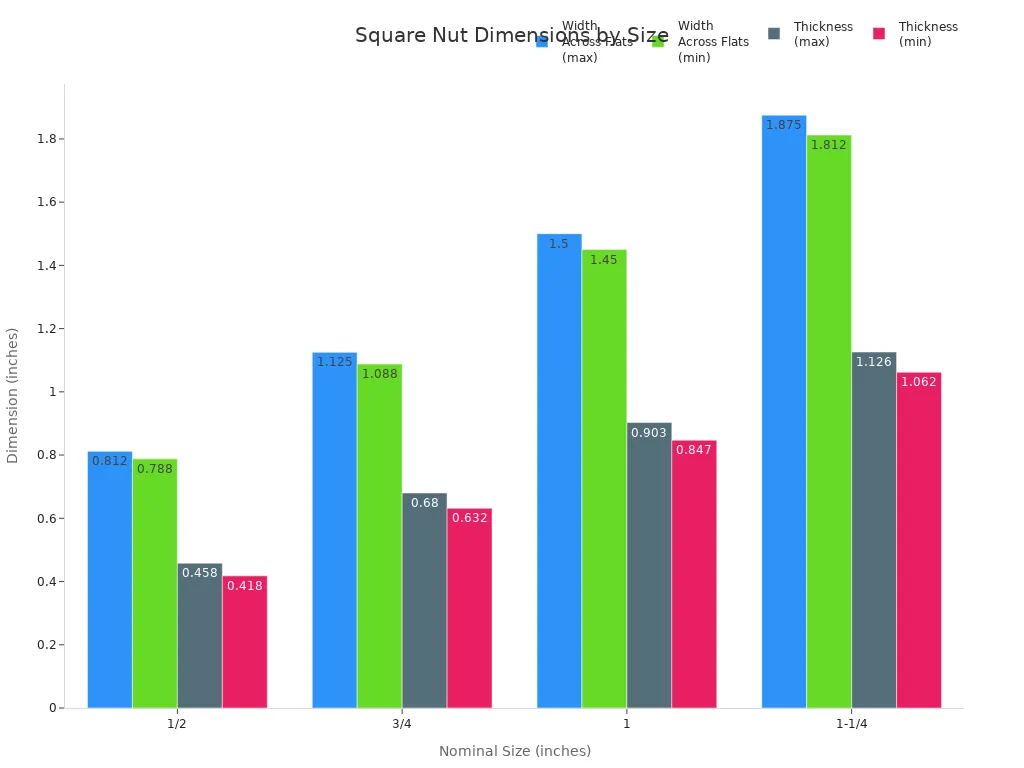
Width across flats defines the distance between two parallel sides of a square nut. This measurement ensures compatibility with wrenches and prevents slippage during installation. The table below shows standard values for common sizes:
| Номинальный размер | Width Across Flats (F, basic/max/min) | Thickness (H, basic/max/min) |
|---|---|---|
| 1/2 | 13/16 / 0.812 / 0.788 | 7/16 / 0.458 / 0.418 |
| 3/4 | 1-1/8 / 1.125 / 1.088 | 21/32 / 0.680 / 0.632 |
| 1 | 1-1/2 / 1.500 / 1.450 | 7/8 / 0.903 / 0.847 |
| 1-1/4 | 1-7/8 / 1.875 / 1.812 | 1-3/32 / 1.126 / 1.062 |
Толщина
Thickness affects the load distribution and stability of square nuts. Proper thickness prevents thread stripping and supports secure fastening. Engineers check thickness values against specifications to ensure square nuts meet project requirements.
Размер резьбы
Thread size determines the compatibility between square nuts and bolts. Standards specify thread pitch and diameter for both metric and inch sizes. For example, an M6 square nut features a width across flats of 10 mm and a thread pitch of 1 mm. Accurate thread size ensures smooth assembly and prevents cross-threading.
Dimensional requirements provide assurance that square nuts will fit and function as intended in every application.
Testing and Quality Assurance
Manufacturers implement rigorous testing and quality assurance procedures to verify the reliability of square nuts. These procedures include:
- Tensile testing to measure strength and ductility.
- Hardness testing to assess resistance to deformation.
- Dimensional inspection to confirm tolerances and thread profiles.
- Non-destructive testing methods such as ultrasonic testing and magnetic particle inspection.
Standards like ASTM A194, ASME B18.2, SAE J995, and ISO 898 guide these processes. Quality assurance ensures that every square nut meets industry requirements and supports safe, durable assemblies.
Testing and inspection help engineers trust the performance of square nuts in critical applications.
Applications of Square Nut in Industry
Common Uses of Square Nuts
Квадратные гайки serve as essential components in many industrial applications. Their square profile delivers reliable tightening and anti-loosening performance, making them ideal for connection points that require stability. Engineers select square nuts for fixing assemblies where vibration resistance and secure fastening are critical.
Строительстве
Construction professionals rely on square nuts for temporary structural fastening. Workers use these nuts to assemble demountable scaffolds, ensuring quick tightening and easy removal. The square shape allows for straightforward fixing with flat wrenches, supporting strong connection points in steel frameworks. Square nuts also lock into channels, providing anti-loosening benefits during repeated tightening cycles.
Machinery
Machinery manufacturers choose square nuts for historic equipment maintenance and agricultural machinery. In vintage machines from the 1920s, square nuts act as direct replacements, preserving original connection integrity. Agricultural machinery benefits from square nuts’ vibration resistance, withstanding engine frequencies between 20 and 50Hz. The square profile prevents rotation, maintaining fixing strength under mechanical stress.
Electrical Equipment
Electrical equipment designers use square nuts for fixing components in panels and enclosures. The square shape simplifies tightening in confined spaces, especially when anti-loosening is required. Square nuts provide stable connection points for mounting electrical devices, supporting safe and reliable operation.
Сборка мебели
Furniture makers utilize square nuts for fixing joints and panels. The square design enables easy tightening with basic tools, ensuring strong connection points in wood and metal furniture. Square nuts offer anti-loosening properties, keeping assemblies secure during movement and transport.
Square nuts deliver versatile application solutions across construction, machinery, electrical equipment, and furniture assembly. Their square profile supports strong connection and reliable tightening in demanding environments.
| Тип применения | Описание |
|---|---|
| Historic equipment maintenance | Direct replacement for original square nuts in 1920s machinery |
| Cast iron pipe sealing | Square profile locks into pipe anti-rotation slots |
| Agricultural machinery vibration resistance | Withstands 20-50Hz engine vibration |
| Temporary structural fastening | Construction site demountable scaffolds |
Advantages and Limitations of Square Nut
Benefits of Square Nuts
Square nuts offer several advantages in industrial application settings. Their square shape provides increased surface contact, enhancing tightening and anti-loosening performance. Engineers value square nuts for their ability to maintain strong connection points, especially in vibration-prone environments. The square profile allows for easy fixing with flat tools, supporting quick assembly and disassembly. Square nuts excel in applications where stability and fixing strength are essential.
Potential Drawbacks
Despite their benefits, square nuts present some limitations in modern engineering:
- Square nuts can be challenging to install due to alignment issues, especially in tight spaces.
- They are more prone to cross-threading, which can damage bolts.
- Square nuts require more space than hexagonal nuts, which can be problematic in compact designs.
- Their larger surface area can complicate fitting components together in applications like printed circuit boards.
- The manufacturing process for square nuts is more complex, leading to higher costs.
- Lower market demand results in limited production, increasing the price per unit.
- Square nuts are less commonly stocked in hardware stores compared to hexagonal nuts.
- This can lead to delays in repairs if a square nut needs to be replaced quickly.
Engineers must weigh the advantages of square nuts against their limitations when selecting the best fixing solution for each application. The choice depends on connection requirements, tightening needs, and anti-loosening performance.
Selecting the Right Square Nut
Factors to Consider When Choosing Nuts
Требования к нагрузке
Engineers must evaluate the forces that square nuts will experience in service. The nut must resist being pulled apart along the axis of the bolt. When lateral forces act perpendicular to the fastener axis, the nut and bolt must prevent unwanted movement. They should refer to engineering tables or manufacturer datasheets for load ratings based on size and grade. For high-load or critical applications, they should always follow manufacturer torque specifications to avoid under- or over-tightening. At least one full diameter of thread engagement ensures optimal strength. Flat washers help distribute load and protect surfaces, especially in soft materials. Regular inspection for signs of loosening, corrosion, or fatigue in critical joints remains essential. Pairing square nuts with bolts of equal or higher strength grade prevents weak points in assemblies.
Условия окружающей среды
Environmental factors can significantly affect the performance and longevity of square nuts. The choice of material directly impacts durability, corrosion resistance, and strength. High-strength applications require materials that withstand stress, environmental exposure, and mechanical fatigue. For example, stainless steel works well in corrosive environments, while alloy steel offers high tensile strength for heavy-duty use.
| Environmental Condition | Рекомендуемый материал | Reason for Recommendation |
|---|---|---|
| Влажность | Stainless Steel (AISI 304/316) | Excellent resistance to rust and degradation |
| Chemicals | Bronze | Highly resistant to corrosion |
| Indoor/Dry | Углеродистая сталь | Cost-effective and durable with protective coatings |
Compatibility with Bolts and Washers
Selecting the right specifications for square nuts means ensuring compatibility with bolts and washers. The nut must match the thread size and pitch of the bolt. Flat washers distribute pressure and protect surfaces, especially when using square nuts on softer materials. Engineers should always pair nuts with bolts of the same or higher grade to maintain assembly integrity.
Tip: Always check for proper fit and engagement between the square nut, bolt, and washer before final installation.
Matching Technical Standards and Specifications
Engineers should match square nuts to the right specifications for each application. They must reference standards such as ASME, DIN, or ISO to confirm dimensions, tolerances, and material grades. These standards ensure that square nuts fit properly and perform reliably. Consulting manufacturer datasheets helps verify that the selected square nut meets all project requirements.
Советы по установке и лучшие практики
- Очистите все поверхности перед установкой квадратных гаек, чтобы удалить ржавчину, грязь или смазку.
- Расположите квадратную гайку так, чтобы её плоские стороны были выровнены с ключом или каналом.
- Используйте плоские шайбы для распределения нагрузки и предотвращения повреждения поверхностей.
- Затяните гайку до рекомендованного для данного применения крутящего момента.
- Проверьте сборку на правильность зацепления резьбы и выравнивания.
- Для приварных квадратных гаек убедитесь, что основание плотно прилегает, и используйте соответствующие методы сварки.
- Удалите все заусенцы или брызги после установки для повышения безопасности.
Регулярное обслуживание и проверка помогают обеспечить, чтобы квадратные гайки продолжали демонстрировать надёжную работу в сложных условиях.
Обслуживание и обращение с квадратными гайками
Правильное хранение гаек
Правильное хранение играет критическую роль в сохранении качества и производительности квадратных гаек. Влага и загрязнения могут вызвать коррозию, которая ослабляет квадратную поверхность и резьбу. Помещения для хранения квадратных гаек должны быть сухими и с контролируемым климатом. Герметичные контейнеры или антикоррозийная упаковка помогают предотвратить воздействие влаги при длительном хранении. В следующей таблице описаны лучшие практики хранения квадратных крепёжных элементов:
| Рекомендация | Описание |
|---|---|
| Условия хранения | Храните крепёжные элементы в сухой контролируемой среде, чтобы предотвратить воздействие влаги и коррозию |
| Упаковка | Используйте герметичные контейнеры или антикоррозийную упаковку, чтобы избежать воздействия влаги при длительном хранении |
Совет: Всегда храните квадратные гайки не на полу и вдали от прямых солнечных лучей, чтобы избежать перепадов температуры и конденсата.
Проверка и замена квадратных гаек
Регулярная проверка гарантирует, что квадратные гайки остаются безопасными и надёжными в эксплуатации. Технические службы должны проверять наличие признаков износа, повреждения резьбы, заедания или поверхностной коррозии. Изменение цвета, точечная коррозия или белые отложения могут указывать на остатки хлоридов или другие химические воздействия. В таблице ниже приведены рекомендуемые интервалы проверки и критерии замены для критически важных применений:
| Критерии проверки | Критерии замены |
|---|---|
| Периодически проверяйте на признаки износа, повреждения резьбы, заедания или поверхностной коррозии. Ищите изменение цвета, точечную коррозию или белые отложения (остатки хлоридов). | Замените любую гайку с видимыми трещинами, сильной точечной коррозией или сорванной резьбой — не пытайтесь ремонтировать. |
Квадратные гайки, демонстрирующие любой из этих дефектов, должны быть заменены немедленно. Попытка ремонта повреждённой квадратной гайки может поставить под угрозу целостность сборки.
Регулярная проверка и своевременная замена квадратных гаек помогают предотвратить неожиданные отказы в критических конструкциях.
Распространённые проблемы и их устранение
В процессе использования квадратные гайки могут столкнуться с несколькими распространёнными проблемами. Коррозия остаётся наиболее частой проблемой, особенно во влажной или наружной среде. Перекос резьбы может произойти, если гайка неправильно выровнена с болтом, что приводит к срыву резьбы. Заедание или заклинивание резьбы может быть результатом недостаточной смазки или чрезмерной затяжки. Для решения этих проблем технические службы должны:
- Наносить соответствующие смазки на резьбу перед установкой.
- Использовать правильные инструменты, чтобы избежать повреждения квадратного профиля.
- Заменять любые квадратные гайки, демонстрирующие признаки деформации или чрезмерного износа.
- Хранить запасные квадратные гайки в надлежащих условиях, чтобы предотвратить будущую коррозию.
Примечание: Раннее обнаружение и устранение проблем с квадратными гайками продлевает срок службы сборок и сокращает время простоя.
Квадратные гайки обеспечивают надёжные крепёжные решения в строительстве, машиностроении и электротехнических сборках. Их квадратная форма гарантирует лёгкое выравнивание и прочные соединения. Отраслевые стандарты, такие как ANSI/ASME B18.2.1, ISO 8617 и DIN 557 определяют размеры и допуски квадратных гаек. Инженеры всегда должны выбирать квадратные гайки, соответствующие резьбе болтов и отвечающие признанным стандартам. Для достижения наилучших результатов им следует:
- Следовать значениям крутящего момента производителя, чтобы избежать отказов.
- Использовать рожковые ключи для правильной установки в тесных пространствах.
- Выбирать перерабатываемые стальные квадратные гайки для устойчивого развития.
- Учитывать длительный срок службы и экономическую эффективность квадратных гаек.
Выбор правильной квадратной гайки обеспечивает безопасность, соответствие требованиям и долгосрочную производительность в каждом применении.
Частые вопросы
Чем квадратная гайка отличается от других типов гаек?
Квадратная гайка имеет четыре плоские стороны, что обеспечивает большую площадь контакта с заготовкой. Эта конструкция препятствует ослаблению и позволяет легко затягивать простыми инструментами.
В каких отраслях обычно используются квадратные гайки?
Квадратные гайки применяются в строительстве, машиностроении, электрооборудовании и сборке мебели. Эти отрасли ценят их стабильность, свойства против ослабления и совместимость с плоскими ключами.
Как технические стандарты влияют на выбор квадратных гаек?
Технические стандарты определяют размеры, допуски и требования к материалам. Инженеры ссылаются на эти стандарты, чтобы гарантировать правильную посадку каждой гайки и соответствие критериям безопасности и производительности.
Какие материалы обеспечивают наилучшую коррозионную стойкость для квадратных гаек?
Нержавеющая сталь и латунь обеспечивают отличную коррозионную стойкость. Нержавеющая сталь подходит для суровых или морских условий, а латунь хорошо работает в электротехнических и декоративных применениях.
Как пользователям следует хранить квадратные гайки, чтобы предотвратить повреждение?
Пользователям следует хранить квадратные гайки в сухих помещениях с контролируемым климатом. Герметичные контейнеры или антикоррозийная упаковка помогают предотвратить воздействие влаги и образование ржавчины.
Можно ли повторно использовать квадратные гайки после разборки?
Квадратные гайки можно использовать повторно, если на них нет признаков повреждения резьбы, деформации или коррозии. Регулярная проверка обеспечивает постоянную надёжность и безопасность.
Какие инструменты лучше всего подходят для установки квадратных гаек?
Плоские ключи или разводные гаечные ключи хорошо подходят для квадратных гаек. Эти инструменты надёжно захватывают плоские стороны, обеспечивая эффективную затяжку и ослабление.