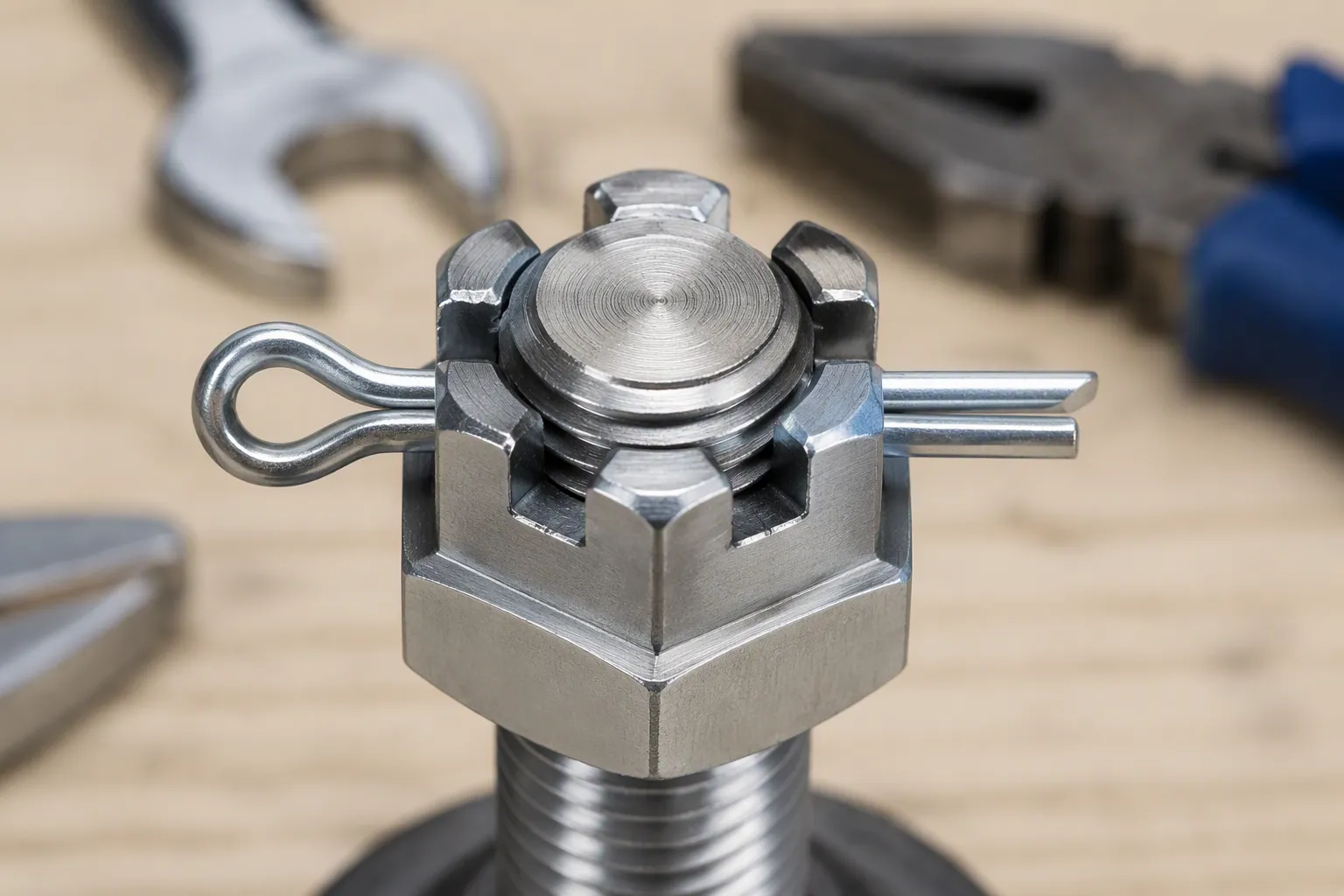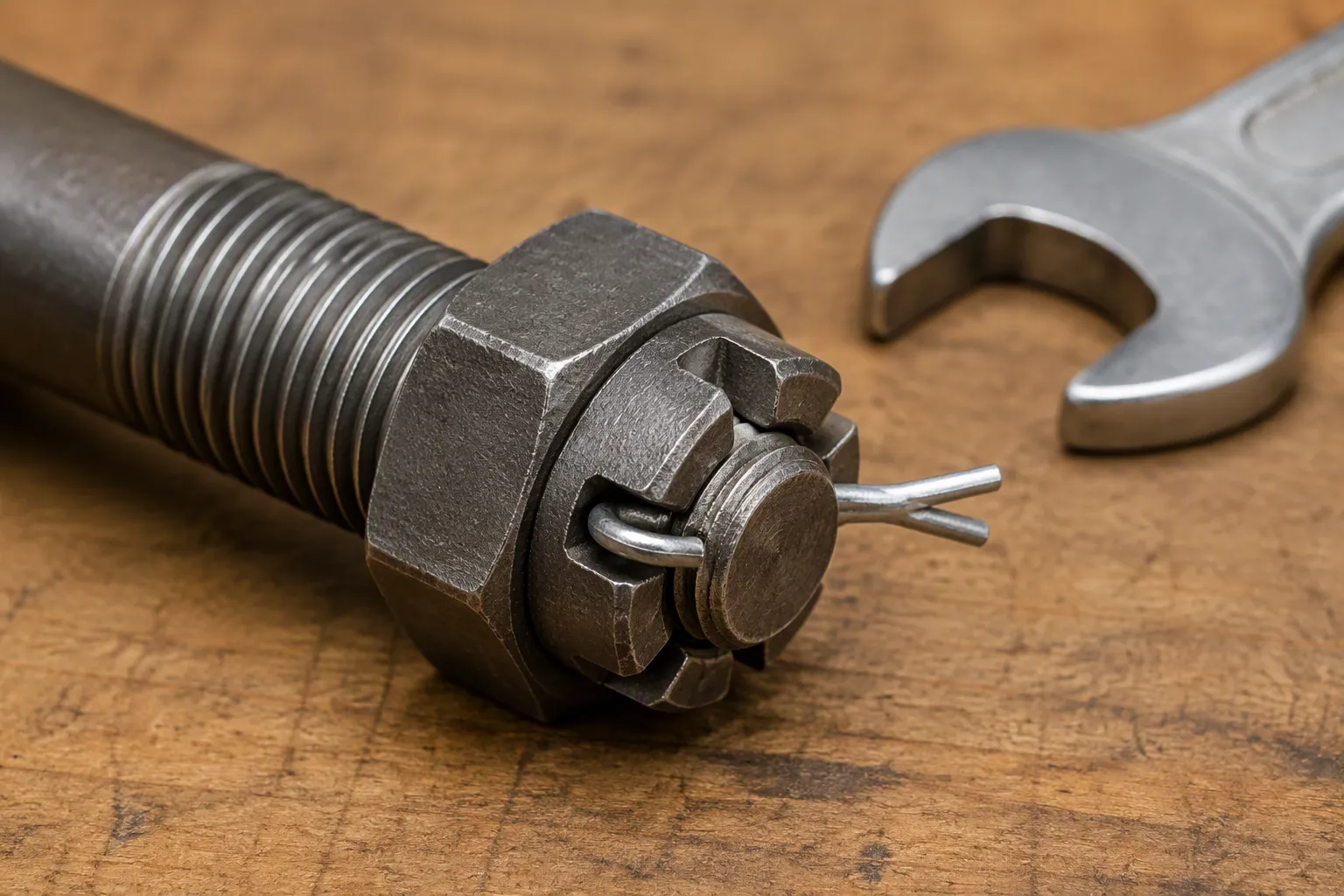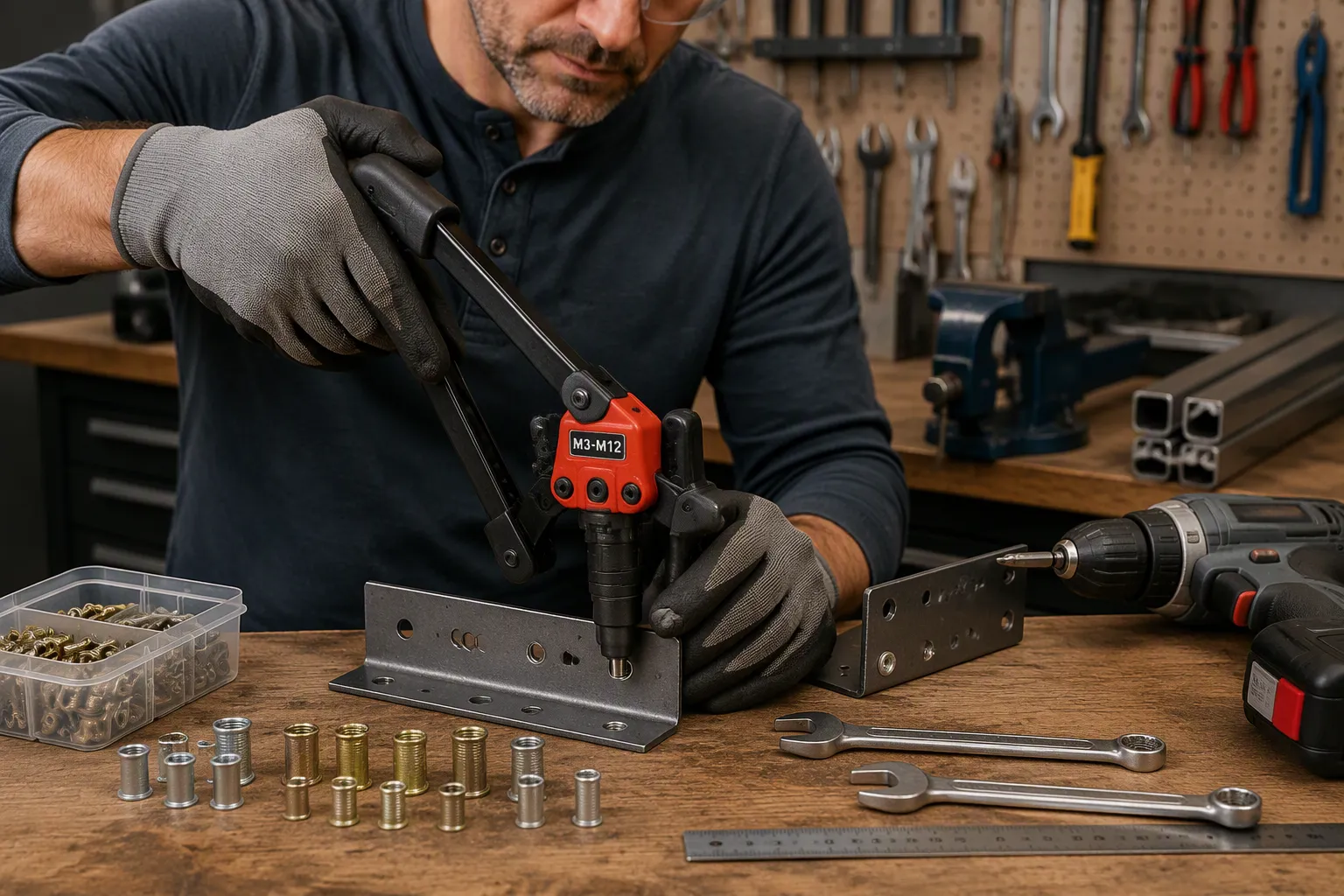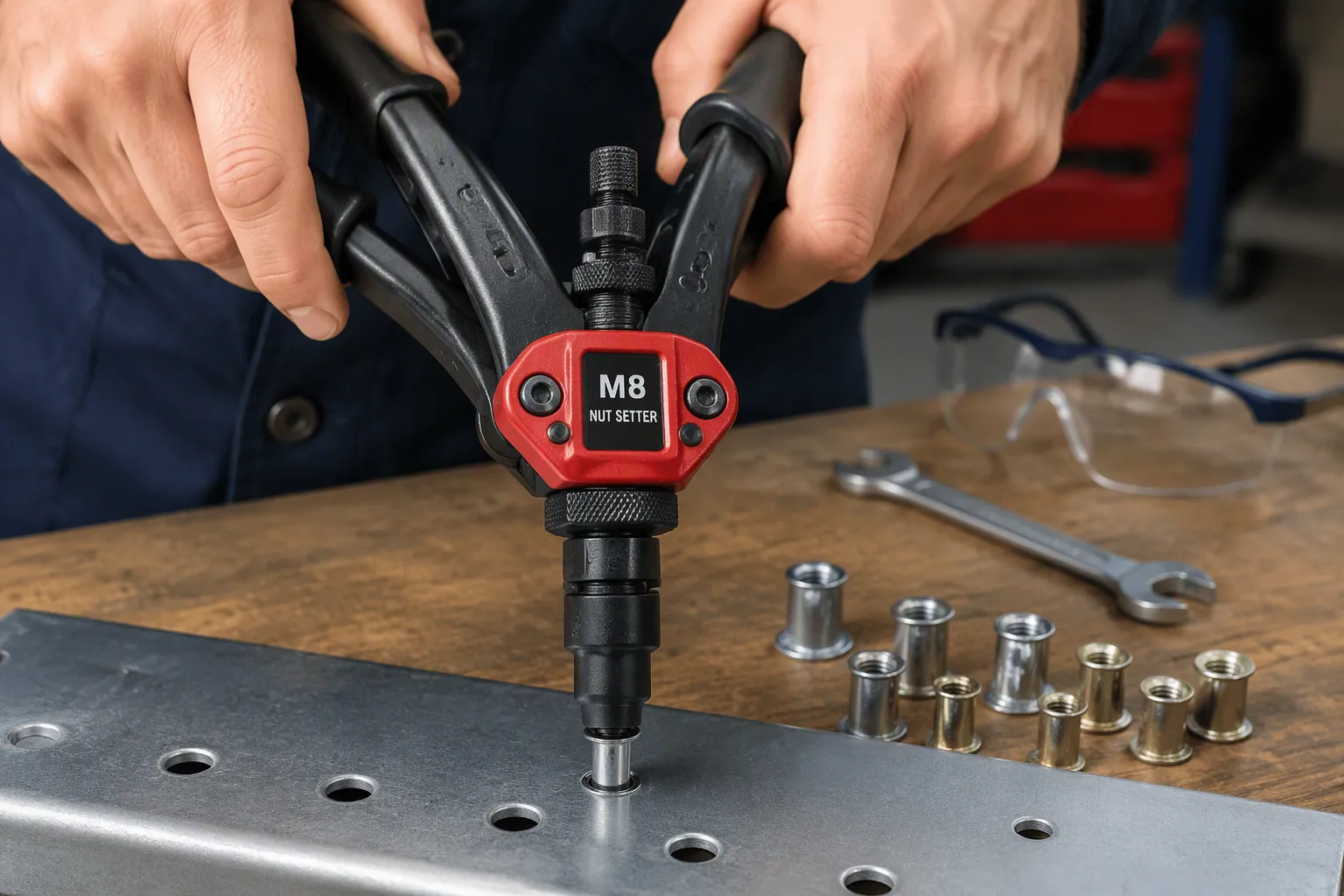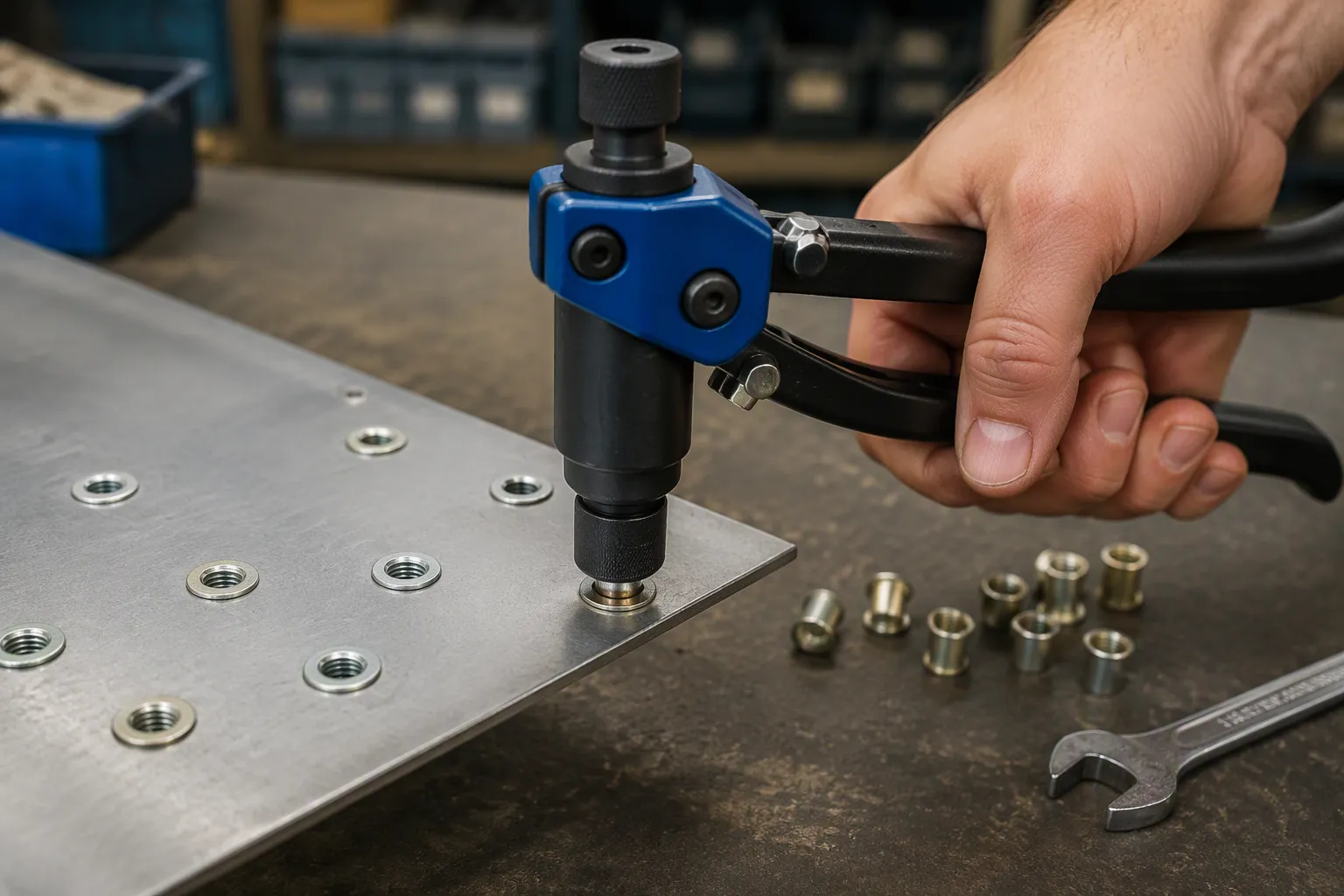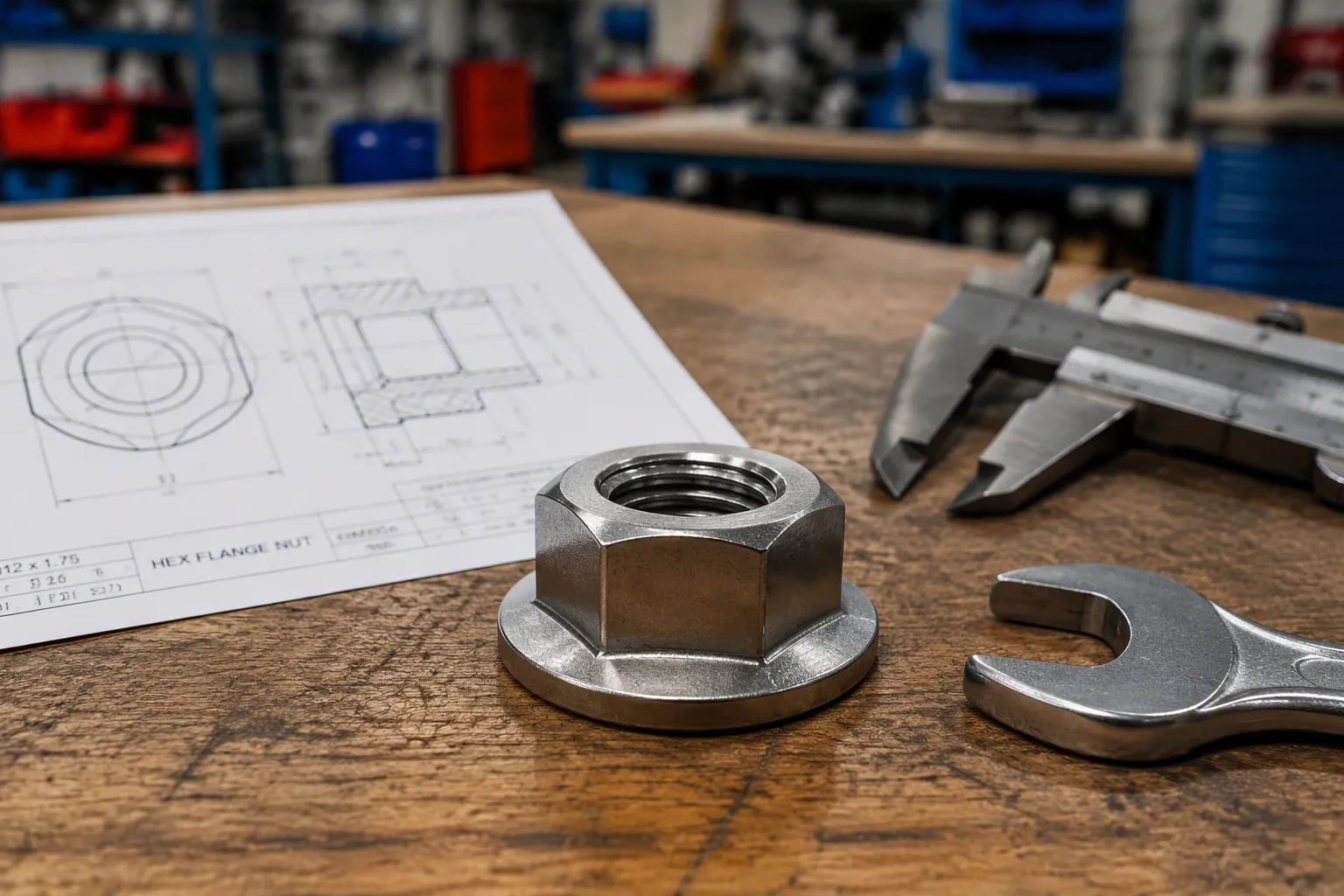
A заклёпочная гайка offers a unique solution for creating strong threads in thin materials where traditional гаек и болтов cannot work. The history of rivet nuts reveals their vital role in modern engineering. Manufacturers use them for нестандартные крепежные элементы in industries that demand efficiency and reliability. A производитель крепежных изделий на заказ values their versatility and speed.
- Rivet nuts streamline automotive assembly lines, especially in electric vehicles.
- They ensure secure joints in lightweight structures.
- Their design supports automated systems, reducing production time.
The Early Evolution of Riveting
Ancient Riveting Techniques
Rivets in Ancient Civilizations
Archaeologists have traced the history of rivets to the Bronze Age, revealing their importance in early engineering. Ancient civilizations relied on solid rivets to join materials, demonstrating the earliest documented riveting techniques.
- Rivet holes appeared in Egyptian spearheads from the Naqada culture (4400-3000 B.C.), showing how craftsmen secured metal parts.
- Bronze Age swords and daggers often featured rivet holes, indicating their use in weaponry. These discoveries highlight the evolution of riveting as a fundamental process for creating durable connections. Early artisans understood the value of rivets for strength and reliability, laying the groundwork for future advancements.
Transition from Wood to Metal Rivets
The transition from wood to metal rivets marked a significant milestone in the evolution of rivets. Early societies initially used wooden pegs to fasten structures, but metal rivets soon replaced them as metallurgy advanced. Metal rivets provided superior strength and longevity, especially in tools and weapons. This shift enabled builders to construct more complex and resilient objects. The history of rivets demonstrates how material innovation drove progress in riveting techniques, allowing for greater versatility and durability.
Industrial Revolution and Modern Riveting
Riveting in Iron and Steel Structures
Стандарт DIN 933: объяснение Industrial Revolution transformed the evolution of riveting. Steam power and mass production techniques allowed manufacturers to produce standardized rivets. These innovations facilitated quicker assembly and stronger connections in large structures such as ships and bridges. By the mid-19th century, metal technology had advanced, making riveting the primary method for constructing iron and steel structures. The shipbuilding industry benefited greatly, as the demand for rivets surged with increased maritime traffic. Riveting techniques evolved to meet the needs of expanding industries, ensuring efficient and reliable assembly.
Advancements Leading to Blind Fastening
Installation methods changed dramatically during this era. Workers moved from manual processes to mechanized systems, which improved both the strength and efficiency of riveting. Mechanized tools enabled faster installation and reduced labor requirements. These advancements paved the way for blind fastening solutions, such as rivet nuts, which addressed challenges in joining thin or inaccessible materials. The evolution of riveting techniques during the Industrial Revolution set the stage for modern fasteners, shaping the future of manufacturing and construction.
Note: The early evolution of riveting demonstrates how innovation in materials and methods fueled progress, leading to the development of specialized fasteners like rivet nuts.
The History of Rivet Nuts: Invention and Adoption
The Birth of the Rivet Nut
BF Goodrich and the 1930s Innovation
Стандарт DIN 933: объяснение history of rivet nuts began with a breakthrough in the 1930s. BF Goodrich, a leader in the American rubber and aerospace industry, recognized a need for a new type of fastener. Engineers faced challenges when joining thin-walled materials in aircraft production. Traditional rivets could not provide internal threads for screw attachments. BF Goodrich responded by developing the first rivet nut, also known as the “Rivnut.” This innovation allowed workers to install a threaded insert from one side of the workpiece, creating a secure anchor point in thin materials.
The patent landscape for rivet nuts reflects ongoing innovation. The following table highlights a notable utility patent related to rivet nuts, demonstrating the continued evolution of this technology:
| Деталь | Information |
|---|---|
| Patent Type | Utility |
| First Named Inventor | Lin, Ching, His-chih City (TW) |
| Filing Date | February 17, 2005 |
| Status | Patent Expired Due to NonPayment of Maintenance Fees Under 37 CFR 1.362 |
| Status Date | Unknown |
| Местоположение | Electronic |
| USPTO Customer Number | Unknown |
| Attorney Docket Number | BHT-3102-55 |
| Confirmation Number | 1344 |
| Group Art Unit | 3725 |
| Class / Sub-Class | 29 / 244 |
This table shows that the history of rivet nuts includes a legacy of patents and technical improvements. The invention by BF Goodrich set the stage for decades of progress in fastening technology.
Early Aviation Applications
Aviation engineers quickly adopted rivet nuts for their ability to create strong, reliable threads in lightweight structures. Aircraft manufacturers needed fasteners that could withstand vibration and stress without adding unnecessary weight. Rivet nuts provided a solution by allowing secure attachment points in thin aluminum panels. This advancement improved assembly speed and reduced the risk of structural failure. The history of rivet nuts in aviation demonstrates how innovation in fastening methods supported the rapid growth of the aerospace industry. Rivets remained essential, but the introduction of rivet nuts expanded the possibilities for aircraft design.
Expansion Beyond Aviation
Adoption in Automotive Manufacturing
The automotive industry soon recognized the benefits of rivet nuts. Manufacturers sought ways to streamline assembly and reduce costs. Rivet nuts enabled quick installation by a single operator from one side of the workpiece. This method formed secure nut plates with clean threads, which improved the reliability of automotive components. The history of rivet nuts in automotive manufacturing highlights their role in supporting efficient production lines.
Стандарт DIN 933: объяснение standardization of rivet nut specifications simplified procurement and inventory management. Companies reduced carrying costs and improved supply chain efficiency. Rivet nuts became available in over 5,000 sizes and styles, offering outstanding pull-out resistance due to large flanges that spread loads evenly. Their design provided a wide grip range and exceptional torque and thread strength.
Rivet nuts transformed automotive assembly by enabling lightweight construction and supporting the shift toward electric vehicles. The growing demand for aluminum rivet nuts reflected the industry’s focus on reducing vehicle weight and improving energy efficiency.
Use in Electronics and Other Industries
The history of rivet nuts extends far beyond transportation. Electronics manufacturers integrated threaded insert design optimization to improve product assembly. Rivet nuts allowed for secure fastening in delicate or compact devices. The furniture industry adopted rivet nuts to enhance assembly efficiency and product durability. Construction companies specified blind rivet nuts for joining composite materials in renewable energy infrastructure.
The following table summarizes the industries that adopted rivet nuts and the evidence supporting their widespread use:
| Строительство | Evidence |
|---|---|
| Автомобилестроение | Growing demand for lightweight automotive assemblies driving adoption of aluminum rivet nuts for electric vehicles |
| Строительстве | Increasing specification of blind rivet nuts for composite material joining in renewable energy infrastructure |
| Электроника | Integration of threaded insert design optimization |
| Furniture | Adoption of rivet nuts for improved assembly efficiency |
The history of rivet nuts shows their versatility across many sectors. Rivets and advanced fastening solutions continue to shape modern manufacturing, construction, and product design.
Evolution of Rivet Nut Design and Types

Changes in Shape and Material
Round Body vs. Hex Body Rivet Nuts
Rivet nut design has evolved to address the demands of modern manufacturing. Engineers developed round body and hex body rivet nuts to suit different applications. The hexagonal shape prevents spin-out during tightening, providing superior grip in soft materials. Hex body rivet nuts perform best in repeated use applications. Manufacturers often select hex body designs for high-stress environments and materials prone to rotation. These rivets deliver reliable performance in thin sheet metal and aluminum extrusions.
Hex body rivet nuts offer enhanced resistance to spin-out, torque, push out, and pull out compared to round body designs.
| Метрическая | Round Body Rivet Nuts | Hex Body Rivet Nuts |
|---|---|---|
| Spin-out | Lower resistance | Higher resistance |
| Torque out | Lower resistance | Higher resistance |
| Push out | Lower resistance | Higher resistance |
| Pull out | Lower resistance | Higher resistance |
Manufacturers choose rivets based on the specific requirements of their projects. Hex body rivet nuts are ideal for applications involving high torque, while round body rivet nuts suit less demanding environments.
Steel, Aluminum, and Stainless Steel Variants
Material selection plays a crucial role in rivet nut performance. Steel rivet nuts provide high strength and durability, making them suitable for heavy-duty applications. Aluminum rivet nuts offer lightweight properties, supporting industries focused on reducing mass, such as automotive and aerospace. Stainless steel rivet nuts resist corrosion, ensuring longevity in harsh environments. Engineers evaluate the types of riveting and select materials that match the demands of their assemblies. The variety of rivets available allows manufacturers to optimize for strength, weight, and environmental resistance.
Specialized Rivet Nuts
Sealed and Waterproof Designs
Specialized rivet nuts have transformed industry standards by offering sealed and waterproof options. These rivets prevent moisture and contaminants from penetrating critical assemblies. Marine and boat manufacturers use sealed rivet nuts to protect aluminum hulls from seawater, avoiding corrosion and fatigue. Automotive and truck body assembly relies on these designs to seal chassis and doors, enhancing protection against dust and moisture. Outdoor equipment and solar brackets benefit from waterproof and anti-corrosion properties under harsh conditions. Enclosures and panels require rivets that ensure airtightness and weather resistance in control boxes and electrical enclosures.
- Marine and boats: Prevents seawater penetration
- Automotive: Seals chassis and doors
- Outdoor equipment: Maintains waterproof properties
- Enclosures: Ensures weather resistance
Heavy-Duty and High-Strength Options
Heavy-duty and high-strength rivet nuts support demanding applications across multiple industries. These rivets are rated for Class 10.9 and Grade 8 bolts, supporting high-torque requirements. Manufacturers offer versatile designs in both hex body and round body forms, allowing flexibility in assembly. High-strength rivet nuts reduce labor costs and eliminate welding hazards, streamlining production. Their compatibility with thin-sheet materials makes them valuable in automotive, heavy truck, construction, agriculture equipment, and renewable energy sectors. Higher strength steel ensures secure, vibration-resistant joints, improving durability and reliability.
| Характеристика | Описание |
|---|---|
| Превосходная прочность | Rated for Class 10.9/Grade 8 bolts, supporting high-torque applications. |
| Versatile Designs | Available in hex body and round body for design flexibility. |
| Efficiency Gains | Reduces labor costs and eliminates welding hazards, streamlining production. |
| Broad Compatibility | Suitable for thin-sheet materials in heavy-duty sectors. |
| High Durability | Made from higher strength steel for secure, vibration-resistant joints. |
Manufacturers continue to innovate rivet nut designs, expanding the range of rivets available for specialized and high-performance applications.
Evolution of Rivet Nut Installation Methods
Manual Installation Techniques
Early Hand Tools and Equipment
The earliest rivet installation methods relied on simple hand tools. Workers used basic mandrels and wrenches to deform rivets and secure them in place. AVK commercialized rivet nuts after B.F. Goodrich introduced them in the 1930s. At that time, operators installed rivets by hand to attach thin materials like metal and plastic to frames. These manual tools required physical strength and precision. Automotive and construction industries depended on these early techniques to assemble vehicles and structures efficiently.
- Hand mandrels and wrenches formed the core of early rivet nut installation.
- Operators inserted rivets into pre-drilled holes and compressed them using mechanical force.
- Manual methods allowed for flexibility but demanded significant labor.
Overcoming Installation Challenges
Manual installation presented several challenges. Workers often struggled with fatigue during repetitive tasks. Thin materials sometimes deformed under excessive force. As industries expanded, the need for faster and more reliable rivet installation methods became clear. Engineers began to develop new tools and processes to address these issues. Over time, installation techniques evolved to accommodate different materials and applications. The introduction of specialized hand tools improved accuracy and reduced errors. These advancements laid the foundation for modern riveting techniques.
Technological Advancements in Installation
Pneumatic and Hydraulic Tools
The introduction of pneumatic and hydraulic tools revolutionized rivet installation. Pneumatic tools use compressed air to power a piston, applying consistent force to deform rivets. Hydraulic tools rely on fluid pressure for heavy-duty applications, ensuring strong and uniform attachments. These innovations made rivet installation faster and more efficient than traditional methods.
- Pneumatic pull install systems increased speed and reduced operator fatigue.
- Air-powered nutsert tools allowed workers to install more than a dozen rivets per minute.
- Hydraulic tools provided reliable performance in high-volume production environments.
The Air Hydraulic Rivet Nut and Rivet Stud Installation Tool became essential for manufacturers. This tool offered strong, consistent fastening and high installation speed. Operators experienced less fatigue, which improved productivity and reduced labor costs.
Automated and Robotic Systems
Automation has transformed rivet installation in modern manufacturing. Companies like General Motors adopted automated systems to enhance efficiency. The new fastener handling system reduced installation cycle time significantly. One operator could now install five fasteners in about two-thirds of the time previously needed for four. Automation simplified the job and reduced the need for multiple personnel.
- Automated systems ensured consistent performance across all rivets.
- Robotic arms handled complex assemblies with precision.
- Smart fastening technologies integrated sensors to monitor installation parameters.
Customization and 3D printing enabled specialized designs tailored to specific applications. Material innovations, such as new alloys and composites, enhanced the strength and durability of rivets. These advancements continue to shape the future of rivet installation methods.
Note: The evolution of rivet installation methods reflects the industry’s commitment to efficiency, reliability, and innovation.
Impact of Rivet Nuts on Manufacturing and Construction
Streamlining Assembly Processes
Time and Labor Efficiency
Manufacturers value rivets for their ability to simplify assembly processes. Rivet nuts enable single-sided operation, which allows workers to install a fastener without accessing the backside of a material. This feature proves especially useful in tight or enclosed spaces. Workers can complete installations quickly, reducing overall labor time. The compatibility of rivet nuts with various materials, such as steel, aluminum, and composites, further enhances their application across different industries.
- Rivet nuts support efficient workflows in automotive, aerospace, and construction sectors.
- Single-sided installation minimizes the need for complex equipment or additional personnel.
- The process reduces downtime and boosts productivity on assembly lines.
Rivet nuts have become essential for companies seeking to optimize production and maintain competitiveness.
Enhanced Reliability and Quality
The use of rivets in manufacturing ensures strong and stable connections, even in environments with constant vibration. Rivet nuts provide consistent clamping force, which helps prevent loosening over time. Their design supports the importance of reliable fasteners in critical applications. Engineers rely on rivet nuts to maintain product integrity and safety standards. The widespread adoption of these fasteners reflects their importance in modern manufacturing.
| Преимущество | Описание |
|---|---|
| Устойчивость к вибрации | Maintains joint stability in dynamic settings |
| Consistent Performance | Ensures uniform quality across assemblies |
| Разнообразие материалов | Works with metals, plastics, and composites |
Enabling Innovative Designs
Lightweight and Complex Structures
Rivet nuts have enabled engineers to pursue innovative designs in lightweight and complex structures. In the aerospace industry, they offer solutions for securing panels and structural elements in aircraft. Their reliability and weight reduction capabilities make them a preferred choice for aerospace applications. Rivet nuts provide excellent spin-out performance in materials such as composites, plastics, and aluminum. They play a critical role in applications where spin-out resistance is essential. Manufacturers can create reliable threaded fasteners even when hex holes cannot be produced.
- Threaded rivet nuts are essential for creating strong threads in thin materials.
- They streamline assembly and enhance product performance.
- Their lightweight and robust nature supports advanced aircraft assembly.
Solutions for Hard-to-Reach Areas
Rivet nuts serve as tubular fasteners that can be installed from one side of a material, creating a permanent anchor point without requiring access to the backside. This unique feature makes them ideal for fastening in hard-to-reach areas where traditional methods are not feasible. The installation process involves drilling a hole, inserting the rivet nut, and applying axial force to deform and secure it—all from one side. This eliminates the need for welding or threading, making it a practical solution for various applications.
- Rivet nuts excel in blind-hole applications, such as:
- Aerospace bulkheads
- Industrial enclosures
- Appliance housings
The versatility of rivets continues to drive innovation and efficiency in modern manufacturing and construction, highlighting their importance in modern manufacturing.
Modern Trends and the Future Evolution of Rivet Nuts
Material and Coating Innovations
Corrosion Resistance and Eco-Friendly Materials
Manufacturers in the modern riveting era focus on advanced materials and coatings to improve the performance of rivets. They use innovative treatments to protect against corrosion and extend product life. The table below highlights recent developments in this area:
| Innovation Type | Описание |
|---|---|
| Corrosion Protection Treatments | Salt spray resistant coating, anodizing, Dacromet coating, fluorinated coating |
| Lightweight Materials | Use of aluminum alloy, light alloy, and reinforced light metal materials for weight reduction |
| High-Strength Coatings | Application of high-strength anti-corrosion and special wear-resistant coatings |
Companies now adopt recyclable metals such as aluminum and stainless steel to reduce environmental impact. These eco-friendly materials help lower the carbon footprint of manufacturing. High-performance alloys withstand extreme conditions, making rivets suitable for marine, energy, and aerospace applications. Lightweight initiatives also support electric vehicles by reducing mass and improving battery efficiency. The combination of sustainable materials and advanced coatings maintains structural integrity for next-generation vehicles.
Customization and On-Demand Manufacturing
The evolution of rivets includes a shift toward customization and rapid production. Manufacturers invest in automation to streamline assembly and improve quality. Aftermarket services now offer pre-coated and self-clinching variants, which reduce installation time. Custom designs meet the unique needs of industries such as automotive, electronics, and renewable energy. On-demand manufacturing allows companies to respond quickly to market changes and specific project requirements.
Digital Integration and Smart Fastening
Quality Control and Traceability
Digital tools play a critical role in ensuring the quality and traceability of rivets. Manufacturers use several checks to maintain high standards:
- Tool check verifies the accuracy of tightening tools.
- Joint check examines the interaction between fasteners, materials, and tools.
- Visual check confirms the presence and condition of components.
- Dimensional check ensures that each rivet meets specifications.
To enhance traceability, companies request batch information from suppliers, verify compliance with standards, and obtain certifications. They establish supplier quality agreements to review records and maintain accountability throughout the supply chain.
Integration with IoT and Advanced Electronics
Smart fastening solutions are transforming the future of rivets. Precision manufacturing tools support high-speed, automated assembly and reduce defects. The automotive industry relies on advanced fastening for robotic applications. IoT-enabled rivet nut tools allow real-time monitoring and predictive maintenance in digital factories. Smart fasteners equipped with sensors track load, vibration, temperature, and corrosion. This data helps companies maintain safety and schedule maintenance before failures occur. The growth of smart fasteners signals a new era for rivets, where digital integration supports efficiency, reliability, and innovation.
The ongoing evolution of rivets demonstrates how material science and digital technology shape the future of fastening in the modern riveting era.
The Ongoing Evolution of Riveting Technology
Emerging Applications for Rivet Nuts
Electric Vehicles and Renewable Energy
Manufacturers continue to expand the use of rivets in electric vehicles and renewable energy systems. Engineers select rivet nuts for their ability to create strong joints in lightweight materials. Electric vehicle designers prioritize weight reduction to improve battery efficiency and extend driving range. Rivets play a crucial role in assembling battery enclosures, chassis, and interior panels. Renewable energy projects, such as solar panel installations and wind turbine construction, rely on rivet nuts to secure components exposed to harsh environments. These fasteners withstand vibration and temperature changes, ensuring long-term reliability.
The machinery sector also benefits from advancements in rivet nut technology. Blind rivet nuts provide structural integrity and operational efficiency in equipment that demands robust connections. Construction professionals use rivets to fasten structural frameworks in modern projects. Urbanization and infrastructure initiatives drive the need for secure and efficient fastening solutions.
| Application Sector | Описание |
|---|---|
| Автомобилестроение | Surge in demand for lightweight materials due to fuel efficiency regulations, leading to increased adoption of blind rivet nuts for secure joints while reducing weight. |
| Строительстве | Essential for fastening in structural frameworks and modern projects, driven by urbanization and infrastructure initiatives. |
| Machinery | Robust expansion in the machinery sector, making blind rivet nuts indispensable for structural integrity and operational efficiency. |
Advanced Electronics and IoT Devices
The electronics industry continues to innovate with rivets. Designers use rivet nuts to secure delicate circuit boards and enclosures. These fasteners enable compact device assembly without compromising strength. IoT devices require reliable connections in small spaces. Rivet nuts offer solutions for mounting sensors, modules, and connectors. As technology advances, manufacturers demand rivets that support miniaturization and withstand frequent use. The evolution of rivet nut design meets these requirements, allowing for rapid product development and improved durability.
Sustainability and Future Directions
Recycling Initiatives
Sustainability shapes the future of rivet nut manufacturing. Companies implement energy-efficient coating lines to reduce resource consumption. Scrap alloys are reclaimed and reused, minimizing waste. Eco-friendly production processes replace traditional methods, lowering environmental impact. Product development roadmaps now include sustainability criteria to appeal to environmentally conscious stakeholders. These initiatives ensure that rivets meet modern standards for responsible manufacturing.
- Energy-efficient coating lines are being implemented.
- Scrap alloys are being reclaimed for reuse.
- Eco-friendly production processes are being adopted.
- Sustainability criteria are embedded into product development roadmaps to appeal to environmentally conscious stakeholders.
Predicted Innovations in Rivet Nut Technology
Industry experts predict continued innovation in rivet nut technology. Manufacturers invest in new materials and smart fastening systems. Rivets will likely feature enhanced corrosion resistance and integrated sensors for quality monitoring. Automated assembly lines will use advanced rivet nuts to improve speed and accuracy. Recycling and eco-friendly practices will become standard, supporting global sustainability goals. The ongoing evolution of rivets ensures their relevance in emerging industries and future applications.
Rivet nuts have transformed from a simple invention into a cornerstone of modern engineering. They support efficient assembly, reliable connections, and innovative designs across industries.
- Manufacturers rely on rivet nuts for speed and strength.
- Engineers use advanced materials and smart technology for future applications.
Rivet nuts will continue to shape manufacturing as industries demand lighter, smarter, and more sustainable solutions.
Частые вопросы
What is a rivet nut?
A rivet nut is a fastener that creates a strong, threaded insert in thin materials. It allows secure attachment points where traditional nuts and bolts cannot work.
Where do manufacturers use rivet nuts most often?
Manufacturers use rivet nuts in automotive, aerospace, electronics, and construction industries. These fasteners provide reliable joints in lightweight or hard-to-reach materials.
How does a rivet nut differ from a traditional rivet?
A rivet nut provides internal threads for screws or bolts. A traditional rivet only joins materials without offering threads. Rivet nuts enable removable connections.
What materials can engineers choose for rivet nuts?
Engineers can select steel, aluminum, or stainless steel rivet nuts. The choice depends on strength, weight, and corrosion resistance requirements.
Tip: Stainless steel rivet nuts offer the best corrosion resistance for harsh environments.
Can rivet nuts be installed without special tools?
Manual tools can install rivet nuts, but pneumatic or hydraulic tools increase speed and consistency. Automated systems handle high-volume production efficiently.
Are rivet nuts suitable for outdoor or marine applications?
Yes. Sealed and stainless steel rivet nuts resist water and corrosion. They perform well in marine, automotive, and outdoor equipment.
How do manufacturers ensure the quality of rivet nuts?
Manufacturers use visual, dimensional, and tool checks. They track batches and require supplier certifications for traceability and quality assurance.
| Quality Check Type | Назначение |
|---|---|
| Visual | Confirms appearance |
| Dimensional | Verifies specifications |
| Инструмент | Ensures proper torque |