
В этом полном руководстве подробно описан процесс выбора подходящего набора извлекателей для удаления любых винтов. Успешное извлечение винта зависит от типа извлекателя и конкретной проблемы с винтом. Для винта с сорванной резьбой требуется другой инструмент, чем для сломанного болта. При проведении домашнего ремонта своими руками, связанного с установить болт или нестандартные крепежные элементы от производитель крепежных изделий на заказ, крайне важно использовать подходящий инструмент для извлечения винтов. В данном руководстве показано, как извлекатели винтов и другие инструменты для извлечения винтов справляются с любыми литье болтов проблема. Правильно подобранный извлекатель — незаменимый инструмент для решения любой задачи по извлечению винтов.
Полное руководство по типам извлекателей винтов
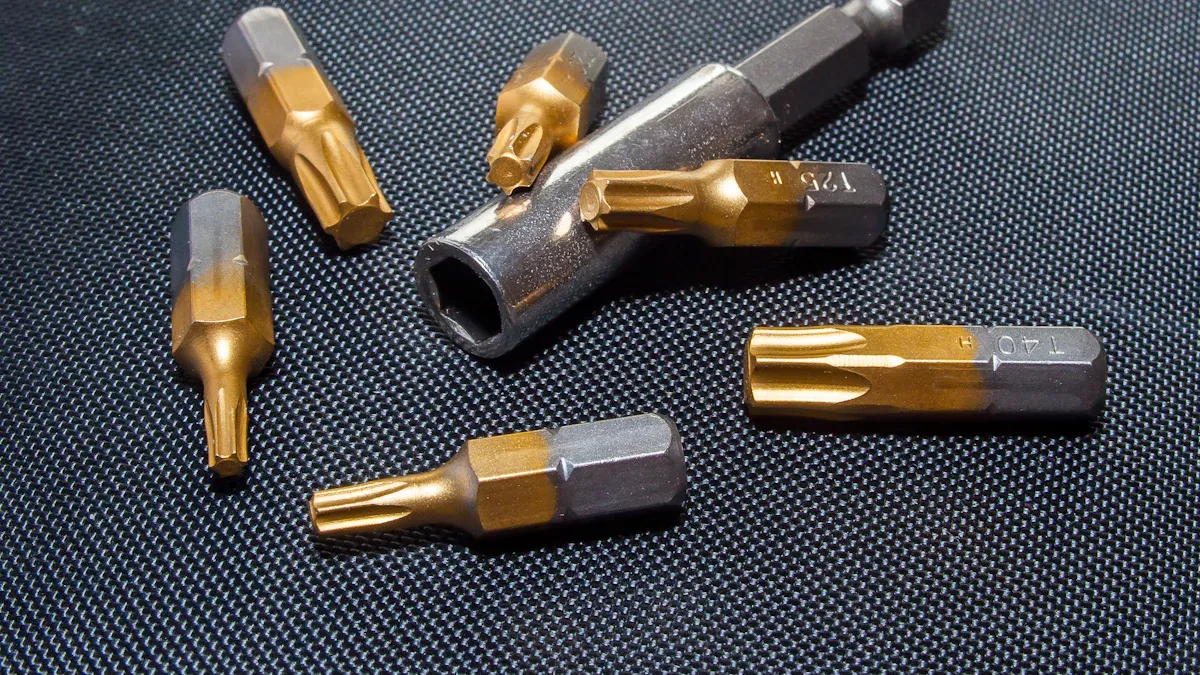
В этом полном руководстве рассматриваются основные типы инструментов для извлечения винтов. Каждая конструкция предлагает свой уникальный подход к извлечению винтов, благодаря чему одни инструменты лучше подходят для решения конкретных задач. Понимание этих различий — первый шаг к выбору подходящего инструмента для извлечения винтов в рамках вашего проекта. Это руководство поможет вам выбрать лучший инструмент для извлечения любых винтов.
Спиральные экстракторы
Конструкция и механизм захвата
Спиральные экстракторы с канавками отличаются тем, что конический корпус с агрессивными спиральными канавками, направленными влево. Эта конструкция напоминает спиральное сверло с обратной резьбой. Сначала пользователь просверливает направляющее отверстие в поврежденном винте. Затем левосторонняя спираль извлекателя врезается в металл при вращении инструмента против часовой стрелки. Это действие позволяет канавкам войти глубже, обеспечивая надежный захват при извлечении. Спиралеобразная геометрия также способствует отводу мусора, предотвращая заклинивание инструмента.
Идеально подходит для обычных винтов с сорванной головкой
Эти извлекатели винтов отлично справляются с извлечением обычных винтов из мягких металлов с поврежденными головками. Коническая форма позволяет адаптироваться к небольшим отклонениям в размере направляющего отверстия, благодаря чему этот инструмент универсален для повседневных работ. Его глубокое зацепление обеспечивает высокую эффективность при извлечении винтов с поврежденными головками типа «Крест» или с плоской головкой. Этот инструмент для извлечения винтов является неотъемлемой частью многих наборов инструментов для повседневного ремонта.
Преимущества и недостатки
- Дрель 3/8 дюйма, шестигранник 1/4 дюйма
- Отличная сила захвата на мягких металлах.
- Универсален для винтов различных размеров и решения типичных проблем с закручиванием.
- Широко представлены в наборах, включающих ручные и электрические извлекатели винтов.
- ✅ Работает с широким разнообразием типов крепежа и материалов.
- Может привести к растяжению винта, что затруднит его извлечение в ограниченном пространстве.
- При использовании с чрезвычайно закаленными или крупными крепежными элементами может произойти поломка.
Прямые экстракторы
Проектирование и применение
Экстракторы с прямыми канавками, также известные как шлицевые экстракторы, имеют вертикальные канавки, идущие вдоль корпуса инструмента. В отличие от спирального типа, этот экстрактор не вкручивается глубже в винт. Вместо этого пользователь вбивает его в предварительно просверленное отверстие. Прямые канавки обеспечивают множество точек соприкосновения, что гарантирует надёжный зажим по принципу клина. Такая конструкция сводит к минимуму риск расширения повреждённого винта.
Идеально подходит для более твердых металлов
Конструкция с прямыми канавками — оптимальный выбор для извлечения винтов, изготовленных из более твёрдых и хрупких металлов. Инструмент равномерно распределяет крутящий момент по всем канавкам. Это снижает концентрацию напряжений и уменьшает риск поломки извлекателя или самого винта. Это надёжный инструмент для работ, требующих применения высокого крутящего момента.
Преимущества и недостатки
- Дрель 3/8 дюйма, шестигранник 1/4 дюйма
- Снижает вероятность растяжения винта.
- Отлично подходит для более твёрдых или хрупких крепежных элементов.
- По сравнению со спиральными конструкциями менее подвержены поломке при высоком крутящем моменте.
- ✅ Работает с широким разнообразием типов крепежа и материалов.
- Для надежного закрепления требуется более точное пилотное отверстие.
- Может соскользнуть, если не закреплен надлежащим образом в резьбе.
Многошлинцевые экстракторы
Конструкция с высоким крутящим моментом
Многошлицевые извлекатели винтов обеспечивают максимальный крутящий момент и усилие захвата. Их конструкция предусматривает множество точек соприкосновения, которые входят в зацепление с внутренней поверхностью высверленного болта или винта. Данный извлекатель винтов рассчитан на работу в условиях высоких ударных нагрузок и значительных усилий.
Примечание: Уникальная геометрия многошлицевого съемника позволяет ему все глубже впиваться в поврежденный металл по мере увеличения усилия, прилагаемого против часовой стрелки, что обеспечивает надежный захват без проскальзывания во время снятия.
Идеально подходит для больших и туго затянутых болтов
Этот инструмент — идеальное решение для работы с крупными крепежными элементами с высоким крутящим моментом, которые заржавели, заклинились или сломались. Механики и промышленные техники часто используют эти инструменты для снятия винтов при выполнении сложных работ на двигателях и тяжелой технике, где для извлечения винтов требуется огромное усилие.
Преимущества и недостатки
| Характеристика | Описание |
|---|---|
| Преимущества | Обеспечивает превосходный крутящий момент; идеально подходит для использования с ударным гайковертом; обеспечивает очень надежный захват. |
| Недостатки | Требует точно просверленного отверстия; зачастую обходится дороже, чем другие виды. |
Внешние экстракторы с болтовым креплением
Как они фиксируют повреждённые головки
Внешние извлекатели, часто называемые «bolt-outs», работают по совершенно иному принципу. Вместо того чтобы вставляться в просверленное отверстие, этот инструмент надевается снаружи на головку поврежденного винта или болта. Внутренняя поверхность извлекателя имеет острые спиральные канавки, сужающиеся к концу и закрученные против часовой стрелки. Когда пользователь надевает извлекатель на скруглённую головку и поворачивает его с помощью гаечного ключа, эти канавки впиваются в металл. Чем больше усилие прилагается, тем глубже зацепляется инструмент, обеспечивая крутящий момент, необходимый для извлечения.
Идеально подходит для болтов со скруглённой головкой
Этот тип извлекателя является оптимальным решением для крепежных элементов с закруглёнными, повреждёнными или изношенными наружными головками, когда торцевой ключ или гаечный ключ уже не могут зацепиться за них. Это незаменимый инструмент для извлечения винтов при выполнении автомобильных и сантехнических работ, где гайки и болты часто подвергаются коррозии и износу. Инструмент обеспечивает новую прочную поверхность захвата на поврежденной головке винта, что значительно упрощает процесс извлечения. В данном руководстве рекомендуется использовать эти извлекатели винтов в любой ситуации, связанной с поврежденной шестигранной головкой.
Преимущества и недостатки
- Дрель 3/8 дюйма, шестигранник 1/4 дюйма
- Сверление не требуется, что позволяет сэкономить время и силы.
- Отлично подходит для приложения высокого крутящего момента к туго закрученному винту.
- Подходит для широкого спектра крепежных элементов с внешним приводом.
- ✅ Работает с широким разнообразием типов крепежа и материалов.
- Вокруг головки винта должно быть достаточно свободного пространства для установки инструмента.
- Не подходит для крепежных элементов, которые сломаны и находятся на одном уровне с поверхностью.
Экстракторы типа «Cam-Out»
Уникальная конструкция с двумя концами
Извлекатели типа «cam-out» отличаются продуманной конструкцией «два в одном», что делает их уникальным инструментом для извлечения винтов. Один конец насадки представляет собой полировальную головку, предназначенную для сглаживания и восстановления формы внутренней поверхности поврежденной головки винта. Другой конец — это сам извлекатель с тонкими острыми кромками, обеспечивающими надежный захват. Сначала пользователь прогоняет конец с полировальным наконечником в прямом направлении, чтобы очистить поврежденное углубление. Затем он переворачивает насадку на сторону извлекателя и, включив дрель на реверс, впивается в винт для его извлечения. Такая конструкция широко распространена как в наборах ручных, так и в наборах электрических извлекателей винтов.
Для винтов с обрезанной головкой для легких нагрузок
Этот инструмент для извлечения винтов лучше всего подходит для несложных задач, таких как извлечение небольшого винта с поврежденной головкой типа «Крест» или «Позидрив» из дерева или пластика. Инструмент особенно эффективен в случаях, когда материал винта относительно мягкий, а головка повреждена лишь частично. Он обеспечивает быстрый и удобный способ выполнения простых работ по извлечению винтов без необходимости использования отдельного сверла. В этом полном руководстве рекомендуются данные инструменты для извлечения винтов домовладельцам и любителям, сталкивающимся с обычными бытовыми ремонтами. Успешное извлечение винта зависит от того, насколько незначительны повреждения.
Совет от профессионала: Этот извлекатель менее эффективен при работе с заклинившимися винтами или винтами со значительными повреждениями. Мелкие канавки могут оказаться недостаточными для обеспечения необходимого сцепления при сложном извлечении, а сам инструмент может быстро износиться при неправильном использовании. Его главное преимущество — удобство при выполнении несложных операций по извлечению винтов.
Ключевые характеристики, которые необходимо учитывать при выборе винтовых извлекателей
Выбор подходящего набор инструментов для извлечения винтов — это не просто подбор типа инструмента в соответствии с задачей. В данном руководстве объясняется, что материал, диапазон размеров и конструкция захвата являются ключевыми факторами, определяющими эффективность и долговечность инструмента. Качественный набор инструментов для извлечения винтов обеспечивает прочность и универсальность, необходимые для успешного извлечения винтов.
Материал, твердость и долговечность
Материал, из которого изготовлен извлекатель винтов, напрямую влияет на его прочность и рабочие характеристики. Прочный инструмент не ломается под воздействием высокого крутящего момента, необходимого для извлечения винтов.
Быстрорежущая сталь (HSS)
Быстрорежущая сталь — это широко используемый и надёжный материал для инструментов по извлечению винтов. Он отличается оптимальным соотношением твёрдости и вязкости, благодаря чему подходит для извлечения винтов общего назначения. Многие инструменты для извлечения винтов из быстрорежущей стали (HSS) имеют покрытие из таких материалов, как титан или чёрный оксид, что повышает их долговечность и коррозионную стойкость.
Кобальт и кобальтовые сплавы
Кобальтовые сплавы обеспечивают более высокое качество. Эти извлекатели винтов значительно тверже, чем стандартные изделия из быстрорежущей стали (HSS). Благодаря повышенной твердости они позволяют просверливать и извлекать винты повышенной прочности, в том числе из нержавеющей стали или термообработанных сплавов. Кобальт обеспечивает превосходную термостойкость, что имеет решающее значение для сохранения остроты режущей кромки в процессе извлечения.
Хромомолибденовая сталь (Cr-Mo)
Хромомолибденовая (Cr-Mo) сталь известна своей исключительной прочностью и долговечностью, что делает её идеальным материалом для изготовления инструментов для извлечения болтов, предназначенных для работы в тяжелых условиях. Этот материал часто используется для изготовления извлекателей винтов, предназначенных для работы в условиях сильных ударов. Благодаря своей вязкости инструмент выдерживает огромные нагрузки от ударного гайковерта, не разрушаясь, что обеспечивает надёжное извлечение крупных болтов или застрявших винтов.
Понимание шкалы твёрдости по Роквеллу (HRC)
Шкала твёрдости по Роквеллу (HRC) измеряет сопротивление материала вдавливанию. Более высокое значение HRC свидетельствует о большей твёрдости материала. В случае с извлекателями винтов более высокий показатель означает, что инструмент способен впиваться в более твёрдый винт, не тупившись и не ломаясь. В данном руководстве приведены типичные значения твёрдости для этих материалов..
| Тип материала | Типичное значение HRC |
|---|---|
| Быстрорежущая сталь (HSS) | 63–65 HRC |
| Кобальтовые сплавы (например, M35) | 65–67 HRC |
| Хромомолибденовая сталь (Cr-Mo) | До 68 HRC |
Диапазон размеров и совместимость
Универсальный набор для выкручивания шурупов экономит время и избавляет от разочарований. Правильный набор должен справляться с наиболее распространёнными проблемами крепёжных элементов, с которыми вы сталкиваетесь.
Охват распространённых размеров шурупов и болтов
Комплексный набор экстракторов должен охватывать широкий диапазон их размеров. Для бытового и автомобильного ремонта в набор должен входить экстрактор для размеров от 1/8″ до 3/4″. Такой диапазон гарантирует, что у вас будет подходящий инструмент практически для любого повреждённого шурупа.
Выбор между наборами SAE и метрическими
Многие современные наборы экстракторов предназначены для работы как с крепежом SAE, так и с метрическим. Однако для профессиональной работы идеально иметь отдельный набор для каждой системы измерений. Это обеспечивает максимально точное соответствие и наилучший захват для выкручивания шурупа.
Важность соответствия размеров сверла
Успешное извлечение зависит от правильно подобранного направляющего отверстия. Большинство качественных наборов включают соответствующие левосторонние свёрла. Использование рекомендованного производителем сверла для каждого экстрактора гарантирует правильное зацепление экстрактора со шурупом без его расширения или раскалывания.
Конструкция захвата и сила зацепления
Геометрия экстрактора определяет, насколько хорошо он захватывает повреждённый шуруп. Ключевые конструктивные особенности напрямую влияют на силу зацепления инструмента.
Агрессивность и конусность канавок
Канавки являются режущими кромками экстрактора. Спиральные канавки обеспечивают агрессивный захват, который углубляется по мере приложения усилия. Прямые канавки создают клиновидный захват с несколькими точками контакта. Конические режущие кромки на любом типе экстрактора позволяют инструменту достичь мощного и стабильного захвата для эффективного извлечения.
Влияние конусности на зацепление
Конусность корпуса экстрактора является критически важным элементом конструкции. Плавный конус позволяет инструменту работать с более широким диапазоном размеров направляющих отверстий. Более крутой конус обеспечивает более агрессивный захват, но требует более точного направляющего отверстия под шуруп.
Тип привода: внешний шестигранник vs. квадратный хвостовик
Хвостовик экстрактора определяет, какой инструмент используется для его вращения.
- Квадратный хвостовик: Предназначен для использования с воротком, обеспечивая превосходный контроль и тактильные ощущения.
- Внешний шестигранник: Позволяет использовать головки, ключи или даже электроинструменты, обеспечивая универсальность и возможность приложения более высокого крутящего момента. Шестигранное основание — ключевая особенность для совместимости как с ручным, так и с электроинструментом.
Это полное руководство по инструментам для извлечения шурупов показывает, что правильно подобранный набор экстракторов является ценным вложением для любого набора инструментов.
Качество и организация набора
Общее качество набора экстракторов выходит за рамки самих инструментов. Кейс, маркировка и портативность — это особенности, которые напрямую влияют на эффективность пользователя и долговечность инвестиций. Хорошо организованный набор — ожидаемая характеристика, которая способствует лучшей производительности и более длительному сроку службы инструментов.
Ценность прочного кейса
Высококачественный кейс является критически важным компонентом любого профессионального набора экстракторов. Он служит гораздо более важной цели, чем просто хранение. Прочный, хорошо организованный кейс защищает острые режущие кромки экстракторов и свёрл от повреждений. Эта защита необходима для сохранения эффективности инструмента с течением времени. Для профессионалов, часто работающих с автомобильными или машинными компонентами, рекомендуется индексированная организация и прочный кейс для долгосрочного использования..
Хороший кейс предоставляет несколько ключевых преимуществ:
- Он защищает острые кромки свёрл от сколов или затупления.
- Он предотвращает потерю мелких, но важных деталей в загруженной мастерской.
- Он позволяет быстро определить правильный размер для работы.
- Он значительно повышает общую удобность использования набора.
Качественный кейс часто указывает на качественный комплект для удаления повреждённых шурупов. Это показывает, что производитель продумал весь пользовательский опыт.
Важность чёткой маркировки размеров
Время ценно в любом проекте. Чёткая маркировка размеров как на экстракторах, так и на соответствующих ячейках кейса необходима для эффективности рабочего процесса. Пользователи должны иметь возможность быстро определить правильный экстрактор и соответствующее сверло. Большинство производителей наносят размеры непосредственно на хвостовик инструмента методом штамповки или лазерной гравировки. Эта маркировка помогает предотвратить распространённую ошибку использования инструмента не того размера, которая может повредить крепёж или сам экстрактор.
Примечание: Всегда сверяйте размер экстрактора с рекомендациями производителя для направляющего отверстия. Чёткая маркировка на кейсе и инструментах делает эту сверку простой и безошибочной, обеспечивая успешное извлечение.
Портативность и хранение в мастерской
Хорошо продуманный набор обеспечивает как портативность для полевых работ, так и удобное хранение в мастерской. Многие современные наборы оснащены кейсами из прочного пластика с индивидуально вырезанным пенопластом или формованными ячейками. Такая конструкция улучшает организацию и портативность, что является ключом к поддержанию удобства использования. Компактность и надёжность этих кейсов позволяет технику легко транспортировать инструменты на место работы, не беспокоясь о смещении или потере предметов. В мастерской индексированная компоновка гарантирует, что каждый инструмент имеет своё определённое место. Эта организованная система позволяет легко увидеть, отсутствует ли деталь, и поддерживает порядок на рабочем столе.
Как выкрутить шуруп: выбор инструмента под проблему
Успешное выкручивание шурупа зависит от правильной диагностики проблемы. Сорванная головка шурупа требует иных методов, чем заржавевший болт. Это руководство разбирает распространённые сценарии и рекомендует лучший инструмент для извлечения для каждой задачи, гарантируя успешный результат каждый раз.
Сценарий 1: Извлечение шурупов со срывом головки
Сорванная головка шурупа — одна из самых частых проблем. Шлиц (например, крестообразный Phillips или звездообразный Torx) повреждается, и отвёртка больше не может зацепиться. Правильный подход зависит от типа шурупа и степени повреждения.
Для шурупов Phillips, с плоской головкой или Robertson
Эти распространённые типы шурупов могут легко сорваться, особенно в мягких материалах. Пользователь может попробовать несколько методов, прежде чем прибегать к специальному экстрактору.
- Увеличение трения: Поместите широкую резинку на повреждённую головку. Сильно прижмите биту отвёртки к резинке и медленно поворачивайте. Резинка обеспечивает дополнительное сцепление для зацепления с повреждённым шлицем.
- Использование плоскогубцев: Если головка шурупа выступает над поверхностью, прочно зажмите пару стопорных плоскогубцев вокруг внешней стороны головки. Затем пользователь может повернуть плоскогубцы против часовой стрелки для извлечения.
- Прорезание нового шлица: Для шурупа с полностью испорченной головкой пользователь может взять вращающийся инструмент с отрезным кругом. Аккуратно прорежьте новый прямой шлиц поперёк верхней части головки шурупа. Это позволит использовать плоскую отвёртку для извлечения.
Для сорванного шурупа Robertson (с квадратным шлицем) техник также может Сверление головки винта. Выберите сверло немного больше диаметра стержня винта. Квадратное углубление помогает центрировать сверло, делая процесс более контролируемым.
Для сорванных винтов с внутренним шестигранником (Allen) или Torx
Крепежные элементы с внутренним приводом, такие как винты с внутренним шестигранником (hex) и Torx, представляют особую сложность при срыве. Внутренние грани закругляются, и ключу не за что зацепиться.
В таких ситуациях высокоэффективны экстракторы с внешним захватом. Эти инструменты, иногда продающиеся наборами, такие как RocketSocket, имеют запатентованную конструкцию с винтовыми зубьями. Вместо того чтобы входить внутрь винта, этот инструмент надевается на поврежденную головку снаружи. Когда пользователь поворачивает экстрактор, его внутренние зубья врезаются в металл, захватывая головку, даже если она сильно повреждена. Этот метод быстрый и позволяет избежать сверления.
Рекомендуемые типы экстракторов и методы работы
Лучший инструмент для удаления винта зависит от характера повреждения и от самого винта.
- Незначительные повреждения (срыв граней): Для частично сорванного винта в дереве или пластике удобным первым выбором является Экстрактор стиля "Cam-Out" . Его двусторонняя конструкция часто позволяет зачистить и захватить винт для быстрого ремонта. Это отличное решение для удаления небольшого винта со срывом.
- Серьезные повреждения (срыв граней): Для полностью сорванного винта или винта из более твердого металла стандартным решением является Спиральный экстрактор (со шлицами) . Пользователь должен сначала просверлить направляющее отверстие в центре винта. Затем обратная резьба экстрактора врезается в отверстие для мощного удаления.
Ситуация 2: Удаление болтов со срезанной головкой
Срезанная головка болта возникает, когда гаечный ключ или головка многократно проскальзывают, срезая шестигранные грани. Инструмент больше не может захватить крепеж, и болт остается намертво застрявшим.
Когда головки и ключи не помогают
Стандартные головки полагаются на захват плоских сторон головки болта. Как только грани срезаны, головка просто проворачивается вокруг болта. Приложение большего усилия на этом этапе только усугубляет повреждение. Именно в этот момент становится необходим специальный экстрактор.
Оценка степени повреждения головки
Прежде чем выбрать инструмент, пользователь должен оценить, насколько сильно срезана головка. Некоторые повреждения незначительны, в то время как другие головки могут выглядеть почти круглыми. Современные экстракторы с внешним захватом невероятно эффективны. Некоторые высококачественные наборы экстракторов, часто изготовленные из термообработанной хромомолибденовой стали, могут захватить и удалить головку болта, срезанную до 85%.
Рекомендуемые типы экстракторов и методы работы
Лучшим решением для болта со срезанной головкой является Экстрактор с внешним захватом (Bolt-Out). Эти инструменты для удаления винтов в виде головок специально разработаны для решения этой проблемы.
Требуемый диаметр твердосплавного сверла Для работ с двигателем или коробкой передач болты часто находятся в углублениях. В таких случаях технику следует использовать набор удлиненных (глубоких) экстракторов для болтов. Стандартные головки будут слишком короткими, чтобы добраться до крепежа.
Эти экстракторы надеваются на поврежденную головку. Их внутренние винтовые канавки врезаются в крепеж, когда пользователь прикладывает крутящий момент против часовой стрелки. Эта конструкция не требует сверления и идеально подходит для приложения высокого усилия, необходимого для откручивания упрямого болта. Многие наборы рассчитаны на работу с ударным инструментом, что делает их совместимыми с ударными гайковертами для максимальной эффективности.
Ситуация 3: Удаление заржавевших или корродированных крепежных элементов
Ржавчина действует как мощный клей, сплавляя винт или болт с окружающим материалом. Эта связь может быть прочнее самого крепежа, что делает удаление чрезвычайно трудным. Для преодоления этого требуются химическая помощь и высокий крутящий момент.
Критическая роль проникающей смазки
Проникающая смазка — это важнейший первый шаг для любого заржавевшего крепежа. Ее химическое действие двойное:
- Проникновение: Масло обладает очень низкой вязкостью. Это свойство позволяет ему глубоко просачиваться в узкие зазоры между резьбой благодаря капиллярному эффекту, достигая источника заклинивания.
- Растворение: Специальные компоненты жидкости активно воздействуют на ржавчину и коррозию, растворяя их. Это химическое разрушение ослабляет связь, удерживающую винт на месте.
Для достижения наилучших результатов обильно нанесите проникающую смазку и дайте ей подействовать не менее 15-30 минут, а для особо упрямых винтов — даже несколько часов. Постукивание по головке винта молотком создает вибрации, которые помогают маслу проникнуть глубже.
Почему важен высокий крутящий момент
Крутящий момент — это вращающая сила, прикладываемая к объекту.. Ржавчина значительно увеличивает трение между резьбами, а это означает, что для начала движения и освобождения крепежа требуется гораздо больший крутящий момент. Без достаточного крутящего момента любая попытка удаления, скорее всего, приведет к срыву головки или поломке инструмента.
Рекомендуемые типы экстракторов и методы работы
Для заржавевших крепежных элементов работа требует сочетания подготовки и мощности.
- Подготовка: Обильно нанесите проникающую смазку и дайте ей время подействовать.
- Выбор правильного инструмента: Выберите экстрактор, рассчитанный на применение с высоким крутящим моментом.
- Многошлицевые экстракторы: Они идеально подходят для сломанных винтов, в которых уже просверлено направляющее отверстие. Они обеспечивают максимальный захват и рассчитаны на усилие от ударного гайковерта.
- Экстракторы с внешним захватом: Если головка цела, но заржавела, то мощный экстрактор с внешним захватом является отличным выбором. Его способность выдерживать высокий крутящий момент делает его идеальным для этой задачи.
Пользователь должен прикладывать медленное, постоянное давление при повороте экстрактора. Это позволяет инструменту сохранять сцепление и преодолевать сопротивление ржавчины, не сломав винт.
Ситуация 4: Удаление сломанных или срезанных винтов
Сломанный или срезанный винт представляет собой наиболее сложный случай для удаления. Головка винта отсутствует, и нет внешней поверхности для захвата. Эта ситуация требует точности, терпения и правильного внутреннего инструмента для удаления винтов для успешного извлечения.
Работа с крепежом без головки
Крепеж без головки — это винт или болт, который сломался из-за чрезмерного крутящего момента или усталости металла. Оставшаяся часть, или стержень, часто находится заподлицо с поверхностью заготовки или ниже ее. Стандартные плоскогубцы или экстракторы с внешним захватом в этом случае бесполезны. Единственное жизнеспособное решение — просверлить центр сломанного винта и использовать внутренний экстрактор Вывернуть его. Этот процесс требует тщательной подготовки, чтобы избежать повреждения окружающего материала или резьбы.
Как подготовить заподлицо поверхность для сверления
Правильная подготовка — самый критический этап для успешного удаления винта. Точное направляющее отверстие необходимо для корректной работы экстрактора.
- Создание ровной поверхности: Если часть сломанного винта выступает, техник должен сначала использовать шлифовальную машину или напильник, чтобы сделать её идеально заподлицо с заготовкой. Ровная поверхность предотвращает смещение сверла.
- Разметка центра: Пользователь должен определить точный центр винта. Используйте кернер и молоток, чтобы создать небольшое углубление. Эта выемка направляет сверло и обеспечивает центровку направляющего отверстия. Для неровных или наклёпанных поверхностей, карбидная фреза на вращающемся инструменте может создать более надёжную начальную точку.
- Сверление направляющего отверстия: Начните сверление маленьким острым сверлом, например, сверлом на 1/8 дюйма (≈3,2 мм). Это начальное отверстие задаёт прямой путь. Сверлильный станок обеспечивает наилучшую точность, но для большинства работ достаточно твёрдой руки.
- Постепенное увеличение отверстия: Пользователь должен постепенно увеличивать размер сверла в соответствии с инструкцией набора экстракторов. Эта техника постепенного сверления сохраняет центровку отверстия и безопасно удаляет материал. Продолжайте, пока отверстие не достигнет правильного диаметра для выбранного экстрактора.
Профессиональный совет: В крайне сложных ситуациях техник может использовать продвинутые методы. Приварка гайки к верхней части сломанного винта — один из таких методов. Сильный нагрев от сварки помогает разрушить ржавчину, а новая гайка предоставляет поверхность для захвата ключом и выкручивания.
Рекомендуемые типы экстракторов и методы работы
При наличии правильно просверленного направляющего отверстия пользователь может приступить к удалению. Выбор инструмента и техники зависит от состояния винта. В данном руководстве рекомендуются инструменты для удаления винтов, предназначенные для внутреннего захвата.
- Спиральные экстракторы (фрезерные): Это самый распространённый инструмент для удаления сломанных винтов. Пользователь аккуратно вбивает конический экстрактор в направляющее отверстие. Когда пользователь поворачивает инструмент против часовой стрелки с помощью воротка, его агрессивные спиральные канавки врезаются в металл, захватывая винт для извлечения.
- Многошлицевые экстракторы: Для более крупных и упрямых винтов многозубый (сплайн) экстрактор обеспечивает превосходную силу захвата. Этот инструмент — отличный выбор для применений с высоким крутящим моментом и часто может использоваться с ударным гайковёртом для дополнительного усилия. Множественные точки контакта распределяют нагрузку, снижая риск поломки экстрактора.
Эти экстракторы винтов необходимы для такой работы. Следующие техники могут увеличить шансы на успешное удаление:
| Техника | Описание |
|---|---|
| Левостороннее сверло | Пользователь может просверлить направляющее отверстие левосторонним сверлом. Поскольку сверло режет в направлении против часовой стрелки, трение и вибрация иногда могут быть достаточными, чтобы ослабить винт и вывернуть его без необходимости в экстракторе. |
| Стратегическое применение нагрева | Нагрев материала вокруг сломанного винта вызывает его расширение. Это расширение может помочь разрушить связь, созданную ржавчиной или коррозией. Пользователь должен равномерно нагреть область, а затем дать ей остыть перед попыткой извлечения. |
Освоение этих техник делает удаление винта без головки выполнимой задачей. Правильный экстрактор и методичный подход — ключи к превращению проблемы, останавливающей проект, в мелкий ремонт.
Как использовать экстрактор винтов: Пошаговый процесс
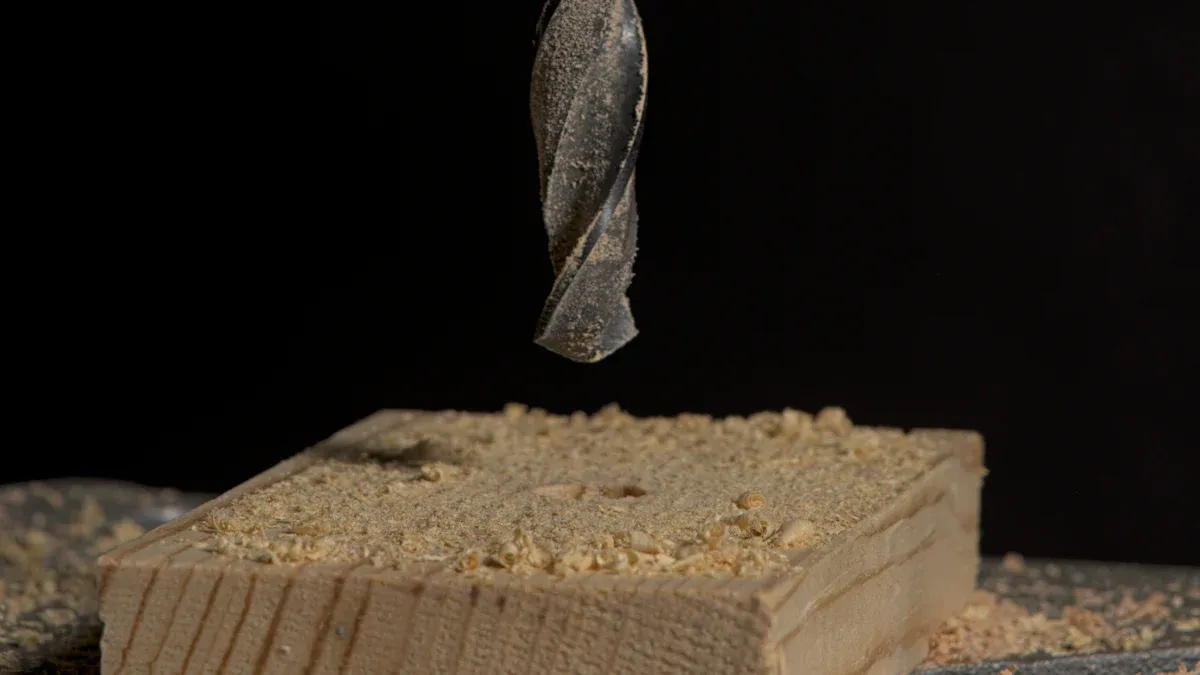
Это руководство предлагает чёткий, методичный подход к использованию экстрактора винтов. Следование этим шагам обеспечивает безопасное и успешное удаление винта, превращая раздражающую проблему в выполнимую задачу. Правильная техника так же важна, как и наличие правильных инструментов для удаления винтов.
Шаг 1: Подготовка и безопасность прежде всего
Правильная подготовка — основа успешного удаления винта. Пользователь должен уделить первостепенное внимание безопасности и создать идеальную рабочую поверхность перед попыткой извлечения.
Необходимые средства защиты: очки и перчатки
Техник всегда должен носить защитные очки, чтобы защитить глаза от металлической стружки. Также рекомендуется использовать прочные перчатки, чтобы защитить руки от острых кромок и обеспечить лучший захват инструмента.
Очистка крепёжного элемента и рабочей зоны
Пользователь должен тщательно очистить повреждённый винт и прилегающую область металлической щёткой и обезжиривателем. Это действие удаляет грязь, ржавчину и налёт, обеспечивая чёткий обзор крепёжного элемента и предотвращая вмешательство загрязнений в процесс удаления.
Создание идеальной метки с помощью кернера
Точная начальная точка критически важна для сверления. Кернер создаёт небольшое углубление, которое предотвращает соскальзывание сверла с центра винта.
- Разметка центра: Пользователь может начертить две пересекающиеся линии, образующие ‘X’,’ на точном центре винта.
- Установка инструмента: Техник держит кернер строго перпендикулярно головке винта, располагая его остриё на пересечении линий.
- Создание метки (кернение): Один уверенный удар молотком по торцу кернера создаёт чёткую метку. Это маленькое направляющее углубление необходимо для следующего шага.
Шаг 2: Сверление направляющего отверстия
Направляющее отверстие — это место, где экстрактор будет захватывать крепёжный элемент. Его точность и размер определяют успех всей операции по удалению.
Выбор правильного размера сверла
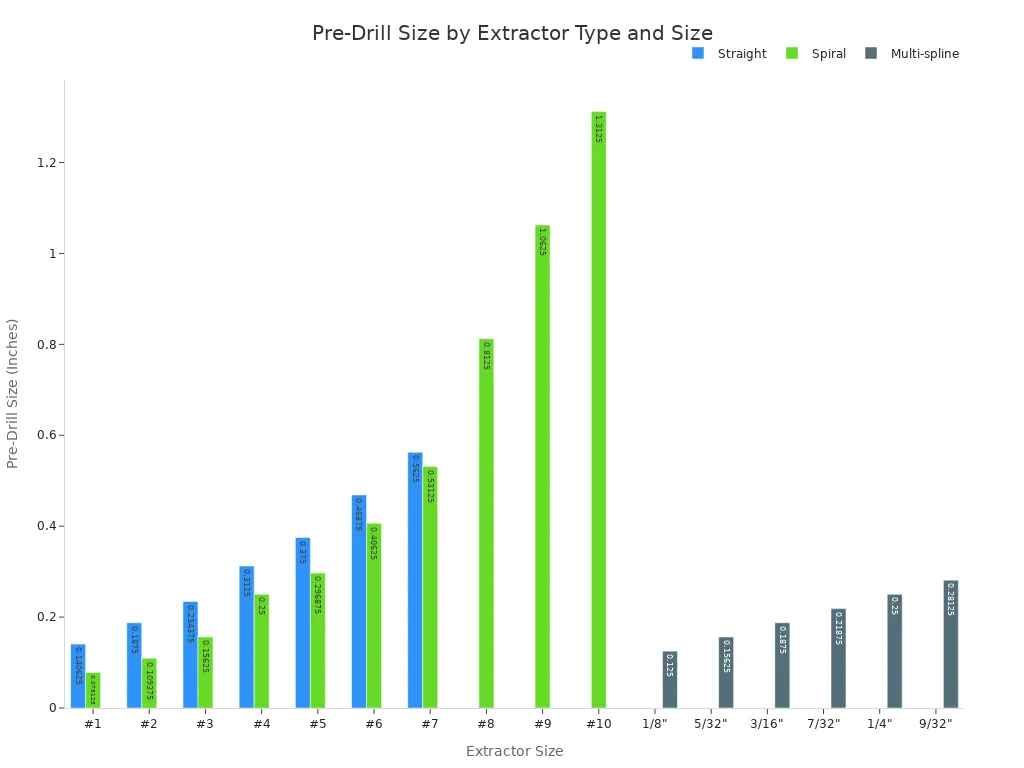
Выбор правильного сверла — не игра в угадывание. Производители экстракторов предоставляют таблицу размеров, которая сопоставляет каждый экстрактор с определённым размером сверла. Использование сверла неправильного размера может либо помешать экстрактору захватить винт, либо развальцевать его, сделав удаление невозможным.
| Размер удаляемого винта/болта | Размер предварительного сверла | Размер экстрактора |
|---|---|---|
| 3/16″ – 5/16″, 5 мм – 8 мм | 9/64″ (≈3,6 мм) | #1 прямой |
| 3/8″ (≈9,5 мм), 10 мм | 3/16″ | #2 прямой |
| 7/16″ (≈11,1 мм), 10 мм | 15/64″ (≈6,0 мм) | #3 прямой |
| 5/32″ – 7/32″, 4 мм – 6 мм | 7/64″ | #2 спиральный |
| 7/32″ – 9/32″, 6 мм – 8 мм | 5/32″ | #3 спиральный |
| 9/32″ – 3/8″, 8 мм – 10 мм | 1/4″ | #4 спиральный |
Техника прямого и центрированного сверления
Техник должен удерживать сверло идеально выровненным и перпендикулярным поверхности винта. Созданная ранее метка будет направлять сверло. Сверлильный станок обеспечивает наилучшую точность, но твёрдая рука может дать хороший результат.
Контроль скорости сверления и давления
Сверление требует ловкости, а не грубой силы. Пользователю следует начинать сверление с на низкой скорости, с легким и равномерным давлением.
Требуемый диаметр твердосплавного сверла При работе с твердыми металлами технический специалист должен использовать режущая жидкость или смазочно-охлаждающая жидкость. Это обеспечивает смазку сверла, предотвращает его перегрев и продлевает срок службы инструмента. Цель — контролируемое резание, а не высокая сила удара.
Шаг 3: Установка экстрактора
После просверливания ровного направляющего отверстия инструмент для извлечения винтов готов к вставке. На этом этапе извлекатель устанавливается так, чтобы он мог захватить поврежденный винт.
Аккуратно вставьте экстрактор на место, слегка постукивая по нему
Пользователь вставляет наконечник извлекателя в направляющее отверстие. Затем техник аккуратно постукивает по концу инструмента небольшим молотком. Это позволяет канавкам извлекателя плотно прилечь к стенкам просверленного отверстия.
Как обеспечить плотную и надежную фиксацию
После нескольких ударов экстрактор должен плотно и надежно зафиксироваться. Он не должен шататься. Не следует слишком сильно ударять по инструменту молотком, так как это может привести к расширению резьбы винта или повреждению самого экстрактора. Цель состоит в том, чтобы рифления зацепились настолько, чтобы обеспечить надежный захват для окончательного извлечения. Эти инструментов для удаления винтов предназначены для точной подгонки.
Шаг 4: Извлечение крепежного элемента
Заключительный этап процесса извлечения требует осторожного приложения усилия. После того как инструмент для извлечения винтов правильно установлен, мастер может начать выкручивать поврежденный винт. Именно на этом этапе использования инструмента для извлечения винтов терпение и правильная техника приносят свои плоды, обеспечивая успешное извлечение.
Использование гаечного ключа, торцевого ключа или ключа
Тип приводного конца зонда определяет выбор подходящего инструмента для данной работы. Каждый инструмент обеспечивает свой уровень контроля и крутящего момента при извлечении винта.
- Квадратный хвостовик: Технику следует использовать ключ с Т-образной рукояткой для извлекателя с квадратным шлицем. Этот инструмент обеспечивает отличное ощущение и сбалансированное, равномерное давление, что идеально подходит для аккуратного извлечения винтов.
- Шестигранный привод: Выкрутка с шестигранной головкой отличается большей универсальностью. К ней можно присоединить торцевую головку, разводной ключ или комбинированный ключ. Такая конструкция обеспечивает более высокий крутящий момент, благодаря чему она подходит для работы с более туго закрученными винтами. Такие выкрутки широко распространены среди современных инструментов для извлечения винтов.
Медленное и равномерное давление против часовой стрелки
Грубая сила — главный враг успешного извлечения винта. Резкое воздействие с большой силой может привести к поломке извлекателя или самого винта. Главное — прикладывать вращающее усилие медленно и равномерно. В данном методе показано, как эффективно использовать извлекатель винтов.
- Пользователь устанавливает соответствующий ключ или Т-образную рукоятку на конец извлекателя.
- Техник медленно и плавно поворачивает инструмент против часовой стрелки.
- По мере вращения инструмента экстрактор всё глубже вгрызается в винт, усиливая захват.
- Пользователь продолжает выполнять это плавное вращательное движение до тех пор, пока винт не будет полностью извлечен из отверстия.
Благодаря такому постепенному давлению извлекатель сохраняет сцепление и преодолевает трение, удерживающее винт на месте.
Устранение неисправностей в случае проскальзывания экстрактора
Иногда извлекатель может соскользнуть, если направляющее отверстие слишком велико или винт сильно заклинило. Если инструмент теряет захват, специалисту следует немедленно прекратить работу, чтобы избежать дальнейшего повреждения извлекателя или винта. Одним из вариантов решения проблемы является рассверливание направляющего отверстия на несколько размеров больше и использование инструмента на один размер больше из набора инструментов для извлечения винтов.
Продвинутая техника: Если инструмент для извлечения винта не справляется с задачей или выходит из строя, техническому специалисту, возможно, придется прибегнуть к более сложным инструментам для извлечения винтов. В случае сломанного винта достаточно большого размера эффективным решением является приваривание гайки к верхней части хвостовика винта. Пользователь надевает гаечный ключ подходящего размера на приваренную гайку. Затем техник оказывает постоянное давление, поворачивая гайку против часовой стрелки. Тепло, выделяемое при сварке, также помогает разрушить ржавую связь, обеспечивая рычаг, необходимый для окончательного извлечения винта.
Передовые методы и типичные ошибки в этом полном руководстве
Даже при использовании самых лучших инструментов для извлечения винтов некоторые крепежные элементы упорно не поддаются. В этом разделе полного руководства рассматриваются передовые методы для самых сложных задач и указываются типичные ошибки, которых следует избегать. Освоение этих надежных методов извлечения позволяет отличить успешное удаление винта от неудачи, которая может положить конец проекту. Данное руководство гарантирует, что пользователь будет обладать знаниями, необходимыми для решения любой задачи по извлечению винтов.
Советы профессионалов по работе с чрезвычайно тугими крепежными элементами
Если винт сильно заклинило, стандартных методов может оказаться недостаточно. Эти профессиональные приёмы помогут справиться даже с самыми упорными винтами.
Стратегическое использование тепла
Тепло — мощный помощник при извлечении винтов. Техник может использовать пропановую горелку, чтобы аккуратно нагреть материал вокруг винт. Это приводит к расширению окружающего металла, что способствует разрушению связей ржавчины или коррозии.
Внимание: При работе с алюминием пользователь не должен допускать превышения температуры 392 °F (200 °C). Чрезмерное нагревание может привести к размягчению или ослаблению алюминия, что вызовет необратимые повреждения. Необходимо нагревать корпус, а не сам винт.
Максимальное повышение эффективности проникающих смазочных материалов
Эффективность проникающей смазки резко возрастает под воздействием тепла. После нагрева области вокруг крепежного элемента специалист должен нанести качественную проникающую смазку. тепло способствует более глубокому проникновению масла в резьбу. Если дать маслу немного подействовать, а затем слегка постучать по этому участку молотком, создадутся вибрации, которые дополнительно способствуют проникновению масла, что облегчает окончательное удаление.
Хитрость с “сверлом для левшей”
Сверло для левшей — это гениальный инструмент для извлечения винтов. Этот инструмент резы против часовой стрелки. Когда техник сверлит пилотное отверстие, вращающий момент сверла приводит к откручиванию крепежного элемента. Во многих случаях одного только трения и зацепления сверла достаточно, чтобы поймайте сломанный винт и выкрутите его, благодаря чему отпадает необходимость в отдельном извлекателе винтов.
Распространённые ошибки, которых следует избегать
Знать, чего не следует делать, не менее важно, чем владеть правильными приёмами. Избегая этих распространённых ошибок, вы предотвратите дальнейшее повреждение заготовки и инструментов для извлечения винтов.
Использование экстрактора или сверла неподходящего размера
Выбор инструмента неподходящего размера является одной из основных причин неудачи. Если пилотное отверстие просверлено слишком большим, для захвата извлекателем останется недостаточно материала. Извлекатель, размер которого слишком мал для винта, может оказаться недостаточно прочным для извлечения и сломаться под давлением. Пользователь должен всегда руководствоваться таблицей размеров, предоставленной производителем.
Сверление пилотного отверстия не по центру или слишком глубоко
Смещенное относительно центра пилотное отверстие может повредить резьбу заготовки и привести к неравномерному распределению усилия, прилагаемого извлекателем, что в свою очередь может вызвать поломку. Техник должен использовать центровой клеймо для создания точной отметки начала сверления. Слишком глубокое сверление также может ослабить винт, что повысит вероятность его поломки при попытке извлечения.
Установка экстрактора в скважину
Сломанный экстрактор из закаленной стали внутри винта создает очень сложную проблему. Поскольку экстракторы для винтов отличаются чрезвычайной твердостью, стандартное сверло для них не подойдет. Для извлечения сломанного инструмента требуется специальное оборудование.
- Техник может использовать твердосплавная фреза с помощью угловой шлифовальной машины аккуратно отшлифовать сломанный участок экстрактора.
- Еще один вариант — воспользоваться острым кернером, чтобы попытаться разбить хрупкий экстрактор, а затем вытащить осколки.
Приложение слишком большого усилия слишком быстро
Терпение критически важно для успешного выкручивания винта. Распространенной ошибкой является приложение резкого, чрезмерного крутящего момента с помощью гаечного ключа или ударного гайковерта. Этот удар может легко сломать винт или сам экстрактор. Пользователь должен прилагать медленное, постоянное и возрастающее давление против часовой стрелки. Это позволяет инструменту надежно зацепиться и постепенно преодолеть сопротивление.
Пользователь выбирает правильный набор экстракторов для винтов, оценивая проблему с винтом и требуемый тип экстрактора. Качественный набор из закаленной стали — это долгосрочное вложение для любого застрявшего винта или болта. Освоение правильных техник обеспечивает успешное извлечение. Правильные экстракторы и инструменты для удаления винтов, такие как хороший экстрактор, экономят время и защищают заготовку.
Оснастите свой набор инструментов подходящим экстрактором, чтобы избавиться от разочарования из-за поврежденного винта. 🧰
Частые вопросы
Какой экстрактор лучше всего подходит для маленького, сорванного винта?
Экстрактор камаут-типа часто является лучшим выбором для маленьких, слегка сорванных винтов в мягких материалах, таких как дерево. Его двусторонняя конструкция позволяет пользователю сначала обработать головку, а затем быстро выкрутить винт. Спиральные экстракторы также эффективны при более серьезных повреждениях.
Можно ли повторно использовать винтовой экстрактор?
Да, пользователь может использовать высококачественный экстрактор для винтов многократно. Его срок службы зависит от качества материала и правильного использования. Технику следует избегать чрезмерного усилия или использования неподходящего размера, так как это может затупить канавки или привести к поломке инструмента.
Почему сломался мой экстрактор для винтов?
Экстракторы обычно ломаются из-за приложения слишком большого усилия слишком быстро или из-за использования экстрактора, слишком маленького для данной задачи. Закаленная сталь хрупкая и может сломаться под внезапным высоким крутящим моментом. Медленное, постоянное давление необходимо для успешного и безопасного удаления винта.
Обязательно ли левостороннее сверло?
Левостороннее сверло не является строго обязательным, но настоятельно рекомендуется. При сверлении направляющего отверстия его вращение против часовой стрелки иногда может захватить сломанный винт и выкрутить его. Это действие может избавить пользователя от необходимости использовать экстрактор вообще.
В чем разница между спиральными и прямыми экстракторами?
- Спиральный экстрактор: Этот тип имеет агрессивные, конические канавки, которые глубже врезаются при приложении усилия. Он хорошо работает с более мягкими металлами.
- Прямой экстрактор: Эта конструкция использует клиновидный захват, который минимизирует расширение винта. Он идеально подходит для более твердых, хрупких крепежных элементов.
Как пользователю удалить сломанный экстрактор из винта?
Удаление сломанного экстрактора затруднительно, поскольку он изготовлен из закаленной стали.
Примечание: Техник может использовать твердосплавную фрезу в гравере, чтобы аккуратно сточить сломанный кусок. Другой метод предполагает использование острого кернера, чтобы расколоть хрупкий экстрактор.