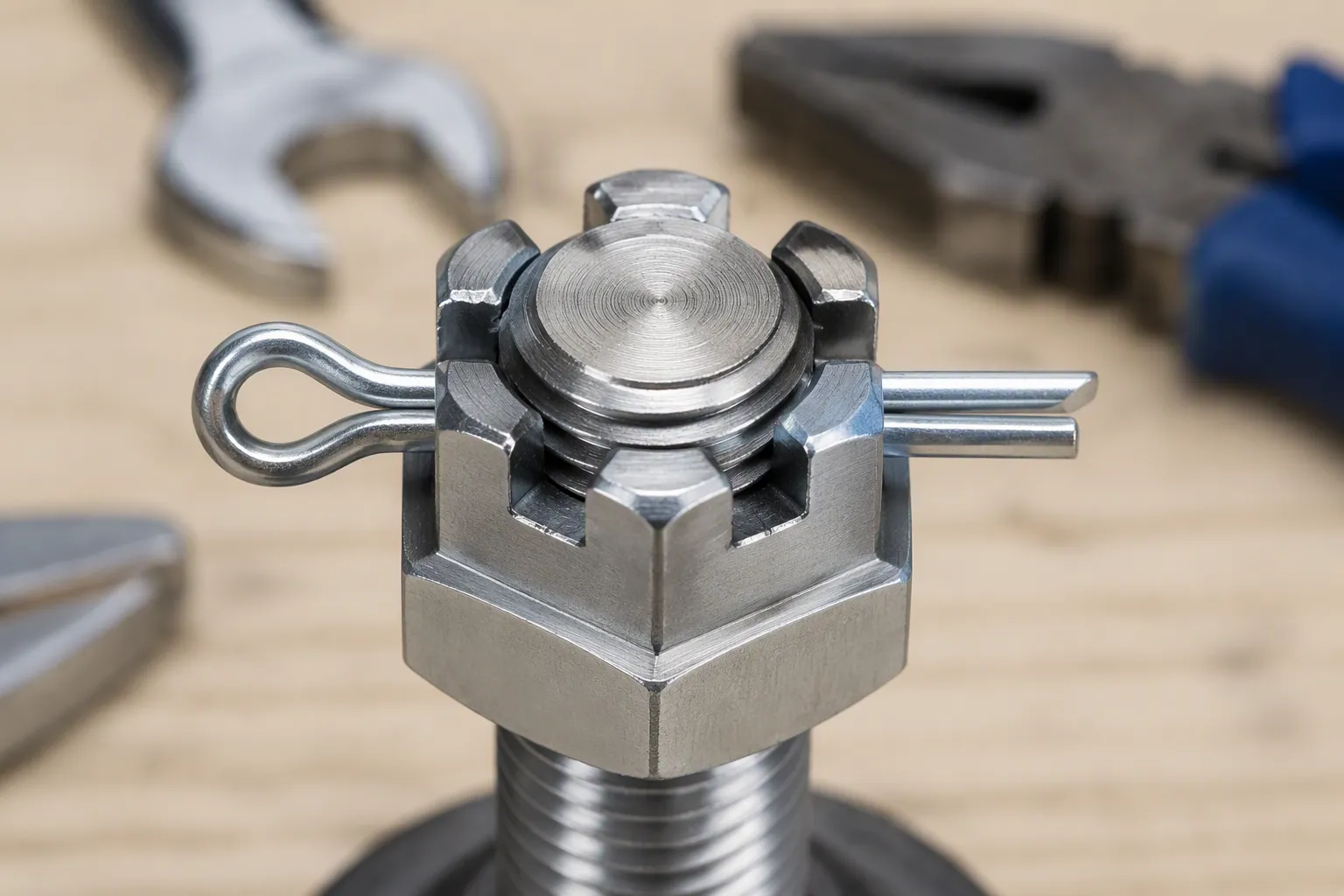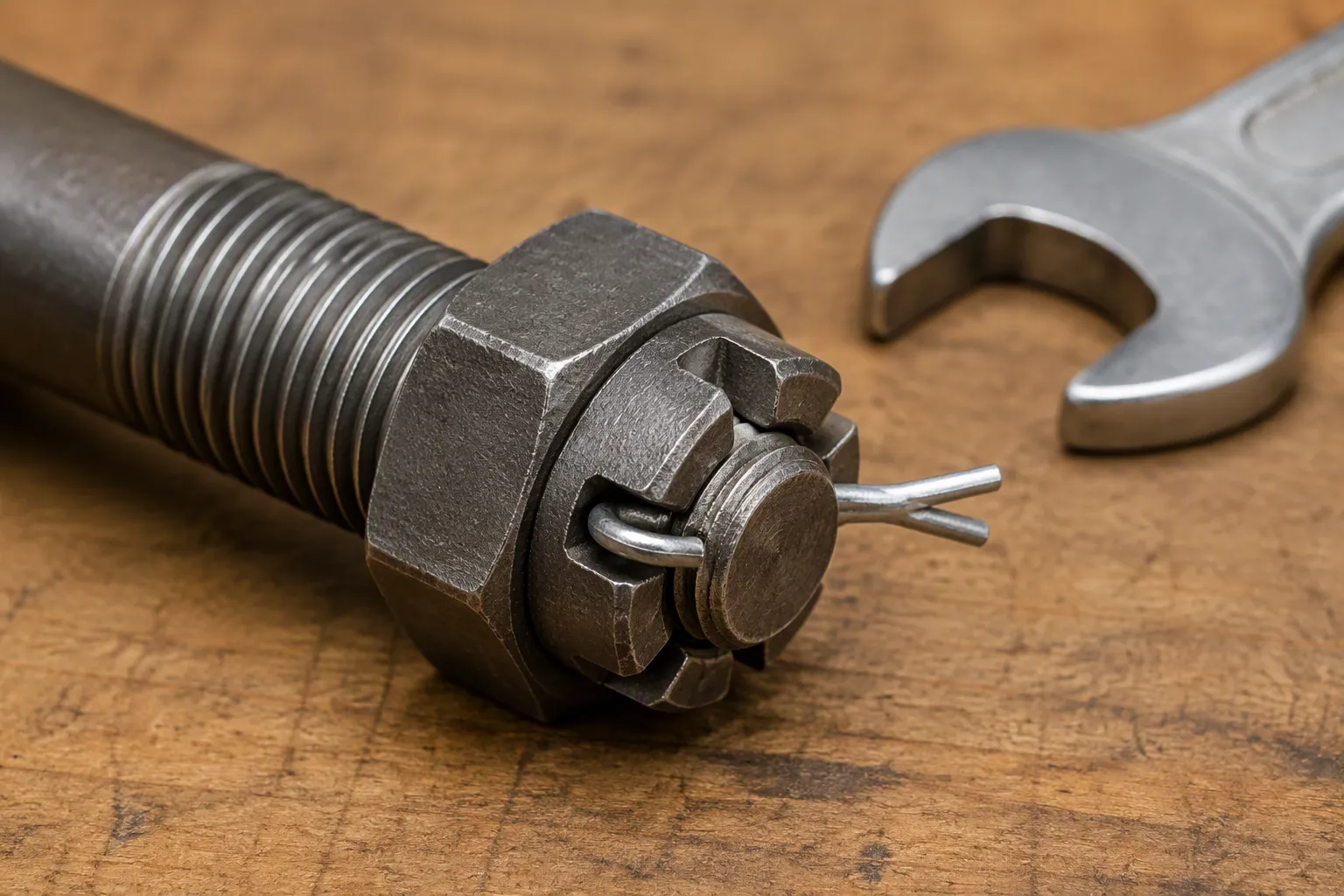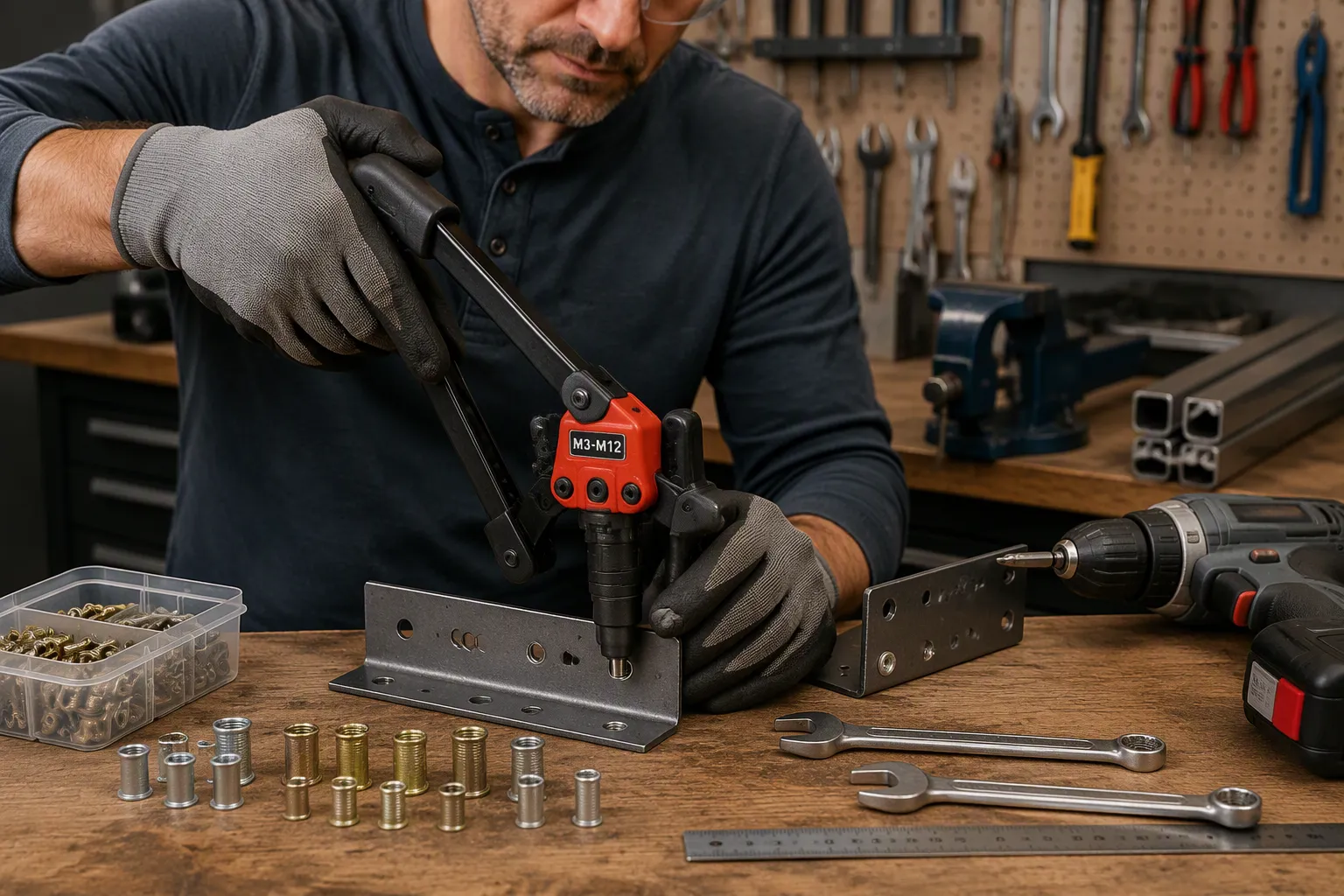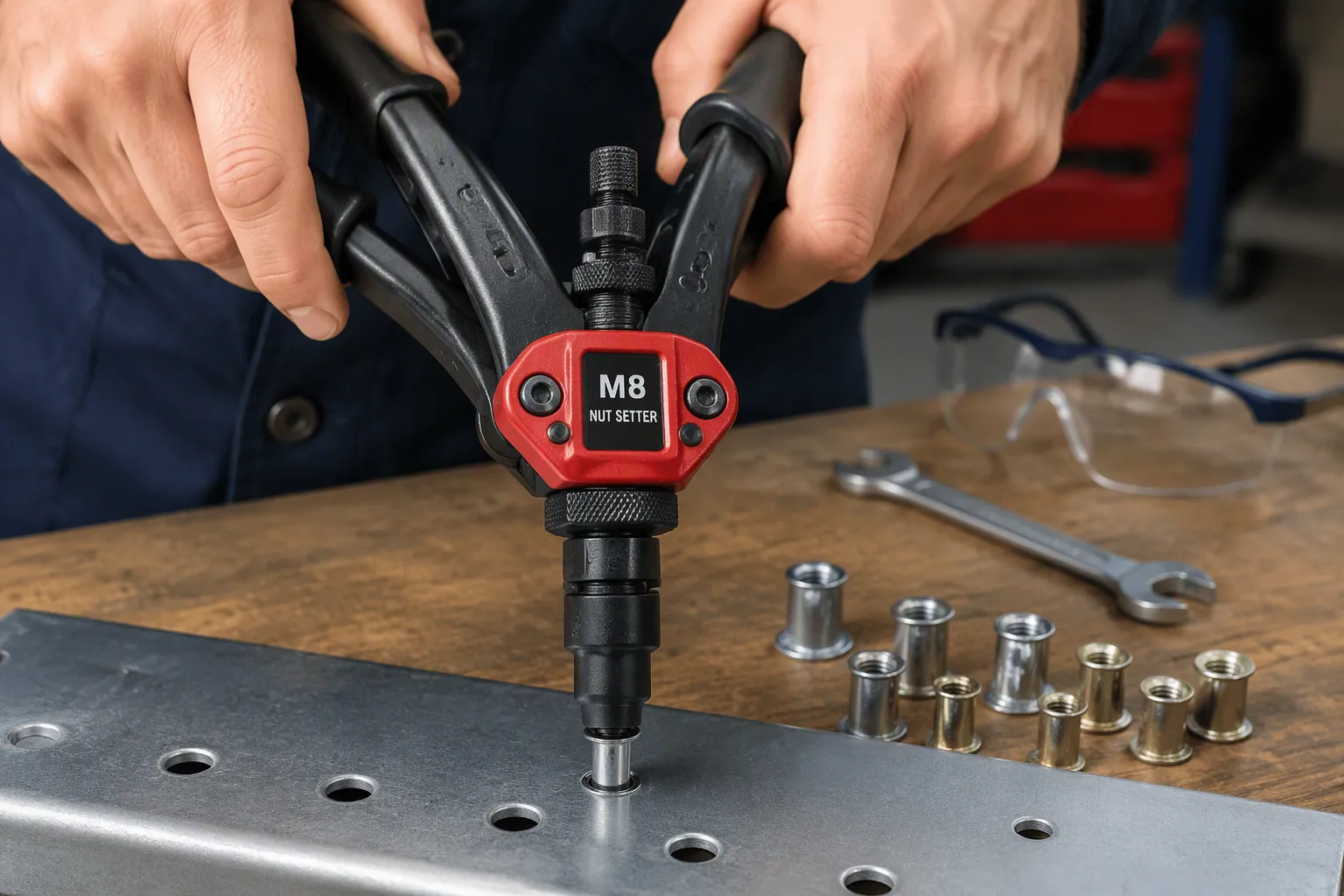
Выбор правильных заклёпочная гайка demands careful attention to the project’s requirements. Engineers often select rivet nuts when traditional гаек и болтов cannot provide a secure connection. A rivet nut offers reliable fastening in thin materials, where a rivet may not deliver the required strength. Many professionals consult a производитель крепежных изделий на заказ for unique applications or нестандартные крепежные элементы.
The correct selection ensures durability and performance, especially when installation calls for precision and material compatibility.
Choosing the Right Rivet Nut for Your Project Requirements
Defining the Application for Rivet Nuts
Нагрузка и потребности в прочности
Project requirements often dictate the selection of rivet nuts. Engineers must consider the expected load and the strength needed for the joint. In automotive and construction applications, rivet nuts provide strong anchor points in thin materials. Specialty alloys or steel alternatives are common in environments with high temperatures. For aerospace, composite-compatible rivet nuts minimize stress concentrations and support advanced materials.
| Тип применения | Ключевые соображения | Material Requirements |
|---|---|---|
| Автомобилестроение | Load-bearing performance, environmental factors | Specialty alloys or steel alternatives for high temperatures |
| Аэрокосмическая отрасль | Composite compatibility, stress concentration | Composite-compatible rivet nuts for advanced materials |
Условия окружающей среды
Environmental factors influence the choice of rivet nut. Outdoor installations require коррозионной стойкости. Stainless steel rivet nuts resist rust and chemicals, making them suitable for oil and gas applications. In automotive assembly, closed-end rivet nuts prevent water and dust ingress, which protects the joint and extends service life.
Identifying Materials for Rivet Nut Installation
Material Thickness
Choosing the right rivet nut depends on the thickness of the material. The grip range must match the material thickness to ensure a secure fit. If the grip range is too short or too long, the rivet nut may not hold properly.
| Фактор | Описание |
|---|---|
| Диапазон захвата | The material thickness must be within the grip range of the rivet nuts. |
| Размер отверстия | Sizes of rivet nuts vary and must fit the pre-drilled hole size. |
Material Type (Metal, Plastic, Composite)
Material type also affects rivet nut selection. Steel and stainless steel rivet nuts are common in construction equipment and automotive assembly. Stainless steel offers durability and a clean appearance for visible installations. For composite or plastic materials, engineers select rivet nuts designed to minimize stress and prevent cracking.
| Тип материала | Описание |
|---|---|
| Сталь | Low-carbon, cold-rolled steel for strength and reliability. |
| Нержавеющая сталь | Grades 304 or 316 for durability and resistance to rust and chemicals. |
Assessing Access and Installation Constraints for Rivet Nuts
One-Side vs. Two-Side Access
Many projects require installation in closed-shape profiles or hard-to-reach areas. Rivet nuts allow for one-sided access, eliminating the need to open the profile and preserving the integrity of the part. This feature enables installation in locations where traditional fasteners cannot reach.
- Enables installation in closed-shape extrusion profiles
- Allows for one-sided access to the assembly position
- Preserves the integrity of the part
Space Limitations
Space constraints also play a role in choosing the right rivet nut. Low-profile or countersunk rivet nuts provide a flush finish in tight spaces. Large flange heads offer extra support when the material is thin or soft. Engineers must measure available space and select the appropriate head style and body type.
Tip: Always verify the available space and access before selecting a rivet nut. This step prevents installation issues and ensures a secure connection.
Key Factors When Choosing the Right Rivet Nut
Grip Range for Rivet Nuts
Measuring Material Thickness
Engineers begin by measuring the material thickness before selecting a заклёпочная гайка. Accurate measurement ensures the grip range matches the application. The grip range refers to the thickness of material that the rivet nut can securely fasten. If the grip range does not align with the actual material thickness, the connection may fail or lose strength.
The grip range is critical—too thin and the nut won’t set, too thick and you’ll lose strength or even split the insert. For example, don’t try to cram a 0.125-0.250″ grip nut into 0.100″ stock—it just won’t hold.
Selecting the Correct Grip Range
Selecting the correct grip range is essential for safety and reliability. Engineers must consider not only the base material but also any coatings or surface treatments. Incorrect grip range selection can lead to joint failures if too low or improper fitting if too high. In high-load environments, such as aerospace and automotive industries, incorrect grip range can lead to a 30% failure rate in rivet applications. Accurate calculation of grip range, including material thickness and surface coatings, is essential for reliability.
Hole Size and Preparation for Rivet Nut Installation
Drilling the Right Hole Diameter
Proper hole preparation is a key step in choosing the right rivet nut. The hole diameter must match the rivet nut’s specifications to ensure a secure fit. Each rivet nut type requires a specific hole size, and even small deviations can affect performance.
| Rivet Nut Type | Typical Hole Diameter (mm) | Примечания |
|---|---|---|
| Standard round / knurled | ~9.0 (often 9.0–9.2) | General-purpose; sensitive to hole roundness/finish. |
| Plus-Nut / slotted styles | ≈8.9 | Wider backside footprint for thin/soft materials; check series datasheet. |
| Hex-body | Hex-punched aperture | Requires hex hole/broach; higher torque-to-turn than round bodies. |
Tolerance Considerations
Tolerances play a significant role in rivet nut installation. A hole that is too small makes insertion difficult, while a hole that is too large compromises the rivet nut’s grip. Sharp edges create stress risers that can initiate cracks under cyclic loading, affecting the integrity of the joint. Debris can lead to inadequate seating and increased stress concentrations, compromising performance.
| Фактор | Impact on Holding Strength |
|---|---|
| Incorrect Hole Size | Can lead to rivet nut spinning, pull-out, or weak connections. |
| Sharp Edges | Create stress risers that can initiate cracks under cyclic loading, affecting the integrity of the joint. |
| Debris | Can lead to inadequate seating and increased stress concentrations, compromising performance. |
Rivet Nut Body Type Options
Round Body Rivet Nuts
Round body rivet nuts offer versatility and ease of installation. They do not require welding and can be installed blind, making them suitable for a wide range of applications. These rivet nuts have a small footprint and can be installed after painting. However, they may have a lower load capacity than weld nuts and can spin if not installed properly.
Hex Body Rivet Nuts
Hex body rivet nuts provide higher torque-to-turn resistance compared to round bodies. They require a hexagonal hole or broach for installation. This design reduces the risk of spinning and increases reliability in high-torque applications. Hex body rivet nuts share many advantages with round body types, including ease of installation and versatility.
Knurled Body Rivet Nuts
Knurled body rivet nuts feature serrations that grip more firmly in softer materials such as aluminum. Serrated bodies are ideal for smaller sized rivet nuts in thin sheet materials. When set correctly, plain bodied rivet nuts offer no degradation in performance over serrated bodied rivet nuts. Knurled body rivet nuts combine the benefits of round body types with enhanced grip, making them suitable for challenging installations.
| Тип | Преимущества | Недостатки |
|---|---|---|
| Round Body | – No welding required. | – Lower load capacity than weld nuts. |
| – Ease of installation. | – Risk of spinning if improperly installed. | |
| – Versatile applications. | ||
| – Installed blind. | ||
| – Removable. | ||
| – Small footprint. | ||
| – Can be installed post paint. | ||
| Hex Body | – Similar advantages as round body. | – Similar disadvantages as round body. |
| Knurled Body | – Similar advantages as round body. | – Similar disadvantages as round body. |
Tip: Always match the rivet nut body type to the application’s load and installation requirements for optimal performance.
Rivet Nut Head Style Choices
Flat Head Rivet Nut
Flat head rivet nuts offer a broad bearing surface. This design distributes the load across a larger area, which helps prevent pull-through in softer materials. Flat head styles work well in applications where the fastener will remain visible. They provide a neat, finished look. Installers often choose flat head rivet nuts for panels, enclosures, and thin sheet metal.
Countersunk Head Rivet Nut
Countersunk head rivet nuts allow for a nearly flush finish. The head sits below the surface after installation. This style is ideal for applications where appearance matters or where a smooth surface is required. Furniture, electronics, and automotive interiors often use countersunk heads. While clinch nuts achieve the flattest installation, countersunk and small flange rivet nuts also create a low-profile result, though not as flush as clinch nuts.
- Clinch nuts: almost flush installations
- Small flange and countersunk rivet nuts: near flush installations
- Hex body rivet nuts: superior performance and appearance compared to round body types
Reduced Head Rivet Nut
Reduced head rivet nuts feature a smaller flange. This style fits tight spaces or applications where minimal protrusion is necessary. Reduced head designs help when clearance is limited or when aesthetics require a less visible fastener. Installers use reduced head rivet nuts in electronics, appliances, and lightweight assemblies.
Open End vs. Closed End Rivet Nuts
When to Use Open End Rivet Nuts
Open end rivet nuts are the most common type. They allow the bolt or screw to pass completely through the nut. This design suits general-purpose fastening where sealing is not a concern. Open end rivet nuts work well in applications that do not require protection from moisture or contaminants.
When to Use Closed End Rivet Nuts
Closed-end rivet nuts provide a sealed base. This feature prevents water, dust, and debris from entering the assembly. Closed-end designs deliver higher tensile and shear strength, making them suitable for demanding environments. Installers select closed-end rivet nuts for high-pressure or watertight applications, such as automotive, marine, and outdoor equipment.
| Feature/Benefit | Closed-End Rivets | Open-End Rivets |
|---|---|---|
| Sealing Capability | Fully sealed construction for watertight connections | Not designed for sealing |
| Прочность | High tensile and shear strength for demanding use | Suitable for general-purpose |
| Ideal Use | High-pressure environments requiring integrity | General applications |
Material Compatibility for Rivet Nuts
Steel Rivet Nuts
Steel rivet nuts offer strength and reliability. They perform well in indoor or mild outdoor conditions, especially when coated for corrosion resistance. Installers use steel rivet nuts in automotive, machinery, and construction projects. Coatings such as zinc or black oxide improve their durability.
Нержавеющие заклёпочные гайки
Stainless steel rivet nuts provide excellent corrosion resistance and mechanical strength. They suit extreme temperatures, outdoor, and marine environments. Installers rely on stainless steel for solar systems, shipbuilding, and the food industry. These rivet nuts withstand high mechanical loads and resist rust, even in harsh conditions.
- Stainless steel rivet nuts are ideal for:
- Outdoor use in solar systems
- Shipbuilding
- Food industry applications
- Environments with high mechanical loads and corrosion risks
Aluminum Rivet Nuts
Aluminum rivet nuts resist corrosion and offer a lightweight solution. They perform well in wet, salty, or outdoor environments. Aluminum suits applications where weight reduction is important, such as transportation and electronics. These rivet nuts provide a balance of strength and corrosion resistance.
Brass Rivet Nuts
Brass rivet nuts combine corrosion resistance with electrical conductivity. Installers use brass in electrical assemblies, plumbing, and decorative applications. Brass resists tarnishing and provides a distinctive appearance. It works well in environments where both durability and aesthetics matter.
Plastic Rivet Nuts
Plastic rivet nuts offer a non-conductive and corrosion-resistant option. They suit lightweight assemblies, electronics, and environments where metal fasteners may cause galvanic corrosion. Plastic rivet nuts prevent electrical shorts and reduce the risk of corrosion between dissimilar metals.
The selection of the appropriate material for blind rivet nuts is essential for ensuring the reliability and durability of connections. Factors such as corrosion resistance, mechanical load capacity, and environmental conditions play a significant role in determining the longevity of rivet nuts in various applications.
| Материал | Corrosion Resistance Level | Ideal Environments |
|---|---|---|
| Алюминий | Высокая | Wet, water, salt, outdoor |
| Нержавеющая сталь | Very High (especially 316) | Extreme temperatures, outdoor, marine |
| Сталь | Moderate (with coating) | Indoor, mild outdoor conditions |
Tip: Choosing the right rivet nut material ensures long-lasting performance and reduces maintenance costs.
Matching Rivet Nuts to Your Application Needs
Vibration and Spin-Out Resistance in Rivet Nuts
Choosing Anti-Rotation Features
Applications that experience frequent vibration require rivet nuts with enhanced anti-rotation features. Engineers often select hex body designs for their superior resistance to spin-out. The unique hexagonal shape provides high tensile strength and excellent load-bearing capability. These features help maintain joint integrity under dynamic loads.
| Anti-Rotation Feature | Описание |
|---|---|
| Thread-locking compounds | Effective but must be compatible with materials and may limit removability. |
| Prevailing torque designs | Incorporate features that resist loosening without permanent compounds. |
| Deformed threads | Specialized design that maintains torque under vibration. |
| Integrated locking elements | Enhances resistance to loosening in high-vibration applications. |
- Высокий предел прочности на растяжение
- Excellent load-bearing capability
- Superior resistance to vibration due to unique hexagonal shape
Selecting for High-Vibration Environments
In high-vibration environments, engineers prioritize rivet nuts that combine mechanical locking features with robust materials. Integrated locking elements and prevailing torque designs help prevent loosening. These solutions ensure that the rivet maintains its grip, even when exposed to constant movement or shock.
Tip: For machinery, automotive, or rail applications, always verify that the selected rivet nut resists both spin-out and vibration-induced loosening.
Corrosion Resistance for Rivet Nut Applications
Использование внутри и снаружи помещений
Material selection plays a critical role in коррозионной стойкости. Stainless steel rivet nuts offer the highest protection in outdoor and marine environments. Zinc-plated steel provides adequate resistance for indoor or sheltered applications but may not withstand prolonged outdoor exposure. Aluminum works well indoors but requires caution when used with stainless steel components due to galvanic corrosion.
| Материал | Indoor Application Suitability | Outdoor Application Suitability | Примечания |
|---|---|---|---|
| Алюминий | Умеренная | Caution outdoors | Risk of galvanic corrosion with stainless steel |
| Steel (Zinc Plated) | Высокая | Adequate for sheltered use | Not for prolonged outdoor exposure |
| Stainless Steel A2 (304) | Умеренная | Good for outdoor use | A4 (316) preferred for marine environments |
| Stainless Steel A4 (316) | Низкая | Best for marine environments | Superior chloride resistance |
Plating and Coating Options
Plating and coating options further enhance the durability of rivet nuts. Zinc plating offers a cost-effective barrier against corrosion, making it suitable for most metal fasteners. Nickel plating increases corrosion resistance and improves electrical conductivity. Other coatings, such as black oxide and chrome, protect the underlying metal from harsh environmental factors.
- Zinc-coated rivet nuts act as a protective barrier against galvanic corrosion when used with dissimilar metals.
- Internal testing showed that aluminum rivets on steel plates corroded significantly in saline solutions, while zinc-coated rivet nuts maintained their integrity.
Aesthetic and Flush Mounting with Rivet Nuts
Head Style for Appearance
Head style selection impacts both the appearance and function of finished assemblies. Dome head rivet nuts provide a clean, rounded finish and excellent clamping force. Countersunk heads create a flush surface, ideal for applications that require a smooth look. Large flange heads distribute load over a wider area, increasing support and security.
| Тип головки | Aesthetic Impact |
|---|---|
| Куполообразная головка | Clean, rounded finish and excellent clamping force |
| С потайной головкой | Flush finish for smooth surfaces |
| Large Flange Head | Distributes load for increased support and security |
Concealed vs. Exposed Installations
Installers choose head styles based on whether the rivet will remain visible or concealed. For exposed installations, dome and countersunk heads enhance the visual appeal. Concealed applications may prioritize function over appearance, selecting head styles that maximize strength or minimize protrusion.
Note: Always match the head style to the project’s aesthetic and structural requirements for the best results.
Choosing the Right Installation Tools for Rivet Nuts
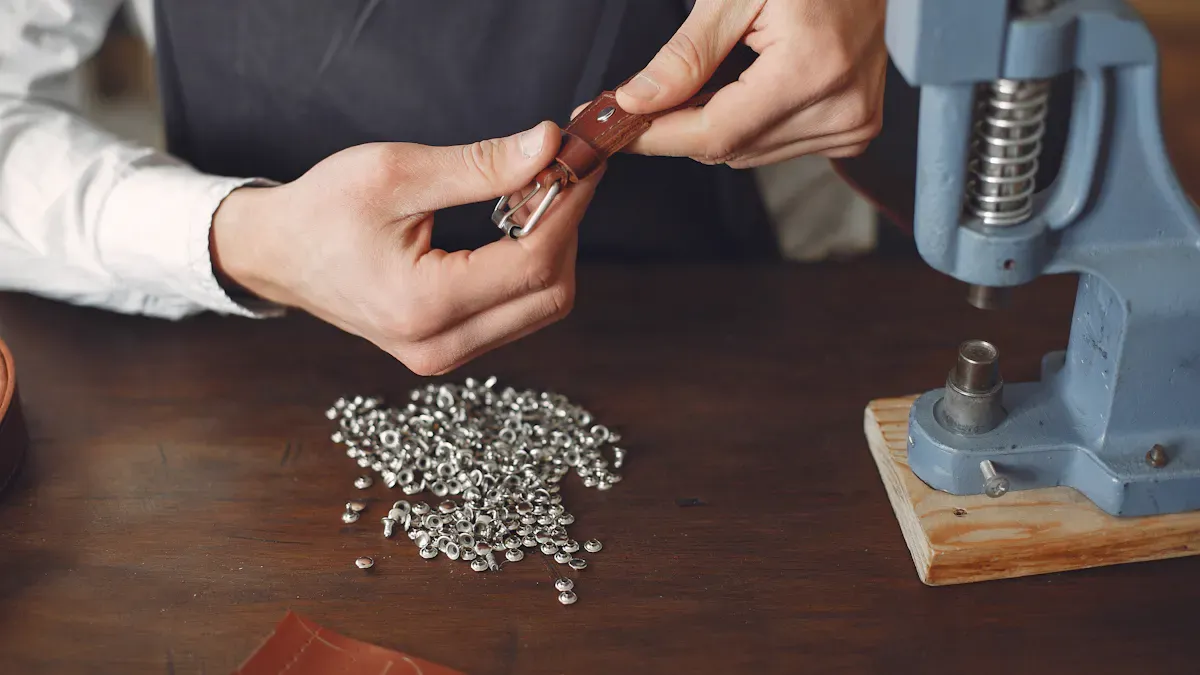
Selecting the proper installation tools ensures that rivet nuts perform as intended. The right tool increases efficiency, reduces installation errors, and extends the life of the fastener. Tool choice depends on project volume, rivet nut type, and installation environment.
Manual Tools for Low-Volume Rivet Nut Projects
Manual tools suit small-scale or prototype work. They offer control and are cost-effective for occasional use.
Hand Rivet Nut Tools
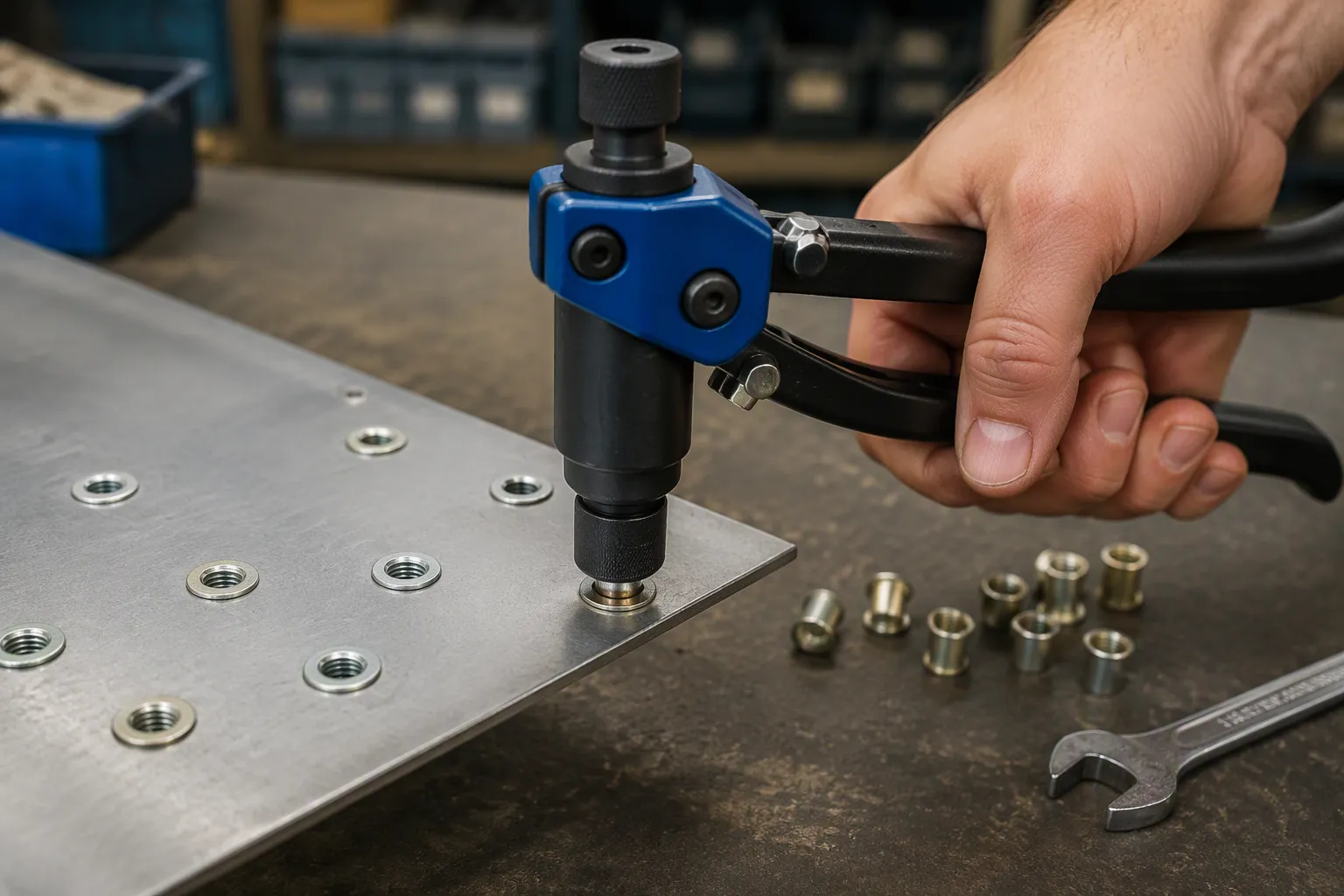
Hand tools provide a straightforward solution for installing rivet nuts in low-volume settings. Operators use these tools for quick repairs or assembly in tight spaces. They require minimal setup and work well for home repairs or maintenance tasks.
Lever Rivet Nut Tools
Lever tools deliver more force with less effort. They handle larger rivet nuts and small production runs. Some lever tools, such as double action or plunger types, offer faster release and increased efficiency. However, these tools may require more physical strength and can be complex for beginners.
| Тип инструмента | Описание | Ограничения |
|---|---|---|
| Double Action Lever Tool | Ideal for larger rivet nuts and small custom production. | Requires physical strength to operate. |
| Plunger Double Action Lever Tool | Functions similarly to the double action lever but offers quicker release. | May be more complex to use than simpler tools. |
| Expendable Tool | Economical option for home repairs; easy to use. | Less durable; not suitable for heavy-duty use. |
| Hi-Torquer Threaded Insert Tool | Requires less exertion; good for small-scale projects. | Limited to smaller projects; may not handle larger rivet nuts. |
| Threaded Insert Hand Tool | Allows installation at a 90° angle; good for tight spaces. | May not be effective in very confined areas. |
Note: Manual tools work best for prototypes, repairs, or when only a few rivet nuts need installation.
Power Tools for High-Volume Rivet Nut Projects
Power tools increase productivity and consistency in large-scale operations. They suit assembly lines and repetitive tasks.
Pneumatic Rivet Nut Tools
Pneumatic tools use compressed air to install each rivet quickly. They provide consistent force, reducing operator fatigue and installation errors. These tools excel in factory environments where speed and reliability matter.
Battery-Operated Rivet Nut Tools
Battery-operated tools offer flexibility and portability. Operators use them in fieldwork or locations without easy access to power. These tools reduce physical strain and improve safety by eliminating cords and hoses.
| Преимущество | Описание |
|---|---|
| Portability and Flexibility | Battery-operated tools work in various locations, ideal for tight spaces and fieldwork. |
| Increased Efficiency | Automatic functions reduce manual effort and installation time. |
| Consistency and Precision | Consistent force and torque ensure correct installation, minimizing errors. |
| Reduced Operator Injury | Design reduces physical strain and tripping hazards, creating a safer environment. |
| 5000 тонн/месяц | Higher initial cost, but long-term savings from efficiency and reduced maintenance. |
Tip: For high-volume production, power tools deliver speed, accuracy, and long-term cost savings.
Tool Compatibility with Rivet Nut Types
Matching the installation tool to the rivet nut type ensures proper seating and joint strength.
Tooling for Different Body Styles
Different rivet nut body styles, such as round, hex, or knurled, may require specific tools. The tool must match the body style to prevent spin-out and ensure a secure fit. Совместимость материалов also matters. Stainless steel rivet nuts need higher pulling force, so the tool must handle the required load.
Tooling for Different Sizes
Tool specifications must align with the size of the rivet nut. Manual, battery-operated, or pneumatic tools each have limits on the sizes they can install. Operators should check tool ratings before starting a project.
| Фактор | Описание |
|---|---|
| Type of Rivet Nut | Different types may require specific tools for installation. |
| Совместимость материалов | Material affects the pulling force needed; stainless steel requires more force. |
| Tool Specifications | Manual, battery-operated, or air-powered tools suit different installation volumes and locations. |
Always verify that the chosen rivet nut tool matches the rivet nut’s body style, size, and material for reliable installation.
Practical Tips for Choosing the Right Rivet Nut
Avoiding Common Mistakes with Rivet Nuts
Overlooking Grip Range
Many installers make the mistake of ignoring the grip range when selecting fasteners. They may choose a заклёпочная гайка that does not match the material thickness, which can lead to weak joints or even failure. If the grip range is too short, the rivet nut will not seat properly. If it is too long, the fastener may spin or pull out under load.
- Improperly sized holes often cause rivet nut spinning or weak connections.
- Using the wrong drill bit can result in holes that are either too small or too large, making installation difficult.
- Failing to remove burrs around the hole edges can affect fitment and joint integrity.
Ignoring Material Compatibility
Material compatibility plays a critical role in the performance of rivet nuts. When installers ignore environmental loads or safety margins, they risk premature failure. For example, using a steel rivet nut in a corrosive environment can lead to rust and joint degradation. Not considering the load requirements or the type of installation tool can also result in inefficient joints and potential part failure.
Tip: Always match the rivet nut material to the application environment and load requirements to ensure long-term reliability.
Testing Rivet Nuts Before Full Installation
Sample Installations
Pre-installation testing helps prevent common failure modes. Installers should use scrap material that matches the actual stack thickness to test the rivet nut. This step verifies that the hole diameter, grip range, and installation tool are correct. Monitoring the installation process ensures consistency and accuracy.
| Характер разрушения | Последствие | Описание |
|---|---|---|
| Overset | Part damage | Too much force can damage the rivet nut, leading to assembly failure. |
| Underset | Spin-out or inadequate load | An underset rivet nut may spin, resulting in insufficient preload. |
| Offset installation | Spin-out and pull-out | If not flush with the substrate, severe failure scenarios can occur. |
Checking Fit and Strength
Installers should check for proper fit and strength after sample installation. Sensors can measure pull force and distance, validating the installation. Testing spin-out while clamping the panel helps verify the assembly’s torque margin. These steps reduce the risk of rivet nut failure in critical applications.
Sourcing Quality Rivet Nuts
Choosing Reliable Suppliers
Selecting a reputable supplier ensures consistent quality. Reliable suppliers provide detailed specifications and support. They help installers avoid issues related to substandard materials or manufacturing defects.
Verifying Specifications
Installers should always verify rivet nut specifications before installation. The recommended steps include:
- Consider thread size, material thickness (grip range), and required hole diameter.
- Drill to the catalog hole diameter, deburr and degrease the hole.
- Install a rivet nut in scrap material to test spin-out and verify assembly torque margin.
Note: Careful verification and testing help prevent costly errors and ensure the long-term performance of the joint.
When to Seek Expert Advice on Rivet Nuts
Choosing the right fastening solution can become challenging when a project involves complex requirements or unique environments. In these situations, consulting an expert ensures the selection of rivet nuts that meet both performance and safety standards.
Complex or Critical Rivet Nut Applications
Structural or Safety Concerns
Projects that involve structural integrity or safety-critical components demand careful attention. Engineers often encounter these scenarios in transportation, aerospace, or heavy machinery. When a joint must support significant loads or withstand repeated stress cycles, the risk of failure increases. An expert can evaluate the application, recommend the correct fastener, and verify that the installation method meets industry regulations. This approach helps prevent costly errors and ensures the safety of end users.
Note: Safety-critical assemblies benefit from third-party review. An expert can identify potential weaknesses before installation begins.
Specialized Materials or Environments
Some projects require fastening into materials with unique properties, such as composites, high-strength alloys, or plastics with low melting points. These materials may react differently to the installation process or environmental exposure. For example, a rivet nut installed in a composite panel may need special features to prevent delamination or cracking. Experts understand how different materials interact with fasteners and can suggest solutions that maintain joint integrity over time.
Custom or Unusual Rivet Nut Requirements
Non-Standard Sizes
Standard fasteners may not fit every application. When a project calls for non-standard hole sizes, thread pitches, or body lengths, off-the-shelf options often fall short. Custom rivet nuts address these challenges by providing tailored solutions that match the exact specifications of the workpiece. This customization ensures a secure fit and reliable performance, especially in industries where precision matters.
Unique Installation Challenges
Some assemblies feature limited access, irregular shapes, or require joining dissimilar materials. In these cases, traditional threaded connections may not deliver the required mechanical performance. Custom or non-standard rivet nuts form an inseparable unit through the riveting process, which avoids issues like wear and loosening. This method proves ideal for joining components with diverse shapes and sizes, ensuring a robust and lasting connection.
Tip: When facing unusual installation constraints, early consultation with a fastening specialist can streamline the design process and reduce rework.
| Ситуация | Why Expert Advice Matters |
|---|---|
| Structural or safety-critical | Ensures compliance and reliability |
| Specialized materials | Prevents material damage and failures |
| Non-standard or custom designs | Delivers tailored, high-performance fit |
| Unique installation environments | Solves access and assembly challenges |
Selecting the right rivet nut starts with understanding the project’s requirements. Engineers should measure material thickness, choose a matching grip range, and evaluate head style for both appearance and function. They must consider the workpiece material, environment, and load demands to ensure durability.
- Tailored rivet nuts create strong, lasting connections.
- Proper selection supports high torque and pull-out forces.
- Testing and expert advice help prevent failures.
Quality installation guarantees safety and long-term reliability for any application.
Частые вопросы
What is a rivet nut and how does it work?
A rivet nut is a fastener that creates a strong, threaded connection in thin materials. It installs from one side and expands to grip the material, allowing secure attachment of bolts or screws.
When should someone use blind rivet nuts?
Blind rivet nuts work best when only one side of the material is accessible. They provide a reliable threaded anchor in closed profiles, tubes, or panels where traditional nuts and bolts cannot reach.
How does material thickness affect rivet nut selection?
Material thickness determines the required grip range for the rivet nut. Selecting a rivet nut with the correct grip range ensures a secure fit and prevents joint failure or spin-out during use.
Can rivet nuts be installed in plastic or composite materials?
Yes, manufacturers design specific rivet nuts for plastic and composite materials. These fasteners minimize stress and prevent cracking, ensuring a durable and long-lasting connection in non-metallic substrates.
What tools are needed to install rivet nuts?
Installers can use manual hand tools, lever tools, pneumatic tools, or battery-operated tools. The choice depends on project volume, rivet nut size, and installation environment.
Are rivet nuts reusable after installation?
Rivet nuts remain in place after installation, but users can remove and replace the attached bolt or screw multiple times. The rivet nut itself is not typically reusable if removed from the material.
How can someone ensure corrosion resistance in rivet nut applications?
Selecting rivet nuts made from stainless steel, aluminum, or those with protective coatings helps prevent corrosion. The right material choice depends on the environment and exposure to moisture or chemicals.
What are the main advantages of using rivet nuts?
Rivet nuts provide strong, permanent threads in thin or soft materials. They allow for quick installation, support one-sided access, and work in a wide range of industries, including automotive, electronics, and construction.