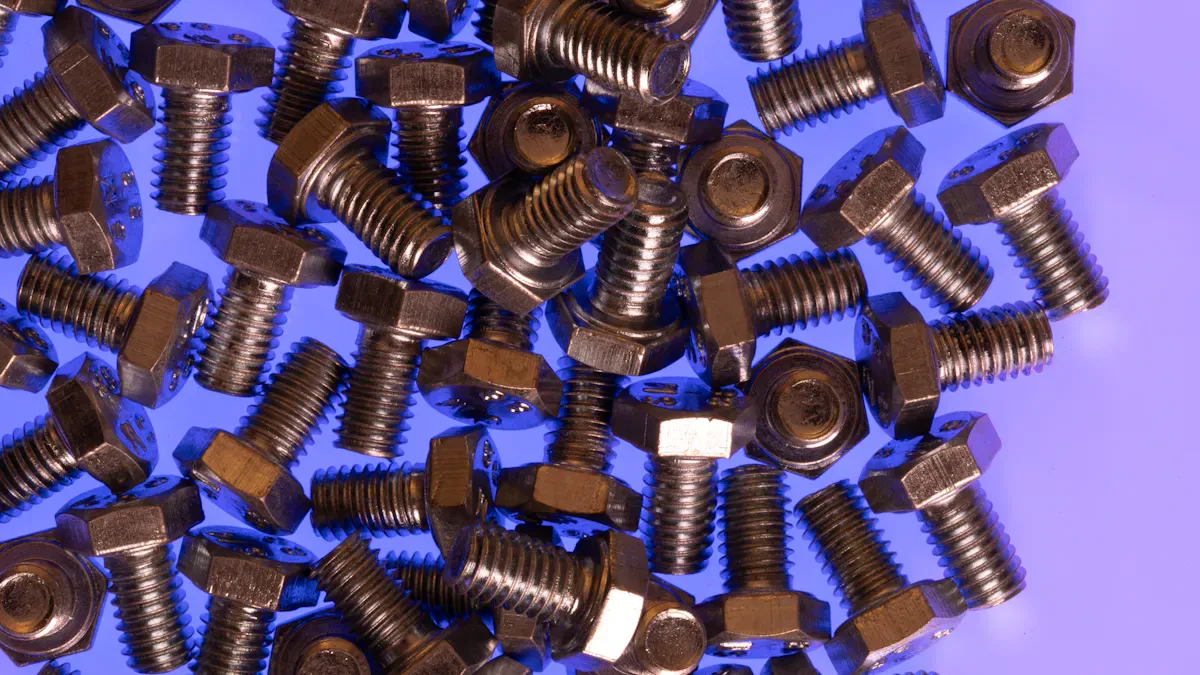
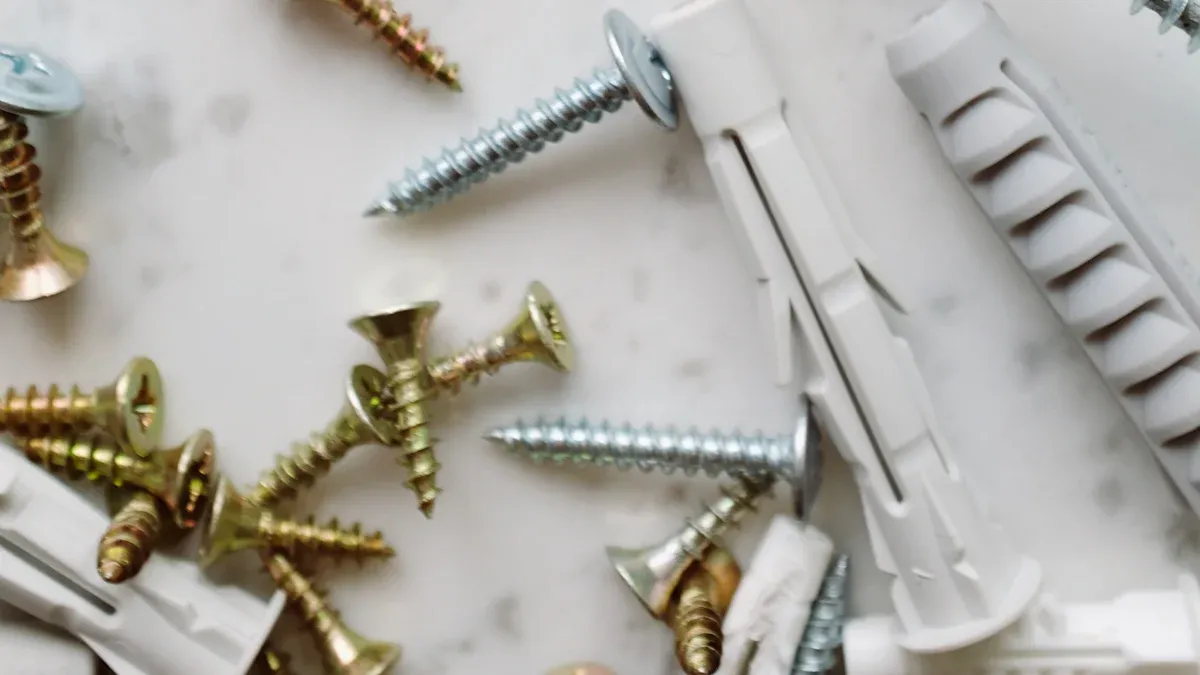
A person can install hollow wall anchors by first drilling a correctly sized pilot hole into the drywall. They gently tap the anchors into the hole until the anchor head sits flush with the wall surface. Tightening the screw expands the anchor’s wings behind the drywall. This creates a strong holding force for the wall anchors.
Note: A professional custom fasteners manufacturer can produce custom anchor bolts. These specialized hollow wall anchors and Anchor Bolts ensure optimal performance for unique applications.
Tools and Materials for Installing Wall Anchors
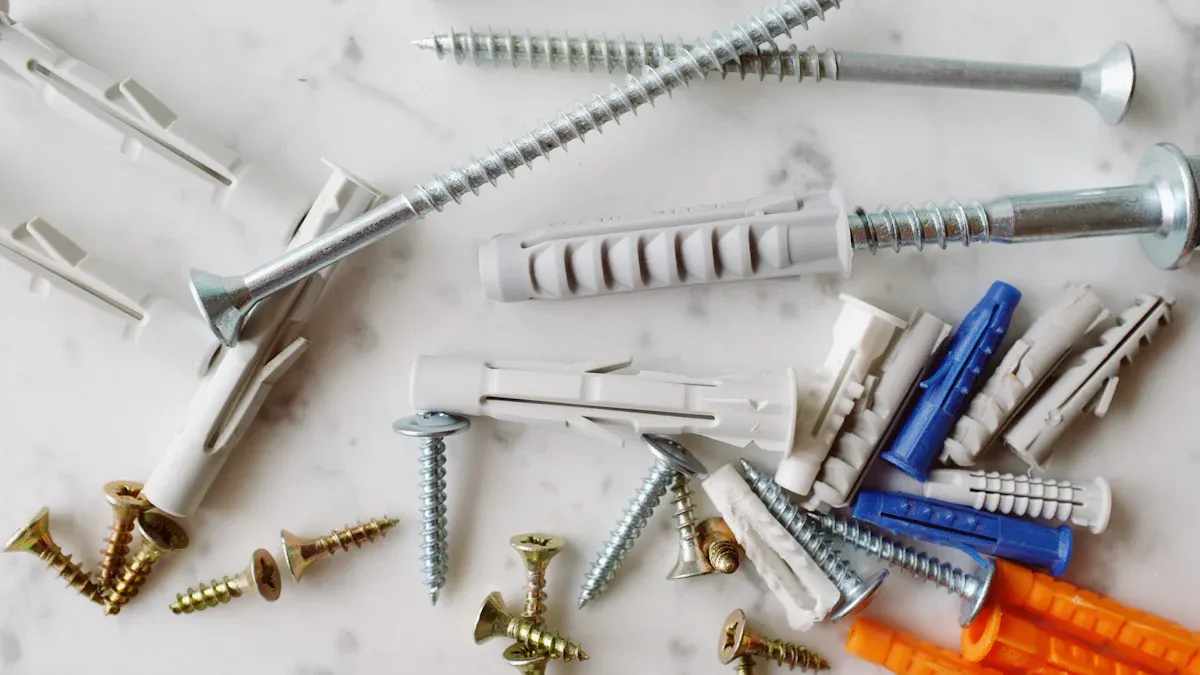
Successful installation of wall anchors begins with gathering the correct equipment. Having the right tools and materials on hand prevents mistakes and ensures a secure, professional result. This preparation streamlines the entire process from start to finish.
Essential Tools
A person should assemble a few basic tools before starting. These items are fundamental for a proper installation.
Power Drill or Screwdriver
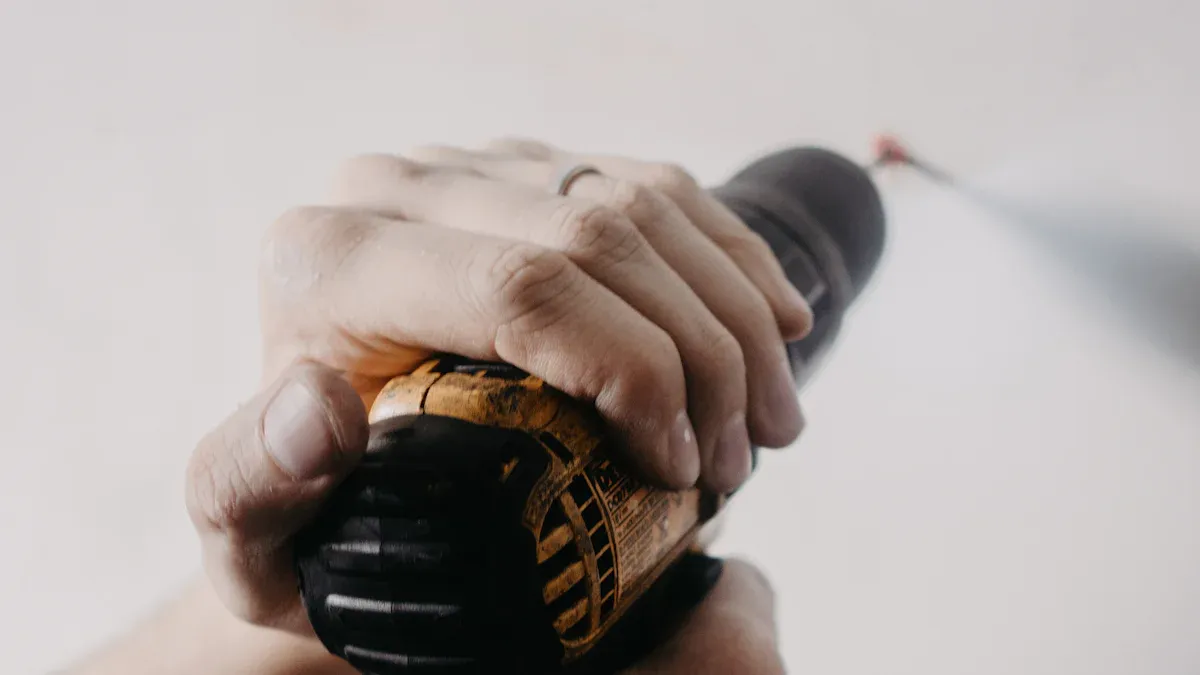
A power drill is crucial for creating the pilot hole and driving the screw. For some anchors, the drill also helps set the anchor by expanding it within the wall. A manual or electric screwdriver can work for tightening screws, but a power drill offers superior efficiency and torque.
Drill Bits
The project requires a drill bit that matches the anchor’s specified diameter. Using the correct size is critical for a snug fit.
- A drill of the correct size creates the initial hole for the anchor.
- Some kits, like those for certain hollow wall anchors, conveniently include the appropriate drill bit.
Hammer or Rubber Mallet
A hammer or rubber mallet provides the force needed to gently tap the anchor into the drywall. A rubber mallet is preferable as it reduces the risk of damaging the wall surface or the anchor head.
Tape Measure
Accurate measurements are essential for placing items correctly. A tape measure ensures the installation spot is precisely where it needs to be.
Pencil
A simple pencil allows a person to mark the exact drilling location on the wall. A clear mark eliminates guesswork and leads to a cleaner installation.
Necessary Materials
The core components of the project are the anchors themselves and the corresponding screws.
Hollow Wall Anchors
One must select anchors rated for the weight of the object being hung. The packaging typically provides this crucial weight-bearing information.
Screws (if not included with anchors)
Most wall anchors come packaged with the correct size screw. If screws are not included, a person must purchase them separately, ensuring they match the anchor’s diameter and length requirements.
Optional but Helpful Gear
These items are not strictly necessary but can significantly improve the quality and safety of the installation.
Pro Tip: While optional, tools like a stud finder and level are highly recommended. They help avoid common installation problems and ensure a perfectly positioned, secure result.
Stud Finder
A stud finder is an electronic device that locates the wooden studs behind the drywall. Avoiding studs is necessary when using anchors designed for hollow cavities.
Level
A level ensures that shelves, picture frames, and other items are hung perfectly straight. It is indispensable for any project where horizontal or vertical alignment matters.
Safety Glasses
Safety glasses protect the eyes from dust and debris created during drilling. Wearing them is a simple but important safety precaution.
Choosing the Right Hollow Wall Anchors
Selecting the correct anchor is the most critical decision for a secure installation. The market offers a wide variety of wall anchors, each designed for specific load capacities and applications. A person must evaluate both the item’s weight and the anchor’s design to prevent wall damage and ensure a lasting hold.
Match Anchor Strength to Item Weight
The first step is determining the weight of the object a person intends to hang. Anchor packaging always specifies a maximum weight rating. A user should always choose anchors with a rating that comfortably exceeds the item’s actual weight for a safe margin.
Safety First: Always overestimate the weight of your item. The listed capacity of an anchor is for ideal conditions. Factors like drywall quality can affect its true holding power.
Light-Duty Anchors (Up to 25 lbs)
These anchors are suitable for hanging small, lightweight objects. Common uses include small picture frames, smoke detectors, and wall clocks. Plastic expansion anchors are a popular choice in this category due to their simple installation and low cost.
Medium-Duty Anchors (25-50 lbs)
For heavier items, a person needs medium-duty anchors. These provide a more substantial hold for things like curtain rods, towel bars, and medium-sized mirrors. Threaded or self-drilling anchors are excellent options here, offering a good balance of strength and ease of use.
Heavy-Duty Anchors (50+ lbs)
Heavy-duty anchors are essential for securing significant loads. A person should use them for mounting large mirrors, shelving units, small cabinets, and flat-screen TVs. Toggle bolts and strap toggles provide the best holding power in drywall for these demanding applications.
Common Types of Anchors for Drywall
Different hollow wall anchors use unique mechanisms to grip the back of the drywall. Understanding these types helps a user choose the best option for their project. Common types include:
- Self-Drilling Drywall Anchors
- Plastic Toggle Anchors
- Toggle Bolts
- All-Purpose Anchors
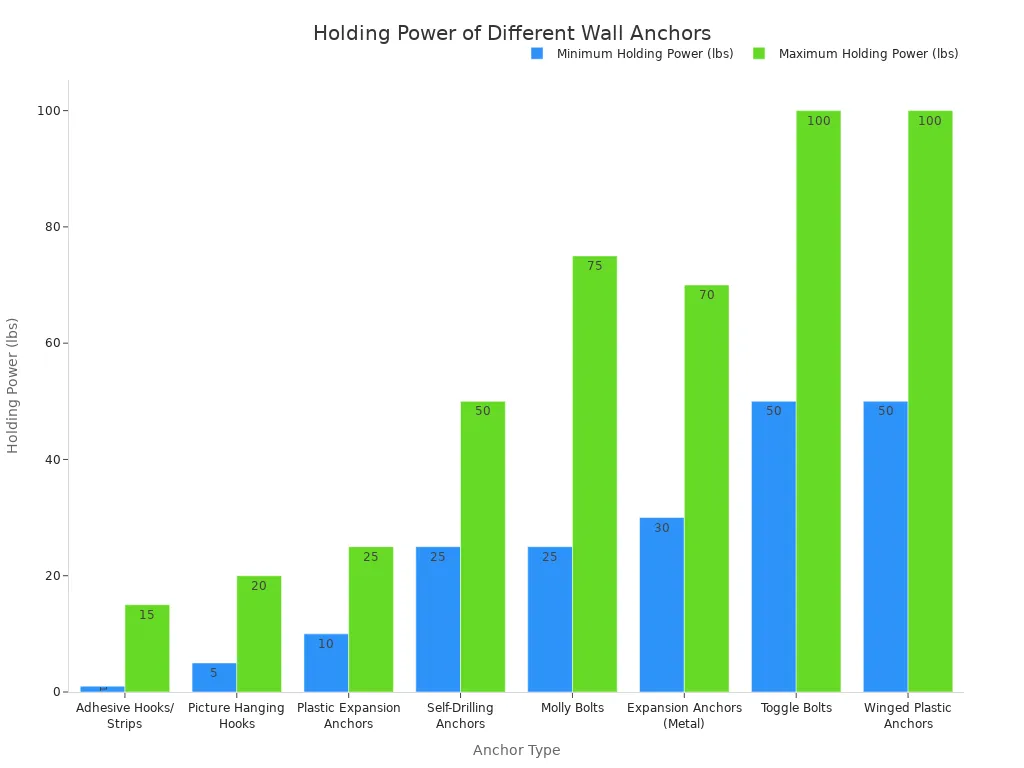
The table below compares the advantages, disadvantages, and best uses for popular anchor types.
| Anchor Type | Advantages | Disadvantages | Holding Power | Best Use Cases |
|---|---|---|---|---|
| Plastic Expansion | Inexpensive and easy to install. | Limited holding power; can pull out if overloaded. | Low (10-25 lbs) | Small pictures, smoke detectors. |
| Self-Drilling (Threaded) | No pre-drilling needed; quick installation. | Can strip the drywall if overtightened. | Medium (25-50 lbs) | Curtain rods, towel bars, medium decor. |
| Molly Bolts (Metal) | Stronger than plastic; some are reusable. | Requires a pre-drilled hole; can be tricky to set flush. | Medium-High (25-75 lbs) | Medium mirrors, light fixtures, shelving. |
| Toggle Bolts (Spring) | Excellent holding power for heavy loads. | Requires a large hole; toggle is lost if screw is removed. | High (50-100+ lbs) | Large TVs, heavy shelves, cabinets, grab bars. |
| Strap Toggles | Very strong; can be reused; easy to install. | More expensive; requires a larger hole. | High (50-100+ lbs) | Heavy shelving, large artwork, cabinets. |
Expansion Anchors (Molly Bolts)
Also known as molly bolts, these metal anchors have a sleeve that expands behind the wall as a person tightens the screw. This action creates a very secure hold suitable for medium-to-heavy loads.
Threaded/Self-Drilling Anchors
These large, threaded anchors screw directly into the wall. Many are made of nylon or a zinc alloy (Zamac). They are fast to install and provide reliable holding power for medium-duty tasks.
Toggle Bolts
A classic heavy-duty solution, a toggle bolt consists of a screw and a spring-loaded wing. The wings fold to pass through the pilot hole and then spring open inside the wall cavity, distributing the load over a wide area.
Strap Toggles
Strap toggles are a modern evolution of the toggle bolt. They feature a plastic strap and a metal toggle channel. This design allows a person to install the anchor without the bolt in place, making it much easier to mount an item.
How to Install Hollow Wall Anchors: A Step-by-Step Guide
With the right anchors and tools ready, an installer can begin the installation process. These steps to install a drywall anchor ensure a strong, reliable hold for any item. Precision at each stage is key to a professional-quality result.
Step 1: Mark Your Installation Spot
Accurate placement is the foundation of a successful installation. A person should take the time to mark the location carefully to ensure the final object hangs exactly as intended.
Use a Stud Finder to Avoid Studs
Hollow wall anchors are specifically designed for use in the empty cavities between wall studs. Attempting to install one into a wood stud will fail and can damage the anchor.
- An installer should use a stud finder to locate the wall studs. This is a critical first step.
- After identifying the studs, the installer must choose a location for the anchor where no stud is present.
- This method ensures the anchor has space to expand correctly behind the drywall.
Pro Tip: If an installer needs to hang a very heavy item and can find the studs, driving a screw directly into the stud provides the strongest possible support. Wall anchors are the next best solution when a stud is not available.
Measure and Mark the Exact Location
Precise marking prevents mistakes and ensures a clean, professional finish.
- A person should use a tape measure and level to determine the exact spot for the anchor.
- They can then mark the installation spot with a light pencil. This is especially important when installing multiple anchors for a single object, like a shelf.
- An installer should triple-check all markings before drilling to confirm alignment and placement.
Step 2: Drill the Pilot Hole
Creating a clean pilot hole of the correct size is crucial for the anchor to fit snugly and function properly.
Select the Correct Drill Bit Size
The drill bit size must match the specific anchor being used. The anchor’s packaging will almost always list the required drill bit diameter.
- Expansion Anchors (Molly Bolts): These typically require a pilot hole matching the anchor’s exact diameter, often between 1/8 inch and 1/4 inch.
- Threaded Anchors: A person should choose a drill bit that matches the anchor’s specified pilot hole size, usually from 3/16 inch to 5/16 inch.
- Toggle Bolts: These need a larger hole to accommodate the folded wings, generally requiring a bit from 1/8 inch to 1/4 inch or larger.
- Self-Drilling Anchors: These sharp-tipped anchors do not require a pilot hole or a drill bit.
Drilling Technique for a Clean Hole
A proper drilling technique prevents the drywall from cracking or tearing.
- An installer should maintain a straight, steady grip on the drill, holding it perpendicular to the wall.
- Using a slow drill speed gives the installer more control and reduces the risk of the bit “walking” or damaging the paper surface.
- Wearing safety glasses is essential to protect the eyes from drywall dust.
Note: While some minor errors in drywall can be fixed easily, drilling a clean hole the first time saves time and effort. Proceed with caution to prevent unnecessary damage.
Step 3: Insert the Anchor into the Drywall
With the pilot hole prepared, the next step is to insert the anchor. The technique varies slightly depending on the anchor type.
Tapping the Anchor Flush with the Wall
For most anchors that require a pilot hole, a person must seat them securely.
- The installer should gently push the anchor into the hole as far as it will go by hand.
- They can then use a rubber mallet or a hammer to lightly tap the anchor’s head.
- The tapping should continue until the head of the anchor is flush with the wall’s surface, ensuring it does not protrude.
Installing Expansion Anchors (Molly Bolts)
Molly bolts have small, sharp tips under the head that must bite into the drywall to prevent spinning.
- After inserting the bolt into the predrilled hole, an installer taps it flush.
- They then use a screwdriver to tighten the screw. This action expands the anchor’s sleeve behind the wall, locking it in place.
- Once the anchor is tight, the installer can remove the screw to attach the item.
Installing Threaded/Self-Drilling Anchors
These anchors are among the easiest to install.
- A person marks the desired hanging spot.
- They press the pointed tip of the anchor into the drywall to create a starting point.
- Using a Phillips screwdriver or a drill on a low-torque setting, the installer drives the anchor into the wall until its head is flush.
Installing Toggle Bolts
Toggle bolts provide immense holding power but require a specific installation method.
- The installer drills a hole large enough for the folded toggle wings to pass through.
- They remove the screw from the wing, pass the screw through the mounting bracket of the item being hung, and then re-thread it onto the wing.
- The installer pinches the wings flat, pushes them through the hole, and listens for them to spring open inside the wall.
- Finally, they pull outward on the screw to engage the wings against the back of the drywall while tightening the screw to secure the item.
Step 4: Secure the Anchor and Attach Your Item
This final stage is where the anchor becomes a secure mounting point. Proper execution here ensures the anchor performs as designed and safely supports your item. Following these concluding actions is essential when you install hollow wall anchors.
Setting the Anchor by Tightening the Screw
Setting the anchor is the process of expanding it behind the drywall to create a strong grip. The technique varies slightly based on the anchor type.
- For Expansion Anchors (Molly Bolts): An installer turns the screw clockwise with a screwdriver. They will feel increasing resistance as the anchor’s metal sleeve expands and compresses against the interior wall surface. The person should continue turning until the screw feels snug and secure.
- For Toggle Bolts: The installer must pull the bolt toward themself to keep the wings engaged against the back of the drywall. While maintaining this outward tension, they tighten the screw to lock the anchor in place.
- For Threaded Anchors: These anchors are set once they are driven flush with the wall. The screw can then be inserted to hang the item.
Pro Tip: If the screw of a molly bolt begins to spin without tightening, the anchor’s teeth have not properly gripped the drywall. An installer can try applying slight outward pressure on the screw head while turning to help the teeth bite into the wall.
Driving the Final Screw to Hang Your Item
With the anchor set, the installer can now mount the object. The method depends on whether the screw was removed during the setting process.
- If the screw was removed (like with a molly bolt): The installer positions the item’s mounting hole directly over the set anchor. They then re-insert the screw through the item and into the anchor, tightening it until the object is held firmly against the wall.
- If the screw is already in place (like with a toggle bolt): The item is already on the bolt. The installer simply continues tightening the screw until the object is flush and secure against the wall surface.
- For self-drilling or threaded anchors: The installer drives the provided screw into the center of the anchor until the item is securely fastened.
Checking for a Secure Hold
Before placing the full weight on the fixture, a person should verify the installation’s integrity. These final checks are the most important of all the steps to install a drywall anchor.
- An installer should give the mounted item a gentle but firm tug in several directions.
- The item and the anchors should feel completely solid, with no wiggling, shifting, or pulling away from the wall.
- Any movement indicates a problem, such as an oversized pilot hole or an anchor that failed to expand correctly. A loose anchor requires removal and re-installation. A secure installation provides reliable holding power for years.
Common Mistakes When Putting Screws in Drywall
Even with careful preparation, installers can encounter issues when putting screws in drywall with anchors. Understanding these common pitfalls helps a person troubleshoot problems quickly and avoid damaging the wall. Most errors are correctable with the right approach.
The Pilot Hole is Too Big
A correctly sized pilot hole is non-negotiable for a secure installation. This is one of the most frequent and frustrating mistakes.
The Problem: A Loose Anchor
When an installer drills a pilot hole that is too large, the anchor has no material to grip. The anchor may feel loose or spin in place when a person tries to tighten the screw. This lack of a snug fit prevents the anchor from securing itself, rendering it useless for supporting any weight. The surrounding drywall can also become damaged, weakening the area further.
The Fix: Use a Larger Anchor or Patch the Hole
An installer has two effective solutions for this problem.
- The simplest fix is to remove the loose anchor and use a larger one that fits the oversized hole snugly.
- If a larger anchor is not an option, the person must remove the anchor and patch the hole with spackle. Once the patch is dry, sanded, and painted, they can drill a new, correctly sized pilot hole in the same spot.
The Anchor or Screw is Stripped
A stripped anchor or screw is another common issue, identified when the screw turns endlessly without tightening.
The Problem: The Screw Spins Without Tightening
This spinning indicates that the anchor’s threads or the surrounding drywall have been stripped. The anchor no longer has a firm hold and cannot provide reliable support. Several factors can cause this:
- Excessive Torque: Using a power drill on a high-torque setting can easily strip the material.
- Incorrect Pilot Hole: A hole that is too large prevents the threads from biting into the wall.
- Weak Drywall: Old or moisture-damaged material may crumble instead of providing a solid grip for the anchors.
The Fix: Use a Slightly Larger Screw or Replace the Anchor
To fix a stripped anchor, an installer can first try using a slightly larger diameter screw. The wider threads may be able to grip the anchor. If that fails, the best course of action is to remove the failed anchor, patch the hole, and install new anchors in a nearby location.
The Anchor Fails to Expand Correctly
The entire purpose of a hollow wall anchor is its ability to expand behind the wall. A failure in this mechanism means the installation is not secure.
The Problem: The Anchor Pulls Out of the Wall
If an anchor pulls out of the wall under a light tug, it did not expand properly. This often happens when the screw is not tightened enough to fully deploy the anchor’s wings or sleeve. The anchor is simply sitting in the hole without gripping the back of the wall.
The Fix: Ensure Proper Tightening Technique
The solution is to ensure the anchor is set correctly.
Important: For toggle bolts, an installer must pull the screw outward while tightening. This tension keeps the wings pressed against the interior wall, allowing the screw to lock them into place. For molly bolts, a person should turn the screw until they feel significant resistance, which signals the sleeve has fully expanded.
You Accidentally Hit a Stud
An installer might carefully use a stud finder and still hit a wood stud. This is a common scenario, not a major setback. In fact, discovering a stud can be a fortunate mistake, as it offers a superior mounting point compared to a hollow wall cavity. Recognizing the signs and knowing the correct response turns this problem into an opportunity for a stronger installation.
The Problem: The Anchor Won’t Go In
The primary sign of hitting a stud is sudden, firm resistance. An installer will feel the drill bit punch through the soft paper and gypsum of the drywall, then stop abruptly as it hits solid wood. Any attempt to insert the anchor will fail. The anchor will only go in as far as the thickness of the wallboard and will not sit flush.
Forcing the anchor at this point is a mistake. This action can cause several issues:
- The anchor itself may break or become deformed.
- The surrounding wall surface can be damaged.
- The anchor will not expand or hold any weight.
Hollow wall anchors are engineered specifically for the empty space behind a wall; they cannot function when blocked by a solid object like a stud.
The Fix: Remove the Anchor and Use a Wood Screw
When an installer hits a stud, they should abandon the anchor and take advantage of the stronger foundation. This provides the most secure mounting point possible. The fix is straightforward and results in a much more reliable hold for heavy items.
- The installer first removes the partially inserted anchor. A pair of pliers can usually grip the head of the anchor and pull it straight out of the hole.
- Next, they select a wood screw. The screw must be long enough to pass through the item’s mounting bracket, the drywall, and penetrate the wood stud by at least 1 to 1.5 inches.
- The installer then drives the wood screw directly into the existing pilot hole. No new drilling is necessary.
- They tighten the screw until the item is firmly secured against the wall.
A Fortunate Mistake: Hitting a stud is often better than using an anchor. A screw driven directly into a stud creates a significantly stronger hold than any hollow wall anchor can provide. An installer should always prefer this method when hanging heavy or valuable objects.
Removing Hollow Wall Anchors
Eventually, a person may need to remove hollow wall anchors to relocate an item or repair the wall. The removal process depends on the type of anchor installed. Following the correct procedure minimizes damage to the drywall and simplifies the patching process.
Removing Expansion Anchors (Molly Bolts)
Molly bolts expand behind the wall, making their removal a bit more involved than other types. A person has a few effective methods to choose from.
Backing Out the Screw
The first step is to use a screwdriver to turn the screw counterclockwise. An installer should back the screw out but not remove it completely. Leaving it threaded in a few turns provides a grip for pulling or tapping the anchor.
Pushing the Anchor into the Wall or Pulling it Out
With the screw partially backed out, an installer can choose the best removal technique. Pushing the anchor into the wall is often the cleanest method.
- A person can place a wide-headed screwdriver or a putty knife over the anchor’s head.
- They then gently tap the tool with a hammer. This action pushes the anchor’s head slightly into the drywall.
- Alternatively, an installer can fully remove the screw and use a nail set to tap the entire anchor body into the wall cavity, where it will fall harmlessly between the studs.
- If pushing it in is not possible, a person can grip the anchor head firmly with pliers and pull it straight out. This method may create a larger, more jagged hole.
Removing Threaded Anchors
Threaded anchors are generally easier to remove because they screw directly into the wall material.
Unscrewing the Anchor from the Drywall
The most straightforward method is to use a screwdriver to turn the anchor counterclockwise, backing it out of the wall just like a regular screw.
Pro Tip: For stubborn metal anchors that have mushroomed behind the wall, an installer can thread the original screw in a few turns. Tapping the screw head with a mallet can straighten the flanges, allowing the anchor to be pulled out cleanly.
Patching the Remaining Hole
After removing the anchors, a person is left with a hole that needs repair for a clean finish. Proper patching makes the repair virtually invisible.
Applying Spackle or Joint Compound
The choice of filler depends on the hole’s size. Lightweight spackle works for small holes, while larger repairs require a stronger joint compound.
- An installer should apply a first coat of compound, pressing it firmly into the hole.
- They must feather the edges of the compound onto the surrounding wall surface to create a smooth transition.
Sanding and Painting for a Flawless Finish
A flawless finish requires patience and a few simple steps.
- An installer must allow the compound to dry completely, which can take up to 24 hours.
- Once dry, they sand the area with fine-grit sandpaper until it is smooth and level with the wall.
- A person should always apply a coat of primer over the patch. This seals the compound and prevents the paint from looking dull or uneven.
- After the primer dries, they can apply two coats of wall paint to match the surrounding area, completing the repair.
An installer can successfully install hollow wall anchors by following a few critical principles. A person should remember these key steps for a secure hold in drywall:
- Drill a pilot hole that matches the anchor’s size.
- Insert the anchor until it sits flush with the wall.
- Tighten the screw to fully expand the anchor’s mechanism.
An installer must always select wall anchors with a weight rating that safely exceeds the load of their hanging items. Following these guidelines ensures a person can confidently secure objects to any drywall surface.
FAQ
Can an installer reuse a hollow wall anchor?
An installer can reuse certain anchors. Pointed-sleeve molly bolts allow screw removal and reinsertion. A person loses the wings of a standard toggle bolt inside the wall once they remove the screw. Strap toggles, however, permit reuse.
What if a person does not own a power drill?
A person can install some anchors without a power drill. Self-drilling anchors require only a Phillips screwdriver. For others, an installer can create a pilot hole using an awl and hand pressure, then drive the screw with a manual screwdriver.
How does someone determine an item’s weight?
A person can use a standard bathroom scale to find an item’s weight. They should first weigh themselves, then weigh themselves holding the object. The difference between the two measurements reveals the item’s weight. Always select an anchor rated for more.
Can a person install hollow wall anchors in a ceiling?
Yes, an installer can use hollow wall anchors in a drywall ceiling. They must consider that gravity applies a direct pulling force. A person should choose heavy-duty toggle bolts or strap toggles for the most secure ceiling installation.
What is the strongest type of drywall anchor?
Toggle bolts and strap toggles offer the highest holding power in drywall. Their wing or channel design distributes the load over a wide area behind the wall. These anchors are the best choice for securing heavy items like cabinets or large televisions.
Why did the anchor spin when tightening the screw?
An anchor spins when the pilot hole is too large or its teeth fail to grip the drywall. This prevents the anchor from setting correctly. The installer must remove it, patch the hole, and start over with a correctly sized drill bit.