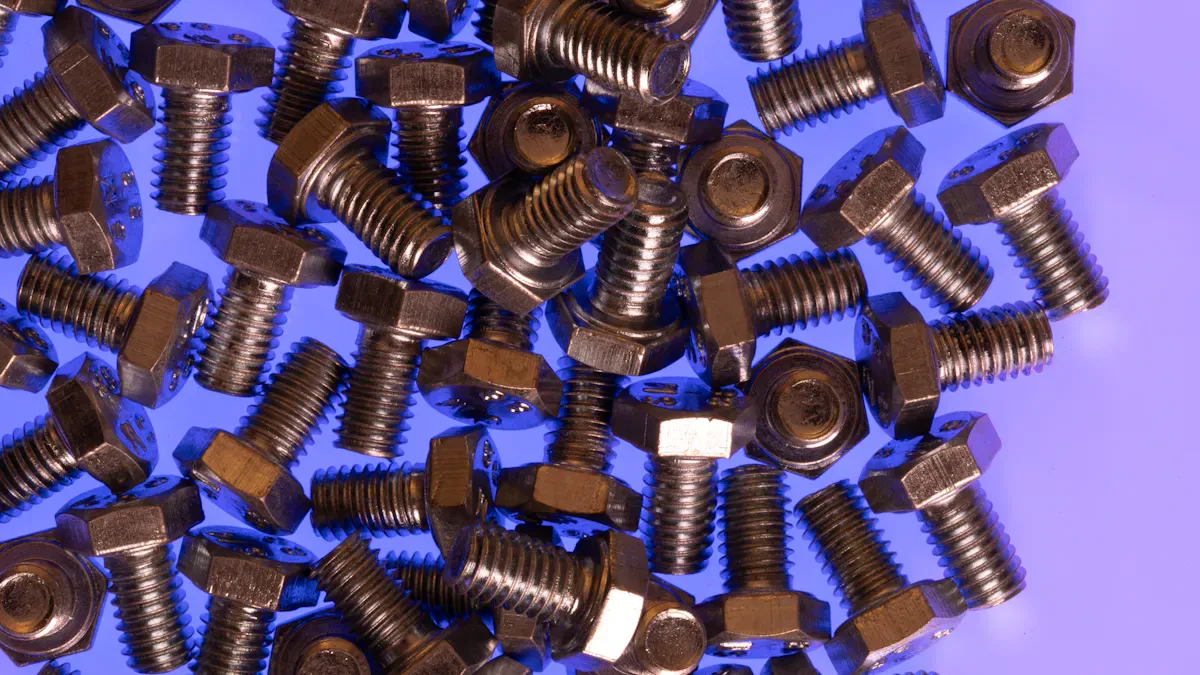
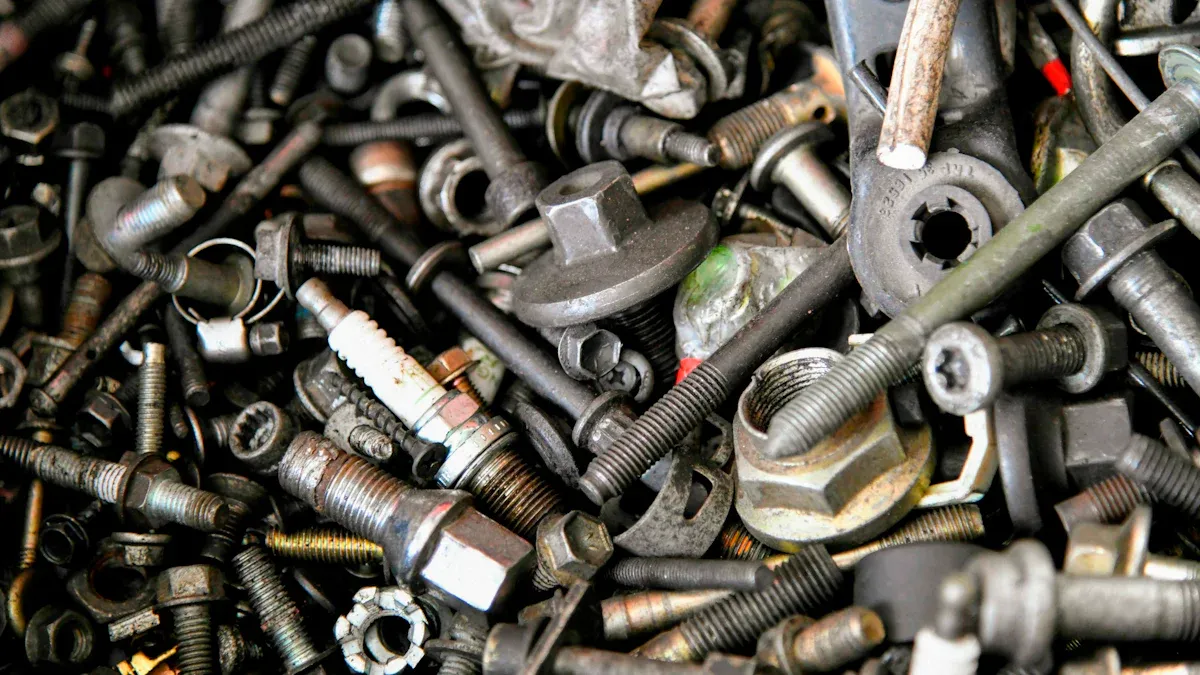
Professionals install carriage bolts for their exceptional strength in applications like deck building. A quality carriage bolt from a reputable custom fasteners manufacturer can feature a proof load of 85,000 psi. The installation is straightforward. An operator must drill a hole matching the bolt shank’s diameter. Next, they tap the bolt through this prepared hole. Finally, they add a washer and nut to the bolt’s threaded end and tighten it. This action locks the bolts securely. Quality bolt casting ensures these custom fasteners provide a reliable connection when people install such bolts.
Essential Tools and Materials for Your Bolts
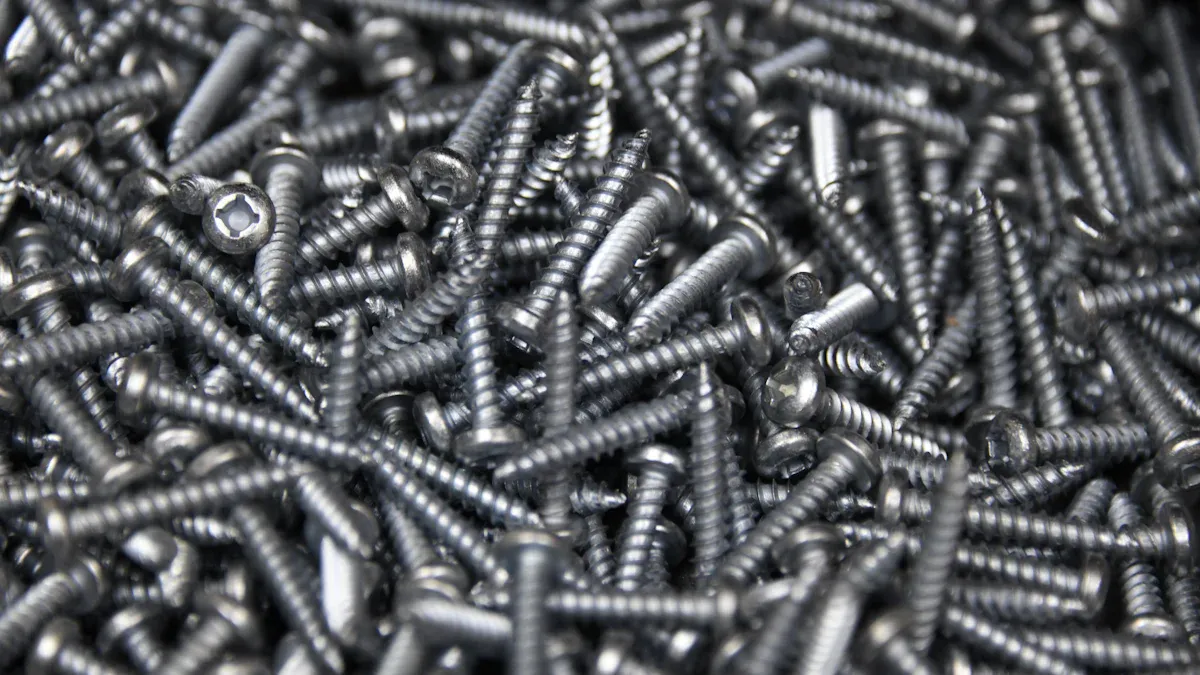
A successful installation requires the correct tools and materials. Gathering these items before starting a project ensures a smooth and efficient workflow. An operator avoids delays and achieves a professional result with proper preparation.
Tools for the Job
A basic set of tools is necessary for installing a carriage bolt correctly. Each tool serves a specific function in the process.
Power Drill
A power drill is essential for creating the initial hole. A reliable drill provides the necessary torque to bore through both wood and metal surfaces cleanly.
Drill Bit Set
Operators need a quality drill bit set. The set should contain various sizes. This allows the user to select a bit that precisely matches the diameter of the bolt shank, which is critical for a secure fit.
Wrench or Socket Set
A wrench or socket set is used to tighten the nut onto the bolt. An adjustable wrench works for many applications. A socket set, however, often provides better grip and makes the tightening process faster.
Hammer or Mallet
A hammer or rubber mallet helps seat the bolt. A few firm taps drive the square shoulder into the material. This action prepares the bolt for final tightening.
Tape Measure & Pencil
Accurate measurements are fundamental. A tape measure and pencil allow an operator to mark the exact location for the hole. This precision ensures proper alignment and spacing for all bolts.
Materials You’ll Need
Selecting the right materials is just as important as using the right tools. The choice of hardware directly impacts the strength and longevity of the connection.
Carriage Bolts
The primary fasteners are the carriage bolts themselves. They come in various materials and grades to suit different applications and environments. Common options include:
- Grade 2, 5, and 8 Steel: These offer different levels of strength, with Grade 8 being the strongest for high-stress applications.
- Stainless Steel (18-8 and 316): This material provides excellent corrosion resistance.
- Silicon Bronze and Brass: These are ideal for marine environments due to superior resistance to corrosion.
Pro Tip: Environmental factors heavily influence material selection. For projects exposed to moisture or chemicals, stainless steel bolts are a reliable choice. Grade 316 stainless steel is virtually mandatory for marine applications or areas with saltwater exposure because it resists corrosion failure.
Flat Washers
A flat washer is placed on the bolt before the nut. It distributes the pressure from the nut across a wider surface area. This prevents the nut from damaging the material as it is tightened.
Nuts
A nut threads onto the end of the bolt to secure the connection. The nut’s size and thread must match the specifications of the carriage bolt.
Lock Washers or Locking Nuts
For connections subject to vibration, an operator should use a lock washer or a locking nut. These components prevent the nut from loosening over time, ensuring the connection remains tight and secure.
Step-by-Step Guide to Install Carriage Bolts
This step-by-step guide provides a clear and repeatable process for installing carriage bolts. Following these fundamental procedures ensures a secure and professional-grade connection for any project.
Step 1: Mark and Drill the Hole
Proper preparation is the foundation of a successful installation. This initial step dictates the alignment, fit, and ultimate strength of the connection.
Measure and Mark the Location
An operator begins by using a tape measure to determine the precise center point for the bolt. They mark this spot clearly with a pencil. Accurate marking is critical for projects requiring multiple bolts, as it guarantees consistent spacing and a clean, professional appearance.
Select the Correct Drill Bit Size
The operator must select a drill bit that exactly matches the diameter of the bolt’s shank (the unthreaded portion), not the threads. A hole that is too small will prevent the bolt from passing through, while an oversized hole will allow the bolt head to spin during tightening, defeating its purpose.
Drill a Straight, Clean Hole
The operator must drill a hole that is perfectly perpendicular to the material’s surface. An angled hole prevents the bolt head from sitting flush, which can weaken the joint or warp the material.
Pro Tip for a Perfect 90° Angle 🎯 To ensure a straight hole without a drill press, an operator can use a simple guide.
- Find a piece of square steel tubing with a clean factory edge.
- Use a try-square to confirm the factory edge is a true 90-degree angle.
- Place the tubing on the work surface with the factory edge down and hold it firmly next to the mark.
- Guide the drill bit along the inside corner of the tubing to maintain perfect perpendicularity.
Step 2: Insert the Carriage Bolt
With a clean hole prepared, the next step is to position the bolt correctly within the material.
Tap the Bolt into Place
An operator should insert the tip of the carriage bolt into the drilled hole. Using a hammer or a rubber mallet, they can give the head of the bolt a few firm but controlled taps. This action drives the square shoulder just below the head into the material, creating an initial bite that prevents spinning.
Ensure the Head is Flush
The goal is to have the domed head of the bolt sit perfectly flat against the material. The final tightening action will pull the bolt the rest of the way, but an initial check is important.
- The flat underside of the bolt head should make complete contact with the mating surface.
- If the hole was drilled at an angle, the head will sit unevenly and will not become flush.
- After the final tightening, an operator should confirm the head is fully seated to ensure the connection is secure.
Step 3: Secure with a Washer and Nut
The final step involves fastening the components together to create a strong, lasting connection. This is the most critical phase to properly install carriage bolts.
Place the Washer
Washers are essential for distributing pressure and protecting the material. For applications with vibration, using both a flat washer and a lock washer is standard practice. The sequence is critical to install the bolts correctly.
- Flat Washer: The operator first places the flat washer directly against the material surface.
- Lock Washer: Next, they slide the lock washer on after the flat washer.
- Nut: Finally, the nut is threaded on.
Washer Functions: A Quick Guide Flat washers and lock washers serve two distinct purposes. A flat washer’s wide surface area distributes the clamping force from the nut, preventing it from digging into and damaging the material. A lock washer, on the other hand, is designed to create tension; it bites into both the nut and the flat washer to prevent the fastener from loosening due to vibration.
Thread on the Nut
The operator threads the nut onto the end of the bolt by hand until it is finger-tight. This prepares the assembly for the final step: to tighten the connection and fully set the bolt. These bolts are now ready for final securing.
Step 4: Tighten to Set the Bolt
The final action transforms the loose assembly into a robust, locked connection. Proper tightening technique is what activates the unique design of the carriage bolt.
How Tightening Locks the Bolt
The square-shaped neck directly under the head is specifically designed to prevent the bolt from spinning. As an operator applies torque to the nut, the rotational force pulls the bolt inward, embedding this square shoulder into the surrounding material. This locking action is a simple but powerful mechanical process.
- An operator first inserts the carriage bolt and taps it into the hole.
- They hand-tighten the nut until it makes firm contact with the washer.
- Next, the operator uses a wrench or socket to continue to tighten the nut.
- This continued turning action pulls the square neck of the bolt into the mating surface.
- The square shoulder bites into the material, which locks the fastener in place and prevents the entire bolt from rotating.
This sequence ensures that all subsequent torque is used to increase clamping force, not wasted on a spinning fastener. The design of these bolts creates its own anti-rotation feature.
Achieving a Snug, Secure Fit
The goal is to achieve a connection that is snug and secure without damaging the materials being joined. An operator should turn the nut until it feels firm and the washer is pressed flat against the surface. The head of the bolt should be pulled completely flush with the material. For most applications, a firm turn with a standard wrench is sufficient. The connection is secure when the components no longer shift and the assembly feels rigid.
Signs of Proper Tension 💡 A correctly installed bolt will have its head seated perfectly flat. The washer under the nut will also be flat, not bent or cupped. An operator should watch for signs of over-tightening, such as the wood fibers crushing or the metal surface deforming around the washer. If this occurs, they have applied too much force.
The integrity of the joint depends on this final step. Properly secured bolts provide the strength and stability required for a professional-grade project.
How to Install Carriage Bolts in Wood
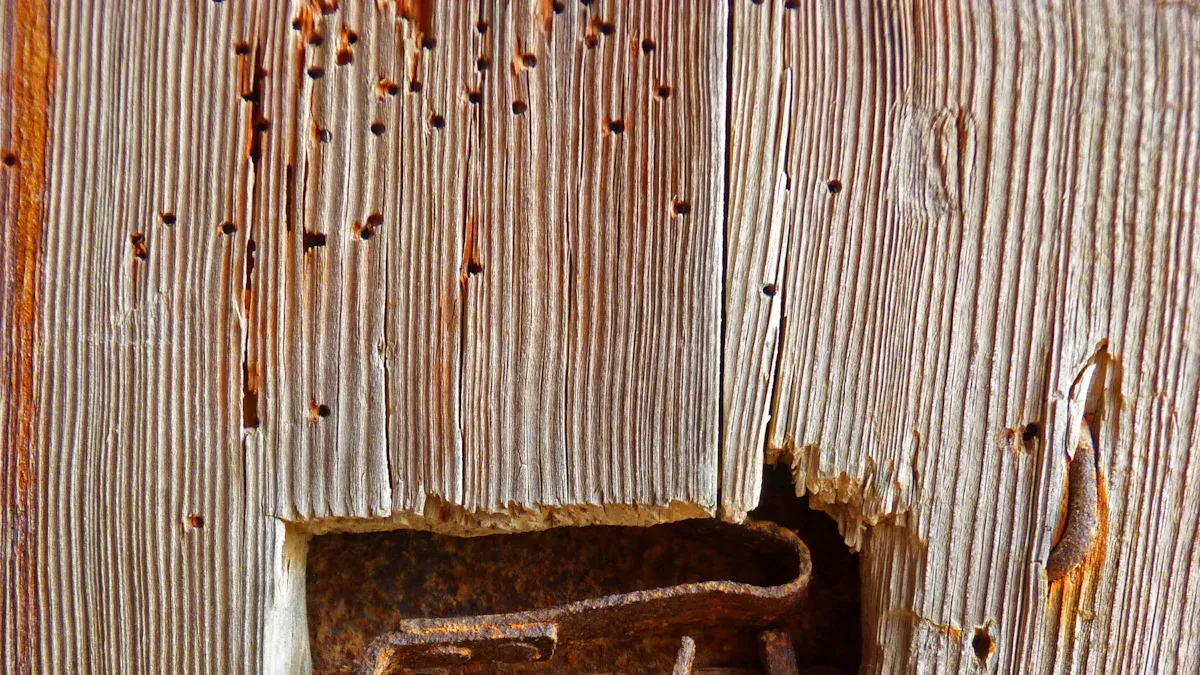
When operators install carriage bolts in wood, the material itself becomes part of the locking mechanism. The unique design of the bolt works in perfect harmony with the fibrous nature of wood to create an exceptionally secure connection. Understanding this interaction is key to a successful installation.
The Role of the Square Shoulder in Wood
A carriage bolt is characterized by its smooth, domed head and a square section, or shoulder, located directly beneath it. This square shoulder is the critical feature for wood applications. It allows the bolt to self-lock when installed into a standard round hole, making it a highly efficient fastener for wood construction.
How the Bolt Creates Its Own Lock
The self-locking action is a simple mechanical process. When an operator tightens the nut, the bolt is drawn into the wood. The sharp corners of the square shoulder bite into the wood fibers, creating a square-shaped recess. This engagement prevents the entire bolt from turning, effectively locking it in place.
Preventing Rotation During Tightening
The primary benefit of this design is preventing rotation while tightening the nut. This allows an operator to install the fastener with access to only one side. The square neck provides several advantages:
- It grips the wood, acting as a built-in wrench to hold the bolt steady.
- It stops the bolt from spinning as torque is applied to the nut.
- It increases torque resistance by creating more surface area contact within the wood.
Techniques for Different Wood Types
The density of the wood affects how an operator should install the fastener. Techniques must be adjusted for softwoods and hardwoods to achieve the best results.
Installing in Softwoods like Pine
In softwoods like pine or cedar, the square shoulder pulls into the material with minimal effort. An operator can typically seat the bolt with a few taps from a hammer. As they tighten the nut, the soft wood fibers compress easily, allowing the shoulder to embed itself and create a strong lock.
Installing in Hardwoods like Oak
Hardwoods like oak or maple are much denser and resist compression. Forcing a carriage bolt into hardwood can split the wood or prevent the head from seating flush.
Pro Technique for Hardwoods 🌳 To avoid damaging dense wood, an operator can create a shallow square recess. After drilling the round hole, they can use a small chisel to carefully carve out a square outline matching the bolt’s shoulder. This allows the bolt to sit perfectly flush without excessive force.
Common Mistakes to Avoid in Wood
Two common errors can compromise the integrity of the connection when working with wood. Avoiding them ensures the bolts function as intended.
Drilling an Oversized Hole
If the initial hole is wider than the bolt shank, the square shoulder will have nothing to bite into. The bolt will spin freely as the operator tries to tighten the nut, making it impossible to achieve a secure connection.
Over-tightening and Crushing Wood
While some compression is necessary, over-tightening can crush the wood fibers and weaken the joint. This is especially true in softwoods. An operator should watch the washer for a clear visual cue.
A properly tightened connection shows slight compression of the wood under the washer. When the wood fibers just begin to crush, the bolts are tight enough. Further tightening provides no benefit and may cause damage.
How to Install Carriage Bolts in Metal
Unlike wood, metal does not compress to allow the square shoulder of a carriage bolt to create its own lock. This fundamental difference requires operators to use specific techniques to install carriage bolts in metal applications. The approach must account for the material’s rigidity to achieve a secure, rotation-free connection.
The Challenge of Metal Installation
The primary challenge is preventing the bolt from spinning during tightening. Metal’s hardness means the standard installation method used for wood will not work effectively.
Why the Shoulder Won’t Bite into Metal
Metal is far denser and less fibrous than wood. The square shoulder of a carriage bolt cannot displace or crush the metal to embed itself. Attempting to force the bolt can damage the bolt’s threads or the surface of the material without creating any locking action. The bolt will simply spin in the round hole.
The Need for a Square Hole or Friction
To secure a carriage bolt in metal, an operator must compensate for the material’s inability to form around the shoulder. This leaves two viable options. The first is to create a square hole that matches the dimensions of the bolt’s shoulder. The second is to rely on friction to hold the bolt head while tightening the nut.
Method 1: Using a Pre-Made Square Hole
Creating a square hole is the most reliable method for securing a carriage bolt in metal. This approach mimics the function of the bolt in wood by providing a mechanical lock.
When to Use a Square Hole
An operator should use a square hole in any metal application where a strong, permanent, and vibration-resistant connection is critical. This method is ideal for structural frames, machinery assembly, and heavy-duty equipment where the bolts must not loosen over time.
How to Create a Square Hole in Metal
An operator can create a square hole by drilling a round hole and then shaping it with a metal file or a square broach. For high-volume production, a punch press is used.
Professional Alternatives for Metal Sheets ⚙️ When creating a square hole is impractical, especially in thin sheet metal, other fasteners offer superior performance. These are often installed by manufacturers for precision.
- Press Fit Nuts: These are excellent for thin sheets and resist vibration.
- Self-Clinching Studs: These fixed studs prevent rotation and simplify assembly.
- Standoffs: These create precise spacing between two workpieces.
These PEM hardware options provide significant advantages over standard bolts.
Feature PEM Hardware Installation Time Faster; part is pre-inserted Permanence Removable and replaceable Consistency Factory precision, uniform installation Vibration Resistance High
Method 2: Using a Standard Round Hole
If creating a square hole is not possible, an operator can still install the bolt in a standard round hole. This method is less secure and relies entirely on friction.
Relying on Friction to Prevent Spinning
This technique requires an operator to hold the head of the bolt to generate enough friction to stop it from spinning. The success of this installation depends on the operator’s ability to apply counter-pressure while tightening the nut. This method is suitable for light-duty applications where the bolts are not subject to heavy loads or vibration.
How to Hold the Bolt Head While Tightening
Since the carriage bolt head is smooth and domed, gripping it can be difficult. An operator can use a pair of locking pliers (Vise-Grips) to clamp down firmly on the head of the bolt. They must apply enough pressure to prevent rotation as they tighten the nut with a wrench. This approach may mar the bolt head, so it is not ideal for applications where appearance is important.
Pro Tips for a Perfect Carriage Bolt Installation
Mastering a few professional techniques elevates the quality and durability of any project. These tips help operators install carriage bolts with precision, ensuring a secure and long-lasting connection. Following these best practices guarantees a professional-grade installation.
Always Use a Washer
A washer is not an optional component; it is essential for a high-quality connection. It performs two critical functions that protect the integrity of the joint.
Distributing Pressure Evenly
A flat washer effectively spreads the clamping force of the bolt over a wider area. This even distribution of load is crucial for preventing the nut from digging into and damaging the material. Without a washer, the concentrated pressure can distort or weaken the workpiece.
Protecting the Material Surface
Washers serve as a protective barrier between the fastener and the material. This is especially important when working with softer materials.
- They protect surfaces like wood, aluminum, or painted finishes from scratches.
- They absorb surface wear that occurs when operators tighten the nut.
- They reduce friction, which helps achieve a more consistent clamping force.
Avoid Over-Tightening the Nut
Applying excessive torque is a common mistake that can compromise the entire connection. A properly tensioned bolt is strong, but an over-tightened one is a point of failure.
Signs of an Over-Tighted Bolt
An operator should watch for clear indicators of excessive force. Applying too much torque can stretch a bolt beyond its elastic limit, causing permanent deformation and reducing its load-bearing capacity.
Warning Signs of Over-Tightening ⚠️
- Stripping of the bolt or nut threads
- Cracking or deformation of the materials being joined
- Warping of metal components around the washer
- Crushing of wood fibers under the washer
How to Get the Tension Just Right
For structural applications, professionals use the ‘turn-of-the-nut’ method to achieve correct tension without a torque wrench. After making the connection “snug-tight” (the point where a wrench is needed), the operator rotates the nut a specific additional amount. This rotation stretches the bolt to the proper tension. The required rotation depends on the length of the bolts and the angle of the surfaces.

Ensure Your Hole is Perpendicular
The alignment of the drilled hole directly impacts the final fit. A hole that is not perpendicular to the surface will prevent the bolt head from seating flush, creating a weak and unprofessional-looking joint.
Using a Drill Guide for Accuracy
The best way to drill a straight hole is with a drill press. When a press is unavailable, an operator can use a portable drill guide. A simple block of wood with a straight edge also works as a reliable guide to keep the drill bit at a perfect 90-degree angle.
Visual Checks for Proper Alignment
After inserting the bolt, an operator should perform a quick visual check. The underside of the head must sit completely flat against the material. If there is a gap on one side, the hole is angled. This simple inspection before final tightening prevents issues and ensures a secure fit for all bolts.
The carriage bolt installation process is fundamentally simple. An operator follows three key actions to ensure a strong connection.
- First, they drill a correctly sized hole.
- Second, they insert the bolt.
- Third, they tighten the nut.
This final step is crucial; it pulls the square shoulder into the material, locking the fastener. By adjusting the technique for different materials like wood or metal, an operator can achieve a secure, professional result for any project.
FAQ
Why is the drill bit size so important?
An operator must match the drill bit to the bolt’s shank, not the threads. An oversized hole allows the bolt to spin during tightening. A hole that is too small prevents the bolt from passing through the material. Correct sizing is critical for a secure lock.
Can an operator reuse carriage bolts?
An operator can reuse carriage bolts if they show no signs of damage. They should inspect the threads for stripping and the head for marring. A damaged bolt loses its structural integrity and should be replaced. Always use a new locking nut for critical connections.
What happens if the square shoulder doesn’t seat properly?
An improperly seated shoulder fails to lock the bolt. The fastener will spin when an operator tightens the nut. This prevents proper tensioning and results in a weak joint. The bolt head must sit completely flush against the material for a secure connection.
Is a lock washer always necessary?
Operators should use a lock washer or a locking nut in any application subject to vibration. These components create tension against the nut. This action prevents the fastener from loosening over time, ensuring the joint remains tight and secure under dynamic loads.
How does an operator choose the right bolt length?
An operator selects a bolt length that passes completely through all materials. There must be enough threaded length remaining for the flat washer, lock washer, and nut. At least two full threads should extend past the tightened nut for a secure connection.
What is the best way to remove a carriage bolt?
An operator removes a carriage bolt by unscrewing the nut. If the bolt spins, they can grip the head with locking pliers. For bolts in wood, tapping the threaded end with a mallet can help dislodge the square shoulder from the material.