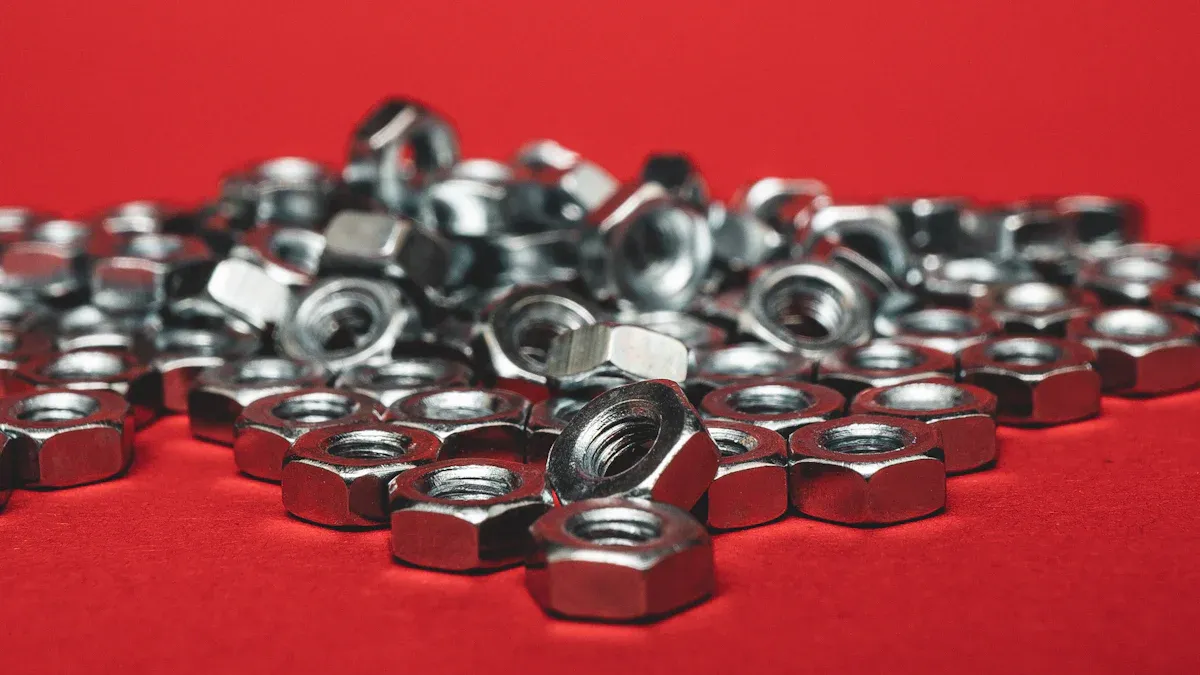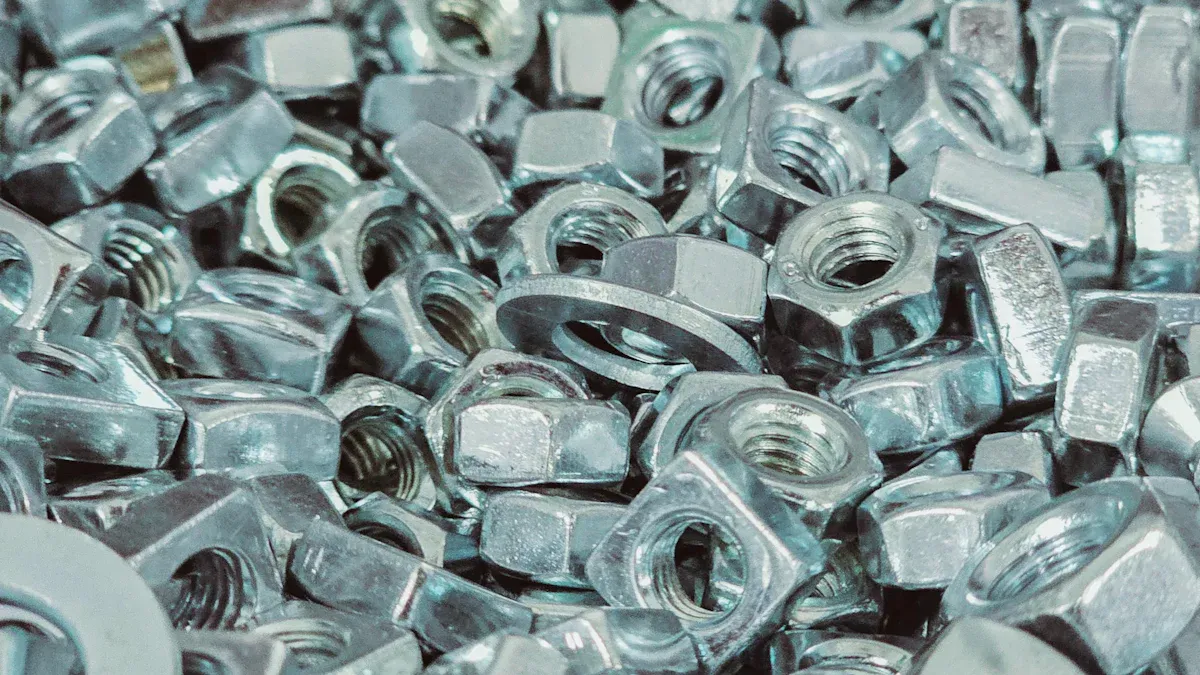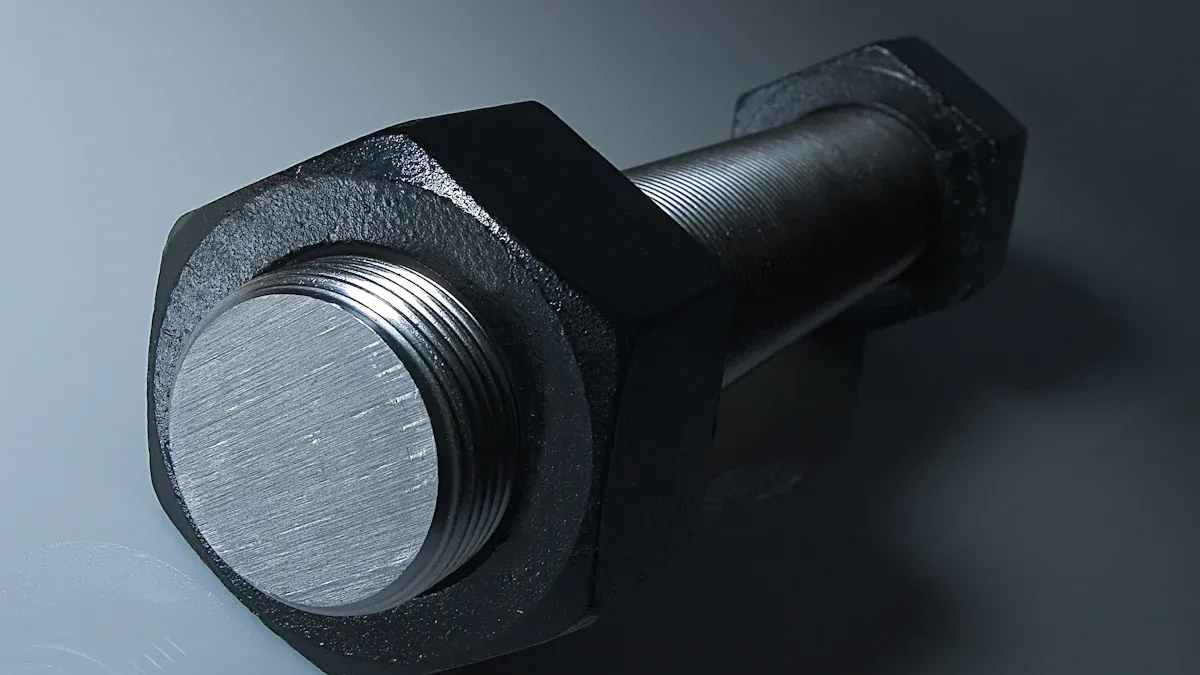
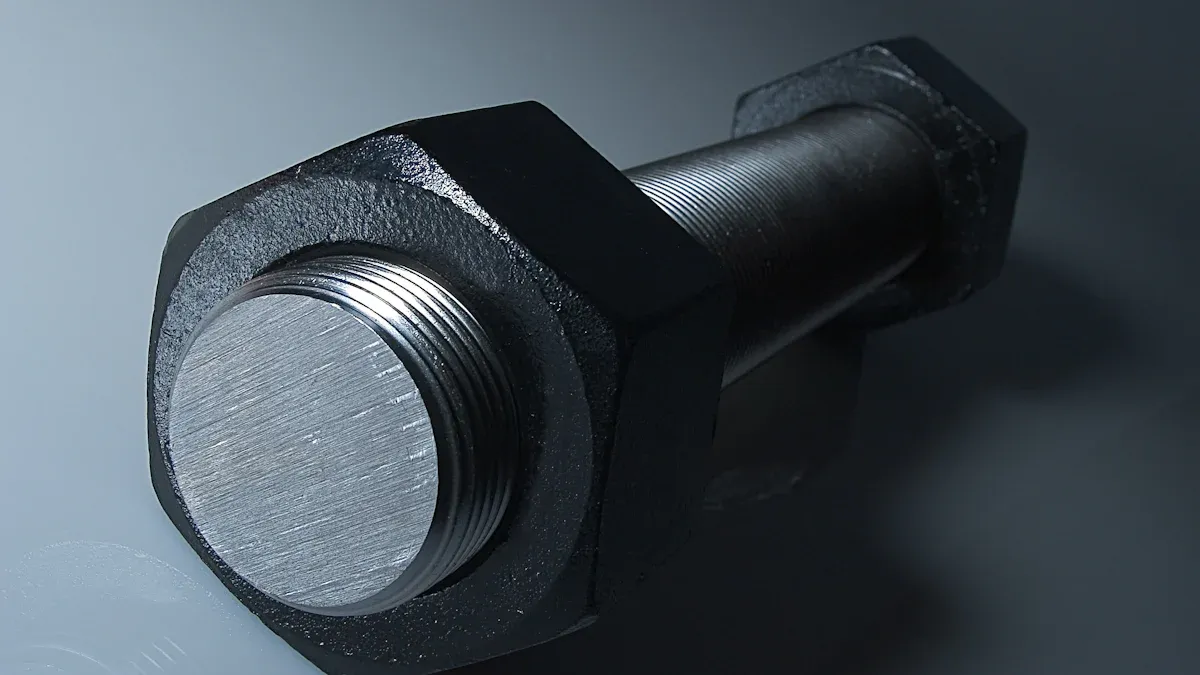
A hex nut represents a small, six-sided metal fastener that pairs with bolts to secure materials together. It provides a reliable connection in many assemblies, forming the backbone of countless nuts and bolts systems. Many industries rely on hex nuts, including construction, automotive, and custom fasteners manufacturer operations. Custom fasteners play a crucial role in specialized projects, where engineers demand precision and durability.
Hex nuts offer essential strength and stability, making them indispensable in both household repairs and industrial machinery.
What is a Hex Nut?

Basic Definition of a Hex Nut
A hex nut serves as a fundamental fastener in mechanical assemblies. This small component features a six-sided exterior and a threaded interior. Engineers and builders use a hex nut to secure bolts, rods, or screws, creating a tight and stable connection between parts. The hex nut stands out for its versatility and reliability in both light-duty and heavy-duty applications.
Key Features and Design of Hex Nuts
Six-Sided Shape
The six-sided shape, also known as a hexagonal design, gives the hex nut its name and primary advantage. This configuration allows users to grip the nut from multiple angles, making installation and removal straightforward. The hexagonal shape enhances grip and torque application, enabling workers to tighten or loosen the nut with basic tools such as wrenches or sockets. This design also ensures strong, reliable connections when paired with bolts and screws.
- The hexagonal shape of hex nuts enhances grip and torque application.
- This design allows for easy tightening and loosening with basic tools like wrenches or sockets.
- Hex nuts are specifically designed to create strong, reliable connections alongside bolts and screws.
Threaded Interior
Inside each hex nut, precision-engineered threads match specific bolt patterns. These threads allow the nut to move smoothly along the bolt, creating a secure fit. The threading distributes load evenly across the fastener, reducing the risk of loosening under stress. Standardized sizing ensures compatibility with a wide range of bolts, making hex nuts a universal choice in fastening systems.
Materials Used in Common Hex Nuts
Manufacturers produce hex nuts from various materials to suit different environments and requirements. Steel remains the most common material due to its strength and affordability. Stainless steel offers enhanced corrosion resistance, making it suitable for outdoor or marine applications. Brass provides good conductivity and resistance to rust, often used in electrical or decorative projects. Some hex nuts feature coatings or platings, such as zinc, to further improve durability and performance.
How a Hex Nut Works
A hex nut works by threading onto a bolt or screw, clamping materials together as the nut tightens. The six-sided exterior allows for easy manipulation with hand tools, while the internal threads engage with the bolt to form a secure joint. This mechanism provides strength and stability in a wide range of assemblies, from furniture to industrial machinery. The design of the hex nut balances grip, clearance, and ease of use, making it a preferred choice for engineers and builders.
Tip: Always select a hex nut that matches the bolt size and material requirements for optimal performance and safety.
Applications of Hex Nuts in Everyday Life and Industry

Hex nut applications span a wide range of industries and everyday scenarios. These fasteners play a crucial role in connecting, securing, and stabilizing components. The versatility of hex nuts makes them indispensable in construction, automotive, manufacturing, and home improvement projects. The following sections explore the most common applications of hex nuts and their impact on various fields.
Construction Applications of Hex Nuts
Structural Connections
Construction professionals rely on hex nuts for structural connections. Workers use these fasteners to join steel beams, columns, and framework. Hex nuts provide stability and strength, ensuring that buildings and bridges remain secure. The applications of hex nuts in structural connections extend to both commercial and residential projects. Engineers select hex nuts for their ability to withstand heavy loads and resist loosening under vibration.
Home Improvement Projects
Homeowners and contractors frequently encounter hex nut applications during renovations and repairs. Hex nuts secure shelving units, cabinetry, and fixtures. The six-sided design allows for easy tightening with basic tools. Hex nuts also appear in garden structures, fences, and decks. These applications demonstrate the adaptability of hex nuts in home improvement, offering reliable connections for a variety of materials.
Tip: When tackling home improvement projects, always check the compatibility of the hex nut with the bolt and material to ensure a strong connection.
Automotive Applications of Hex Nuts
Engine Assembly
Automotive engineers depend on hex nuts during engine assembly. Hex nuts hold engine components together, such as cylinder heads, manifolds, and brackets. The applications of hex nuts in engine assembly require precision and durability. Mechanics select hex nuts for their ability to maintain tight connections under extreme temperatures and vibrations. Proper assembly ensures optimal engine performance and safety.
Vehicle Repairs
Vehicle repairs often involve hex nut applications. Mechanics use hex nuts to secure wheels, suspension parts, and exhaust systems. The six-sided shape allows for quick removal and installation during maintenance. Hex nuts provide reliable fastening, preventing parts from loosening during operation. These applications highlight the importance of hex nuts in maintaining vehicle integrity and safety.
Manufacturing and Machinery Hex Nut Usage
Equipment Assembly
Manufacturing facilities depend on hex nuts for equipment assembly. Hex nut applications include joining machine frames, panels, and moving parts. The following table illustrates common types of manufacturing equipment that rely on hex nuts for assembly:
| Equipment Type | Description |
|---|---|
| Factory Assembly Lines | Machinery held together by hex nuts for operational stability. |
| Conveyor Systems | Depend on hex nuts to maintain precise alignment during operation. |
| Robotic Arms | Utilize hex nuts for secure assembly and functionality. |
| Packaging Equipment | Rely on hex nuts to ensure reliable connections in high-speed environments. |
Hex nuts ensure stability and functionality in construction projects, machinery, and automotive applications. Their role in equipment assembly guarantees operational reliability and safety.
Industrial Maintenance
Industrial maintenance teams regularly inspect and replace hex nuts to maintain equipment performance. Hex nut applications in maintenance include securing worn or damaged parts. Workers replace hex nuts if they show signs of wear, damage, or weakness. Regular maintenance and inspection remain crucial for ensuring functionality and safety. Environmental conditions, such as moisture or chemicals, influence the frequency of replacement.
- Hex nuts should be replaced if they are worn, damaged, or weak.
- Regular maintenance and inspection are crucial for ensuring functionality and safety.
- The frequency of replacement is influenced by environmental conditions.
Note: Consistent inspection of hex nuts during industrial maintenance prevents unexpected failures and extends equipment lifespan.
The applications of hex nuts in everyday life and industry demonstrate their essential role in assembly, repair, and maintenance. Hex nut applications provide strength, reliability, and adaptability across a broad spectrum of uses.
DIY and Home Project Hex Nut Usage
Hex nuts play a vital role in many do-it-yourself and home improvement projects. They provide reliable fastening solutions for both functional and creative applications. Homeowners, hobbyists, and students often encounter hex nuts when assembling furniture, installing fixtures, or crafting unique items.
Furniture Assembly
Furniture assembly frequently relies on hex nuts for secure connections. Manufacturers design flat-pack furniture with pre-drilled holes and matching bolts, allowing users to attach panels, legs, and supports. Hex nuts ensure stability and prevent wobbling in assembled pieces. Many popular furniture items, such as bookshelves, bed frames, and desks, require hex nuts during construction.
- Mounting shelves in living rooms or bedrooms often involves hex nuts for added strength.
- Assembling cabinets in kitchens or bathrooms uses hex nuts to connect panels and hinges.
- Fixing appliances, such as washing machines or refrigerators, sometimes requires hex nuts to secure internal components.
A hex nut provides a straightforward solution for tightening joints and maintaining structural integrity. Users can easily adjust or replace nuts with basic tools, making furniture assembly accessible for all skill levels.
Tip: Always check the alignment of panels and bolts before tightening hex nuts. Proper alignment prevents damage and ensures a stable finished product.
Outdoor Fixtures
Outdoor fixtures benefit from the durability and versatility of hex nuts. Garden structures, fences, and patio furniture often use hex nuts to withstand changing weather conditions. Stainless steel or coated hex nuts resist corrosion, making them ideal for outdoor environments.
- Installing lighting fixtures on patios or decks uses hex nuts for secure mounting.
- Building garden trellises or pergolas involves hex nuts to connect beams and supports.
- Repairing outdoor furniture, such as benches or tables, relies on hex nuts for long-lasting stability.
Creative projects also feature hex nuts. Some individuals craft hex nut bracelets as gifts or decorative items. These projects demonstrate the adaptability of hex nuts beyond traditional construction.
Note: Choose hex nuts made from corrosion-resistant materials for outdoor projects. This choice extends the lifespan of fixtures and reduces maintenance needs.
DIY and home project applications showcase the importance of hex nuts in everyday life. Their ease of use, strength, and adaptability make them a staple in both practical and creative endeavors.
Types of Hex Nuts and Their Uses
Standard Hex Nuts
Standard hex nuts represent the most widely used fastener in mechanical assemblies. Manufacturers produce finished hex nuts with precise dimensions and smooth surfaces. These nuts fit a variety of bolts and screws, making them ideal for general-purpose applications. Builders often select common hex nuts for projects that require reliable fastening without special features. Finished hex nuts provide consistent performance in furniture, machinery, and automotive repairs. Machine screw nuts also fall under this category, offering compatibility with smaller screws and electronic devices.
Standard hex nuts deliver dependable strength and versatility for everyday tasks.
Lock Nuts
Lock nuts prevent loosening caused by vibration or movement. Engineers use these nuts in environments where stability is critical. Lock nuts come in several designs, each offering unique benefits.
Nylon Insert Lock Nuts
Nylon insert lock nuts feature a ring of nylon inside the nut. This insert grips the bolt threads, creating resistance against rotation. Mechanics rely on nylon insert lock nuts for automotive and machinery applications. These nuts maintain tight connections even when exposed to vibration. Finished hex nuts with nylon inserts offer enhanced security for electrical panels and outdoor fixtures. Machine screw nuts with nylon inserts also protect sensitive equipment from accidental loosening.
Tip: Nylon insert lock nuts work best in situations where frequent adjustments are not required.
All-Metal Lock Nuts
All-metal lock nuts use deformed threads or special shapes to resist loosening. These nuts withstand high temperatures and harsh environments. Engineers choose all-metal lock nuts for industrial machinery and heavy equipment. Unlike nylon insert lock nuts, all-metal versions do not degrade under heat. Hex jam nuts often serve as a secondary locking device, paired with another nut to secure the assembly. Common hex nuts and hex jam nuts together provide extra protection against vibration.
Heavy Hex Nuts
Heavy hex nuts offer increased thickness and larger wrench size compared to standard nuts. These nuts excel in industrial settings where strength and durability are essential. Heavy hex nuts distribute load more effectively, reducing stress concentrations that can cause fatigue or failure. Workers apply higher torque during assembly without deforming the nut. The robust design of heavy hex nuts minimizes the need for frequent replacements, improving maintenance efficiency.
- Greater mechanical strength due to thicker construction and larger bearing surface.
- Enhanced thread engagement reduces the risk of loosening under dynamic loads.
- Suitable for machinery, bridges, and heavy equipment where safety and performance matter.
- Used in construction, energy, manufacturing, and transportation industries.
Hex jam nuts and machine screw nuts may also be used alongside heavy hex nuts for specialized assemblies. Finished hex nuts remain a staple in these sectors, providing reliable fastening for critical infrastructure.
Heavy hex nuts ensure safety and performance in environments where failure is not an option.
Flange Hex Nuts
Flange hex nuts stand out among the types of hex nuts due to their unique design. Each nut features a wide, integrated flange at one end. This flange acts as a built-in washer, spreading the load over a larger surface area. By distributing pressure more evenly, flange hex nuts help prevent damage to the materials being fastened. The broad flange also increases resistance to loosening caused by vibration. Many professionals choose flange hex nuts in applications where stability and surface protection matter. The built-in washer design often eliminates the need for a separate washer, which streamlines assembly and reduces the number of parts required.
Flange hex nuts improve fastening performance by minimizing surface damage and enhancing vibration resistance. This makes them a preferred choice in automotive, machinery, and construction projects.
Cap Nuts
Cap nuts, sometimes called acorn nuts, offer both functional and aesthetic benefits. Each cap nut features a domed top that covers the exposed end of a bolt or screw. This design protects threads from dirt, moisture, and accidental damage. Cap nuts also reduce the risk of injury by covering sharp bolt ends. Many builders use cap nuts in furniture, playground equipment, and automotive applications where safety and appearance are important. The smooth, rounded surface of a cap nut gives finished assemblies a clean, professional look. Cap nuts come in various materials, including steel, stainless steel, and brass, to suit different environments.
- Cap nuts protect threads from corrosion and physical damage.
- They enhance safety by preventing contact with sharp bolt ends.
- The domed design adds a decorative touch to visible fastener connections.
Specialty Hex Nuts
Specialty hex nuts address unique fastening challenges that common hex nuts may not solve. Manufacturers design these nuts for specific functions, such as locking, space-saving, or enhanced security. The table below highlights several specialty hex nuts and their unique uses:
| Type of Hex Nut | Description |
|---|---|
| Finished Hex Nuts | Basic six-sided nuts used with machine thread bolts and screws where no locking mechanism is needed. |
| Hex Jam Nuts | Low profile nuts used to lock standard nuts in place or in tight spaces. |
| Machine Screw Nuts | Smaller nuts designed for machine screws, featuring flat tops and chamfered corners. |
| Nylon Insert Lock Nuts | Nuts with a nylon insert that prevents loosening due to vibration. |
Prevailing Torque Hex Nuts
Prevailing torque hex nuts use a special design to resist loosening under vibration or movement. These nuts feature deformed threads or other internal features that create friction as the nut turns onto the bolt. The increased resistance helps maintain a secure connection, even in high-vibration environments. Engineers often select prevailing torque hex nuts for machinery, automotive, and aerospace applications where reliability is critical.
Slotted Hex Nuts
Slotted hex nuts, also known as castle nuts, include slots cut into one end of the nut. These slots allow the use of a cotter pin or wire to lock the nut in place after tightening. Slotted hex nuts provide extra security in assemblies subject to movement or vibration. Mechanics and builders use them in automotive suspensions, machinery, and other applications where a positive locking method is required.
Note: Specialty hex nuts expand the range of solutions available for challenging fastening situations. Selecting the right nut ensures safety, durability, and performance in every project.
How to Choose the Right Hex Nut
Selecting the correct hex nut ensures safety, durability, and optimal performance in any project. Engineers and builders consider several factors, including size compatibility, material strength, and environmental exposure.
Matching Nut to Bolt Size
Proper alignment between the hex nut and bolt is essential for a secure connection. The following points guide the selection process:
- The hex nut must match the bolt in both material and size to prevent premature failure.
- Internal threads of hex nuts align with standard bolt thread patterns, ensuring compatibility across different manufacturers.
- Manufacturers control thread pitch, depth, and angle during production to guarantee optimal engagement with matching bolt threads.
A mismatch in size or thread pattern can lead to stripped threads or weak joints. Always verify the specifications before assembly.
Tip: Use a thread gauge or consult manufacturer charts to confirm compatibility between nuts and bolts.
Considering Material and Strength for Hex Nut Usage
Material selection impacts the hex nut’s ability to withstand mechanical stress and environmental challenges. The choice depends on the application’s load requirements and exposure conditions.
Steel vs. Stainless Steel
Steel hex nuts offer high tensile strength and are suitable for most indoor applications. Heavy hex nuts often use high-grade carbon steel or alloy steel, which undergo heat treatment and quenching to achieve superior strength grades. These nuts perform well under significant mechanical stress.
Stainless steel hex nuts provide excellent corrosion resistance and maintain their strength in harsh environments. Outdoor projects or applications exposed to moisture and chemicals benefit from stainless steel, although it may exceed the requirements for indoor use.
Brass and Other Materials
Brass hex nuts deliver good conductivity and moderate corrosion resistance, making them ideal for electrical and decorative uses. Specialty applications may require titanium or nickel for exceptional strength and non-magnetic properties. The selection of material and coating must align with the environmental conditions and strength grades required by the project.
Environmental Factors for Hex Nut Selection
Environmental exposure influences the longevity and reliability of hex nuts. The following table summarizes common materials and coatings, their properties, and typical applications:
| Material/Coating | Key Properties | Applications |
|---|---|---|
| Stainless Steel | Excellent corrosion resistance, high strength | Marine, chemical, food processing |
| Brass | Good conductivity, moderate corrosion resistance | Electrical, decorative |
| Titanium/Nickel | Exceptional strength, non-magnetic | Aerospace, medical, high-temperature |
| Zinc Coating | Sacrificial rust protection | Steel nuts in various environments |
| Black Oxide | Mild corrosion resistance, aesthetic appeal | Decorative, friction reduction |
| Cadmium Plating | Excellent corrosion protection | Aerospace (limited use) |
| Phosphate Coating | Moderate protection, paint adhesion | Painted or finished assemblies |
| Chrome Plating | Wear resistance, attractive finish | Decorative fasteners |
Corrosion Resistance
Projects in marine, chemical, or outdoor environments require hex nuts with high corrosion resistance. Stainless steel, zinc-coated, or specially plated nuts extend service life and reduce maintenance.
Temperature Considerations
High-temperature applications, such as engines or industrial machinery, demand materials that retain strength and resist oxidation. Titanium, nickel alloys, or all-metal lock nuts perform reliably in these conditions.
Note: Always match the hex nut’s material and coating to the environmental demands for maximum safety and performance.
Application Requirements for Common Hex Nuts
Load and Stress
Engineers evaluate load and stress requirements before selecting hex nuts for any project. The nut must withstand the forces applied during operation without deforming or failing. In construction, heavy hex nuts play a crucial role in joining beams and machinery. These nuts provide stability and meet strict load requirements. Builders often choose materials like stainless steel or titanium for their strength and resistance to corrosion. Compliance with building codes ensures structural integrity and safety.
The following ordered list highlights key considerations for load and stress:
- Determine the maximum load the assembly will experience.
- Select a hex nut with appropriate mechanical strength and material properties.
- Ensure compatibility with the bolt and the connected materials.
- Verify that the nut meets industry standards for safety and durability.
| Material | Application Context | Key Features |
|---|---|---|
| Stainless Steel | Marine applications, chemical plants, food processing environments | Excellent corrosion resistance, higher strength-to-weight ratio |
| Brass | Electrical applications, decorative contexts | Good conductivity, corrosion resistance, lower mechanical strength |
| Titanium/Nickel | Aerospace, medical devices, high-temperature applications | Exceptional strength, corrosion resistance, non-magnetic properties |
| Zinc Plating | Steel nuts for general use | Sacrificial protection against rust, various durability levels |
| Black Oxide | Aesthetic applications, mild corrosion resistance | Reduces friction, primarily for appearance |
| Phosphate Coating | Moderate protection, good base for paint or finishes | Often used with oil for added protection |
| Chrome Plating | Decorative fasteners, wear resistance | Attractive finish, enhances durability |
Heavy hex nuts excel in environments where assemblies face high stress. Their thicker construction and larger bearing surface distribute force more evenly, reducing the risk of fatigue. In electronics, standard hex nuts offer precision fit and electrical conductivity, supporting delicate connections without excessive force.
Tip: Always match the hex nut’s strength grade to the expected load for reliable performance.
Vibration and Movement
Vibration and movement present unique challenges for hex nut applications. Automotive engineers often select prevailing torque hex nuts or nyloc nuts to prevent loosening caused by constant motion. These nuts feature designs that resist rotation, maintaining tight connections even under dynamic conditions. Materials that resist rust, such as stainless steel or zinc-plated steel, extend the lifespan of fasteners exposed to road salt and moisture.
The following unordered list summarizes requirements for vibration and movement:
- Use lock nuts or nyloc nuts in assemblies subject to frequent vibration.
- Choose materials with corrosion resistance for outdoor or automotive environments.
- Ensure the nut’s design provides friction or mechanical locking to prevent loosening.
Electronics require smaller hex nuts that balance aesthetics and functionality. These nuts must stay secure despite minor vibrations from device operation. In decorative contexts, black oxide or chrome plating enhances appearance while providing mild resistance to movement.
Note: Selecting the right hex nut for vibration and movement reduces maintenance and improves safety in critical assemblies.
Installation Tips for Hex Nut Usage
Proper installation ensures that hex nuts deliver reliable performance and safety in any application. Selecting the right tools and following best practices can prevent common issues and extend the life of fastened assemblies.
Tools Needed for Installing Hex Nuts
Wrenches and Sockets
Wrenches and sockets remain the most common tools for installing hex nuts. These tools fit the six-sided shape of the nut, allowing users to apply even pressure during tightening or loosening. Mechanics often choose open-end, box-end, or adjustable wrenches for accessibility in tight spaces. Socket wrenches provide better grip and control, especially when working with multiple fasteners or in repetitive tasks.
Torque Wrenches
Torque wrenches play a critical role in achieving the correct tightness. These tools measure the force applied to the hex nut, ensuring that the fastener meets manufacturer specifications. Using a torque wrench helps prevent both over-tightening and under-tightening, which can lead to joint failure or damage. Technicians rely on torque wrenches in automotive, construction, and machinery settings where precise fastening is essential.
Tip: Always select a wrench or socket that matches the nut size to avoid rounding the corners and damaging the fastener.
Proper Tightening Techniques for Hex Nuts
Applying the correct tightening technique improves the security and longevity of the connection. Several methods enhance fastening strength and prevent loosening:
- Double nut: Install a second nut and tighten it against the first. This creates friction between the nuts, reducing the risk of loosening from vibration.
- 30-degree wedge-shaped thread: Use nuts with a wedge-shaped bevel on the thread. This design increases locking force when tightened, making the connection more secure.
Technicians should always follow the recommended torque values and use the appropriate technique for the application. Consistent tightening across all fasteners in an assembly ensures balanced load distribution.
Avoiding Common Mistakes with Hex Nut Installation
Mistakes during installation can compromise the integrity of the assembly. The following list highlights frequent errors and ways to avoid them:
- Using the wrong tools for installation: Select the correct tool, such as a torque wrench, to prevent damage to the nut or bolt.
- Over-tightening or under-tightening fasteners: Follow manufacturer guidelines and use a torque wrench to apply the specified force.
- Ignoring environmental factors: Choose fasteners that resist corrosion and match the environmental conditions of the project.
Note: Careful attention to installation details reduces maintenance needs and improves the overall reliability of hex nut usage.
Maintenance and Safety for Hex Nut Usage
Inspecting Hex Nuts
Routine inspection forms the foundation of effective maintenance of hex nuts. Technicians examine each nut for signs of wear or damage before assembly or during scheduled checks. They rely on several best practices to ensure reliability:
- Visual Inspection: Workers look for cracks, corrosion, or deformation on the nut’s surface.
- Dimensional Inspection: They measure the nut’s dimensions to confirm compliance with specifications.
- Thread Inspection: Technicians use thread gauges and optical tools to verify that threads remain intact and functional.
- Material Inspection: Specialists conduct chemical analysis and mechanical testing to confirm the nut’s material properties.
These steps help identify potential issues early, reducing the risk of failure in critical assemblies. Consistent inspection supports long-term safety and performance.
Preventing Loosening of Hex Nuts
Hex nuts often face loosening due to vibration, temperature changes, or mechanical stress. Engineers implement several strategies to maintain secure connections. The following table summarizes effective methods:
| Method | Description |
|---|---|
| Lock Washers | These washers provide additional friction to help keep the nut in place against vibrations. |
| Nylon Insert Nuts | These nuts have a nylon insert that grips the bolt threads, preventing loosening. |
| Thread-Locking Compounds | Adhesives that bond the threads together, making it difficult for the nut to loosen over time. |
| Proper Initial Torquing | Ensuring the nut is tightened to the correct torque can help maintain its position. |
| Regular Maintenance Checks | Periodic inspections can help identify and address any loosening before it becomes a problem. |
Technicians also use lock nuts in vibration-prone environments. Self-locking nuts provide extra strength for demanding applications. Thread-locking adhesives offer additional security, especially in assemblies exposed to frequent movement. Regular maintenance of hex nuts ensures that connections remain tight and reliable.
Tip: Always follow manufacturer recommendations for torque and locking methods to maximize safety.
Replacing Damaged Hex Nuts
When a hex nut shows signs of damage, replacement becomes necessary to maintain structural integrity. Safety precautions guide the process to protect workers and equipment:
- Pre-installation Safety Checks: Inspect bolts for damage, verify nut size and grade, and ensure the installation area is clean and flat.
- Personal Protective Equipment (PPE): Workers wear safety glasses, gloves, and ear protection during replacement tasks.
- Proper Installation Techniques: Technicians use torque wrenches to achieve correct tightness and follow a specific sequence for even stress distribution.
- Storage and Handling: Staff store nuts in dry environments and handle them carefully to prevent further damage.
These steps minimize risks and support the maintenance of hex nuts in industrial and household settings. Careful replacement extends the lifespan of assemblies and enhances overall safety.
Note: Never reuse damaged hex nuts. Always select new nuts that meet the required specifications for the application.
Safety Precautions When Using Hex Nuts
Hex nuts play a critical role in mechanical assemblies, but improper handling can lead to injuries or equipment failure. Safety precautions help workers and technicians minimize risks during installation, removal, and maintenance of hex nuts. Individuals must follow established guidelines to protect themselves and maintain the integrity of fastened assemblies.
Personal Protective Equipment (PPE): Workers should wear appropriate PPE when handling hex nuts. Safety glasses shield eyes from flying debris during tightening or loosening. Gloves protect hands from sharp edges and prevent contact with corrosive materials. Ear protection becomes necessary in environments with loud machinery. PPE reduces the likelihood of accidents and ensures a safer workspace.
Safe Handling and Storage: Technicians must handle hex nuts with care to avoid dropping or misplacing them. Dropped nuts can cause tripping hazards or damage sensitive surfaces. Storage in dry, organized containers prevents rust and contamination. Workers should label containers by size and material to streamline selection and reduce errors. Proper storage supports the maintenance of hex nuts and extends their service life.
Tool Selection and Usage: Selecting the correct tool for each hex nut ensures safe installation. Wrenches and sockets must fit the nut precisely to avoid rounding corners or slipping. Torque wrenches help technicians apply the recommended force, preventing over-tightening or under-tightening. Using damaged or worn tools increases the risk of injury and compromises the assembly.
Environmental Awareness: Assemblies exposed to moisture, chemicals, or extreme temperatures require special attention. Workers must choose hex nuts with corrosion-resistant coatings or materials. Regular inspection and maintenance of hex nuts in harsh environments prevent unexpected failures. Technicians should monitor assemblies for signs of rust, wear, or loosening.
Tip: Always follow manufacturer instructions for installation and maintenance of hex nuts. Adhering to guidelines improves safety and reliability.
Table: Common Safety Practices for Hex Nut Usage
| Safety Practice | Description | Benefit |
|---|---|---|
| PPE Usage | Wear gloves, glasses, and ear protection | Reduces injury risk |
| Proper Tool Selection | Use correct wrenches and torque tools | Prevents damage |
| Organized Storage | Store nuts in labeled, dry containers | Minimizes contamination |
| Environmental Checks | Inspect for rust, wear, and corrosion | Extends service life |
Individuals must remain vigilant during all phases of hex nut usage. Routine maintenance of hex nuts, combined with safety precautions, ensures assemblies remain secure and functional. Workers who prioritize safety protect both themselves and the equipment they service.
Troubleshooting Common Hex Nut Issues
Stripped Threads in Hex Nuts
Stripped threads represent a frequent challenge in mechanical assemblies. When a hex nut loses its thread integrity, it cannot secure a bolt properly. Technicians often encounter stripped threads due to over-tightening, using mismatched bolts, or repeated installation and removal. Material impurities and improper heat treatment during production can also contribute to thread failure.
- Over-tightening damages the internal threads.
- Using the wrong bolt size causes misalignment and stripping.
- Repeated use weakens the threads over time.
Routine thread inspection helps identify stripped threads before assembly. Technicians use thread gauges to verify compatibility and ensure secure connections. Material inspection confirms that the nut meets mechanical property requirements. When stripped threads appear, replacing the nut with a new, quality-tested component restores reliability.
Tip: Always use the correct bolt size and avoid excessive force during installation to prevent thread damage.
Cross-threading Problems
Cross-threading occurs when a hex nut does not align with the bolt threads, resulting in forced engagement. This issue leads to weakened connections and potential mechanical failure. Workers often cause cross-threading by rushing installation or using improper tools. Damage from improper socket use can also contribute to misalignment.
- Rushed installation increases the risk of cross-threading.
- Incorrect tool selection damages the nut corners and threads.
- Forced engagement weakens the joint.
Technicians prevent cross-threading by starting the nut by hand and ensuring proper alignment. Using the correct socket size protects the nut’s corners and maintains thread integrity. Regular inspections and thread gauging identify misaligned nuts early, allowing for timely corrective actions.
Note: Begin threading by hand and use appropriate tools to avoid cross-threading and ensure a secure fit.
Rust and Corrosion on Hex Nuts
Rust and corrosion threaten the longevity of hex nuts, especially in environments with moisture or chemicals. Swelling due to moisture infiltration often occurs when water gets trapped between decorative caps and steel nuts. This leads to rust, weakening the fastener and causing the cap to loosen or fall off. Material quality and effective inspection methods play a crucial role in preventing corrosion.
- Moisture infiltration causes swelling and rust.
- Impurities in raw materials increase susceptibility to corrosion.
- Lack of regular inspections allows rust to progress unnoticed.
Technicians combat rust by selecting corrosion-resistant materials, such as stainless steel or solid chrome replacements. Implementing regular inspections helps identify early signs of corrosion. Material inspection and quality control ensure that nuts meet specified standards and resist environmental damage.
| Prevention Method | Description |
|---|---|
| Use corrosion-resistant nuts | Stainless steel or chrome-plated nuts resist rust. |
| Regular inspections | Early detection prevents severe corrosion. |
| Proper storage | Dry, organized storage reduces moisture exposure. |
Tip: Choose hex nuts with protective coatings and conduct routine inspections to extend service life and maintain safety.
Difficult Removal of Hex Nuts
Hex nuts sometimes resist removal, creating challenges for technicians and DIY enthusiasts. Several factors contribute to this difficulty. Corrosion, over-tightening, and thread damage often play a role. Workers encounter seized nuts in automotive repairs, machinery maintenance, and outdoor projects. Understanding the causes and applying the right techniques ensures safe and efficient removal.
Common Causes of Difficult Removal:
- Corrosion or rust forms between the nut and bolt, especially in outdoor or humid environments.
- Over-tightening stretches threads or distorts the nut, locking it in place.
- Cross-threading damages the internal threads, making removal harder.
- Thread-locking compounds or adhesives increase resistance.
- Heat exposure causes expansion and contraction, binding the nut.
Tip: Regular inspection and maintenance reduce the risk of seized or stuck hex nuts.
Recommended Tools for Removal:
Technicians select tools based on the severity of the problem. The following table summarizes common tools and their uses:
| Tool | Purpose |
|---|---|
| Penetrating Oil | Loosens rust and corrosion |
| Adjustable Wrench | Provides grip and leverage |
| Socket Set | Fits snugly for controlled force |
| Nut Splitter | Cuts through stubborn nuts |
| Vice Grips | Holds rounded or damaged nuts securely |
| Heat Gun | Expands metal to break bonds |
Step-by-Step Removal Methods:
- Apply penetrating oil to the nut and wait several minutes for absorption.
- Use a wrench or socket to attempt removal. Turn slowly to avoid further damage.
- If the nut remains stuck, tap gently with a hammer to break corrosion.
- Heat the nut with a heat gun to expand the metal and loosen the bond.
- For severely damaged nuts, use a nut splitter or vice grips for extraction.
Note: Always wear safety glasses and gloves during removal. Protect surrounding materials from heat and impact.
Preventing Damage During Removal:
Technicians avoid excessive force to prevent bolt breakage. They select the correct tool size and apply steady pressure. If the nut resists, they reassess the method rather than forcing the issue. Workers protect threads by cleaning debris and rust before removal.
Safety Considerations:
- Wear personal protective equipment to guard against flying debris.
- Ensure proper ventilation when using penetrating oils or heat.
- Inspect the bolt after removal for signs of damage or wear.
Difficult removal of hex nuts requires patience and the right approach. Technicians who follow these guidelines maintain safety and preserve the integrity of assemblies. Regular maintenance and proper installation minimize future challenges.
A hex nut remains a vital component in mechanical assemblies. It secures connections in construction, automotive, and home projects. Different types serve unique purposes, from standard to specialty designs. Proper selection, installation, and maintenance ensure safety and reliability. Readers who understand these basics can approach any project with confidence.
Remember: Careful inspection and correct tool use extend the life of every fastener.
FAQ
What is the main purpose of a hex nut?
A hex nut secures bolts or screws in mechanical assemblies. It creates a strong, stable connection between parts. Engineers and builders rely on hex nuts for reliable fastening in many industries.
How does a hex nut differ from other nuts?
A hex nut features a six-sided shape. This design allows easy tightening with standard tools. Other nuts, such as wing nuts or square nuts, have different shapes and uses.
Which tools work best for installing hex nuts?
Wrenches and sockets fit hex nuts perfectly. Torque wrenches help achieve the correct tightness. Technicians select the tool based on the nut size and application.
Can hex nuts be reused after removal?
Technicians recommend replacing hex nuts if they show wear or damage. Reusing undamaged nuts is possible, but new nuts ensure maximum safety and reliability.
What materials offer the best corrosion resistance for hex nuts?
Stainless steel and brass provide excellent corrosion resistance. Zinc-coated nuts also resist rust. The choice depends on the environment and application.
How do you prevent a hex nut from loosening?
Lock nuts, nylon inserts, and thread-locking compounds help prevent loosening. Proper torque and regular inspections also maintain secure connections.
Are hex nuts suitable for outdoor projects?
Hex nuts made from stainless steel or with protective coatings perform well outdoors. These materials resist rust and withstand harsh weather conditions.