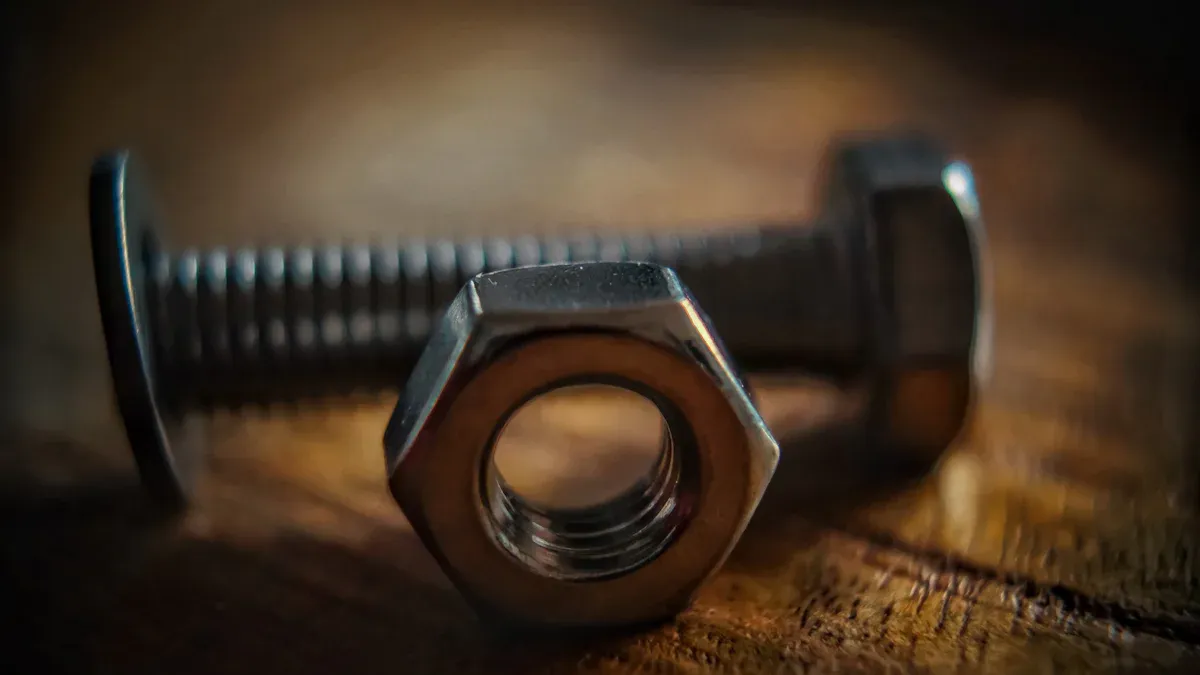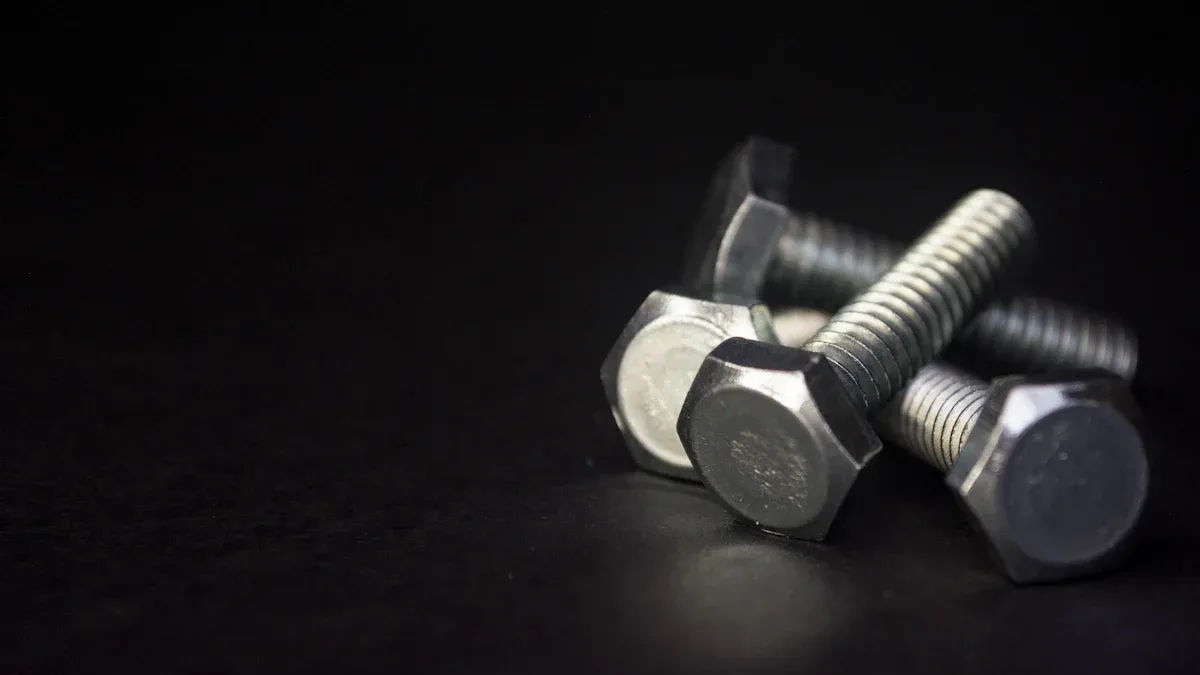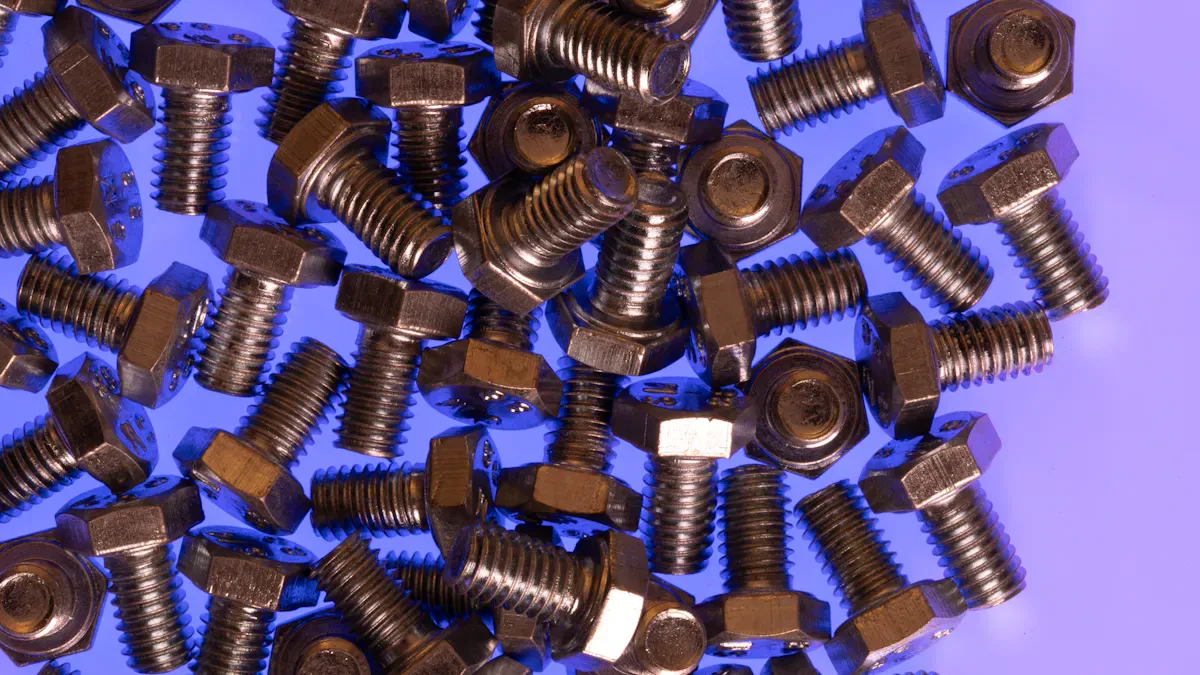
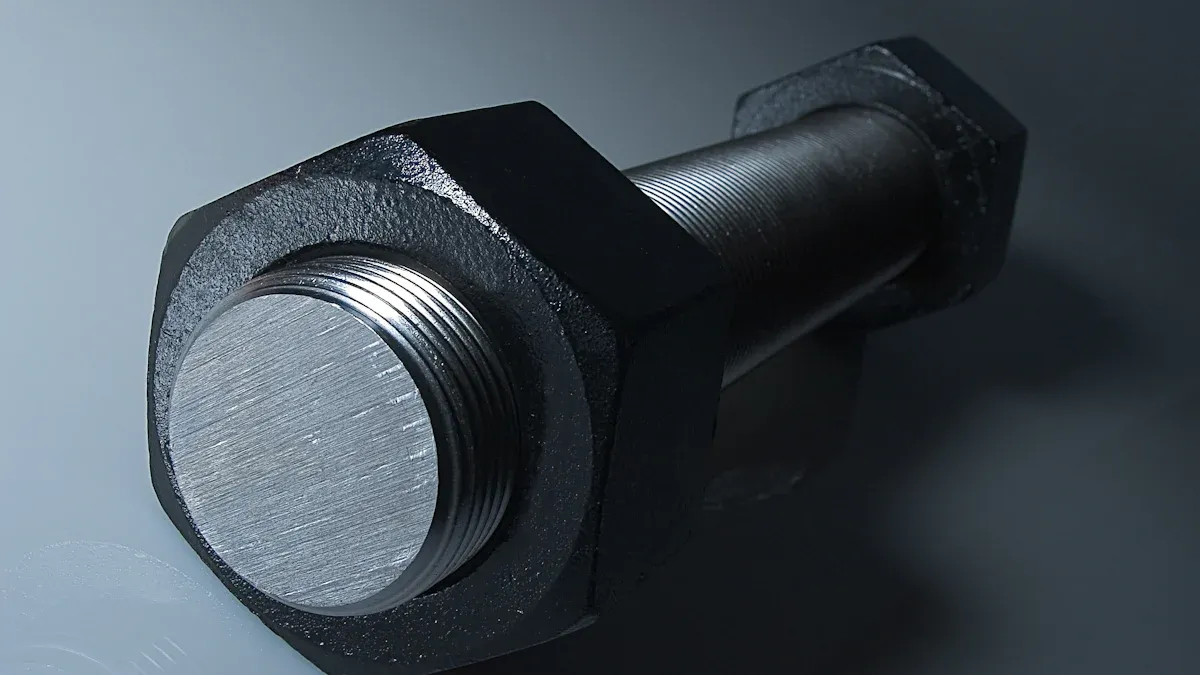
The key differences between hex bolts and hex cap screws stem from their manufacturing and intended application. A hex cap screw features tighter tolerances for precise installation into a tapped hole. Conversely, manufacturers design a hex bolt for assembly with a nut, allowing for looser tolerances. The distinction between these screws and bolts is critical in the industrial fasteners market, a sector with significant global value.
| Metric | Value |
|---|---|
| Market Size in 2024 | USD 124.2 Billion |
| Forecast Period | 2025 – 2034 |
| CAGR (2025-2034) | 3.4% |
| Market Size in 2034 | USD 173.8 Billion |
Understanding this hex fastener distinction is vital for industries from bolt casting to those requiring a custom fasteners manufacturer.
The Key Differences Between Hex Bolts and Hex Cap Screws
While they appear similar, the key differences between hex bolts and hex cap screws are significant. These physical differences dictate their installation, precision, and ideal applications. Understanding these distinctions is crucial for engineers, mechanics, and builders to ensure joint integrity and project success.
Installation Method: Tapped Hole vs. Nut
The most fundamental difference lies in how each fastener is installed. One is designed to thread into a surface, while the other passes through and requires a nut.
How a Hex Cap Screw Functions
A hex cap screw is engineered for installation into a tapped (pre-threaded) hole. The screw turns directly into the material, creating a secure joint without a nut. This method is common in machinery and automotive assemblies where a clean, precise fit is necessary. The design of the cap screw, with its tighter tolerances, ensures proper thread engagement and alignment within the tapped hole.
How a Hex Bolt Functions
A hex bolt is designed to pass through unthreaded holes in two or more components. It is then secured on the opposite end with a hex nut. This bolt-and-nut combination creates clamping force by squeezing the materials together. This method is a staple in construction and structural applications where high clamping force is more critical than the precision fit of the bolt shank.
Manufacturing Tolerances and Precision
The manufacturing process creates distinct dimensional characteristics for these two fasteners, directly impacting their performance. The ASME B18.2.1 standard governs the dimensional specifications for many common bolts and screws, including hex fasteners.
The Tighter Tolerances of Hex Cap Screws
Manufacturers produce hex head cap screws to much stricter dimensional tolerances. This precision is a defining feature.
- Hex cap screws have a washer face under the head.
- They feature a chamfered (beveled) point for easier insertion into a tapped hole.
- Their body diameter and head dimensions have less allowable variance.
- The ASME B18.2.1 specification outlines these tight dimensional requirements for US/Imperial hex cap screws.
This precision ensures a snug fit, which is critical for maintaining alignment and distributing stress correctly in mechanical assemblies.
The Looser Tolerances of Hex Bolts
Hex bolts are general-purpose fasteners and are manufactured with looser dimensional tolerances. This makes them more cost-effective for applications where a high degree of precision is not the primary concern. The ASME B18.2.1 standard allows for greater variation in dimensions like head height and body diameter for these bolts.
Note: The greater allowable variance in a hex bolt’s dimensions means it is not suitable for applications requiring a close-tolerance fit. The shank may not align perfectly within a hole, making it reliant on the clamping force from a nut.
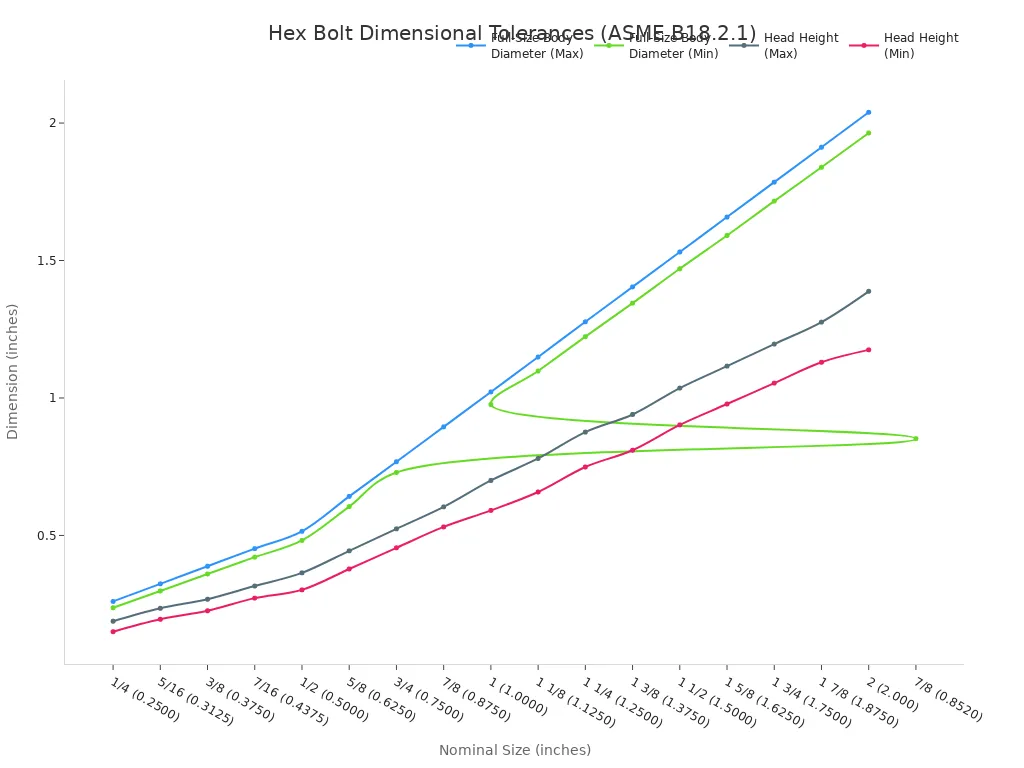
The chart below illustrates the range between maximum and minimum head heights for various hex bolt sizes, showing the built-in variance.
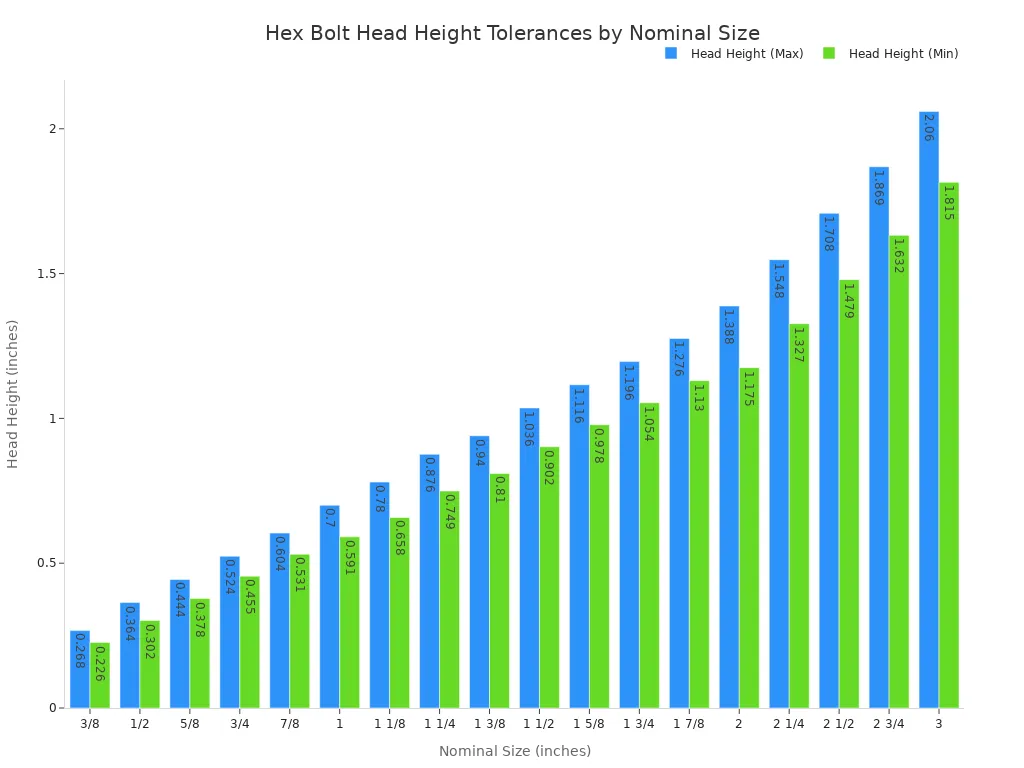
This variance extends to all dimensions of the bolt, including its diameter.
The Washer Face Distinction
A small but critical feature further separates these two types of hex fasteners: the surface directly beneath the head.
The Integrated Bearing Surface on a Hex Cap Screw
A hex cap screw always includes a “washer face.” This is a circular, flat, smooth surface machined onto the underside of the hex head. This integrated bearing surface serves two key functions. It distributes the clamping load evenly across the mating surface and prevents the sharp corners of the hex head from digging into and damaging the component during tightening. This feature is vital for protecting the integrity of precision-machined parts.
The Lack of a Washer Face on Hex Bolts
In contrast, a standard hex bolt typically lacks a washer face. The underside of the hex head is flat but does not have the distinct, machined circular bearing surface. For this reason, a hex bolt almost always requires a separate flat washer to be placed under the head (and under the nut) to distribute the load and prevent surface damage. The absence of this feature is one of the key differences that makes hex bolts unsuitable for direct use on delicate or precision surfaces without a washer.
Shank Diameter and Body Fit
The diameter of the fastener’s body, or shank, is one of the most critical key differences between these two hex fasteners. This dimension directly influences how the fastener fits within a hole and determines its suitability for specific mechanical functions. The precision of the shank dictates whether the fastener can help align parts or simply clamp them together.
Precise Body Diameter of a Cap Screw
A hex cap screw is manufactured with a highly controlled body diameter. The shank is typically full-sized, meaning its diameter is very close to the nominal size of the screw. For example, a 1/2-inch hex cap screw will have a shank diameter that is almost exactly 1/2 inch.
This precision serves a vital purpose:
- Accurate Alignment: The snug fit allows the body of the screw to act as a dowel, precisely locating and aligning machine components.
- Shear Resistance: A tight fit in a hole minimizes movement, enabling the screw to effectively resist shear forces that try to slide components sideways.
This characteristic is essential in applications like engine blocks and industrial gearboxes, where maintaining exact alignment is paramount for performance and longevity.
General Purpose Body of a Bolt
In contrast, a hex bolt is designed with a more forgiving, or looser, body tolerance. The shank diameter is intentionally undersized compared to its nominal dimension. This design choice facilitates easy passage through holes in structural members, which may not align perfectly.
A hex bolt has a higher maximum tolerance on its body diameter than a cap screw. Additionally, the lower side of a hex bolt’s tolerances is below that of a typical cap screw.
This wider tolerance range is another of the key differences that defines its role. The undersized body means the bolt is not intended to provide precise alignment. Instead, its function relies entirely on the clamping force generated with a nut to hold components together. This makes the hex bolt a cost-effective and practical choice for construction and general assembly where perfect alignment is secondary to strong clamping.
A Deeper Look at the Hex Cap Screw
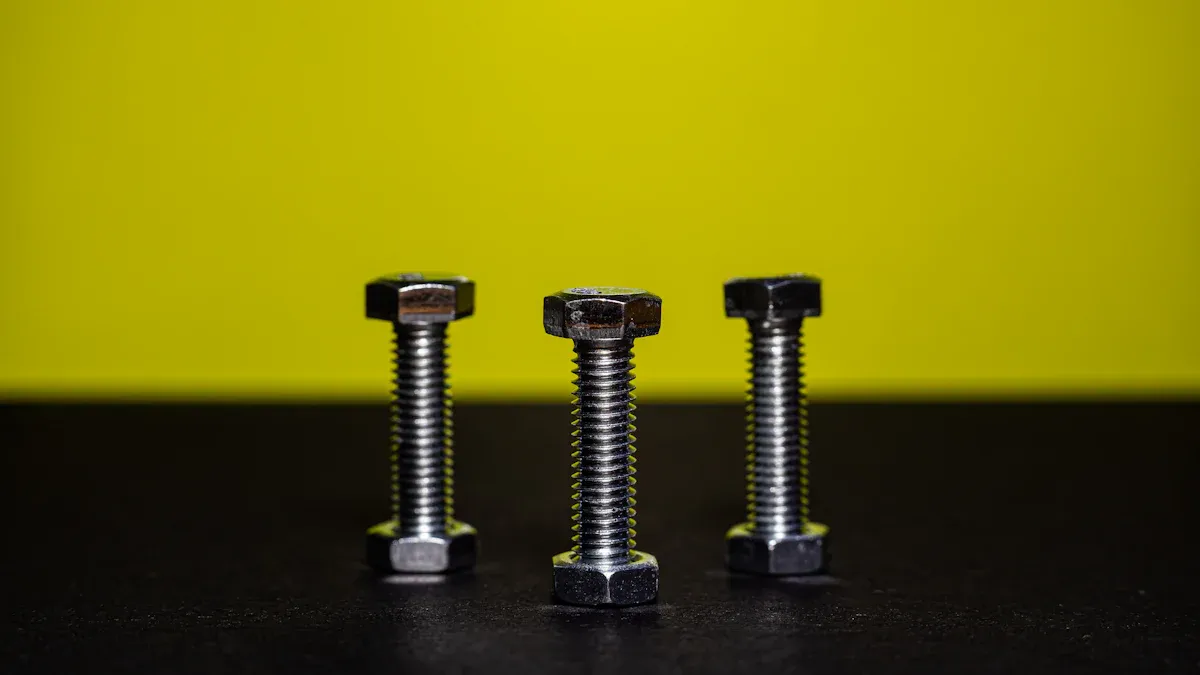
Understanding the hex cap screw requires a closer examination of its design features. The precision manufacturing of this fastener is not arbitrary; every detail serves a critical engineering function. These features make the hex cap screw an indispensable component in high-performance and precision assemblies.
Why Precision Matters in a Hex Cap Screw
The strict tolerances of a hex cap screw directly contribute to the stability and reliability of a mechanical joint. This precision is fundamental to its performance.
Ensuring Accurate Alignment in Assemblies
The full-diameter shank of a cap screw provides excellent alignment. It fits snugly into a tapped hole, acting like a dowel to locate components with high accuracy. This prevents shifting between parts. This alignment is essential in applications like engine blocks and transmissions, where even minor misalignments can lead to premature wear and catastrophic failure. The design of the screw ensures parts remain in their exact intended positions.
Impact on Shear and Tensile Strength
Precision affects the screw’s ability to handle different forces. The tight fit of the shank in the hole maximizes its capacity to resist shear forces—forces that try to slide parts past one another. Additionally, hex head cap screws are typically made from high-quality, heat-treated materials. This gives the screw high tensile strength, allowing it to create and maintain significant clamping force when tightened.
The Functional Importance of the Washer Face
The integrated washer face under the hex head is a small but vital feature. It provides a smooth, flat bearing surface that performs two key jobs.
Protecting the Mating Surface from Damage
The washer face prevents the sharp corners of the hex head from gouging or marring the component’s surface during tightening. This protection is crucial when fastening against soft materials like aluminum or on precision-machined surfaces where any damage could compromise the joint’s integrity.
Evenly Distributing Clamping Load
The washer face creates a consistent, circular contact area. This feature ensures the clamping force from the tightened screw is distributed evenly over the surface. Proper load distribution prevents stress concentrations at specific points, which could lead to material fatigue or failure over time.
Common Materials and Strength Grades
Manufacturers produce hex cap screws to meet specific strength standards. These standards dictate the material composition and mechanical properties of the screws.
SAE J429 Grades (Grade 2, 5, 8)
SAE J429 is a common standard for inch-series screws.
- Grade 2: Low-carbon steel for general use.
- Grade 5: Medium-carbon steel, quenched and tempered for increased strength.
- Grade 8: Medium-carbon alloy steel, quenched and tempered for maximum strength. Higher grades are used in demanding automotive and machinery applications.
ASTM A449 Specifications
ASTM A449 covers quenched and tempered steel hex cap screws from 1/4 inch to 3 inches in diameter. These screws are considered medium strength, often compared to SAE Grade 5. The specification focuses on mechanical properties, allowing manufacturers flexibility in steel chemistry.
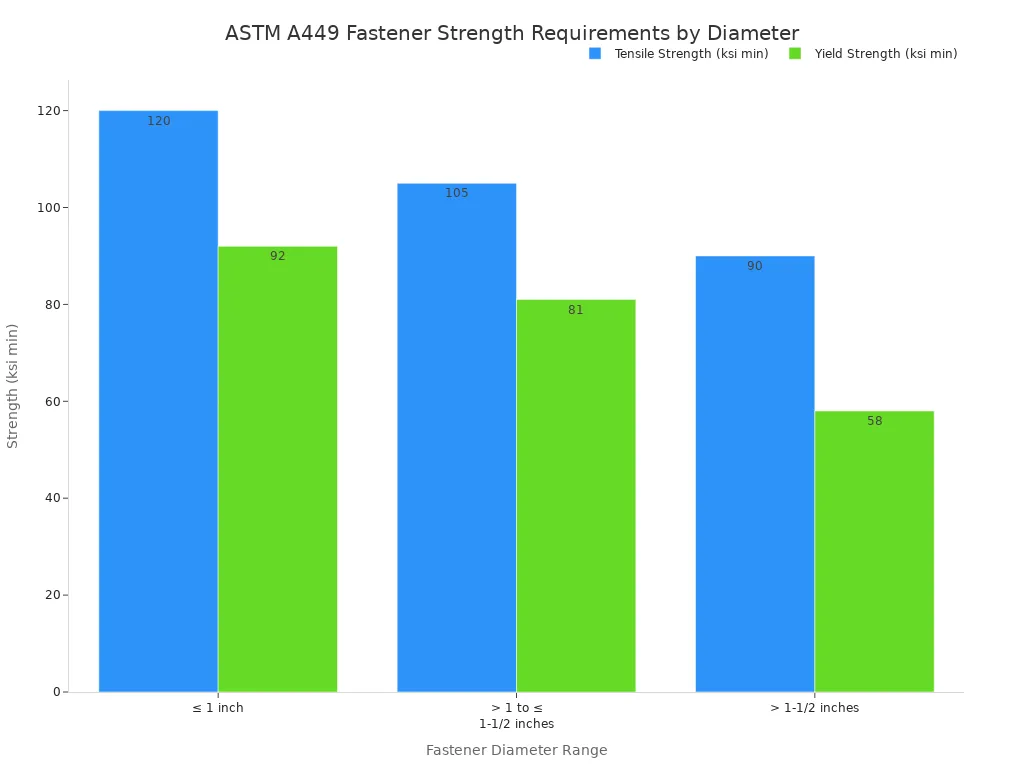
The mechanical requirements for an ASTM A449 cap screw vary by diameter.
| Diameter Range | Tensile Strength (min) | Yield Strength (min) | Hardness (HRC) |
|---|---|---|---|
| ≤ 1 inch | 120 ksi | 92 ksi | 25–34 |
| > 1 to ≤ 1-1/2 inches | 105 ksi | 81 ksi | 19–30 |
| > 1-1/2 to ≤ 3 inches | 90 ksi | 58 ksi | 15–25 |
This standard ensures that hex cap screws provide reliable and predictable performance in structural and mechanical applications.
Understanding the Hex Bolt
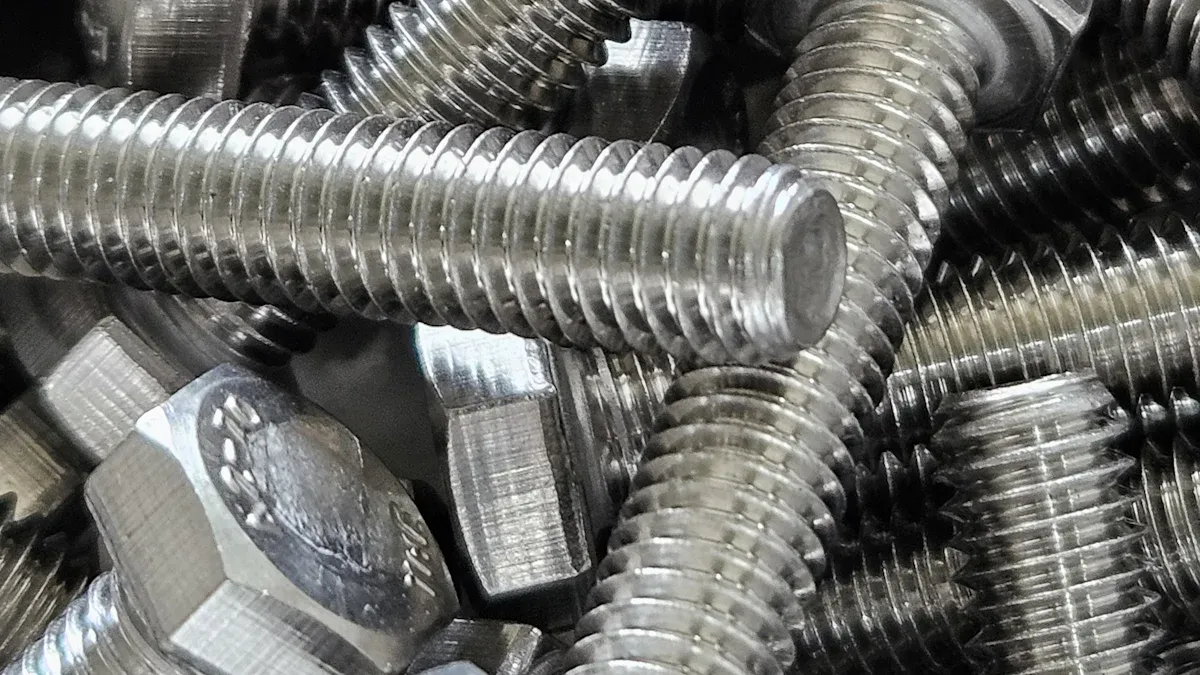
The hex bolt is a foundational component in construction and general assembly. Its design prioritizes strength and clamping force over the precision of a cap screw. The combination of a hex bolt and a nut creates a powerful and reliable fastening system for a wide range of applications.
The Role of the Hex Bolt and Nut Combination
A hex bolt is almost never used alone. Its primary function is realized when it is paired with a nut to clamp materials together.
Creating Clamping Force in Through-Holes
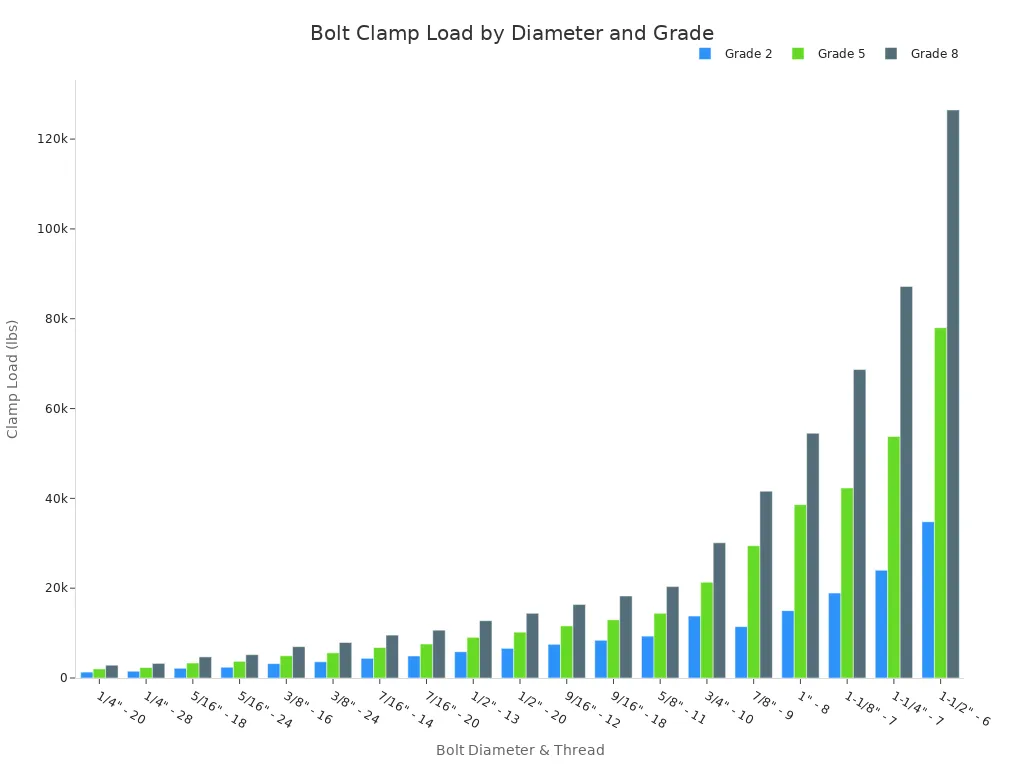
Engineers design the hex bolt to pass through unthreaded holes in two or more components. A nut is then threaded onto the end of the bolt and tightened. This action stretches the bolt slightly, creating tension. This tension results in a powerful clamping force that holds the assembly together. The amount of force is significant and depends on the bolt’s diameter, thread pitch, and material grade.
The table below shows the clamp load generated by common hex bolts at their recommended torque.
| Diameter & Thread | Grade 2 Clamp Load (lbs) | Grade 5 Clamp Load (lbs) | Grade 8 Clamp Load (lbs) |
|---|---|---|---|
| 1/4″ – 20 | 1310 | 2020 | 2850 |
| 3/8″ – 16 | 3200 | 4950 | 6980 |
| 1/2″ – 13 | 5850 | 9050 | 12750 |
| 3/4″ – 10 | 13800 | 21300 | 30100 |
| 1″ – 8 | 15000 | 38600 | 54500 |
The Need for Washers with Hex Bolts
A standard hex bolt lacks the integrated washer face found on a cap screw. The underside of its hex head is flat but unfinished. For this reason, proper use of a hex bolt requires a separate flat washer under the head and often under the nut. The washer serves two critical purposes: it protects the component surfaces from damage during tightening and helps distribute the clamping load over a wider area.
Working with Looser Tolerances
The manufacturing of hex bolts allows for greater dimensional variation compared to cap screws. This characteristic is a deliberate design choice with practical benefits.
Cost-Effectiveness for General Applications
Looser manufacturing tolerances reduce production complexity and cost. This makes hex bolts a highly economical choice for large-scale projects. Case studies show significant efficiency gains and cost savings in construction projects by selecting the right type of hex fastener.
- A steel bridge project reduced installation time by 18% by using hex flange bolts, which eliminated the need for separate washers.
- A marine equipment firm cut maintenance costs by 30% after switching to corrosion-resistant bolts for their assemblies.
When High Precision is Not Required
The looser body tolerance means a hex bolt is not suitable for aligning parts. Its function is pure clamping. This makes it ideal for applications like structural steel framing, wood construction, and general repairs where immense clamping force is the priority and perfect alignment is secondary.
Common Materials and Strength Grades
Hex bolts are manufactured to specific ASTM standards that define their material and mechanical properties.
ASTM A307 for General Use
ASTM A307 is the specification for carbon steel bolts for general-purpose applications. These are the most common hex bolts found in hardware stores.
ASTM A307 Grade A: This grade specifies a minimum tensile strength of 60,000 psi (60 ksi). It is intended for general use in a wide variety of non-structural applications.
ASTM A325 for Structural Connections
For heavy-duty structural applications, such as steel building and bridge construction, engineers specify ASTM A325 bolts. These are high-strength, heat-treated steel bolts designed for critical connections. The American Institute of Steel Construction (AISC) requires these bolts to be pretensioned to 70% of their minimum tensile strength to ensure joint integrity. This pretensioning is verified using methods like the turn-of-the-nut method or calibrated wrenches.
Application Guide: When to Use Hex Bolts vs. Hex Cap Screws
Selecting the correct fastener is critical for the safety and longevity of any project. The choice between a hex bolt and a hex cap screw depends entirely on the application’s demands for precision, installation method, and strength. This guide outlines the ideal scenarios for each of these common hex fasteners.
Scenarios for Using a Hex Cap Screw
A hex cap screw is the fastener of choice for precision assemblies. Its tight manufacturing tolerances and specific design features make it indispensable in high-performance environments where alignment and reliability are paramount.
Automotive Engines and Transmissions
Mechanics use a hex cap screw extensively in automotive engineering. The precise, full-diameter shank of the screw ensures perfect alignment of critical components like cylinder heads, water pumps, and transmission housings. This alignment is vital for preventing fluid leaks and maintaining operational integrity under intense vibration and temperature changes. The integrated washer face protects the machined surfaces of engine blocks and parts from damage during tightening.
Industrial Machinery and OEM Equipment
Original Equipment Manufacturers (OEMs) rely on the consistency of hex head cap screws for building industrial machinery. The tight tolerances guarantee that every screw fits and performs predictably, which is essential for automated assembly lines and product quality.
In equipment like CNC machines, presses, and robotic arms, the screws do more than just clamp. They act as locating pins, holding parts in exact positions to maintain the machine’s accuracy over its service life.
Applications Requiring a Tapped Hole
The most straightforward rule is to use a hex cap screw whenever a fastener must thread into a pre-tapped hole in a component. The chamfered point of the screw aids in starting the thread, and its precise body diameter ensures a snug fit. This method creates a strong, secure joint without the need for a nut, resulting in a cleaner and more compact assembly.
Scenarios for Using a Hex Bolt
A hex bolt is the workhorse for construction and general fabrication. Its design prioritizes clamping force and cost-effectiveness over precision, making it the ideal choice for applications where materials are joined using a bolt-and-nut combination.
Heavy Construction and Structural Steel
Engineers commonly recommend ASTM A325 hex bolts for structural steel connections in heavy construction projects. The primary function of the bolt in these scenarios is to create immense clamping force when paired with a heavy hex nut. This force holds massive steel members together through friction. Examples of these applications include:
- Commercial and industrial buildings for joining beams, columns, and girders.
- Bridges and towers where vibration resistance is crucial.
- Cranes and heavy equipment that handle extreme forces.
- Power plants and refineries with large steel frameworks.
Wood Framing and Deck Building
Builders use hex bolts to connect large wood members in framing and deck construction. For example, a hex bolt is often used to attach a deck ledger board to the rim joist of a house. Building codes, such as the International Residential Code (IRC), provide specific rules for the placement of these bolts. Industry standards like ANSI/ASME B18.2.1 govern the dimensions of the hex fasteners used in these wood-to-wood connections, ensuring structural safety.
General Purpose Fastening with a Nut
The hex bolt and nut system is a versatile solution for countless everyday repairs and assemblies. Whenever you need to clamp two or more objects together by passing a fastener through an unthreaded hole, a hex bolt is the go-to option. Its looser tolerances make it easy to install and highly cost-effective, making it perfect for projects where high precision is not a requirement. These bolts provide strong, reliable joints for everything from workshop equipment to farm implements.
Industry Standards and Terminology
Navigating the world of hex fasteners requires an understanding of the official standards and terminology that govern their design. Industry specifications provide clear definitions that separate these components, while head markings offer visual cues to their strength and grade. Using the correct language is essential for clear communication and accurate procurement.
How ASME B18.2.1 Defines Bolts and Screws
The American Society of Mechanical Engineers (ASME) standard B18.2.1 provides the technical definitions that distinguish a bolt from a screw. While they may look similar, their intended function is the core differentiator.
Official Specifications for Each Fastener
According to the ASME standard, the primary difference lies in the installation method.
- Bolt: An externally threaded fastener designed for insertion through holes in assembled parts. It is normally intended to be tightened or released by torquing a nut.
- Screw: An externally threaded fastener capable of being inserted into holes in assembled parts. It can mate with a preformed internal thread or form its own thread and is tightened or released by torquing the head.
The Historical Roots of the Confusion
The widespread confusion between these terms stems from common vernacular. Many people refer to any fastener with a hex head as a “bolt.” However, the ASME standard clarifies that the method of tightening—rotating a nut versus rotating the head into a tapped hole—is the true defining characteristic. A hex head cap screw is technically a screw because it is designed for a tapped hole.
Decoding Strength Grades and Markings
Manufacturers stamp markings onto the heads of bolts and screws to identify their material strength. These markings allow users to quickly verify that they are using a fastener that meets the engineering requirements of an application.
Identifying a Hex Cap Screw by its Head Markings
SAE J429 is a common standard for hex head cap screws. The grade is identified by a system of radial lines on the head.
- Grade 5 screws have three radial lines.
- Grade 8 screws, known for their high strength, are marked with six radial lines.
Identifying a Hex Bolt by its Grade
ASTM standards typically govern hex bolts. The markings include the manufacturer’s symbol and the grade designation. For example, an ASTM A307 Grade A bolt head will be marked with A307 and A. High-strength structural bolts once specified as ASTM A325 are now covered by the ASTM F3125 standard, but the “A325” designation remains in common use.
Communicating Correctly with Suppliers
Using precise terminology when ordering hex fasteners is critical for avoiding costly errors and project delays. The terms “bolt” and “screw” specify parts with different tolerances and features.
Why Using the Right Term Matters
Requesting a “hex bolt” when you need a “hex cap screw” can result in receiving a fastener with looser body tolerances and no washer face. This mistake can compromise the integrity of a precision assembly. Clear communication ensures you receive the exact hex fasteners required for your project’s safety and performance.
How to Avoid Costly Ordering Mistakes
To prevent ambiguity, always specify the full standard designation when communicating with suppliers. For example, stating the need for an “ASME B18.2.1 hex cap screw, Grade 8” leaves no room for interpretation. This precise language guarantees the delivery of the correct component, saving time and resources.
Common Mistakes When Choosing Your Fastener
Selecting the wrong fastener can compromise the safety and performance of an assembly. Understanding the common pitfalls helps engineers and builders avoid costly rework and potential failures. These errors often stem from misunderstanding the specific design functions of hex bolts and screws.
Using a Hex Bolt in a Tapped Hole
Using a hex bolt in a precision-tapped hole is one of the most critical application errors. This mismatch introduces significant risks to the joint’s integrity.
The Risks of Poor Thread Engagement
A hex bolt’s looser manufacturing tolerances and body diameter create a poor fit in a tapped hole. This poor fit often leads to thread stripping, a common failure mode where the threads shear off before the bolt can be properly tensioned. Small dimensional changes between the external and internal threads can dramatically reduce load capacity.
A key design challenge in tapped holes is determining the required thread engagement. The goal is to ensure the bolt fractures before the threads strip, as a broken bolt is a more obvious and repairable failure.
Potential for Misalignment and Failure
The undersized shank of a hex bolt fails to properly align components. This misalignment creates high-stress gradients where the bolt engages the internal thread, leading to bolt fatigue failures over time. Several factors contribute to this risk:
- Incomplete threads near the tip of the bolt can reduce load capacity by up to 20%.
- Incorrectly sized chamfers at the hole entry can reduce the effective thread engagement.
- The combination of poor fit and reduced engagement can change the failure mode from a predictable bolt fracture to a sudden thread strip.
Using a Hex Cap Screw with a Nut
While a hex cap screw is designed for a tapped hole, users sometimes pair it with a nut. This is not always an error, but it has specific implications for cost and performance.
When This Is Acceptable
Using a cap screw with a nut is acceptable in certain situations where its specific properties are beneficial. These scenarios are typically non-critical and focus on factors other than precision fit.
- Corrosion Resistance: Stainless steel hex head cap screws are often used with stainless steel nuts and washers in corrosive environments where material integrity is the primary concern.
- Low-Stress Applications: Economical Grade 2 screws are a suitable choice for general-purpose, non-critical assemblies that are not subject to extreme stress or temperatures.
The Cost and Performance Implications
The primary drawback of this practice is cost. A hex cap screw is a precision-machined component with tight tolerances and an integrated washer face. Users pay a premium for these features. When used with a nut in a simple through-hole application, those precision benefits are largely wasted. A standard hex bolt would provide the necessary clamping force at a lower cost.
Ignoring the Importance of the Washer Face
The integrated washer face on a screw is a critical feature, and ignoring its absence on hex bolts can damage an assembly.
Risk of Galling and Surface Damage
The sharp corners on the underside of a hex head can dig into the mating surface during tightening. This action can cause galling, a form of wear where the surfaces seize and tear. This risk is especially high when fastening against softer materials like aluminum or on painted or coated surfaces.
Compromising the Integrity of the Joint
Without a washer face or a separate washer, the clamping force from the bolts is concentrated on the small contact points of the hex corners. This uneven pressure creates stress concentrations that can lead to material fatigue and cracking over time. It compromises the long-term integrity and reliability of the entire joint.
The choice between hex bolts and hex cap screws is critical. It depends on the application’s requirements for precision and installation method.
- A hex cap screw provides tight tolerances and an integrated washer face. Use this screw for precision assemblies like engines that require a tapped hole.
- A hex bolt offers strength and cost-effectiveness. Use this bolt with a nut for general construction where clamping force is the priority.
Selecting the correct hex fastener, whether a bolt or a screw, is fundamental to ensuring the safety and performance of any project.
FAQ
Can I use a hex bolt in place of a hex cap screw?
Users should avoid substituting a hex bolt for a cap screw in precision applications. The bolt’s looser tolerances can cause misalignment and poor thread engagement in a tapped hole. This mismatch risks joint failure and component damage.
What do the markings on the head of a fastener mean?
Head markings identify the fastener’s strength grade and manufacturer. For example, SAE Grade 8 cap screws have six radial lines. These markings help users verify that the fastener meets the engineering requirements for a specific application, ensuring safety and performance.
Why are hex bolts generally cheaper than hex cap screws?
Hex bolts are more cost-effective due to their looser manufacturing tolerances. The production process is less complex and requires less precision. This makes them an economical choice for general construction and large-scale projects where high precision is not necessary.
Is a hex cap screw stronger than a hex bolt?
Not necessarily. Strength depends on the material and grade (e.g., Grade 5 vs. Grade 8), not whether it is a bolt or a screw. A Grade 8 hex bolt is stronger than a Grade 5 hex cap screw. Users must compare fasteners of the same grade.
Do I always need a washer with a hex bolt?
Yes, proper installation of a hex bolt requires a washer under the head and nut. The washer protects the component surface from damage during tightening. It also helps distribute the clamping load evenly across a wider area, improving joint integrity.
What is the main purpose of the washer face on a cap screw?
The integrated washer face serves two key functions.
- It provides a smooth bearing surface that protects the component from damage.
- It ensures the clamping force is distributed evenly, preventing stress concentrations and potential material fatigue.