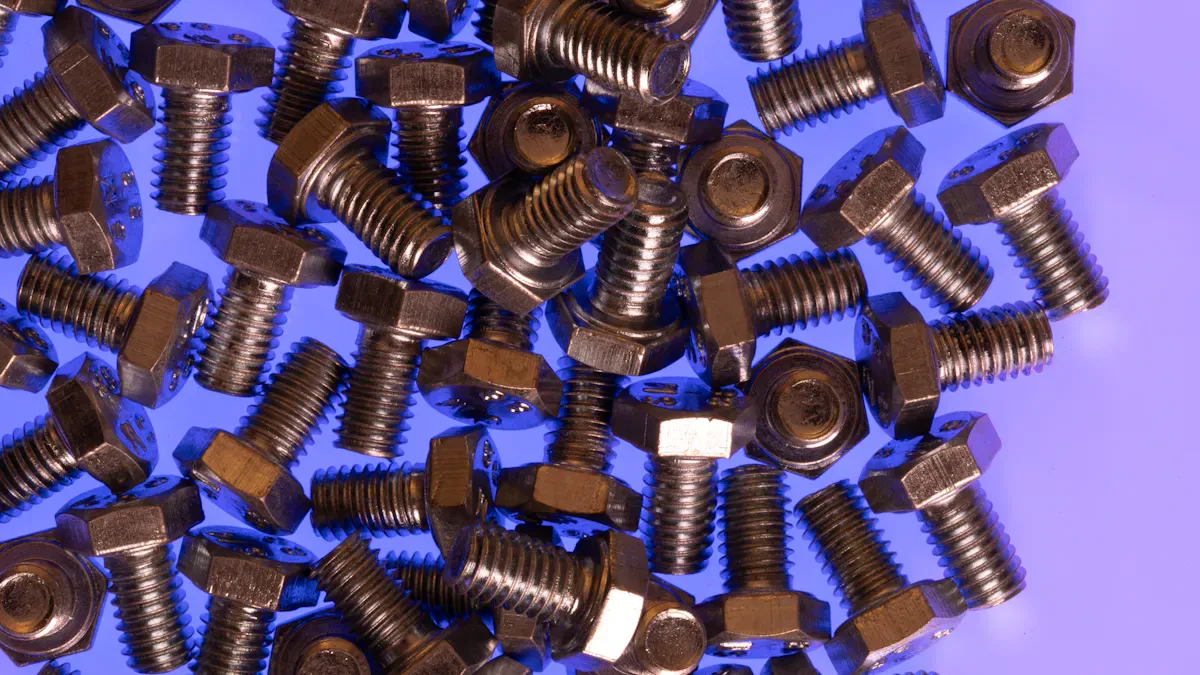
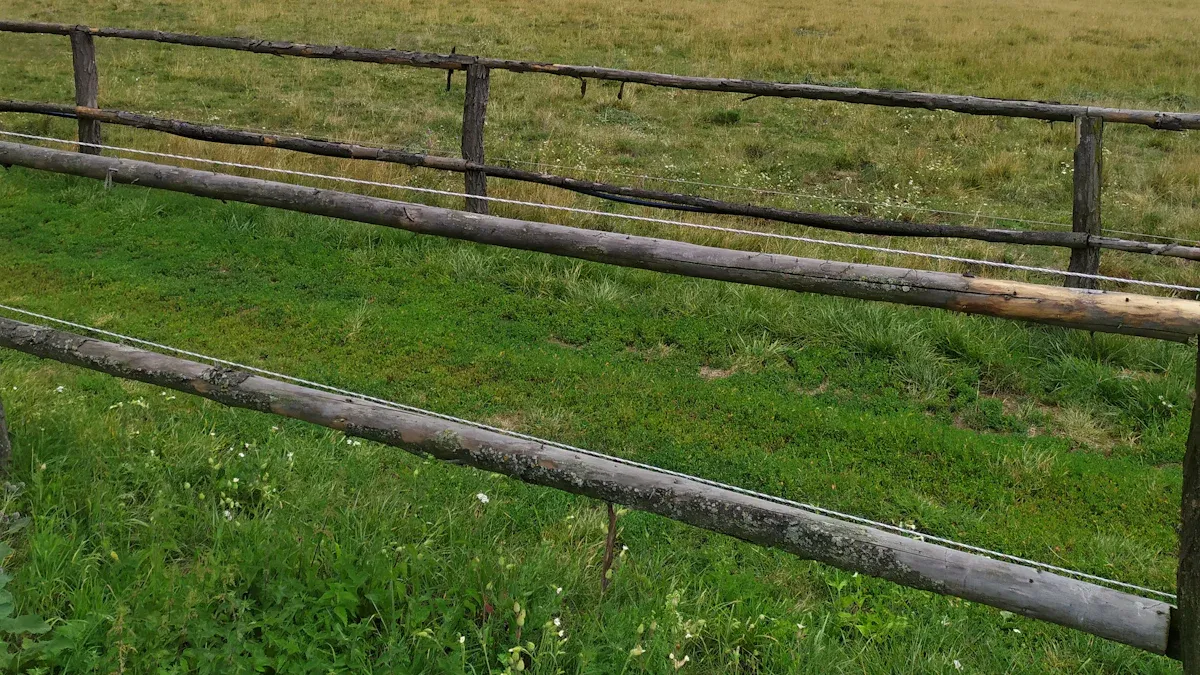
Builders create a strong connection for 4×4 posts using specific hardware. The right bolts are critical for structural integrity and safety. For many common connections, there is a professional standard that ensures a durable result. Quality bolt casting from a custom fasteners manufacturer produces reliable custom fasteners and carriage bolts for these applications. The proper diameter ensures a safe connection.
Pro Tip: For a standard connection joining a 4×4 post to a double joist, use a hot-dip galvanized carriage bolt. This bolt should have a 1/2-inch diameter and an 8-inch length to create a secure connection. This diameter provides a lasting connection.
Understanding the Anatomy of Carriage Bolts
A builder must understand the design of carriage bolts to appreciate their function in creating a secure structural connection. Each part of the bolt—from the head to the threads—serves a specific purpose. This design ensures a safe and lasting installation for projects like decks and fences.
The Domed Head
The head is the most recognizable feature of a carriage bolt. Its unique shape provides both functional and aesthetic benefits for any wood-to-wood connection.
Security and Aesthetics
The head of a carriage bolt offers a clean, finished appearance. Its design provides several key advantages:
- It features a smooth, rounded shape that sits flush against the wood.
- The domed profile eliminates sharp edges, reducing the risk of snags or injury.
- This mushroom-like shape is aesthetically pleasing, making it ideal for visible connections.
How It Prevents Turning
The primary security feature of the domed head is its inability to be turned from the outside. A person cannot grip the smooth, round surface with a wrench or pliers. This simple design element prevents tampering and ensures the bolt can only be loosened from the nut side, securing the connection.
The Square Neck
Directly beneath the head is a short, square section known as the neck. This small feature is critical for achieving a strong hold and simplifying installation.
Gripping the Wood
The square neck is engineered to lock into the wood. When a builder hammers the bolt through a pilot hole, the square corners bite into the wood fibers. This action creates a tight fit that anchors the bolt firmly within the lumber, forming the foundation of a solid connection.
Why It Prevents Bolt Spin
The neck’s grip is essential for preventing the entire bolt from spinning while the nut is tightened. This locking mechanism allows a builder to tighten the nut from the opposite side with only one tool. It ensures a consistent clamping force, which is vital for a reliable structural connection. These bolts make one-sided installation convenient and effective.
The Threaded Shank
The long, threaded body of the bolt is the shank. The threads engage with the nut to pull the materials together and create the final clamping force for the connection.
Thread Types and Grip
Most carriage bolts for wood construction use a Unified Coarse (UNC) thread. UNC threads are deeper and have fewer threads per inch (TPI) than fine (UNF) threads. This design offers several advantages for wood:
| Feature | UNC (Coarse Thread) | UNF (Fine Thread) |
|---|---|---|
| Assembly Speed | Faster | Slower |
| Cross-Threading Risk | Lower | Higher |
| Best For | Wood, soft metals, general assembly | Precision assemblies, high-vibration areas |
The coarse thread provides a superior grip in softer materials and is less likely to get clogged with debris, making it the standard for outdoor construction.
Ensuring Full Nut Engagement
For a safe connection, the nut must engage with a sufficient number of threads on the bolt. The shank must be long enough to pass completely through all lumber, the washer, and the nut. This full engagement ensures the connection can withstand the intended structural loads without failure.
Sizing Your Carriage Bolts for 4×4 Posts
Selecting the correct bolt size is a critical step that directly impacts the safety and longevity of a structure. A bolt’s diameter determines its strength, while its length ensures a secure clamp. This section details how to choose the right dimensions for any 4×4 post project.
Confirming Diameter: The 1/2-Inch Standard
The bolt diameter is the most important factor for structural strength. For deck posts and similar load-bearing applications, there is a clear industry benchmark.
Why 1/2-Inch is the Benchmark
A 1/2-inch bolt diameter is the established minimum for securing posts in residential construction. Building codes, including the International Residential Code (IRC), and industry best practices mandate 1/2-inch diameter bolts for attaching posts to deck framing. This standard ensures the connection has the necessary strength to resist lateral and uplift forces, making it a non-negotiable starting point for safe construction. The 1/2-inch bolt diameter is a proven size for these critical connections.
The Role of Shear Strength in Safety
Shear strength is a bolt’s capacity to resist forces that try to slice it in half. In a post-to-joist connection, the weight of the deck and its occupants exerts a powerful shearing force on the bolts. A larger bolt diameter provides greater material cross-section, which significantly increases its shear strength. The 1/2-inch diameter offers sufficient strength for standard residential loads, preventing catastrophic failure at key connection points. This bolt diameter provides excellent strength.
When to Consider a Larger Diameter
While a 1/2-inch diameter is standard, certain situations may require a larger bolt diameter. A builder should consider upgrading to a 5/8-inch or 3/4-inch diameter for:
- Projects with exceptionally high load requirements.
- Commercial or multi-story structures.
- Connections supporting very long spans or heavy features like hot tubs.
A structural engineer can specify the appropriate bolt diameter and strength for these demanding applications.
Calculating the Correct Bolt Length
Determining the correct bolt length is a straightforward calculation. An incorrect length—either too short or too long—can compromise the connection’s integrity and safety.
The Simple Formula for Bolt Length
A builder can calculate the required bolt length with a simple formula. This ensures the bolt passes through all materials and allows for proper hardware engagement.
Formula:
Bolt Length = (Width of Post) + (Width of Joist/Beam) + (Washer Thickness) + (Nut Height) + (Extra Thread)
Always round the final calculated length up to the next available standard bolt length.
Example: 4×4 Post to Double Joist
Let’s calculate the bolt length for a common scenario: connecting a 4×4 post to a double 2×10 joist.
- Width of 4×4 Post: 3.5 inches (actual dimension)
- Width of Double Joist: 3.0 inches (1.5″ + 1.5″)
- Washer & Nut: ~0.5 inches
- Extra Thread: ~0.5 inches
- Total Length: 3.5″ + 3.0″ + 0.5″ + 0.5″ = 7.5 inches
Since 7.5 inches is not a standard length, the builder must select the next size up. The correct bolt length is 8 inches. This length ensures proper fit.
Why Extra Thread is Necessary
Having a few threads extend past the tightened nut is a critical safety practice. This concept, often called the “three threads showing” rule in aerospace and military standards, confirms full nut engagement. According to the Research Council for Structural Connections (RCSC), the bolt length must be sufficient for the end of the bolt to be at least flush with the outer face of the nut. This extra length provides a visual check that the connection is secure and offers a safety margin against loosening from vibration. It also ensures a more even load distribution across the threads, which reduces stress and enhances the longevity of the connection. An adequate bolt length is essential for strength.
Required Bolt Length for Common Scenarios
While calculating the bolt length for each connection is best practice, professionals often use standard lengths for common assemblies. The following table provides quick-reference bolt length recommendations for a 1/2-inch diameter bolt.
| Connection Type | Recommended Bolt Length |
|---|---|
| 4×4 Post to a Single Joist (e.g., 2×8) | 6-inch length |
| 4×4 Post to a Double Joist (e.g., 2×10) | 8-inch length |
| 4×4 Post to a Triple Beam (e.g., 2×12) | 10-inch length |
| 4×4 Post to another 4×4 Post | 8-inch length |
These recommendations for bolt length account for the actual dimensions of lumber and the necessary hardware. Using the correct bolt length for your posts is vital for structural strength. These carriage bolts provide the needed strength for the posts.
Measuring Your Lumber Accurately
Accurate measurements are the foundation of a secure bolted connection. A builder cannot rely on assumptions about lumber sizes. Taking the time to measure each component ensures the bolt length calculation is precise, preventing common installation errors. These careful measurements guarantee a safe and professional result.
Actual vs. Nominal Dimensions
A frequent source of error for beginners is the confusion between nominal and actual lumber dimensions. The name of a piece of lumber (e.g., “4×4”) is its nominal size. The true measurement, or actual dimensions, is smaller due to the milling and drying process.
Important Note: Always use the actual dimensions of your lumber for bolt length calculations. Using nominal dimensions will result in ordering bolts that are too short.
The difference between these two dimensions is significant. A builder must know these true measurements for accurate project planning. The table below shows the actual dimensions for common lumber sizes.
| Nominal Size | Actual Dimensions |
|---|---|
| 4×4 | 3.5″ x 3.5″ |
| 2×4 | 1.5″ x 3.5″ |
| 2×6 | 1.5″ x 5.5″ |
| 2×8 | 1.5″ x 7.25″ |
| 2×10 | 1.5″ x 9.25″ |
| 2×12 | 1.5″ x 11.25″ |
Understanding these real-world dimensions is the first step toward selecting the correct hardware. A project’s success depends on working with these precise dimensions.
Accounting for Wood Swell and Warping
Wood is a natural material that responds to its environment. Its dimensions can change based on moisture content. A builder must account for these potential variations.
- Pressure-Treated Lumber: This wood is often sold with high moisture content from the treatment process. As it dries, it can shrink slightly.
- Kiln-Dried Lumber: This wood may absorb moisture from the air in humid climates, causing it to swell.
- Warping and Cupping: Imperfect lumber can have warped or cupped surfaces, which can alter the total width of the connection.
For this reason, a professional measures the specific lumber on the job site right before installation. This practice provides the most accurate dimensions possible. It accounts for any swelling or shrinkage that has occurred. Measuring the actual dimensions of the posts and joists at the moment of assembly is the only way to confirm the final required bolt length.
Selecting the Right Material for Outdoor Posts
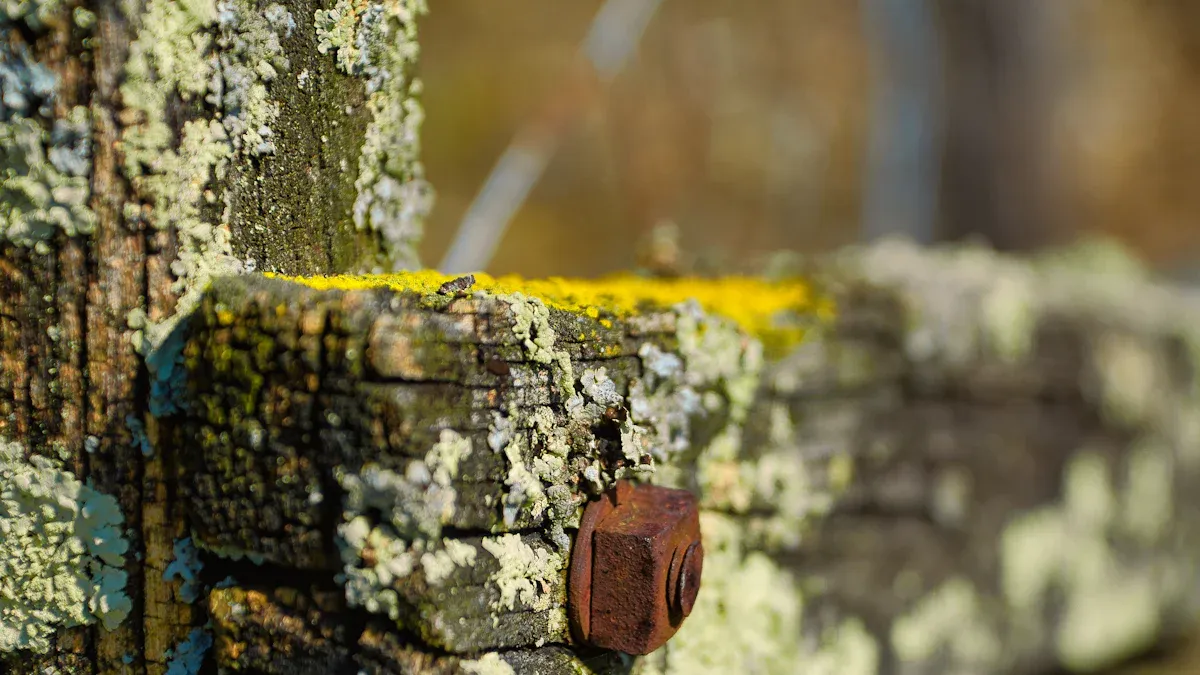
The material of a carriage bolt is just as crucial as its size. Outdoor structures face constant exposure to moisture, temperature fluctuations, and chemical treatments in the wood. Choosing the wrong material can lead to rapid corrosion, compromising the connection’s strength and the entire structure’s safety. This section covers the industry-standard materials and those a builder must avoid for outdoor posts.
Hot-Dip Galvanized (HDG): The Industry Standard
For most outdoor projects involving treated lumber, hot-dip galvanized steel is the professional standard. It offers an excellent balance of cost, performance, and durability. The protection it provides is essential for long-term structural integrity.
What is Hot-Dip Galvanization?
Hot-dip galvanization is a process where a steel bolt is submerged in a bath of molten zinc. This creates a thick, protective coating that is metallurgically bonded to the steel. The process for hardware is governed by the ASTM A153 standard.
ASTM A153 Requirements: This standard ensures quality and performance for hardware.
- It mandates a continuous, uniform zinc coating.
- It requires a strong bond between the zinc and the steel.
- For threaded items like bolts, the hardware is spun in a centrifuge after dipping to remove excess zinc and ensure the threads remain functional.
This robust process results in a coating far superior to simple plating. The resulting strength is reliable.
Why HDG is Essential for Treated Lumber
Modern pressure-treated lumber, such as ACQ (Alkaline Copper Quaternary), contains a high concentration of copper. This copper makes the wood highly corrosive to unprotected steel. When a plain steel bolt is inserted into treated wood with moisture present, a chemical reaction called galvanic corrosion occurs. The copper in the wood aggressively attacks the steel, causing it to rust and fail quickly.
Hot-dip galvanized bolts prevent this failure. The thick zinc coating acts as a sacrificial barrier. The copper in the wood corrodes the zinc layer first, leaving the steel core of the bolt protected. This significantly extends the life of the connection and preserves its structural strength.
How to Identify Authentic HDG Bolts
A builder can visually distinguish HDG bolts from less-protective alternatives. Authentic HDG bolts typically have a dull, matte gray finish. The surface may feel slightly rough or uneven, and it is common to see small drips or excess zinc from the dipping process. In contrast, zinc-plated or electro-galvanized bolts are shiny, smooth, and look more like chrome. A builder should always look for the dull gray finish to ensure proper protection for outdoor posts.
Stainless Steel: The Premium Upgrade
While HDG is the standard, stainless steel offers a higher level of corrosion resistance for the most demanding environments. It is a premium choice that provides maximum longevity and strength where other materials might fail.
When to Use Stainless Steel
A builder should specify stainless steel bolts for projects with extreme exposure to corrosive elements. Key applications include:
- Coastal and Marine Environments: Structures near saltwater experience constant salt spray, which is highly corrosive.
- Pools and Hot Tubs: The chlorine and other chemicals used in water treatment accelerate corrosion.
- High-Value Projects: For applications where appearance and maximum lifespan are paramount, stainless steel provides a clean look that will not rust-stain the wood.
Grade 304 vs. Grade 316
Not all stainless steel is the same. The two most common grades for construction are 304 and 316. The primary difference is the addition of molybdenum to Grade 316, which dramatically increases its corrosion resistance, especially against chlorides like salt.
| Feature | Grade 304 Stainless Steel | Grade 316 Stainless Steel (“Marine Grade”) |
|---|---|---|
| Key Element | 18% Chromium, 8% Nickel | 18% Chromium, 10% Nickel, 2% Molybdenum |
| Best Use | General outdoor use, freshwater areas | Coastal areas, saltwater exposure, pools |
| Chloride Resistance | Vulnerable to pitting from salt | Excellent resistance to salt and chlorides |
For any project near the ocean, Grade 316 is the only appropriate choice for ensuring long-term strength.
The Cost-Benefit Analysis
Stainless steel bolts are significantly more expensive than their HDG counterparts. However, in a highly corrosive environment, this initial cost is an investment in safety and durability. Using a lesser material in such conditions will lead to premature failure, requiring costly repairs that far exceed the initial savings. For the right application, the superior strength and lifespan of stainless steel provide undeniable value.
Materials to Avoid for Structural Use
Using the wrong fastener material is one of the most dangerous mistakes in construction. Certain types of bolts are completely unsuitable for structural connections in treated wood and will fail rapidly.
The Dangers of Zinc-Plated Bolts
Zinc-plated bolts, often found in the hardware aisle, are intended for interior use only. The “plating” is a microscopically thin layer of zinc that offers minimal protection. It provides a shiny appearance but is quickly worn away by friction or consumed by the chemicals in treated wood. These bolts will rust within a single season, losing their strength and creating a major safety hazard.
Why Electro-Galvanized is Not Enough
Electro-galvanization is another coating process that applies a very thin layer of zinc. Like zinc plating, this coating is insufficient for outdoor structural use. The aggressive copper compounds in treated lumber will strip away the thin electro-galvanized layer through galvanic corrosion, exposing the steel underneath. Once exposed, the bolt rusts, compromising the connection’s strength.
Warning: Never use electro-galvanized or zinc-plated carriage bolts for decks, fences, or any other structural application involving treated lumber. Their failure is not a matter of if, but when.
Uncoated “Black” Bolts and Rapid Failure
Uncoated steel bolts, sometimes called “black” bolts, have no corrosion protection whatsoever. When placed in contact with treated wood and exposed to moisture, they will begin to rust almost immediately. This rapid degradation destroys the bolt’s integrity and load-bearing capacity. Using these bolts for an outdoor structure is negligent and guarantees a dangerously weak connection.
A Guide to Proper Carriage Bolt Installation
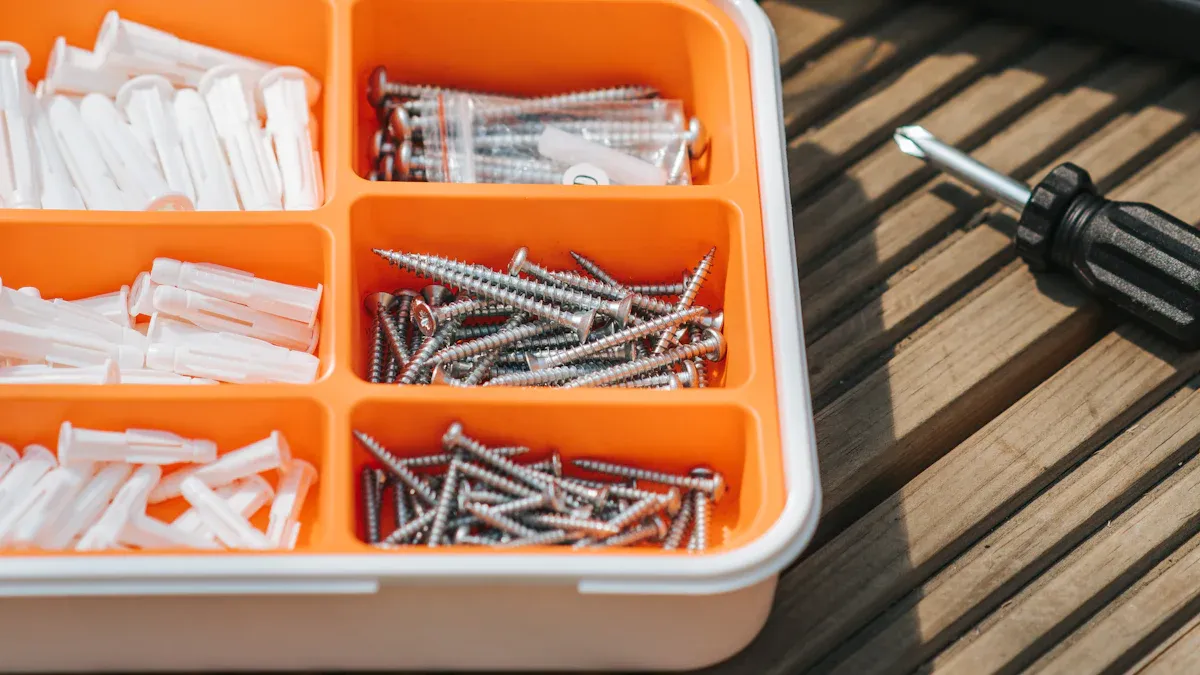
Proper installation is essential for carriage bolts to achieve their full structural potential. The process involves more than just drilling a hole; it requires using the correct hardware, precise placement, and proper tightening techniques. Following these steps ensures a safe and durable connection for any project.
Essential Hardware: Washers and Nuts
The bolt itself is only one part of the fastening system. The correct hardware, including washers and nuts, is critical for a successful installation.
Why a Washer is Not Optional
A flat washer is a mandatory component in any structural wood connection. Its primary function is to distribute the clamping force of the nut over a much larger surface area. Without a washer, tightening the nut concentrates immense pressure in a small ring, which crushes and damages the soft wood fibers. A washer prevents the nut from sinking into the wood, ensuring a strong, lasting connection.
Sizing Your Washer and Nut
A builder must select a washer and nut that match the bolt’s diameter and material. For a 1/2-inch bolt, a USS (United States Standard) washer is often preferred for its larger outside diameter, which provides a better bearing surface on wood.
Washer Dimensions for a 1/2″ Bolt
A USS washer for a 1/2-inch bolt typically has an inside diameter of 9/16″ and an outside diameter of 1-3/8″. This allows it to fit over the bolt while maximizing surface contact.
The nut should also be sized for a 1/2-inch bolt with a coarse thread (UNC) to match the bolt’s shank.
The Importance of Matching Materials
To prevent galvanic corrosion, the bolt, washer, and nut must all be made of the same material. If a builder uses a hot-dip galvanized bolt, the washer and nut must also be hot-dip galvanized. Mismatching materials (e.g., a stainless washer on an HDG bolt) creates an electrical circuit when wet, accelerating rust and leading to a failed connection. Using the correct hardware is fundamental to proper installation.
Step-by-Step Installation Process
A systematic approach to installation prevents common errors like wood splitting and ensures a secure final assembly.
Drilling the Correct Pilot Hole
A builder should drill a pilot hole with a diameter that matches the bolt’s diameter. For a 1/2-inch bolt, use a 1/2-inch drill bit. A precise hole allows the bolt to fit snugly. After drilling, a builder taps the bolt through the hole with a hammer, seating the square neck into the wood to prevent it from spinning.
Proper Bolt Placement to Avoid Splitting
Correct bolt placement is crucial to avoid splitting the lumber. Building codes provide clear guidelines to maintain structural integrity.
- Edge Distance: Keep bolts at least 4 times the bolt diameter from a loaded edge. For a 1/2-inch bolt, this is 2 inches.
- End Distance: Maintain a minimum distance of 2.5 inches from the end of a board.
Following these bolt placement rules preserves the strength of the wood around the connection.
The Correct Assembly Order
The assembly sequence for these bolts is simple but important for a secure connection.
- Drill the pilot hole through all lumber.
- Tap the carriage bolt through the hole until the head is flush.
- On the threaded end, place the washer over the bolt.
- Thread the nut onto the bolt and tighten it.
Tightening Your Carriage Bolts Correctly
The final step of the installation is tightening the hardware. How a builder tightens the nut directly impacts the strength and longevity of the connections.
Achieving a “Snug-Tight” Connection
The goal is a “snug-tight” connection. This is the point where the nut has been tightened firmly with a standard wrench, bringing all materials into firm contact. The washer should be flat against the wood, not bent or sunken into it.
The Risk of Over-Tightening Wood
Excessive force when tightening a nut is destructive. Over-tightening crushes the wood fibers under the washer, permanently damaging them. These broken fibers lose their strength and cannot support the load, creating a weak point in the structure. If the washer begins to sink into the wood, the connection is too tight.
Recommended Tools for the Job
Achieving a proper installation requires a few basic tools:
- A power drill with a 1/2-inch auger or spade bit.
- A hammer or mallet to seat the bolt.
- A socket wrench or adjustable wrench for the nut.
Using these tools correctly completes the proper installation of your structural connections.
Common Mistakes to Avoid with Carriage Bolts
A successful project depends on correct hardware installation. Builders can avoid common errors with carriage bolts by paying close attention to component selection and assembly. These mistakes can compromise the safety and durability of a structure.
Using Bolts That Are Too Short
Selecting the correct bolt length is a fundamental requirement for a strong connection. Using bolts with an insufficient length is a critical and dangerous error.
The Problem of Insufficient Thread
A bolt’s length must be adequate for full nut engagement. Using a bolt that is too short compromises the structural integrity of the joint. This incorrect bolt length leads to insufficient clamping force. The lack of proper force results in a loose connection and, consequently, a weakened structure. The connection cannot achieve its designed strength with an inadequate bolt length.
How to Check for Proper Engagement
A builder can perform a simple visual inspection to confirm a secure connection. After tightening, the end of the bolt should be at least flush with the outer face of the nut.
Professional Tip: A good rule of thumb is to see at least one to three threads extending past the nut. This visual cue confirms the bolt length is correct and the connection is secure. An adequate length is non-negotiable.
Using Bolts That Are Too Long
While a short bolt length is dangerous, an excessive length also creates problems. The correct bolt length avoids both functional and safety issues.
The Snag Hazard Risk
Bolts that extend too far past the nut create a significant snag hazard. The excess threaded length can easily catch on clothing, tools, or skin, leading to tears or injuries. This risk is especially high in high-traffic areas like deck stairs or railings. The proper bolt length is essential for safety.
Aesthetic and Safety Concerns
Excessive bolt length looks unprofessional and sloppy. The protruding bolts detract from the finished appearance of a project. Beyond aesthetics, this extra length presents a clear safety liability. Choosing the correct length for the bolts ensures the final connection is both safe and visually clean.
Forgetting the Washer
A washer is a small but essential part of the assembly. Omitting it during installation will damage the wood and create a weak connection.
How It Damages Wood Fibers
A nut tightened directly against wood concentrates immense force onto a very small area. This pressure crushes and destroys the soft wood fibers beneath the nut. This damage is irreversible and permanently weakens the lumber at the most critical point of the connection.
Creating a Weak Connection Point
When wood fibers are crushed, the nut sinks into the lumber. This process, known as “creep,” causes the connection to lose its clamping force over time. The once-tight connection becomes loose and unreliable. Forgetting the washer guarantees a weak point that compromises the entire structural assembly.
Mismatching Hardware Materials
A builder must ensure all hardware components are made from the same material. Combining different metals in an outdoor structural connection is a fundamental error. This mistake initiates a destructive chemical process that compromises the entire assembly. A safe connection depends on material consistency.
How It Guarantees Galvanic Corrosion
Galvanic corrosion is an electrochemical reaction that occurs when two different metals are in contact in the presence of an electrolyte. This process requires four specific elements to create a destructive circuit.
- One metal acts as an anode, which corrodes and generates electrons.
- A second, less reactive metal acts as a cathode, which is protected.
- An electrolyte, such as rainwater or salt spray, must cover both metals.
- A direct electrical path must exist between the metals, usually through physical contact.
When a builder uses a stainless steel washer with a hot-dip galvanized bolt, the zinc coating on the bolt becomes the anode. It sacrifices itself to protect the stainless steel cathode. This reaction rapidly consumes the zinc, leaving the steel bolt exposed and vulnerable. The presence of an electrolyte, even mild humidity, accelerates this process, destroying the integrity of the connection. This chemical reaction weakens the entire connection.
A Costly and Dangerous Mistake
The consequences of mismatching hardware materials extend beyond simple rust spots. It is a critical safety failure that leads to a dangerously weak connection. The accelerated corrosion strips away the protective coating, allowing the core steel of the bolt or nut to degrade quickly. This results in a loss of clamping force and a significant reduction in the load-bearing capacity of the connection.
Warning: A connection compromised by galvanic corrosion can fail unexpectedly under normal loads. This creates an extreme safety hazard for any deck, fence, or other structure.
The initial savings from using an incorrect washer or nut are insignificant compared to the cost of future repairs. A failed connection often requires disassembling part of the structure to replace the compromised hardware. This mistake is not only expensive to fix but also puts property and people at risk. A builder ensures a safe, durable, and professional connection by always matching the materials of the bolt, washer, and nut.
Where to Buy Quality Carriage Bolts
A builder can source quality fasteners from several types of suppliers. Each option offers distinct advantages and disadvantages. Knowing where to shop ensures a builder acquires the correct hardware for a safe and durable structure.
Big Box Hardware Stores
Large home improvement retailers are a convenient and accessible option for many builders. They offer a one-stop shop for general project needs.
Pros and Cons
The primary benefit of big box stores is convenience. They are widely available and stock a basic range of hardware. However, their selection can be limited. Finding specialty items like Grade 316 stainless steel or specific lengths of hot-dip galvanized (HDG) bolts can be difficult. Staff may also lack the deep product knowledge required for complex structural questions.
What to Look For In-Store
A builder shopping at a big box store must be a diligent inspector. It is essential to read the product labels carefully to confirm the material specifications.
- Look for packaging that explicitly states “Hot-Dip Galvanized” and references the ASTM A153 standard.
- Visually inspect the bolts. Authentic HDG hardware has a dull, matte gray, and slightly rough finish, not a shiny, smooth one.
Local Lumberyards and Specialty Fastener Suppliers
For professional-grade materials and expert advice, local suppliers are the superior choice. They cater to contractors and serious builders who require specific, high-quality components.
Access to Expertise and Bulk Pricing
Local suppliers provide value beyond the product itself. Their staff often have years of industry experience and can offer project-specific guidance.
Professional Advantage: An expert at a specialty supplier can review project blueprints, recommend code-compliant alternatives, and solve problems on the fly. This partnership saves time and prevents costly mistakes on the job site.
These suppliers frequently offer project discounts and custom ordering options that are unavailable at larger chain stores.
Finding High-Quality HDG and Stainless
Specialty suppliers are the most reliable source for high-performance carriage bolts. They stock a deep inventory of professional-grade materials that meet stringent building codes.
| Feature | Specialized Local Supplier |
|---|---|
| Material Quality | Professional-grade, wide range of specialty materials |
| Staff Expertise | Deep product knowledge from industry veterans |
| Inventory Depth | Specialized; caters to specific building codes |
| Custom Orders | A core part of their business model |
A builder can confidently find authentic HDG and marine-grade (316) stainless steel hardware at these locations.
Online Retailers
Online stores offer an endless aisle of products from vendors around the world. This option provides extensive selection and competitive pricing.
Comparing Prices and Brands
The internet makes it easy to compare prices for bolts across numerous brands and suppliers. A builder can quickly find the most cost-effective option for a project, especially when buying in bulk.
Verifying Material Specifications
Caution is necessary when buying online. A builder must meticulously verify all material specifications listed in the product description and technical data sheets. It is crucial to confirm that the hardware meets the required standards (e.g., ASTM A153 for HDG) before placing an order. An unusually low price can be a red flag for an inferior or incorrectly labeled product.
A builder ensures safe, durable connections for 4×4 posts by following key principles. These guidelines create a reliable structural connection.
Final Checklist for a Secure Connection
- Select a 1/2-inch diameter as the standard. This bolt diameter offers proven strength. The correct diameter is vital for a safe connection. The diameter, diameter, diameter, diameter, and diameter are all critical.
- Calculate the correct bolt length. The required length includes all materials. The final length must be rounded up. The length, length, length, length, length, and length are essential.
- Use matching materials for all carriage bolts and hardware.
FAQ
Can a builder reuse old carriage bolts?
A builder should not reuse old carriage bolts for structural applications. The removal process can damage the threads and protective coating. The bolt’s history is unknown, creating a safety risk. Always use new, certified hardware for critical connections to ensure maximum strength and safety.
What if the lumber is thicker than standard?
A builder must always measure the actual lumber on site. Use the simple formula provided in the guide to calculate the required bolt length.
(Post Width) + (Beam Width) + (Hardware) + (Extra Thread)
Always round up to the next available standard length for a secure fit.
How many bolts are needed per post?
Building codes typically require a minimum of two 1/2-inch diameter bolts per connection. This standard applies when attaching deck joists to support posts. Using two bolts prevents the joint from twisting and provides critical redundancy, ensuring a much stronger and safer structural connection.
Can a builder use a hex bolt instead?
A builder can substitute a hex bolt, but installation requires two people or two wrenches. The carriage bolt’s square neck allows for one-person tightening. A hex bolt lacks this feature, making it less convenient for wood-to-wood connections where access to both sides may be limited.
What should a builder do if the square neck spins?
If the square neck spins, the pilot hole may be too large or the wood too soft. A builder can try using a clamp to hold the bolt head tight against the wood. This added pressure can help the neck bite into the wood fibers and prevent rotation.
Is a lock washer necessary for a carriage bolt?
A lock washer is generally not required for wood connections. The primary goal is achieving a “snug-tight” fit without crushing the wood fibers. A standard flat washer is essential to distribute the load. Over-tightening to engage a lock washer can damage the wood.