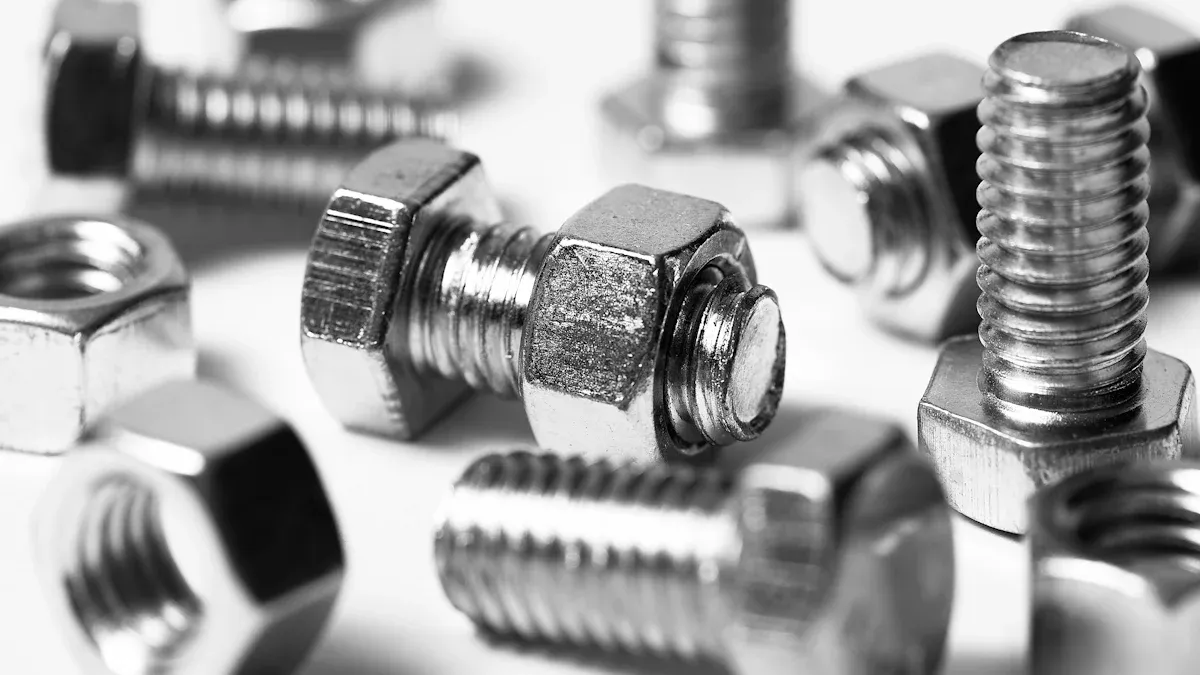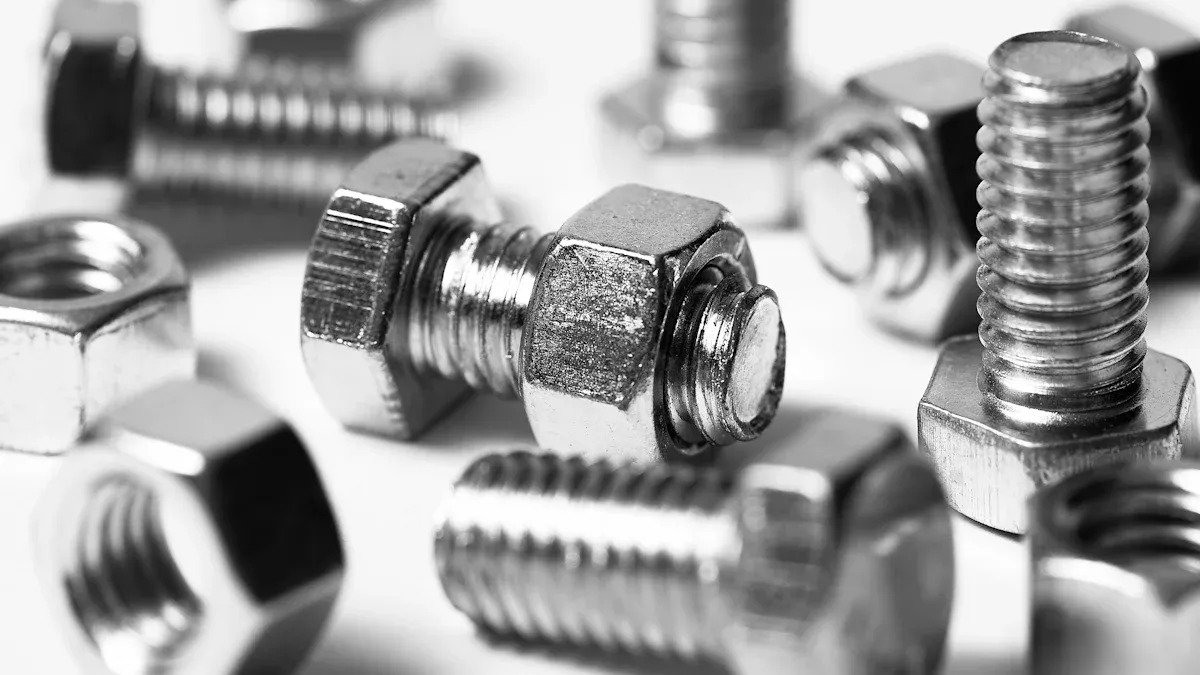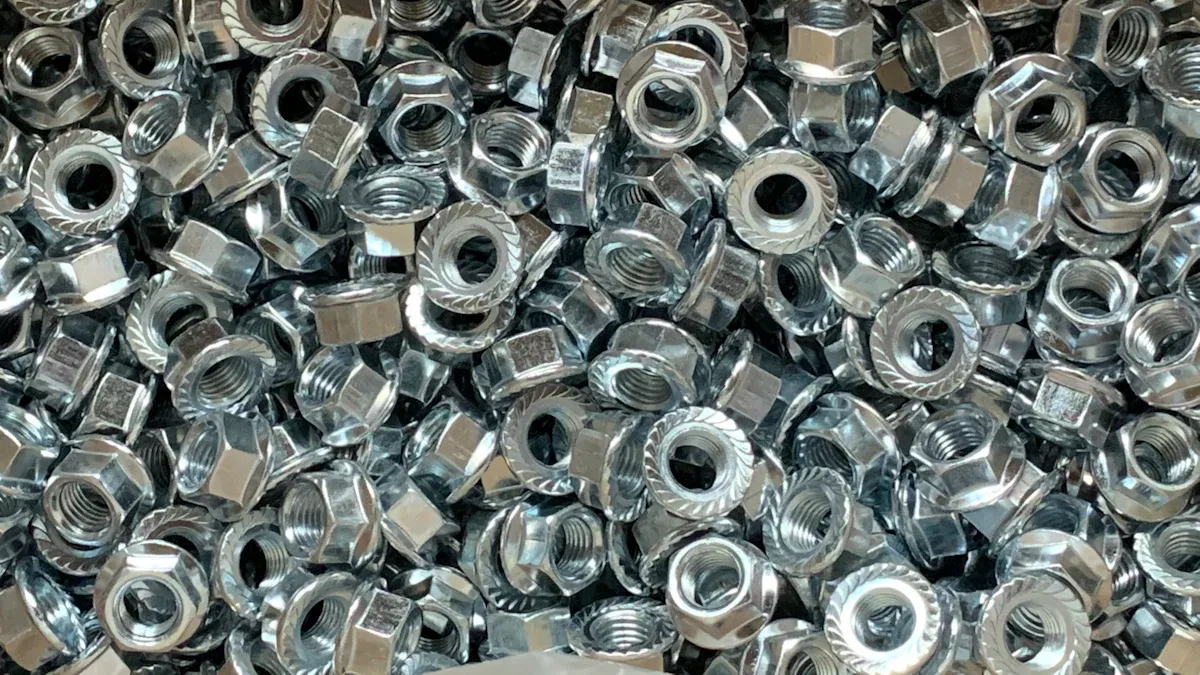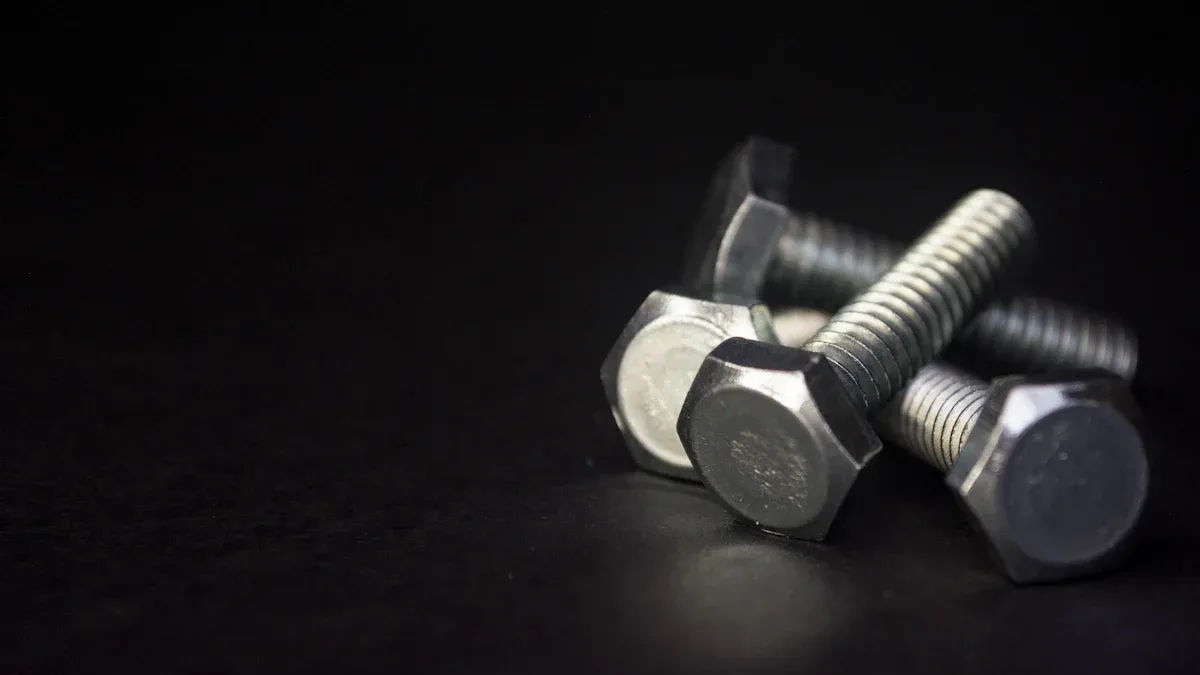
In 2026, Grainger offers competitive flange bolt prices for small-quantity orders. Top suppliers show varied strengths across the supply chain. A reliable supplier ensures project continuity. This Flange Bolt comparison highlights key market players.
| Supplier | Avg. Price (1/2″-13 x 2″ Grade 5 Zinc) |
|---|---|
| Grainger | $0.85 |
| U.S. Bolt Manufacturing | $0.92 |
| MW Components | $1.15 |
Grainger leads for standard supply. U.S. Bolt Manufacturing strengthens the industrial supply chain with bulk orders. MW Components, a custom fasteners manufacturer, offers reliability for specialized bolt casting and custom fasteners. Each supplier provides unique value.
Market Overview and Top Supplier Profiles for 2026

Understanding the 2026 global fasteners market dynamics is crucial for effective procurement. Market conditions directly influence flange bolt prices, supply chain reliability, and supplier availability. A strategic approach to sourcing begins with a clear view of these factors.
Understanding the 2026 Flange Bolt Market
Projected Market Growth and Trends
The flange bolt market shows consistent growth. The growing oil & gas and construction sectors drive significant demand. Key industries fueling this expansion include:
- Automotive and Aerospace
- Construction and Infrastructure
- Energy and Industrial Machinery
- General Manufacturing
This broad demand underscores the need for a robust supply chain and highlights the importance of top suppliers in maintaining project timelines.
Key Factors Driving Flange Bolt Prices
Several elements influence fastener costs. High raw material costs, especially for specialized alloys, act as a significant market restraint. Fluctuations in the global supply chain and geopolitical tensions also affect material availability and pricing. These factors directly impact the final cost of flange bolts, creating challenges for manufacturers and purchasers seeking cost-effective sourcing.
Profiles of Top Online Suppliers
Grainger Industrial Supply
Grainger stands out as a major distributor with a vast inventory. This supplier provides exceptional accessibility for standard parts, making it a go-to for maintenance, repair, and operations (MRO) needs. Their extensive distribution network supports supply chain reliability for businesses across the country.
U.S. Bolt Manufacturing, Inc.
U.S. Bolt Manufacturing specializes in domestically produced fasteners. This supplier offers extensive product traceability, a critical requirement for industries where material certification and reliability are paramount. Their focus on domestic production enhances supply chain security for critical applications.
MW Components (Elgin Fastener Group)
As a leading custom fasteners manufacturer, MW Components excels in producing high-performance components. This supplier serves clients with unique or demanding specifications, from exotic materials to custom dimensions. Their engineering expertise ensures reliability for the most challenging projects.
Other Notable Hex Bolt Suppliers
The market includes other key players. A global sourcing specialist, for example, can navigate international logistics to secure components. These hex bolt suppliers often provide advanced supply chain management services.
Pro Tip: Evaluating hex bolt suppliers involves more than price. Consider a supplier’s role in your overall supply chain. A partner that strengthens your procurement process provides immense long-term value and reliability.
Detailed Price Breakdown by Flange Bolt Specifications
A bolt’s final cost depends heavily on its specific attributes. Material composition, physical dimensions, and strength grade are the primary cost drivers. Understanding how these factors influence pricing allows purchasers to make informed decisions that balance performance requirements with budget constraints.
Price Comparison by Material
The raw material of a flange bolt is the single largest factor influencing its price. The global supply chain for metals directly impacts costs, from common steel to rare alloys.
Carbon Steel Flange Bolt Prices
Carbon steel represents the baseline for flange bolt prices. It is the most common and cost-effective material for general-purpose applications. Suppliers like Grainger maintain a large inventory of standard carbon steel bolts, keeping prices competitive due to high-volume production and a stable material supply.
Stainless Steel Flange Bolt Prices
Stainless steel bolts, typically from the 300 series (e.g., 304, 316), carry a significant price premium over carbon steel. This increase is due to the addition of chromium and nickel, which provide superior corrosion resistance.
- 304 Stainless Steel: Offers good corrosion resistance at a moderate price increase.
- 316 Stainless Steel: Contains molybdenum for enhanced resistance to chlorides and acids, making it more expensive than 304.
The added cost ensures long-term reliability in wet or corrosive environments.
Alloy Steel Flange Bolt Prices
Alloy steel bolts, such as those made from 4140 or 4340 steel, are heat-treated to achieve high tensile strength. These high-strength materials cost more than standard carbon steel due to the alloying elements and the required heat treatment processes. They are essential for high-stress applications where strength is paramount. The production of these high-performance hex bolts often involves strict quality control.
Exotic Material Price Premiums
Exotic materials like Inconel, Monel, and Titanium sit at the top of the price spectrum. Their costs can be multiple times higher than stainless steel.
These materials offer extreme temperature and chemical resistance, making them necessary for specialized industries like aerospace and chemical processing. Their high cost reflects difficult raw material sourcing, complex manufacturing, and the need for full traceability documentation.
Price Comparison by Size and Dimensions
Beyond material, a bolt’s size creates significant price variations. Manufacturing efficiency and material volume are key cost factors tied to dimensions.
Standard vs. Non-Standard Diameter Costs
Standard imperial (e.g., 1/2″, 5/8″) and metric (e.g., M12, M16) diameters are mass-produced, making them highly economical. Non-standard or exceptionally large diameters require special tooling and production runs, dramatically increasing the per-unit cost. The supply chain is optimized for common sizes.
Price Scaling with Bolt Length
Price increases with bolt length, but not always linearly. The cost jump is often minimal for small length increases within a standard range. However, exceptionally long bolts may be priced significantly higher due to increased material usage and specialized handling during manufacturing and shipping.
Most Economical Suppliers for Large Sizes
For large-diameter or extra-long bolts, industrial suppliers like U.S. Bolt Manufacturing often provide better value than general distributors. Their focus on industrial-scale projects means their pricing structure and supply chain are better equipped for heavy-duty fastener needs.
Metric vs. Imperial Size Pricing
In the U.S. market, imperial-sized bolts are typically more common and slightly less expensive for standard specifications. However, for projects with global components or specifications, metric bolts are standard. The price difference is usually negligible for common sizes but can widen for less common metric dimensions.
| Size System | Common Availability | 2026 Price Trend |
|---|---|---|
| Imperial (Inch) | Very High | Most Economical |
| Metric (mm) | High | Slightly Higher |
Price Comparison by Grade and Strength
A bolt’s grade defines its mechanical properties, including tensile strength and hardness. Higher grades require more advanced materials and processes, directly impacting cost.
Grade 5 vs. Grade 8 Cost Analysis
Grade 8 bolts are stronger than Grade 5 bolts due to a superior alloy steel composition and a more intensive heat treatment process. This results in a price premium for Grade 8.
Key Takeaway: A Grade 8 bolt can cost 30-50% more than a Grade 5 bolt of the same size. This added expense is justified in applications requiring higher clamp loads and greater safety and reliability.
Standard vs. Structural Bolt Pricing
Structural bolts (e.g., ASTM A325, A490) are designed for steel-to-steel structural connections and have specific head dimensions and traceability requirements. They are more expensive than standard hex bolts (SAE J429) of a similar grade due to stricter manufacturing and testing protocols. This ensures component reliability.
High-Strength Alloy Grade Costs
High-strength alloy grades, such as ASTM A193 Grade B7, are engineered for high-temperature or high-pressure service. The cost of these high-quality hex bolts reflects the advanced alloy steel and the critical need for material traceability and performance verification in demanding environments.
Cost of Property Class 8.8 vs. 10.9
Metric bolts use a property class system. Class 8.8 is comparable in strength to Grade 5, while Class 10.9 is similar to Grade 8. Just like their imperial counterparts, Class 10.9 bolts are more expensive than Class 8.8 bolts because they are made from higher-quality, heat-treated alloy steel.
Price Comparison by Finish and Coating
A flange bolt’s finish or coating provides a crucial layer of protection against corrosion and wear. This protective layer directly influences both the component’s lifespan and its cost. The choice of coating is a balance between the application’s environmental demands and the project’s budget. A stable supply chain for these coating materials is essential for consistent pricing.
Zinc Plated vs. Hot-Dip Galvanized
Zinc coatings are the most common choice for protecting carbon and alloy steel bolts. The application method, however, creates a significant difference in performance and price.
- Zinc Plating (Electro-galvanizing): This process applies a thin, bright layer of zinc using an electrical current. It offers minimal corrosion protection, making it suitable for indoor or dry applications. Its low cost makes it a standard finish for many off-the-shelf fasteners.
- Hot-Dip Galvanizing (HDG): This process involves dipping the entire bolt into a bath of molten zinc. The resulting coating is much thicker and forms a metallurgical bond with the steel, providing superior corrosion resistance for outdoor and harsh environments. This intensive process makes HDG bolts significantly more expensive than their zinc-plated counterparts.
Note: Hot-dip galvanizing adds considerable thickness. It often requires oversized tapped nuts to ensure proper thread engagement, which can add to the total assembly cost.
Black Oxide and Phosphate Coatings
Black oxide and phosphate are conversion coatings, meaning they chemically alter the surface of the steel rather than adding a layer of metal. They offer a moderate level of protection and have distinct advantages.
| Coating Type | Primary Benefit | Cost Level |
|---|---|---|
| Black Oxide | Aesthetic appeal, anti-galling | Low-to-Mid |
| Phosphate | Excellent paint adhesion, oil retention | Low-to-Mid |
Black oxide provides a deep black finish with minimal dimensional change. It must be paired with a rust-preventative oil for effective corrosion resistance. Phosphate coatings create a porous surface that is an excellent primer for paint or for holding protective oils. Both are more affordable than hot-dip galvanizing.
Ceramic and Specialty Finish Premiums
For extreme environments, specialty coatings offer performance that standard finishes cannot match. These advanced options carry a substantial price premium. Ceramic-based coatings, such as Xylan or Magni, provide exceptional protection against chemicals, high temperatures, and saltwater. The application of these coatings is a multi-step, highly controlled process. Full traceability is often required to certify the coating’s composition and thickness, ensuring component reliability in critical systems. The complex supply chain for these proprietary chemicals also contributes to their higher cost.
Corrosion Resistance vs. Cost
There is a direct correlation between a coating’s protective capability and its price. Selecting the appropriate finish requires a careful cost-benefit analysis to ensure long-term project success.
Key Takeaway: Investing in a higher-performance coating like hot-dip galvanizing or a ceramic finish upfront can prevent costly failures and maintenance down the line. This decision enhances the overall reliability of the structure or equipment. The final flange bolt prices reflect this trade-off between initial expense and long-term durability. A robust supply chain ensures these varied coating options are available to meet diverse project needs.
Analyzing Supplier-Specific Cost Factors
The unit price of a flange bolt is only one part of the procurement equation. A thorough analysis reveals that supplier-specific factors like discount structures, shipping logistics, and hidden fees significantly impact the total cost. Understanding these variables is essential for true cost-effective sourcing.
Bulk Pricing and Volume Discount Tiers
Volume discounts are a primary tool for reducing costs, but each supplier approaches them differently. The structure of these discounts often reflects the supplier’s core business model.
Grainger Discount Structure
Grainger typically offers modest discounts for quantity increases. Their pricing is optimized for MRO (Maintenance, Repair, and Operations) customers who need smaller batches of various items. The convenience of a single source often outweighs the need for deep bulk discounts.
U.S. Bolt Manufacturing Discount Structure
This supplier provides significant price breaks for large-volume orders. As a manufacturer, their business model rewards pallet-quantity purchases. This structure is ideal for large construction projects or OEM production runs where a stable supply chain is critical.
MW Components Discount Structure
Discounts from MW Components are often tied to the specifics of a custom production run. Larger runs lower the per-unit setup and tooling costs, leading to better cost-effectiveness. This supplier works closely with clients to optimize order sizes for specialized components.
Identifying the Best Bulk Price Breaks
Top suppliers often have specific quantity tiers where prices drop. Purchasers should request quotes for several quantities (e.g., 500, 1,000, 5,000 units) to identify the most advantageous price points.
| Supplier Type | Typical Discount Model | Best For |
|---|---|---|
| Distributor (Grainger) | Small, incremental discounts | MRO & small-batch needs |
| Manufacturer (U.S. Bolt) | Deep discounts at high volume | Large projects & OEM |
| Specialist (MW) | Based on production run size | Custom & specialized parts |
Shipping Costs and Delivery Times in 2026
Logistics costs can add a substantial amount to an order. Delivery speed also impacts project timelines and overall reliability.
Standard Ground Shipping Rate Comparison
Hex bolt suppliers with national distribution networks, like Grainger, often have competitive ground shipping rates. Direct manufacturers may have higher rates for smaller orders but better freight options for bulk shipments.
Expedited and Freight Shipping Options
All top suppliers offer expedited shipping for urgent needs at a premium. For large orders, freight shipping from a supplier like U.S. Bolt Manufacturing is often the most economical choice. A global sourcing specialist can also manage complex international freight.
Regional Warehouse Impact on Delivery Speed
A supplier’s warehouse proximity directly affects delivery times and costs. Choosing a supplier with a distribution center in your region can significantly reduce lead times and shipping expenses, improving supply chain reliability.
Free Shipping Thresholds and Policies
Many suppliers offer free shipping on orders that exceed a certain value. Meeting this threshold is a simple way to reduce the total cost of an order. This policy enhances supply chain management for routine purchases.
Total Cost of Ownership: Price vs. Hidden Fees
The advertised flange bolt prices do not always represent the final cost. Purchasers must account for additional fees to calculate the true “all-in” cost per bolt.
Minimum Order Value Requirements
Some hex bolt suppliers, particularly specialists, impose a minimum order value (MOV). This practice ensures that each transaction is profitable. This is a key factor for buyers needing only a small number of specialty parts.
Handling and Processing Fees
A supplier may add handling or processing fees to smaller orders. These fees cover the labor and materials involved in picking and packing an order. This is an important part of the supply chain.
Calculating the “All-In” Cost Per Bolt
To determine the true cost, a buyer must combine the unit price, shipping, and any applicable fees, then divide by the total number of bolts.
- (Total Product Cost + Shipping + Fees) / Quantity = All-In Cost Per Bolt
This calculation provides a clear comparison between suppliers. It is vital for supply chain security and budget accuracy.
Return Policies and Restocking Fees
Mistakes happen in the supply chain. A supplier with a difficult return policy or high restocking fees can turn a simple error into a costly problem. Reviewing these policies, along with requirements for material traceability, is a crucial step before placing a large order.
Head-to-Head Supplier Price Profiles
Choosing the right supplier depends on the specific needs of a project. Each of the top hex bolt suppliers offers a distinct value proposition. This analysis breaks down their pricing models to guide purchasers toward the most cost-effective sourcing.
Grainger: The Leader for Standard Bolts
Grainger excels as a one-stop shop for common maintenance and repair parts. This supplier maintains a massive inventory, ensuring a ready supply of standard components.
Price Points for Common Carbon Steel Bolts
Grainger offers competitive unit prices for standard carbon steel flange bolts. Their pricing reflects high-volume distribution efficiencies.
- 1/2″-13 x 2″ Grade 5 Zinc: ~$0.85/unit
- 3/8″-16 x 1.5″ Grade 5 Zinc: ~$0.55/unit
These prices are highly accessible for purchasers who do not need to meet large minimum order quantities.
Analysis of Small-Quantity Order Costs
The Grainger model is optimized for small-batch orders. Customers can purchase a handful of bolts without significant price penalties. This convenience is a major advantage for MRO professionals and small businesses. While not the cheapest for bulk orders, this supplier provides unmatched accessibility for immediate needs.
U.S. Bolt Manufacturing: Best Value for Bulk Orders
U.S. Bolt Manufacturing serves the industrial market with a focus on large-volume production. This supplier provides high-quality hex bolts for major construction and OEM applications.
Impact of Volume Discounts on Total Cost
Volume discounts dramatically reduce the per-unit cost. A bolt priced at $0.92 for a small quantity could drop below $0.60 when ordered by the pallet.
For large-scale projects, these discounts are the single most important factor in managing the budget. The savings on a full project’s worth of fasteners can be substantial, reinforcing the stability of the supply chain.
Price Analysis for Pallet-Quantity Orders
Purchasing by the pallet is where this supplier shines. The pricing structure is designed to reward large commitments. This approach ensures a consistent supply for production lines and large construction sites, making them a key partner for industrial-scale operations.
MW Components: The Specialist for High-Grade Materials
MW Components operates as a manufacturer of specialized and custom fasteners. They provide solutions for applications where standard bolts are inadequate.
Pricing for Stainless Steel and Exotic Alloys
This supplier offers extensive options for high-performance hex bolts. Pricing for materials like 316 Stainless Steel, Inconel, or Monel is significantly higher than for carbon steel. The cost reflects complex raw material sourcing and manufacturing processes. Full material traceability is a standard offering, ensuring component reliability.
Cost-Effectiveness for Niche Specifications
While the unit price is high, the cost-effectiveness of custom bolts comes from their performance. Using a specialized fastener prevents costly failures in critical applications. For engineers needing unique dimensions or material properties, this supplier provides essential value that commodity distributors cannot match.
Effective supply chain management leads to cost-effective sourcing. The top suppliers each offer unique value for project needs.
- Grainger provides a ready supply of standard bolts for small jobs.
- U.S. Bolt Manufacturing is the best supplier for bulk orders of high-quality hex bolts.
- MW Components is the ideal choice for high-performance hex bolts, ensuring reliability.
This analysis shows that the right supplier choice impacts cost-effectiveness and the entire supply chain.
| Best For… | Recommended Supplier |
|---|---|
| Price (Small Qty) | Grainger |
| Bulk Orders | U.S. Bolt Manufacturing |
| Specialty/Custom | MW Components |
FAQ
Why is Grainger the cheapest for small orders?
Grainger’s business model focuses on Maintenance, Repair, and Operations (MRO) customers. Their massive distribution network and vast inventory allow for efficient processing of small-quantity orders. This structure provides competitive unit prices without requiring large purchase commitments, offering great value for immediate needs.
What is the main difference between Grade 5 and Grade 8 bolts?
Grade 8 bolts use a higher-strength, heat-treated alloy steel, while Grade 5 bolts use medium-strength carbon steel. This material and process difference makes Grade 8 bolts stronger and more expensive. They are necessary for applications demanding higher clamp loads and safety factors.
When should a buyer choose hot-dip galvanized bolts?
Purchasers should select hot-dip galvanized (HDG) bolts for outdoor, marine, or corrosive environments. The thick zinc coating provides superior, long-term rust protection compared to standard zinc plating. This investment prevents premature failure and costly maintenance in harsh conditions. (Bolt emoji)
How do bulk discounts impact the final price?
Bulk discounts significantly lower the per-unit cost. Suppliers like U.S. Bolt Manufacturing reward large-volume purchases with deep price breaks. This makes them the most cost-effective choice for major construction projects or OEM production runs where thousands of fasteners are required.
Are metric bolts more expensive than imperial bolts?
In the U.S. market, common imperial (inch) bolts are often slightly less expensive due to higher demand and production volume. The price difference for standard metric sizes is typically minimal. However, less common metric dimensions may carry a noticeable price premium.
What does “total cost of ownership” mean for bolts?
Total cost of ownership includes the bolt’s unit price plus all associated expenses. These costs cover shipping, handling fees, and potential minimum order charges. Calculating the “all-in” cost per bolt provides the most accurate comparison between suppliers.