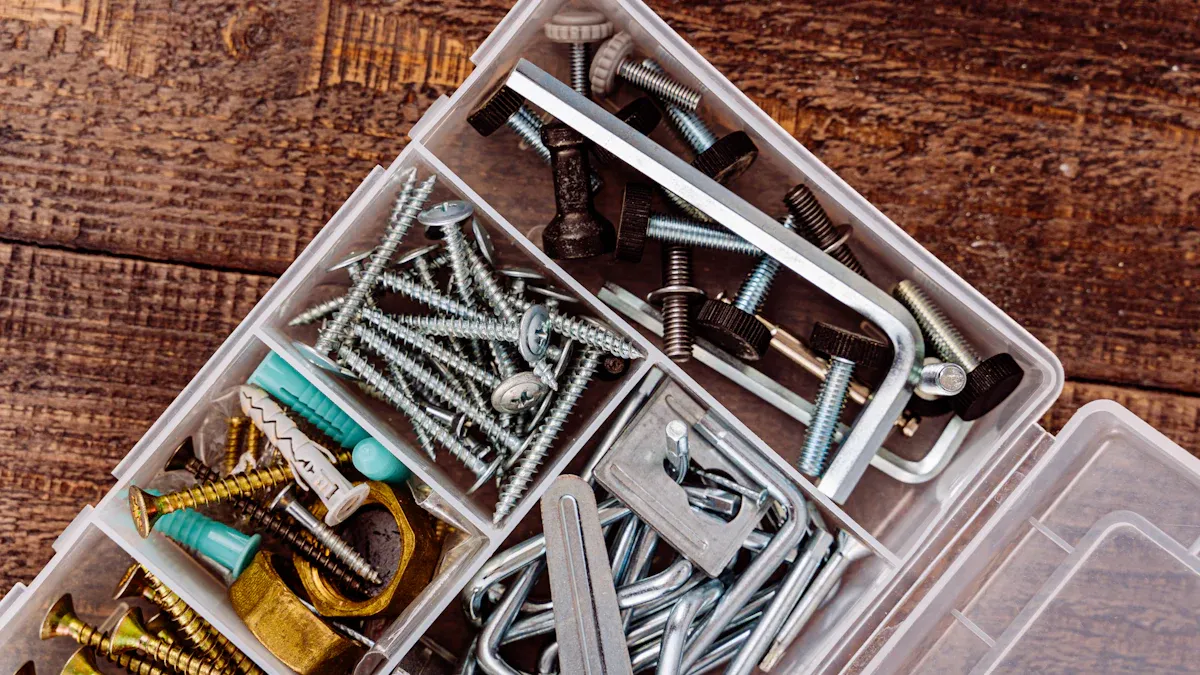

Selecting the best concrete anchors involves navigating a market projected for significant growth, with some industry reports suggesting a compound annual growth rate of up to 6.8% through 2034. For applications demanding maximum reliability, Hilti drop in anchors are a top-rated choice. General construction projects often find Red Head masonry anchors provide an excellent balance of performance and cost. Meanwhile, Powers Fasteners (DeWalt) is the go-to for commercial jobs requiring specific code compliance for anchor bolts. A custom fasteners manufacturer might even produce custom anchor bolts for highly specialized needs.
Head-to-Head Comparison: Key Performance Metrics

Choosing the best concrete anchors requires a close look at their performance data. Key metrics like holding power, material quality, and behavior in different concrete types determine an anchor’s suitability for a specific job. A brand’s reputation is built on these measurable characteristics.
Holding Power: Tensile and Shear Strength
The load-bearing capability of an anchor is its most critical feature. This is measured in tensile strength (pull-out force) and shear strength (side-to-side force). Different types of masonry anchors are engineered to meet specific load demands.
Hilti HDI/Kwik Bolt-TZ Performance Data
Hilti anchors consistently lead the industry in load-bearing capability. Their products undergo extensive testing, providing engineers with reliable data for critical structural connections and demanding applications.
Red Head Multi-Set II Performance Data
Red Head masonry anchors offer dependable performance for general construction. Their load ratings are suitable for most non-structural applications, such as fastening conduits, cable trays, and HVAC supports.
Powers/DeWalt Hollow-Set Performance Data
Powers/DeWalt provides strong performance with a focus on commercial code compliance. Their expansion anchors are engineered to meet specific project specifications, ensuring a high load-bearing capability that inspectors can approve.
Material Quality and Corrosion Resistance
The anchor’s material directly impacts its lifespan and reliability. The environment dictates the material choice for all types of anchors, from standard drop in anchors to heavy-duty concrete anchors.
Zinc-Plated Carbon Steel for Indoor Use
This is the standard, cost-effective option for dry, indoor environments. The zinc plating provides a basic layer of protection against rust in non-corrosive conditions.
304 Stainless Steel for Damp Environments
For areas with moisture or high humidity, such as basements or garages, 304 stainless steel offers superior corrosion resistance compared to zinc-plated steel.
316 Stainless Steel for Marine/Corrosive Areas
In highly corrosive or marine environments, 316 stainless steel is essential. Its composition provides maximum protection against rust and degradation, ensuring long-term structural integrity.
The lifespan difference is significant. A zinc-plated anchor may fail after a few years in a coastal area, while a 316 stainless steel anchor can last for decades.
| Anchor Material | Average Lifespan in Saltwater Environment |
|---|---|
| 316 Stainless Steel | 10+ years, often 15-20 years |
| Zinc-Plated (Galvanized) | 1-5 years, sometimes up to 10 years |
Performance in Different Concrete Strengths
Concrete is not uniform; its strength, measured in Pounds per Square Inch (PSI), affects anchor performance. Selecting the best concrete anchors involves matching them to the base material.
Standard Concrete (2,500-4,000 PSI)
Most commercial and residential projects use standard-strength concrete. All three brands—Hilti, Red Head, and Powers/DeWalt—design their primary expansion anchors to perform reliably in this PSI range.
High-Strength Concrete (5,000+ PSI)
High-strength concrete is harder and more brittle. Fastening in this material often requires specialized anchors, like those from Hilti, which are specifically engineered and tested for these demanding conditions.
Brand Deep Dive: Hilti Drop In Anchors
Hilti has established itself as the premier brand for high-performance fastening solutions. Professionals in demanding fields trust Hilti for its unwavering commitment to quality, safety, and innovation. The brand’s reputation is built on superior engineering and exhaustive testing, making its products a benchmark in the industry.
Hilti’s Core Strengths
Hilti’s market leadership stems from several key advantages that competitors find difficult to match. These strengths justify its position as a top-tier choice for critical applications.
Unmatched Holding Power and Reliability
Hilti engineers its products for maximum performance. The brand’s anchors consistently deliver exceptional load-bearing capability in both tensile and shear tests. This reliability comes from precise manufacturing tolerances and advanced designs that ensure a secure connection with the base material.
Extensive Testing and Approvals (ICC-ES, Seismic)
Hilti invests heavily in third-party validation. Many of its products carry extensive approvals, including ICC-ES reports for cracked and uncracked concrete, as well as seismic qualifications. This level of certification makes them the best concrete anchors for projects governed by strict building codes.
Pro Tip: Always consult the relevant ICC-ES report for a Hilti anchor. It provides detailed load data and installation parameters for specific conditions, ensuring full compliance and safety.
The Hilti System Advantage
Hilti offers more than just an anchor; it provides a complete fastening system. This ecosystem includes:
- Specially designed drill bits
- Proprietary setting tools
- Advanced engineering software
- On-site technical support
This integrated approach ensures that every installation step is optimized for performance, minimizing errors and maximizing anchor capacity.
Potential Drawbacks
Despite its strengths, the Hilti system is not the right fit for every project. Contractors must consider two primary factors before committing to the brand.
Premium Price Point
Excellence comes at a cost. Hilti products are among the most expensive on the market. The premium price reflects the extensive research, development, and testing that go into each product.
Proprietary Setting Tool Requirement
Many Hilti drop in anchors require a specific, proprietary setting tool to ensure correct installation. A standard punch will not work. This means contractors must invest in the Hilti tool, adding to the overall cost and equipment list.
Who Should Choose Hilti?
Hilti is the ideal choice for applications where failure is not an option. Its products excel in specific, high-stakes scenarios.
Critical Structural Connections
Engineers and builders should specify Hilti for fastening primary structural elements like steel beams, columns, and ledgers. The anchor’s proven load-bearing capability provides the necessary margin of safety for these connections.
Cracked Concrete and Seismic Zones
Hilti’s specialized expansion anchors are engineered and tested for performance in cracked concrete and seismic conditions. These masonry anchors offer peace of mind in dynamic environments where other fasteners might fail.
High-Load Machinery Fastening
Securing heavy industrial equipment, robotic arms, or large conveyor systems requires robust concrete anchors. Hilti provides the strength needed to resist vibrations and dynamic loads over the long term, making their masonry anchors a top choice for industrial facilities.
Brand Deep Dive: Red Head Masonry Anchors
Red Head has carved out a significant market share by positioning itself as the workhorse brand for general construction. It offers a practical and reliable solution for contractors who need dependable performance without the premium cost associated with highly specialized systems. The brand is synonymous with accessibility and value.
Red Head’s Core Strengths
Red Head’s popularity is built on a foundation of practicality and trust. Contractors choose these masonry anchors for several compelling reasons that align with the demands of everyday construction projects.
Excellent Value and Cost-Effectiveness
The primary advantage of Red Head is its exceptional balance of price and performance. The brand delivers reliable holding power at a fraction of the cost of premium alternatives. This cost-effectiveness makes it an intelligent choice for projects where the budget is a primary driver.
Widespread Availability at Retailers
Contractors can find Red Head products at nearly every major home improvement store and construction supply house. This widespread retail presence ensures that anchors are readily available, preventing project delays and simplifying material procurement.
Dependable for General Construction
For most standard fastening tasks, Red Head provides consistent and trustworthy performance. These expansion anchors are engineered for common applications, offering a dependable solution that meets the requirements of typical building codes for non-structural work.
Potential Drawbacks
While excellent for its intended purpose, Red Head is not designed to compete in every application. Contractors should be aware of its limitations compared to top-tier brands.
Lower Load Ratings vs. Premium Brands
Red Head’s load-bearing capability is sufficient for most general-purpose tasks. However, its published tensile and shear strength values are generally lower than those of Hilti. This makes it unsuitable for critical structural connections or extremely heavy loads.
Fewer Specialized Certifications
Red Head anchors carry important certifications for many applications, but they lack the extensive list of specialized approvals found with brands like Hilti or Powers. While some products have key listings, they typically do not have seismic or extensive cracked concrete ratings.
Certification Check: While not as extensive as premium brands, many Red Head products do hold important approvals. For example:
- Red Head Trubolt+ anchors possess both FM approval (#0003053725) and UL certification (#20140925-EX971).
- In contrast, Hilti’s Kwik Cast anchors also carry FM and UL approvals, but are often part of a broader portfolio with more advanced seismic and engineering reports.
Who Should Choose Red Head?
Red Head is the ideal choice for specific scenarios where value and reliability for standard tasks are the main priorities.
General Purpose MEP and HVAC Support
These masonry anchors are perfectly suited for securing electrical conduits, plumbing lines, fire sprinkler pipes, and HVAC ductwork. Their performance is more than adequate for these common mechanical, electrical, and plumbing installations.
Non-Structural Fastening
Use Red Head for applications that do not involve the primary structure of a building. This includes fastening shelving, handrails, partition walls, and various types of equipment that do not impose critical loads.
High-Volume, Budget-Conscious Projects
For large-scale projects requiring thousands of fastening points, Red Head offers the best concrete anchors for value. The significant cost savings per unit add up, allowing project managers to stay on budget without sacrificing safety for standard applications.
Brand Deep Dive: Powers Fasteners (DeWalt)
Powers Fasteners, now part of the DeWalt family, holds a strong position in the commercial construction sector. The brand serves as a critical link between high-end specialized systems and general-purpose fasteners. It is the preferred choice for professionals who require documented performance and adherence to strict building codes.
Powers’ Core Strengths
Powers builds its reputation on trust and verification. Its products give engineers and commercial contractors the confidence needed for large-scale, regulated projects.
Broad Range of Code Approvals
A primary advantage of Powers is its extensive portfolio of code-compliant products. The brand invests heavily in securing third-party certifications, which are essential for commercial job sites. These approvals often include:
- ICC-ES Reports for cracked and uncracked concrete
- UL and FM listings for fire protection and safety systems
- DOT (Department of Transportation) approvals for infrastructure projects
This focus on certification ensures that their masonry anchors meet the stringent requirements of building inspectors.
Strong Reputation in Commercial Construction
Architects and engineers frequently specify Powers Fasteners in project plans. This reputation comes from a long history of reliable performance in commercial buildings, government facilities, and infrastructure. Contractors trust the brand to pass inspections and deliver the specified load-bearing capability without issue.
Integration with the DeWalt Tool Ecosystem
The acquisition by DeWalt created a powerful synergy. Contractors invested in the DeWalt tool platform can now benefit from a fully integrated system. This includes compatibility with DeWalt rotary hammers and installation tools, streamlining the entire fastening process from drilling to setting.
Potential Drawbacks
While a top choice for commercial work, Powers has limitations that may affect some users. These factors are important for project planning and procurement.
Regional Availability Can Vary
Unlike retail-focused brands, Powers products are often sold through specialized commercial distributors. This can lead to inconsistent availability. For example, some products are ‘sold in select areas only,’ and online suppliers may show ‘No Availability’ for shipping or pickup in certain locations, such as Winchester, VA. Contractors should always contact their local branch to confirm stock.
Product Line Can Be Complex to Navigate
Powers offers a vast and highly specialized product line. While this provides a solution for nearly any situation, it can be overwhelming for those unfamiliar with the catalog. Selecting the correct anchor often requires careful review of technical data sheets to match the product to the specific application and base material.
Who Should Choose Powers/DeWalt?
Powers/DeWalt excels in environments where specifications and compliance are paramount. It is the right choice for specific, demanding project types.
Government and Commercial Projects
These projects almost always require submittals and documented proof of compliance. Powers designs its products and technical literature to meet these administrative hurdles, making the approval process smoother for contractors.
Applications Requiring Specific Code Compliance
When a project plan explicitly calls for an anchor with a specific UL listing or ICC-ES report, Powers is a leading option. Their expansion anchors are tested to guarantee performance under defined conditions, satisfying the most rigorous safety standards.
Fastening in Diverse Base Materials
Commercial buildings often feature a mix of base materials, from high-strength concrete to hollow block and brick. The broad Powers catalog offers some of the best concrete anchors and masonry anchors for this variety, providing a single-brand solution for a complex job site.
Installation Analysis: Tools and Process
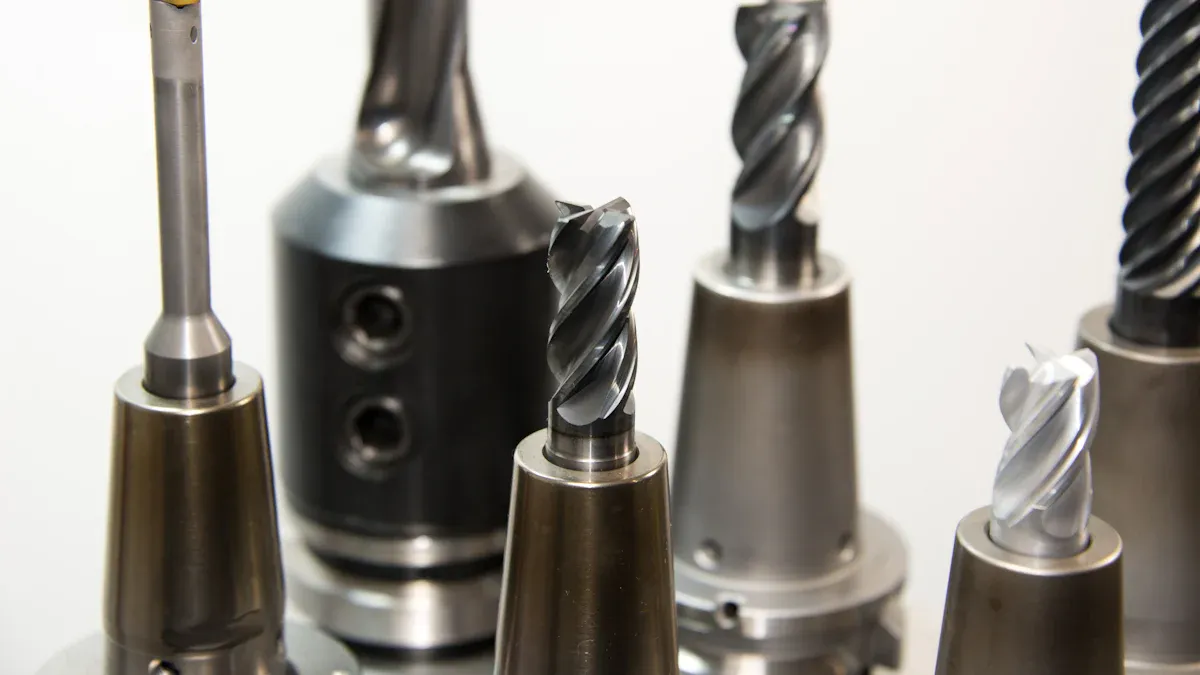
A successful anchor installation depends equally on the quality of the fastener and the precision of the process. The choice of tools and adherence to correct procedures directly impacts the holding power and safety of all masonry anchors.
Setting Tools: Proprietary vs. Standard
The tool used to expand the anchor is a critical component. Brands differ in their approach, offering either proprietary or standard solutions.
The Hilti Hand Setting Tool (HSI)
Hilti designs its HSI hand setting tool to ensure correct installation. The tool’s specific shape reduces the energy needed and helps confirm the anchor is properly set. For enhanced productivity, Hilti also offers a ‘two-in-one’ accessory that combines the drill bit and setting tool into a single SDS insert.
Standard Tools for Red Head and Powers
Red Head and Powers drop in anchors typically use standard setting punches. These tools are simple steel rods with a shoulder that stops the tool at the correct depth. Their universal design makes them inexpensive and easily replaceable.
Power Tool Setting Accessories
For high-volume installations, contractors can use setting accessories that fit into a rotary hammer. These tools use the hammer action of the power tool to set the anchor plug quickly, increasing efficiency on large commercial jobs.
The Installation Process Step-by-Step
Following a consistent, multi-step process is essential for achieving the anchor’s published load values.
Drilling the Hole Correctly
The first step is to drill a hole to the specified diameter and depth using a carbide-tipped bit that meets ANSI standards. The hole must be perpendicular to the concrete surface to ensure the fixture sits flush.
Cleaning the Hole for Maximum Grip
Installers must remove all dust and debris from the drilled hole. For mechanical masonry anchors, a simple blow-out pump is often sufficient to clear the drilling dust. This step is crucial for achieving maximum friction between the anchor and the concrete.
Note: Chemical anchoring systems require a more rigorous cleaning process. This often involves a “blow-brush-blow” sequence with a stiff steel wire brush to dislodge all fine particles from the hole’s surface.
Setting the Anchor Plug Consistently
After cleaning, the installer inserts the anchor until it is flush with the concrete surface. They then insert the setting tool and strike it with a hammer until the tool’s shoulder meets the anchor body. This action drives the internal plug downward, expanding the anchor securely against the walls of the hole.
Common Installation Errors to Avoid
Mistakes during installation can compromise the integrity of the connection. Contractors should watch for these common issues.
Incorrect Hole Depth or Diameter
A hole that is too wide will prevent the anchor from expanding properly, drastically reducing its holding power. A hole that is too shallow will not allow the anchor to be set to the correct embedment depth.
Failure to Properly Set the Plug
If the installer does not strike the setting tool with enough force, the internal plug will not fully expand the anchor. This results in a weak connection that can pull out under a much lower load than specified.
Under-torquing or Over-torquing the Bolt
Proper torque secures the fixture without damaging the anchor. Under-torquing leaves the fixture loose, while over-torquing can strip the threads or even crack the surrounding concrete. Always use a torque wrench set to the manufacturer’s specification.
| Bolt Size | Maximum Torque |
|---|---|
| 3/8” | 10 ft-lbs |
Which Brand Offers the Best Concrete Anchors for Value?
Determining value requires looking beyond the initial purchase price. The best concrete anchors for a project balance cost, performance, and long-term reliability. A cheap anchor that fails is far more expensive than a premium one that performs flawlessly. This analysis breaks down both upfront costs and the factors that define true long-term value.
Per-Unit Price Comparison
The per-unit cost of an anchor varies significantly by brand, size, and material. The following table provides an estimated price range for two common types of drop in anchors, based on typical distributor pricing for box quantities.
Cost for 3/8″ Zinc-Plated Anchors
Cost for 1/2″ Stainless Steel Anchors
Note: Prices are estimates and can fluctuate based on supplier, location, and purchase volume.
| Anchor Type | Red Head (Approx. Price) | Powers/DeWalt (Approx. Price) | Hilti (Approx. Price) |
|---|---|---|---|
| 3/8″ Zinc-Plated | $0.40 – $0.65 per unit | $0.70 – $1.10 per unit | $1.20 – $1.80 per unit |
| 1/2″ Stainless Steel | $2.50 – $4.00 per unit | $4.50 – $6.00 per unit | $7.00 – $10.00+ per unit |
Calculating Long-Term Value
True value emerges when considering the total cost of installation, risk, and project requirements. Each brand offers a distinct value proposition tailored to different scenarios.
When Hilti’s Premium Price is Justified
Hilti’s value is rooted in risk mitigation and performance assurance. For critical structural connections or seismic applications, the cost of failure is catastrophic. The premium price buys unmatched reliability, extensive testing data, and the peace of mind that comes with using high-performance concrete anchors. The investment prevents costly rework, structural damage, or safety incidents, making it a sound financial decision for high-stakes projects.
Red Head’s Balance of Cost and Quality
Red Head delivers exceptional value for high-volume, non-structural applications. For general contractors fastening conduit, ductwork, or partition walls, the brand’s low per-unit cost provides significant budget savings. Its dependable performance meets the needs of these standard tasks without the expense of specialized certifications. In these scenarios, Red Head offers the best concrete anchors for maximizing a project’s budget.
Powers’ Value in Certified Projects
Powers Fasteners provides its greatest value in the commercial and government sectors. The cost of these masonry anchors is justified by their extensive list of code approvals (ICC-ES, UL, FM). Specifying Powers ensures a smooth submittal and inspection process, preventing costly project delays. The value lies in compliance assurance, saving contractors time and money by avoiding rejected work and ensuring the job meets stringent legal and safety standards.
Other Notable Brands to Consider
While Hilti, Red Head, and Powers/DeWalt dominate the market, several other reputable brands offer quality solutions for specific needs. These manufacturers provide excellent alternatives that contractors and engineers should know.
Simpson Strong-Tie
Simpson Strong-Tie is a highly respected name in the structural connector industry. Their Drop-In Anchor (DIA) series is known for precision engineering and reliability, especially in overhead applications.
Strengths and Common Applications
Simpson’s anchors provide a clean, flush-mount installation that is ideal for exposed architectural concrete. The internal threads sit below the surface, allowing for easy hardware replacement if needed. Key strengths and uses include:
- Overhead Installations: They excel at suspending threaded rods for trapeze systems, fire sprinklers, and MEP supports.
- Flush Finish: The design creates a professional appearance, making it suitable for applications where aesthetics matter.
- Congested Spaces: Their compact, below-surface profile is advantageous in crowded mechanical rooms.
- Equipment Mounting: They provide a strong, flush anchor point for securing equipment to concrete floors.
CONFAST®
CONFAST® positions itself as a direct-to-consumer brand that offers a straightforward, cost-effective product line exclusively for use in solid concrete. The brand simplifies the selection process by focusing on core applications.
Strengths and Common Applications
CONFAST® anchors are primarily used for suspending items with threaded rods. The brand offers different types of anchors to match various environmental conditions, ensuring durability.
- Zinc Plated: For use in dry, indoor settings.
- 304 Stainless Steel: Suited for damp or wet outdoor environments.
- 316 Stainless Steel: Designed for submerged or chemically corrosive areas.
- Coil Thread: A specialty version for use with coil rods, often seen in concrete forming for bridges.
Common applications involve suspending electrical cable trays, HVAC ductwork, and fire sprinkler systems. They are also a good choice when a bolt may need to be removed and reinserted later.
TruCut
TruCut is a contractor-grade brand often found in construction supply houses. It has earned a reputation for providing reliable, no-frills masonry anchors that deliver consistent performance on the job site.
Strengths and Common Applications
TruCut focuses on delivering dependable holding power without the premium price or complex system requirements of top-tier brands. They are an excellent choice for general construction and residential projects. Contractors use them for a wide range of fastening tasks, including securing wall plates, anchoring machinery, and installing racking. Their straightforward design and standard setting tools make them an efficient and practical choice for high-volume work where code-mandated certifications are not the primary driver.
Industry reports identify Hilti, Powers, and ITW RED HEAD as key manufacturers in the market. Selecting the right drop in anchors requires matching the brand to the specific job requirements.
- Best Overall Performance: Hilti is the top choice for its unmatched load-bearing capability in critical applications.
- Best Value for Money: Red Head offers the most practical and cost-effective solution for general-purpose masonry anchors.
- Best for Code Compliance: Powers Fasteners is ideal for commercial jobs that require specific certifications.
Professionals find the best concrete anchors by aligning a fastener’s strengths with project demands and budget.
FAQ
What is a drop-in anchor?
A drop-in anchor is a female-threaded fastener for solid concrete. An installer places it into a pre-drilled hole. A setting tool expands the anchor, creating a secure connection. It then accepts a threaded bolt or rod.
Can I reuse a drop-in anchor?
No. Installers should never reuse a drop-in anchor. The expansion process permanently deforms the anchor body. Removing it compromises its structural integrity, making it unsafe for any future load-bearing application.
Do I need a special tool for all drop-in anchors?
No. Red Head and Powers anchors typically use a standard setting punch. Hilti, however, often requires a proprietary HSI setting tool. This tool ensures correct expansion and is part of their integrated system advantage.
Which brand is best for cracked concrete?
Hilti is the top choice for cracked concrete. The brand engineers and tests many of its products specifically for these conditions. They hold extensive ICC-ES approvals for reliable performance in cracked concrete and seismic zones.
How important is cleaning the hole?
Cleaning the hole is critical. Dust and debris prevent the anchor from making full contact with the concrete. This significantly reduces the anchor’s holding power. A clean hole ensures maximum friction and a secure installation.
What happens if I over-torque the bolt?
Over-torquing a bolt can cause failure. It may strip the anchor’s internal threads or create excessive stress. This stress can crack the surrounding concrete, compromising the entire connection. Always use a calibrated torque wrench.
Can I use drop-in anchors in brick or block?
Warning: Most drop-in anchors are designed exclusively for solid concrete. Using them in hollow materials like brick or block is unsafe. The thin walls of these materials cannot withstand the expansion forces, leading to base material failure.