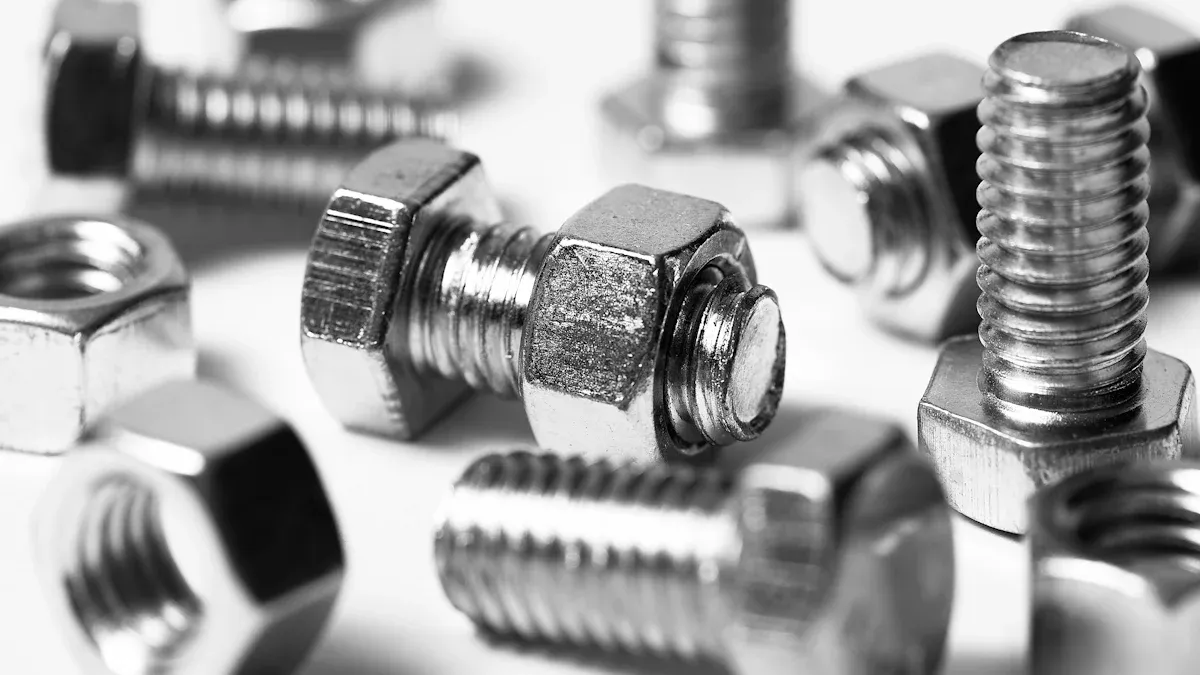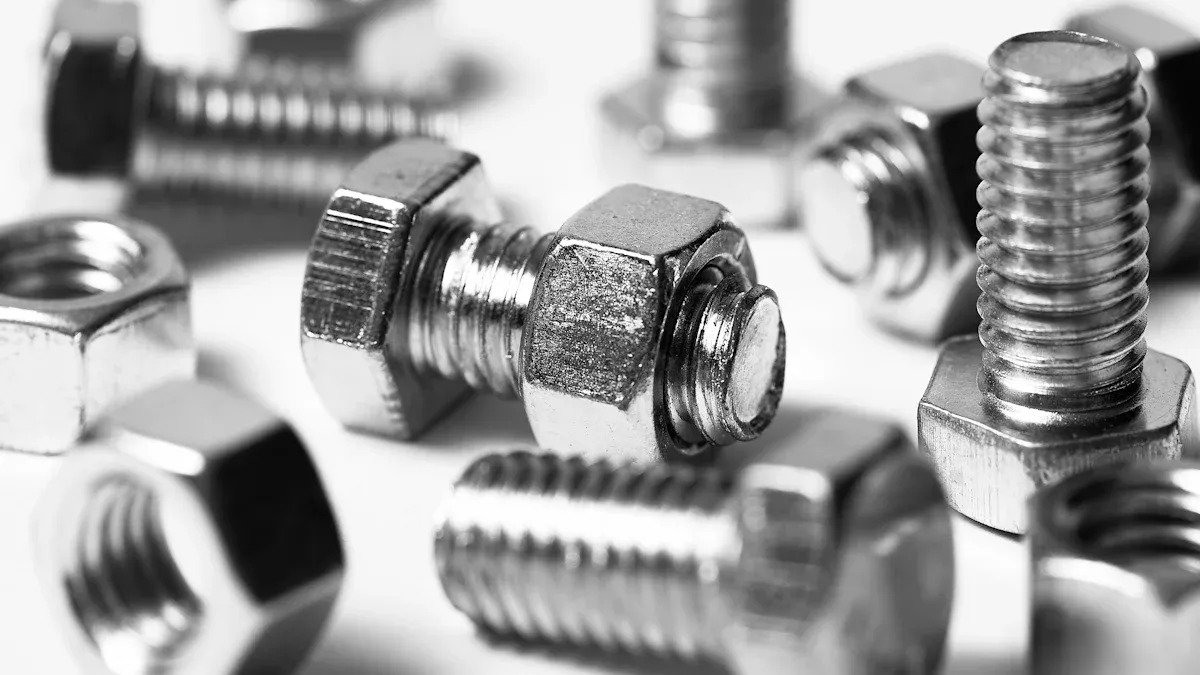

A wedge anchor is a heavy-duty mechanical expansion anchor. It is designed for fastening into solid concrete. A common application involves securing structural steel, machinery, and racking where high pull-out resistance is essential. The global market for these components is robust, reflecting their widespread use.
| Market Attribute | Details |
|---|---|
| Market Size (2025) | US$ 2.81 Billion |
| Projected Market Size (2034) | US$ 3.8 Billion |
| Growth Rate (CAGR) | 3.42% from 2025 to 2034 |
Choosing the right anchor is critical for project safety. A custom fasteners manufacturer can supply custom anchor bolts and custom fasteners for unique needs. However, selection and installation errors for Anchor Bolts can have serious consequences.
A 2023 ASCE survey indicated that 34% of anchor bolt failures are a direct result of installation errors.
This statistic underscores why understanding wedge anchor bolts is non-negotiable. Proper selection of these wedge anchors ensures a secure and lasting connection. These anchors are fundamental to structural integrity.
Understanding the Anatomy of Wedge Anchor Bolts
To select the correct fastener, one must first understand its components. Wedge anchor bolts consist of three primary parts working in unison. Each part plays a distinct role in creating a secure connection within the concrete base material. A failure in any single component compromises the integrity of the entire assembly. These anchors are engineered for performance, and their design reflects this purpose.
The Threaded Stud Body
The threaded stud body is the main structural component of the anchor. It features a tapered cone at one end and threads at the other. The material of the stud body is a critical decision point. It directly impacts the anchor’s durability and suitability for a specific application. The choice of material depends entirely on the environmental conditions where the anchors will be installed.
Common materials for the stud body include:
- Plated carbon steel
- Hot-dipped galvanized carbon steel
- Type 304 stainless steel
- Type 316 stainless steel
Each material offers a different level of corrosion resistance. This makes material selection a crucial step for long-term safety and performance.
The Expansion Clip
The expansion clip is a key element for creating holding power. This piece is a single, wrap-around clip located on the tapered end of the stud. When a user tightens the nut, the clip moves up the cone. This action forces the clip to expand outward. The clip then presses firmly against the walls of the hole in the base material. This outward pressure generates the friction necessary to secure the anchor in place.
Note: The design of the expansion clip ensures it provides consistent, 360-degree contact with the concrete. This full contact is essential for achieving the anchor’s maximum load capacity.
The Nut and Washer Assembly
The nut and washer assembly completes the anchor system. It serves two functions. First, it secures the fixture to the concrete surface. Second, it is the mechanism that activates the expansion clip. As the installer tightens the nut, it pulls the stud body upward. This movement sets the anchor. The washer distributes the load from the nut across the fixture’s surface. This prevents damage to the fixture during tightening. These components must meet specific manufacturing standards to ensure reliability.
- Nuts: Typically conform to ASTM A563 or ASTM A194 standards.
- Washers: Usually meet ASTM F436 or ASTM F844 specifications.
Using the correct, high-quality nut and washer is non-negotiable for a safe installation of these anchors.
Key Factors When Buying Concrete Fasteners: Material Selection
The environment where an anchor will be installed is the single most important factor in material selection. A material’s ability to resist corrosion directly impacts the anchor’s lifespan and structural integrity. Choosing the wrong material can lead to premature failure, posing significant safety risks. This decision is a critical step when buying concrete fasteners.
Zinc-Plated Carbon Steel
Best for Dry, Indoor Environments
Zinc-plated carbon steel anchors are the most common and economical option available. The manufacturing process involves applying a thin layer of zinc to the carbon steel stud through electroplating. This coating provides a basic level of rust resistance.
- Primary Use: These anchors are strictly for dry, interior applications where they will not be exposed to moisture or corrosive elements.
- Common Locations: Think of climate-controlled warehouses, office buildings, or residential interiors for securing shelving, conduit supports, or light-duty machinery.
Expert Tip: Never use zinc-plated anchors outdoors or in damp areas like basements. The thin plating will quickly corrode, compromising the anchor’s holding power in the concrete base material.
Hot-Dipped Galvanized (HDG) Carbon Steel
For Outdoor or Damp Conditions
Hot-dipped galvanized anchors offer a significant upgrade in corrosion protection over standard zinc plating. During manufacturing, the anchor is submerged in a bath of molten zinc. This process creates a much thicker, more durable, and metallurgically bonded coating.
This robust layer protects the steel from moisture and atmospheric elements. It makes HDG anchors a reliable choice for many outdoor projects.
| Feature | Description |
|---|---|
| Coating Thickness | Substantially thicker than zinc plating. |
| Durability | The coating is more resistant to abrasion during installation. |
| Typical Uses | Securing deck posts, fences, signs, and structural elements outdoors. |
These anchors perform well in damp environments like garages, unheated sheds, or areas with high humidity. However, they are not intended for continuous submersion in water or for use in saltwater environments.
304 Stainless Steel
Ideal for Wet and Freshwater Areas
When an application requires superior corrosion resistance, 304 stainless steel is an excellent choice. This material contains chromium and nickel, which form a passive, non-reactive film on the steel’s surface. This film self-repairs when scratched, providing long-lasting protection.
These stainless steel anchors are perfectly suited for environments with constant exposure to moisture.
Common Applications Include:
- Water treatment facilities
- Breweries and food processing plants
- Pool areas (freshwater)
- Areas using chemical cleaners
The inherent corrosion resistance of 304 stainless steel ensures the anchor maintains its structural integrity over a long service life, even in a wet base material. This makes it a safe and reliable option for a demanding application.
316 Stainless Steel
The Ultimate Choice for Corrosive Environments
For projects facing the most severe corrosive threats, 316 stainless steel anchors represent the highest standard of protection. This material provides unparalleled durability in environments where other metals would quickly degrade. Its unique chemical makeup makes it the definitive choice for ensuring long-term structural integrity in submerged or chemically aggressive settings.
The superior performance of 316 stainless steel stems from its specific alloying elements. The presence of molybdenum is the key differentiator from other stainless steel grades.
- Molybdenum: Contains 2-3% of this crucial element.
- Chromium: Provides a foundational layer of corrosion resistance.
- Nickel: Enhances toughness and overall durability.
Molybdenum significantly boosts resistance to pitting and crevice corrosion, particularly from chlorides found in saltwater and de-icing salts. This element makes 316 stainless steel anchors far more resilient than 304 stainless steel anchors in chloride-rich environments. The absence of molybdenum in 304 stainless steel makes it vulnerable to localized corrosion, which can compromise the anchor’s connection to the base material over time.
Application Spotlight: 316 stainless steel anchors are essential for projects with exposure to harsh chemicals or saltwater. Their use is non-negotiable in these scenarios.
Typical locations for these anchors include:
- Coastal and marine construction (docks, piers, seawalls)
- Wastewater treatment plants
- Chemical processing facilities
- Infrastructure exposed to de-icing salts (bridges, tunnels)
- Submerged fixtures in saltwater pools
While these anchors carry a higher initial cost, the investment guarantees safety and longevity. Selecting a lesser material for a demanding application risks catastrophic failure. The integrity of the connection to the base material depends on choosing the right material. Therefore, understanding this distinction is a critical part of buying concrete fasteners for any high-stakes project.
How to Select the Right Size for Your Wedge Anchor Bolts
After selecting the appropriate material, determining the correct anchor size is the next critical step. The size of a wedge anchor is defined by its diameter and length. Both dimensions are crucial for ensuring a secure and reliable connection. An incorrect size can compromise the anchor’s performance and the overall safety of the installation. This makes choosing the right anchor size a non-negotiable part of the process.
Determining the Correct Anchor Diameter
The anchor’s diameter directly influences its holding strength and compatibility with the fixture. A larger diameter generally provides greater load capacity. An installer must consider two primary factors when selecting the diameter for these anchors.
Match the Fixture’s Hole Size
The simplest starting point for diameter selection is the fixture being fastened. The anchor must fit through the pre-drilled holes in the item being secured.
- Rule of Thumb: The anchor diameter should match the hole diameter in the fixture. For example, a fixture with 1/2″ holes requires 1/2″ diameter anchors.
- Verification: An installer should always measure the fixture’s holes before purchasing anchors to prevent compatibility issues on the job site.
This straightforward check ensures the anchor can pass through the fixture correctly before being installed into the concrete.
Consider the Load Requirements
Load requirements from engineering plans directly dictate the selection of an anchor’s diameter. The process involves calculating the project’s total load, which includes dead load (the fixture’s weight), live load (variable forces), and environmental factors like wind or seismic activity. This calculated load is then multiplied by a safety factor, typically ranging from 4 to 6, to ensure a safe margin. The final step is to choose an anchor diameter whose specified load capacity meets or exceeds this safety-factored requirement. Manufacturers provide these values in “Ultimate Load Values” tables, which detail pull-out and shear strengths for various diameters in specific concrete strengths.
Calculating the Necessary Anchor Length
The length of the anchor is just as important as its diameter. An anchor that is too short will not achieve proper embedment, resulting in reduced holding power. An anchor that is excessively long can be wasteful and may interfere with rebar or other embedded objects.
The Standard Length Calculation Formula
A simple formula helps determine the required anchor length. This calculation ensures the anchor is long enough to pass through the fixture and embed deeply enough into the concrete.
Formula: Fixture Thickness + Minimum Embedment Depth + Nut/Washer Thickness = Minimum Anchor Length
Following this formula is essential for a successful application.
Factoring in Fixture Thickness
The thickness of the material being fastened is the first variable in the length calculation. An installer must measure the thickest part of the fixture where the anchor will pass through. This measurement ensures the threaded end of the anchor extends sufficiently beyond the fixture’s surface to properly engage the nut and washer.
Understanding Minimum Embedment Depth
Minimum embedment depth is the shortest distance the anchor must be installed into the concrete to achieve its published holding values. This specification is determined by the anchor’s manufacturer and is critical for safety.
| Anchor Diameter | Typical Minimum Embedment |
|---|---|
| 1/4″ | 1-1/8″ |
| 3/8″ | 1-1/2″ |
| 1/2″ | 2-1/4″ |
| 5/8″ | 2-3/4″ |
| 3/4″ | 3-1/4″ |
| 1″ | 4-1/2″ |
Important: Always consult the manufacturer’s technical data for the specific wedge anchor bolts being used. Never install an anchor at less than its specified minimum embedment depth. Deeper embedment can often increase holding values, but minimum embedment is the absolute baseline for a safe installation.
Decoding Technical Specifications for Anchors
Understanding the technical data sheet for wedge anchors is essential for a safe and compliant project. These documents contain critical performance values and installation parameters provided by the manufacturer. An installer must know how to interpret this information to select the correct fastener for a specific application.
Understanding Holding Values
Holding values, or load capacities, define the maximum force an anchor can withstand before failure. Manufacturers test anchors in specific conditions, usually in uncracked concrete of a certain compressive strength (PSI), to determine these ultimate values.
Ultimate Tensile Strength (Pull-Out Force)
Ultimate tensile strength measures the anchor’s resistance to a direct pull-out force along its axis. This value indicates how much weight the anchor can support when pulled straight out of the concrete. For example, a 1/2-inch diameter zinc-plated wedge anchor in 4000 PSI concrete typically has an ultimate tensile strength of 4500 lb. This specification is crucial for overhead applications or for securing items that exert a downward pull.
Ultimate Shear Strength (Side-Load Force)
Ultimate shear strength quantifies the anchor’s ability to resist a side-load or perpendicular force. This is the force applied parallel to the concrete surface. Using the same 1/2-inch anchor as an example, its ultimate shear strength is approximately 4195 lb. This value is critical when fastening items that may be subject to lateral forces, such as racking or structural base plates.
Applying a Safety Factor
Engineers never design a connection to use an anchor’s ultimate load capacity. Instead, they apply a safety factor to determine the “allowable” or “working” load. This provides a crucial margin of safety.
A standard safety factor is 4, meaning the allowable load is 25% of the ultimate load. To calculate it, an installer divides the ultimate load value by 4. This ensures the anchors perform safely under real-world conditions.
Critical Installation Dimensions
Proper installation requires adherence to precise dimensional specifications. Deviating from these manufacturer-provided guidelines can lead to anchor failure, even if the correct size and material were chosen.
Minimum Embedment Depth
As previously discussed, this is the minimum depth the anchor must be driven into the concrete to achieve its published holding values. This is a non-negotiable dimension for a secure connection.
Required Hole Diameter
The hole drilled into the concrete must match the anchor’s diameter. A 1/2″ anchor requires a 1/2″ hole drilled with a 1/2″ carbide-tipped bit. Using the wrong bit size will compromise the expansion mechanism’s ability to grip the concrete.
Spacing and Edge Distance
Installers must maintain minimum distances between anchors and from any unsupported concrete edge. Placing anchors too close together or near an edge can cause the concrete to crack or break out, a failure mode known as spalling.
| Anchor Diameter | Minimum Spacing (Center-to-Center) | Minimum Edge Distance |
|---|---|---|
| 1/4″ | 2-1/2″ | 1-1/4″ |
| 1/2″ | 5″ | 2-1/2″ |
| 3/4″ | 7-1/2″ | 3-3/4″ |
These values are general guidelines; always consult the manufacturer’s data for the specific anchors being used.
Pre-Installation Checklist: Preparing for a Secure Fit
A successful installation begins long before an installer drills the first hole. Proper preparation ensures the anchor performs to its specified capacity. This checklist covers the critical inspection of the concrete and the assembly of essential tools. Overlooking these steps can compromise the entire project.
Inspecting the Concrete Base Material
The condition of the concrete is as important as the anchor itself. Wedge anchors are designed exclusively for solid concrete. An installer must verify the integrity of the base material before proceeding.
Verifying Solid Concrete Integrity
An installer must first confirm the concrete is fully cured and structurally sound. The surface should be free of large cracks, spalling, or deterioration. Wedge anchors require a solid, dense medium to expand against.
The minimum concrete compressive strength required for wedge anchors to be effective is 2,500 psi (17.3 MPa). Using these anchors in concrete with a lower strength rating will result in significantly reduced holding values and potential failure.
Why These Anchors Fail in Brick or Block
Wedge anchors generate immense outward pressure to create friction. This mechanism makes them unsuitable for hollow or multi-wythe materials like brick, cinder block (CMU), or hollow concrete block. The expansion force can easily crack or shatter these materials, preventing the anchor from ever achieving a secure grip. For such applications, an installer must use sleeve anchors or adhesive anchoring systems designed for that specific base material.
Gathering the Essential Tools
Using the correct tools is non-negotiable for a safe and efficient process. Professional-grade equipment ensures that each step, from drilling to tightening, meets manufacturer specifications. Assembling all necessary items beforehand streamlines the workflow.
Hammer Drill and Carbide-Tipped Bit
A standard rotary drill is not sufficient for drilling into concrete. An installer needs specific tools for this task.
- Hammer Drill: This tool combines rotation with a hammering action to pulverize concrete efficiently.
- Carbide-Tipped Bit: The bit must meet ANSI standards and its diameter must exactly match the diameter of the anchors being installed.
- Hammer: A standard hammer is used to drive the anchor into the drilled hole until the nut and washer are snug against the fixture.
Hole Cleaning Equipment
Debris left in a drilled hole can prevent the anchor from setting correctly. Thorough cleaning is a mandatory step. Essential cleaning tools include a stiff wire brush, with a diameter matching the hole, and a source of compressed air or a hand pump to blow out all dust and loose particles.
Calibrated Torque Wrench
Guesswork has no place in the final step of setting the anchor. A calibrated torque wrench is the only tool that can ensure the nut is tightened to the manufacturer’s required torque value. This precise application of force is what properly expands the clip and sets the anchors securely.
A Step-by-Step Guide to Installing Wedge Anchor Bolts
Proper installation is the final, critical phase in ensuring the performance of wedge anchor bolts. A precise, methodical approach prevents anchor failure and guarantees a secure connection. This step-by-step installation process outlines the manufacturer-recommended procedure for a safe and effective outcome. Following these instructions is not optional; it is essential for structural integrity.
Step 1: Drill the Hole
Setting the Correct Diameter and Depth
An installer begins by using a hammer drill equipped with an ANSI-standard carbide-tipped bit. The bit diameter must exactly match the diameter of the anchors being installed. The hole depth must be at least 1/2 inch deeper than the anchor’s calculated embedment depth. This extra space accommodates any fine dust that settles after cleaning.
The installer must drill the hole perpendicular to the concrete surface. Drilling at an angle compromises the connection.
- The nut and washer may not sit flush against the fixture.
- Analyzing anchor forces becomes difficult, creating unpredictable failure modes.
- The installation might not meet the manufacturer’s specified tolerances.
- This creates inherent risks and reduces the load capacity of the anchors.
Pro Tip: Wrapping a piece of tape around the drill bit to mark the correct depth provides a clear visual guide, preventing under-drilling or over-drilling.
Step 2: Clean the Hole Thoroughly
The Importance of Removing Debris
A clean hole is mandatory for proper anchor function. Concrete dust and debris left in the hole will obstruct the expansion clip. This obstruction prevents the clip from making full contact with the walls of the hole, severely reducing the holding power of the anchors. A poorly cleaned hole is a primary cause of anchor failure.
Effective Cleaning Methods
The most effective cleaning method involves a four-step sequence. An installer should use a stiff wire brush and a source of compressed air or a hand-held blower.
- Insert the wire brush to the bottom of the hole and scrub the walls vigorously.
- Blow the hole out with compressed air to remove the dislodged dust.
- Repeat the brushing process to loosen any remaining particles.
- Perform a final blowout to ensure the hole is completely clear of all debris.
Step 3: Install the Anchor
Positioning the Nut and Washer
Before installation, the installer threads the nut onto the anchor. The top of the nut should be flush with the top of the anchor body. This position protects the threads from damage when the anchor is driven into the hole. The washer is placed between the nut and the expansion clip.
Driving the Anchor into the Hole
The installer places the fixture over the cleaned hole. Next, they insert the pointed end of the anchor through the fixture and into the hole. Using a hammer, they drive the anchor down until the nut and washer are seated firmly against the surface of the fixture. The anchors are now ready for the final tightening step.
Step 4: Set the Anchor by Tightening the Nut
This final action is the most critical part of the step-by-step installation process. Tightening the nut is not simply about securing the fixture; it is the mechanism that activates the anchor and generates its holding power. An installer must apply a precise amount of rotational force to properly set the anchors. This step transforms the passive component into a load-bearing fastener.
Achieving Manufacturer’s Recommended Torque
An installer must use a calibrated torque wrench for this step. Applying the correct torque ensures the anchor performs as designed. The manufacturer specifies a torque value (measured in foot-pounds or Newton-meters) for each anchor diameter. This value is calculated to create the optimal expansion force without damaging the concrete or the anchor itself.
Warning: Improper torque application is a leading cause of failure. Over-torquing can cause the concrete to crack or break, or it can stretch the anchor’s steel beyond its yield point. Under-torquing prevents the clip from expanding fully, resulting in drastically reduced holding values for the anchors.
The installer sets the torque wrench to the specified value. They then tighten the nut smoothly until the wrench clicks, indicating the correct torque has been reached. This precision guarantees a secure and reliable installation.
How the Expansion Clip Secures the Anchor
The application of torque initiates a simple but powerful mechanical sequence inside the concrete. This process is what secures the anchors firmly in place. Understanding this mechanism highlights the importance of every preceding step, from drilling a clean hole to applying the correct torque.
The setting action unfolds as follows:
- The installer turns the nut clockwise with the torque wrench.
- This rotation pulls the threaded stud of the anchor upward, toward the surface.
- The expansion clip, which cannot move upward with the stud, is forced up the tapered cone at the bottom of the anchor.
- As the clip rides up the cone, its diameter increases, forcing it to expand outward with immense pressure.
- The clip presses firmly into the microscopic pores of the concrete wall, creating a powerful frictional bond that locks the anchor in place.
This wedging action is what gives the anchor its name and its exceptional resistance to pull-out forces.
Common Installation Mistakes and How to Avoid Them
Even with the correct anchor, installation errors can lead to catastrophic failure. A precise and careful process is essential for a secure connection. An installer must recognize and avoid common mistakes to ensure the anchor performs to its engineered capacity. These errors often relate to hole dimensions, cleaning, and torque application.
Incorrect Hole Dimensions
The hole drilled into the base material must be exact. The anchor’s performance is directly tied to the precision of this initial step. Any deviation from the manufacturer’s specified diameter can compromise the entire system.
The Problem with Oversized Holes
Drilling a hole that is too large is a critical error. An oversized hole prevents the expansion clip from making firm, 360-degree contact with the surrounding base material.
- The clip cannot generate the necessary friction to achieve its holding value.
- The anchor will spin in the hole when the installer applies torque.
- The connection will have significantly reduced pull-out and shear strength.
Solution: Always use an ANSI-standard carbide-tipped bit that exactly matches the anchor’s diameter. If a hole is drilled too large, it must be abandoned and a new hole drilled at a safe distance.
Issues from Undersized Holes
An undersized hole presents an immediate physical barrier. The installer will be unable to drive the anchor into the hole. Attempting to force the anchor can damage its threads or the expansion clip. This can also lead to micro-fracturing in the surrounding base material, weakening the connection point before it is even loaded.
Inadequate Hole Cleaning
A clean hole is not optional; it is mandatory. The space must be completely free of dust and debris for the anchor to function correctly. This step is often rushed, leading to poor anchor performance.
How Debris Prevents Proper Expansion
Concrete dust acts as a barrier between the expansion clip and the base material. When the installer tightens the nut, the clip expands against this layer of dust instead of the solid concrete wall.
| Problem | Consequence |
|---|---|
| Reduced Friction | The dust layer prevents the clip from gripping the concrete, drastically lowering holding power. |
| False Torque | The installer may reach the required torque value, but it is due to friction against the debris, not proper clip expansion. |
| Anchor Slippage | Under load, the anchor can slip as the dust compacts, leading to connection failure. |
Improper Torque Application
Applying the correct torque sets the anchor. This final step is where the anchor’s holding power is generated. Both over-tightening and under-tightening create significant safety risks.
The Risks of Over-Torquing
Applying too much force with the torque wrench can cause irreversible damage. Over-torquing can stretch the anchor’s steel stud beyond its yield point, permanently weakening it. It can also create excessive expansion force, causing the concrete to crack or spall, a condition known as cone failure.
The Dangers of Under-Torquing
Under-torquing is equally dangerous. If an installer fails to apply the manufacturer’s recommended torque, the expansion clip will not be forced far enough up the cone. This incomplete expansion means the anchor has not achieved its full holding capacity. The fixture may feel secure initially, but the connection will be weak and could fail unexpectedly under load.
Installing Too Close to an Edge or Another Anchor
The location of an anchor is as critical as its installation torque. Wedge anchors exert immense outward pressure on the concrete to create their holding power. An installer must respect the physical limitations of the base material. Placing anchors without considering proper spacing can concentrate stress, leading to concrete failure and a compromised connection. This oversight negates the strength of even the best-quality anchor.
Preventing Concrete Spalling and Breakout
An installer must understand the forces at play within the concrete to prevent failure. When an anchor is under load, it creates a cone-shaped zone of stress in the concrete beneath it. This phenomenon is known as the “cone of failure.” The integrity of this stress cone is essential for the anchor to distribute the load effectively and achieve its full capacity. Proper spacing and edge distance are necessary to allow each anchor’s stress cone to develop completely, ensuring even load distribution and preventing premature structural failure.
When anchors are installed too close to one another, their individual stress cones overlap. This overlap creates a concentrated area of high tensile stress in the concrete between the fasteners. This heightened stress can cause the concrete to split, severely reducing the load-bearing capacity of both anchors.
Similarly, placing an anchor too near an unsupported concrete edge is a critical mistake. The stress cone cannot fully form because there is not enough base material on one side. This incomplete cone leaves the edge weak and highly susceptible to cracking or breaking away, a failure known as spalling or breakout.
An installer must adhere to the manufacturer’s minimum spacing and edge distance requirements. These specifications prevent the following issues:
- Concrete Breakout: The edge of the concrete cracks and breaks away, causing total anchor failure.
- Reduced Load Capacity: Overlapping stress zones weaken the base material, so neither anchor can support its rated load.
- Splitting: A crack forms in the concrete between two anchors, compromising the entire connection.
Critical Guideline: Always consult and follow the manufacturer’s technical data sheet for minimum spacing and edge distance requirements. These values are not suggestions; they are mandatory for a safe and reliable installation. Ignoring these dimensions creates an unacceptable risk of structural failure.
An installer’s final purchasing decision rests on a clear checklist. This process simplifies the selection of the correct wedge anchors.
- Environment: Determines the required material.
- Load & Fixture: Dictates the necessary anchor diameter.
- Fixture Thickness: Helps calculate the total anchor length.
Maximum safety requires strict adherence to manufacturer specifications for torque and embedment. Selecting and installing the right wedge anchor bolts correctly is non-negotiable. This ensures a secure and lasting connection for all wedge anchors.
FAQ
Can wedge anchors be reused?
No. An installer must never reuse a wedge anchor. The removal process damages the anchor’s threads and expansion clip. The anchor also deforms during the initial setting. Reusing a compromised anchor creates a significant safety hazard and risks connection failure under load.
What is the difference between a wedge anchor and a sleeve anchor?
A wedge anchor is for solid concrete only. A sleeve anchor is more versatile. Its expansion sleeve provides 360-degree contact, making it suitable for softer or hollow base materials like brick or block. An installer chooses the anchor based on the base material.
Can these anchors be installed in cracked concrete?
Standard wedge anchors are designed for uncracked concrete. Installing them in cracked concrete significantly reduces their holding power. For such applications, an installer must use anchors specifically rated for cracked concrete. These specialized anchors have different designs to maintain performance in unstable conditions.
How deep should the hole be drilled?
An installer must drill the hole deeper than the anchor’s intended embedment. This extra space accommodates dust that settles after cleaning.
Rule of Thumb: The hole depth should be at least 1/2 inch deeper than the anchor’s embedment depth. This ensures the anchor can be installed correctly.
What happens if an installer hits rebar while drilling?
An installer must stop drilling immediately upon hitting rebar. They should abandon that hole and drill a new one at a safe distance, following minimum spacing requirements. Drilling through rebar can compromise the structural integrity of the concrete and damage the drill bit.
How long must concrete cure before installing anchors?
Concrete must reach its specified design strength before an installer can install anchors. Most wedge anchor performance data is based on concrete cured for a minimum of 28 days. Installing anchors in “green” or uncured concrete will result in extremely low holding values.