Flange nuts offer significant benefits in construction projects, with their segment accounting for about 18.4% of product revenues in the industrial fasteners market. They simplify installation and inventory management, improve load distribution, and reduce loosening in vibrating environments. However, drawbacks include higher costs, limited fit in confined spaces, and reduced reusability if the flange becomes damaged. Choosing the right nuts and bolts or custom fasteners is crucial for ensuring safety and efficiency. A custom fasteners manufacturer can help match the best flange nut to specific project requirements, making a careful assessment of the pros and cons essential.
What Are Flange Nuts?
Definition and Basic Features
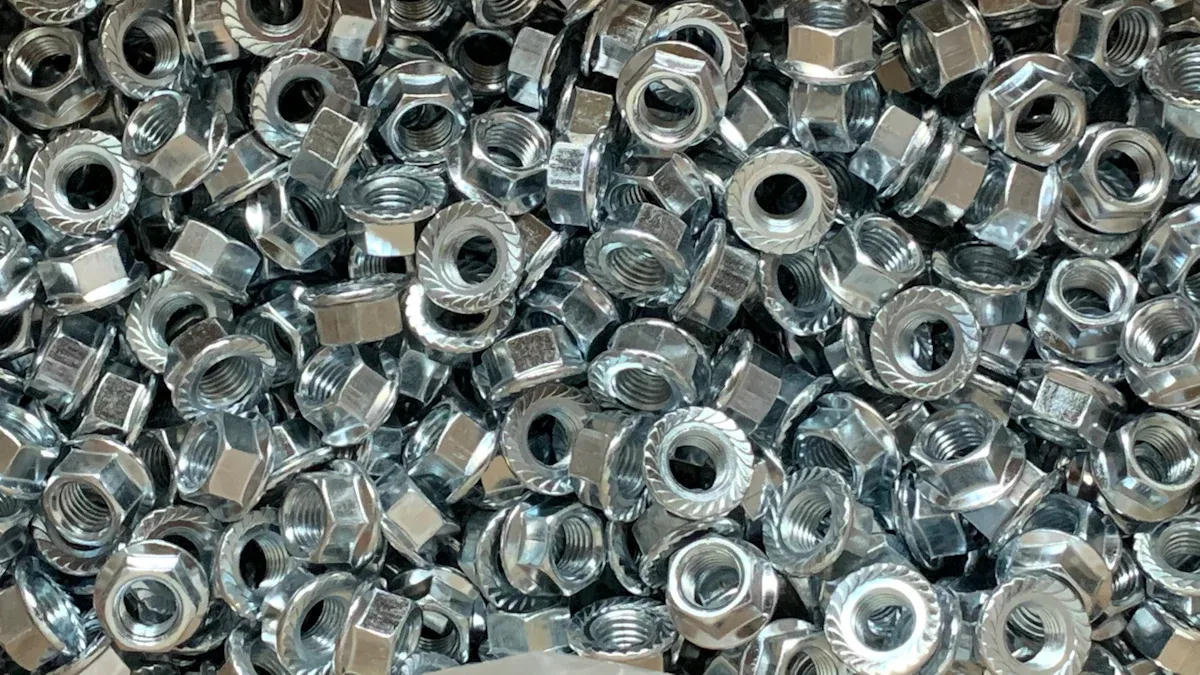
Flange nuts play a vital role in construction and mechanical assembly. These fasteners feature a wide flange at one end, which acts as an integrated washer. The flange increases the bearing surface, helping to distribute pressure more evenly when tightening the nut onto a bolt or threaded rod. This design reduces the risk of damage to the connected surfaces and enhances the stability of the joint.
Flange Design Explained
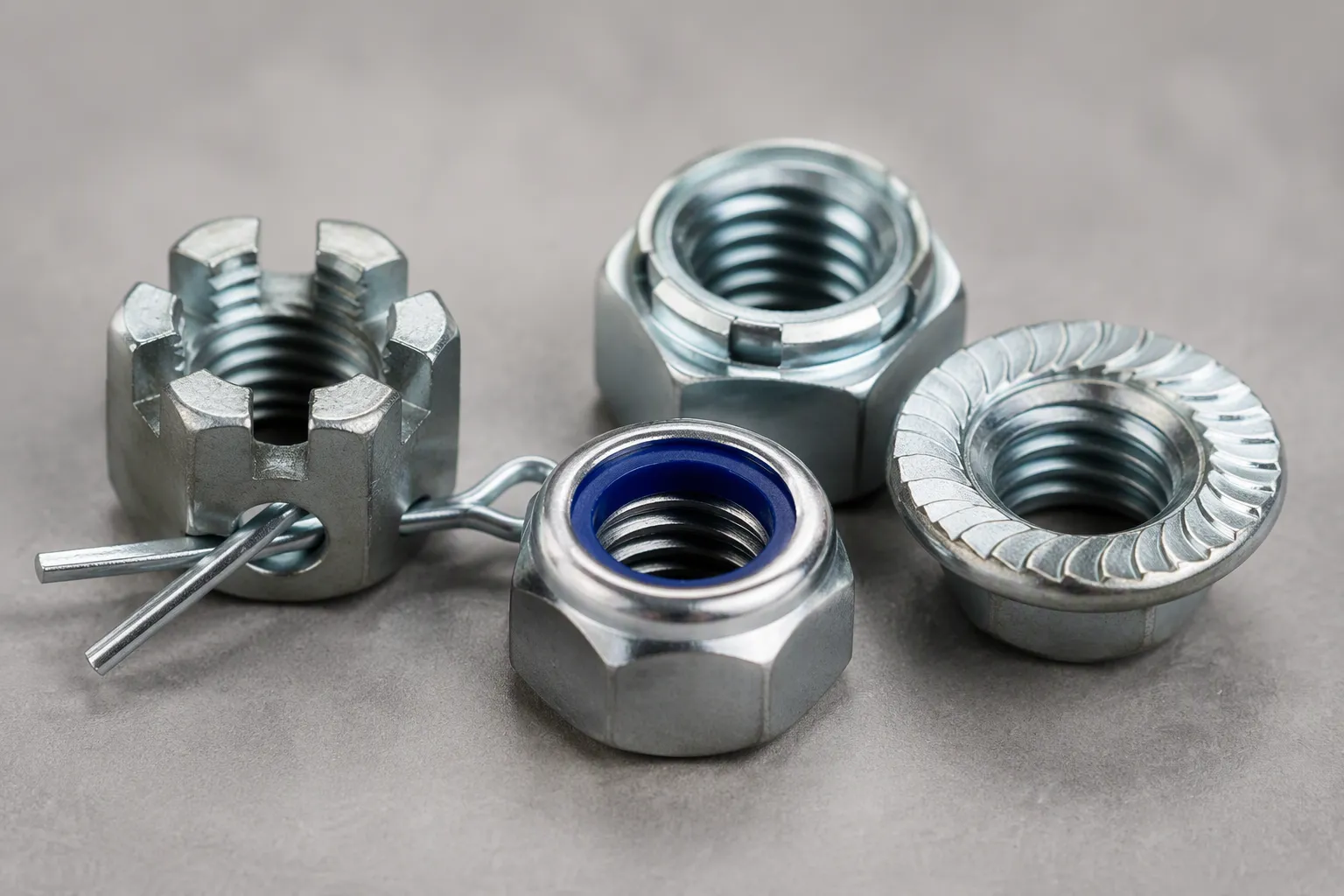
The flange on these nuts extends outward from the base, forming a circular or sometimes hexagonal platform. This platform provides a larger contact area compared to standard nuts. The increased surface area helps prevent the nut from embedding into softer materials and minimizes the risk of loosening due to vibration. Some flange designs include serrations, which grip the mating surface and further resist loosening.
How Flange Nuts Differ from Standard Nuts
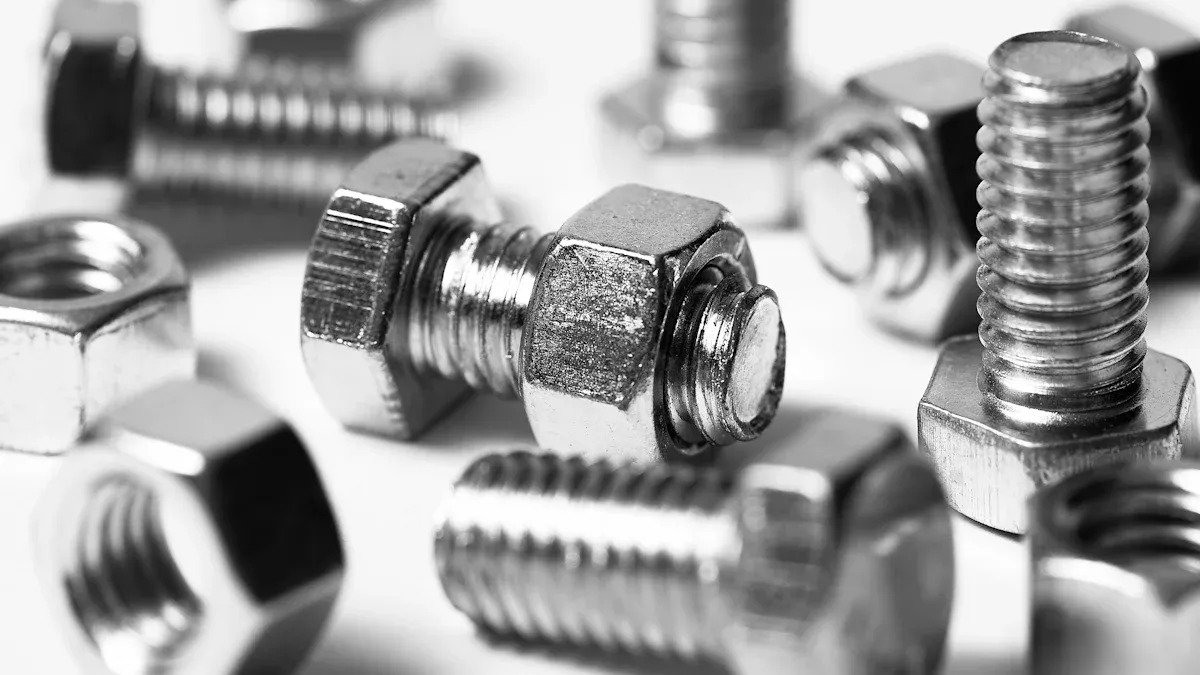
Standard nuts lack the integrated flange. They often require a separate washer to achieve similar load distribution and surface protection. Flange nuts eliminate the need for this extra component, streamlining the assembly process. The built-in flange also offers better resistance to loosening, especially in environments where vibration is a concern.
Types of Flange Nuts
The construction market offers several types of flange nuts, each suited to specific applications. The main categories include flat flange nuts and serrated flange nuts. The table below summarizes these types:
| Type of Flange Nut |
|---|
| Flat Flange Nut |
| Serrated Flange Nut |
Serrated Flange Nuts
Serrated flange nuts feature ridges or serrations on the underside of the flange. These serrations bite into the mating surface, providing a locking action that resists loosening caused by vibration or movement. Serrated flange nuts work well in machinery, automotive, and construction applications where joint security is critical. However, the serrations can scratch or damage softer surfaces.
Non-serrated Flange Nuts
Non-serrated flange nuts have a smooth flange surface. They distribute load evenly without biting into the material. These nuts suit applications where surface protection matters or where repeated assembly and disassembly occur. Non-serrated options are less likely to mar painted or delicate finishes.
Material Options
Manufacturers produce flange nuts from a variety of materials to meet different environmental and strength requirements. Common materials include carbon steel, stainless steel, and brass. Stainless steel flange nuts offer excellent corrosion resistance, making them ideal for outdoor or moisture-prone environments. Carbon steel options provide high strength for structural applications. Brass flange nuts resist corrosion and suit electrical or plumbing installations.
Tip: Selecting the right flange nut material ensures long-term performance and safety in construction projects.
Pros and Cons of Flange Nuts: Advantages
Improved Load Distribution
Spreading Force Over a Larger Area
Flange nuts offer a distinct advantage in construction by distributing force across a wider surface. The integrated flange acts as a washer, spreading the load and reducing the risk of localized stress. This feature helps protect the integrity of the joint, especially when fastening materials prone to deformation. However, laboratory tests reveal that the actual contact area of flange nuts can be smaller than anticipated. These tests show that flange fasteners may lead to higher contact stress, resulting in unpredictable performance. The compressive yield issues observed suggest that bolt tension can decrease by 10-15% during installation. Despite these findings, flange nuts remain a preferred choice for many construction professionals seeking improved load distribution.
Reducing Risk of Damage to Surfaces
The flange design minimizes the chance of the nut embedding into softer materials. By spreading the force, flange nuts help prevent surface damage and maintain the structural integrity of the assembly. This advantage becomes especially important when working with wood, plastic, or other materials that can easily deform under pressure. The pros and cons of using flange nuts depend on the specific application and material involved, but their ability to reduce surface damage stands out as a key benefit.
Ease of Installation
Fewer Parts Needed
Construction teams often favor flange nuts because they eliminate the need for separate washers. The built-in flange streamlines the assembly process, reducing the number of components required. This simplification not only saves time but also decreases the likelihood of missing parts during installation. Workers can focus on securing the joint without searching for additional hardware.
Faster Assembly Times
Flange nuts enhance installation efficiency in construction settings. The protruding rim serves as a built-in washer, providing a larger surface area for load distribution. This design addresses issues with oversized holes, where standard nuts may slip. As a result, flange nuts significantly reduce installation time and improve fastening reliability. Teams can complete projects faster, lowering labor costs and increasing productivity.
Note: Flange nuts offer advantages in both speed and reliability, making them ideal for large-scale construction projects where efficiency matters.
Enhanced Vibration Resistance
Serrated Flange Nuts and Anti-Loosening
Serrated flange nut designs provide superior vibration resistance. The serrated bearing surface grips the joint, preventing loosening caused by movement or vibration. As the nut tightens, the serrations score the mating surface, creating a locking fit. This mechanism ensures that the joint remains secure, even in environments subject to constant motion.
- Serrated flange nut features:
- Serrated bearing surface enhances grip.
- Serrations score the mating surface during tightening.
- Locking fit improves resistance to vibration.
Applications in High-Vibration Environments
Construction sites often expose fasteners to high levels of vibration. Serrated flange nut options excel in these conditions, maintaining joint integrity where standard nuts may fail. Field reports demonstrate that serrated flange nut designs provide more resistance to loosening in high-vibration environments. Professionals rely on these nuts for machinery, structural connections, and equipment subject to frequent movement.
Tip: Serrated flange nut solutions deliver advantages in vibration resistance, making them essential for applications where joint security is critical.
Time and Cost Savings
Reduced Need for Washers
Construction professionals often select flange nuts to streamline assembly. The integrated flange eliminates the need for separate washers. This feature reduces the number of components required for each joint. Workers can assemble connections faster and with fewer mistakes. The simplified process also decreases the risk of missing parts during installation. Teams benefit from improved efficiency and fewer delays.
Lower Labor Costs
Flange nuts contribute to lower labor costs on construction sites. The built-in flange allows workers to secure joints quickly. Fewer steps in the assembly process mean less time spent per connection. Project managers report that crews complete tasks faster when using flange nuts. Reduced installation time translates to lower labor expenses and increased productivity. Companies can allocate resources to other critical areas of the project.
Tip: Choosing flange nuts for large-scale projects can help control labor budgets and improve overall workflow.
Versatility in Applications
Compatibility with Different Materials
Manufacturers design flange nuts for use with a wide range of construction materials. The table below shows common material types and their available strength grades, along with industry standards:
| Material Type | Available Strength Grades | Industry Standards |
|---|---|---|
| Carbon Steel & Mild Steel | Class 4, 5, 8, 10, 12 | ISO 4161, DIN 6923, ASME B18.2 |
| Stainless Steel (Corrosion Resistant) | A2-70 (SS 304), A4-80 (SS 316) | ISO 3506 |
| Alloy Steel (High Tensile Strength) | Class 8, 10, 12 | ISO 7090, DIN 6923 |
Flange nuts perform well with metals such as carbon steel, stainless steel, and alloy steel. These materials meet strict industry standards and offer various strength grades. Construction teams can select the right flange nuts for structural steel, machinery, or corrosion-prone environments. The flexibility in material compatibility makes flange nuts suitable for diverse applications.
Use in Both Temporary and Permanent Structures
Flange nuts adapt to both temporary and permanent construction projects. Workers use them in scaffolding, event setups, and modular structures. The ease of installation and removal supports quick assembly and disassembly. Permanent structures benefit from the secure fastening and load distribution provided by flange nuts. Their versatility ensures reliable performance in a wide range of construction scenarios.
Note: Flange nuts offer practical solutions for projects that require frequent changes or long-term durability.
Sealing Capabilities
Protection Against Moisture and Contaminants
Flange nuts provide sealing capabilities that protect joints from moisture and contaminants. The wide flange covers the area around the bolt hole, creating a barrier against water, dust, and debris. This feature helps maintain the integrity of connections in outdoor or harsh environments. Stainless steel flange nuts offer additional resistance to corrosion, making them ideal for projects exposed to weather or chemicals.
Maintaining Joint Integrity
The sealing effect of flange nuts supports joint integrity over time. By preventing moisture and contaminants from entering the connection, flange nuts reduce the risk of corrosion and material degradation. Construction teams rely on flange nuts to preserve the strength and stability of critical joints. The combination of sealing and load distribution ensures long-lasting performance in demanding conditions.
Callout: Flange nuts help extend the lifespan of construction assemblies by protecting against environmental threats.
Pros and Cons of Flange Nuts: Disadvantages
Potential for Surface Damage
Serrated Flange Nuts and Surface Scratching
Serrated flange nuts often cause surface scratching during installation. The serrations grip the material, but they also leave marks that can compromise the integrity of the joint. Construction workers report scratches and dents as frequent issues. These marks create leak paths that cannot be sealed, leading to sealing failures. The table below summarizes common surface damage issues associated with flange nuts in construction:
| Surface Damage Issue | Description |
|---|---|
| Scratches and dents | These create leak paths that cannot be sealed, leading to sealing failures. |
| Improper cleaning techniques | Using tools like chisels or screwdrivers can damage the flange surface. |
| Dropping or stacking flanges | This can cause physical damage during transport. |
| Improper storage | Lack of protective covers can lead to scratches and dents. |
| Corrosion | Particularly in aggressive environments, leading to crevice corrosion and leakage. |
| Misalignment | Causes uneven seating of gaskets, leading to stress concentration and potential leaks. |
Note: Surface damage not only affects the appearance but also reduces the effectiveness of sealing and increases maintenance needs.
Issues with Soft Materials
Flange nuts present challenges when used with soft materials such as wood or plastic. The flange can embed into these surfaces, causing deformation. Serrated designs increase the risk of surface scratching and material displacement. Construction teams must consider the material type before selecting flange nuts. Soft materials require extra caution to prevent permanent damage and ensure joint stability.
Corrosion Concerns
Exposure to Moisture and Chemicals
Flange nuts face significant risks in environments with moisture and chemicals. Corrosion weakens the fastener and threatens the structural integrity of the assembly. Aggressive environments accelerate the risk of corrosion, leading to crevice corrosion and leakage. Construction projects in coastal, industrial, or chemical settings must address these concerns to maintain safety and durability.
Material Selection for Durability
Selecting the right material for flange nuts maximizes durability in corrosive environments. Stainless steel and specialty alloys offer enhanced resistance. The table below lists recommended materials for flange nuts and their characteristics:
| Flange Material Name | Chemical Composition/Characteristics | Applicable Environment | Application Area |
|---|---|---|---|
| ASTM A182 F304 | Contains 18% chromium and 8% nickel, providing good corrosion resistance and formability. | Typically used for temperatures up to 870°C. | Food processing, chemical, oil, gas, and other industries. |
| ASTM A182 F316 | Contains 16% chromium, 10% nickel, and 2-3% molybdenum, enhancing resistance to chloride corrosion. | High-temperature, seawater, and chloride environments (up to 870°C). | Marine, chemical, pharmaceutical, food processing industries, and environments with high corrosion requirements. |
| Hastelloy C276 | Excellent resistance to corrosion, pitting, and stress corrosion cracking in highly aggressive environments. | Chemical environments, particularly in sulfuric, hydrochloric, and phosphoric acids, and seawater. | Chemical processing, pollution control, aerospace, and marine environments. |
Tip: Choosing the appropriate material reduces maintenance costs and extends the lifespan of nuts in harsh conditions.
Limited Reusability
Wear and Tear on Flange and Serrations
Repeated use of flange nuts leads to wear and tear on the flange and serrations. The locking action of serrated designs degrades over time, reducing their effectiveness. Workers notice that the flange loses its shape and the serrations become blunt. This wear compromises the nut’s ability to resist loosening and maintain a secure joint.
Challenges in Removal and Replacement
Removing flange nuts after extended use presents challenges. The flange may stick to the surface, especially if corrosion has occurred. Serrated designs can damage the mating surface, making replacement difficult. Construction teams often struggle with removal, which increases labor time and costs. Limited reusability stands out as a disadvantage in projects requiring frequent assembly and disassembly.
Callout: Understanding the pros and cons of flange nuts helps construction professionals select the best fastener for each application and avoid unexpected maintenance issues.
Higher Cost Compared to Standard Nuts
Price Differences
Flange nuts typically cost more than standard hex nuts. The added flange increases material usage and manufacturing complexity. Hex nuts remain less expensive because of their simple design and widespread availability. Construction buyers often notice this price gap when sourcing fasteners for large projects. The following points highlight the main cost differences:
- Hex nuts are generally cheaper due to their simpler design and wider availability.
- Flange nuts are more expensive but can lead to long-term savings through quicker installation.
- For short-term cost savings, hex nuts are recommended, while flange nuts may be better for overall efficiency.
Project managers must weigh the upfront expense against potential labor savings. Flange nuts can reduce installation time, which may offset their higher purchase price over the course of a project.
Budget Considerations for Large Projects
Large construction projects require careful budgeting for every component. The higher unit price of flange nuts can significantly impact total fastener costs when purchasing in bulk. Teams must consider both the direct cost of the fastener and the indirect savings from faster assembly. For projects with tight budgets, standard hex nuts may offer a more attractive option. However, when labor costs and installation speed matter, flange nuts can provide better value over time.
Tip: Always evaluate both material and labor costs when selecting fasteners for large-scale construction.
Not Suitable for All Applications
Restrictions in Precision or Aesthetic Projects
Flange nuts do not always meet the requirements of precision or aesthetic-focused projects. The flange can interfere with tight tolerances or create an uneven appearance on exposed surfaces. Architects and engineers often avoid flange nuts in visible or decorative applications. Projects that demand a flush finish or exact alignment may require alternative fasteners.
Compatibility with Specialty Fasteners
Some construction assemblies use specialty fasteners that do not pair well with flange nuts. The flange may obstruct the fit or prevent proper engagement with certain hardware. For example, custom brackets or proprietary systems sometimes require a specific nut profile. In these cases, standard nuts or other specialized options provide a better match.
Note: Always verify compatibility with all components before selecting flange nuts for specialized assemblies.
Locking Limitations
Comparison with Flange Lock Nuts
Flange nuts offer some resistance to loosening, especially when serrated. However, they do not match the performance of a dedicated locking fastener. Flange lock nuts incorporate additional features to prevent loosening under vibration or dynamic loads. The table below compares key characteristics:
| Feature | Flange Lock Nuts | Flange Nuts |
|---|---|---|
| Built-in washer | Yes | No |
| Load distribution | Even | Varies |
| Installation speed | Faster | Standard |
| Resistance to loosening | Good | Varies |
| Risk of surface damage | Yes | No |
| Ideal for soft materials | No | Yes |
Flange lock nuts provide superior locking performance, especially in high-vibration environments. Standard flange nuts may not deliver the same level of security.
Applications Requiring Premium Locking
Certain construction scenarios demand the highest level of joint security. Heavy machinery, structural supports, and safety-critical assemblies often specify a locking fastener. Flange nuts may not suffice in these cases. Engineers typically select flange lock nuts or other advanced locking solutions to ensure reliable performance. Choosing the right fastener protects both the structure and the people who rely on it.
Callout: For applications where joint integrity is non-negotiable, always opt for premium locking solutions rather than standard flange nuts.
Typical Applications of Flange Nuts in Construction
Structural Connections
Steel Framing
Construction teams often use flange nuts in steel framing. The wide flange helps distribute pressure across the steel surface, which reduces the risk of deformation. Workers find that the integrated washer design speeds up assembly and ensures a secure fit. In large steel structures, this feature helps maintain alignment and stability, even when exposed to heavy loads or vibration.
Concrete Anchoring
Flange nuts play a key role in concrete anchoring. When securing bolts into concrete, the flange provides a larger bearing surface. This design minimizes the chance of the nut pulling through or damaging the concrete. Engineers often specify flange nuts for anchor bolts in foundations, columns, and heavy equipment bases. The result is a more reliable and durable connection.
Machinery and Equipment Assembly
Industrial Installations
Industrial environments demand fasteners that can withstand constant use and vibration. Flange nuts meet these requirements by offering both pressure distribution and vibration resistance. The following table highlights important features:
| Feature | Description |
|---|---|
| Design | Flange nuts have a wide, circular flange that acts as an integrated washer. |
| Pressure Distribution | The design helps distribute pressure over a larger surface area, reducing damage risk. |
| Vibration Resistance | Serrations on the flange provide a locking action to prevent loosening from vibrations. |
| Application | Commonly used in machinery and equipment assembly for improved efficiency and reliability. |
Assembly lines often use flange nuts to combine the functions of nuts and washers. This approach increases productivity and reduces the number of parts needed. Workers benefit from faster installation and fewer errors during assembly.
HVAC Systems
Heating, ventilation, and air conditioning (HVAC) systems require secure and stable connections. Flange nuts help maintain tight joints in ductwork, mounting brackets, and equipment housings. The integrated flange prevents loosening caused by vibration from fans and compressors. Maintenance teams appreciate the reliability and ease of installation that flange nuts provide in these demanding settings.
Temporary Structures
Scaffolding
Temporary structures like scaffolding rely on fasteners that offer both strength and quick assembly. Flange nuts excel in this role because their wide flange acts as a built-in washer. This feature distributes the load evenly and helps prevent loosening over time. Workers can assemble and disassemble scaffolding quickly, which improves safety and efficiency on busy construction sites.
Event Setups
Event setups often require temporary frameworks that must remain stable throughout use. Flange nuts provide the necessary load distribution and resistance to loosening. Their design ensures that connections stay tight, even when subjected to movement or repeated assembly. Event crews value the reliability and speed that flange nuts bring to temporary installations.
Tip: Choosing the right fastener for each application ensures both safety and efficiency in construction projects.
Specialized Uses
Electrical Panel Mounting
Flange nuts play a critical role in electrical panel mounting. Electricians rely on these fasteners to secure components such as cables, conduits, and brackets inside panels. The integrated flange provides a stable base, which prevents the nut from loosening in tight spaces. This feature ensures that electrical connections remain secure, even when panels experience vibration or movement.
The flange design distributes pressure evenly across the mounting surface. This reduces the risk of damage to delicate electrical components. Installers often choose flange nuts for their ability to maintain joint integrity without the need for additional washers. The streamlined assembly process saves time and reduces the chance of missing hardware during installation.
A table below highlights the specialized uses of flange nuts in electrical systems:
| Application Area | Description |
|---|---|
| Electrical Systems | Used to secure components like cables and conduits, providing stability in tight spaces. |
Tip: Flange nuts help maintain electrical safety by preventing loose connections that could cause short circuits or equipment failure.
Securing Plumbing Supports
Plumbers frequently use flange nuts to secure supports for pipes and fixtures. These fasteners create strong connections that withstand pressure and temperature changes. The flange presses tightly against the support, forming a seal that helps prevent leaks in high-pressure water systems.
Flange nuts also spread weight evenly across the surface, which protects pipes and fittings from damage. Their design reduces the chance of deformation, especially in areas where pipes experience vibration or shifting. Plumbers value flange nuts for their reliability and ease of installation.
The following table summarizes the specialized uses of flange nuts in plumbing and HVAC systems:
| Application Area | Description |
|---|---|
| Plumbing | Flange nuts are crucial for creating strong connections that can handle pressure and temperature changes. |
| Plumbing Systems | Helps prevent leaks by providing a tight seal, especially in high-pressure water systems. |
| HVAC Systems | Their design spreads weight evenly, preventing damage to pipes and fittings. |
Flange nuts help stop leaks by pressing tightly, reducing the chance of leaks in high-pressure systems. HVAC technicians also use flange nuts to hold parts securely, ensuring they remain tight over time despite vibrations.
Note: Choosing flange nuts for plumbing and HVAC installations improves reliability and reduces maintenance needs.
Factors to Consider Before Choosing Flange Nuts
Project Requirements
Load and Stress Considerations
Construction professionals must evaluate the load type and size before selecting flange nuts. The connection’s strength depends on the nut’s ability to withstand applied forces. Heavy structural loads require nuts with higher tensile strength. Engineers assess whether the joint will experience static or dynamic loads. The table below summarizes key project requirements that influence flange nut selection:
| Requirement Type | Description |
|---|---|
| Load Type and Size | Clarification of the load type and size required for the connection is essential. |
| Environmental Conditions | Consideration of working environment conditions such as temperature, humidity, and corrosiveness. |
| Material and Surface Condition | Assessment of the material and surface condition of the connector is necessary. |
Environmental Conditions
Environmental factors play a critical role in fastener performance. Construction sites often expose nuts to temperature extremes, humidity, and corrosive agents. Flange nuts made from stainless steel or specialty alloys resist corrosion and maintain integrity in harsh conditions. Teams must consider whether the project involves outdoor exposure, chemical contact, or high temperatures. Choosing the right material ensures the joint remains secure throughout the structure’s lifespan.
Material Compatibility
Metal vs. Non-metal Surfaces
Material compatibility affects both performance and longevity. Flange nuts must match the surface material to prevent damage and ensure a tight fit. When pairing a nut with a bolt, engineers verify that the internal thread matches the external thread. Metal surfaces require nuts with high strength, while non-metal surfaces such as wood or plastic need nuts that minimize deformation. Selecting the appropriate flange nut prevents premature wear and maintains joint stability.
Corrosion Resistance Needs
Corrosion resistance is essential for construction projects in challenging environments. The choice of material impacts strength and durability. Stainless steel flange nuts offer superior resistance to moisture and chemicals. In environments with high temperatures or corrosive substances, corrosion-resistant materials extend the lifespan of the fastener. Teams select materials based on environmental conditions to optimize performance and reduce maintenance needs.
Tip: Material compatibility and corrosion resistance directly influence the reliability and longevity of flange nuts in construction.
Cost and Availability
Sourcing Flange Nuts
Supply chain issues can delay deliveries and disrupt project timelines. Construction managers must source flange nuts from reliable suppliers to avoid unexpected shortages. Compliance obligations may increase operational costs, especially when sourcing specialty fasteners. Teams review supplier certifications and inventory levels before placing orders.
Budget Impact
Financial constraints impact fastener selection, particularly for small businesses. Flange nuts often cost more than standard nuts, so project managers must balance quality and budget. Teams evaluate both direct costs and potential savings from faster installation. Compliance requirements and supply chain disruptions may affect overall expenses.
- Supply chain delays
- Compliance obligations
- Financial constraints
Note: Careful planning and supplier selection help control costs and ensure timely delivery of flange nuts for construction projects.
Flange nuts offer notable benefits, including improved load distribution and assembly efficiency, making them ideal for many construction applications. However, their limited reusability and susceptibility to corrosion present challenges. Industry case studies highlight that flange nuts excel in environments demanding vibration resistance and quick installation. Selecting the right fastener depends on assessing project-specific factors such as environmental conditions and material compatibility. Careful evaluation ensures optimal performance and safety.
FAQ
What is the main advantage of using flange nuts in construction?
Flange nuts distribute load across a wider area. This feature reduces surface damage and improves joint stability. Construction teams often choose flange nuts for faster installation and enhanced vibration resistance.
Can flange nuts be reused after removal?
Most flange nuts lose effectiveness after repeated use. Serrated designs wear down, and the flange may deform. Engineers recommend replacing flange nuts to maintain joint integrity and prevent loosening.
Are flange nuts suitable for outdoor environments?
Stainless steel flange nuts resist corrosion and perform well outdoors. Carbon steel options require protective coatings. Teams select materials based on exposure to moisture, chemicals, or extreme temperatures.
Do flange nuts eliminate the need for washers?
Flange nuts feature an integrated washer. This design streamlines assembly and reduces the number of parts. Workers save time and minimize errors during installation.
How do serrated flange nuts prevent loosening?
Serrated flange nuts grip the mating surface. The serrations create a locking action that resists vibration. Machinery and equipment assemblies benefit from this anti-loosening feature.
What materials can flange nuts fasten?
Flange nuts secure metal, wood, and plastic surfaces. Teams select the appropriate nut type to avoid damage. Serrated designs suit metals, while smooth flanges protect softer materials.
Are flange nuts more expensive than standard nuts?
Flange nuts cost more due to their complex design. Project managers weigh higher unit prices against labor savings from faster installation. Large projects may see long-term benefits.
What should teams consider before choosing flange nuts?
Teams assess load requirements, environmental conditions, and material compatibility. Budget and supply chain factors also influence selection. Careful evaluation ensures optimal performance and safety.