Selecting the appropriate u bolt for any project demands careful attention to size, material, load requirements, and environmental conditions. U-bolts play a vital role in many industries, including construction, automotive, plumbing, marine, electrical, and agriculture. Project teams often rely on bolt casting, custom fasteners, and support from a custom fasteners manufacturer to meet specific demands. This complete guide highlights how a well-chosen u bolt improves safety, compatibility, and durability.
- Construction: Secures beams and columns.
- Automotive: Holds axles and leaf springs.
- Plumbing: Stabilizes pipes and conduits.
- Marine: Anchors deck hardware.
- Electrical: Supports conduit systems.
- Agriculture: Fastens machinery components.
Understanding U-Bolts: A Complete Guide
What Is a U-Bolt?
Definition and Basic Structure
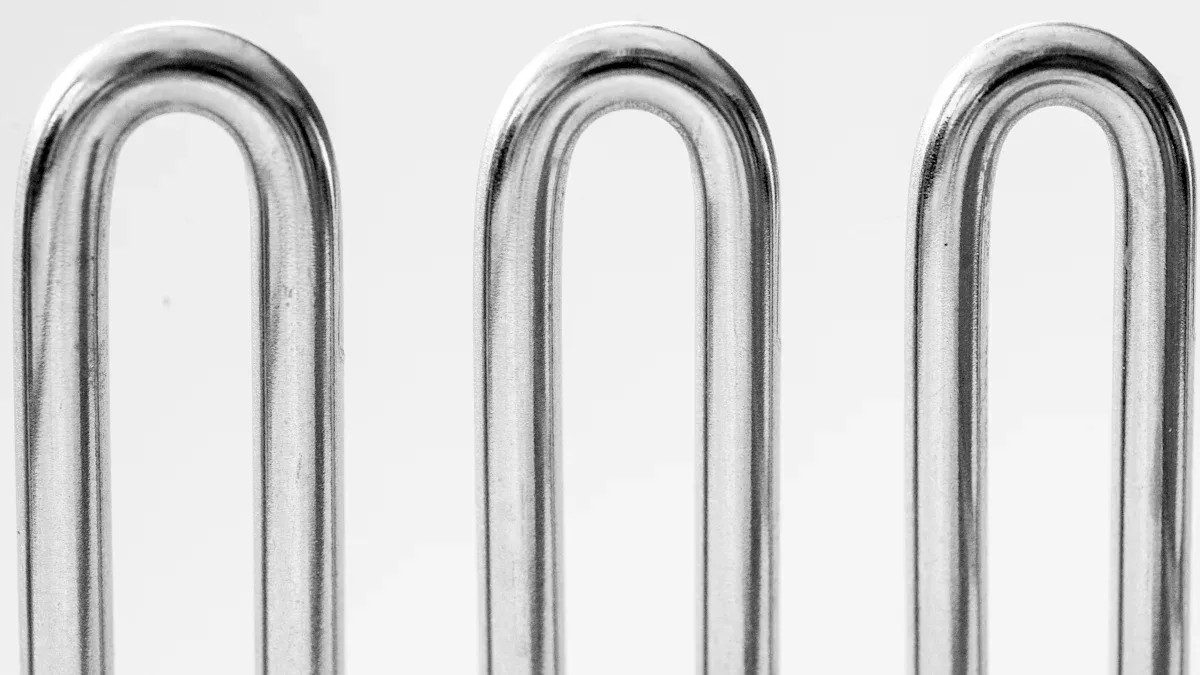
A u-bolt is a versatile fastener with a unique U-shaped design. This shape allows it to fit securely around pipes, tubes, or other cylindrical objects. Both ends of the u-bolt are threaded, which enables secure fastening with nuts and washers. The inner radius of the u-bolt matches the object it holds, providing even clamping pressure and reducing the risk of damage. The table below highlights the key structural features that distinguish u-bolts from other fasteners:
| Feature | Description |
|---|---|
| U-shaped design | U-bolts have a distinctive U-shape that fits around cylindrical objects. |
| Threaded ends | Both ends of the u-bolt are threaded for secure fastening. |
| Inner radius | The inner radius is designed to match the cylindrical object being secured. |
| Even clamping | Provides uniform pressure around the object without causing damage. |
| Applications | Commonly used in plumbing and HVAC systems for securing pipes and tubing. |
Common Uses and Applications
U-bolts serve a wide range of purposes in many industries. Their design makes them ideal for securing and supporting pipes, tubes, and other structural elements. Some of the most common applications include:
- Securing water, heating, and gas pipes
- Suspending cable trays
- Attaching tractor exhaust pipes
In addition, u-bolts play a crucial role in construction, automotive, marine, and agricultural projects. This complete guide will help users understand how to select the right u-bolt for each application.
Types of U-Bolts
Standard U-Bolts
Standard u-bolts feature a classic U-shape and fit most cylindrical objects. They provide reliable support and are available in various materials, such as carbon steel, stainless steel, and galvanized steel. These u-bolts work well in general-purpose applications, especially in dry environments.
Square U-Bolts
Square u-bolts have a flat bottom with sharp corners. This design maximizes stability when securing rectangular or flat surfaces. Square u-bolts are commonly used in agriculture, automotive, plumbing, and heavy-duty industrial applications. The table below compares the mechanical properties and application suitability of round and square u-bolts:
| U-bolt Type | Design Features | Application Suitability |
|---|---|---|
| Round U-bolts | Curved shape designed for cylindrical objects | Provides uniform clamping pressure for pipes |
| Square U-bolts | Flat bottom with sharp corners for rectangular loads | Maximizes stability for flat surfaces |
Round U-Bolts
Round u-bolts are specifically designed for pipes and other cylindrical objects. Their curved shape ensures even pressure distribution, which helps prevent deformation or damage. These u-bolts are widely used in pipe support, marine, industrial machinery, and automotive suspension systems.
Custom U-Bolts
Custom u-bolts are manufactured to meet unique project requirements. They may feature special coatings, materials, or dimensions. Customization ensures compatibility with non-standard shapes or challenging environments. This complete guide recommends consulting with a custom fasteners manufacturer when standard options do not meet project needs.
Tip: Always match the type of u-bolt to the shape and material of the object being secured. This practice improves safety and extends the lifespan of the installation.
This complete guide to u-bolts provides a foundation for selecting the right fastener for any project. The next sections will explore material selection, sizing, and installation best practices.
Choosing the Right U-Bolt: Key Factors
Identifying Project Requirements
Assessing Load and Stress Needs
Engineers must evaluate the demands placed on u-bolts in every project. The process involves understanding the function of the fasteners, the number required for secure connections, and material compatibility. The following table summarizes the primary factors to consider:
| Factor | Description |
|---|---|
| Function | Understanding the specific role of the bolts, whether they are through bolts or threaded holes. |
| Number of Bolts | Determining how many bolts are necessary for a secure connection, considering safety and strength. |
| Material Compatibility | Ensuring the materials of the U-bolts are compatible with the machine and environment. |
Engineers use several methodologies to determine load and stress needs for u-bolt applications. Literature searches help gather existing modeling techniques. Laboratory testing monitors structural behavior and failure modes under different loading directions. Finite element modeling, calibrated with laboratory data, estimates yield and ultimate capacities for u-bolt connections.
| Methodology | Description |
|---|---|
| Literature Search | Conducted to gather existing modeling techniques for U-bolt connections. |
| Laboratory Testing | Performed on two types of specimens to monitor structural behavior and failure modes under different loading directions. |
| Finite Element Modeling | Calibrated using data from laboratory tests to estimate yield and ultimate capacities of U-bolt connections. |
Static vs. Dynamic Loads
Projects often involve either static or dynamic loads. Static loads remain constant over time, such as pipes suspended from ceilings. Dynamic loads fluctuate, as seen in automotive or machinery applications. U-bolts used for securing heavy loads in dynamic environments must possess higher strength and durability. Selecting the right bolt for these conditions ensures safety and prevents premature failure.
Weight and Force Considerations
Weight and force directly impact the choice of u-bolts. Heavy loads require fasteners with higher load ratings and robust construction. Engineers calculate the total weight and expected forces to determine the appropriate size and material. Applications in construction, transportation, and industrial settings often demand precise calculations to avoid overloading and ensure long-term reliability.
Environmental Considerations
Indoor vs. Outdoor Use
Environmental conditions influence the performance and longevity of u-bolts. Indoor applications typically face less exposure to moisture and temperature fluctuations. Outdoor projects must account for weather, UV radiation, and potential chemical exposure. Choosing the right u-bolt for outdoor use often involves selecting materials with enhanced corrosion resistance and strength.
Exposure to Chemicals or Moisture
Moisture, temperature fluctuations, chemical exposure, and UV radiation significantly affect u-bolt performance. Moisture causes corrosion, weakening structural integrity. Extreme temperatures stress bolts, impacting their hold. Hazardous chemicals lead to rapid deterioration, while UV radiation degrades materials and increases the risk of cracking.
- Moisture can cause corrosion, reducing the lifespan of u-bolts.
- Temperature fluctuations may stress fasteners, affecting their ability to secure heavy loads.
- Chemical exposure accelerates deterioration, especially in industrial applications.
- UV radiation can degrade materials, increasing the risk of failure.
For environments with high chemical exposure, stainless steel and titanium u-bolts offer superior corrosion resistance. Stainless steel forms a protective oxide layer, providing strength and durability for heavy loads and vibrations. Titanium delivers exceptional corrosion resistance and a remarkable strength-to-weight ratio, making it suitable for harsh environments. Titanium u-bolts withstand attack from a wide range of chemicals, including chlorides and acids, due to their natural passivation layer.
Compatibility and Safety
Corrosion Risks
Corrosion poses a significant risk to the integrity of u-bolts, especially in outdoor or chemical-rich environments. Selecting materials with high corrosion resistance, such as stainless steel or titanium, extends the lifespan of fasteners and ensures reliable performance in demanding applications.
Galvanic Reactions
Galvanic reactions occur when dissimilar metals come into contact in the presence of an electrolyte, leading to accelerated corrosion. Engineers must ensure material compatibility between u-bolts and the components they secure. Using matching materials or applying protective coatings helps prevent galvanic corrosion in critical infrastructure projects.
Fasteners used in military construction must meet stringent requirements, governed by DFARS, MIL-SPEC, and other standards to ensure durability under extreme conditions. These fasteners are critical for structural integrity and must resist various forms of loading and environmental exposure.
Fasteners for bridge and highway construction must comply with ASTM, SAE, and AASHTO standards. Each shipment includes certification packages to ensure compliance with federal and state requirements.
Compatibility issues often arise during installation. Suspension components may not match the hole patterns of non-DAF parts, leading to improper installation. Using a u-bolt with a non-DAF axle can result in uneven clamping force, risking axle wear and shifting during operation. U-bolts from different brands may have differing dimensions and materials, causing potential component failure.
Selecting the right u-bolt for each project requires careful consideration of load ratings, environmental factors, and compatibility. Engineers must evaluate every aspect to ensure safety, strength, and long-term durability in all applications.
Types of U-Bolts and Material Selection

Material Options for U-Bolts
Selecting the right material for a U-bolt is essential for ensuring performance, safety, and longevity. The most common materials used for u-bolts include stainless steel, galvanized steel, plain carbon steel, and specialty alloys. Each material offers unique properties that suit different environments and load requirements.
Stainless Steel
Stainless steel U-bolts provide excellent corrosion resistance and durability. They perform well in marine, chemical, and outdoor environments where moisture and aggressive ions are present. Stainless steel maintains its strength even when exposed to harsh conditions, making it a preferred choice for critical applications.
Galvanized Steel
Galvanized steel U-bolts feature a protective zinc coating that enhances their resistance to rust and corrosion. These U-bolts are suitable for outdoor use and environments with moderate exposure to moisture. The galvanization process extends the lifespan of the fastener, although it may not match the corrosion resistance of stainless steel in highly aggressive settings.
Plain Carbon Steel
Plain carbon steel U-bolts offer high strength and cost-effectiveness. They are widely used in indoor applications where corrosion is not a primary concern. While they provide robust mechanical properties, they require protective coatings or regular maintenance in environments with moisture or chemicals.
Specialty Materials
Specialty materials, such as alloy steel and bronze, address unique project requirements. Alloy steel U-bolts deliver enhanced strength and toughness, making them suitable for heavy-duty industrial applications. Bronze U-bolts provide good corrosion resistance, especially in marine and electrical settings.
The table below summarizes the most widely used materials for manufacturing U-bolts and their key characteristics:
| Material | Description |
|---|---|
| Stainless Steel | Corrosion-resistant and durable |
| Carbon Steel | Strong and cost-effective |
| Alloy Steel | Enhanced strength and toughness |
| Bronze | Good corrosion resistance |
Matching Material to Application
Choosing the correct material involves evaluating the environment, load, and required lifespan. The materials used for u-bolts must align with the specific demands of each project.
Corrosion Resistance
Corrosion resistance remains a top priority in material selection. Environmental conditions, such as the presence of moisture or chlorides, can lead to pitting and cracking. Material properties, including heat treatment and ductility, influence susceptibility to stress corrosion and embrittlement. Protective measures, such as coatings or inhibitors, help mitigate these risks. Regular inspections and quality control ensure the integrity of fasteners in critical applications.
| Factor | Description |
|---|---|
| Environmental Conditions | Moisture and aggressive ions can reduce yield strength and cause pitting or cracking. |
| Material Properties | Heat treatment and ductility affect resistance to stress corrosion and embrittlement. |
| Protective Measures | Coatings, inhibitors, and inspections help maintain fastener integrity in challenging environments. |
Strength and Durability
Mechanical properties, such as tensile and yield strength, determine the suitability of a U-bolt for specific loads. Stainless steel U-bolts typically offer tensile strengths between 100,000 and 150,000 PSI, while galvanized steel ranges from 38,000 to 62,000 PSI. Yield strength also varies, with stainless steel providing higher values. Matching the U-bolt grade and strength rating to the anticipated load prevents failures and ensures long-term reliability.
| Material | Tensile Strength (PSI) | Yield Strength (PSI) |
|---|---|---|
| Stainless Steel | 100,000-150,000 | 30,000-40,000 |
| Galvanized Steel | 38,000-62,000 | 21,000-31,000 |
Selecting the right U-bolt involves considering criteria such as material, size, load capacity, and protective finishes. These factors ensure the fastener meets the demands of the application and withstands environmental challenges.
| Criteria | Description |
|---|---|
| Material | Choose based on environmental conditions and corrosion resistance requirements. |
| Size and Dimensions | Ensure proper fit and alignment for the intended application. |
| Load Capacity | Match grade and strength rating to anticipated load and stress levels. |
| Coatings and Finishes | Use coatings to enhance corrosion resistance and prolong lifespan in challenging environments. |
Tip: Always match the U-bolt material to the application environment and load requirements to maximize safety and performance.
Determining U-Bolt Size and Dimensions: A Complete Guide
Selecting the correct U-bolt dimensions is essential for safety, performance, and longevity. This section provides a comprehensive overview of key measurements, proper measuring techniques, and best practices for matching load requirements and fit. The u-bolt dimensions and sizing guide below will help engineers and installers achieve optimal results.
Key Measurements for U-Bolts
Accurate measurement ensures that the U-bolt fits the application and supports the intended load. The following dimensions are critical for every installation:
Diameter
Diameter refers to the thickness of the rod forming the U-bolt. This measurement directly affects the strength and load capacity. For example, a 5/8 u-bolt offers higher tensile strength than smaller diameters, making it suitable for heavy-duty applications. Installers should use precision tools, such as digital calipers or micrometers, to measure the diameter accurately.
Inside Width
Inside width measures the distance between the inner sides of the U-bolt legs. This value must match the width of the object or pipe being secured. For a u-bolt pipe clamp, the inside width should closely correspond to the pipe’s outside diameter to ensure a snug fit and prevent movement.
Inside Height (Leg Length)
Inside height, also known as leg length, is the straight portion of the U-bolt extending from the curve to the end of the thread. This measurement determines how deeply the U-bolt penetrates the mounting surface. Adequate leg length ensures full engagement with washers and nuts, providing secure clamping.
Thread Length
Thread length is the portion of the U-bolt that is threaded to accommodate nuts and washers. Industry standards specify that for mild steel U-bolts with a diameter of 1 inch or less, threads should start at least 1 inch beyond the radius of the bend. For larger diameters or high-strength steel, threads should begin at least 1 inch beyond the diameter of the bend. Proper thread length guarantees secure fastening and prevents loosening under load.
The table below summarizes the standard key measurements for selecting a U-bolt for pipe support:
| Measurement | Description |
|---|---|
| Inside Diameter (ID) | Measure from the inner edge of one leg to the other, matching the pipe’s outside diameter. |
| Thread Length | The length of the threaded portion where nuts are secured, ensuring full engagement. |
| Leg Length | The vertical portion from the curve to the end of the thread, determining depth into the mounting surface. |
How to Measure for a U-Bolt
Accurate measurement is crucial for proper fit and function. The following procedures outline the recommended steps for measuring pipes, tubing, and flat surfaces:
Measuring Pipes and Tubing
- Measure the outside diameter of the pipe or tube using a tape measure or caliper.
- Select a U-bolt with an inside width that matches the pipe’s outside diameter.
- Determine the required leg length by measuring the thickness of the mounting surface and any additional hardware.
- Check the thread length to ensure it accommodates washers and nuts for secure fastening.
- Consider the load requirements and select a larger diameter, such as a 5/8 u-bolt, for high-load or vibration-prone applications.
Measuring Flat Surfaces
- Measure the width of the object or surface to be clamped.
- Choose a U-bolt with an inside width equal to or slightly larger than the measured width.
- Measure the required leg length to ensure the U-bolt passes through the object and mounting surface.
- Verify the thread length for proper engagement with nuts and washers.
- For a u-bolt pipe clamp on flat surfaces, ensure the U-bolt provides even pressure without deforming the material.
The table below lists the most accurate tools for measuring U-bolt dimensions in field conditions:
| Tool Type | Pros | Cons |
|---|---|---|
| Vernier Calipers | High precision, versatile | Requires skill, manual reading errors |
| Micrometer | Extremely high precision | Limited versatility, requires skill |
| Tape Measure | Easy to use, portable | Limited precision for small dimensions |
| Digital Calipers | High precision, easy digital readout | Battery dependency, higher cost |
| U-Bolt Measurement Gauges | User-friendly, consistent measurements | Limited to specific U-bolt sizes, costly |
Tip: Always double-check measurements before ordering or installing U-bolts. Accurate sizing prevents installation errors and ensures long-term reliability.
Sizing for Load and Fit
Proper u-bolt sizing involves more than matching dimensions. Engineers must consider load ratings, safety margins, and fit to ensure safe and effective performance.
Load Ratings and Safety Margins
The load-carrying capacity depends on both material and size. For example, a 5/8 u-bolt made from high-strength steel can handle significant tensile forces, often reaching 90,000 PSI. Engineers assess all forces, including shock and cyclic fatigue, to determine the necessary capacity. In some cases, selecting a larger diameter proves more cost-effective than using a smaller, heat-treated alloy. Material hardness and compatibility between the bolt and nut also play a critical role in maintaining integrity under load.
- The load-carrying capacity is a key factor in material selection.
- Torque requirements during assembly may require a higher material grade than the load alone.
- Always verify that the selected U-bolt meets or exceeds the anticipated load with an appropriate safety margin.
Ensuring Proper Fit
A proper fit ensures that the U-bolt pipe clamp secures the object without causing deformation or slippage. Installers should confirm that the inside width matches the object’s diameter or width and that the leg length allows for full engagement with the mounting surface. For a 5/8 u-bolt, precise fitment is especially important in high-stress environments, such as automotive or structural applications.
The following checklist summarizes the steps for achieving the correct fit:
- Confirm all measurements using accurate tools.
- Match inside width and leg length to the application.
- Ensure thread length accommodates all hardware.
- Select the appropriate diameter for the load and environment.
Note: Following these guidelines for u-bolt sizing reduces the risk of failure and extends the service life of the installation.
This section provides a detailed reference for selecting and measuring U-bolt sizes. For more information, consult the u-bolt dimensions and sizing guide or contact a fastener specialist.
Installation Best Practices for U-Bolts
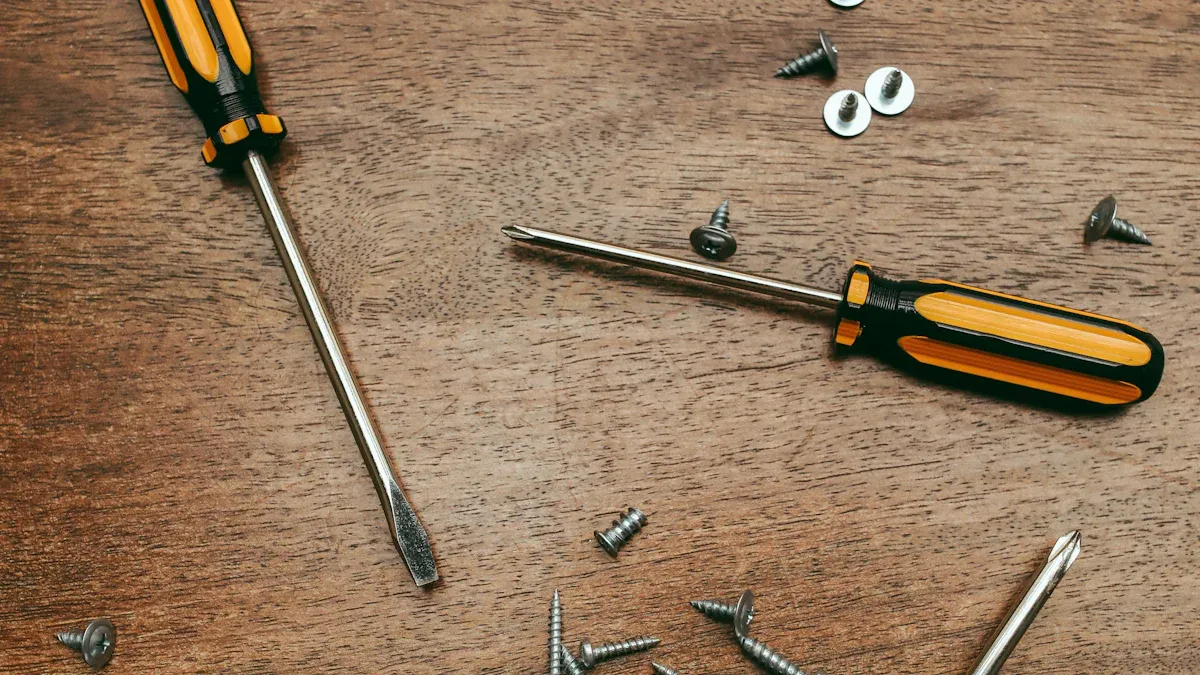
Proper installation ensures U-bolts deliver reliable performance and long-term safety. This installation guide outlines essential steps, from preparation to maintenance, to help teams avoid common mistakes and achieve secure assemblies.
Preparing for U-Bolt Installation
Tools and Equipment Needed
Installers should gather all necessary tools before starting the installation. The most important tools include:
- Torque wrench for precise tightening
- Socket set or spanners that match the U-bolt nuts
- Wire brush or abrasive pad for cleaning surfaces
- Measuring tape or calipers for verifying dimensions
- Protective gloves and safety glasses
Using the correct tools prevents damage to fasteners and ensures a complete, secure assembly.
Pre-Installation Checks
Before installation, teams must inspect all surfaces and components. Surfaces should be clean and free from debris, dirt, or corrosion. Removing contaminants helps the U-bolt seat properly and prevents premature failure. Checking for correct dimensions and verifying that all parts match the application reduces the risk of fitment issues.
Tip: Clean surfaces thoroughly before installation. Dirt and corrosion can weaken the connection and reduce the effectiveness of the U-bolt.
Proper Installation Techniques
Tightening Sequence
Installers should follow a cross-pattern tightening sequence when securing U-bolts with multiple nuts. This method distributes clamping force evenly and prevents distortion. Tighten each nut incrementally, alternating sides, until reaching the specified torque.
Avoiding Over-Tightening
Over-tightening or under-tightening U-bolts can cause weak joints or damaged fasteners. The table below highlights common mistakes and how to avoid them:
| Mistake | Description | How to Avoid |
|---|---|---|
| Using the Wrong Tools for Installation | Improper tools can damage fasteners or cause loose joints | Use correct tools, such as torque wrenches, for proper installation |
| Over-Tightening or Under-Tightening | Can cause weak joints or damaged fasteners | Follow manufacturer specifications and use a torque wrench |
| Ignoring Environmental Factors | Can lead to fastener failure | Choose materials suitable for the environment and resist corrosion |
Always use a torque wrench and follow manufacturer recommendations to achieve the correct clamping force.
Safety Tips for U-Bolt Installation
Inspecting for Damage or Wear
Regular inspections help maintain safety and prevent unexpected failures. Teams should:
- Perform visual checks for signs of wear, cracks, or corrosion
- Use a wrench to test for movement or instability
- Tap the U-bolt to detect internal cracks
- Consider advanced methods like ultrasonic or magnetic particle inspection for critical applications
- Apply load testing to assess the bolt’s capacity if needed
Regular Maintenance
A maintenance schedule extends the life of U-bolts and ensures ongoing safety. Best practices include:
- Conducting routine inspections for damage or corrosion
- Replacing any U-bolts showing signs of cracks or bending
- Applying rust-inhibiting lubricants and cleaning U-bolts regularly
- Upgrading to high-quality U-bolts for heavy loads
- Staying informed about installation tips and best practices through professional resources
Note: Consistent maintenance and inspection routines help prevent accidents and keep installations secure.
This installation guide provides a foundation for safe and effective U-bolt assemblies. Following these steps reduces risk and supports long-term reliability.
Troubleshooting U-Bolt Issues: A Complete Guide
Dealing with Corrosion
Corrosion remains one of the most persistent challenges in U-bolt applications. Engineers often encounter corrosion due to differences in corrosion potential, mixed materials that trigger galvanic reactions, and damage to protective coatings during assembly. Crevices between components, especially under washers and bolt heads, also promote crevice corrosion. These factors can compromise the integrity of the fastener and shorten its lifespan.
- Differences in corrosion potential between metals.
- Mixed materials causing galvanic corrosion.
- Damage to coatings during installation.
- Crevices formed between U-bolt components.
- Crevice corrosion under washers and bolt heads.
Mitigation strategies require a proactive approach. Design teams should select compatible materials and apply protective coatings during the planning phase. Routine cleaning and recoating of affected areas help, but rarely eliminate the problem entirely. Ignoring corrosion leads to ongoing issues and potential structural failures.
Tip: Factor corrosion resistance into the design process. Select U-bolts with appropriate coatings and compatible materials to minimize future maintenance.
Addressing Fitment Problems
Fitment problems can disrupt installation and reduce the effectiveness of U-bolts. Misalignment, uneven load distribution, and improper clamping force often cause these issues. Installers should check that U-bolts align parallel to the object being secured. The load must distribute evenly across both arms to prevent stress concentrations. Using a torque wrench ensures that each fastener receives the correct clamping force according to manufacturer guidelines.
Troubleshooting Steps for Fitment Issues:
- Check alignment of U-bolts with the secured object.
- Distribute load evenly across both arms.
- Verify clamping force using a torque wrench.
A systematic approach to fitment problems improves safety and extends the service life of the installation. Teams should always confirm measurements and alignment before final tightening.
Preventing Loosening and Failure
High-vibration environments, such as automotive or industrial machinery, increase the risk of U-bolt loosening and failure. Selecting the proper bolt material, grade, and thread type for the application forms the foundation of reliability. Locking devices, including lock washers and thread patches, add security and prevent nuts from backing off. Installers must tighten U-bolts to the specified torque values provided by the manufacturer to maintain integrity.
Best Practices for Preventing Loosening:
- Select the correct U-bolt material, grade, and thread type.
- Use locking devices like lock washers or thread patches.
- Tighten bolts to manufacturer-specified torque.
- Conduct regular inspections and maintenance.
Routine inspections identify loosened or damaged bolts before they cause failures. Maintenance schedules should include checks for proper torque, signs of wear, and replacement of compromised fasteners.
Regular maintenance and proper installation techniques ensure U-bolts remain secure, even in demanding environments.
Quick-Reference Checklist for Choosing the Right U-Bolt
Selecting the right U-bolt for any project requires a systematic approach. This checklist provides a practical reference for engineers, installers, and project managers. Each step ensures that the chosen U-bolt meets safety, compatibility, and performance standards.
Application Requirements
Before selecting a U-bolt, teams must define the specific needs of the project. The following points help clarify the application requirements:
- Identify the object to be secured: Determine if the U-bolt will clamp pipes, tubes, beams, or machinery components.
- Assess load type: Decide if the load is static or dynamic. Dynamic loads require U-bolts with higher strength and fatigue resistance.
- Evaluate environmental exposure: Consider if the installation will face moisture, chemicals, or extreme temperatures.
- Review industry standards: Check if the project must comply with ASTM, SAE, MIL-SPEC, or other regulations.
Tip: Teams should document all application requirements before moving to material selection. This practice reduces the risk of choosing incompatible fasteners.
Material Selection
Material choice directly affects the U-bolt’s durability and performance. The following table summarizes common materials and their recommended uses:
| Material | Best For | Key Properties |
|---|---|---|
| Stainless Steel | Marine, chemical, outdoor | High corrosion resistance |
| Galvanized Steel | Outdoor, moderate moisture | Rust protection, cost-effective |
| Carbon Steel | Indoor, low-corrosion environments | High strength, economical |
| Alloy Steel | Heavy-duty, industrial | Enhanced toughness |
| Bronze | Marine, electrical | Good corrosion resistance |
- Match material to environment: Use stainless steel or bronze for corrosive settings. Select galvanized steel for moderate outdoor exposure.
- Consider mechanical properties: Choose alloy steel for heavy loads. Carbon steel suits low-corrosion, high-strength needs.
- Verify compatibility: Ensure the U-bolt material does not react with the object or mounting surface.
Note: Material selection impacts both safety and maintenance costs. Teams should consult with fastener specialists for unique environments.
Size and Fit
Accurate sizing guarantees secure installation and long-term reliability. Use the following checklist to confirm proper fit:
- Measure the object’s diameter or width: Use calipers or tape measures for precision.
- Select appropriate U-bolt diameter: Larger diameters support heavier loads.
- Check inside width and leg length: Ensure the U-bolt fits snugly without deforming the object.
- Verify thread length: Confirm enough threads for washers and nuts.
- Review load ratings: Choose U-bolts with safety margins above the expected load.
| Measurement | What to Check |
|---|---|
| Diameter | Matches load and strength needs |
| Inside Width | Fits object securely |
| Leg Length | Allows full engagement |
| Thread Length | Accommodates hardware |
Teams should double-check all measurements before ordering. Proper sizing prevents installation errors and ensures safety.
By following this checklist, project teams can select U-bolts that deliver optimal performance and reliability in any application.
Installation and Safety
Proper installation and safety practices ensure that U-bolts perform reliably and protect both equipment and personnel. Teams that follow a systematic approach during installation reduce the risk of failure and extend the lifespan of the fastener.
Key Steps for Safe U-Bolt Installation:
Inspect All Components:
Teams should examine U-bolts, nuts, and washers for visible defects, rust, or deformation before use. Damaged hardware can compromise the entire assembly.Clean Contact Surfaces:
Clean all surfaces where the U-bolt will make contact. Remove dirt, oil, and corrosion with a wire brush or solvent. Clean surfaces help achieve a secure fit and prevent slippage.Align the U-Bolt Correctly:
Position the U-bolt so that both legs are parallel and evenly spaced around the object. Misalignment can cause uneven pressure and lead to premature wear.Hand-Tighten Nuts First:
Start by tightening nuts by hand. This step ensures that the U-bolt seats properly and that the load distributes evenly.Use a Torque Wrench:
Tighten nuts to the manufacturer’s recommended torque using a calibrated torque wrench. Apply torque in small increments, alternating sides to maintain even pressure.Check for Proper Fit:
Confirm that the U-bolt holds the object securely without causing deformation. The assembly should not shift or rattle under normal conditions.
Tip: Always refer to the manufacturer’s installation instructions. Following these guidelines helps prevent over-tightening or under-tightening, which can lead to joint failure.
Safety Best Practices Table
| Practice | Why It Matters |
|---|---|
| Wear PPE | Protects hands and eyes from injury |
| Use Correct Tools | Prevents damage to fasteners and equipment |
| Follow Torque Specs | Ensures optimal clamping force |
| Inspect Regularly | Detects early signs of wear or loosening |
| Replace Damaged Hardware | Maintains structural integrity |
Ongoing Safety Measures:
- Schedule routine inspections for all U-bolt assemblies.
- Replace any U-bolt that shows signs of corrosion, bending, or thread damage.
- Apply anti-seize lubricant to threads in corrosive environments.
- Record installation dates and inspection results for future reference.
Note: Consistent attention to installation and safety not only protects equipment but also safeguards workers. Teams that prioritize these steps help prevent costly downtime and accidents.
By following these installation and safety guidelines, project teams can ensure that U-bolts deliver reliable performance in any application. 🛠️
Selecting the right U-bolt requires careful attention to size, material, load, and environmental conditions. Project teams improve safety and durability when they follow these guidelines. The benefits of using u-bolts include reliable performance and long-term protection for equipment.
- Review the checklist before every installation.
Consistent evaluation ensures each U-bolt matches project requirements and industry standards.
FAQ
What is the most important factor when selecting a U-bolt grade?
Engineers consider the grade first because it determines strength and durability. The grade affects load capacity and resistance to environmental stress. Selecting the correct grade ensures safety and long-term reliability in every application.
How does grade impact corrosion resistance in U-bolts?
The grade influences the material’s ability to withstand corrosion. Higher grade stainless steel offers superior resistance to moisture and chemicals. Lower grade carbon steel requires protective coatings to prevent rust. Choosing the right grade protects installations in harsh environments.
Can installers use any grade of U-bolt for heavy-duty projects?
Installers must match the grade to the project’s load requirements. Heavy-duty applications demand a high grade for maximum strength. Using a lower grade increases the risk of failure. Always verify the grade before installation to ensure safety.
Why do manufacturers specify grade for U-bolt pipe clamps?
Manufacturers specify the grade to guarantee performance under specific conditions. The grade determines tensile strength, yield strength, and fatigue resistance. Proper grade selection prevents deformation and maintains secure clamping in pipe support systems.
How does grade affect the lifespan of a U-bolt?
A higher grade extends the lifespan by resisting wear, corrosion, and fatigue. Lower grade fasteners may fail sooner in demanding environments. Engineers select the grade based on expected service life and maintenance schedules.
What grade should be used for marine applications?
Marine environments require a grade with high corrosion resistance. Stainless steel grade 316 is preferred for saltwater exposure. This grade withstands aggressive ions and prevents pitting, ensuring reliable performance in marine hardware.
Is grade important for compliance with industry standards?
Industry standards often mandate a specific grade for safety and reliability. Construction, automotive, and military projects require grade certification. Using the correct grade ensures compliance with ASTM, SAE, or MIL-SPEC regulations.
How can teams identify the grade of a U-bolt during inspection?
Teams check the grade by reading markings on the U-bolt or reviewing manufacturer documentation. The grade appears as a number or code stamped on the fastener. Accurate identification helps teams replace or maintain U-bolts according to project requirements.
Tip: Always confirm the grade before ordering or installing U-bolts. This practice prevents costly errors and ensures compatibility with project specifications.
| Grade Type | Recommended Use | Key Benefit |
|---|---|---|
| Low grade | Light-duty, indoor | Cost-effective |
| Medium grade | General purpose | Balanced strength |
| High grade | Heavy-duty, outdoor, marine | Maximum durability |