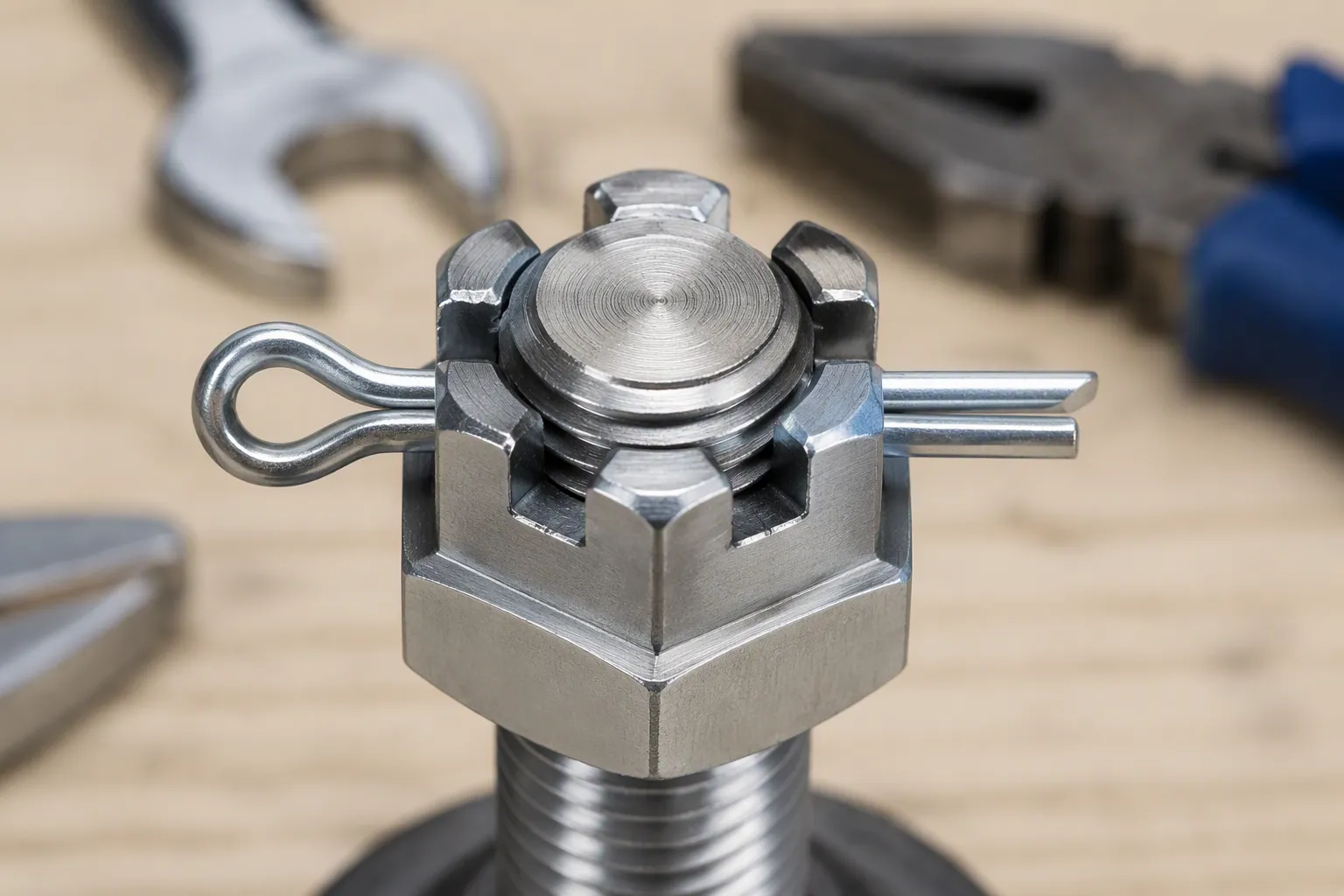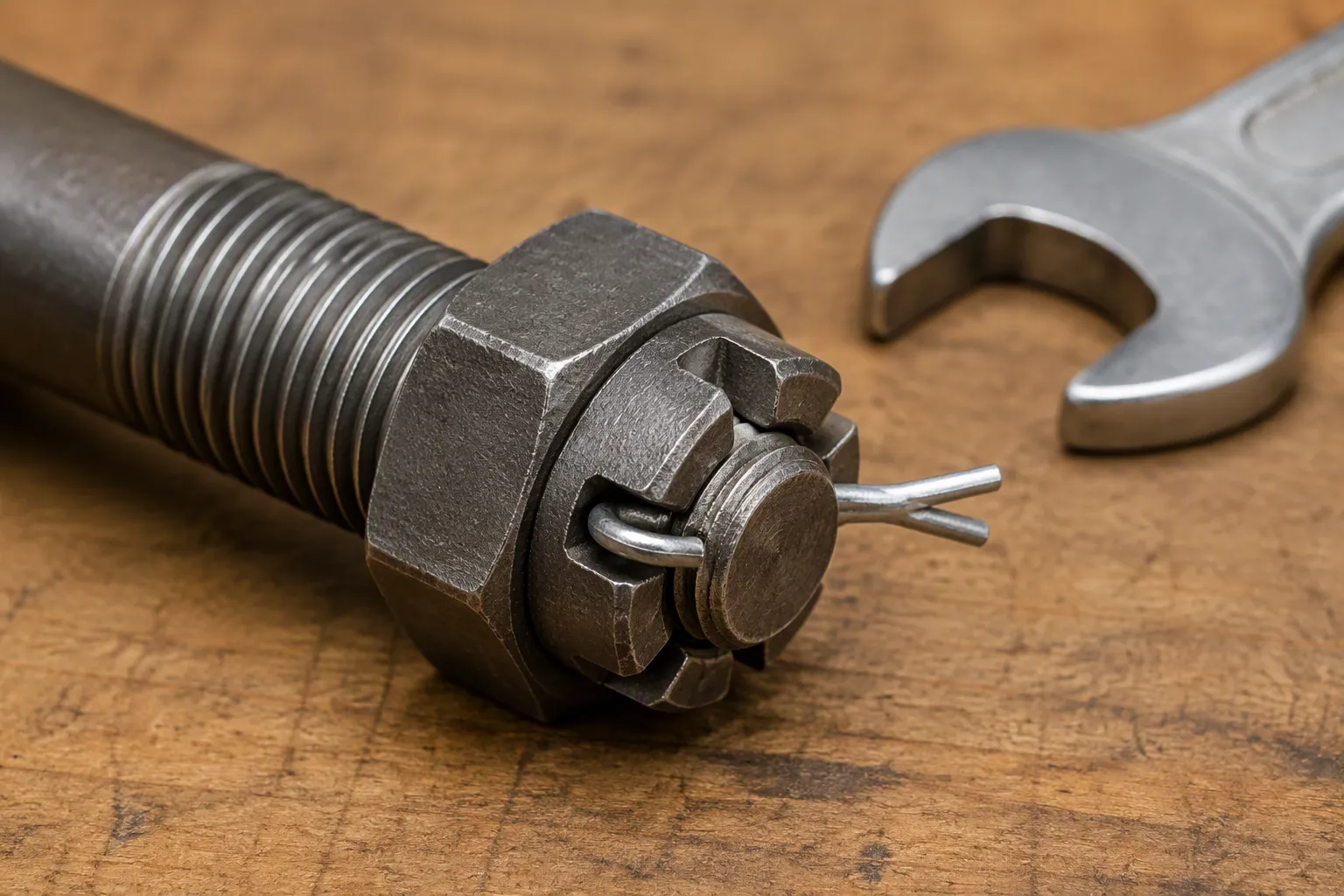
An extractor is a specialized fastener removal tool. Technicians use it to remove a broken or stripped bolt. This situation often happens when a bolt head rounds off. It also occurs when a bolt shaft snaps below the surface. A quality bolt extractor set is essential for these repairs.
Note: While “bolt extractors” and “screw extractors” are often used interchangeably, they can refer to different tools designed for specific damage types. Bolt extractors typically grip the outside of a damaged head, while screw extractors bite into a drilled hole in a broken bolt shaft.
This quick reference chart helps match common extractor sizes to the damaged bolt. It is a starting point for selecting the correct size from your set. A custom fasteners manufacturer may have unique head sizes, requiring careful measurement. Proper screw extractor sizes are critical for successful removal. The extractor must have enough material to grip without breaking the bolt casting of the set bolt. This set of custom fasteners requires a specific extractor.
| Damaged Bolt/Screw Diameter | Recommended Extractor Size | Recommended Drill Bit Size |
|---|---|---|
| 1/4″ (6mm) | #1 or #2 | 5/64″ (2mm) |
| 5/16″ (8mm) | #3 | 1/8″ (3mm) |
| 3/8″ (10mm) | #4 | 5/32″ (4mm) |
| 1/2″ (12mm) | #5 | 1/4″ (6.5mm) |
| 5/8″ (16mm) | #6 | 13/32″ (10mm) |
A Closer Look at Bolt Extractor Types and Their Uses
Choosing the right tool is the first step toward a successful repair. Different types of damage require a specific style of extractor. A technician must understand how each type functions to select the correct tool for the job. A complete extractor set provides options for various scenarios.
Spiral Flute Extractors (Easy-Outs)
Spiral flute extractors are one of the most common designs available. They are easily recognizable by their tapered shape and aggressive, left-handed spiral threads.
How They Work: The Reverse Thread Principle
A technician first drills a pilot hole into the center of the broken bolt. The spiral extractor is then inserted and turned counter-clockwise. As the extractor threads itself into the pilot hole, its reverse threads bite deeper and deeper. This gripping force eventually overcomes the resistance, unscrewing the damaged bolt from its hole.
Best For: Soft to Medium-Hardness Bolts
This extractor design works exceptionally well on common bolts made from softer metals. The aggressive spiral can sometimes expand the bolt shaft, making it tighter in the hole. This makes it less ideal for hardened or brittle fasteners.
Common Sizes and Applications
These tools come in a set with multiple sizes, each corresponding to a specific range of bolt diameters. A smaller extractor is used for a small-diameter bolt, while a larger extractor handles a bigger bolt.
Straight Flute (Multi-Spline) Screw Extractors
Straight flute, or multi-spline, screw extractors offer a different approach. They feature vertical flutes or splines along the length of the tool instead of a tapered spiral.
How They Work: Gripping with Splines
People often ask, “how do screw extractors work when they are not threaded?” The answer lies in friction and leverage. A technician taps the extractor into the drilled pilot hole. The straight splines wedge firmly against the sides of the hole. Turning the extractor creates a powerful, non-expanding grip that can break free a stubborn bolt.
Best For: Hardened or High-Torque Bolts
The Proto 5-Piece Screw Extractor Set, featuring straight tapered flutes, is designed for demanding industrial applications. Professionals consider it a top choice for its uncompromising strength. This design is superior for high-torque fasteners or hardened metal where a spiral extractor might break.
Common Sizes and Applications
This extractor style is essential for many fields. Common uses for these screw extractors include:
- Maintenance and Repair: A vital tool for automotive, machinery, and general workshop application needs.
- Industrial Settings: Ideal for manufacturing, construction, and heavy equipment repair.
- Restoration Projects: Helps remove rusted fasteners without damaging surrounding parts.
Bolt and Stud Extractors (Socket-Style)
This type of extractor works on the outside of a fastener, not the inside. It looks like a standard socket but has internal helical flutes designed to grip.
How They Work: External Gripping Power
A technician places the correct size extractor over a rounded or damaged bolt head. Turning the tool counter-clockwise with a ratchet causes the internal flutes to bite into the head. The more torque applied, the harder the extractor grips the bolt.
Best For: Rounded, Rusted, or Painted Bolt Heads
This is the go-to tool when the bolt head is still accessible but is too damaged for a standard wrench or socket. The design provides a powerful grip on rounded, rusted, or even painted-over heads.
Common Sizes and Applications
This extractor set typically comes in common metric and SAE socket sizes. A technician can easily find the right size to match the damaged fastener, making them a versatile and user-friendly option.
Pound-in or Tapered Square Extractors
Pound-in extractors, also known as tapered square extractors, provide a straightforward solution for a specific type of fastener failure. Their design is simple yet highly effective, featuring a four-sided, tapered point that creates a new gripping surface. This extractor type is a valuable addition to any comprehensive tool set.
How They Work: A Simple, Aggressive Bite
The operation of a tapered square extractor is direct and requires force. A technician selects an extractor with a point slightly larger than the stripped internal drive of the screw or bolt. The technician then uses a hammer to drive the extractor’s sharp, square point firmly into the damaged recess. The hardened corners of the tool cut into the fastener’s soft metal. This action creates a secure, temporary square head. The technician can then attach a wrench or locking pliers to the square shank of the extractor and turn it counter-clockwise to remove the stuck bolt. This method is often a last resort before drilling becomes necessary.
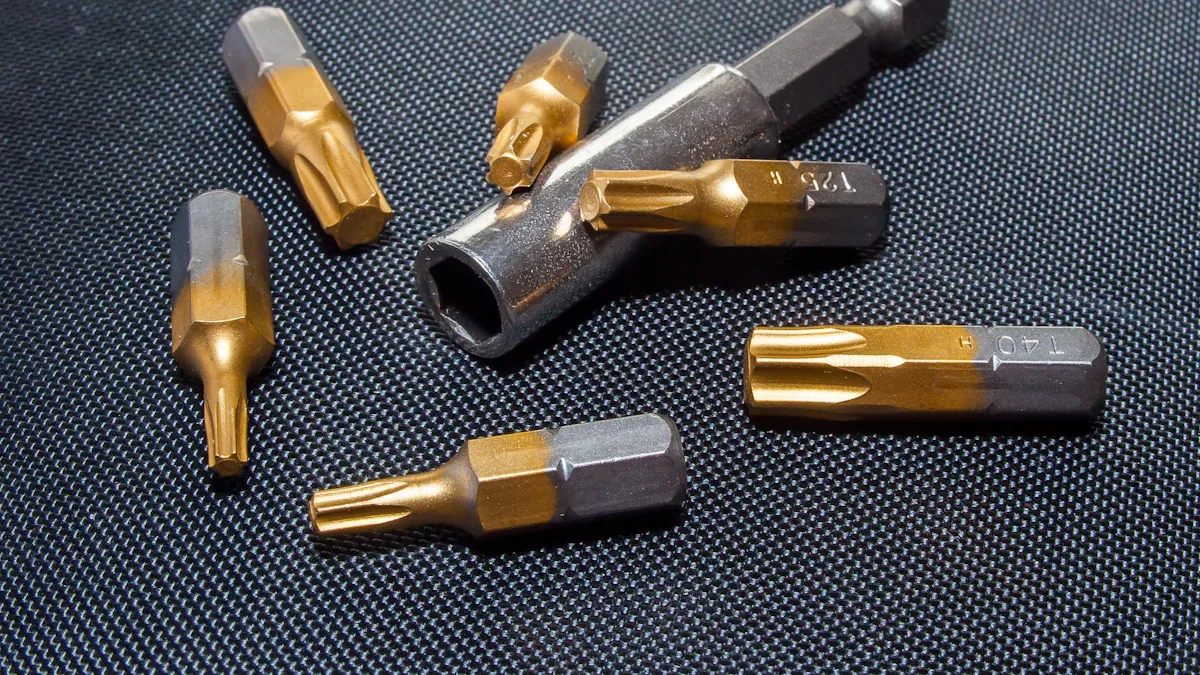
Best For: Stripped Allen or Torx Screws
This extractor excels where others cannot. It is the ideal tool for removing fasteners with stripped internal drives, such as Allen (hex) or Torx screws. A key advantage is that this process does not require drilling a pilot hole, which saves time and reduces the risk of damaging threads.
Pro Tip: When striking the extractor, use firm, square blows with the hammer. This ensures the tool seats deeply and evenly, maximizing its grip and preventing it from slipping or causing further damage to the bolt.
The tool’s material and hardness are critical for this aggressive application. The extractor must be significantly harder than the fastener it is removing.
| Specification | Detail |
|---|---|
| Material | CR-V 6150 steel |
| Steel Hardness | HRC50-52 |
This robust construction ensures the extractor can withstand repeated hammer impacts without deforming or breaking.
Common Sizes and Applications
These tools are available in various sizes, designed to correspond with standard Allen and Torx key dimensions. A typical kit includes multiple sizes to handle a wide range of small to medium fasteners. Technicians commonly use them in:
- Bicycle and motorcycle repair
- Furniture assembly and disassembly
- Machinery maintenance
- Automotive interior and trim work
Choosing the correct size is crucial for success. The point must be large enough to bite into fresh metal but not so large that it splits the head of the fastener.
How to Use a Bolt Extractor: A Step-by-Step Guide
Knowing the theory behind extractors is only half the battle. A technician’s success depends on a methodical approach and the correct application of tools. This guide breaks down the process into manageable steps, from initial preparation to the critical drilling phase. Following these instructions carefully is the key to understanding how to use a screw extractor effectively.
Gathering Your Essential Tools and Safety Gear
A successful extraction begins with assembling the right equipment. Having every necessary item ready prevents delays and ensures the job proceeds smoothly and safely. A well-organized tool kit is a technician’s best asset.
Safety Glasses and Heavy-Duty Gloves
Safety is non-negotiable. Metal shavings can easily cause eye injury, and stuck fasteners can release suddenly. A technician must always wear safety glasses. Heavy-duty gloves protect hands from sharp metal edges and hot surfaces.
Center Punch and Hammer
A center punch creates a small indentation in the middle of the broken bolt. This divot guides the drill bit, preventing it from wandering across the surface. A standard or automatic center punch and a hammer are essential for this task.
Drill and Left-Handed Drill Bits
A variable-speed drill provides the control needed for this delicate operation. A quality set of sharp drill bits is crucial. Left-handed drill bits are highly recommended, as they can sometimes bite into the bolt and remove it during the drilling step.
High-Quality Penetrating Oil
Rust and corrosion are often the primary reasons a bolt is stuck. A high-quality penetrating oil helps break down this corrosion, lubricating the threads and making removal easier.
Tap Wrench, Vise Grips, or Ratchet
The choice of turning tool depends on the extractor type.
- Tap Wrench: Offers the best control and feel for spiral and straight flute extractors.
- Vise Grips: Can be used in a pinch but offer less control.
- Ratchet: Required for socket-style bolt extractors.
Step 1: Prepare the Damaged Bolt and Work Area
Proper preparation dramatically increases the chances of a successful extraction. Rushing this stage often leads to a broken extractor, which creates a much more difficult problem.
Cleaning Debris and Rust from the Bolt
A technician uses a wire brush to scrub away any loose rust, dirt, or grime from the head or snapped surface of the bolt. A clean surface is necessary for accurate center punching and drilling. Compressed air can help clear away fine particles.
Applying Penetrating Oil and Letting It Soak
The technician liberally applies penetrating oil to the stuck bolt, allowing it to seep into the threads. The required soaking time depends on the severity of the rust. A minimum of 15 minutes is a good starting point for light corrosion. For a heavily seized bolt, the oil may need an hour or more to work effectively. Always consult the product’s instructions for the best results.
Creating a Perfect Center Punch Mark
Creating a precise starting point for the drill is the most critical part of the preparation. For hardened bolts, a technician should always use a pointy punch to create an initial mark.
An automatic center punch is an excellent tool for this job. It delivers a consistent, sharp mark with one hand. On an unevenly broken bolt surface, a technician can use a small file to create a flatter spot before using the punch. This ensures the drill bit engages the exact center of the bolt.
Step 2: Drill the Pilot Hole
The pilot hole is where the extractor will get its grip. The accuracy and quality of this hole directly impact the outcome. This step explains how to use a screw extractor by creating the perfect foundation for the tool.
Selecting the Correct Drill Bit Size
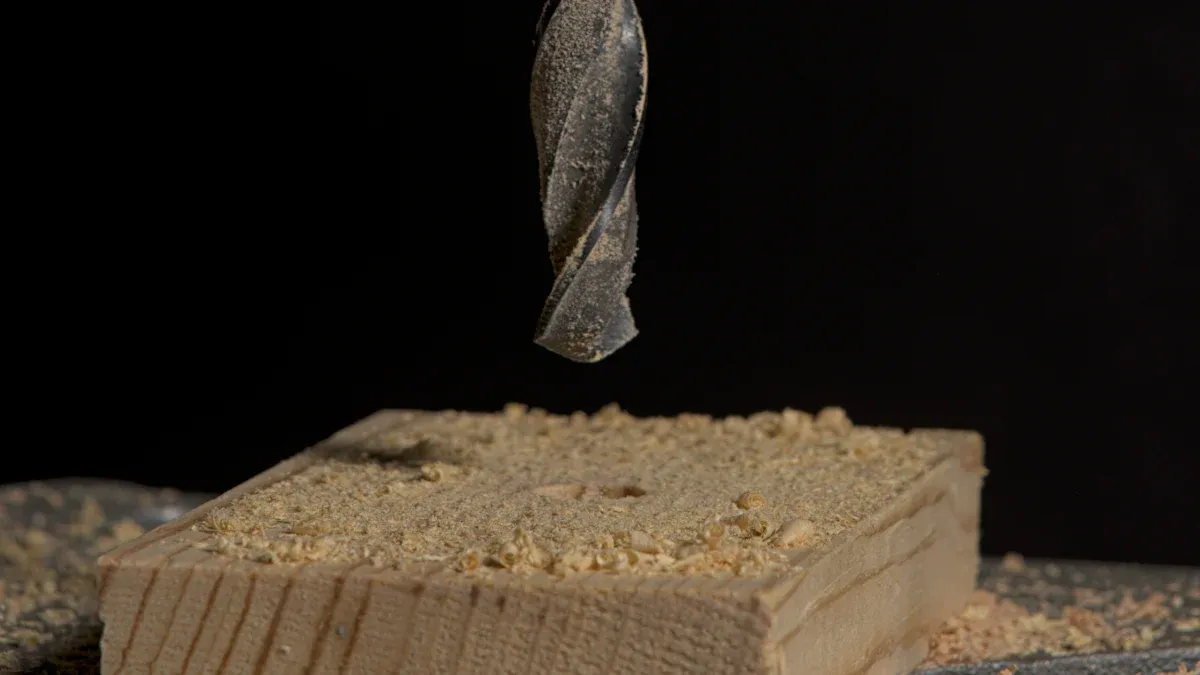
The extractor set will include a guide for the appropriate drill bit size for each extractor. If no guide is available, a technician can use the “rule of half”: select a drill bit that is roughly half the diameter of the damaged bolt. The hole must be large enough for the extractor to bite but small enough to leave sufficient wall thickness in the bolt.
Drilling Technique: Slow Speed, Firm Pressure
A technician must use a slow drill speed with firm, steady pressure. High speeds will overheat the drill bit, dulling it quickly and work-hardening the bolt, which makes it even more difficult to drill. The goal is to create clean, continuous metal shavings.
The ideal RPM depends on the material and drill bit diameter. While a technician should always aim for the low end of the speed range, this chart provides a general reference.
| Material | Recommended Speed (SFM) | Example RPM (1/4″ Bit) |
|---|---|---|
| Aluminum | 200-300 | ~3000-4500 RPM |
| Mild Steel | 80-110 | ~1200-1600 RPM |
| Hardened Alloy Steel | 20-30 | ~300-450 RPM |
The Advantage of Using Left-Handed Drill Bits
Using a left-handed (reverse-threaded) drill bit is a professional technique. Since the bit cuts in a counter-clockwise direction, the same direction needed to loosen the bolt, the drilling action itself can sometimes be enough to remove the fastener.
While not a guaranteed solution, many technicians report success with this method. One user noted that about 50% of their broken fasteners spin out with a left-handed bit. Even if the bolt does not come out, the pilot hole is still created, making it a worthwhile first attempt.
Step 3: Insert and Turn the Extractor
With the pilot hole drilled, the technician is ready for the extraction itself. This phase requires a delicate touch and patience. The correct application of force is the difference between success and a broken extractor lodged inside the bolt.
Gently Tapping the Extractor into the Hole
The technician selects the correct extractor from the set. He places the pointed end of the extractor into the pilot hole. Using a small hammer, he gently taps the end of the tool. The goal is to seat the extractor firmly, ensuring its flutes or spirals make solid contact with the inside walls of the drilled hole. The tool should feel snug and secure before any turning force is applied. Overly aggressive hammering can crack the weakened bolt or damage the extractor itself.
Using a Tap Wrench for Maximum Control
A T-handle tap wrench is the preferred tool for turning the extractor. The technician secures the square shank of the extractor into the jaws of the tap wrench. This tool provides two key advantages:
- Balanced Force: The T-handle allows the technician to apply even, centered pressure.
- Tactile Feedback: It transmits the feeling of the extractor biting and the bolt resisting, allowing for precise control.
Using pliers or an adjustable wrench is not recommended. These tools apply uneven, off-center force, which is a leading cause of a broken extractor.
Applying Smooth, Counter-Clockwise Torque
This step is the essence of how to use a screw extractor. The technician grips the tap wrench and begins to apply slow, steady, counter-clockwise pressure. He should feel the extractor bite into the metal of the bolt. As he increases the torque, he will feel one of two things: either the bolt will begin to turn, or the resistance will build to a critical point.
Patience is Key: A technician must resist the urge to use sudden, jerky motions. If the bolt does not move, he should stop. He can apply more penetrating oil, gently tap the surrounding area with a hammer to break the rust’s grip, or apply heat as a last resort. Rushing at this stage almost always leads to failure.
The smooth pressure will eventually overcome the friction holding the stuck bolt in place.
Step 4: Successfully Removing the Bolt
The moment the bolt breaks free is a significant milestone. A sudden release of tension is the primary indicator of success. The technician must maintain control to complete the removal process safely and efficiently.
What to Do Once the Bolt Breaks Free
Once the bolt begins to turn, the hard part is over. The technician should continue to turn the extractor counter-clockwise with smooth, consistent motion. The initial resistance will fade, and the bolt should unthread with relative ease. He continues turning until the bolt is completely free from the threaded hole. A complete extractor set gives a technician options if the first attempt fails.
How to Safely Remove the Bolt from the Extractor
Now the technician has the bolt and extractor as a single unit. Separating them requires care to avoid damaging the tool. The safest method is to:
- Secure the square shank of the extractor in a bench vise.
- Use locking pliers or a wrench to grip the threads or head of the removed bolt.
- Turn the bolt clockwise to unthread it from the left-handed flutes of the extractor.
The bolt will come off, leaving the extractor clean and ready for its next use.
Selecting the Perfect Bolt Extractor Set for Your Needs
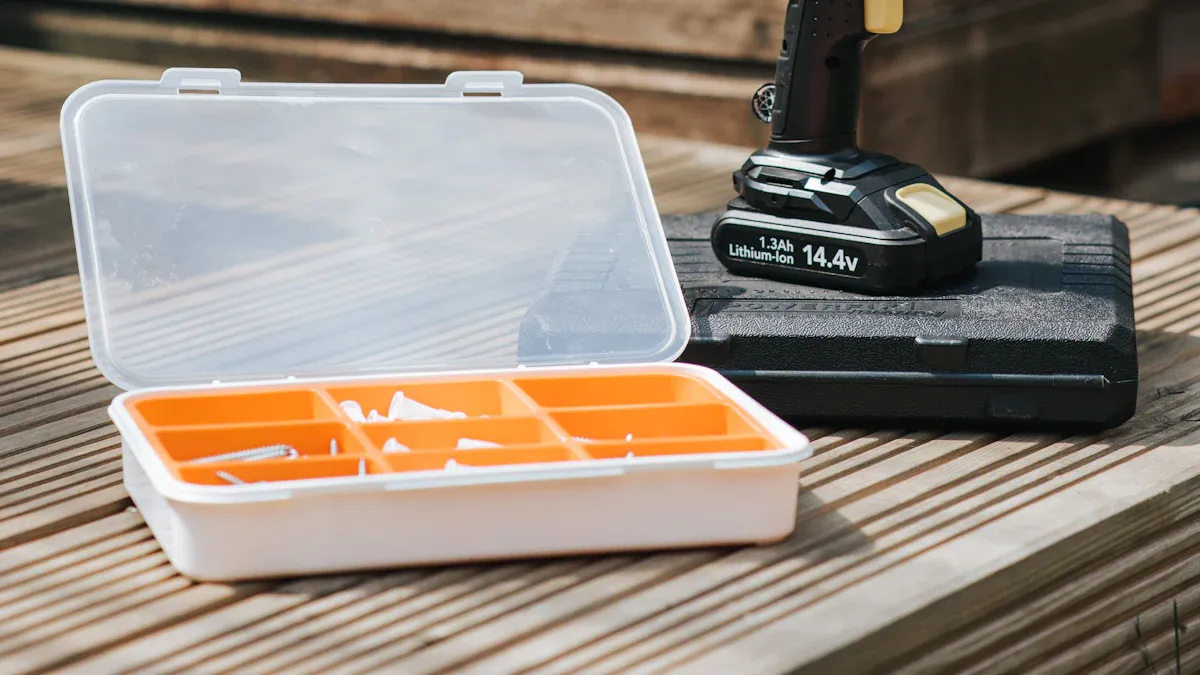
Investing in a quality bolt extractor set is a wise decision for any technician. However, the wide variety of kits available can be confusing. Making the right choice depends on understanding the types of damage a technician will face, the materials he will work with, and the importance of accurate sizing. A well-chosen set becomes a reliable partner in the workshop.
Matching the Extractor to the Damage Type
Different bolt failures require specific tools. A technician must diagnose the problem correctly to select the most effective extractor. Common causes of bolt failure include overstressing from too much torque, corrosion from environmental exposure, and simple material fatigue over time.
For Stripped or Rounded External Heads
When a wrench or socket slips and rounds the corners of a bolt head, a technician needs an external gripping tool. Socket-style bolt and stud extractors are the ideal solution. Their internal flutes bite into the damaged head, providing a new surface for applying torque. This is a common failure resulting from excess stress during a previous removal attempt.
For Snapped or Broken-Off Bolt Shafts
A bolt that snaps below the surface leaves no head to grip. This scenario requires an internal extractor.
- Spiral Flute Extractors: Best for softer bolts where their aggressive threads can easily bite.
- Straight Flute Screw Extractors: The superior choice for hardened bolts or fasteners broken due to thread issues, as they grip without expanding the bolt shaft.
For these situations, a technician must drill a pilot hole, making tools like spiral and straight flute screw extractors essential.
For Rusted, Seized, or Painted-Over Bolts
Bolt corrosion is a frequent problem in automotive and structural repairs. When a bolt is seized by rust or covered in thick paint, a technician has two primary options:
- If the head is accessible, a socket-style extractor can power through the rust or paint to grip the head.
- If the head is broken, a technician must first drill a pilot hole and then use an internal extractor. The non-expanding grip of straight flute screw extractors is often preferred for these high-torque situations.
Understanding Screw Extractor Sizes and Charts
Selecting the correct extractor size and corresponding drill bit is the most critical step for internal extractors. An incorrect pairing can lead to a broken extractor or a damaged bolt, complicating the repair. A good screw extractor set will provide clear guidance.
The “Rule of Half” for Sizing Drill Bits
As a quick field reference, a technician can use the “rule of half.” He selects a drill bit with a diameter that is approximately half the diameter of the broken bolt. For example, for a 1/2″ bolt, he would start with a 1/4″ drill bit.
Note: This is only a guideline. It provides a safe starting point but is less precise than using manufacturer-specific charts for extractor sizes.
How to Read Manufacturer Size Charts (SAE & Metric)
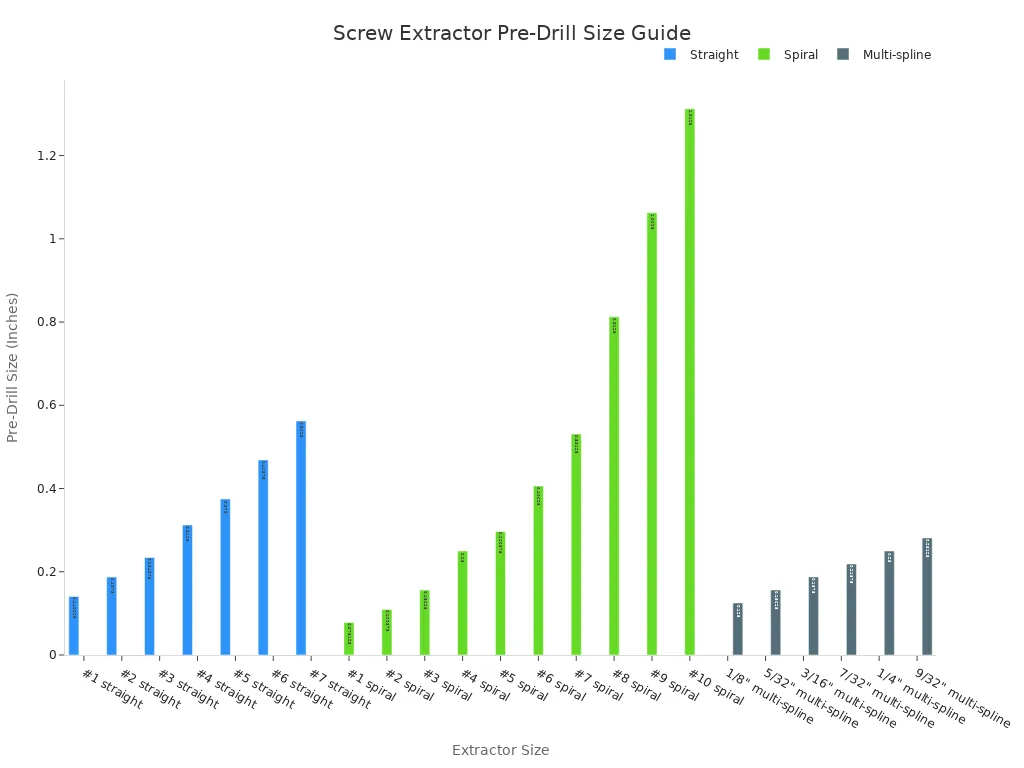
The most reliable method is to consult the chart included with the screw extractor kit. These charts eliminate guesswork by matching the bolt size to the exact drill bit and extractor size needed. A technician can find the diameter of the damaged bolt in the first column to identify the correct pre-drill size and the required extractor. This is crucial for both SAE and metric screw extractor applications.
| Bolt/Screw Size to be Removed (SAE/Metric) | Pre-Drill Size (SAE) | Extractor Size |
|---|---|---|
| 3/16″ – 5/16″, 5 mm – 8 mm, No. 10 | 9/64″ | #1 straight |
| 3/8″, 10 mm | 3/16″ | #2 straight |
| 7/16″, 10 mm, 1/8″ NPT, 1/8″ BSP | 15/64″ | #3 straight |
| 1/2″ – 9/16″, 12 mm – 14 mm, 1/4″ NPT, 1/4″ BSP | 5/16″ | #4 straight |
| 3/32″ – 5/32″, 2.5 mm – 4 mm, No. 3 – No. 6 | 5/64″ | #1 spiral |
| 7/32″ – 9/32″, 6 mm – 8 mm, No. 14 | 5/32″ | #3 spiral |
| 3/8″ – 5/8″, 10 mm – 16 mm, 1/4″ NPT, 1/4″ BSP | 19/64″ | #5 spiral |
| 1/4″, 6 mm, No. 14 | 5/32″ | 5/32″ multi-spline |
| 3/8″, 9 mm – 10 mm | 7/32″ | 7/32″ multi-spline |
The chart below visually shows how the required drill bit sizes increase with the extractor size for different types of screw extractors.
What to Do for In-Between or Odd Sizes
Occasionally, a bolt size may not appear on a chart. In this case, a technician should choose the drill bit for the next smallest bolt size. This ensures the pilot hole is not too large, leaving enough material for the extractor to grip securely. A slightly smaller extractor size is safer than one that is too large.
Choosing the Right Material for Your Extractor Set
The material of an extractor determines its strength, durability, and suitability for different jobs. Investing in a set made from high-quality steel prevents the tool from breaking under pressure. The price of a screw remover kit often reflects its material composition.
High-Carbon Steel: Good for General Use
Most standard extractor sets are made from high-carbon steel. This material offers good hardness and is perfectly adequate for removing common, softer-grade bolts found in general household or automotive applications. These sets provide excellent value for occasional use. A basic carbon steel set can range from $10 to $20.
Cobalt Steel: Essential for Hardened Bolts
For professional mechanics or those working with high-strength fasteners, cobalt steel is the superior choice. Cobalt alloys, such as M35 or M42, are significantly harder and more heat-resistant than carbon steel. This hardness is measured on the Rockwell scale (HRC).
| Steel Type | Rockwell Hardness (HRC) |
|---|---|
| M2 HSS | around 62 |
| M35 Cobalt Steel | starts at 65 |
| M42 Cobalt Steel | 67 or so |
An extractor with a high HRC rating, like 67 or above, can drill into and grip hardened bolts without dulling or breaking. This makes a cobalt screw extractor set, with its higher price point of $40 or more, a necessary investment for demanding jobs.
The Importance of a Durable Carrying Case
While often overlooked, a durable carrying case is a critical feature of a good extractor set. It keeps the various sizes organized and protected. A sturdy case prevents the sharp, delicate tips of the extractors from getting damaged, ensuring the tools are ready and effective when a technician needs them.
Advanced Techniques and Troubleshooting Your Extractor Set
Sometimes, a standard approach is not enough. Extremely stubborn fasteners or unexpected tool failures require a technician to use advanced methods. This knowledge separates a frustrating failure from a successful repair and is essential for getting the most from any extractor set.
Dealing with Extremely Rusted or Seized Bolts
Corrosion can weld a bolt in place, creating a bond that mechanical force alone cannot break. A technician must use thermal expansion to gain an advantage.
The Strategic Application of Heat
Heat causes metal to expand. A technician can apply focused heat from a torch to the area surrounding the stuck bolt. The housing expands more than the bolt, helping to break the rust’s grip. When working with aluminum, a technician must exercise extreme caution.
- Heat should not exceed 300-350°F (150-176°C).
- Aluminum alloys begin to soften mechanically above this range.
- Overheating can permanently weaken the component.
The goal is to heat the housing quickly so it expands before the bolt does.
Combining Heat and Penetrating Oil Safely
A technician should never apply penetrating oil while heating with an open flame. The correct procedure is to heat the area, remove the flame, and then apply the oil. The cooling metal will contract, drawing the oil deep into the threads. This combination is highly effective but requires careful execution to prevent a fire.
Safety Precautions When Using a Torch
A technician must always prioritize safety when using a torch. He should clear all flammable materials from the work area. A fire extinguisher must be within reach. Proper personal protective equipment, including safety glasses and non-flammable gloves, is mandatory.
What to Do If Your Bolt Extractor Breaks
A broken extractor inside a bolt is a technician’s worst-case scenario. The hardened steel of the extractor is much more difficult to drill than the original bolt.
Common Causes of Extractor Failure
An extractor typically breaks for a few common reasons. Applying too much torque with a long wrench is a primary cause. Using an extractor that is too small for the bolt also leads to failure. Finally, a low-quality extractor from a cheap set is more likely to be brittle and snap under pressure. This is why a quality set of screw extractors is a good investment.
Methods for Removing a Broken Extractor Stub
Removing a broken bolt extractor requires specialized tools and skills.
- TIG Welding: A skilled technician can use a TIG welder to build up weld material on the broken extractor stub. He can then weld a nut to this new material, creating a head to turn with a wrench.
- Carbide Burrs: A technician can use a small, solid carbide burr in a die grinder to slowly grind away the broken extractor. This method is time-consuming but effective for saving the part.
These methods for removing a broken extractor are often a last resort.
Knowing When to Call a Professional Mechanic
If a technician breaks an extractor and lacks the tools or experience for welding or grinding, it is time to stop. Further attempts can damage the component beyond repair. A professional mechanic or machine shop has the equipment to handle this difficult situation.
Using a Screw Extractor Set with Power Tools
Power tools can speed up many jobs, but they introduce significant risk when used with screw extractors. A technician must use them with extreme caution.
The High Risks of Using an Impact Wrench
A technician should never use an impact wrench with screw extractors. The violent, hammering torque of an impact wrench will instantly shatter the brittle, hardened steel of the extractor. This action will leave a piece of the extractor lodged in the bolt, creating a much bigger problem.
Recommended Speed Settings for Power Drills
A variable-speed drill can be used to turn an extractor, but only with great care. The technician must set the drill to its absolute lowest speed and use the clutch setting if available. He must apply gentle, steady pressure to feel when the bolt begins to move or if the extractor is at risk of breaking. A tap wrench from the set is always the safer choice.
Extracting Bolts from Delicate Materials
Working with delicate materials like aluminum requires a technician to use precision and care. Aluminum is much softer than steel and can be easily damaged. A successful bolt extraction from an aluminum engine block or component depends on a controlled technique that protects the surrounding material.
Techniques for Aluminum Engine Blocks and Parts
A technician must modify his approach when a bolt is stuck in aluminum. The softness of aluminum means an aggressive extractor can easily damage the component’s threads. He should use a brand-new, sharp drill bit to create the pilot hole. A dull bit will generate excess heat and can “smear” the aluminum rather than cutting it cleanly.
Important: A technician must use a generous amount of cutting fluid or lubricant. This reduces friction, keeps temperatures low, and helps flush away metal chips. Low drill speeds are mandatory to prevent overheating the aluminum and the stuck bolt.
When turning the extractor, the technician applies slow and exceptionally steady force. Any sudden movement can cause the extractor to bite too hard, stripping the soft aluminum threads instead of removing the bolt. Patience is the most valuable tool in this scenario.
How to Prevent Damage to Existing Threads
The primary goal after removing a broken bolt is to preserve the original threads. Unfortunately, the extraction process itself can sometimes cause irreparable damage, especially in soft metals. If the threads are compromised, a technician must repair them to ensure a safe and reliable connection for the new bolt. Thread repair kits offer a permanent solution.
A high-strength thread repair system provides a superior alternative to simply re-tapping the hole. These systems create a much stronger connection than the original aluminum threads.
- The TIME-SERT System involves installing a machined, high-strength carbon steel cylinder into the engine block.
- A properly installed insert, or ‘SERT’, provides a permanent and stronger bolt hole.
- This installation allows for more uniform and reliable torque application when tightening the new bolt.
- Threading a steel bolt into a steel ‘SERT’ prevents the galling and stripping common in aluminum, ensuring long-term durability.
Using a thread repair kit is not a sign of failure; it is a professional technique for guaranteeing a robust and lasting repair.
A technician’s success relies on proper technique and the right bolt extractor set. He must exercise patience during the removal process. Rushing often breaks a tool from the set, creating a more difficult problem. A quality extractor set is a non-negotiable part of any serious tool set. This complete set ensures a technician has the correct tool for any situation. Investing in a reliable bolt extractor set ultimately saves time and prevents future frustration.
FAQ
What makes a cobalt extractor set better?
Cobalt steel extractors possess superior hardness and heat resistance. A technician needs this strength for removing hardened alloy steel bolts. The cobalt material allows the tool to bite into tough fasteners without dulling or breaking, making it essential for professional and demanding jobs.
Can a technician reuse a bolt extractor?
Yes, a technician can reuse a high-quality bolt extractor many times. He must clean the tool after each use. Proper care involves removing the extracted bolt carefully and inspecting the extractor’s flutes for wear or damage. A well-maintained tool ensures future success.
Why are left-handed drill bits recommended?
A technician uses left-handed drill bits because they turn counter-clockwise. This is the same direction needed to loosen a standard bolt. The drilling action itself can sometimes generate enough torque to unscrew the broken fastener, saving the technician a step. (gear emoji)
What is the most common type of screw extractor?
Spiral flute extractors, often called “Easy-Outs,” are the most common type. Their aggressive reverse threads are effective on soft to medium-hardness bolts. Most general-purpose extractor kits feature this design due to its versatility in common repair scenarios.
What should a technician do if the extractor breaks?
A broken extractor presents a serious challenge. The hardened steel is difficult to drill.
A technician can use a solid carbide burr in a die grinder to slowly grind it away. Alternatively, a skilled welder can weld a nut onto the stub for removal.
Is an expensive extractor set a worthwhile investment?
Yes, a quality set is a crucial investment. Expensive sets use superior materials like cobalt steel, making them less likely to break. They also come with durable cases and precise sizing charts. This reliability saves a technician time and prevents more complex problems.