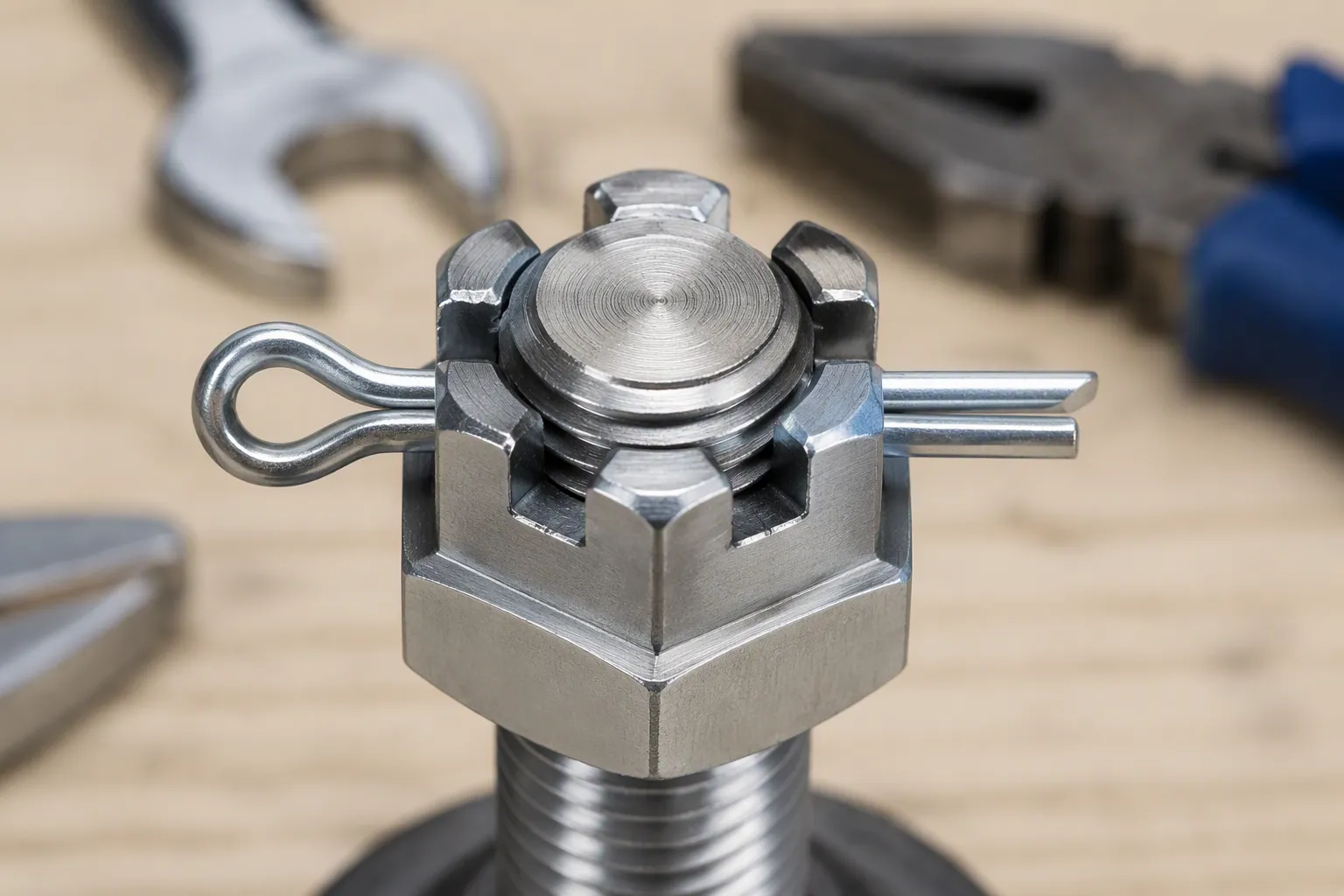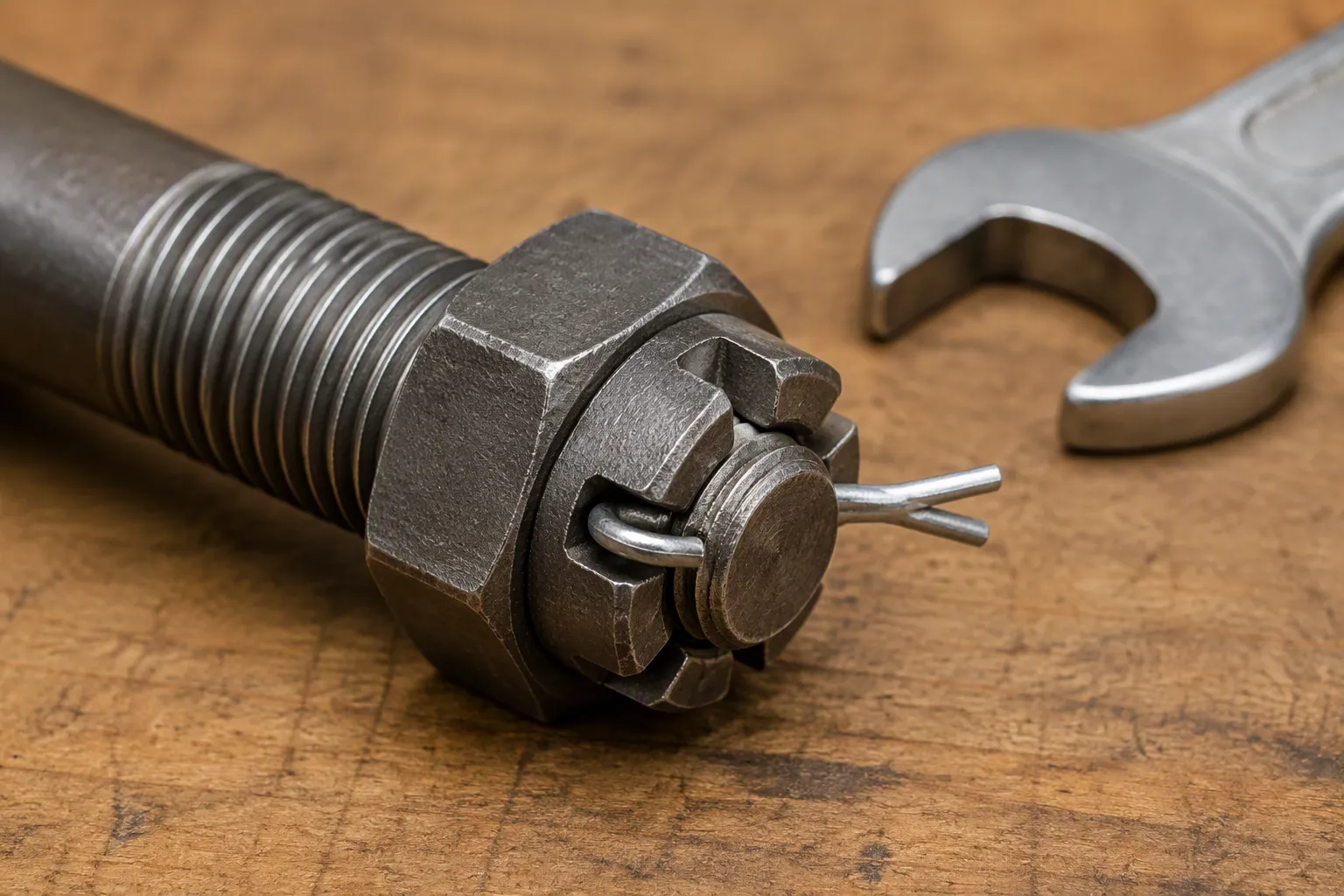
Using carriage bolts is the best way to attach 4×4 posts for a rock-solid, long-lasting connection. This method provides superior strength against the lateral forces that cause structural failures.
Research highlights a critical safety issue: over 33% of deck injuries result from guard or railing failures, often due to inadequate fastening methods.
The square neck of the carriage bolt, a key feature in quality bolt casting, locks into the wood. This design allows for secure one-sided tightening. A custom fasteners manufacturer confirms this is how professionals securely fasten posts. Using proper custom fasteners and correct procedures ensures your project’s structural integrity.
Why Carriage Bolts are the Superior Choice to Securely Fasten Posts
Professionals choose carriage bolts for structural integrity. Their unique design and superior strength make them the ideal fastener for critical load-bearing connections. Understanding their components reveals why they outperform other options.
Understanding the Anatomy of a Carriage Bolt
The Smooth, Domed Head for Safety and Finish
The bolt’s head is smooth and rounded. This design provides a clean, finished appearance on the exterior of a post. It also eliminates sharp edges, creating a safer surface that will not snag clothing or skin.
The Square Neck: The Secret to its Grip
Directly beneath the head is a square-shaped neck. This feature is the key to the bolt’s self-locking mechanism. As a builder tightens the nut, the square neck pulls into the wood, preventing the bolt from spinning. This allows for easy one-tool installation from a single side.
The Fully Threaded Shank for Maximum Engagement
The shank, or body of the bolt, features threads along its length. These threads engage with a nut and washer to clamp materials together. The material composition determines its strength.
- Grade 5 Steel: This common construction-grade steel offers a great balance of strength and flexibility, resisting breakage under high stress.
- Grade 8 Steel: This option provides superior strength for projects that must withstand sudden impacts or extreme loads without deforming.
Strength Comparison: Carriage Bolts vs. Lag Screws vs. Nails
Through-Bolting vs. Surface Fastening
The best way to attach structural elements is through-bolting. This method involves drilling a hole completely through both pieces of wood and securing them with a bolt, washer, and nut. This creates a connection that sandwiches the materials together. Surface fasteners like nails or lag screws only grip the wood fibers they are driven into, making them weaker.
Shear Strength and Pull-Out Resistance
Through-bolting provides exceptional shear strength, which is the resistance to forces that could slice the fastener in half. It also offers unmatched pull-out resistance. A properly tightened bolt and nut combination will not pull out of the wood, a common failure point for screws and nails under heavy lateral loads.
When to Use Carriage Bolts for 4×4 Posts
These fasteners are essential for any project where safety and stability are paramount. Attaching 4×4 posts with these bolts ensures a durable, long-lasting structure.
Deck Railings and Guardrails
Building codes often mandate through-bolting for 4×4 deck posts. This connection must withstand significant lateral force to prevent railing failure, making it a critical safety application.
Pergola and Fence Construction
Builders use carriage bolts to securely fasten posts in pergolas and fences. The bolts provide the necessary shear strength to keep heavy gate frames from sagging and to connect horizontal rails to vertical posts, creating a solid system that resists wind and other forces. For these outdoor uses, galvanized or stainless steel materials are vital for long-term corrosion resistance.
Swing Sets and Playsets
The dynamic loads created by swinging and climbing require the strongest possible connections. Using these fasteners to assemble the main frame of a playset ensures the structure remains stable and safe for years of use.
Pre-Project Checklist: Tools and Materials
Proper preparation is the foundation of any successful construction project. A builder ensures a smooth and efficient installation by gathering all necessary tools and materials before starting. This checklist covers the essential items required to securely fasten posts with professional results.
Essential Tools for the Job
Having the correct tools on hand prevents delays and ensures each step is performed accurately. The right equipment makes the job safer and yields a higher quality finish.
Power Drill and Drill Bits (Auger or Spade)
A powerful drill is necessary to bore clean holes through multiple layers of wood.
- Auger Bits: These are the preferred choice. Their screw-tip pulls the bit through the wood, creating a straight, clean hole with less effort.
- Spade Bits: A functional alternative, though they require more force and care to keep the hole perpendicular.
Socket Set with Ratchet or Impact Wrench
These tools are for tightening the nuts. A ratchet with the correct size socket provides excellent control. An impact wrench significantly speeds up the process, especially on projects with many fasteners.
Tape Measure and Carpenter’s Square
Precision begins with measurement. A builder uses a tape measure for marking bolt locations and a carpenter’s square to verify that posts are perfectly plumb (vertical) and square to adjoining members.
Hammer or Mallet
A firm tap from a hammer or rubber mallet is needed to seat the bolt’s square neck into the wood. This crucial step prevents the bolt from spinning during tightening.
Quick-Grip Clamps or C-Clamps
Clamps are a builder’s extra set of hands. They hold the 4×4 post tightly against the joist or beam, eliminating any gaps and ensuring the assembly is stable for drilling and fastening.
Safety Glasses and Gloves
Safety First: Personal Protective Equipment (PPE) is non-negotiable. Always wear safety glasses to protect eyes from wood chips and gloves to prevent splinters and improve grip.
Sourcing the Right Materials
The quality of the materials is just as important as the installation technique. Using substandard components can compromise the structural integrity of the entire project.
Selecting Straight, Pressure-Treated 4×4 Posts
A builder should inspect each 4×4 post at the lumberyard. Sight down the length of the post to check for warping, twisting, or large cracks. For outdoor structures like decks and fences, always choose pressure-treated lumber rated for ground contact.
Choosing Adjoining Lumber (Rim Joists, Beams)
The lumber the post attaches to must also be structurally sound. Ensure rim joists or beams are straight and free from defects that could weaken the connection point.
Buying the Correct Carriage Bolts, Washers, and Nuts
Purchasing the right hardware is critical. A project requires a complete set of carriage bolts, appropriately sized washers, and matching nuts. The hardware’s material must be compatible with pressure-treated wood, typically hot-dipped galvanized or stainless steel, to prevent corrosion.
Critical Step: Selecting the Perfect Carriage Bolt
Choosing the correct hardware is as important as the installation technique itself. The bolt’s length, diameter, and material composition directly impact the connection’s strength and longevity. A builder must carefully evaluate these factors to ensure the structure is safe and durable.
How to Calculate the Correct Bolt Length
A bolt that is too short will not engage the nut properly, while one that is too long creates a snag hazard and looks unprofessional. Calculating the perfect length is a straightforward process.
Measuring the Combined Material Thickness (Post + Joist)
A builder first measures the actual thickness of the materials being joined. A standard 4×4 post is 3.5 inches thick, and a standard 2x joist is 1.5 inches thick, for a combined total of 5 inches. Always measure the specific lumber, as dimensions can vary slightly.
The Formula: Thickness + Washer + Nut + 1/2″ Protrusion
The ideal bolt length follows a simple formula. It ensures enough thread protrudes past the nut for a secure grip without being excessively long.
Bolt Length = (Combined Wood Thickness) + (Washer Thickness) + (Nut Thickness) + (1/2″ Protrusion)
Common Lengths for 4×4 Post Applications (e.g., 6″, 8″)
For a typical 4×4 post attached to a single 2x rim joist (5 inches total thickness), a 6-inch bolt is usually sufficient. When attaching a post through a joist and additional blocking, an 8-inch or longer bolt may be necessary.
Choosing the Right Bolt Diameter for the Load
The bolt’s diameter determines its shear strength. Selecting the appropriate diameter is critical to handle the anticipated structural loads.
1/2-Inch Diameter: The Structural Standard for Decks
For deck railings and other critical safety structures, a 1/2-inch diameter bolt is the professional standard and is often required by building codes. This size provides excellent resistance to the lateral forces exerted on a guardrail. Using these carriage bolts is the best way to securely fasten posts for maximum safety.
3/8-Inch Diameter: For Lighter-Duty Applications
A 3/8-inch diameter bolt is suitable for lighter-duty projects. These include non-structural fence rails or decorative pergola elements where the loads are significantly lower.
When to Consider Heavy-Duty 5/8-Inch Bolts
For massive structures like large timber-frame pavilions or connections supporting extreme loads, a builder might upgrade to 5/8-inch diameter bolts for added strength and peace of mind.
Choosing the Right Bolt Material
The bolt’s material determines its resistance to corrosion. This choice is especially critical for outdoor projects involving pressure-treated lumber.
Hot-Dipped Galvanized: The Must-Have for Treated Lumber
Modern pressure-treated lumber contains copper-based chemical preservatives. These chemicals are highly corrosive to unprotected steel.
Pressure-treated wood creates a galvanic reaction with the wrong metals when moisture is present. This process rapidly corrodes and destroys plain steel or zinc-plated fasteners, compromising the connection.
Hot-dipped galvanized (HDG) bolts have a thick, protective zinc coating that acts as a sacrificial barrier, making them essential for any project using treated wood.
Stainless Steel: For Coastal and High-Moisture Environments
Stainless steel and hot-dipped galvanized steel offer corrosion resistance in different ways. Stainless steel is an alloy containing chromium, which makes the metal itself inherently rust-proof. This makes it the superior choice for coastal areas with salt spray or environments with constant moisture.
| Material | Primary Composition | Key for Rust Resistance |
|---|---|---|
| Hot-Dipped Galvanized | Regular carbon steel coated in a zinc layer | Sacrificial zinc layer |
| Stainless Steel | Iron, nickel, and chromium alloy | Inherent chromium |
Zinc-Plated: For Interior or Dry Applications Only
Zinc-plated bolts have a very thin, electro-plated zinc coating that offers minimal protection. They will corrode quickly when exposed to the elements or the chemicals in treated lumber. Their use should be restricted to interior projects in dry conditions only.
The Step-by-Step Guide to Attach 4×4 Post
With the right tools and materials ready, the installation process can begin. This phase demands precision and attention to detail. Each step, from positioning the post to drilling the holes, builds upon the last to create a structurally sound connection.
Step 1: Position and Secure the Post
Proper alignment is the first and most critical part of the installation. A post that is not perfectly vertical (plumb) will compromise the entire structure’s integrity and appearance.
Aligning the Post Plumb and Level
A builder must ensure the post is perfectly straight before fastening.
- Place a level against two adjacent faces of the post.
- Check the level on both the x-axis (front-to-back) and y-axis (left-to-right) to confirm it is plumb.
- Adjust the post’s position until the bubble on the level is centered on both axes.
Using Clamps to Eliminate Gaps
A tight fit between the post and the adjoining lumber (like a rim joist) is essential for a strong connection.
Pro Tip: Use at least two Quick-Grip or C-clamps to press the 4×4 post firmly against the joist. This action closes any gaps and prevents the post from shifting during the drilling process, ensuring a solid, direct load transfer through the bolts.
Bracing for Hands-Free Stability
Once the post is plumb and clamped, a builder should secure it with temporary bracing. This allows for hands-free work and guarantees the post remains perfectly positioned. A partner can hold the post steady, or a builder can secure scrap lumber to the post and stake it to the ground. For multiple posts, running a temporary 2×4 rail, or ‘stretcher,’ across the tops keeps them aligned while working.
Step 2: Mark Your Bolt Locations
Accurate bolt placement is not just for looks; it is a structural requirement. Proper spacing distributes stress evenly across the connection and prevents the wood from splitting.
Following Building Code Spacing Rules
Local building codes often dictate specific requirements for bolt placement, especially for deck guardrails. A builder should always consult these codes first. Generally, two 1/2-inch bolts are required per post connection.
Minimum Distance from Edges and Ends
To prevent wood from splitting under load, a builder must maintain minimum distances when marking holes.
- From the End: Bolts should be at least 2 inches from the bottom or top end of the joist.
- From the Edge: Bolts should be at least 2 inches from the top or bottom edge of the joist.
Staggering Bolt Placement for Maximum Strength
Placing bolts in a staggered, diagonal pattern provides the greatest resistance to twisting and lateral forces. This arrangement distributes the load across more wood grain, preventing a single line of weakness from forming. It is a superior method to attach 4×4 posts for structural stability.
Using a Square and Pencil for Precision Marks
A builder uses a carpenter’s square and a sharp pencil for marking. The square ensures the vertical and horizontal measurements are precise, creating a clean grid for the bolt locations. This precision guarantees the bolts will pass through the center of the lumber.
Step 3: Drill Straight and Clean Holes
The quality of the drilled hole directly affects the integrity of the bolted connection. A clean, straight hole allows the bolt to pass through smoothly and ensures even clamping pressure.
Selecting a Drill Bit the Same Size as the Bolt
A builder must match the drill bit diameter to the bolt diameter. For a 1/2-inch carriage bolt, use a 1/2-inch drill bit.
Using a bit that is too small makes inserting the bolt difficult and can damage the wood. A bit that is too large will create a loose fit, allowing the post to shift and reducing the connection’s strength.
Technique for Drilling a Perpendicular Hole
Drilling a perfectly straight hole through 5 inches of wood requires focus. A builder should stand directly behind the drill, aligning their body with the intended path. Keeping the drill level and steady prevents the hole from angling. For guaranteed accuracy, a drill guide attachment is an excellent tool.
How to Prevent “Blowout” on the Exit Side
As a drill bit exits the wood, it can tear the wood fibers, creating an ugly, splintered hole known as “blowout.” A simple technique prevents this. A builder should firmly clamp a piece of scrap wood (a backer board) to the exit side of the hole. This backing block supports the wood fibers, allowing the drill bit to cut a clean, crisp hole all the way through.
Step 4: Insert and Set the Carriage Bolt
With a clean, straight hole drilled, the next step is to properly install the bolt. This phase is about more than just passing the bolt through; it involves correctly seating the square neck to create the self-locking action that makes these fasteners so effective.
Inserting from the Finished Side (Post Side)
A builder always inserts the bolt from the most visible or “finished” side of the assembly. For a deck railing, this is typically the exterior face of the 4×4 post. This practice ensures the smooth, domed head of the bolt is what people see and touch, providing a clean aesthetic and a safer surface. The nut and washer will be on the less visible side, such as the interior face of the rim joist.
Tapping the Head to Seat the Square Neck
The square neck must bite into the wood to prevent the bolt from spinning. A builder achieves this with a two-part technique that combines a gentle tap with the power of tightening.
- Push the bolt through the hole. It should be a snug fit.
- Give the domed head a few firm taps with a hammer or rubber mallet. This action starts the process, embedding the corners of the square neck into the wood fibers.
- Avoid aggressive, heavy-handed strikes. Excessive force can dent the bolt head or, worse, split the wood post. The goal is to engage the neck just enough to hold it in place for the next step.
Visual Cue of a Properly Seated Bolt
A builder knows the bolt is fully seated when the underside of the domed head is completely flush against the wood surface. There should be no gap between the head and the post. The square neck will be fully embedded within the wood, creating a solid, immovable connection that is ready for final tightening.
Step 5: Install Hardware and Tighten
The final step is to secure the connection by installing the hardware and applying the correct amount of clamping force. This process sandwiches the post and joist together, creating the strong, rigid joint required for structural safety. This is the most important step to securely attach 4×4 post assemblies.
The Correct Order: Washer, then Nut
The sequence of hardware installation is critical for distributing pressure and protecting the wood.
Hardware Order: On the threaded end of the bolt, a builder first places a flat washer, followed by the nut. The washer provides a broad surface area that prevents the nut from digging into and crushing the wood fibers as it is tightened.
Hand-Tightening to Start
A builder should always start the nut by hand. This ensures the threads are properly engaged and prevents cross-threading, which can damage both the nut and the bolt. He spins the nut until it is finger-tight against the washer. This initial step also helps pull the bolt’s square neck deeper into the wood, fully seating it before applying mechanical torque.
Using a Socket Wrench for Final Tightening
With the nut hand-tight, a builder uses a socket wrench or impact driver to complete the job. He applies steady, even pressure to tighten the nut. This action draws the materials together, creating immense clamping force. The square neck, now firmly embedded, keeps the entire shaft of the carriage bolts from spinning.
Achieving the “Snug-Tight” Condition
Unlike metal connections, there is no universal torque specification for bolts in wood. The material’s softness, moisture content, and species all affect the connection. The professional standard is to achieve a “snug-tight” condition.
- A builder tightens the nut until the washer begins to compress the wood fibers slightly.
- The goal is a slight indentation, not a deep crater. Experience shows that torque values as low as 10-13 ft-lbs can cause washers to sink into pressure-treated pine.
- Over-tightening crushes the wood, permanently damaging its structure and weakening the connection. A properly snug bolt creates a firm joint with no movement.
How to Install Deck Railing Posts for Maximum Safety
A builder must follow specific procedures to install deck railing posts correctly. The method used to attach posts to the deck frame is the most important factor in guardrail safety and stability.
Attaching Posts to Rim Joists
The rim joist is the most common attachment point for railing posts. A builder’s choice of mounting style and hardware placement directly impacts the connection’s strength.
The Inside vs. Outside Mount Debate
A builder can mount deck posts on either the inside or outside of the rim joist.
- Outside Mount: This is a common method where the post is bolted to the exterior face of the rim joist. It maximizes usable deck space.
- Inside Mount: This technique places the post on the interior side of the rim joist. It creates a significantly stronger connection because the decking and joists help brace the post base. This is the preferred method for maximum safety.
Using Two 1/2-Inch Bolts per Post
Building codes and best practices require a minimum of two 1/2-inch diameter through-bolts for each post. A single bolt would create a pivot point, offering almost no resistance to lateral forces. Using two bolts creates a rigid connection that effectively transfers loads from the railing into the deck frame.
Proper Vertical Spacing of Bolts
Proper bolt spacing prevents the wood from splitting. A builder should place bolts at least 2 inches from the top and bottom edges of the joist. For optimal strength, bolts should be spaced as far apart as the joist allows, typically with one bolt 1 ¾ inches from the top of the joist and the other 1 ¾ inches from the bottom.
Securing Corner Posts
Corner posts are critical structural points. They must handle forces from two different directions simultaneously, making them uniquely vulnerable to failure if not reinforced.
Why Corner Posts Need Extra Reinforcement
A standard connection is insufficient for a corner. When force is applied to a railing, a corner post can twist the rim joist and pull away from the frame. Extra reinforcement is essential to create a solid anchor that resists these complex loads. Properly attaching 4×4 posts at corners is a non-negotiable part of the job.
Using Blocking for a Solid Connection
A builder uses solid wood blocking to reinforce the corner. This technique transfers loads deeper into the deck’s frame. The goal is to create a solid, three-sided pocket for the post.
Pro Tip: To properly install deck railing posts at corners, a builder adds blocking between the rim joist and the next interior joist. This creates a solid mass of wood for the bolts to pass through.
Effective blocking strategies include:
- Surrounding the post with blocking that extends from joist to joist.
- Using structural screws to connect perpendicular blocks to the rim joists and an adjacent joist.
- Adding a tension tie hardware kit, which connects the post to an interior joist to resist pull-out forces.
Bolt Placement for Corner Applications
When a builder uses blocking, the carriage bolts must pass through the post, the rim joist, and the solid blocking behind it. This sandwiches all three components together. The bolts should still be centered on the 4×4 deck posts and follow the vertical spacing rules. This method to mount deck posts ensures the corner is the strongest point in the railing system, not the weakest. This is the most secure way to mount deck posts and completes the process to install deck railing posts.
Common Mistakes and How to Avoid Them
Even with the right materials, installation errors can compromise a connection’s strength. A builder can ensure a flawless, professional result by understanding and avoiding a few common pitfalls. These issues are simple to prevent with the correct techniques.
Problem: The Bolt Spins During Tightening
A spinning bolt is a frustrating and common issue. It signals that the self-locking mechanism of the carriage bolt has failed, making it impossible to tighten the nut.
Cause: The Square Neck Isn’t Seated
The bolt spins because its square neck is not gripping the wood. This failure often happens for a specific reason.
- The most frequent cause is an oversized drill hole. For example, a builder drilling a 1/2-inch hole for a 3/8-inch bolt leaves too much room, preventing the square shank from biting into the wood fibers.
- The wood may be exceptionally hard, resisting the neck’s entry.
- The builder may not have tapped the bolt head firmly enough to initially engage the neck.
Solution: Re-seating with a Hammer or Using Pliers
A builder can usually fix a spinning bolt without removing it. He should first try giving the bolt head a few more firm taps with a hammer to drive the square neck into the wood. If it still spins, he can grip the threaded end of the bolt with locking pliers while tightening the nut. The best solution is prevention. A builder ensures a proper grip by always drilling a hole that matches the bolt’s diameter.
Problem: Crushing the Wood Fibers
Applying too much force during tightening can permanently damage the wood, creating a weaker joint than intended. This mistake is easy to make with the power of an impact wrench.
Cause: Over-tightening the Nut
The sole cause of crushed wood is excessive torque. A builder who continues to tighten the nut well after the connection is firm will cause the washer and nut to sink deep into the wood. This action crushes and splits the wood fibers, compromising the structural integrity of the connection.
Solution: Recognizing the Signs and Using a Torque Wrench
A builder must watch for the visual cues of a properly tightened bolt.
The goal is to stop tightening when the washer has compressed the wood fibers just enough to create a slight indentation. Further tightening provides no structural benefit and will only cause damage.
A properly tightened connection shows slight compression under the washer, indicating the joint is stiff and secure. For ultimate precision, a builder can use a torque wrench, though visual inspection is the standard field method.
Problem: The Drilled Hole is Angled
A hole that is not perpendicular to the wood surface creates an improper connection. The bolt head and the nut will not sit flat, resulting in uneven clamping pressure and a weaker joint.
Cause: Not Keeping the Drill Level
Drilling a perfectly straight hole through 5 or more inches of wood requires a steady hand. If a builder allows the drill to tilt up, down, or sideways during the process, the exit hole will not align with the entry point.
Solution: Using a Drill Guide or a Helper
Precision tools or a second set of eyes can eliminate this error. A portable drill guide is an accessory that attaches to the drill, holding the bit at a perfect 90-degree angle to the work surface. Alternatively, a builder can have a helper stand to the side and provide real-time feedback to keep the drill perfectly level.
Post-Installation Checks and Long-Term Maintenance
A builder’s work is not finished after the final nut is tightened. A thorough inspection and a plan for long-term care ensure the connection remains safe and secure for the life of the structure. These final steps protect the investment in time and materials.
Final Inspection: The “Wiggle Test”
Immediately after installation, a builder performs a physical test to confirm the post’s stability. This simple check provides immediate feedback on the quality of the connection.
Checking for Any Movement in the Post
The “wiggle test” is a straightforward but critical evaluation. A builder firmly grips the top of the 4×4 post and attempts to push and pull it in multiple directions.
A properly secured post exhibits minimal to no movement. On a stability scale of 1 to 10, where 1 represents significant movement, a successful installation scores an 8 to 10, feeling solid and rigid. While a post set in gravel might “wiggle a little,” a through-bolted connection should feel completely firm. Any noticeable play or clicking sound indicates a problem that requires immediate attention.
Visually Inspecting the Washer and Nut
A builder also performs a close visual check of the hardware. He inspects the washer to confirm it is only slightly compressing the wood, not sinking into it. The nut should be fully engaged with the bolt, with at least a few threads showing past it. This visual confirmation verifies that the snug-tight condition was achieved correctly.
Long-Term Care for Your Connections
Wood is a dynamic material that changes with the seasons. A builder must account for this movement to maintain the integrity of the bolted connections over time.
Why You Should Re-Tighten Bolts After One Season
Pressure-treated lumber is often sold with high moisture content. As it dries and acclimates to the environment, the wood shrinks. This natural process can cause bolted connections to loosen. A builder must implement a re-tightening schedule to compensate for this shrinkage.
- After a few weeks: Perform the first check and re-tighten any loose nuts.
- After six months: Conduct a second inspection after the wood has gone through a significant drying period.
- Annually: Check the bolts every year thereafter as part of routine maintenance.
This simple habit ensures the connection maintains its original clamping force.
Inspecting for Corrosion and Rust
During annual checks, a builder should inspect the hardware for signs of corrosion. For hot-dipped galvanized bolts, this might appear as a chalky white residue or red rust if the coating is compromised. For stainless steel, any discoloration should be noted. Addressing corrosion early prevents it from affecting the bolt’s structural strength.
A builder has now mastered the definitive method to securely fasten posts, ensuring a project’s safety and longevity. This guide details the best way to attach 4×4 deck posts for professional results. A builder builds with confidence by following these key takeaways:
- Precise measurement and accurate drilling.
- Correct hardware selection, especially 1/2″ galvanized carriage bolts.
- Proper “snug-tight” tightening technique.
This knowledge guarantees a structure’s foundation is secure and built to the highest standards.
FAQ
Can a builder reuse old carriage bolts?
A builder should never reuse old carriage bolts for structural applications. Hidden corrosion or stress from previous installation can compromise their strength. New, properly rated hardware is a small investment that guarantees a safe and durable connection for the project’s lifespan.
What should a builder do if a bolt is too long?
An excessively long bolt creates a safety hazard that can snag clothing or cause injury. After tightening the nut, a builder can cut the excess length with a hacksaw or an angle grinder, leaving approximately 1/2 inch of thread protruding past the nut.
Is a washer always necessary with a carriage bolt?
Yes, a washer is essential. A builder always places a washer under the nut before tightening. It distributes the clamping force over a wider area. This action prevents the nut from crushing the wood fibers and weakening the connection.
Can a builder use an impact driver to tighten the nuts?
Yes, a builder can use an impact driver for speed. He must exercise extreme caution to avoid over-tightening. He should slow down as the nut becomes snug and stop once the washer slightly compresses the wood to prevent structural damage.
How many bolts does a standard 4×4 post require?
For critical structural connections like deck railings, a builder must use a minimum of two 1/2-inch diameter bolts per post. A single bolt would act as a pivot. Two bolts create a rigid joint that resists lateral forces effectively.
Why did the wood split during installation?
Wood splitting typically results from two errors. The builder may have drilled the hole too close to the edge of the lumber. Alternatively, he may have over-tightened the nut, creating excessive pressure that fractured the wood fibers.
Quick Tip: To prevent splitting, always follow minimum edge distance rules (usually 2 inches) and tighten only until the connection is “snug-tight.”
What is the best way to fix a bolt that spins?
A builder first tries tapping the bolt head again to seat the square neck. If it continues to spin, he can grip the threaded end of the bolt firmly with locking pliers while tightening the nut. This provides the necessary counter-resistance.