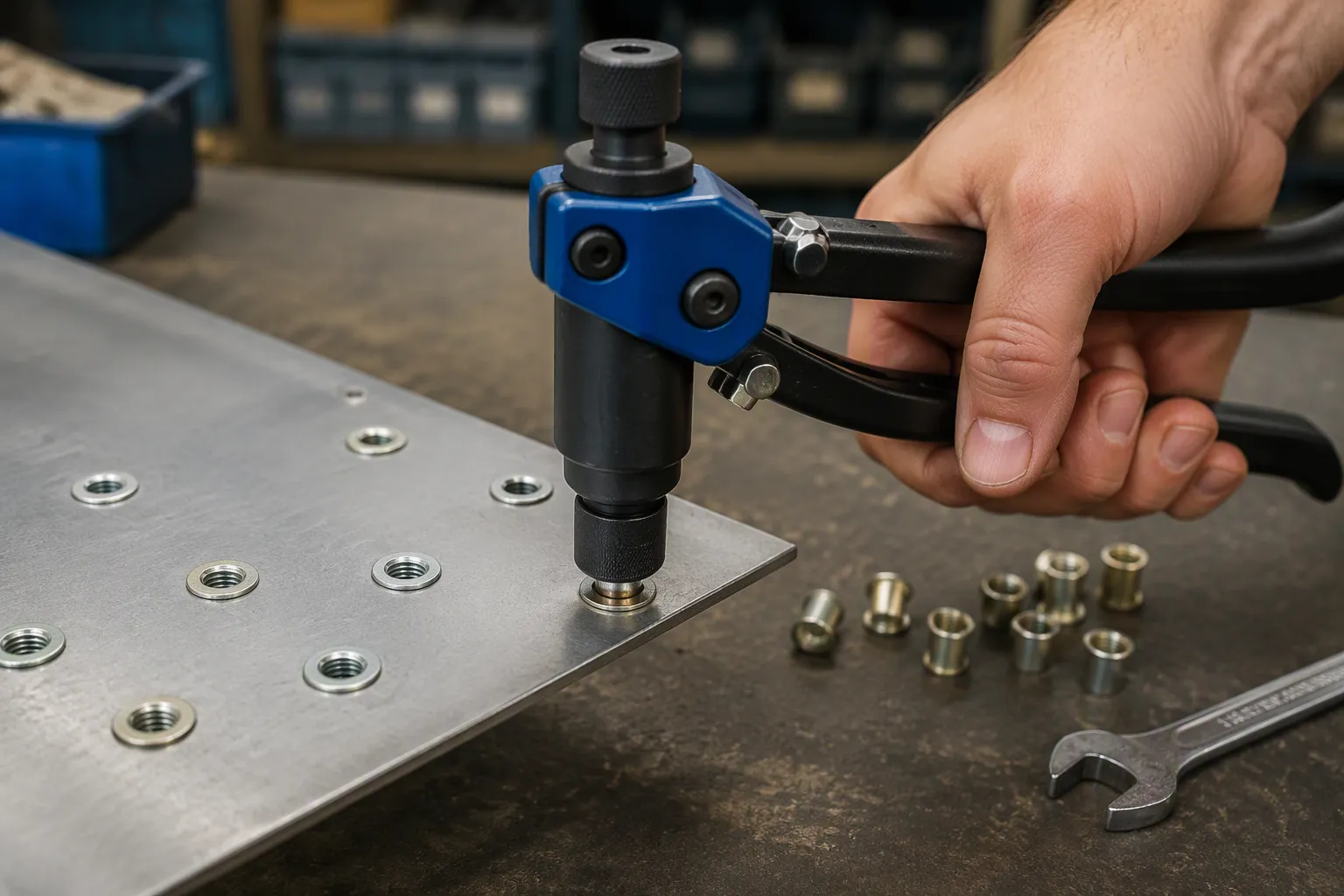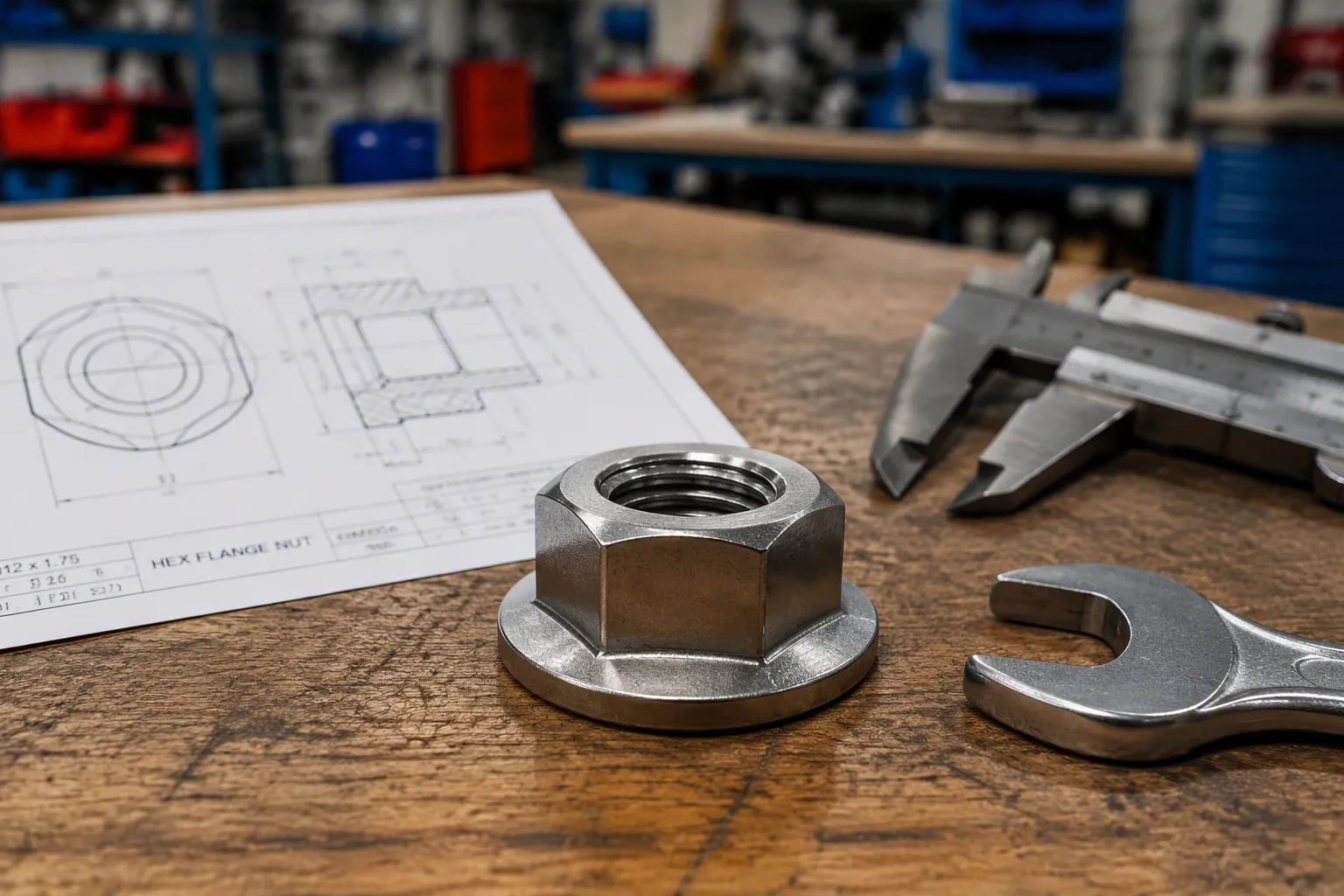
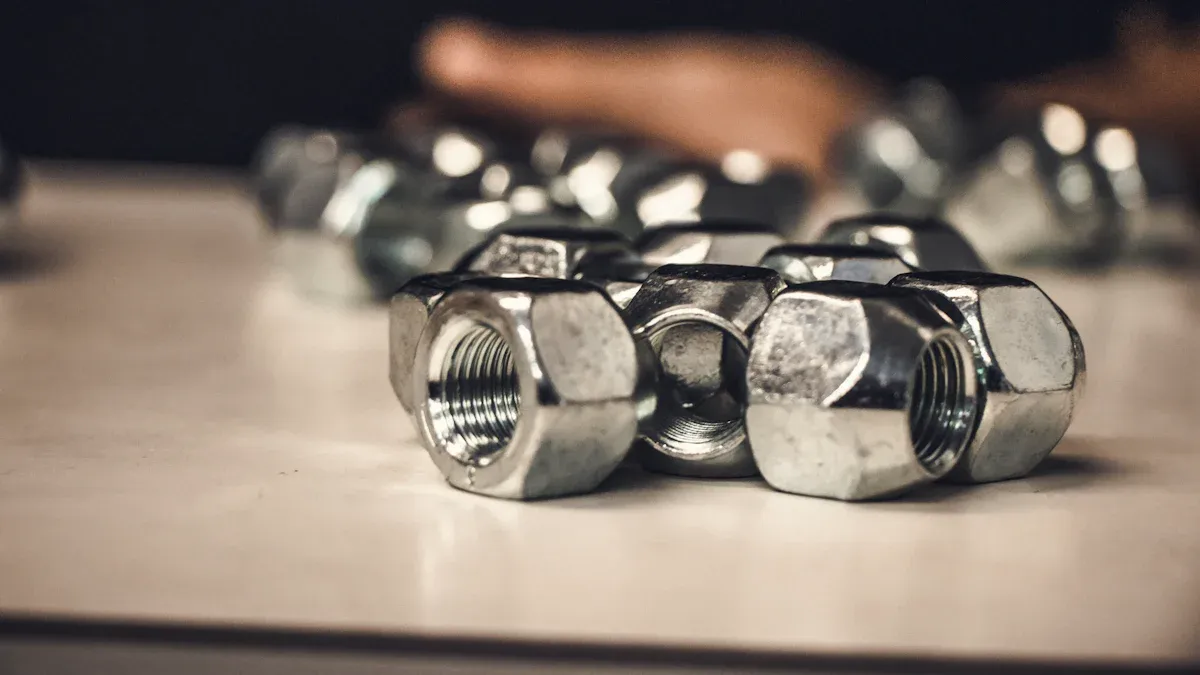
Selecting the correct carriage bolt is critical for structural integrity and longevity. The quality of the bolt casting directly impacts performance. Professionals often choose Hot-Dipped Galvanized (HDG) steel for its excellent durability-to-value ratio in outdoor projects. For maximum corrosion resistance in coastal areas, 316 Marine Grade Stainless Steel is the ultimate choice. A custom fasteners manufacturer can supply these specialty items. Zinc-plated steel provides a cost-effective solution for indoor applications. These carriage bolt options ensure every project has the right hardware.
1. Hot-Dipped Galvanized (HDG) Steel Carriage Bolts
Hot-Dipped Galvanized (HDG) steel bolts are the workhorse of the construction industry for outdoor projects. Professionals prefer them for their unmatched combination of strength, longevity, and value, making them one of the most reliable carriage bolt options available.
Why It’s the Go-To for Outdoor Structures
Superior Corrosion Resistance
The hot-dip galvanizing process involves immersing the steel bolt in a bath of molten zinc. This method creates a thick, metallurgically bonded coating that is far superior to the thin layer on zinc-plated bolts. This coating adheres to strict industry standards, such as ASTM A153, which mandates a continuous and smooth finish. The result is a robust barrier that physically blocks moisture and oxygen from reaching the steel core, effectively preventing rust.
Long-Term Structural Durability
HDG bolts provide exceptional service life. While they easily last over 10 years in mild conditions, their true durability is remarkable in less severe environments. This long-term performance ensures the structural connections in your project remain secure for decades.
| Environment | Minimum Lifespan (Hot-Dip Galvanized Fasteners) |
|---|---|
| Rural | 80+ years |
| Suburban | 60+ years |
Cost-Effectiveness for Large Projects
While HDG bolts have a higher initial cost than basic zinc-plated hardware, they are significantly more economical over the project’s lifespan. Their resistance to corrosion eliminates the need for premature replacements and costly repairs. For large-scale projects like a complete fence line or an expansive deck, this long-term value makes them the most financially sound choice.
Recommended Sizes for 4×4 Posts
Diameter: 1/2 Inch for Strength
For securing structural 4×4 posts, a 1/2-inch diameter bolt is the professional standard. This size provides substantial shear strength and clamping force, preventing posts from shifting or loosening over time. A standard 1/2-inch steel bolt offers a minimum tensile strength of 60,000 psi, ensuring it can handle the heavy loads associated with decks, pergolas, and fences.

Length: 6 to 8 Inches
The ideal bolt length depends on the materials being joined. A 6-inch bolt is typically sufficient for connecting a 4×4 post to a single 2x joist or rim board. An 8-inch bolt is necessary when connecting two 4×4 posts together (actual width 3.5″ + 3.5″ = 7″), leaving enough thread exposed for a washer and a fully engaged nut.
Best Applications
Professional Tip: Always use HDG nuts and washers with HDG bolts. Mixing metals can cause galvanic corrosion, which compromises the protective coating and weakens the connection.
Decks and Railing Systems
HDG bolts are essential for building a safe and durable deck. Builders use them to attach 4×4 support posts to the substructure and to securely mount railing posts, ensuring the entire system can withstand significant force.
Fences and Gates
These bolts provide the strength needed to fasten fence rails to 4×4 posts and to hang heavy wooden or metal gates. Their weather resistance ensures that these critical connection points will not fail due to rust.
Pergolas and Pavilions
For overhead structures like pergolas, pavilions, and arbors, HDG bolts offer the structural integrity required to connect beams and rafters to the 4×4 support posts. This ensures the structure remains stable and safe through years of exposure to sun, rain, and wind.
Installation Tips and Considerations
Proper installation technique is just as important as selecting the right bolt. Following professional best practices ensures the HDG bolt performs as intended, providing maximum structural security and corrosion resistance for the life of the project. Incorrect handling can compromise both the bolt’s protective coating and the integrity of the wood connection.
Using HDG Washers and Nuts
Pairing HDG bolts with the correct hardware is non-negotiable for outdoor construction. Installers must use nuts and washers that are also hot-dipped galvanized. This practice prevents a destructive process known as galvanic corrosion.
⚠️ Avoid Mismatched Metals
When a less-protected metal (like zinc-plated steel) touches a more noble metal (the thick zinc on an HDG bolt) in the presence of moisture, the weaker coating sacrifices itself to protect the stronger one. This reaction rapidly strips the protection from the zinc-plated hardware, leading to premature rust and connection failure.
Furthermore, manufacturers tap HDG nuts slightly oversized. This design feature accommodates the thick, uneven zinc coating on the bolt’s threads, ensuring a smooth and secure fit without damaging the threads during tightening. Using a standard nut would result in binding and galling.
Handling the Thick Coating
The robust zinc coating on an HDG bolt requires specific handling techniques during installation. Unlike the smooth finish of a zinc-plated or stainless steel bolt, the HDG coating is inherently thick and can be uneven.
Key considerations include:
- Drilling the Hole: Professionals typically drill the hole for the bolt 1/16-inch larger than the bolt’s diameter. For a 1/2-inch bolt, drilling a 9/16-inch hole provides the necessary clearance to insert the bolt without excessive force, which could damage the wood or the bolt’s coating.
- Inserting the Bolt: The bolt should have a snug fit. An installer can gently tap the bolt head with a mallet to seat it fully into the wood. The square neck under the head will bite into the wood, preventing the bolt from turning during tightening.
- Proper Tightening: Over-tightening a bolt can crush the wood fibers, weakening the connection. Under-tightening creates a loose joint that allows for movement and wear. Professionals use a torque wrench to apply precise force. For a 1/2-inch HDG bolt securing a 4×4 post, an installation torque between 50 and 60 ft./lbs. is the industry standard. This achieves optimal clamping force without compromising the structural integrity of the wood.
2. Stainless Steel (316 Marine Grade) Carriage Bolts
When a project demands the absolute best in corrosion resistance and a flawless finish, professionals turn to 316 Marine Grade Stainless Steel bolts. These fasteners represent the pinnacle of performance for structures built in the most challenging environments.
Why It’s the Premium Choice for Harsh Environments
Ultimate Rust and Corrosion Protection
The superior performance of 316 stainless steel comes from its specific chemical composition. It contains a higher percentage of nickel and, most importantly, an element called molybdenum. This combination creates a robust, passive layer that actively resists chlorides found in saltwater, de-icing salts, and pool chemicals. In standardized salt spray tests, its advantage over common 304 stainless steel is clear.
| Stainless Steel Type | Neutral Salt Spray Resistance (hours) |
|---|---|
| 304 | 48-72 |
| 316 | 72-120 |
This enhanced durability makes it the only reliable choice for long-term exposure to corrosive elements.
Clean, Professional Appearance
Beyond its technical performance, 316 stainless steel offers a bright, clean aesthetic that elevates the look of any project. Unlike galvanized or coated bolts, it will not rust or leach, preventing unsightly black or orange stains on the surrounding wood. This preserves the natural beauty of materials like cedar, redwood, and ipe, making it ideal for high-end construction where every detail matters.
Resistance to Pitting and Staining
The molybdenum in 316 stainless steel provides exceptional defense against pitting corrosion. This localized form of corrosion creates small holes or “pits” in the metal surface, which can compromise structural integrity over time. Its resistance ensures the bolt’s surface and strength remain intact, even with constant exposure to saltwater spray or chlorinated water.
Recommended Sizes for 4×4 Posts
Diameter: 1/2 Inch for Robustness
A 1/2-inch diameter bolt provides the necessary strength for securing structural 4×4 posts. While a standard Grade 2 steel bolt has a tensile strength of around 74,000 psi, high-strength 316 stainless steel (Class A4-80) offers significantly greater strength, ensuring a robust and secure connection.
| Bolt Type | Minimum Tensile Strength (MPa) |
|---|---|
| 316 Stainless Steel (A4-80) | 800 |
| Grade 2 Steel | ≈ 510 |
This superior strength provides an extra margin of safety for critical structural joints.
Length: 6 to 8 Inches
Proper length is crucial for a secure connection. A 6-inch bolt is suitable for attaching a 4×4 post to a 2x beam. An 8-inch bolt is required when fastening two 4×4 posts together, allowing ample room for a washer and nut.
Best Applications
Note: 📝 While extremely strong, stainless steel can be susceptible to galling (cold welding) under high friction. Applying an anti-seize lubricant to the threads before tightening is a professional best practice.
Coastal and Lakeside Structures
These bolts are the industry standard for any construction near the ocean or large bodies of saltwater. Their ability to resist salt-induced corrosion is unmatched.
Docks and Pool Areas
The molybdenum content makes 316 stainless steel ideal for docks, pool decks, and safety fences where hardware is constantly exposed to treated water and chemicals.
High-End Architectural Projects
For modern homes, decorative timber frames, and landscape designs with visible hardware, 316 stainless steel provides a premium look that lasts. It is one of the finest carriage bolt options for projects where both aesthetics and longevity are top priorities.
Installation Tips and Considerations
Proper installation of 316 stainless steel bolts is crucial to harness their full potential. Installers must handle these premium fasteners with specific techniques to prevent damage and ensure a secure, long-lasting connection. Key considerations involve preventing a common issue known as galling and understanding the cost-benefit analysis of this high-performance hardware.
Preventing Galling (Cold Welding)
Austenitic stainless steels, including the 316 grade, possess high ductility. This property makes them uniquely susceptible to galling, a process where the threads of the bolt and nut seize under pressure during tightening. The friction and heat generated cause the metal surfaces to fuse, effectively “cold welding” the fastener. This can prevent proper tightening or make future disassembly impossible without cutting the bolt.
Professionals prevent galling by applying a specialized lubricant to the threads before installation. This lubricant creates a barrier that reduces friction and stops the metal-to-metal binding. Two primary types of lubricants are effective for this purpose:
- Anti-Seize Compounds: These lubricants are a mixture of a base grease with solid particles like graphite, molybdenum disulfide, or copper. They form a protective film that withstands high pressure and temperature. These compounds also offer additional corrosion protection, which is beneficial in harsh environments.
- PTFE-Based Lubricants: Polytetrafluoroethylene (PTFE) is known for its extremely low friction. Available as a spray, paste, or tape, PTFE creates a non-stick surface on the threads. It is highly resistant to chemicals, making it an excellent choice for pool areas or industrial settings.
Professional Tip: 💡 An installer should apply a thin, even coat of lubricant to the bolt’s threads before threading the nut. Over-application can attract debris and may lead to inaccurate torque readings.
Higher Initial Cost vs. Longevity
The upfront cost of 316 stainless steel bolts is significantly higher than that of galvanized or zinc-plated options. However, professionals view this not as an expense but as an investment in the project’s longevity and structural integrity. The true value becomes clear when analyzing the total cost of ownership over the structure’s lifespan.
| Fastener Type | Initial Cost | Lifetime Value & Maintenance |
|---|---|---|
| Zinc-Plated Steel | Low | Low; requires frequent replacement in outdoor settings. |
| Hot-Dipped Galvanized | Medium | High; excellent lifespan but may eventually corrode. |
| 316 Stainless Steel | High | Highest; virtually eliminates replacement and repair costs. |
Choosing a cheaper bolt for an outdoor or coastal project often leads to premature failure from rust. This failure necessitates costly repairs that involve purchasing new hardware and paying for the labor to replace the compromised fasteners. In contrast, 316 stainless steel bolts are a “set it and forget it” solution. Their resistance to rust and staining ensures the connection remains secure and the appearance remains pristine for decades. For critical applications where failure is not an option, the initial investment in 316 stainless steel provides unparalleled peace of mind and proves to be the most economical choice in the long run.
3. Zinc-Plated Steel Carriage Bolts
Zinc-plated steel bolts are the most common and budget-friendly fasteners on the market. Their bright, shiny finish is achieved through electroplating, a process that deposits a thin layer of zinc onto the steel core. While they offer a clean look, professionals understand their limitations and reserve them for specific, controlled environments.
Why It’s Best for Interior or Dry Applications
Ideal for Indoor Projects
The primary strength of zinc-plated bolts lies in their performance indoors. They are an excellent choice for projects completely shielded from moisture, such as building workshop furniture, shelving units, or indoor framing. In a dry, climate-controlled setting, the zinc coating provides sufficient protection against incidental rust and maintains its appearance.
Basic Rust Protection
The thin zinc coating offers only minimal defense against corrosion. When used outdoors, their lifespan is severely limited. Corrosion can appear within months, especially in humid climates or areas with salt exposure. For any outdoor application, hot-dip galvanized or stainless steel bolts are the superior choice for ensuring long-term structural safety.
| Feature | Hot-Dip Galvanized (HDG) | Zinc Plated |
|---|---|---|
| Durability outdoors | Excellent; decades possible | Limited; suitable for mild indoor use or protected outdoors |
Low Cost and Wide Availability
Zinc-plated bolts are widely available at any hardware store and are extremely cost-effective. Their low price point makes them an attractive option for projects requiring a large quantity of fasteners where structural integrity in harsh conditions is not a concern. This makes them one of the most economical carriage bolt options for specific uses.
Recommended Sizes for 4×4 Posts
Diameter: 3/8 or 1/2 Inch
For light-duty indoor applications involving 4x4s, a 3/8-inch or 1/2-inch diameter bolt is adequate. A 3/8-inch bolt works well for decorative elements, while a 1/2-inch bolt provides more clamping force for projects like a heavy-duty workbench frame.
Length: 6 Inches
A 6-inch length is typically sufficient for most indoor 4×4 connections. This length easily accommodates joining a 4×4 post to a 2x board, leaving enough thread for a washer and nut.
Best Applications
⚠️ Warning: Never use zinc-plated bolts for outdoor structural applications like decks, fences, or pergolas. The coating will fail, leading to rust and a dangerously weakened connection.
Indoor Framing and Furniture
These bolts are perfect for assembling heavy indoor furniture, workbenches, and non-load-bearing interior frames where weather exposure is not a factor.
Dry, Covered Porches
In some cases, zinc-plated bolts can be used on a covered porch if the area is completely protected from rain, snow, and high humidity. However, this application still carries risk if the environment is not consistently dry.
Temporary or Non-Structural Uses
Their low cost makes zinc-plated bolts ideal for temporary structures, such as bracing for concrete forms or trade show displays. They are also suitable for various non-specialty industrial and consumer products where high corrosion resistance is not required. Common uses include:
- Automotive assemblies
- Consumer electronics
- Protected outdoor furniture
- Industrial machinery guards
Installation Tips and Considerations
Properly using zinc-plated bolts requires a clear understanding of their specific purpose and significant limitations. Professionals select these fasteners only when the application guarantees protection from corrosive elements. Following best practices ensures they perform reliably within their intended environment.
Avoiding Outdoor Exposure
Installers must strictly reserve zinc-plated bolts for dry, interior locations. The thin electroplated zinc coating offers minimal protection and fails quickly when exposed to the elements. Even minimal contact with moisture initiates the corrosion process.
⚠️ Critical Warning: Pressure-Treated Lumber
Professionals never use zinc-plated bolts with modern pressure-treated wood (like ACQ or ACZA). The copper-based chemicals in the lumber are highly corrosive to the thin zinc coating. This combination creates an aggressive galvanic reaction that can destroy the bolt in a very short time, leading to a catastrophic structural failure.
Key factors that cause rapid failure include:
- Rain and Snow: Direct exposure to precipitation will cause rust to appear almost immediately.
- Humidity: High ambient humidity provides enough moisture to break down the zinc layer over time, even without direct rain.
- Condensation: Temperature fluctuations in unconditioned spaces like sheds or garages can cause condensation to form on the bolts, leading to rust.
For any project that might encounter moisture, professionals always upgrade to hot-dipped galvanized or stainless steel hardware.
Understanding Its Limitations
The primary limitation of a zinc-plated bolt is its weak defense against corrosion. This weakness dictates its appropriate use. Its low cost does not justify its use in applications where safety and longevity are priorities. Professionals recognize that its value lies in its economy for non-critical, dry-use cases only.
A direct comparison highlights its position in the fastener hierarchy:
| Feature | Zinc-Plated | Hot-Dipped Galvanized | 316 Stainless Steel |
|---|---|---|---|
| Corrosion Resistance | Poor | Good | Excellent |
| Outdoor Structural Use | Unsuitable | Recommended | Ideal |
| Use with Treated Wood | No | Yes | Yes |
| Initial Cost | Low | Medium | High |
Ultimately, an installer should view zinc-plated bolts as a specialty item for a controlled environment. Using them for outdoor structures, load-bearing beams, or in contact with treated lumber is a common but dangerous mistake. Understanding these limitations is key to building safe, durable projects.
4. Black Coated Steel Carriage Bolts
Black coated steel bolts have become a popular choice for projects where aesthetics are as important as function. These fasteners offer a bold, contemporary look that standard metallic finishes cannot match, making them a key component in modern design.
Why It’s Chosen for Aesthetic Appeal
Modern, Decorative Finish
The primary draw of these bolts is their sleek, non-reflective black finish. This look is achieved through various coating processes, including powder coating, ceramic coating, or a black oxide conversion coating. Each method provides a distinct appearance and level of durability. Professionals specifying these fasteners must be precise to ensure consistent results.
Your engineering specs for oxidized fasteners must be precise. Just writing “black oxide finish” is not enough information for manufacturing. You should specify the standard, such as MIL-DTL-13924.
Common industry standards for these coatings include:
- MIL-DTL-13924: A military specification for black oxide coatings.
- ASTM D769: A standard for black synthetic iron oxide.
- ISO 11408: An international standard for black oxide finishes on iron and steel.
Moderate Weather Resistance
Black coatings provide a moderate barrier against corrosion. A black oxide finish, often supplemented with a wax or oil treatment, offers limited protection. It performs better than untreated steel but is not a substitute for hot-dipped galvanization in harsh environments. Accelerated salt spray tests show this difference clearly.
| Coating Type | Salt Spray Test Performance |
|---|---|
| Black Oxide | Corrosion observed after 24 to 96 hours |
| Hot-Dipped Galvanization | Poor; this test is not representative of real-world performance for zinc coatings |
It is important to note that accelerated tests like the ASTM B117 salt spray test do not accurately predict the real-world performance of zinc coatings. These tests directly attack the zinc, preventing the formation of the protective zinc patina that develops in natural environments.
Complements Black Hardware
Designers and builders choose black bolts to create a cohesive and intentional look. They perfectly match the popular trend of using black hardware, including gate hinges, post caps, joist hangers, and decorative brackets. This coordination elevates a project from purely functional to a polished, architectural statement.
Recommended Sizes for 4×4 Posts
Diameter: 1/2 Inch
For structural connections involving 4×4 posts, a 1/2-inch diameter bolt provides the necessary clamping force and shear strength. This size ensures the joint remains secure and stable.
Length: 6 to 8 Inches
A 6-inch bolt is suitable for connecting a 4×4 post to a 2x board. An 8-inch bolt is required for fastening two 4×4 posts together, providing sufficient length for a washer and nut.
Best Applications
Decorative Fences and Gates
These bolts add a touch of elegance to ornamental fences and gates, where the hardware is a visible part of the design.
Modern Pergolas and Arbors
For contemporary pergolas, pavilions, and arbors, black bolts complement clean lines and dark-stained wood, reinforcing a modern aesthetic.
Projects with Visible Hardware
Ultimately, black coated bolts are the best of the carriage bolt options when fasteners are intentionally left exposed as a design element. They are ideal for furniture, accent walls, and any structure where the hardware contributes to the final look.
Installation Tips and Considerations
The aesthetic value of black coated bolts depends entirely on the condition of their finish. Installers must use specific techniques to protect the coating during installation and address any damage promptly to prevent corrosion.
Protecting the Coating During Install
The black coating on these bolts is durable but not indestructible. Careful handling is crucial because scratches and dents can expose the bare steel beneath the protective layer. A compromised coating immediately creates a weak point for rust to develop.
Professionals employ several methods to preserve the finish during tightening:
- Use Lined Sockets: A socket wrench with a non-marring plastic or nylon liner is the best tool for the job. These liners create a protective barrier between the hard steel of the socket and the bolt’s coating, preventing scratches.
- Apply Protective Tape: In the absence of a lined socket, an installer can wrap the bolt head or nut with a few layers of electrical tape. This simple trick provides a soft cushion that absorbs the friction and pressure from the wrench.
- Avoid Metal Hammers: An installer should never strike a black coated bolt head directly with a steel hammer. If persuasion is needed to seat the bolt, a rubber or wooden mallet should be used to avoid chipping the finish.
Potential for Scratches and Rust
Even with careful installation, scratches can occur. It is critical to address this damage immediately, as an exposed scratch is an open invitation for rust. Rust can be stopped if caught in its early stages. The repair process involves sanding away the corrosion, treating the bare metal, and sealing the area.
For minor touch-ups, several effective solutions are available:
- Rust Converters: A phosphoric acid-based rust converter chemically alters the rust into a stable, paintable surface. An installer must apply it carefully to avoid damaging the surrounding coating.
- Rust-Prevention Paint: After treating the rust, applying a high-quality rust-prevention paint acts as a new barrier between the metal and the environment. These paints are available in various finishes, allowing for a close aesthetic match.
Many builders face the challenge of repairing small nicks on installed hardware without a full disassembly.
I was hoping for something black. Spray cans won’t work on such a small area unless I mask it off… I just need to coat the heads and nuts. Anything with a brush?
For this common scenario, a small artist’s brush paired with a can of black rust-inhibiting paint is the ideal solution. This method allows for precise application directly onto the damaged bolt head or nut, restoring both the appearance and the protective layer.
5. Silicone Bronze Carriage Bolts
Silicone bronze carriage bolts represent the pinnacle of specialty fasteners, chosen by artisans and builders for projects where performance and aesthetics must be uncompromising. This copper alloy offers a unique combination of strength, beauty, and chemical compatibility that sets it apart from all steel-based options.
Why It’s a High-End Specialty Option
Exceptional Strength and Corrosion Resistance
Silicone bronze is an alloy primarily of copper, with silicon added for strength. The resulting material possesses a tensile strength that often surpasses that of standard steel bolts. Its corrosion resistance is legendary, particularly in marine environments. It is virtually immune to saltwater and harsh chemicals, providing a service life that can outlast the wooden structures it holds together.
Unique, Premium Aesthetic
These bolts have a distinctive, warm reddish-gold hue when new. Over time, exposure to the elements causes the metal to develop a beautiful, deep brown or greenish patina. This natural aging process adds a timeless, elegant character to a project. Builders use this feature to create a classic, high-end look that cannot be replicated with coated or plated fasteners.
Compatibility with Tannic Woods
Many premium woods, such as cedar, redwood, and oak, are rich in natural acids called tannins. When standard steel fasteners are used with these woods, a chemical reaction occurs that creates unsightly black or blue stains, bleeding down from the bolt head. Silicone bronze completely prevents this issue.
- It is an iron-free alloy.
- The absence of iron means the chemical reaction between iron and tannins cannot occur.
- This inherent compatibility makes it the perfect fastener for preserving the natural beauty of acidic wood species.
Recommended Sizes for 4×4 Posts
Diameter: 1/2 Inch
For structural applications involving 4×4 posts, a 1/2-inch diameter silicone bronze bolt provides exceptional shear strength and clamping force. This ensures a robust and permanent connection for critical joints.
Length: 6 to 8 Inches
Professionals select bolt length based on the assembly. A 6-inch bolt is appropriate for securing a 4×4 to a 2x member. An 8-inch bolt is necessary for joining two 4×4 posts, allowing adequate thread engagement for the nut and washer.
Best Applications
💡 Artisan’s Choice: Silicone bronze is often specified for historical restoration projects to maintain material authenticity and ensure longevity.
Marine and Luxury Boat Building
This material has a long history in boat building. Craftsmen use it for planking, framing, and hardware installation on high-end wooden boats where failure from corrosion is not an option.
High-End Timber Framing
In architectural timber framing, where connections are often exposed as part of the design, silicone bronze bolts provide both the required structural integrity and a superior aesthetic finish.
Cedar and Redwood Projects
For premium decks, pergolas, and fences built with cedar or redwood, these are the ultimate carriage bolt options. They guarantee a clean, stain-free appearance that protects the investment in expensive lumber.
Installation Tips and Considerations
Choosing silicone bronze bolts involves more than just appreciating their unique properties. Professionals must also account for their premium price and specialized sourcing requirements. Proper planning ensures these high-end fasteners are available when needed and that their cost is justified by the project’s demands.
Justifying the Premium Cost
The initial cost of silicone bronze hardware is its most significant consideration. These bolts are substantially more expensive than even other premium options like 316 stainless steel. This price difference reflects the higher cost of the raw copper alloy and the specialized manufacturing process.
| Bolt Type | Price Range Per Bolt |
|---|---|
| 316 Stainless Steel | $0.50 – $3.00 |
| Silicon Bronze | $2.00 – $8.00 |
Professionals justify this expense by evaluating the total lifetime value. For a high-end project using expensive lumber like cedar or redwood, the cost of the fasteners is a small fraction of the overall budget. Using a cheaper bolt that causes tannin staining would ruin the aesthetic of the costly wood, diminishing the project’s value. The cost to replace stained boards and failed fasteners would far exceed the initial investment in silicone bronze.
💡 Investment Logic: The premium for silicone bronze is an insurance policy against aesthetic failure and future repairs. It protects the primary investment: the premium wood and the project’s overall appearance.
Sourcing and Availability
Silicone bronze carriage bolts are not a standard stock item at local hardware or big-box stores. Their specialized nature means builders must source them from specific suppliers. Planning ahead is essential to avoid project delays.
Installers can find these fasteners through several channels:
- Marine Supply Stores: Boat chandleries and marine hardware suppliers are the most traditional sources for silicone bronze fasteners.
- Specialty Fastener Distributors: Many industrial suppliers carry a wide range of alloys and can procure silicone bronze bolts, often in bulk quantities.
- Online Retailers: A growing number of online stores cater directly to timber framers, boat builders, and high-end construction professionals, offering a wide selection of sizes.
Builders should confirm availability and lead times well before construction begins. Ordering these bolts early in the project planning phase ensures the correct sizes and quantities are on hand when needed, keeping the project on schedule.
Comparing Your Top Carriage Bolt Options
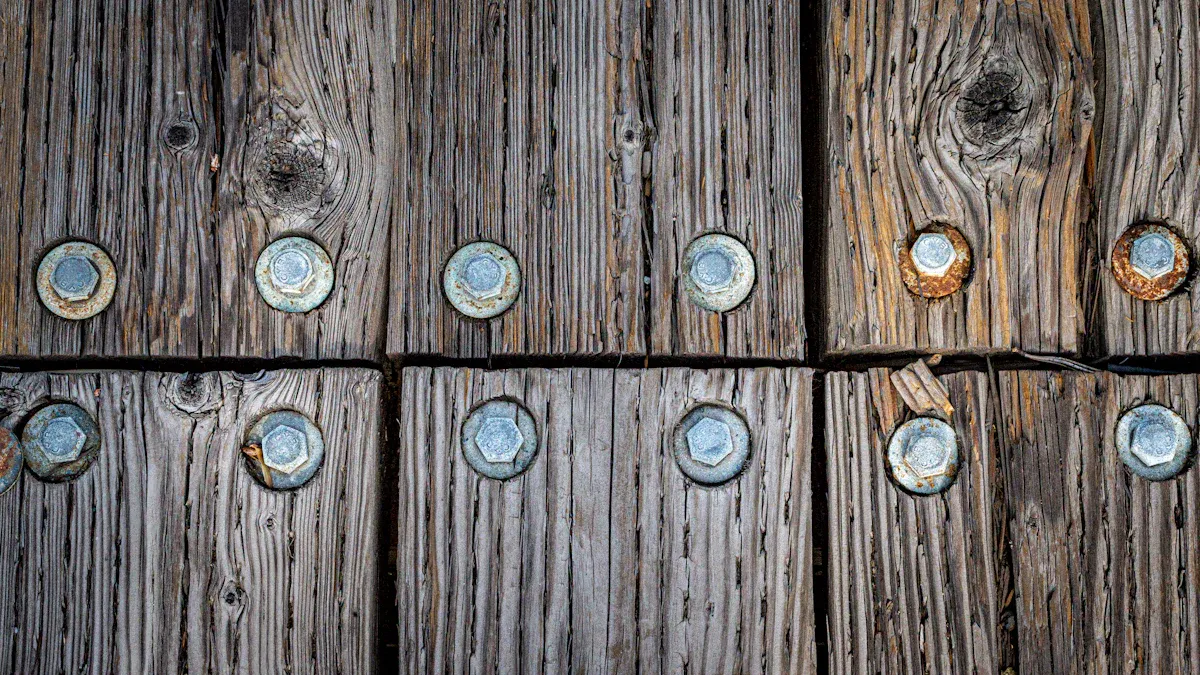
Selecting the right fastener requires a direct comparison of material performance, strength, and cost. Each factor plays a critical role in the project’s success and longevity. A clear analysis helps builders make an informed decision based on specific environmental and structural demands.
Corrosion Resistance Head-to-Head
Galvanized vs. Stainless Steel
Both hot-dipped galvanized (HDG) and 316 stainless steel bolts excel outdoors. Their methods of protection differ significantly. HDG bolts have a thick zinc coating that sacrificially protects the steel core. 316 stainless steel contains molybdenum, an element that creates a passive layer actively resisting chlorides from salt and pool chemicals.
Key Takeaway:
- HDG: Excellent, cost-effective protection for most outdoor projects.
- 316 Stainless Steel: Ultimate protection for coastal, marine, or poolside applications.
Coated vs. Zinc-Plated
Black coated and zinc-plated bolts offer lower levels of corrosion resistance. A black oxide or powder coating provides a moderate physical barrier against moisture. It is suitable for decorative applications where aesthetics are key. Zinc-plated bolts have a very thin electroplated layer. This layer offers minimal protection, making them suitable only for dry, indoor projects.
Strength and Load-Bearing Capacity
Steel Grades Explained
Manufacturers grade steel bolts based on their tensile strength, or the amount of pulling force they can resist before breaking. Most standard steel carriage bolts meet Grade 2 specifications. Specialty alloys offer enhanced performance. For example, certain 316 stainless steel and silicone bronze bolts provide superior strength compared to common steel grades, offering an extra margin of safety.
Why Diameter Matters Most
For structural connections, bolt diameter is the most important factor for strength. A larger diameter dramatically increases a bolt’s shear strength, which is its ability to resist forces that could slice it in half. A 1/2-inch diameter bolt provides substantially more load-bearing capacity than a 3/8-inch bolt. This makes the 1/2-inch size the professional standard for securing structural 4×4 posts.
Cost Analysis per Project
The price of different carriage bolt options directly impacts the total project budget. The initial investment often reflects the fastener’s long-term value and performance.
Budgeting for a Deck
For a typical deck requiring 50 structural bolts, the cost difference is clear.
| Bolt Type | Estimated Cost for 50 Bolts |
|---|---|
| Hot-Dipped Galvanized | $75 |
| 316 Stainless Steel | $200 |
The higher cost of stainless steel provides an insurance policy against rust in harsh environments.
Cost of a Fence Line
A long fence line may require hundreds of bolts. For a project needing 200 bolts, the value of HDG becomes apparent. While zinc-plated bolts are cheaper, their quick failure outdoors makes them an unwise choice. HDG provides the necessary durability at a manageable price point for large-scale work.
How to Choose the Right Carriage Bolt Size for 4x4s
An installer’s selection of the correct bolt size is as crucial as choosing the right material. The bolt’s diameter determines its strength, while its length ensures a secure connection. Professionals carefully match these dimensions to the project’s specific structural requirements to guarantee safety and stability.
Understanding Bolt Diameter
The diameter of a carriage bolt directly correlates to its load-bearing capacity. A thicker bolt provides greater resistance to shear forces, which are the forces that try to slice a bolt in half. Choosing the appropriate diameter is a fundamental step in structural design.
3/8 Inch: For Lighter Loads
A 3/8-inch diameter bolt is suitable for non-structural or light-duty applications. Installers use this size for projects like garden trellises, decorative railing infill, or lightweight furniture. It provides adequate clamping force for connections that do not bear significant weight.
1/2 Inch: The Standard for Structure
For any project involving structural 4×4 posts, a 1/2-inch diameter bolt is the professional standard. This size offers substantial shear strength and is required by many building codes for deck posts, pergola supports, and fence corner posts. Its robustness ensures the connection can withstand heavy loads and environmental stresses.
5/8 Inch: For Heavy-Duty Connections
Professionals reserve 5/8-inch diameter bolts for the most demanding applications. These heavy-duty fasteners are specified for large-scale timber framing, retaining walls, or connections supporting exceptionally heavy loads. Their massive size provides the ultimate in shear strength and structural security.
Calculating the Correct Bolt Length
Determining the correct bolt length is a straightforward calculation. Unlike screws or nails, bolts must fully penetrate all the wooden members being joined. The bolt must be long enough to pass through all materials and leave enough exposed thread for hardware.
Rule of Thumb: 📏 Bolt Length = (Thickness of Wood 1) + (Thickness of Wood 2) + (Washer Thickness) + (Nut Height)
Connecting a 4×4 to Another 4×4
A nominal 4×4 post has an actual thickness of 3.5 inches. To connect two 4×4 posts, an installer needs a bolt that can pass through 7 inches of wood (3.5″ + 3.5″). An 8-inch bolt is the standard choice, providing an extra inch for a washer and a fully engaged nut.
Connecting a 4×4 to a 2x Beam
A nominal 2x beam has an actual thickness of 1.5 inches. When connecting a 4×4 post (3.5″) to a 2x beam (1.5″), the total wood thickness is 5 inches. A 6-inch bolt is ideal for this connection, leaving ample room for the necessary hardware.
Accounting for Washers and Nuts
The final calculation must always include the thickness of the hardware. A standard washer is about 1/8-inch thick, and a fully engaged nut requires at least 1/2-inch of thread. This extra length ensures the nut can be tightened properly, creating the necessary clamping force to secure the joint.
Step-by-Step Installation Guide for 4×4 Posts
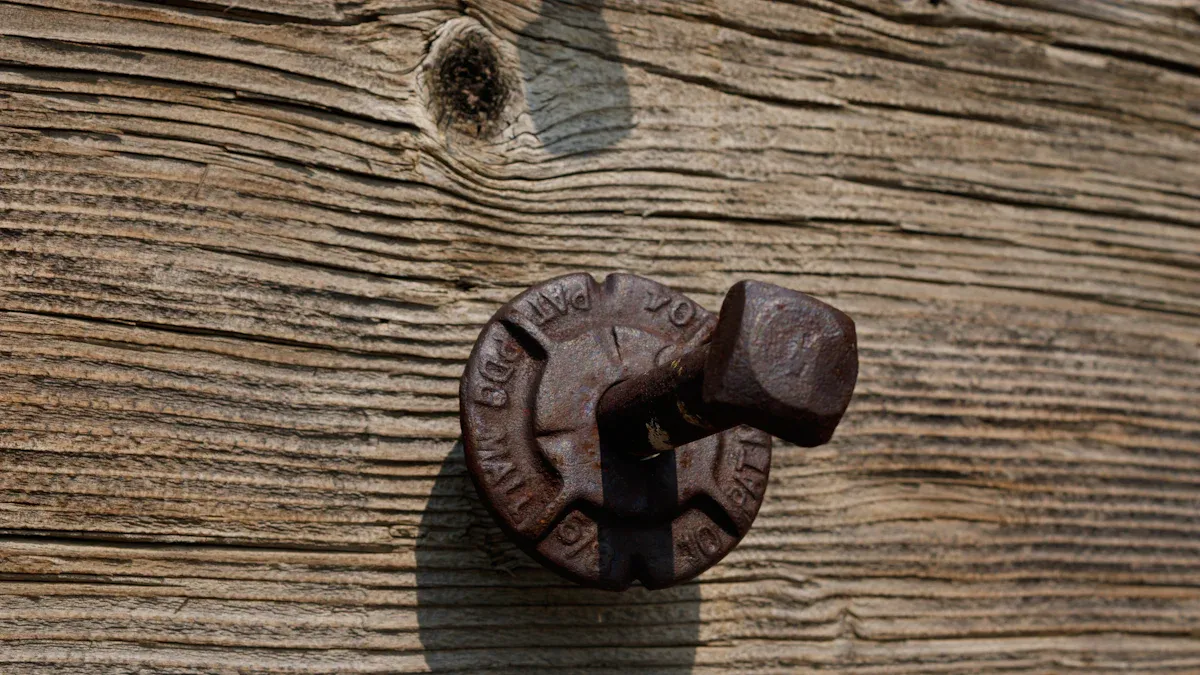
A successful installation relies on proper technique and the right equipment. Following a systematic process ensures that every carriage bolt provides maximum structural security. This guide outlines the professional method for installing carriage bolts in 4×4 posts.
Tools and Materials Needed
An installer gathers a specific set of tools to ensure a clean and efficient installation. Using the correct equipment prevents damage to both the fastener and the wood.
- Power drill
- Drill bits (a spurred wood bit is recommended for clean holes)
- Spanner or ratchet with sockets
- Hammer (preferably a rubber mallet)
- Clamps (optional but highly recommended for stability)
- Tape measure and pencil
Drill and Auger or Spade Bit
A powerful drill is essential for boring through dense 4×4 posts. An installer pairs it with a high-quality auger or spade bit. The bit diameter should be slightly larger than the bolt diameter, typically by 1/16 inch, to accommodate coatings and allow for easier insertion.
Wrench or Socket Set
A wrench or a socket set is necessary for tightening the nut. A socket wrench provides better leverage and control, helping the installer apply consistent torque without stripping the nut or damaging the bolt’s coating.
Mallet or Hammer
A mallet is used to gently tap the carriage bolt into the hole. A rubber mallet is preferable to a steel hammer. It can seat the bolt without marring the bolt head’s protective finish.
Tape Measure and Pencil
Accurate measurements are the foundation of a secure connection. A tape measure and pencil are used to mark the precise center point for the bolt hole, ensuring proper placement and alignment.
The Installation Process
Following these steps ensures a professional-quality connection that is both strong and durable.
Step 1: Mark Your Hole Location
An installer first determines the exact location for the bolt. They use a tape measure to find the center point on the face of the 4×4 post. A clear, precise mark with a pencil ensures the hole is drilled exactly where needed for optimal structural support.
Step 2: Drill a Straight, Clean Hole
Drilling a straight hole is critical. A wandering bit can compromise the connection’s integrity.
Professional Technique: 💡 To maintain a straight path, an installer can hammer a 3 1/2″ nail into the wood right beside the marked hole. They align the nail with a level, creating a visual guide. By sighting along the nail, the installer keeps the drill bit perfectly perpendicular to the wood surface.
It is crucial to start the drill on the correct path. Correcting the angle becomes very difficult once the bit is deep inside the wood.
Step 3: Insert the Carriage Bolt
The installer pushes the carriage bolt through the newly drilled hole. If the fit is snug, they use a rubber mallet to gently tap the bolt head. This action drives the bolt completely through the wood and seats the square neck just below the head. The square neck bites into the wood, which prevents the bolt from spinning during tightening.
Step 4: Secure with a Washer and Nut
Once the bolt is in place, the installer places a washer over the exposed threads. They then thread the nut onto the bolt. Using a socket wrench, they tighten the nut until it is snug. This action should draw the bolt head flush against the wood, creating a firm and secure structural joint.
Common Mistakes to Avoid When Bolting 4×4 Posts
Even with the best materials, common installation errors can compromise a project’s safety and lifespan. Professionals avoid these critical mistakes to ensure every bolted connection is secure and durable.
Using the Wrong Material for the Environment
The surrounding environment dictates the correct fastener material. A poor choice leads to rapid failure.
The Risk of Using Zinc-Plated Bolts Outdoors
Installers must never use zinc-plated bolts for outdoor structures. Their thin electroplated coating offers minimal protection against moisture. When exposed to rain or humidity, these bolts rust quickly, leading to structural weakness and unsightly stains. They are suitable only for dry, interior applications.
Mismatched Metals and Galvanic Corrosion
Galvanic corrosion is an electrochemical process that destroys metal. It occurs when two different metals make electrical contact in the presence of an electrolyte, like saltwater or even rain. One metal becomes a sacrificial anode and corrodes rapidly to protect the other.
⚠️ Critical Alert: A common example is using stainless steel screws in a hot-dipped galvanized joist hanger. The zinc coating on the hanger will quickly corrode, compromising the entire connection.
Professionals always match fastener materials. Using stainless steel bolts requires stainless steel nuts and washers. This practice prevents the destructive reaction that weakens structural joints.

Incorrect Sizing and Placement
Proper bolt geometry is fundamental to structural integrity. The wrong size or placement can lead to failure.
Bolts That Are Too Short or Too Long
A bolt that is too short is a serious safety hazard. It does not provide enough exposed thread for the nut to fully engage, resulting in a weak connection that can easily pull apart. Conversely, a bolt that is too long creates a snagging hazard and looks unprofessional.
Placing Bolts Too Close to Post Edges
Installers must maintain proper distance from the edge of the wood to prevent splitting. The American Wood Council (AWC) provides clear guidelines for this.
Professional Standard: A bolt’s center should be placed at a minimum distance of 4D (four times the bolt’s diameter) from the edge of the lumber. For a 1/2-inch bolt, this means the center of the hole must be at least 2 inches from the post’s edge.
This spacing ensures the wood has enough mass to resist the forces exerted by the bolt without cracking.
Improper Tightening Technique
The final tightening process secures the joint. Both over-tightening and under-tightening create significant problems.
The Dangers of Over-Tightening
Applying excessive torque crushes the wood fibers beneath the washer and bolt head. This damage is permanent and reduces the connection’s clamping force. A properly tightened bolt compresses the wood slightly, but an over-tightened one creates a weak point that can fail under load.
Problems with Loose Connections
An under-tightened bolt allows for movement within the joint. This constant shifting enlarges the bolt hole and causes wear on the fastener over time. The result is a loose, unstable structure that will feel wobbly and become progressively weaker.
Choosing the correct hardware is essential for a project’s success. Professionals evaluate all carriage bolt options to match the material to the environment.
- Hot-Dipped Galvanized 1/2-inch bolts provide the best balance of strength and value for most outdoor structures.
- Builders should upgrade to 316 Stainless Steel for projects near saltwater or pools to ensure maximum longevity.
- Zinc-plated bolts remain an economical and sufficient choice for completely dry, indoor applications.
- An installer must always calculate the correct bolt length to accommodate all materials, a washer, and a fully engaged nut.
FAQ
Can I reuse old carriage bolts?
Professionals advise against reusing old bolts for structural work. Hidden fatigue or corrosion can compromise the fastener’s strength. An installer should always use new, properly rated hardware to ensure a safe and durable connection.
What size drill bit is needed for a 1/2-inch bolt?
An installer typically drills a 9/16-inch hole for a 1/2-inch carriage bolt. This slightly oversized hole provides necessary clearance for the bolt’s coating, such as on an HDG bolt. It allows for easier insertion without damaging the wood.
Do I need a washer under the carriage bolt head?
No, a washer is not required under the head of a carriage bolt. The bolt’s wide, domed head distributes clamping force effectively. The square neck under the head bites into the wood, which prevents the bolt from spinning during tightening.
How tight should I make the nut?
An installer tightens the nut until it is snug and the washer is firmly seated against the wood. The goal is to compress the wood fibers slightly.
⚠️ Warning: Over-tightening can crush the wood, permanently damaging the connection and reducing its strength.
Why did my stainless steel bolt get stuck?
The fastener likely experienced galling, also known as cold welding. This happens when the threads seize under pressure. Professionals prevent this issue by applying an anti-seize lubricant to the bolt threads before installing the nut.
Can I paint hot-dipped galvanized bolts?
Yes, an installer can paint HDG bolts, but proper preparation is essential. The surface must be cleaned thoroughly to remove oils. Then, a special primer formulated for galvanized metal must be applied before the final topcoat.