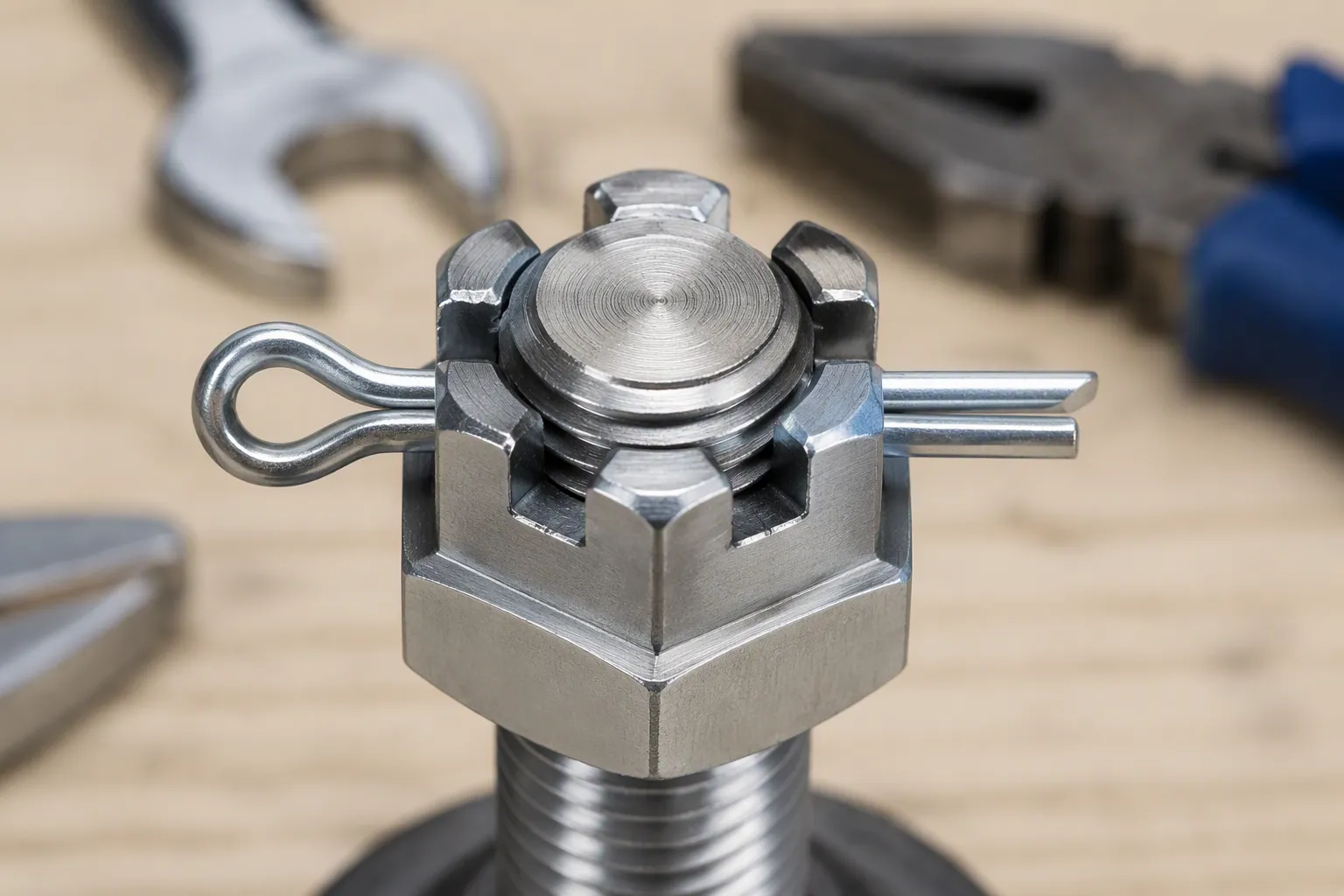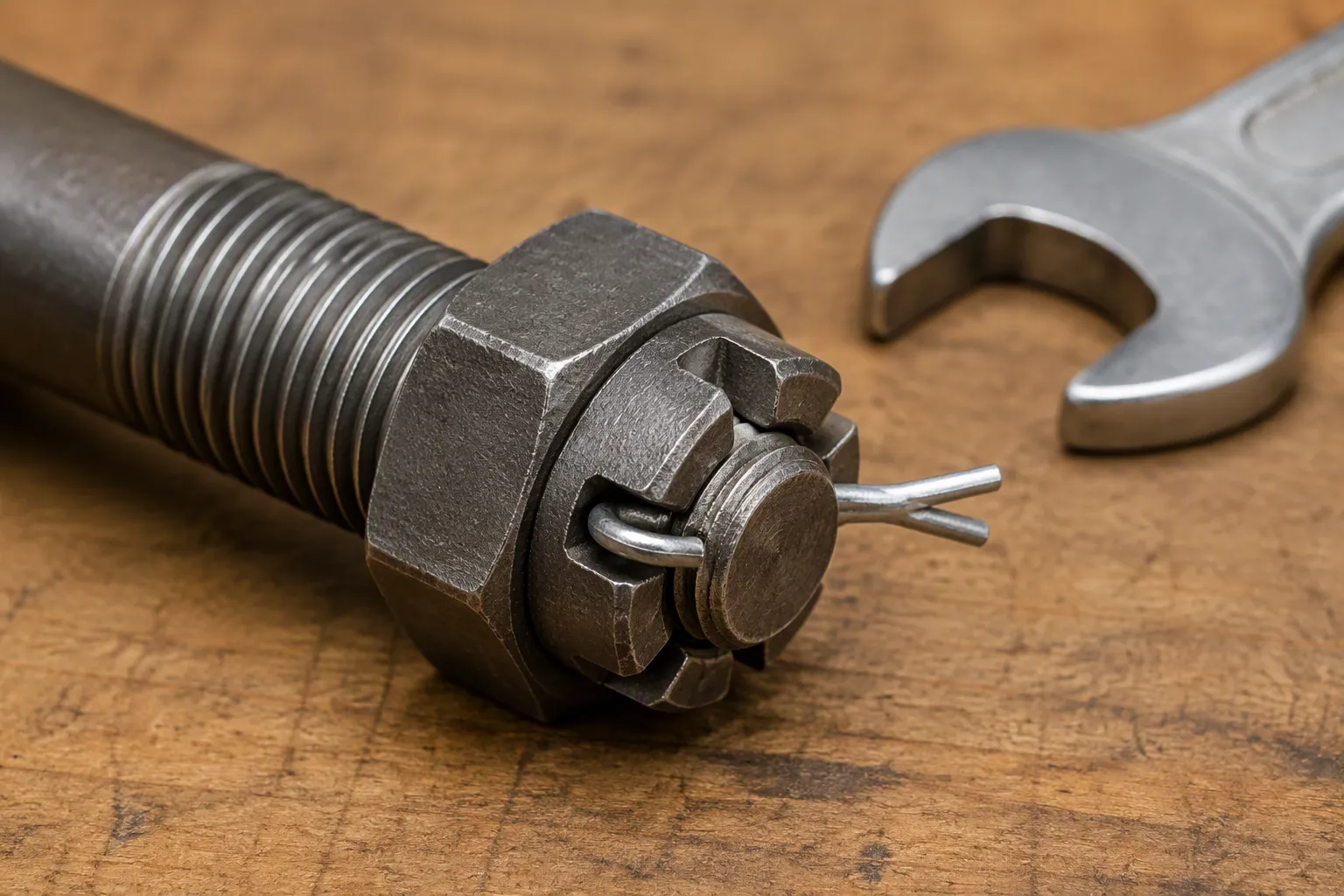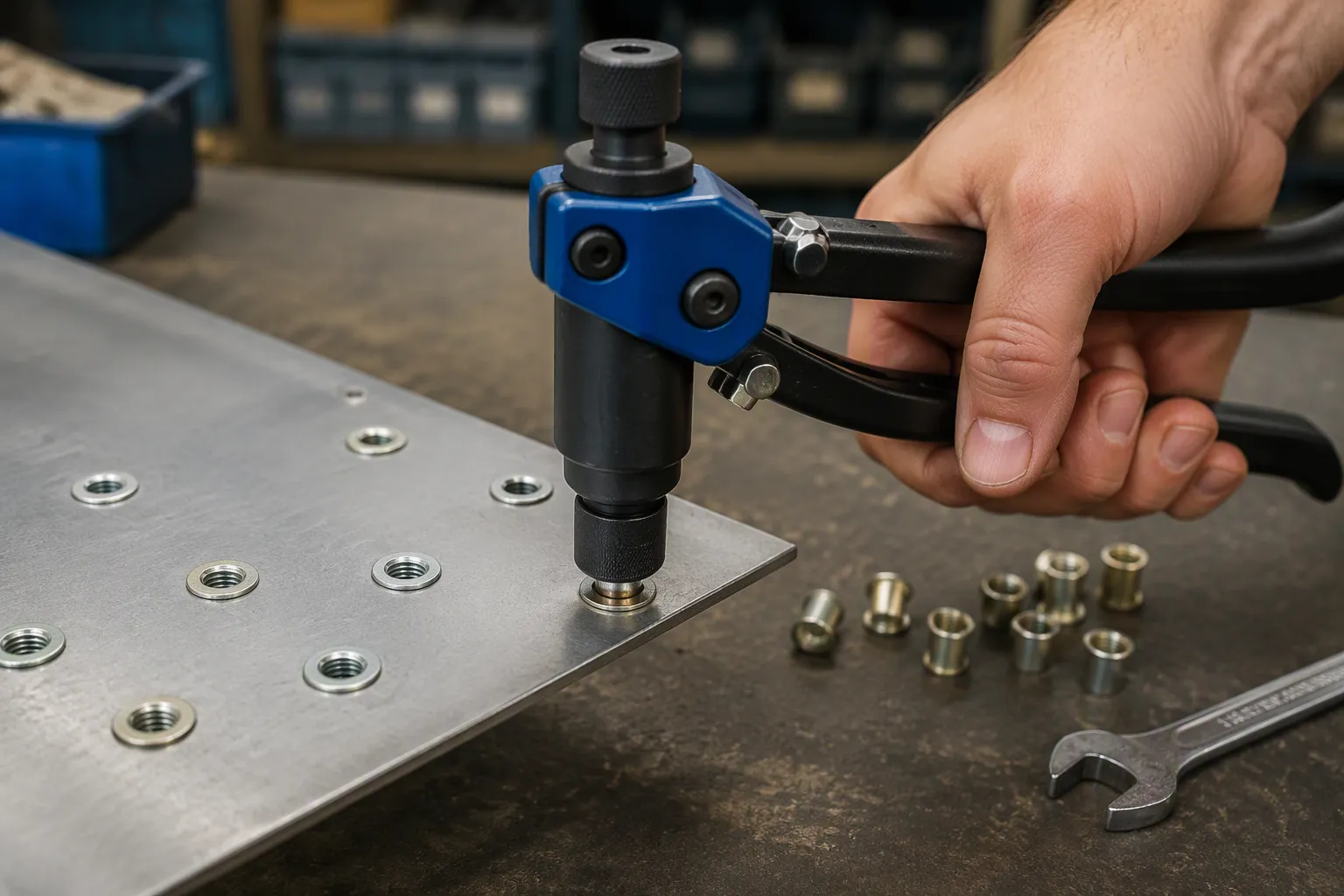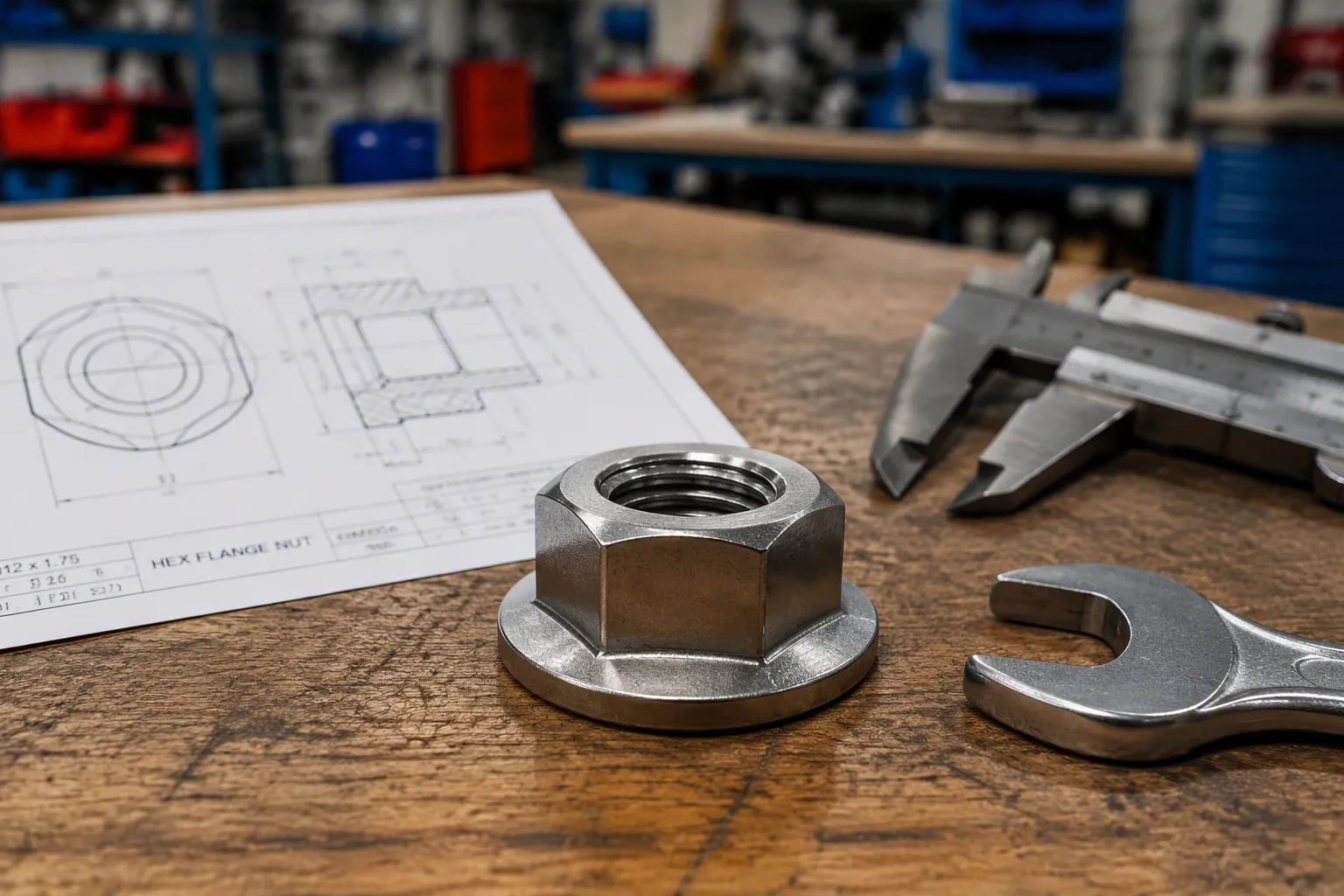
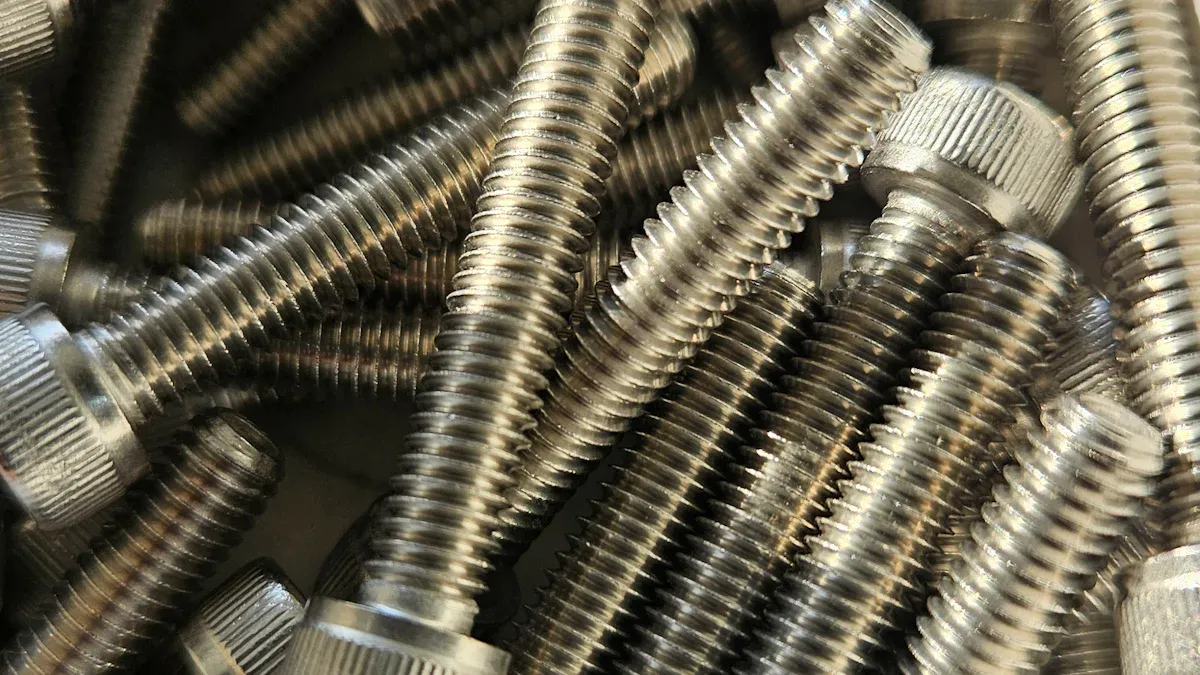
An excellent Flange Bolt is crucial for automotive safety and performance. Identifying quality flange bolts requires a careful inspection of three key areas. Technicians must check the head markings for grade and manufacturer information. The material and coating indicate the bolt’s strength and corrosion resistance. Finally, the physical construction reveals the precision of the bolt casting and threading. High-quality bolts will possess clear, legible markings, a uniform protective coating, and clean, well-defined threads without defects. These details signify the bolt’s strength and reliability. A custom fasteners manufacturer often produces superior custom fasteners for specific applications.
Decoding Head Markings: The First Clue to Quality
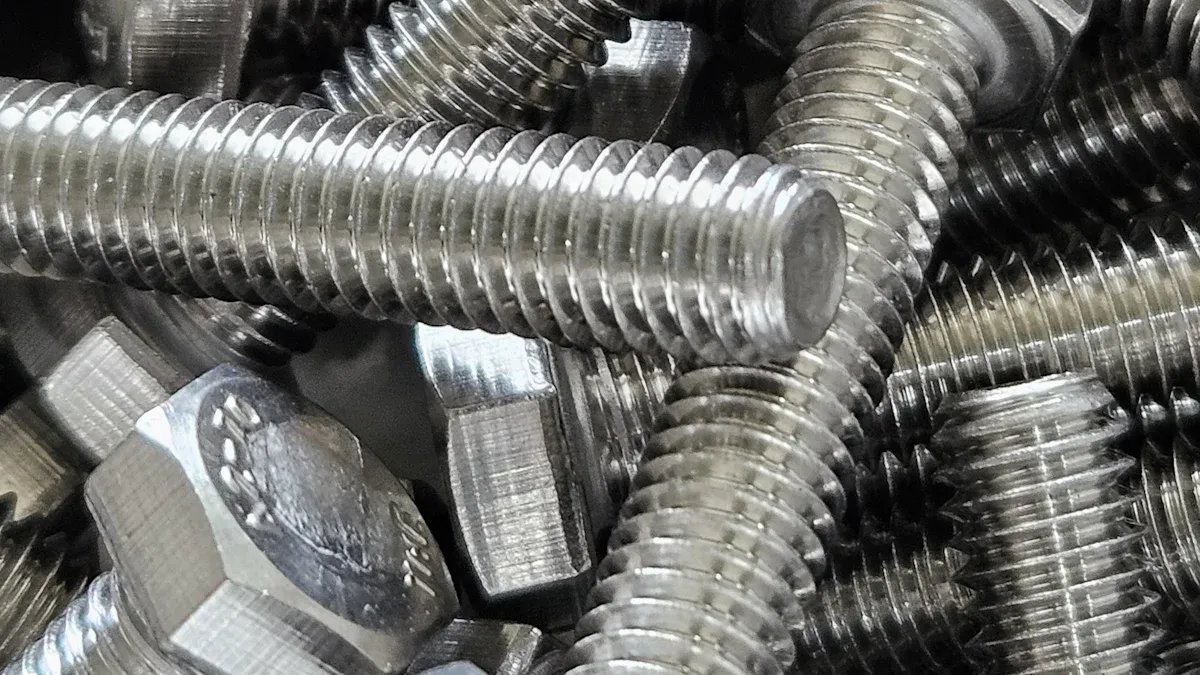
The small markings stamped on a flange bolt’s head are its resume. These symbols provide critical information about the fastener’s manufacturing origin and mechanical properties. A technician can quickly assess a bolt’s suitability for a specific automotive application by learning to decode these markings. They are the first and most important indicator of quality and strength.
Tip 1: Verify the Strength Grade
A bolt’s strength grade defines its mechanical limits, including its tensile strength and yield strength. Using a bolt with an incorrect or unknown strength grade can lead to catastrophic joint failure. The grade marking is a non-negotiable feature for any quality automotive fastener.
Understanding Metric Grade Markings (8.8, 10.9, 12.9)
Most modern vehicles use metric bolts. Their strength is identified by a numerical property class, such as 8.8, 10.9, or 12.9, stamped directly on the head. These numbers are not arbitrary.
- The first number (e.g., 8 in 8.8) represents the ultimate tensile strength in megapascals (MPa) when multiplied by 100.
- The second number (e.g., .8 in 8.8) indicates the yield strength as a percentage of the ultimate tensile strength.
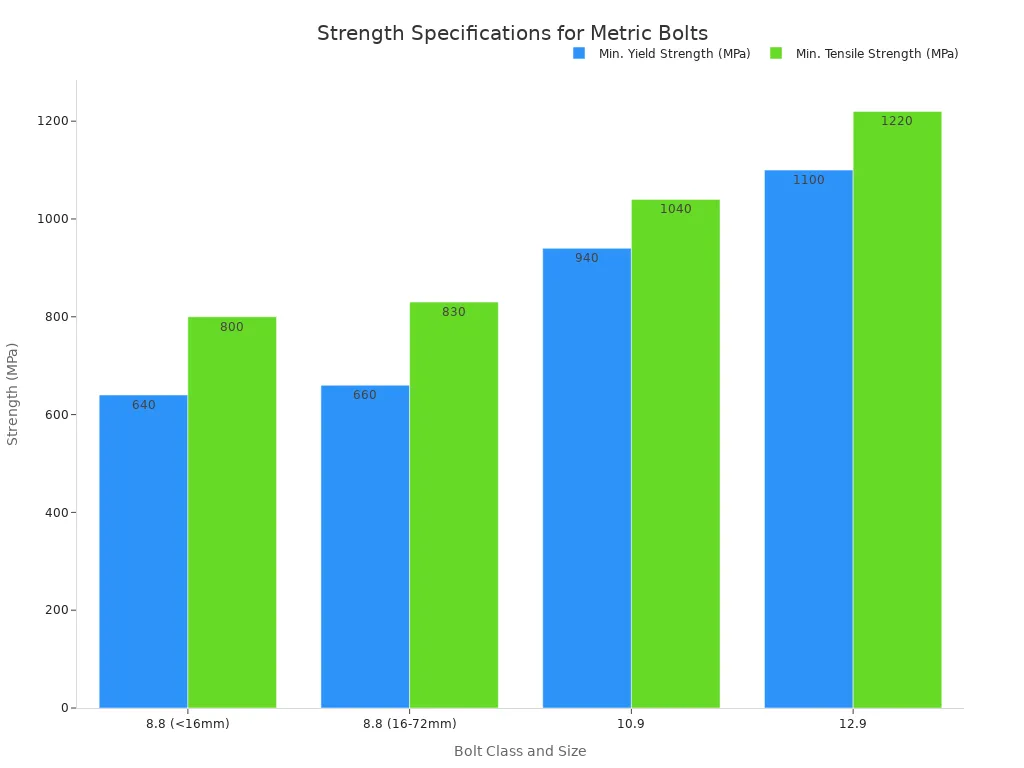
Higher numbers signify greater strength. For example, a Class 12.9 bolt has a minimum tensile strength of 1220 MPa and a yield strength of 1100 MPa, making it significantly stronger than a Class 8.8 bolt.
| Class | Nominal Size Range (mm) | Min. Yield Strength (MPa) | Min. Tensile Strength (MPa) |
|---|---|---|---|
| 8.8 | 16mm – 72mm | 660 | 830 |
| 10.9 | 5mm – 100mm | 940 | 1040 |
| 12.9 | 1.6mm – 100mm | 1100 | 1220 |
Understanding SAE Grade Markings (Radial Lines)
The Society of Automotive Engineers (SAE) J429 standard uses a system of radial lines on the bolt head to indicate strength. The number of lines corresponds to a specific grade.
- No Lines: SAE Grade 2 (low-strength, not for critical applications).
- 3 Radial Lines: SAE Grade 5 (medium-strength, common in automotive).
- 6 Radial Lines: SAE Grade 8 (high-strength, for critical load-bearing areas).
A Grade 5 bolt has a proof load of 85,000 PSI for sizes up to one inch. A Grade 8 bolt offers a much higher proof load of 120,000 PSI, indicating superior strength. Some standards, like ASTM A307 Grade B, use their specification number on the head. These bolts are designed for flanged joints in piping systems.
Why Higher Grades Matter for Automotive Use
Automotive environments expose bolts to extreme forces, including high torque, constant vibration, and temperature fluctuations. Higher-grade bolts provide the necessary tensile strength to handle these stresses without stretching or breaking. Critical applications demand this enhanced strength.
- Automotive suspensions
- Engine cylinder heads
- Brake system components
- Drivetrain and transmission assemblies
Using a lower-grade bolt in these areas compromises safety and can lead to component failure. The superior strength characteristics of Grade 10.9 or SAE Grade 8 bolts ensure the joint remains secure under maximum load.
Red Flag: No Grade Markings
A bolt with no grade marking is an immediate red flag. It is an unknown quantity with no guaranteed strength. Installing such a part is a significant gamble. The Fastener Quality Act was established to combat such issues, defining a counterfeit item as one that has been “knowingly mismarked, misidentified, or otherwise misrepresented to be an authentic, unmodified item from the original manufacturer.”
Using unmarked or counterfeit bolts introduces severe risks. Manufacturers producing these parts face serious legal consequences, but the immediate danger falls on the vehicle owner and technician.
| Risk Area | Counterfeit Threat | Mitigation |
|---|---|---|
| Structural Failure | Bolts fail at lower loads, leading to joint collapse | Source traceable bolts, perform tensile testing |
| Personnel Safety | Breakage under load causes injury/death | Procure traceable bolts & use headmark checks |
| Legal & Regulatory Risk | Liability from non-compliance | Report to government agencies like GIDEP |
Tip 2: Look for a Manufacturer’s Stamp
Alongside the strength grade, a quality bolt will feature a manufacturer’s identification mark. This stamp is a symbol of accountability.
What a Manufacturer’s Stamp Looks Like
A manufacturer‘s stamp is typically a one-to-three-letter code or a unique symbol. It is usually located near the grade marking on the bolt head. This mark identifies the company that produced the fastener.
Why Traceability Equals Accountability
The manufacturer’s stamp is essential for lot traceability. Reputable manufacturers stamp their products with a code that links the bolt back to a specific production batch, material heat number, and quality control report. This system, a cornerstone of the Fastener Quality Act, ensures accountability. If a defect is found, the entire affected lot can be identified and recalled. This traceability protects consumers and provides proof of the bolt’s origin and quality.
Common Stamps from Reputable Brands
Technicians will become familiar with the stamps of major fastener manufacturers over time. Brands like ARP, Kamax, Nucor, or Infasco have distinct, well-known markings. Recognizing these stamps provides an extra layer of confidence in the part’s quality and its stated tensile strength.
Red Flag: Generic or Missing Stamps
The absence of a manufacturer’s stamp is as concerning as a missing grade mark. It suggests the bolt was made by an unknown entity with no accountability for its performance. These “blank” bolts often have inconsistent material quality and questionable strength, making them unsuitable for any automotive repair where reliability is a factor. Avoid these bolts to ensure safety and performance.
Assessing Material and Coating for Durability
A bolt’s material composition and protective finish are just as critical as its strength grade. These elements determine its resistance to corrosion, fatigue, and environmental stress. A visual inspection of the material and coating provides valuable clues about the fastener’s long-term durability and overall quality.
Tip 3: Identify the Bolt Material and Finish
The base metal provides the core strength, while the coating acts as a shield. Understanding both helps a technician select the right part for the job.
Common High-Strength Bolt Materials
Most high-strength automotive bolts are made from carbon or alloy steel. This material offers the exceptional tensile strength required for critical joints. For applications demanding high corrosion resistance, stainless steel is an option. A 304 stainless steel fastener provides good corrosion protection, but a 316 stainless steel fastener offers superior resistance, especially against chlorides from road salt. However, many stainless steel bolts do not match the tensile strength of high-grade alloy steel. The choice of material always involves a trade-off between strength and corrosion resistance. The base material is key to a bolt’s performance.
The Role of Protective Coatings
Coatings protect the base material, usually steel, from moisture and corrosive elements. However, the coating process itself can introduce risks.
During manufacturing processes like acid cleaning or electroplating, the base material can absorb atomic hydrogen. This hydrogen can lead to a dangerous condition called hydrogen embrittlement, causing the fastener to fracture suddenly under load. This is a major concern for high-strength bolts.
Identifying Zinc Plating
Zinc plating is a common and cost-effective coating. It appears bright and silvery, sometimes with a blueish or yellowish tint from a chromate conversion topcoat. The ASTM B633 standard specifies coating thicknesses for different service conditions.
- 25 μm
- 12 μm
- 8 μm
- 5 μm Thicker coatings offer better protection. The material 316 stainless steel does not require this coating.
Identifying Phosphate & Oil Finishes
A phosphate and oil finish gives bolts a distinctive matte black or dark gray appearance. This coating provides moderate corrosion resistance and has natural lubricity, which can be beneficial for achieving proper torque. It feels slightly oily to the touch. This finish is common on high-strength drivetrain and suspension bolts.
Identifying High-Performance Coatings: Dacromet & Geomet
These are premium, non-electrolytic coatings that appear as a matte, silvery-gray finish. They provide excellent corrosion protection without the risk of hydrogen embrittlement associated with electroplating. These coatings are often found on high-end brake hardware and chassis bolts where maximum durability is essential. The strength of 316 stainless steel is different from coated steel.
Tip 4: Spotting Signs of Poor Plating
A flawed coating compromises the bolt’s integrity. Technicians should look for several red flags indicating a poor-quality finish.
Red Flag: Flaking or Peeling
A quality coating adheres completely to the base material. If the plating is flaking or peeling off, it indicates poor surface preparation or application. This defect, similar to what a crosshatch adhesion test reveals, exposes the steel underneath to immediate corrosion.
Red Flag: Bubbling and Blisters
Blisters or bubbles under the coating are signs of trapped gas or contaminants. This defect creates weak points in the protective layer. It suggests a poorly controlled plating process and guarantees premature failure of the coating.
Red Flag: Uneven Color or Bare Spots
The coating should be uniform across the entire surface of the bolt, including the threads and under the head. Any bare spots or significant variations in color mean the protection is incomplete. These areas will become the first points of corrosion.
Red Flag: Early Signs of Corrosion (White Rust)
White, chalky powder on a new zinc-plated bolt is “white rust.” It is zinc oxide, which forms when the zinc coating corrodes. While this is a normal part of the sacrificial protection process over time, its presence on a new part indicates a thin or poor-quality coating that is already failing. The corrosion resistance of 316 stainless steel is superior.
The Anatomy of Quality Flange Bolts: Physical Inspection
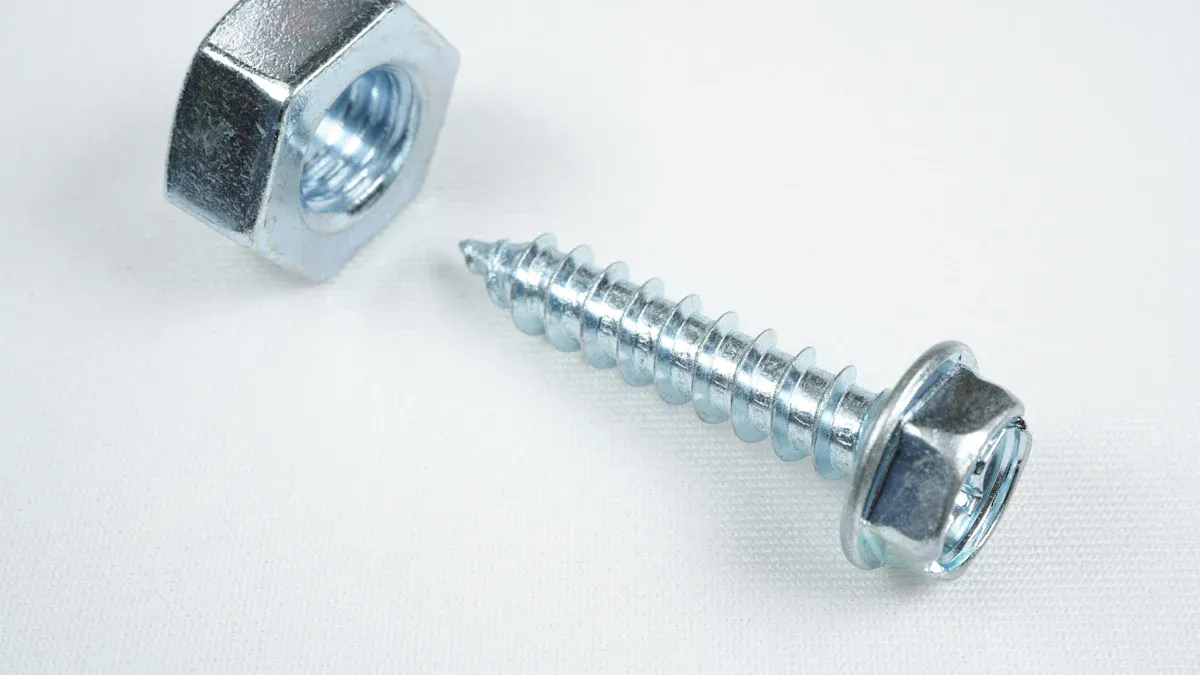
Beyond markings and coatings, the physical shape and form of a bolt reveal the quality of its manufacturing process. A careful hands-on inspection can uncover hidden defects that compromise a fastener’s integrity and performance. Technicians should pay close attention to the threads, flange, and head for signs of precision engineering or, conversely, poor workmanship.
Tip 5: Examine Thread Quality
The threads are the functional heart of any bolt. They create the mechanical lock that holds components together. Flawless threads ensure proper engagement, accurate torque application, and maximum clamping force.
What Clean, Well-Formed Threads Look Like
High-quality threads are smooth, uniform, and precisely shaped. Their profile is not arbitrary; it follows strict engineering standards that define the thread’s angle, pitch, and tolerances. These standards ensure interchangeability and reliable performance.
- ISO 68-1:2023: Defines the basic profile for general-purpose metric screw threads.
- ISO 965 series: Specifies the tolerances, or acceptable deviations, for these threads, ensuring a proper fit between the bolt and nut.
The manufacturing method significantly impacts thread quality and strength. Most high-strength automotive bolts use rolled threads instead of cut threads.
| Feature | Rolled Threads | Cut Threads |
|---|---|---|
| Process | Metal is cold-formed and displaced using dies. | Metal is physically cut away to create threads. |
| Grain Structure | Grain flow follows the thread contour, increasing strength. | Grain structure is severed, creating stress points. |
| Strength | Stronger due to work hardening and compressive stresses. | Weaker, as material is removed and grains are cut. |
| Surface Finish | Smoother, burnished surface reduces friction. | Can have microscopic tears or roughness from cutting. |
| Cost | More efficient and less wasteful for mass production. | Slower and generates more scrap material. |
Rolled threads provide superior fatigue resistance, making them the preferred choice for the demanding environment of automotive applications.
Red Flag: Burrs and Flat Spots
Inspect the thread crests and roots closely. The presence of burrs—small, sharp pieces of metal left over from manufacturing—indicates a sloppy process. These imperfections can damage the threads in the mating part and prevent the fastener from seating correctly.
While industry standards acknowledge that minor “discontinuities” are permissible, a technician must use professional judgment. Sharp burrs that can be felt with a fingernail or flat spots that disrupt the thread’s helix are unacceptable for critical applications.
Red Flag: Inconsistent Thread Pitch
The spacing between threads, known as the pitch, must be perfectly consistent. Use a thread pitch gauge to verify it matches the bolt’s specification. Inconsistent pitch is a serious manufacturing defect that will cause the bolt to bind during installation. Attempting to force a bolt with incorrect pitch will damage both the bolt and the threaded hole, compromising the joint’s strength.
Red Flag: Signs of Damage or Factory Cross-Threading
Even new bolts can be damaged. Look for nicks, dings, or flattened areas on the threads, which often occur from poor handling or packaging. Also, check the first few threads for signs of factory cross-threading. This happens when a bolt is forced into a nut or fixture at an angle during a secondary process, like plating. This initial damage will prevent a clean start when you try to install it.
Tip 6: Check the Flange and Head Integrity
The head and integrated flange of quality flange bolts are just as important as the threads. They transfer the clamping force to the joint and provide the surface for the tool to apply torque.
The Importance of a Concentric Flange
The flange serves a critical purpose: it acts as a built-in washer. By increasing the surface area under the head, the flange distributes the clamping load more evenly across the part being fastened. This reduces stress on the component material and helps prevent the bolt from loosening due to vibration. For this to work, the flange must be perfectly concentric with the bolt shank and have a flat, uniform bearing surface.
Red Flag: Deformed or Uneven Flange Surface
A quality flange should be flat and perpendicular to the bolt’s axis. A flange that is warped, bent, or has a visibly uneven or conical surface is a major red flag. An imperfect surface will not distribute the clamp load evenly, creating high-stress points that can damage the component or lead to premature loosening. This uneven contact also increases friction, which can result in lower-than-expected clamping force for a given torque value, jeopardizing the joint’s strength.
Red Flag: Cracks or Stress Marks
Carefully inspect the area where the head meets the shank, known as the fillet. This is a high-stress region, and the presence of any cracks is cause for immediate rejection of the bolt. These cracks, often microscopic, can arise from several manufacturing flaws:
- Improper Heat Treatment: Under-tempering or flawed quenching can create internal stresses that lead to cracking.
- Poor Cold Working: Excessive force during head forming can create micro-cracks.
- Machining Defects: Sharp tool marks in the fillet area act as stress risers where cracks can begin.
These defects create a catastrophic failure point, and such bolts should never be used.
Red Flag: Poorly Formed Hex Head
Finally, examine the hexagonal head itself. The flats should be sharp, clean, and correctly sized. A poorly formed hex head with rounded corners or inconsistent dimensions suggests low-quality tooling and a lack of process control. This can cause wrenches or sockets to slip during tightening, which not only damages the tool and the bolt but also makes achieving the correct torque specification nearly impossible. A well-made fastener will have a precisely formed head that allows for secure tool engagement. These details separate inferior parts from reliable, quality flange bolts.
Understanding Bolt Dimensions and Fitment
A bolt’s markings and material are vital, but its physical dimensions determine if it will fit and function correctly. An incorrectly sized fastener compromises joint integrity and safety. Technicians must verify every dimension to ensure a secure and reliable connection.
Tip 7: Verifying Correct Sizing
Precision measurement is a non-negotiable step in fastener selection. Using the right tools ensures that the chosen part matches the application’s exact requirements.
Measuring Bolt Diameter
A technician must accurately measure a bolt’s diameter. Digital calipers are the most common tool for this task. They provide quick and precise readings of the major diameter (thread crests) and the shank diameter (unthreaded portion). For applications demanding the highest accuracy, an outside micrometer offers superior precision.
Determining Correct Length
Bolt length is measured from the underside of the head to the end of the threads. Calipers are ideal for this measurement. A simple ruler or tape measure can provide a quick estimate, but it lacks the precision needed for critical applications where clearance is tight.
Checking Thread Pitch
The thread pitch is the distance between adjacent threads. A thread pitch gauge is the essential tool for this job. A technician verifies the pitch with these steps:
- Select a gauge leaf that appears to match the bolt’s threads.
- Press the leaf into the threads to check for a snug fit with no gaps.
- Confirm the fit by ensuring no light passes between the gauge and the threads.
- Read the measurement stamped on the matching leaf to confirm the pitch.
Why “Close Enough” Isn’t Good Enough
Automotive engineering relies on tight tolerances. A fastener that is “close enough” is incorrect. An undersized bolt will not achieve the required clamping force, reducing the joint’s strength. An oversized bolt will not fit or may damage the component’s threads. Using the wrong pitch for nuts and bolts guarantees cross-threading and joint failure. Precision ensures the full strength of the nuts and bolts is realized.
Tip 8: The “Fit and Feel” Test
Beyond measurement, a hands-on test provides valuable feedback on a fastener’s quality. How the nuts and bolts interact reveals much about their manufacturing precision.
Testing Thread Engagement with a Nut
A quality bolt should thread smoothly into a new, high-quality nut. This simple test functions like a “go/no-go” gauge. The nut (the “go” gauge) should turn easily by hand for several rotations. If it binds or feels gritty, the threads are likely poorly formed or damaged.
There is no such thing as a perfect screw thread. Validation is a hand operation with pass/fail results. The thread is designed to function regardless of its malformation.
A quality fastener will have threads within an acceptable tolerance, allowing for smooth engagement. Poor quality nuts and bolts will fail this basic test.
Comparing with a Known OEM Bolt
When possible, a technician should compare a new fastener to the original OEM part. They can check the head markings, length, and flange shape. This direct comparison quickly highlights any discrepancies in quality or dimensions between the two bolts. The OEM part sets the standard for strength and fitment.
Weight and Density Cues
A quality, high-strength fastener feels substantial in hand. If a new bolt feels noticeably lighter than an equivalent OEM part, it may be made from inferior material. This difference in density can be a clue to lower material quality and reduced strength. The weight of nuts and bolts can indicate their material integrity.
How a Quality Bolt Feels in Hand
A well-made bolt feels like a precision tool. Its surfaces are smooth, its edges are crisp, and its threads are clean. There are no sharp burrs or imperfections. This tactile feedback, combined with visual inspection, helps a technician distinguish high-quality nuts and bolts from inferior ones. The overall feel reflects the care taken during manufacturing and is a final check of its potential strength and reliability.
Sourcing and Verification Best Practices
Where a fastener comes from is just as important as its physical markings and material. A technician must source parts from trustworthy suppliers to guarantee authenticity and performance. Following best practices for sourcing and verification is the final step in ensuring joint safety and reliability.
Tip 9: Sourcing from Reputable Suppliers
The supply chain directly impacts the quality of the final part. Choosing the right supplier mitigates the risk of installing a substandard or counterfeit fastener.
Dangers of Unverified Online Marketplaces
Large online marketplaces can be a source of dangerous, counterfeit bolts. These platforms often host anonymous sellers with no accountability. A technician risks purchasing a fastener with fake head markings, inferior material, and incorrect dimensions. These parts lack traceability and pose a significant safety hazard.
Value of Specialized Automotive Fastener Suppliers
Specialized suppliers build their reputations on providing quality fasteners. They have established relationships with trusted manufacturers and understand the technical requirements of automotive applications. These suppliers offer expertise and can provide assurance that their products meet stringent industry standards.
OEM vs. High-Quality Aftermarket Bolts
A technician has two reliable options for sourcing parts. Original Equipment Manufacturer (OEM) bolts are the benchmark for fit and quality. High-quality aftermarket suppliers, however, often produce parts that meet or exceed OEM specifications. A reputable aftermarket fastener can be an excellent, cost-effective alternative to dealer parts.
When to Go Directly to the Dealer
In certain situations, going to the dealer is the best course of action. Technicians should source directly from a dealer for unique, model-specific hardware, especially for critical systems like airbags or seatbelts. This is also the safest choice when a vehicle is still under warranty.
Tip 10: Asking for Proof of Quality
A reputable seller will always be able to provide documentation to support their products’ quality. This proof is a key differentiator between professional suppliers and questionable sellers.
Requesting Certificates of Conformance
A Certificate of Conformance (C of C) is a basic document issued by the seller. It states that the product meets the required specifications and standards. It is a foundational level of quality assurance for any fastener purchase.
Understanding Material Test Reports
A Material Test Report (MTR), or mill cert, offers a much deeper level of verification. This document provides detailed data about the specific batch of material used to make the bolts. Key information includes:
- Material Heat Number: A unique code for full traceability.
- Chemical Analysis: The exact elemental composition of the steel.
- Mechanical Properties: Test results for tensile strength, yield strength, and hardness.
- Heat Treatment: Details of processes used to achieve the required strength.
How Reputable Sellers Support Their Products
Trustworthy sellers stand behind their quality fasteners. They employ knowledgeable staff who can answer technical questions. They also provide clear documentation and have transparent return policies. This level of support demonstrates confidence in their product line.
Red Flag: Inability to Provide Documentation
A supplier’s refusal or inability to provide a Certificate of Conformance or Material Test Report is a major red flag. It suggests a lack of quality control and no traceability for their product. A technician should never purchase a critical fastener from a source that cannot verify its material and origin.
A technician’s diligence in fastener selection directly impacts vehicle safety and performance. The quality of threaded fasteners is paramount. To ensure reliability, a technician must confirm several key attributes.
- Markings: Prioritize bolts with clear strength grade and manufacturer stamps.
- Finish: Inspect for a uniform, defect-free coating for corrosion resistance.
- Form: Examine the threads and flange for precise, damage-free construction.
- Source: Purchase quality flange bolts only from reputable automotive suppliers.
Following these steps ensures that quality flange bolts enhance vehicle reliability and extend its operational lifespan.
FAQ
Can a technician reuse old flange bolts?
Can a technician reuse old flange bolts?
Technicians should avoid reusing torque-to-yield (TTY) bolts. These fasteners permanently stretch upon initial installation. Reusing them compromises clamping force and risks catastrophic failure. A technician must always consult the vehicle’s service manual for specific guidance on fastener replacement.
What does the “10.9” marking on a bolt head mean?
What does the “10.9” marking on a bolt head mean?
The “10.9” marking identifies a metric property class. The “10” indicates a minimum tensile strength of 1040 MPa. The “.9” signifies the bolt’s yield strength is 90% of its tensile strength. This class denotes a high-strength fastener for critical automotive joints.
Why is a manufacturer’s stamp so important?
Why is a manufacturer’s stamp so important?
A manufacturer’s stamp provides traceability. It links the bolt to a specific production batch and its quality control data. This accountability ensures the manufacturer stands behind the product’s stated strength and quality. Unmarked bolts offer no such guarantee.
Is a zinc-plated bolt better than one with a phosphate finish?
Is a zinc-plated bolt better than one with a phosphate finish?
Each coating serves a different purpose. Zinc plating offers superior corrosion resistance. A phosphate and oil finish provides moderate corrosion protection and natural lubricity, which helps achieve accurate torque. The best choice depends entirely on the application’s specific environmental and load requirements.
What are the most essential tools for bolt inspection? (hammer and wrench emoji)
What are the most essential tools for bolt inspection? (hammer and wrench emoji)
A technician needs a few key tools for a thorough inspection.
- Digital Calipers: To accurately measure bolt diameter and length.
- Thread Pitch Gauge: To verify the thread spacing is correct.
- Magnifying Glass: To spot tiny cracks, burrs, or coating defects.
Can a stainless steel bolt replace a high-strength alloy steel bolt?
Can a stainless steel bolt replace a high-strength alloy steel bolt?
A technician must be cautious with substitution. While stainless steel offers excellent corrosion resistance, most types do not match the tensile strength of a high-grade alloy bolt (e.g., Class 10.9 or SAE Grade 8). Using it in a high-load area can compromise safety.
What is the biggest red flag on a new bolt? (red flag emoji)
What is the biggest red flag on a new bolt? (red flag emoji)
The most significant red flag is the complete absence of markings. A bolt with no strength grade or manufacturer’s stamp is an unknown quantity. A technician should never install such a fastener in any automotive application, as its material and strength are unverified.