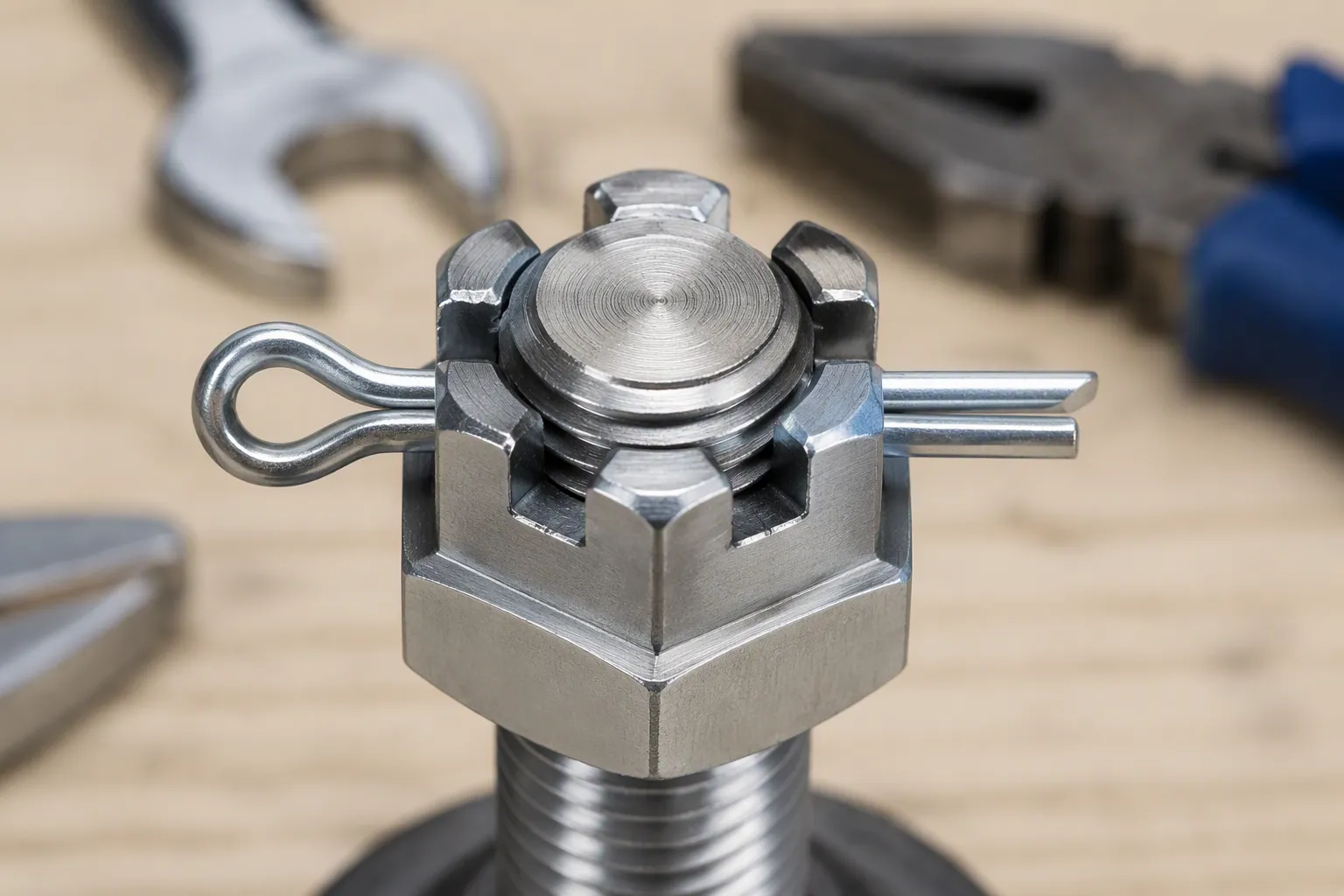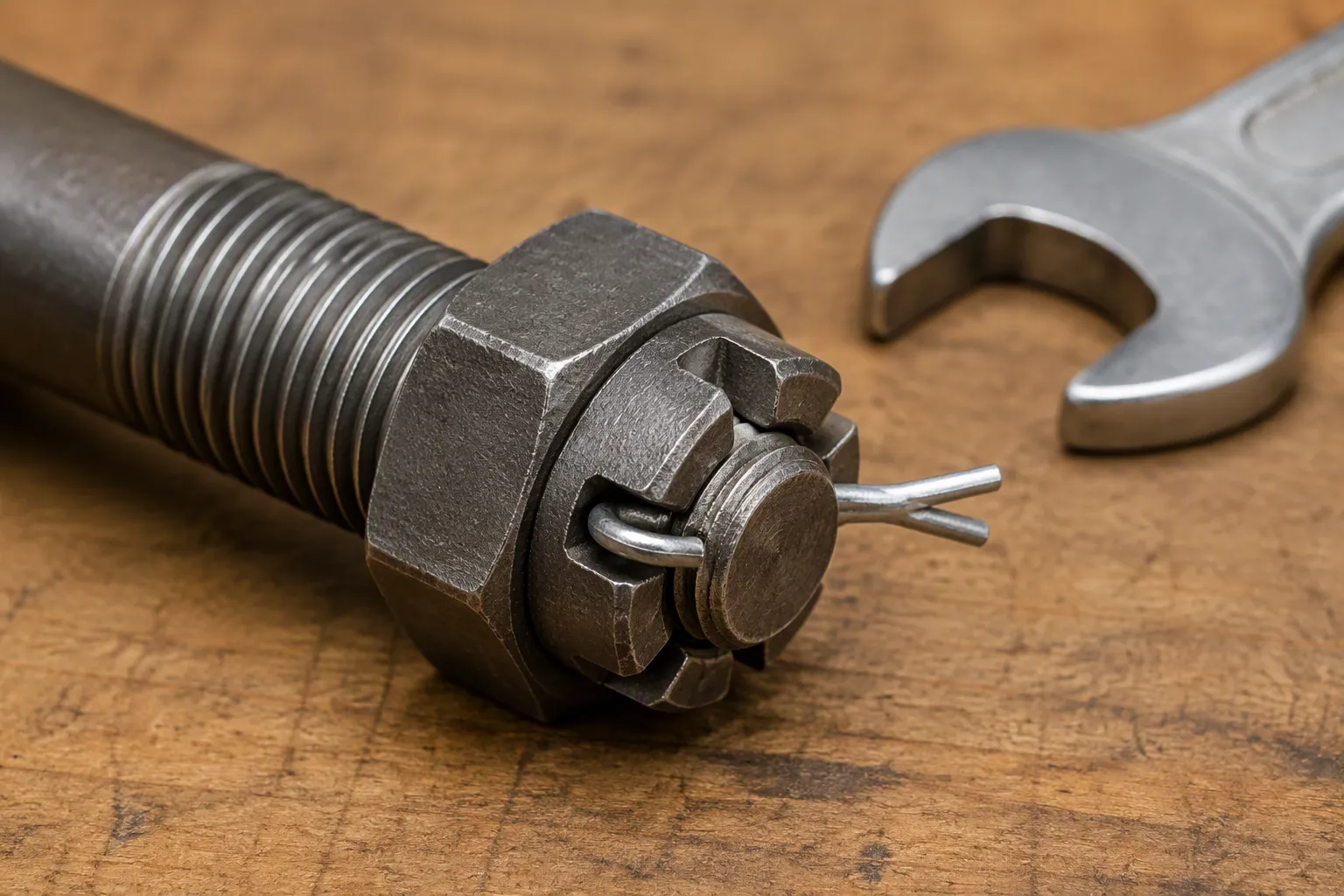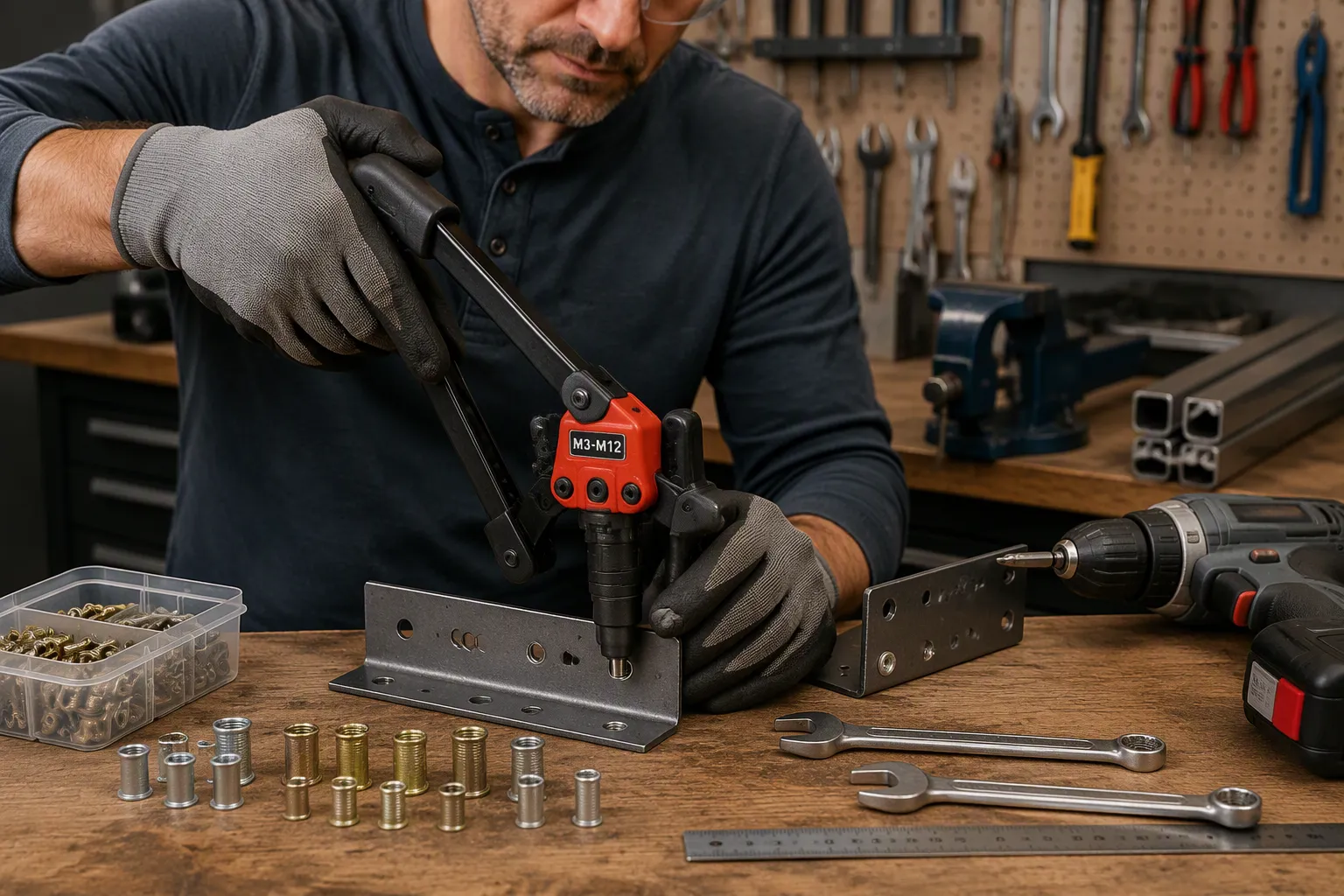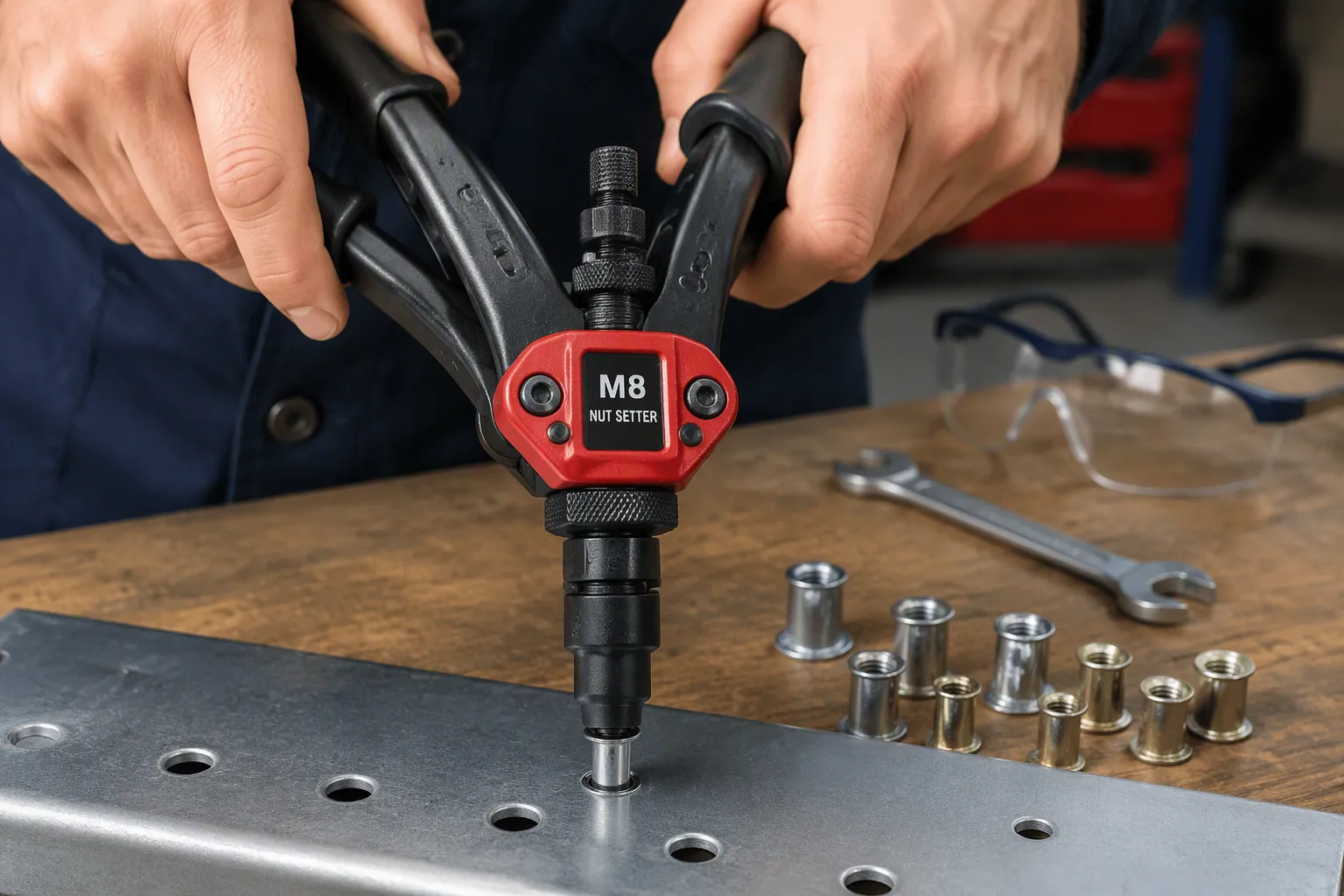
An eye bolt anchor is a crucial component in securing loads. Selecting the right anchor from top eye bolt anchor brands ensures safety and reliability. Industries like construction, manufacturing, and heavy equipment handling drive the demand for these fasteners. Each application requires a specific type of anchor, from heavy-duty industrial models to those offering superior corrosion resistance. This guide compares leading brands to simplify your selection process.
Summary of Top Eye Bolt Anchor Brands by Use Case
| Use Case | Recommended Brands & Models | Key Features |
|---|---|---|
| Heavy-Duty Industrial Rigging | Hilti (HUS3, HDI), Crosby (G-277, S-279) | High Working Load Limits, Forged Steel |
| General Construction & Value | Simpson Strong-Tie (Titen HD, Drop-In) | Code Compliance (ICC-ES), Cost-Effective |
| Corrosion Resistance | CMCO (Forged Stainless Steel Type 316) | Excellent resistance to corrosion and chemicals |
| Marine & Offshore | The Chicago Hardware & Fixture Co. (Forged Stainless Steel) | USA-Made, Superior performance in saltwater |
Note: The choice between these top eye bolt anchor brands depends heavily on the specific environmental conditions and load requirements of your project. For specialized needs, a custom fasteners manufacturer can provide tailored solutions, including unique bolt casting and custom fasteners. Always verify that the selected Eye Bolt meets all project specifications. The use of stainless steel is critical for longevity in harsh environments.
In-Depth Reviews of Top Eye Bolt Anchor Brands
Choosing the right hardware is critical for project success and safety. This section provides a detailed look at some of the top eye bolt anchor brands, examining their flagship products, material quality, and ideal applications to help you make an informed decision.
Crosby: The Heavy-Duty Rigging Standard
Crosby has established itself as a benchmark for quality and reliability in the heavy-duty industrial rigging and lifting industry. The brand is synonymous with strength and uncompromising safety, making it a top choice for critical applications where failure is not an option.
Crosby G-277 Forged Shoulder Nut Eye Bolts
The G-277 model is a quintessential shoulder nut eye bolt. It is forged and then quenched and tempered for maximum strength. The shoulder design is crucial, as it allows the eye bolt to handle angular loads, provided the load is properly derated. These are designed for permanent installation and secure anchoring.
Crosby S-279 Forged Machinery Eye Bolts
The S-279 series is designed for machinery lifting. These forged eye bolts are threaded to fit tapped holes in equipment, providing a secure lifting point. Like the G-277, they are made from high-quality alloy steel and are built for durability and long service life under demanding conditions.
Material Quality and Forging Process
Crosby’s reputation is built on its meticulous manufacturing process. The company uses high-quality, domestic steel billets for its products. The forging process enhances the steel’s internal structure, improving its strength and eliminating defects like porosity or air pockets. This results in a continuous grain flow that gives the final product exceptional strength and impact resistance.
- High-Strength Steel: Crosby primarily uses Grade 80 and Grade 100 carbon and alloy steels. These materials are engineered to handle heavy loads with outstanding durability.
- Superior Forging: The forging technique produces a uniform structure with greater strength compared to cast or machined parts. This process is key to the brand’s trusted performance.
Load Capacity and Safety Factor
Crosby prioritizes safety in every product. Both the G-277 and S-279 models meet the stringent requirements of ASME B30.26. This compliance ensures the products have been tested for fatigue life, ductility, and material traceability. Adherence to these safety standards provides users with confidence in the product’s load capacity and overall performance.
Simpson Strong-Tie: Construction & Concrete Anchoring
Simpson Strong-Tie is a dominant name in the construction industry, known for providing reliable and code-compliant anchoring solutions. Their products are engineered for performance in concrete and masonry, offering a balance of strength, ease of use, and value. This makes them a favorite among contractors and engineers.
Titen HD® Heavy-Duty Screw Anchor
The Titen HD® is a high-strength screw anchor for concrete and masonry. Its key advantage is fast installation with no special tools required. This mechanical anchor provides immediate load-bearing capacity upon installation, making it ideal for projects with tight deadlines. Its performance is consistent and reliable.
Drop-In Internally Threaded Anchor (DIAB)
The Drop-In anchor is an internally threaded anchor designed for flush-mount applications in solid concrete. After drilling a hole, the user places the anchor and uses a setting tool to expand it. This creates a secure threaded socket ready to receive a bolt or threaded rod, offering a clean, finished look. This anchor is a versatile choice for many applications.
Material Options: Carbon vs. Stainless Steel
Simpson Strong-Tie offers its anchors in various materials to suit different environments.
- Zinc-Plated Carbon Steel: A cost-effective option suitable for dry, indoor environments where corrosion is not a major concern.
- Stainless Steel: Provides excellent corrosion resistance, making it necessary for outdoor applications or exposure to moisture and chemicals.
Code Compliance & Approvals (ICC-ES)
A major advantage of using Simpson Strong-Tie is its commitment to third-party testing and code compliance.
Professional Tip: Many Titen HD® models carry ICC-ES approvals for use in cracked concrete and seismic zones. For any structural application, always verify that the selected anchor has the appropriate approvals as specified by the Engineer of Record to ensure project safety and compliance with the International Building Code (IBC).
CMCO (Columbus McKinnon): Corrosion & Chemical Resistance
When an application involves harsh chemicals, saltwater, or extreme moisture, CMCO stands out as a leader. The brand specializes in hardware that offers superior corrosion resistance without compromising on strength, making it a top choice for challenging environments.
CM Forged Stainless Steel Eye Bolts (Type 316)
CMCO’s Type 316 stainless steel eye bolts are engineered for maximum protection against corrosion. The addition of molybdenum in the Type 316 alloy makes these bolts highly resistant to chlorides, acids, and saltwater. This quality prevents pitting and crevice corrosion, ensuring long-term durability and safety in marine and chemical processing facilities.
CM Hoist Rings & Swivel Eye Bolts
For dynamic lifting where the load may shift or rotate, CMCO’s hoist rings offer a significant safety advantage over a standard eye bolt anchor. Their design allows for both pivoting and swiveling under load.
| Feature | Standard Eye Bolts | CM Hoist Rings |
|---|---|---|
| Movement | Designed for straight, in-line lifts only. | Pivots 180° and swivels 360° under load. |
| Angular Load | Capacity is severely reduced with angular loads. | Maintains full working load limit at any angle. |
| Safety | Risk of failure increases with dynamic or side load. | Reduces stress and aligns with the load direction. |
This ability to accommodate multi-axis movement makes hoist rings a safer and more reliable choice for complex lifting operations, preventing bolt failure and enhancing overall safety.
Galvanization vs. Stainless Steel
While hot-dip galvanization offers good protection against corrosion, stainless steel provides a higher level of defense. Galvanization is a coating that can be compromised by scratches or wear, whereas the corrosion resistance of stainless steel is inherent to the material itself. For critical applications or long-term exposure, stainless steel is the superior choice for preventing corrosion.
Applications in Harsh Environments
The exceptional corrosion resistance of CMCO’s Type 316 stainless steel products makes them ideal for:
- Wastewater treatment plants
- Chemical processing facilities
- Marine and offshore platforms
- Food and beverage processing
- Pharmaceutical manufacturing
These environments demand hardware that can withstand constant exposure to corrosive agents, and CMCO delivers the necessary quality and performance. The strength and reliability of this top eye bolt anchor brands’ eye bolt anchor ensure operational safety.
Hilti: Precision Anchoring Systems for Industrial Use
Hilti is a global leader in providing technologically advanced solutions for the professional construction industry. The brand is renowned for its systems-based approach, combining high-performance products with sophisticated software and engineering support. This focus on precision and reliability makes Hilti a preferred choice for demanding industrial and commercial applications where performance is non-negotiable.
Hilti HUS3 Screw Anchor System
The Hilti HUS3 is a versatile screw anchor system designed for high productivity and exceptional load-bearing performance. This anchor is engineered for fast, simple installation, making it a valuable asset on any job site. Its optimized thread design delivers superior load values. Key features of the HUS3 system include:
- Higher productivity from less drilling and fewer installation steps.
- A neat head design that provides a clean finish without extra work.
- The ability to use reduced edge and spacing distances.
- A fully removable anchoring solution for temporary applications.
This system simplifies overhead installations and can be used with standard ANSI-tolerance drill bits, adding to its convenience and efficiency.
Hilti HDI Drop-In Anchors
The Hilti HDI is a dependable, internally threaded drop-in anchor for use in solid concrete. After drilling a hole, the user inserts the anchor and expands it with a setting tool. This creates a secure and permanent threaded socket, ready to accept a machine bolt or a threaded rod to create a lifting point. The HDI anchor is known for its consistent holding power and ease of use, providing a reliable connection for a variety of fixtures.
Installation Technology & Reliability
Hilti’s commitment to safety and reliability is evident in its installation technology. The brand invests heavily in research and development to create products that are not only strong but also easy to install correctly. The HUS3 anchor, for example, does not require a specific torque for installation, which reduces the chance of user error. This focus on straightforward installation procedures ensures that the anchor achieves its specified performance and capacity, enhancing overall job site safety.
Engineering Support & Software (PROFIS)
Hilti sets itself apart from other top eye bolt anchor brands with its comprehensive ecosystem of engineering support. This support empowers engineers and contractors to design and specify anchoring solutions with confidence.
Expert Resource: Hilti’s PROFIS Engineering Suite is a powerful cloud-based software that provides automatic and advanced calculations for anchor design. It helps professionals ensure their designs meet code requirements and optimize for load, base material, and safety factors.
Beyond software, Hilti provides extensive resources:
- Product Technical Guides: Detailed documents with load data and design information.
- BIM/CAD Objects: Digital models for seamless integration into project designs.
- Engineering Center: An online community offering expert advice and continuing education.
This robust support system ensures users can select the right product and install it correctly for maximum safety and efficiency.
The Chicago Hardware & Fixture Co.: USA-Made Forged Hardware
The Chicago Hardware & Fixture Co. has built a legacy on producing high-quality, American-made forged hardware since 1912. The company is a trusted name in rigging, lifting, and construction, known for its commitment to strength, durability, and reliability. Their products are a staple in industries that demand robust performance and verifiable quality.
Forged Steel Shoulder Pattern Eye Bolts
Chicago Hardware manufactures classic forged steel shoulder pattern eye bolts designed for heavy-duty industrial lifting and rigging. The forging process aligns the steel’s grain structure, resulting in exceptional strength and resistance to shock loads. These forged eye bolts are built for longevity and are a go-to choice for creating secure anchoring points on machinery and structural elements.
Stainless Steel Lifting Eye Bolts
For applications exposed to harsh environmental conditions, Chicago Hardware offers lifting eye bolts made from high-quality stainless steel. These products provide excellent corrosion resistance, making them ideal for:
- Marine and offshore environments
- Wastewater treatment facilities
- Chemical plants
- Food processing industries
The inherent properties of stainless steel protect against rust and corrosion, ensuring long-term durability and structural integrity. This superior corrosion resistance is critical for maintaining safety in corrosive settings.
Domestic Manufacturing & Traceability
A key advantage of choosing Chicago Hardware is its dedication to domestic manufacturing. All products are made in the USA, allowing for stringent quality control throughout the entire production process. This commitment ensures full material traceability, from raw steel to the finished product. Customers can be confident in the material quality and manufacturing integrity of every eye bolt anchor, a crucial factor for critical lifting operations where safety is the top priority.
Compliance with ASME B30.26
Safety is paramount in lifting and rigging, and Chicago Hardware’s products reflect this principle. Their lifting hardware, including the eye bolt anchor line, is designed and manufactured to meet or exceed the rigorous requirements of ASME B30.26. This standard governs the “design, marking, construction, and use of rigging hardware.” Compliance with these safety standards provides documented assurance of the product’s load capacity, material strength, and overall quality, giving users peace of mind.
Head-to-Head Comparison: Key Decision Factors
Selecting the right hardware involves more than just matching a bolt to a hole. A detailed analysis of load requirements, material properties, and installation demands is essential for ensuring long-term performance and safety. This section breaks down the critical factors to compare when choosing between top eye bolt anchor brands.
Analyzing the Working Load Limit (WLL)
The Working Load Limit (WLL) is the maximum mass or force a piece of lifting equipment can safely handle. Each eye bolt has a WLL stamped or rated by the manufacturer. Exceeding this limit compromises safety and risks catastrophic failure.
Shoulder vs. Non-Shoulder Eye Bolts
The design of an eye bolt directly impacts its load-bearing capabilities, especially with angular loads.
- Non-Shoulder Eye Bolts: These have a simple threaded shank and are designed exclusively for straight, in-line vertical lifts. Applying an angular load to a non-shouldered eye bolt is extremely dangerous and violates safety standards like ASME B30.26.
- Shoulder Eye Bolts: These feature a shoulder between the eye and the threads. When the shoulder is properly seated flush against the mounting surface, it provides support against bending forces. This design allows the anchor to handle angular loads, though with a significant reduction in capacity.
For any lift that is not perfectly vertical, a shoulder eye bolt is mandatory for safety.
Angular Loading Capacity Comparison
Applying a load at an angle dramatically reduces an eye bolt’s effective strength. The load should always be applied in the plane of the eye. Even with a properly seated shoulder eye bolt, the capacity decreases as the angle of the pull increases.
The following chart illustrates how a 45-degree pull drastically reduces the rated capacity compared to a straight pull. This reduction in strength is a critical safety consideration.
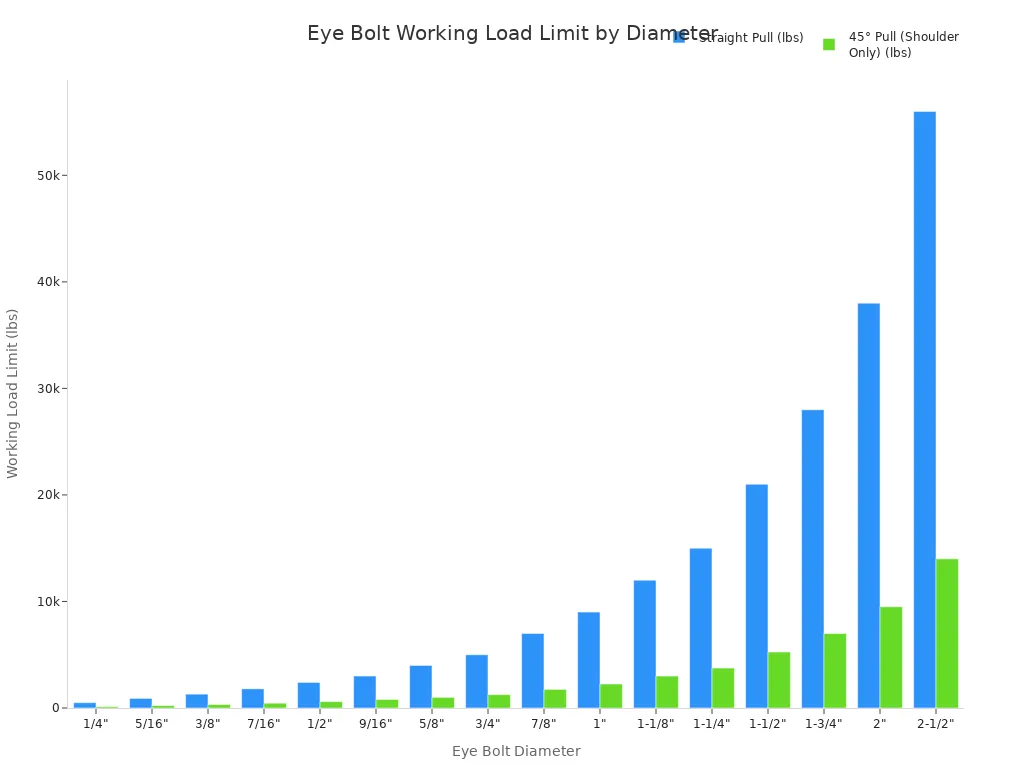
This table provides a clear look at the working load limit for common eye bolt sizes, showing the significant difference between a straight pull and a 45° angular pull.
| Diameter | Straight Pull (lbs) | 45° Pull (Shoulder Only) (lbs) |
|---|---|---|
| 1/4″ | 500 | 125 |
| 3/8″ | 1,300 | 325 |
| 1/2″ | 2,400 | 600 |
| 5/8″ | 4,000 | 1,000 |
| 3/4″ | 5,000 | 1,250 |
| 1″ | 9,000 | 2,250 |
| 1-1/2″ | 21,000 | 5,250 |
| 2″ | 38,000 | 9,500 |
WLL Derating Factors
To maintain safety, operators must derate, or reduce, the working load limit based on the angle of the lift. As the angle deviates from a true vertical pull, the bending stress on the bolt shank increases immensely.
Safety Alert: Angular lifts must never exceed a 45-degree pull. For any lift requiring a greater angle, professionals should use safer alternatives like swivel hoist rings, which maintain their full rated load capacity at any angle and enhance operational safety.
The reduction in load capacity is not linear. The following table shows how quickly the capacity diminishes as the angle increases.
| Angle of Pull (Degrees) | Weight Capacity Reduction |
|---|---|
| 5° | 0% (full capacity) |
| 15° | 20% |
| 30° | 35% |
| 45° | 70% |
| 46°+ | Not safe to use |
This significant reduction underscores the importance of precise planning for every lift to ensure the load never exceeds the derated capacity of the hardware.
Material Strength and Finish Quality Breakdown
The material and finish of an eye bolt anchor determine its strength, durability, and corrosion resistance. The choice of material directly impacts the hardware’s performance and suitability for a given environment.
Carbon Steel (C-1030, C-1045)
Medium carbon steels like C-1045 are a common choice for forged eye bolts. This material offers a good balance of strength and toughness. Manufacturers can heat-treat C-1045 steel after forging to achieve high tensile strength, making it a durable option for general industrial rigging. Its quality and performance make it a reliable standard.
Alloy Steel (Quenched & Tempered)
For high-strength applications, alloy steels such as AISI 4140 are superior. The addition of elements like chromium and molybdenum significantly enhances the material’s mechanical properties. The quenching and tempering process further refines the steel’s grain structure, resulting in exceptional strength and fatigue resistance.
| Steel Type | Tensile Strength (MPa) | Yield Strength (MPa) |
|---|---|---|
| AISI 4140 Alloy Steel | 655 (Min.) | 415 (Min.) |
| C1045 Carbon Steel | 570 – 700 | Not specified |
This superior strength makes quenched and tempered alloy steel the preferred material for critical lifting and heavy load applications where safety is the highest priority.
Stainless Steel (Type 304 vs. Type 316)
When corrosion is a primary concern, stainless steel is the ideal material. However, not all stainless steel offers the same level of protection.
- Type 304 Stainless Steel: This is a common, general-purpose stainless steel that provides good corrosion resistance in most environments.
- Type 316 Stainless Steel: Often called “marine-grade,” Type 316 contains molybdenum. This addition gives it superior corrosion resistance, especially against chlorides found in saltwater and de-icing salts. This quality makes it the best choice for marine, offshore, and chemical processing applications.
While both types are susceptible to stress corrosion cracking under severe conditions, Type 316 stainless steel offers more robust protection against general corrosion, ensuring long-term structural integrity.
Protective Coatings: Zinc vs. Hot-Dip Galvanization
For carbon and alloy steels, protective anti-corrosion coatings are essential for extending service life.
- Zinc Plating: This is a thin coating applied via electroplating. It offers a basic level of corrosion protection suitable for dry, indoor environments. The coating is thin and can be easily scratched.
- Hot-Dip Galvanization (HDG): This process involves dipping the steel part in a bath of molten zinc. It creates a much thicker, more durable, and metallurgically bonded coating. HDG provides excellent corrosion protection for outdoor and high-moisture applications.
Installation Ease and Requirements
Proper installation is just as critical as selecting the right hardware. An incorrectly installed anchor will not achieve its rated load capacity, creating a significant safety hazard.
Drilled Hole Diameter & Depth Tolerances
Every anchor system has specific requirements for the hole it is placed in. Manufacturers provide precise specifications for drill bit diameter and minimum hole depth. Using the wrong size bit or not drilling deep enough can prevent the anchor from setting correctly, severely compromising its holding power and overall safety.
Torque Specifications & Required Tools
Many mechanical anchors require a specific torque value to be applied during installation. This ensures the anchor expands correctly to create the necessary friction or keying action with the base material.
Professional Tip: Always use a calibrated torque wrench to tighten bolts to the manufacturer’s specification. Over-tightening can damage the anchor or the base material, while under-tightening will result in a weak connection.
Chemical vs. Mechanical Anchoring
The choice between chemical and mechanical anchoring depends on the application, base material, and project timeline.
| Feature | Chemical Anchors | Mechanical Anchors |
|---|---|---|
| Installation Speed | Slower, requires cure time | Fast, no waiting period |
| Load Support Timing | Delayed (needs to cure) | Immediate load support |
| Required Tools/Skill | Requires more precision for mixing and injection | Lower skill requirement, similar to standard anchors |
Chemical anchors offer excellent strength, especially in weaker base materials or close to edges, but the installation process is more complex and temperature-dependent. Mechanical anchors provide speed and simplicity, making them ideal for many standard applications.
Inspection & Proof Loading
Regular inspection is a cornerstone of a comprehensive safety program. Before each use, operators should visually inspect eye bolts for signs of wear, deformation, or corrosion. For critical applications, proof loading may be required. This involves testing the anchor installation by applying a specific load (typically a percentage of the WLL) to verify its holding capacity and ensure the safety of the entire system. This final check confirms the quality of the installation and the performance of the anchor.
Price and Value Proposition
A project’s budget often influences hardware selection. However, the initial price tag of an eye bolt anchor tells only part of the story. A thorough evaluation considers the upfront cost, long-term performance, and overall value. Making a decision based solely on the lowest price can lead to higher costs and safety risks over the project’s lifespan.
Cost per Unit Analysis
The price of an individual eye bolt anchor is influenced by several key factors. These include the raw material, the manufacturing process, and any protective coatings applied.
- Material: Alloy and stainless steels cost more than standard carbon steel due to their complex composition and superior properties.
- Manufacturing: Forged eye bolts are generally more expensive than cast or machined alternatives because the forging process produces a stronger, more reliable part.
- Protective Coatings: The type of finish significantly impacts both cost and performance. A simple black oxide finish is inexpensive but offers minimal corrosion protection. In contrast, advanced coatings like hot-dip galvanization or Dacromet provide superior protection at a higher initial cost.
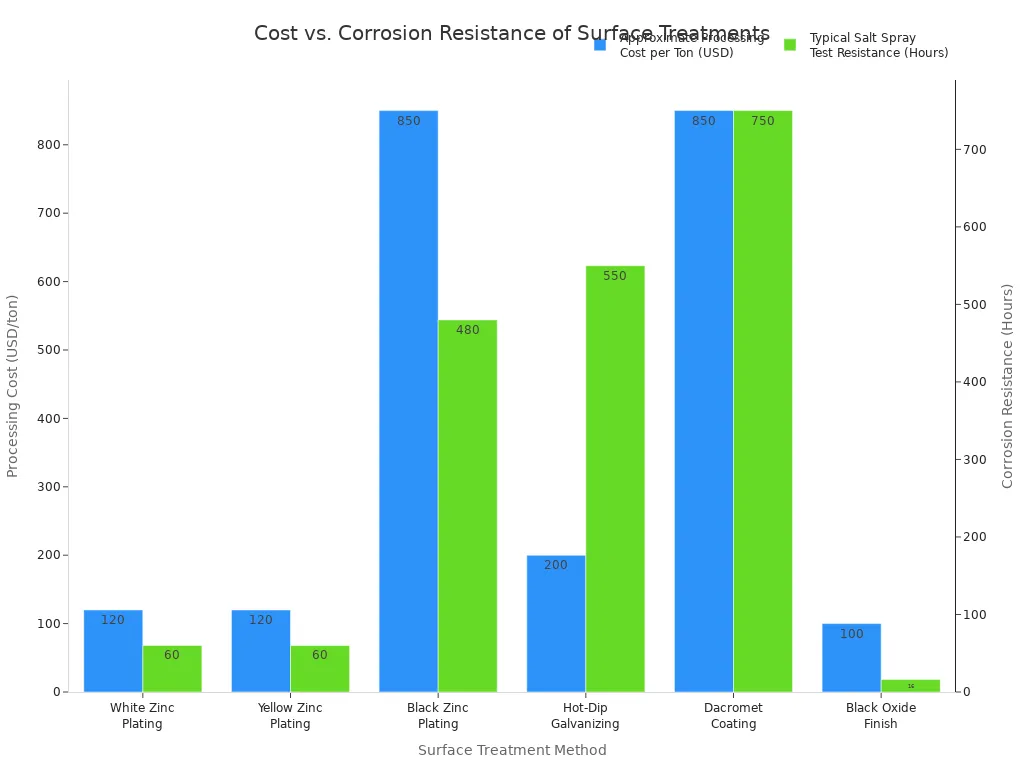
The following table breaks down the approximate costs and corrosion resistance for common surface treatments.
| Surface Treatment Method | Approximate Processing Cost per Ton (USD/ton) | Typical Salt Spray Test Corrosion Resistance (NSS) | Key Features & Applications |
|---|---|---|---|
| White Zinc Plating | Approx. 120 | 48-72 hours | Low cost, bright appearance, common for indoor or mildly corrosive environments |
| Yellow Zinc Plating | Approx. 120 | 48-72 hours | Low cost, yellow appearance, similar to white zinc plating |
| Black Zinc Plating | Approx. 700-1000 | 480 hours | Black appearance, high corrosion resistance, used for decorative purposes |
| Hot-Dip Galvanizing | Approx. 200 | 100-1000+ hours | Thick coating, provides excellent long-term corrosion protection, suitable for outdoor and heavy corrosive environments |
| Dacromet Coating | Approx. 700-1000 | 500-1000+ hours | Thin coating, high corrosion resistance, no hydrogen embrittlement risk, environmentally friendly |
| Black Oxide Finish | Approx. 100 | 8-24 hours | Lowest cost, mainly for aesthetics and slight rust prevention, unsuitable for outdoor use |
This chart visually compares the cost and performance of these treatments, highlighting the trade-offs between initial investment and protective capability.
Long-Term Value vs. Upfront Cost
Focusing on the initial purchase price alone is a shortsighted strategy, especially for demanding applications. In a marine environment, corrosion-resistant eye bolts made from Type 316 stainless steel offer superior resistance to chloride-rich conditions. This quality significantly reduces the need for frequent maintenance and replacements. It leads to lower long-term operating costs and improved equipment reliability, despite a higher initial purchase price. Conversely, standard carbon steel eye bolts are more susceptible to corrosion once their coating is compromised. This weakness necessitates frequent inspections, maintenance, and replacements. These activities result in higher lifecycle costs, equipment downtime, and potential safety issues. For demanding applications, project managers should prioritize suitability and life cycle cost over the initial purchase price.
Expert Insight: While surface treatments can significantly enhance the corrosion resistance of carbon steel nuts, once the coating wears or breaks, the underlying nut material will be exposed and begin to rust. Therefore, in extremely corrosive environments, even treated carbon steel may not offer the long-term durability of stainless steel.
Choosing a higher-quality, corrosion-resistant anchor from a brand like CMCO or Chicago Hardware may increase the initial budget. However, it provides a better return on investment by minimizing replacement labor, reducing downtime, and enhancing safety.
Availability & Supply Chain
The availability of a specific eye bolt anchor can also affect its price and a project’s timeline.
- Brand Recognition: Well-known brands like Crosby and Hilti have extensive distribution networks, making their standard products widely available. This accessibility can sometimes lead to more competitive pricing on common items.
- Domestic vs. Imported: USA-made products, such as those from The Chicago Hardware & Fixture Co., often come with a higher price tag. This cost reflects higher labor standards and stringent quality control. However, it also provides benefits like full material traceability and shorter lead times compared to overseas suppliers.
- Specialty Items: Custom or non-standard eye bolts, including those made from exotic alloys, will have longer lead times and higher costs. Planners must account for this when scheduling critical projects.
Ultimately, a reliable supply chain ensures that the correct hardware is available when needed, preventing costly project delays.
Application-Specific Eye Bolt Anchor Recommendations

Selecting the correct eye bolt anchor requires a clear understanding of the base material and the nature of the load. Different applications demand specific hardware to ensure optimal performance and safety. This guide provides recommendations for common scenarios in construction and rigging.
Best Eye Bolts for Concrete Anchoring
Anchoring into concrete presents unique challenges. The type and condition of the concrete dictate the appropriate anchor selection.
Pre-cast vs. Cast-in-Place Concrete
Cast-in-place concrete offers the highest strength for anchoring. Installers can embed headed bolts or other fixtures directly into the wet concrete, creating a monolithic connection with superior load capacity. Pre-cast concrete elements require post-installed anchors. For these applications, mechanical anchors like drop-ins or heavy-duty screw anchors provide a reliable installation. Chemical anchors also offer excellent strength, especially when high load values are needed.
Cracked vs. Uncracked Concrete
Concrete can develop fine cracks under tension, which significantly reduces its holding strength. Using the wrong anchor in cracked concrete is a major safety risk. Only an anchor specifically rated for this condition should be used to maintain structural integrity.
Safety First: For safety-critical applications in cracked concrete, engineers must specify an anchor designed to perform under these conditions. These anchors provide controlled expansion or use a unique thread geometry to ensure a secure hold.
- Concrete screws like the JC2-ST are designed for this purpose.
- Safety bolts such as the LIEBIG® safety bolt B also provide reliable performance.
Best Eye Bolts for Structural Steel
Attaching a load point to structural steel requires a robust connection to handle the intended load. The installation method is key to achieving the necessary strength and safety.
Through-Bolted Connections
A through-bolted connection is the most secure method. This installation involves drilling a hole completely through the steel member. The eye bolt passes through the hole and is secured on the opposite side with a heavy-duty washer and a properly tightened nut. This approach distributes the load effectively and provides maximum strength.
Tapped Hole Installation
When through-bolting is not feasible, a tapped hole provides an alternative. This installation requires drilling and threading a hole directly into the steel. Proper thread engagement is critical for safety and achieving the rated load.
| Material | Minimum Thread Engagement |
|---|---|
| Steel | 1.0 to 1.5 x Bolt Diameter |
| Cast Iron, Brass | 1.5 to 2.0 x Bolt Diameter |
| Aluminum | 2.0 to 2.5 x Bolt Diameter |
Full thread engagement ensures the connection has the strength to support the load without stripping the threads.
Best Eye Bolts for Lifting, Rigging, and Safety
Lifting operations demand the highest level of safety. The direction of the load is a primary factor in hardware selection.
Vertical vs. Angular Lifts
The orientation of the lift directly impacts the hardware’s capacity. Non-shouldered eye bolts are suitable only for perfectly vertical, in-line lifts. For any angular load, a shoulder eye bolt is mandatory. The shoulder must be seated flush against the surface to support the bolt against bending forces. Even with a proper installation, the load capacity decreases dramatically as the angle increases.
Swivel Hoist Rings vs. Standard Eye Bolts
For complex lifts involving angular or rotating loads, swivel hoist rings offer a significant safety advantage.
- Flexibility: They pivot 180° and swivel 360°, automatically aligning with the load’s direction.
- Consistent Capacity: Unlike eye bolts, swivel hoist rings maintain their full rated load capacity at any angle.
- Enhanced Safety: This flexibility reduces stress on the bolt and prevents failure during multi-directional lifts, making them a more forgiving and reliable choice.
Using a swivel hoist ring eliminates the guesswork of derating a load, which greatly improves operational safety and performance.
Best Eye Bolts for Outdoor & Marine Use
Outdoor and marine environments present the most severe challenges for any hardware. Constant exposure to moisture, salt, ultraviolet (UV) light, and temperature fluctuations accelerates material degradation. Selecting the right eye bolt anchor is critical for ensuring safety and long-term durability in these demanding conditions.
Saltwater Exposure Considerations
Saltwater is exceptionally corrosive. The high concentration of chloride ions aggressively attacks most metals, leading to rapid rust and pitting corrosion. This type of corrosion compromises the structural integrity and strength of an anchor. For any marine application, material selection is the most important defense.
Professional Tip: While hot-dip galvanized coatings offer good protection, they can be compromised by scratches or wear. Once the coating is breached, the underlying steel will begin to corrode. For critical marine applications, the superior corrosion resistance of stainless steel is the industry standard.
Type 316 stainless steel is the preferred material for saltwater exposure. It contains molybdenum, which significantly enhances its ability to resist chloride-induced corrosion. This inherent property ensures the hardware maintains its strength and performance over time, preventing premature failure due to corrosion. Using Type 316 stainless steel provides the best protection against the relentless effects of marine corrosion.
UV & Temperature Resistance
Outdoor hardware must also withstand environmental factors beyond moisture. Extreme temperatures and UV radiation can affect both the material and any protective coatings.
- UV Degradation: While metal itself is not affected by UV light, some protective coatings can become brittle and fail over time, exposing the steel to corrosion.
- Temperature Extremes: Temperature fluctuations significantly impact a bolt’s mechanical properties. High heat reduces the material’s yield strength, making it more susceptible to permanent deformation or stretching under load. Extreme cold, on the other hand, increases brittleness. This change reduces the material’s ability to deform plastically, making it vulnerable to fracture from sudden impacts, a major concern in cold-climate construction.
For these reasons, the material’s inherent durability is paramount. Forged stainless steel offers excellent performance across a wide temperature range and does not rely on a coating for its corrosion resistance. This makes stainless steel a reliable choice for ensuring consistent strength and performance in any outdoor setting, from hot industrial sites to frigid marine platforms.
Selecting the correct eye bolt anchor is a critical decision for project safety. The primary takeaway is to match the anchor to the specific application and load, not just the required load capacity. Proper installation is paramount for safety; incorrect orientation can create a significant bending load, leading to failure. The quality of the installation directly impacts the anchor’s ability to handle its intended load.
Regular inspection maintains structural integrity and ensures ongoing safety. Operators must check for damage like bent eyes or worn threads, as these signs compromise the anchor’s quality and load-bearing ability.
Ultimately, prioritizing safety means never exceeding the working load limit. An angular pull dramatically reduces an anchor’s working load limit, a primary cause of failure in safety-critical applications. Adhering to safety standards and respecting the load capacity of the hardware is essential for operational safety.
FAQ
What is the difference between a shoulder and non-shoulder eye bolt?
Shoulder eye bolts have a collar that supports angular loads when seated flush. Non-shoulder eye bolts lack this feature. They are designed only for straight, in-line vertical lifts. Using them for angular loads is extremely dangerous.
Can I reuse an eye bolt?
Operators should never reuse an eye bolt that shows signs of wear, bending, or thread damage. A compromised bolt creates a significant risk. Reusing a damaged bolt compromises project safety and can lead to catastrophic failure under load.
Why is the Working Load Limit (WLL) so important?
The WLL is the maximum force an eye bolt can handle. Exceeding this limit overstresses the hardware, risking failure. Adhering to the WLL is a fundamental rule for operational safety and preventing accidents on the job site.
When should I use a swivel hoist ring instead of an eye bolt?
Use a swivel hoist ring for lifts with angular or rotating loads. They maintain their full WLL at any angle, offering a significant safety advantage over standard eye bolts, which lose capacity when pulled from the side.
How does an angular lift affect an eye bolt’s capacity?
An angular lift dramatically reduces an eye bolt’s capacity and compromises safety. A pull at a 45-degree angle can reduce the WLL by 70% or more. Lifts should always be as close to vertical as possible.
What does ASME B30.26 compliance mean?
Compliance with ASME B30.26 means the hardware meets rigorous industry standards for design, material, and testing. This certification provides documented assurance of the product’s quality and is a critical benchmark for lifting safety.
How often should I inspect my eye bolts?
Operators should perform a visual inspection before every use. Look for signs of bending, cracks, corrosion, or thread damage. A formal, documented inspection should occur periodically based on the frequency of use and environmental conditions.